
Floating Through the Venetian Culture
“Venice: fueled by espresso, navigated by gondola, celebrated with prosecco—and best enjoyed without a map.”
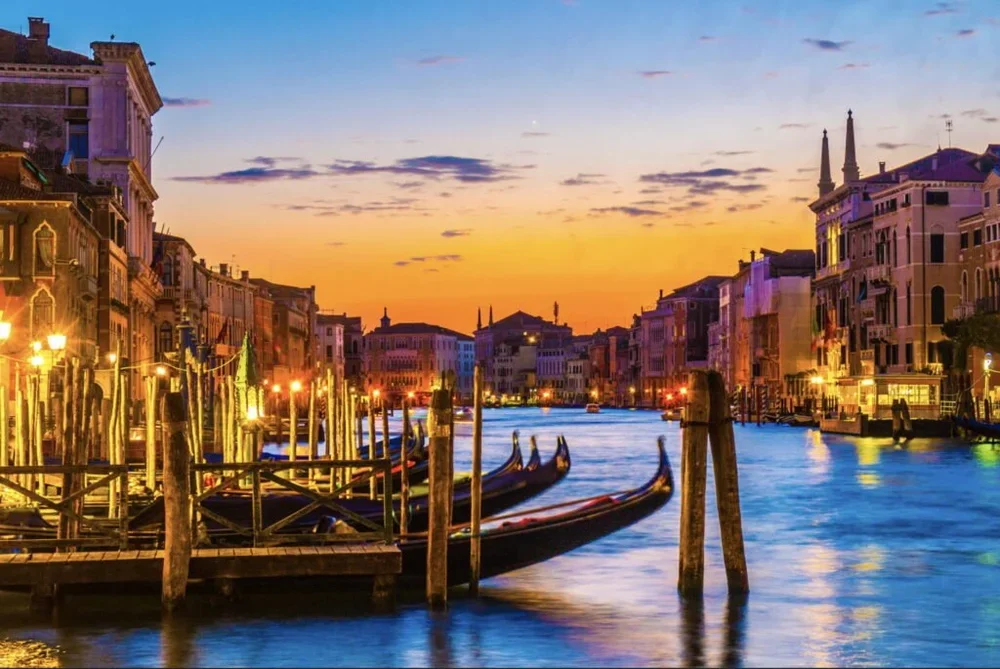
Venice
Floating Through the Venetian Culture 🇮🇹
The most ancient findings in and around the Venetian lagoon date back to the period between the 10th and the 7th cent. BC. According to the tradition, Venice was founded in 421 AD, which is the date of the first settlement on the islands of Rivo Alto (Rialto), from which the city expanded in the surrounding islands until it became today’s Venice.
The 19th century was characterized by the insurrections for independence (Risorgimento) in Venice, as well as in the rest of Italy, until the plebiscite of 1866, through which Venice became offcially part of the Regno d’Italia (Kingdom of Italy).
The Family in Venice, 2017
Our family’s journey to Venice in 2017 took us to a city quite unlike anywhere else in the world—a place where streets become canals, boats replace cars, and centuries of history seem to float upon the water.
At the heart of the vast Venetian Lagoon, Venice is actually a remarkable collection of 118 small islands, stitched together by 435 bridges of stone, steel, and wood and separated by 176 winding canals. Here, getting from one place to another is part of the adventure—crossing little bridges, wandering narrow calli, or taking to the water and watching magnificent palazzos glide past.
The lagoon itself is every bit as fascinating as the city. Covering some 550 square kilometers, it is one of Europe’s largest wetlands and an extraordinary meeting place of salt water, fresh water, sand, and marshland. Its shallow waters—averaging only about 40 centimeters deep—mean boats must follow established channels. Beyond the bustle of Venice, this unusual ecosystem supports everything from mussels and fish to an unexpected splash of pink: flamingos.
And Venice quite literally moves with the sea. Every six hours, the tides rise and fall, revealing and concealing parts of the lagoon. When exceptionally high tides arrive, even the streets and piazzas of the historic city can temporarily disappear beneath the water—a reminder that Venice has always lived in an intimate and sometimes precarious relationship with the lagoon.
For our family, though, Venice was much more than facts and figures. It was gondolas slipping quietly beneath bridges, boats bustling along the Grand Canal, hidden courtyards, beautiful churches, lively piazzas, wonderful Italian food, espresso breaks, glasses of prosecco, and gelato enjoyed while wandering without a map.
Venice is a city meant to be explored slowly—and in 2017, we had the joy of getting lost in it together.