From Anfield to the Abbeys: An English Adventure
“Football, bloody hell.”
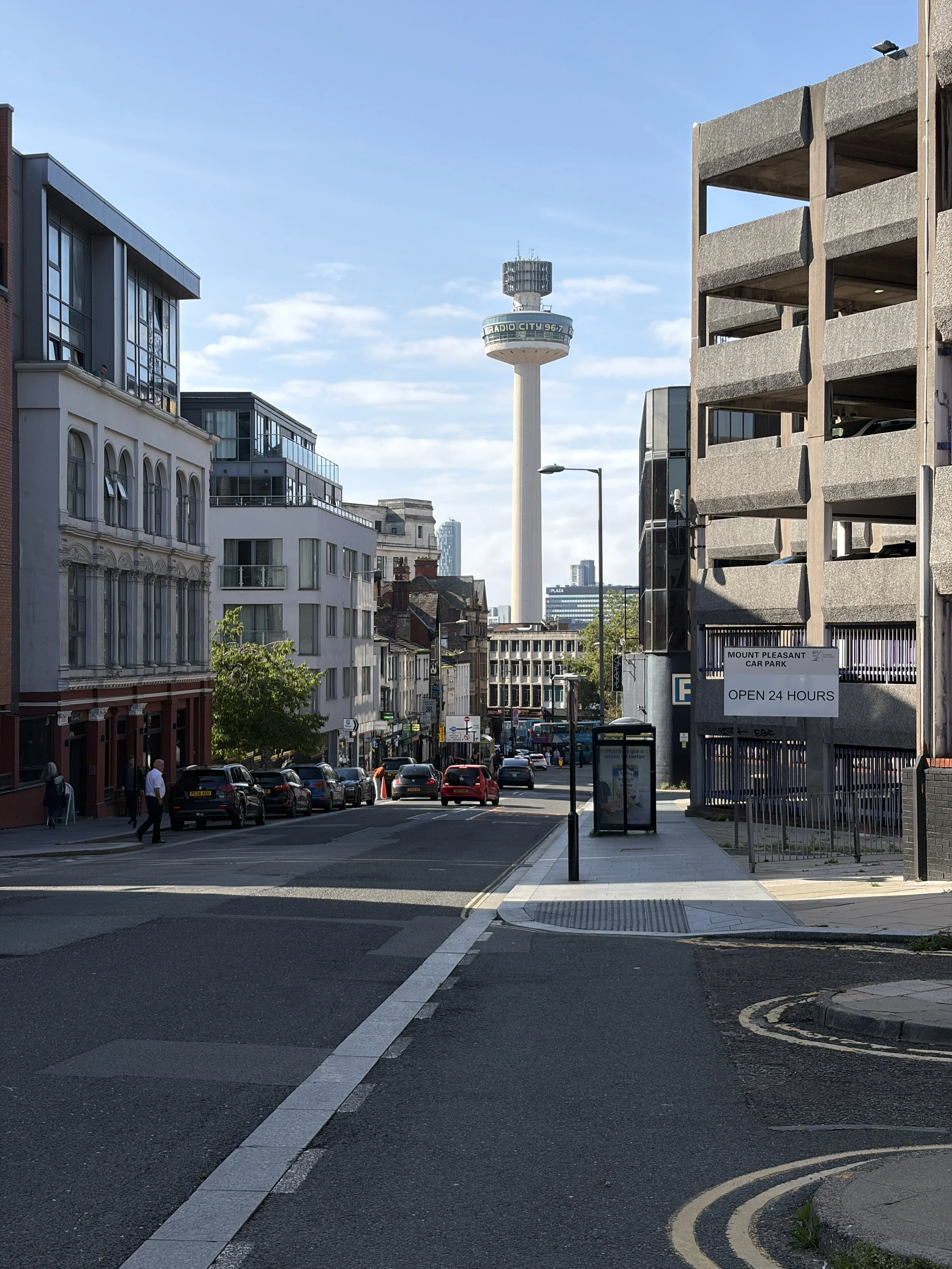
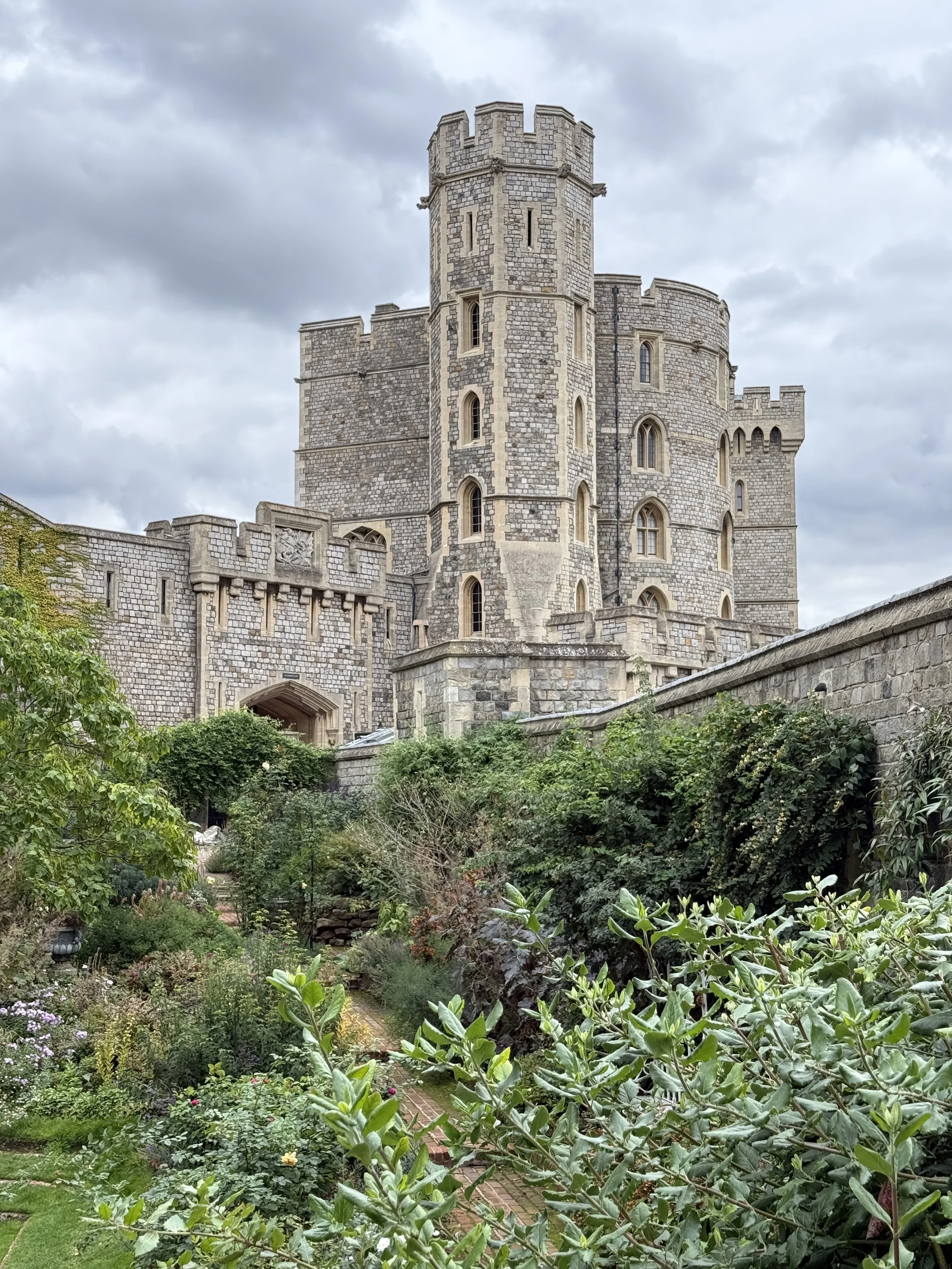
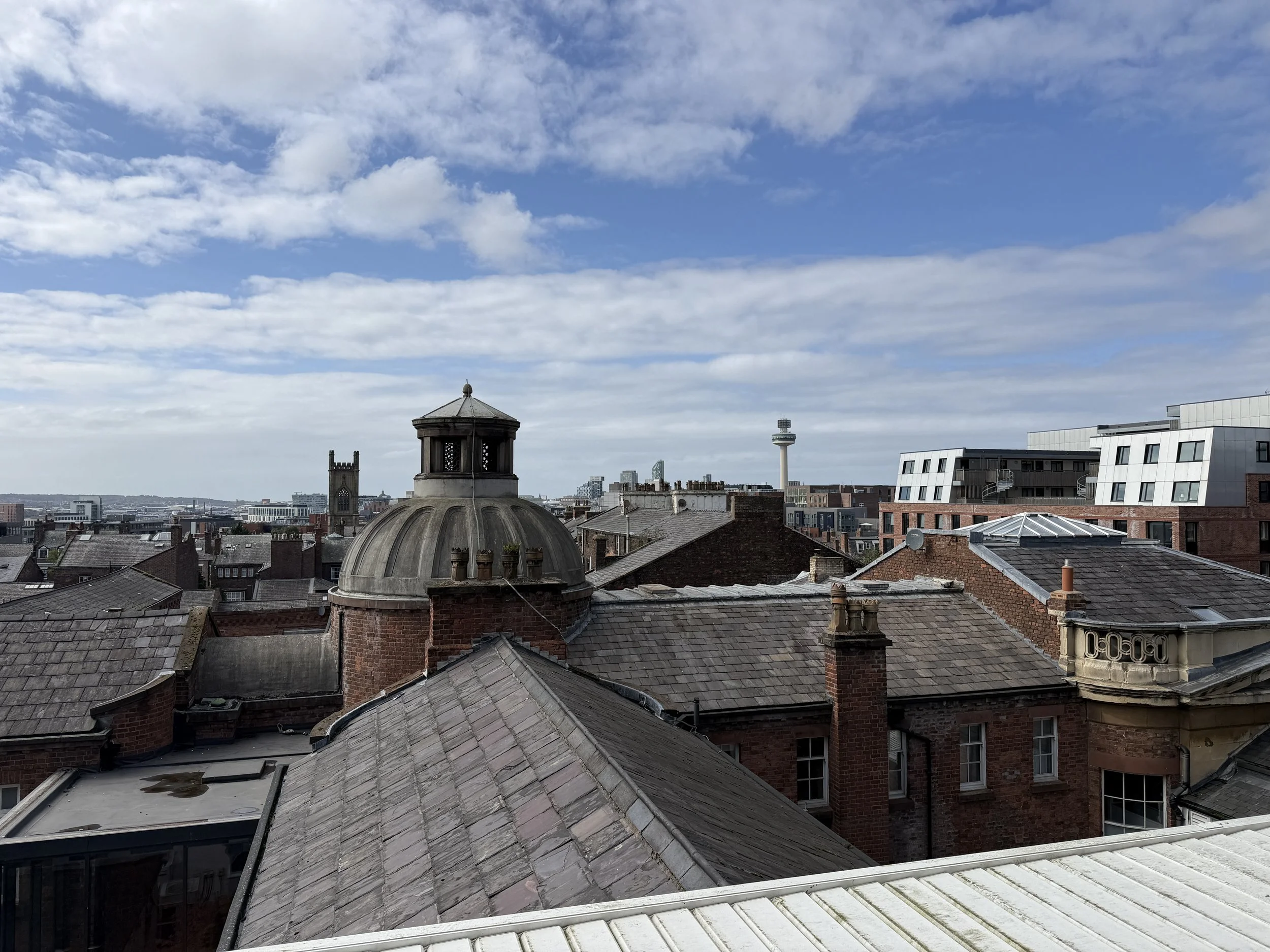
Our English journey was a wonderful combination of football, music, history, magnificent architecture, fine dining, and some of England’s most beautiful cities.
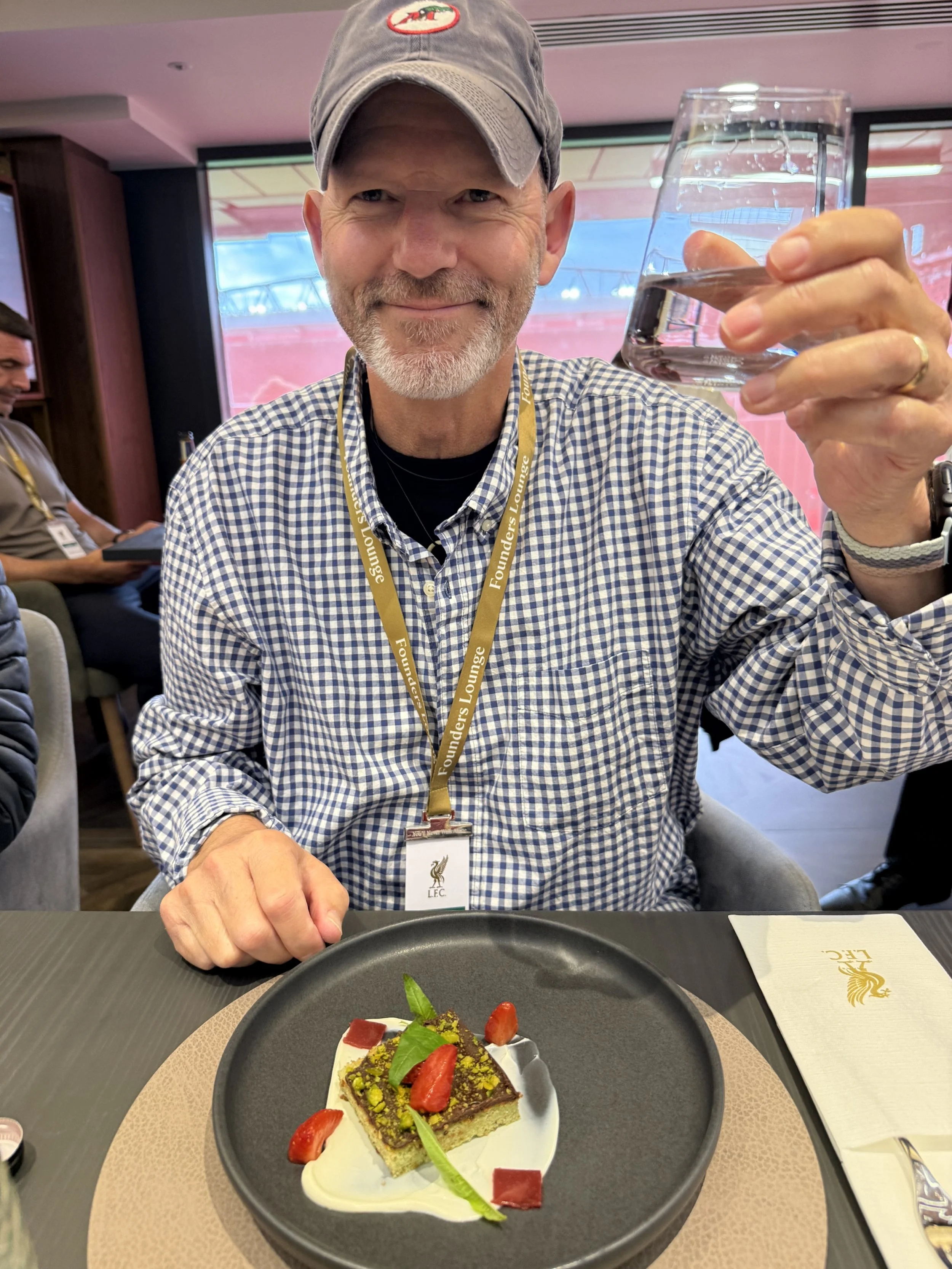
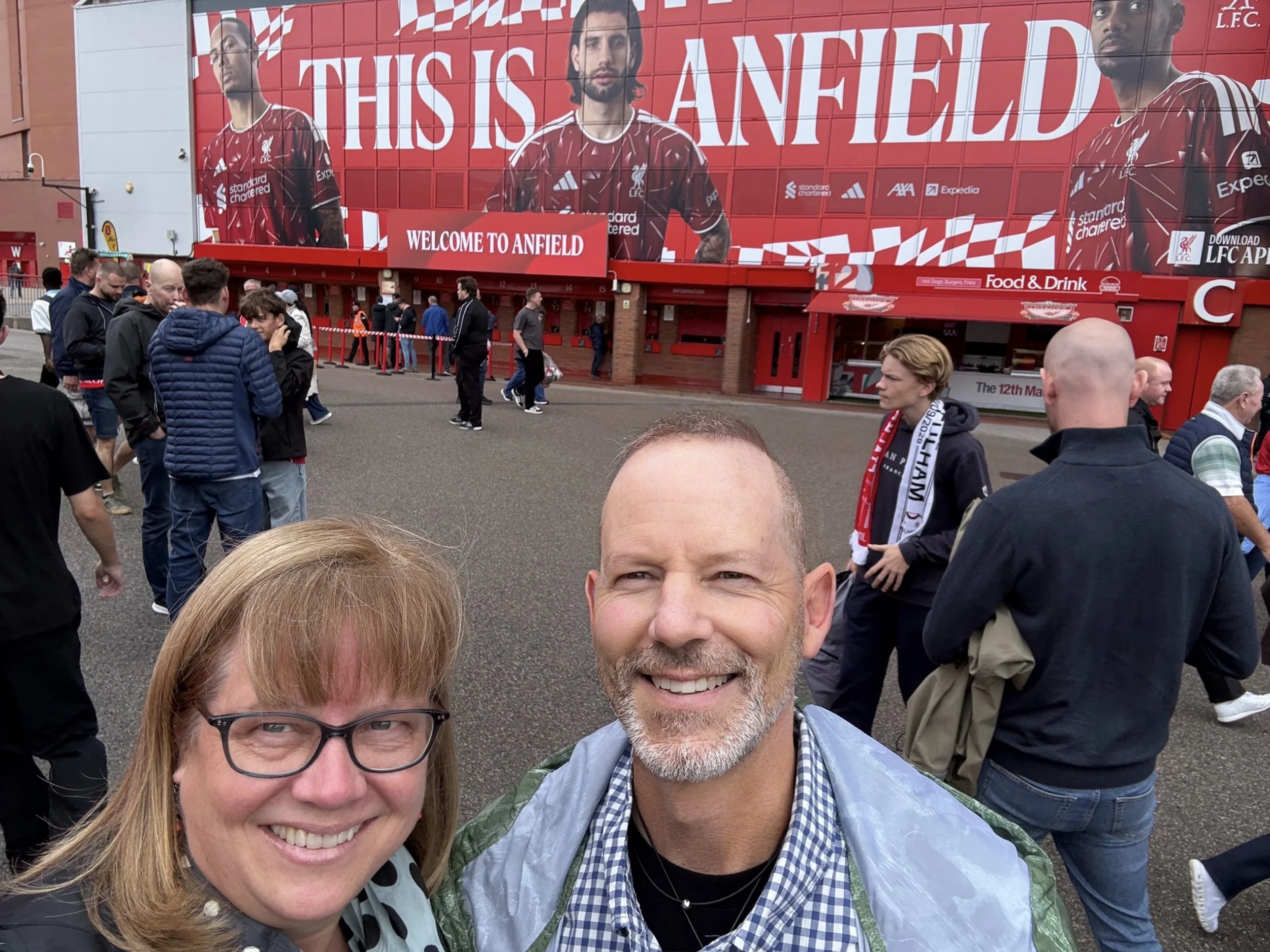
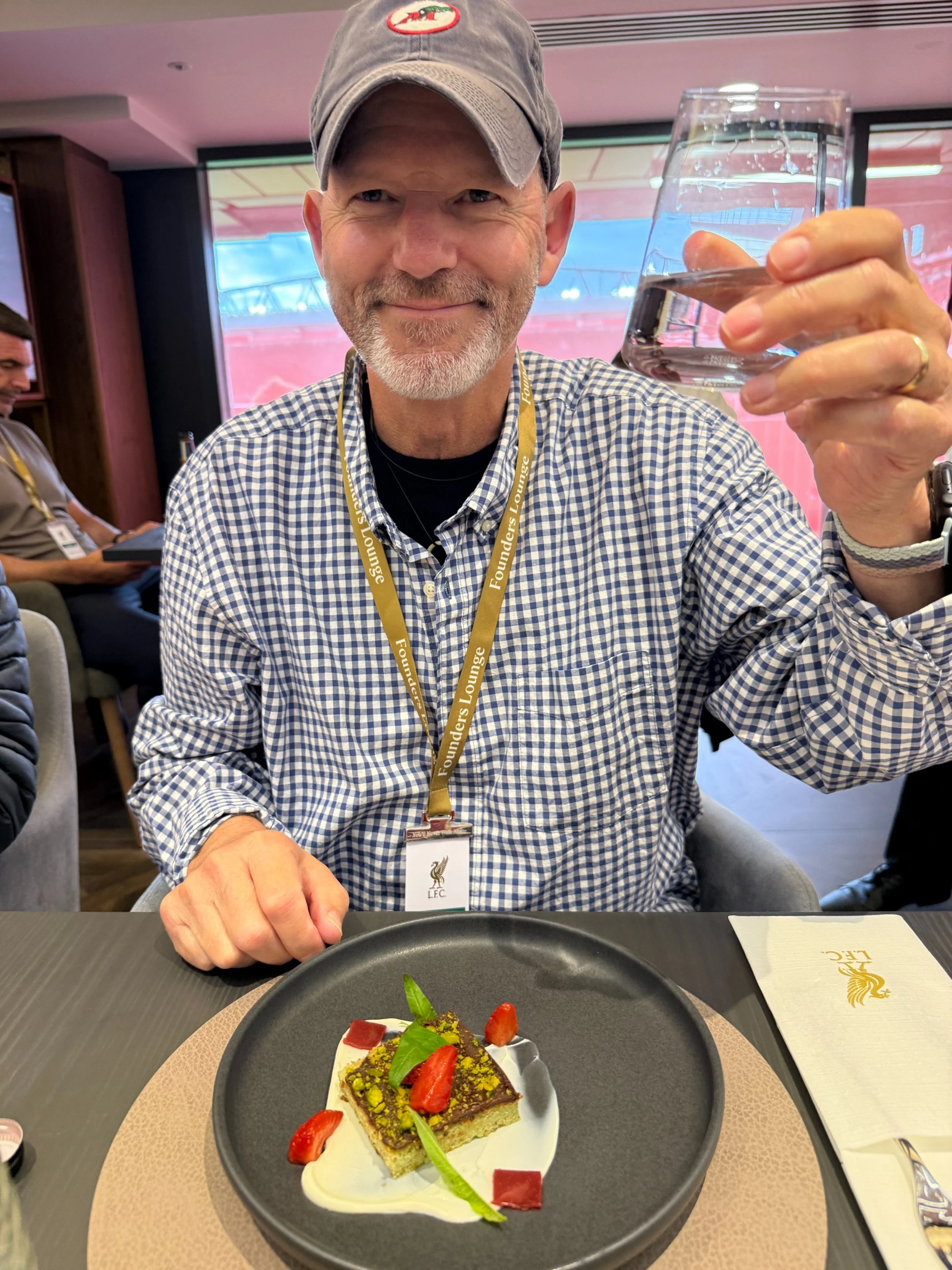
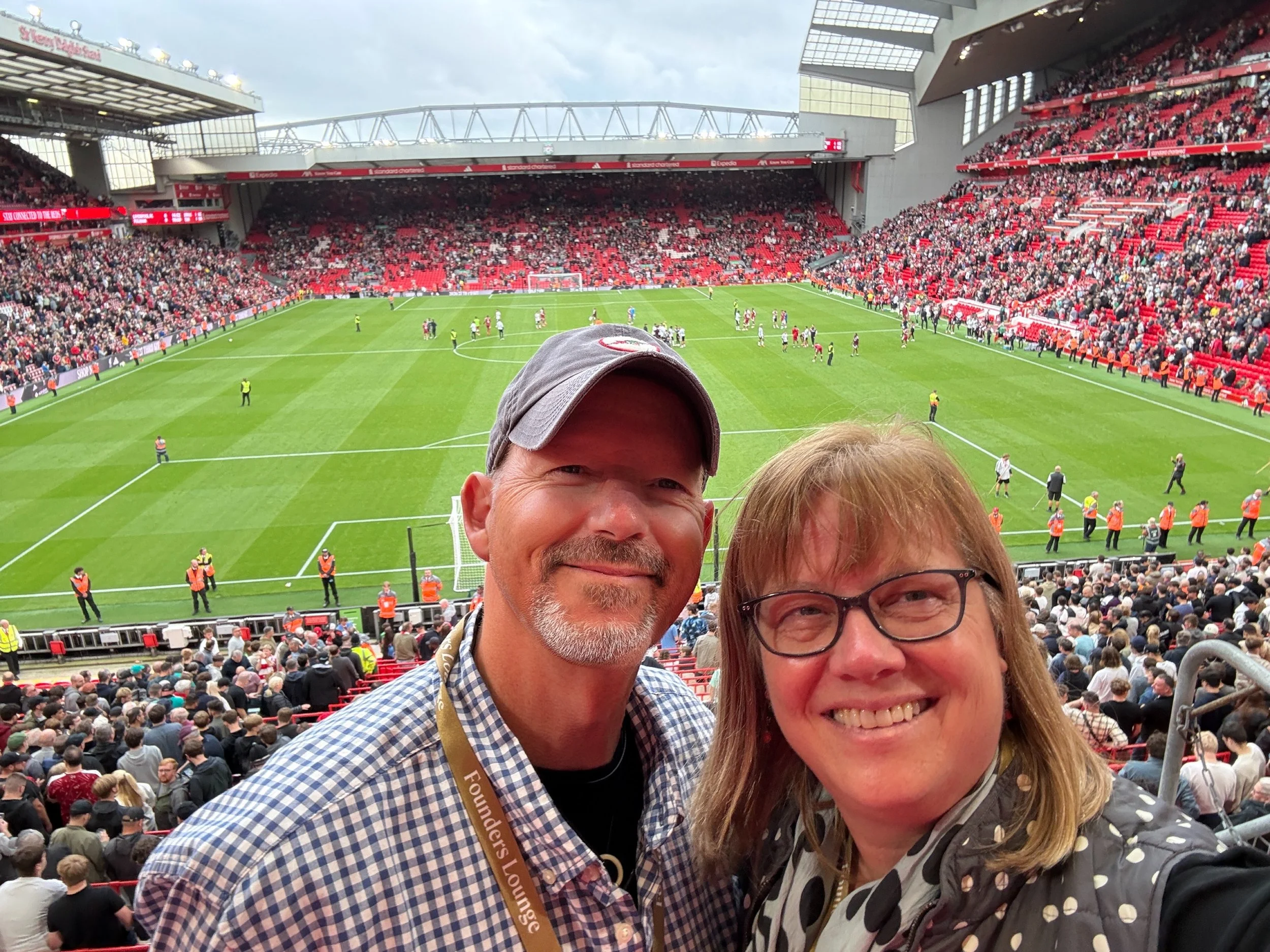
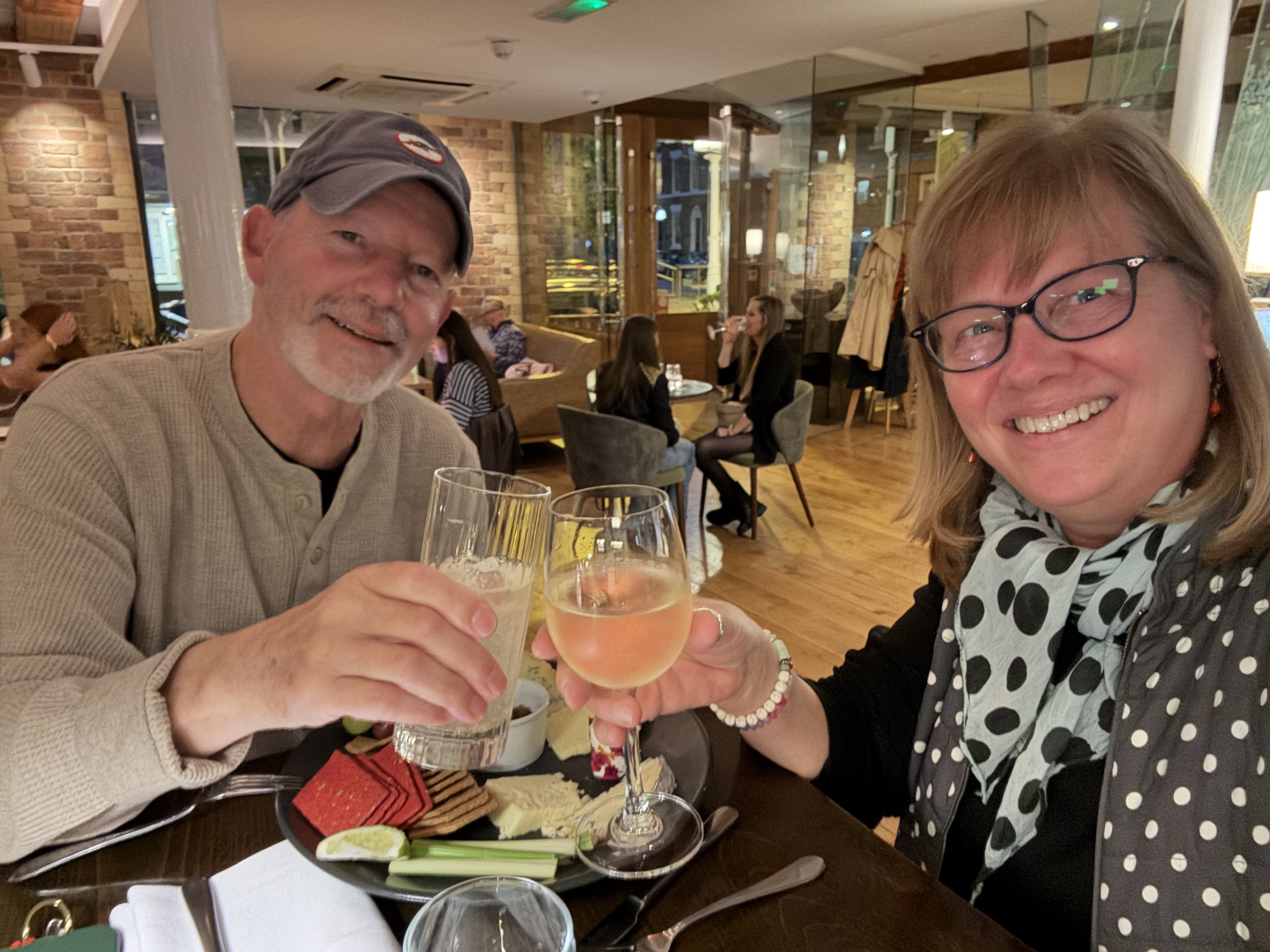
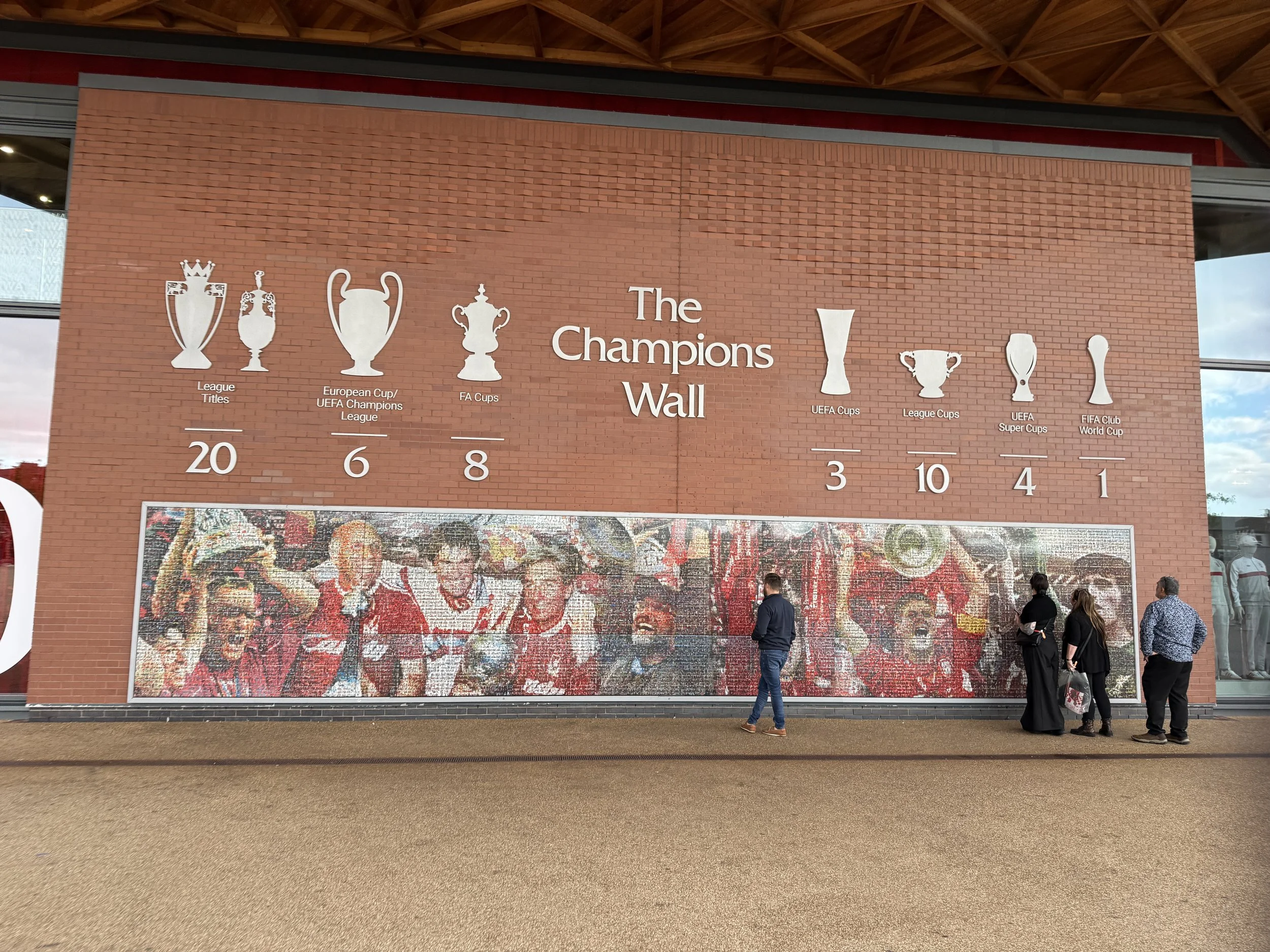
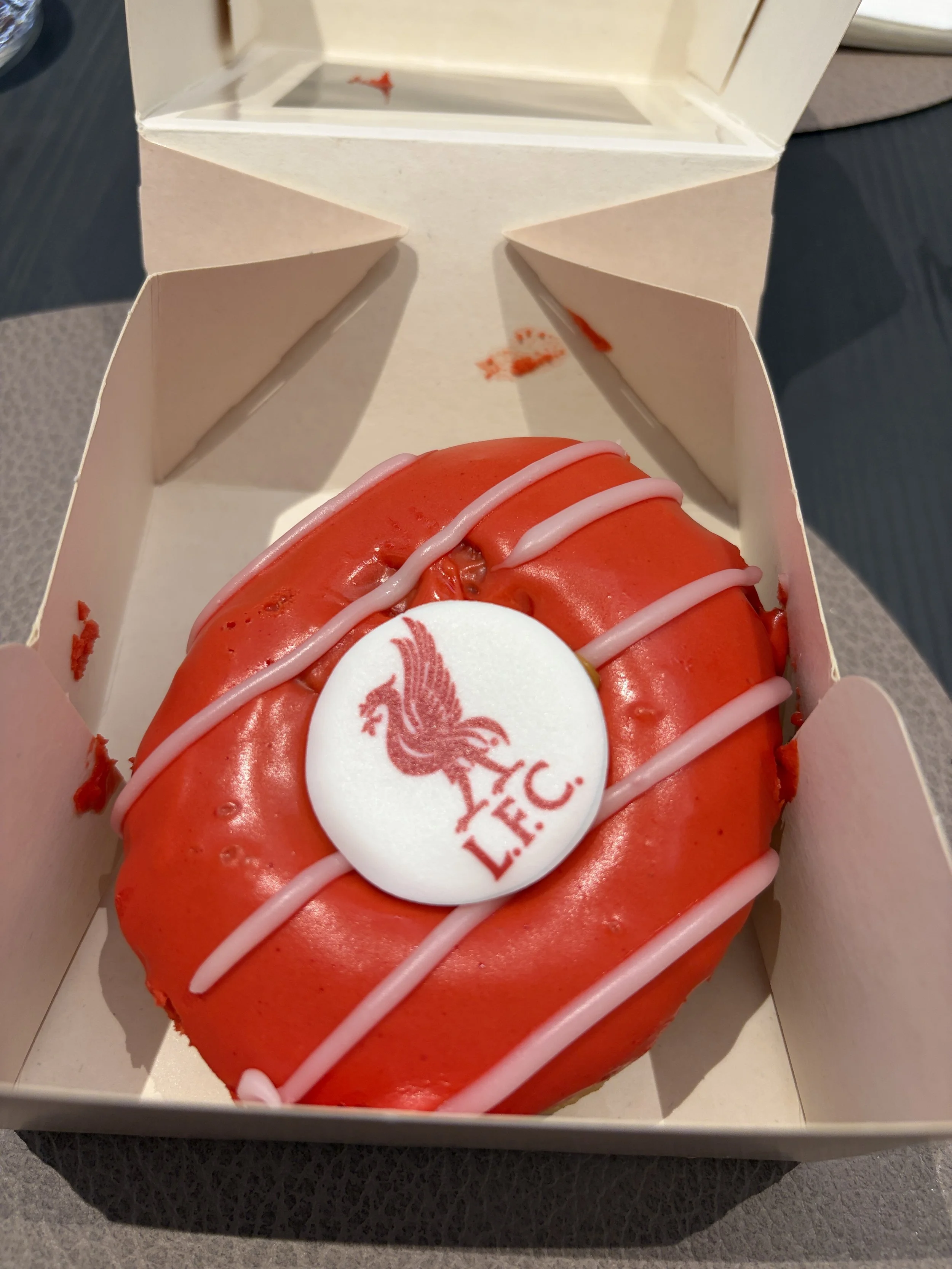
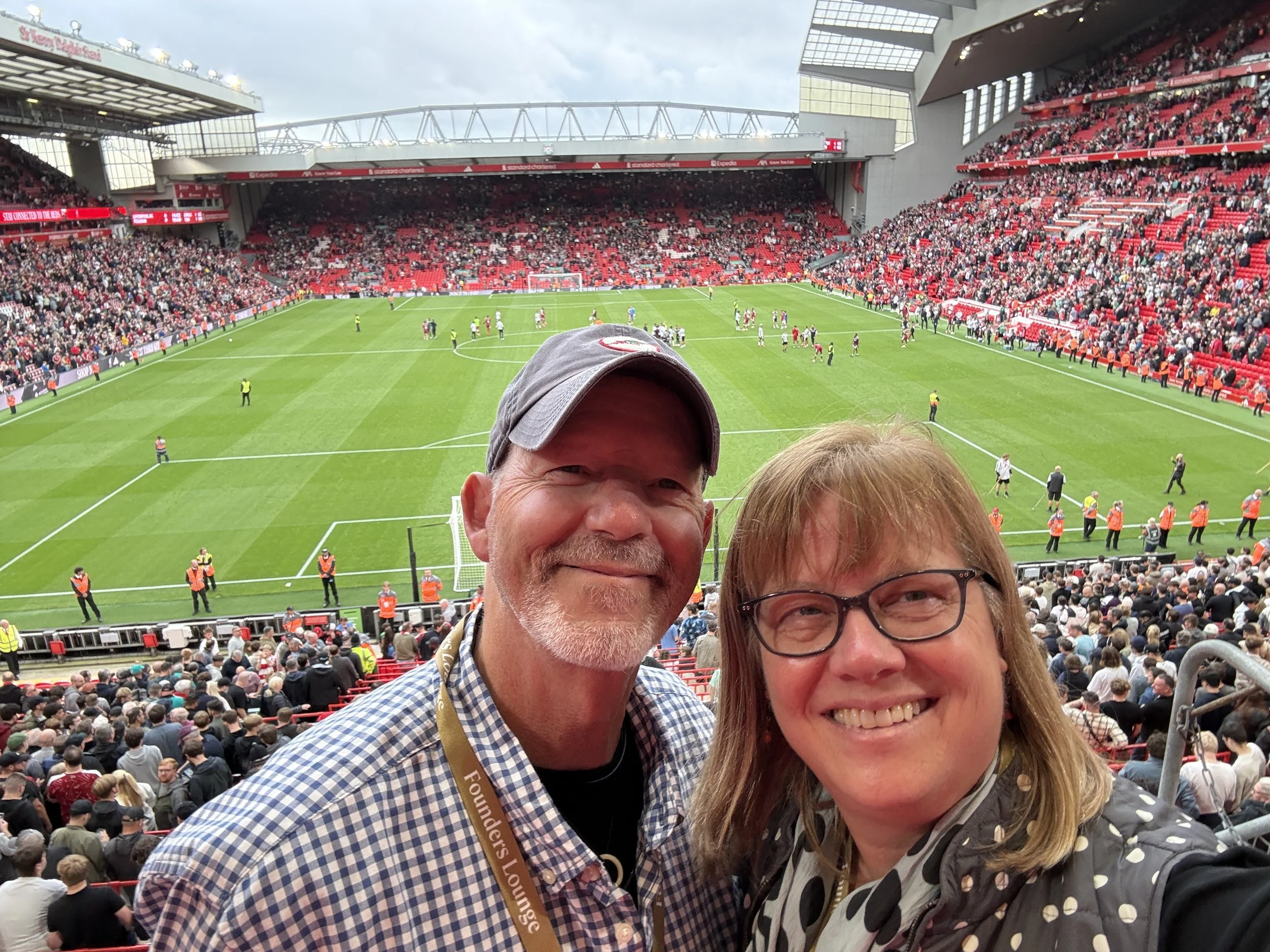
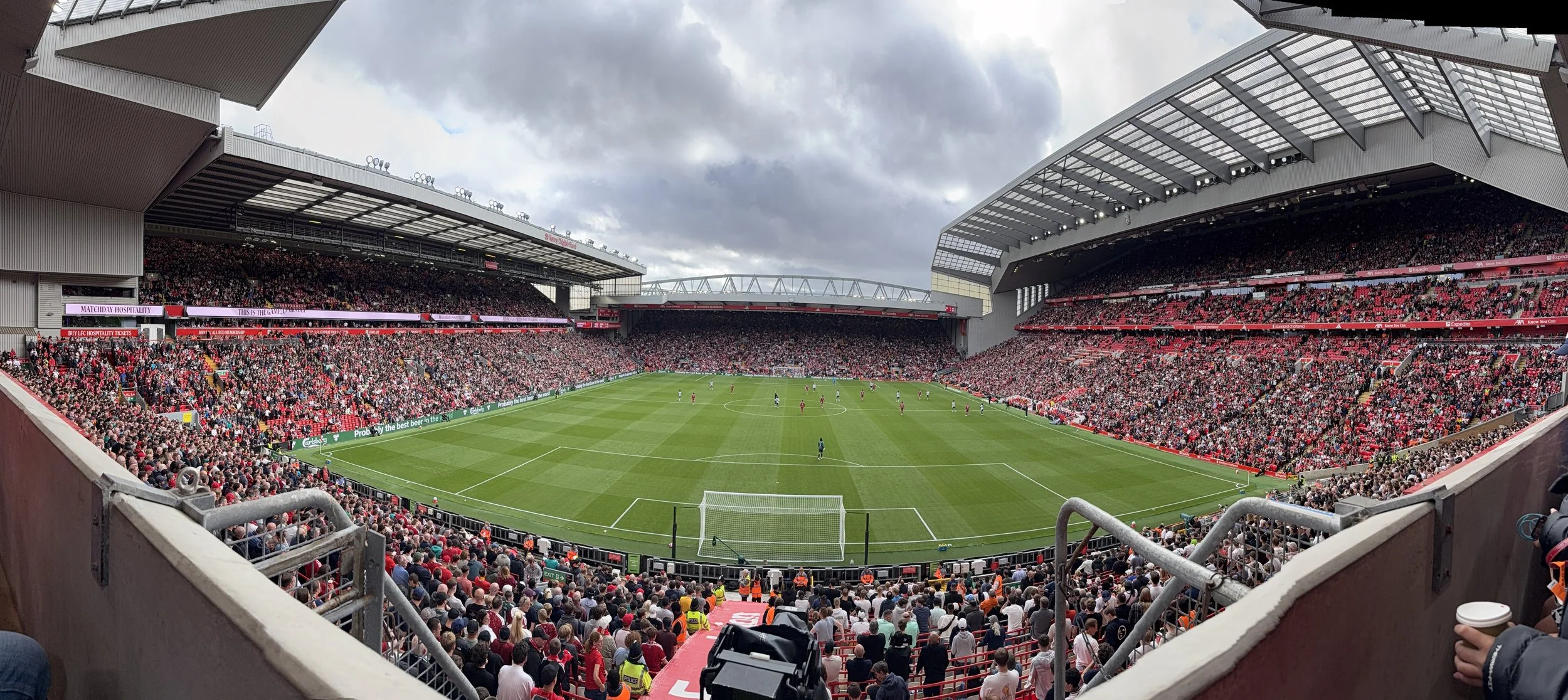
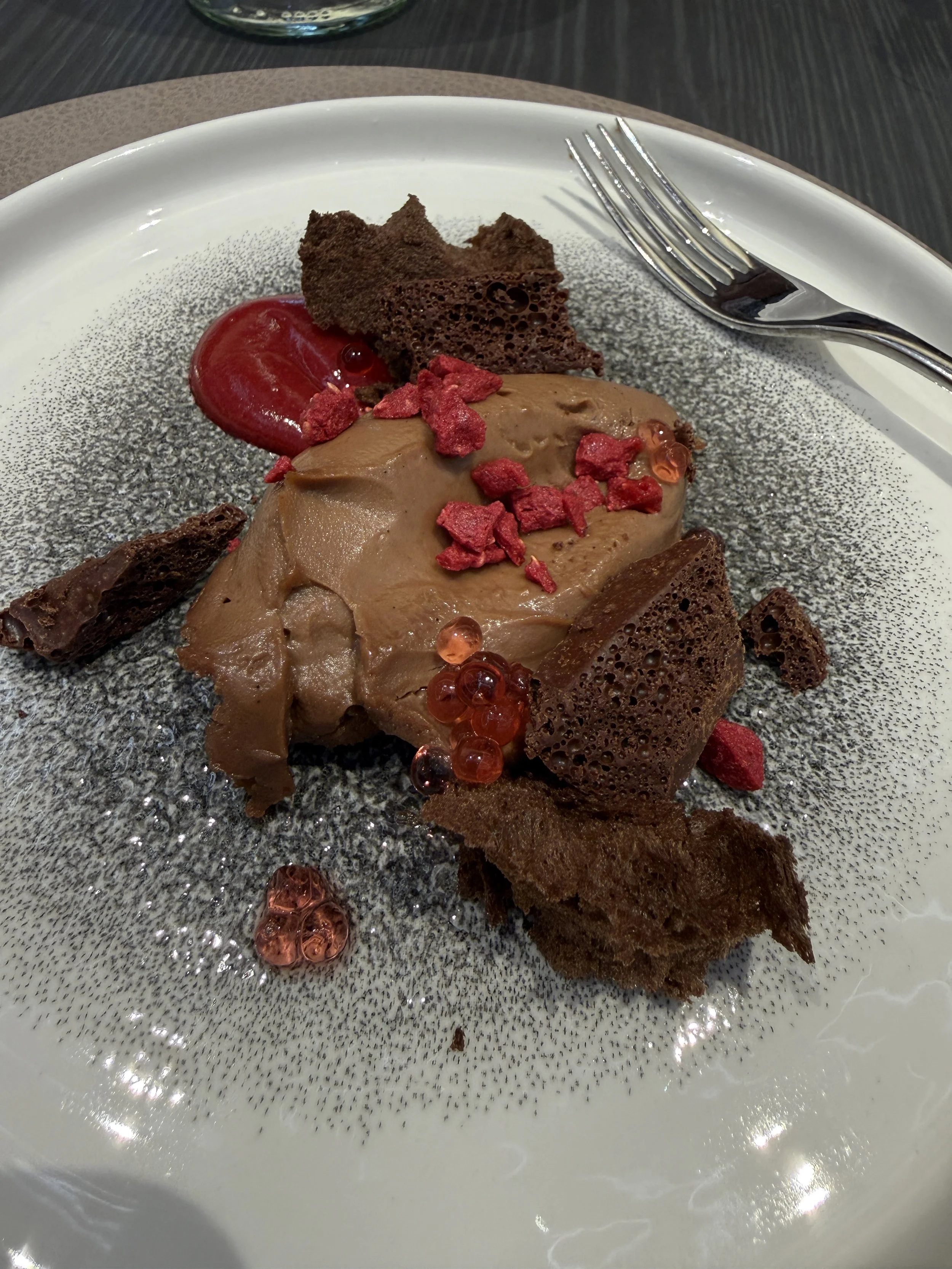
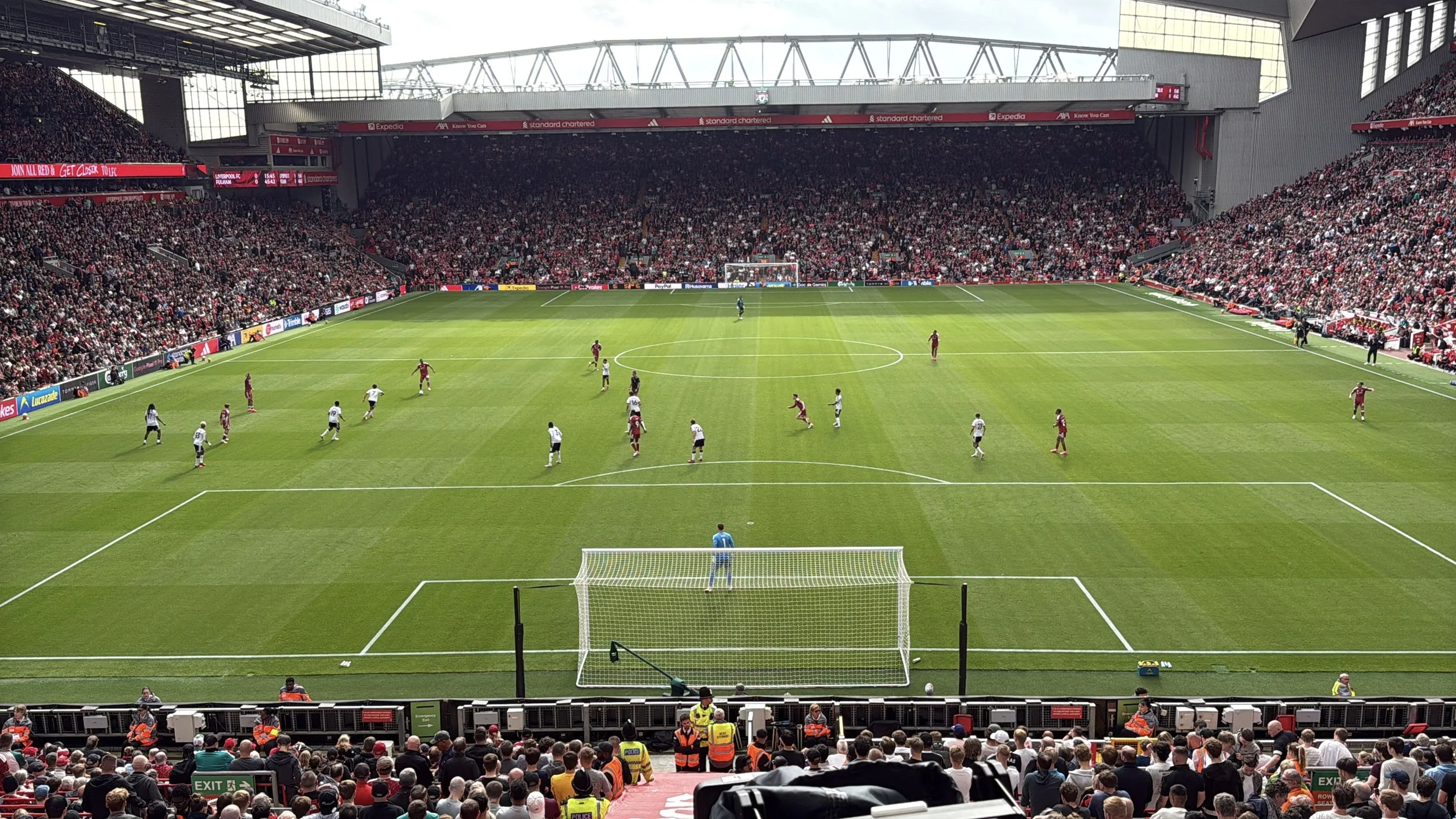
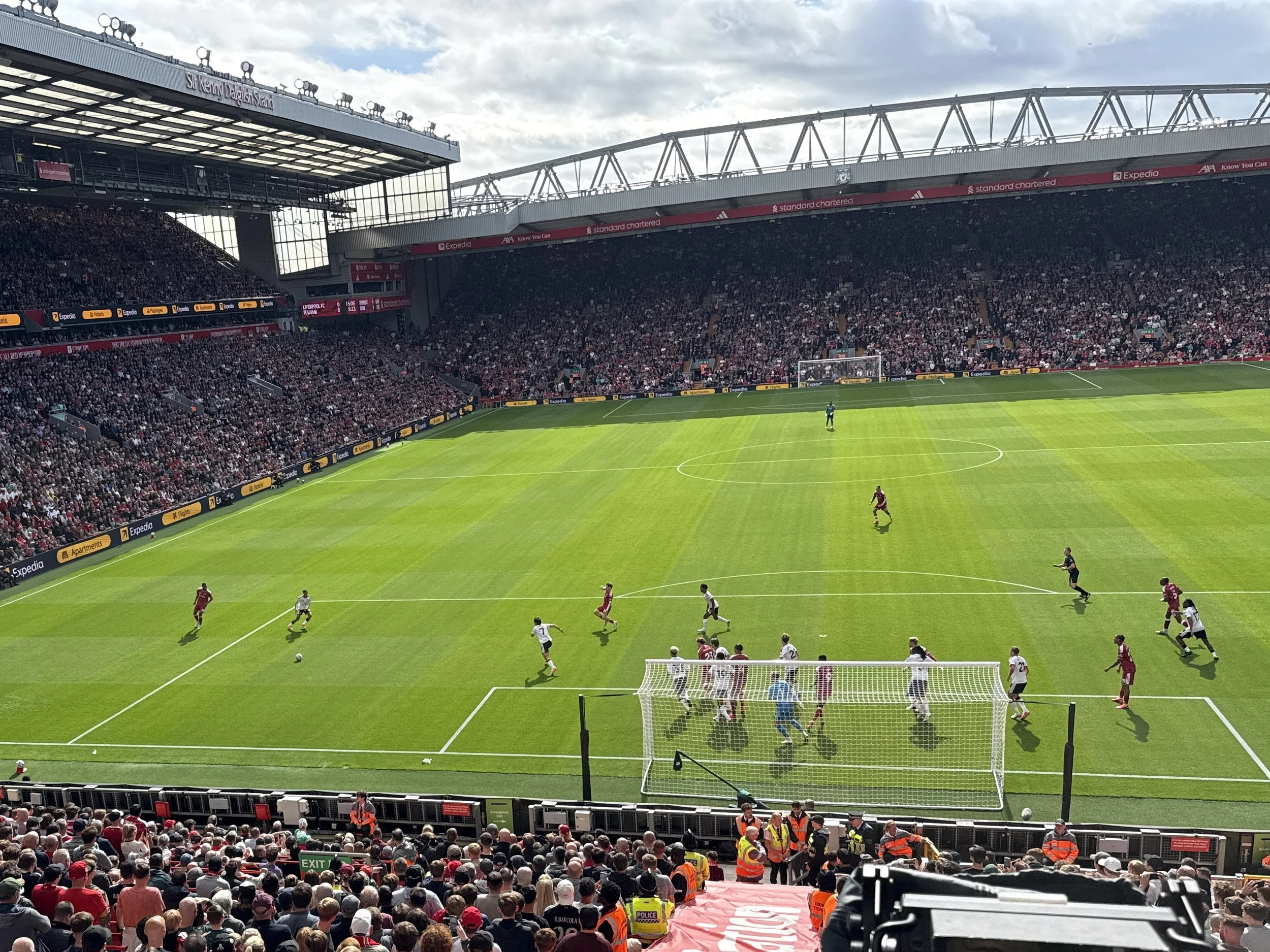
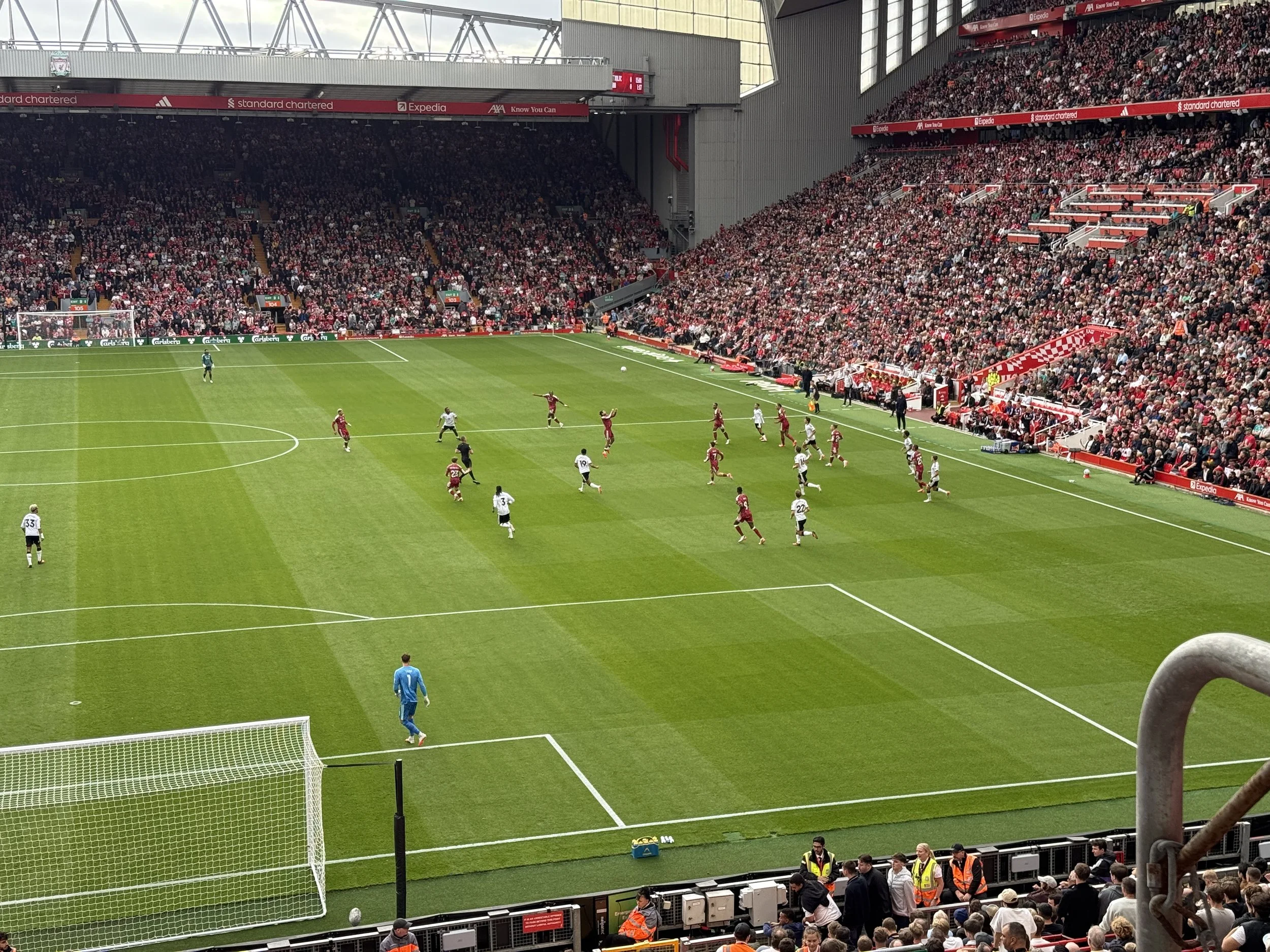
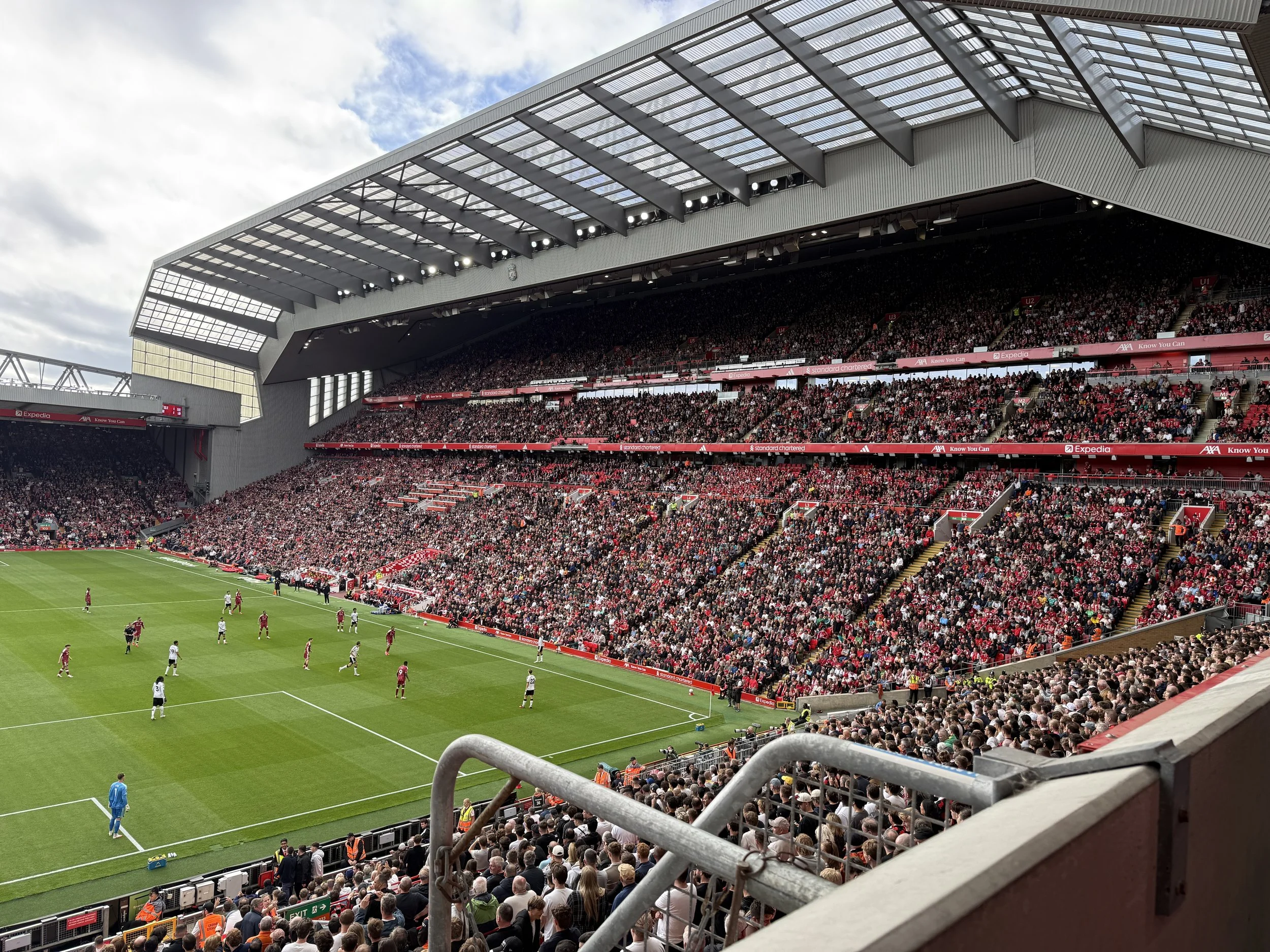
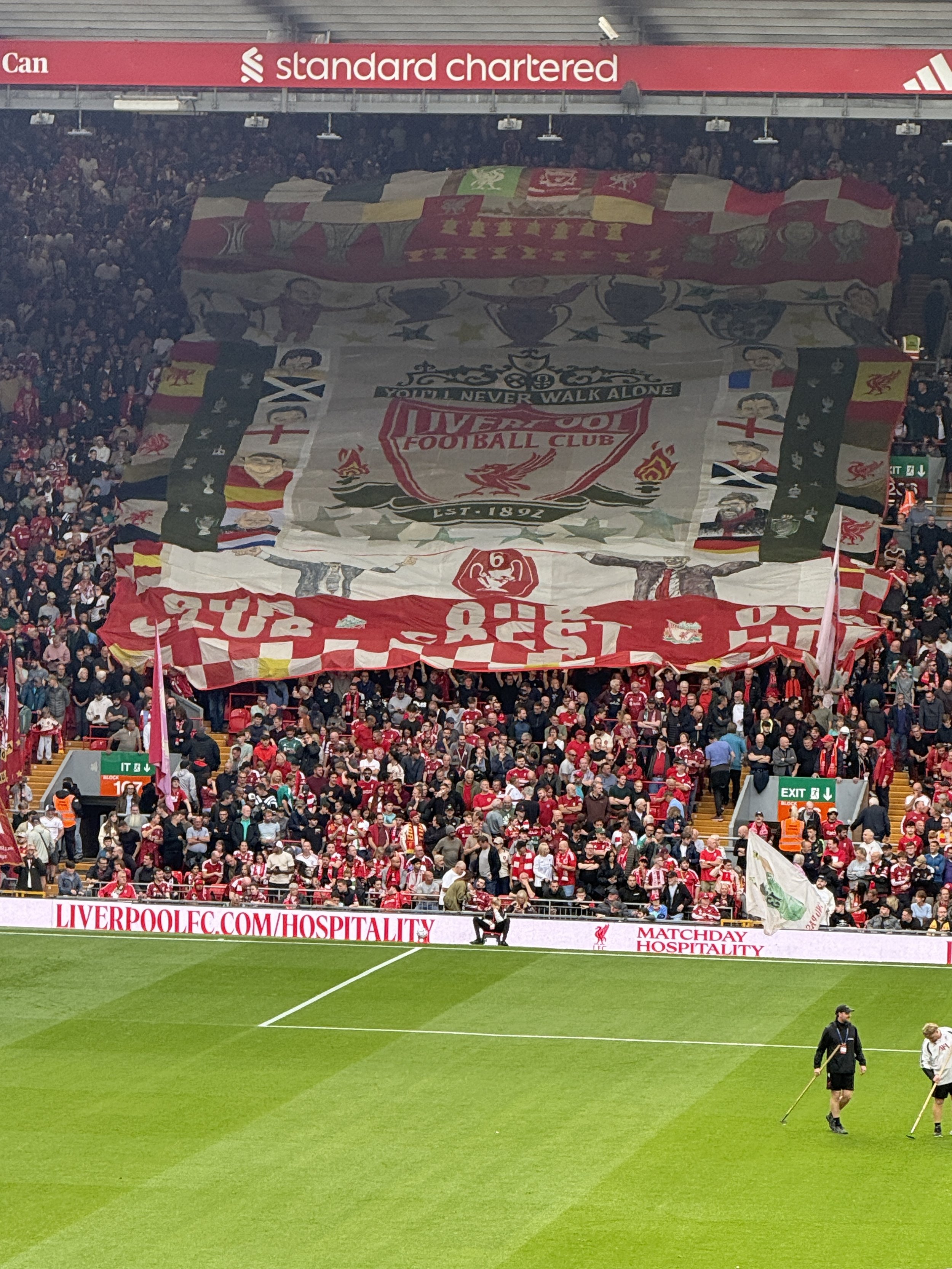
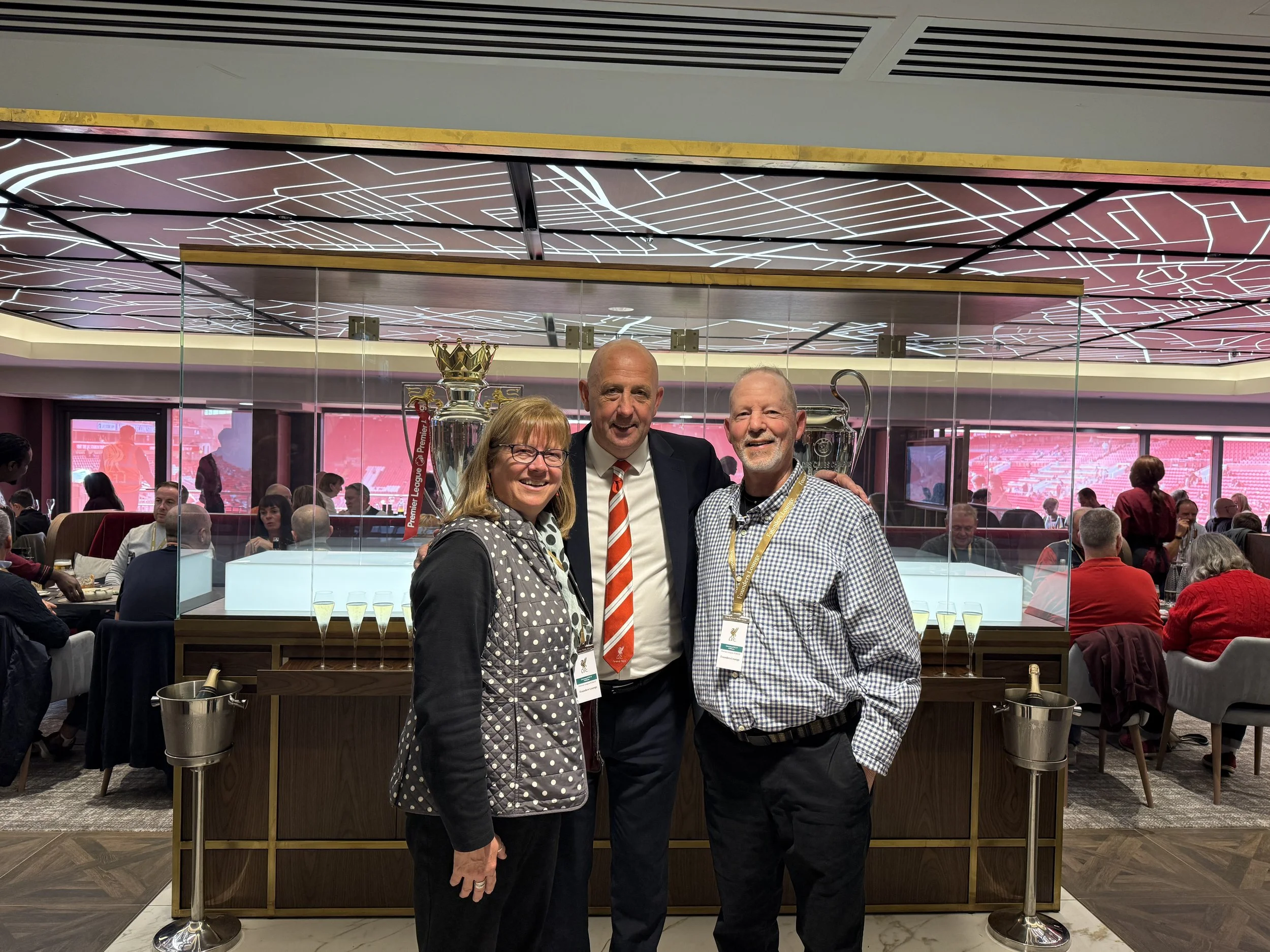
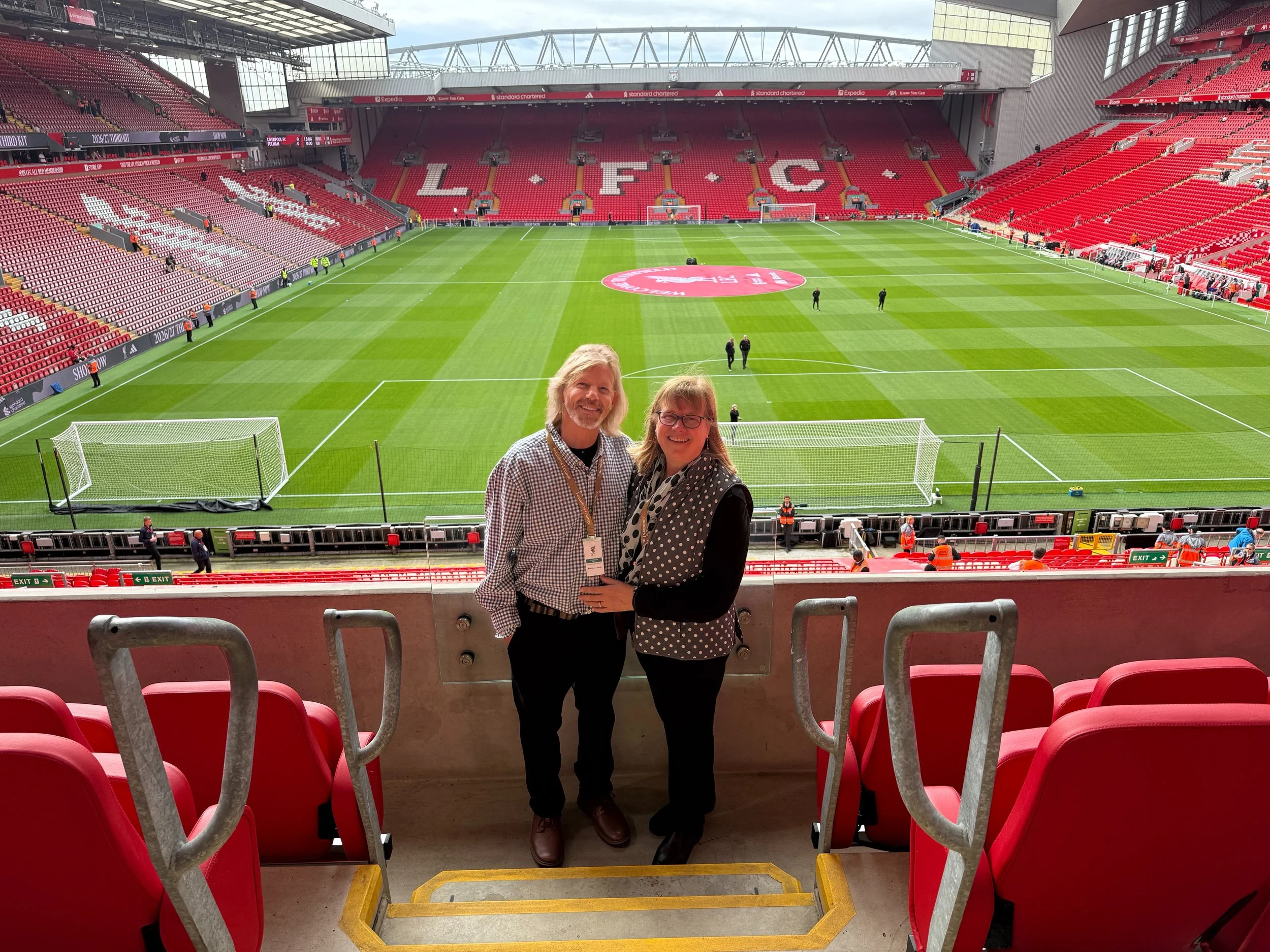
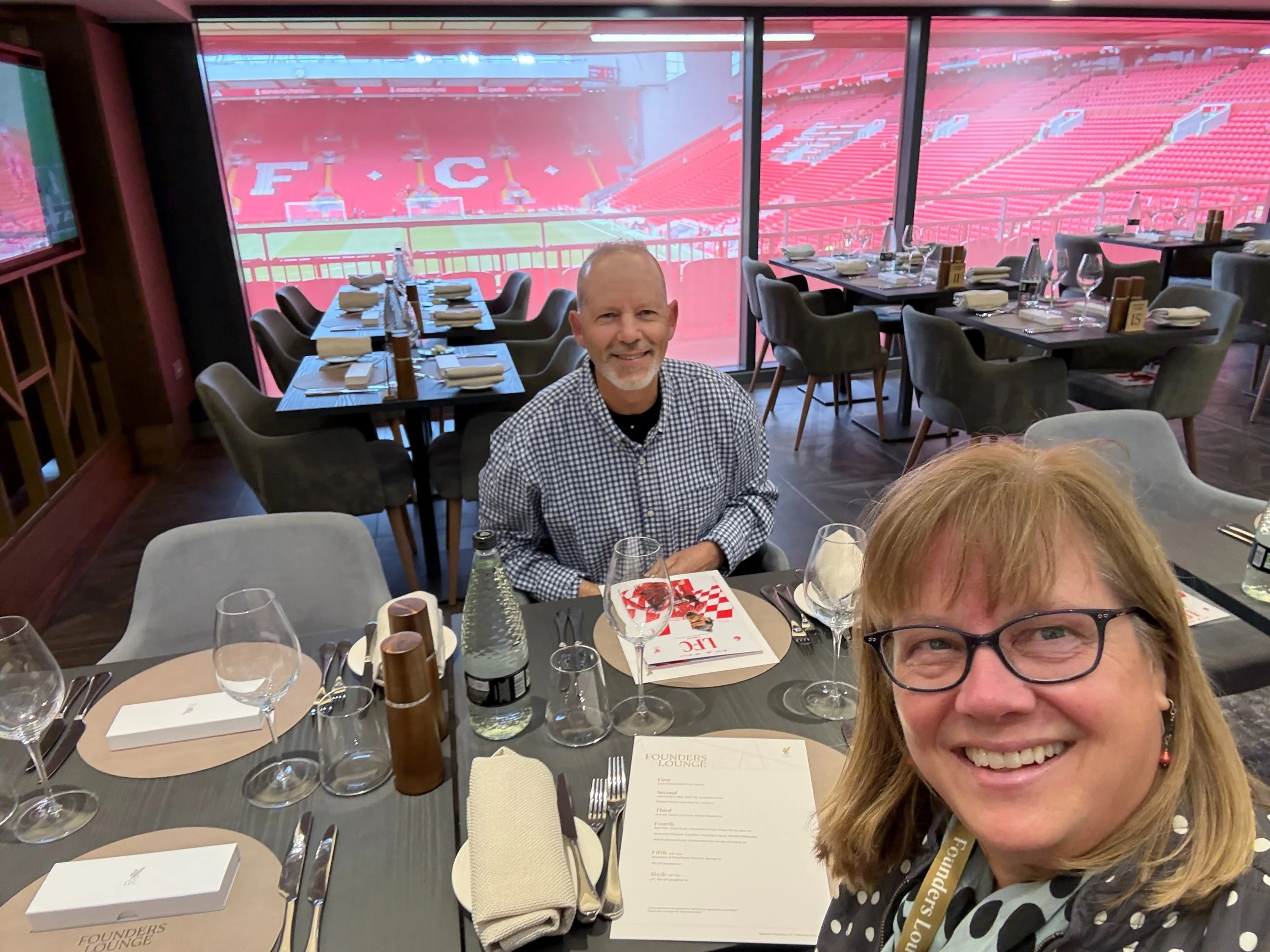
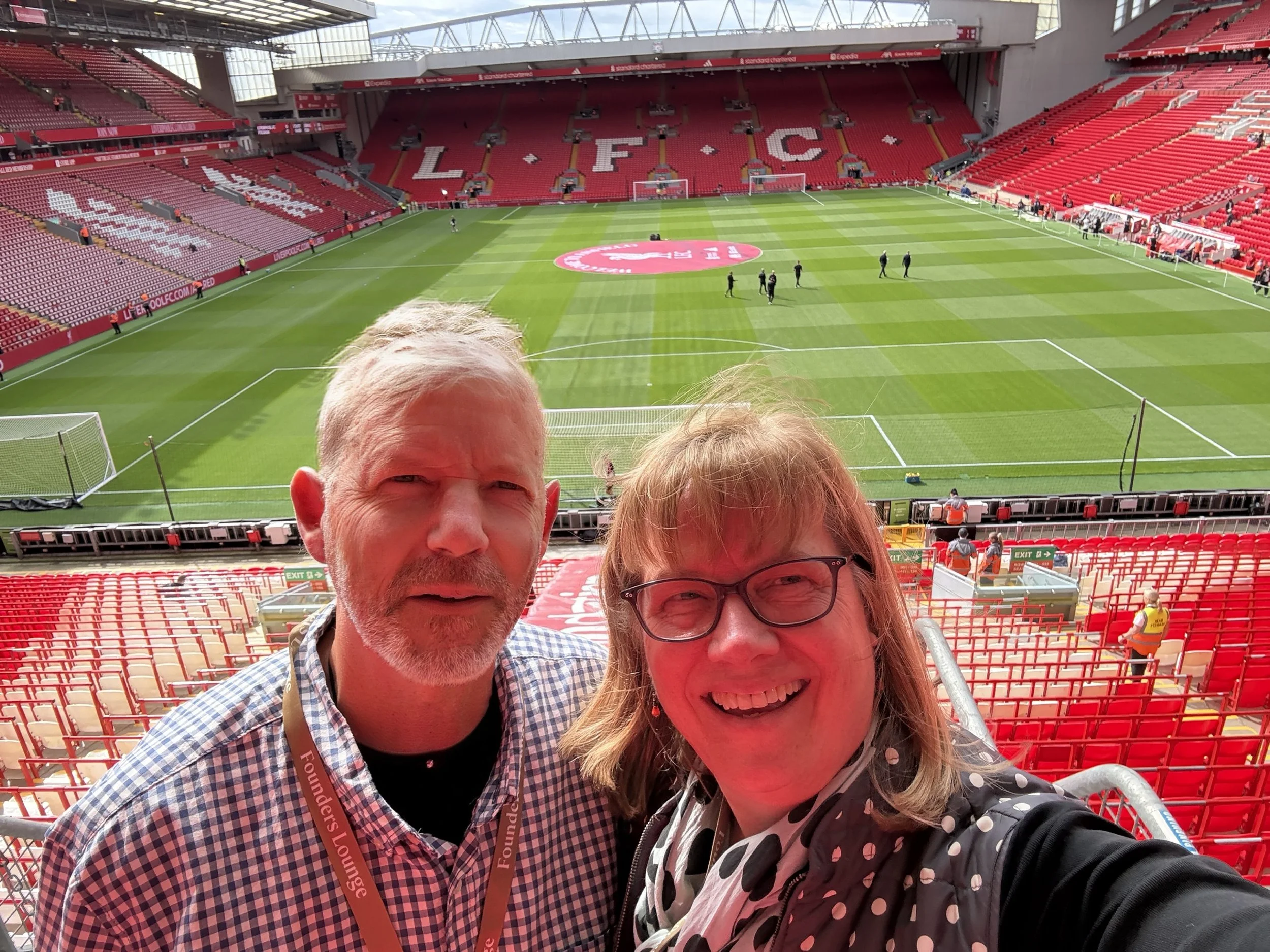
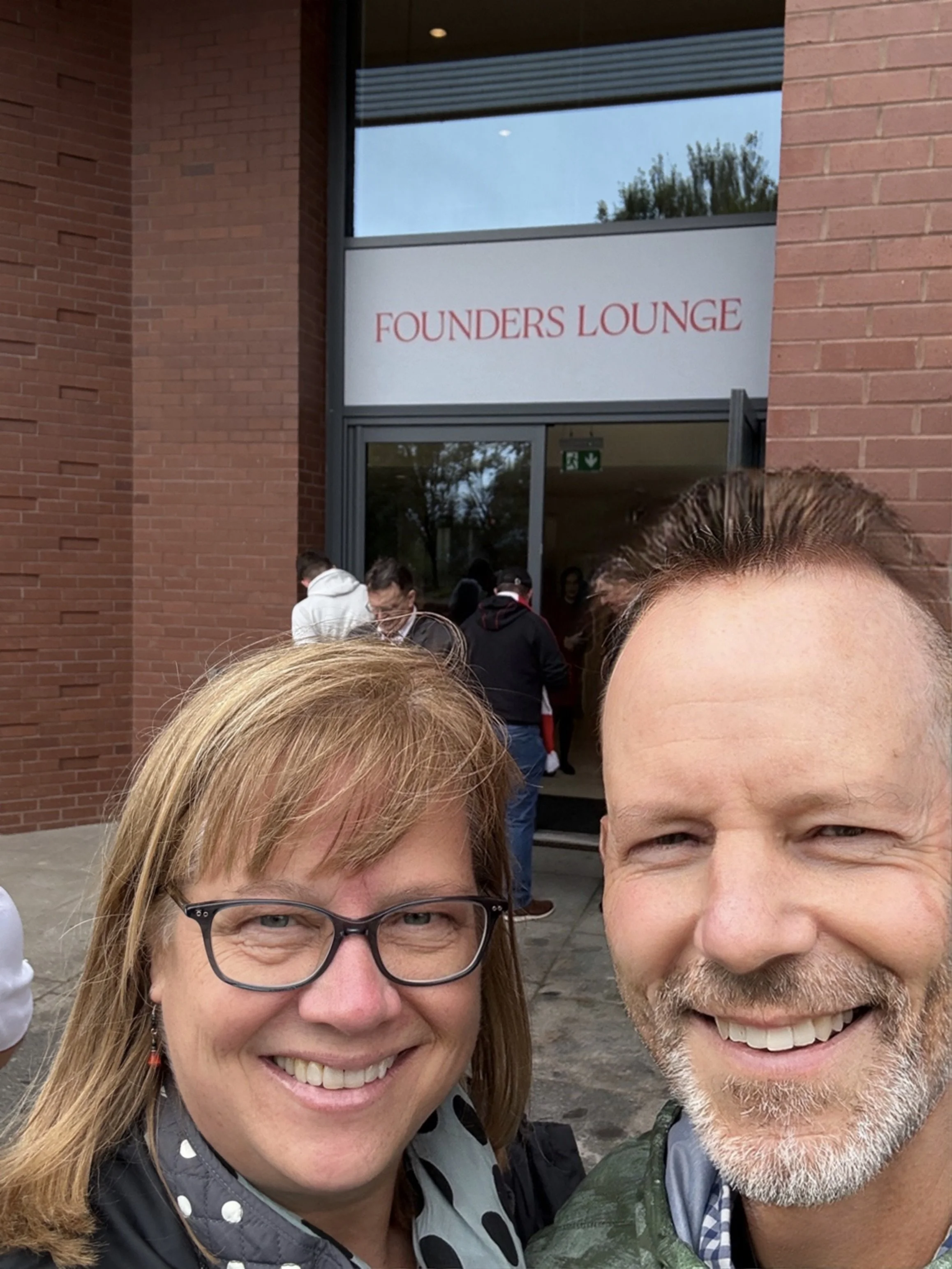
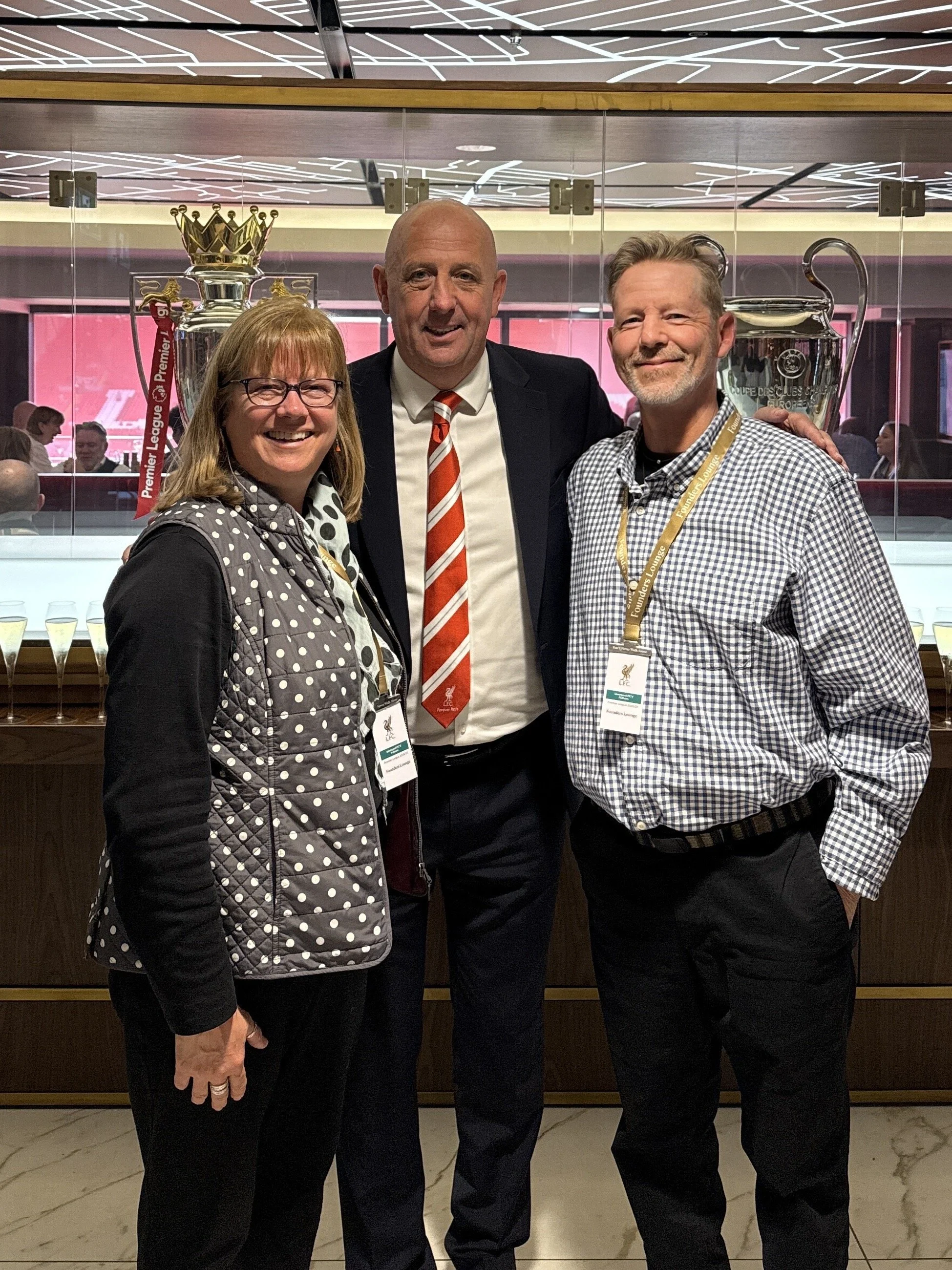
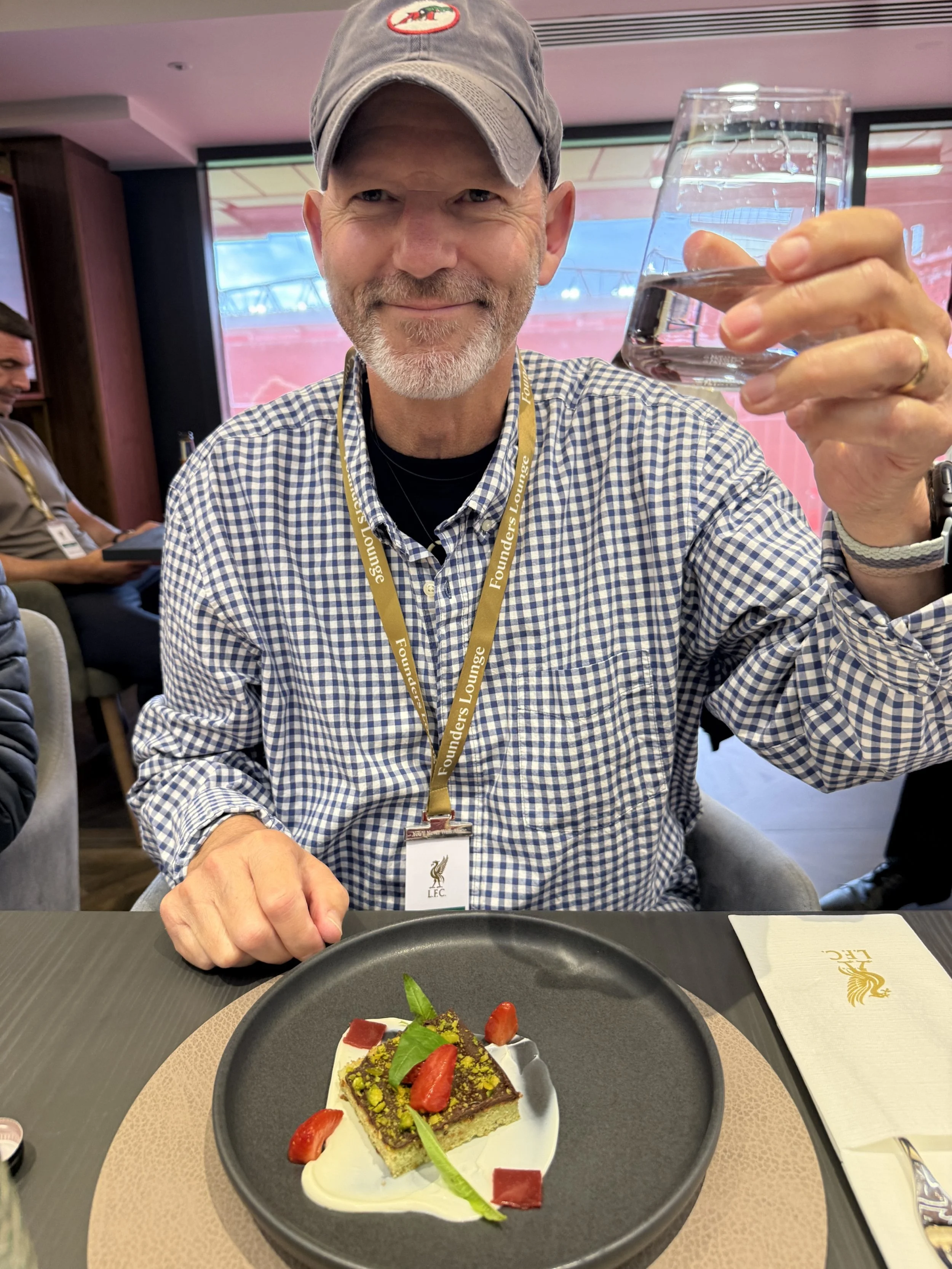
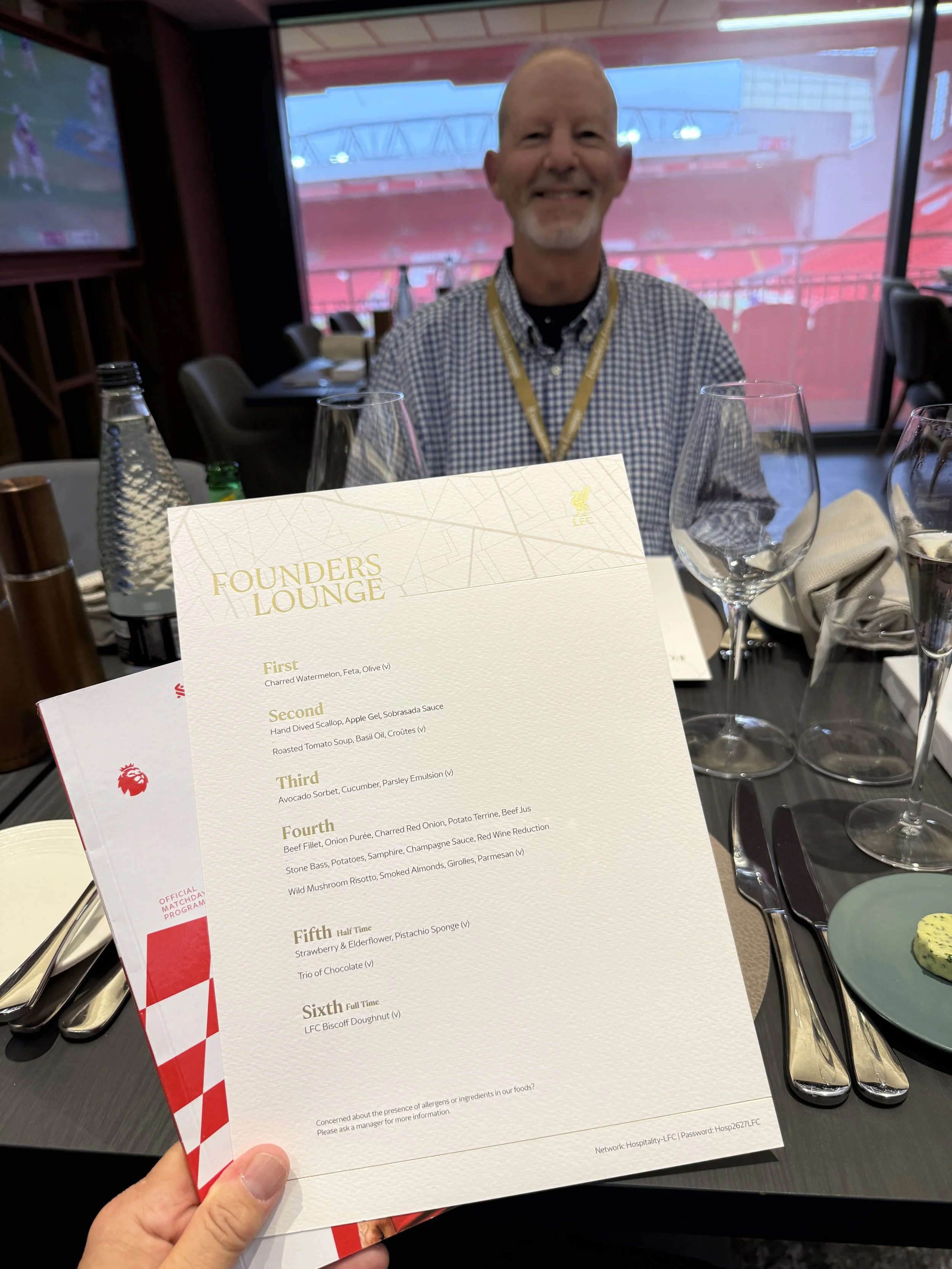
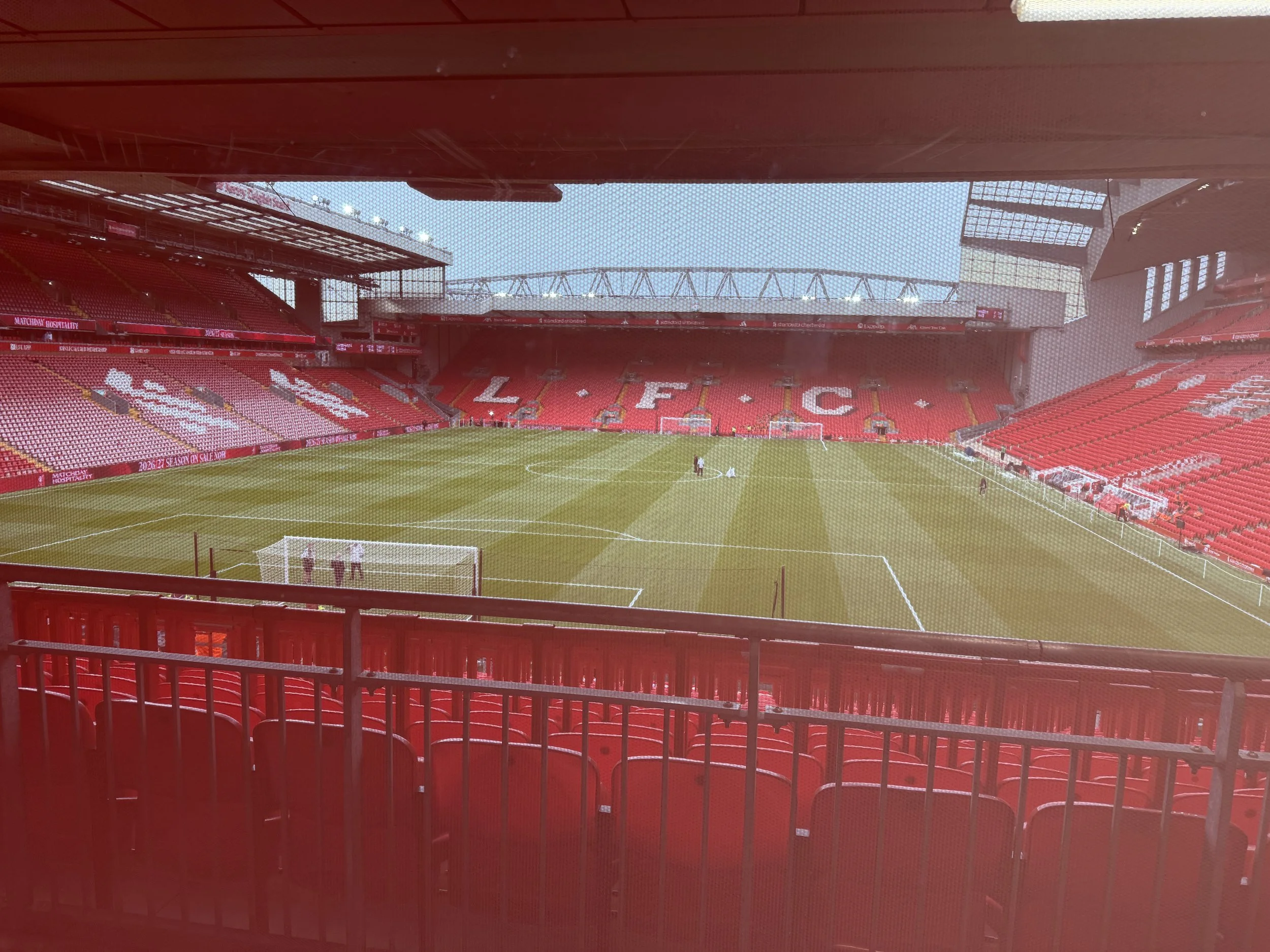
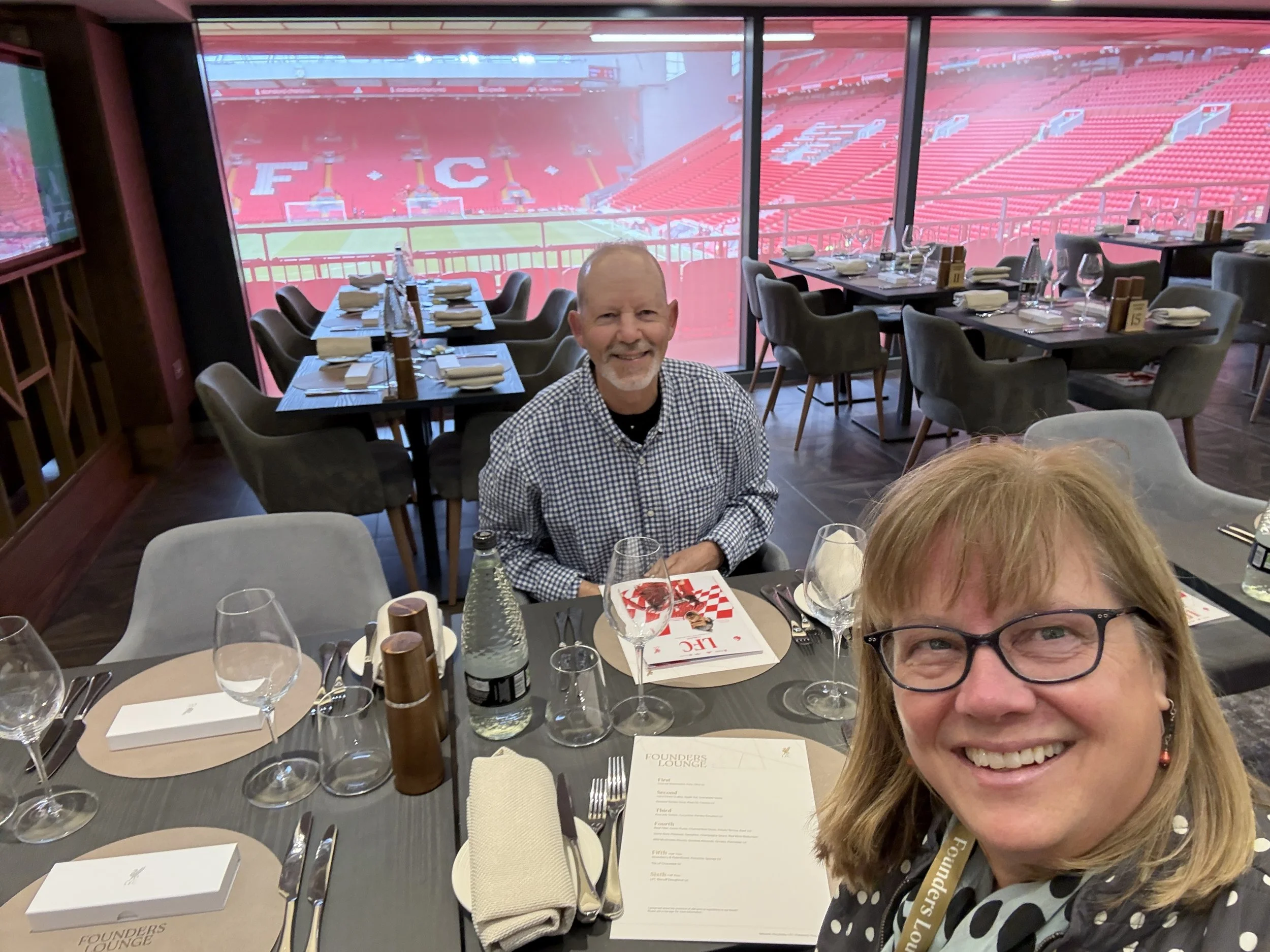
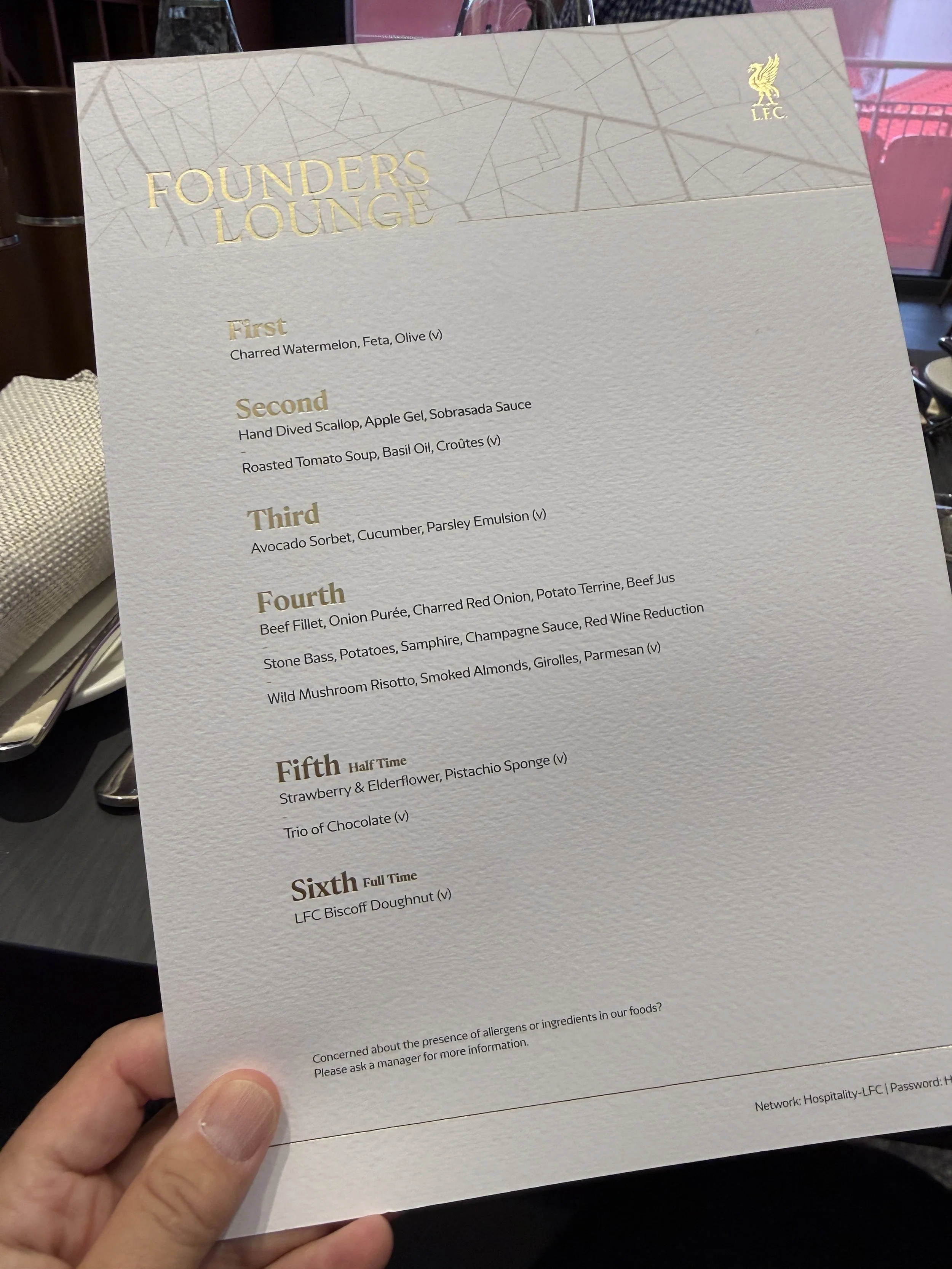
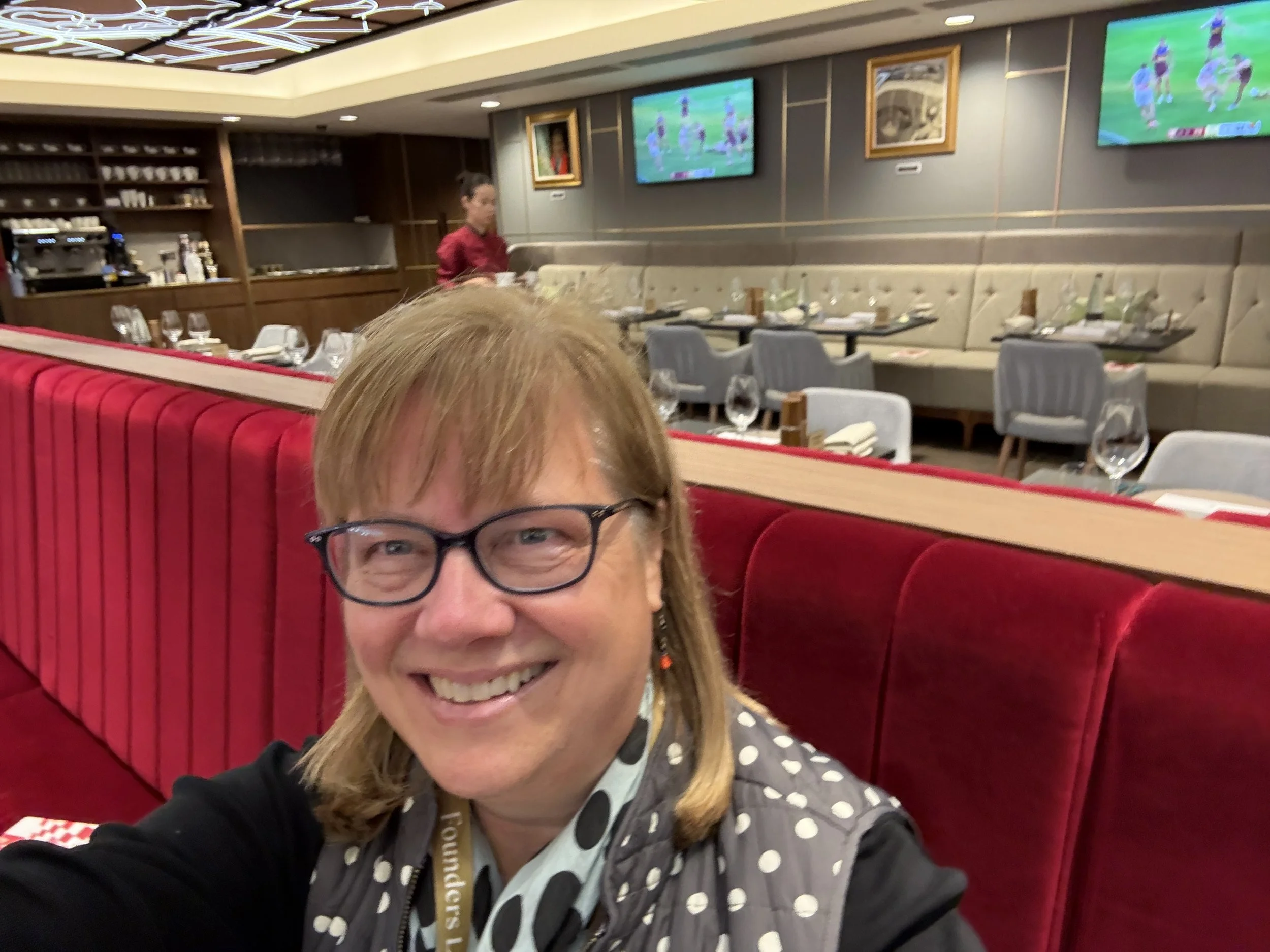
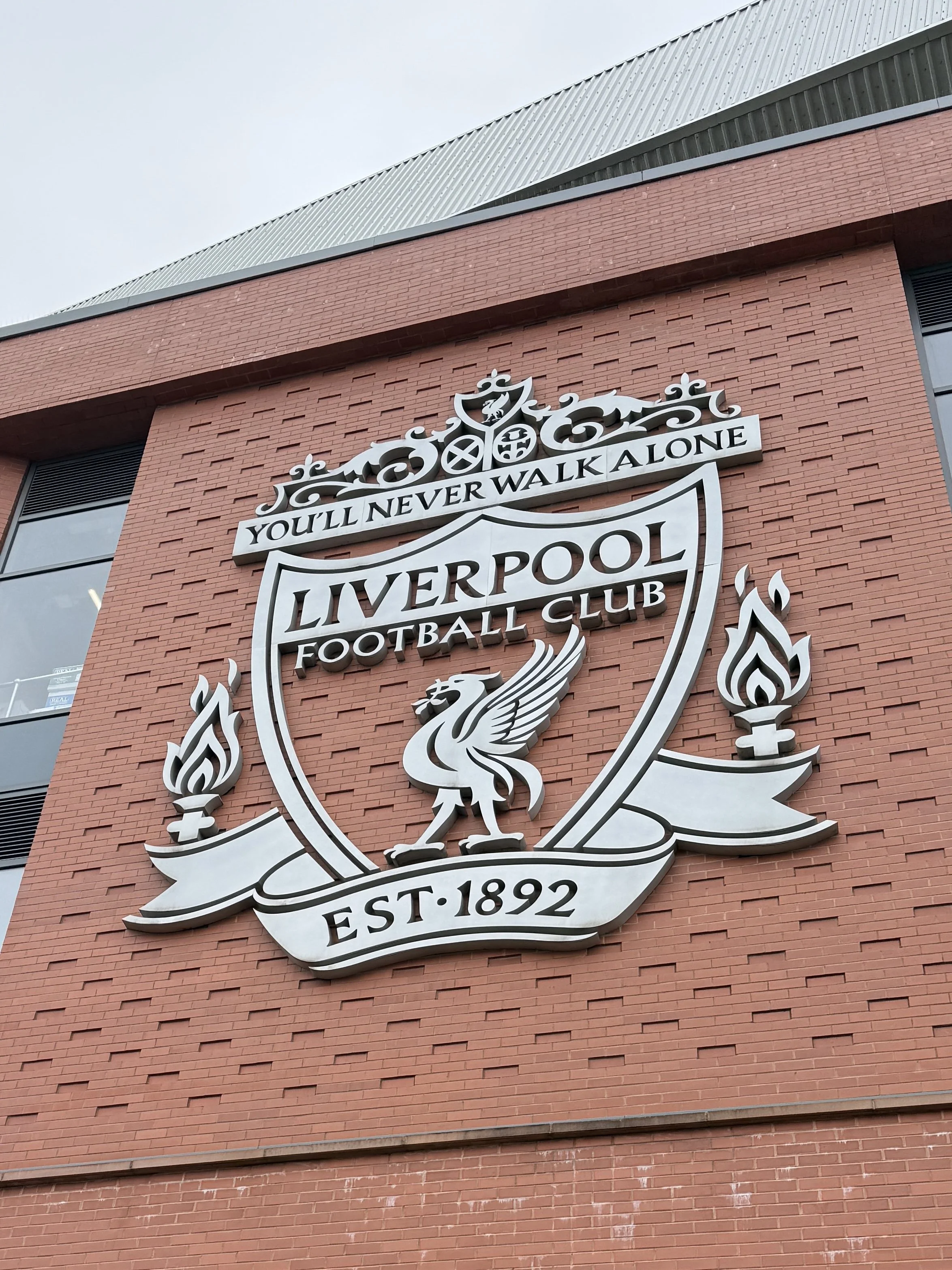
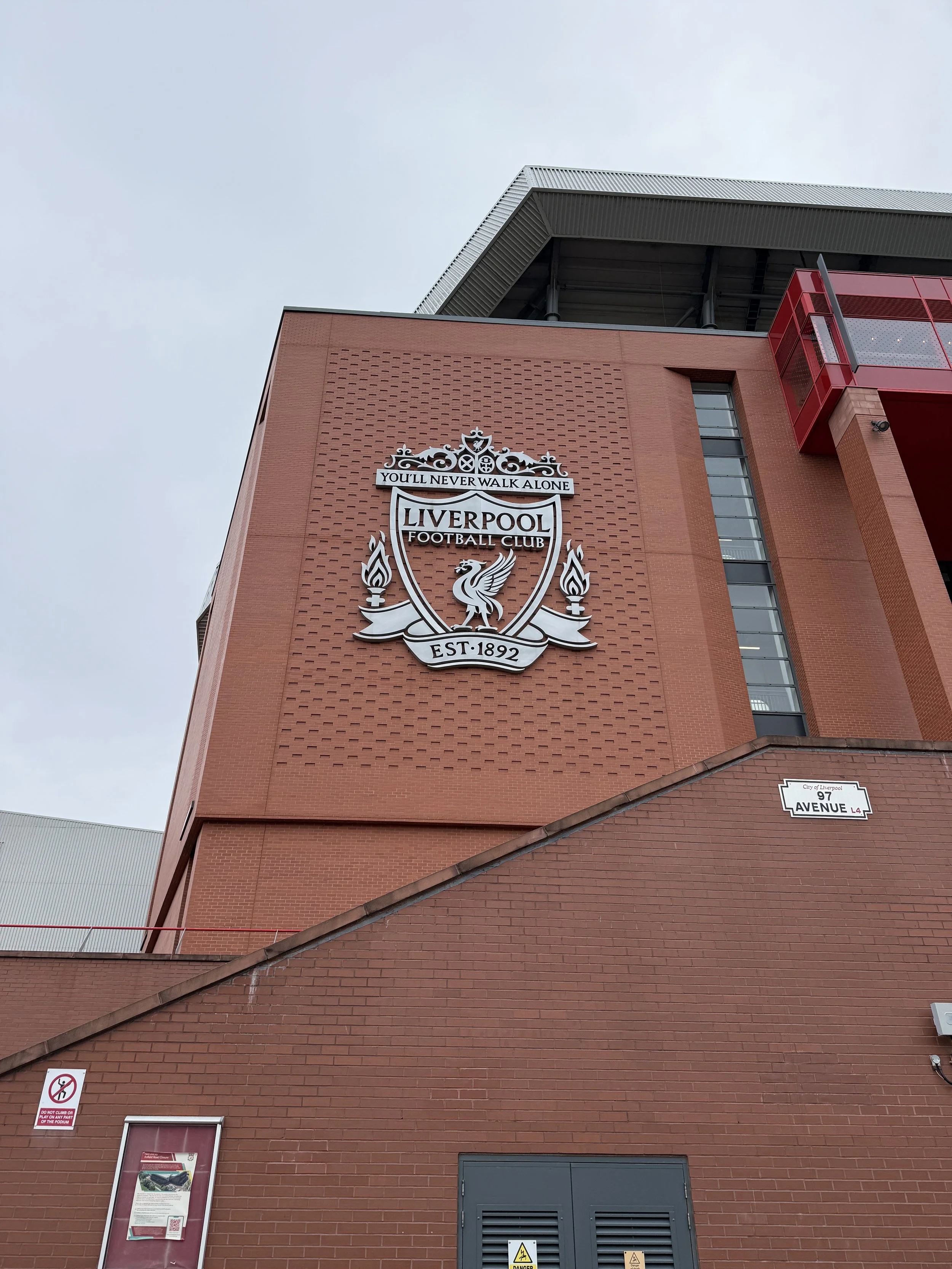
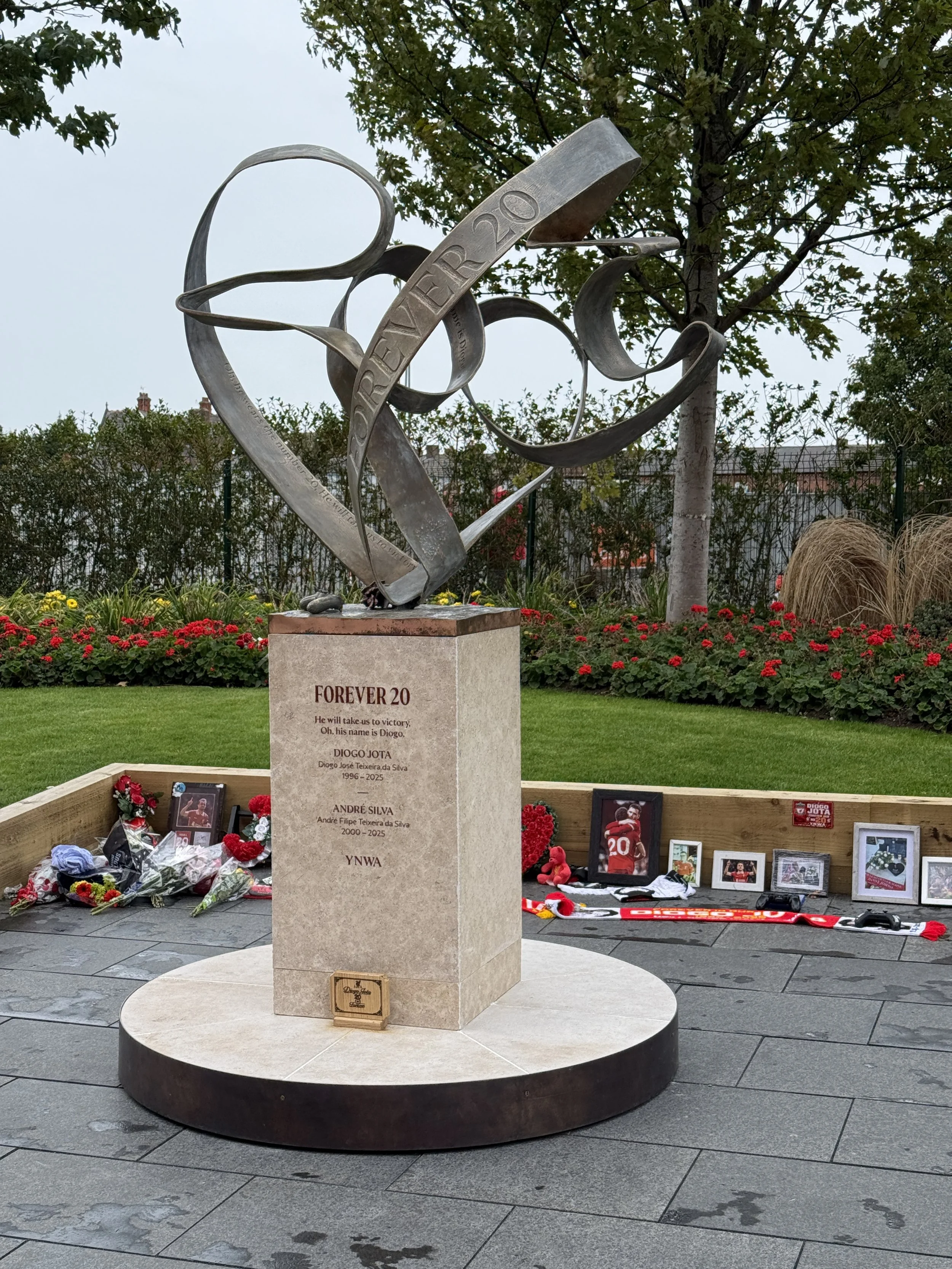
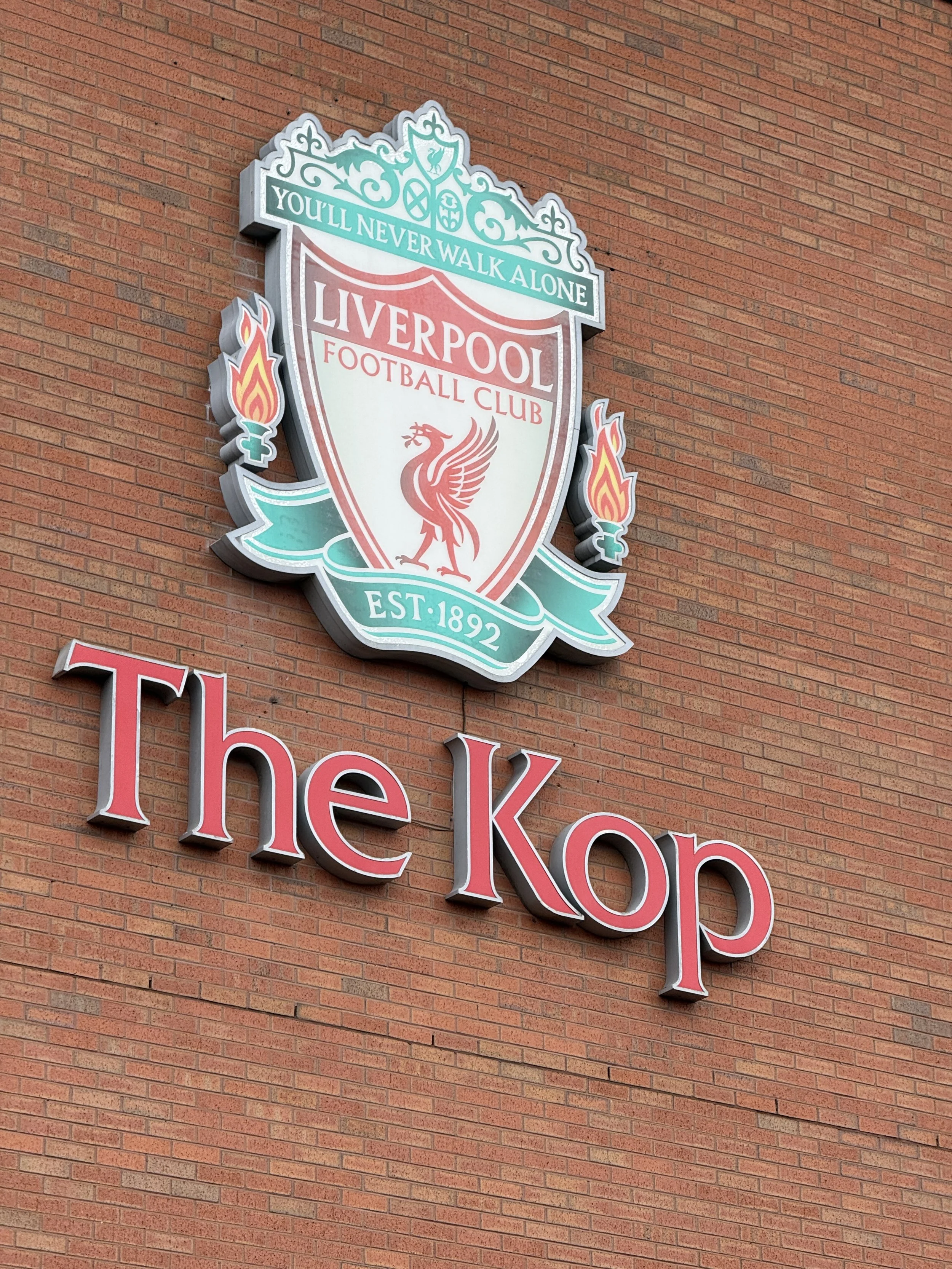
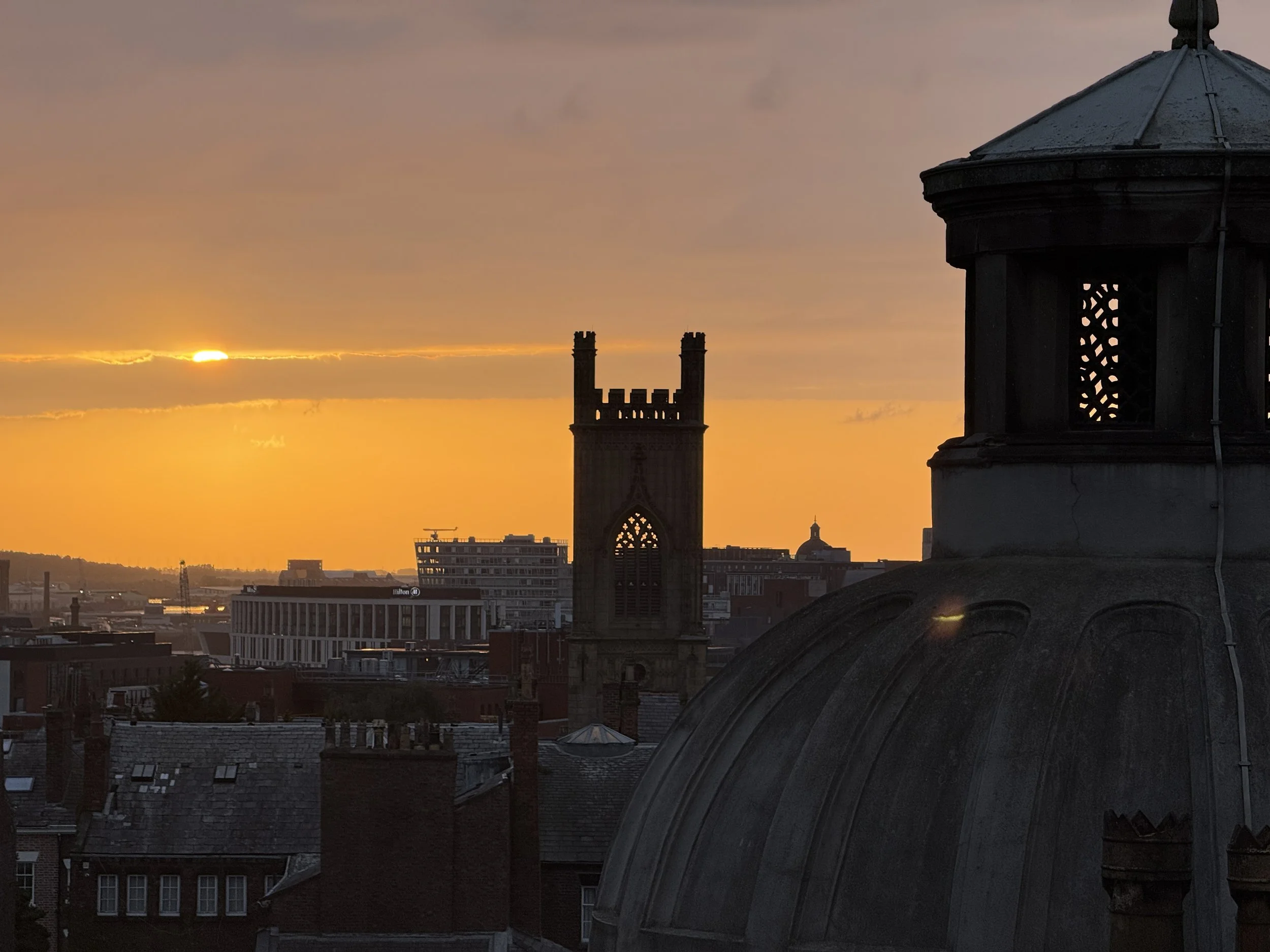
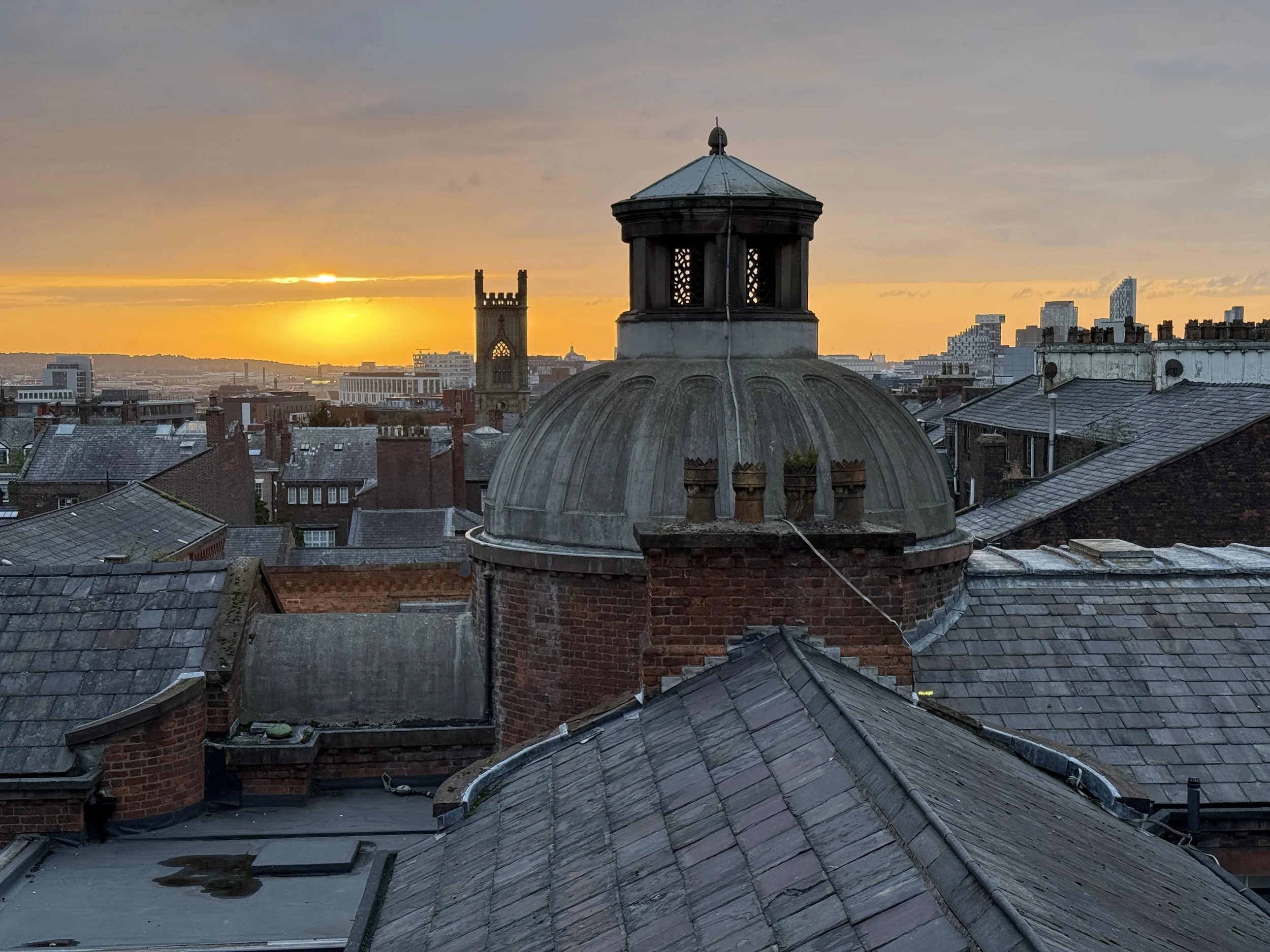
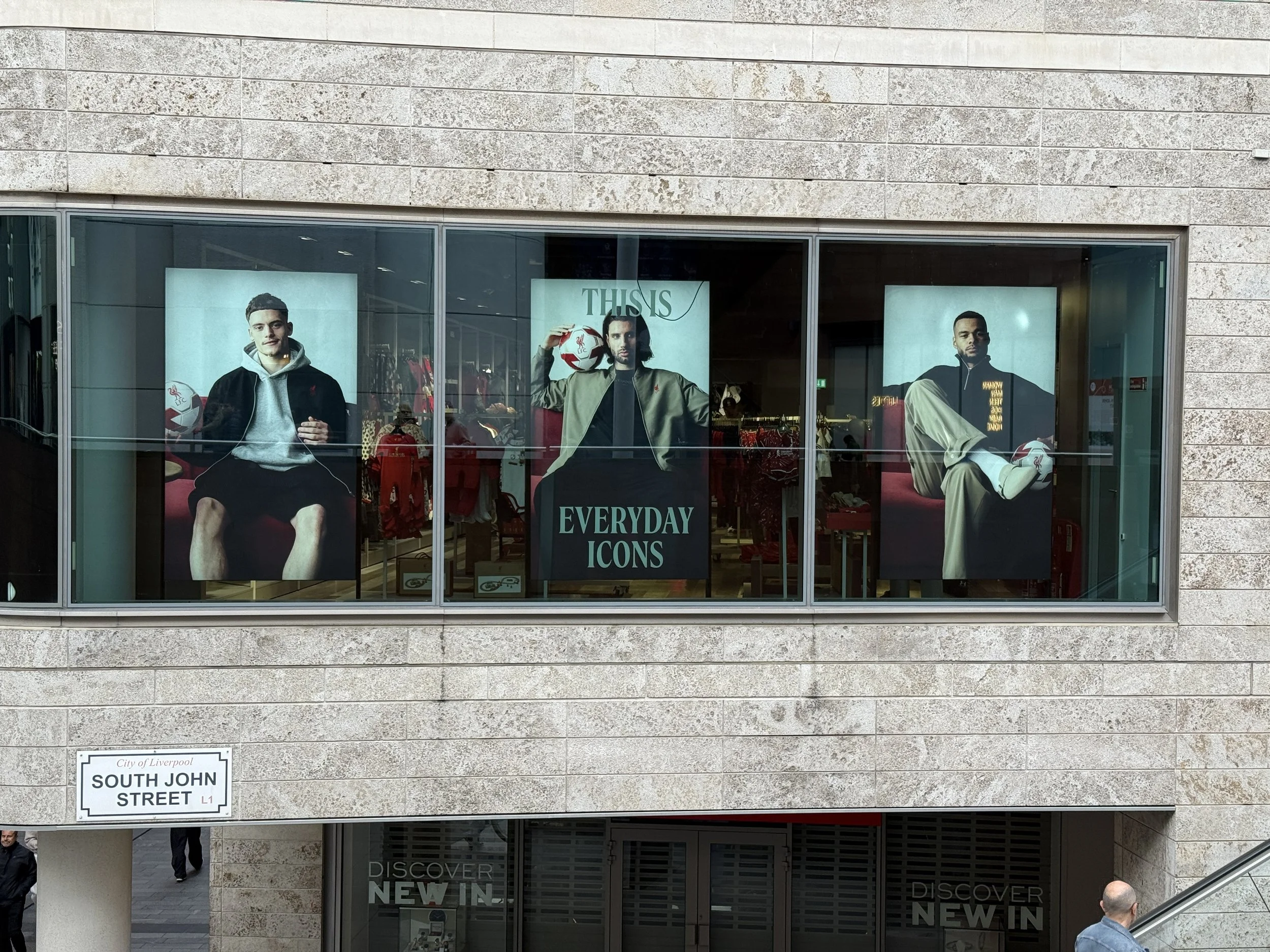
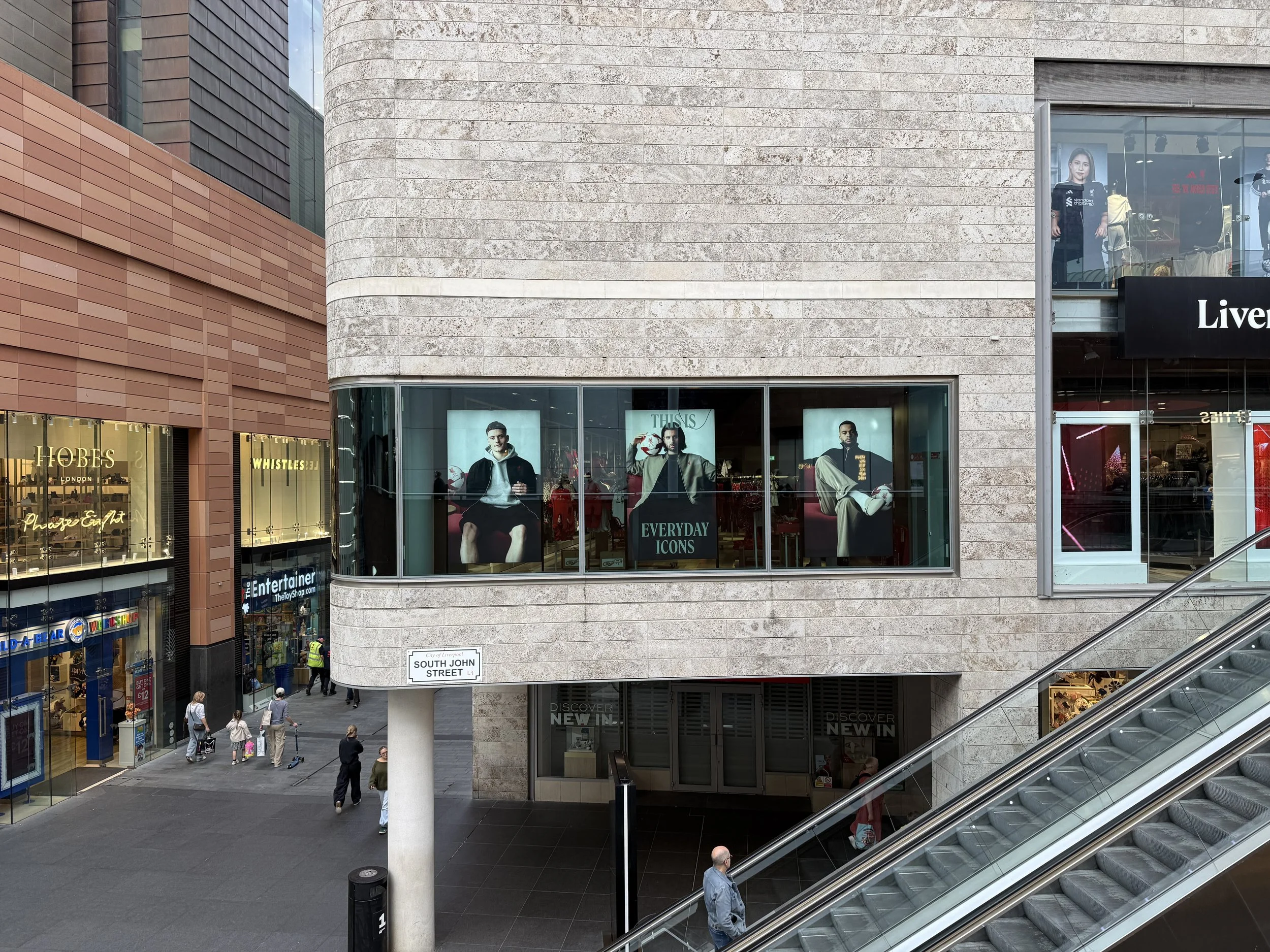
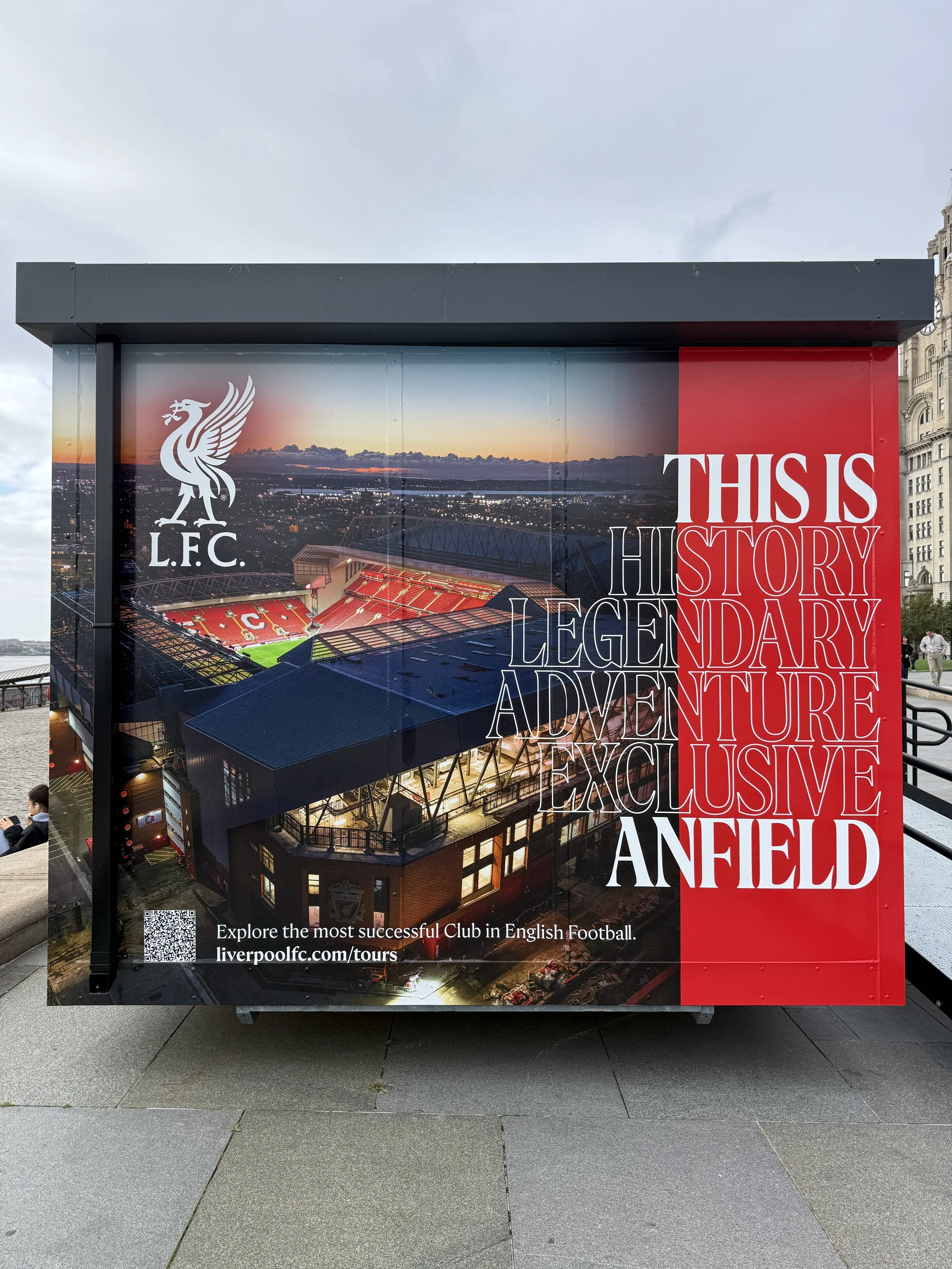
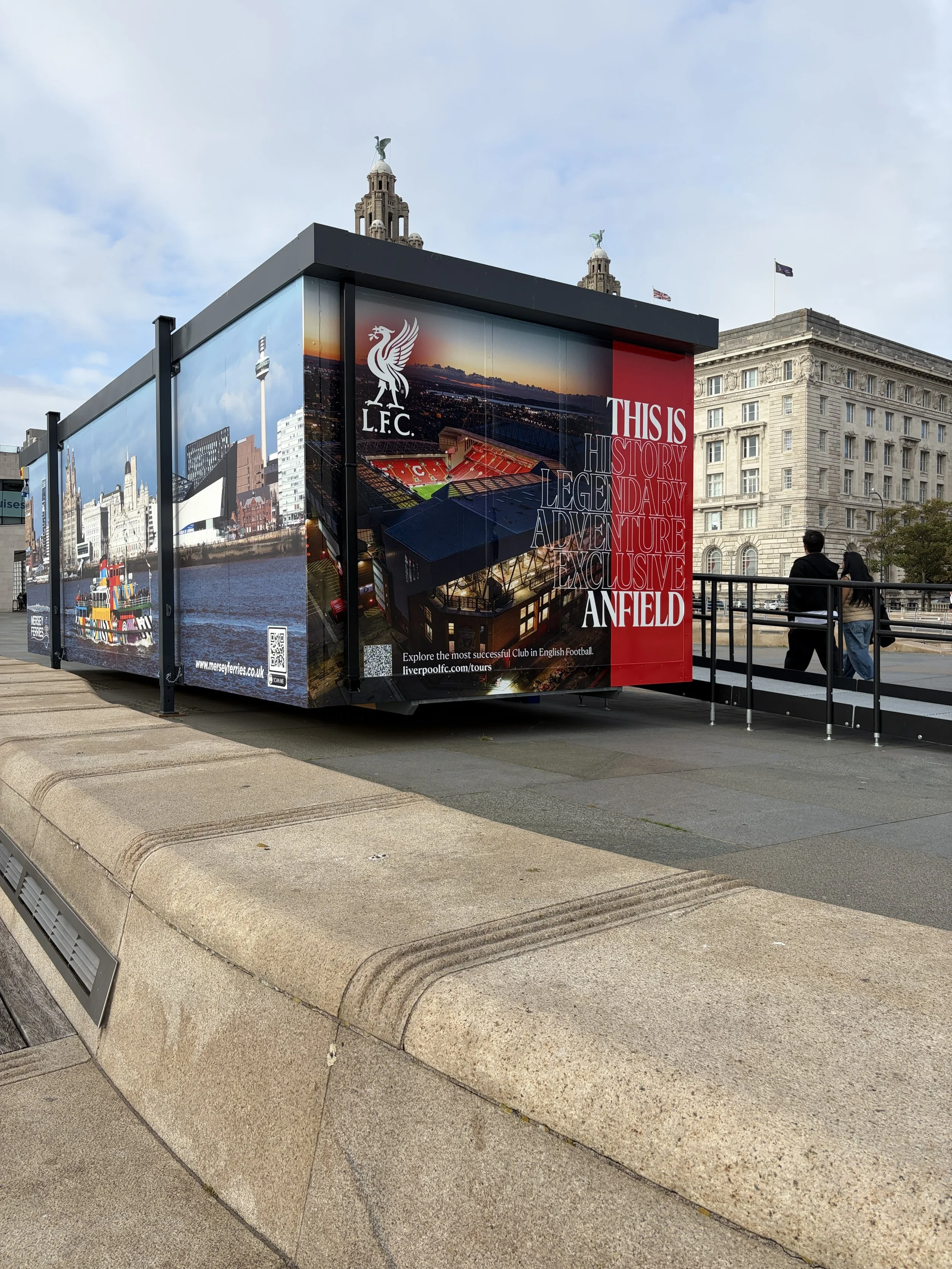
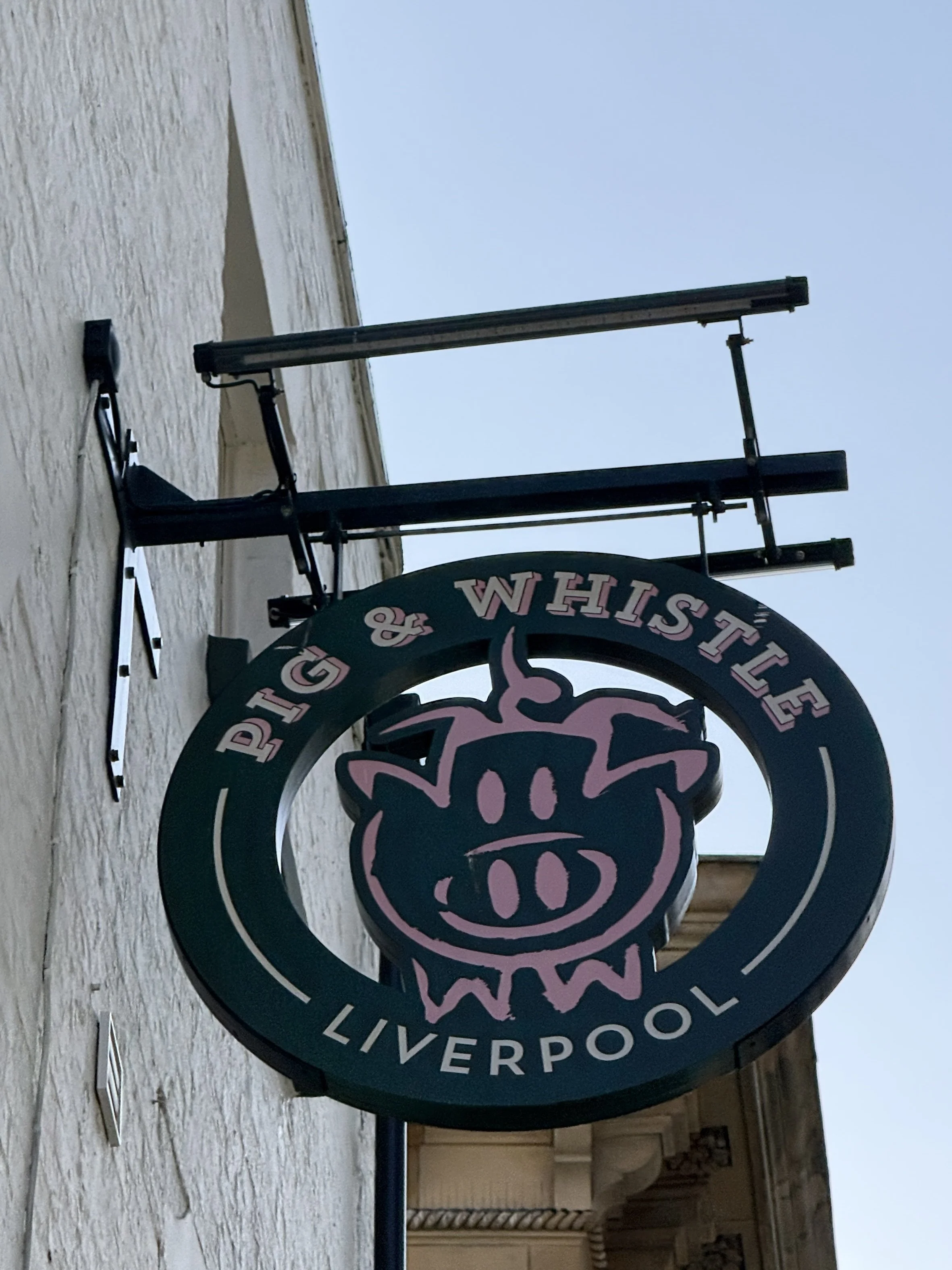
The adventure began in Liverpool, where one of the highlights of the entire trip was our visit to Anfield, the legendary home of Liverpool Football Club. Before the match, we enjoyed an exceptional hospitality experience in Anfield’s Founders Lounge, with fine dining in surroundings celebrating the history and traditions of Liverpool FC. Champagne, a multi-course meal, and the excitement building throughout the stadium made for a memorable introduction to English football.
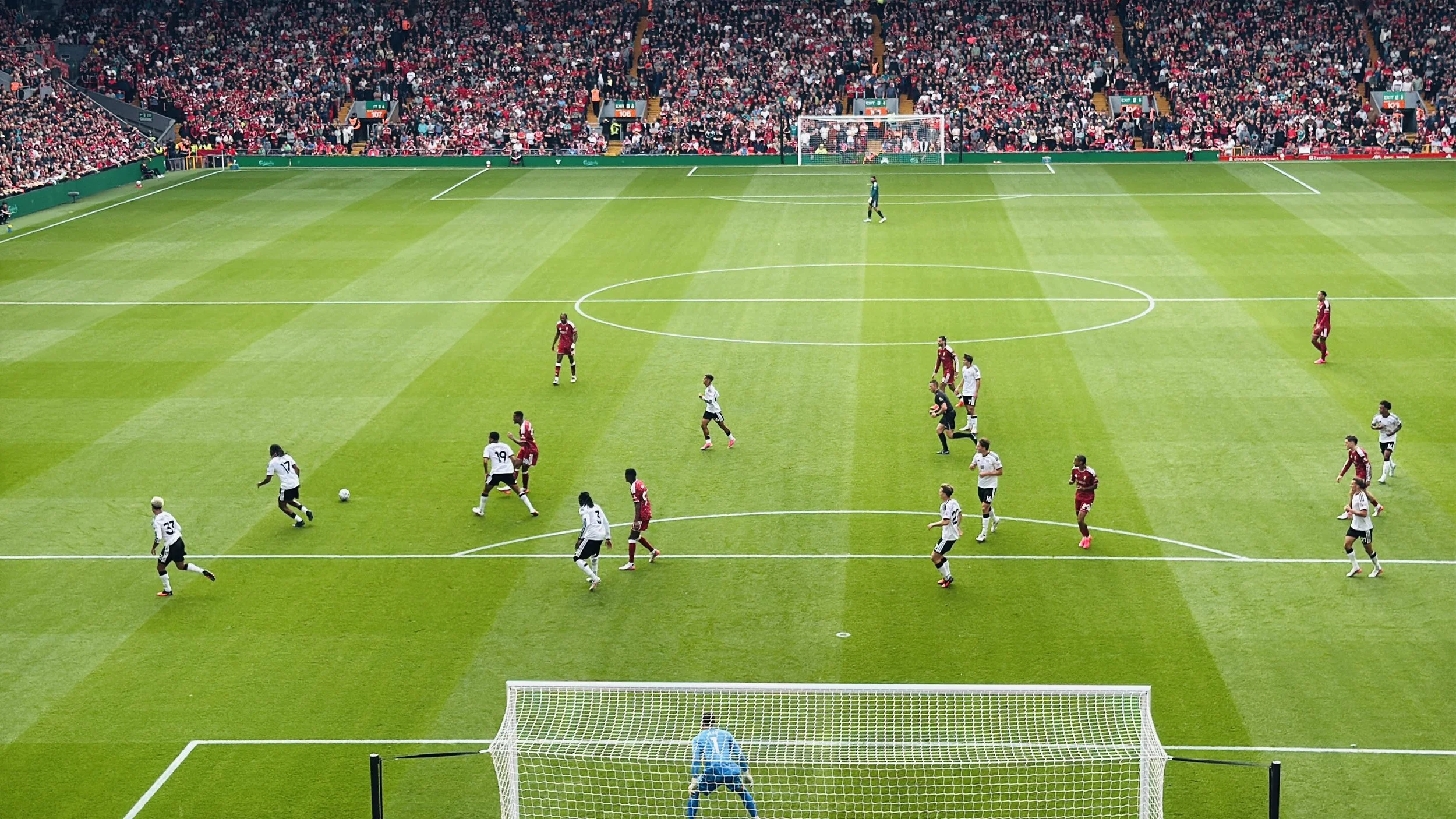
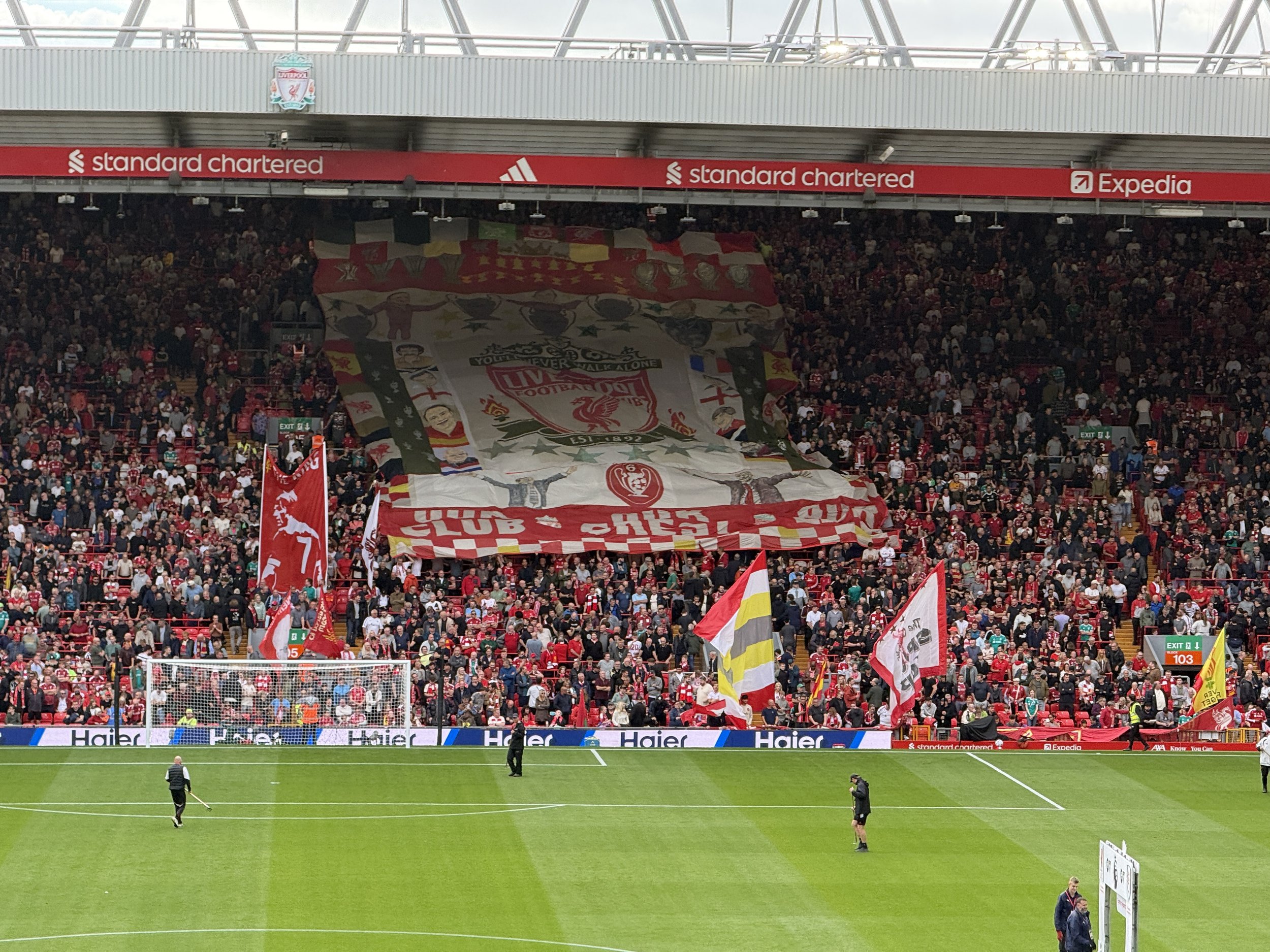
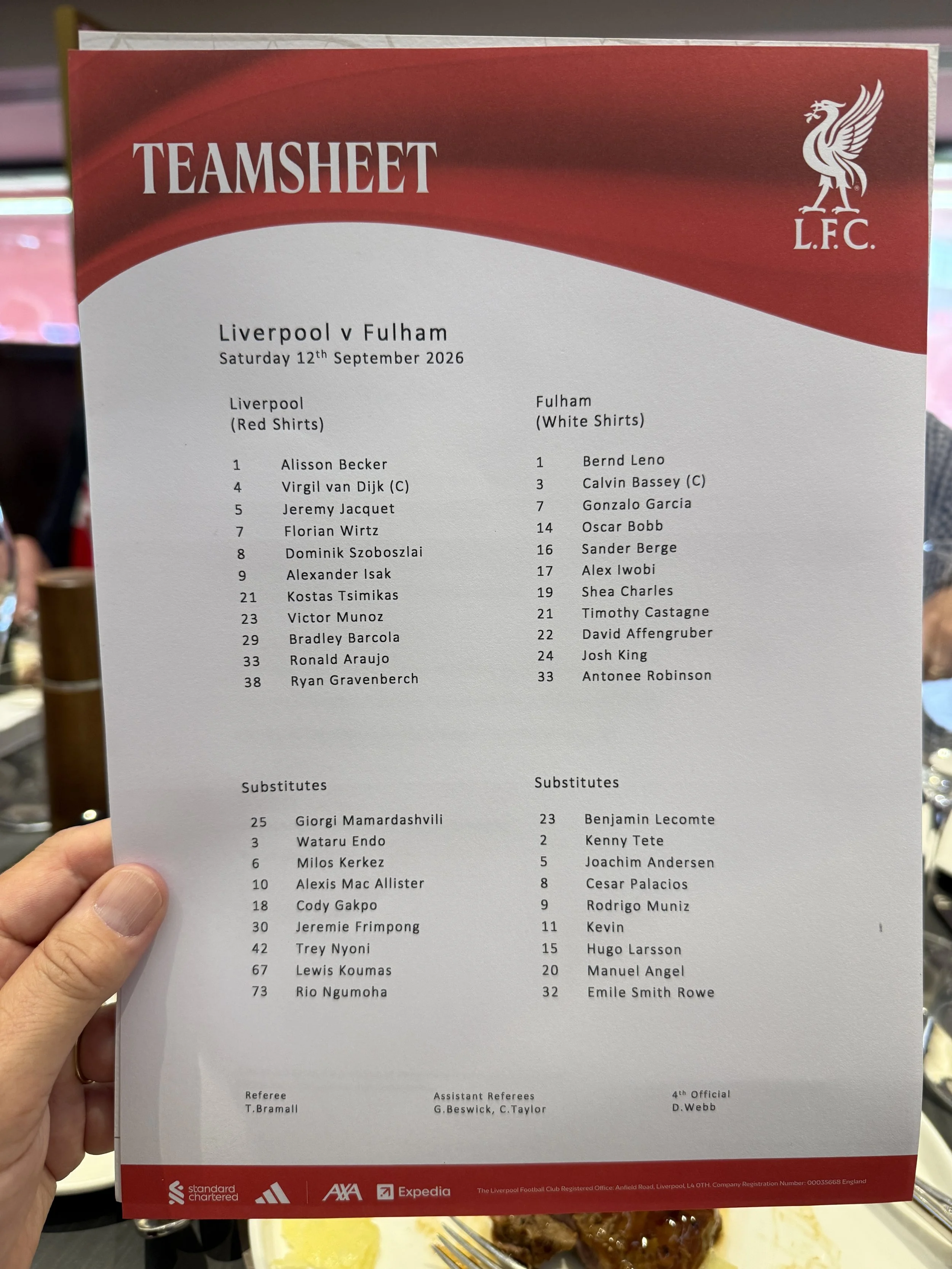
Then came the main event: Liverpool FC against Fulham FC at Anfield. Experiencing a Premier League match in person—with the crowd, the singing, the passion of the supporters, and the atmosphere inside one of football’s most famous stadiums—was something entirely different from watching the game at home. It was a quintessential Liverpool experience and an unforgettable part of our trip.
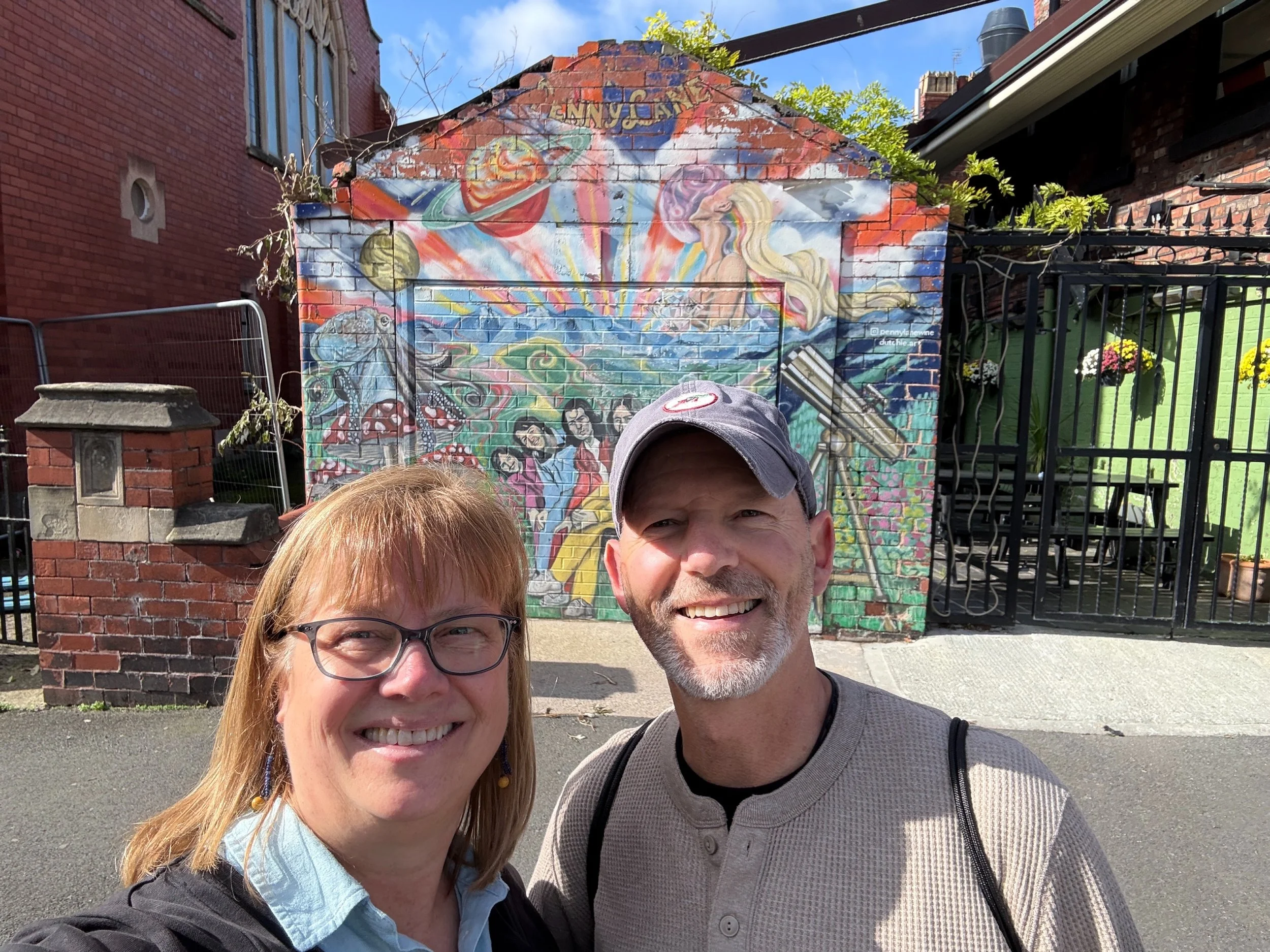
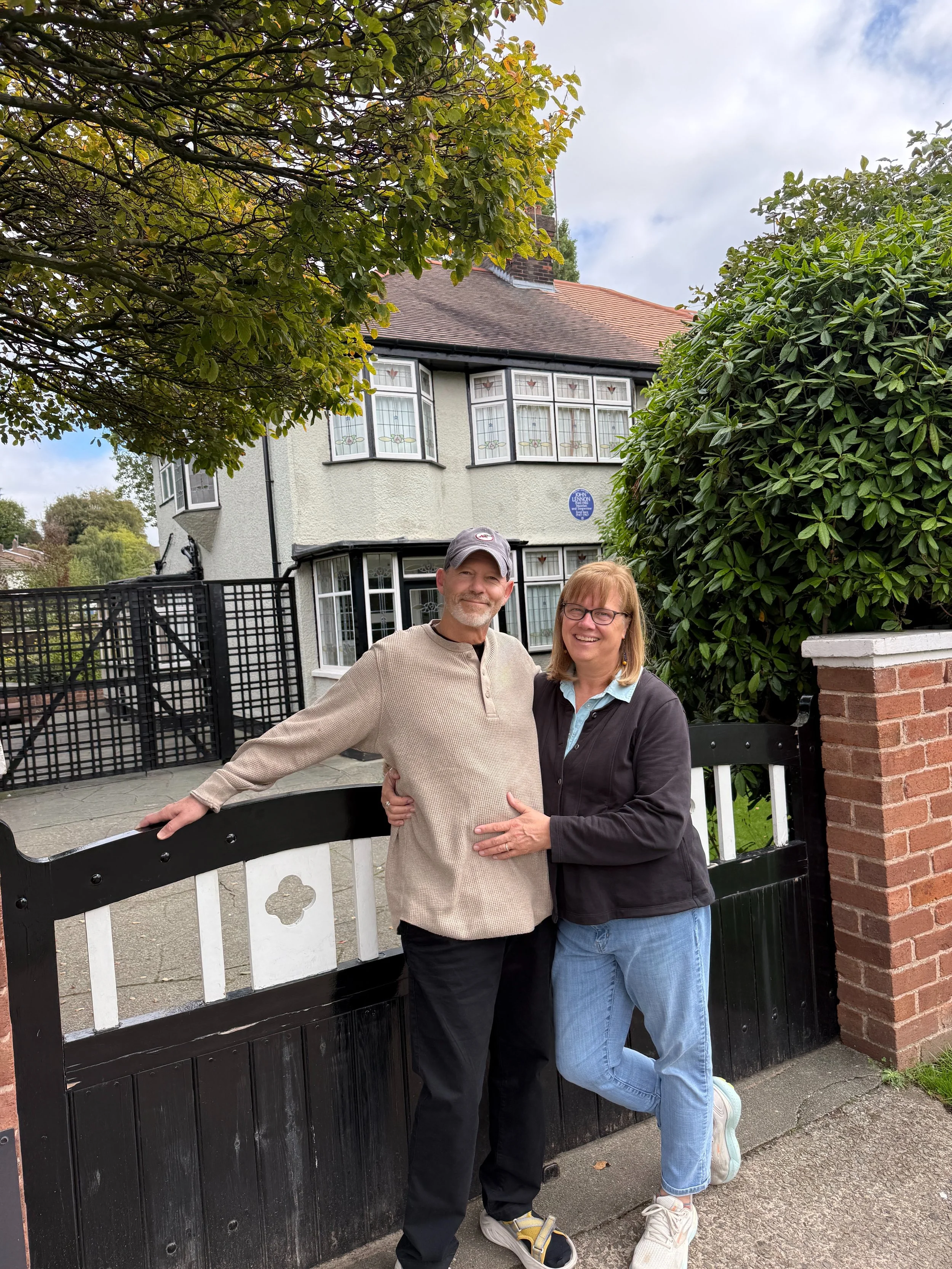
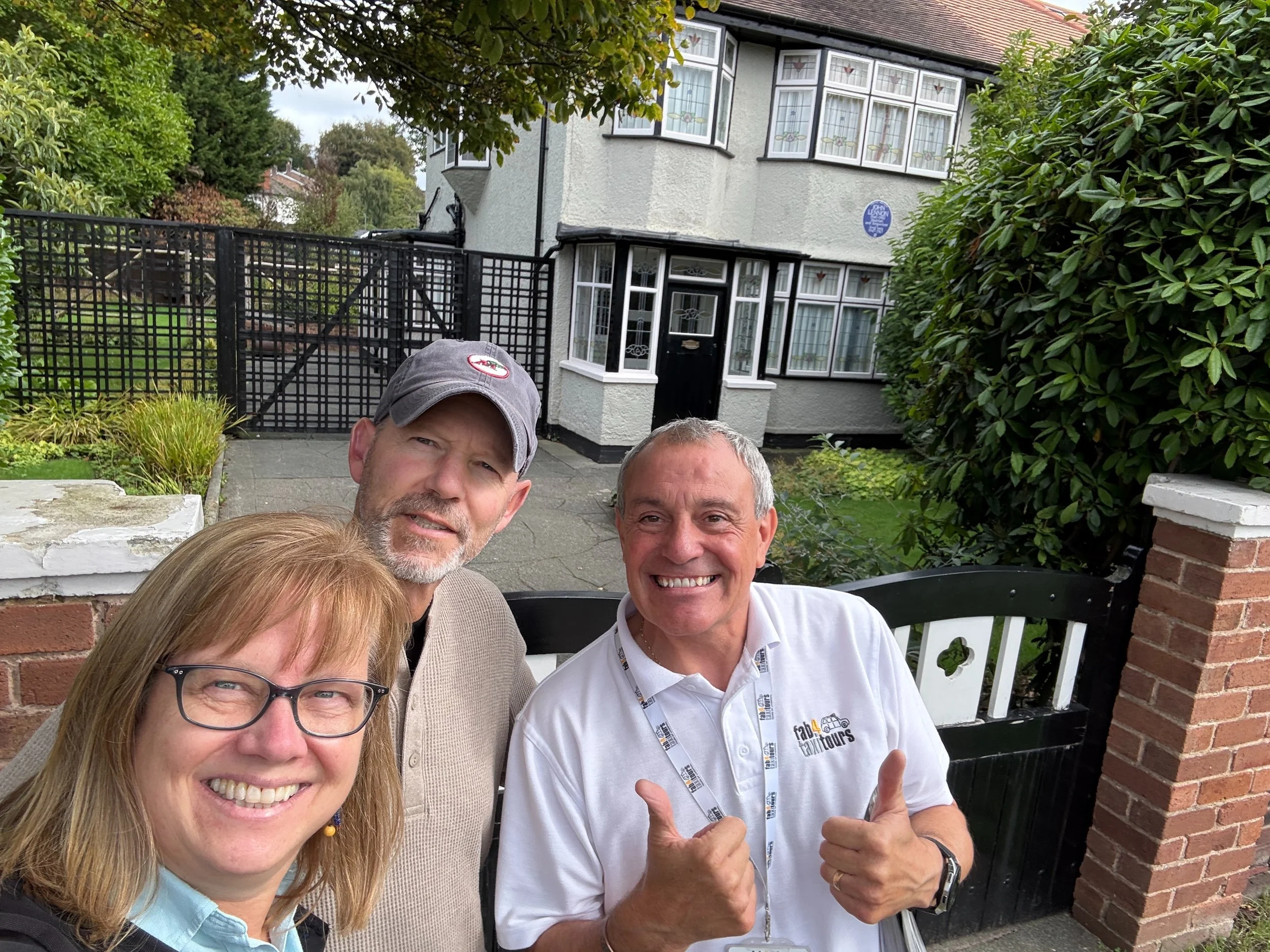
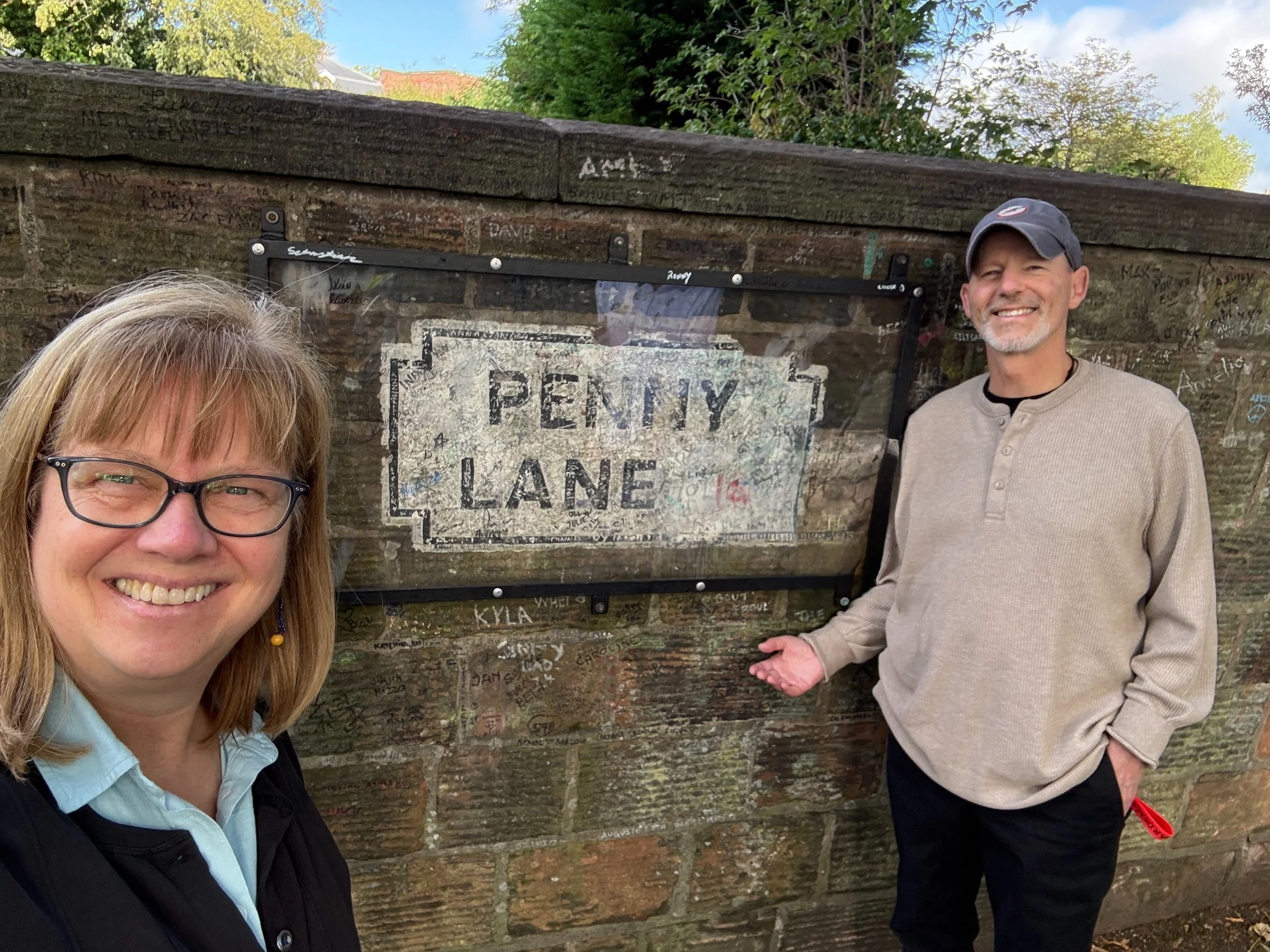
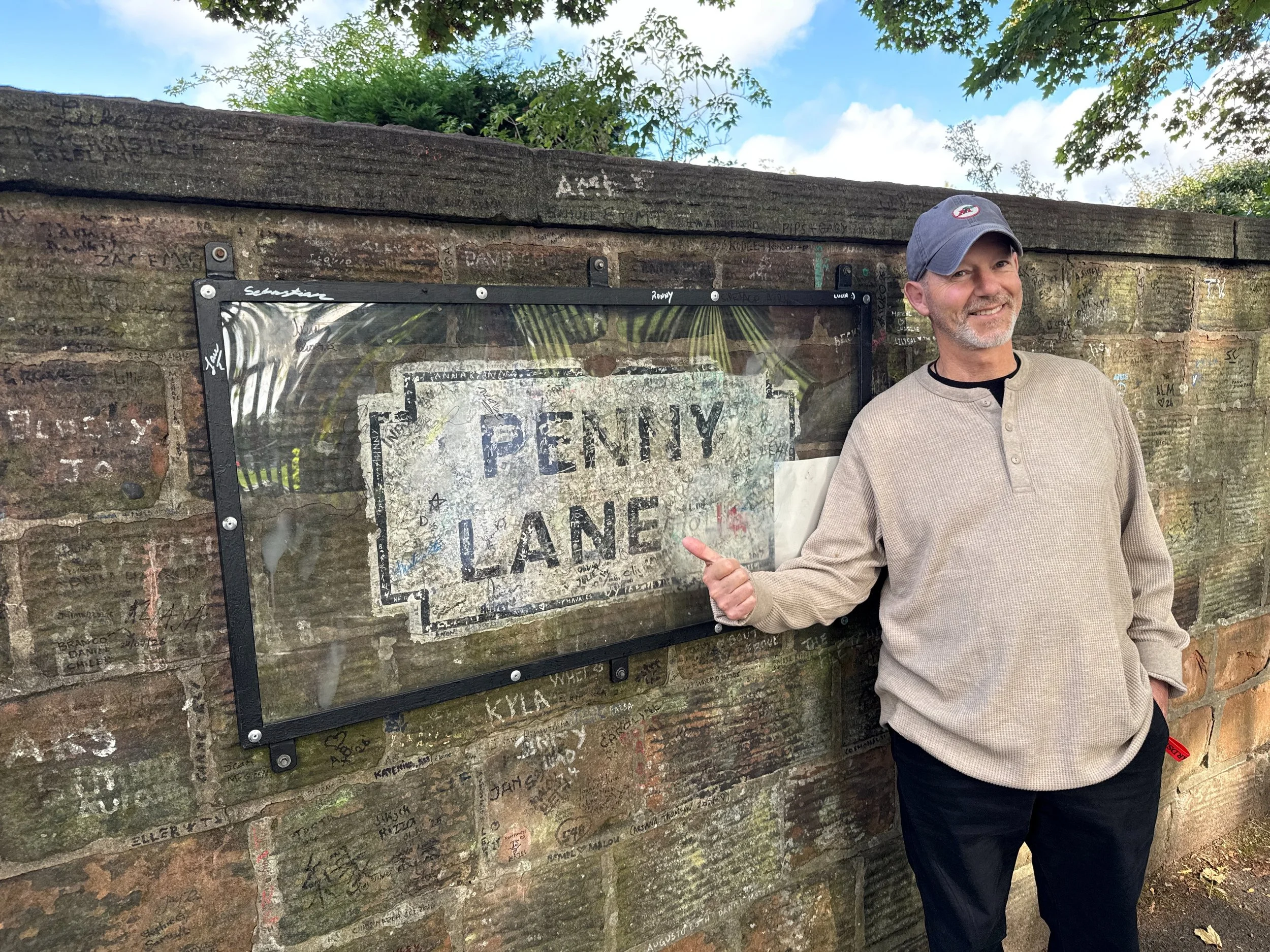
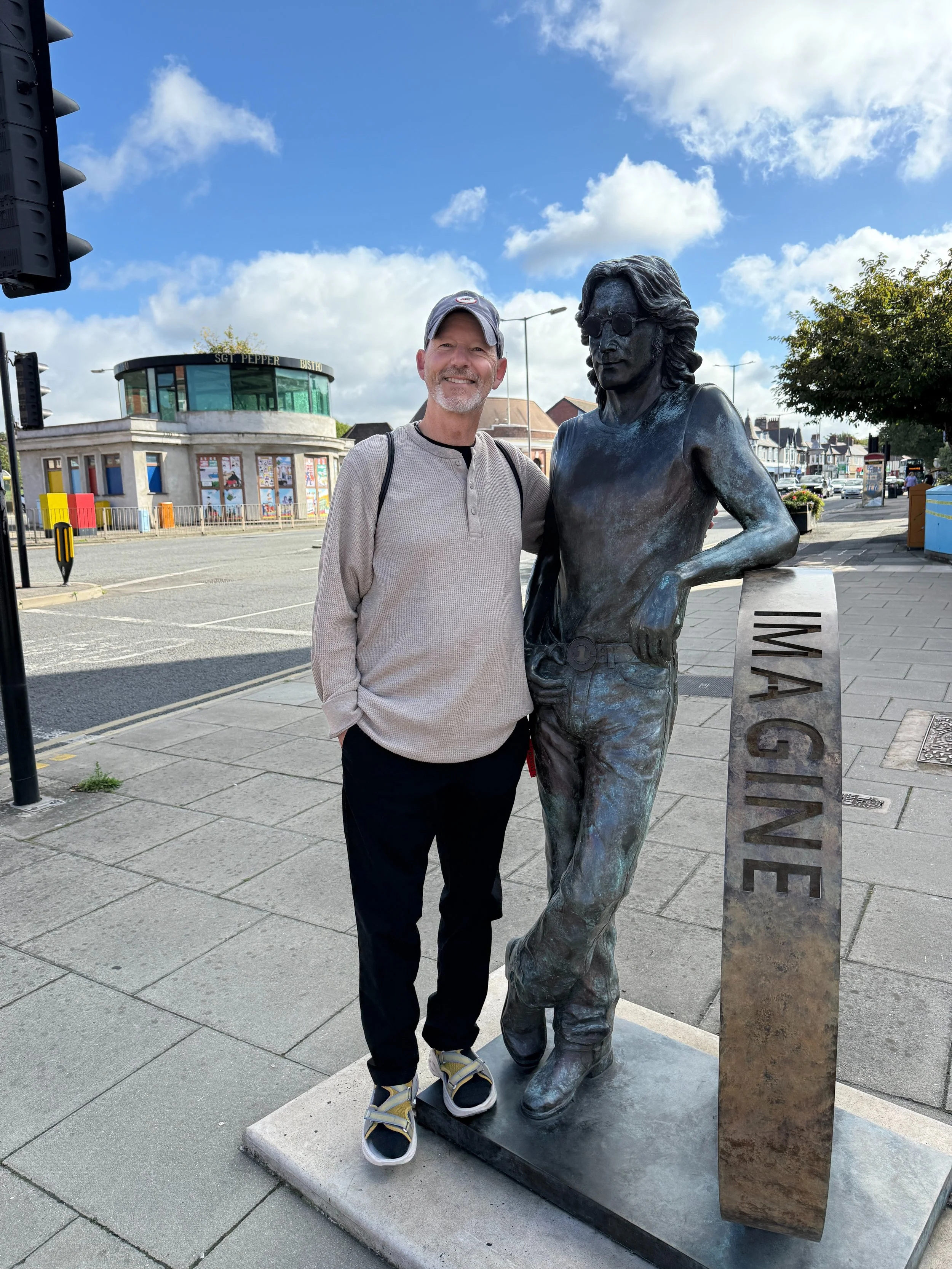
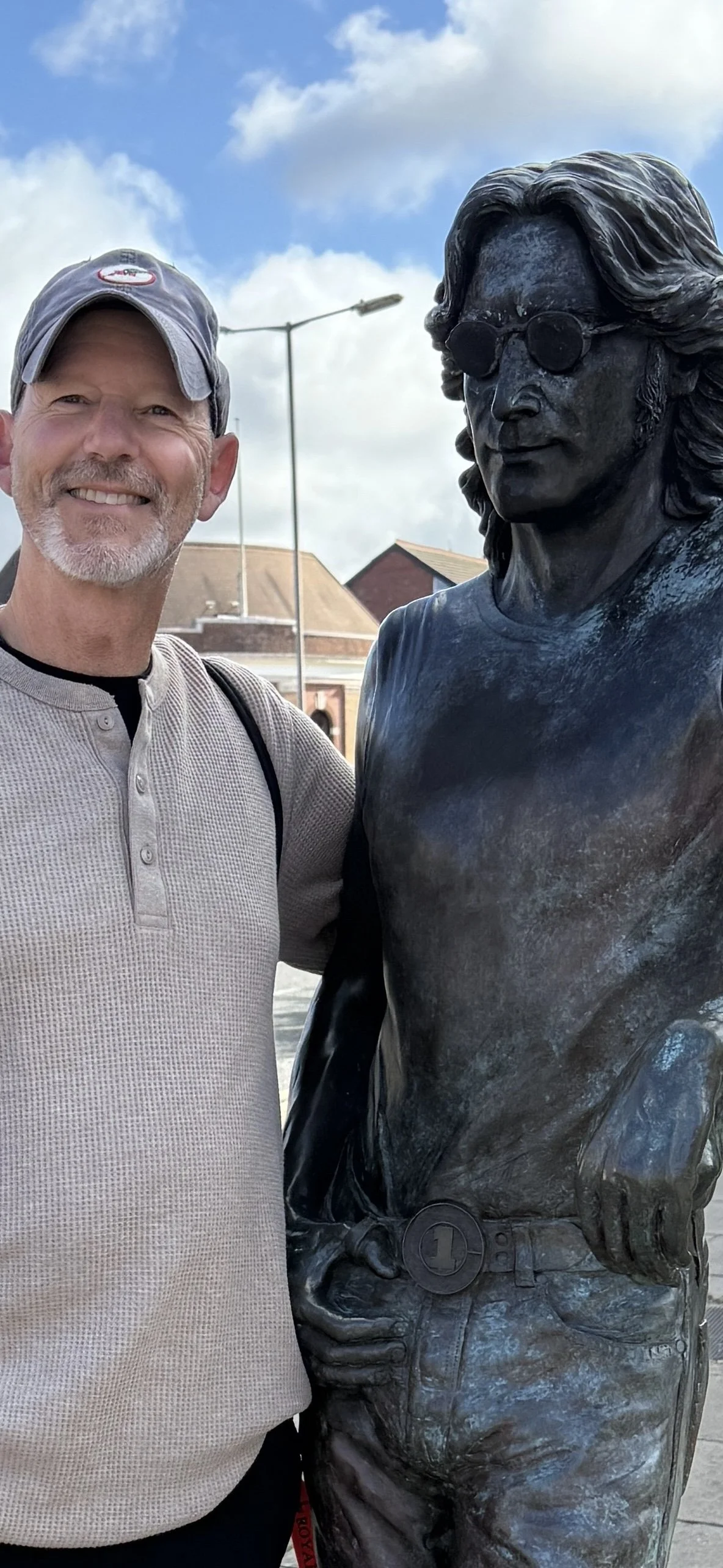
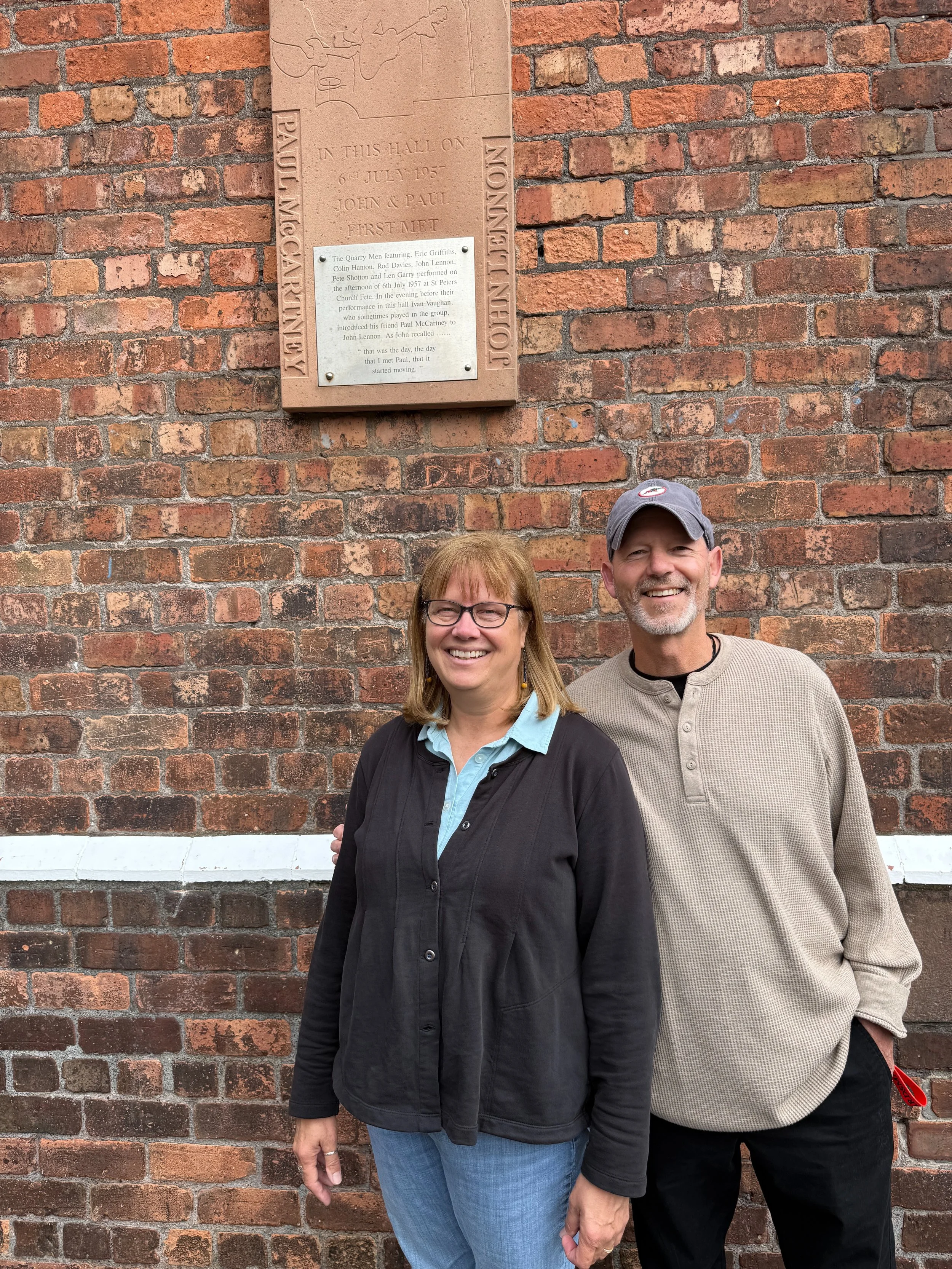
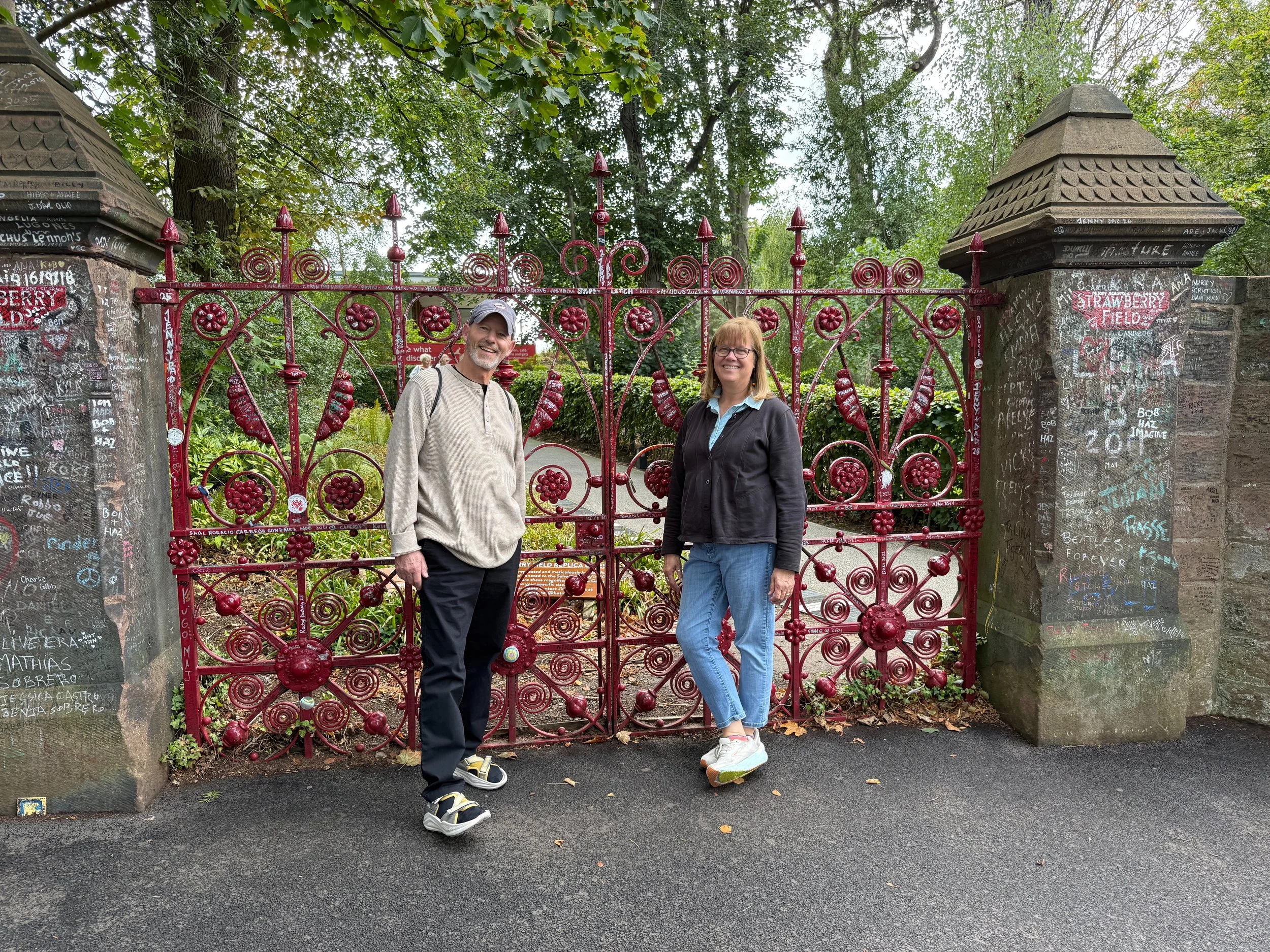
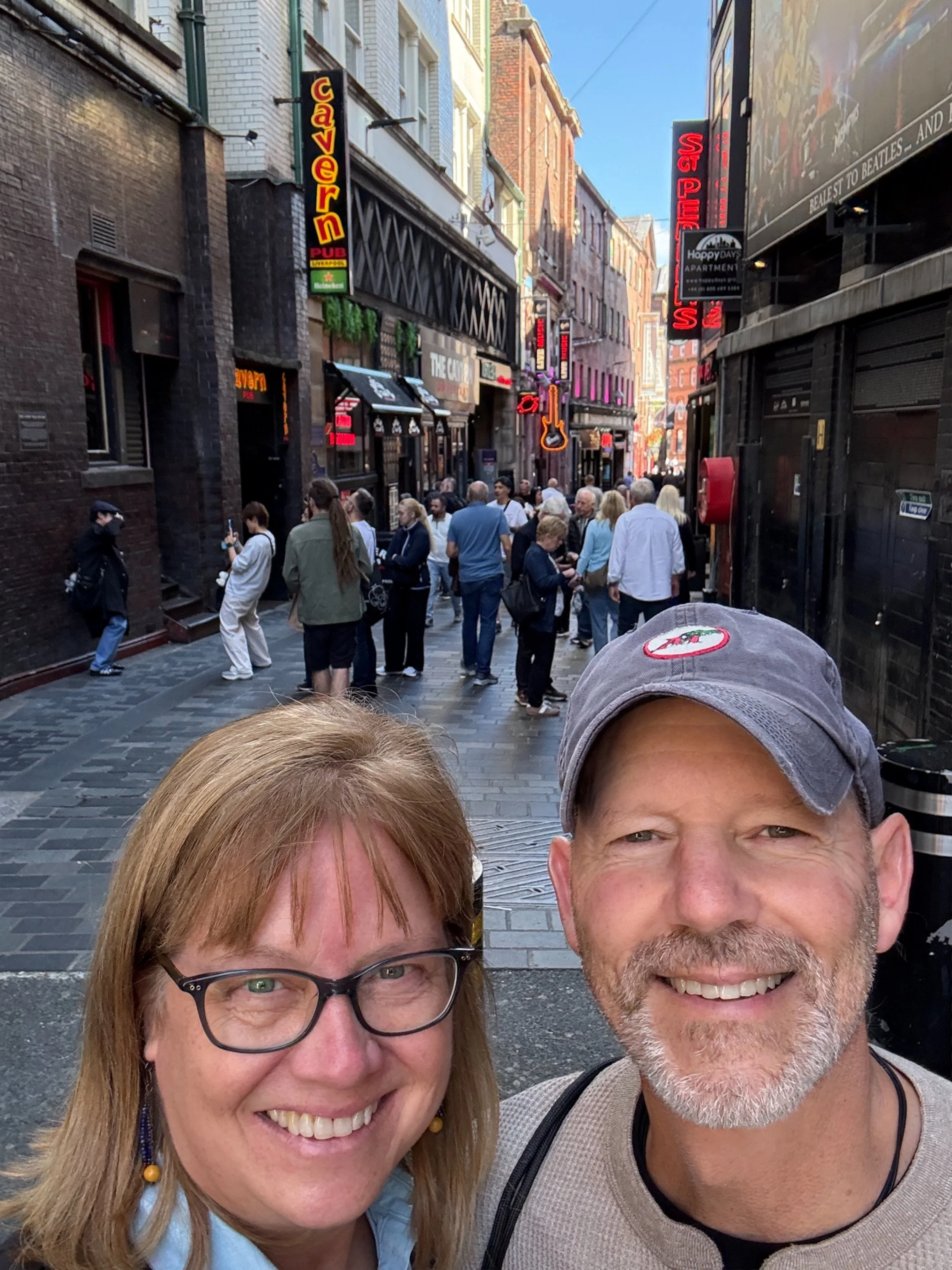
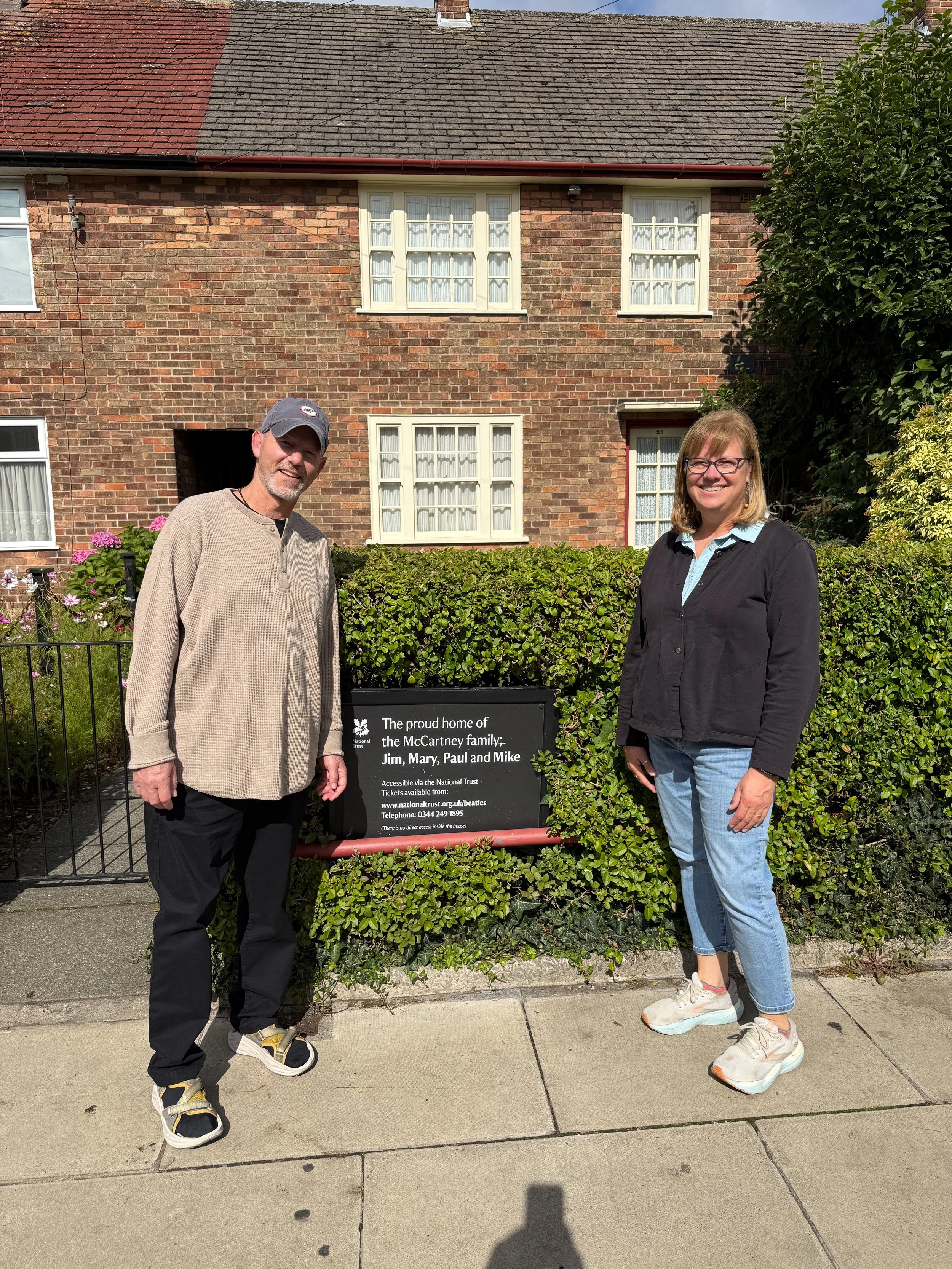
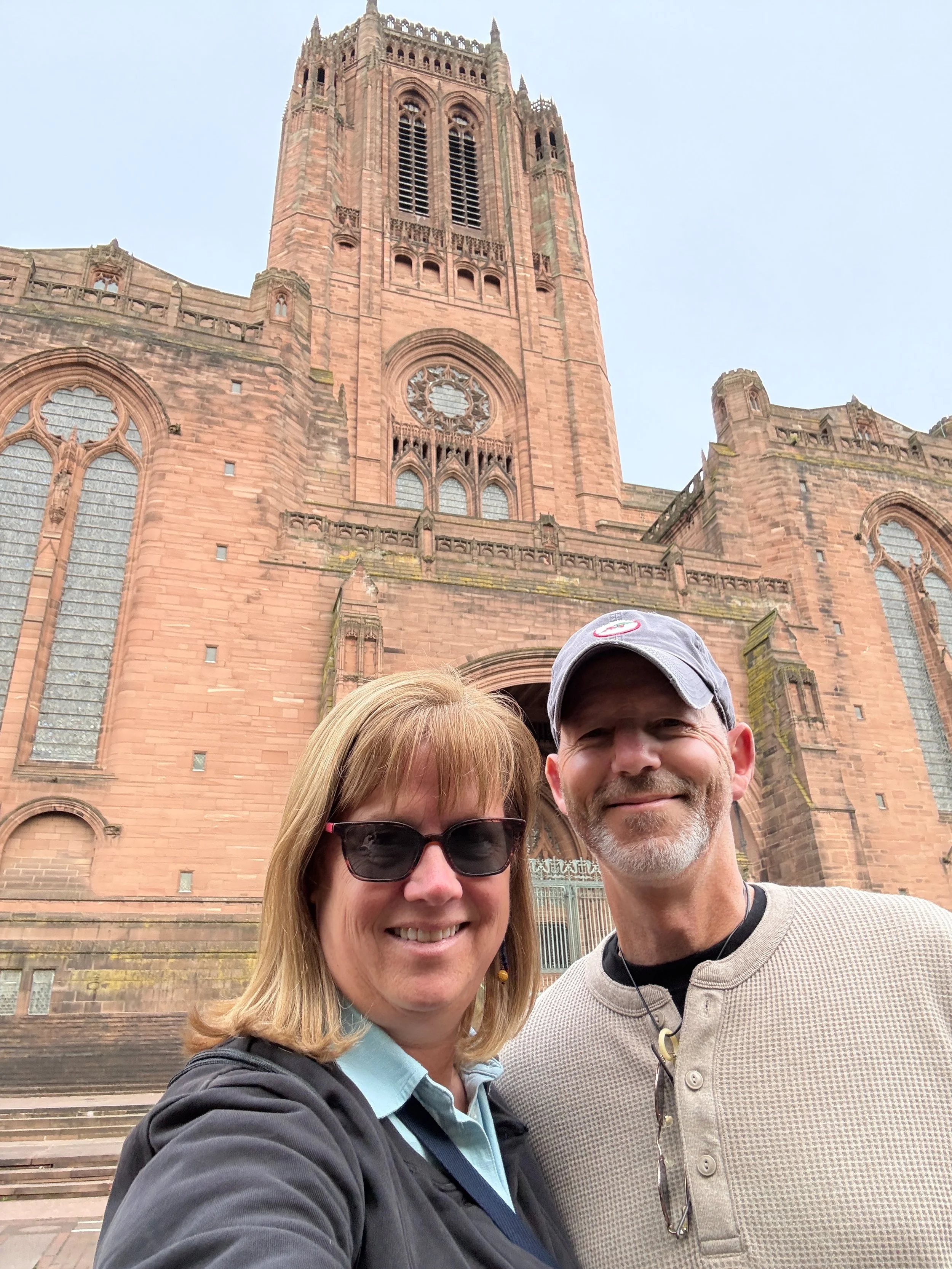
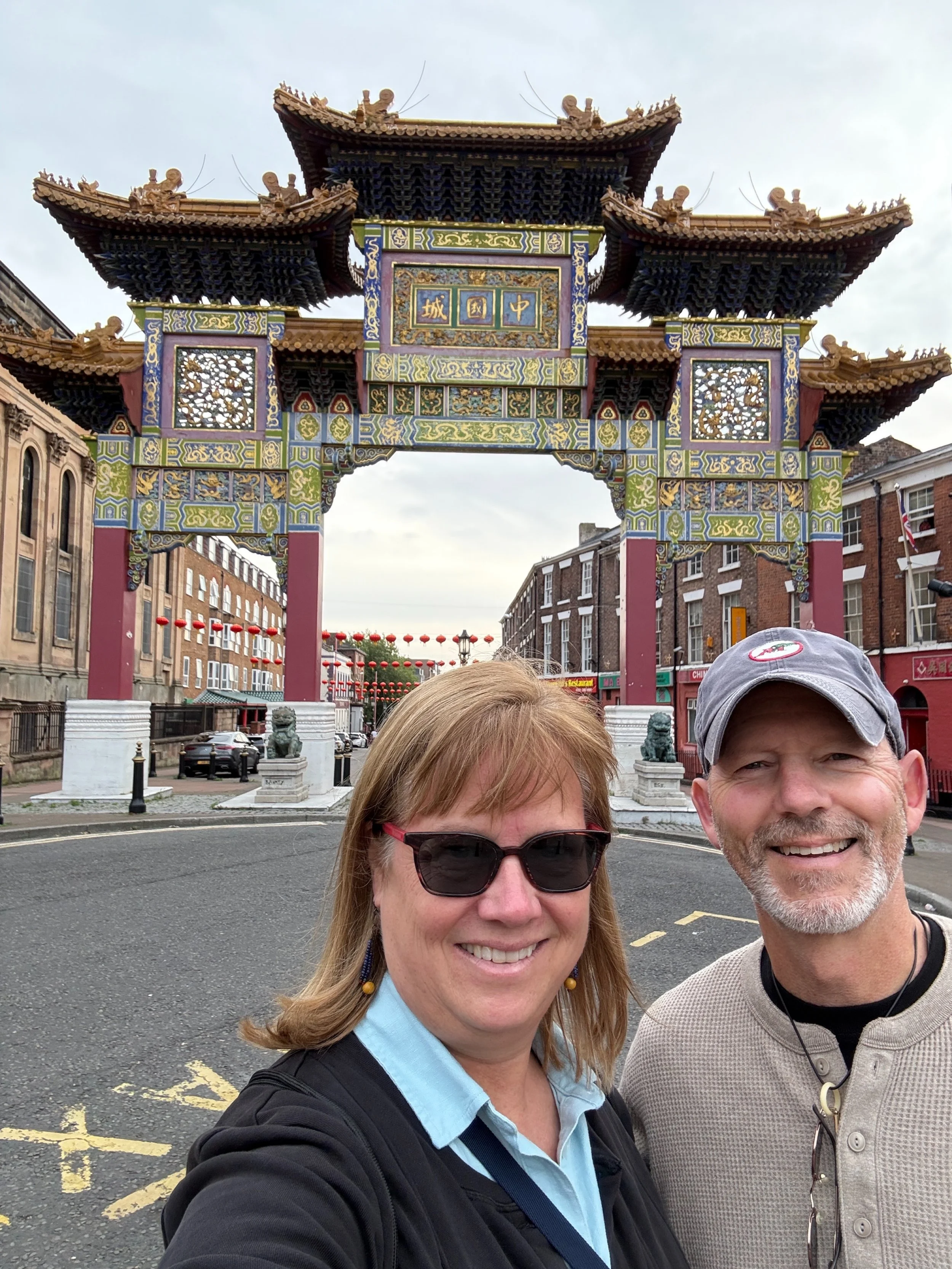
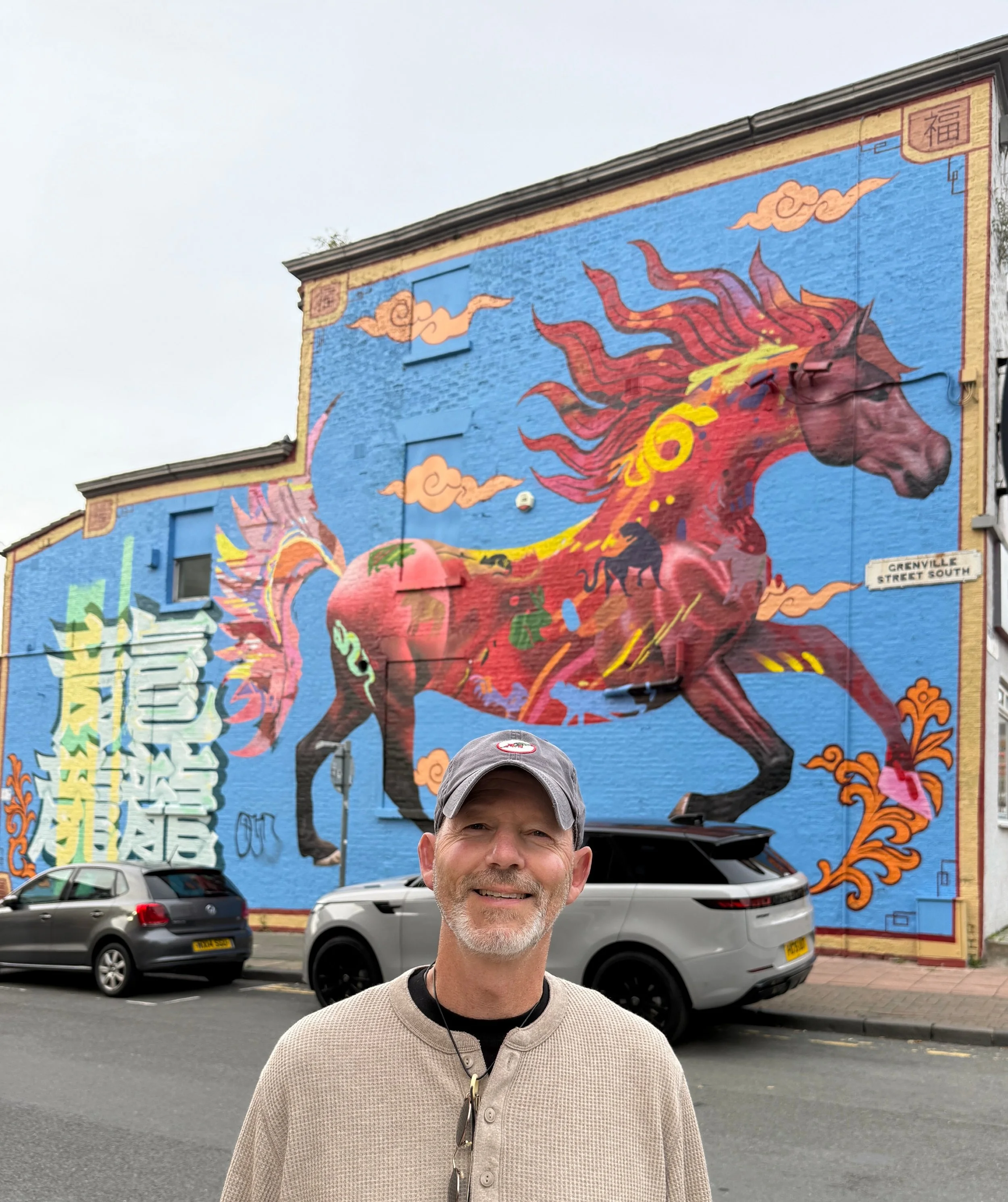
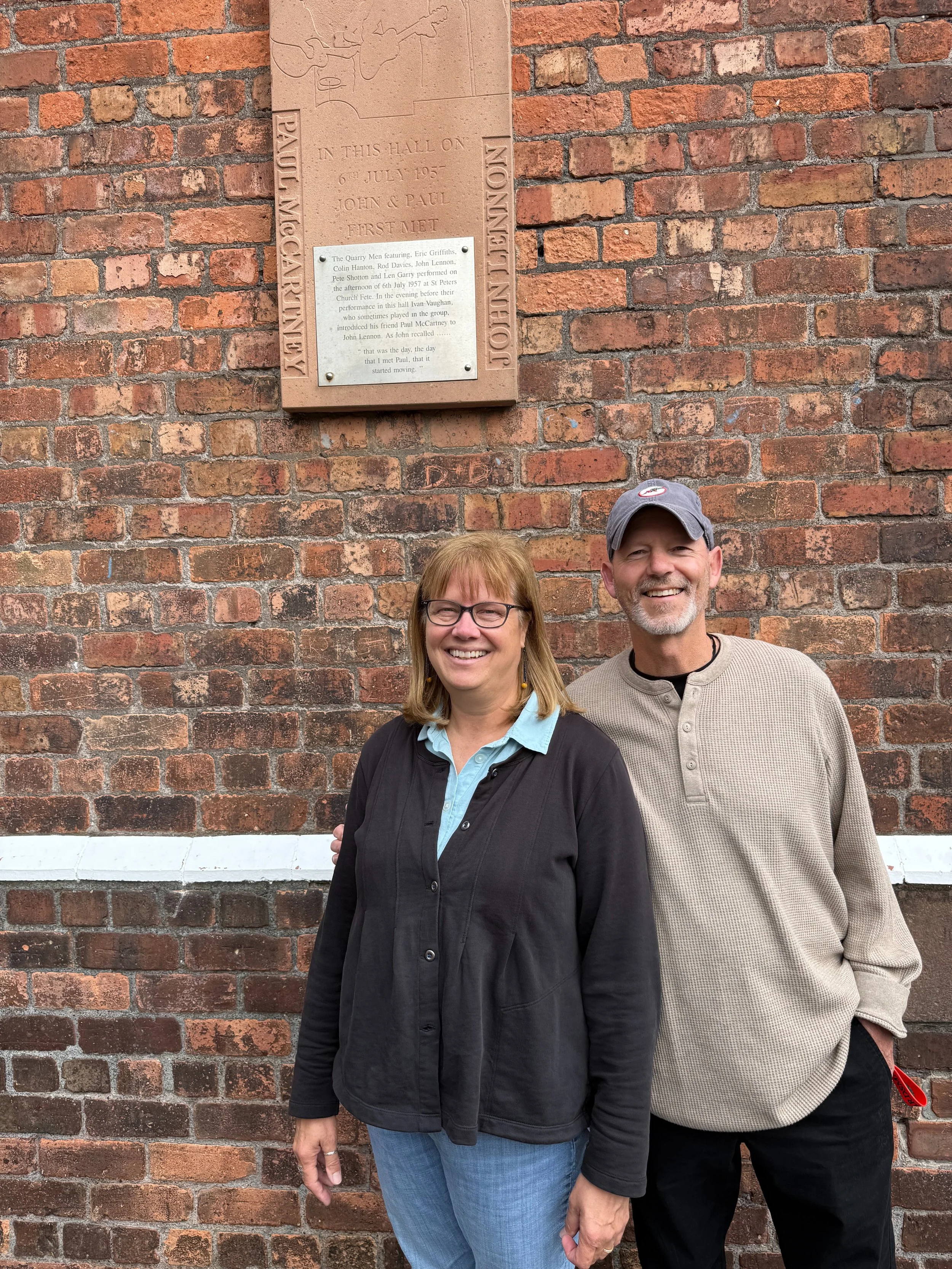
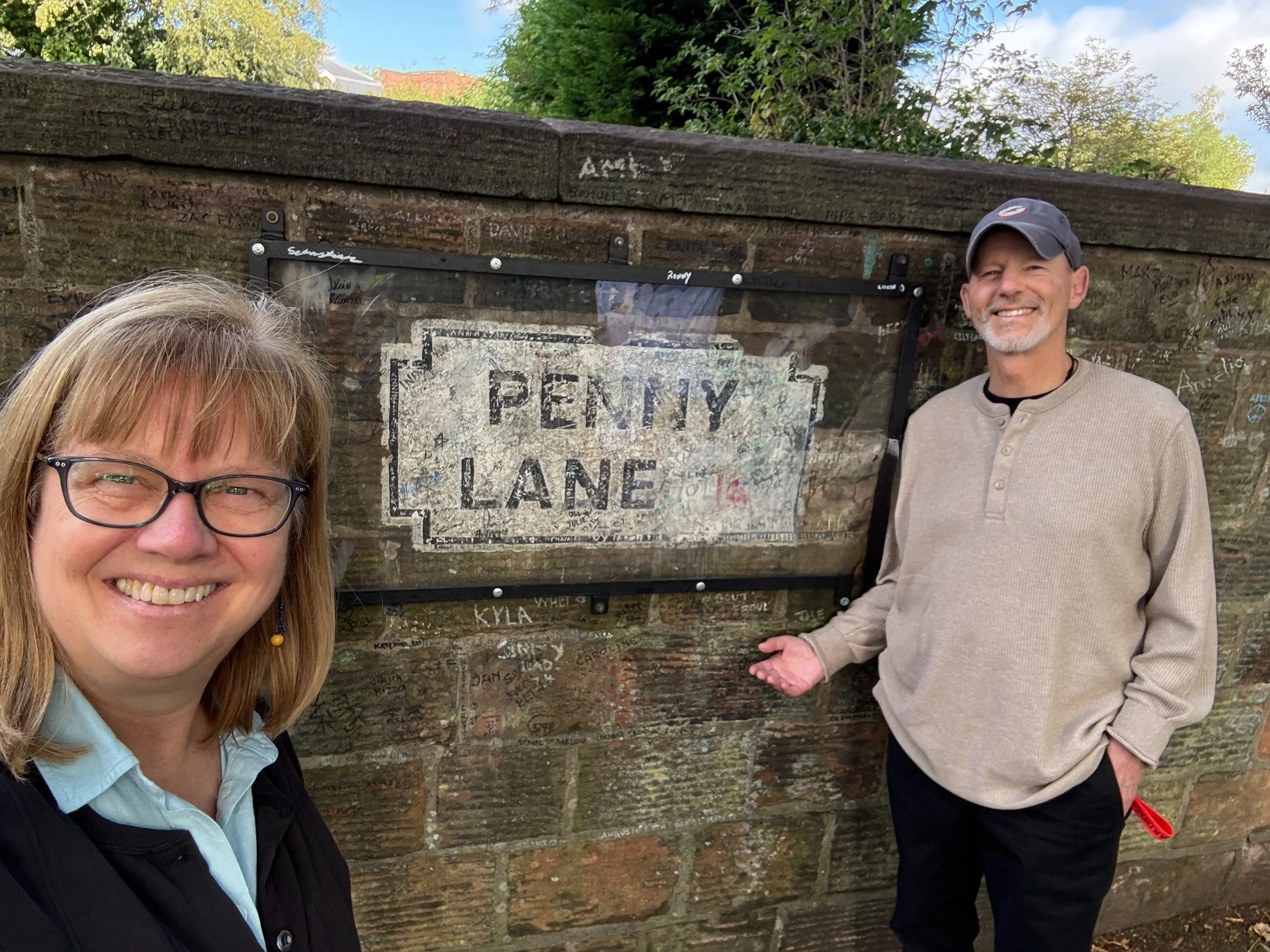
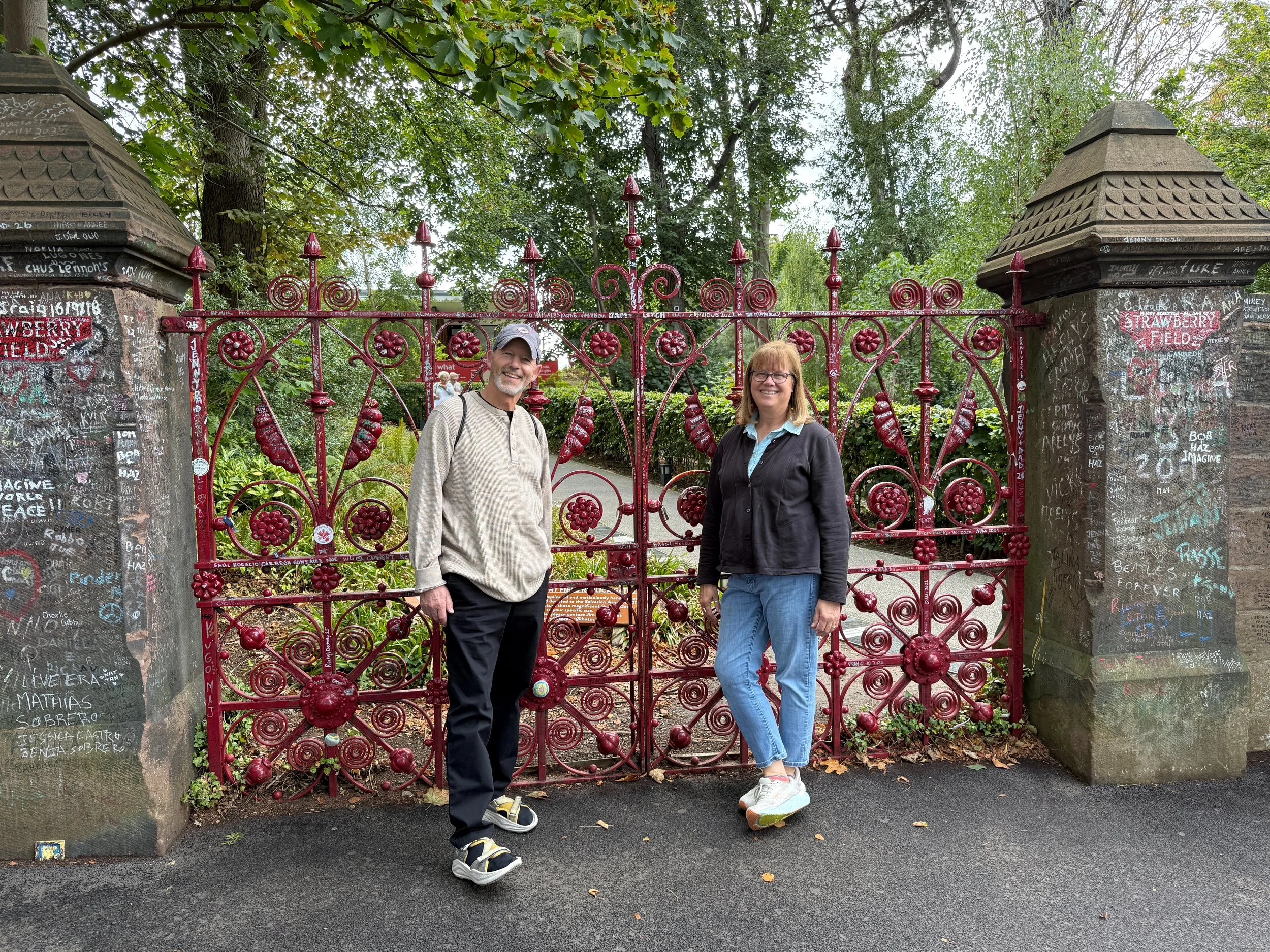
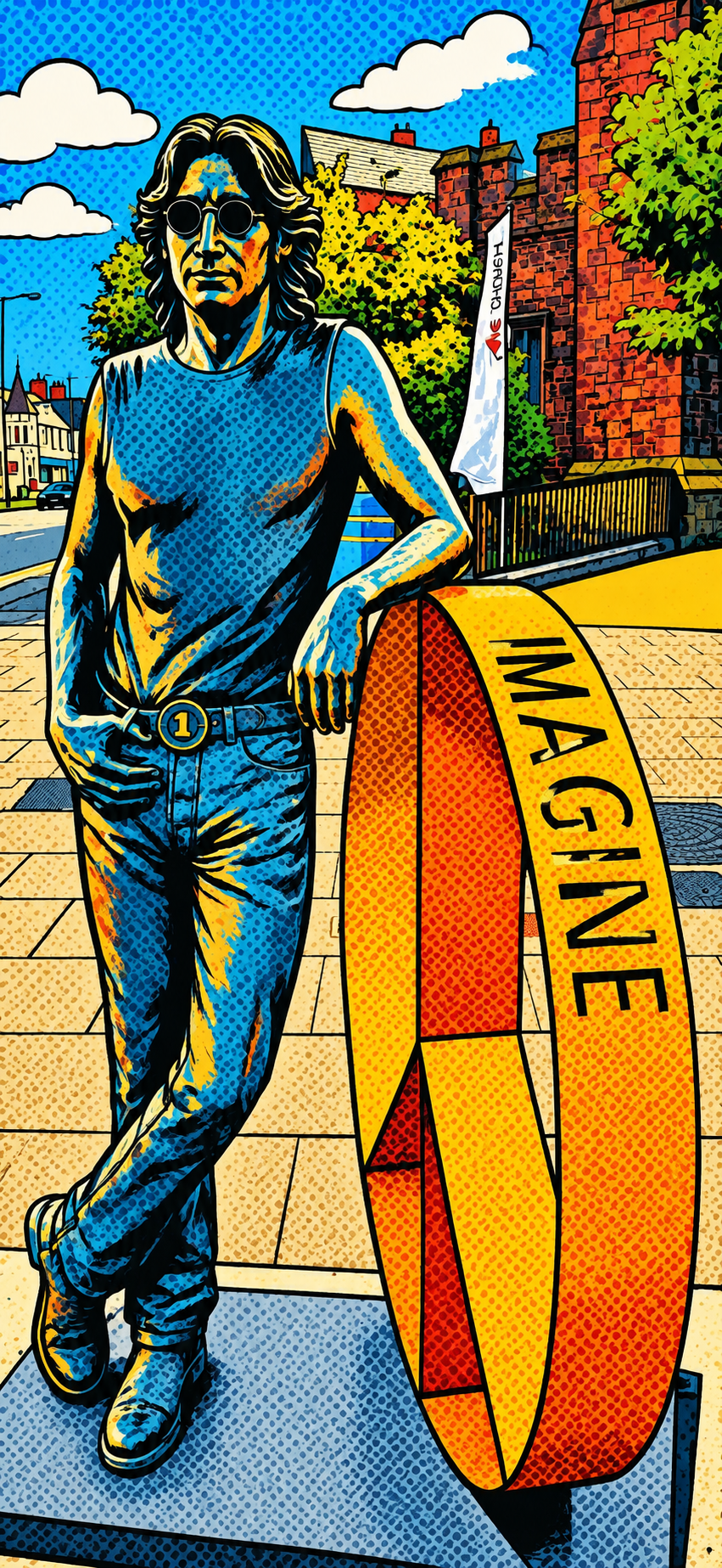
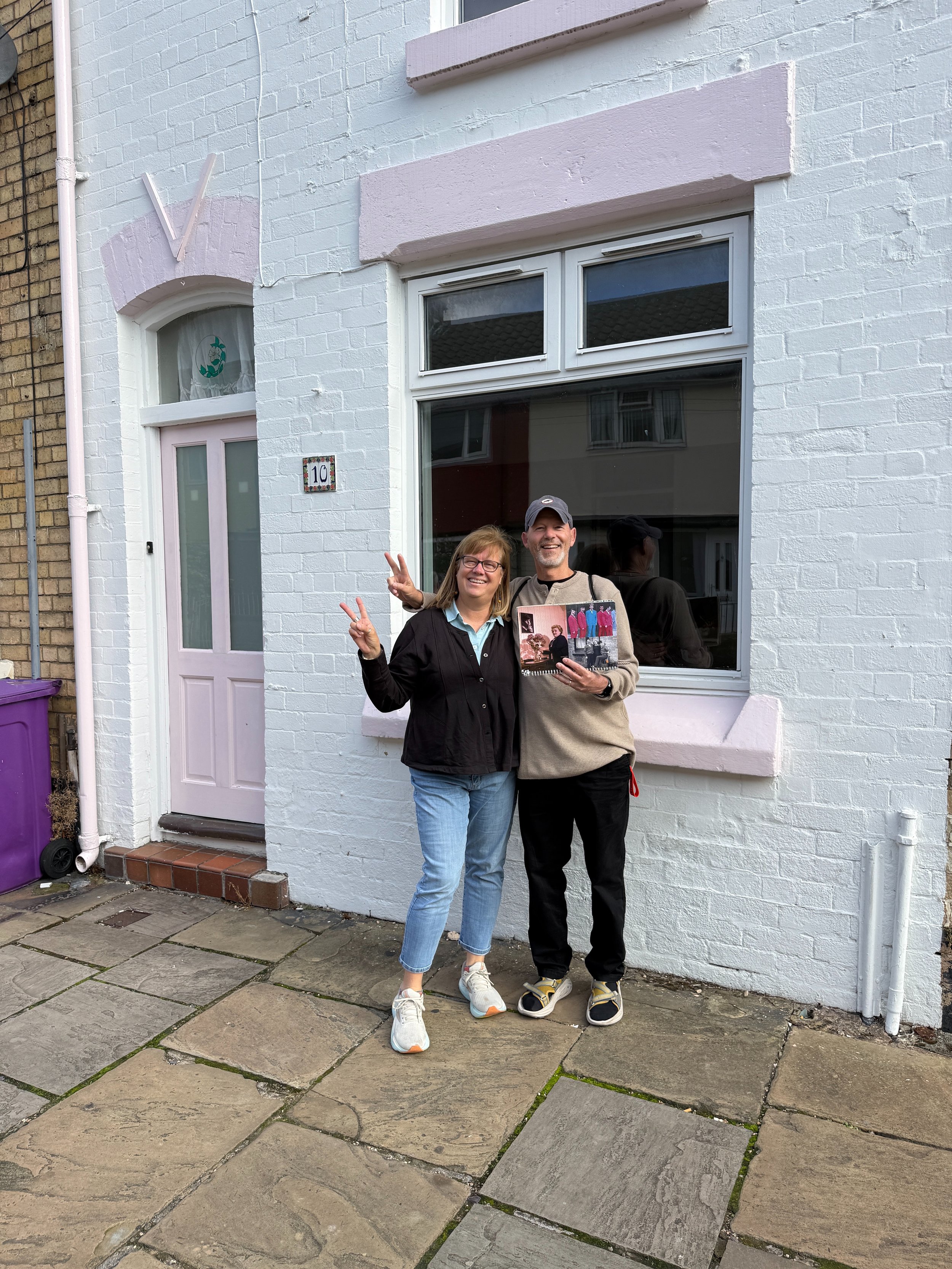
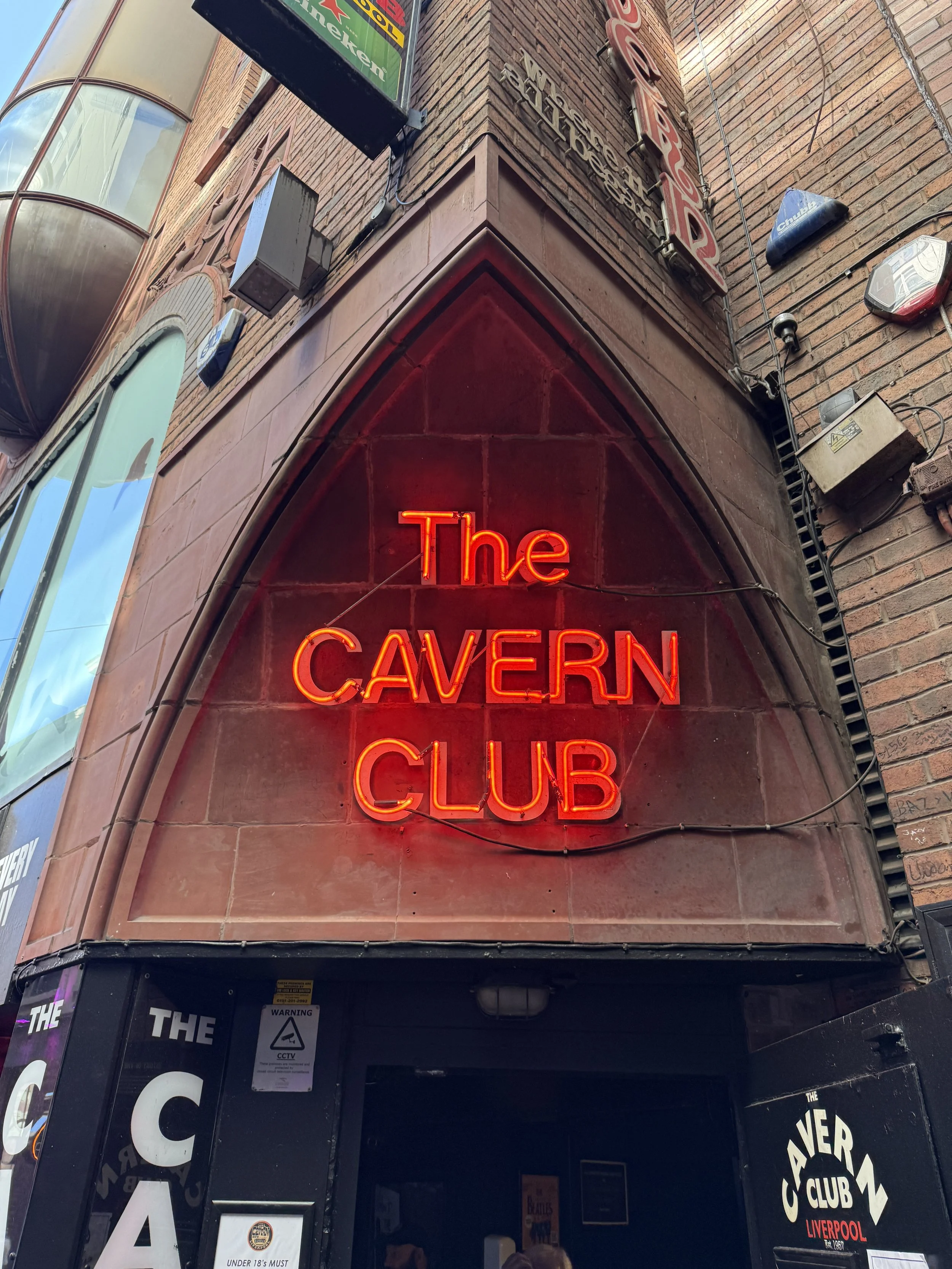
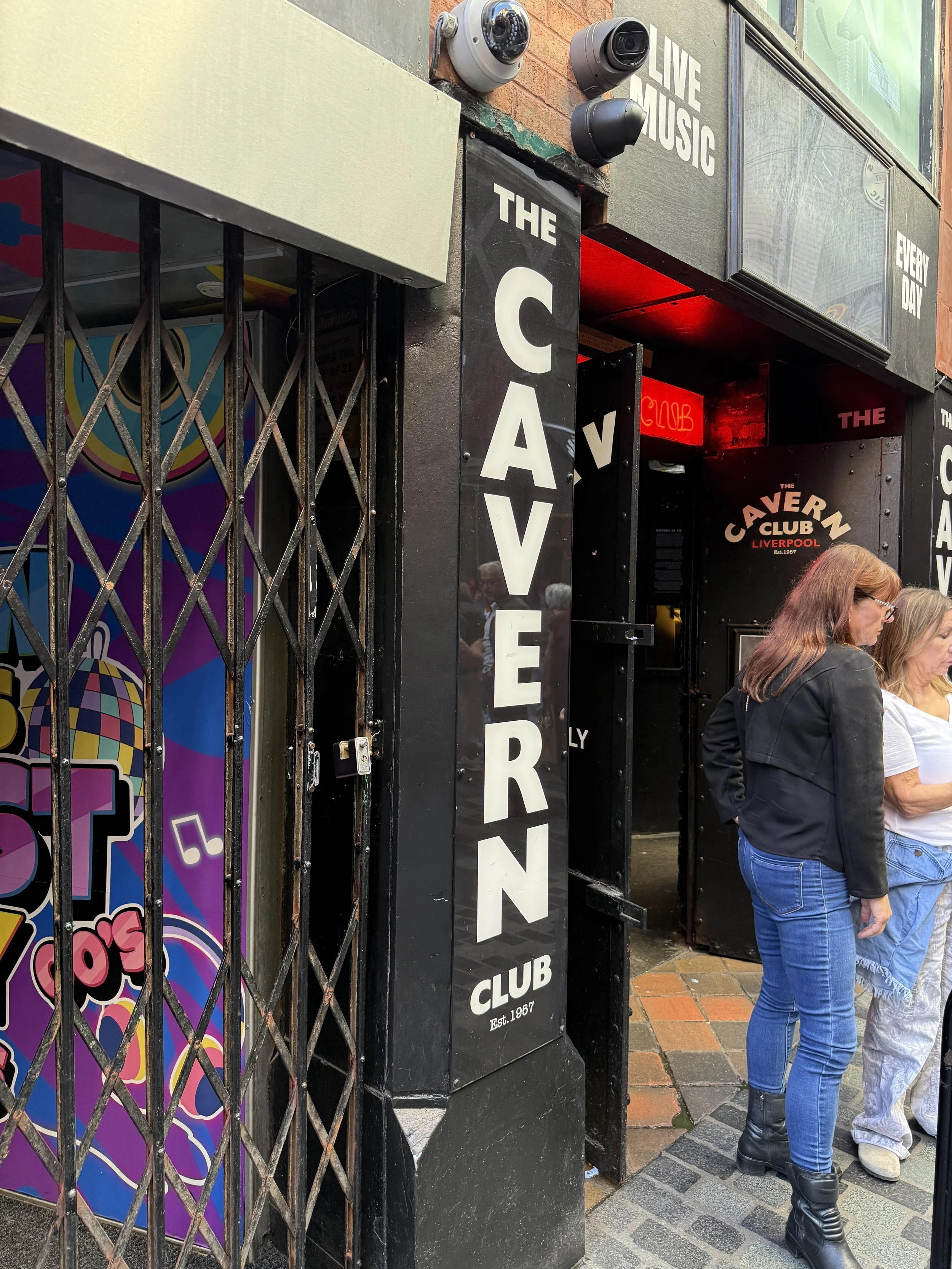
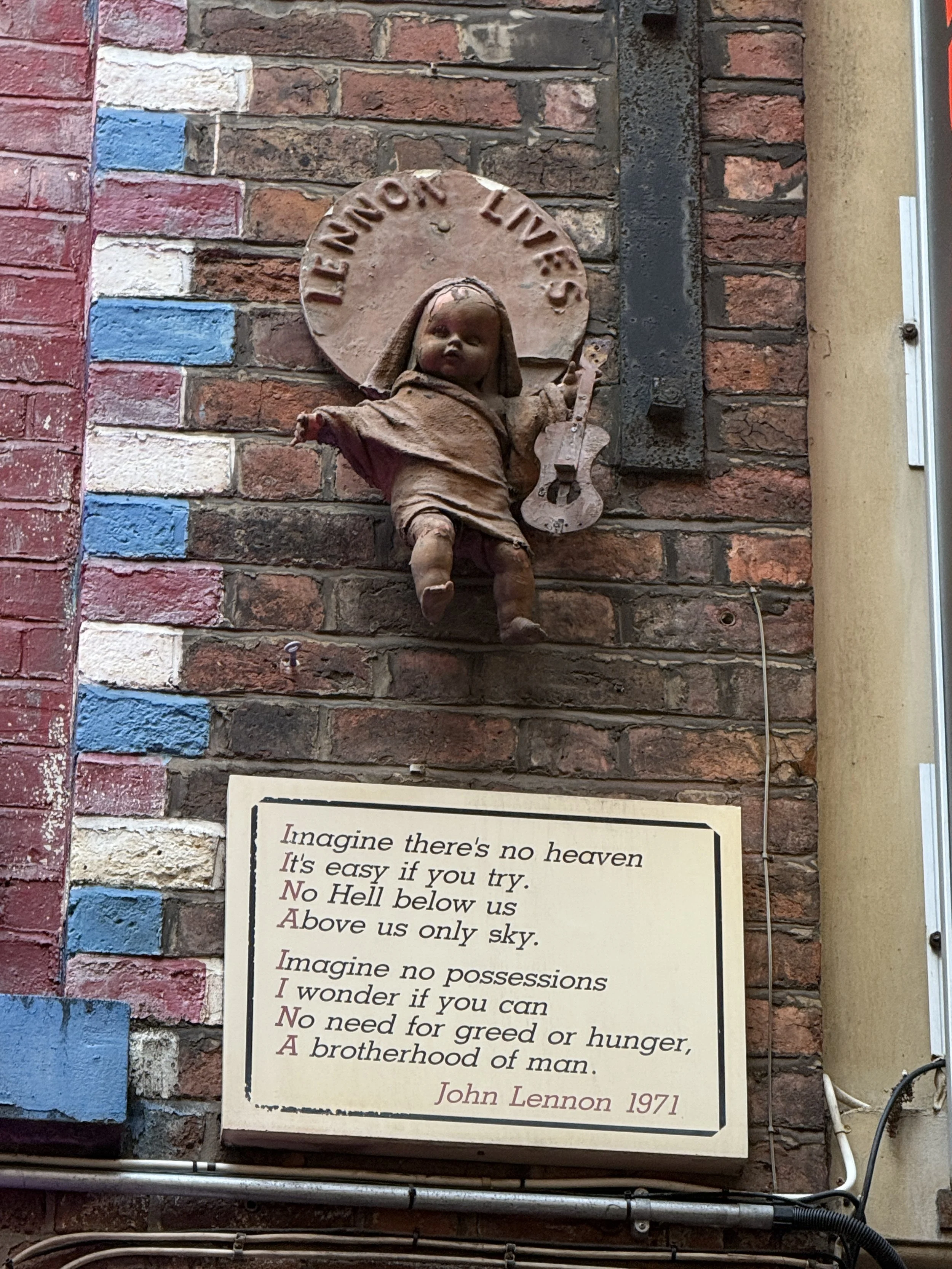
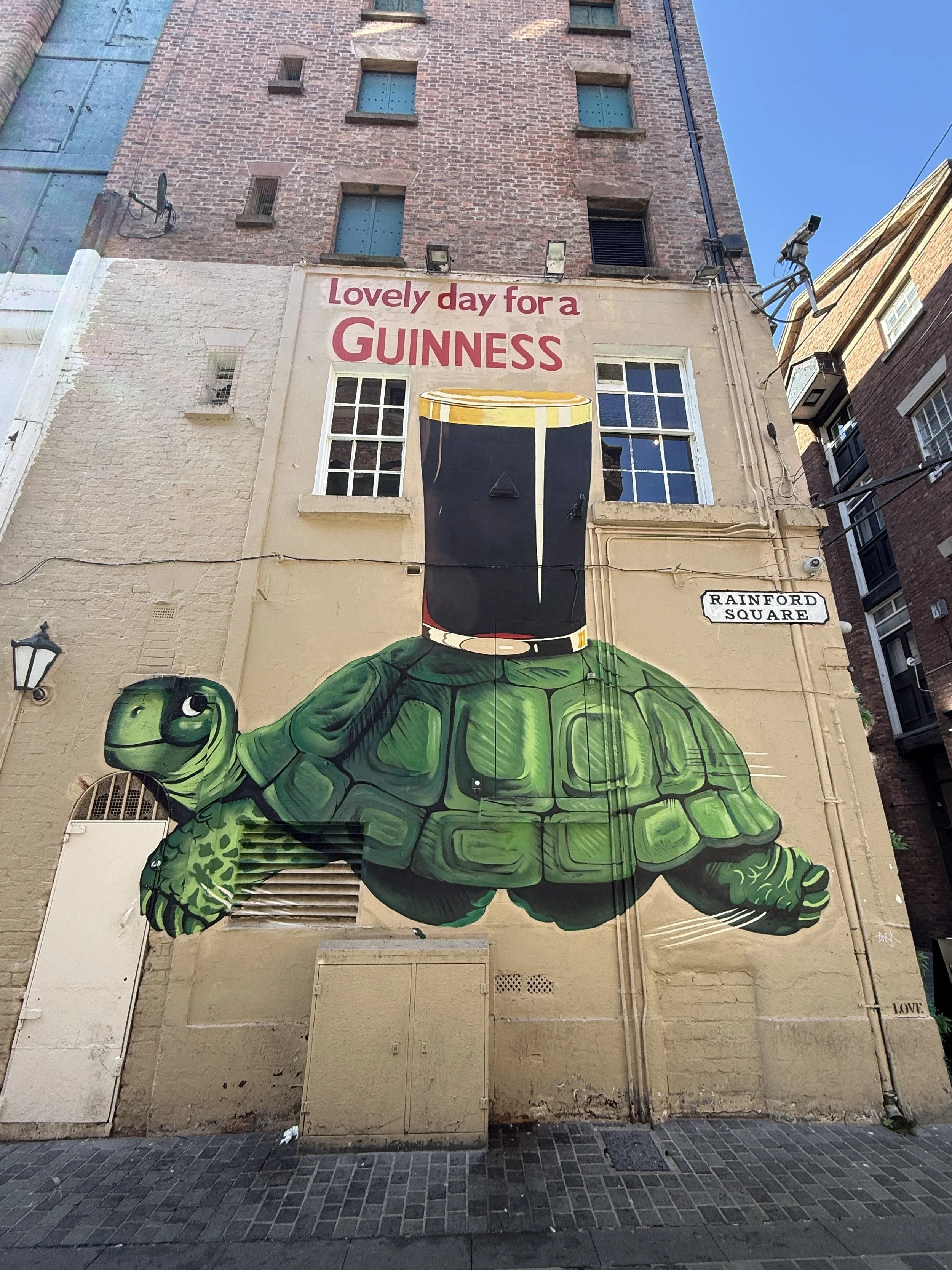
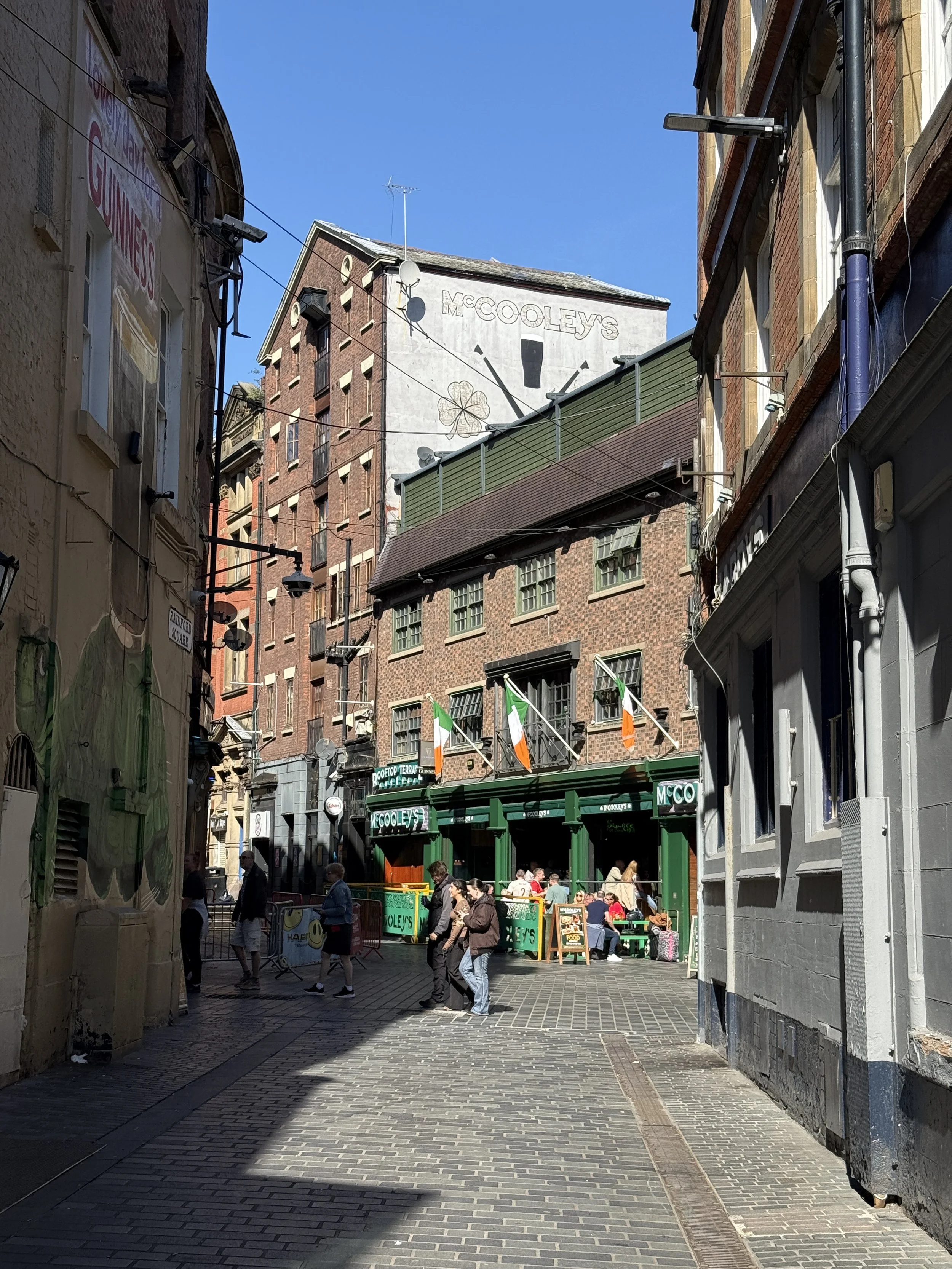
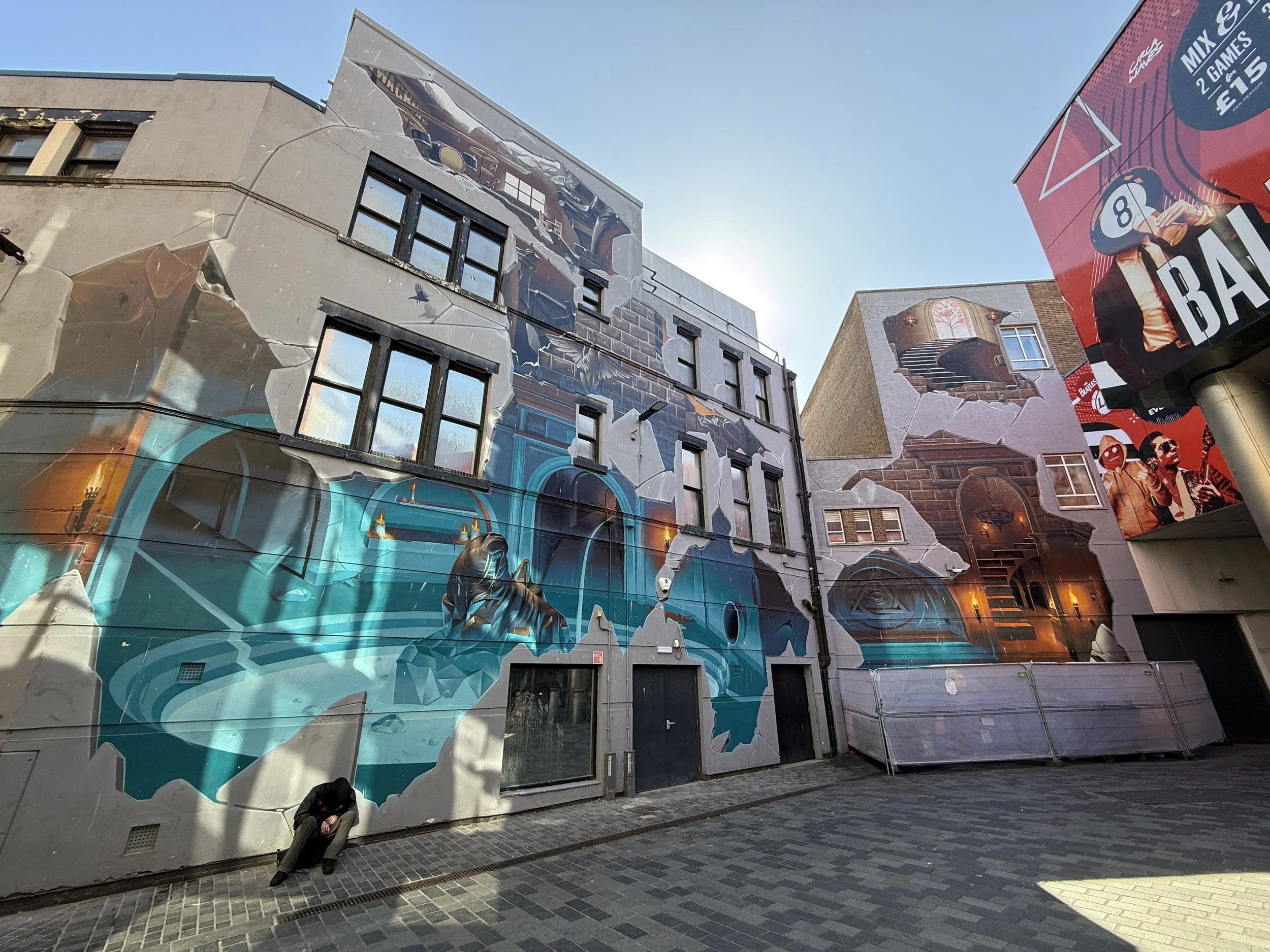
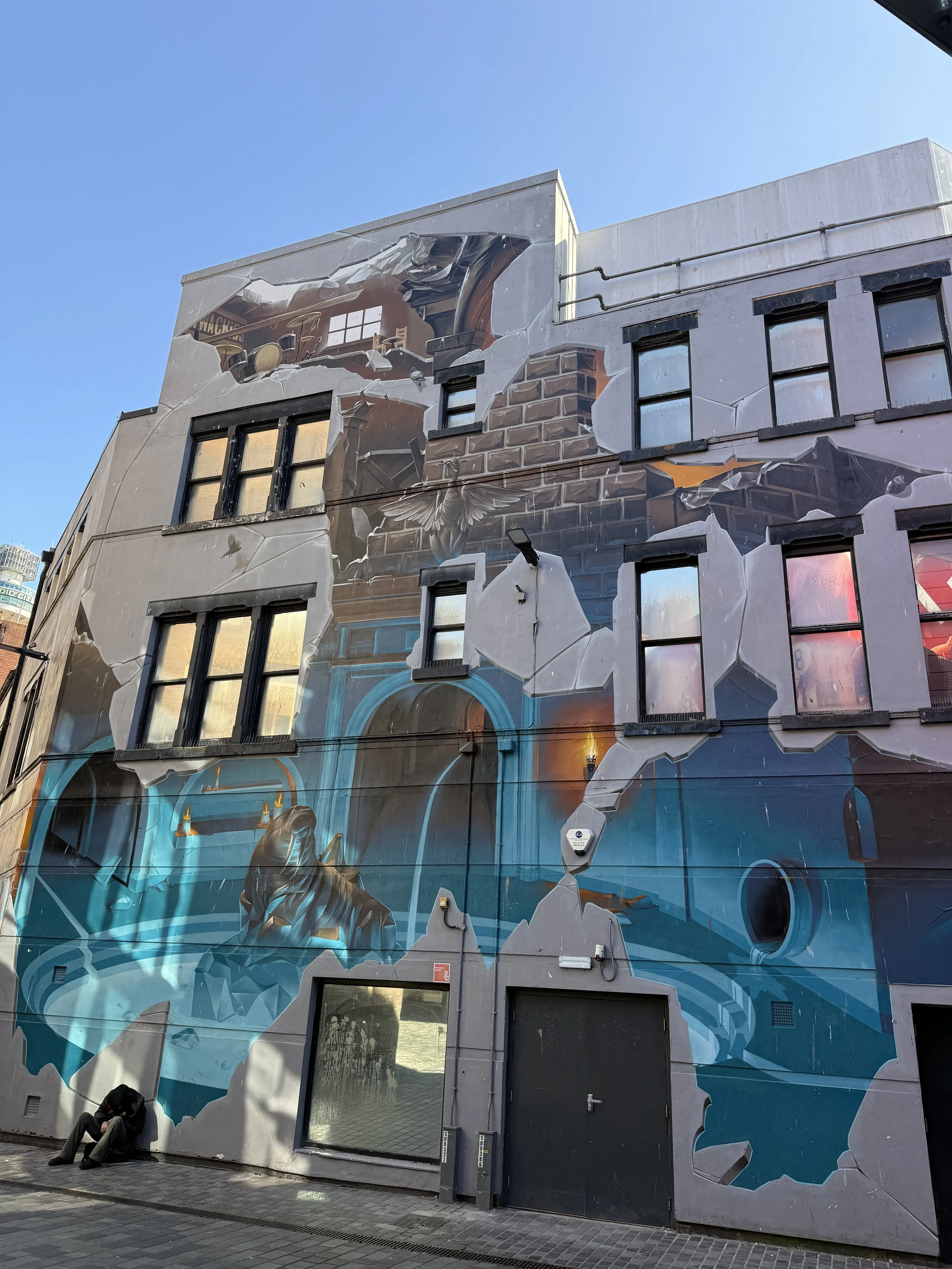
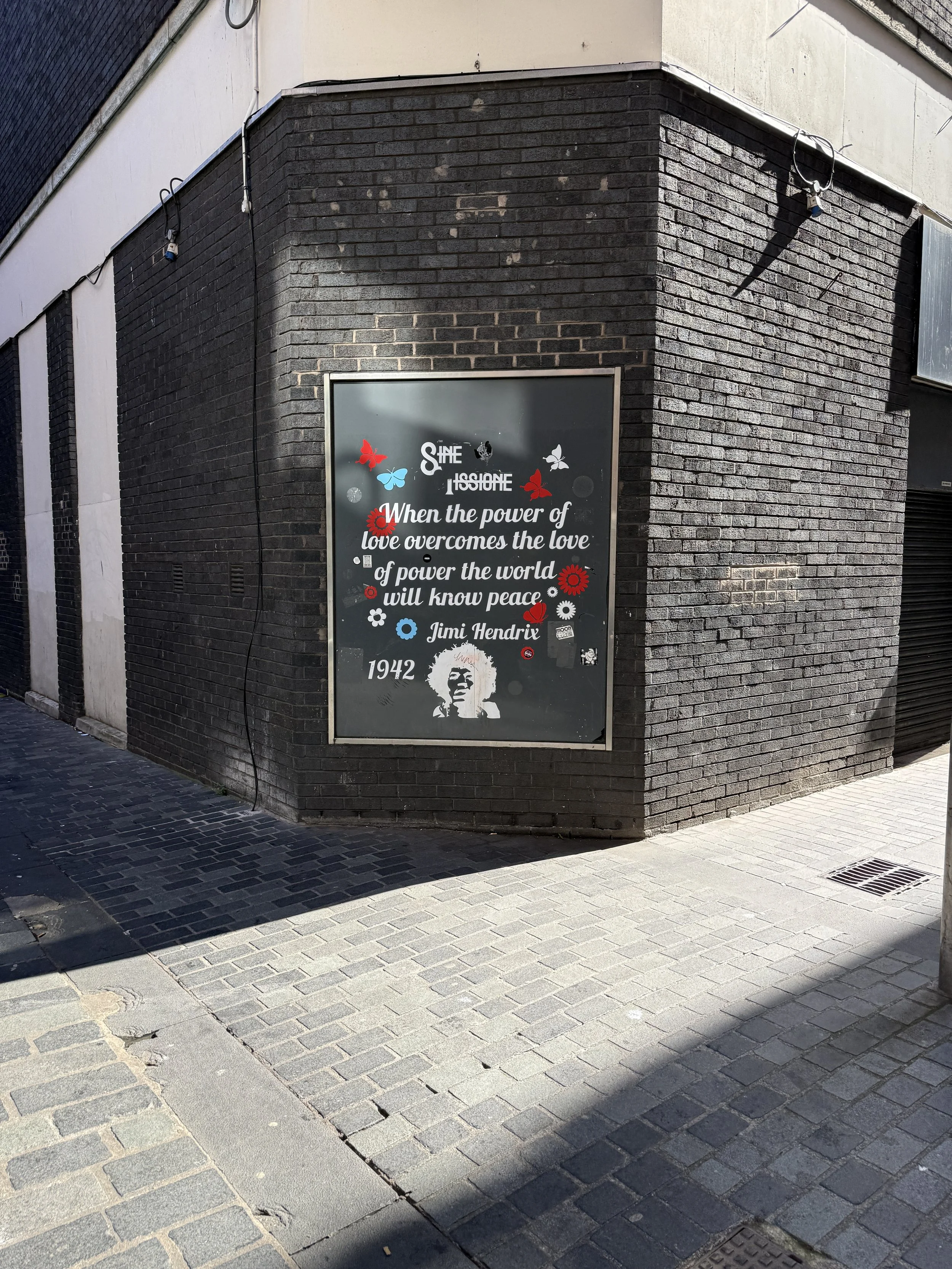
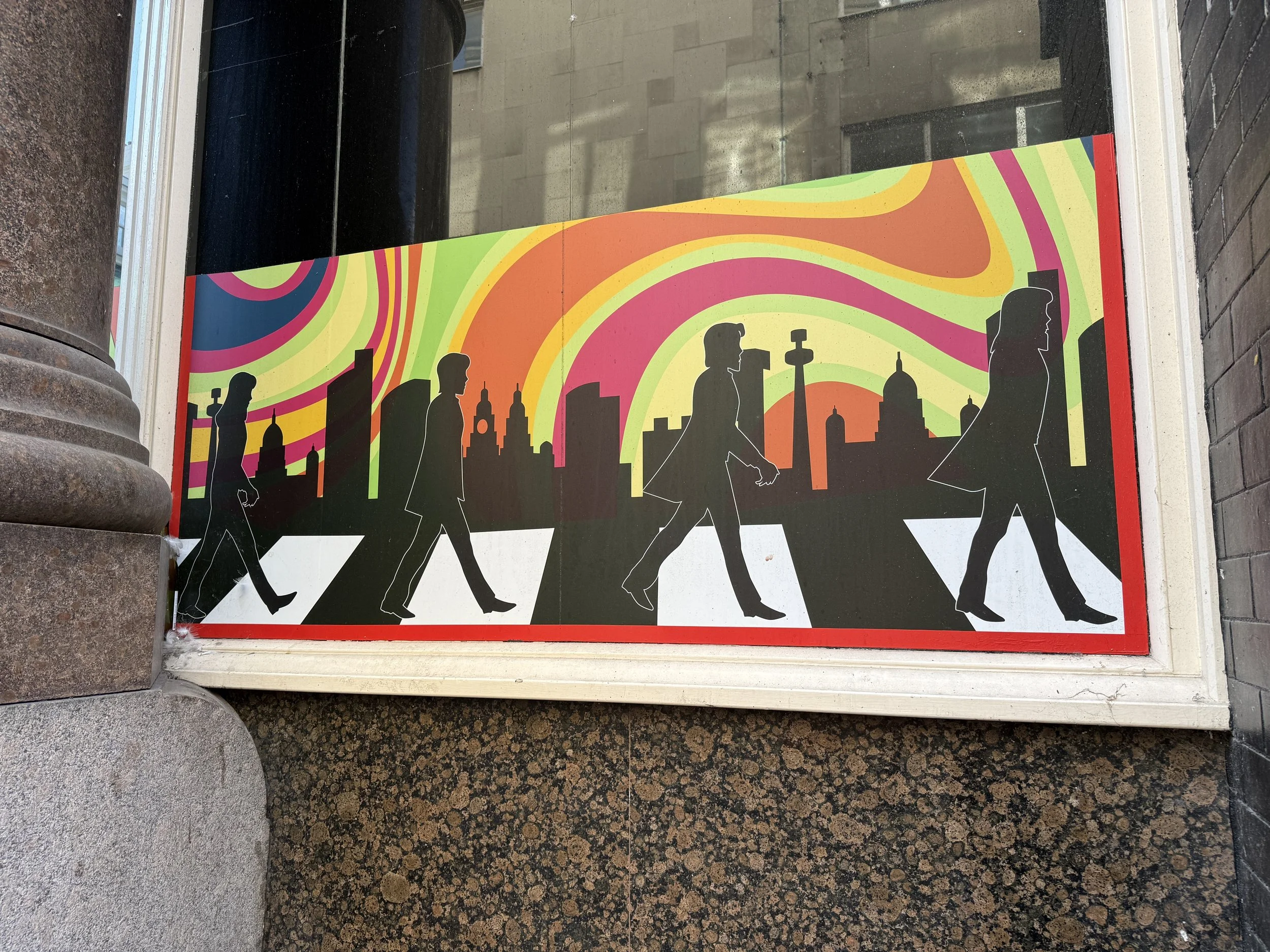
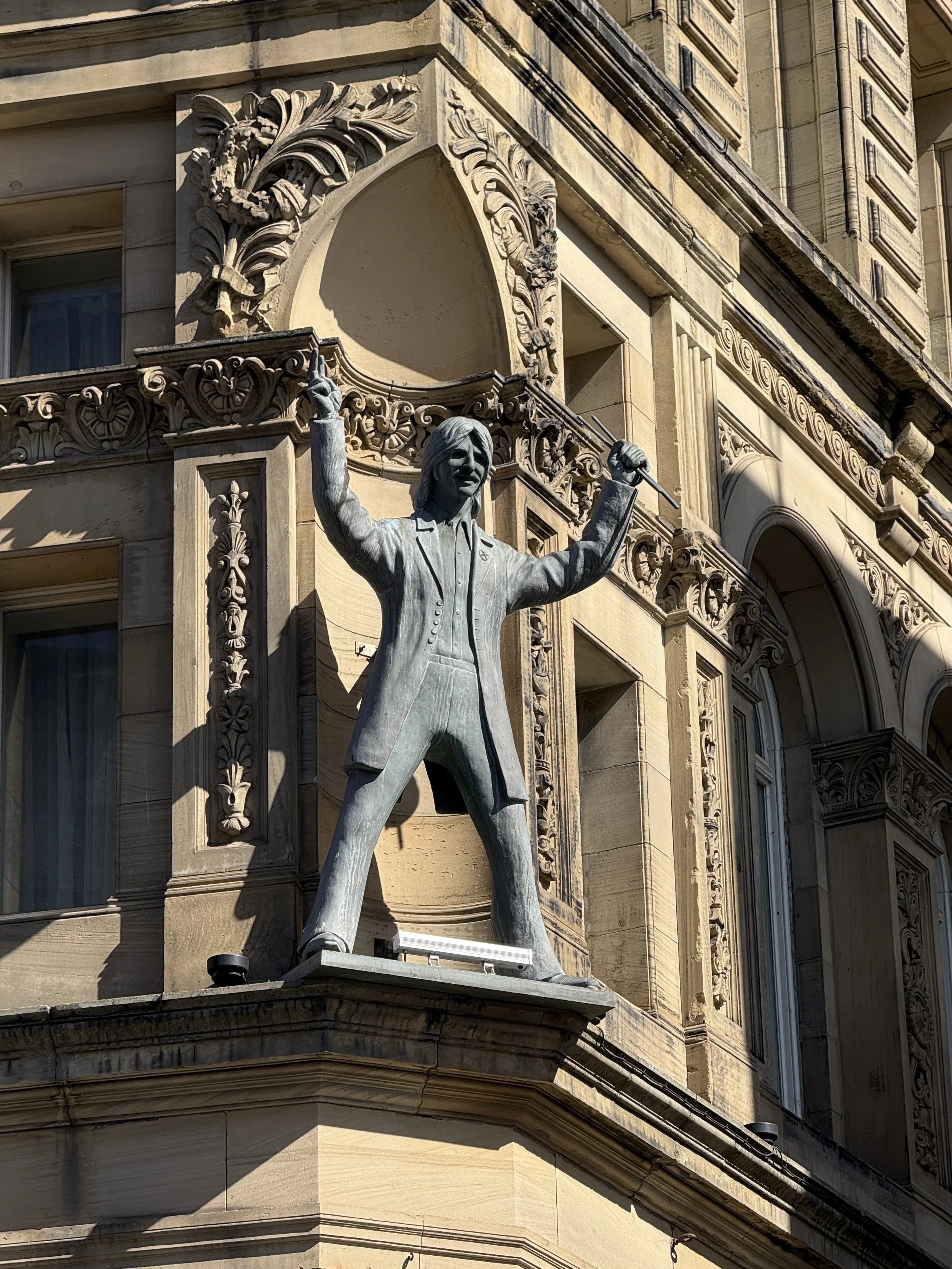
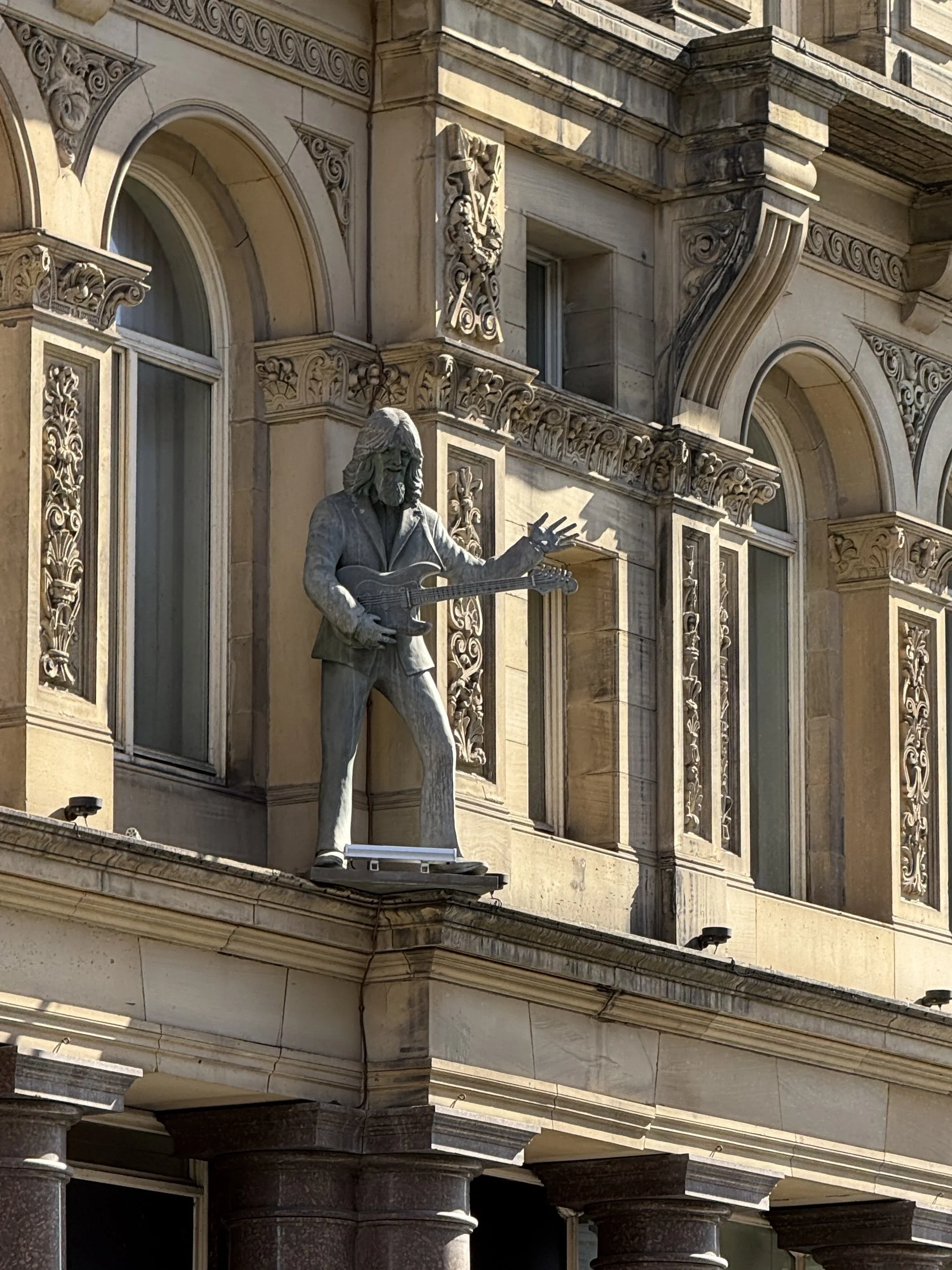
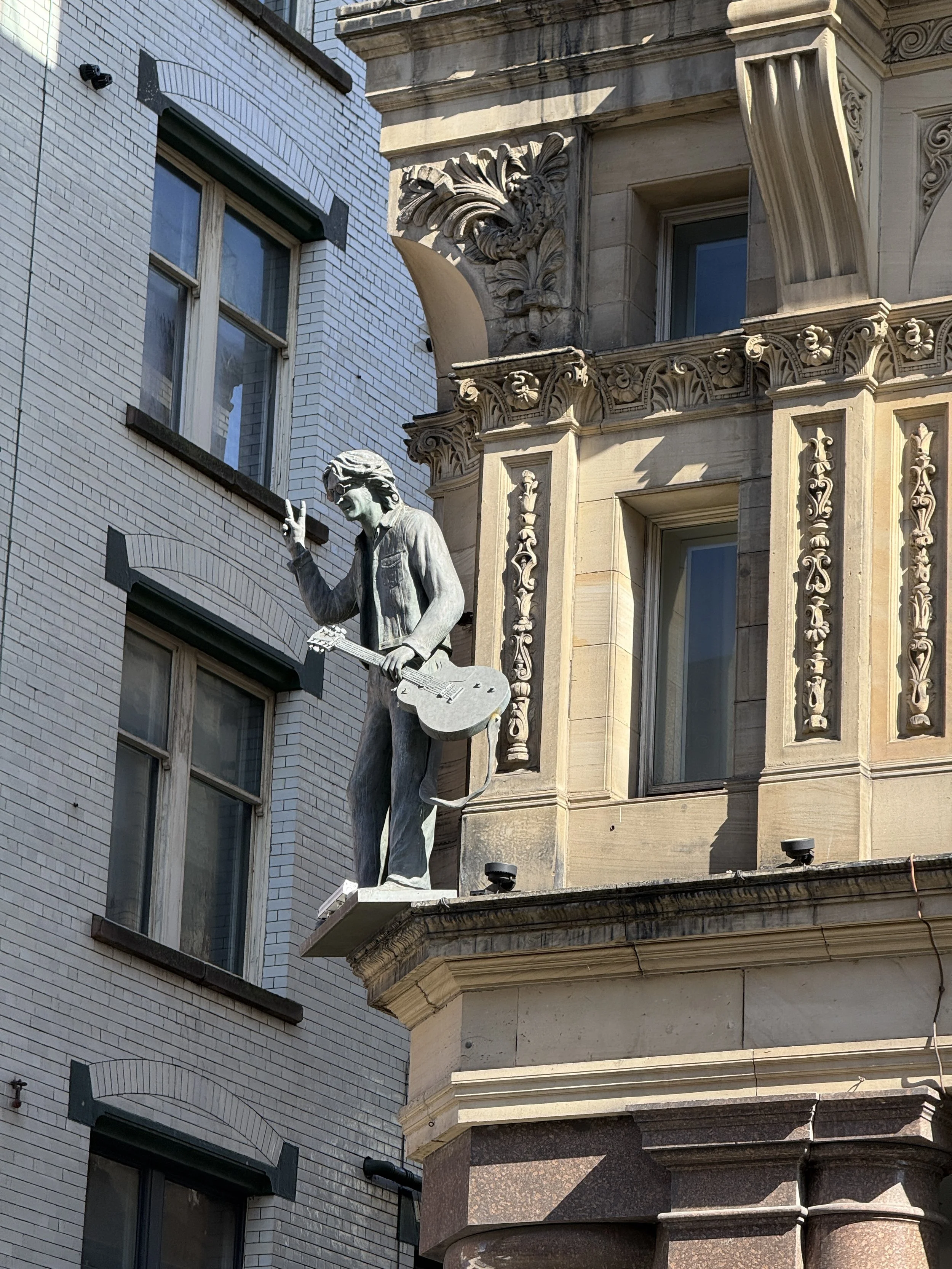
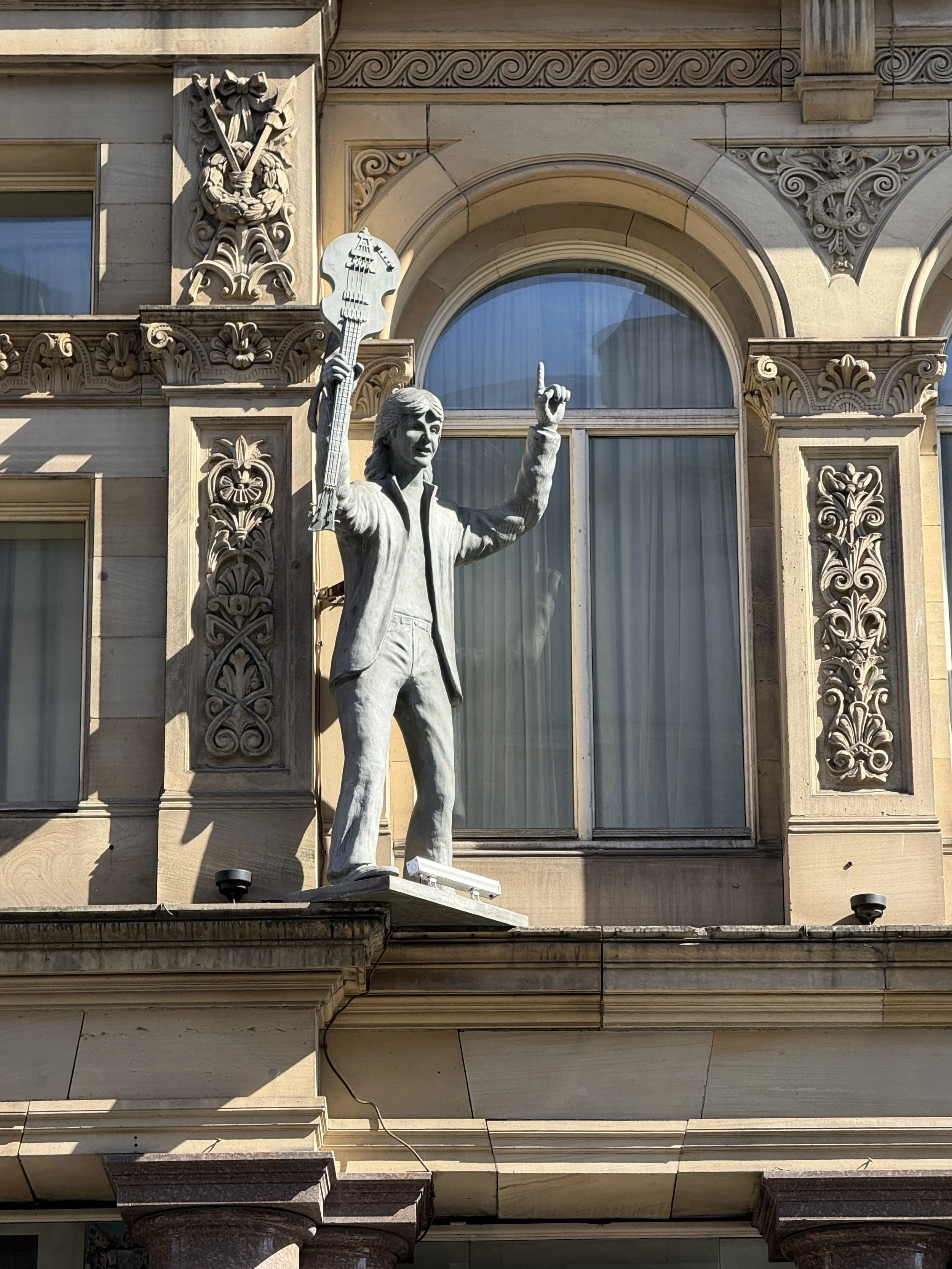
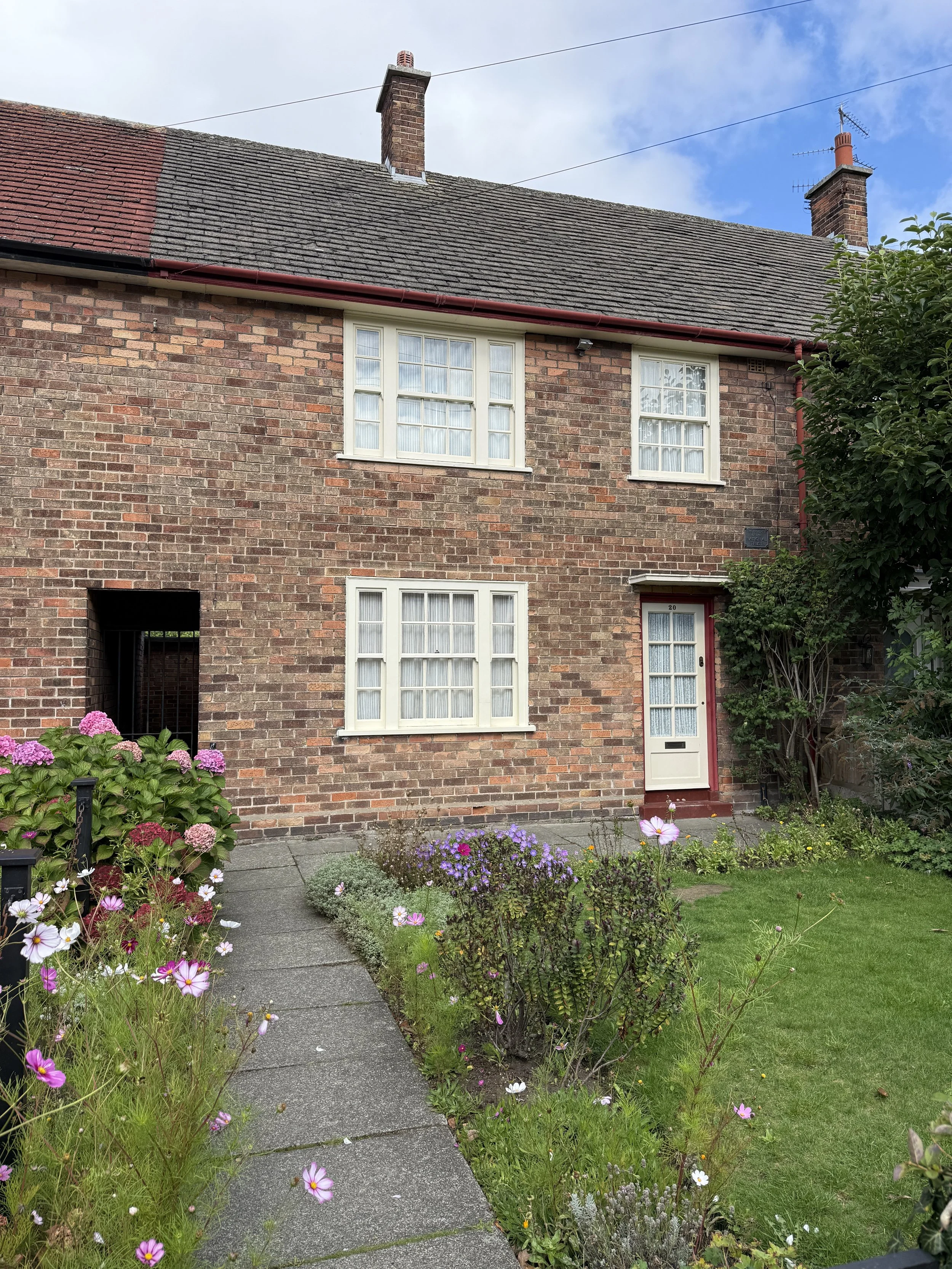
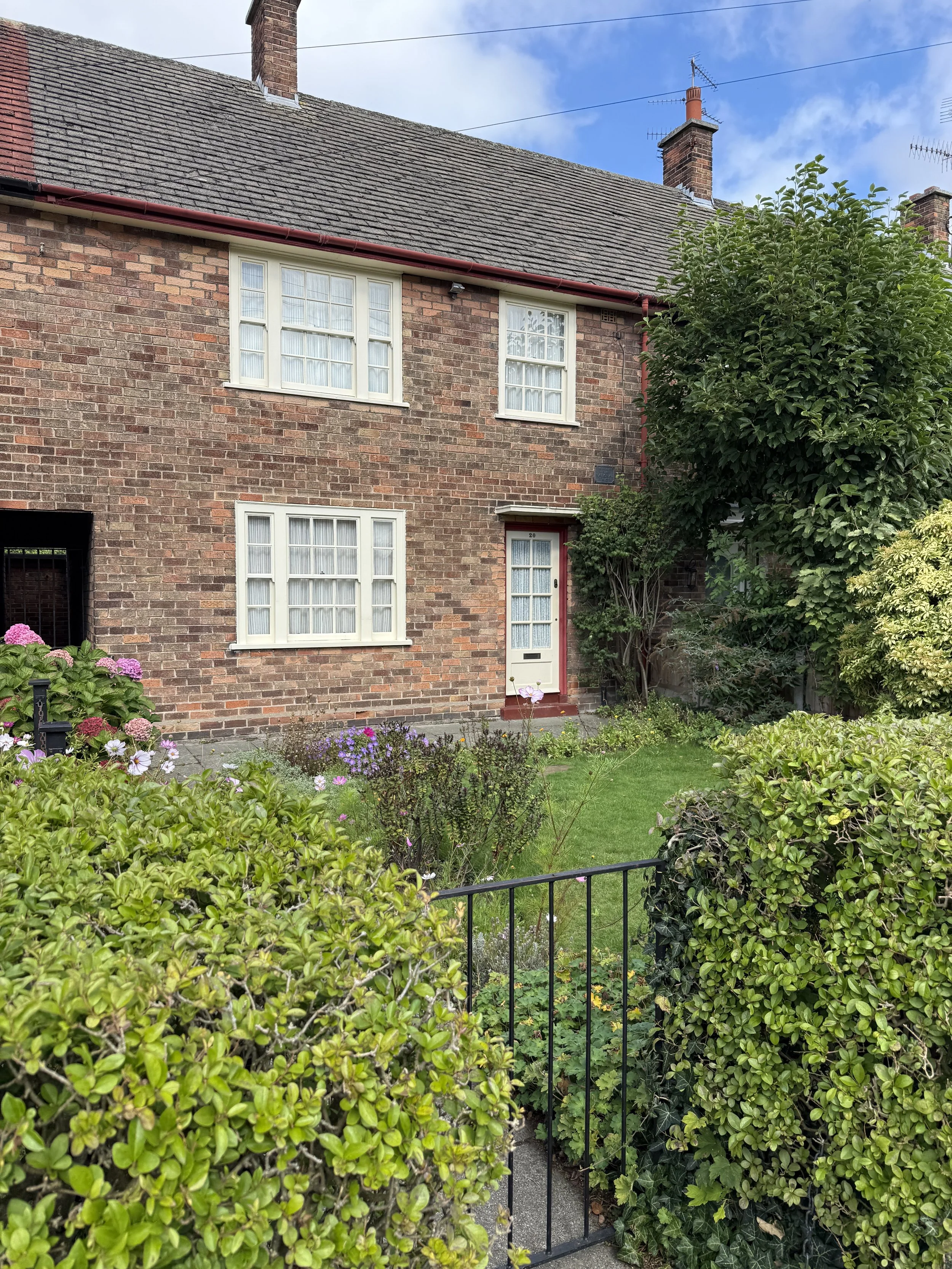
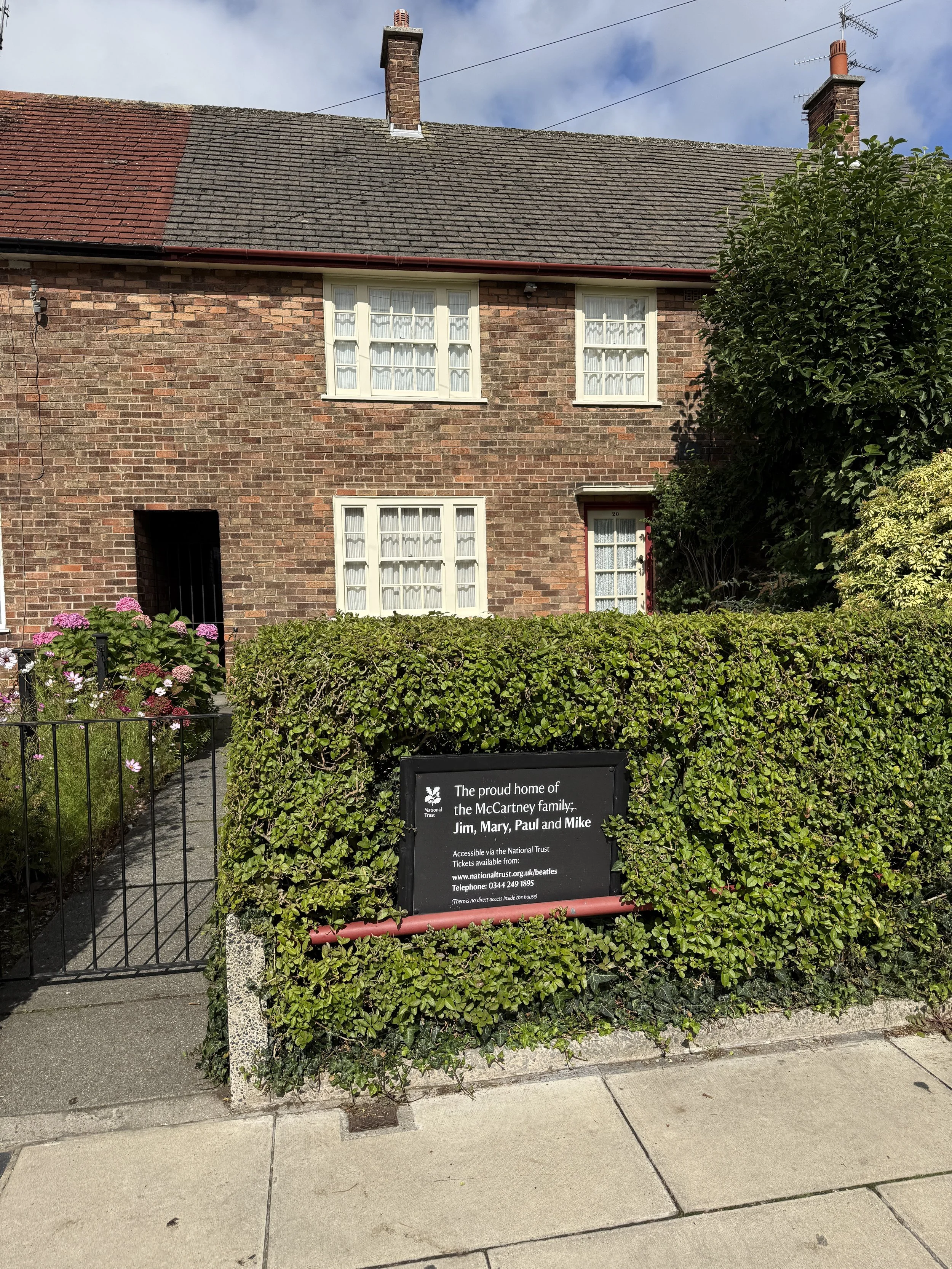
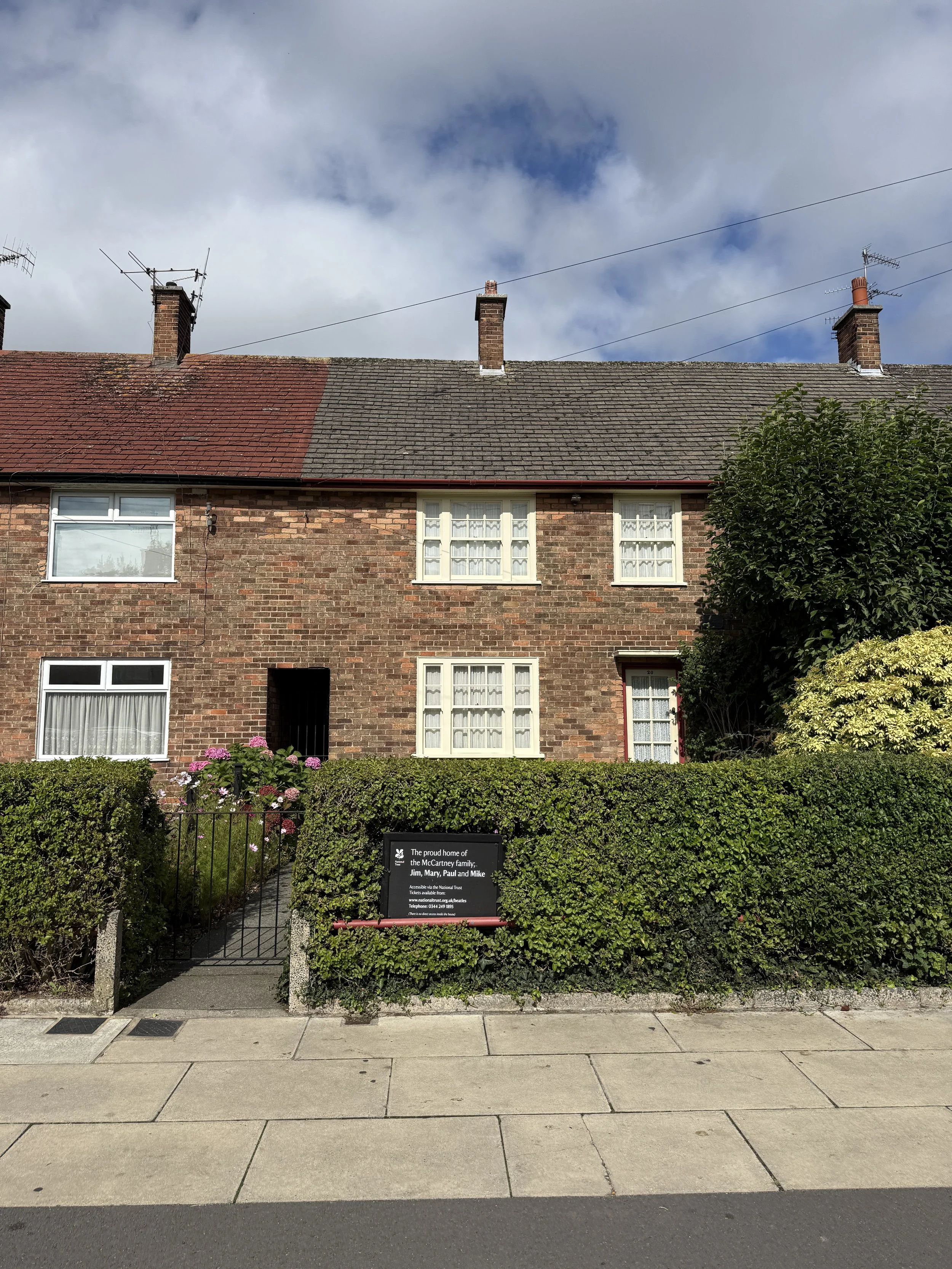
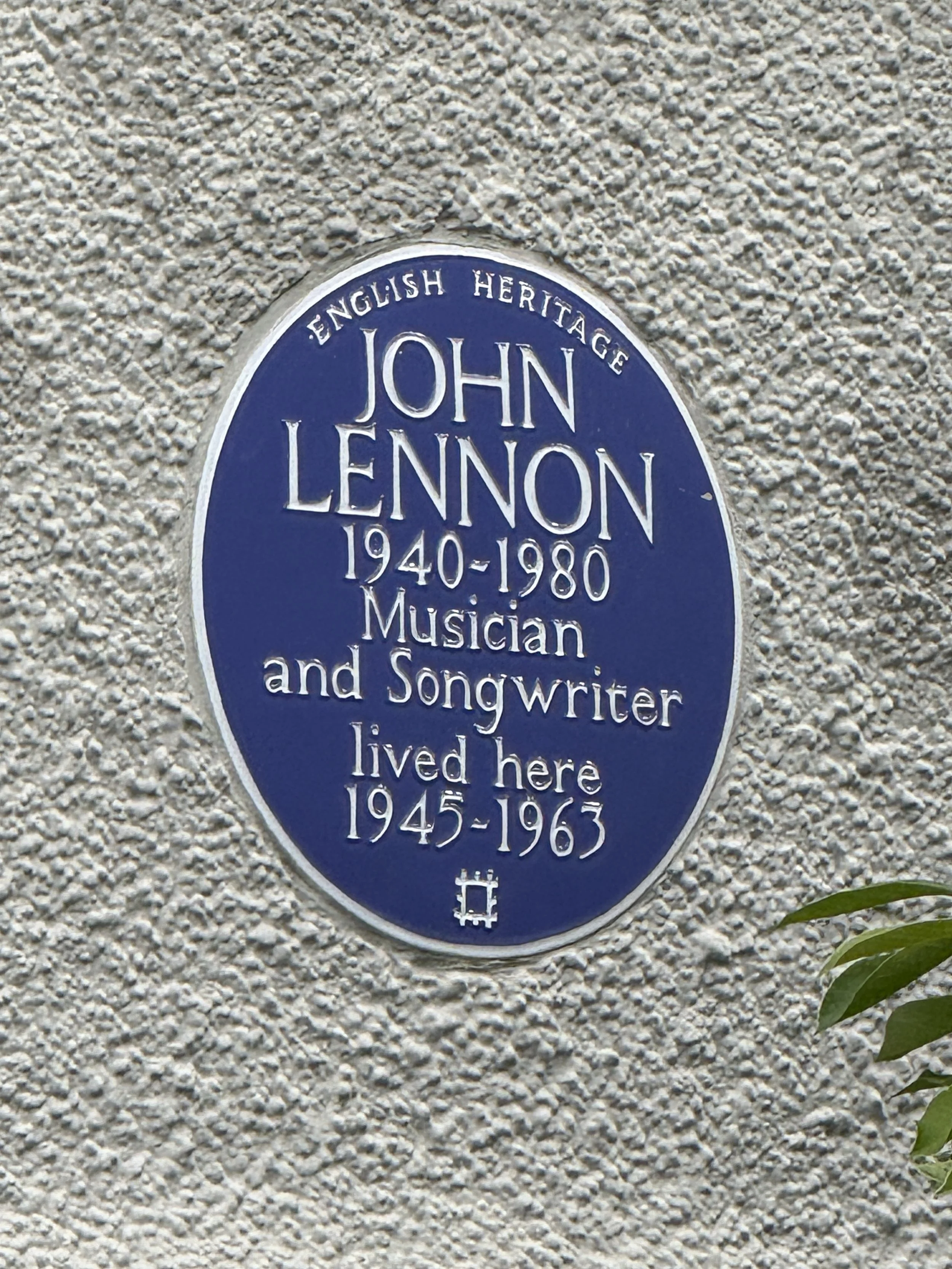
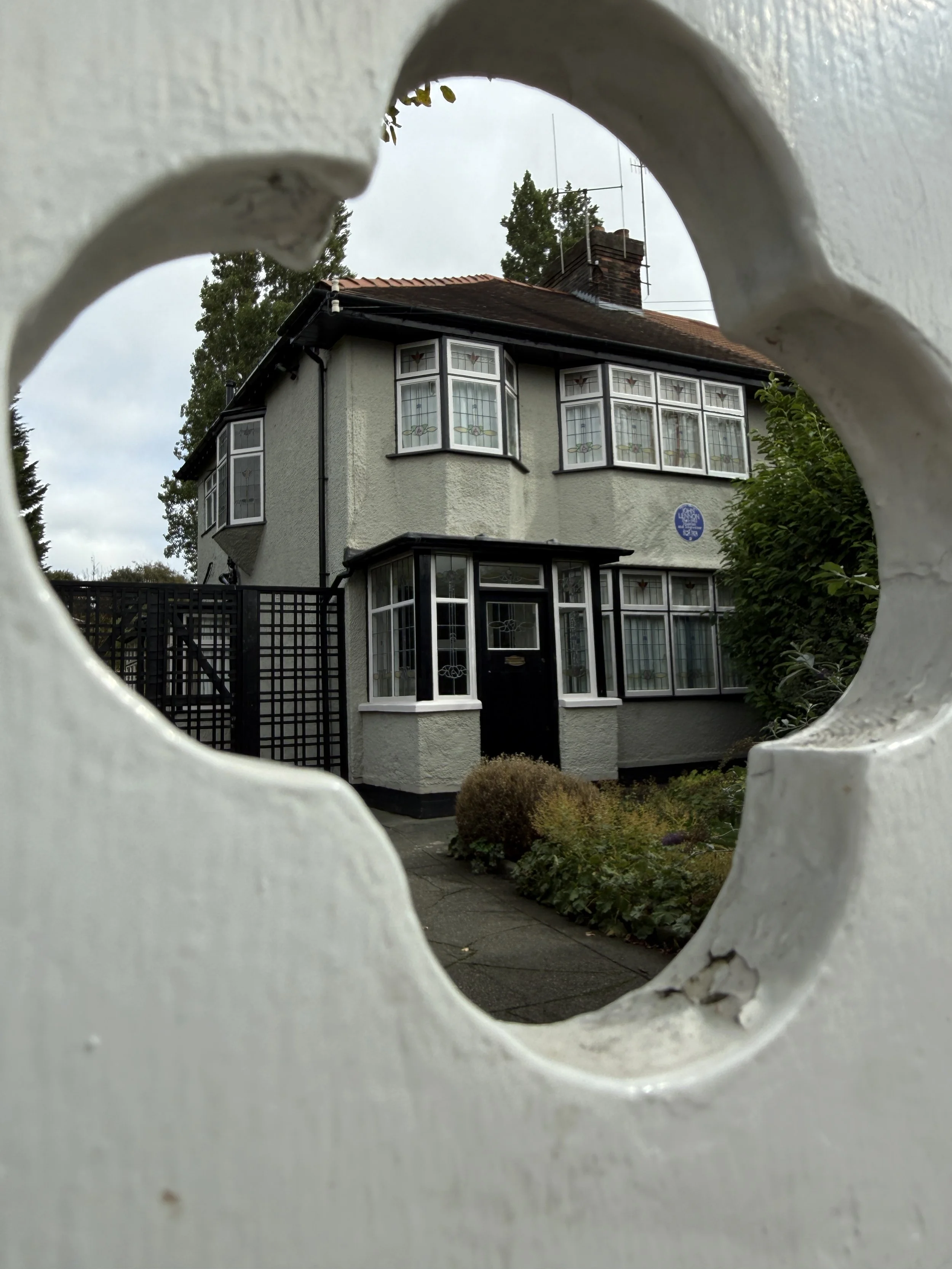
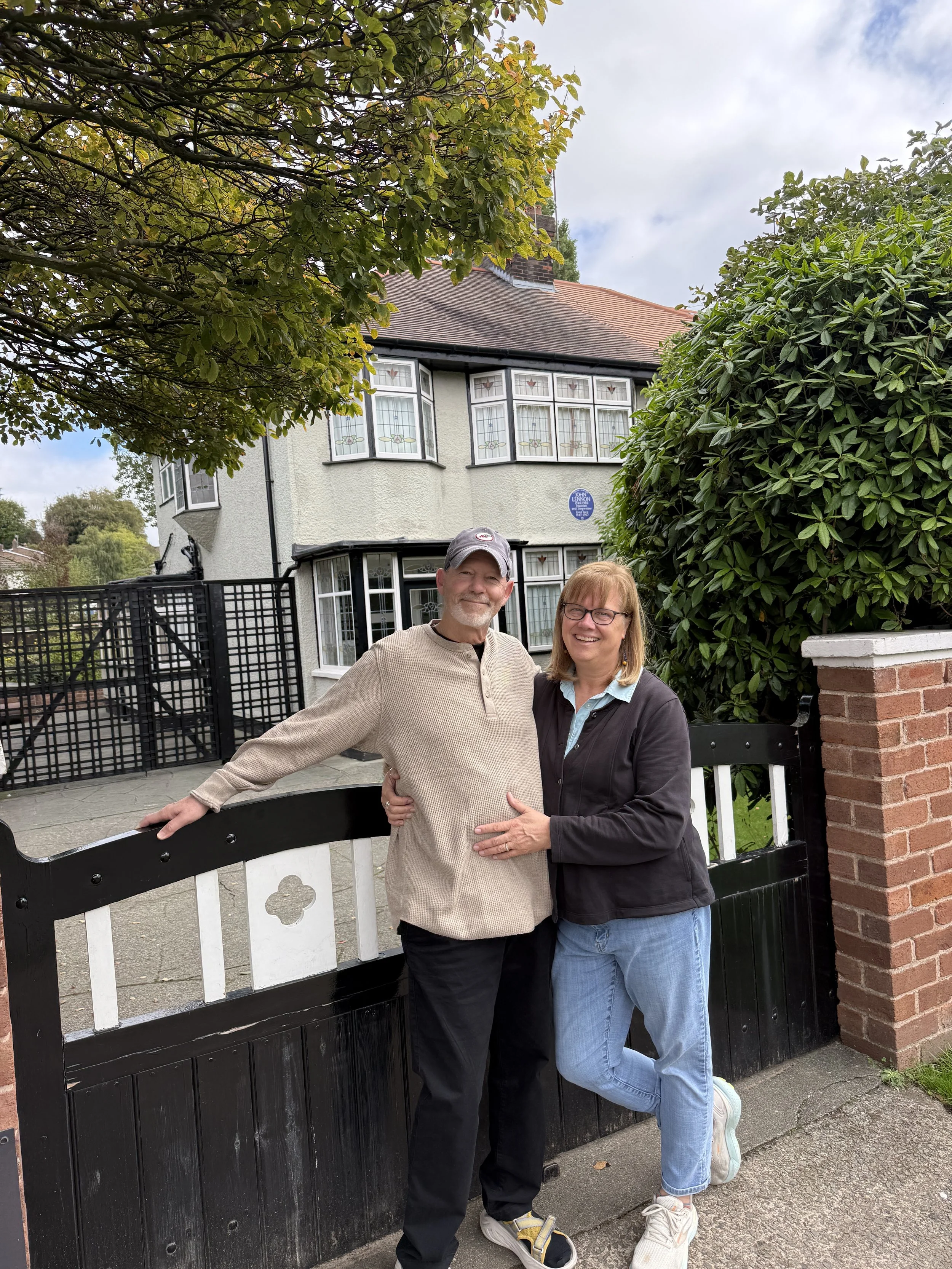
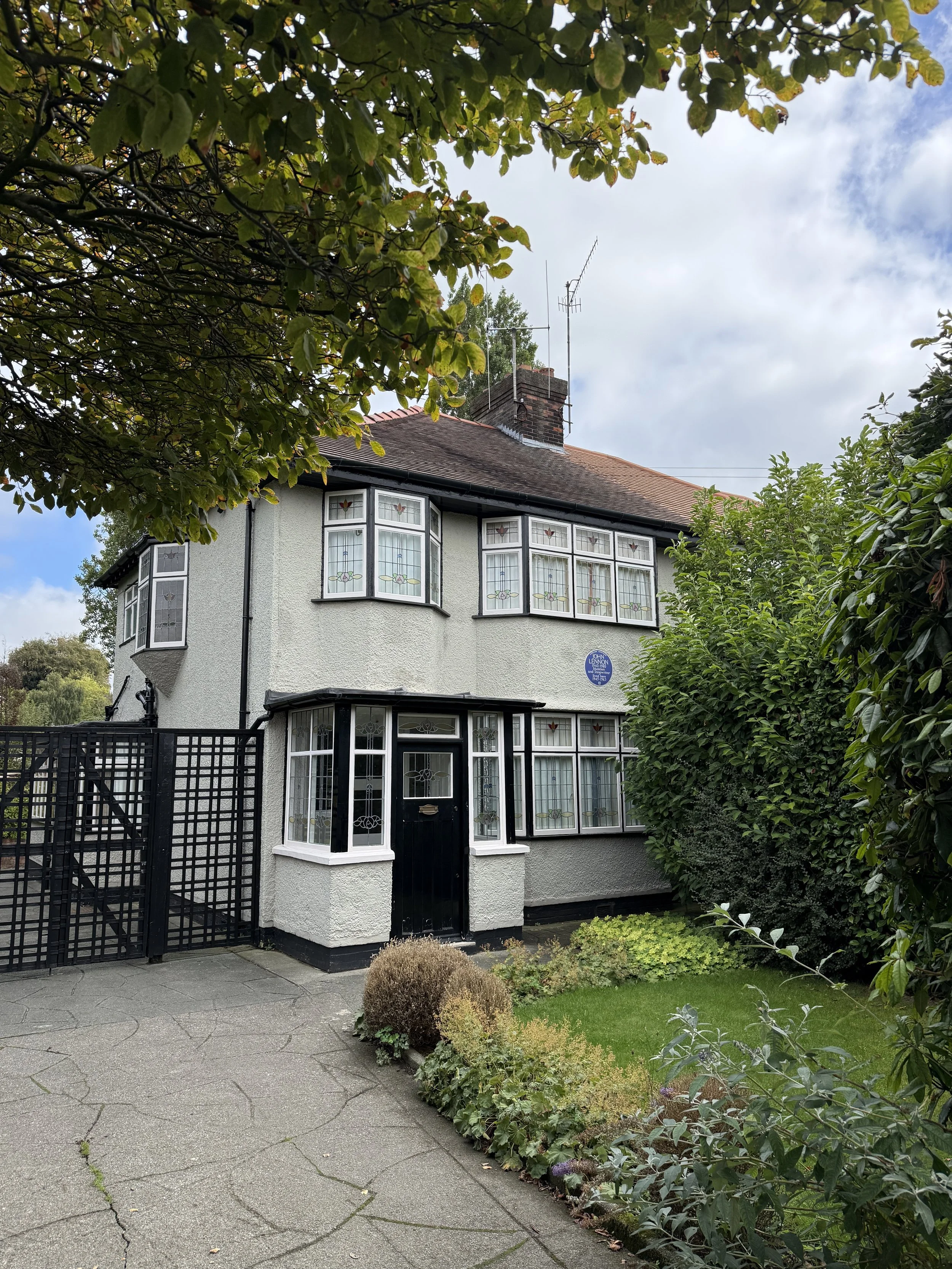
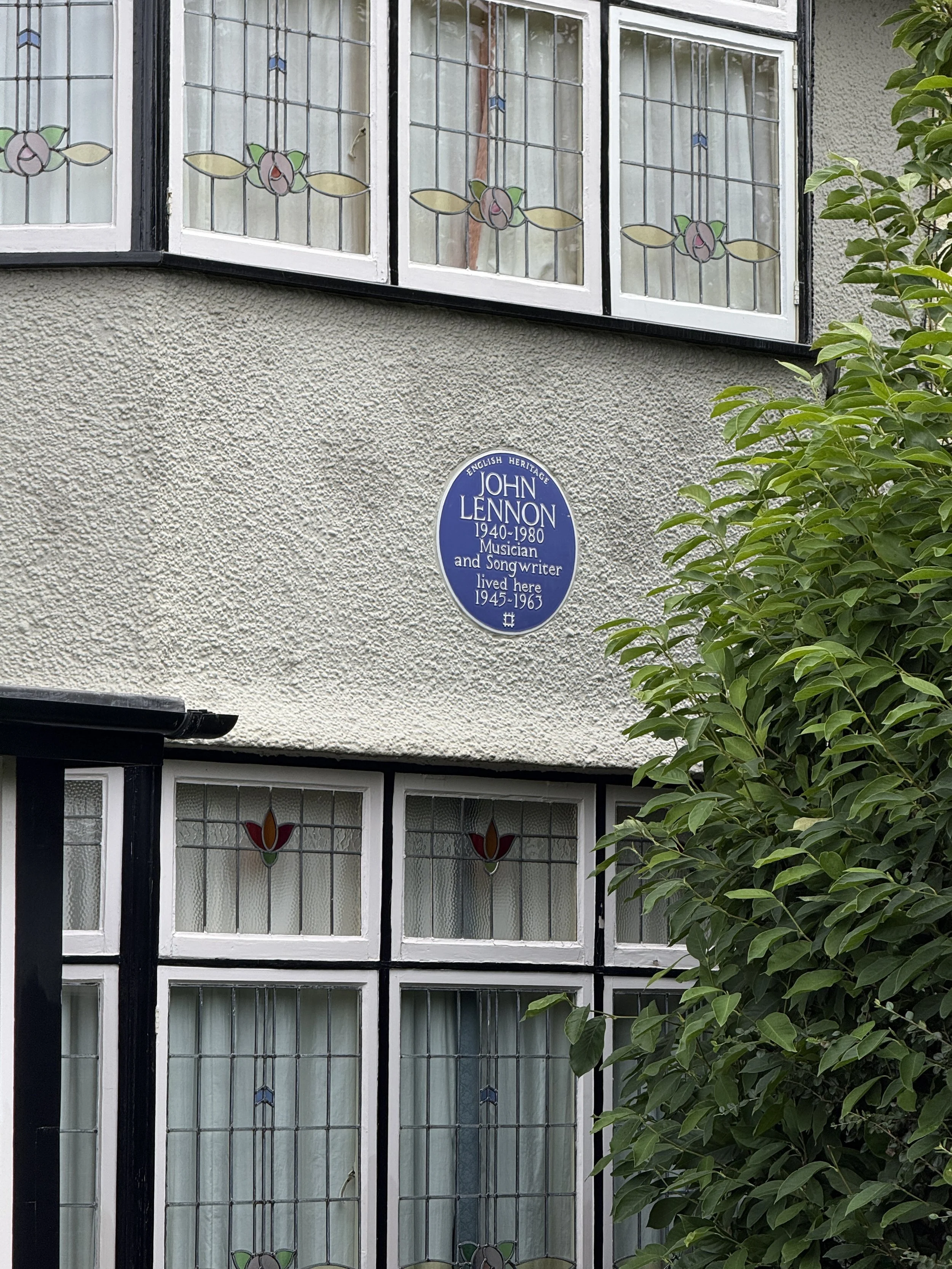
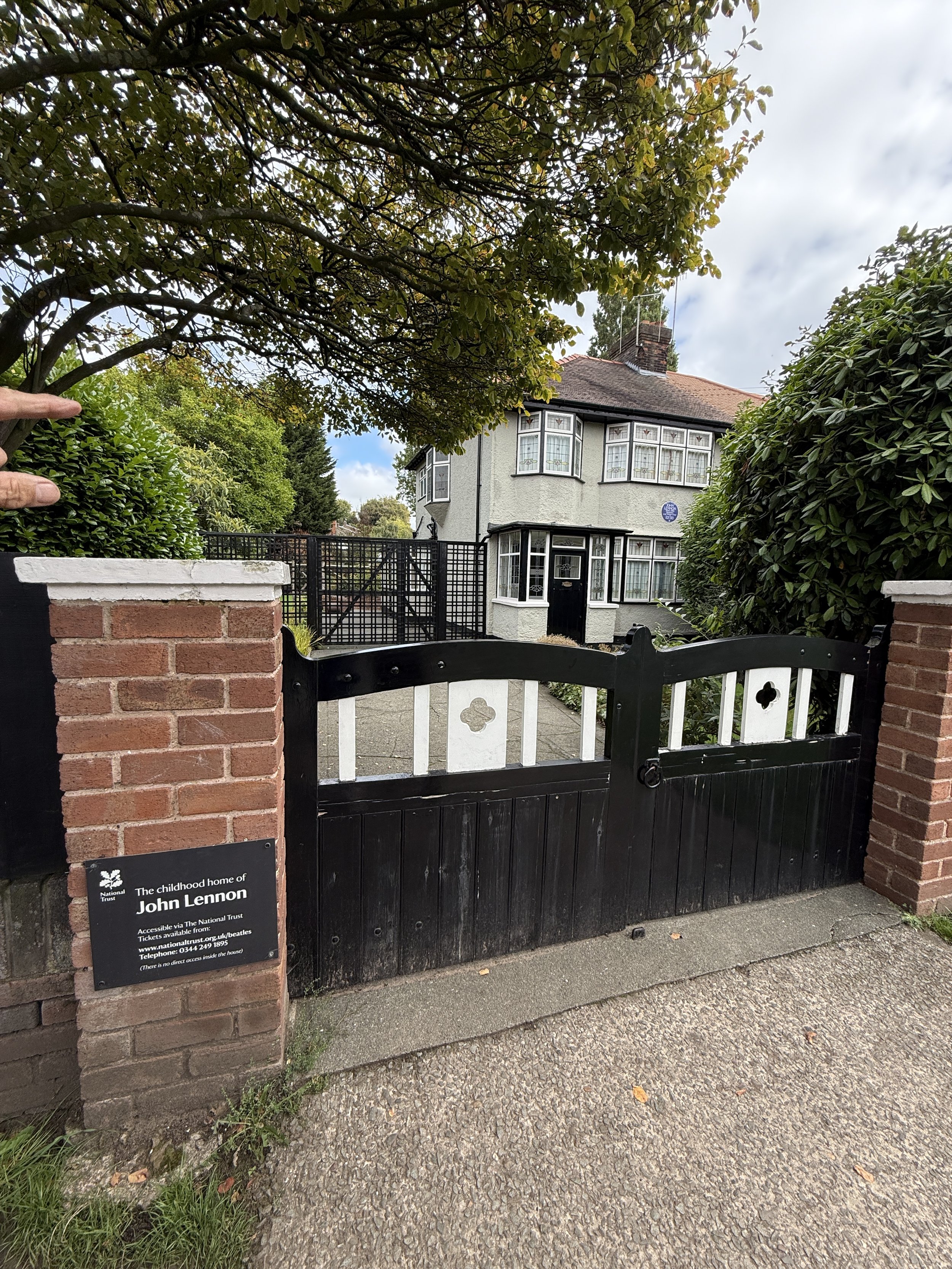
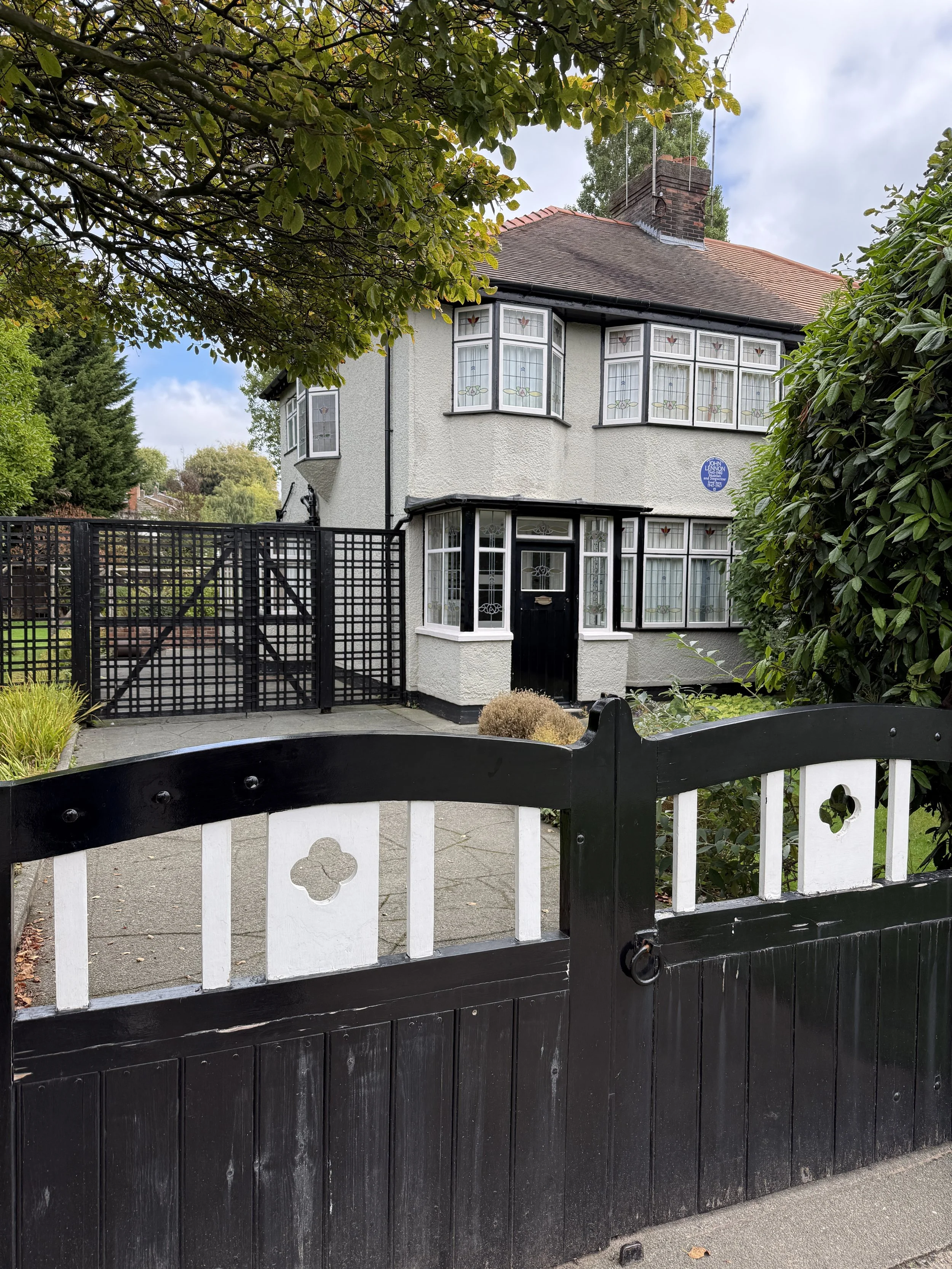
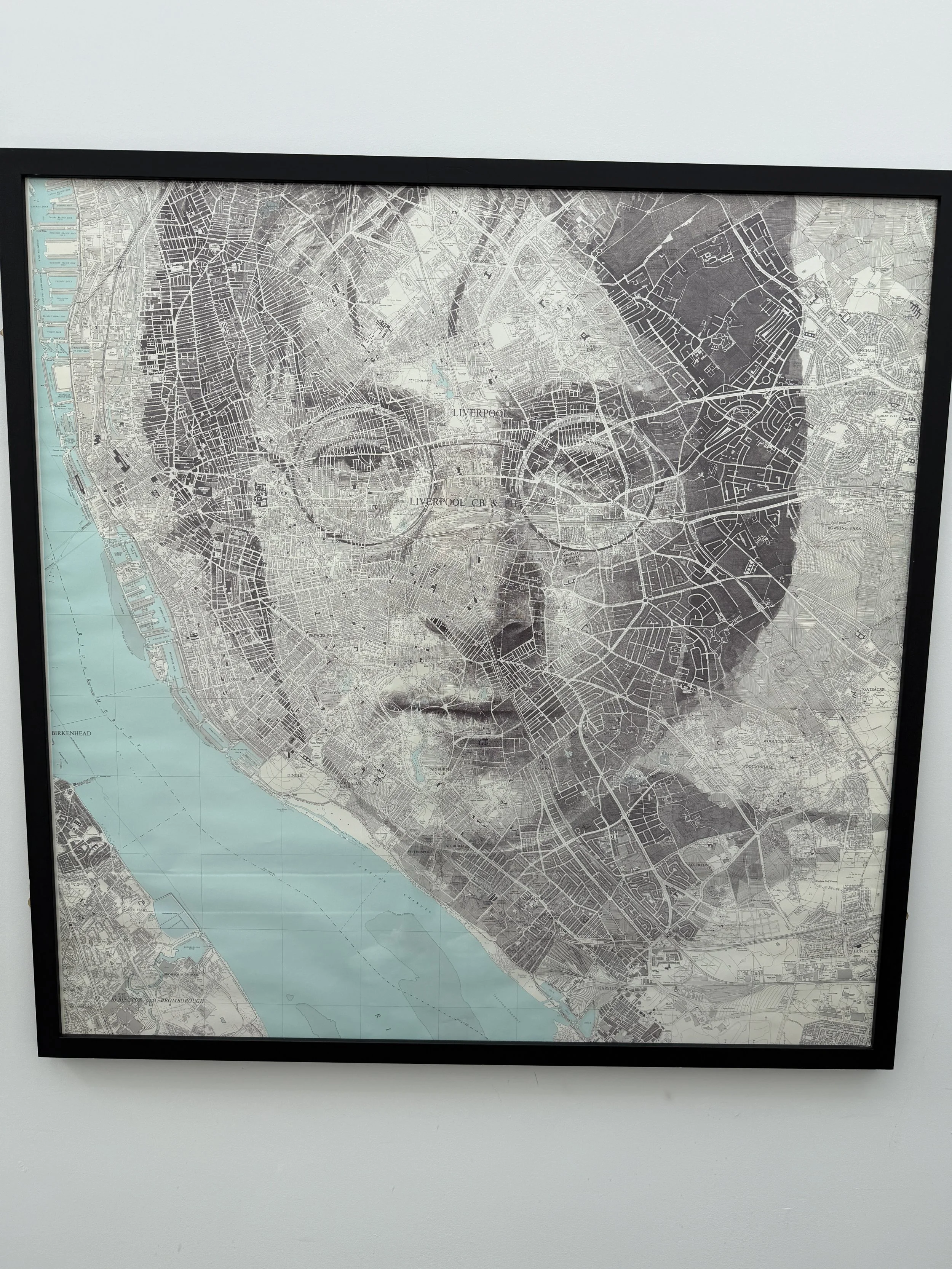
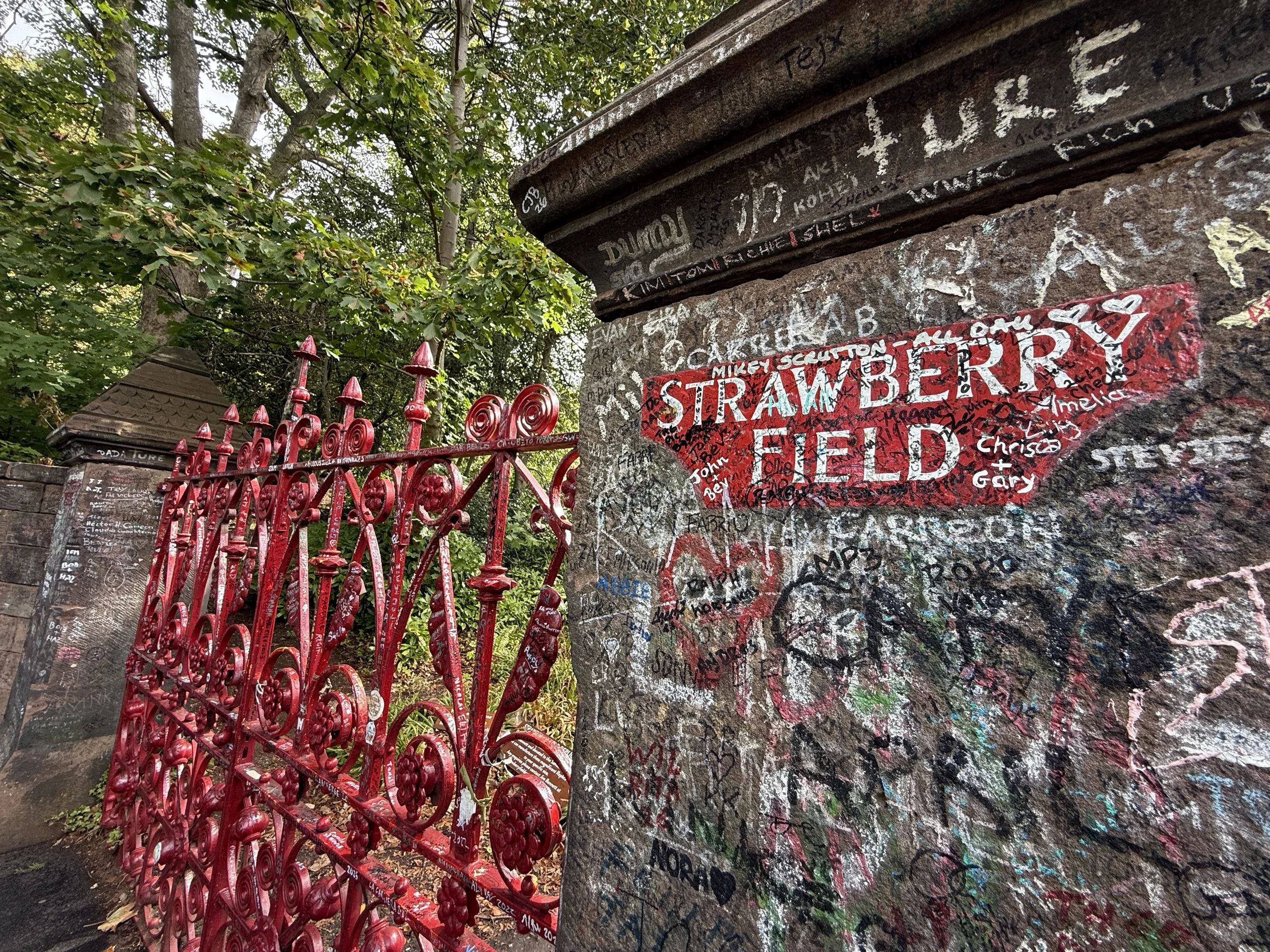
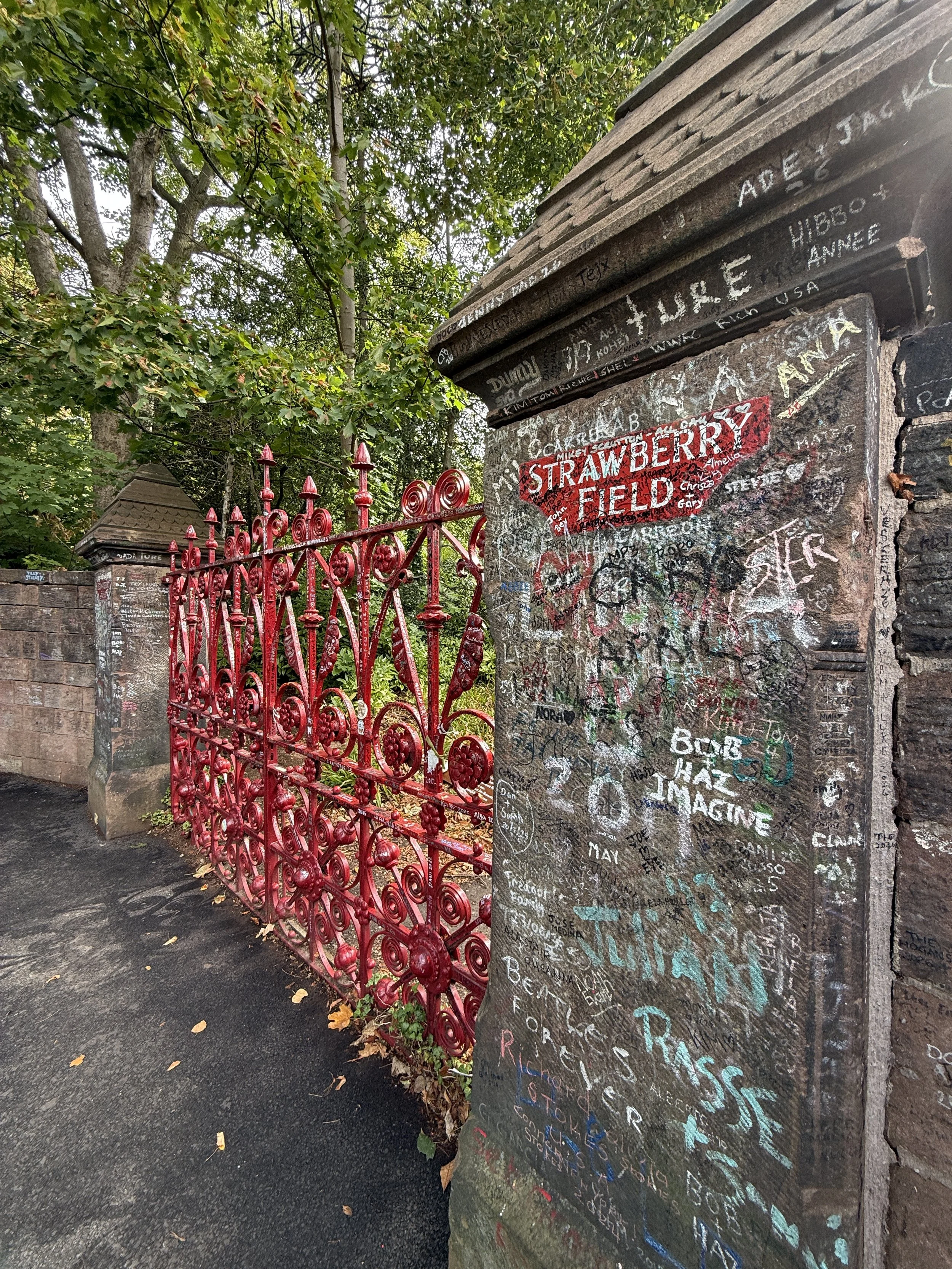
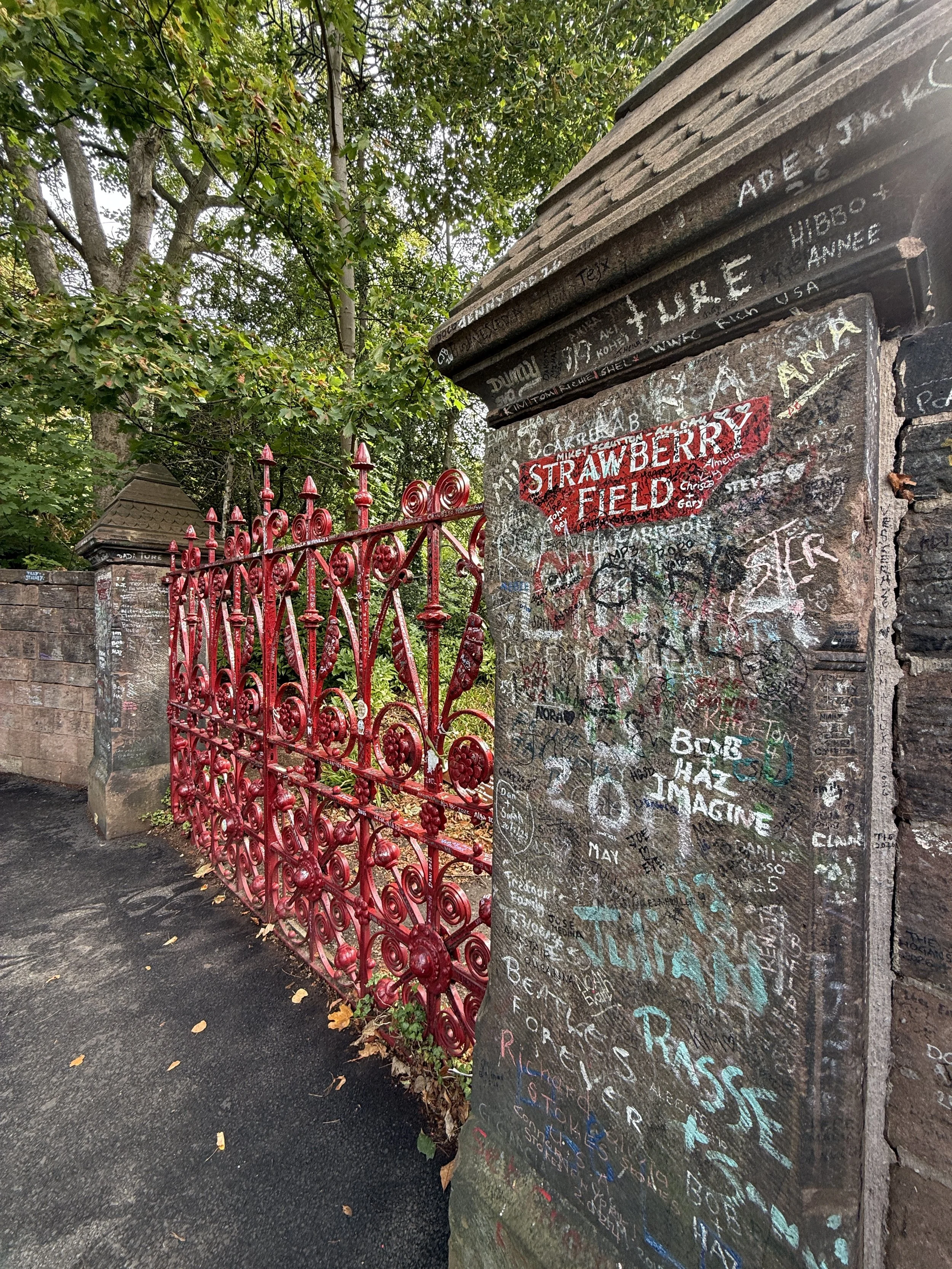
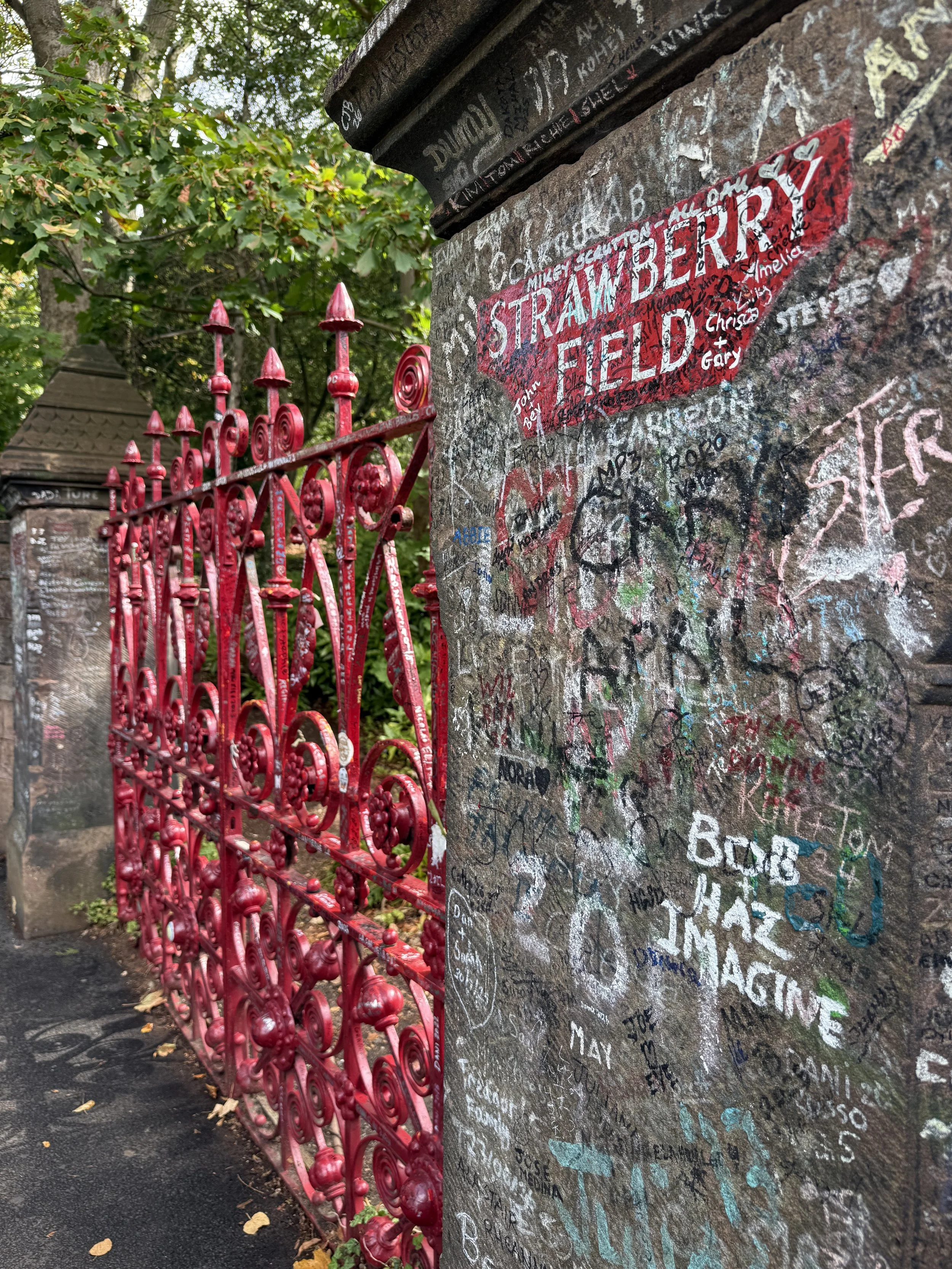
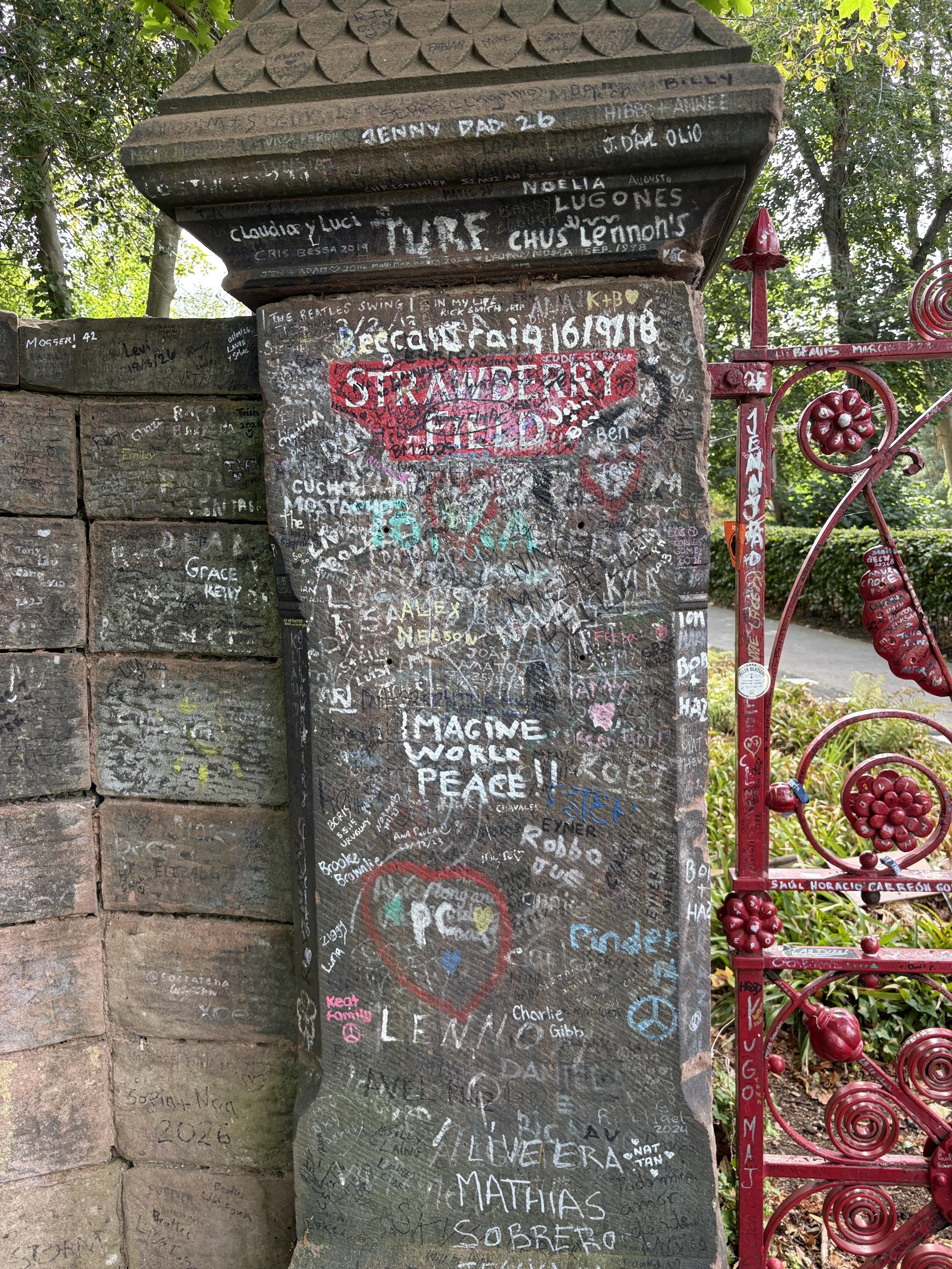
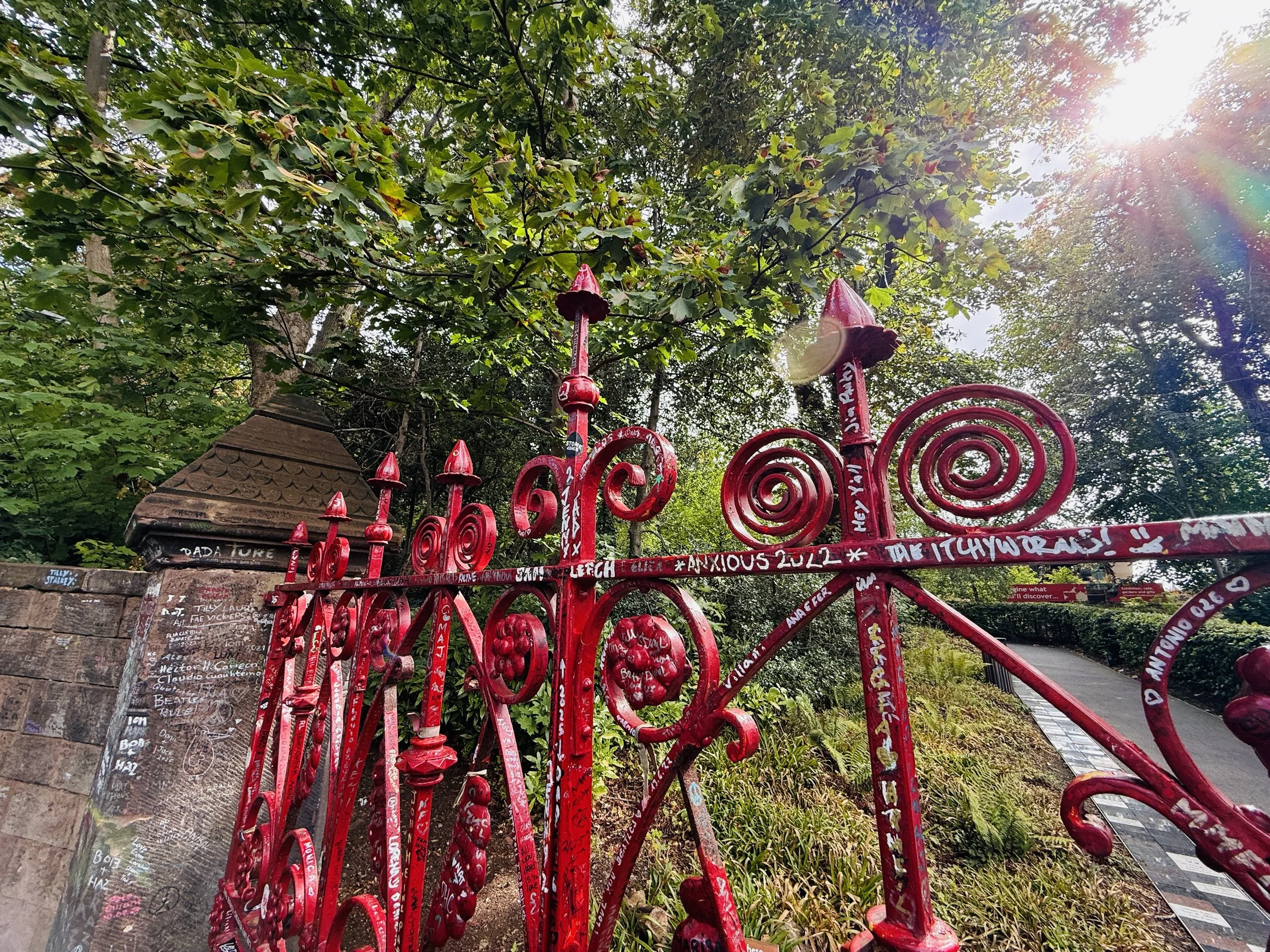
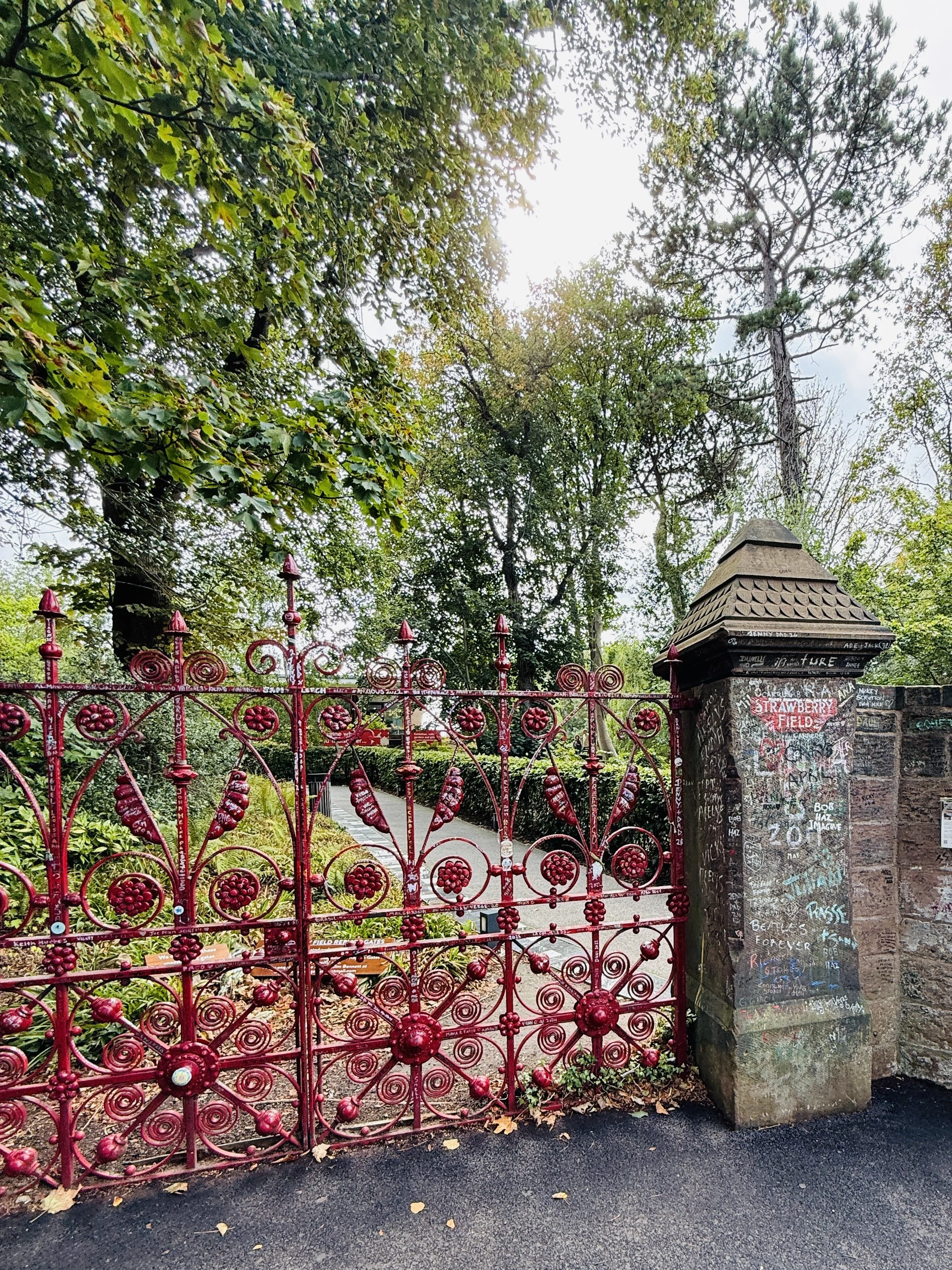
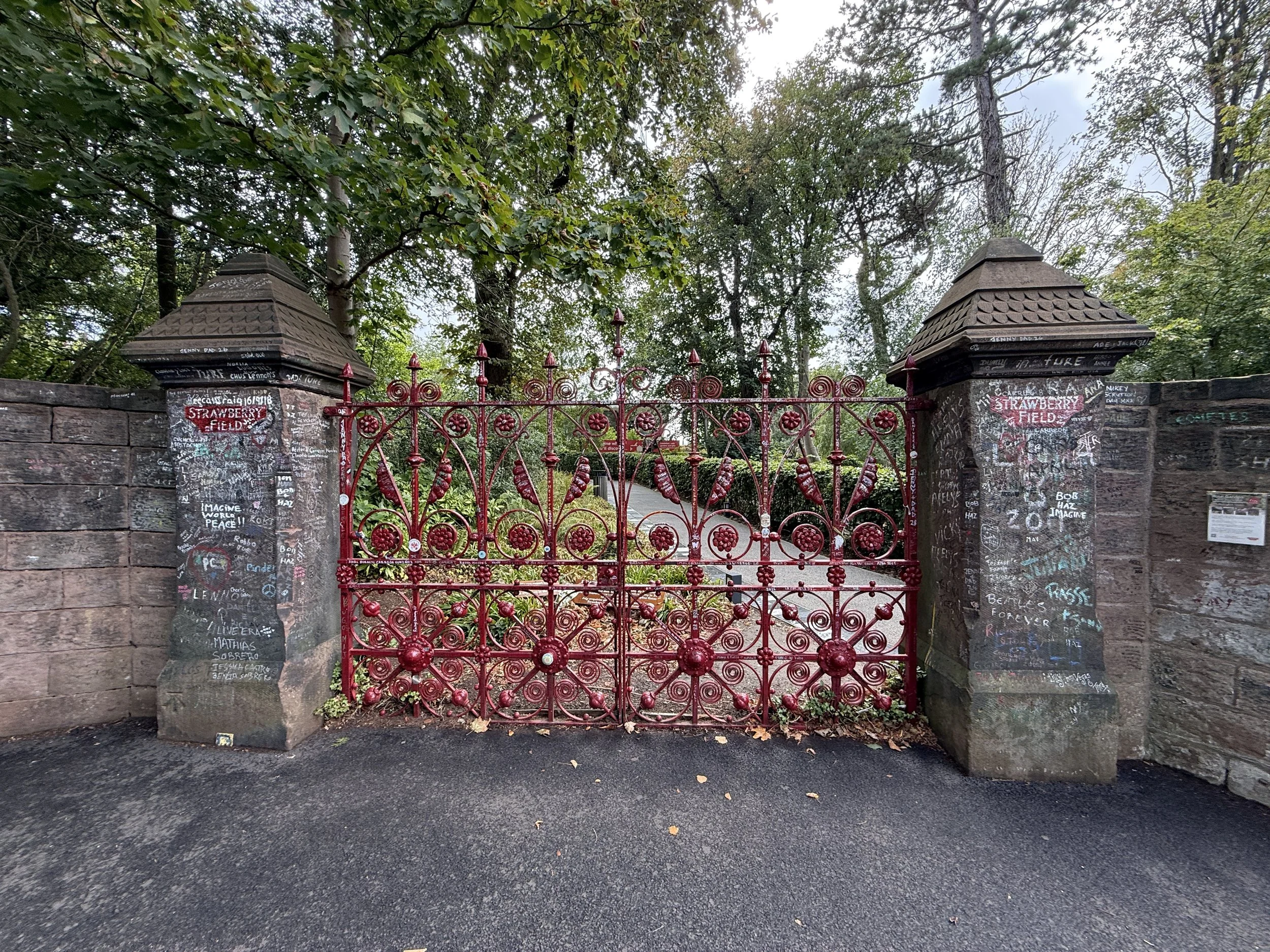
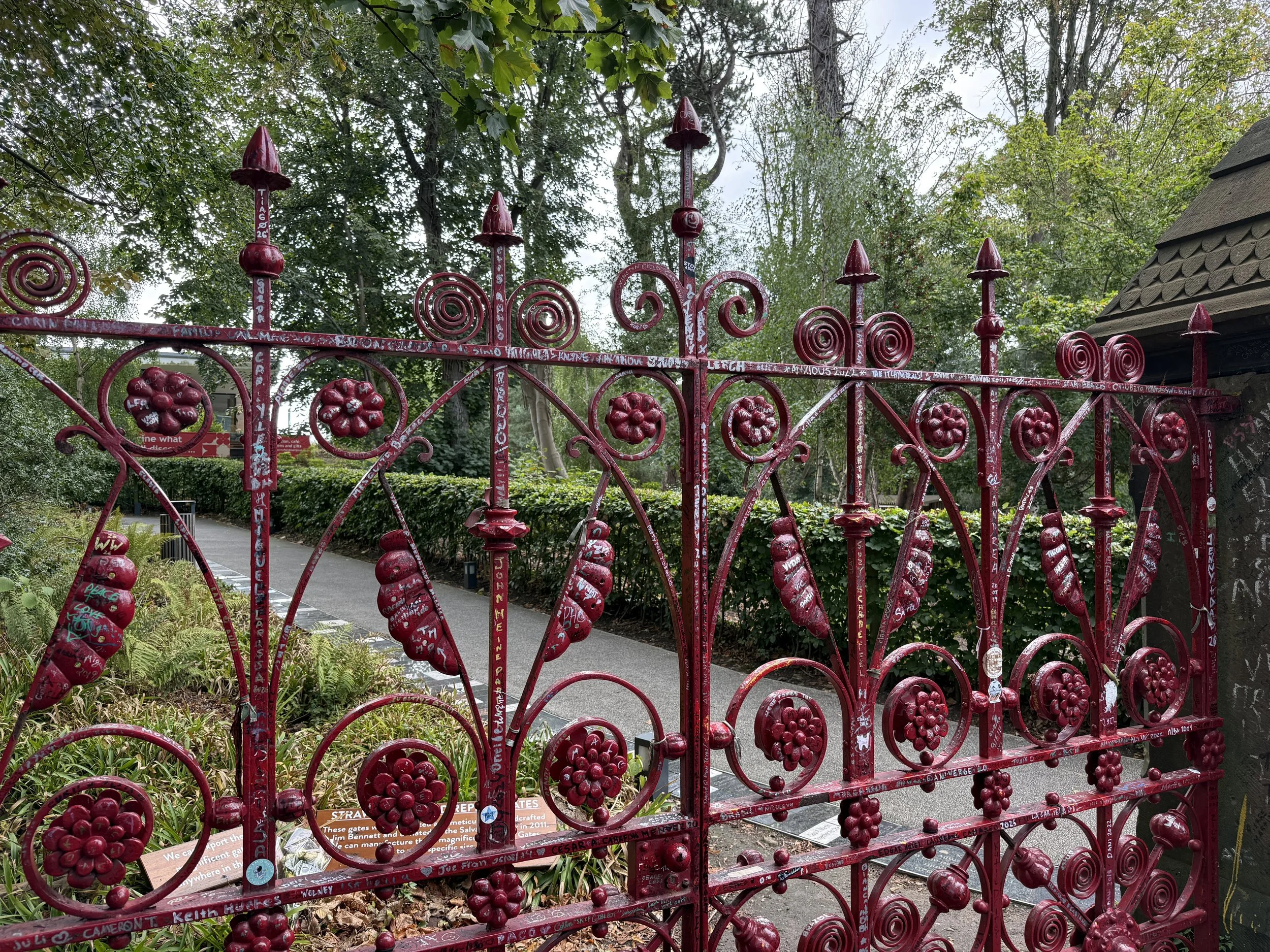
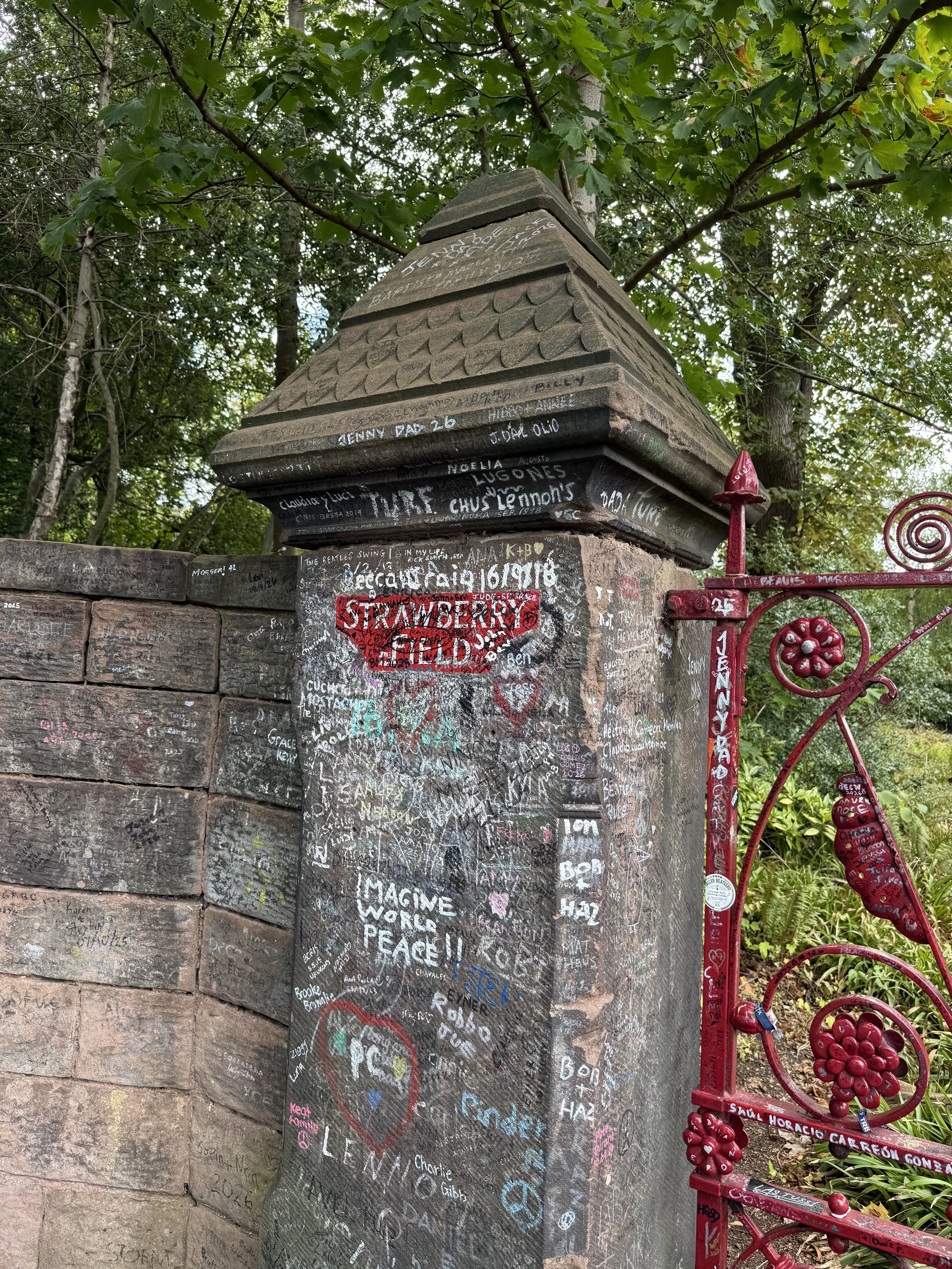
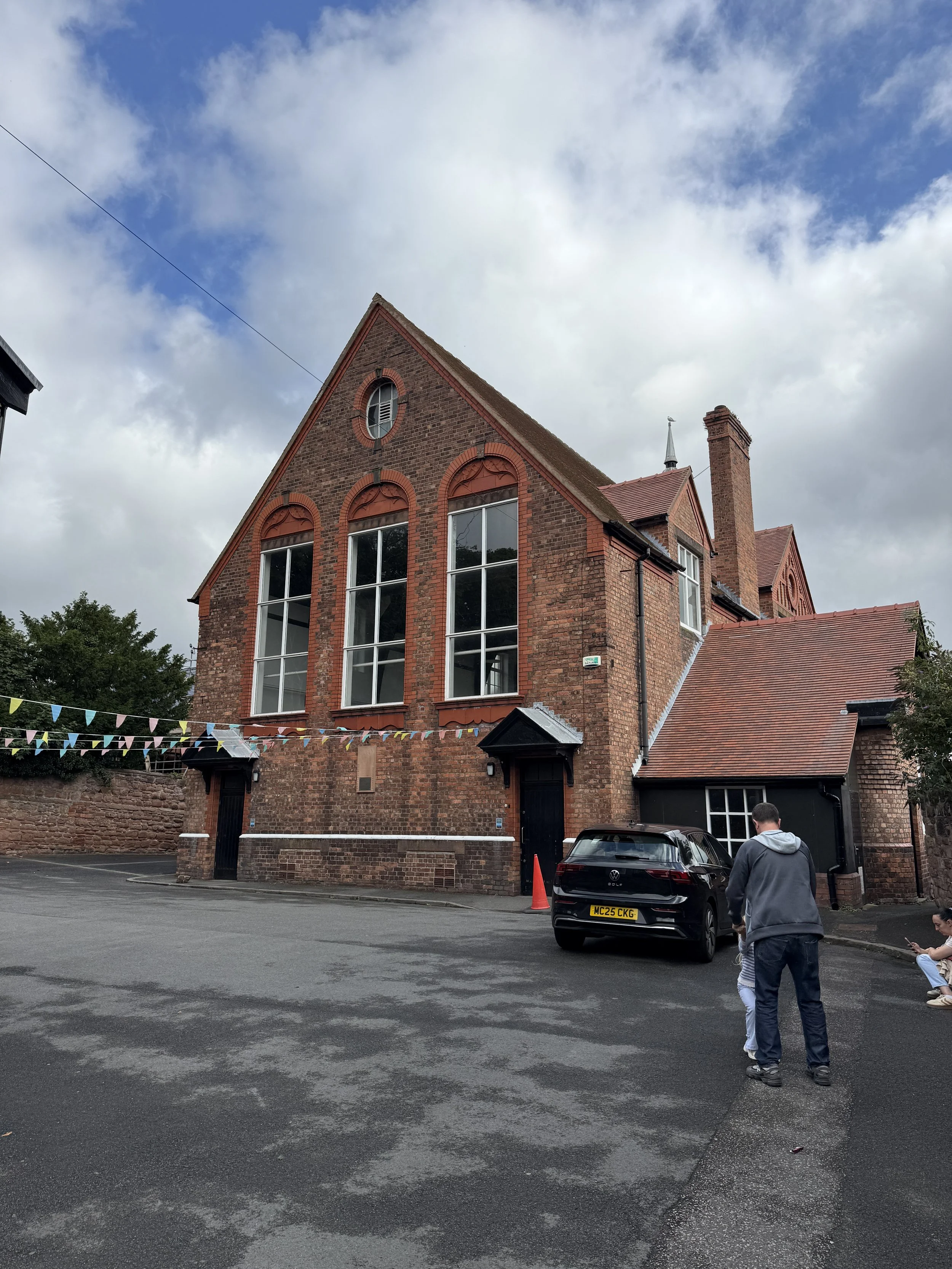
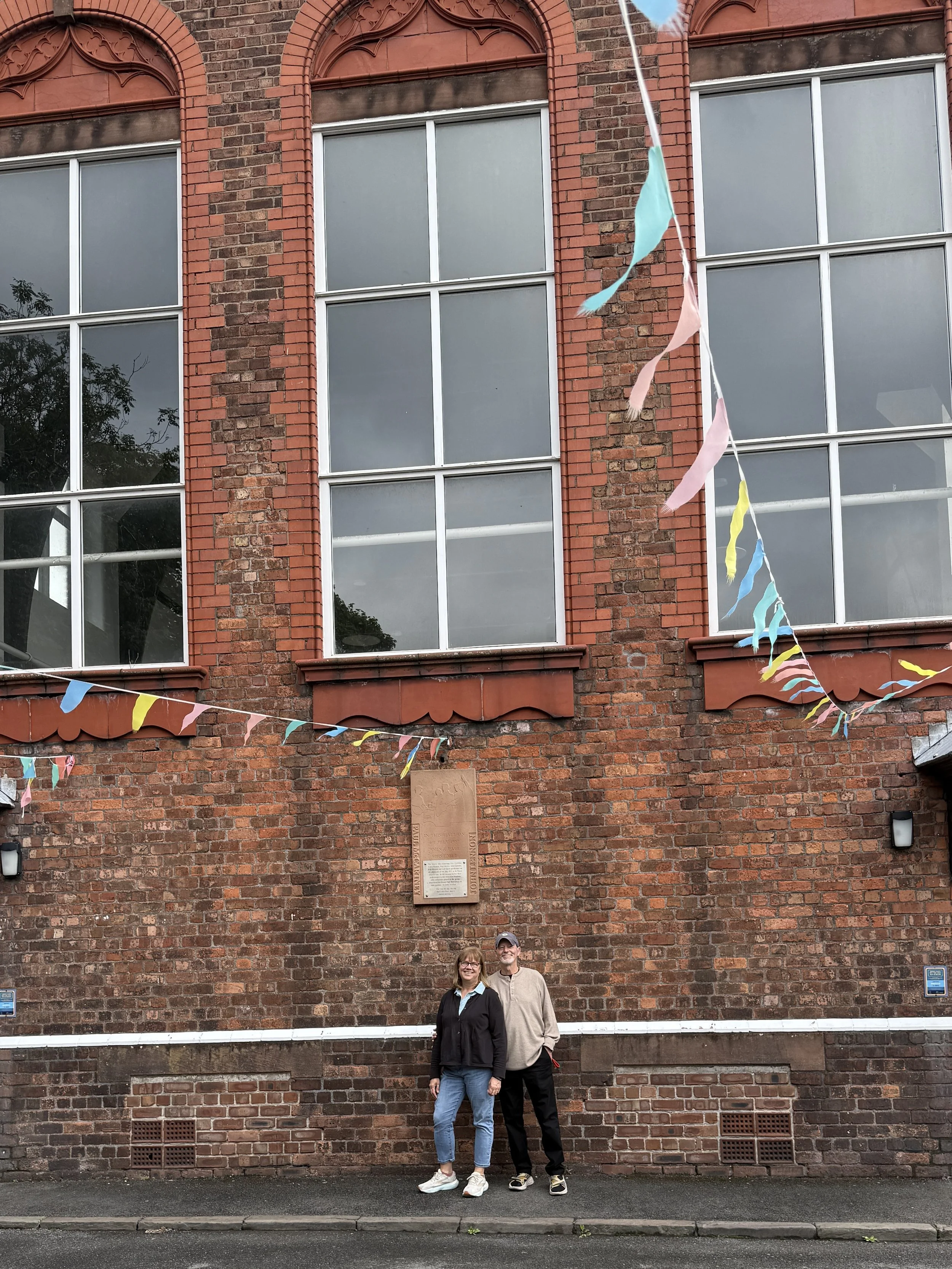
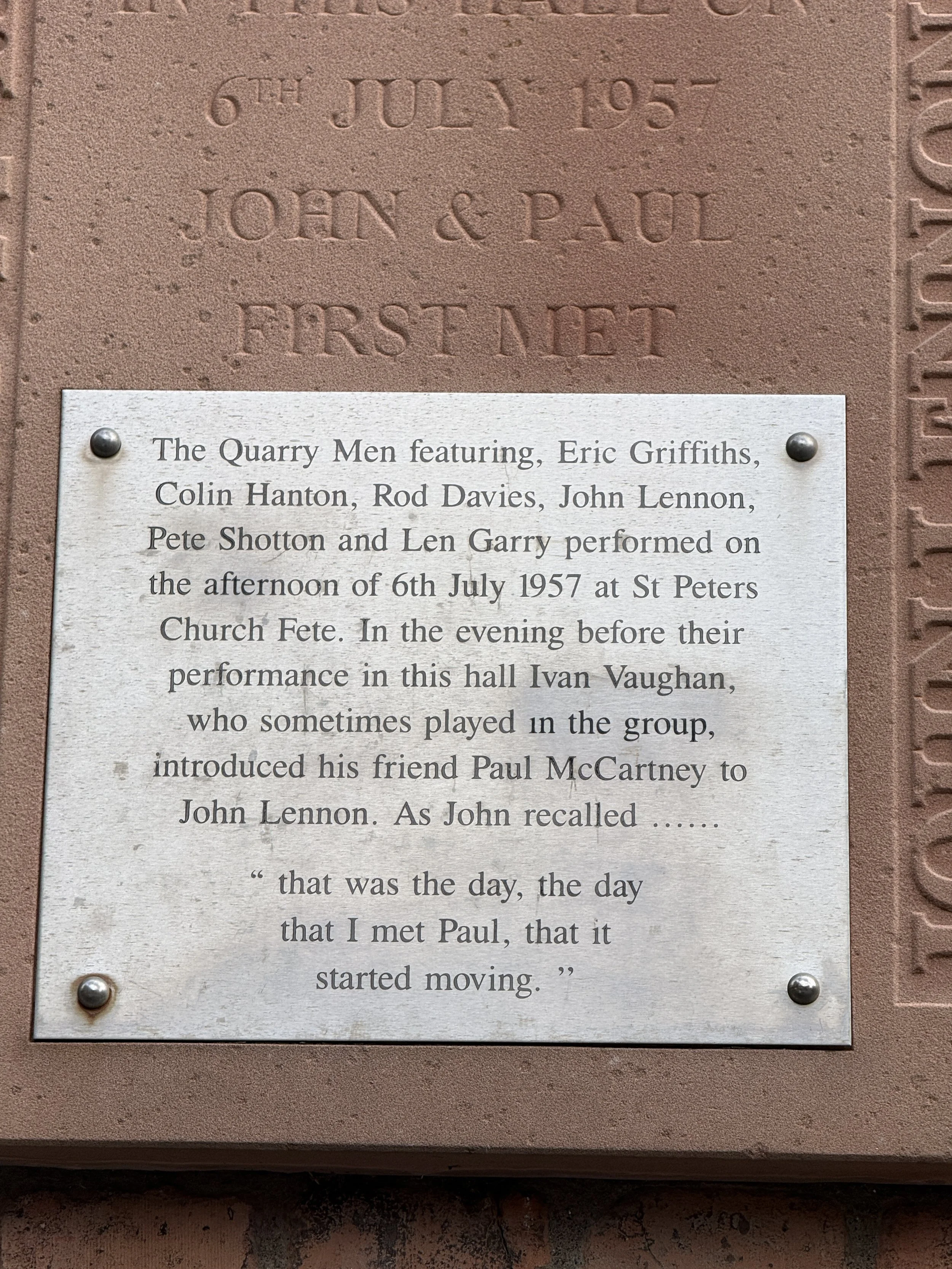
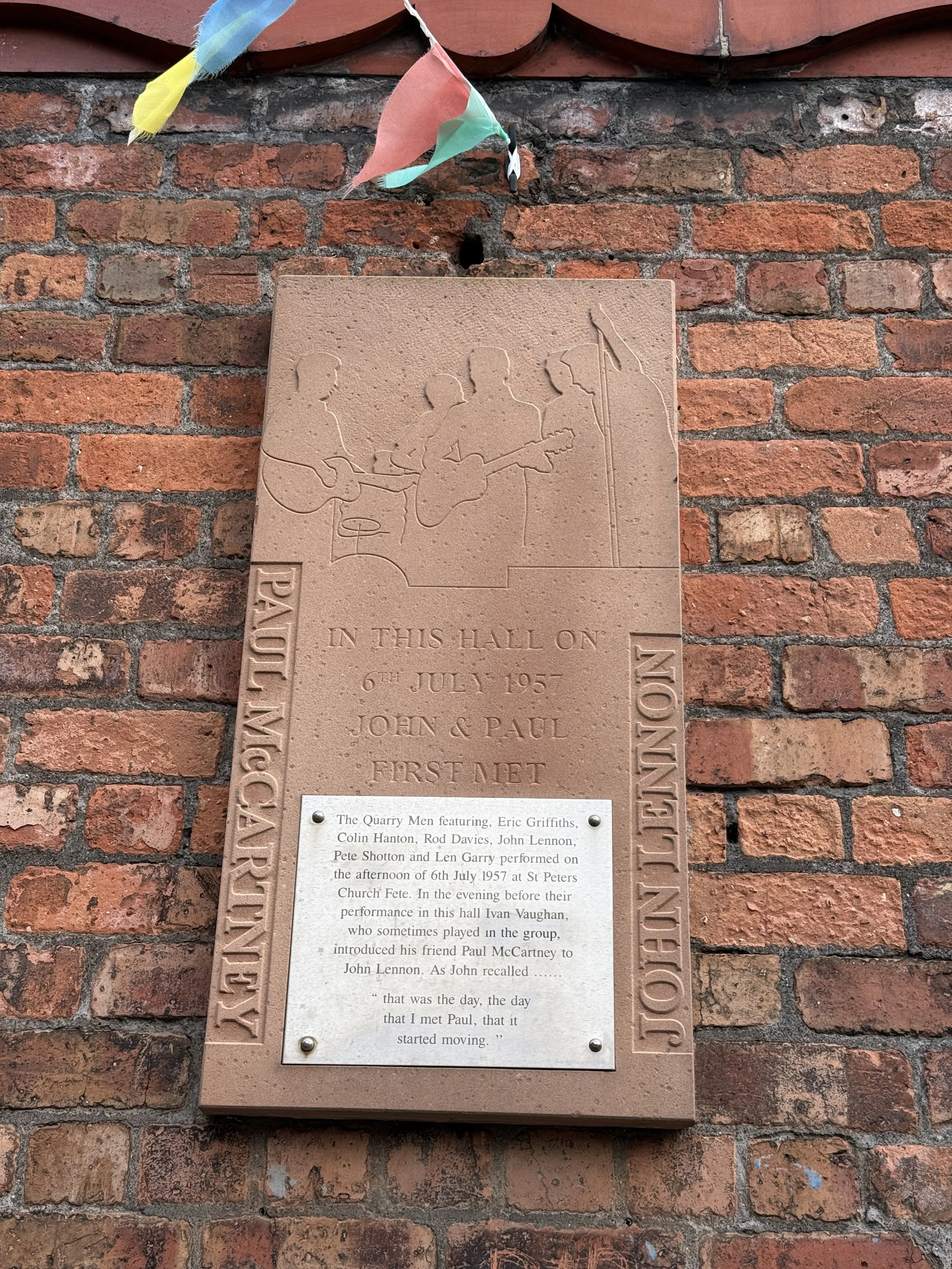
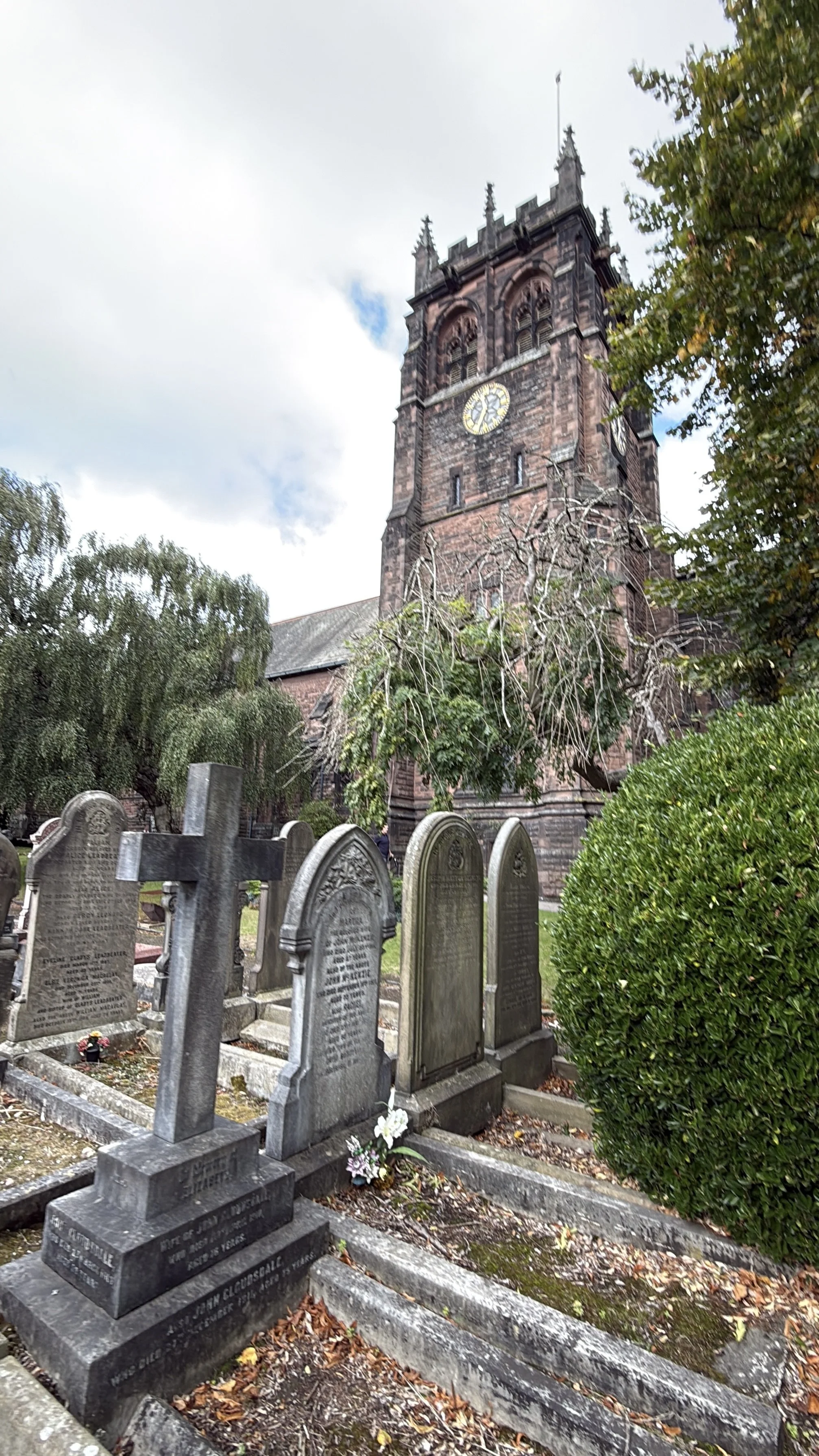
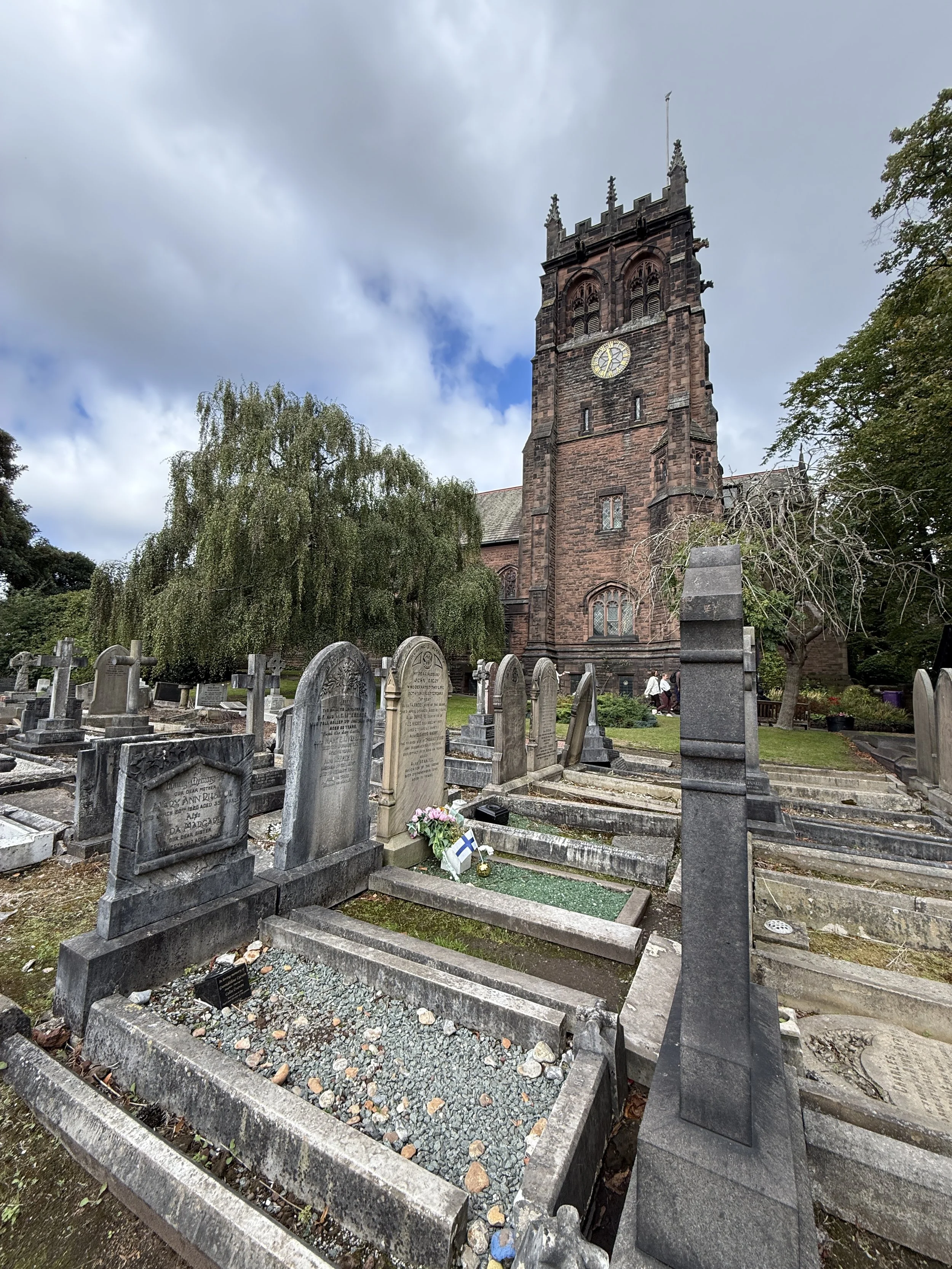
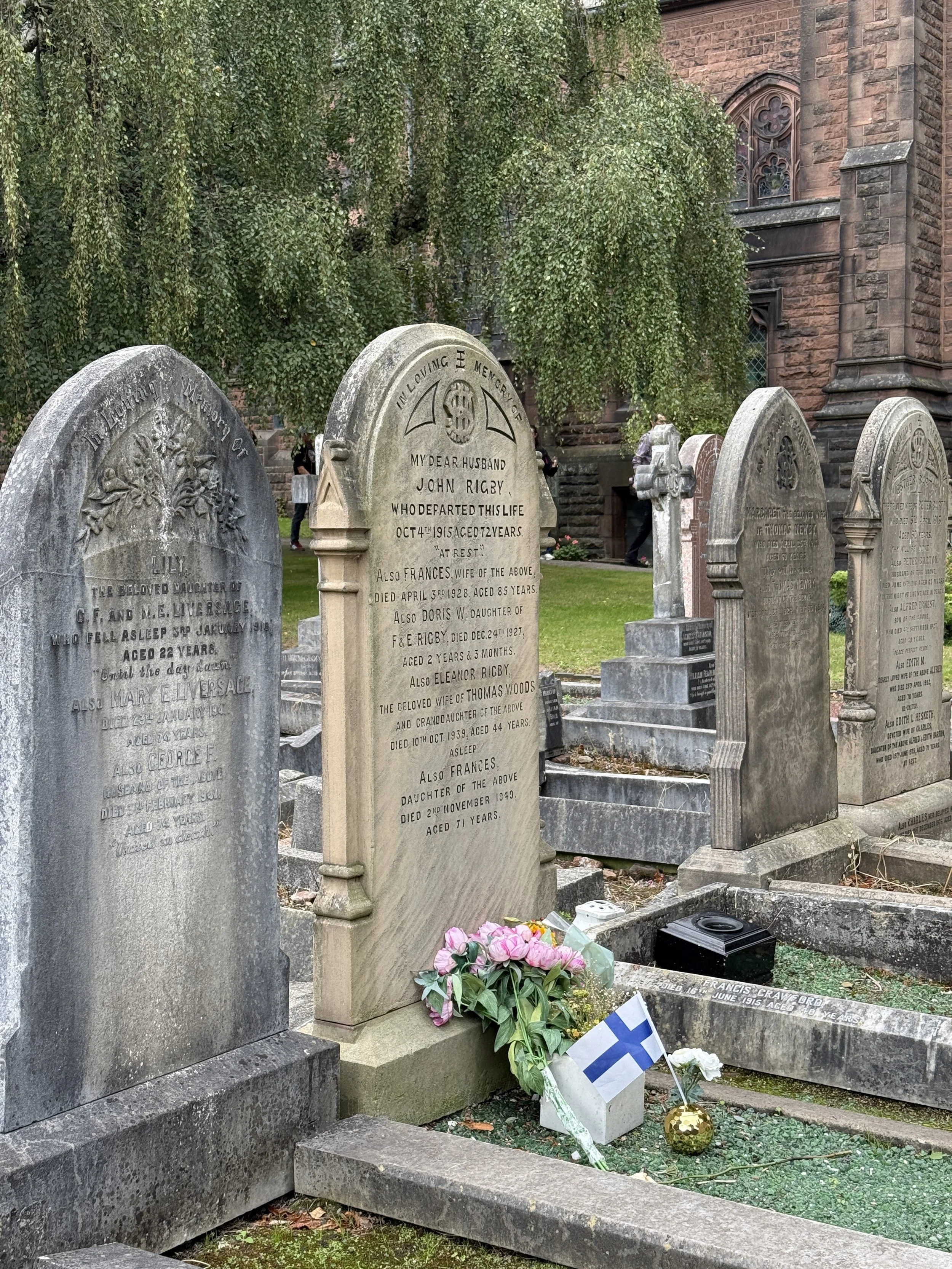
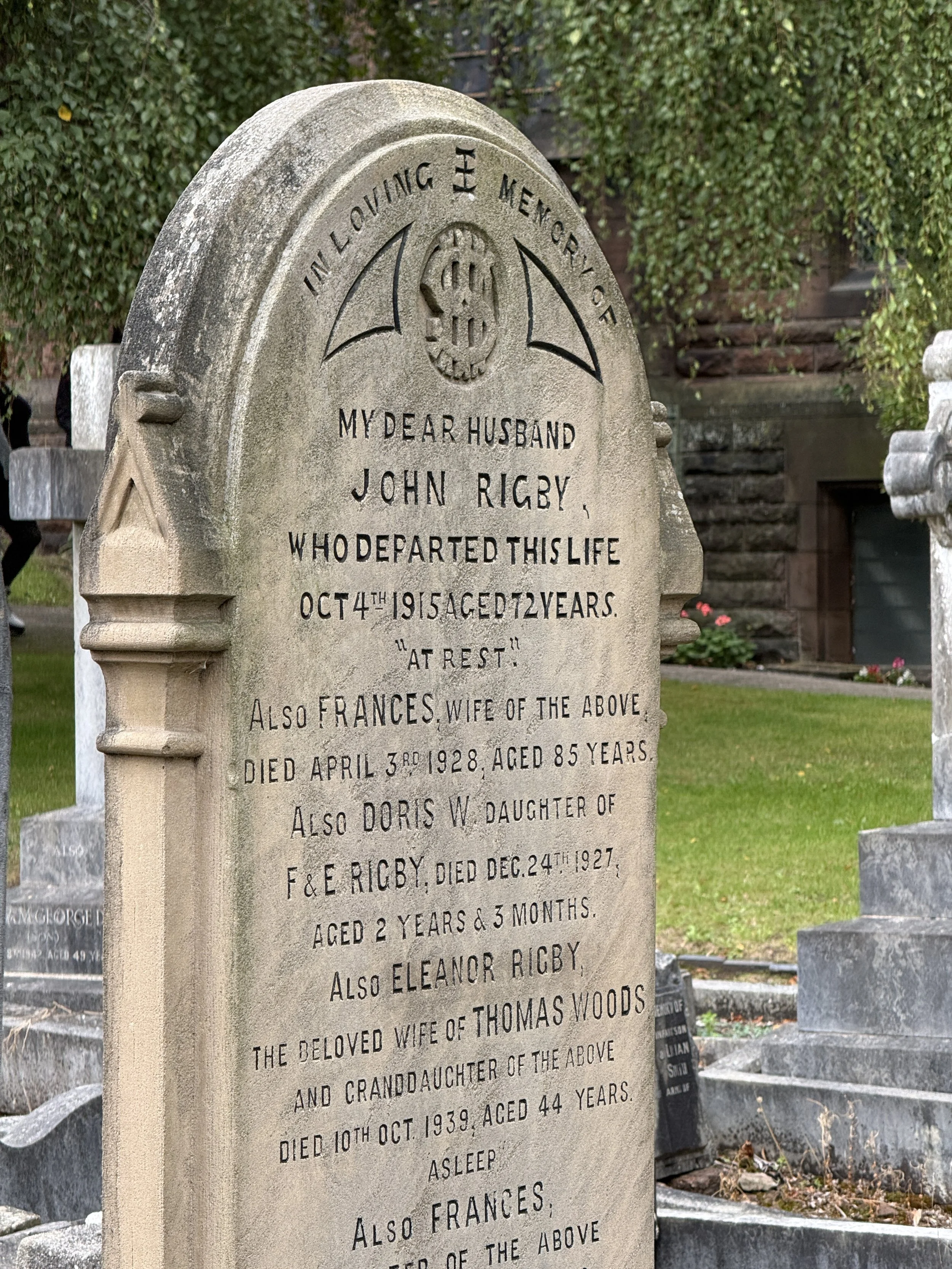
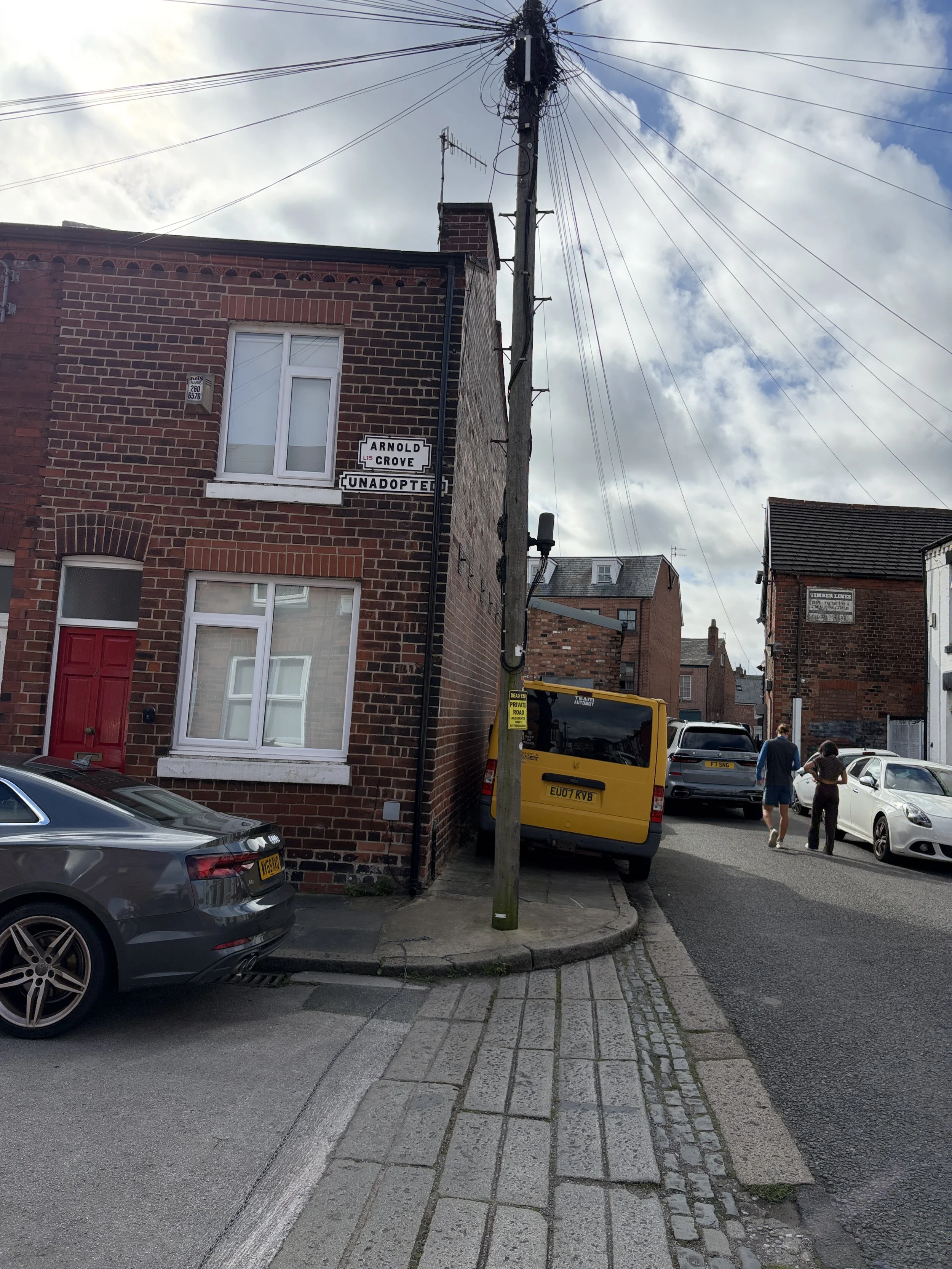
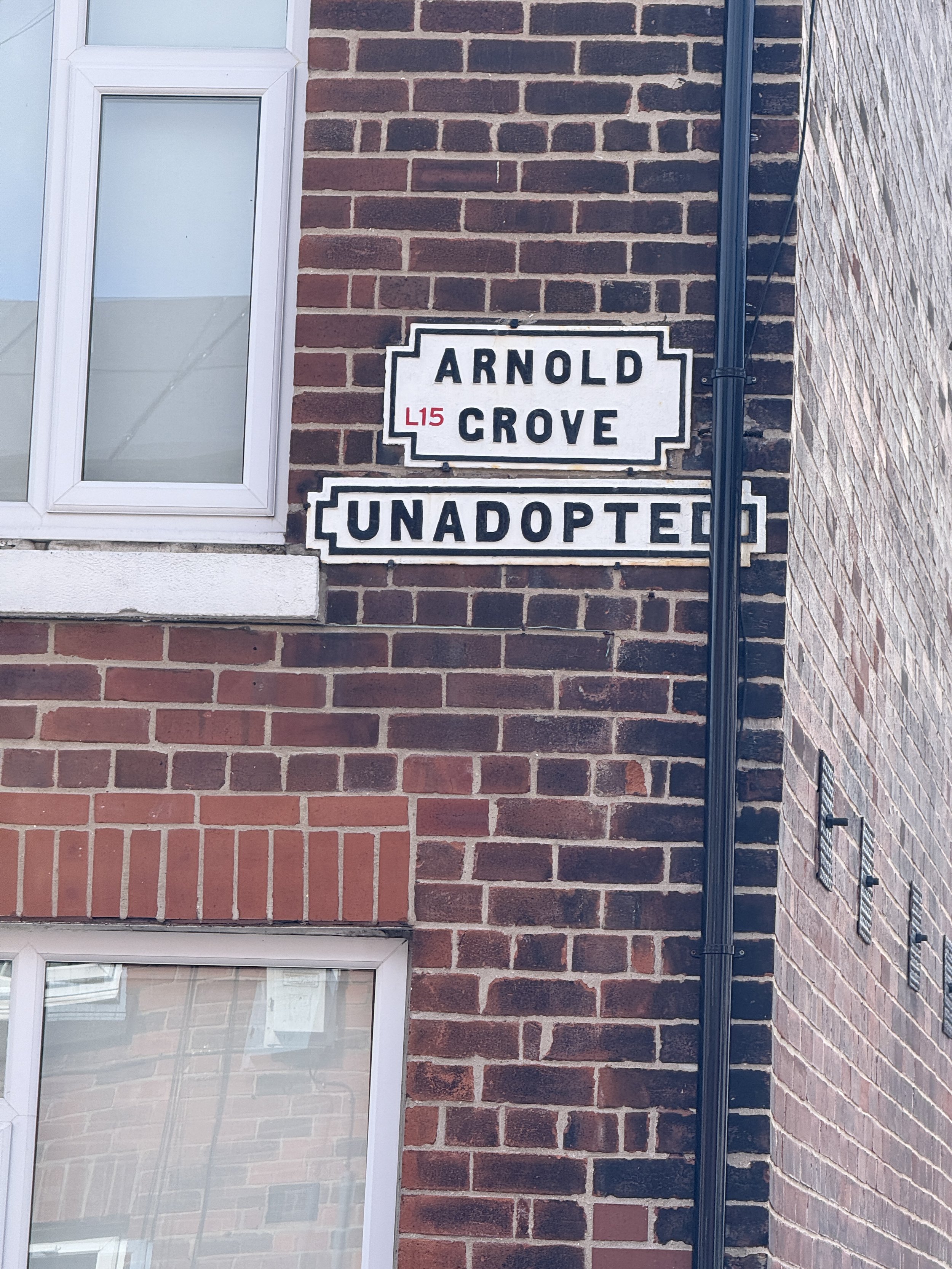
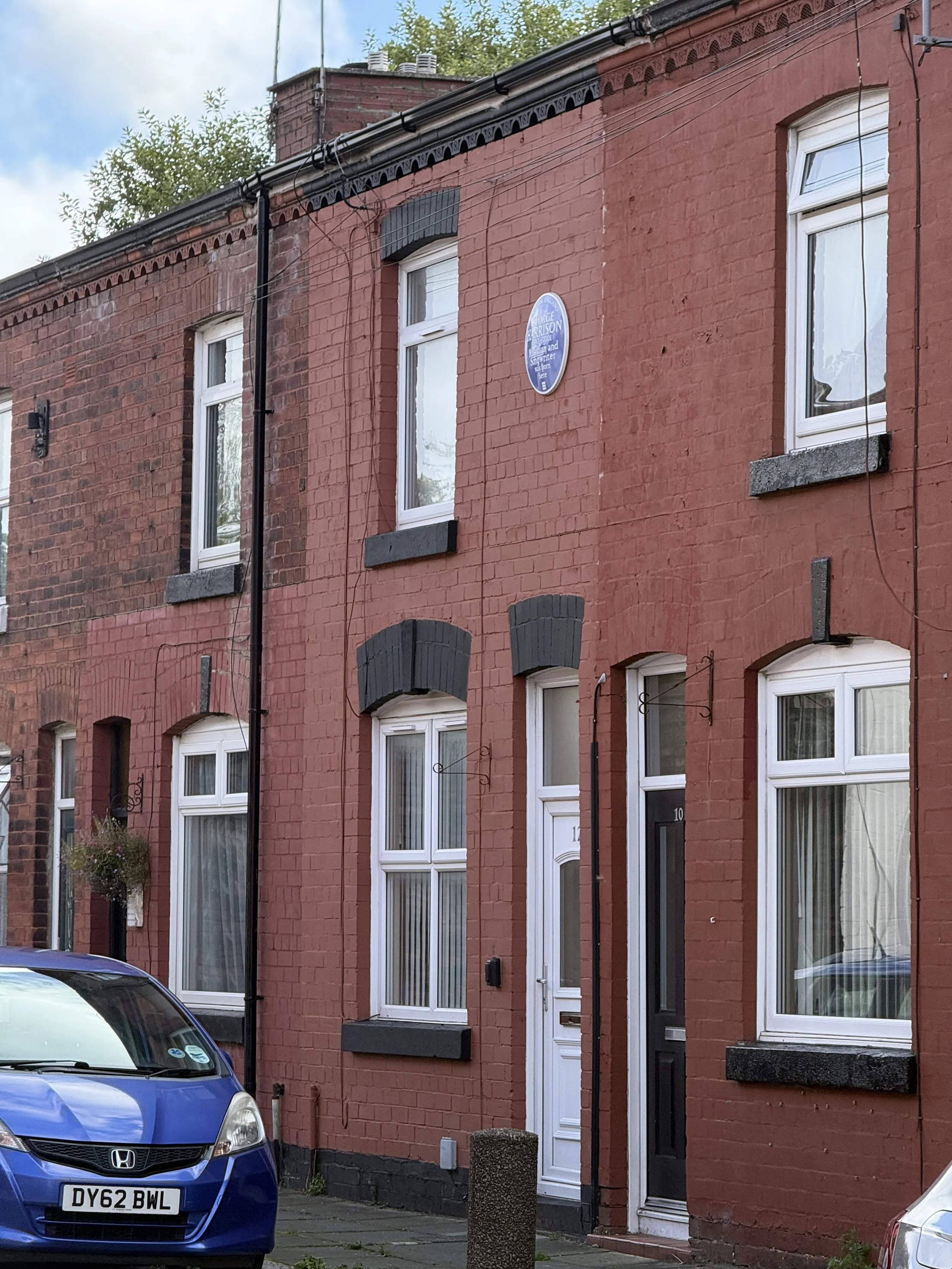
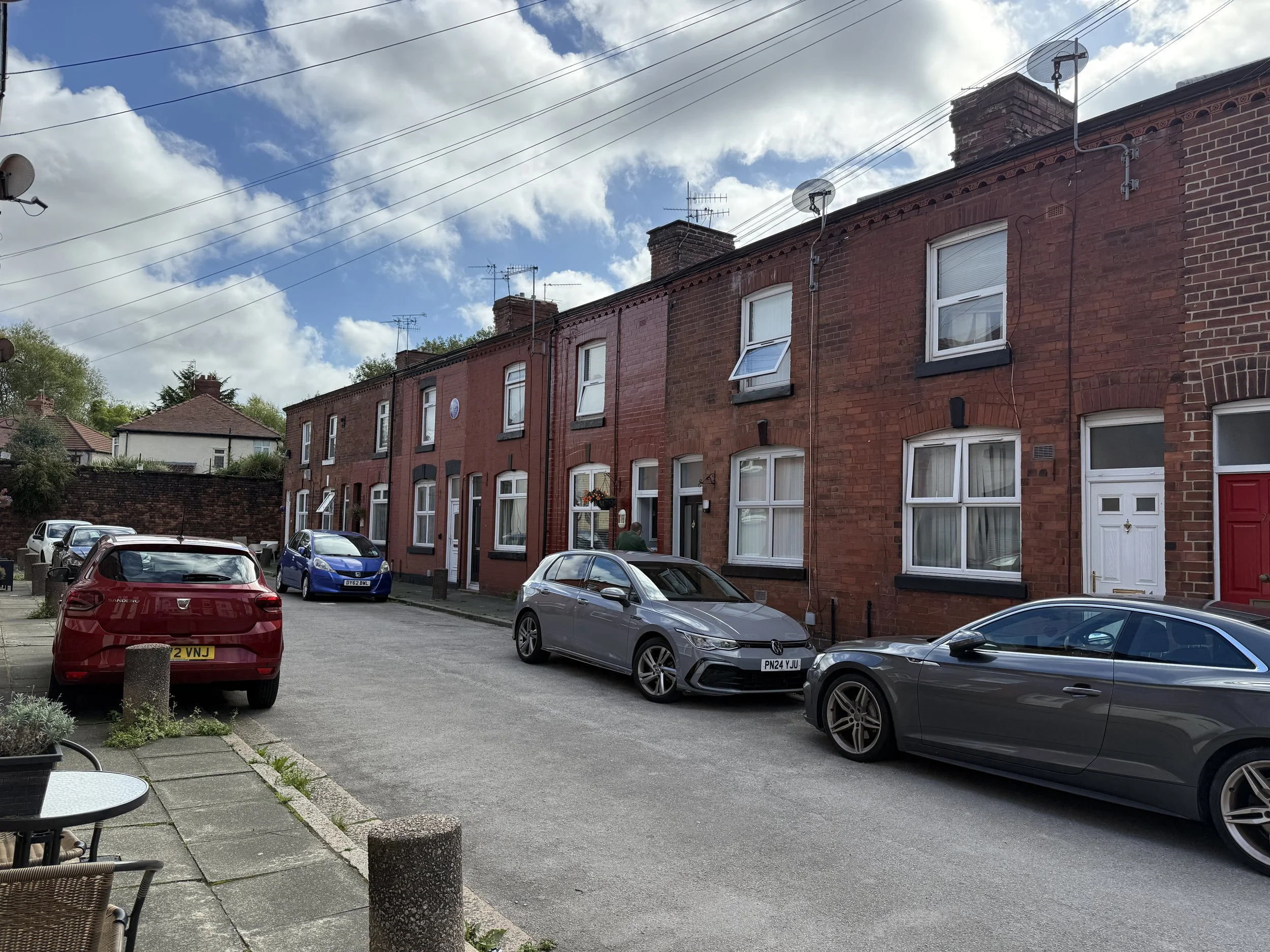
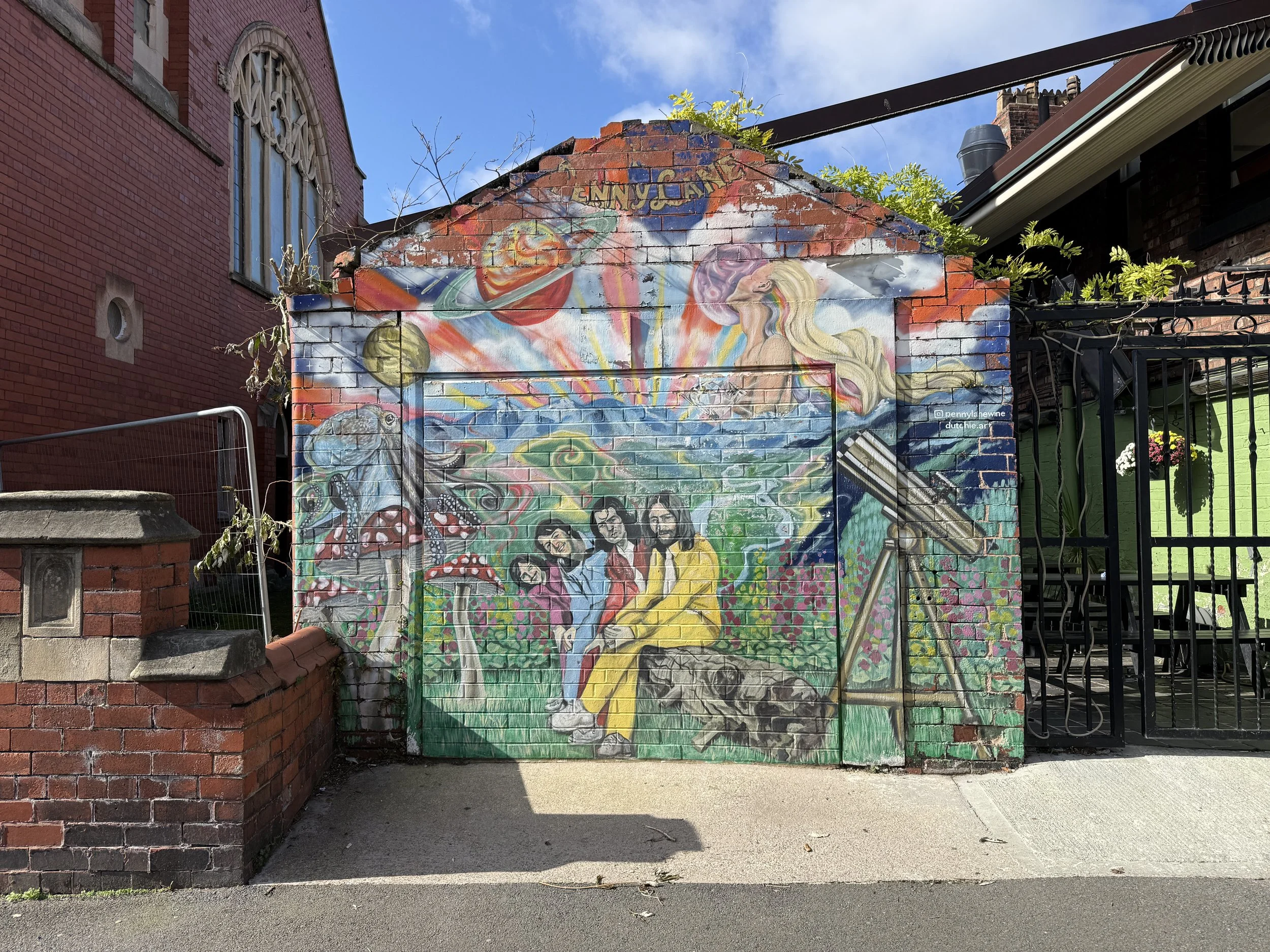
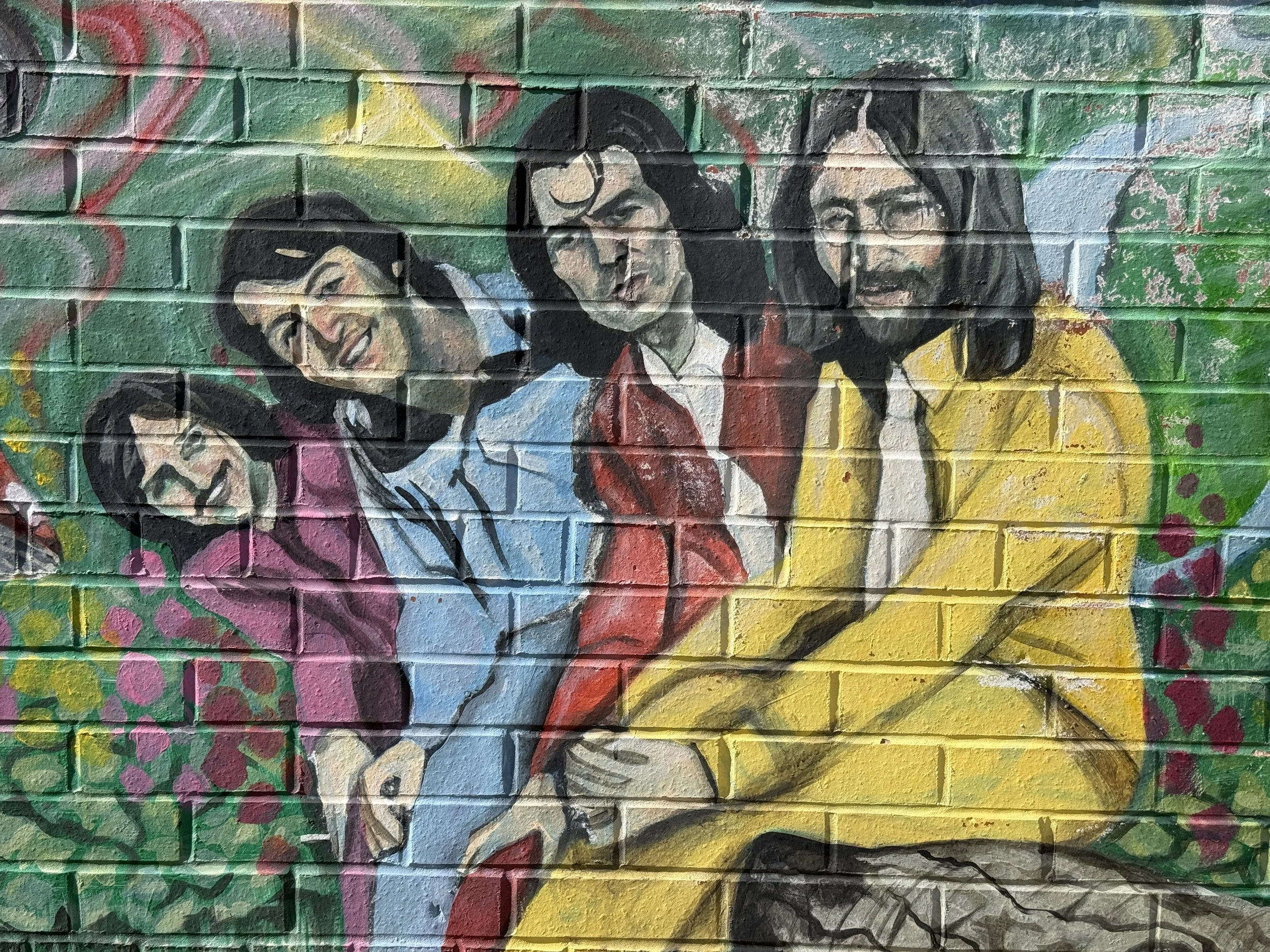
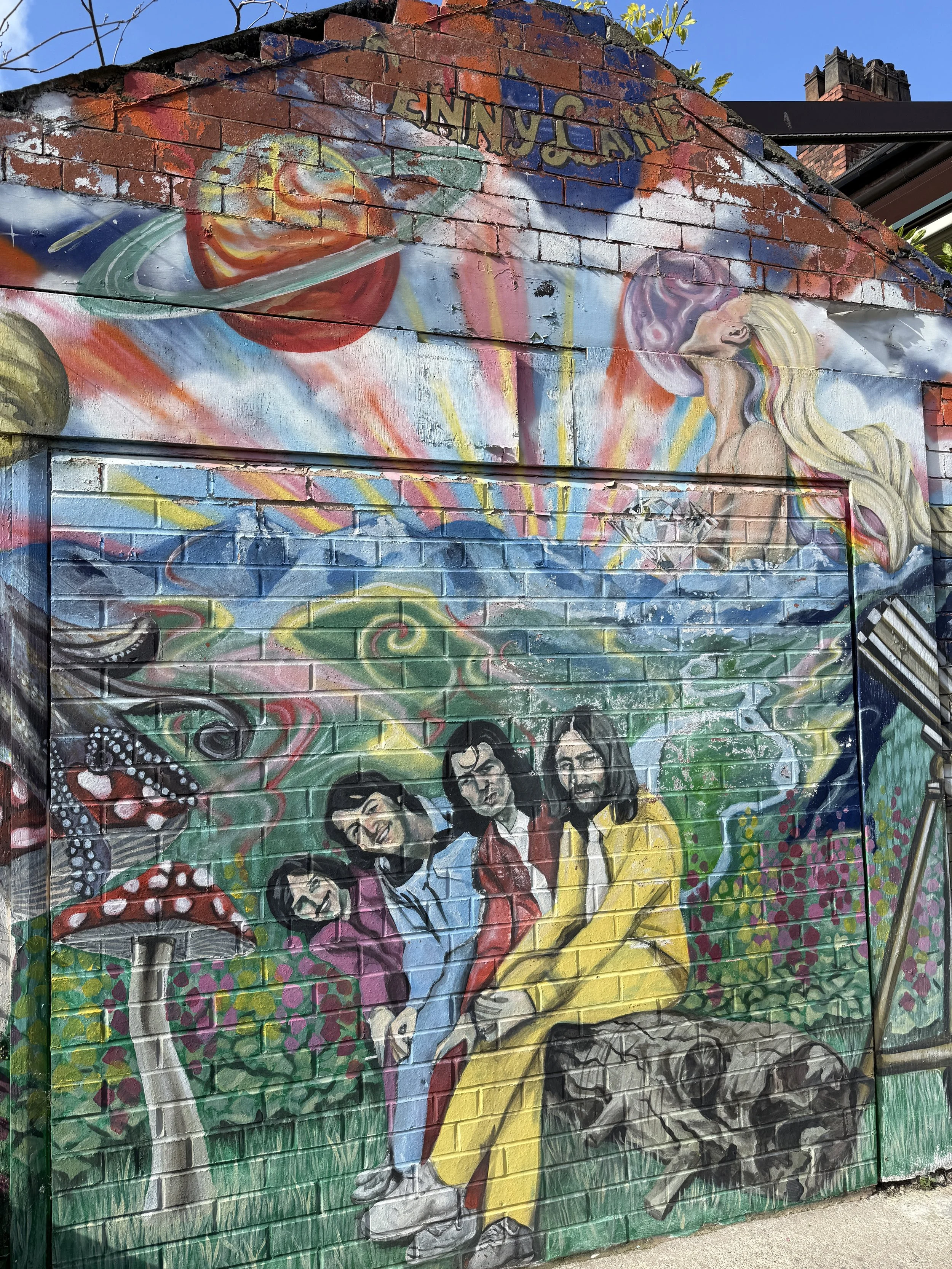
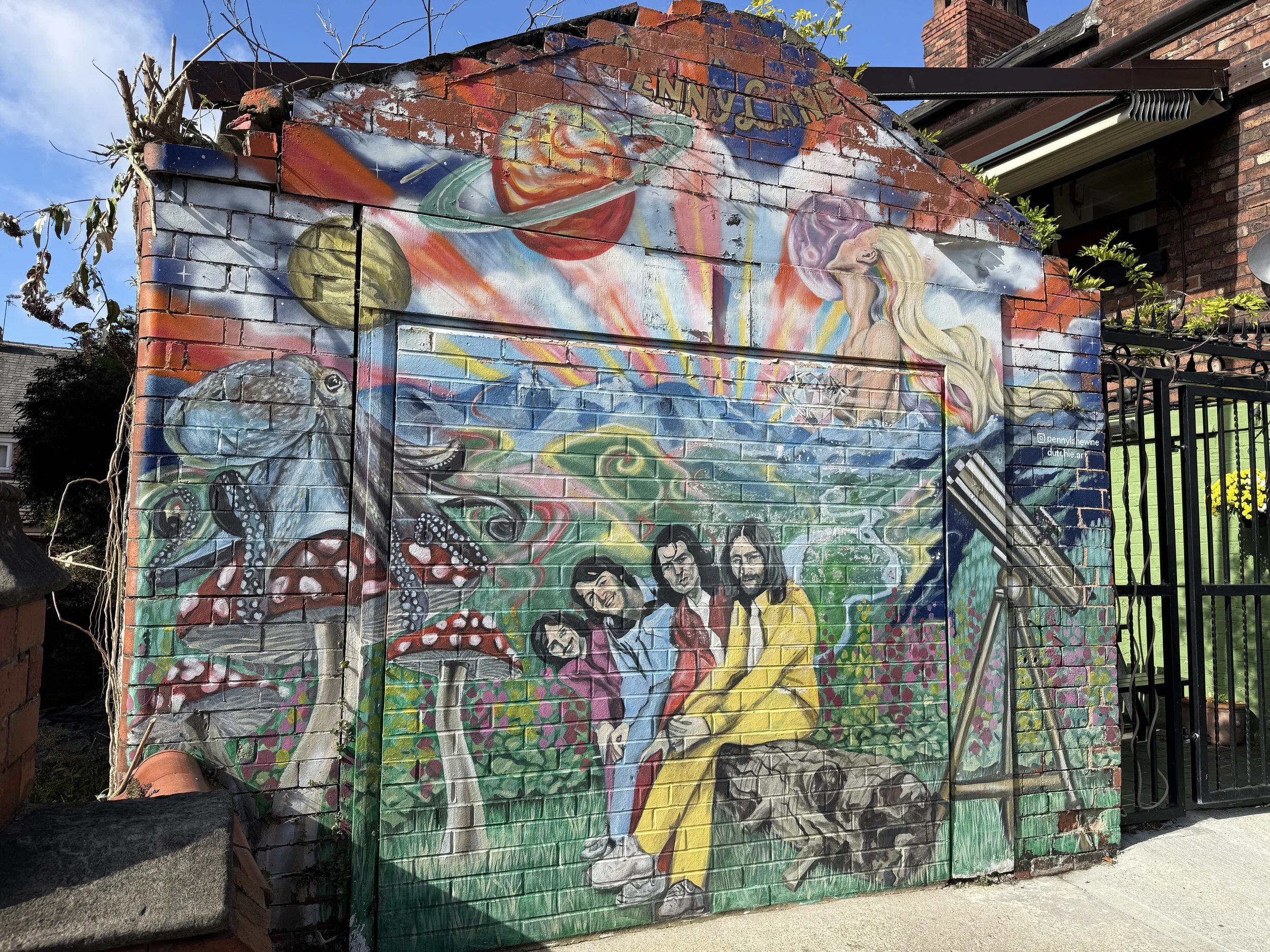
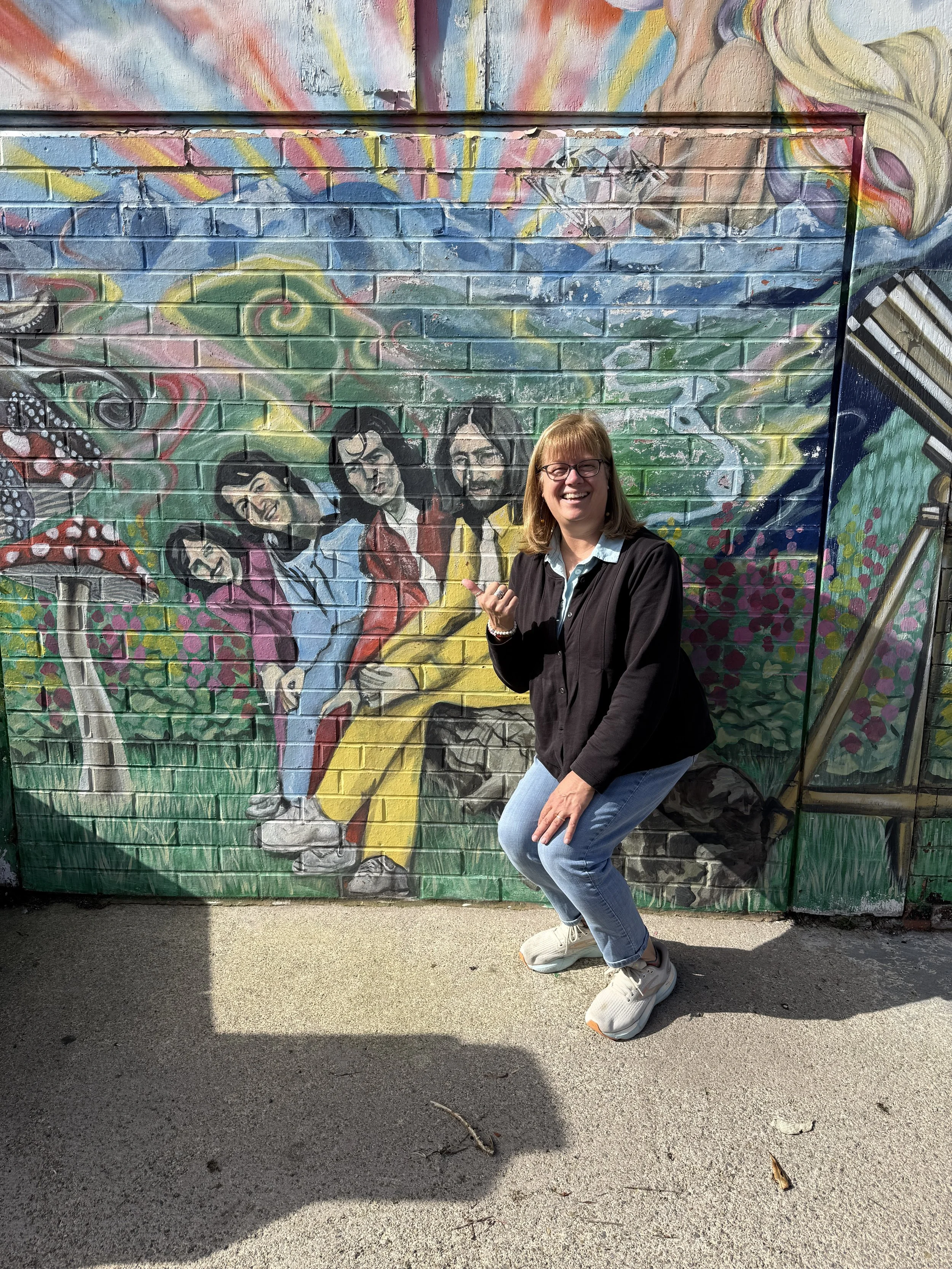
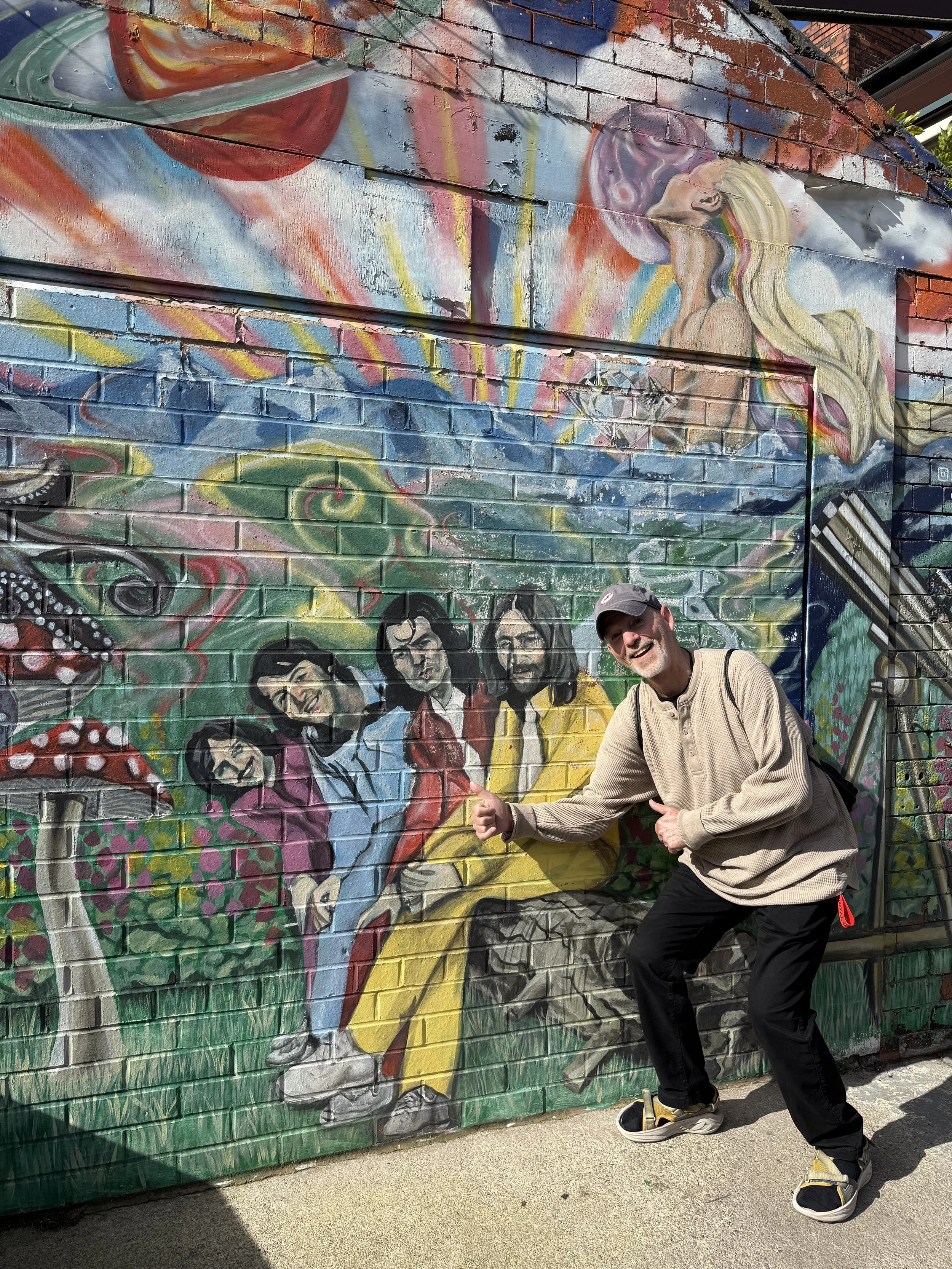
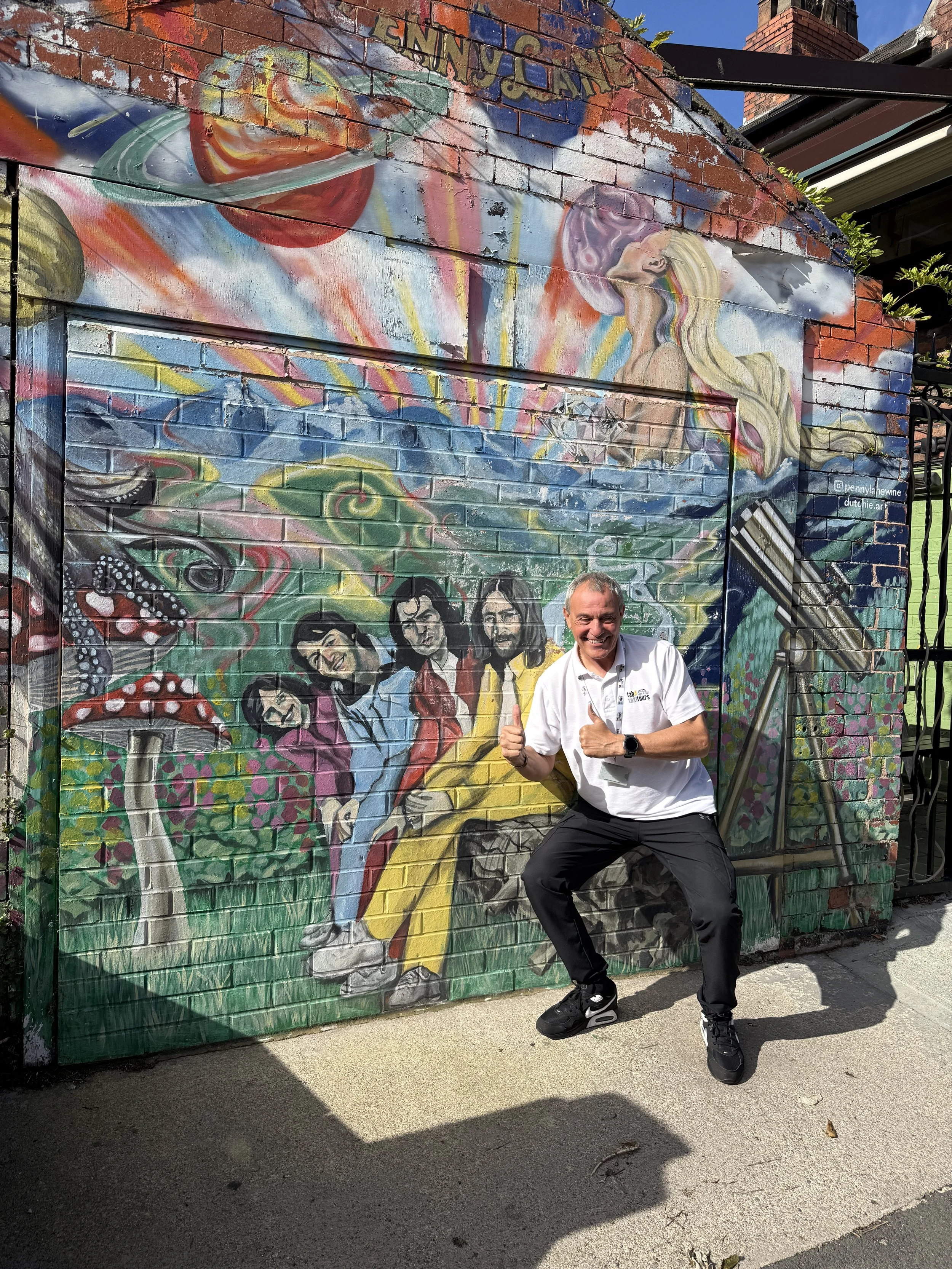
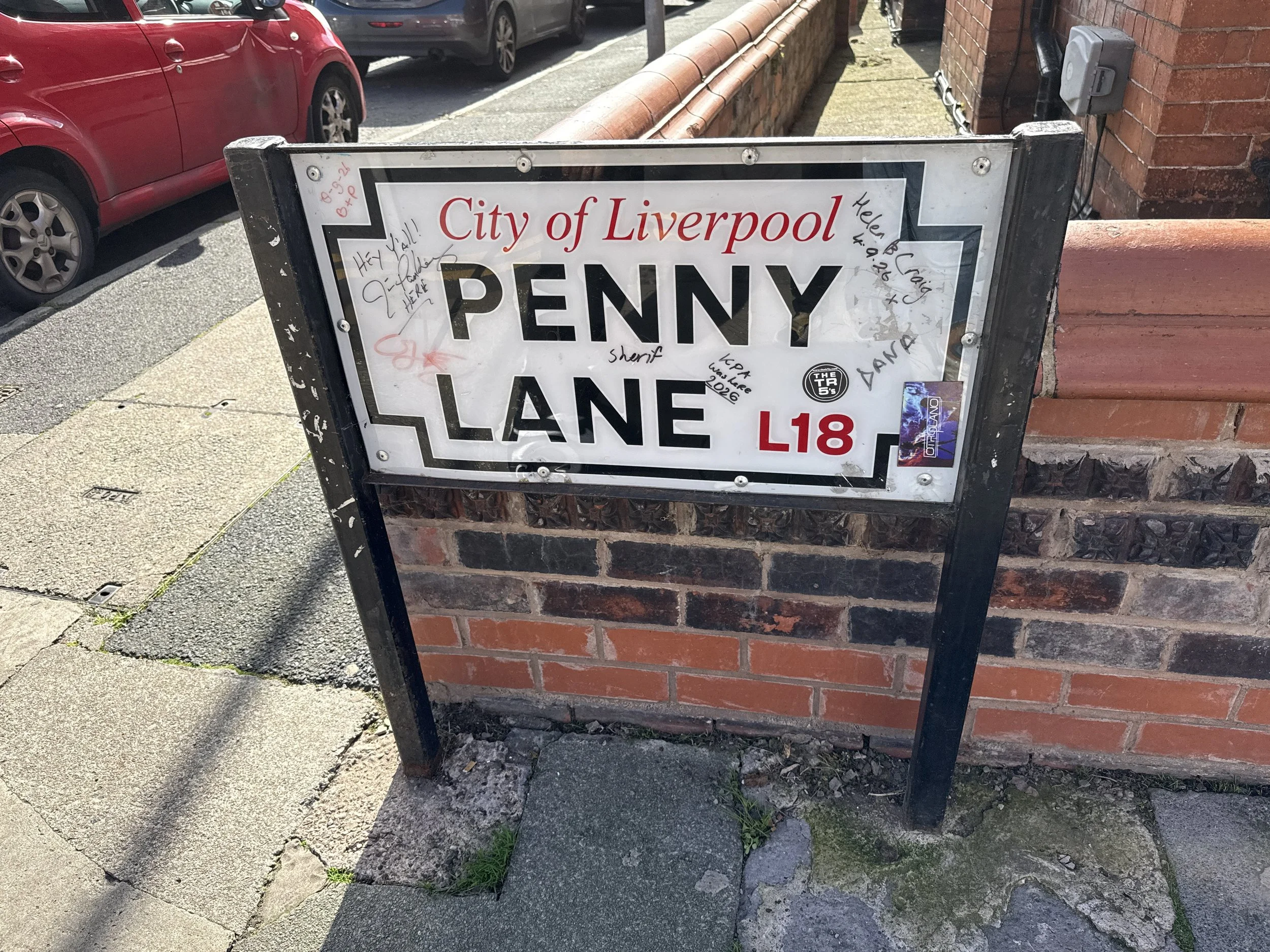
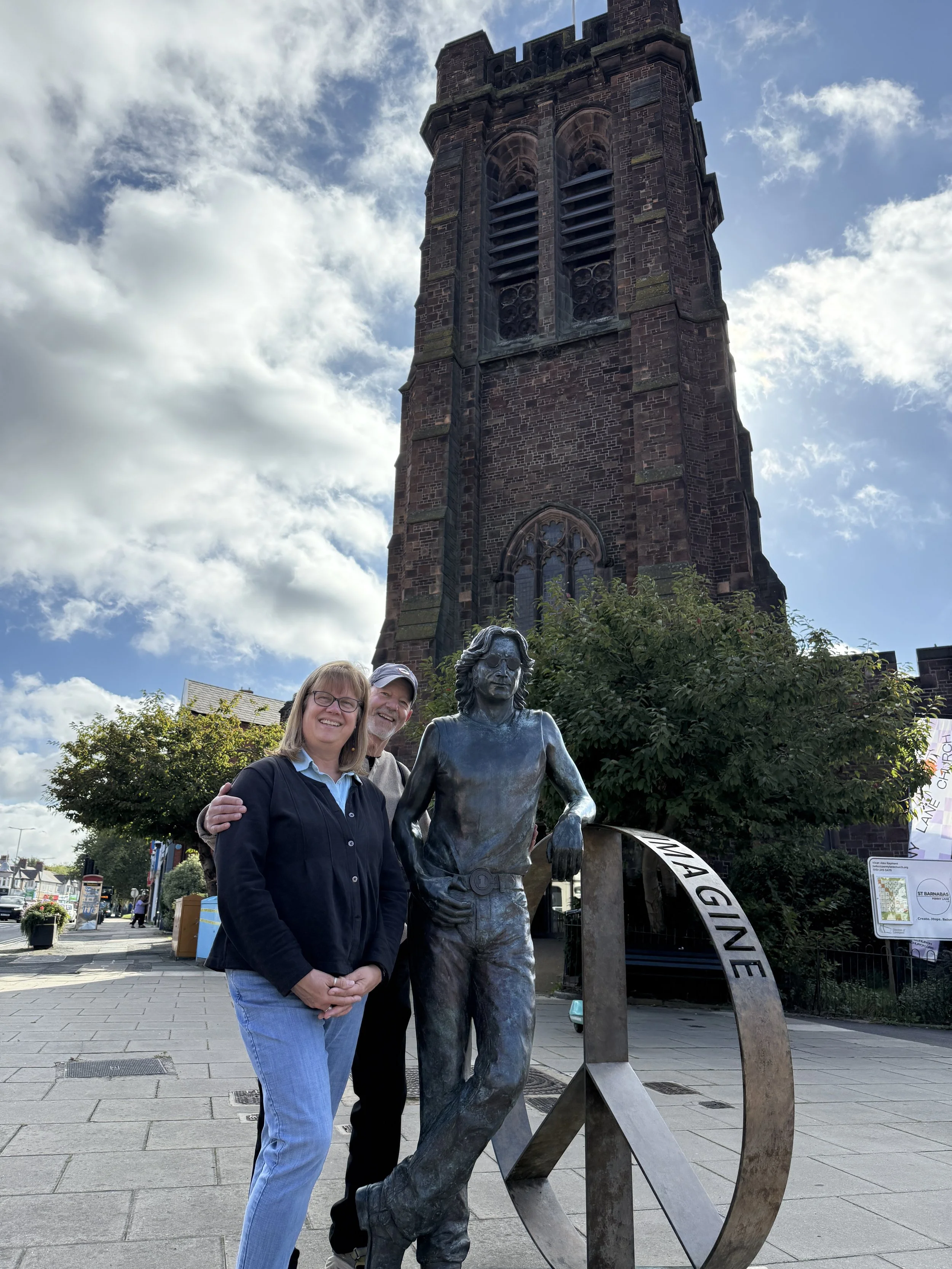
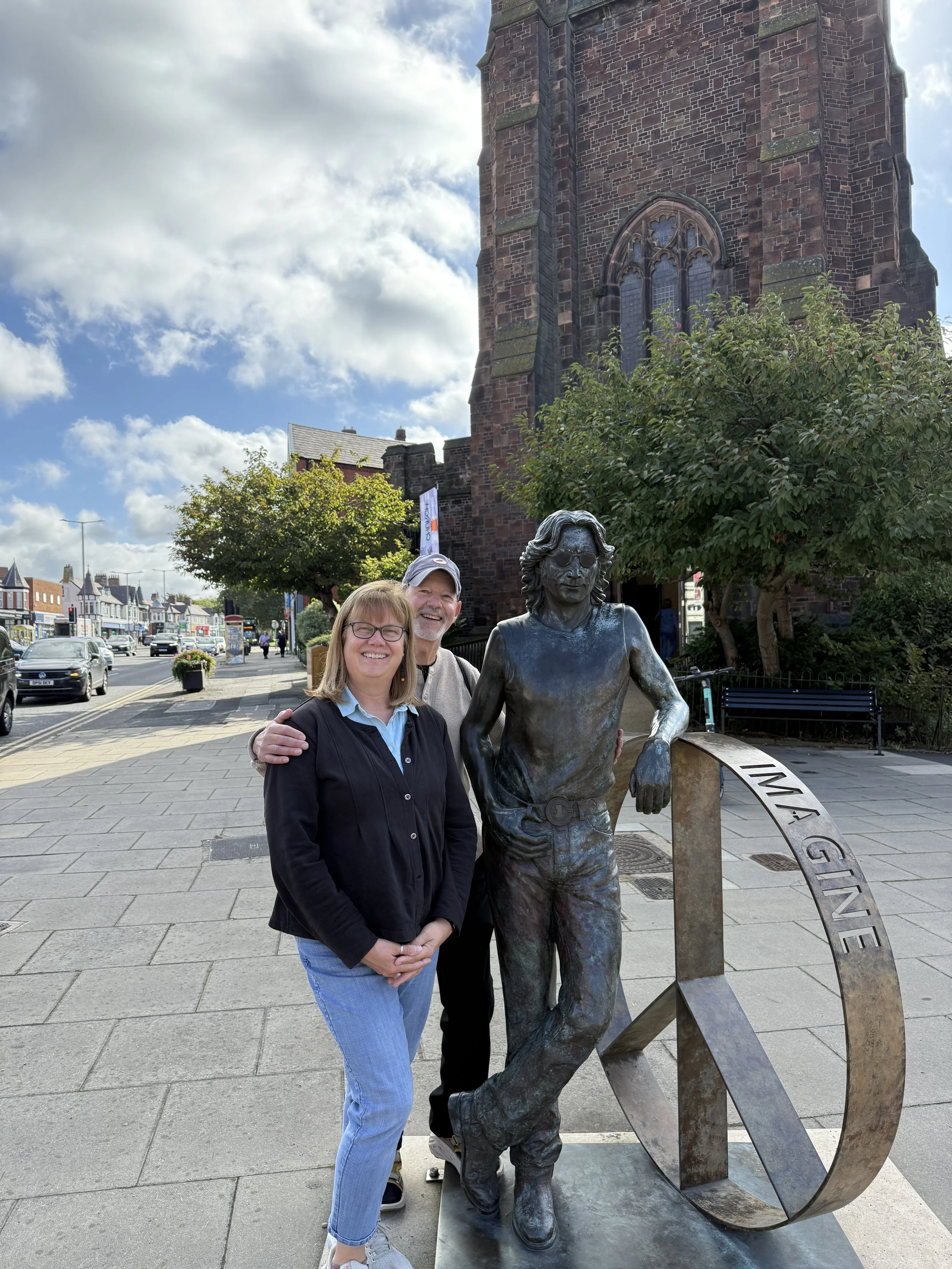
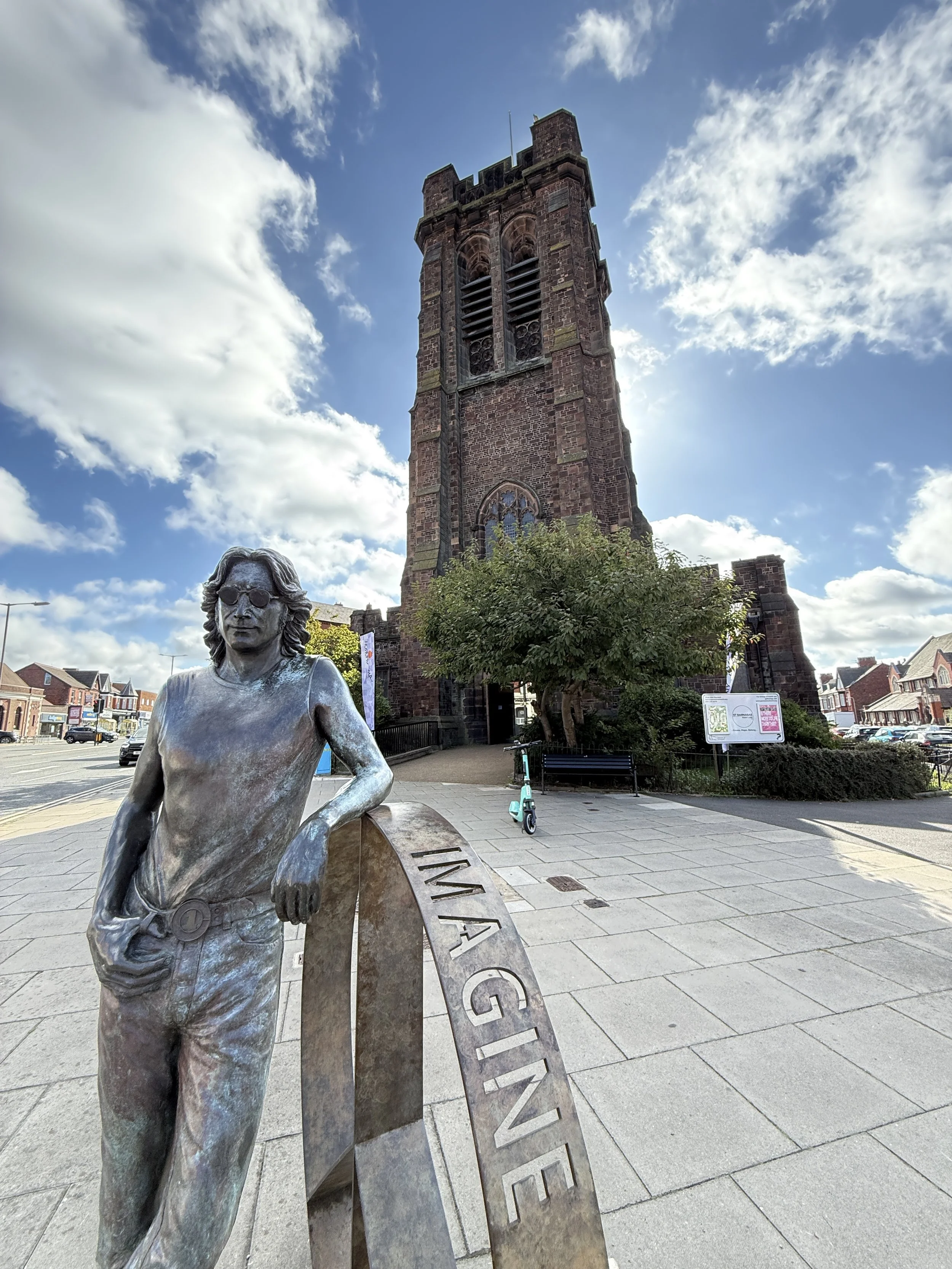
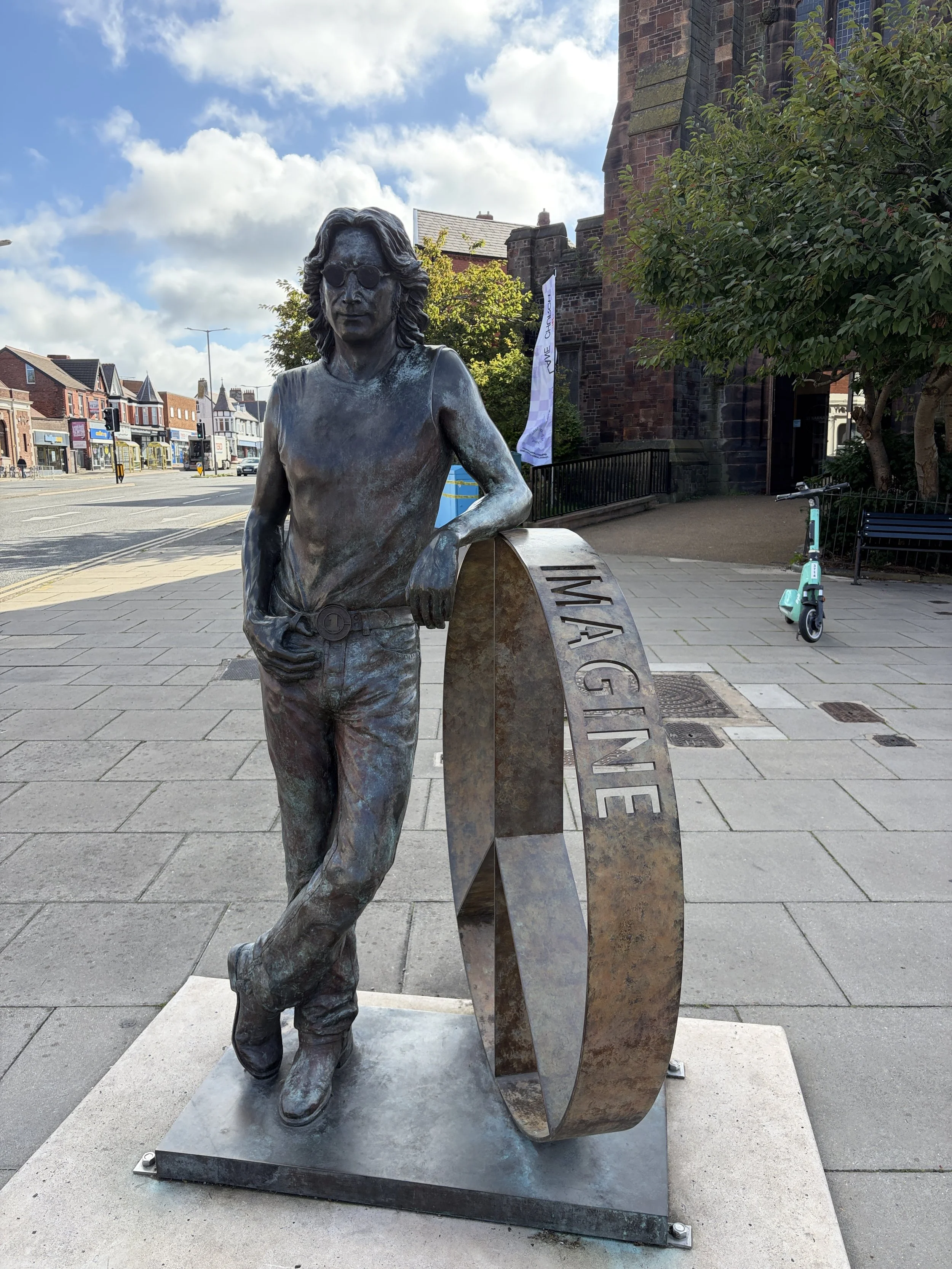
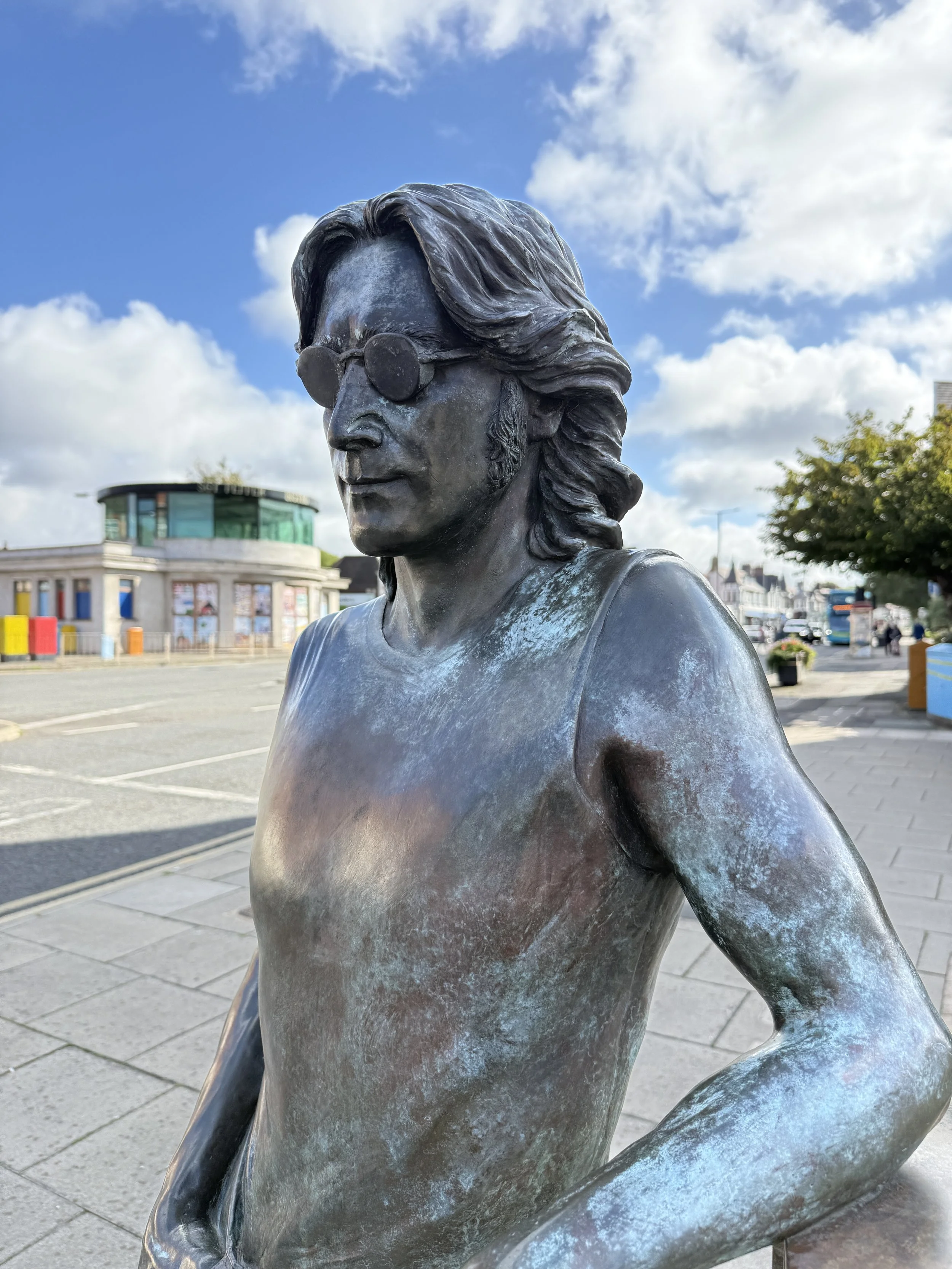
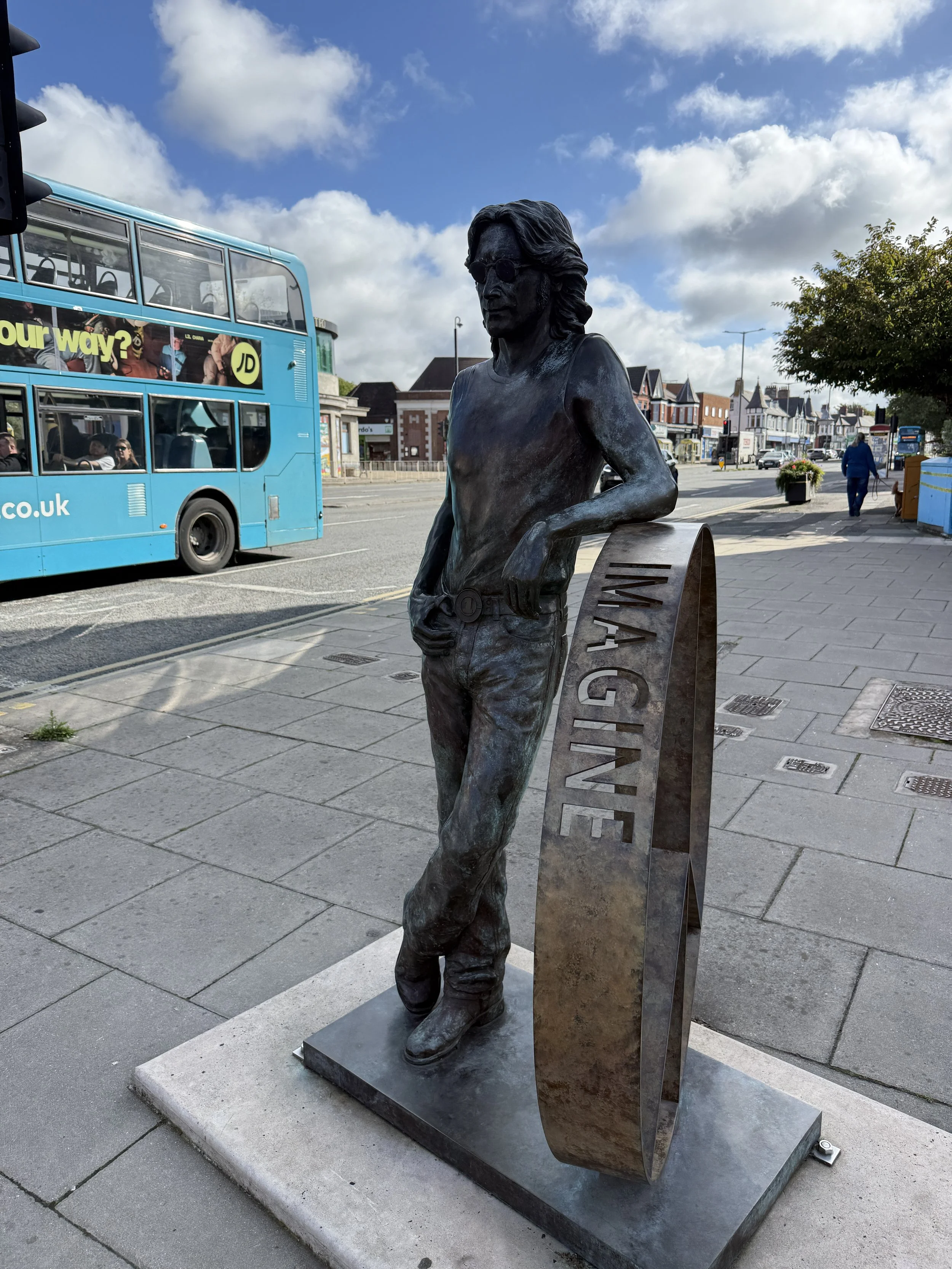
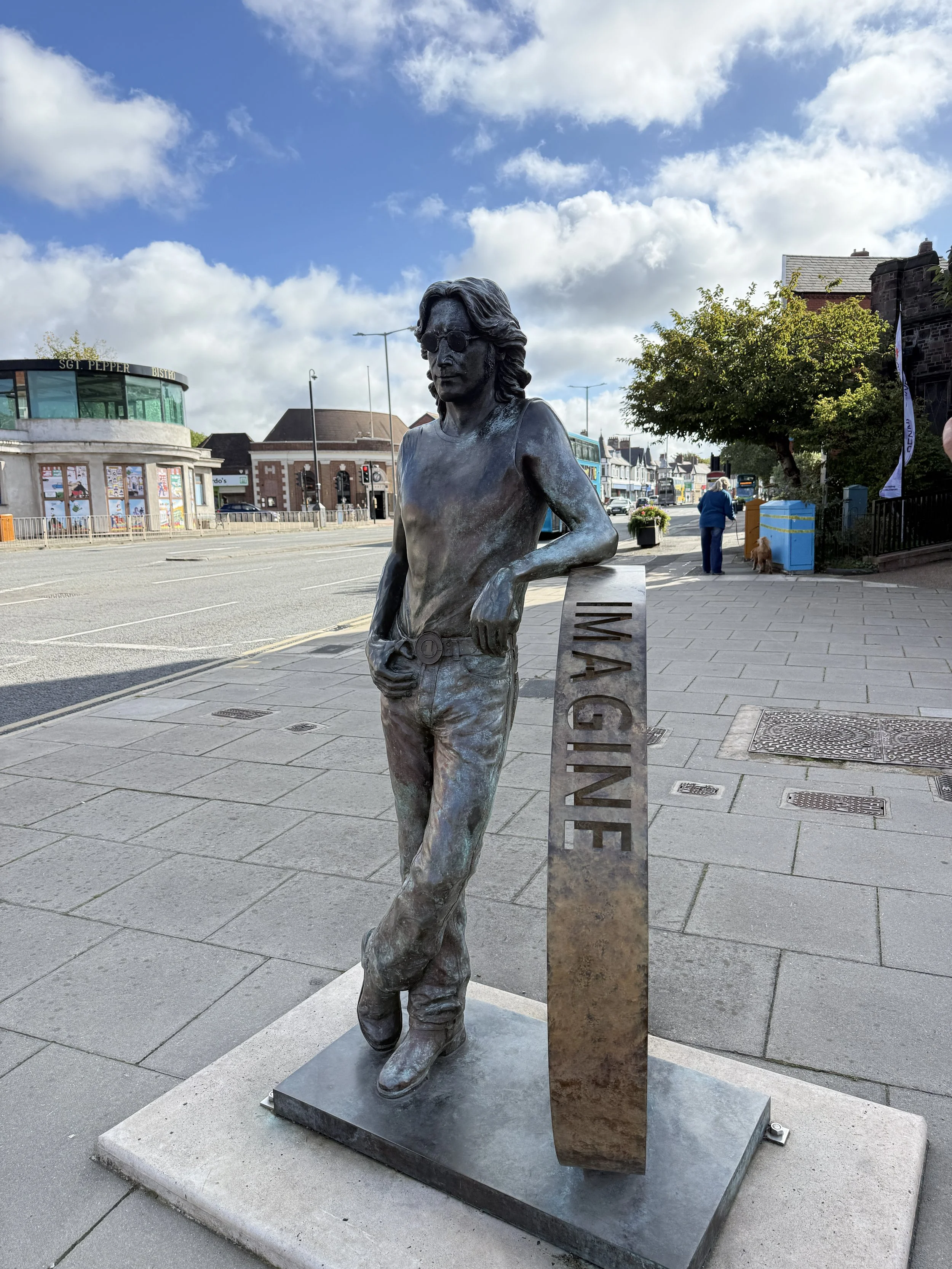
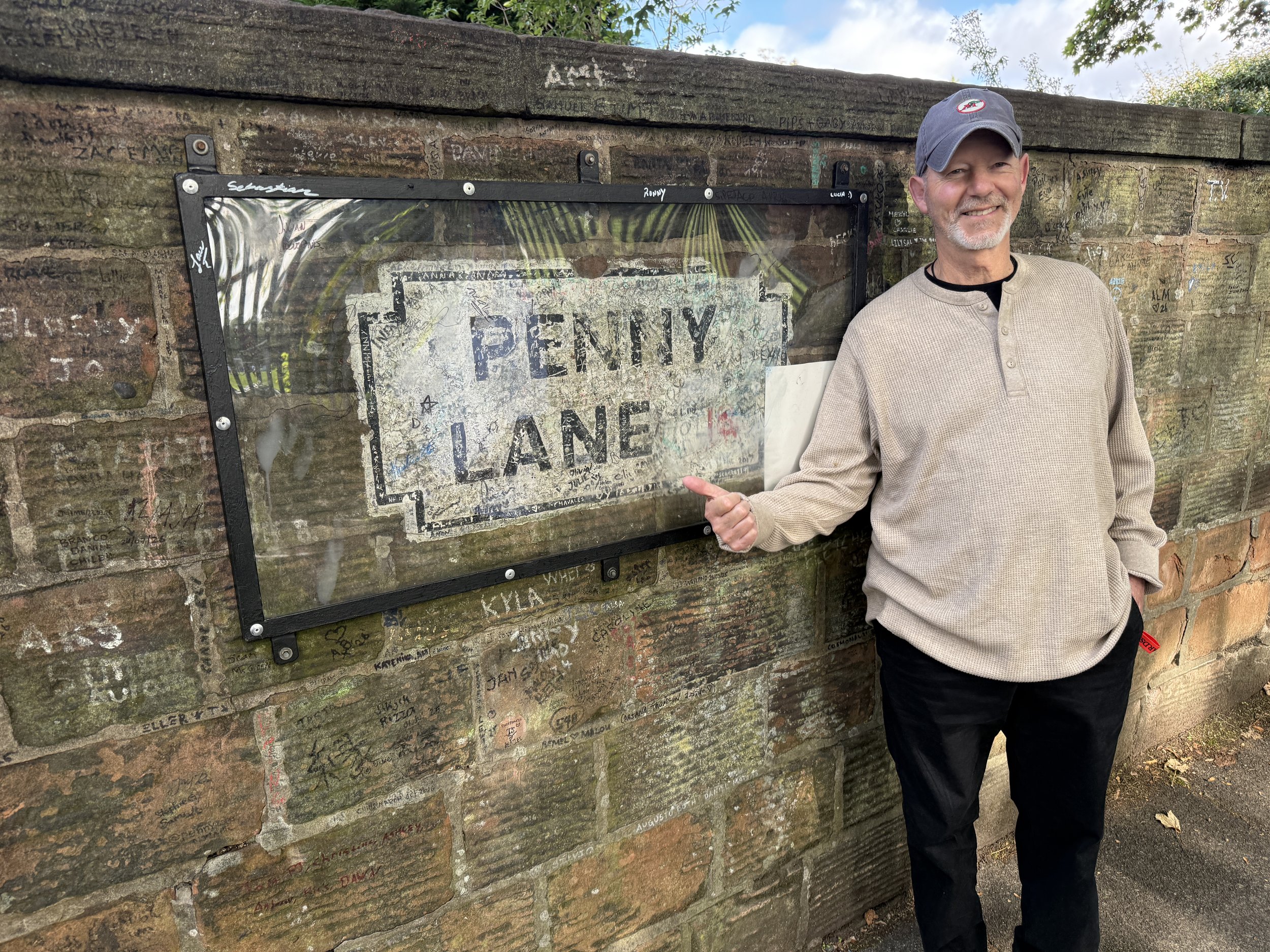
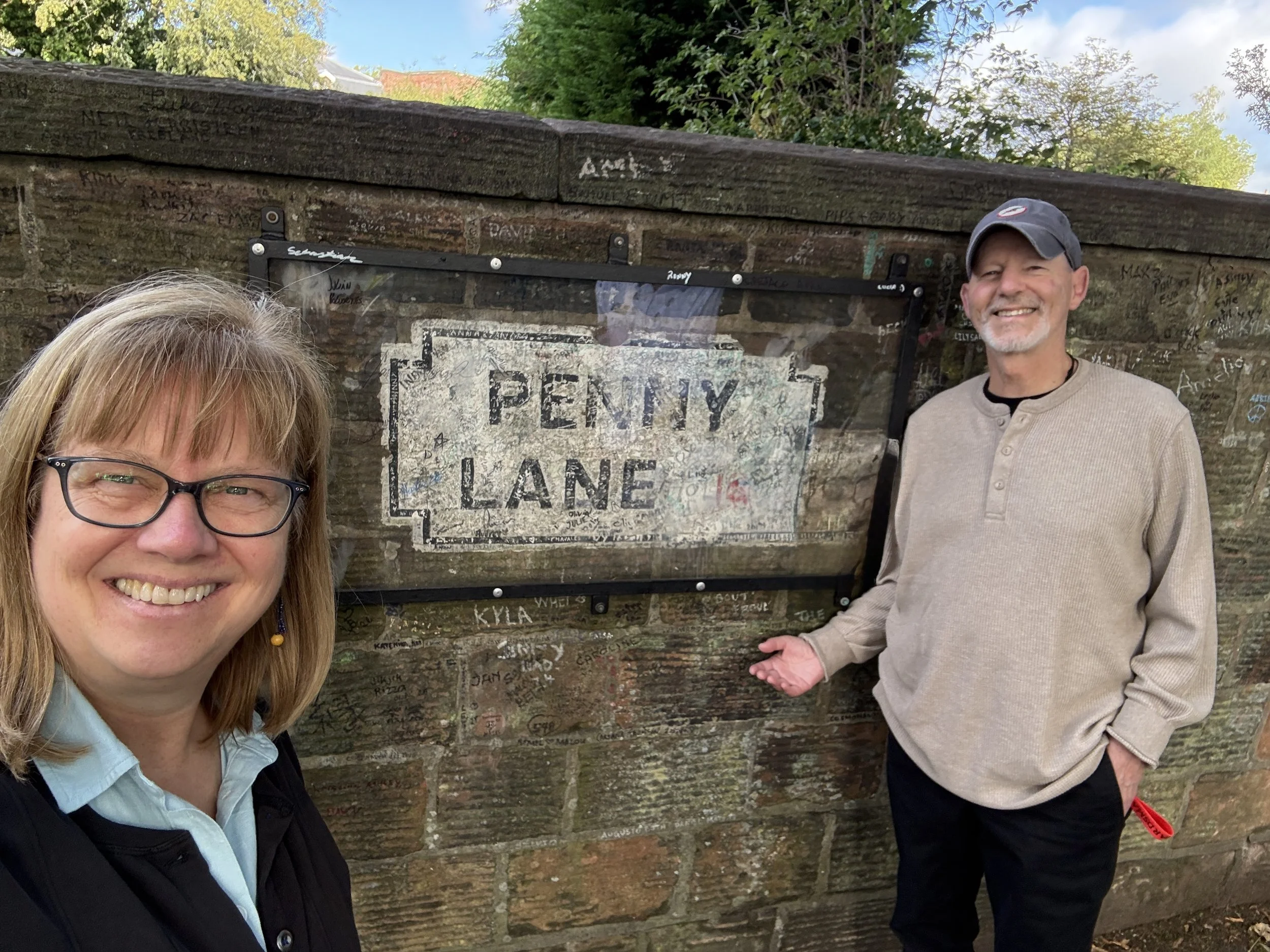
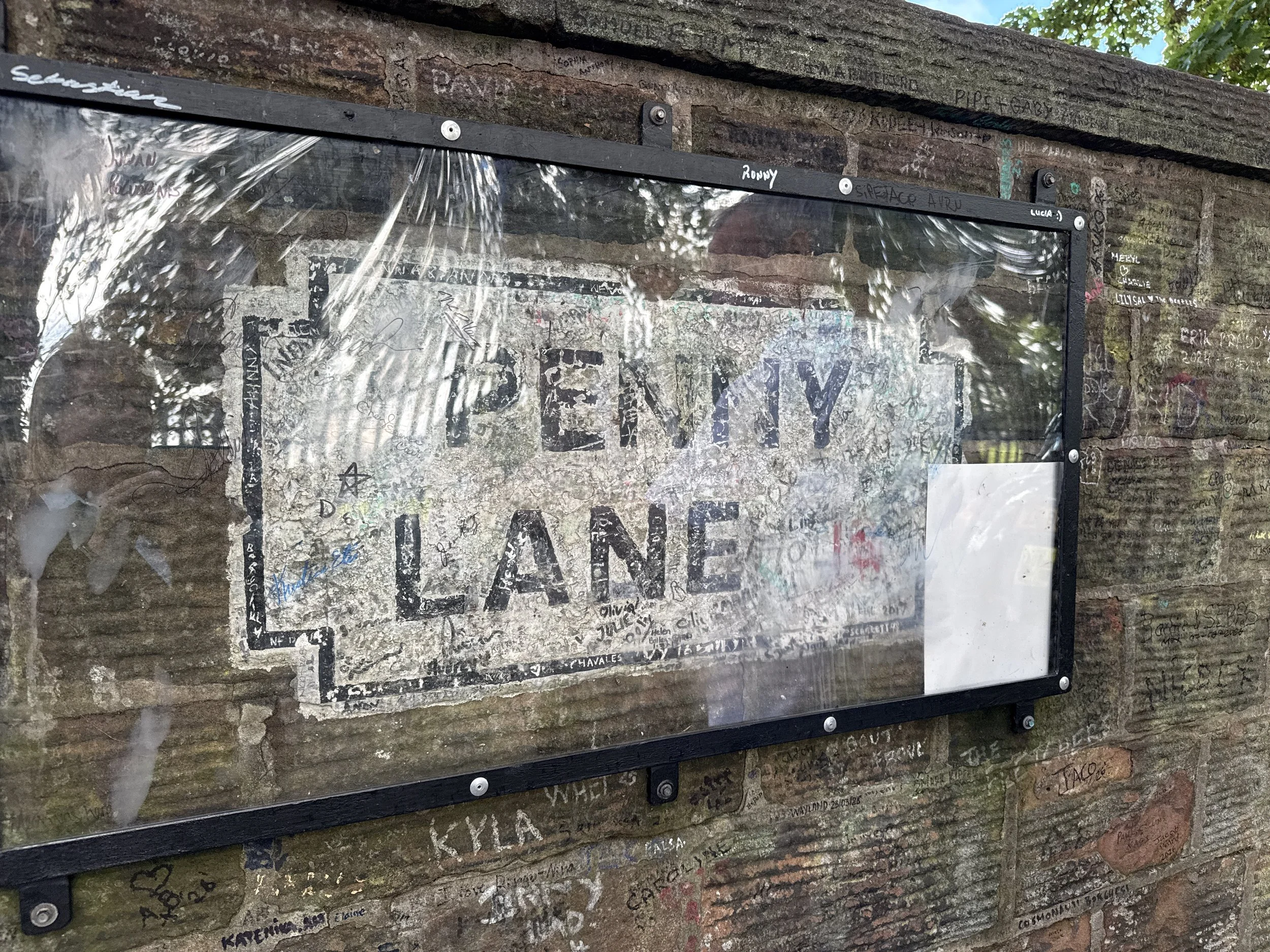
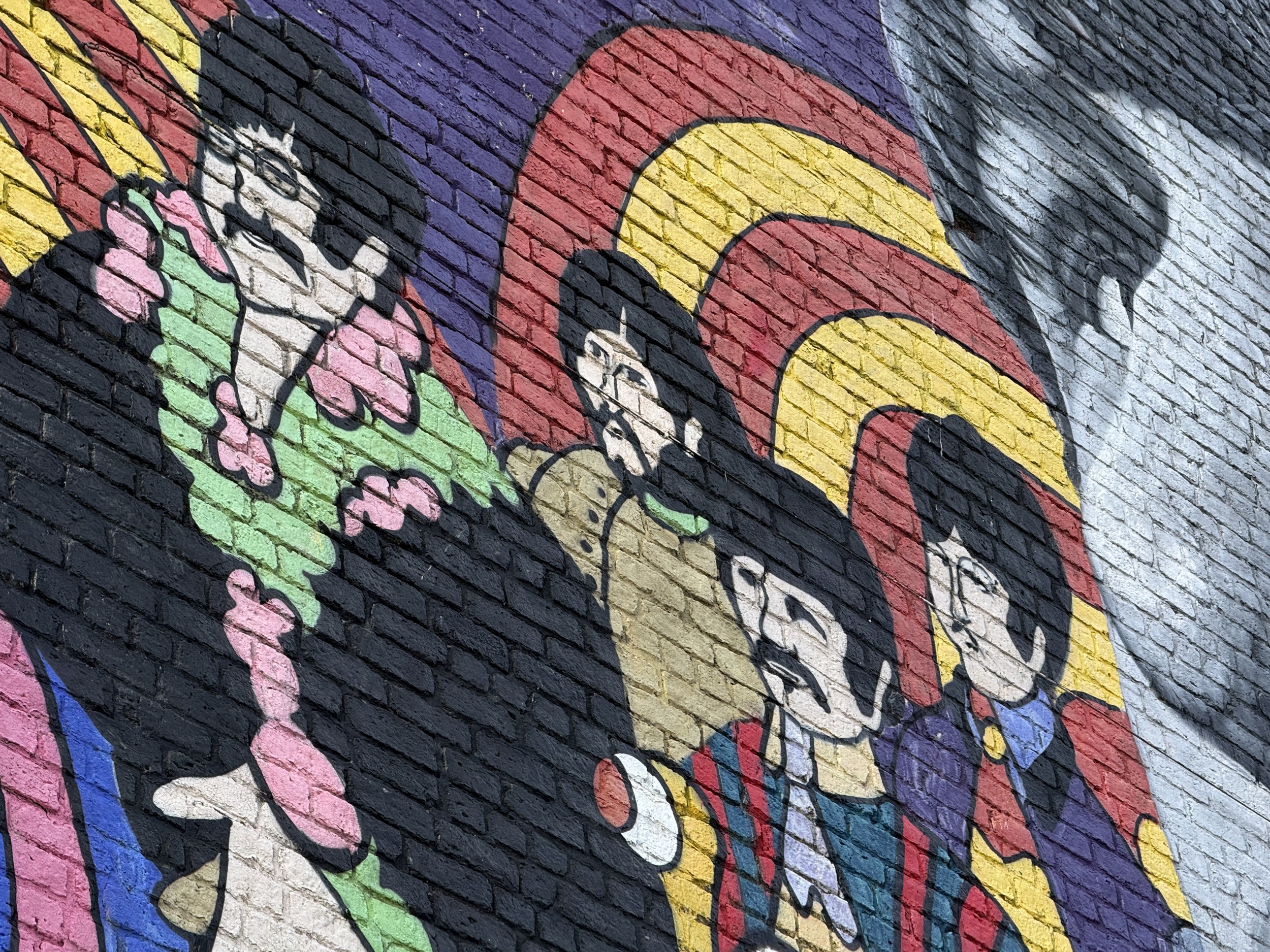
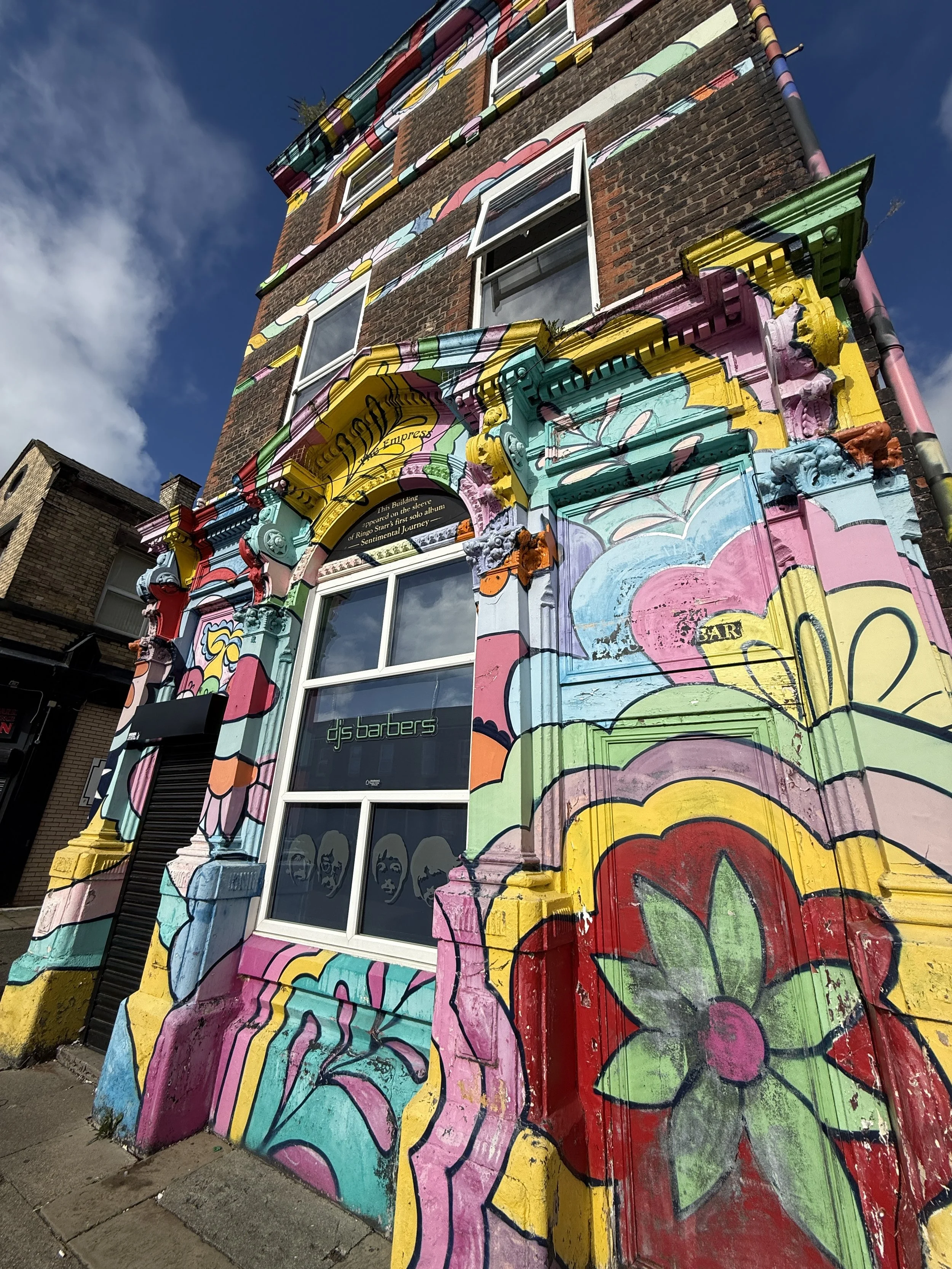
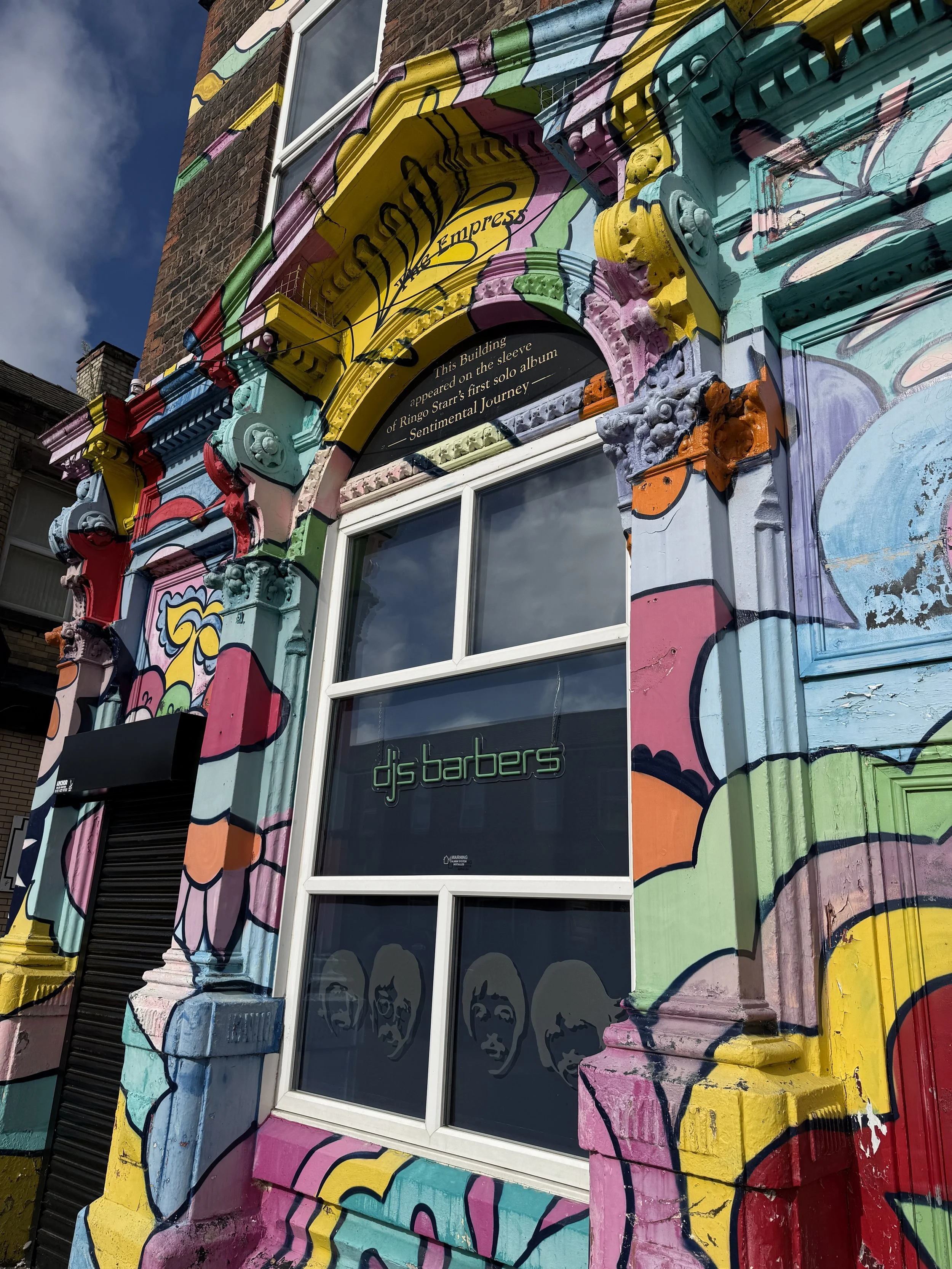
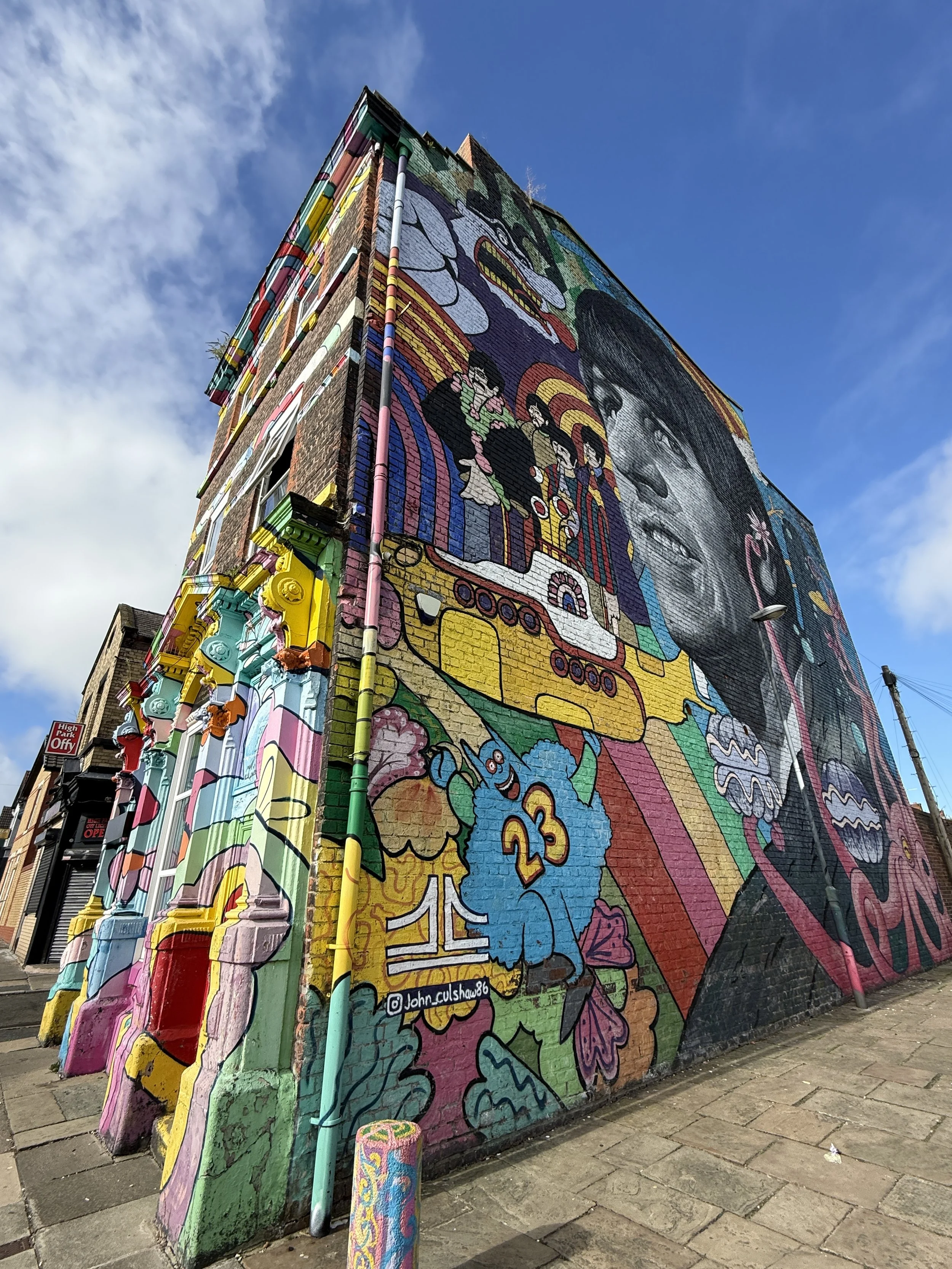
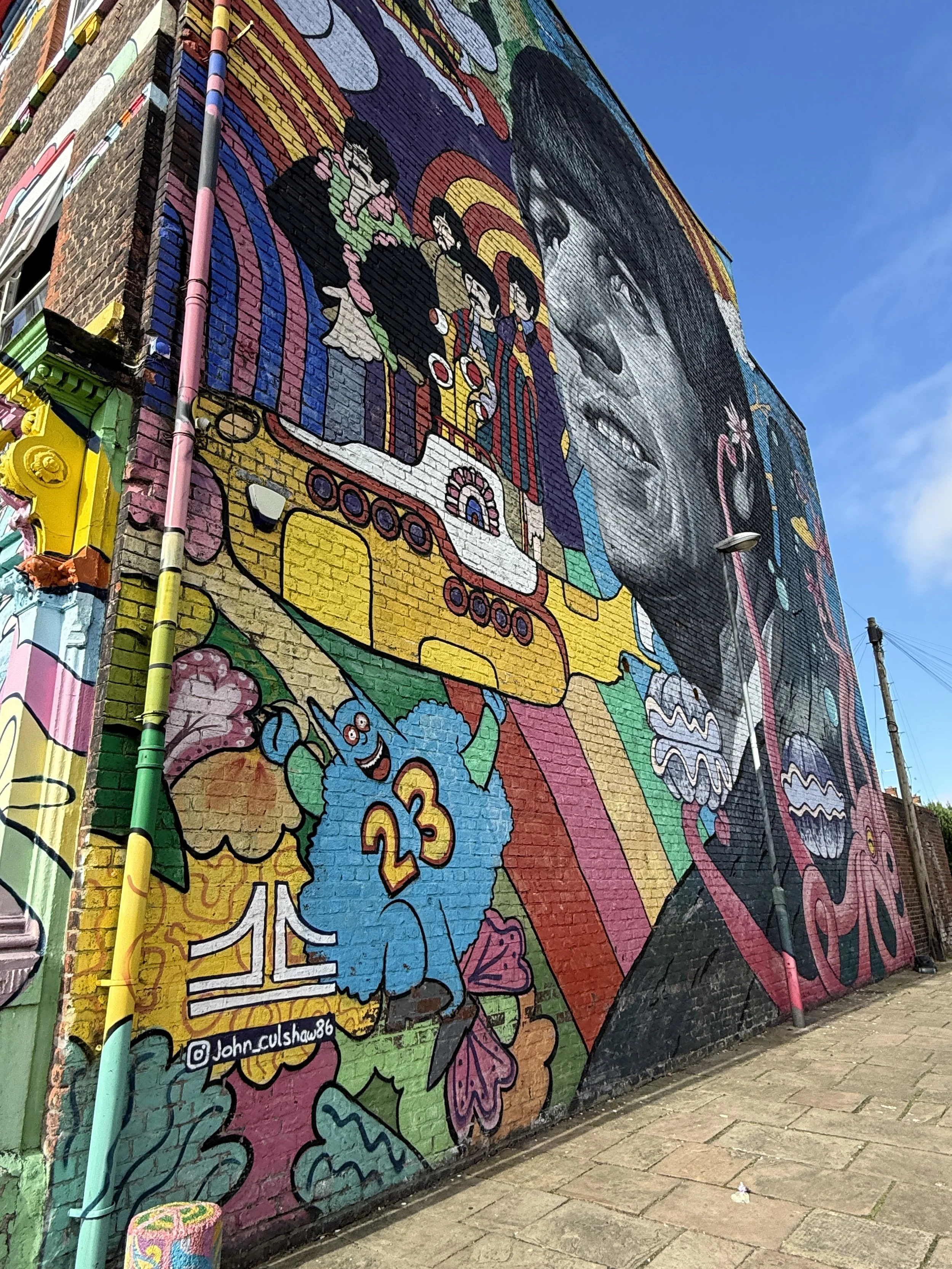
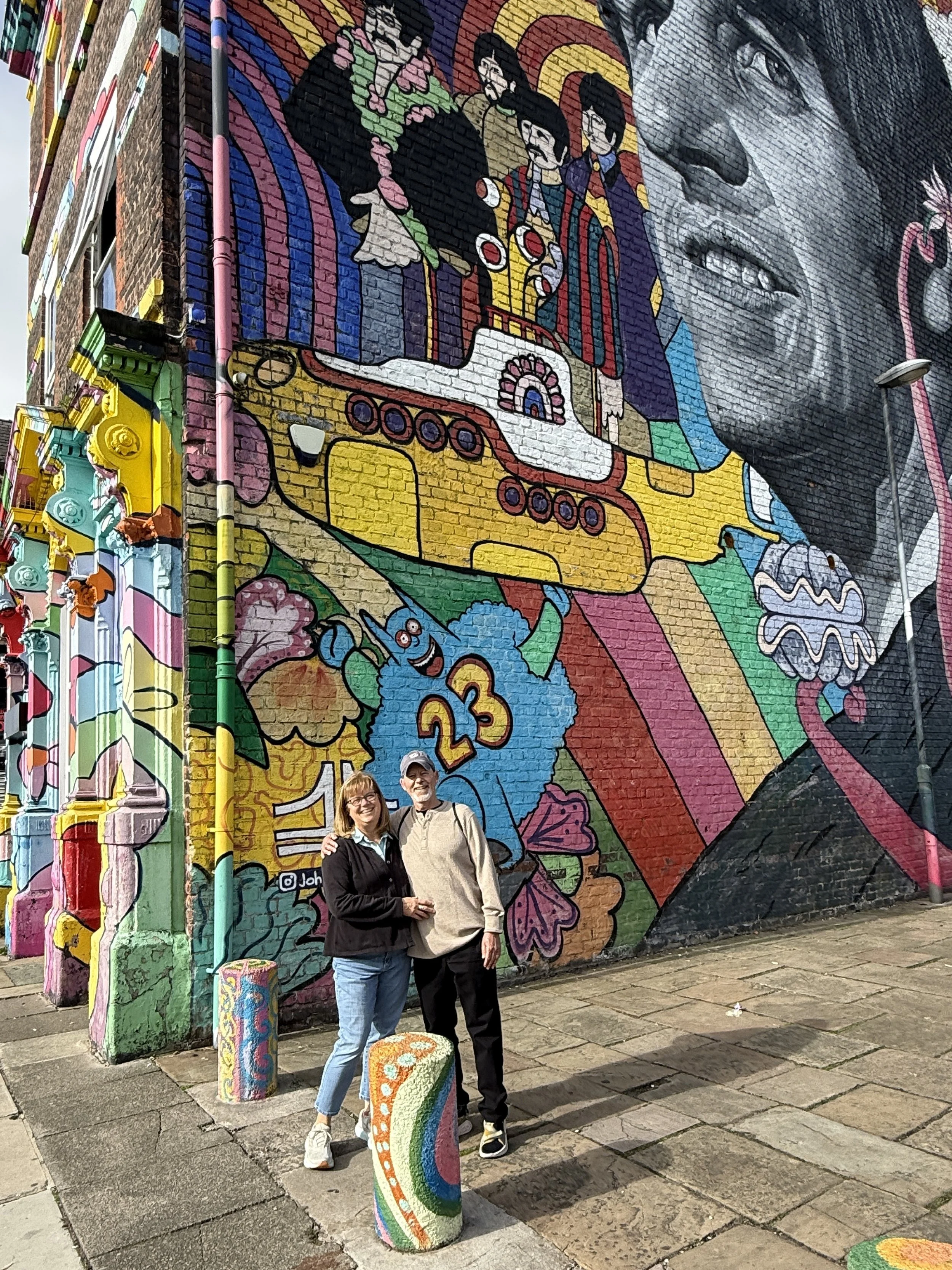
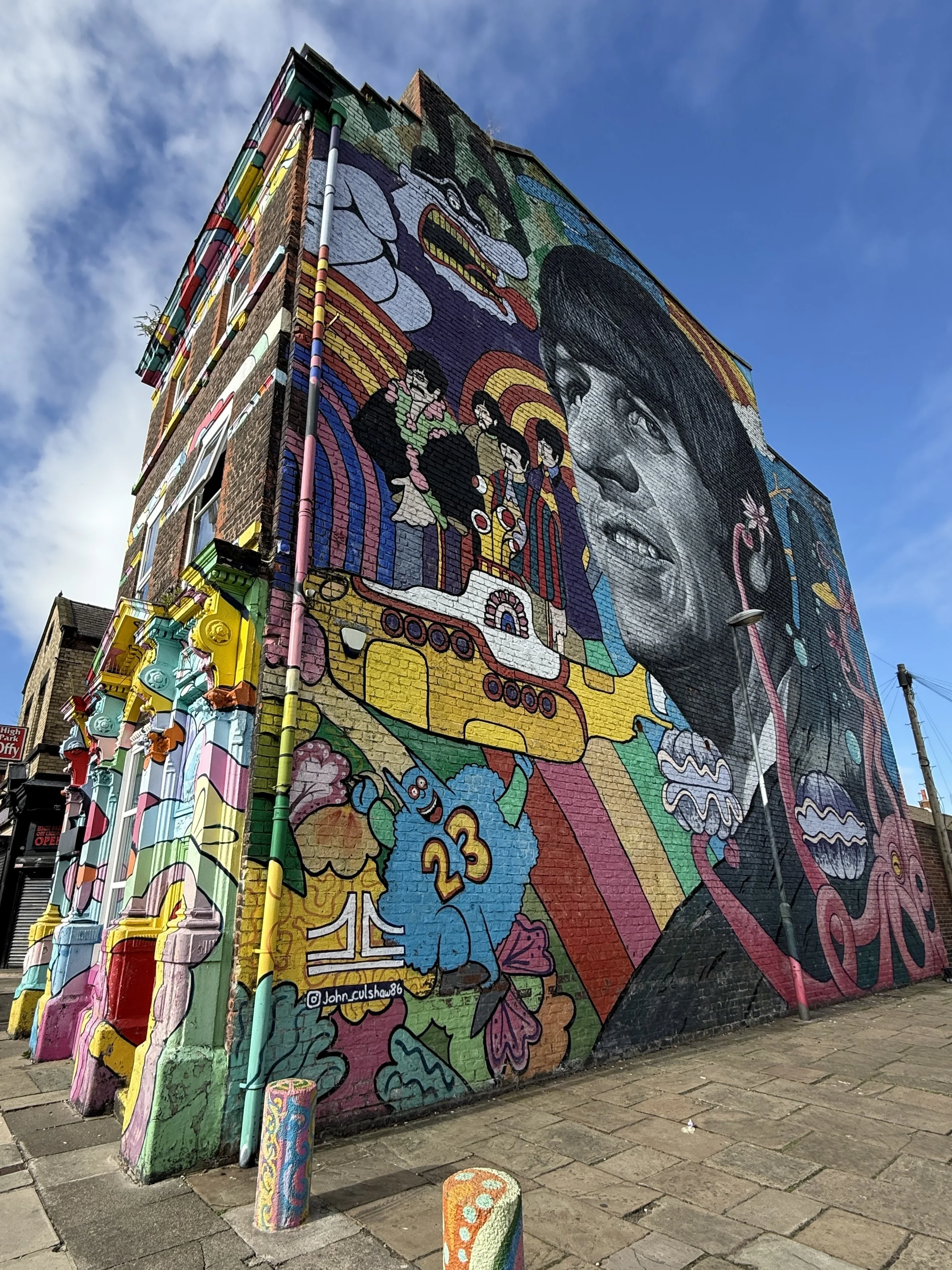
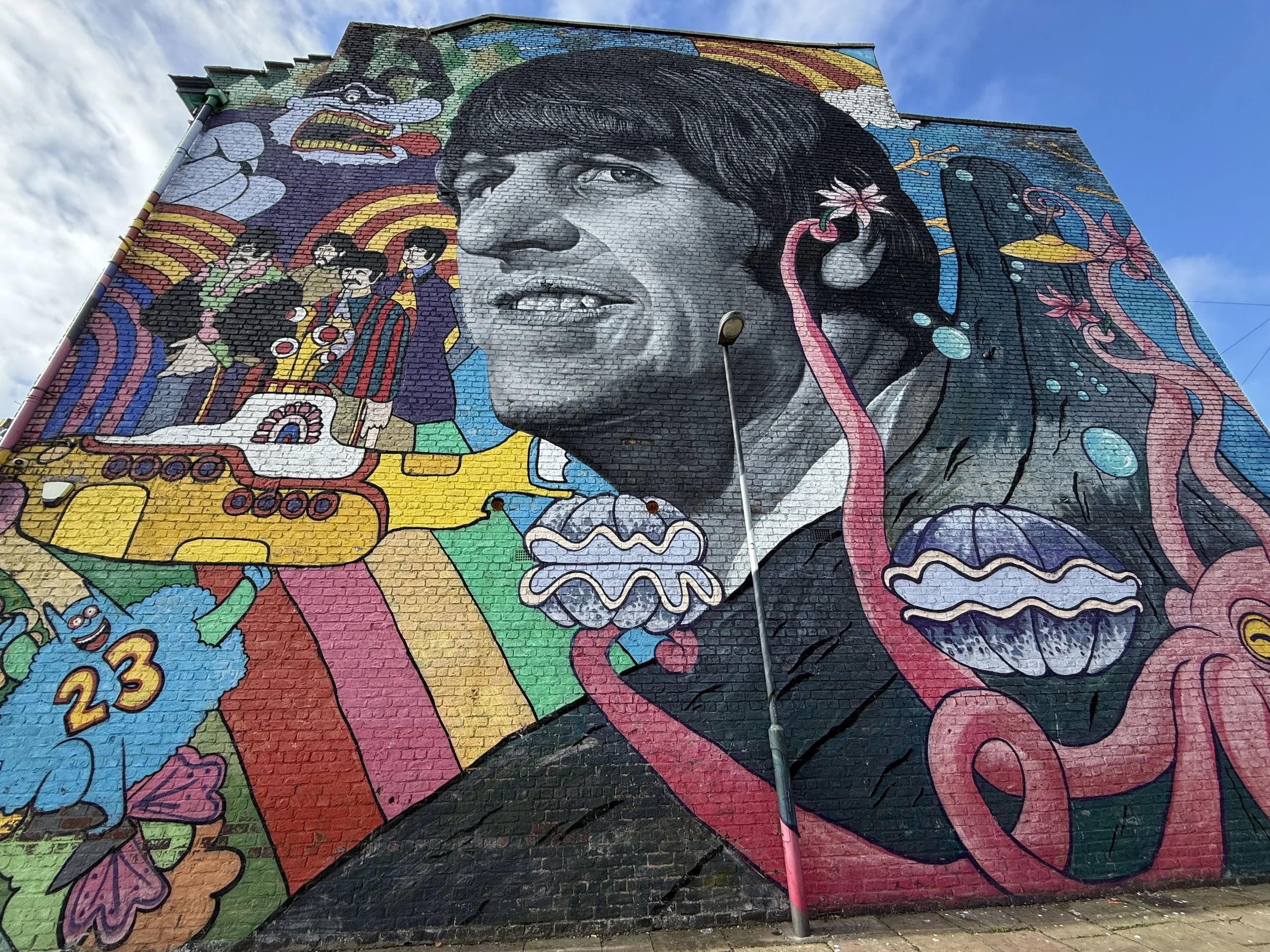
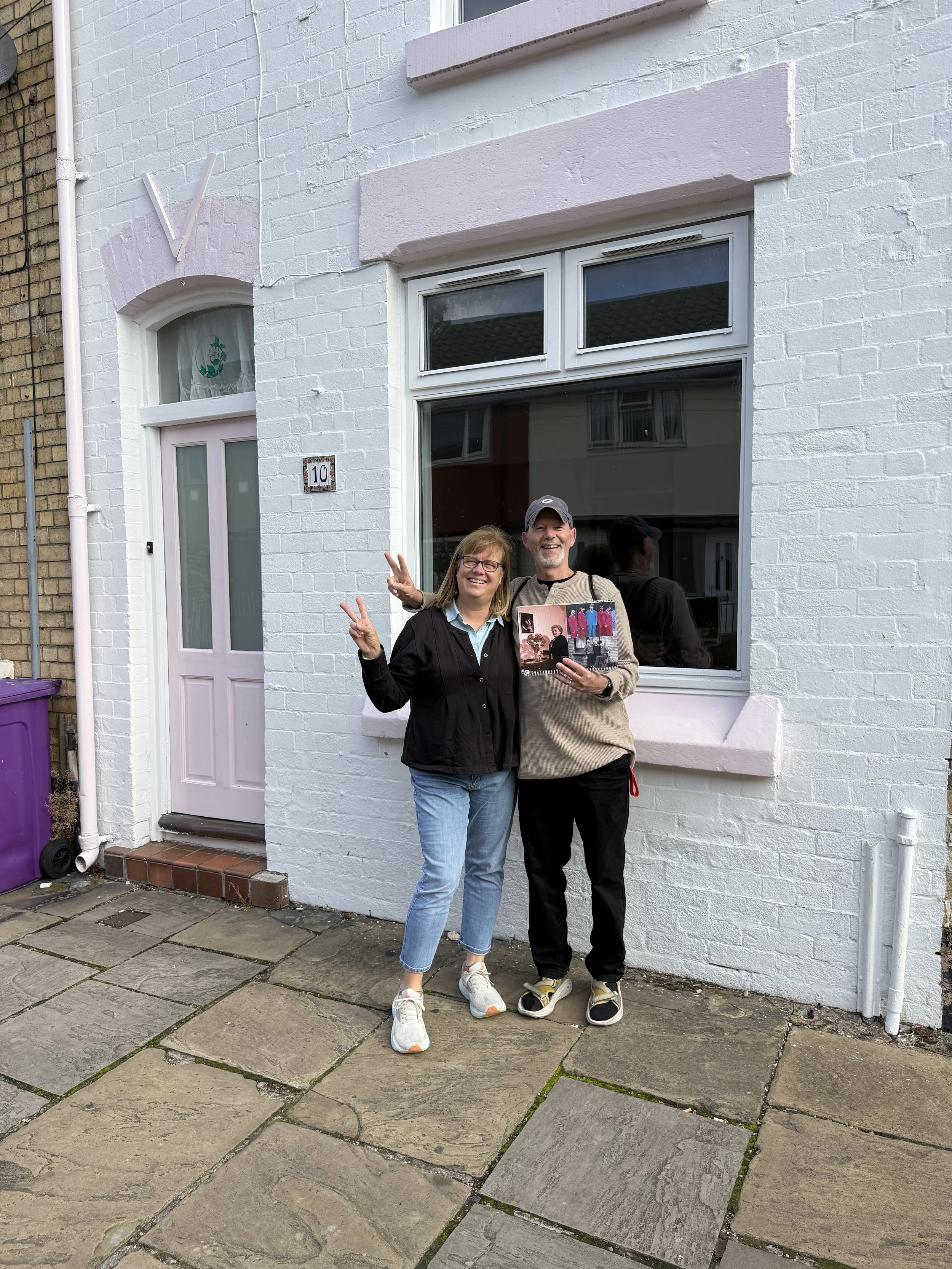
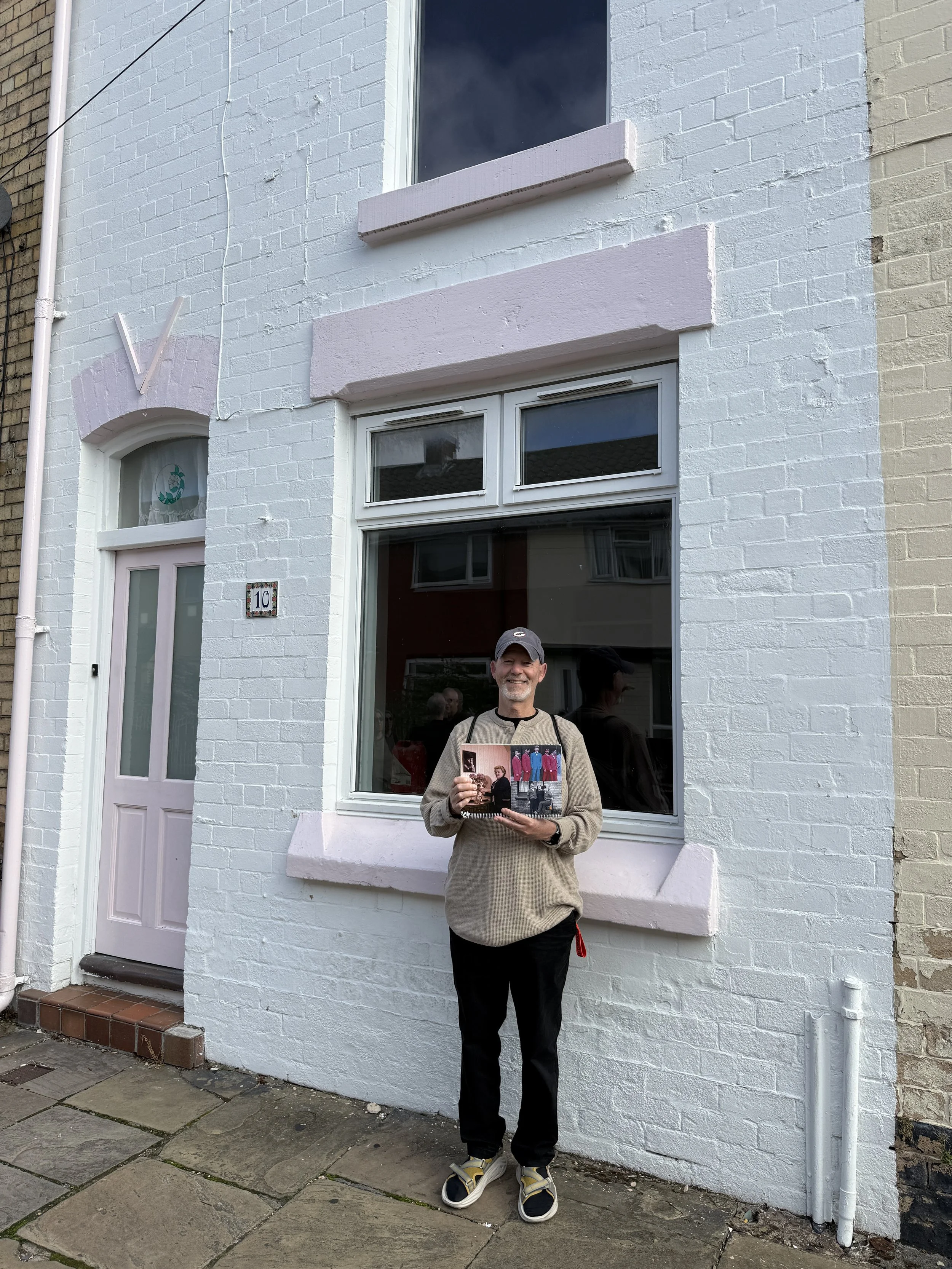
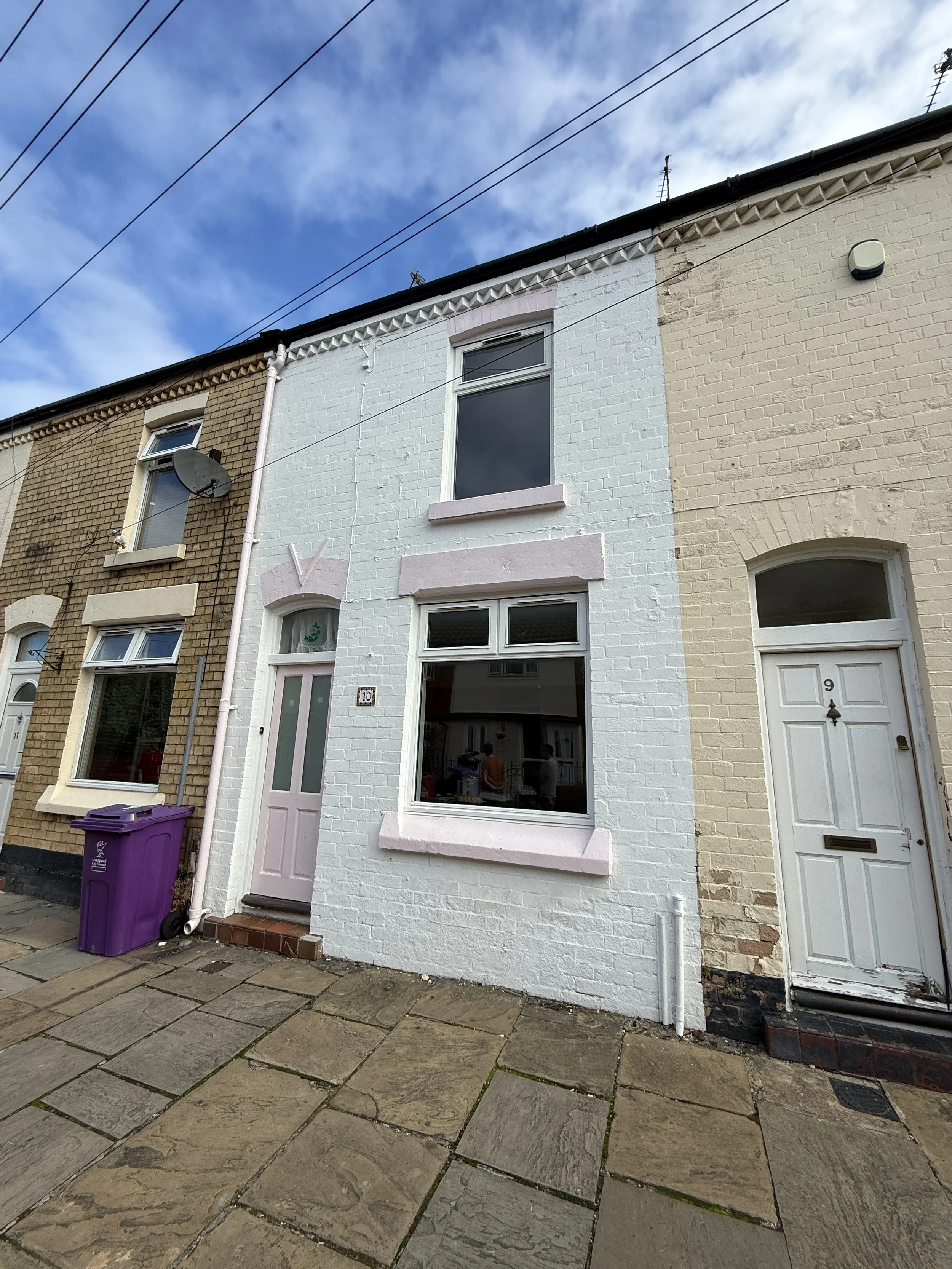
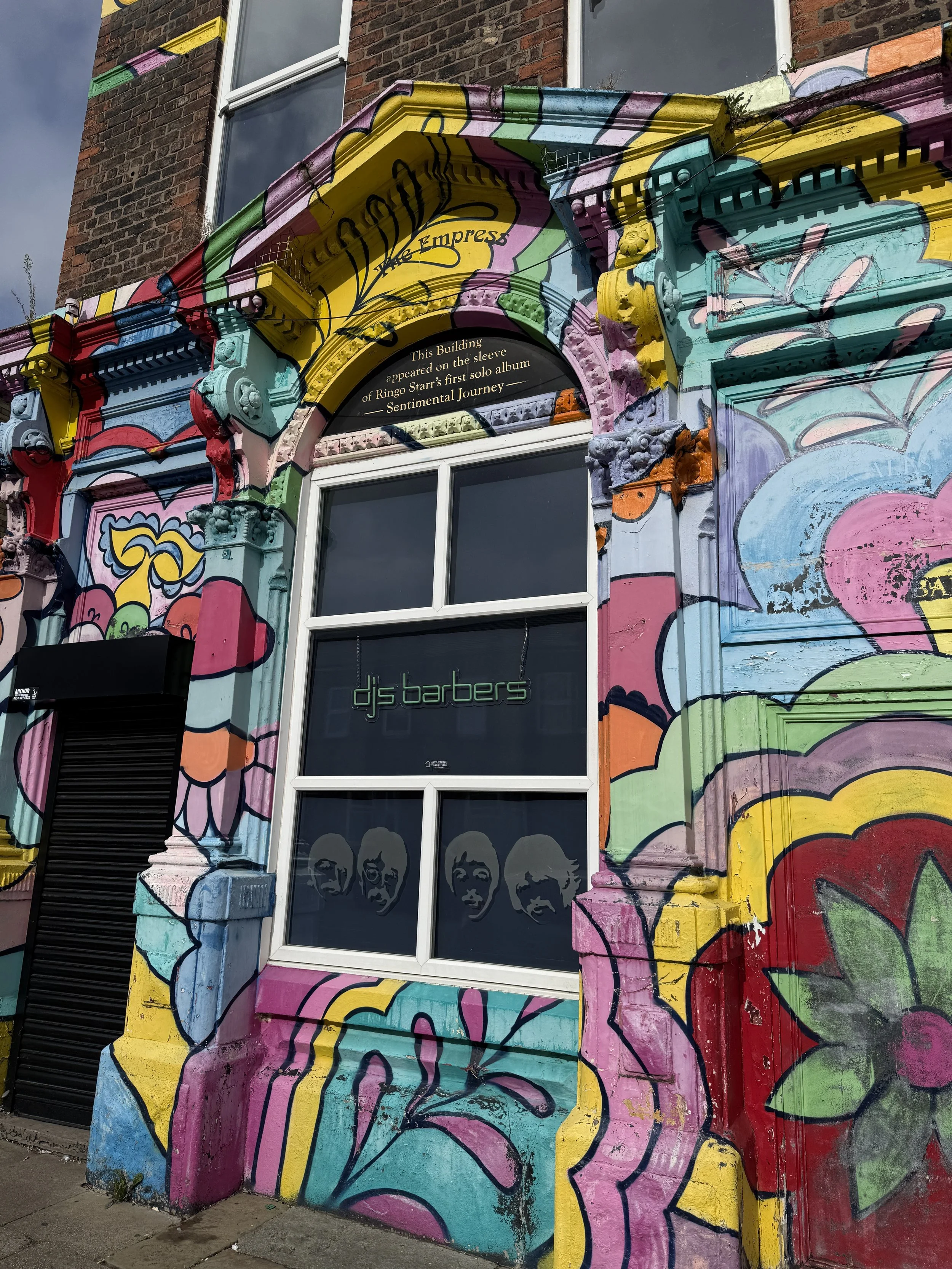
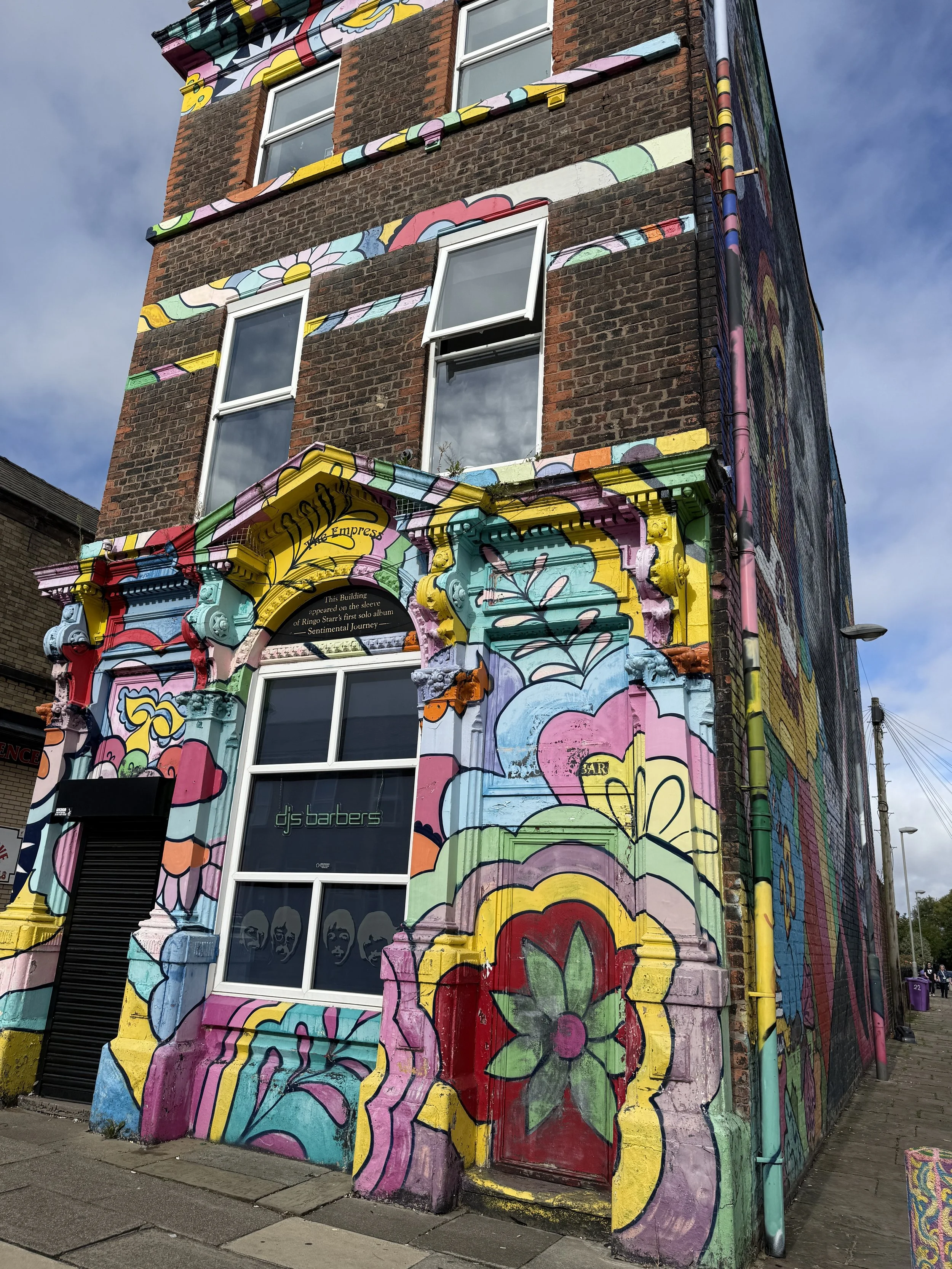
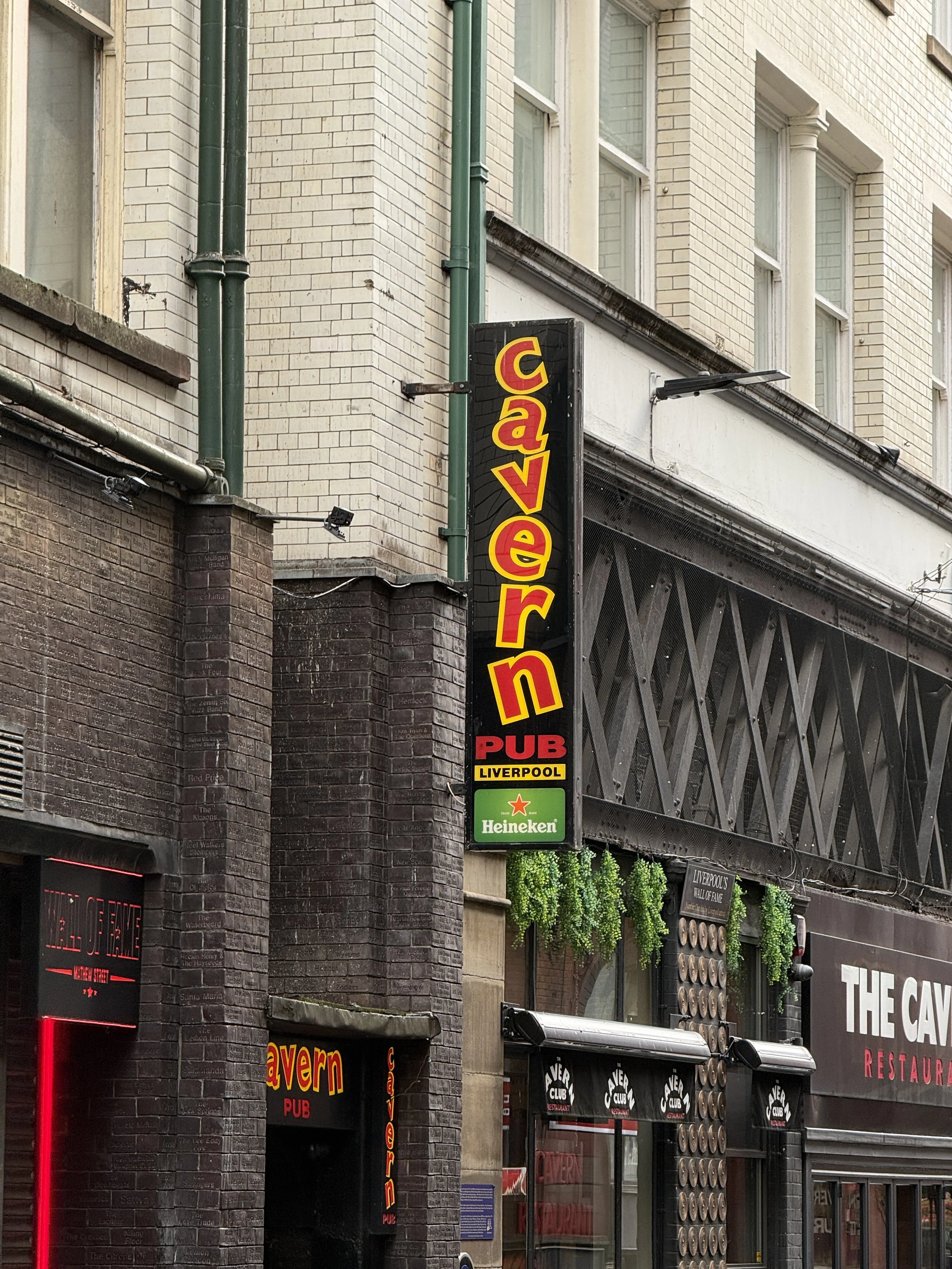
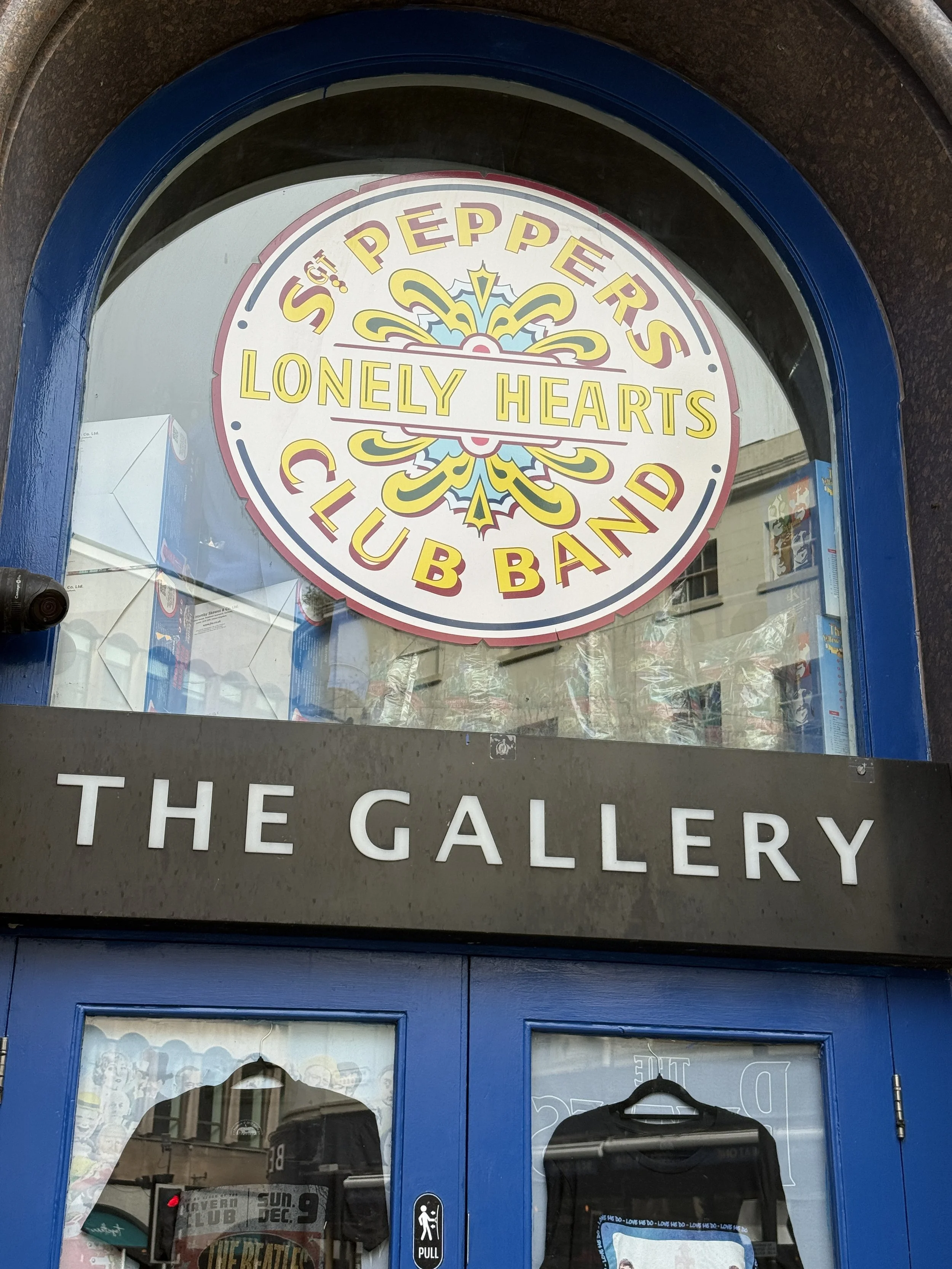
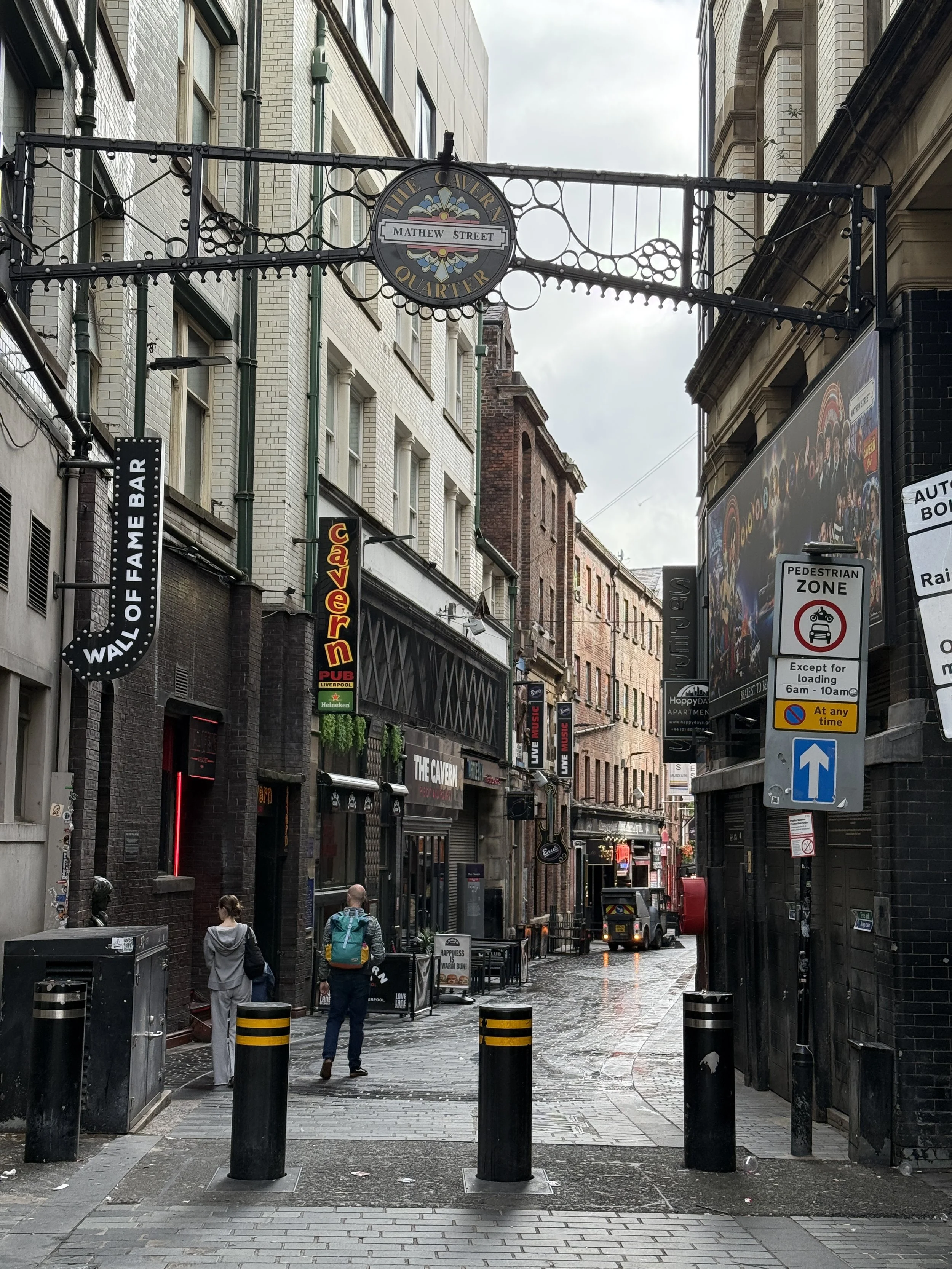
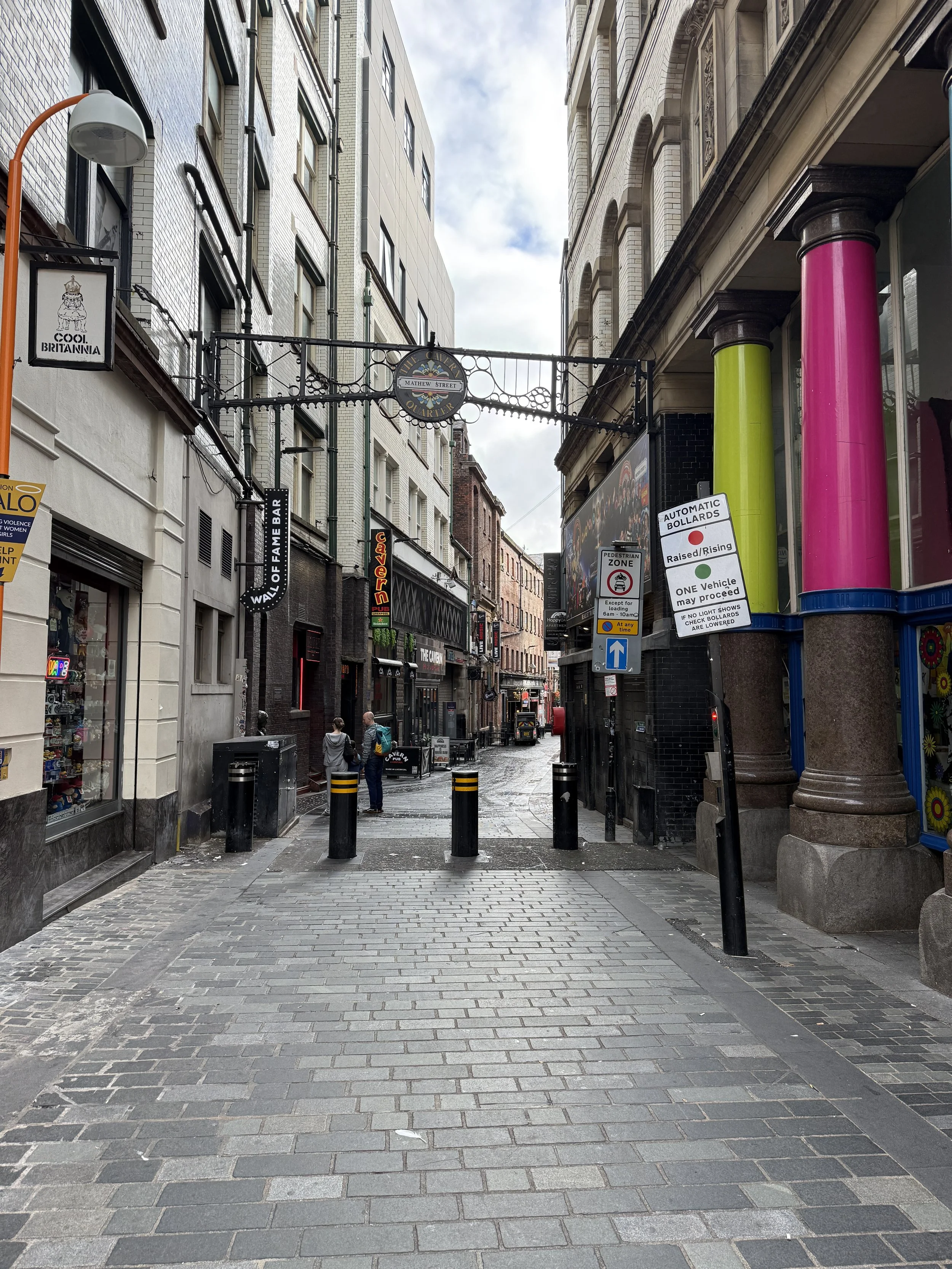
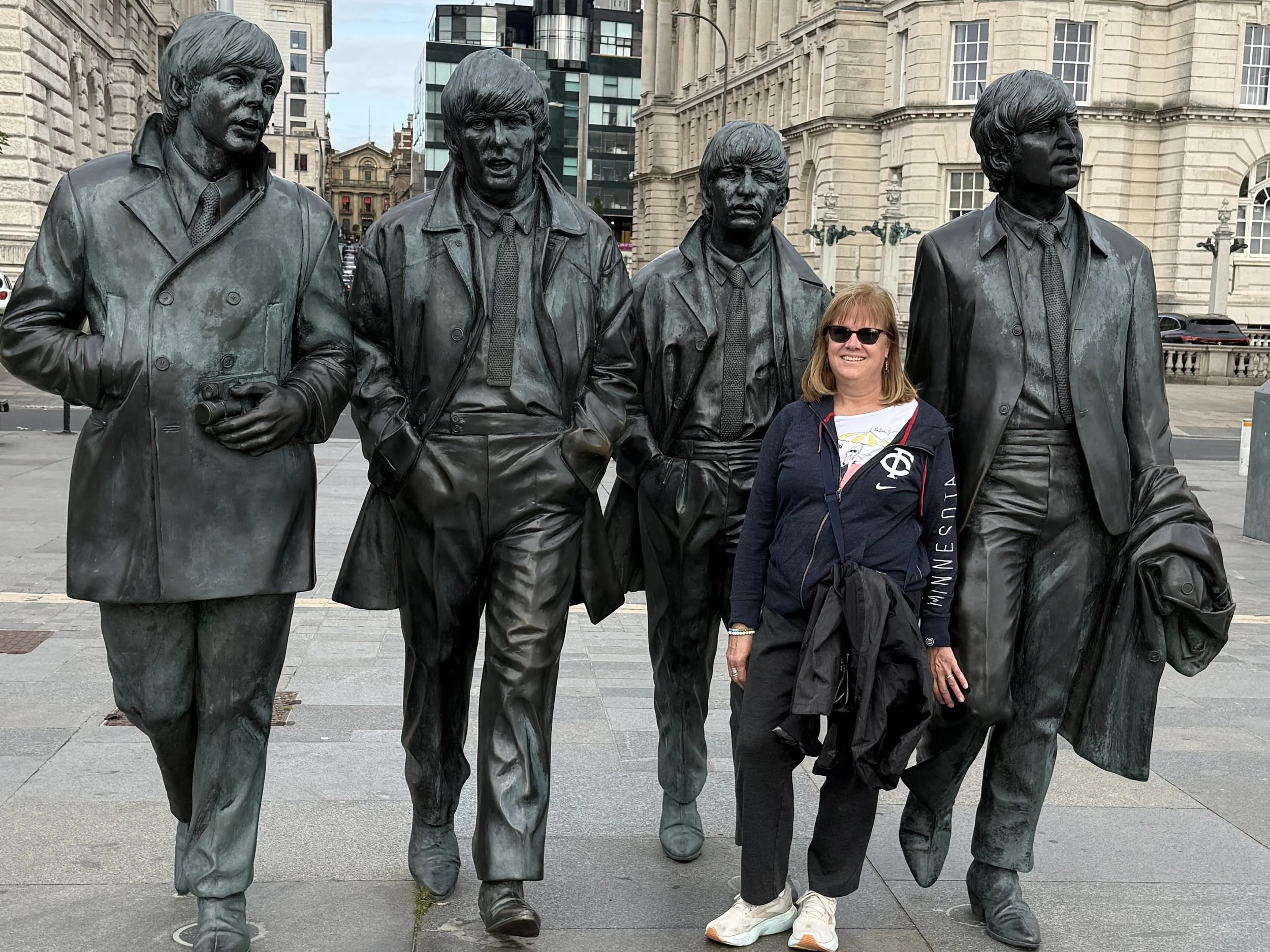
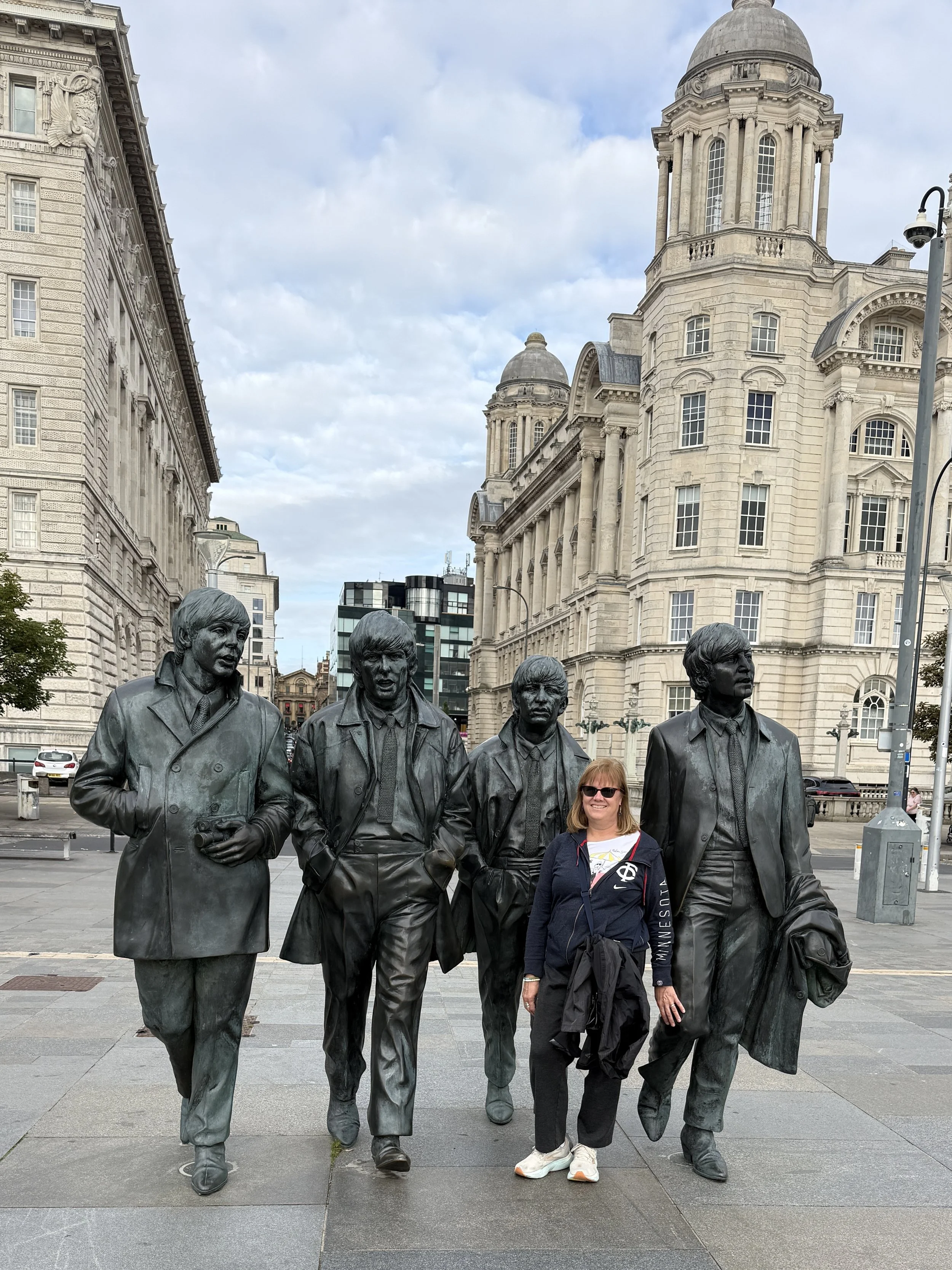
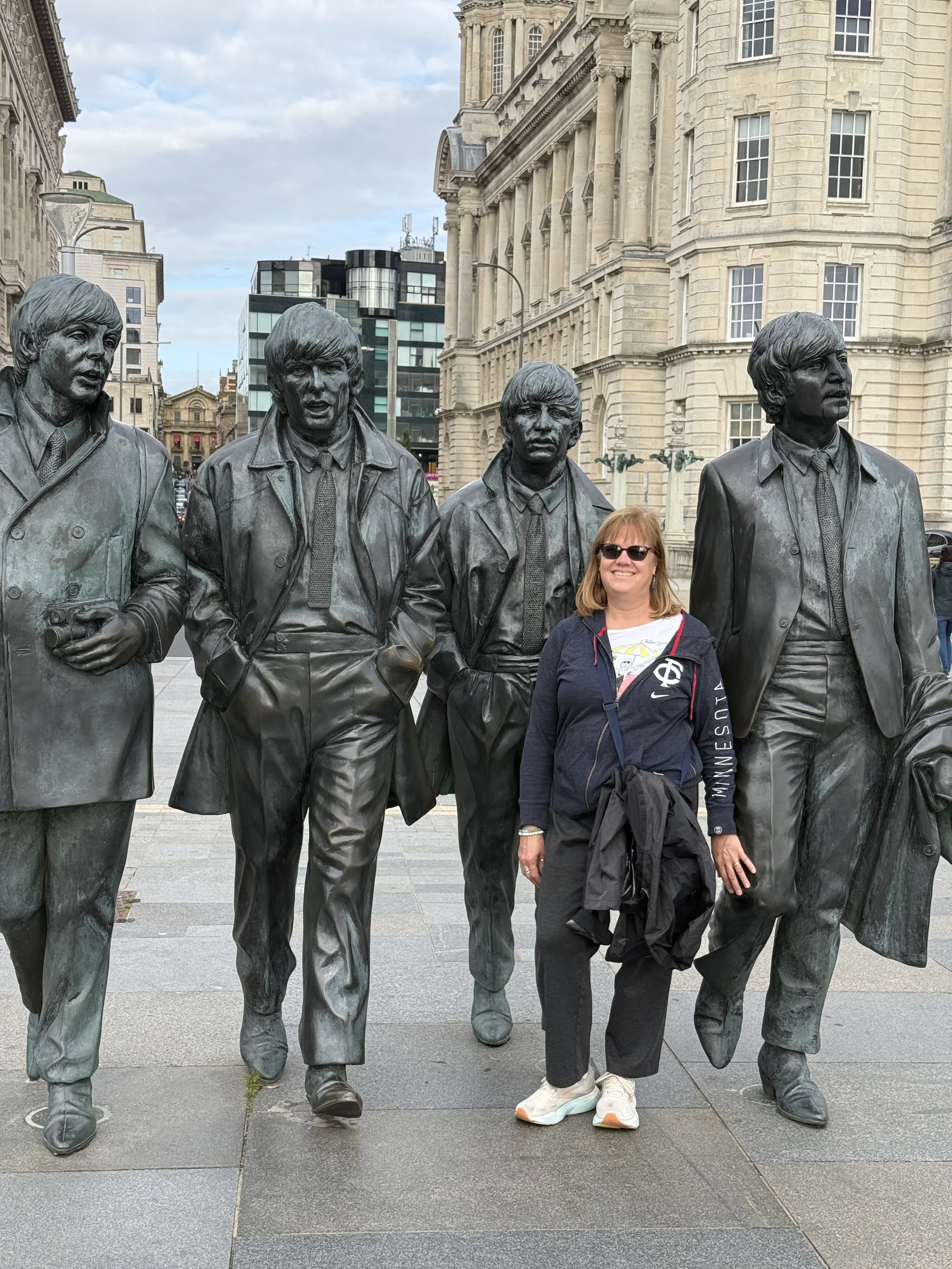
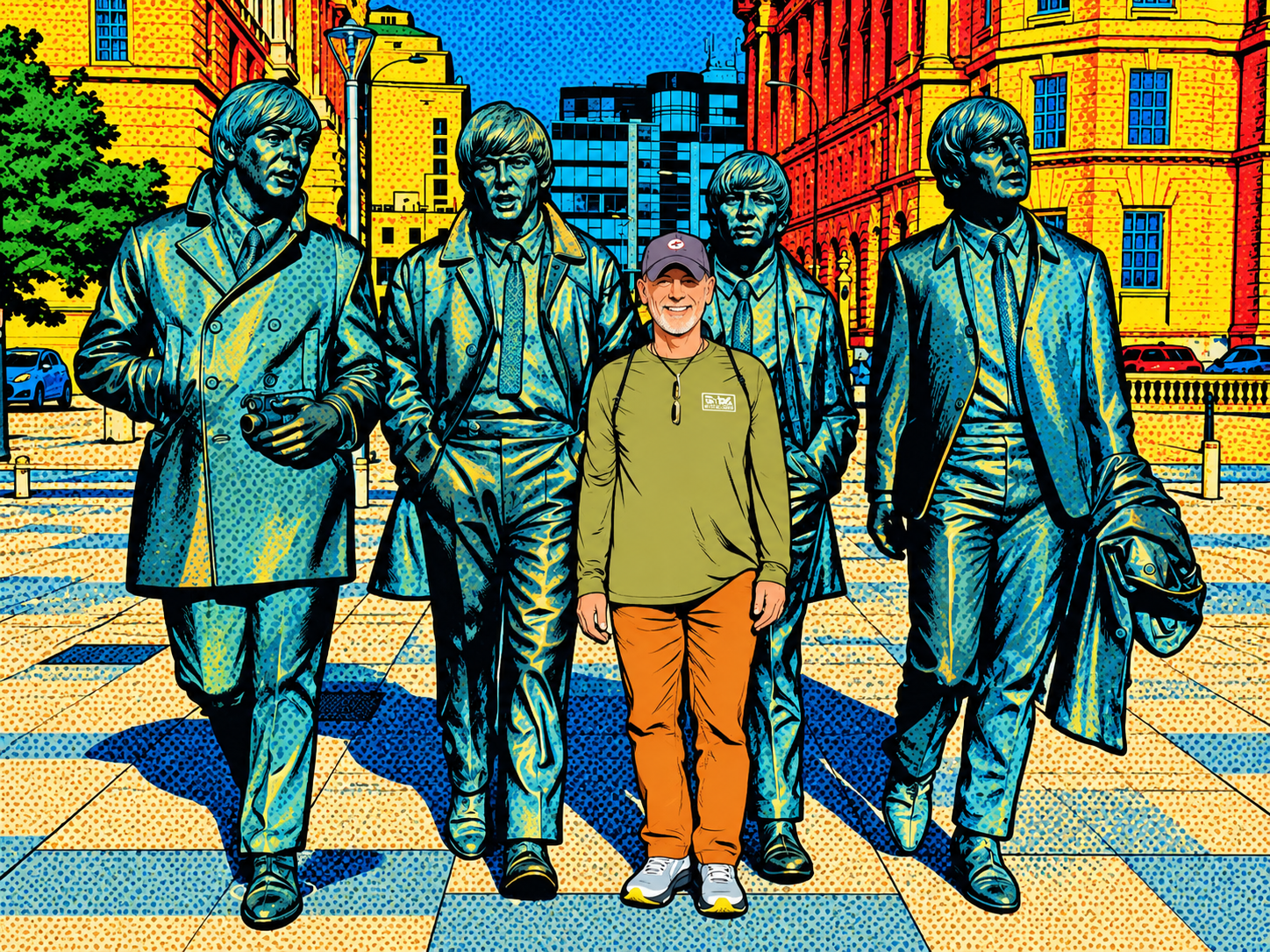
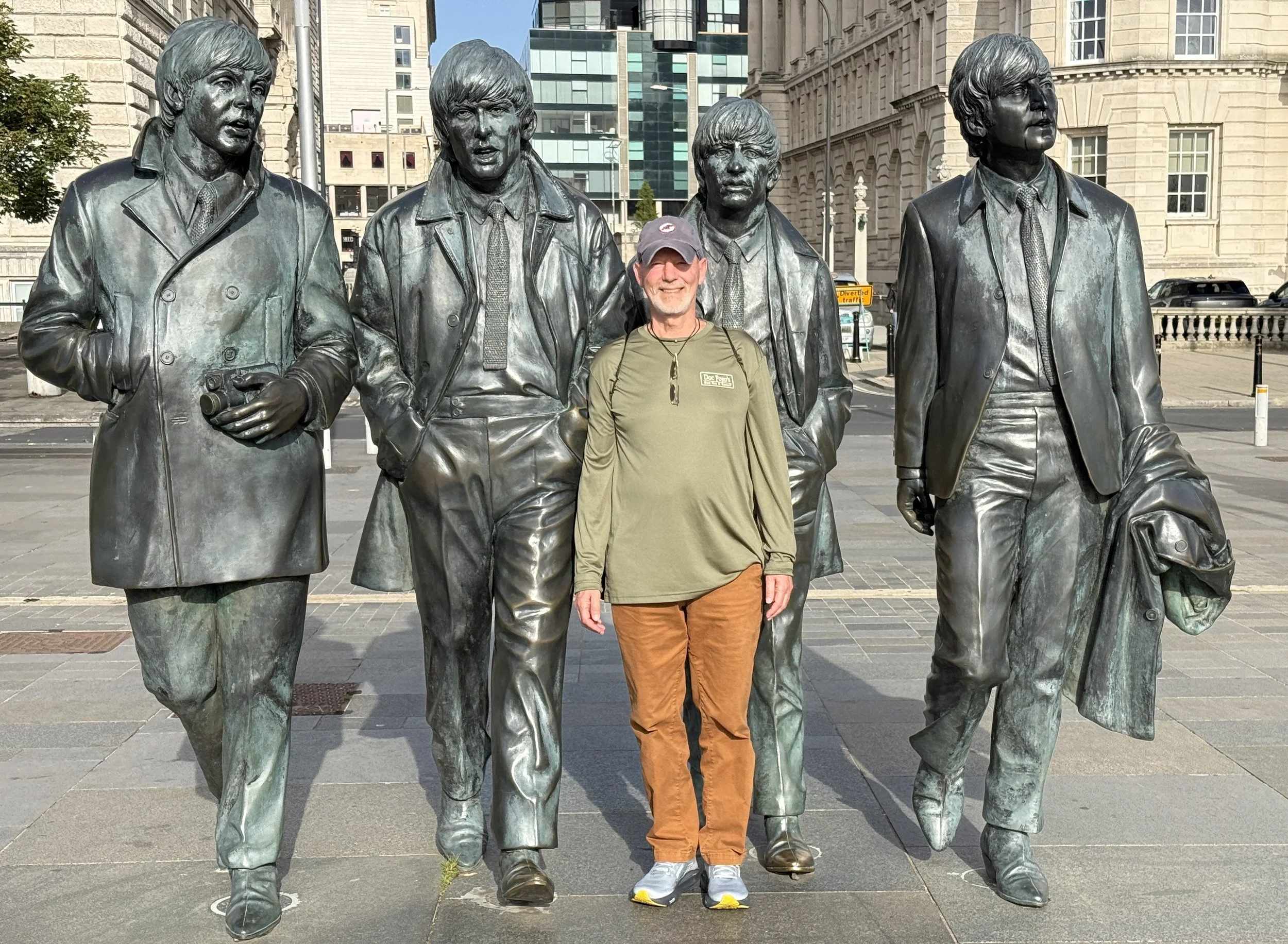
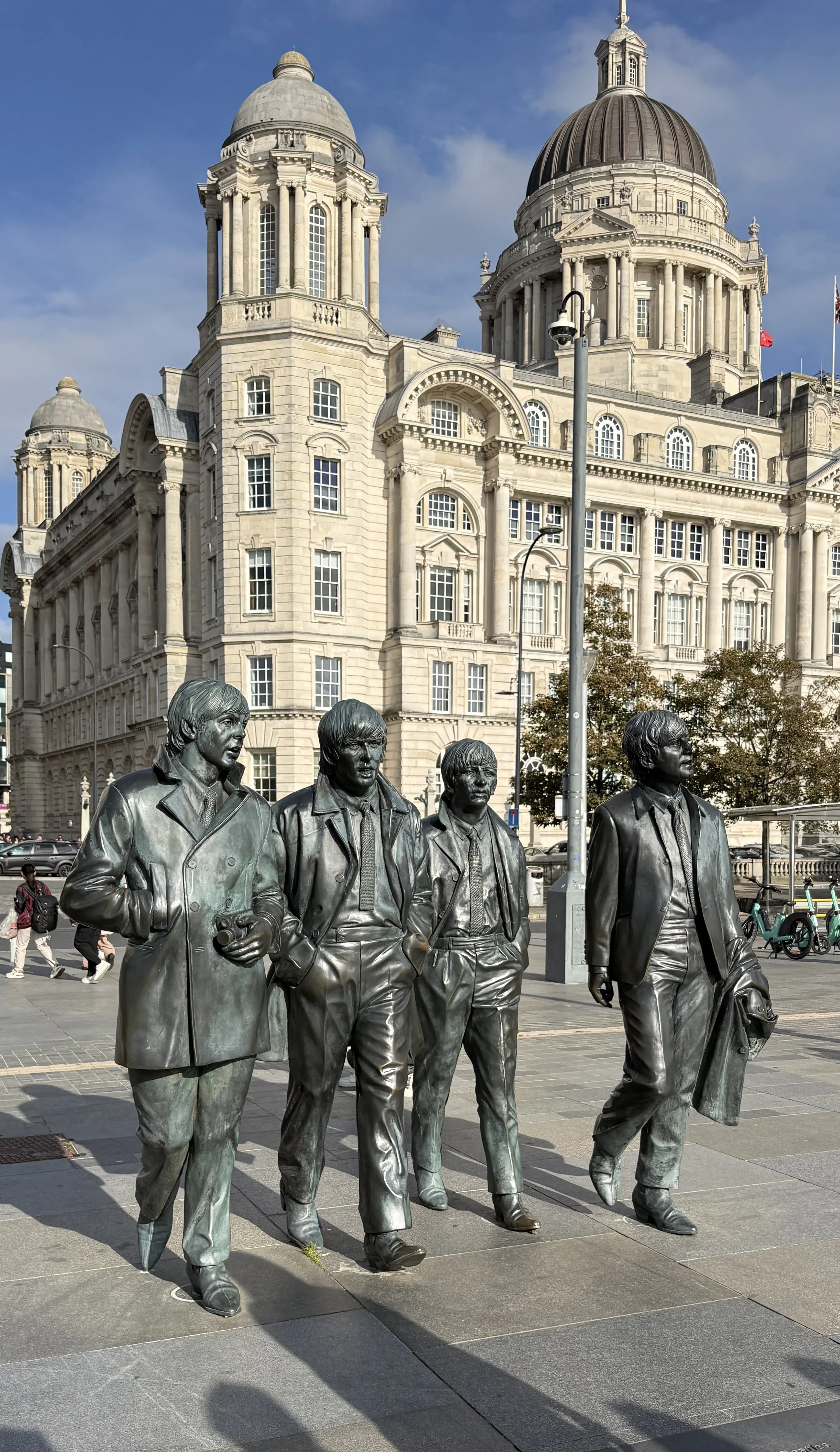
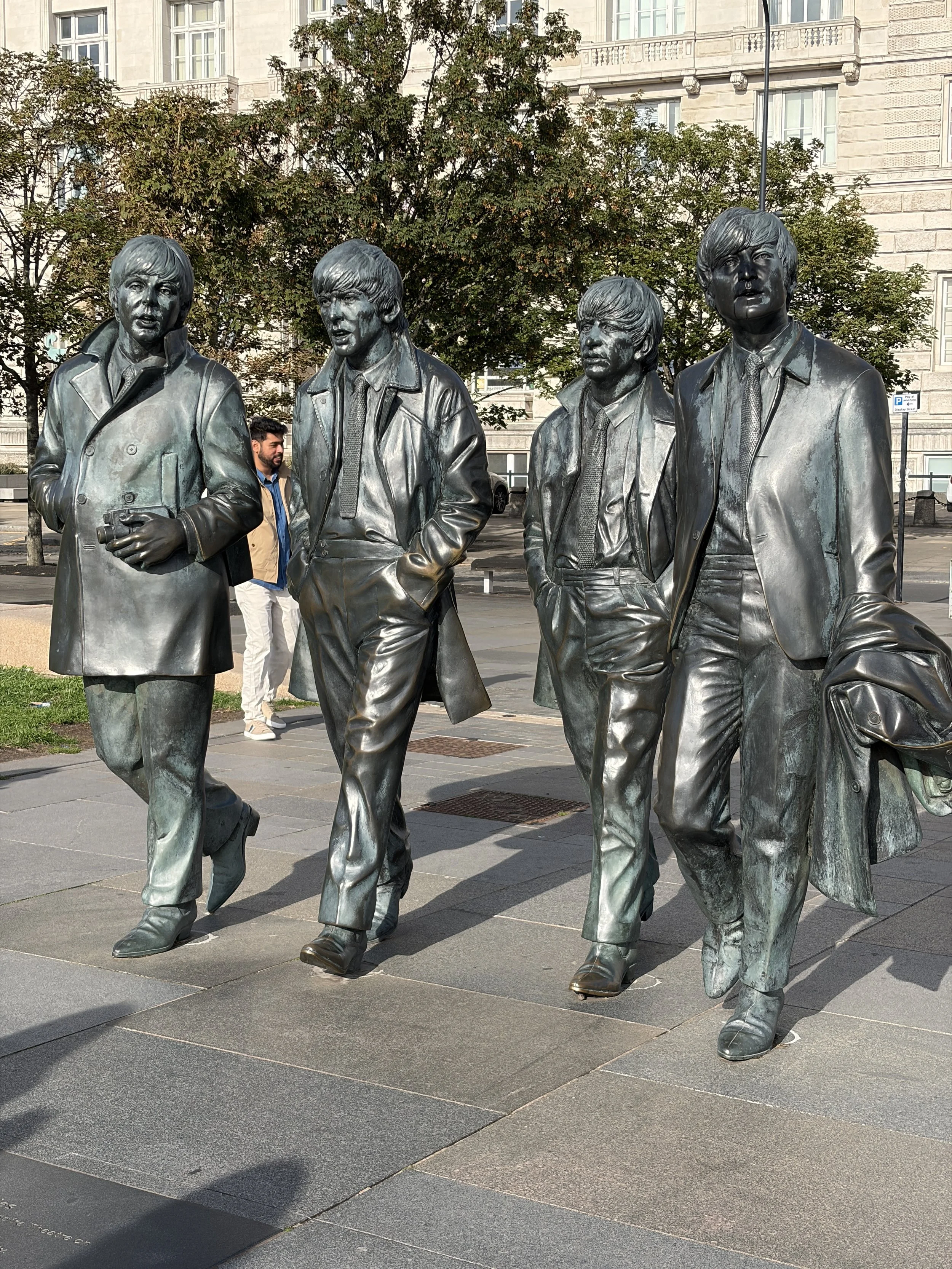
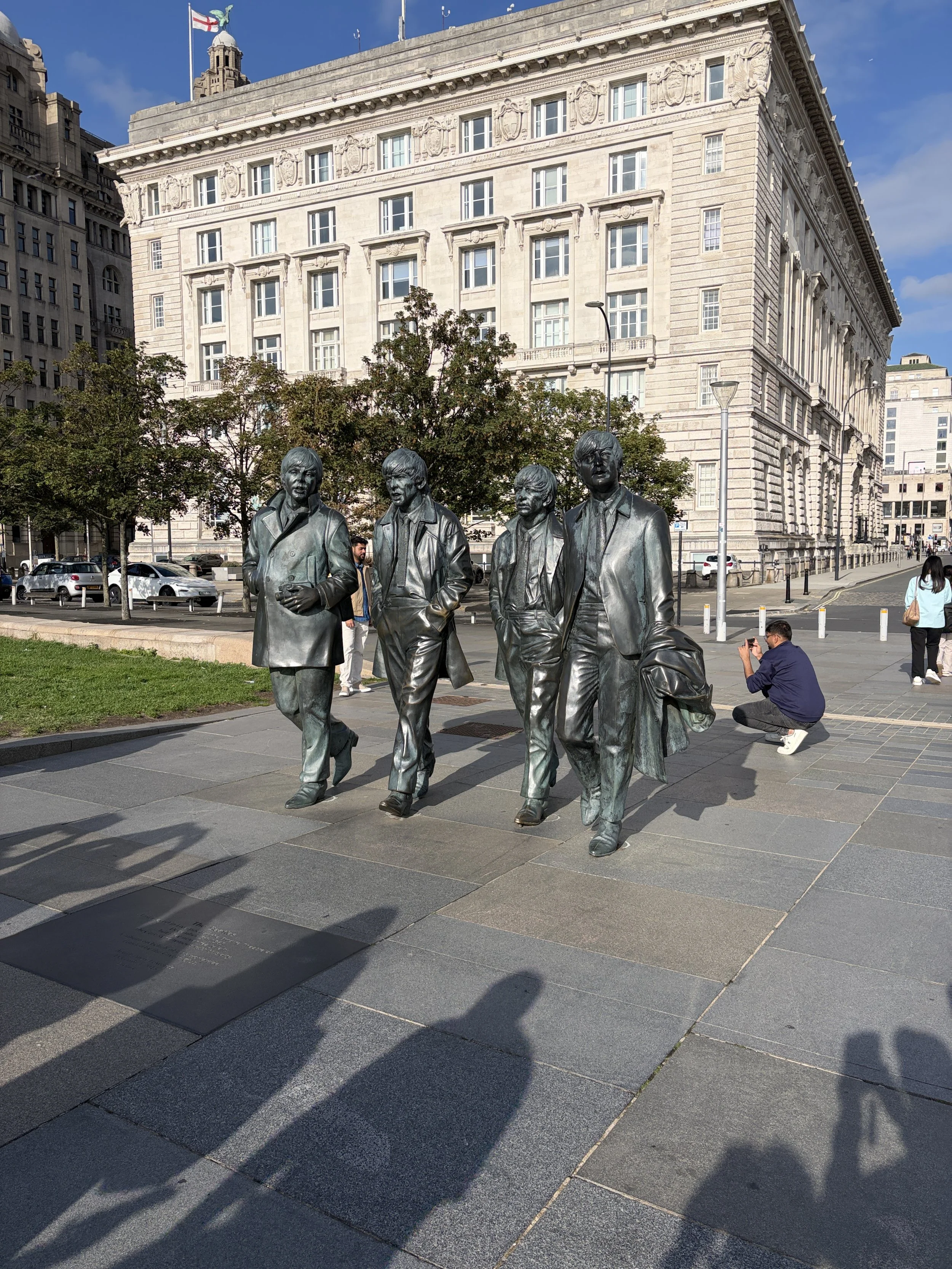
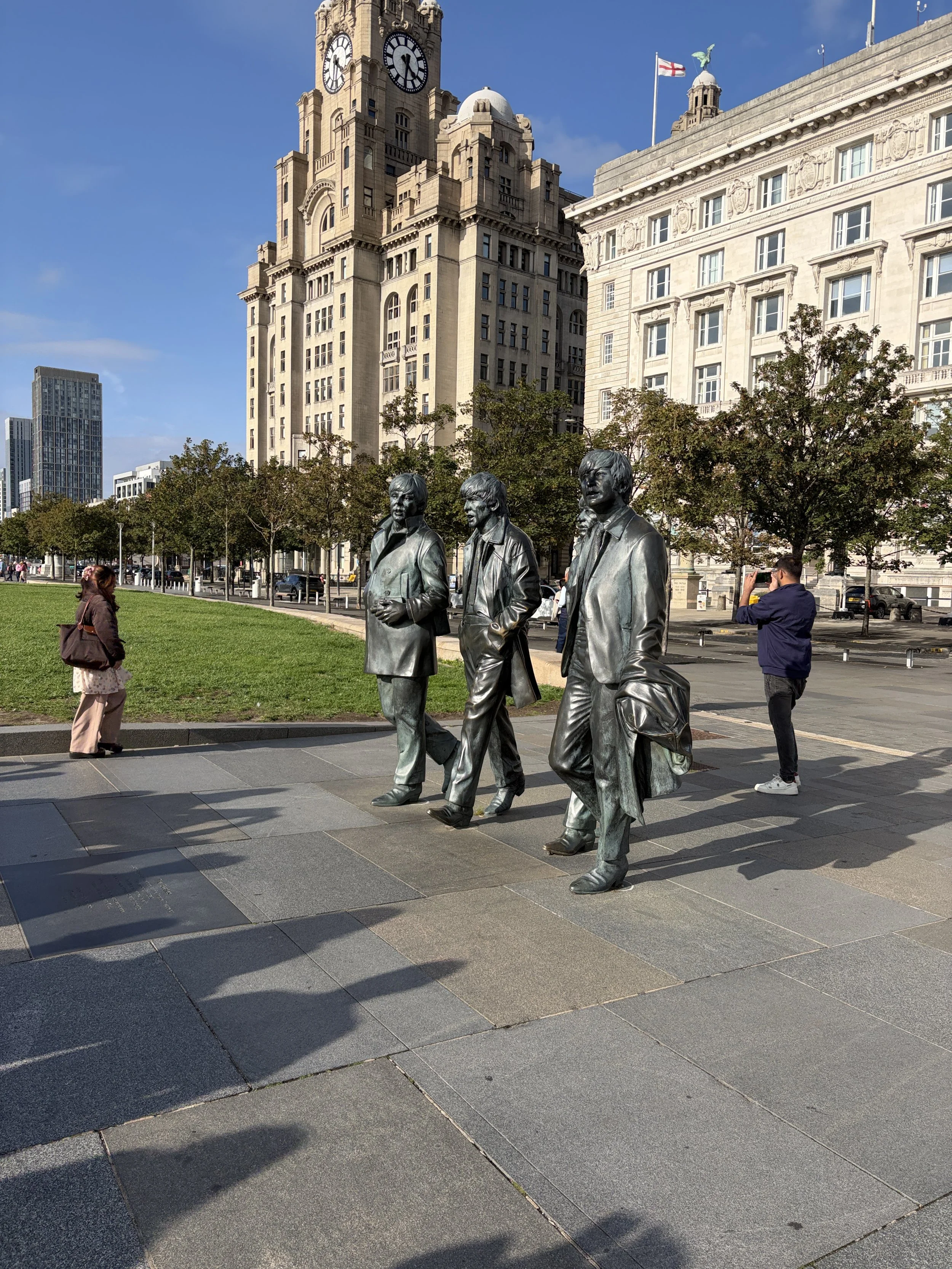
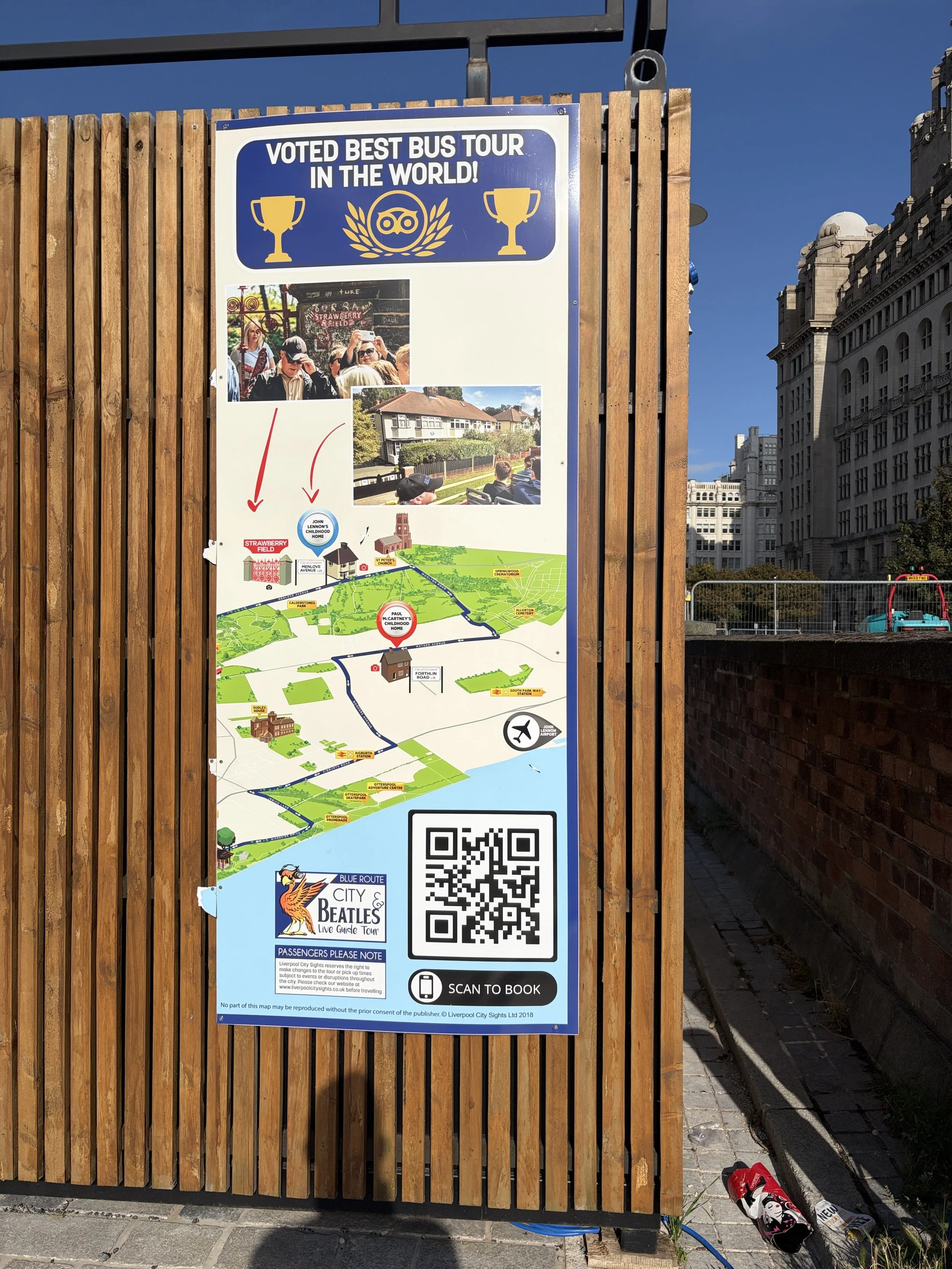
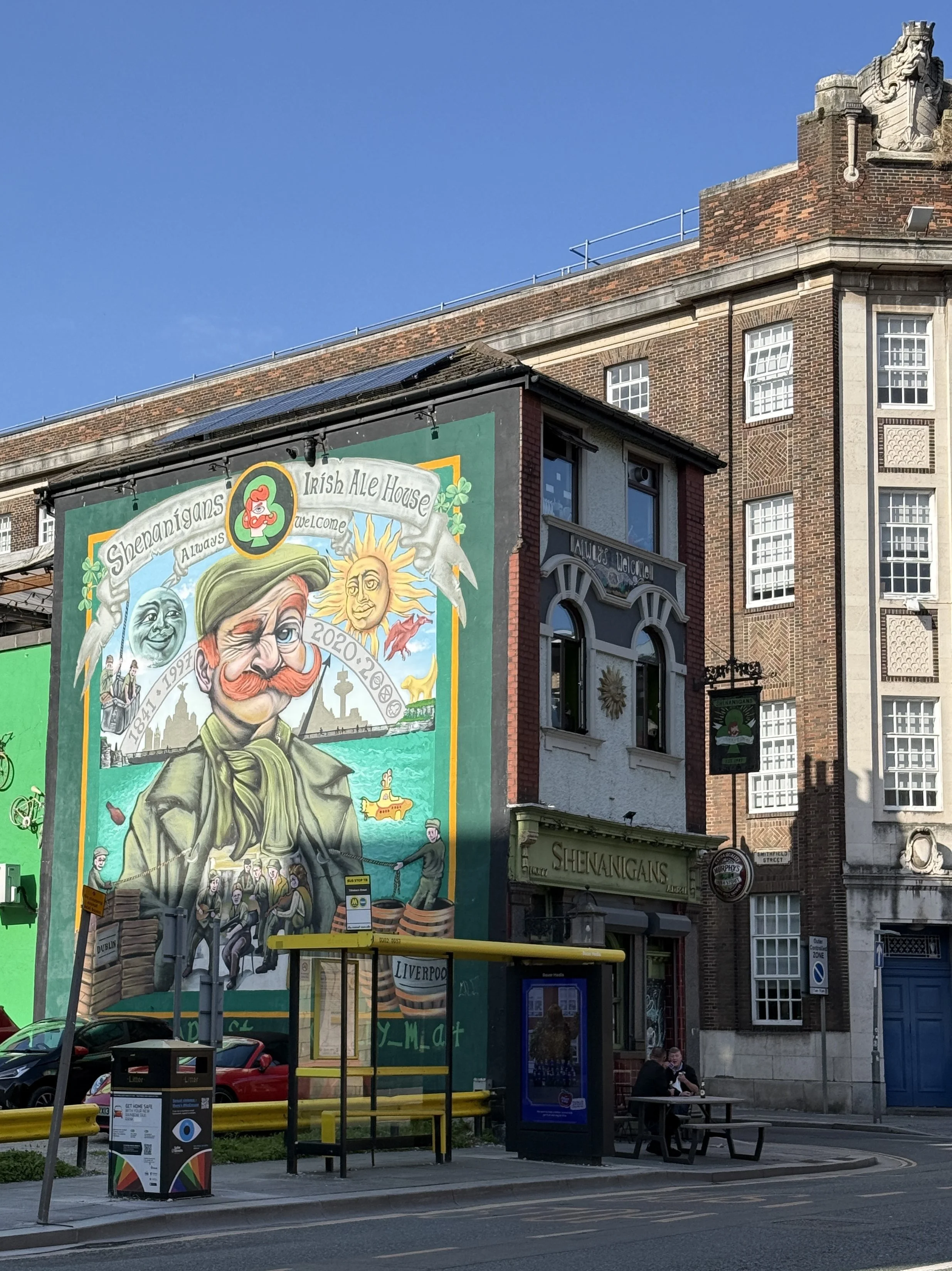
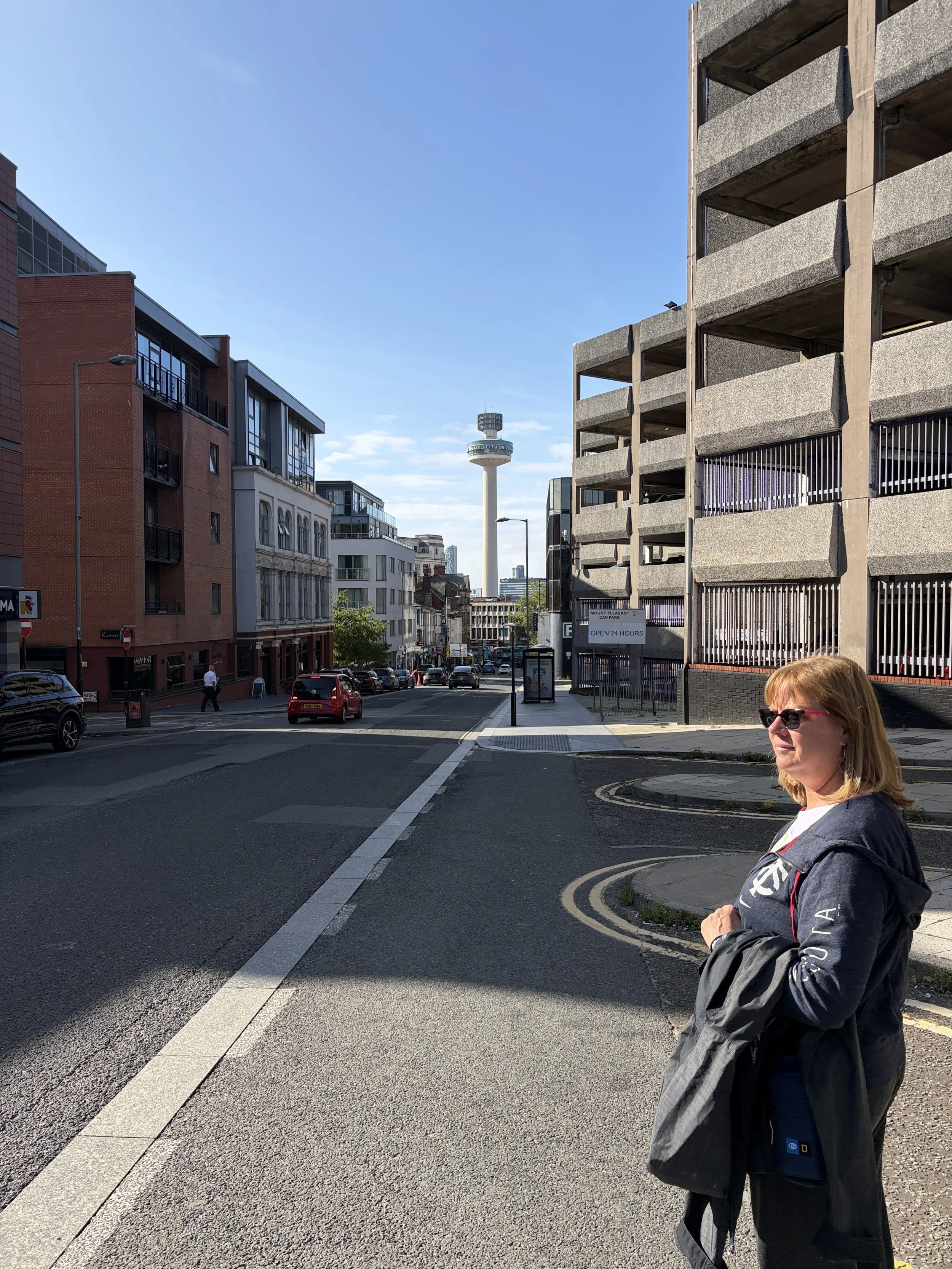
No visit to Liverpool would have been complete without exploring the city that gave the world The Beatles. We visited the childhood homes associated with the legendary Fab Four—John Lennon, Paul McCartney, George Harrison, and Ringo Starr—and saw some of the neighborhoods and streets that shaped their early lives and ultimately inspired music known throughout the world. It added another dimension to Liverpool: a city whose influence extends far beyond football and across generations of popular culture.
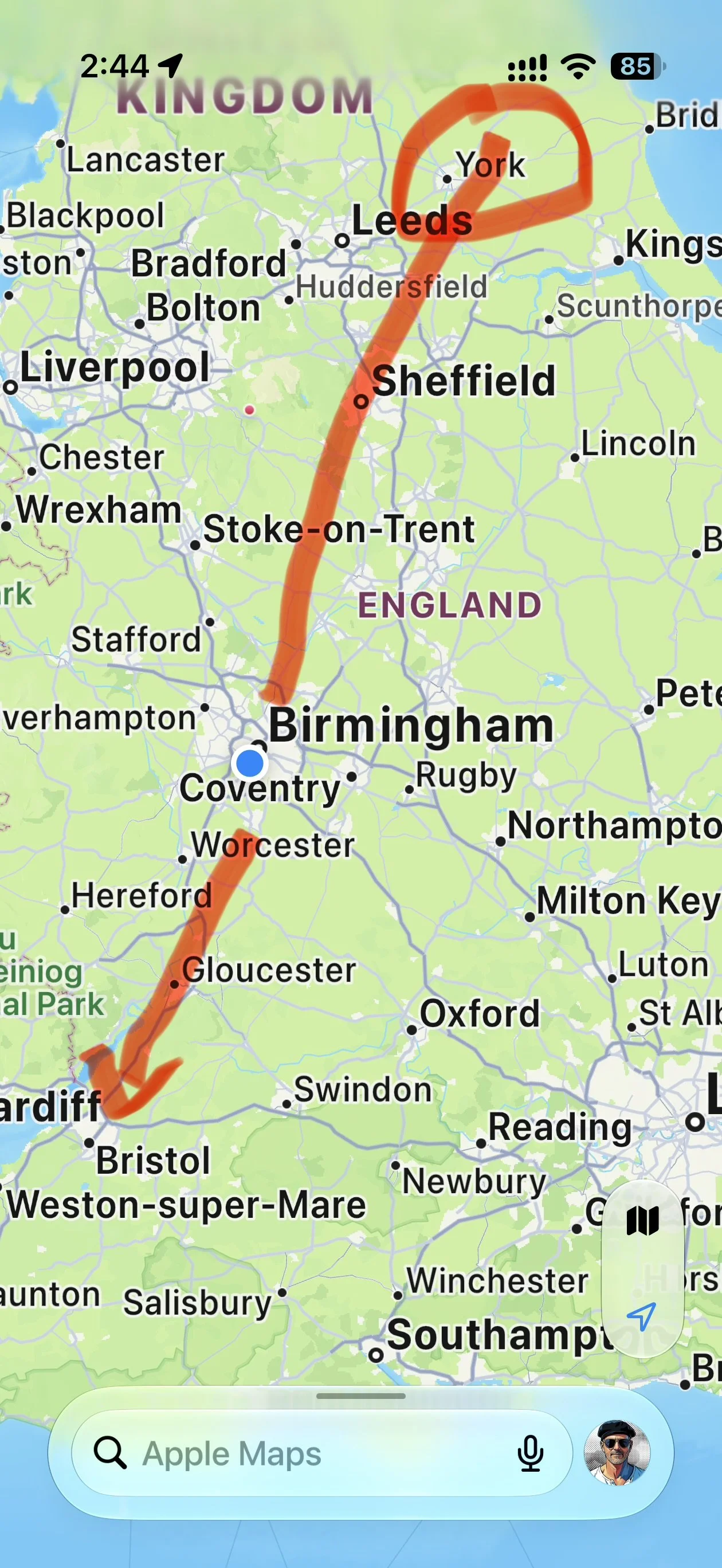
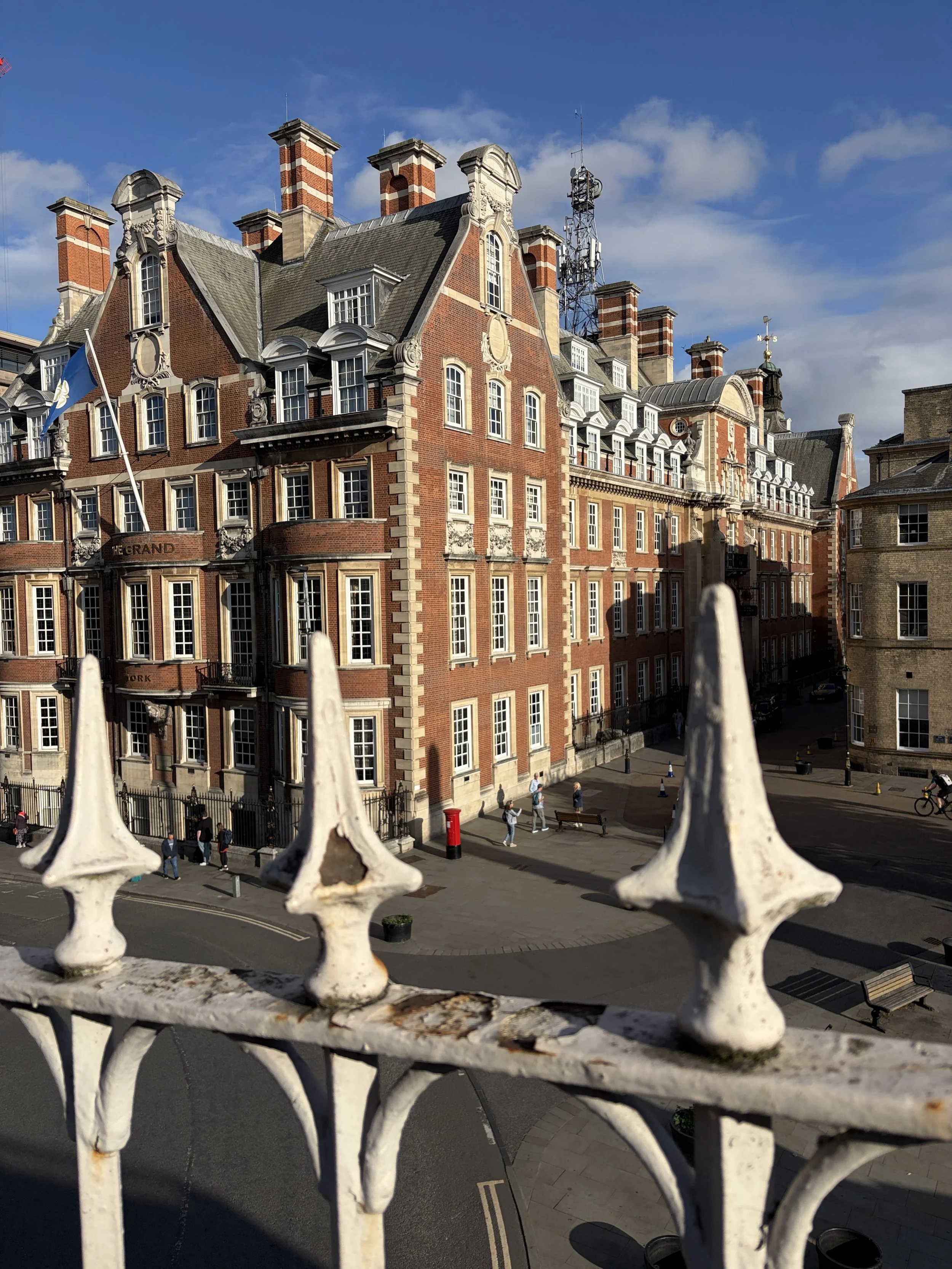
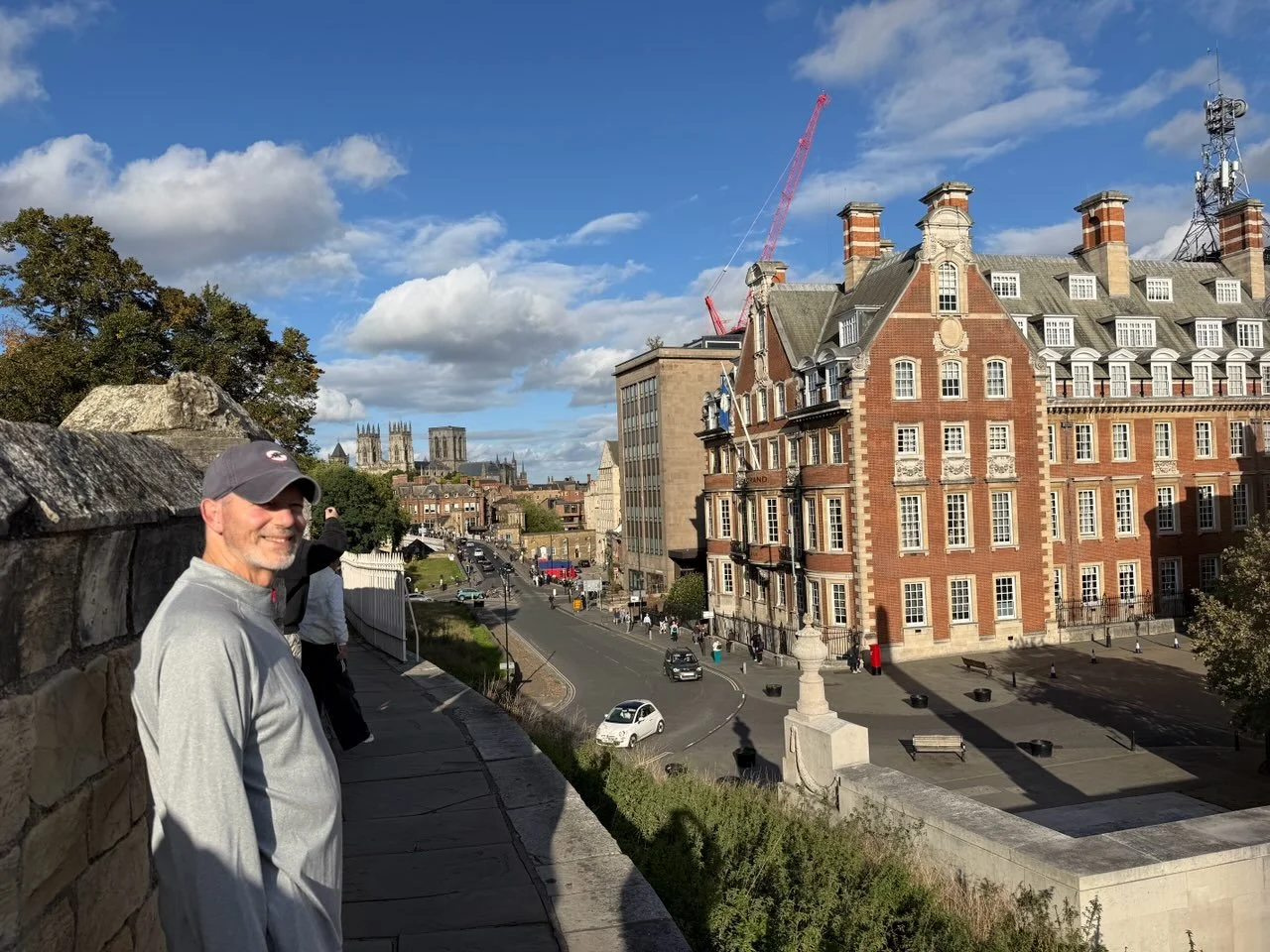
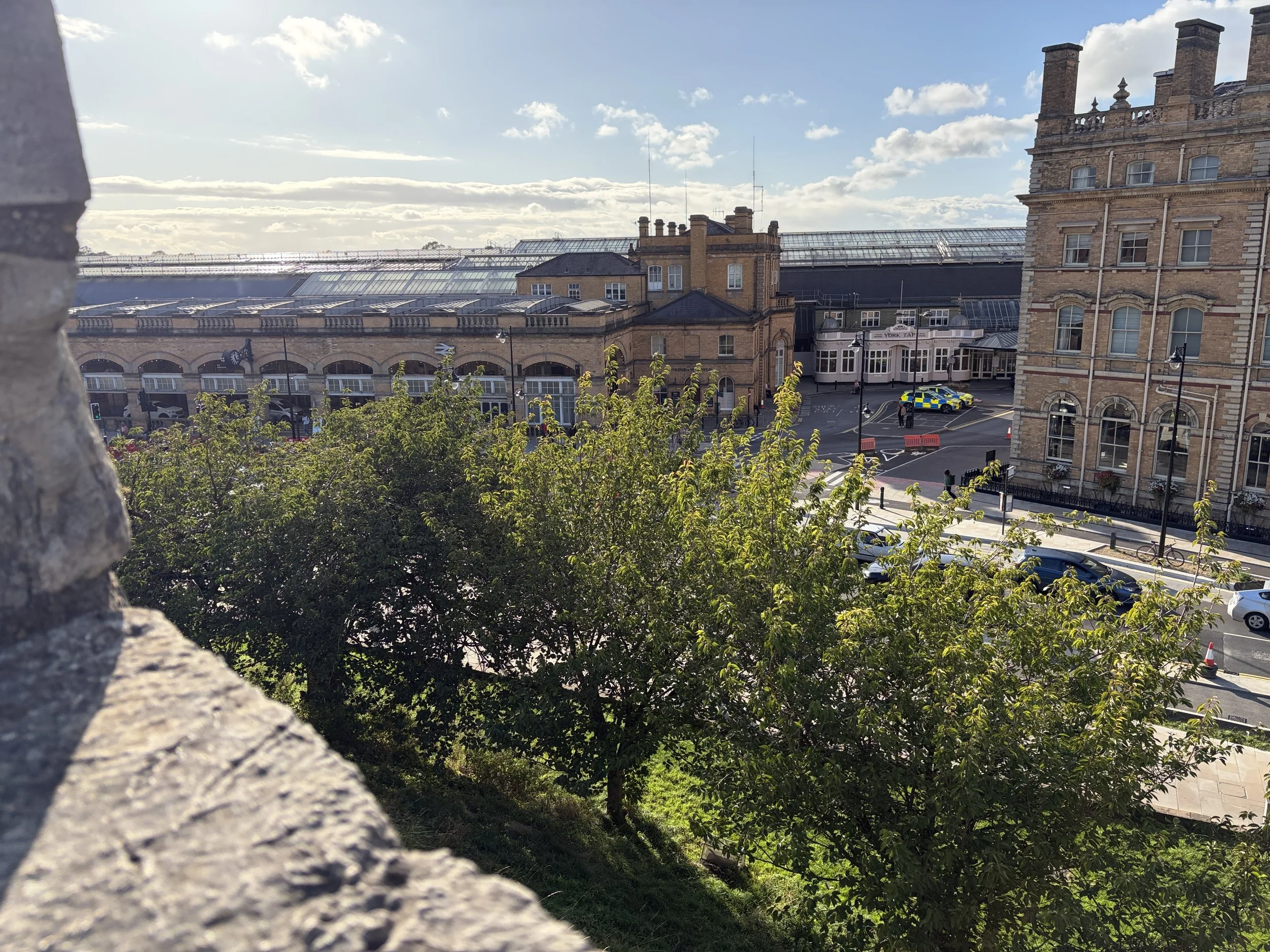
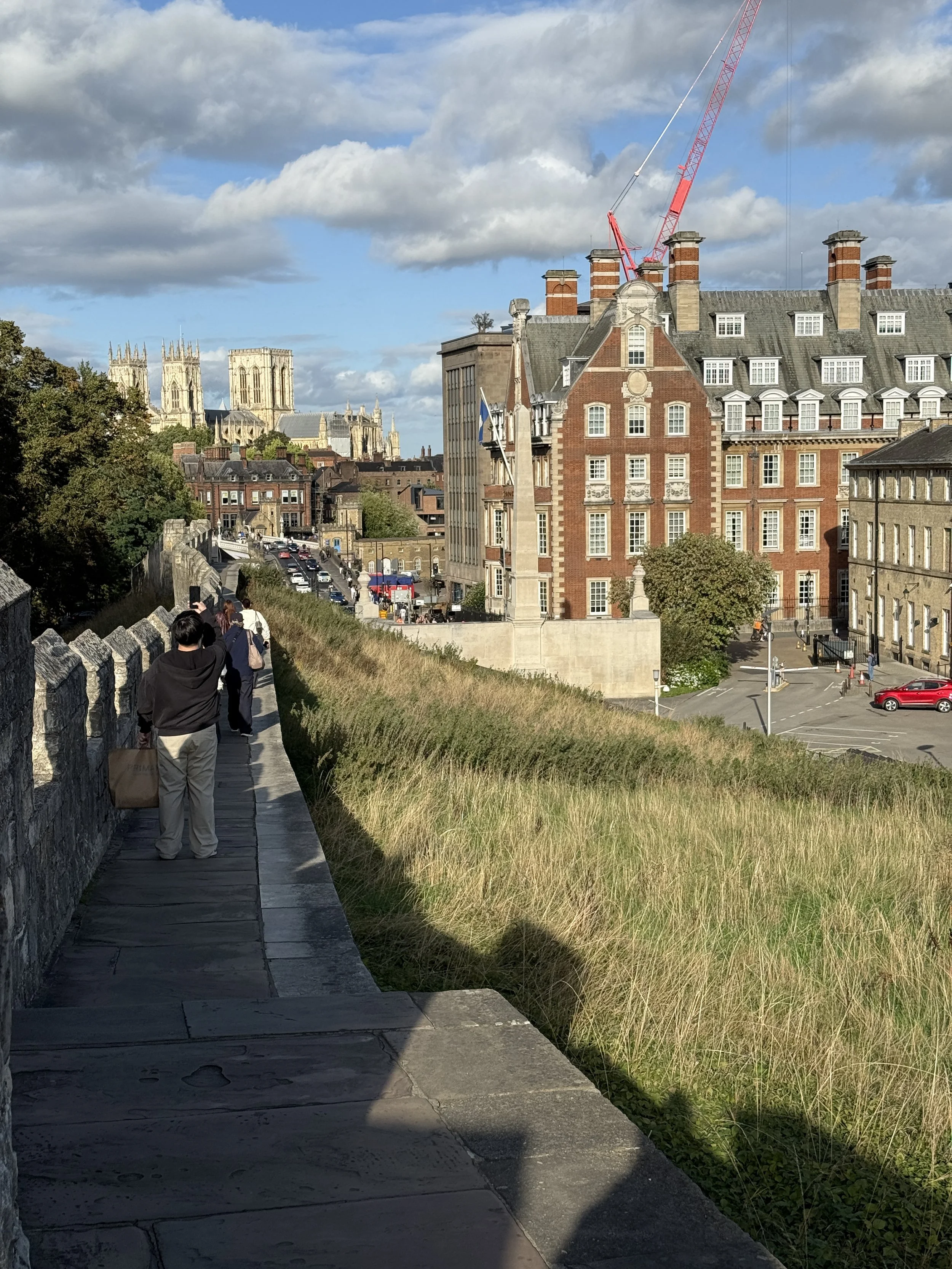
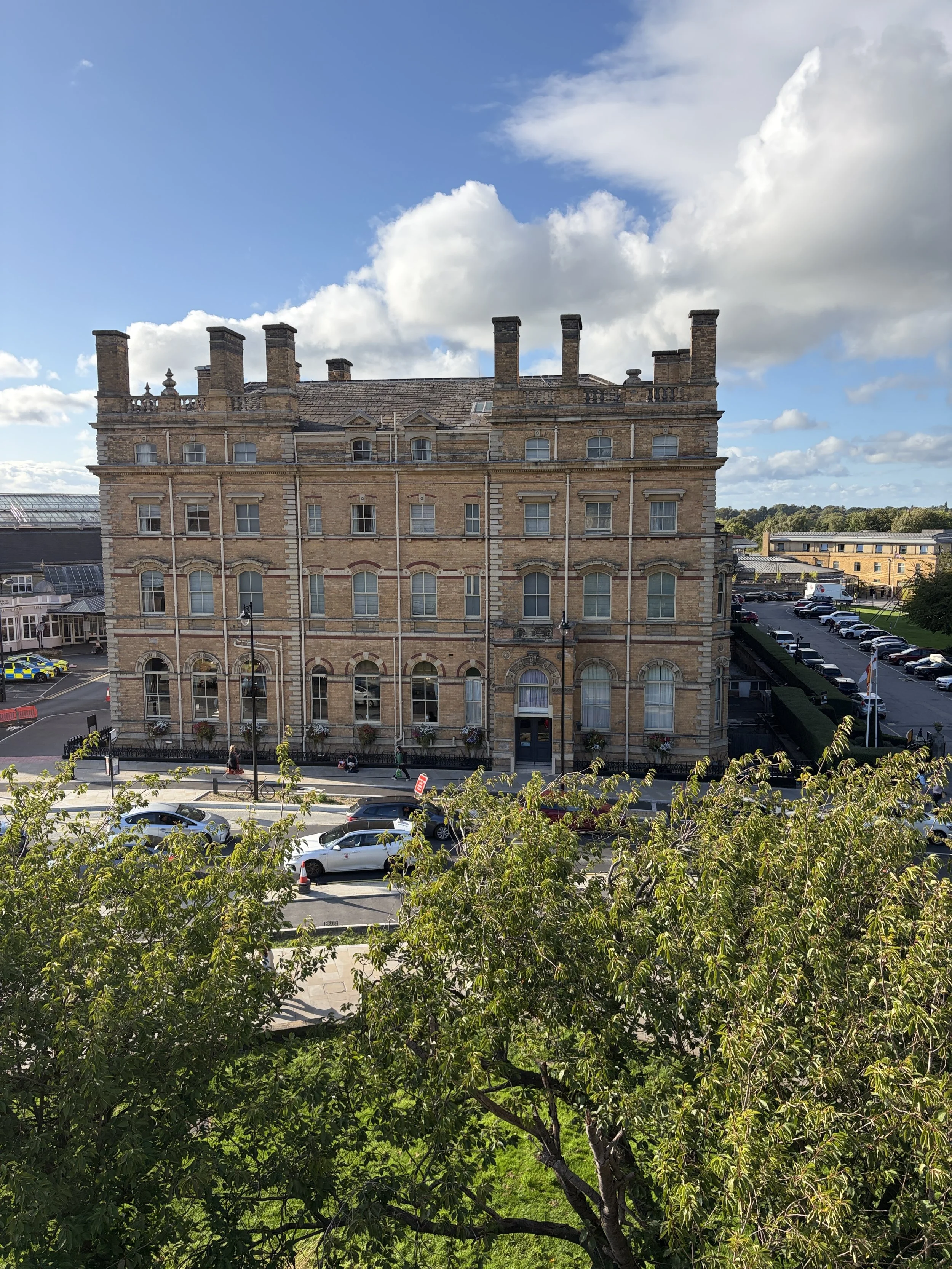
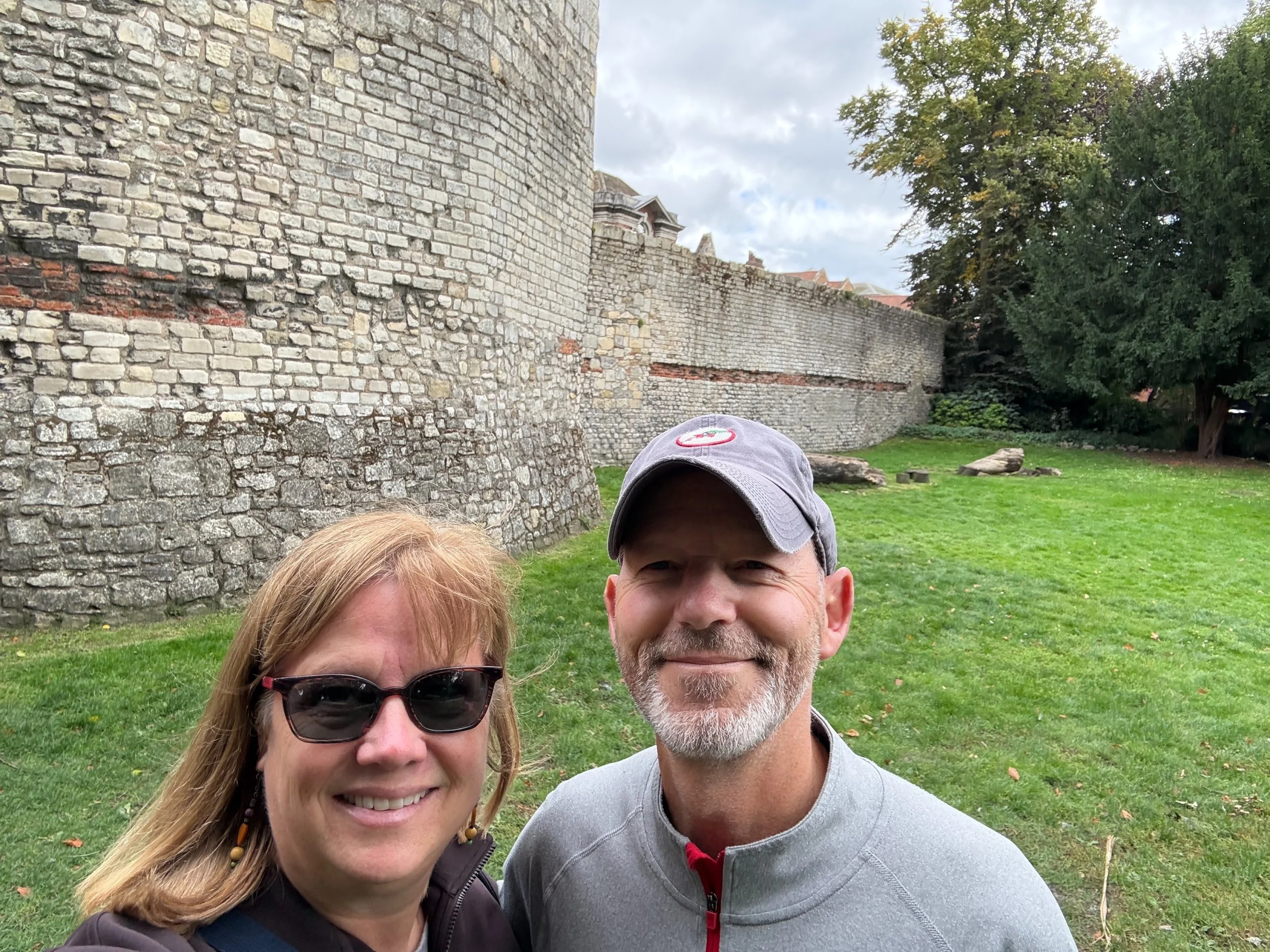
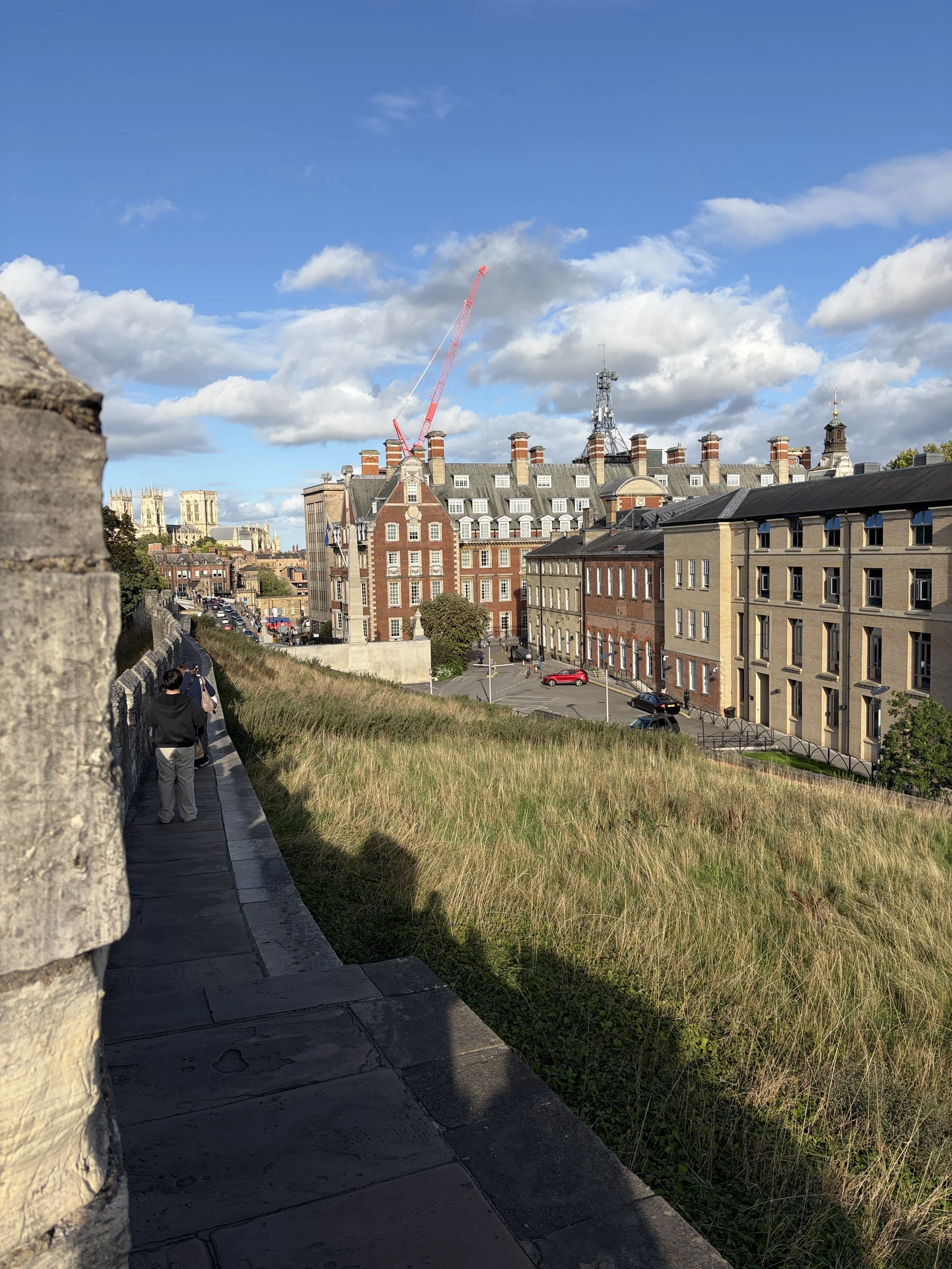
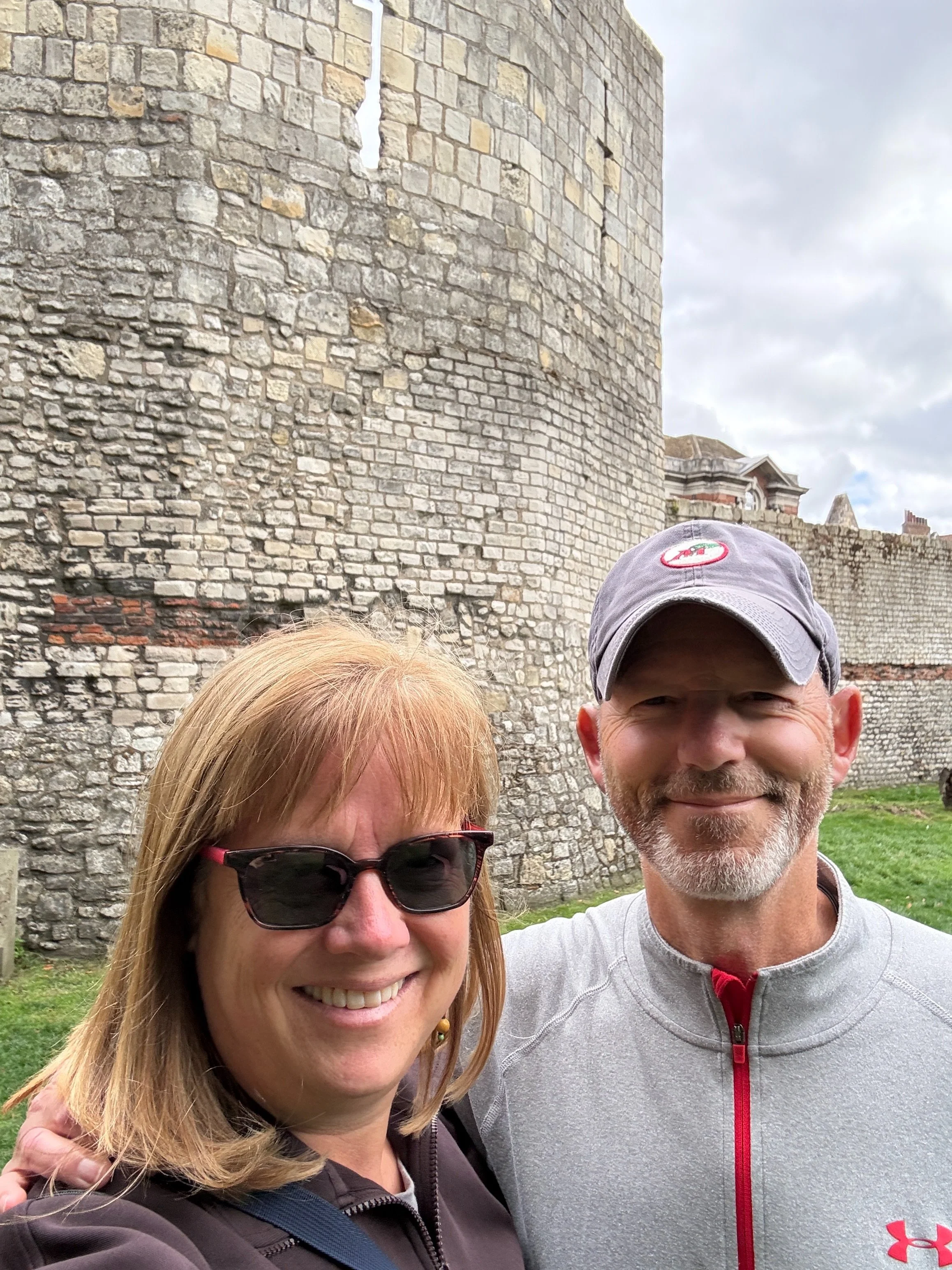
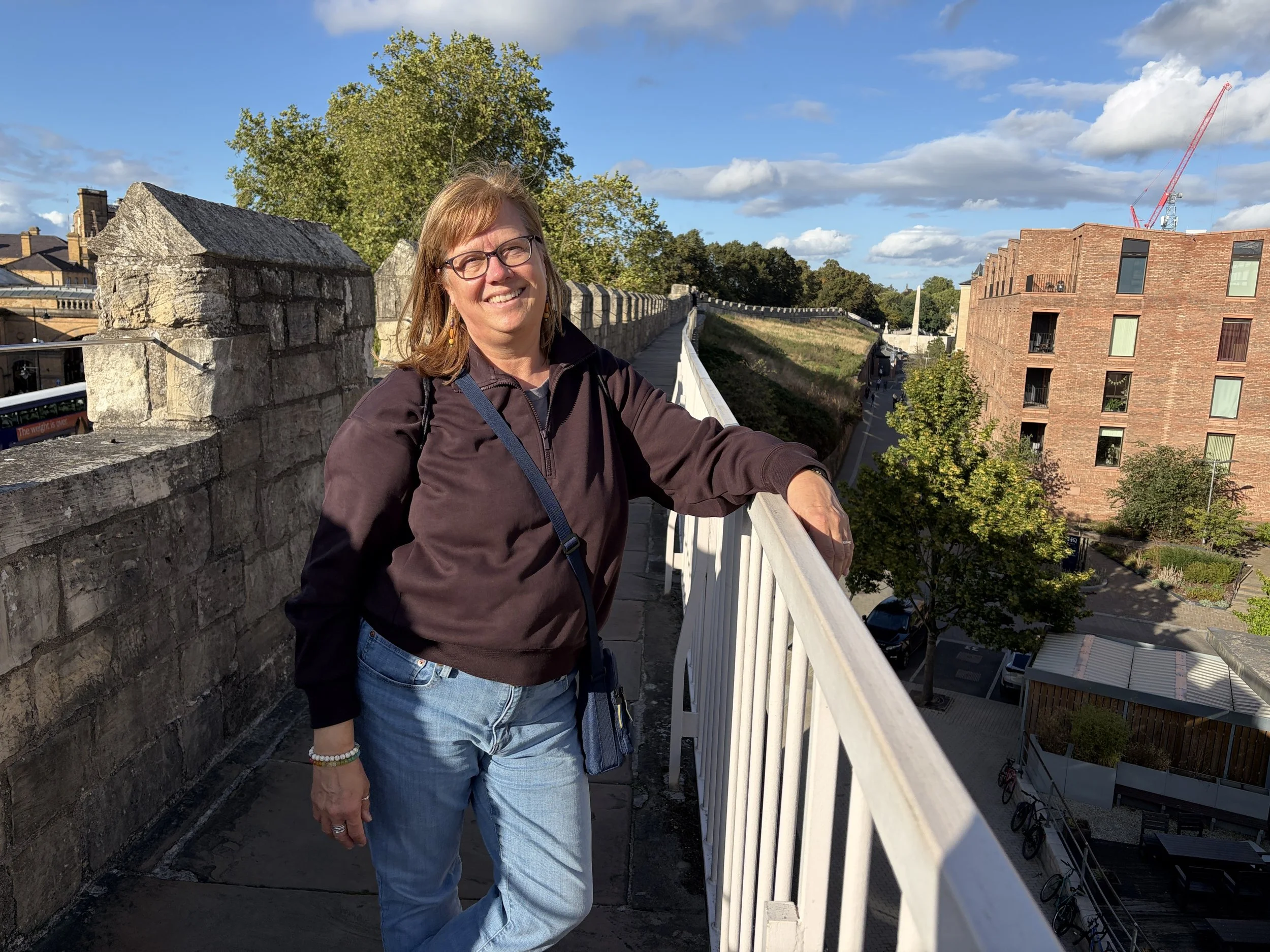
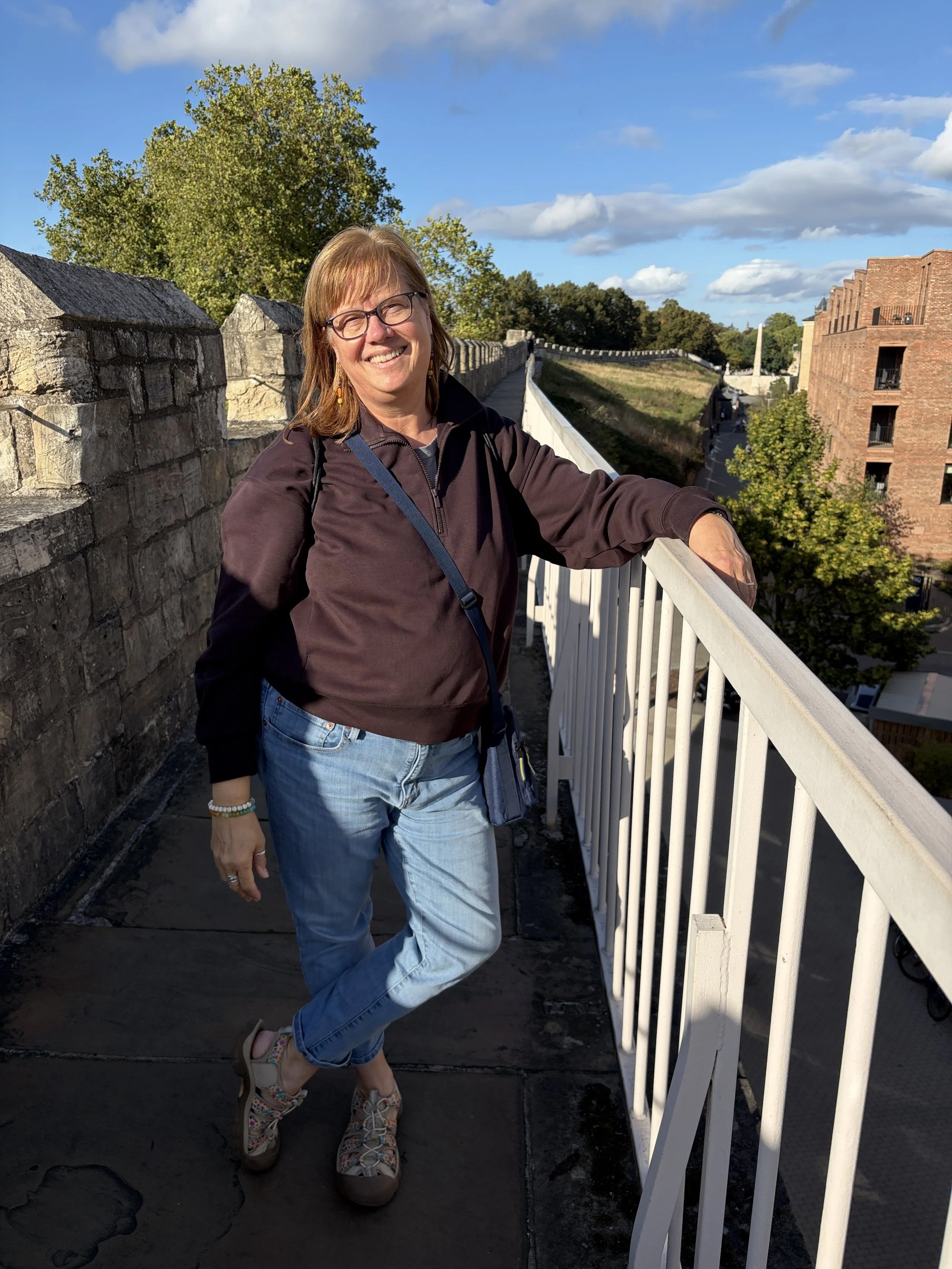
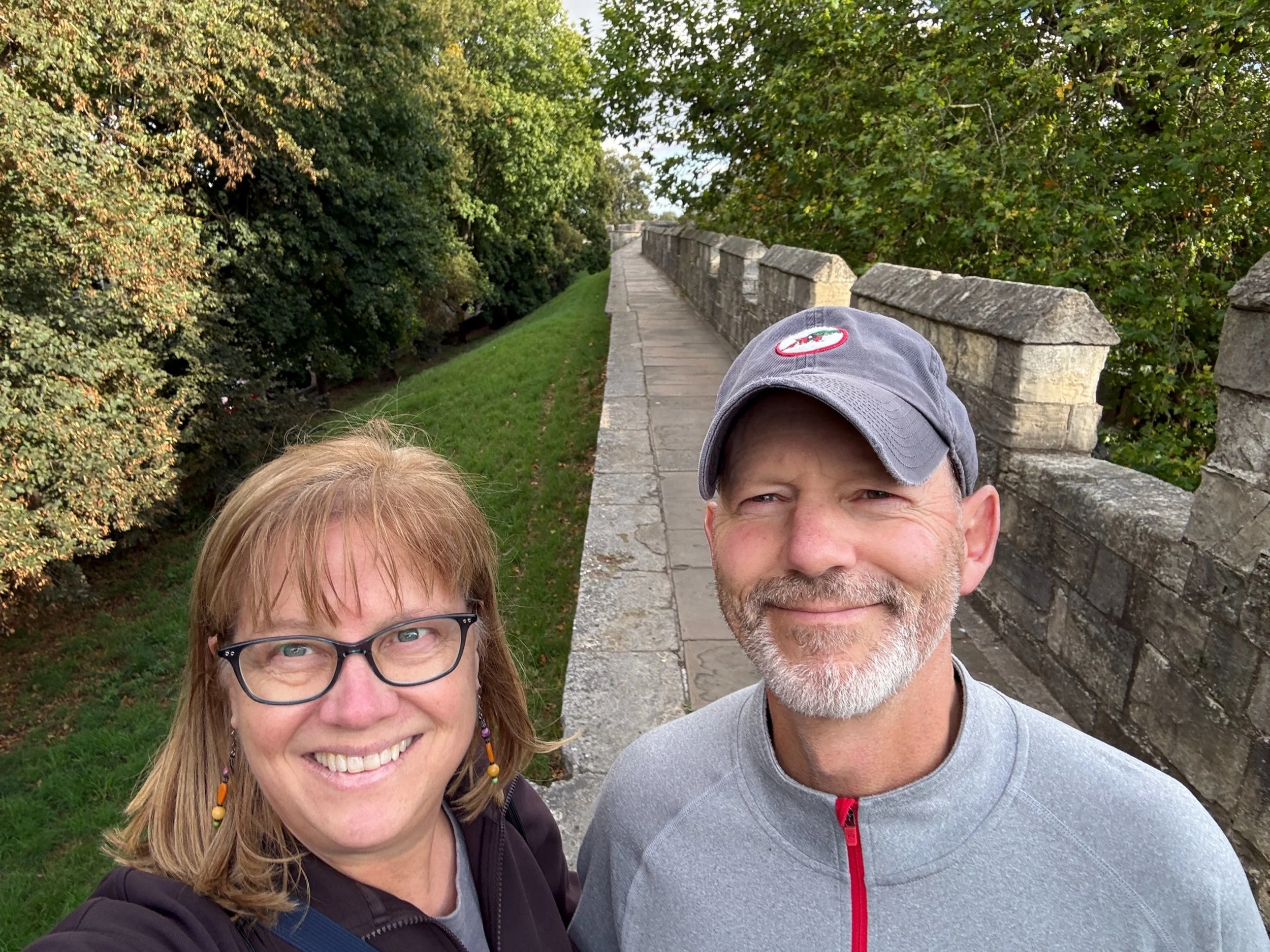
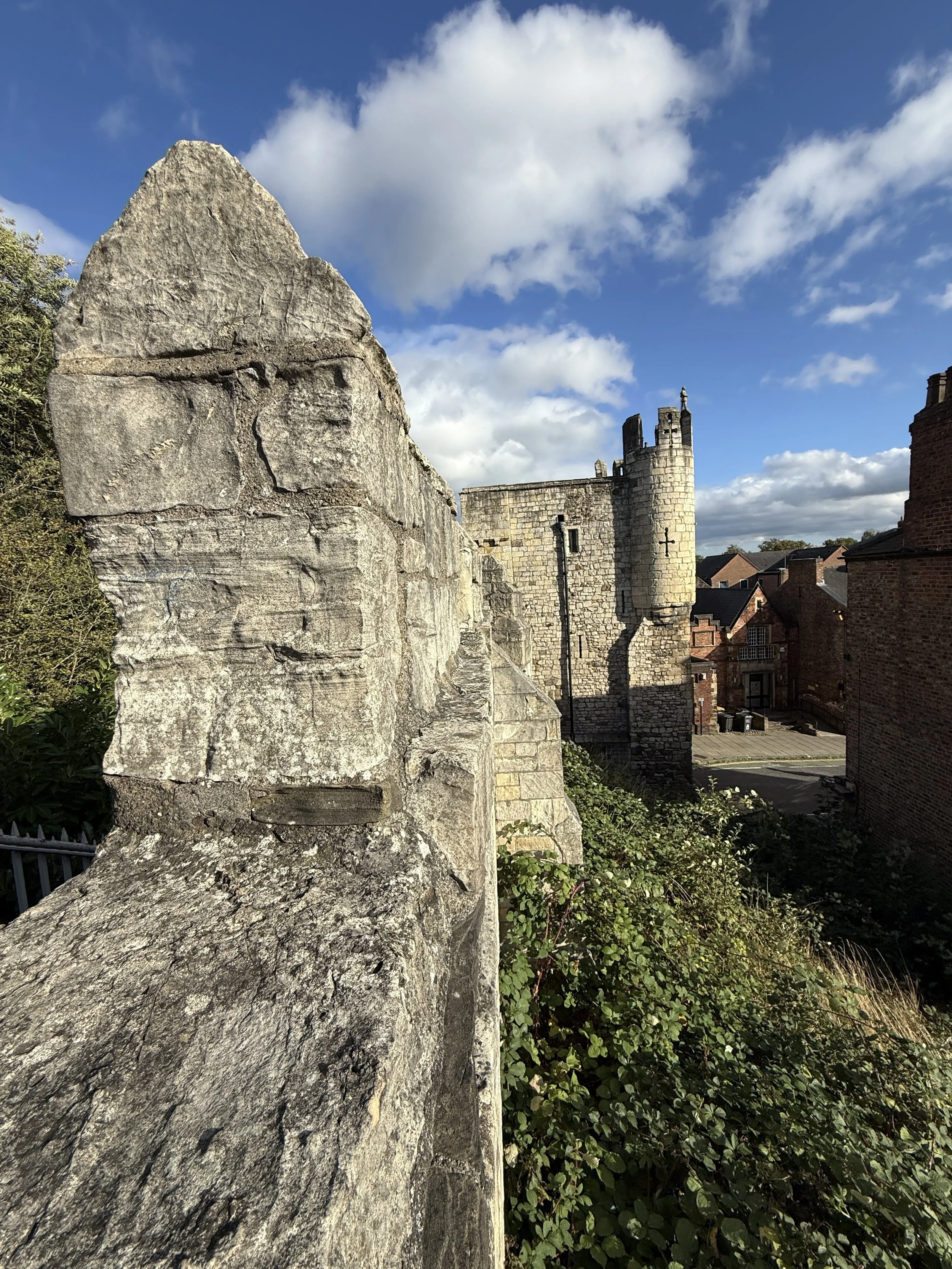
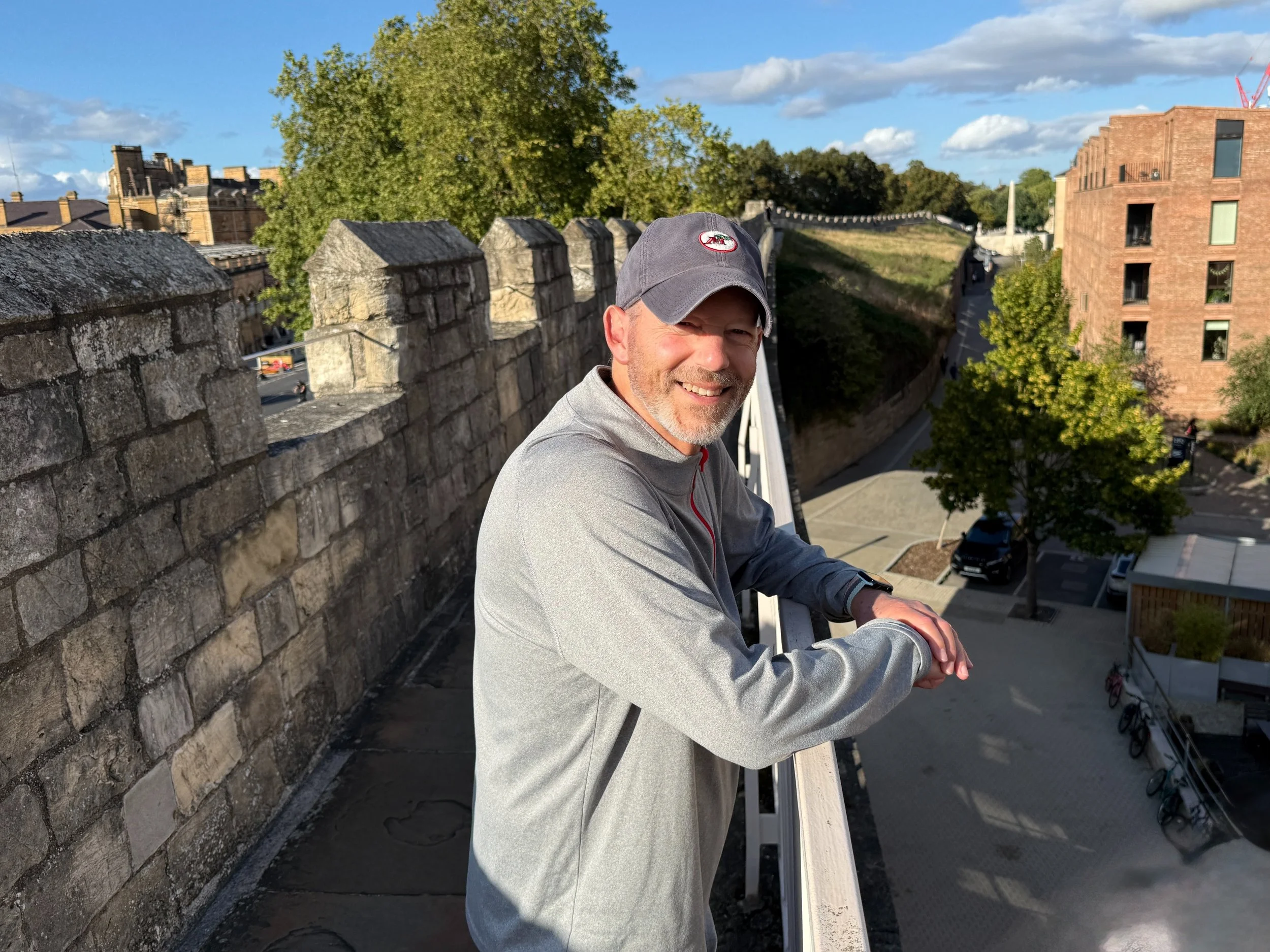
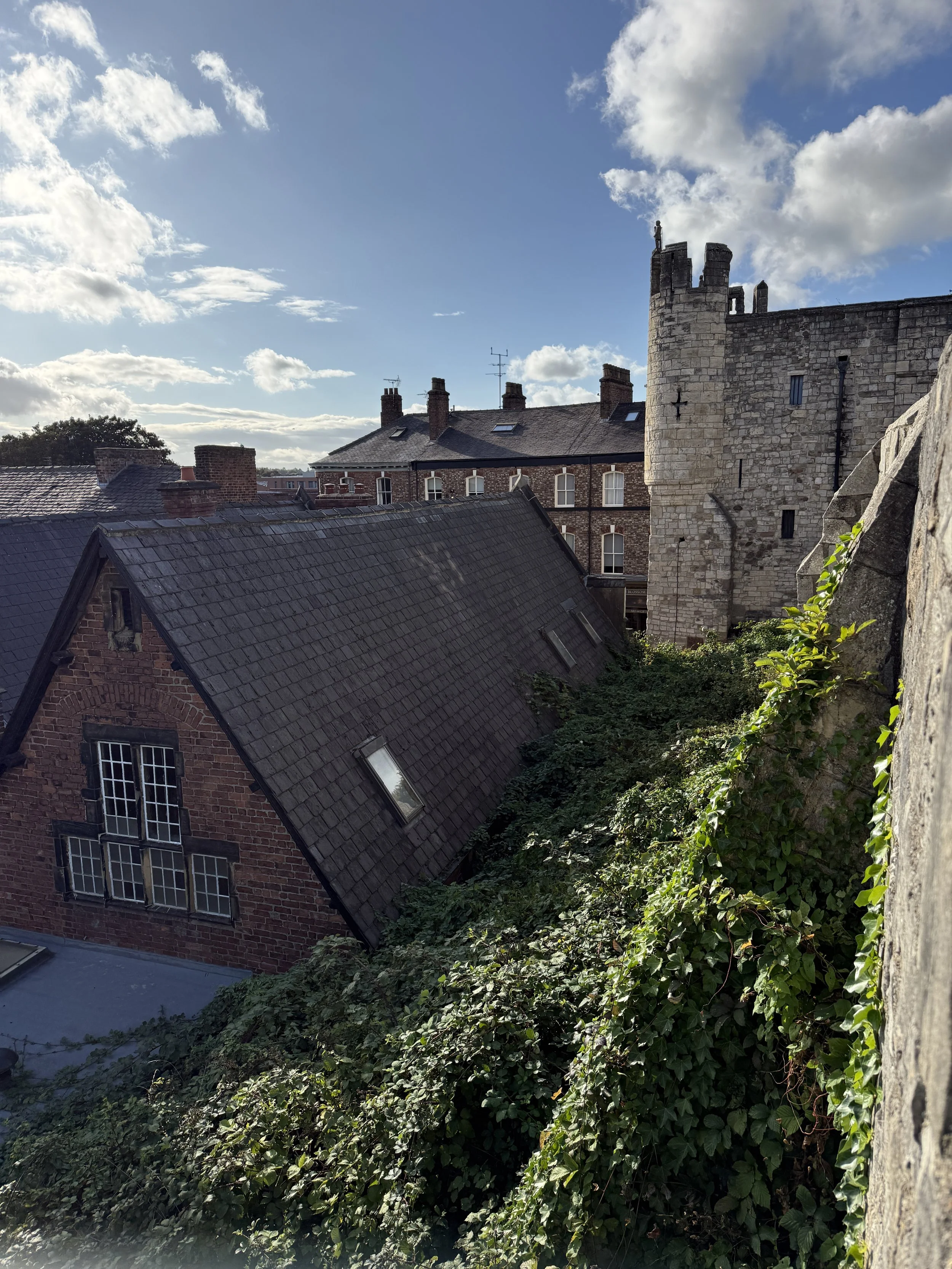
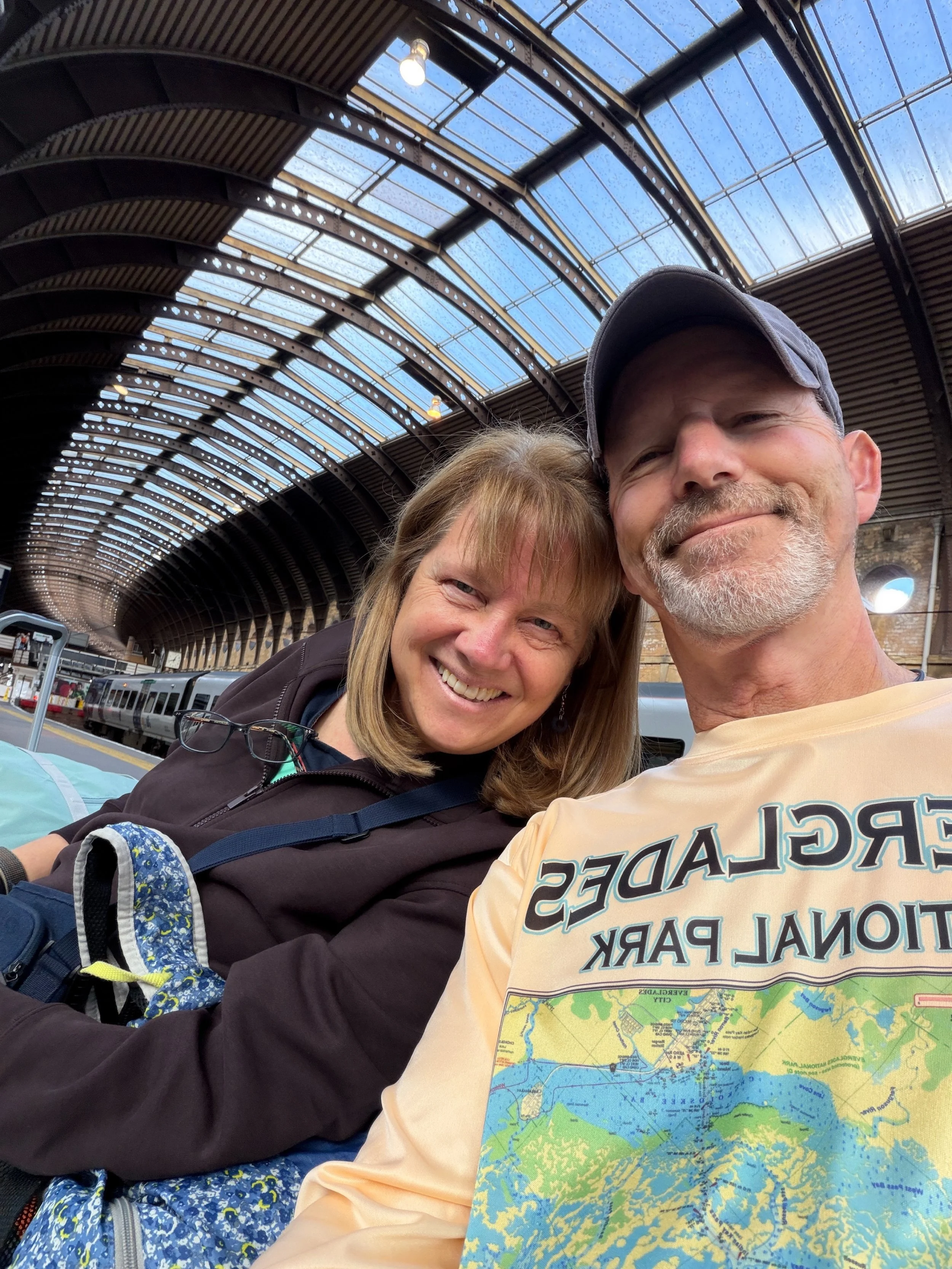
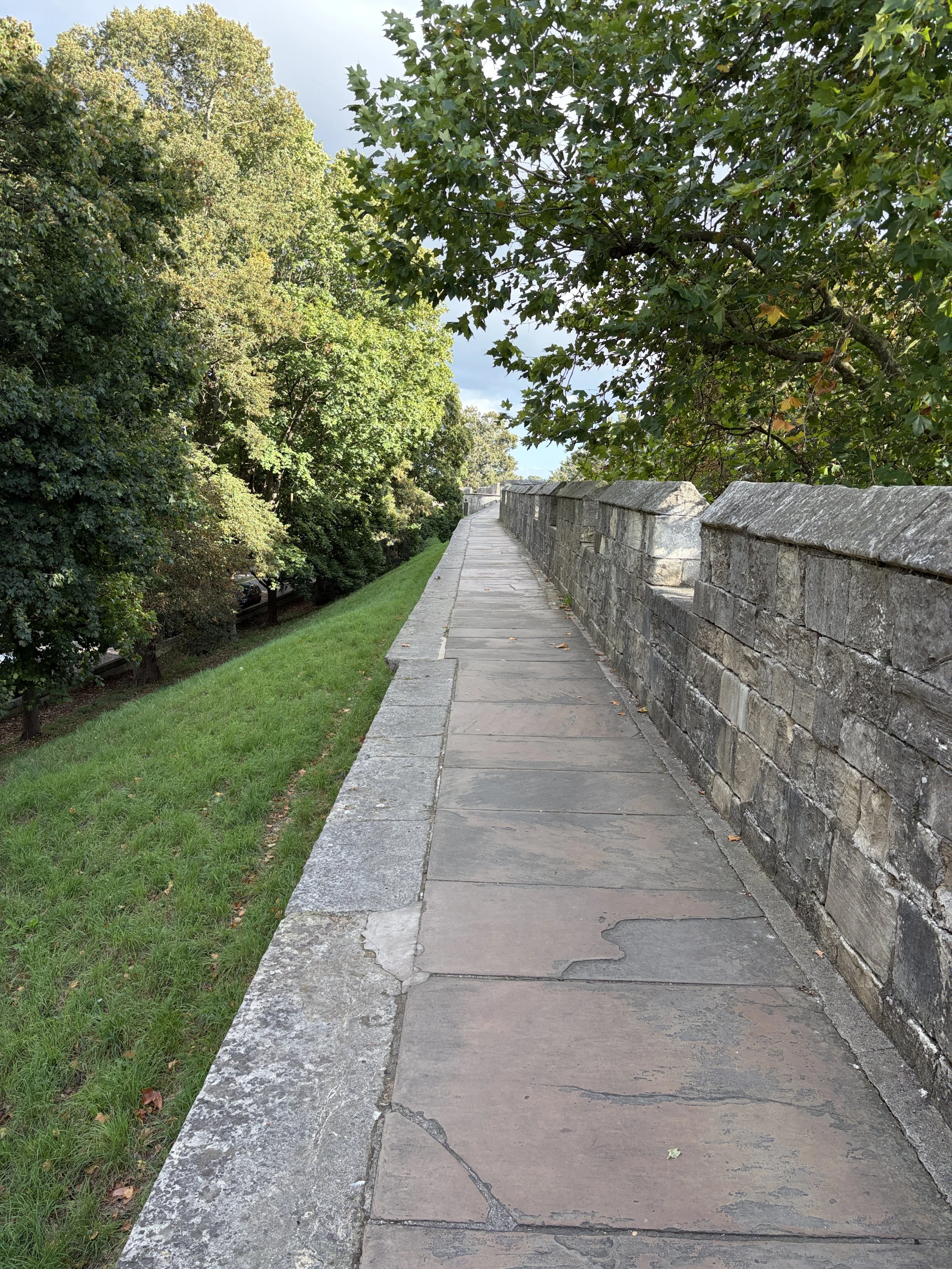
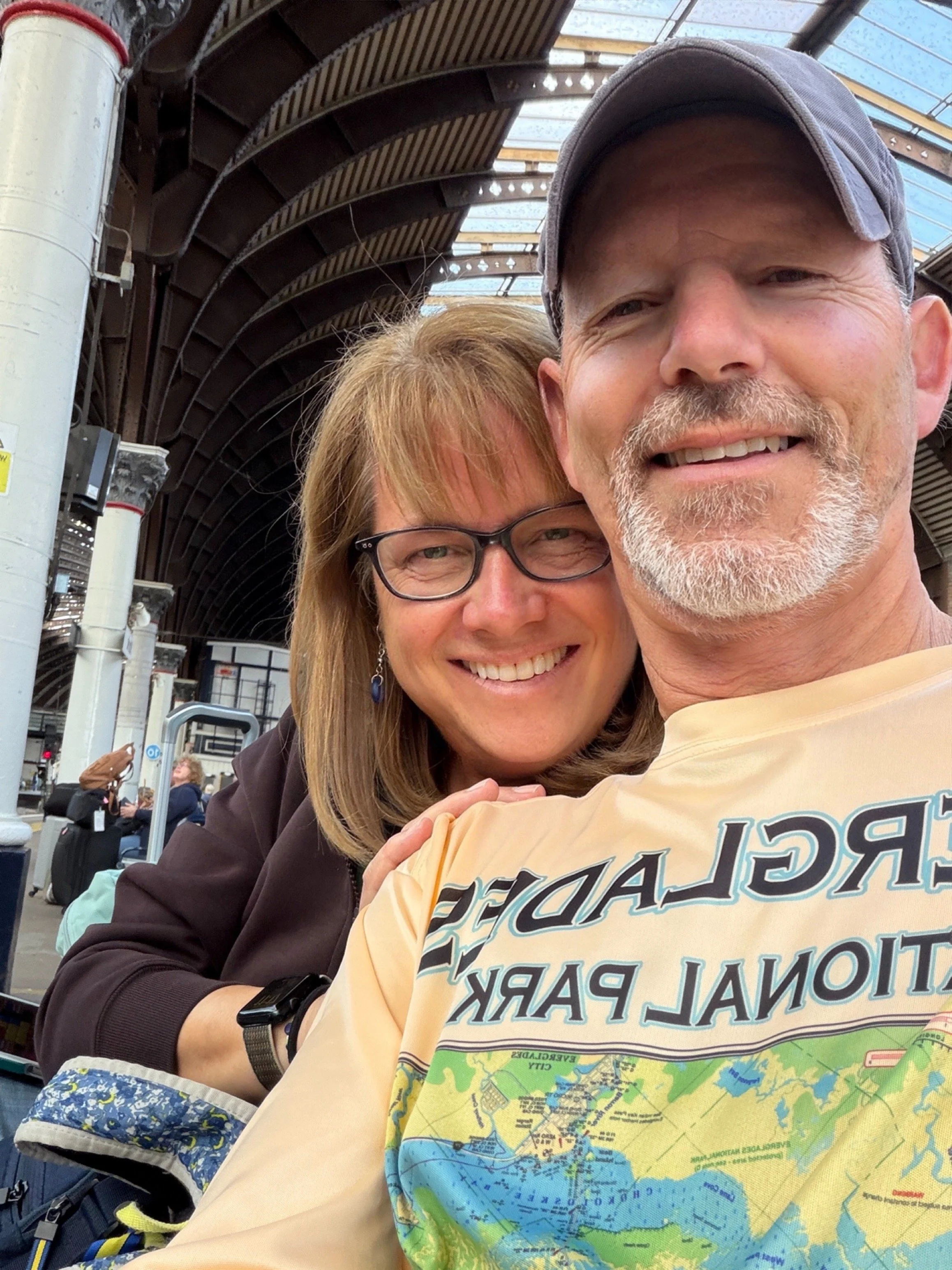
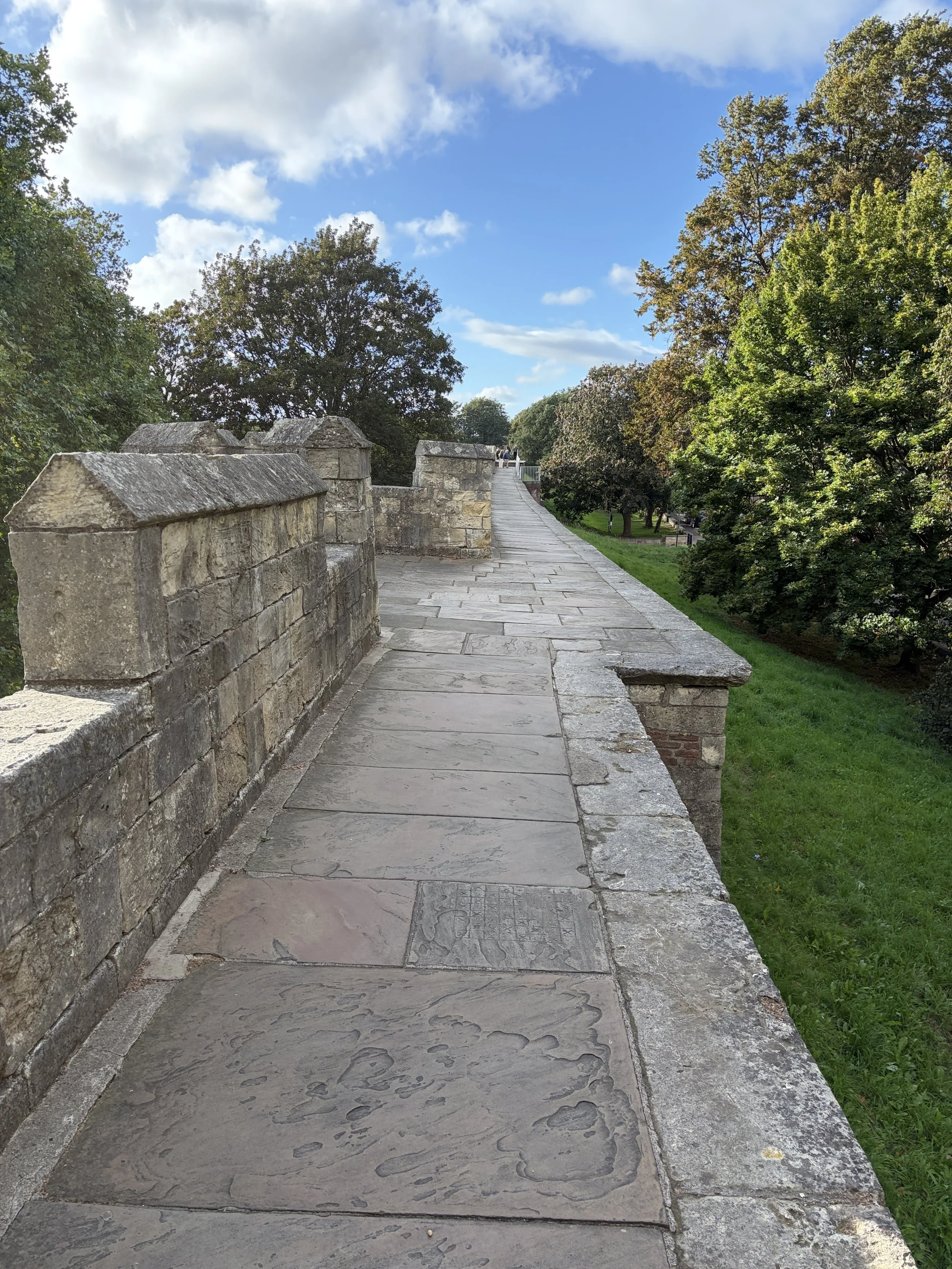
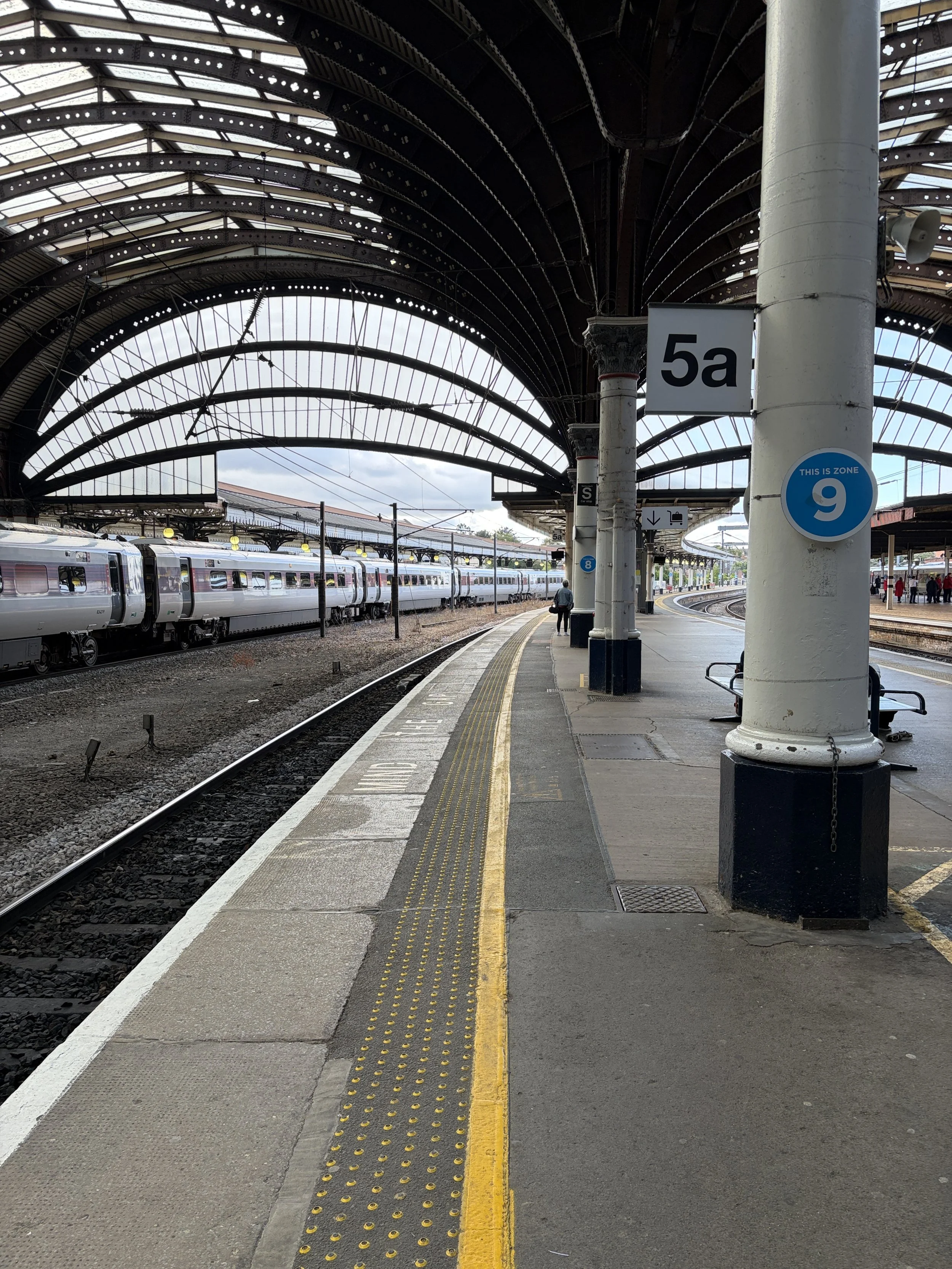
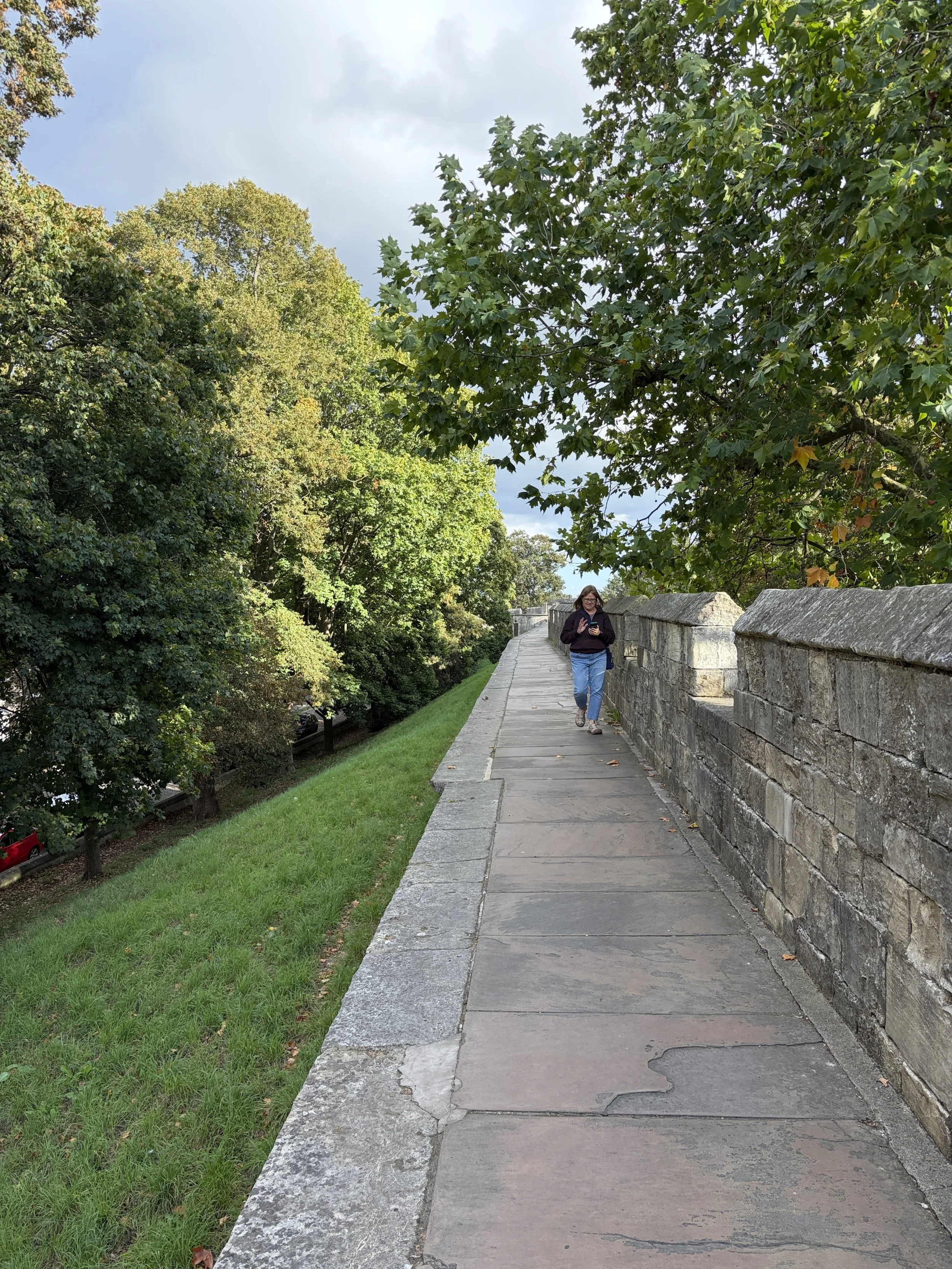
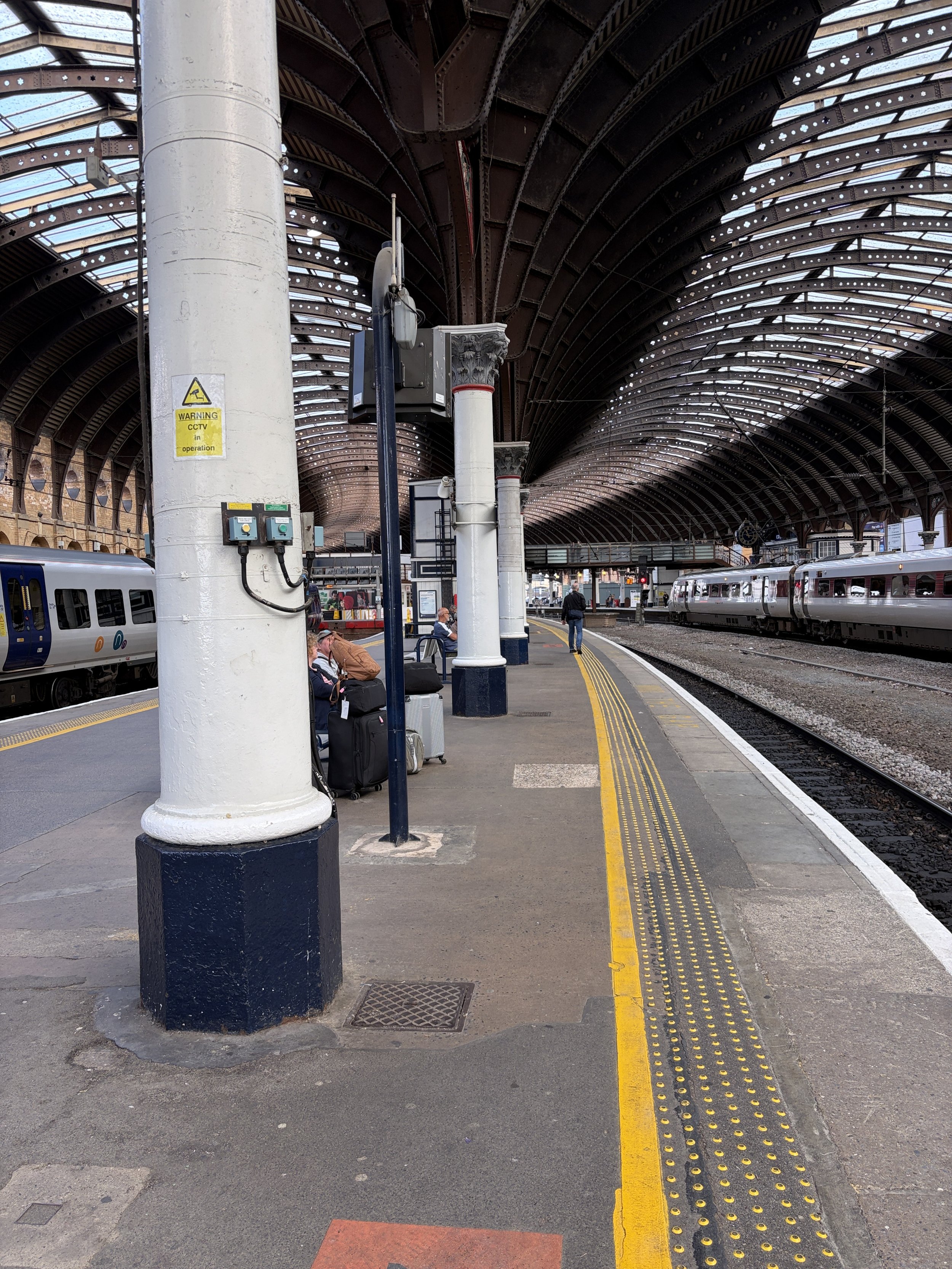
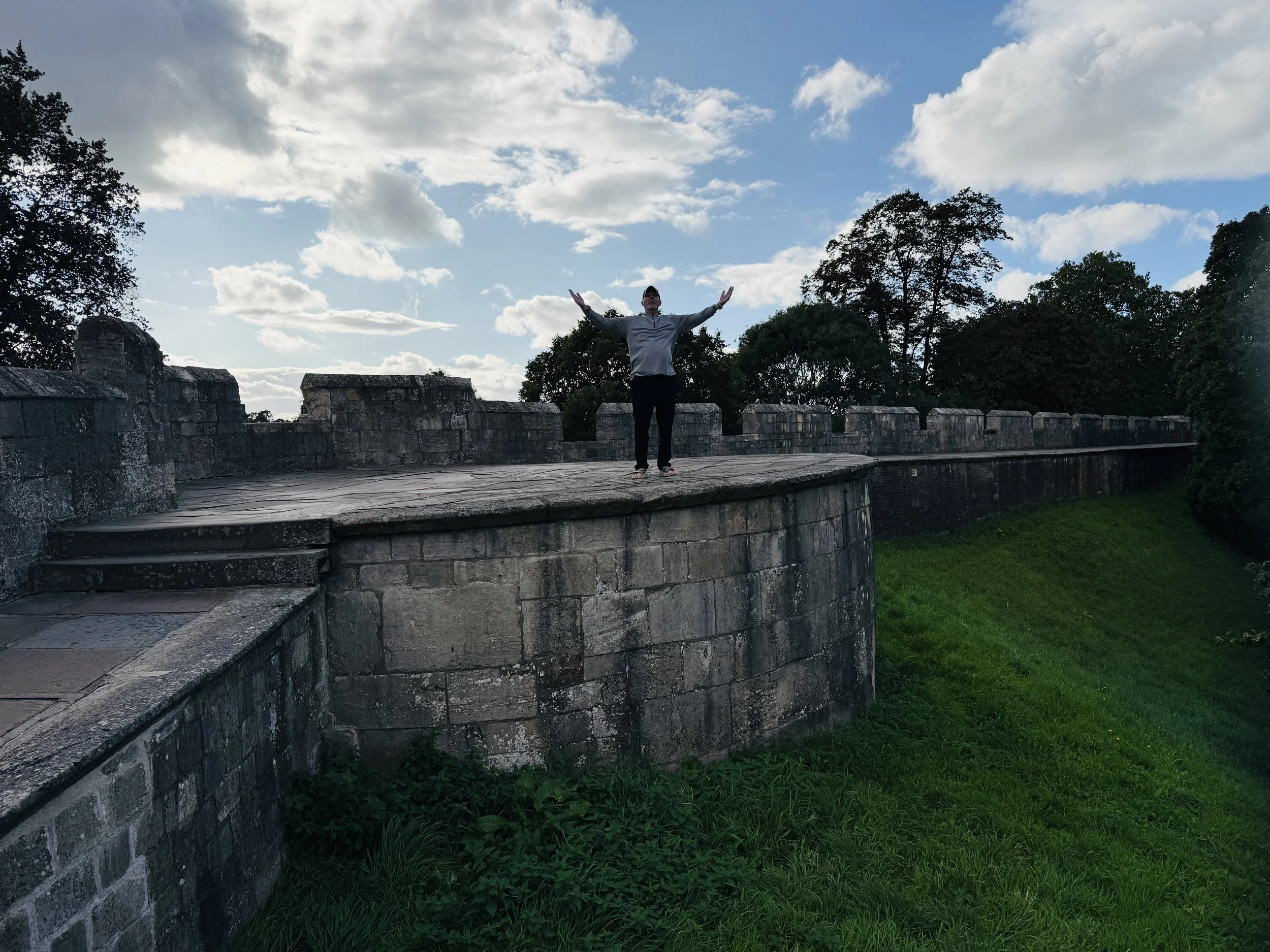
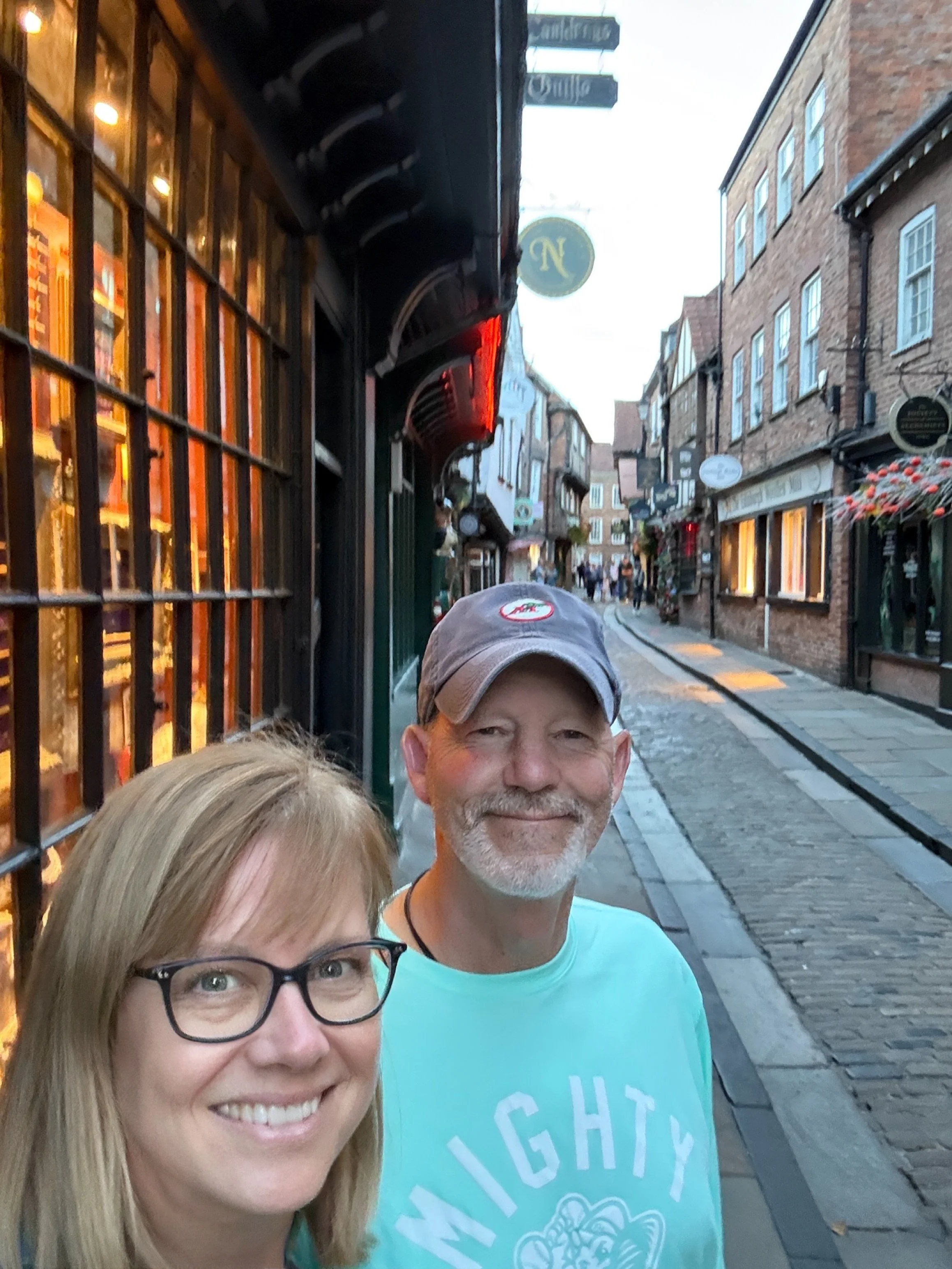
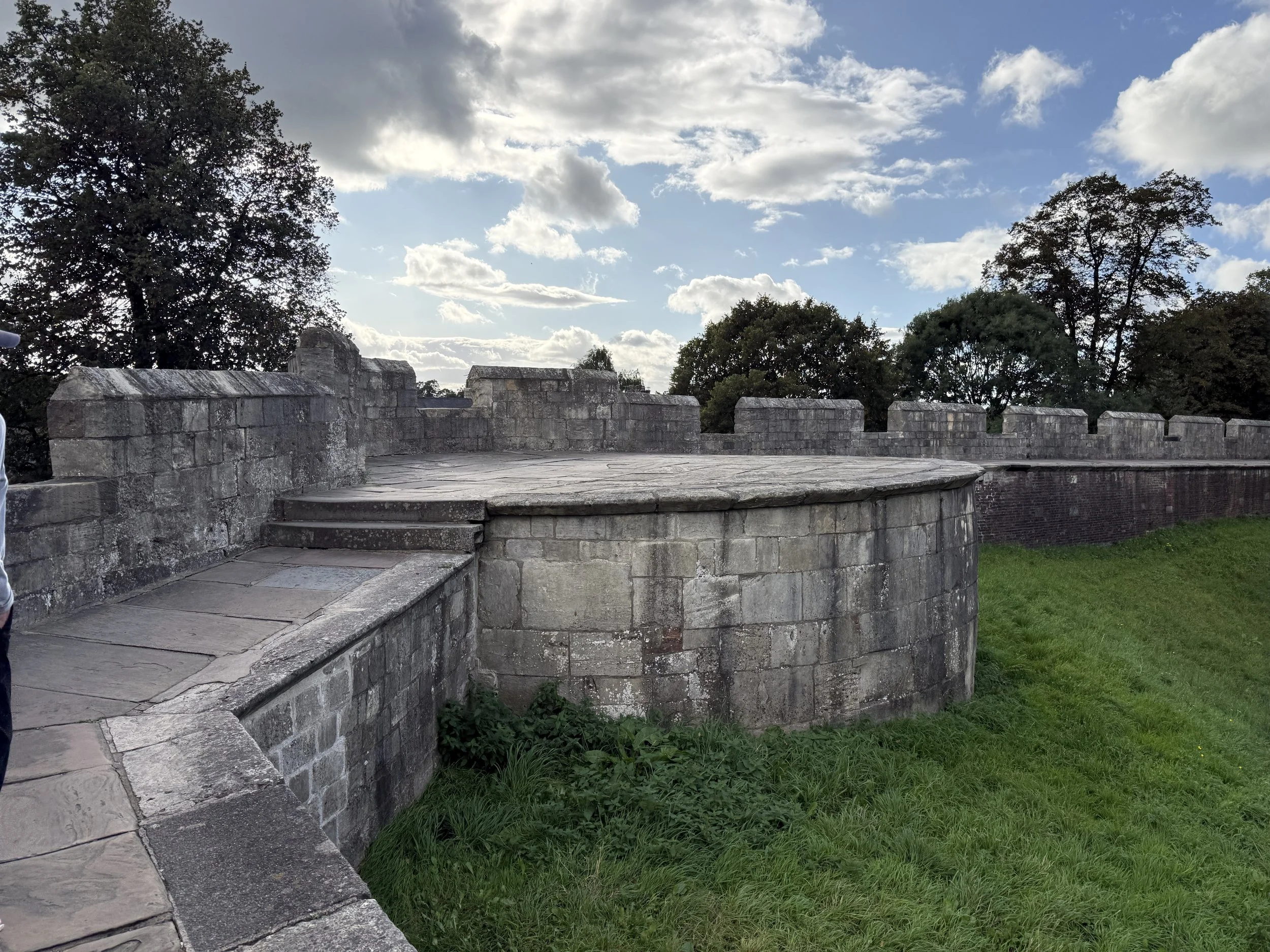
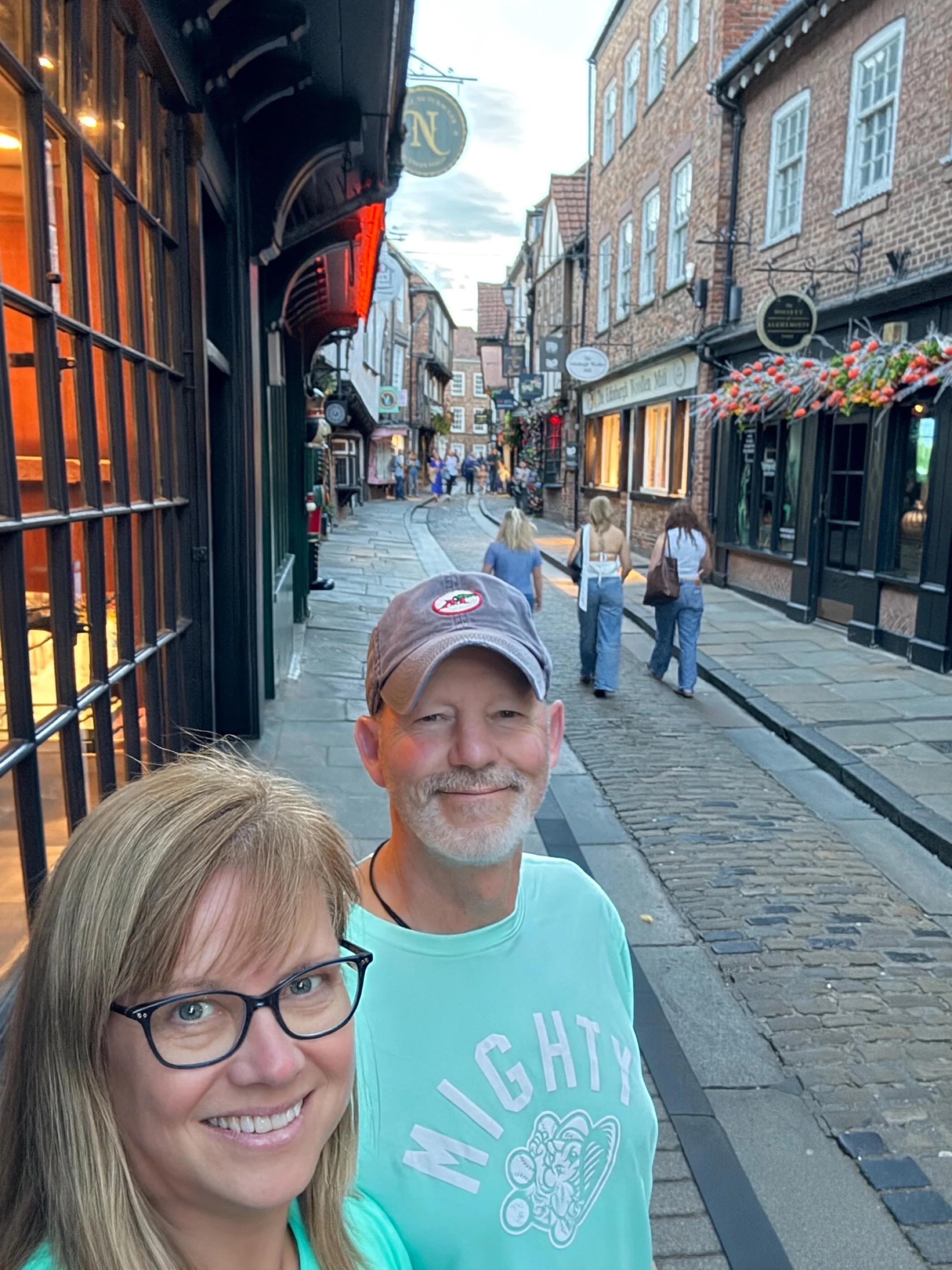
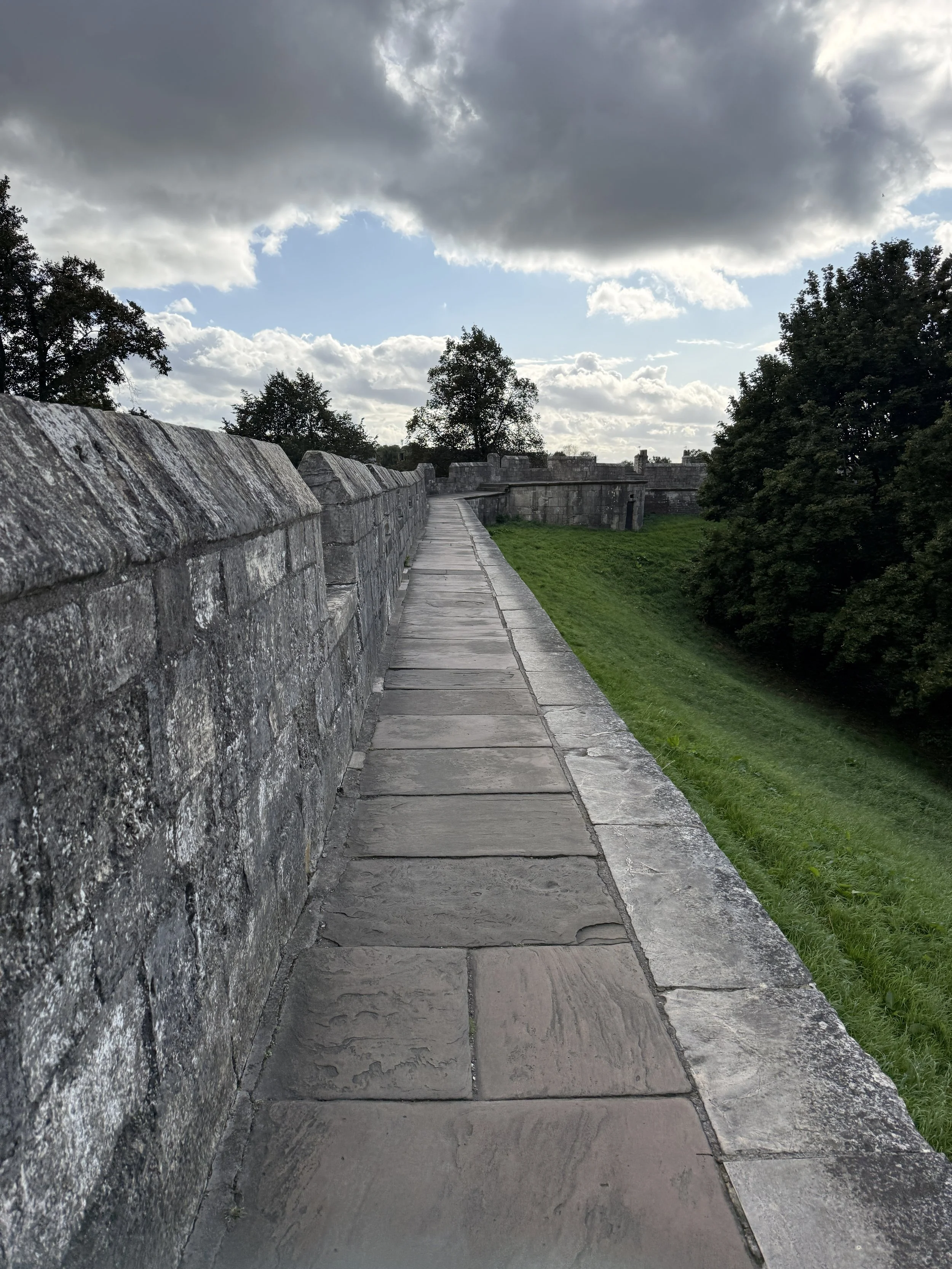
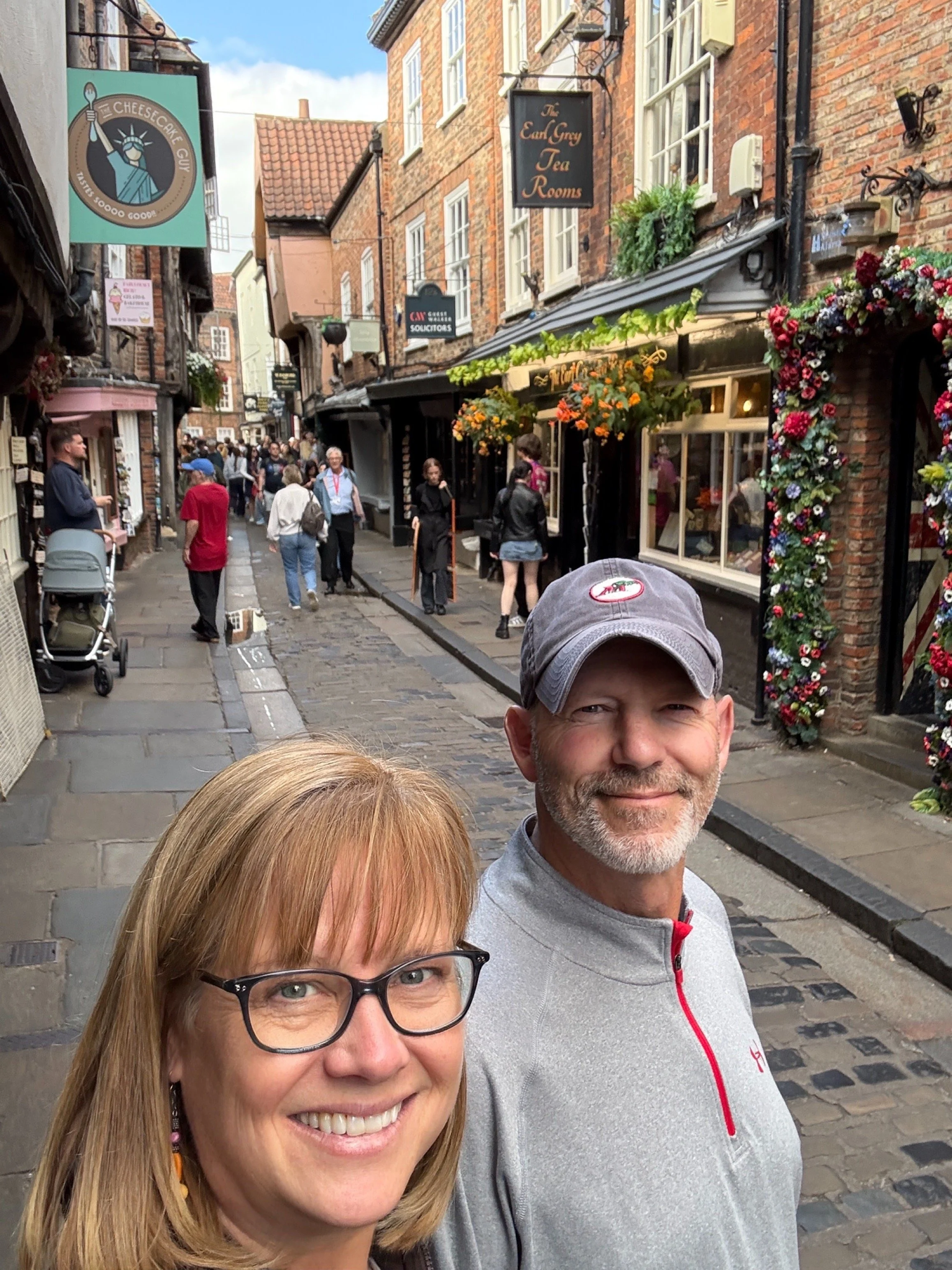
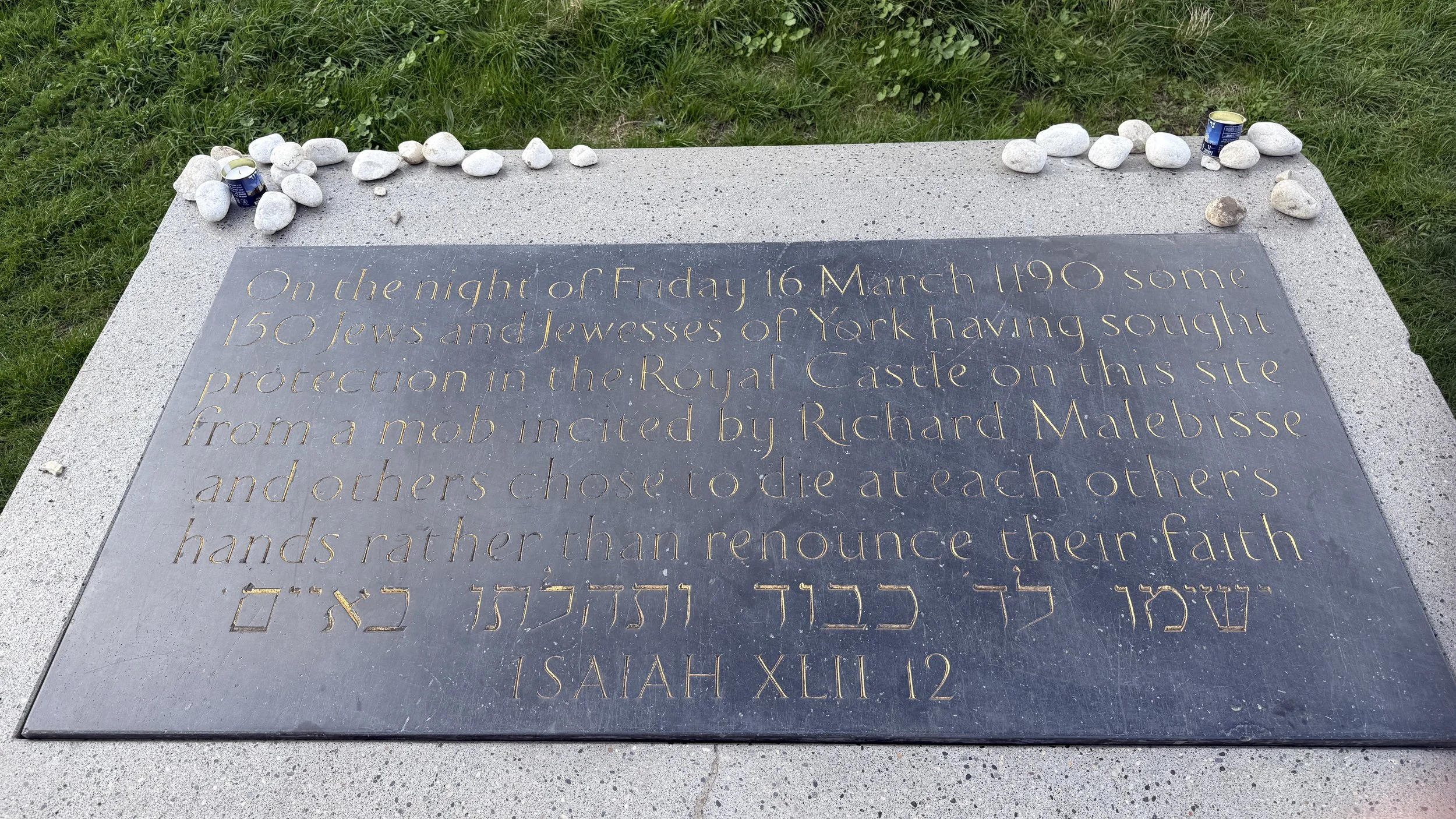
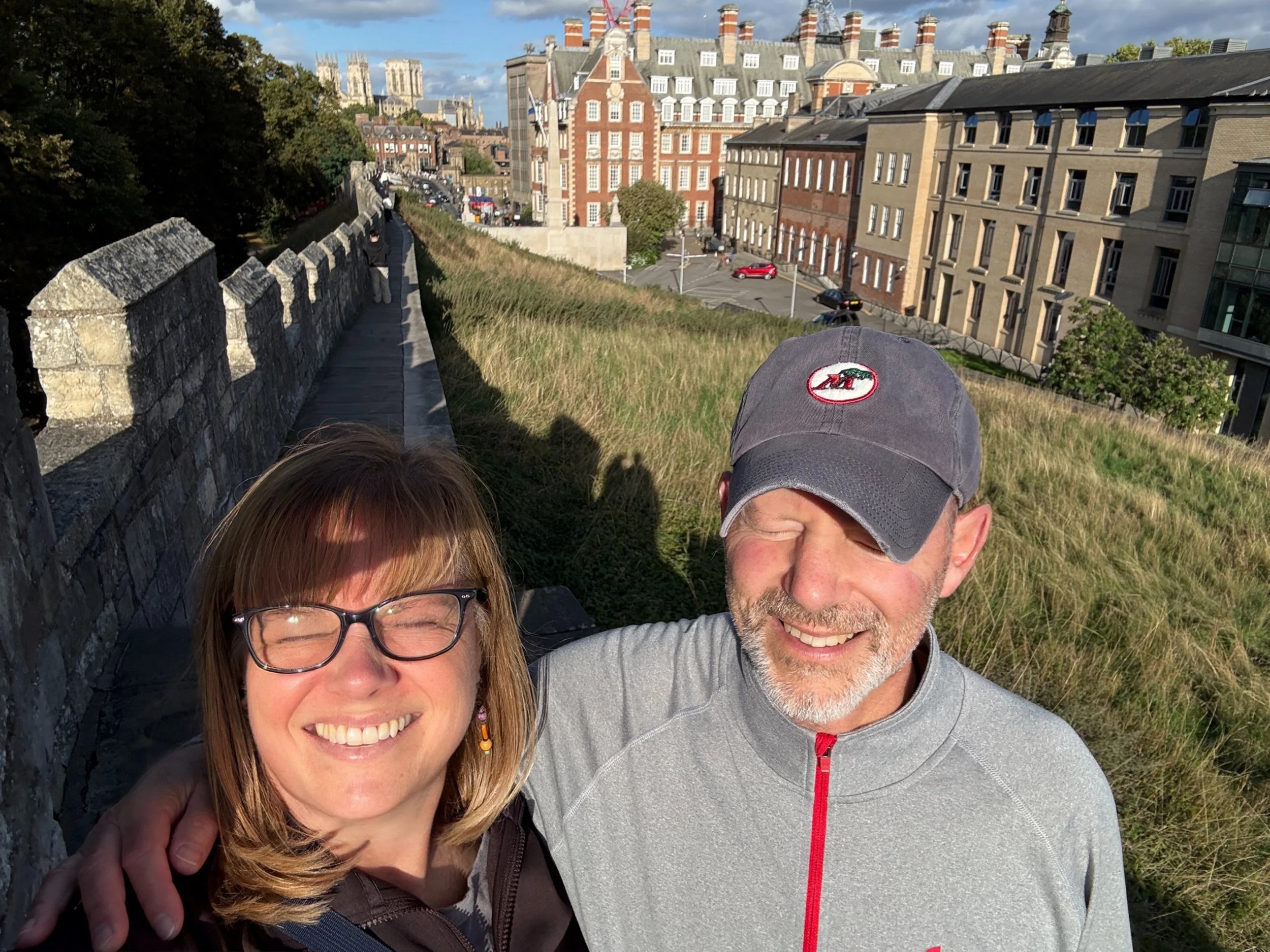
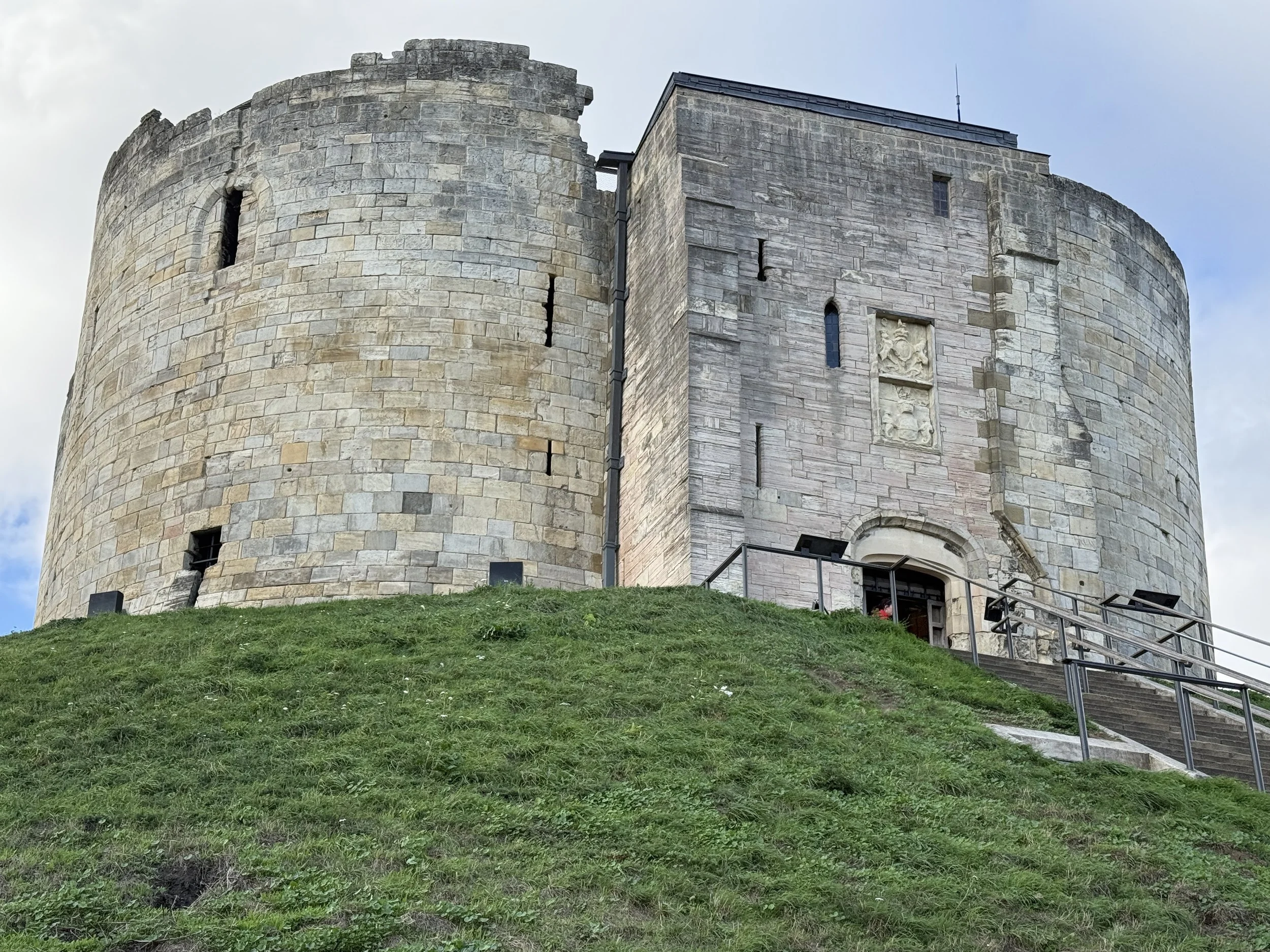
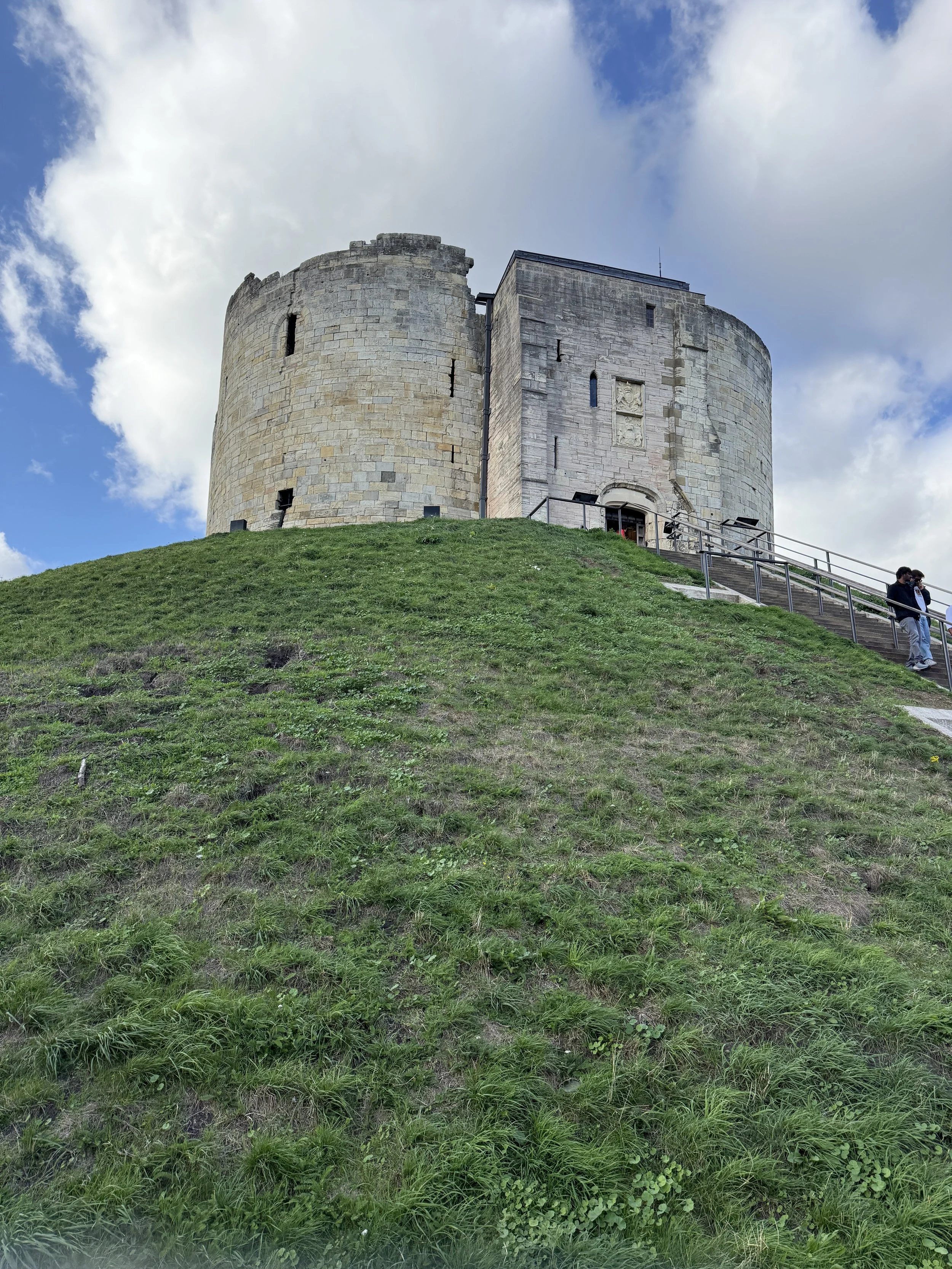
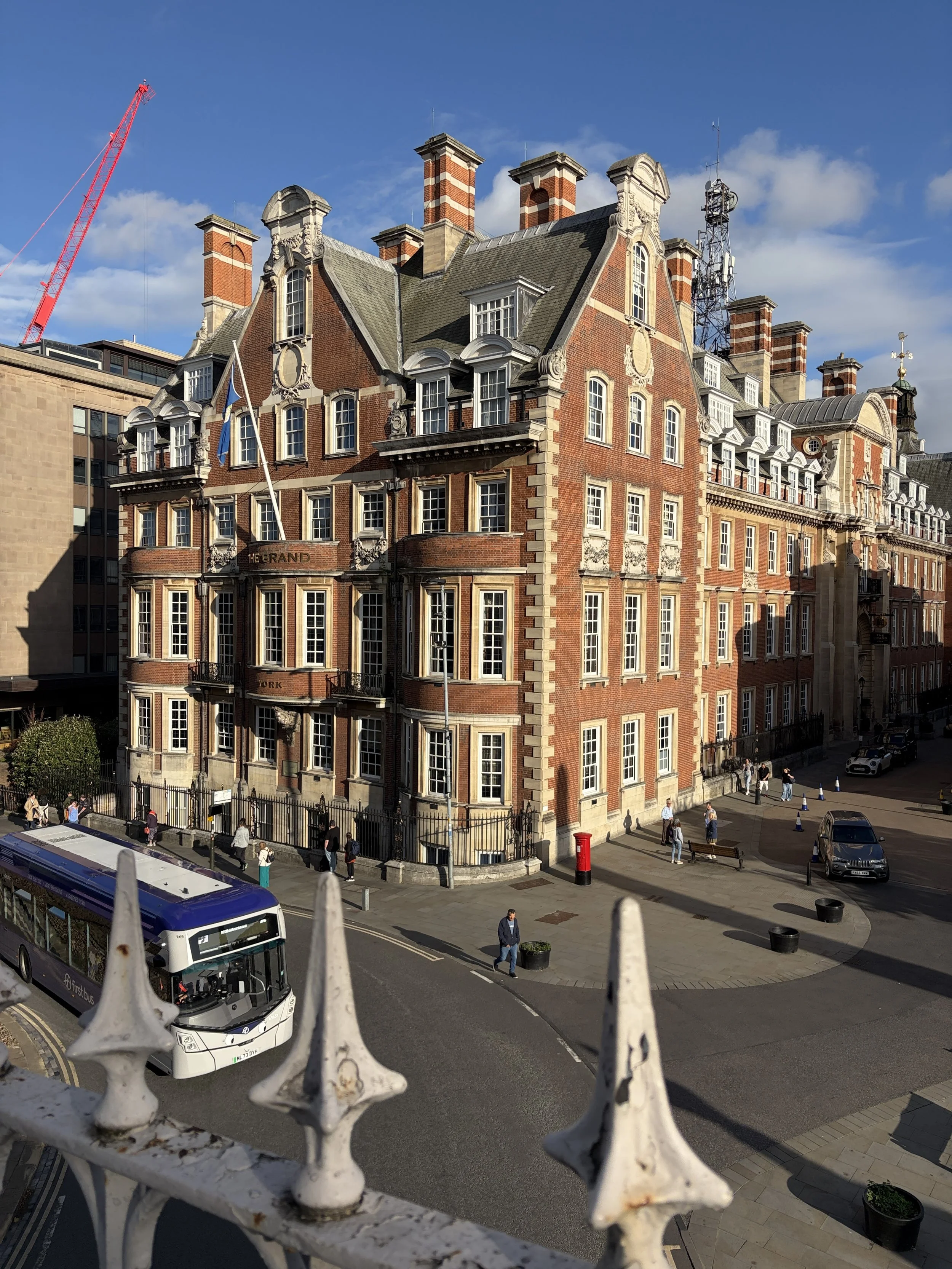
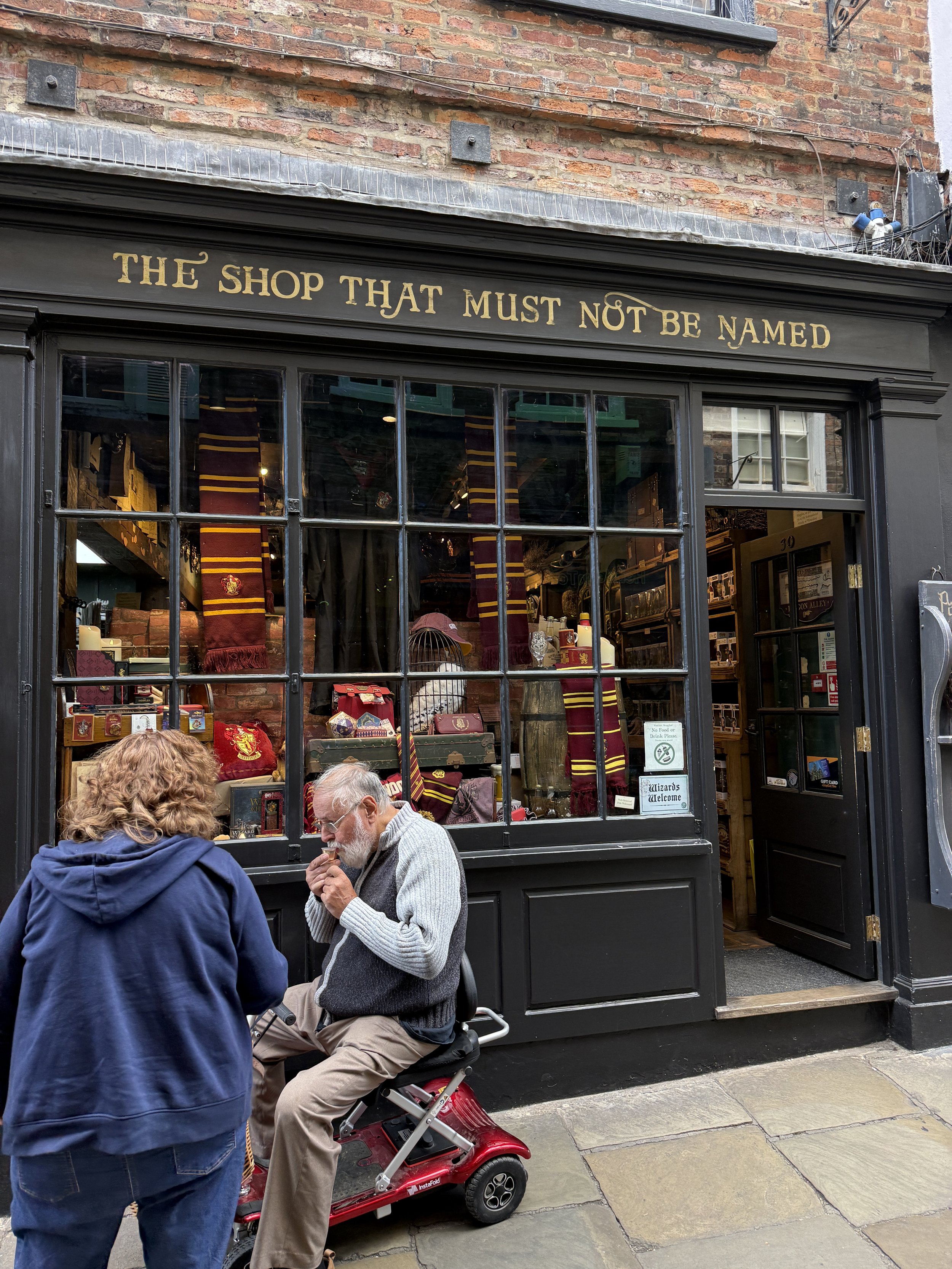
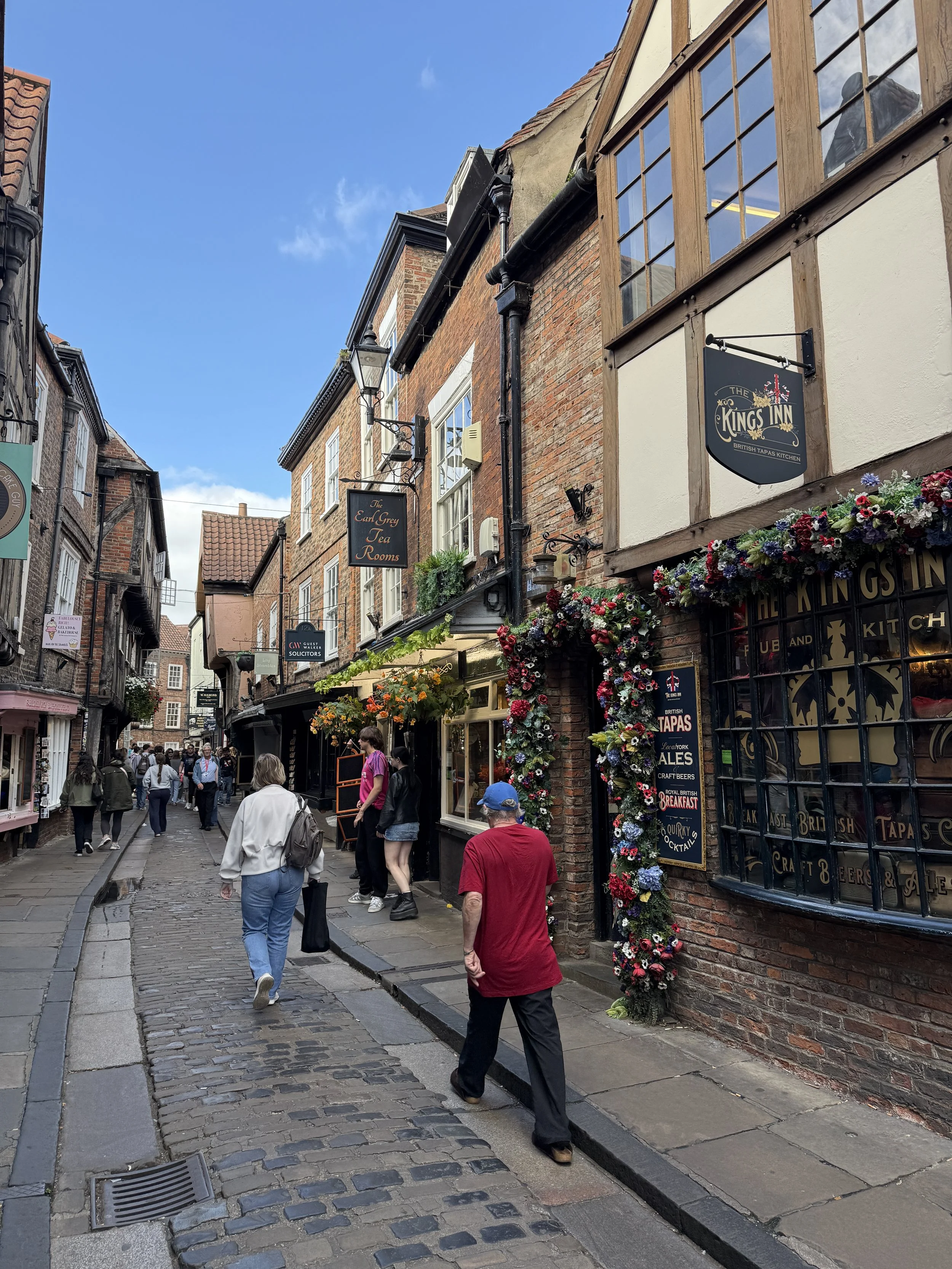
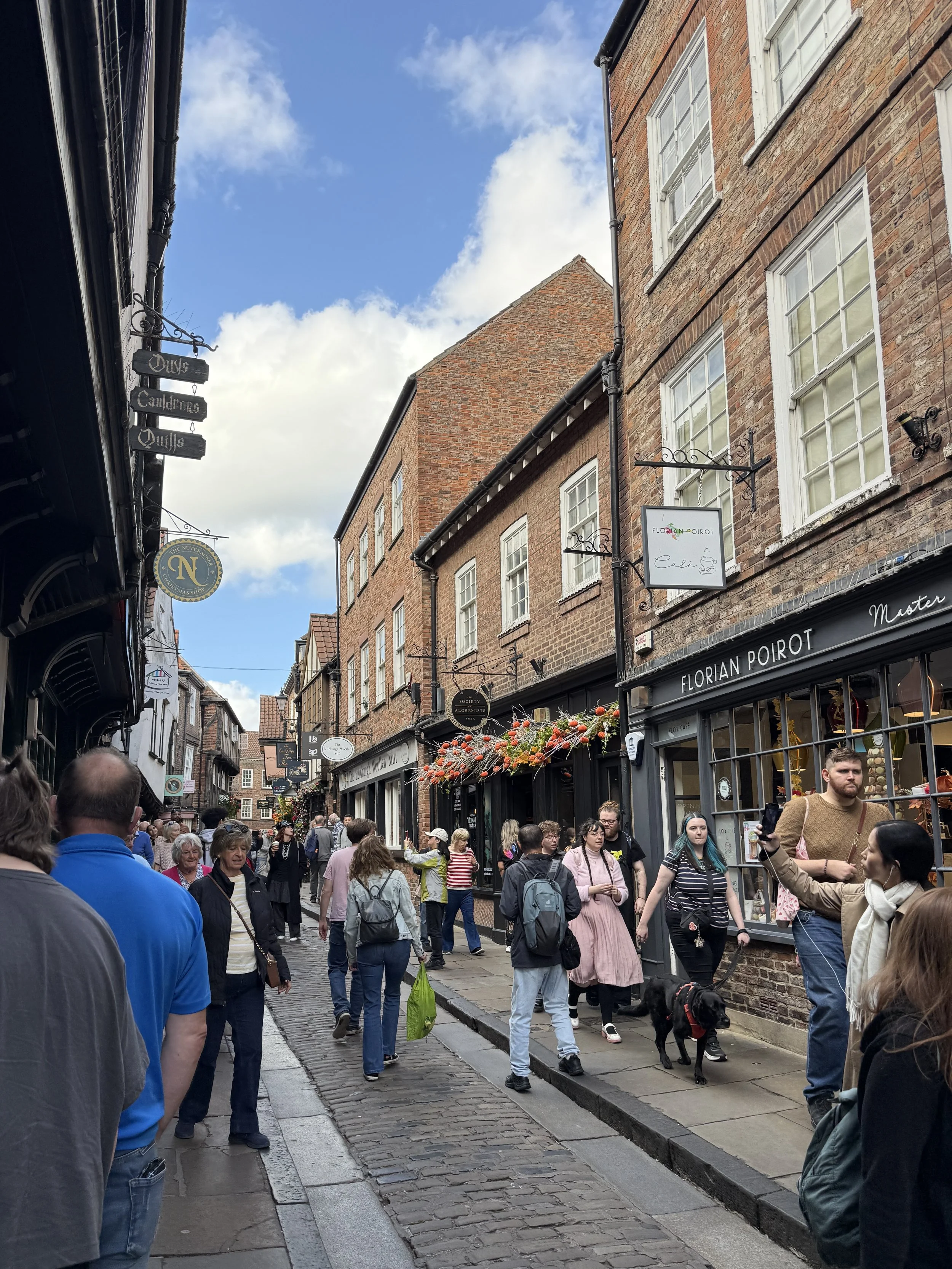
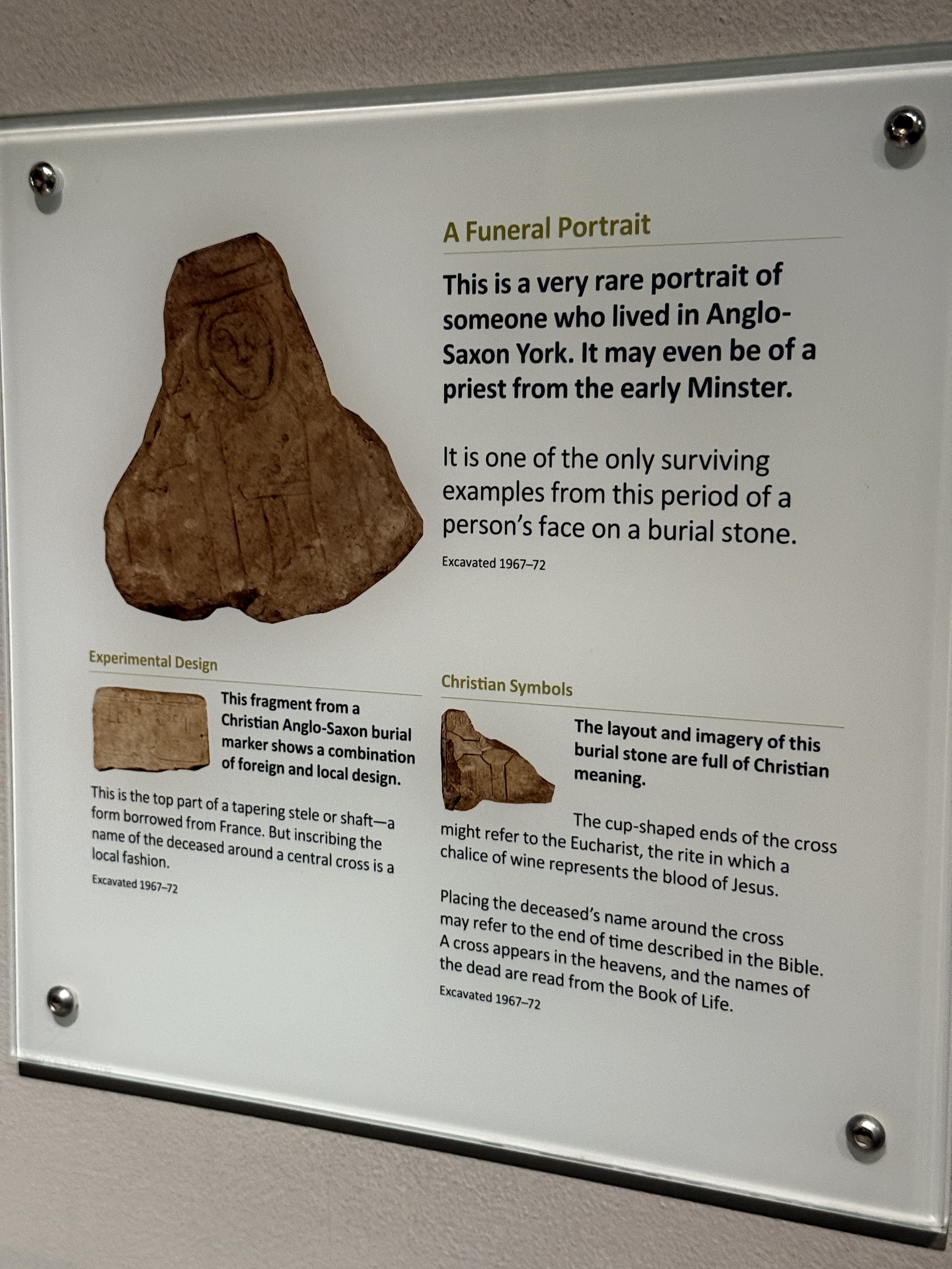
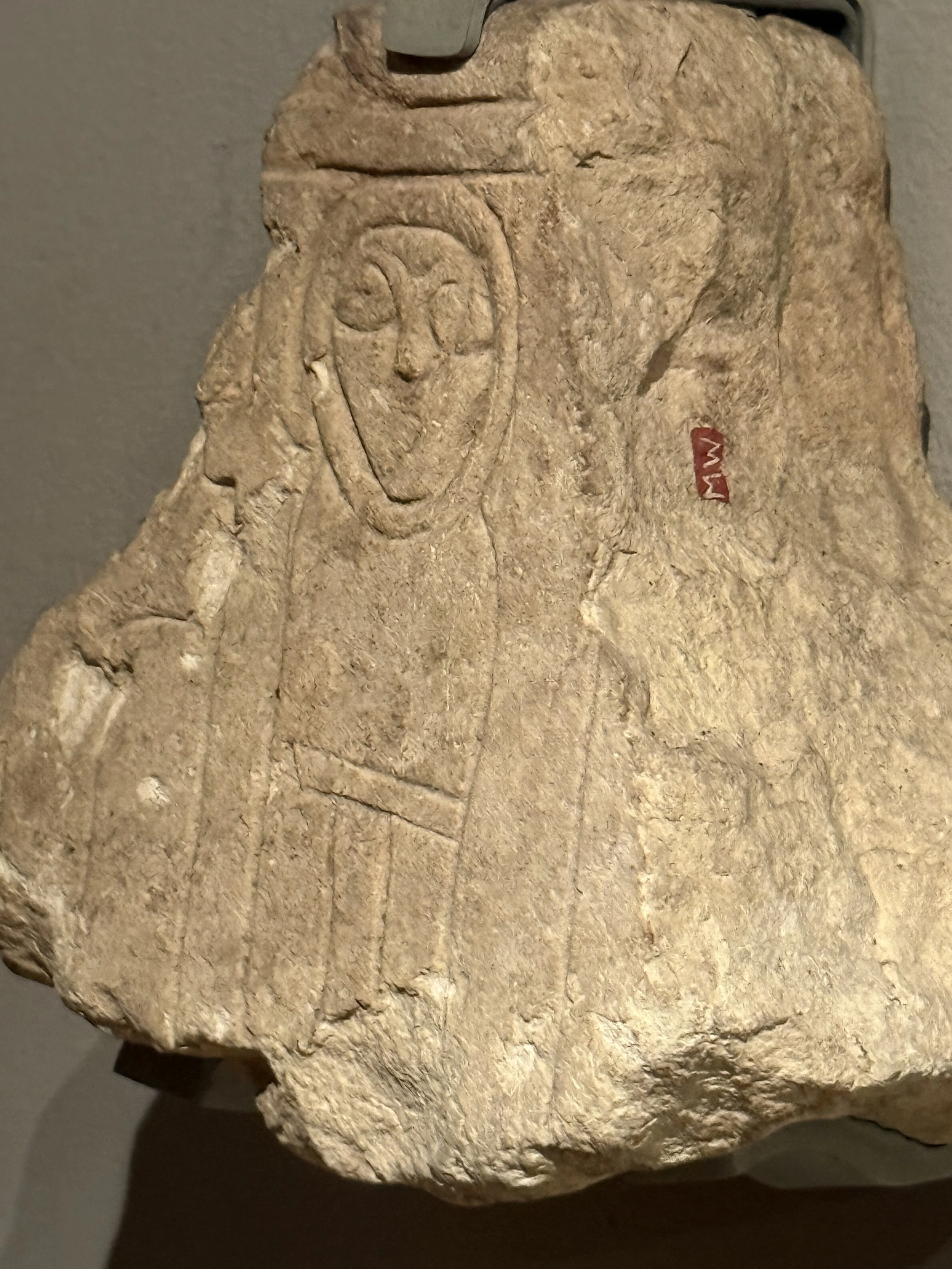
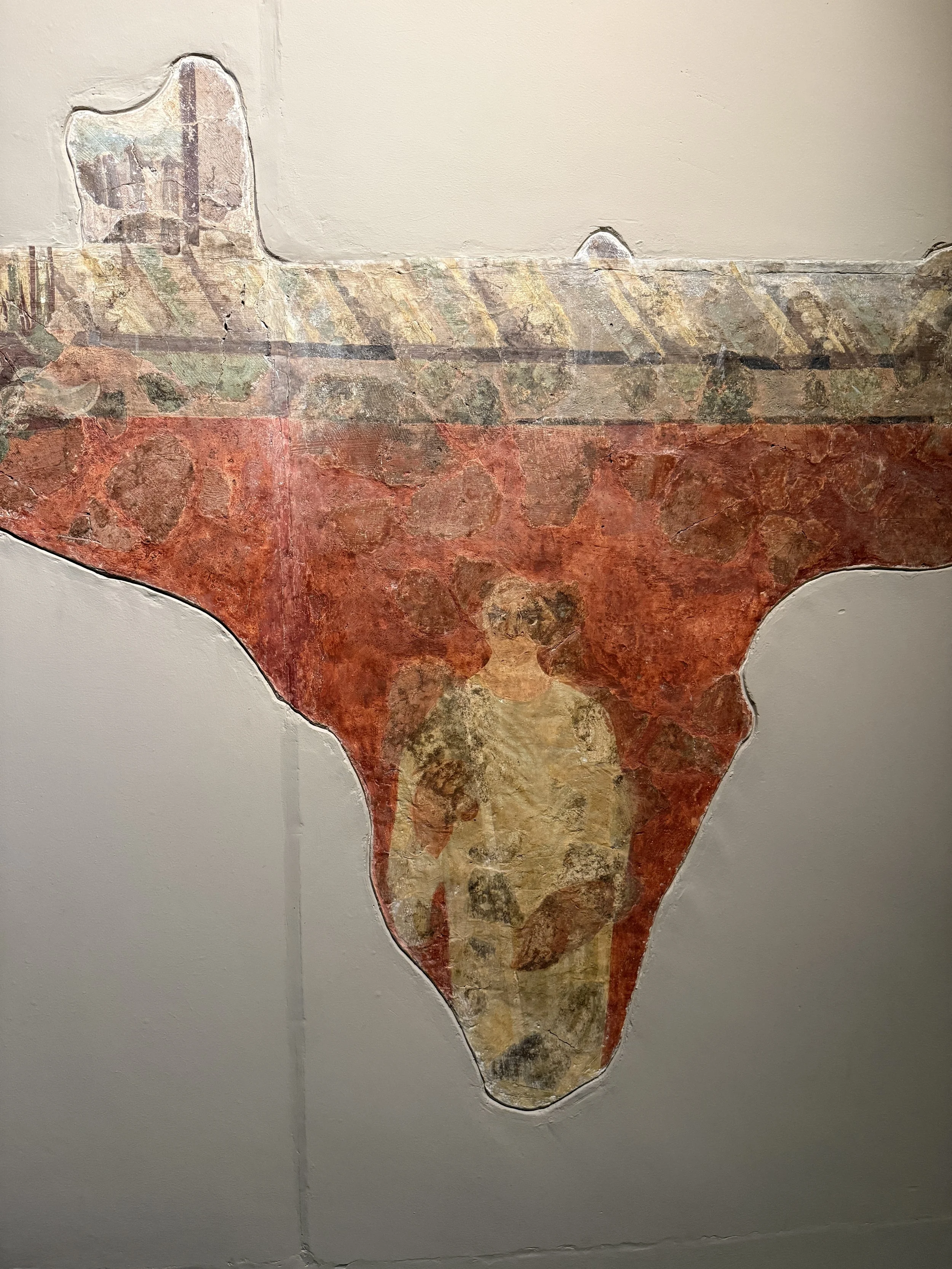
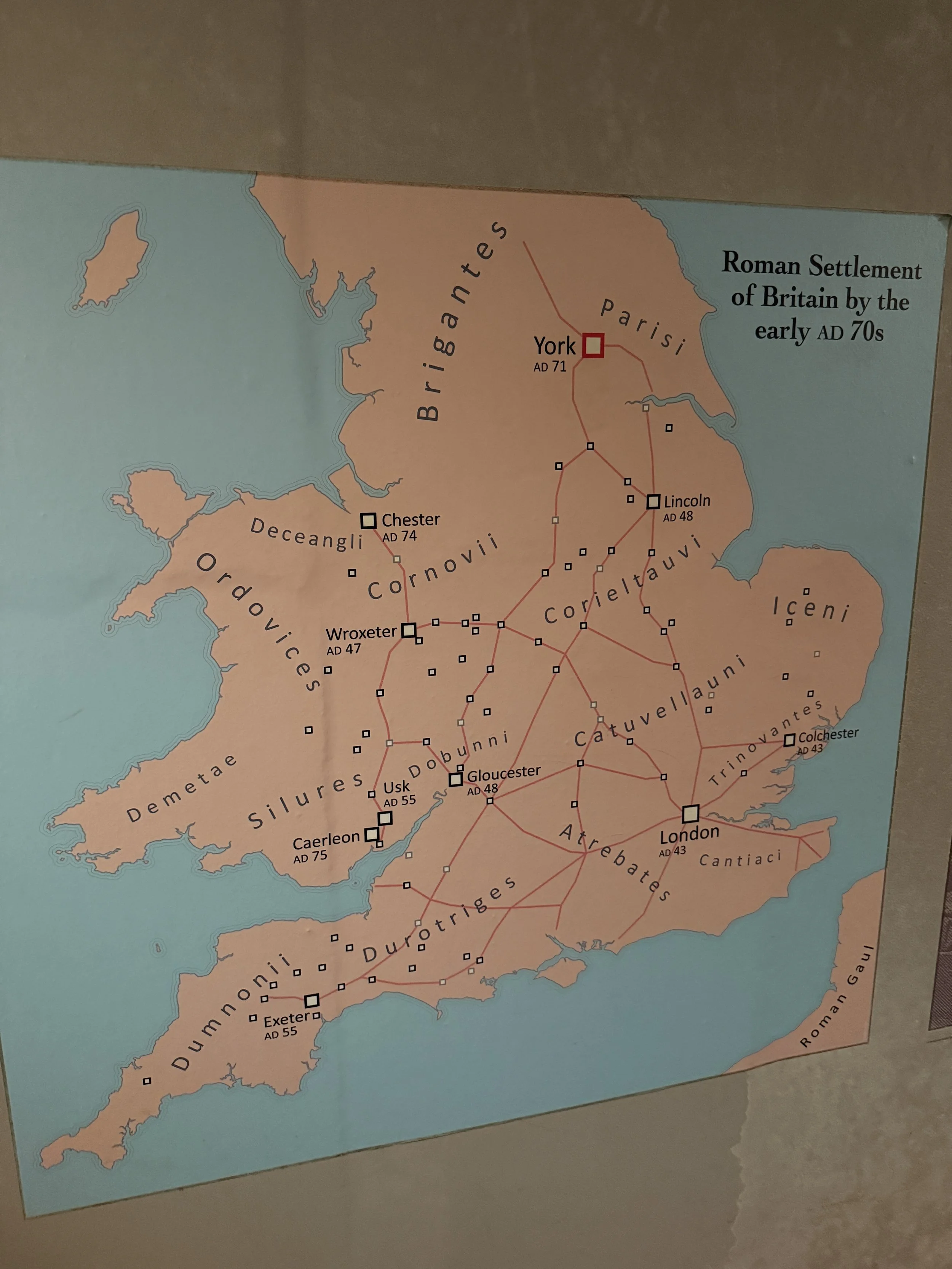
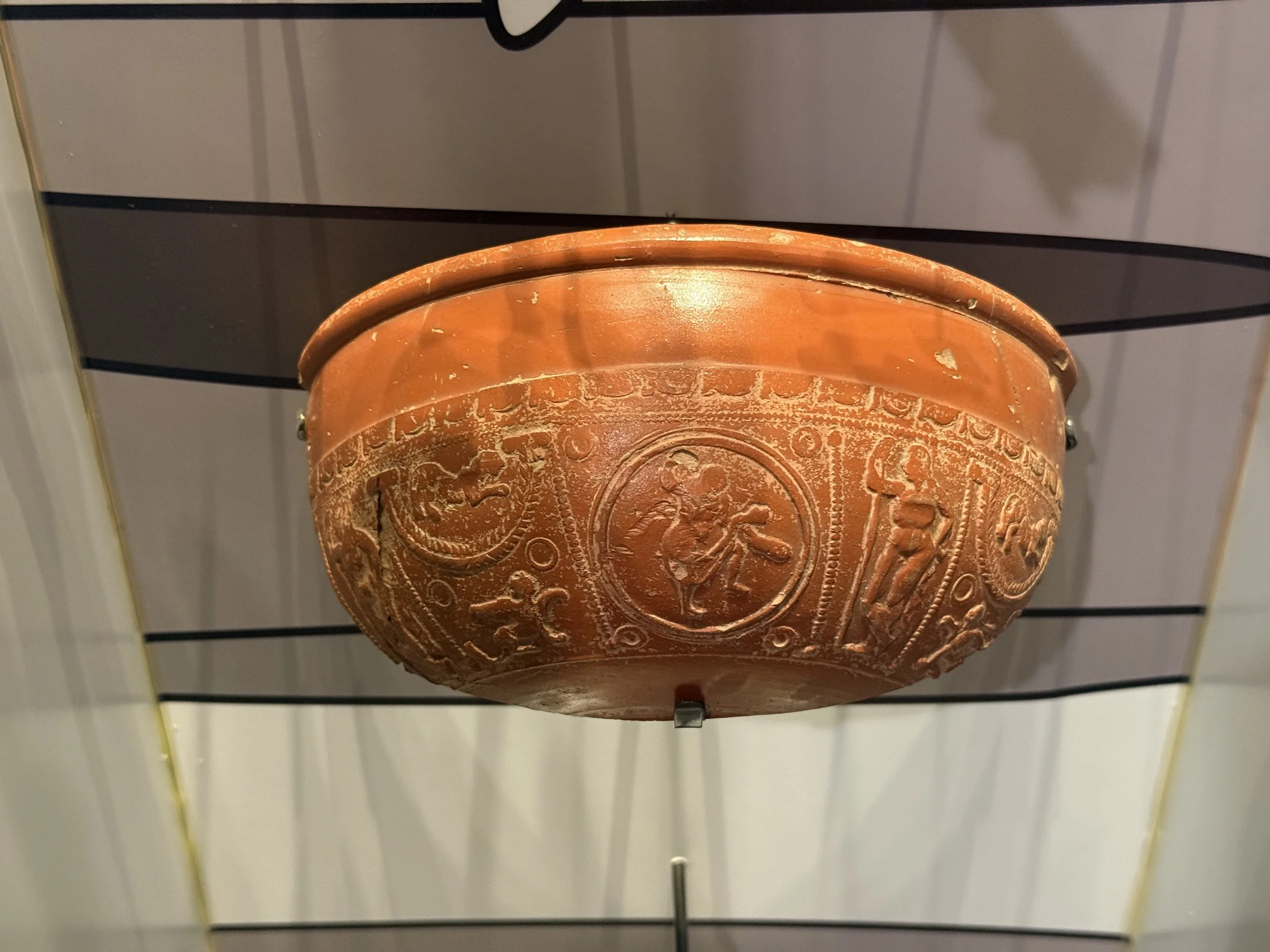
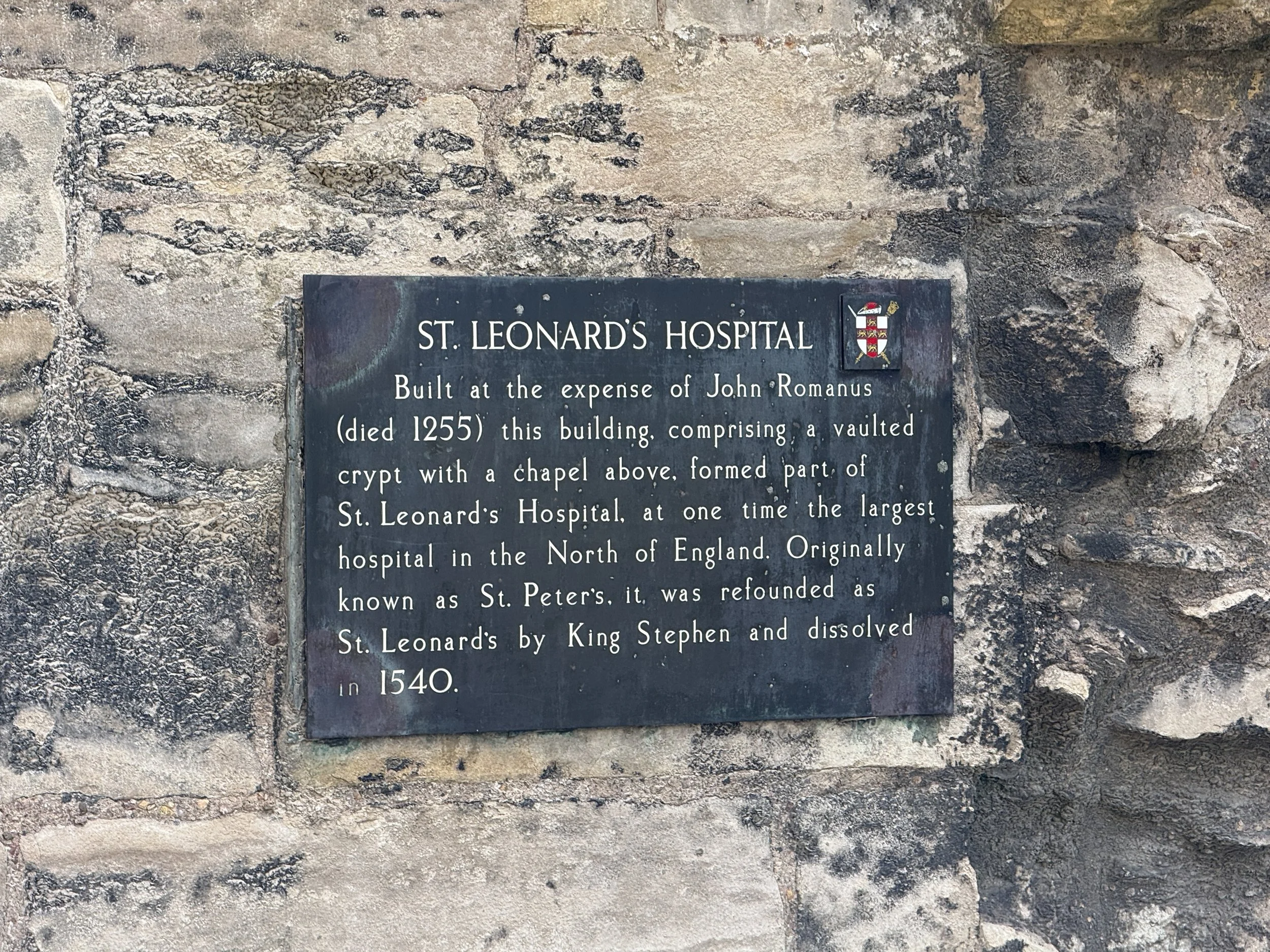
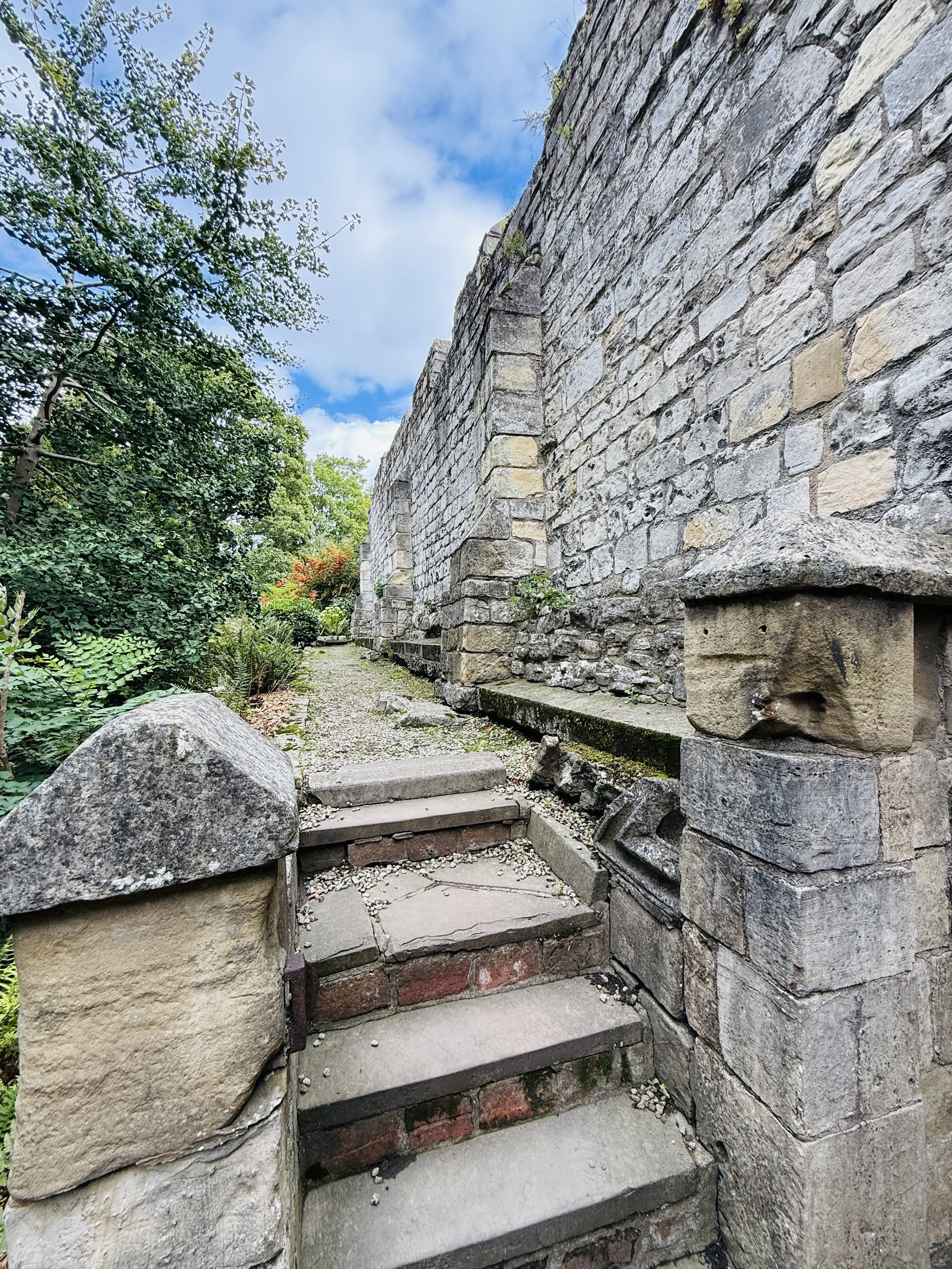
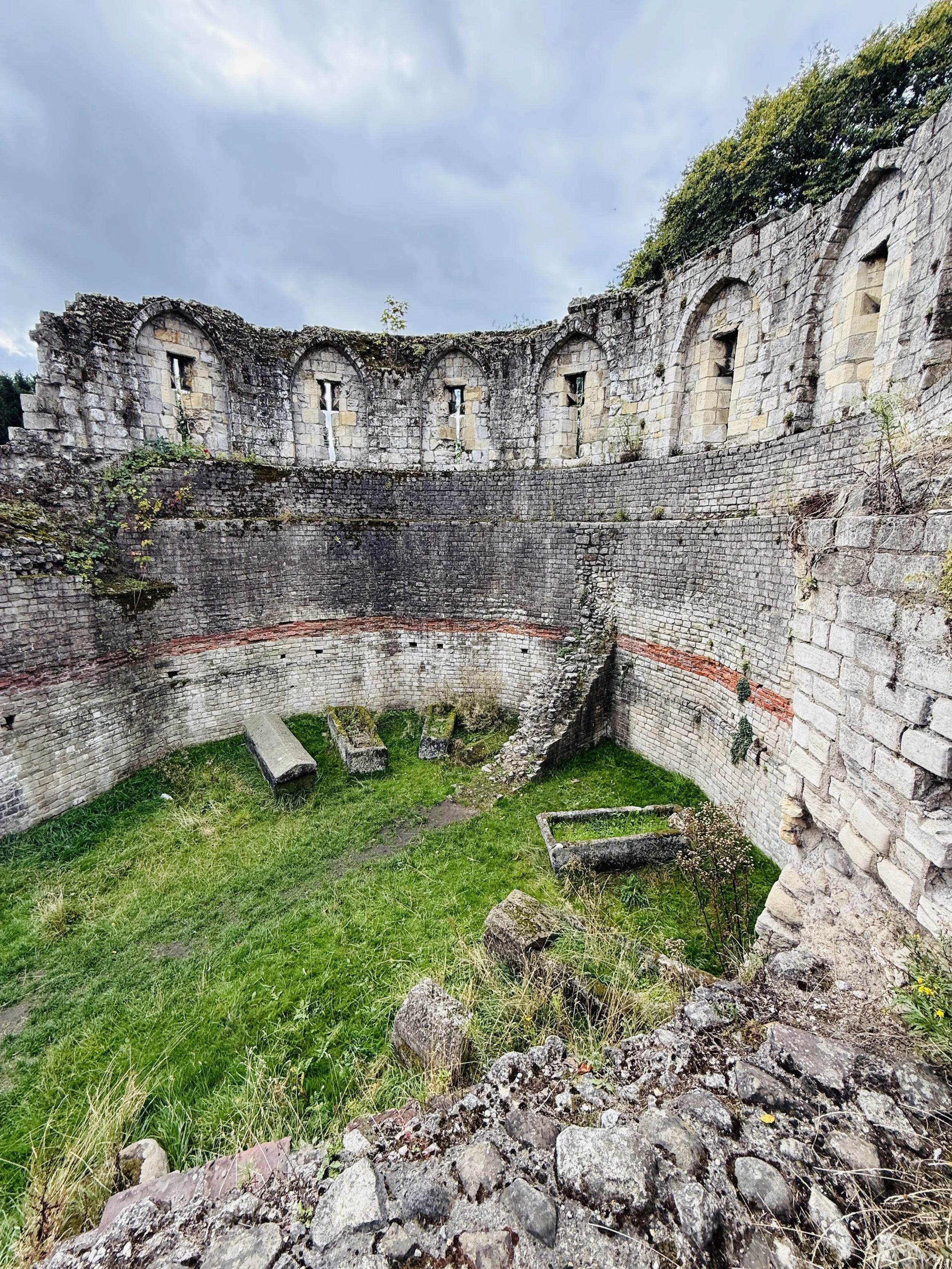
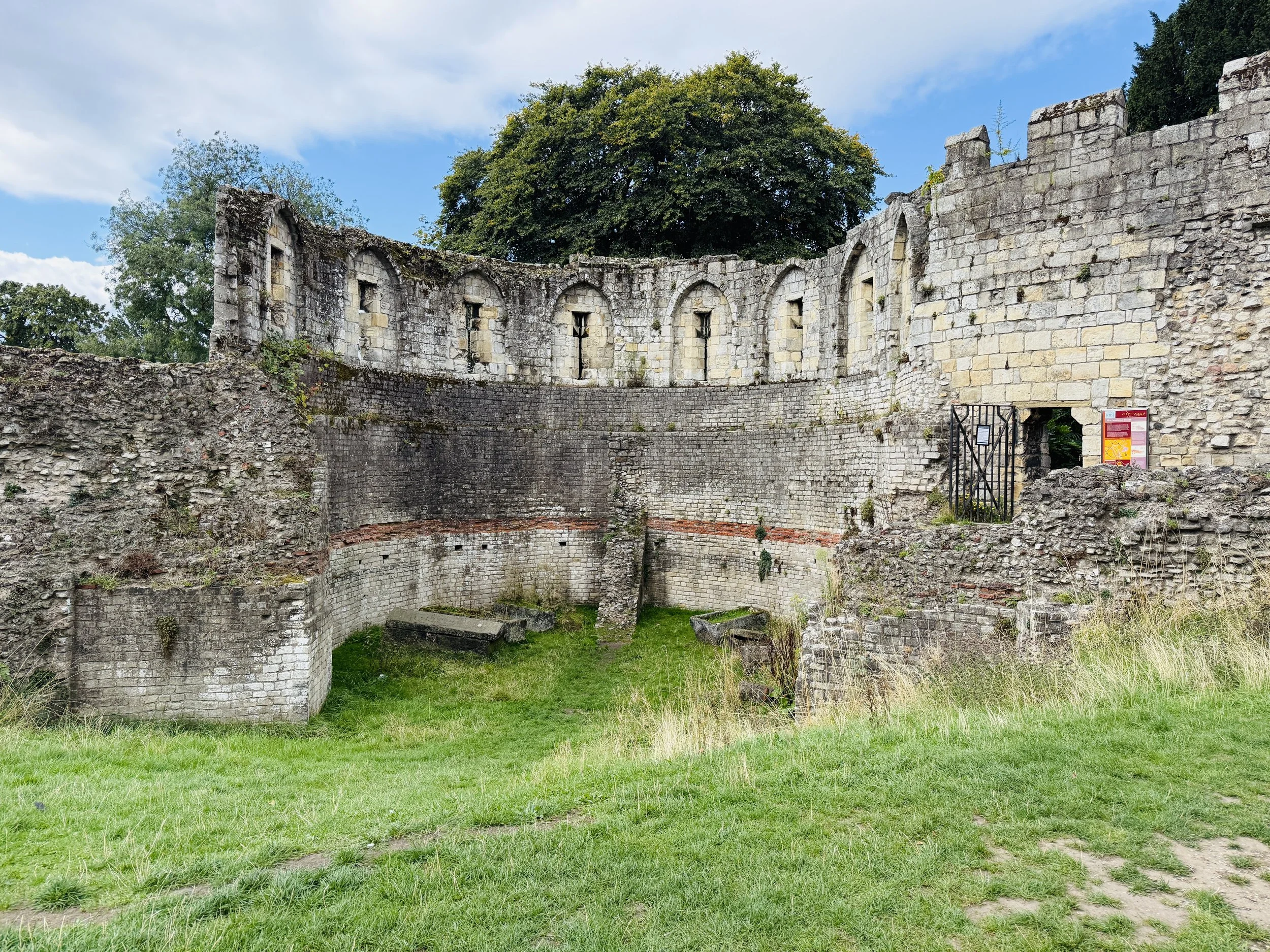
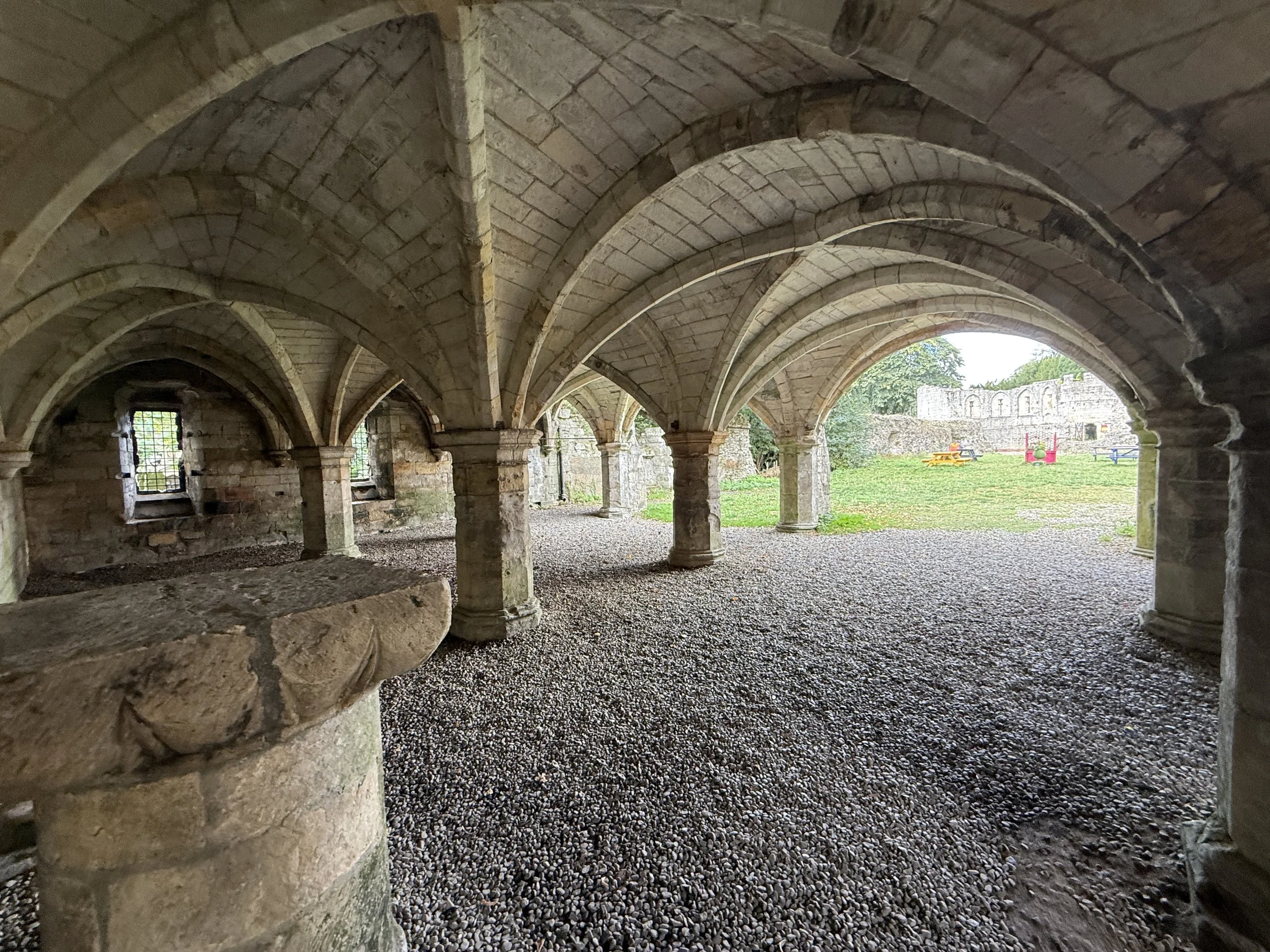
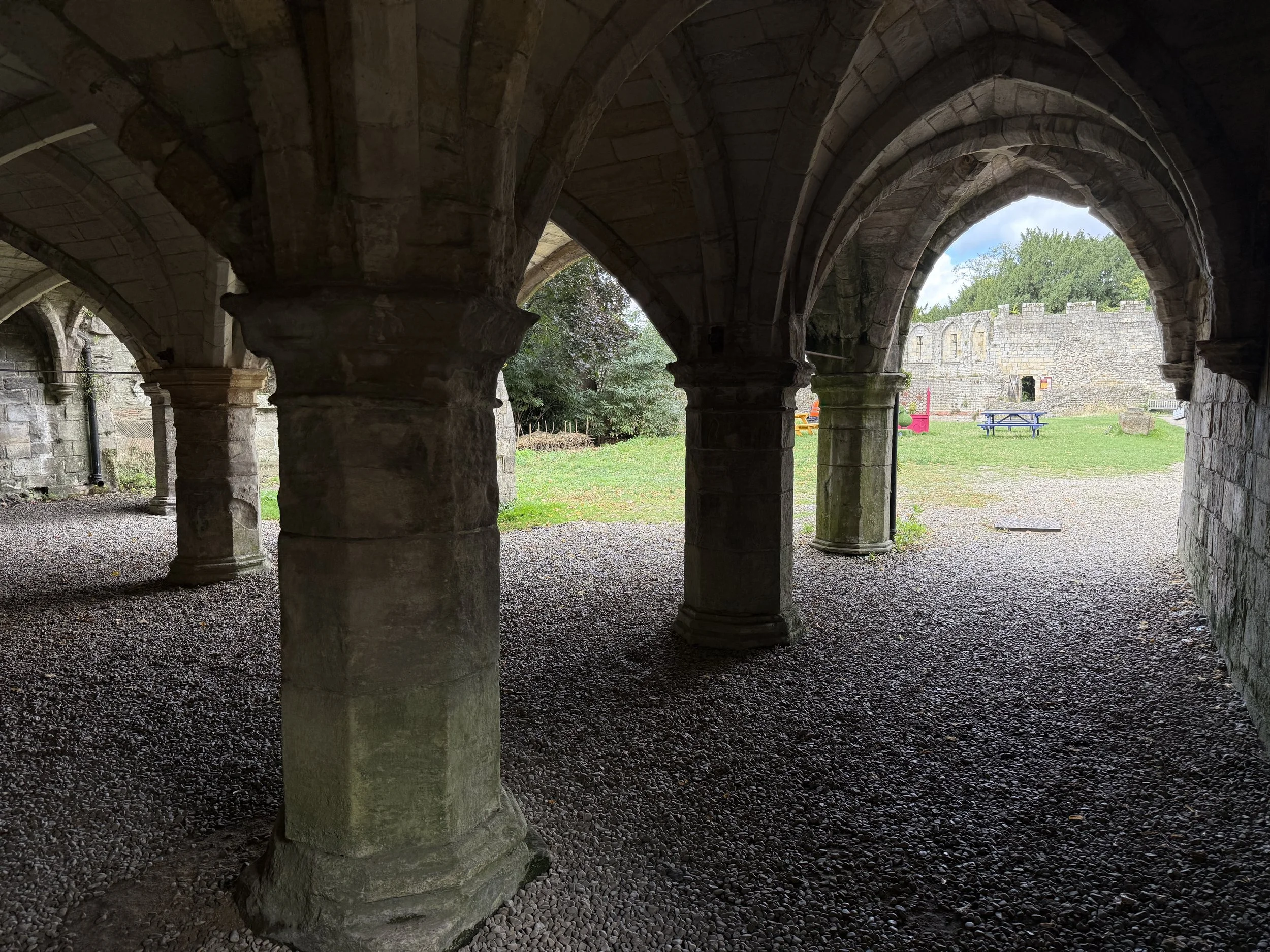
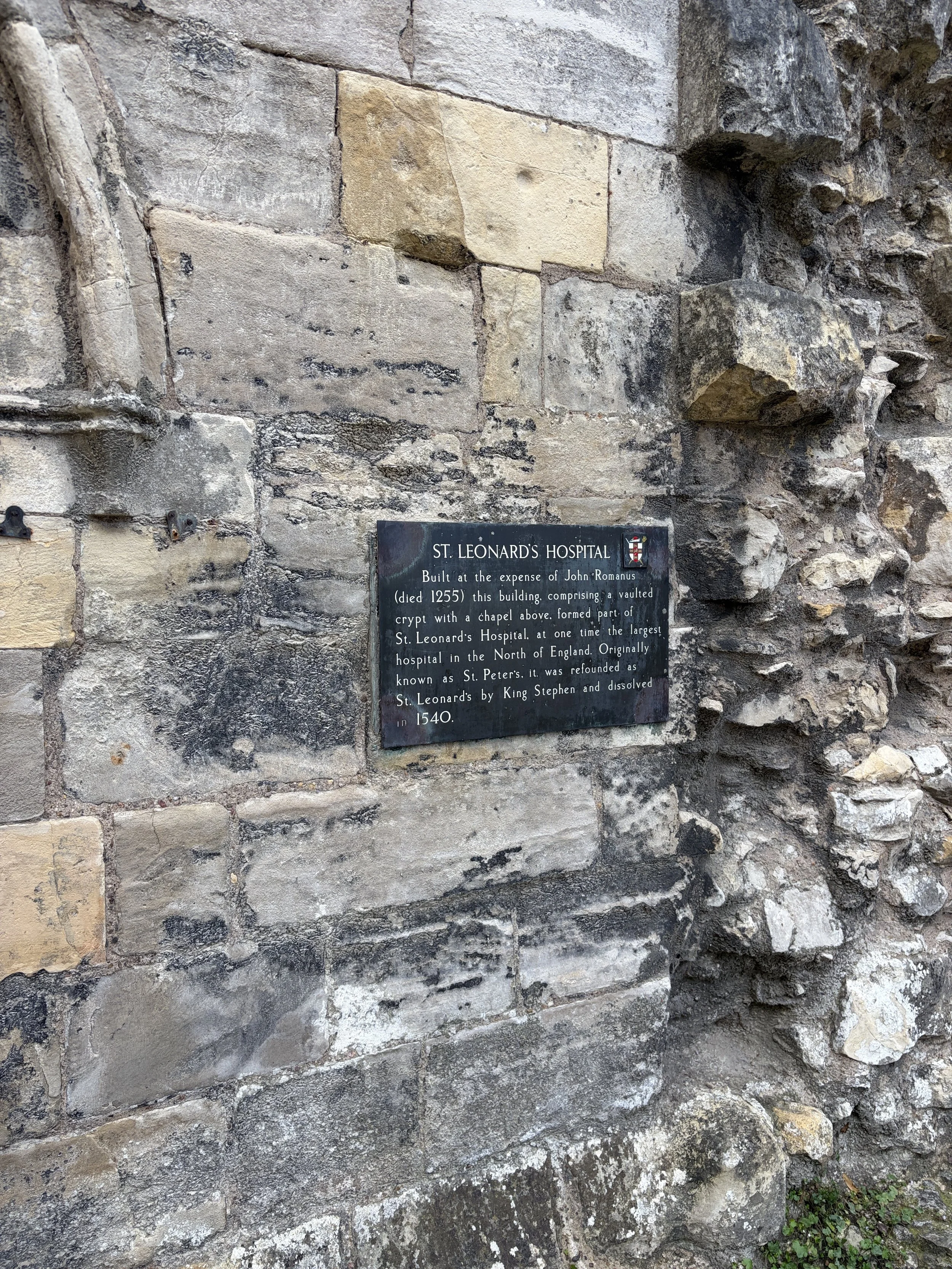
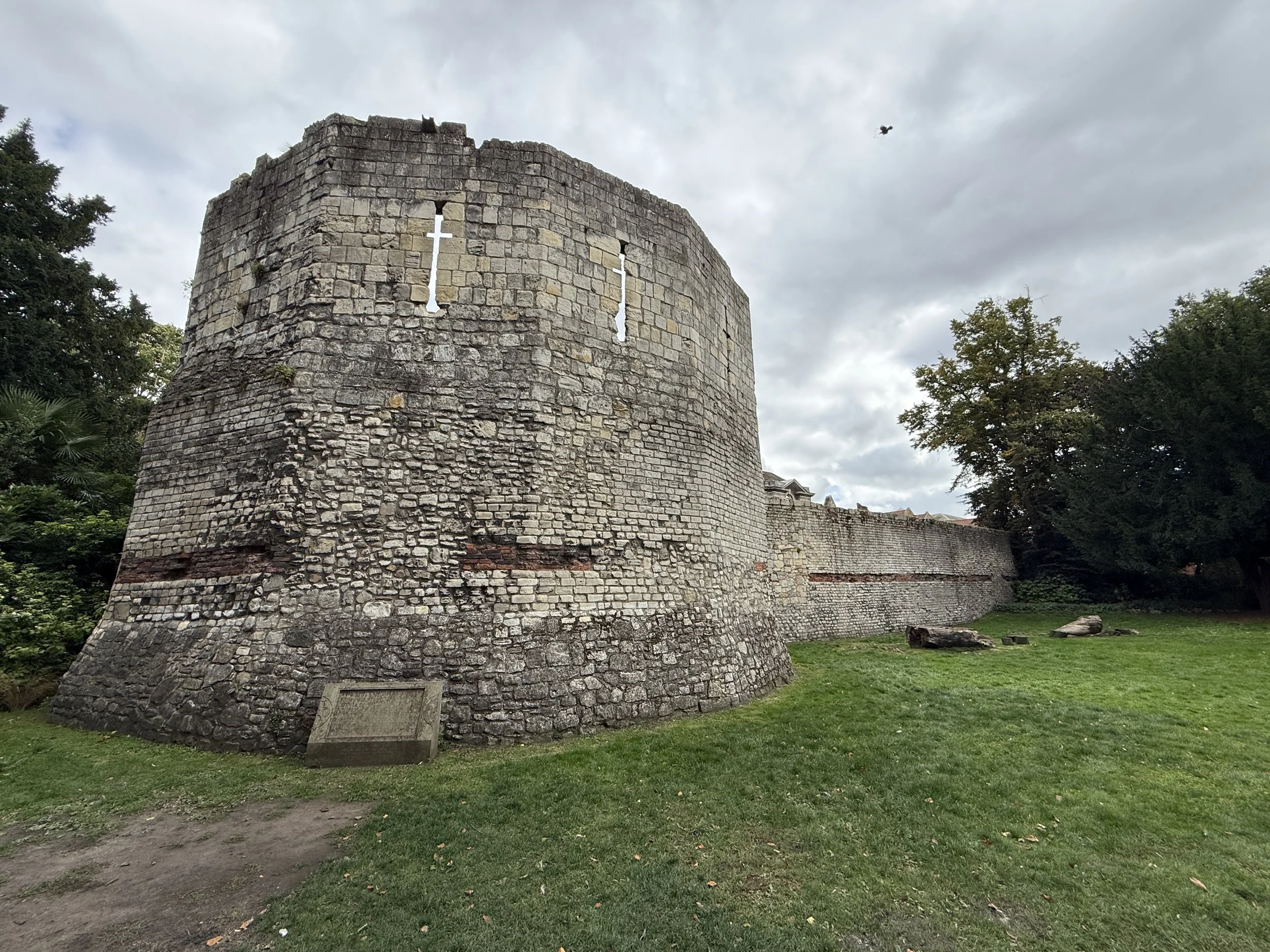
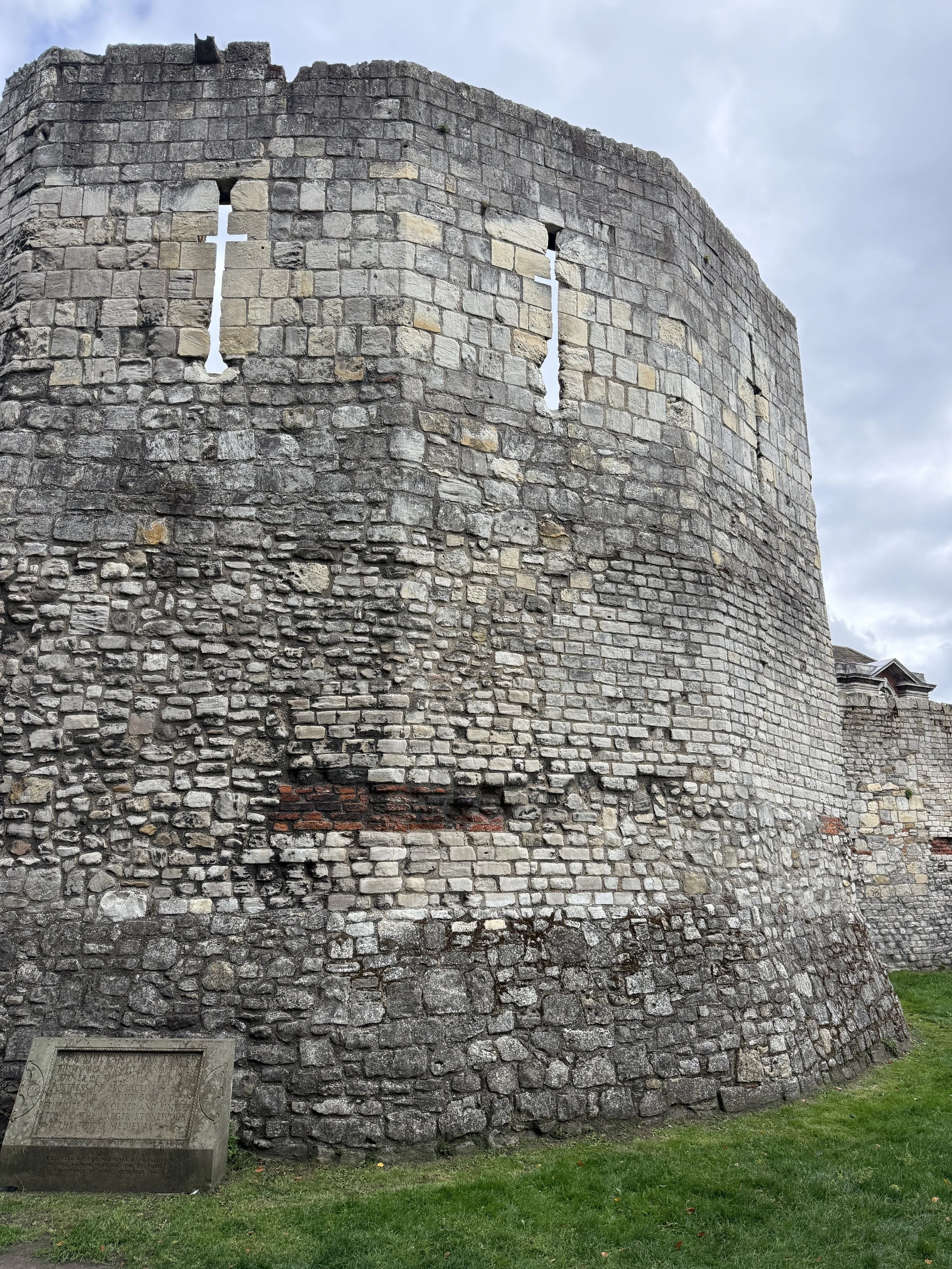
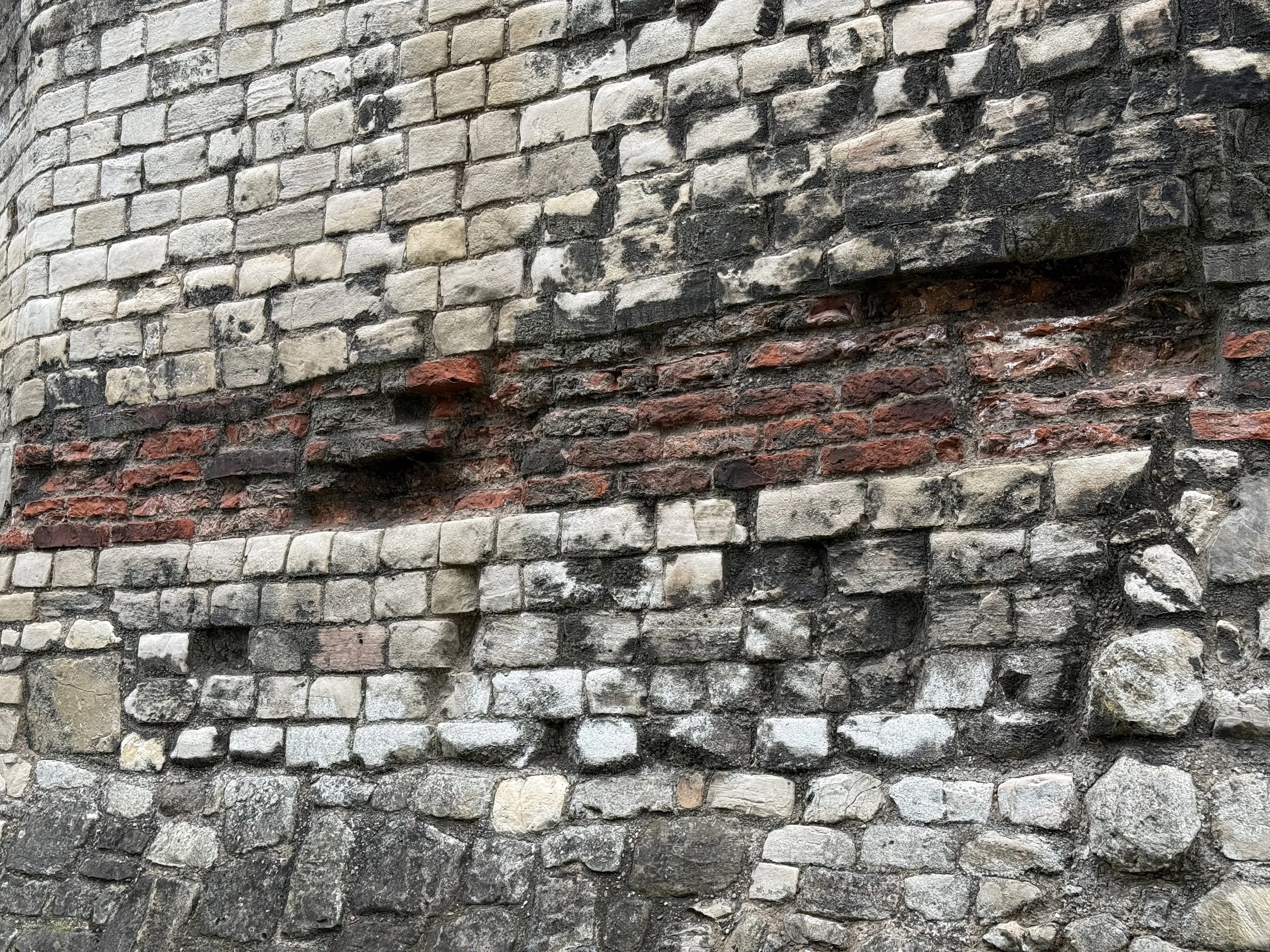
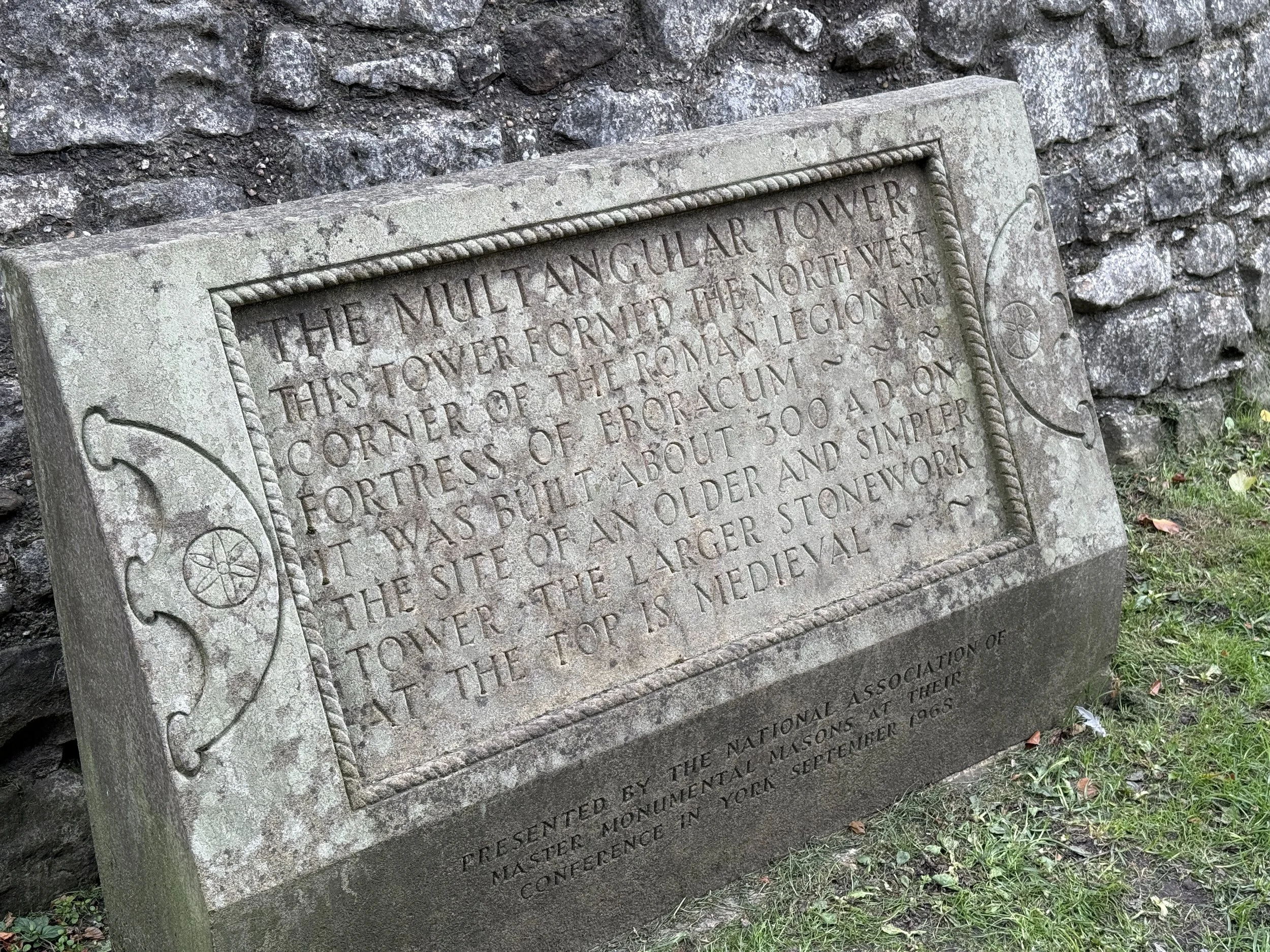
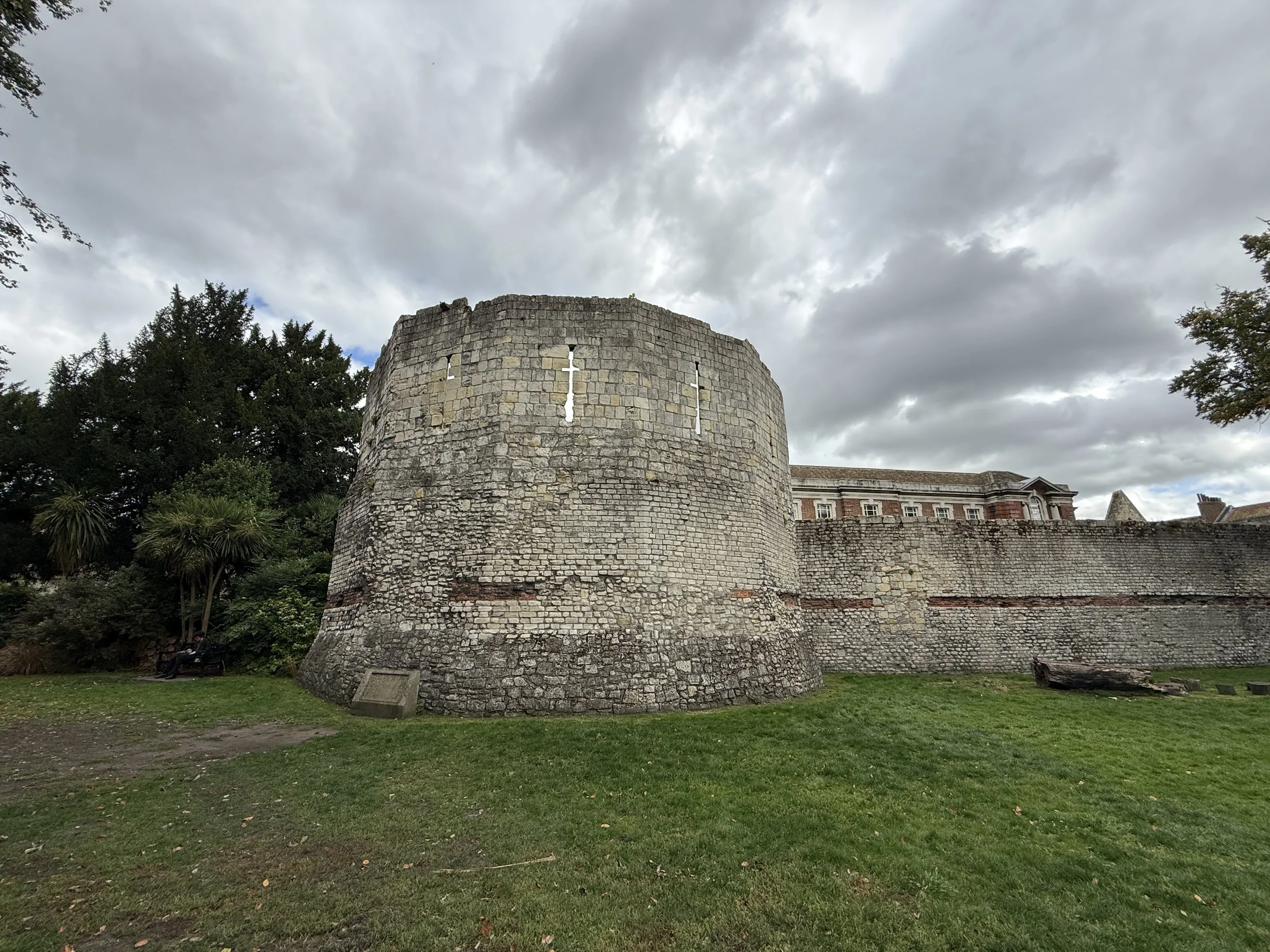
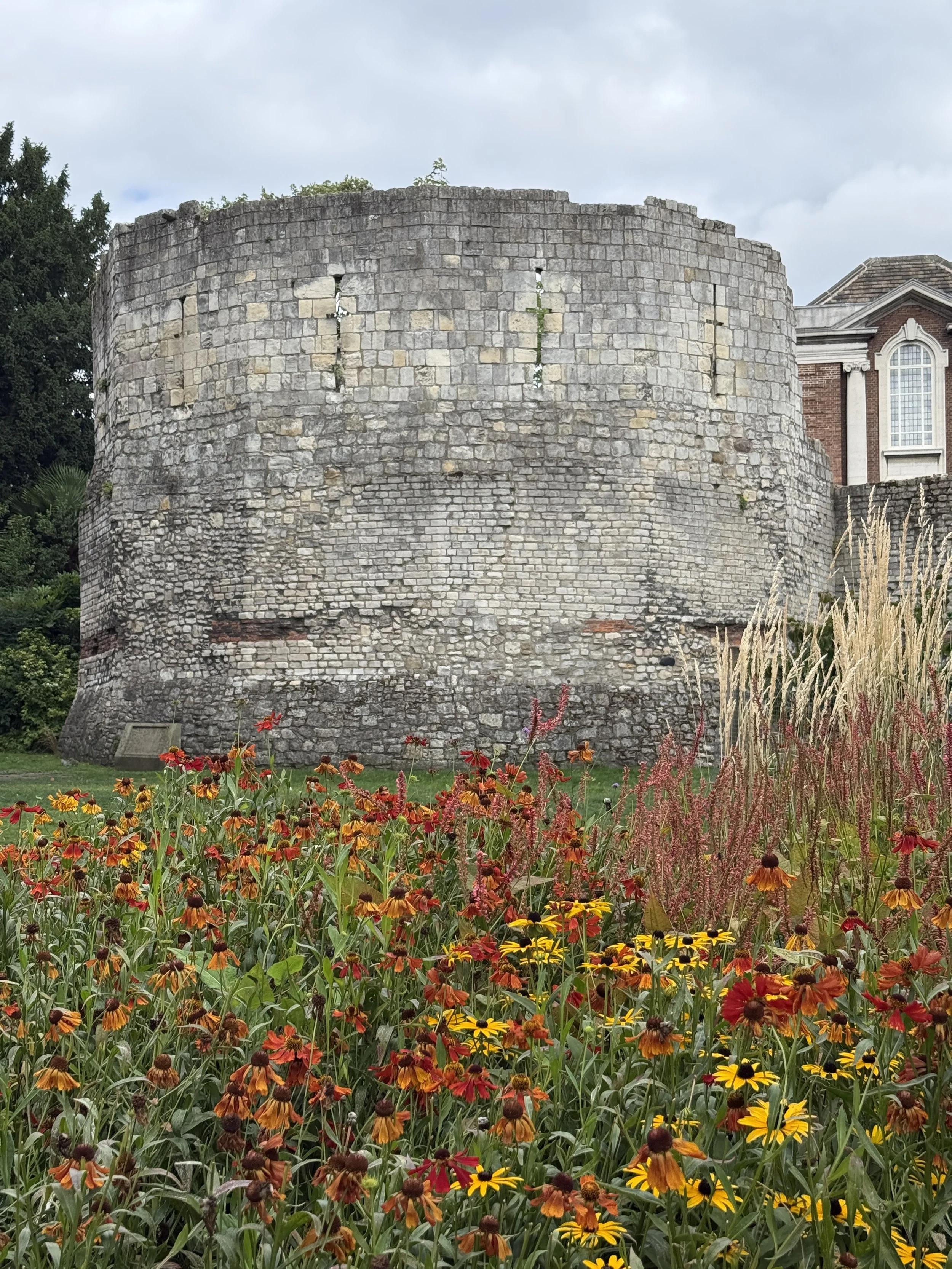
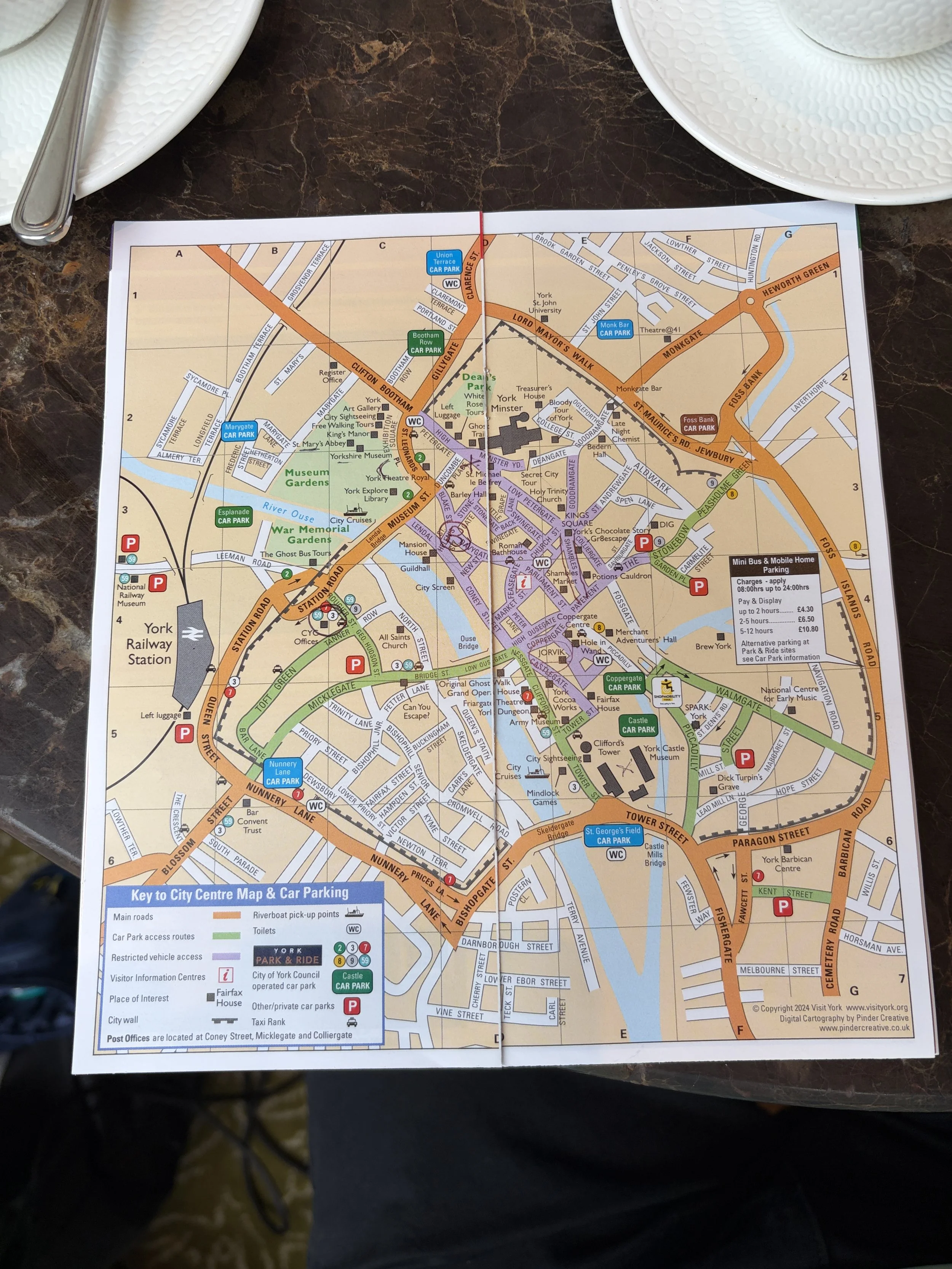
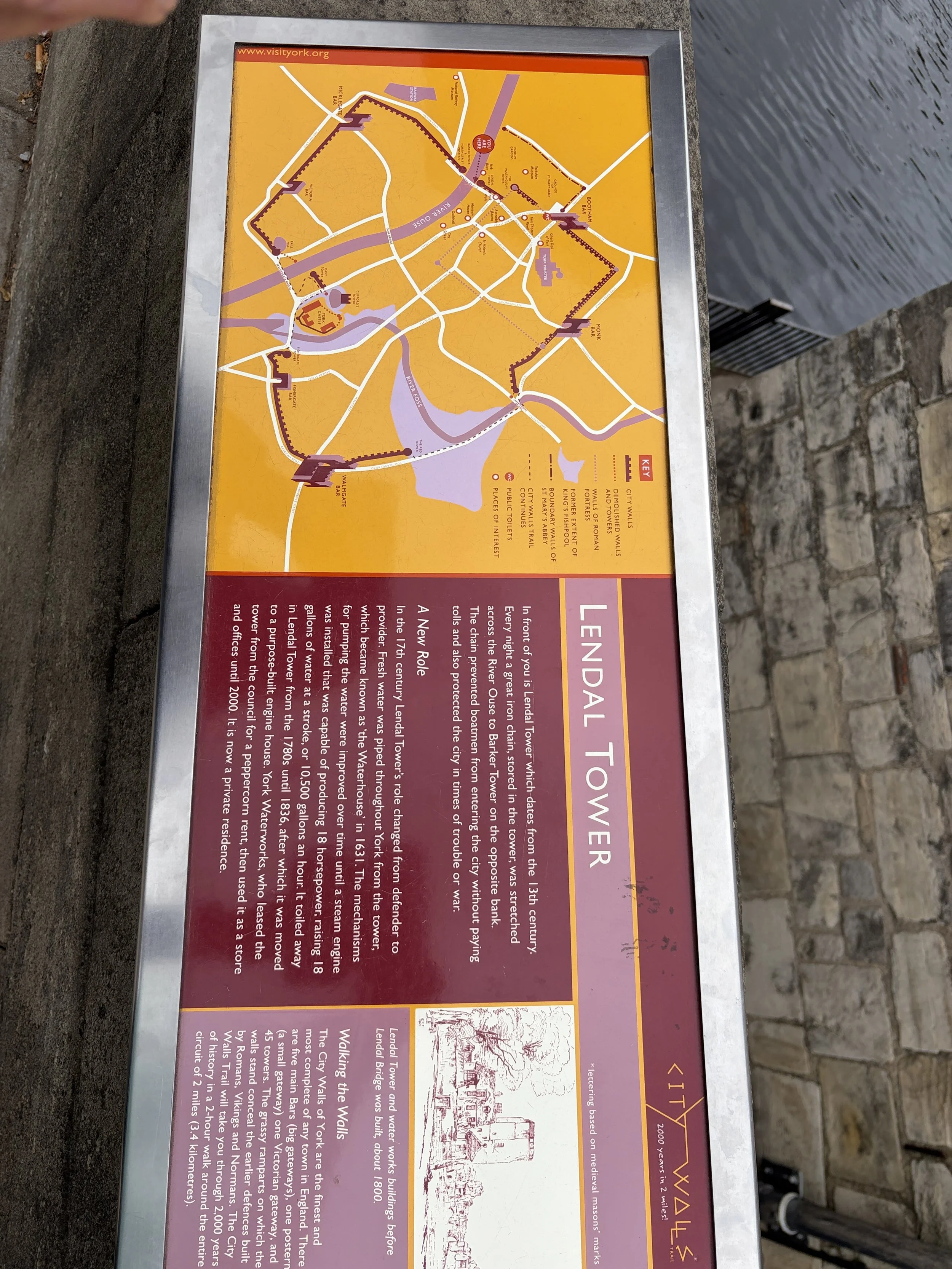
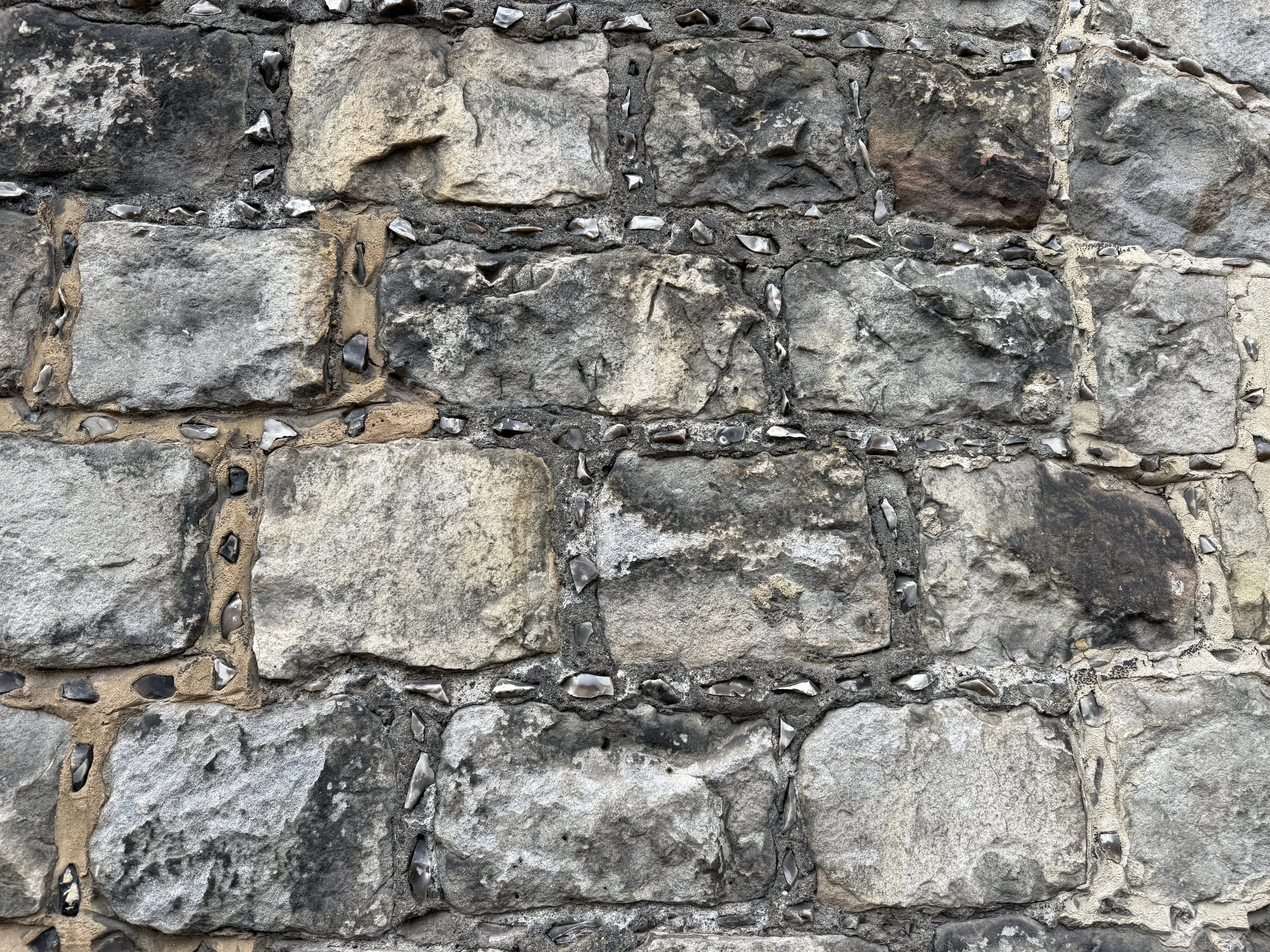
From Liverpool, we boarded the train for York, traveling into one of England’s great historic cities. York seems to reveal another period of English history around every corner. We explored the ancient city walls, whose history stretches back to the Roman defenses of Eboracum nearly 2,000 years ago. Much of what stands today is medieval, built upon and around defenses that originated in Roman times.
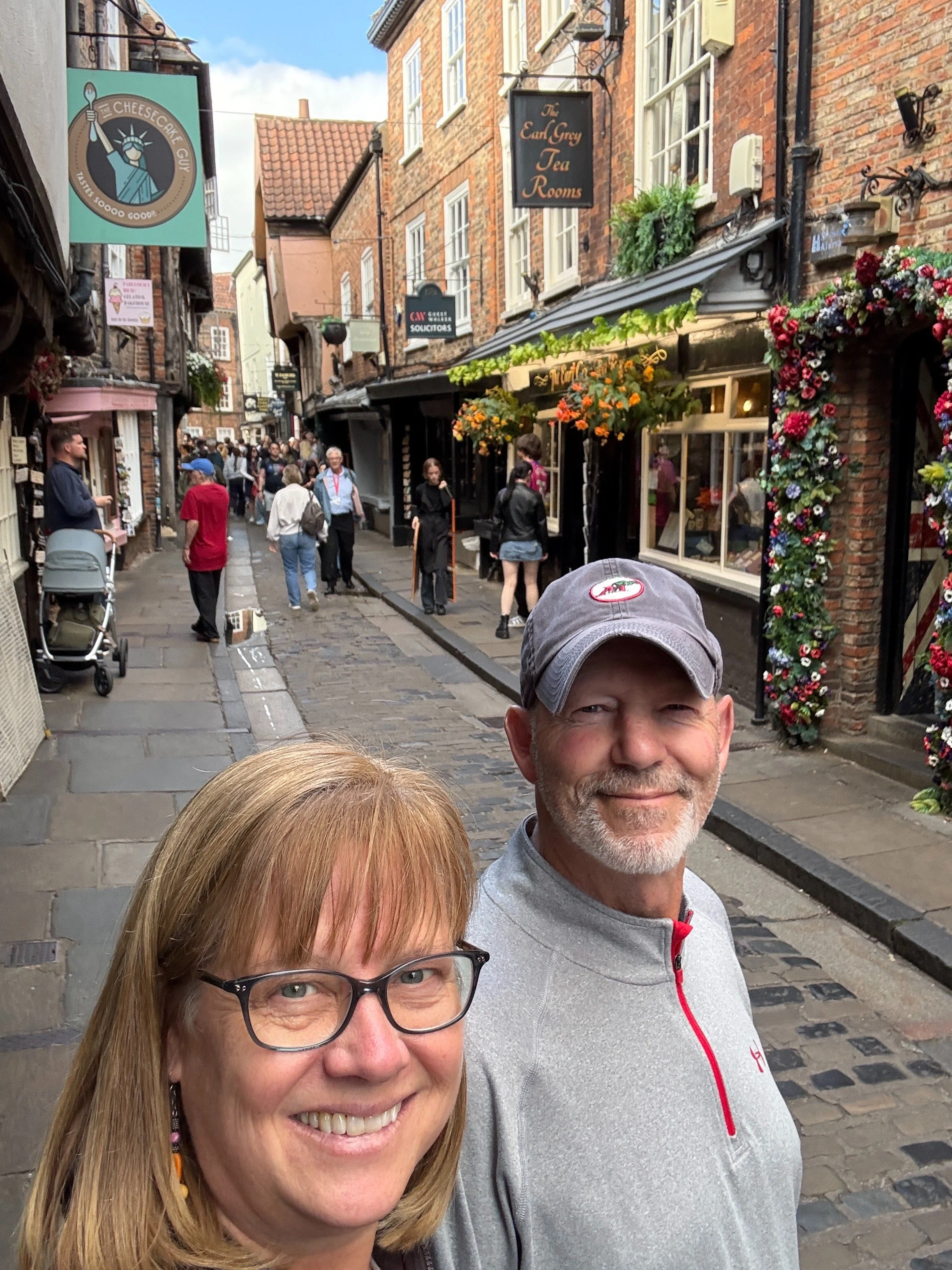
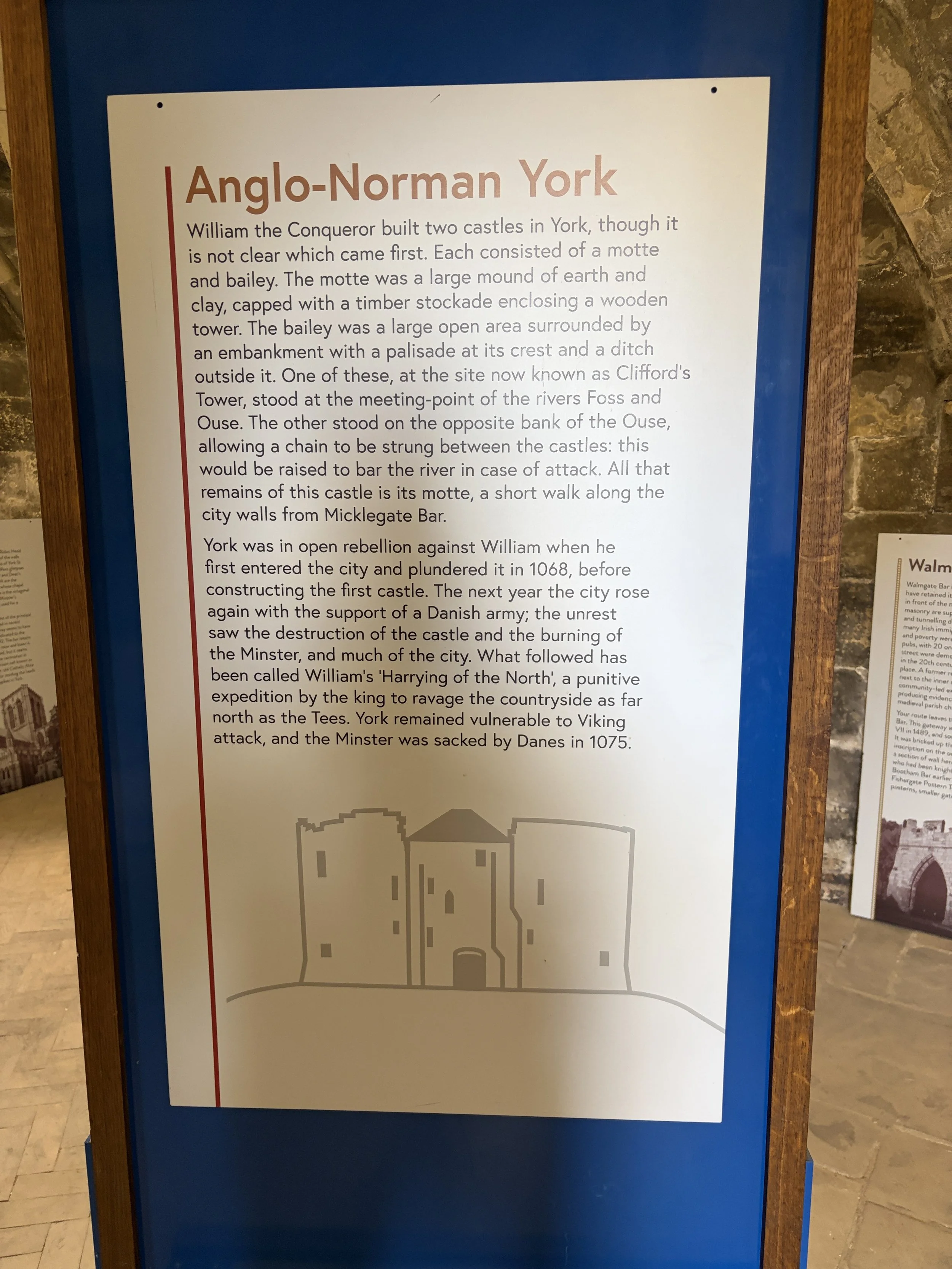
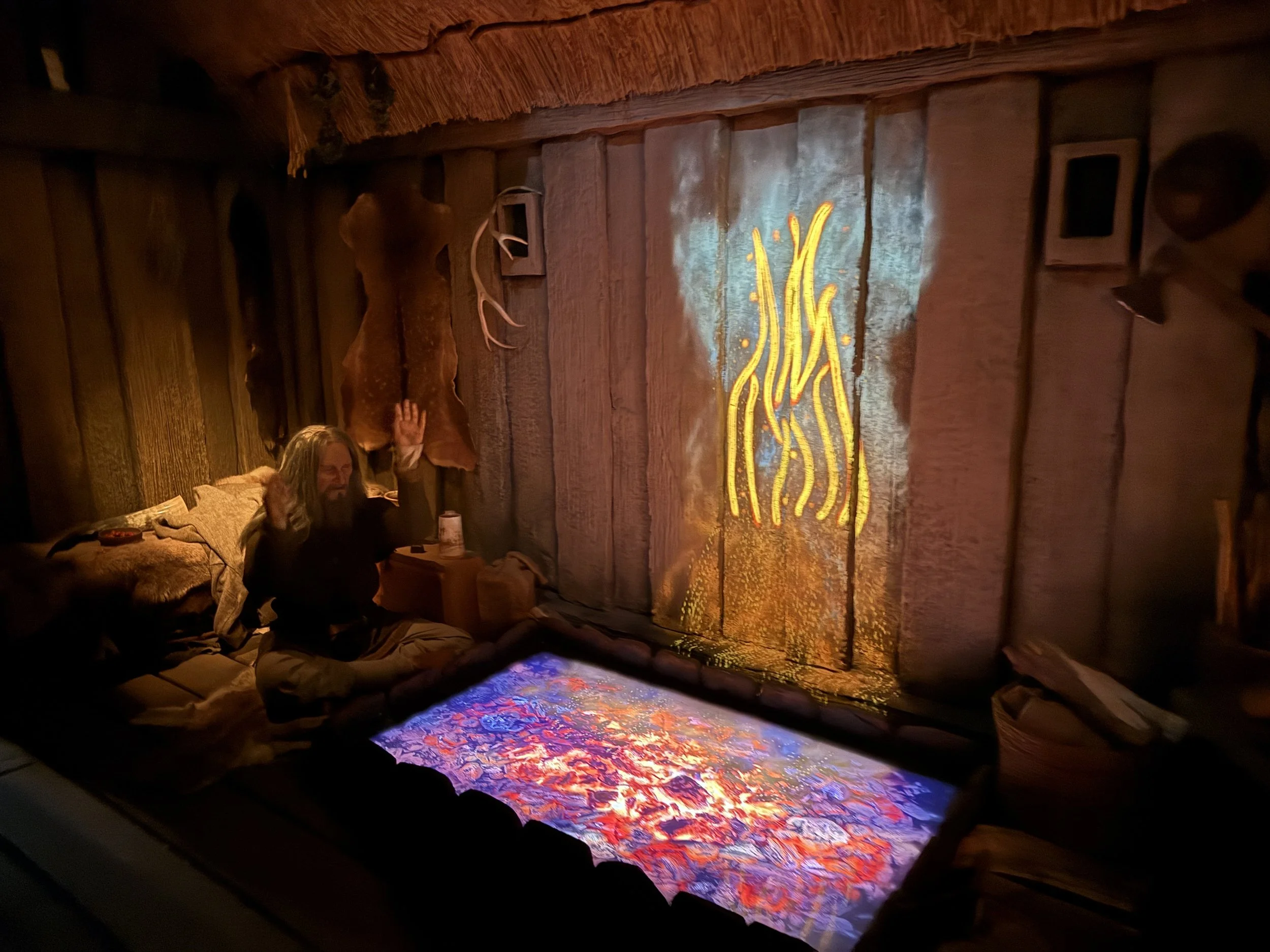
York’s story also includes a dramatic Viking chapter. In 866, a Viking army captured the city, which became known as Jórvík and developed into an important center of Viking power, commerce, and trade. The Norse influence lasted for generations and left its mark on York’s culture, archaeology, street names, and identity—an influence that can still be felt in the city today.
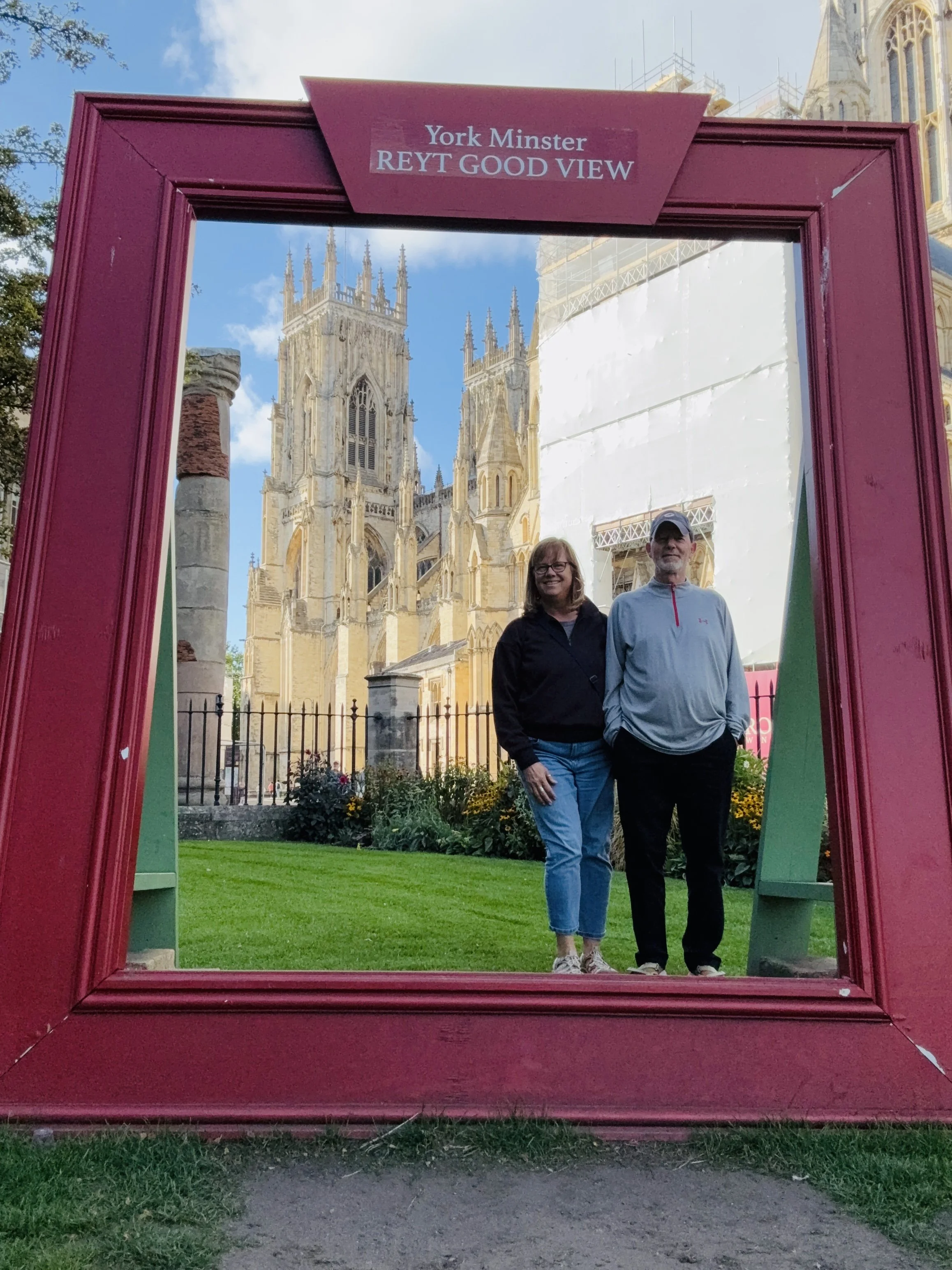
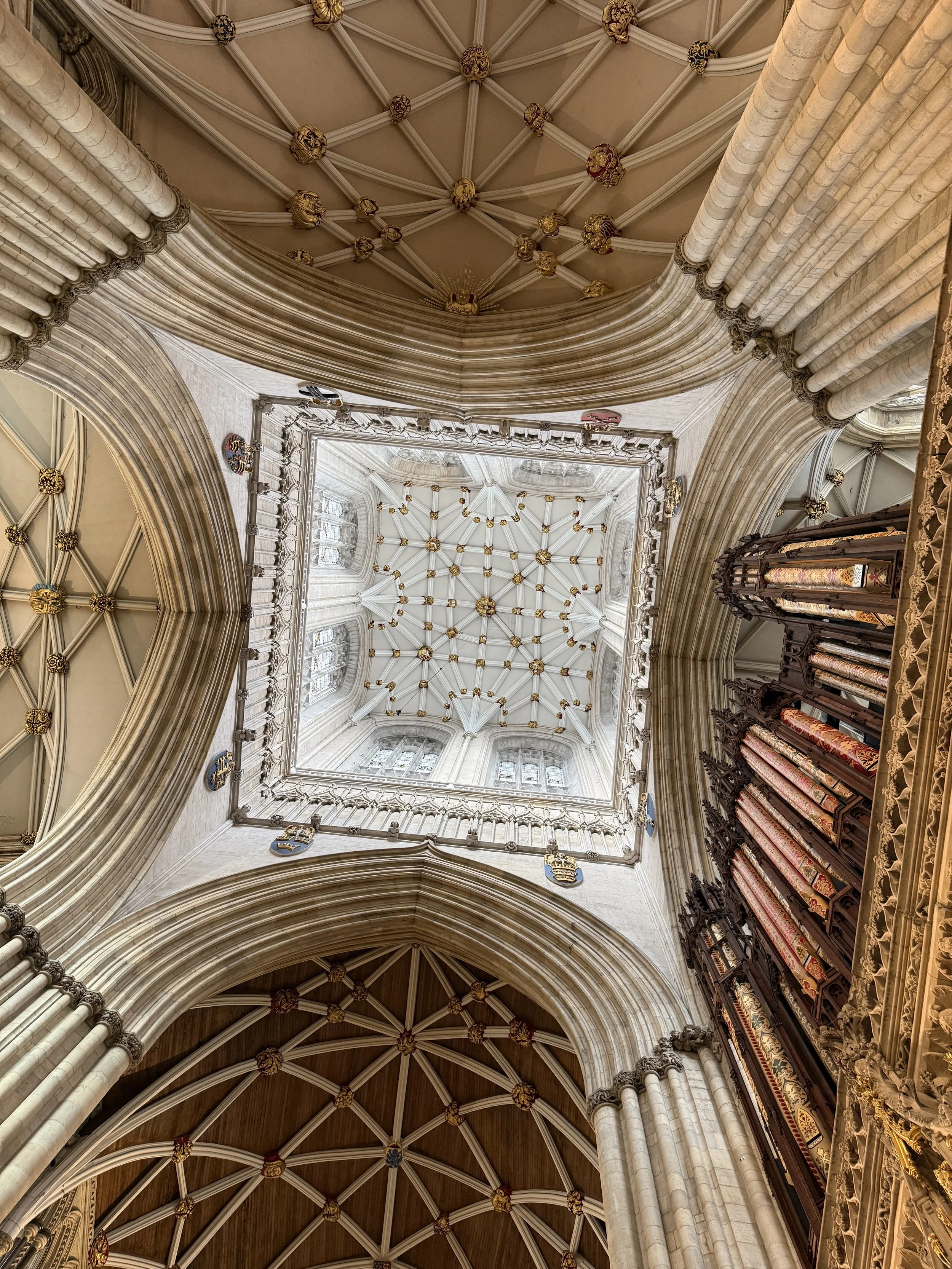
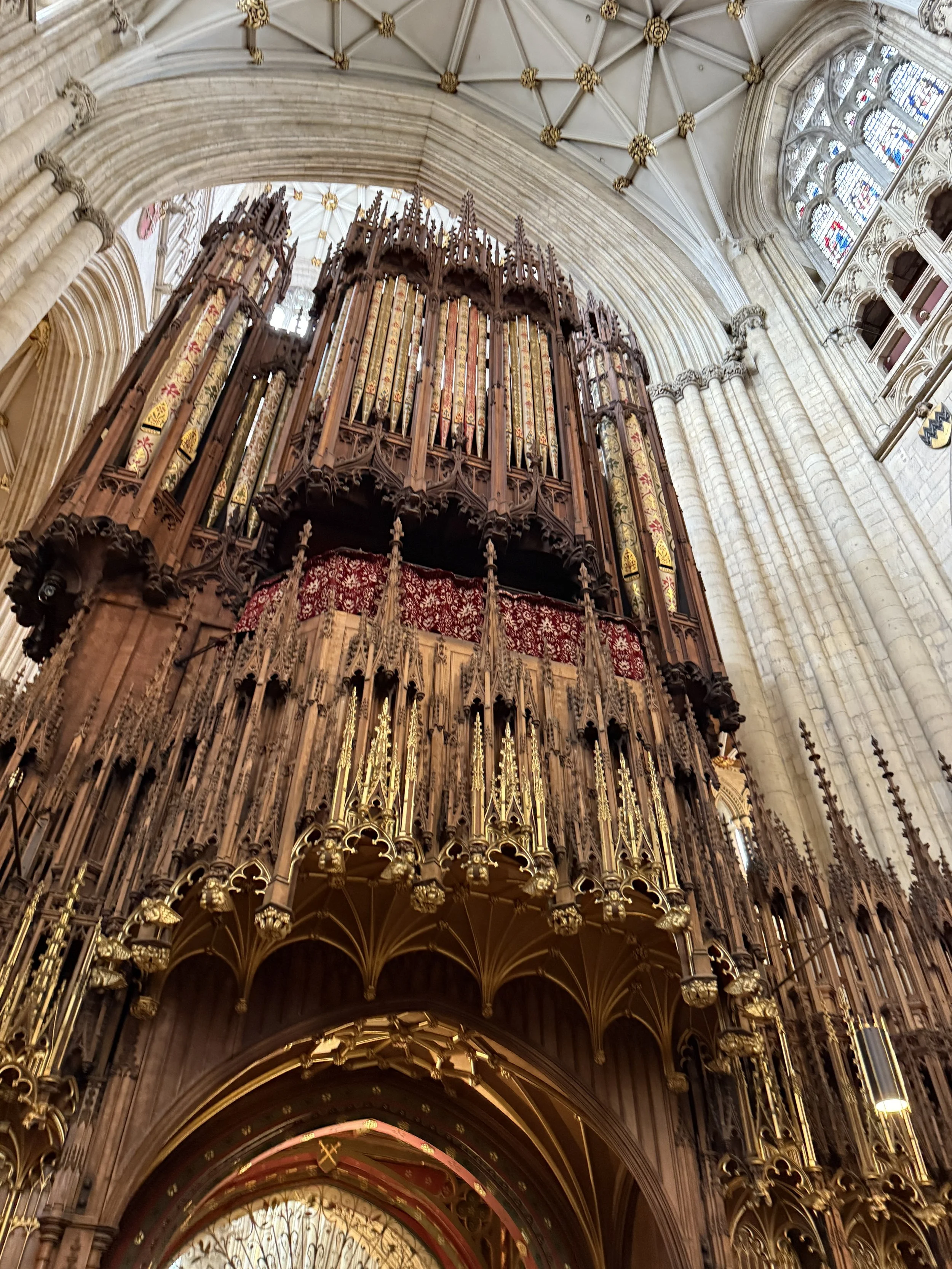
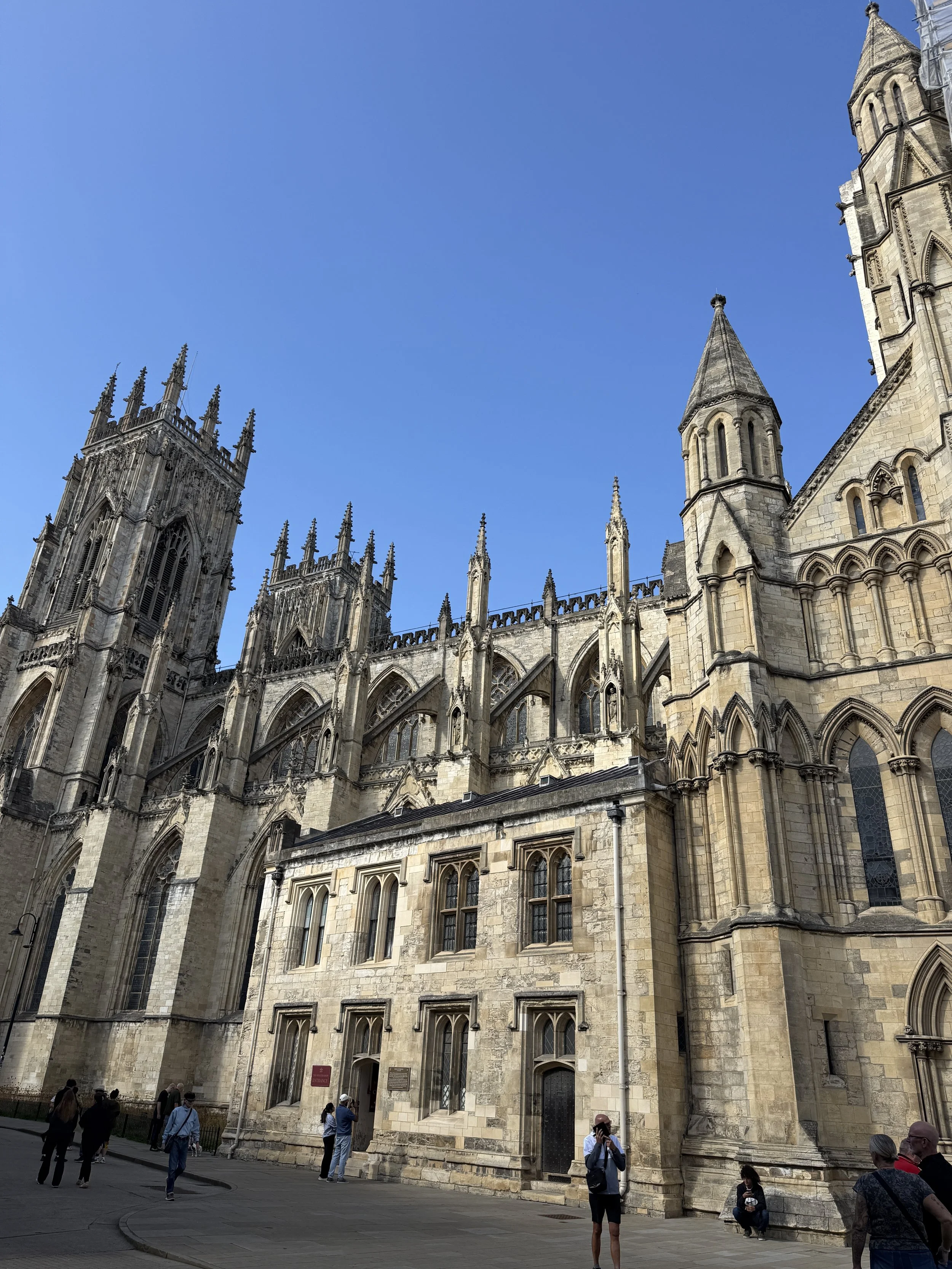
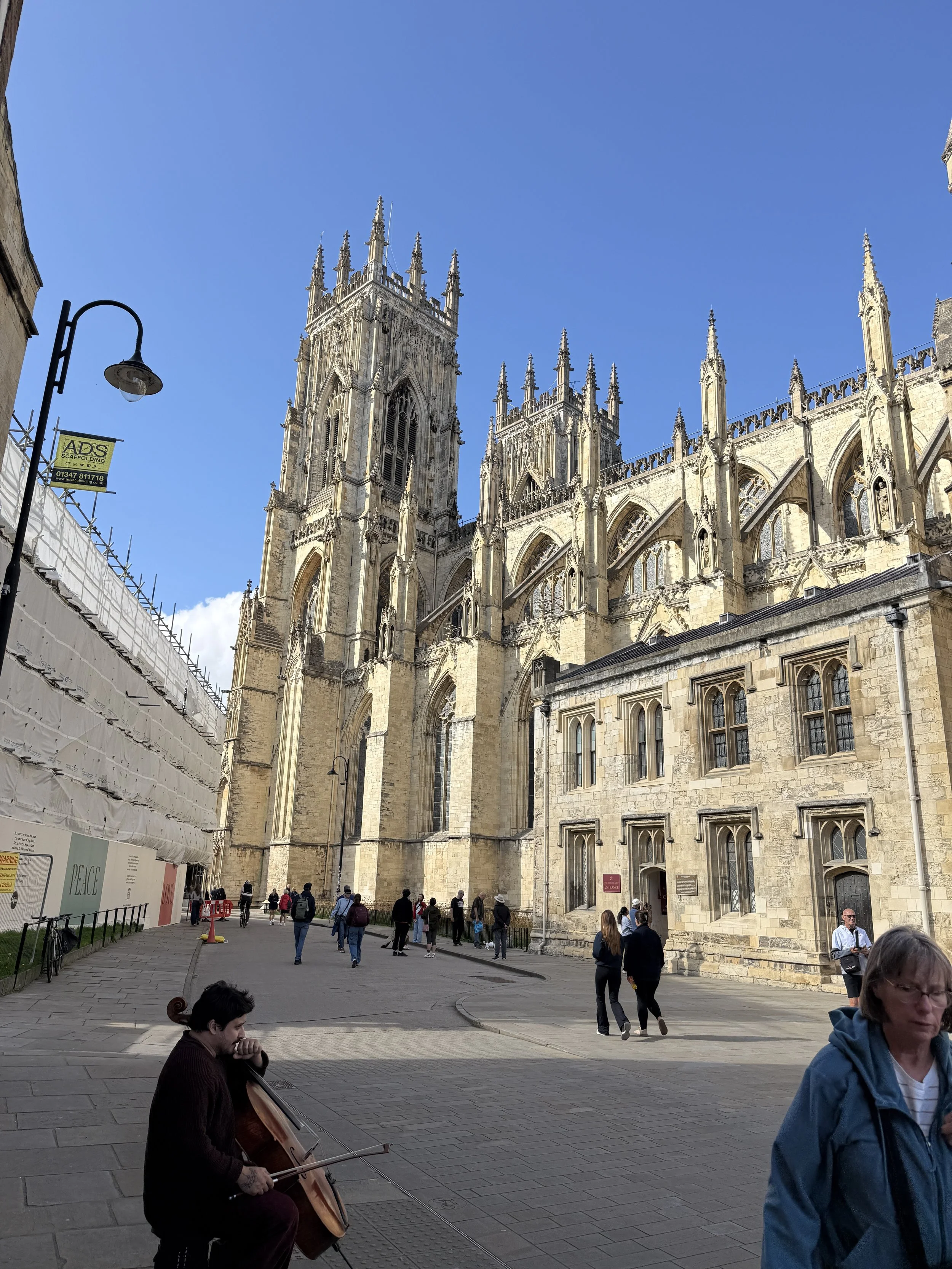
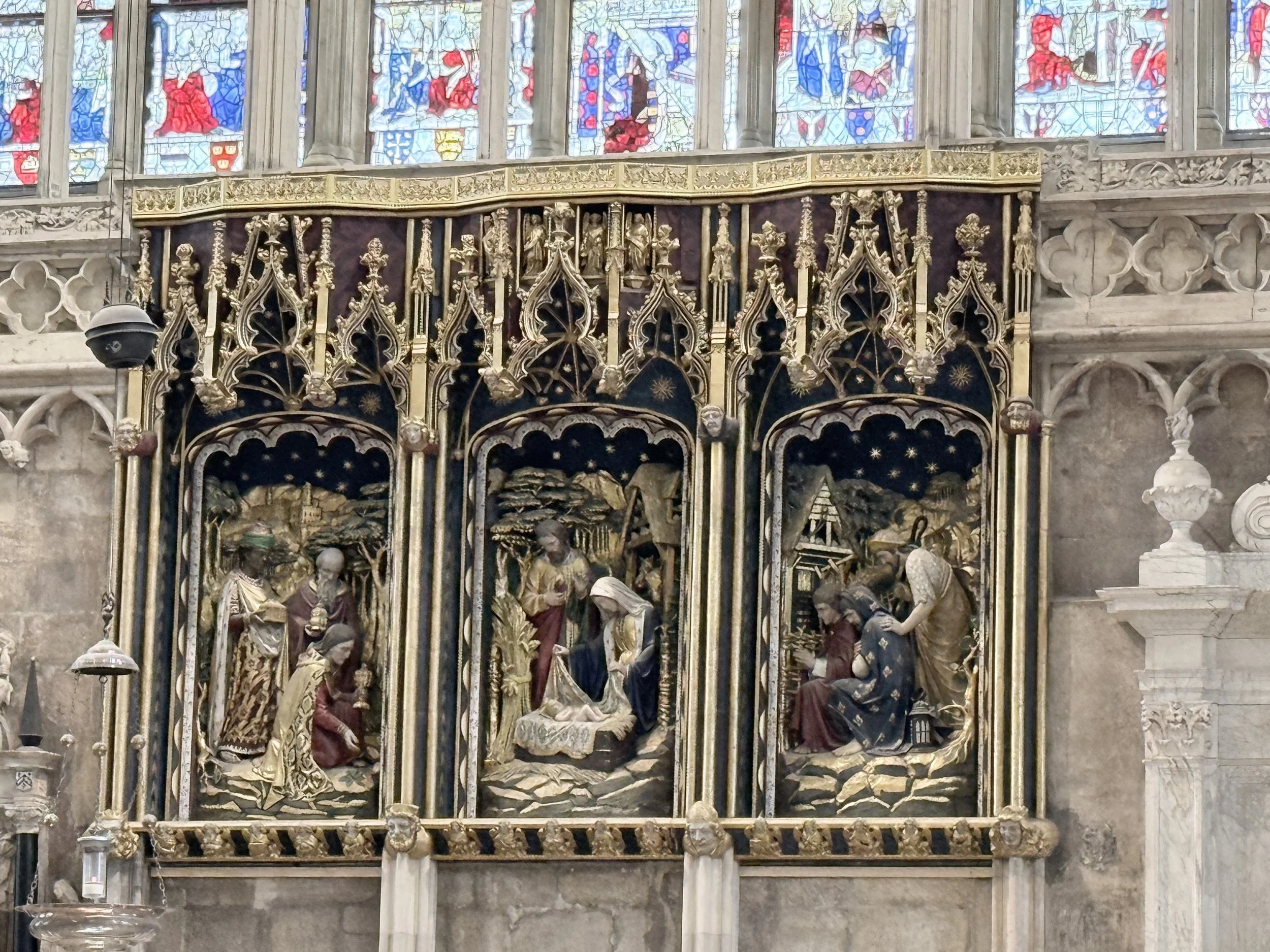
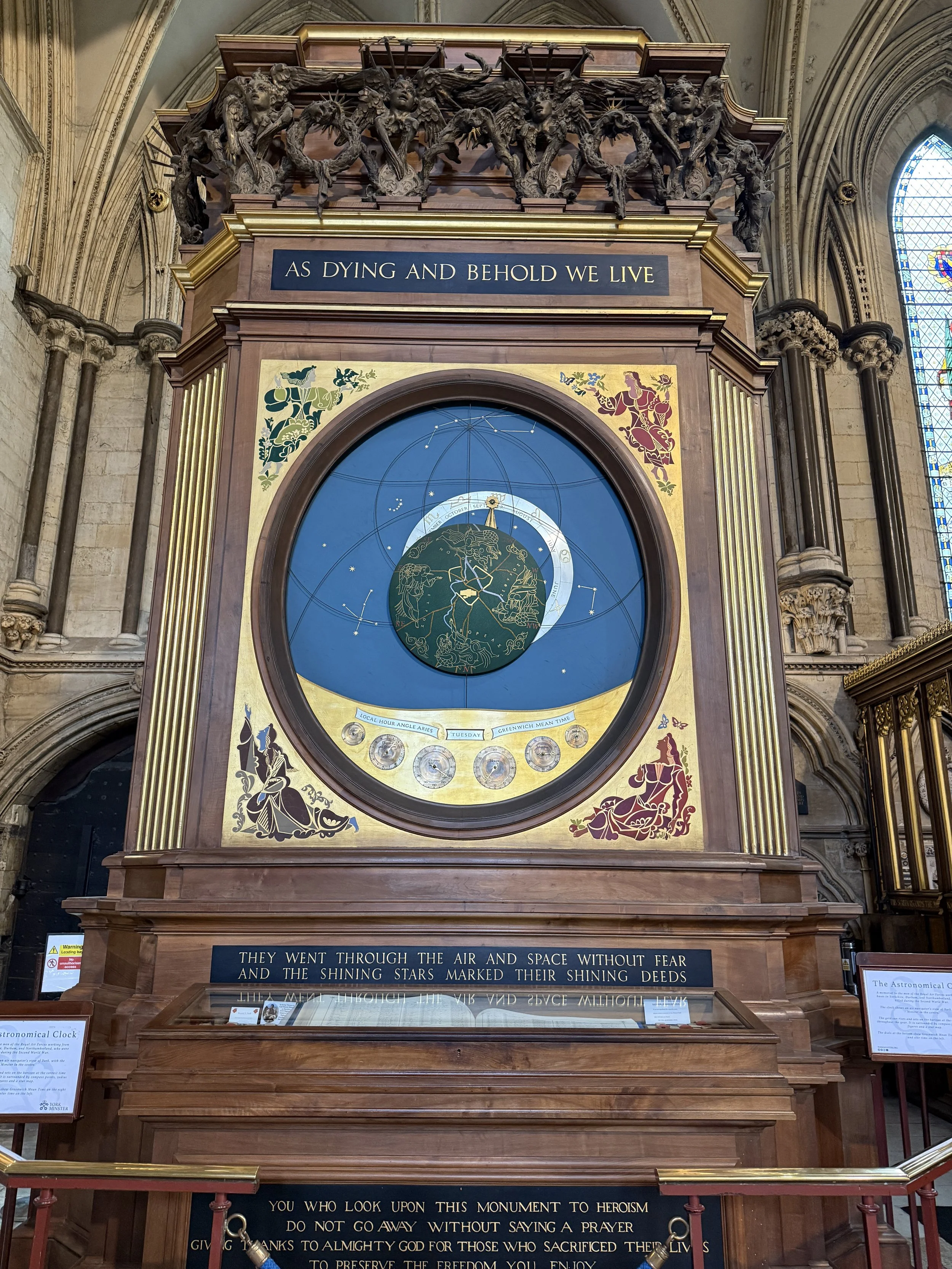
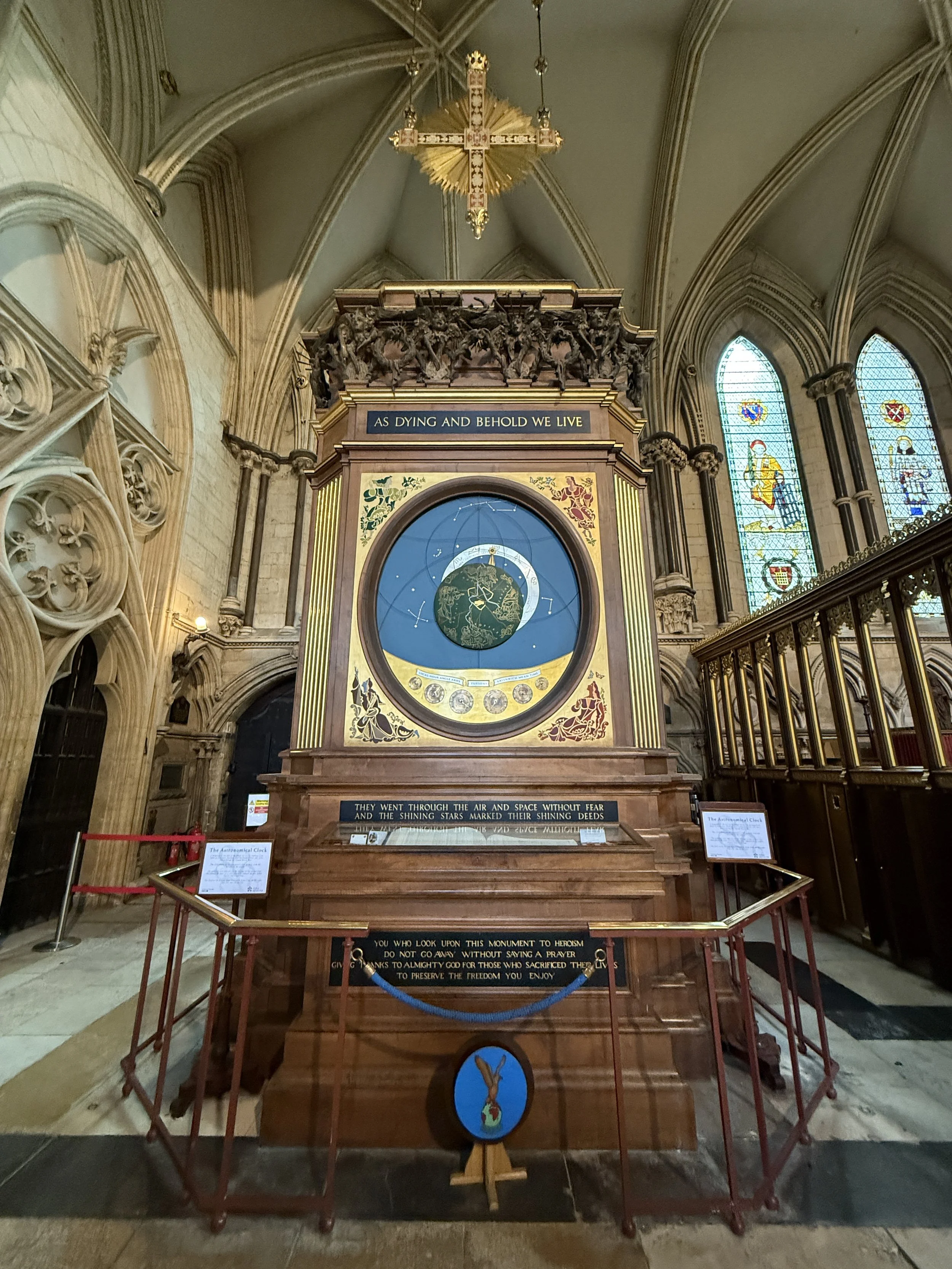
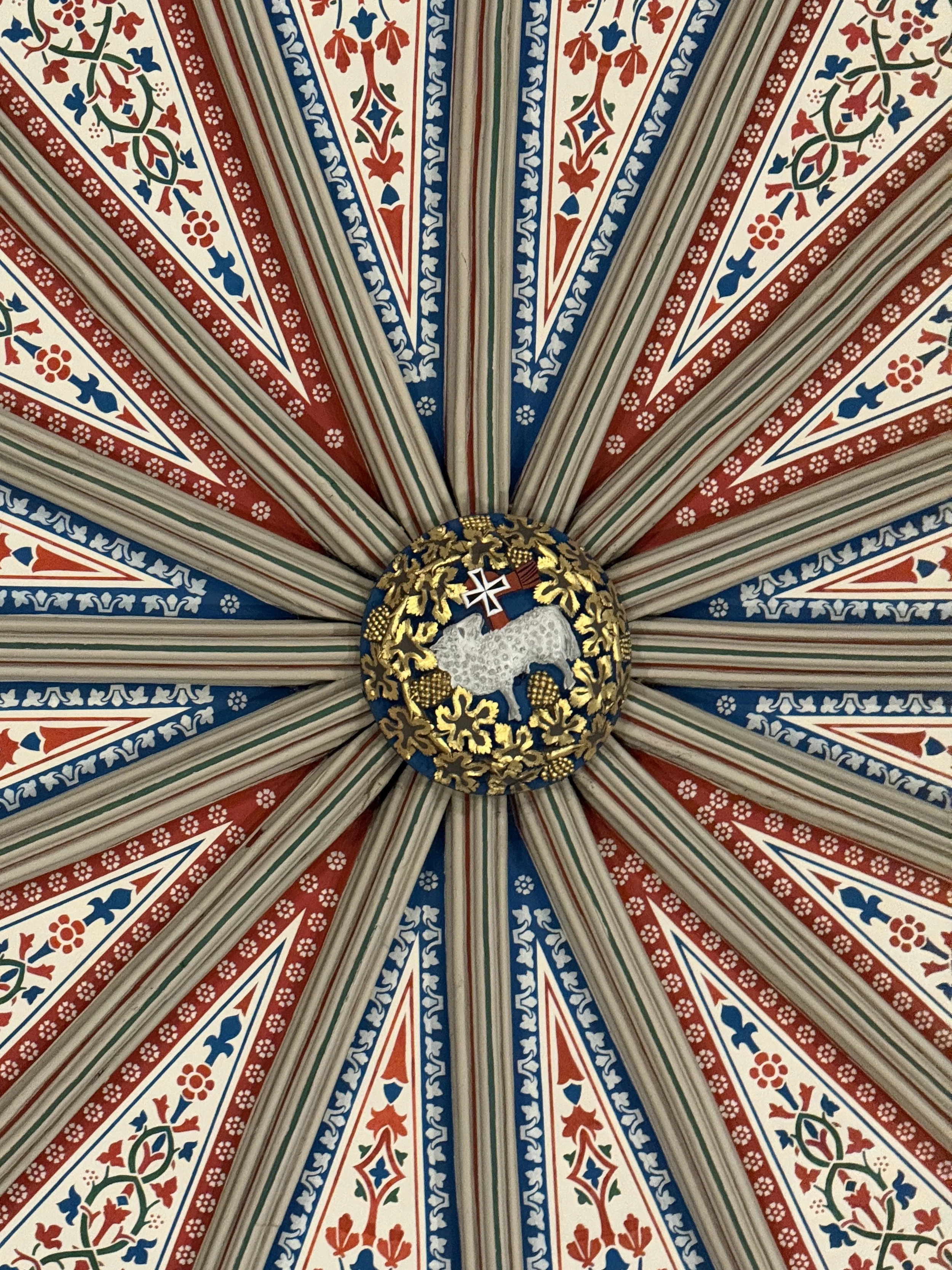
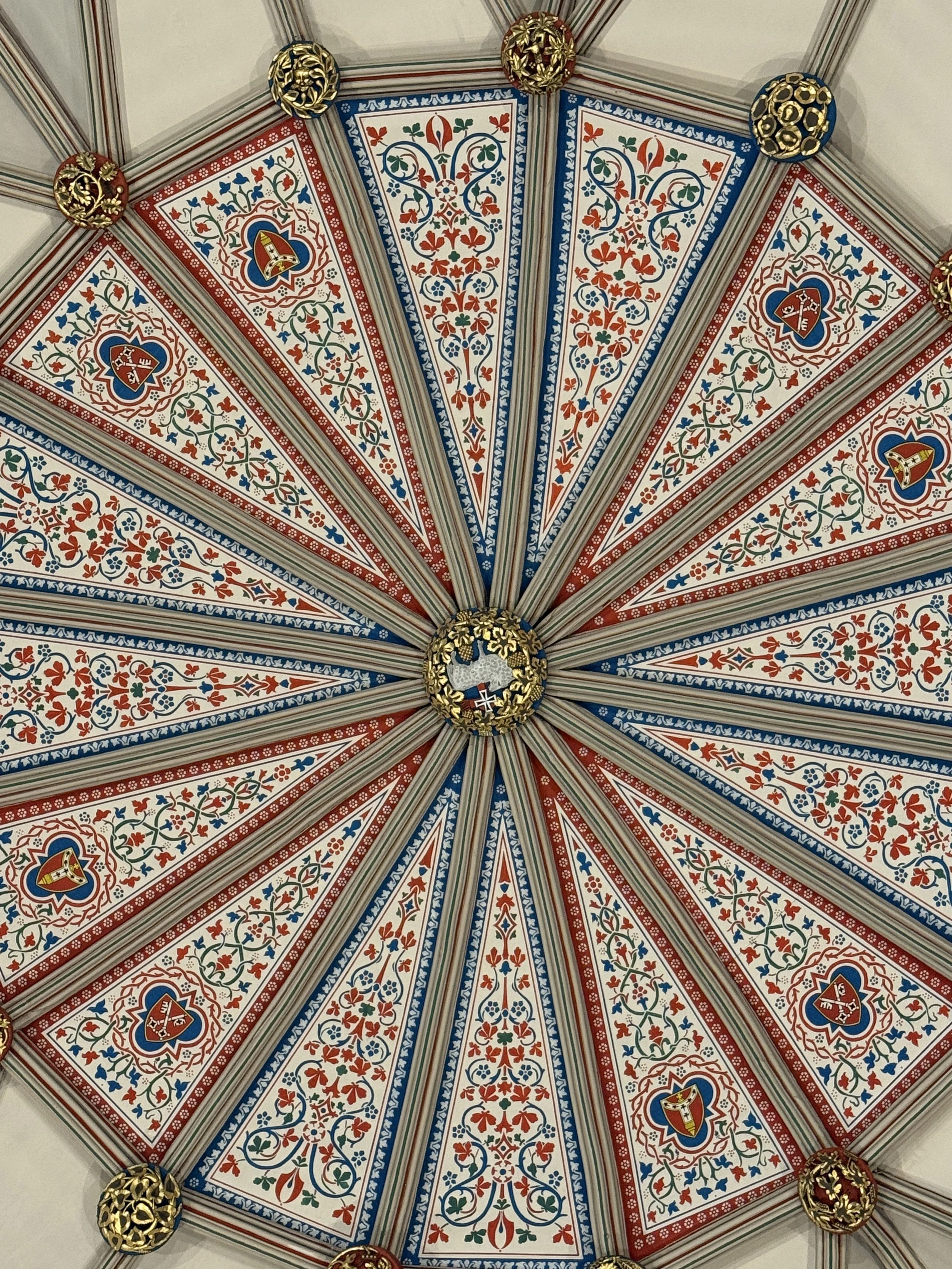
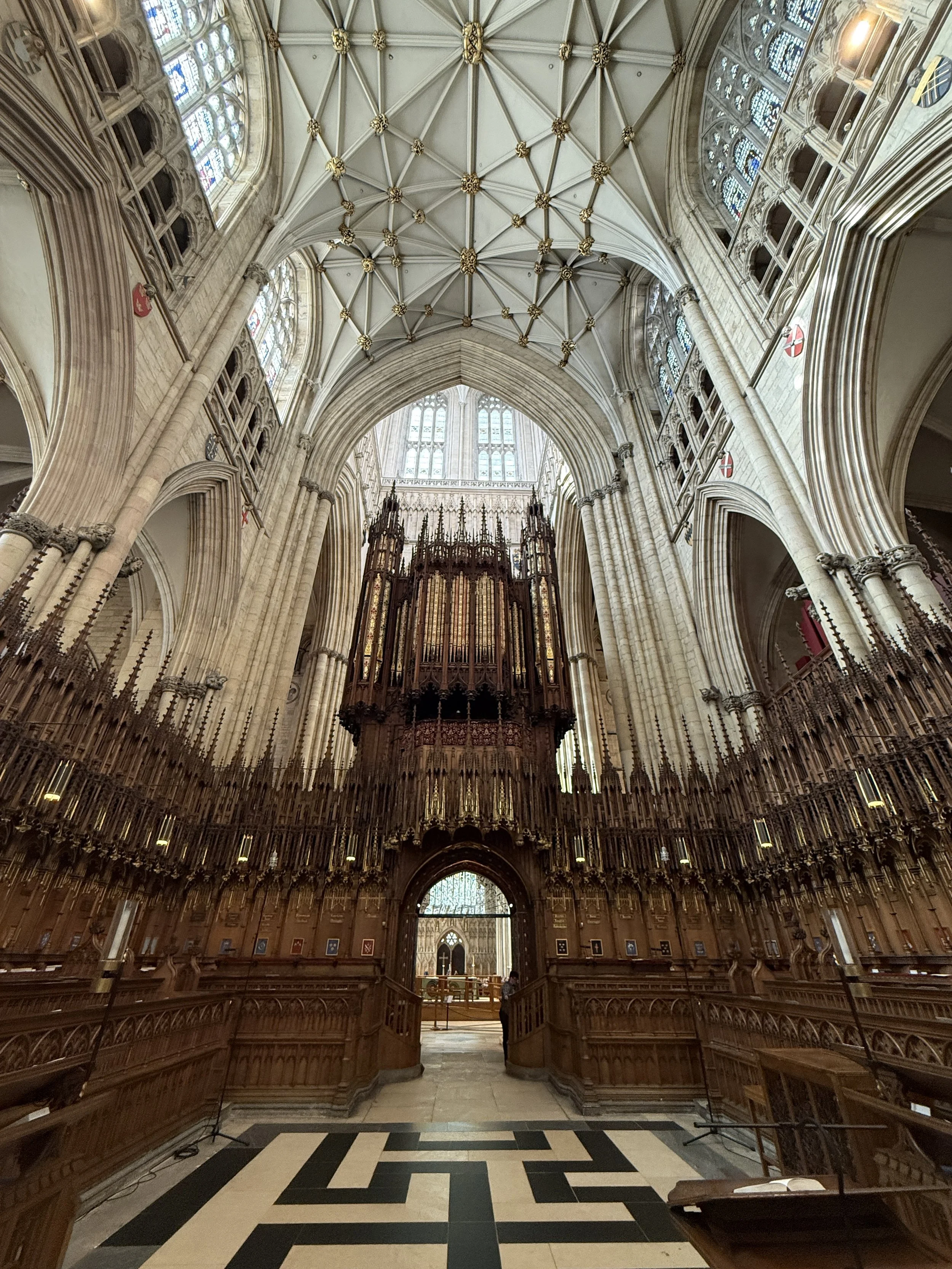
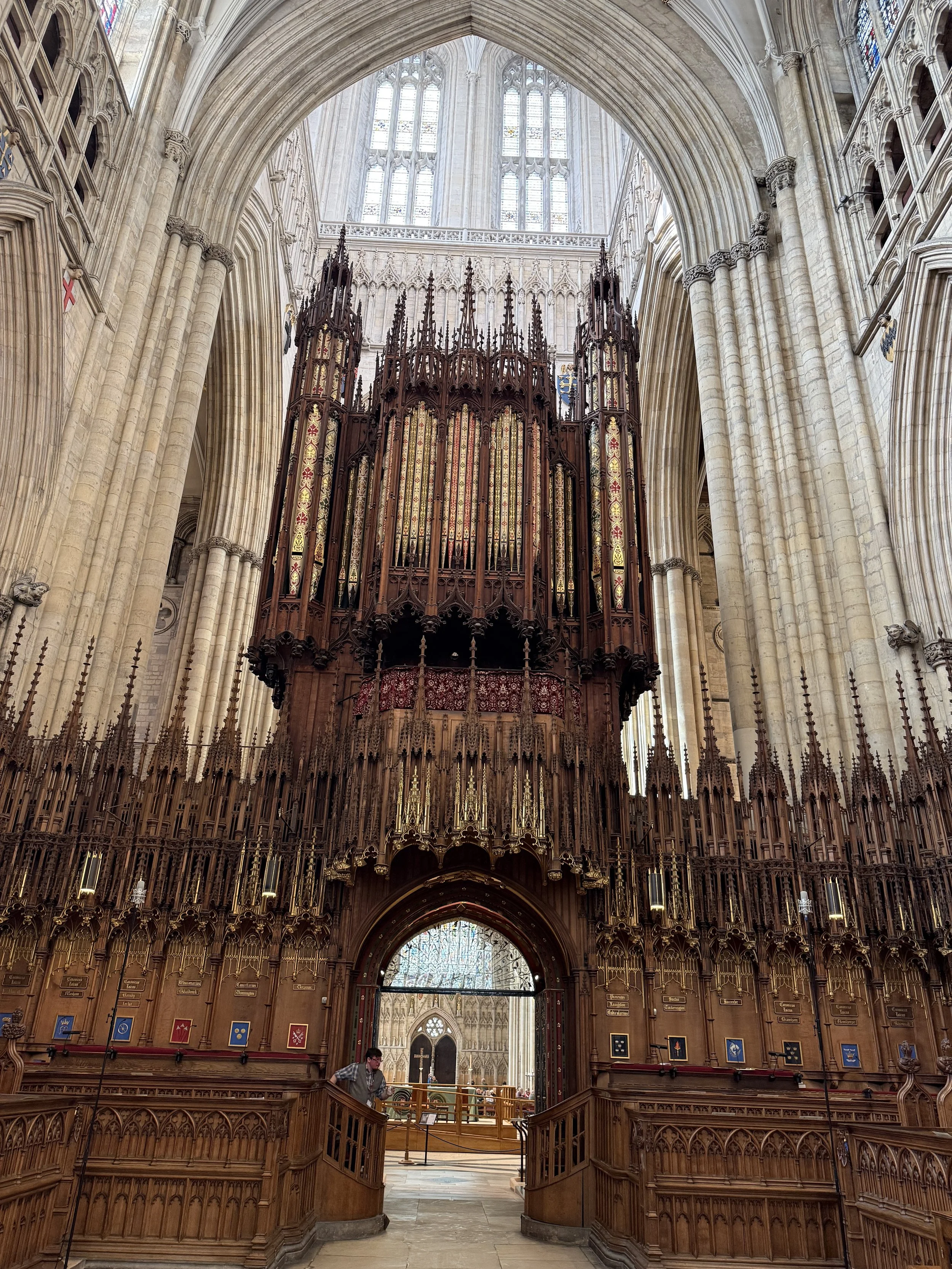
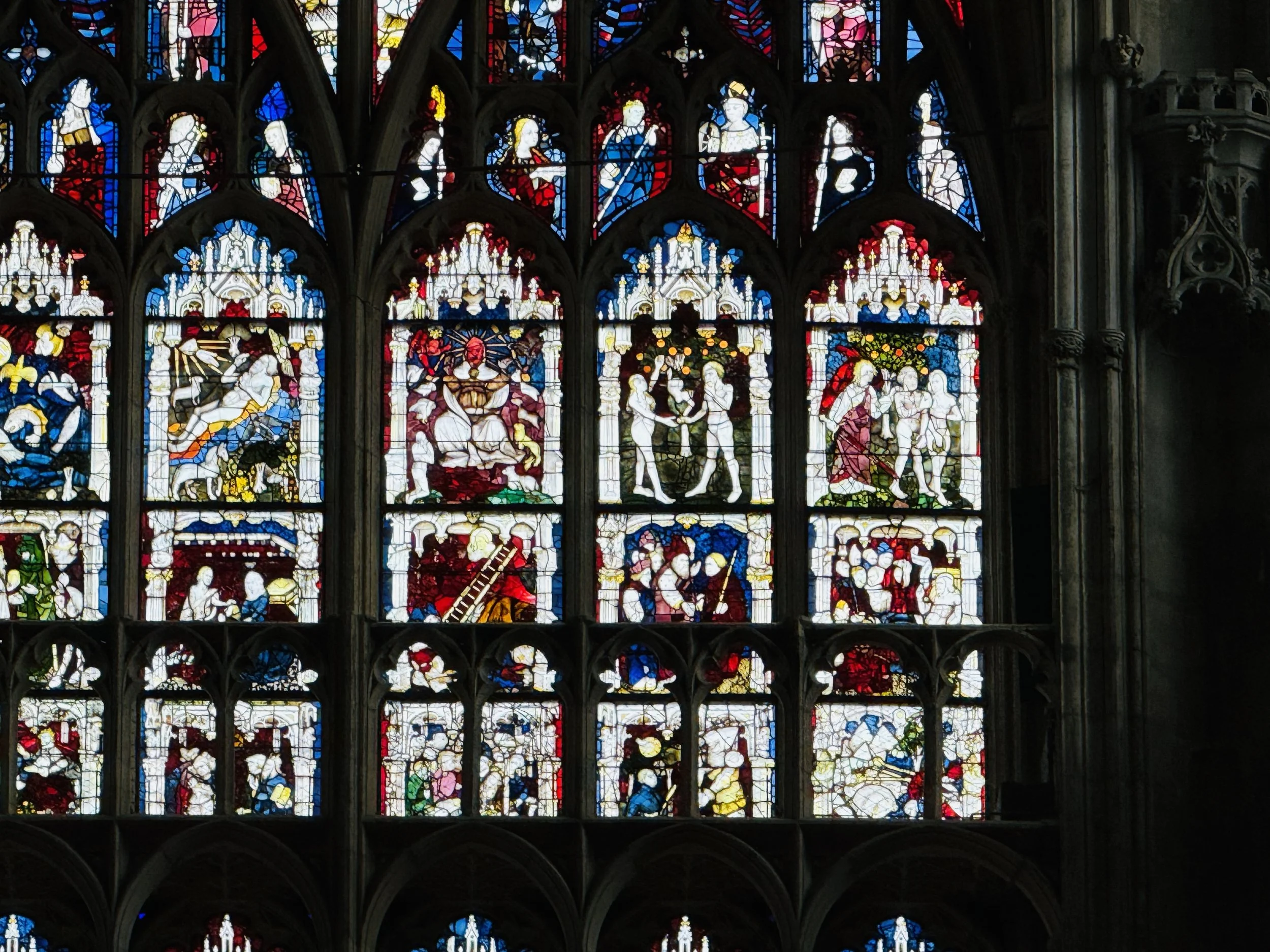
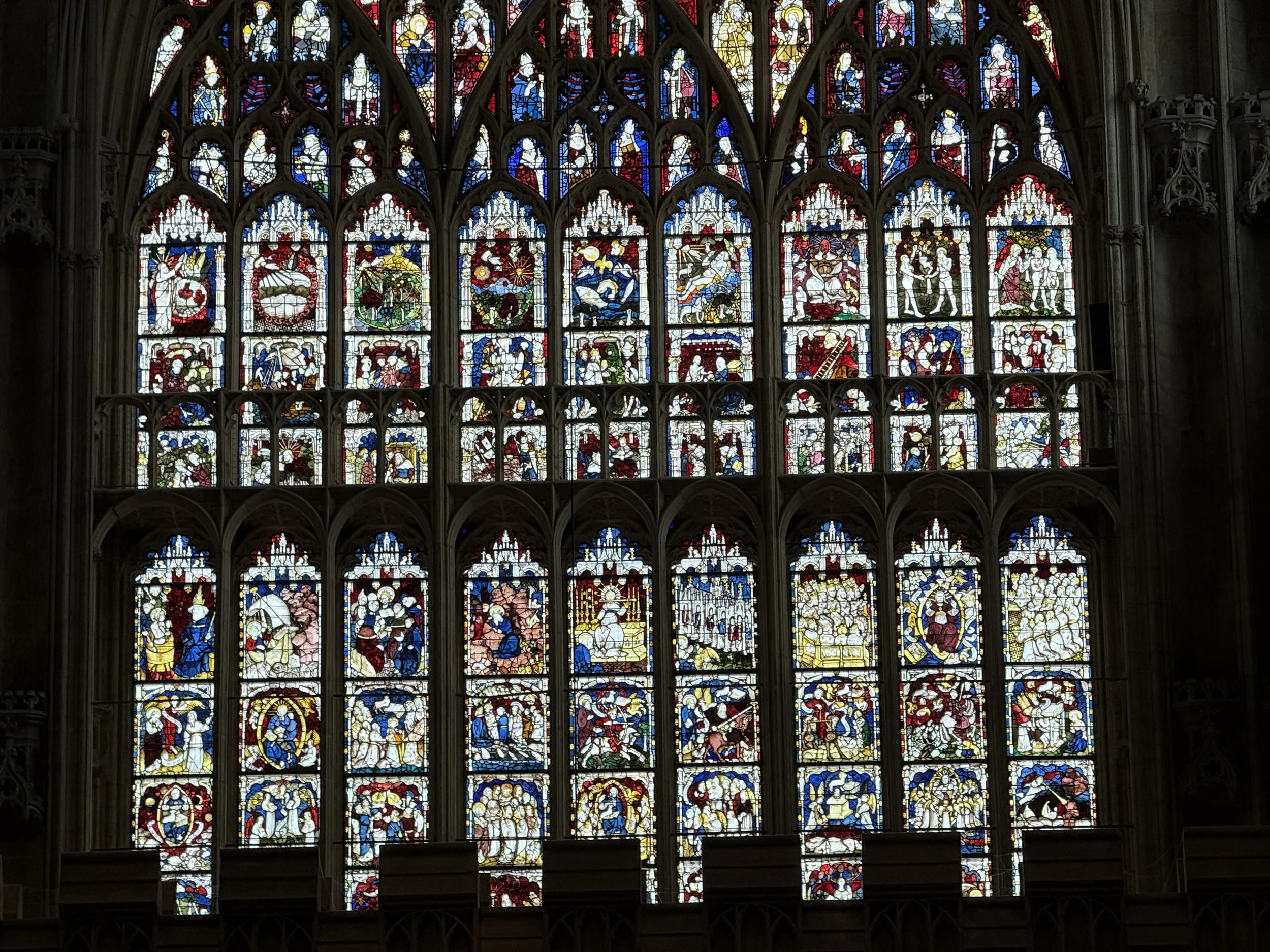
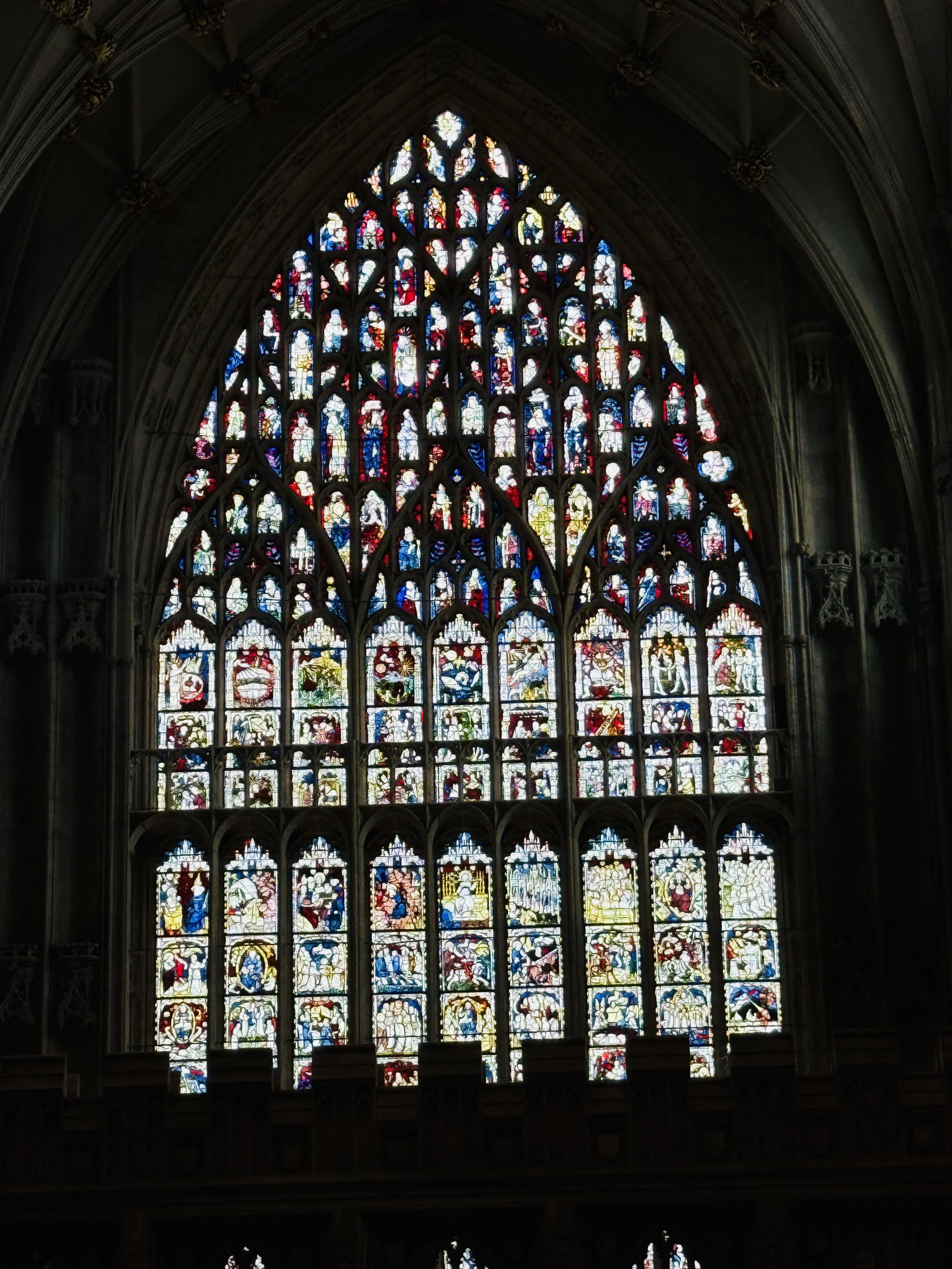
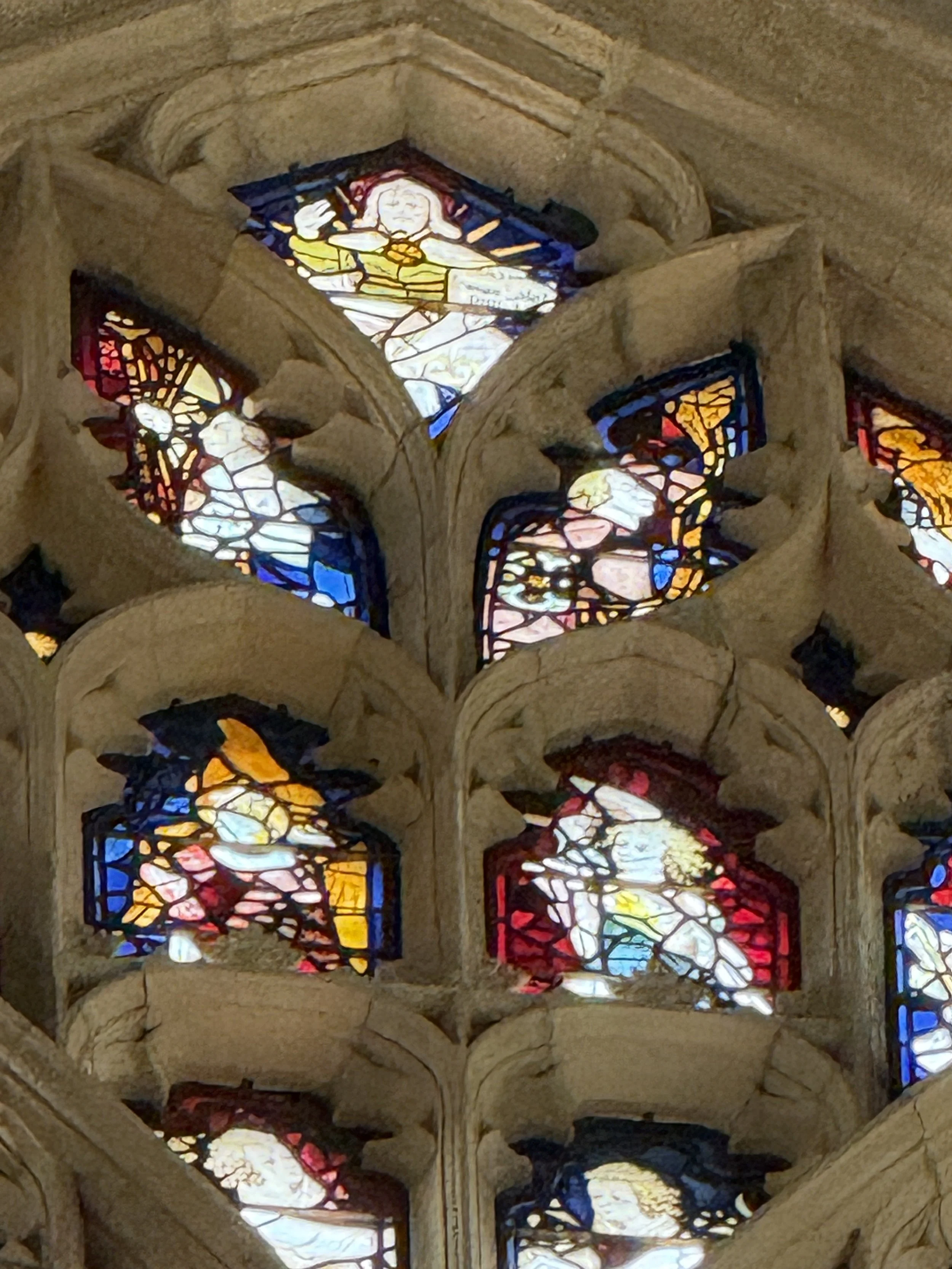
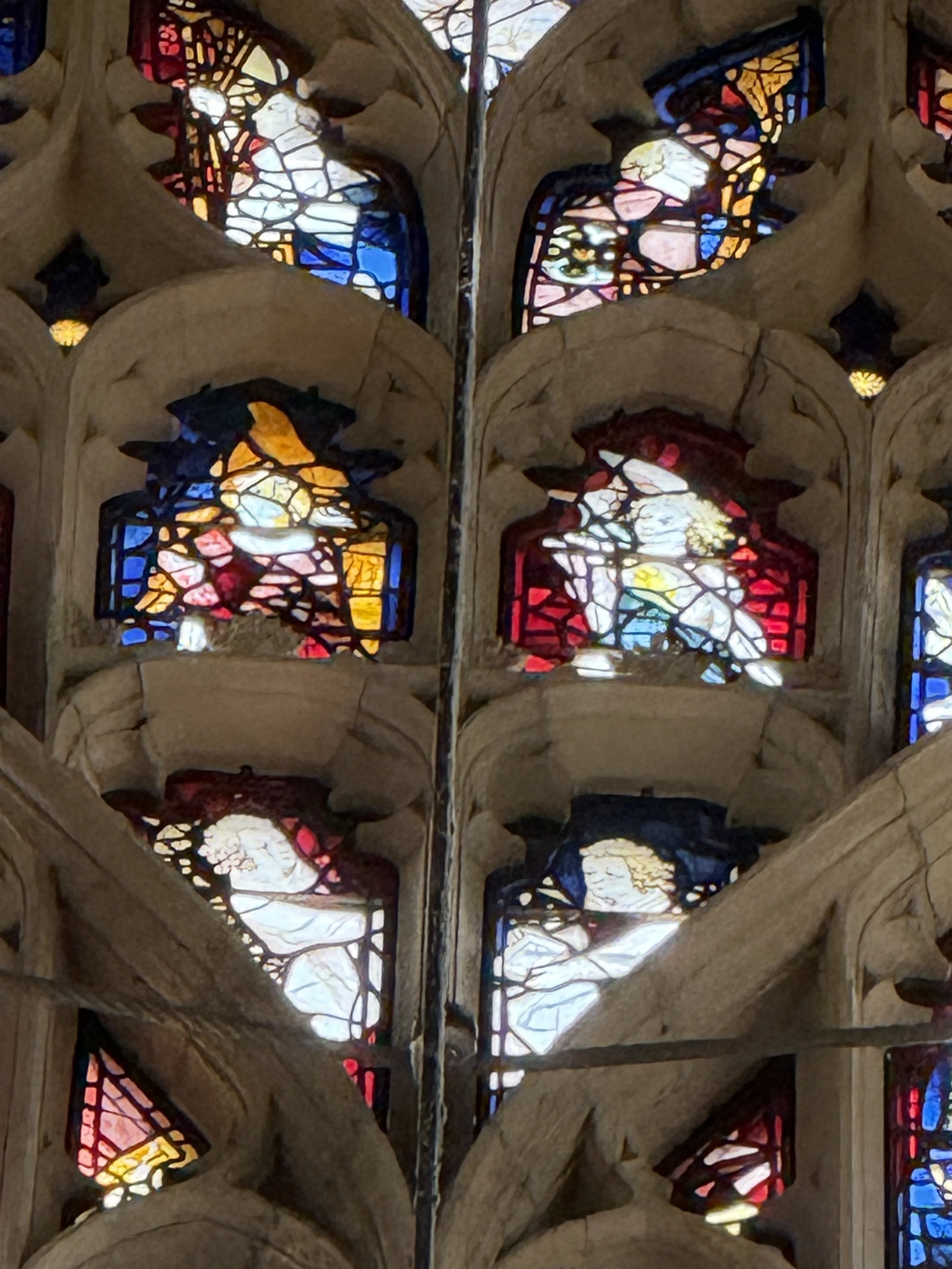
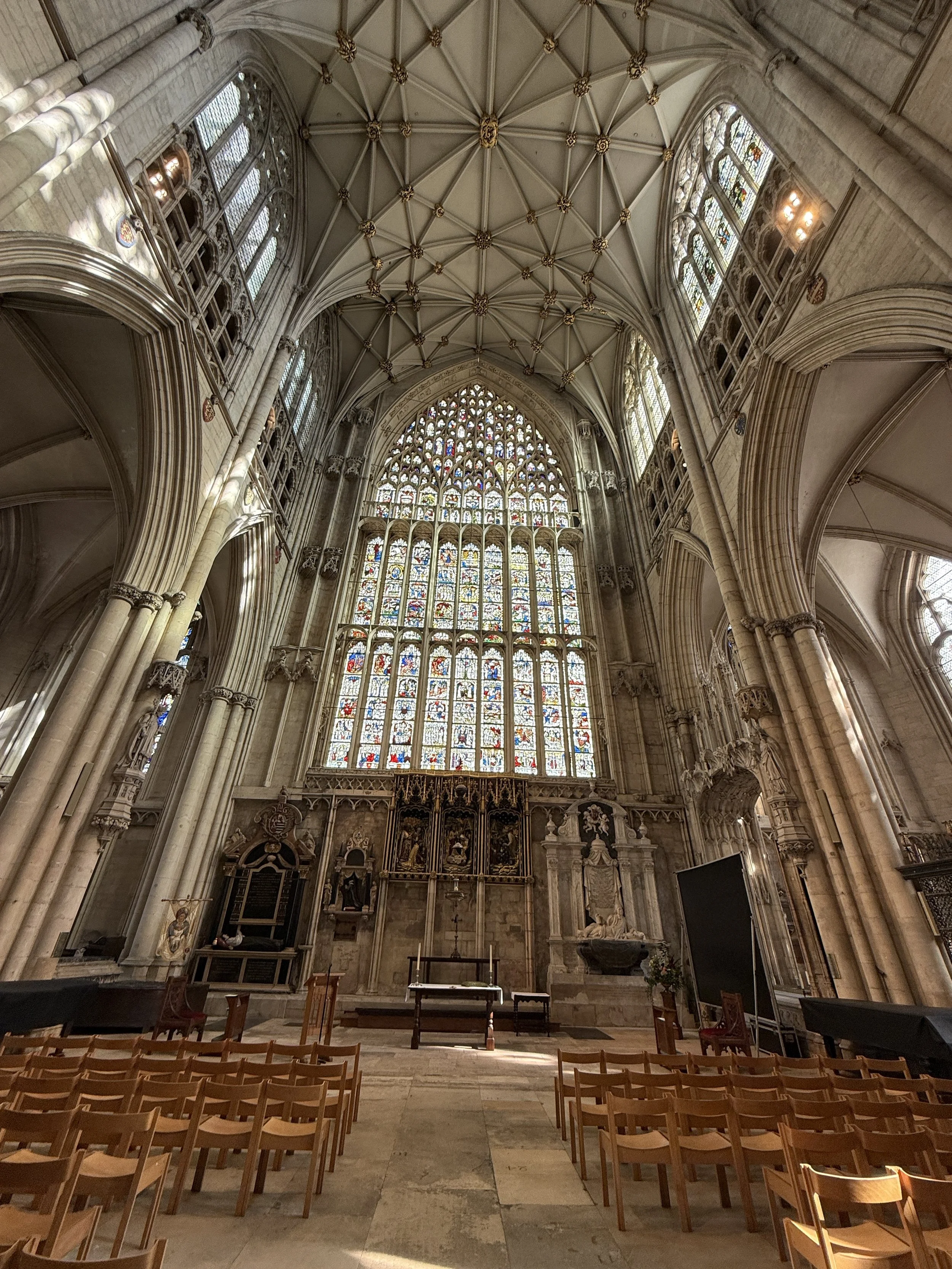
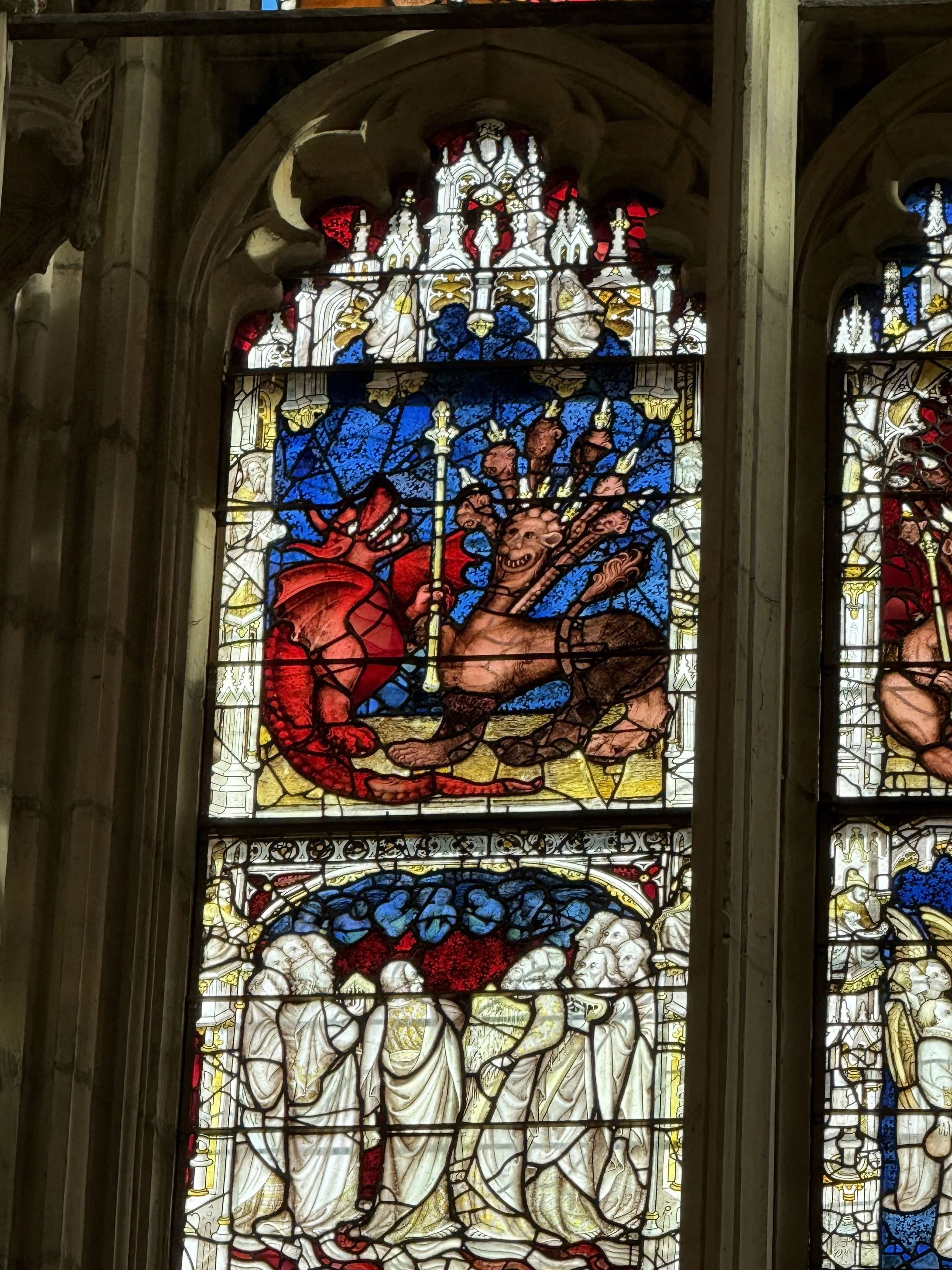
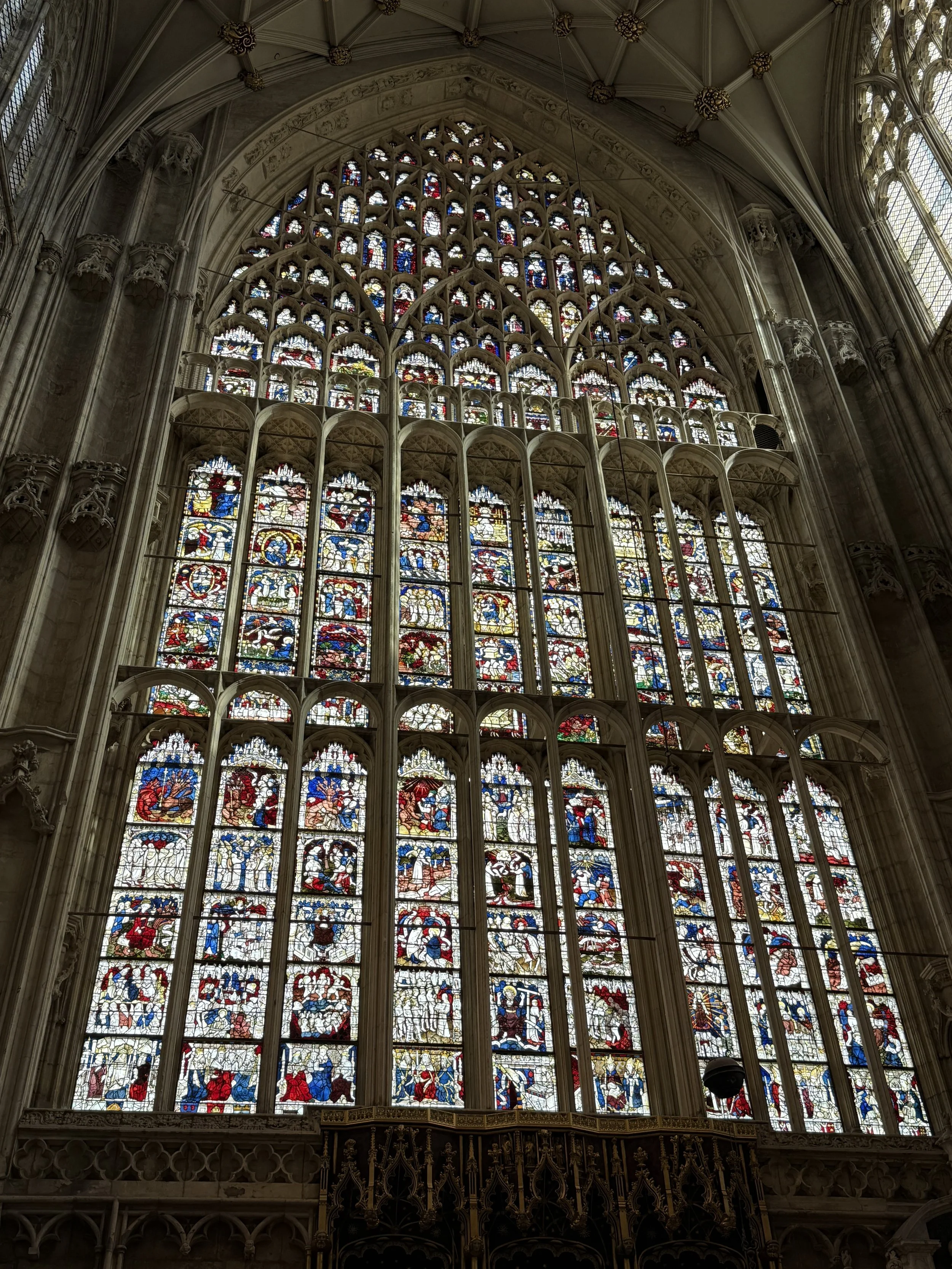
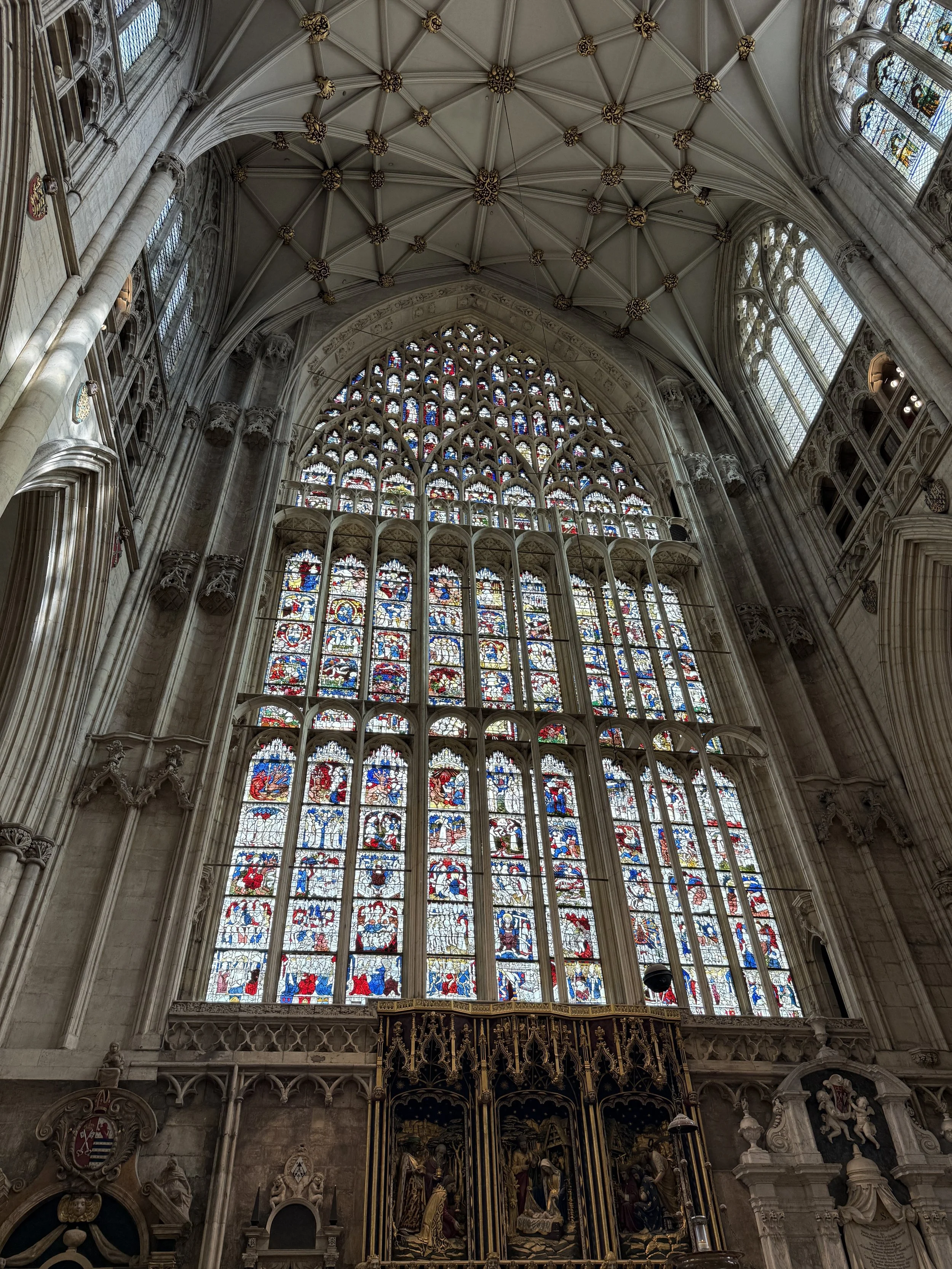
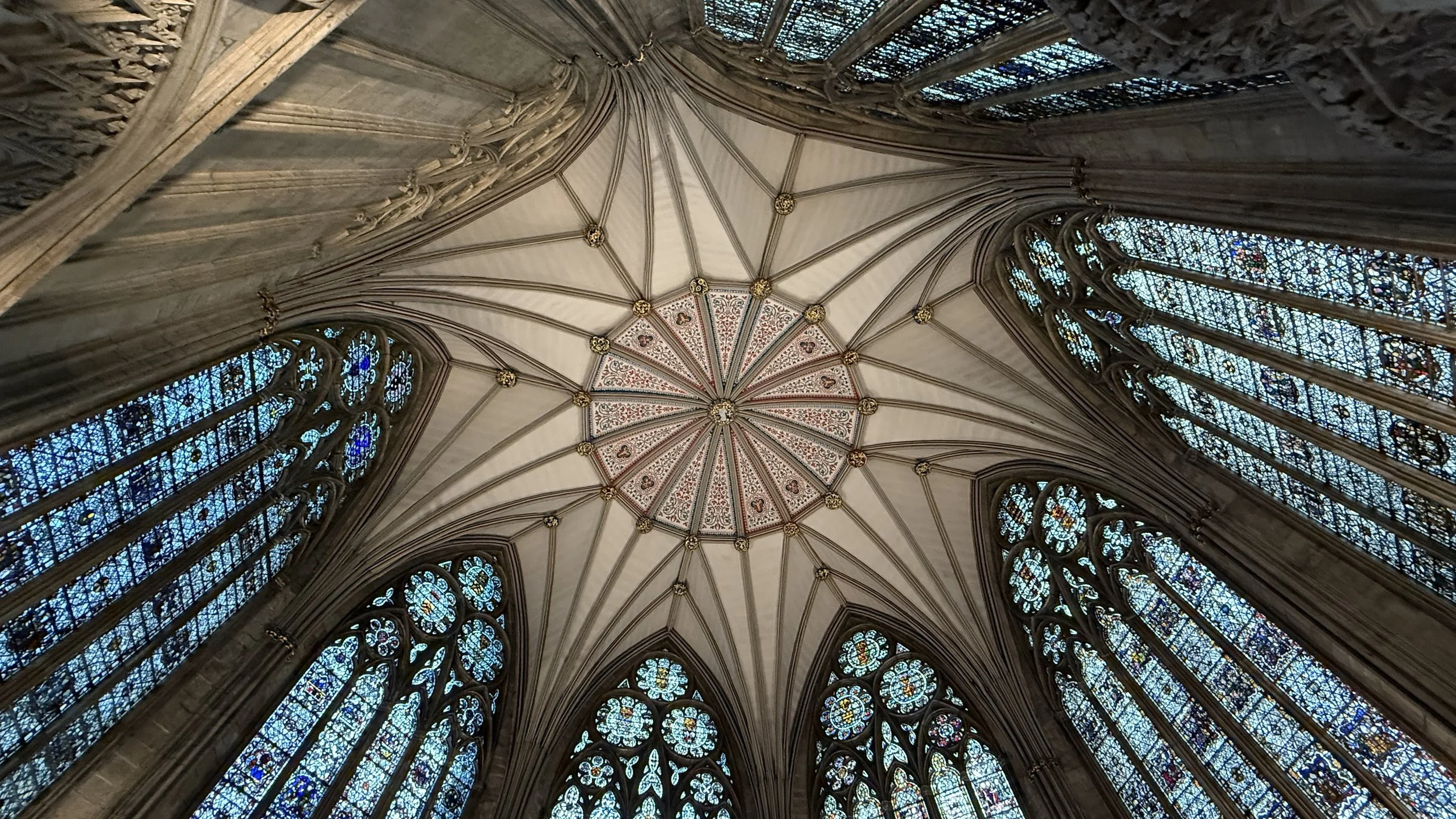
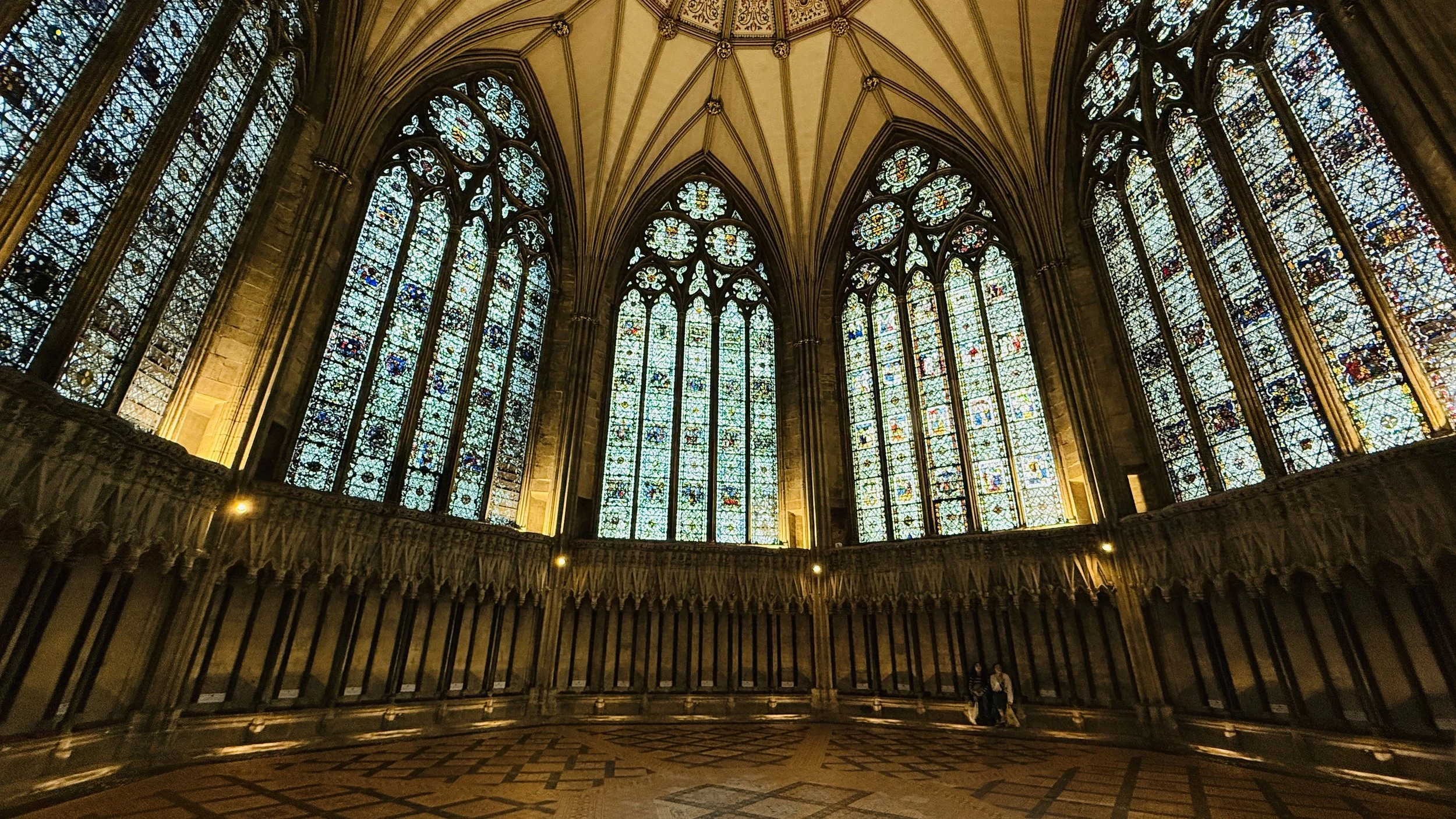
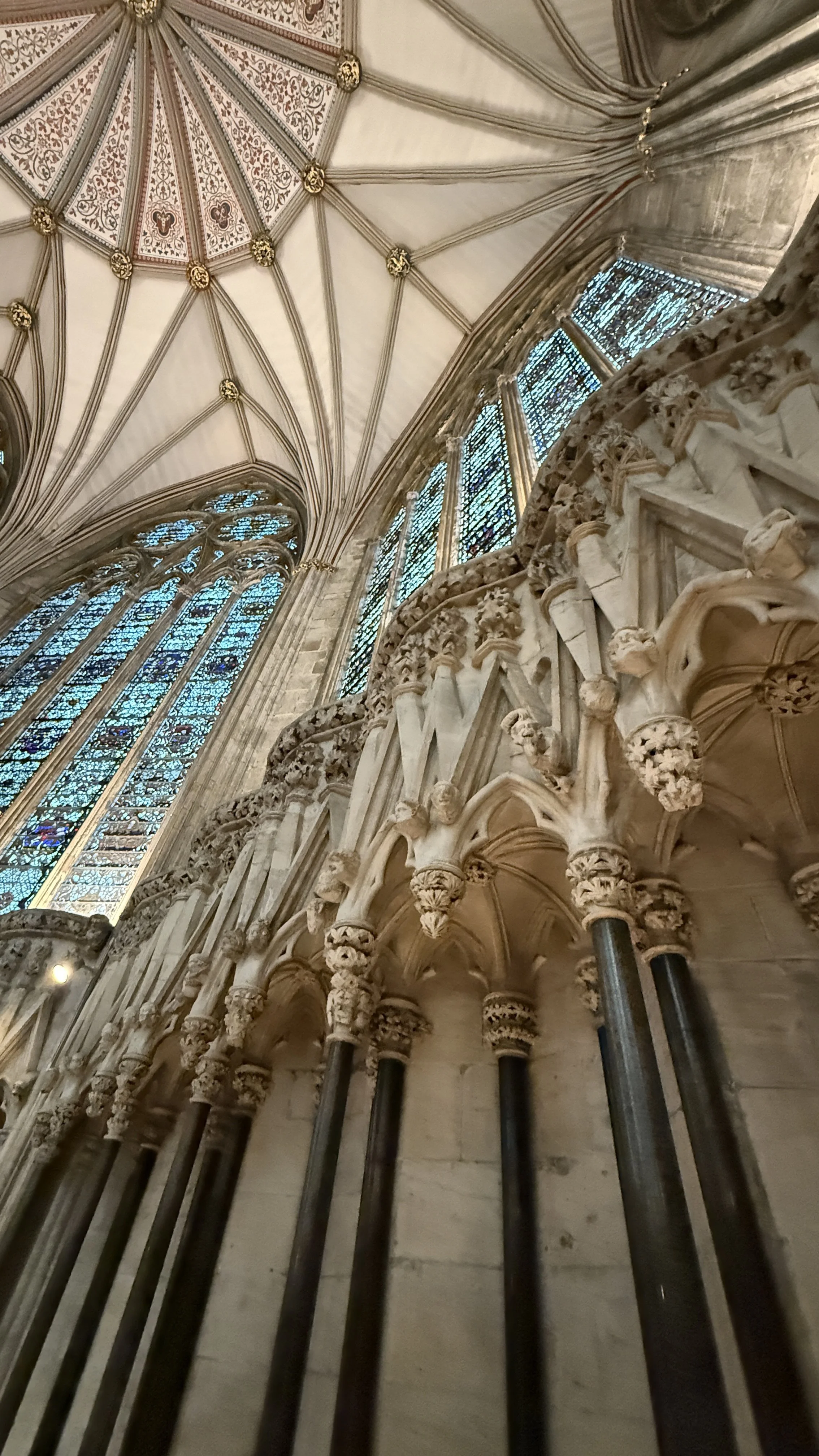
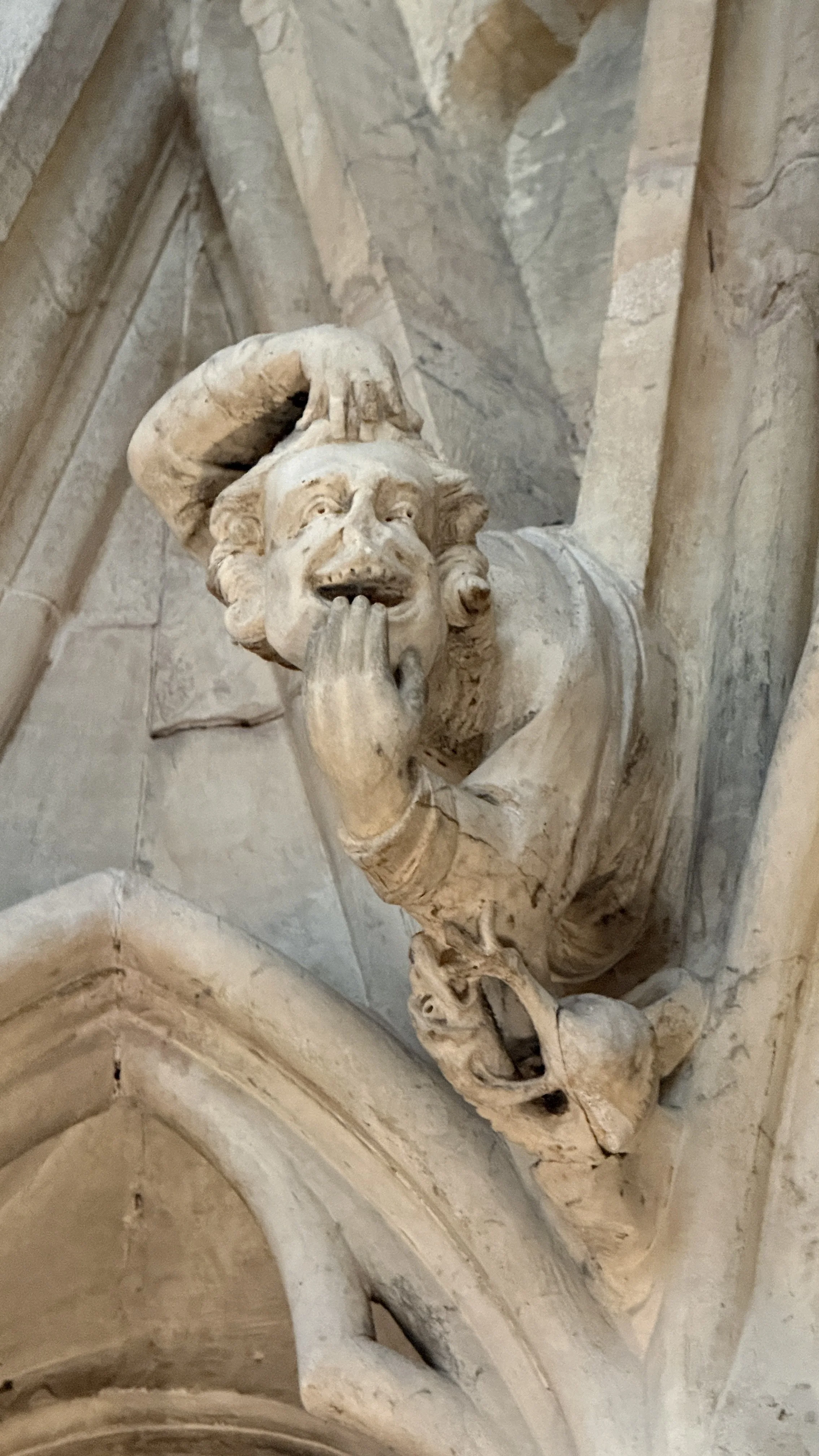
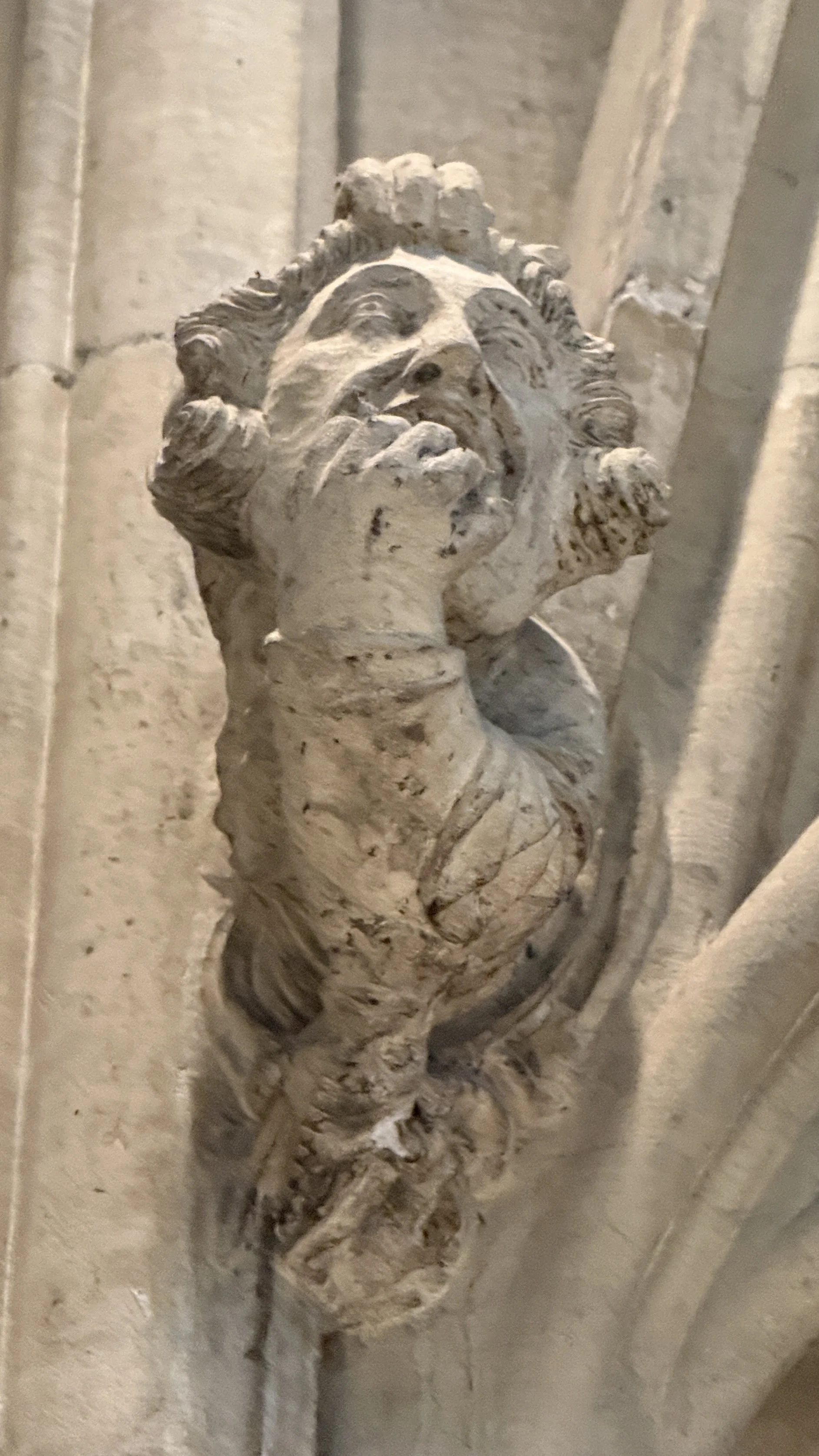
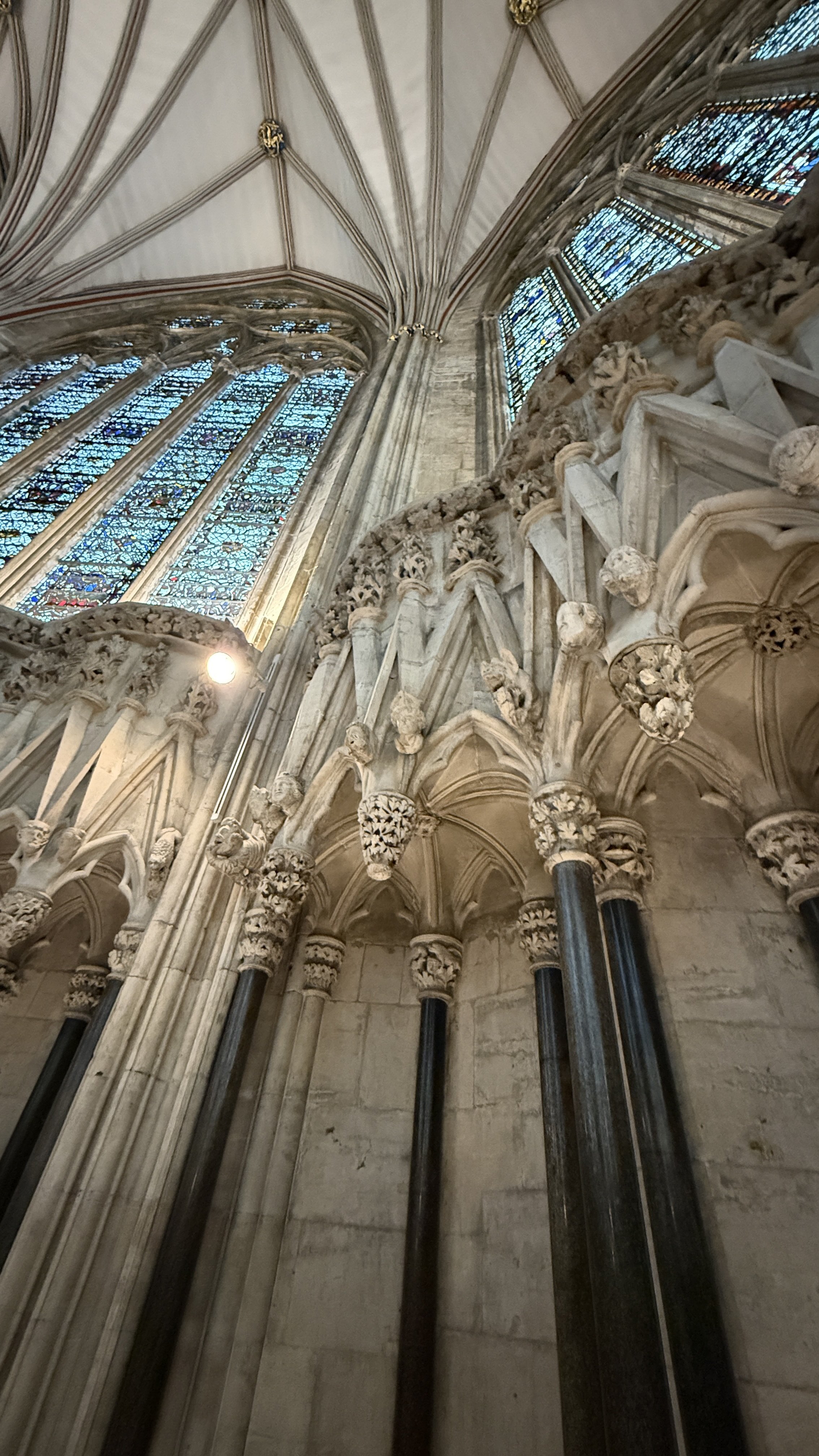
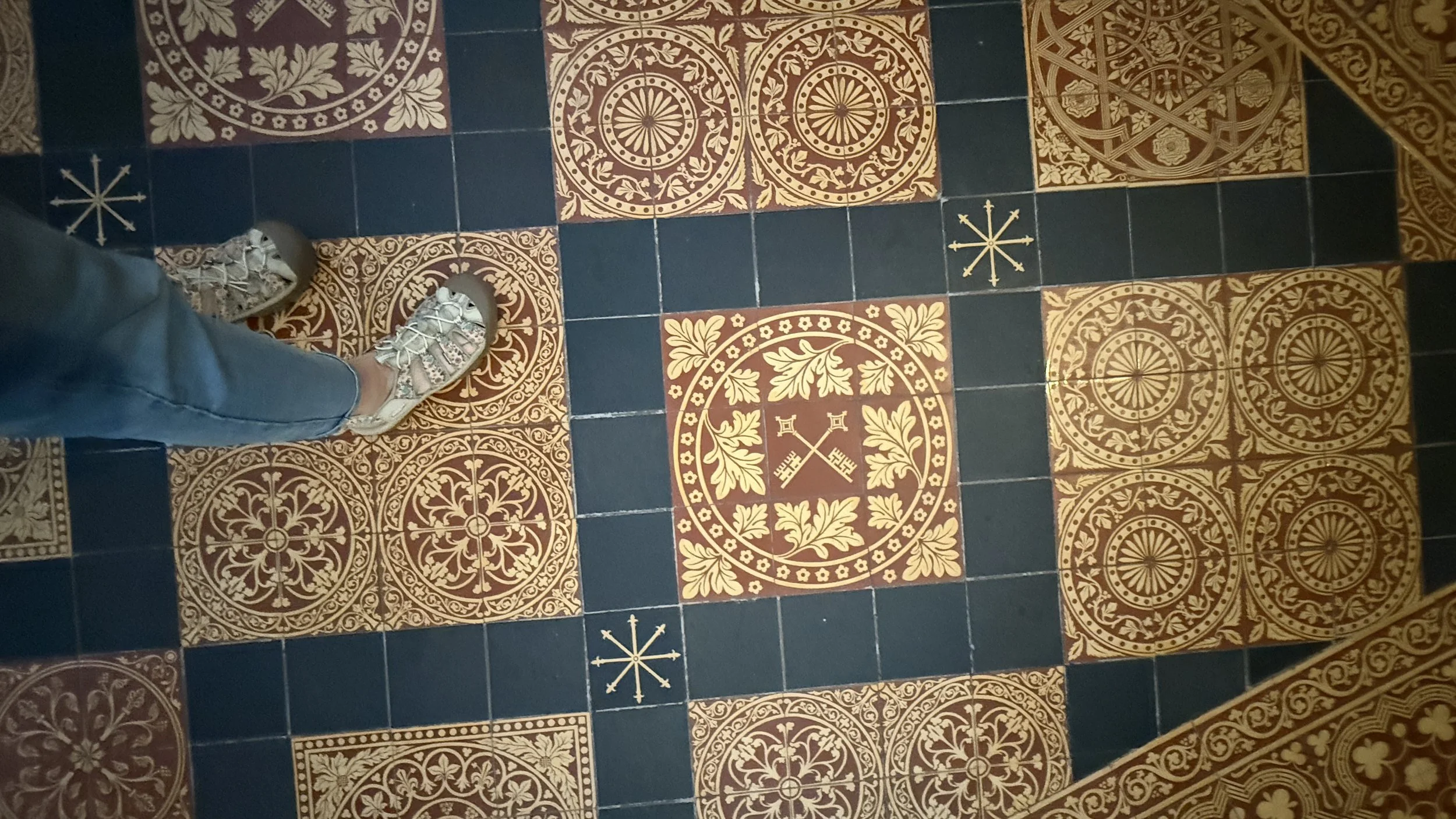
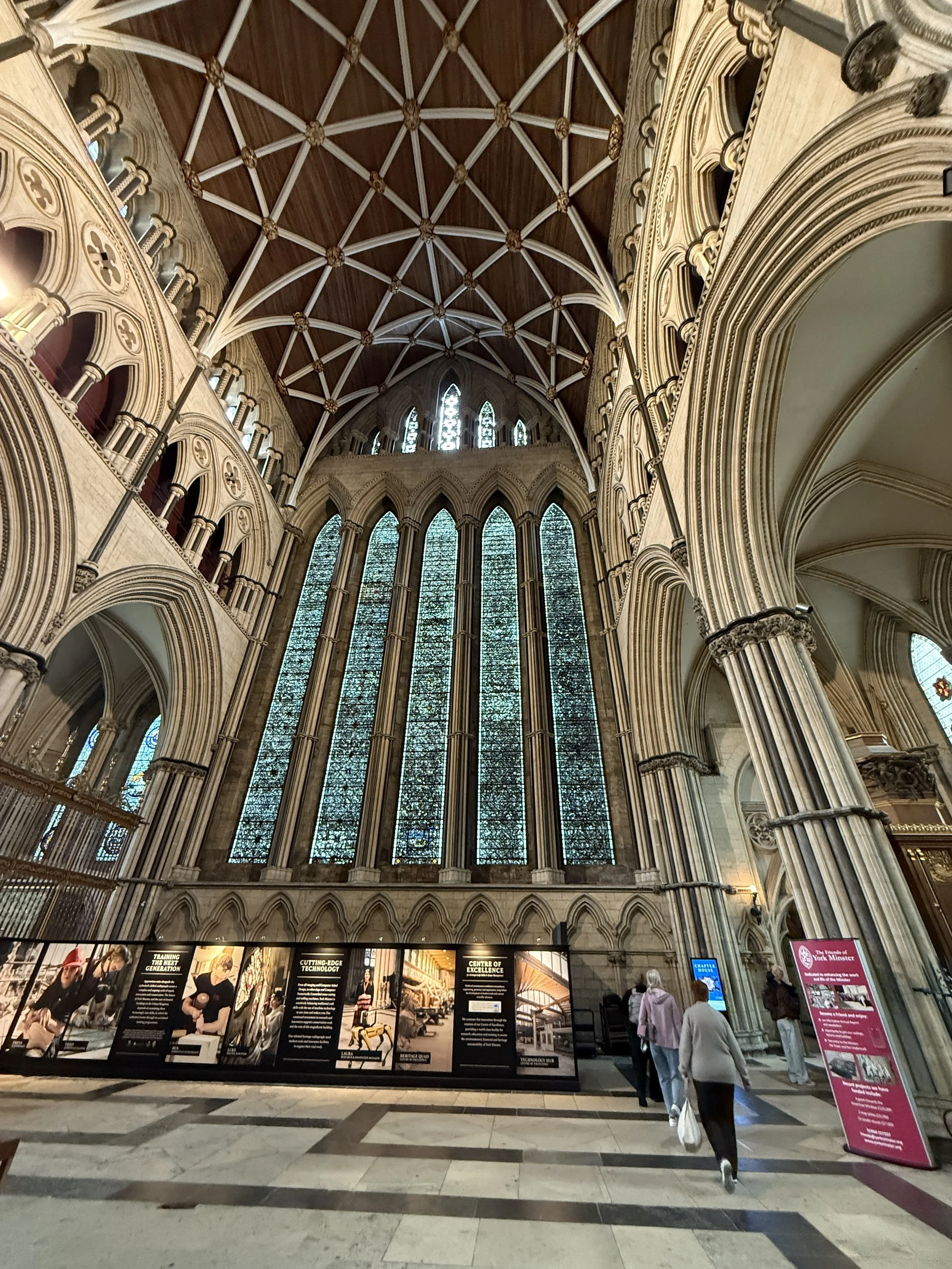
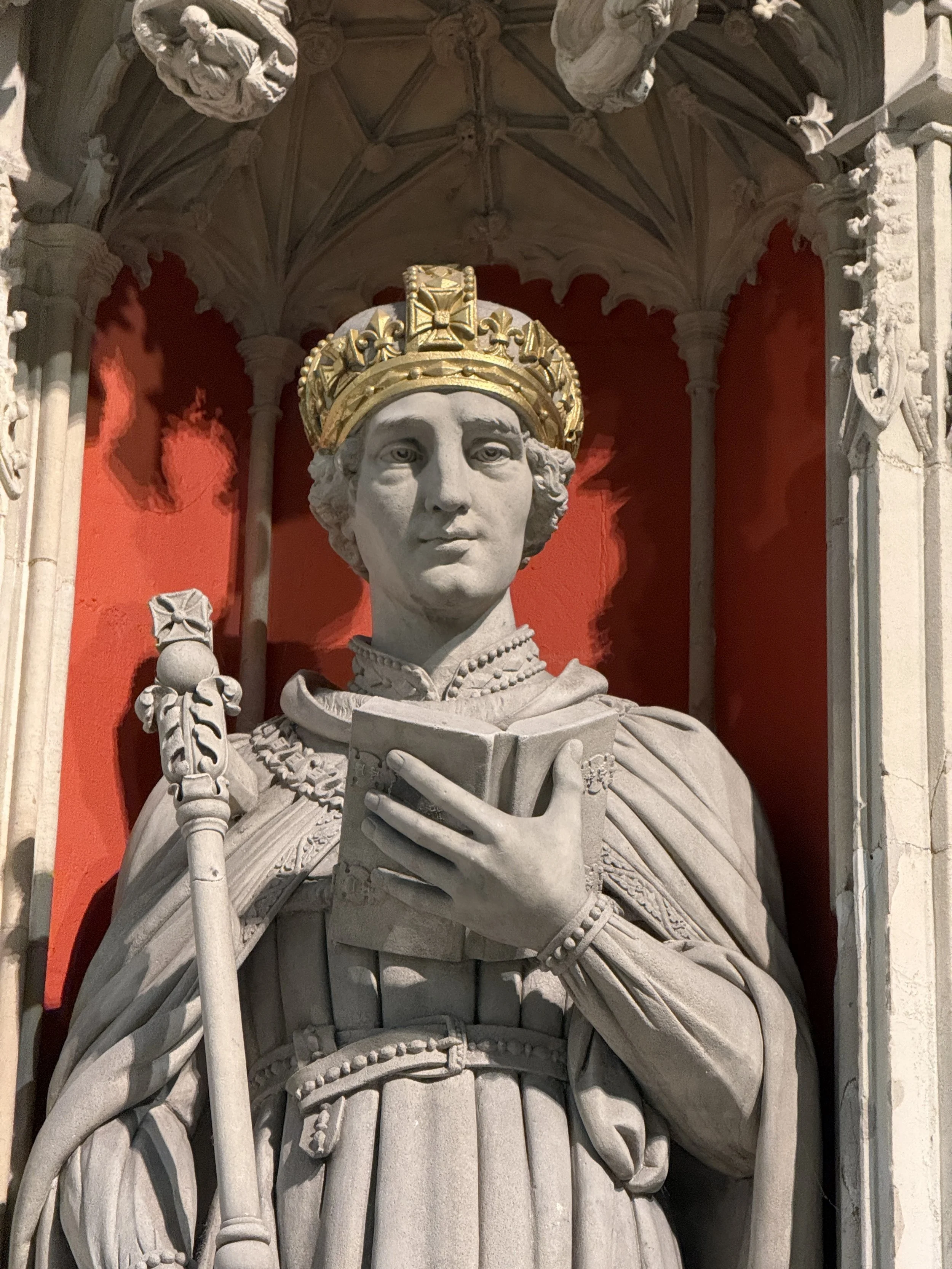
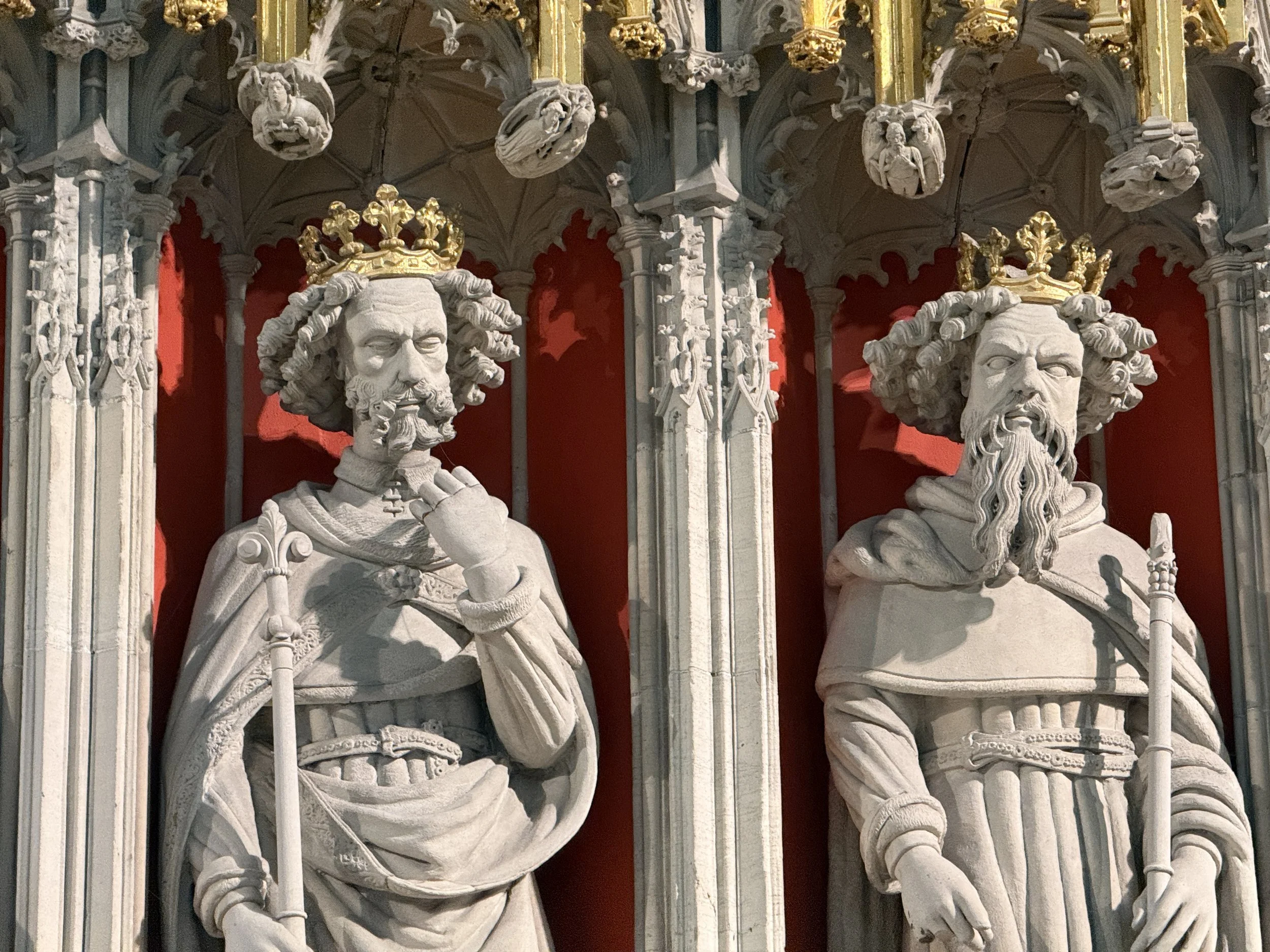
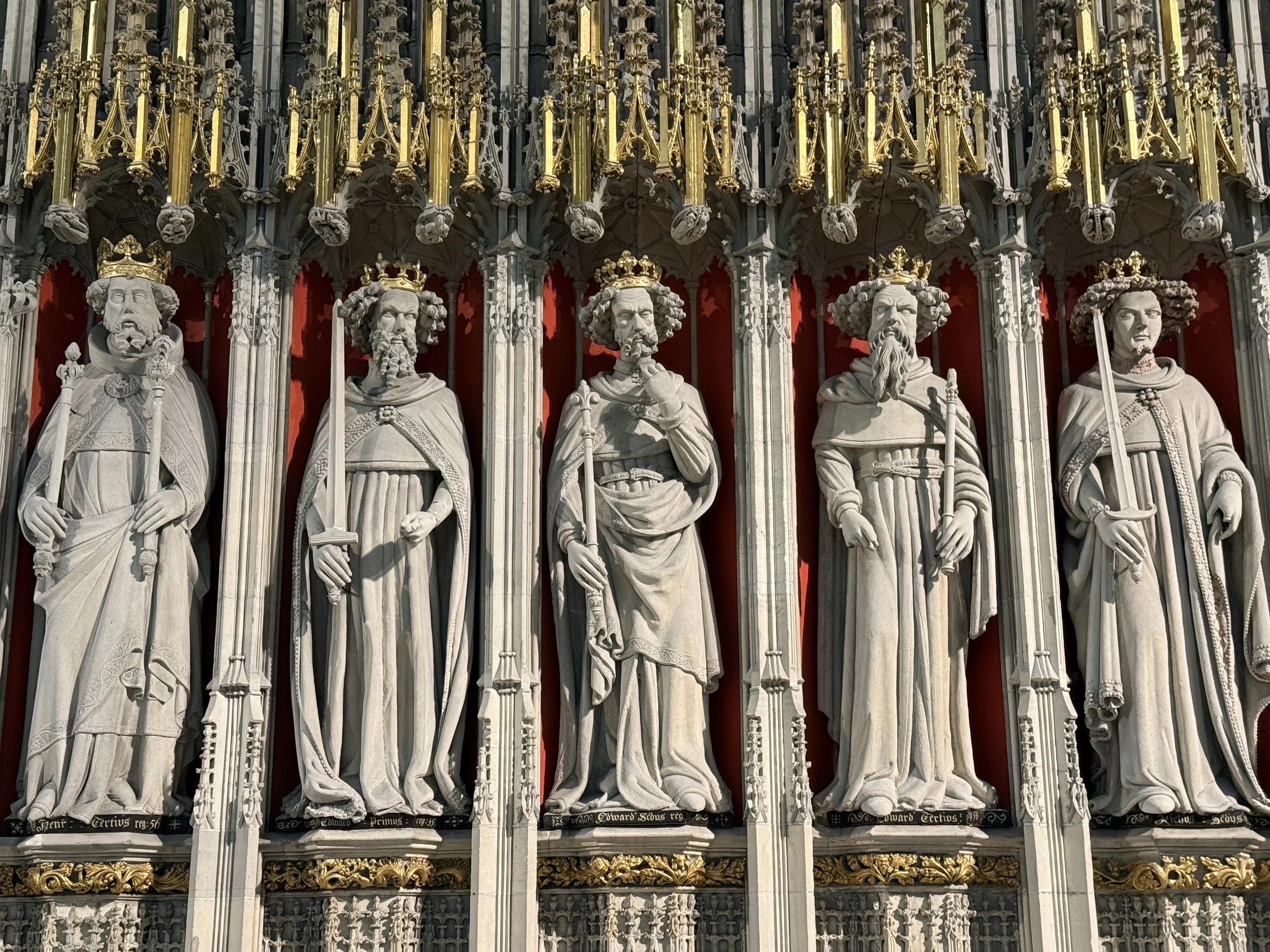
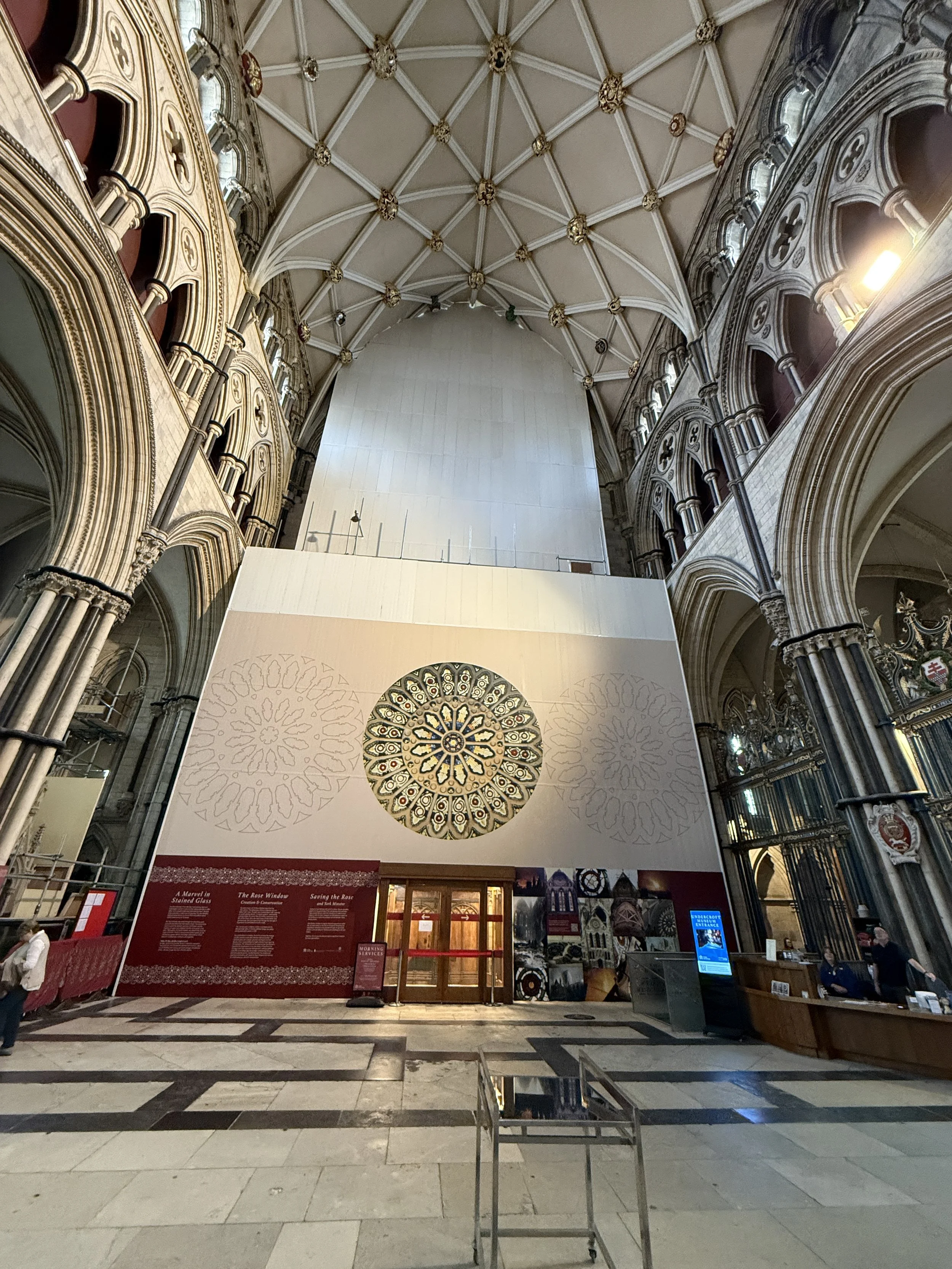
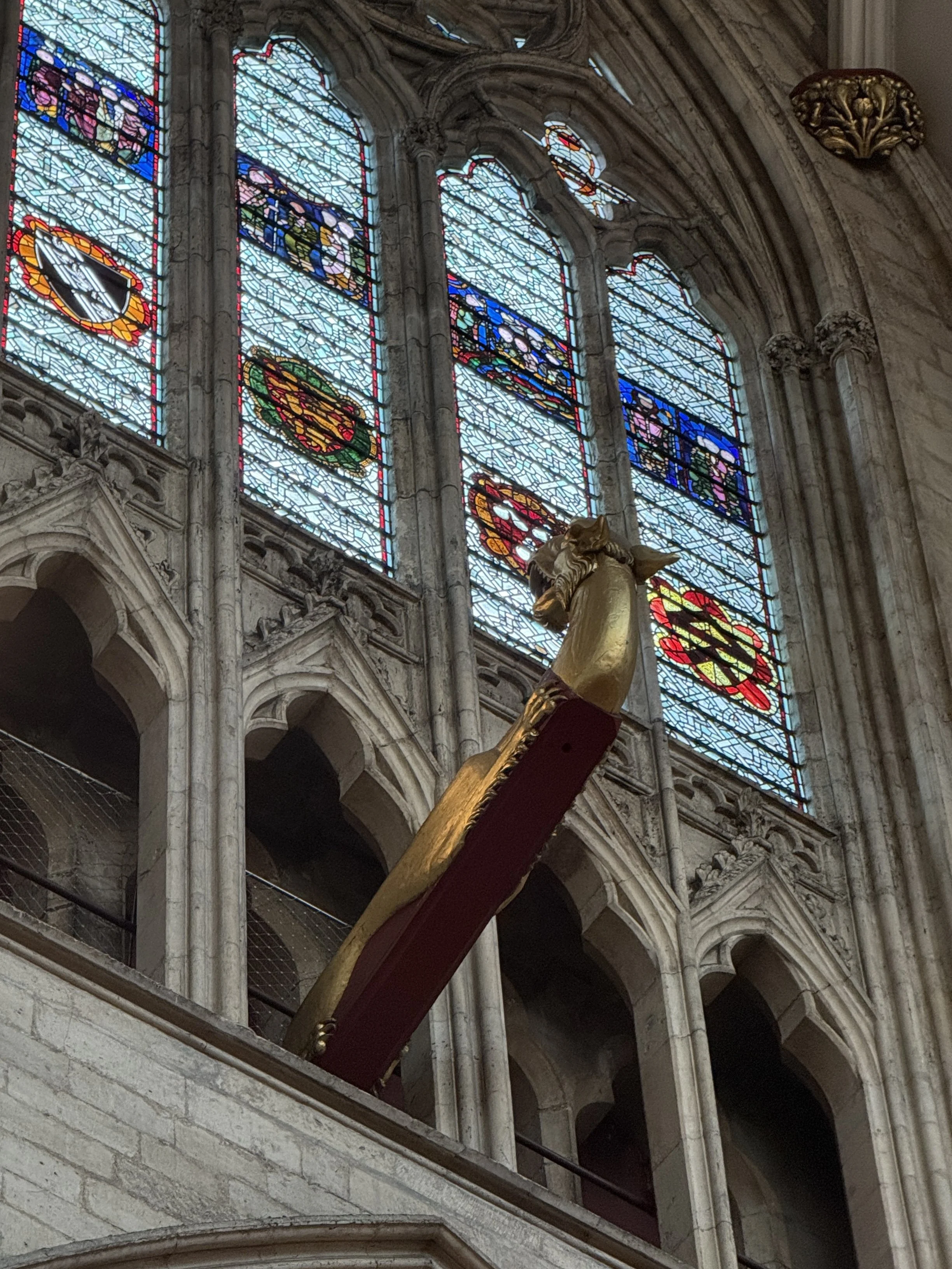
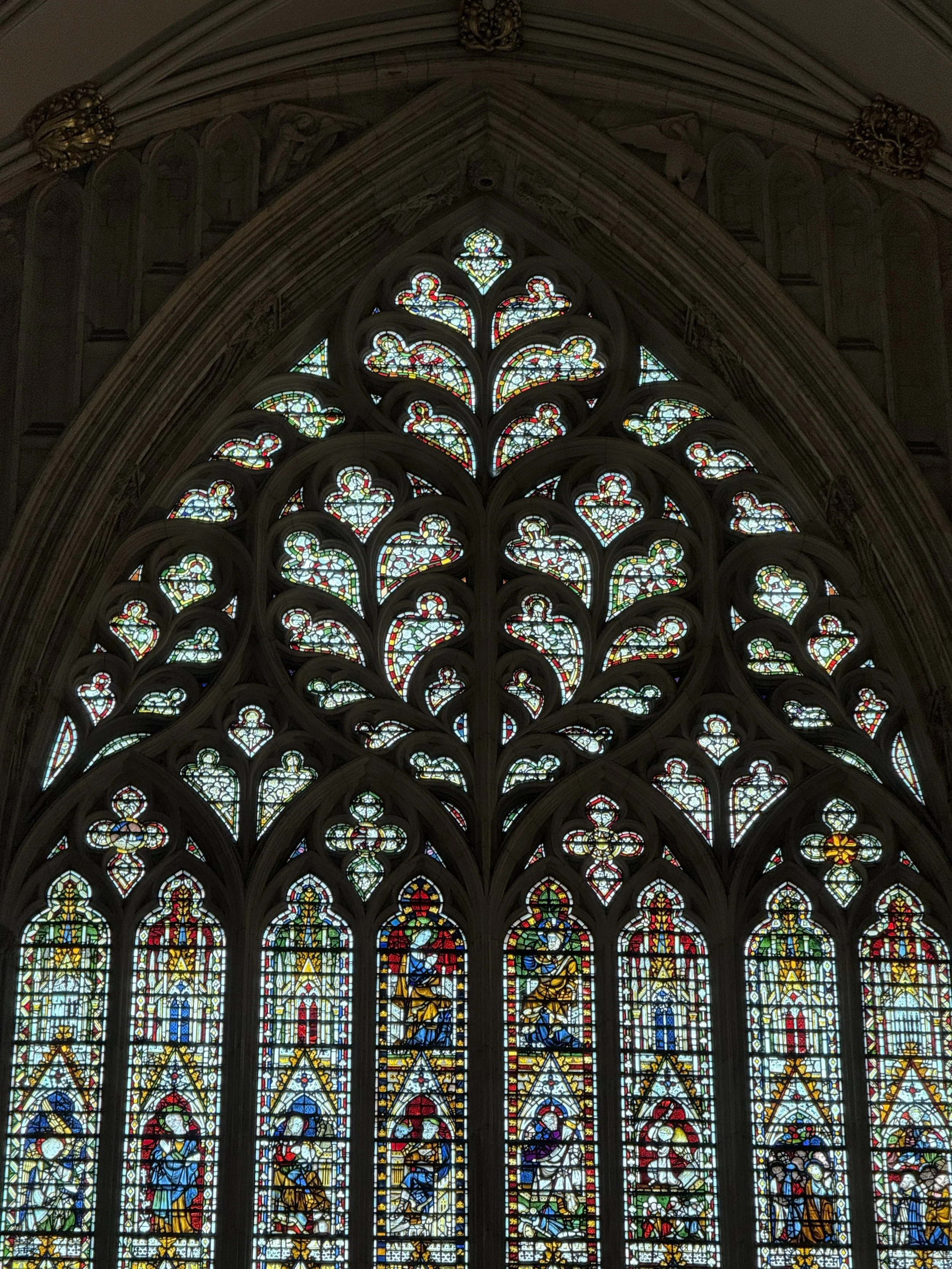
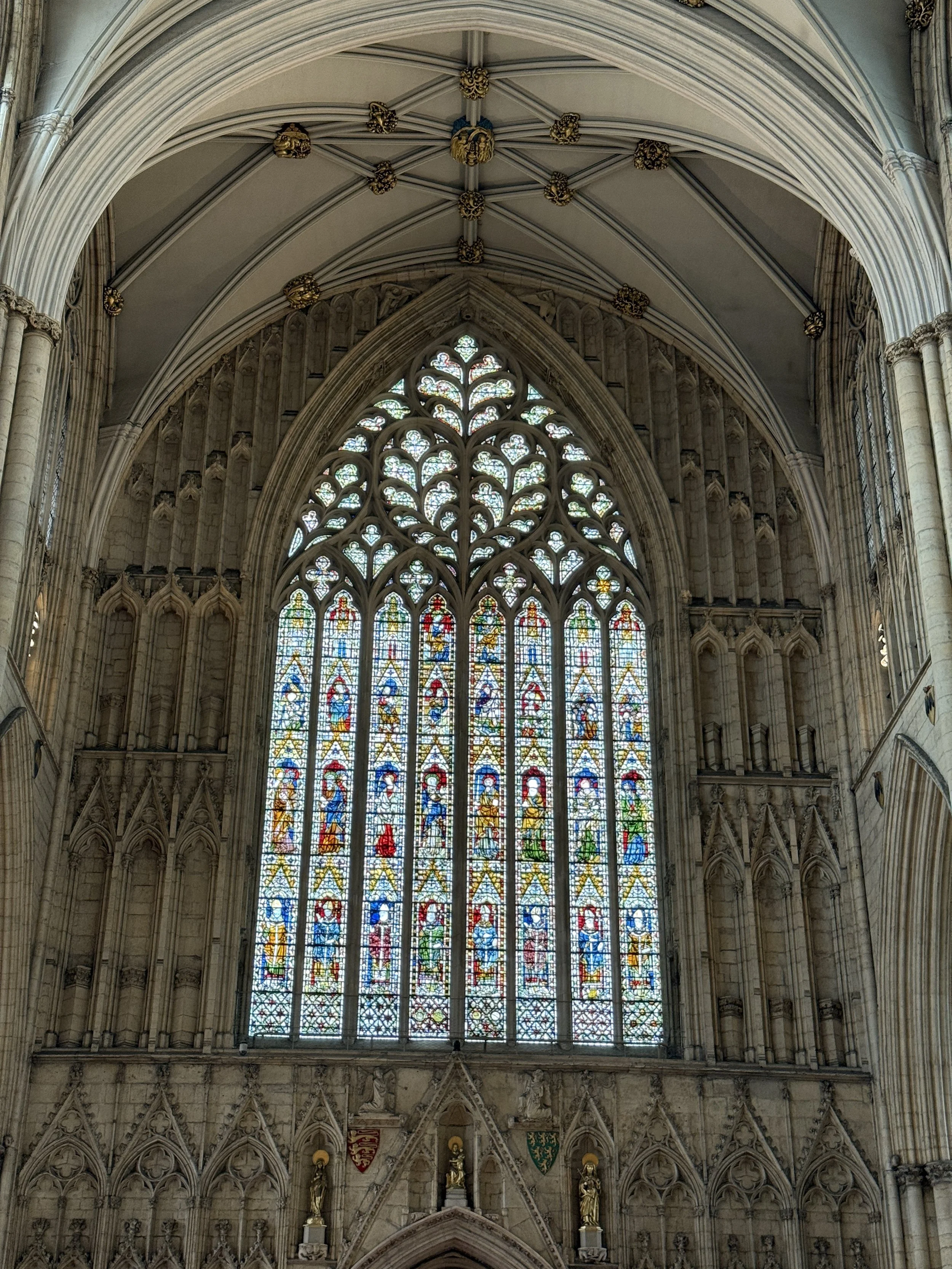
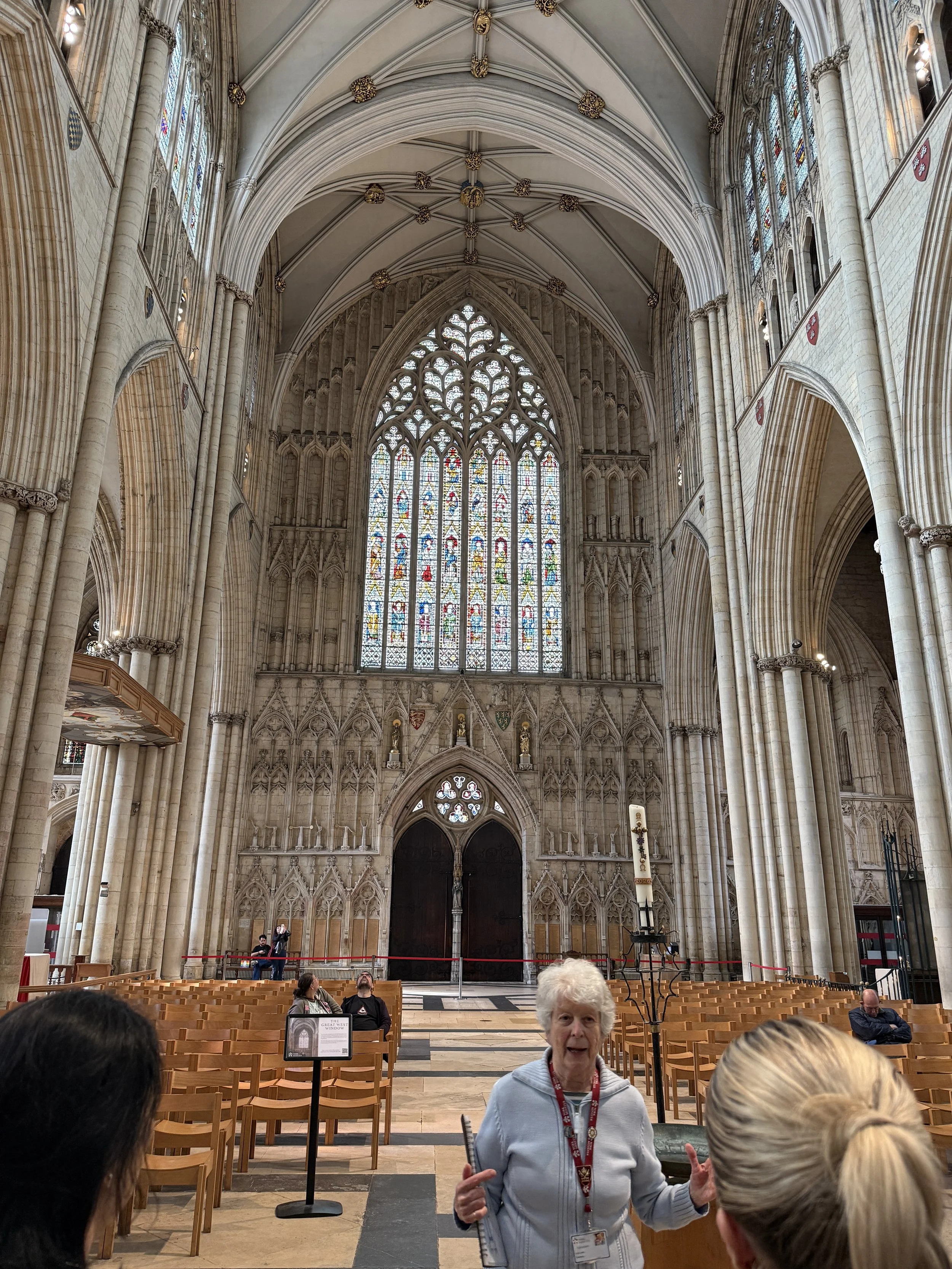
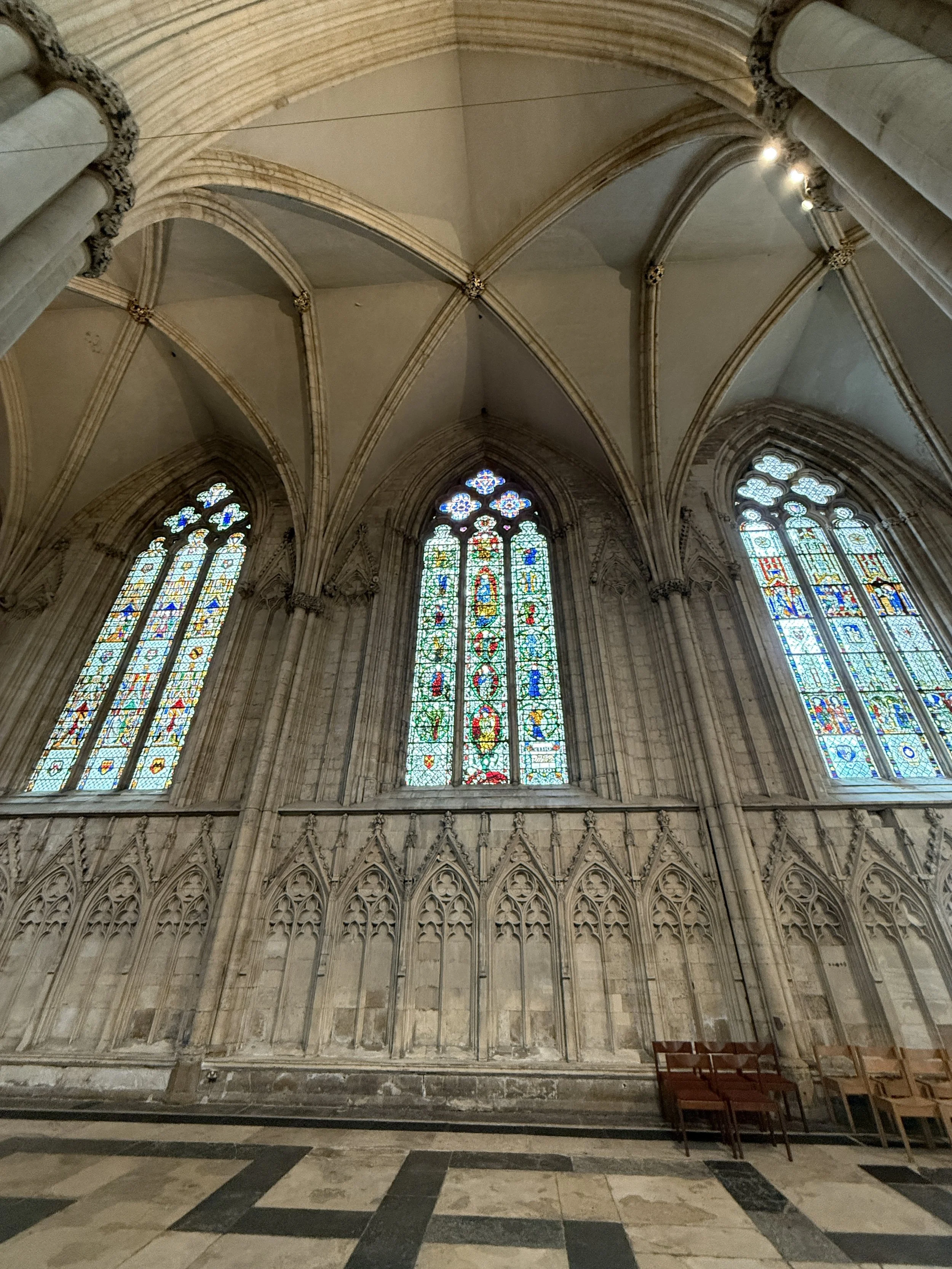
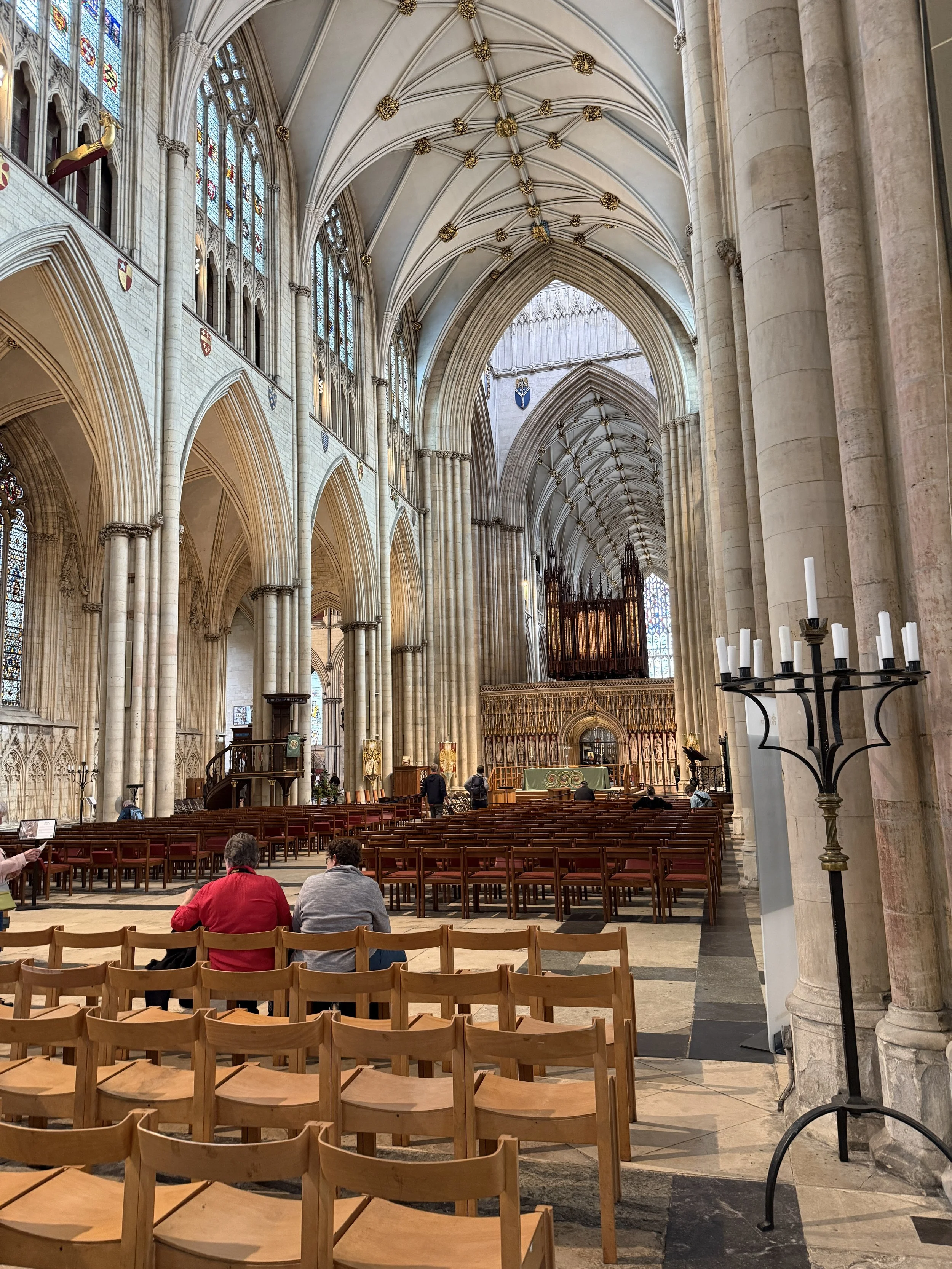
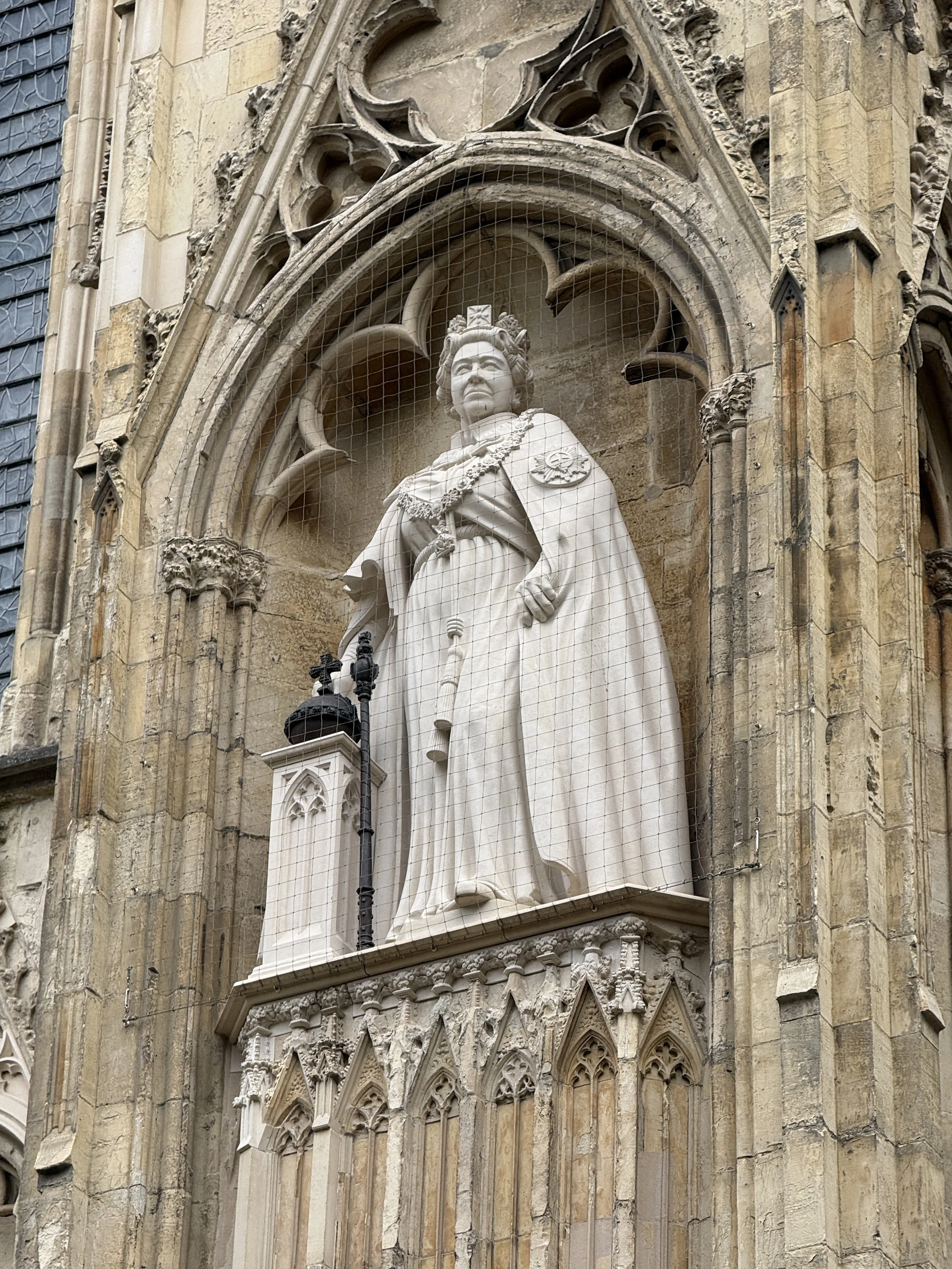
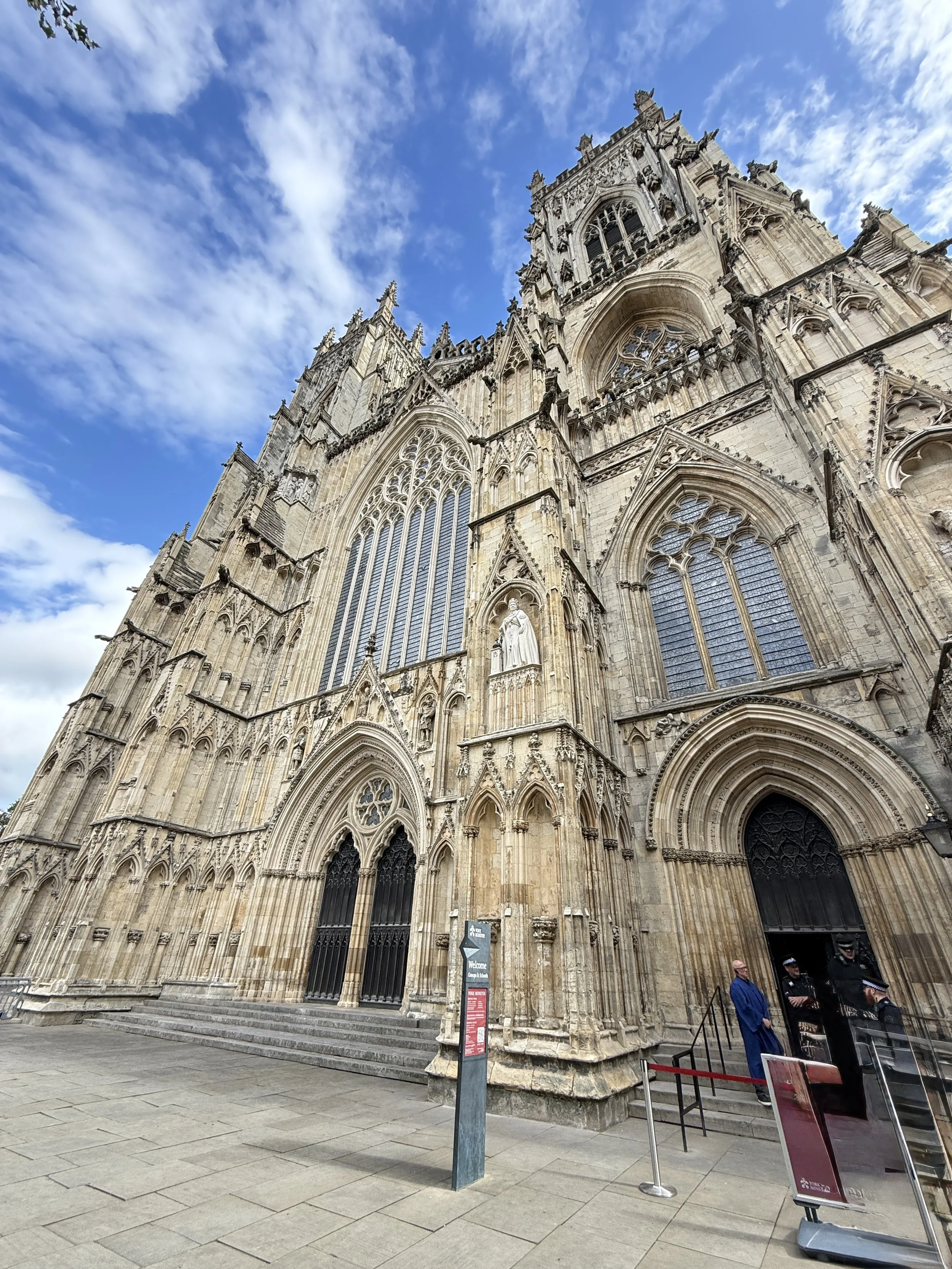
Dominating York is the enormous and breathtaking York Minster, one of the great Gothic cathedrals of Europe. Its soaring towers, vast interior, medieval stained glass, and centuries of history gave us a remarkable sense of the importance York once held as a religious and political center.
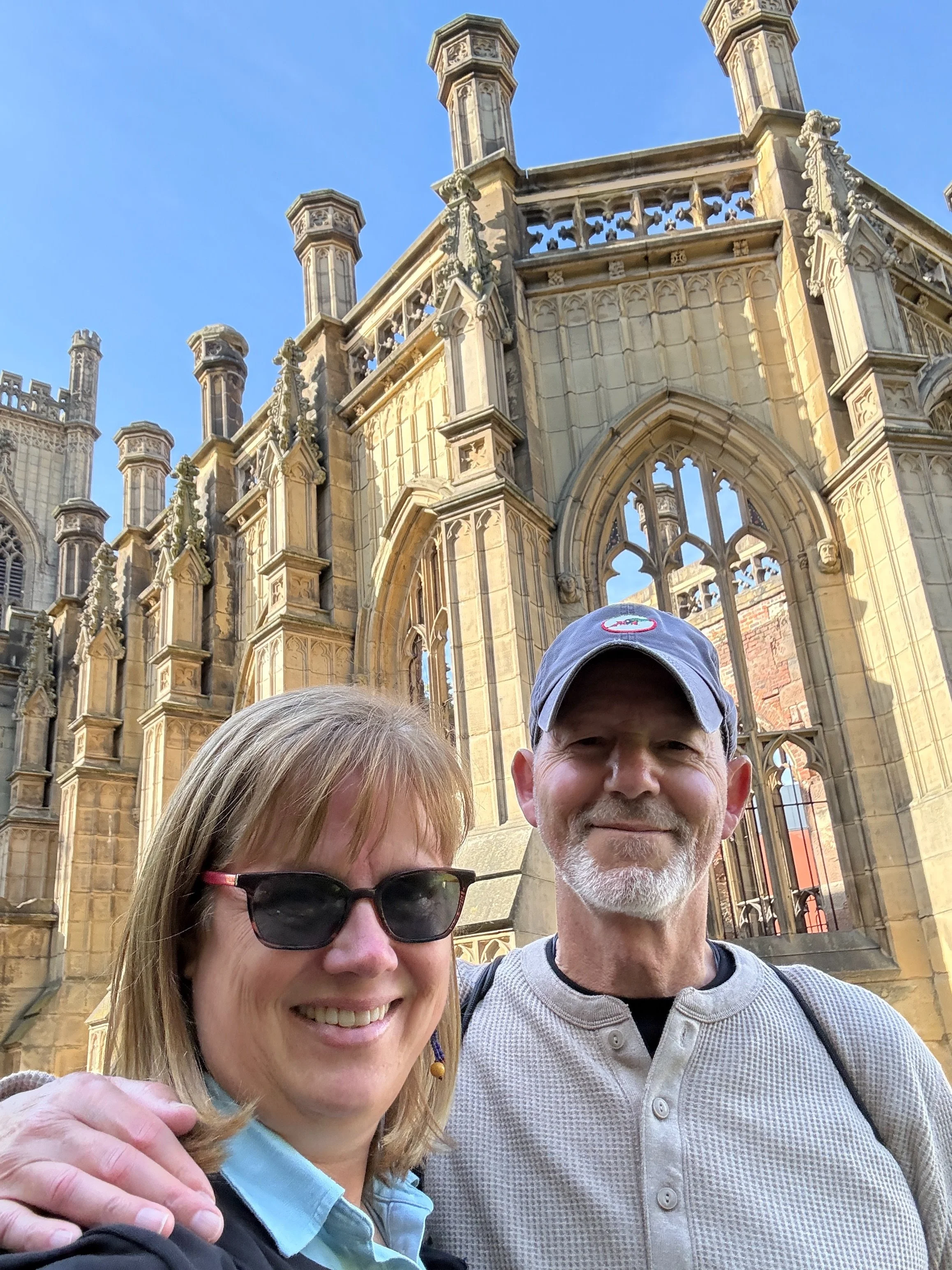
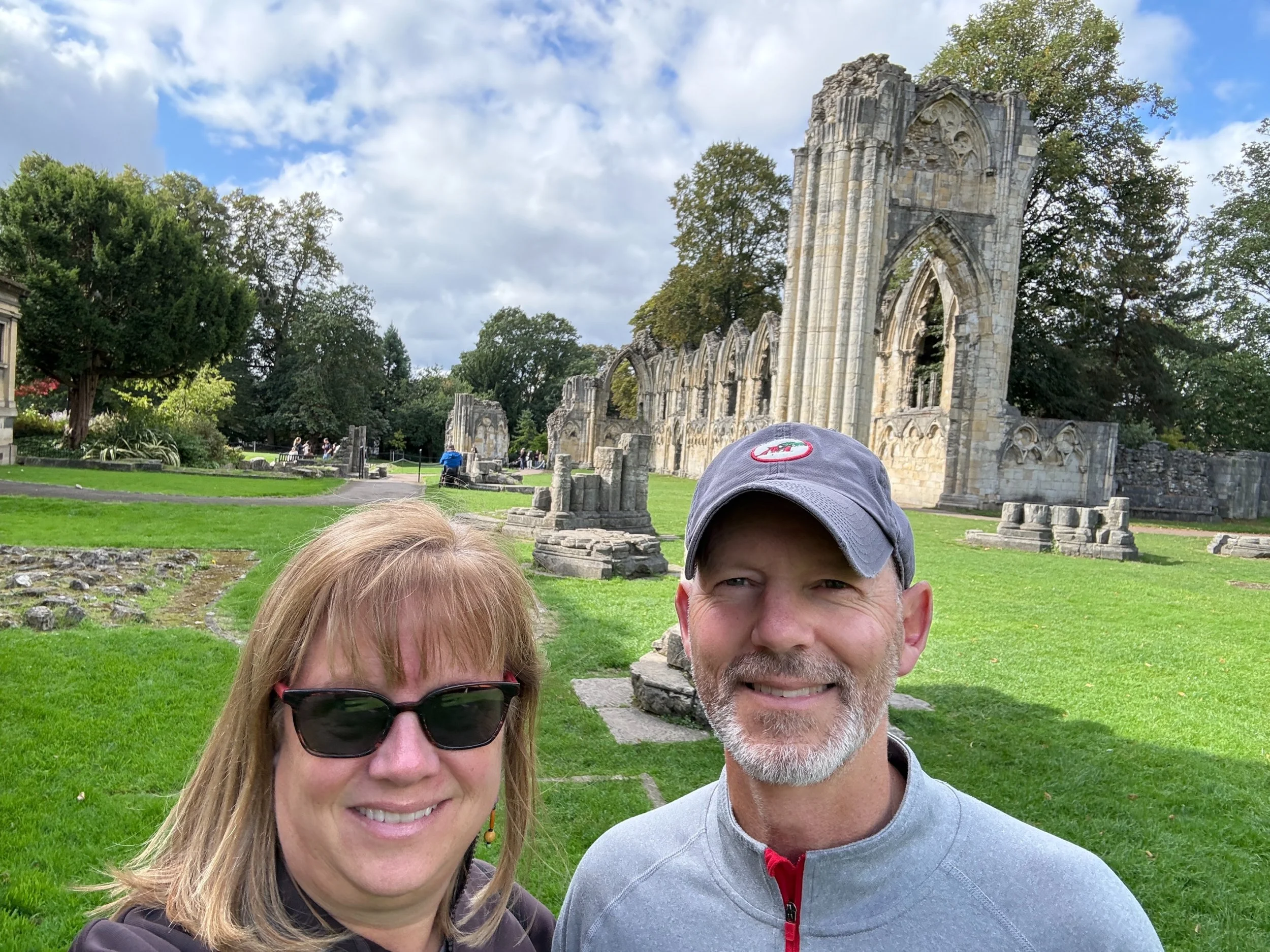
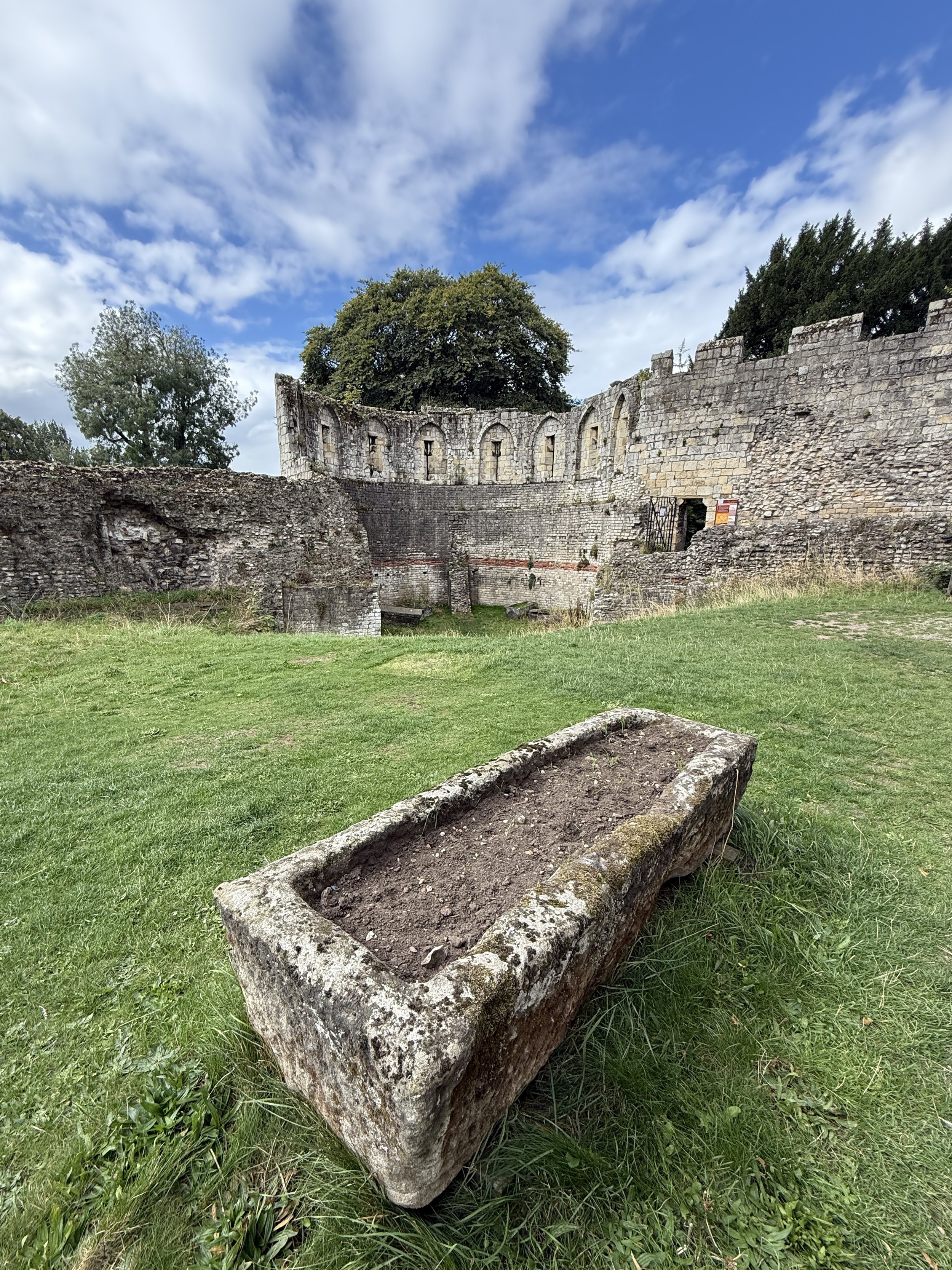
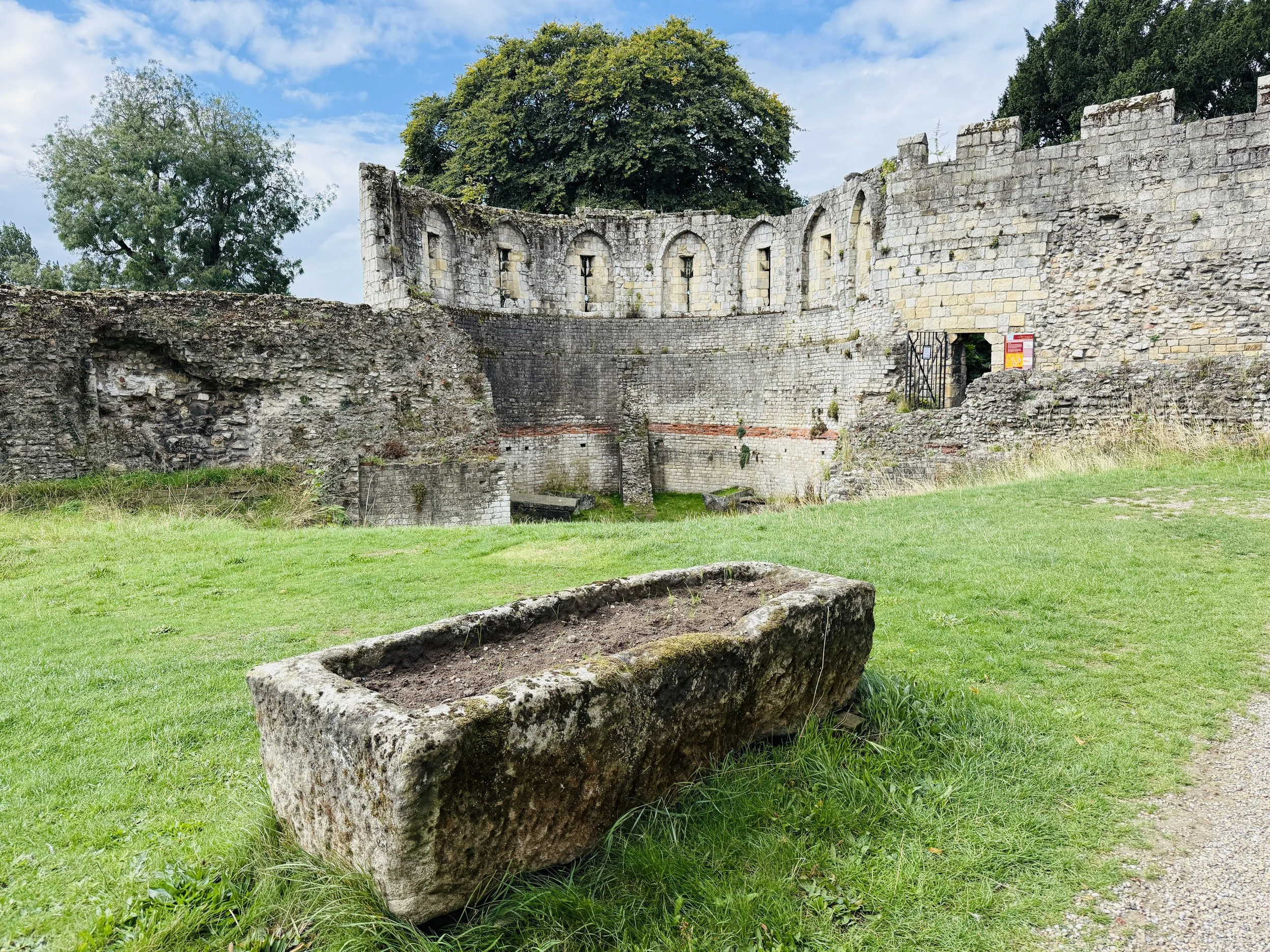
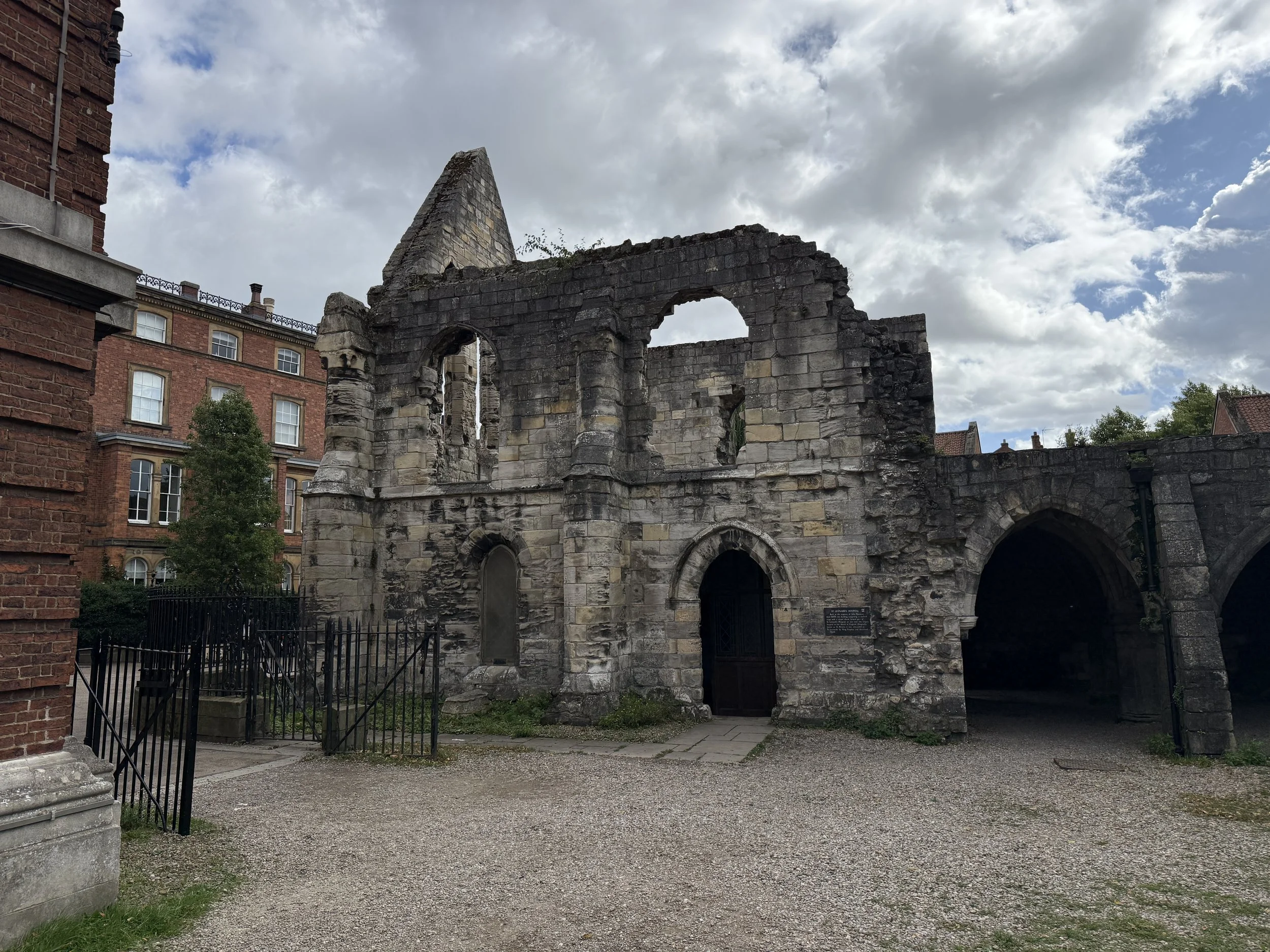
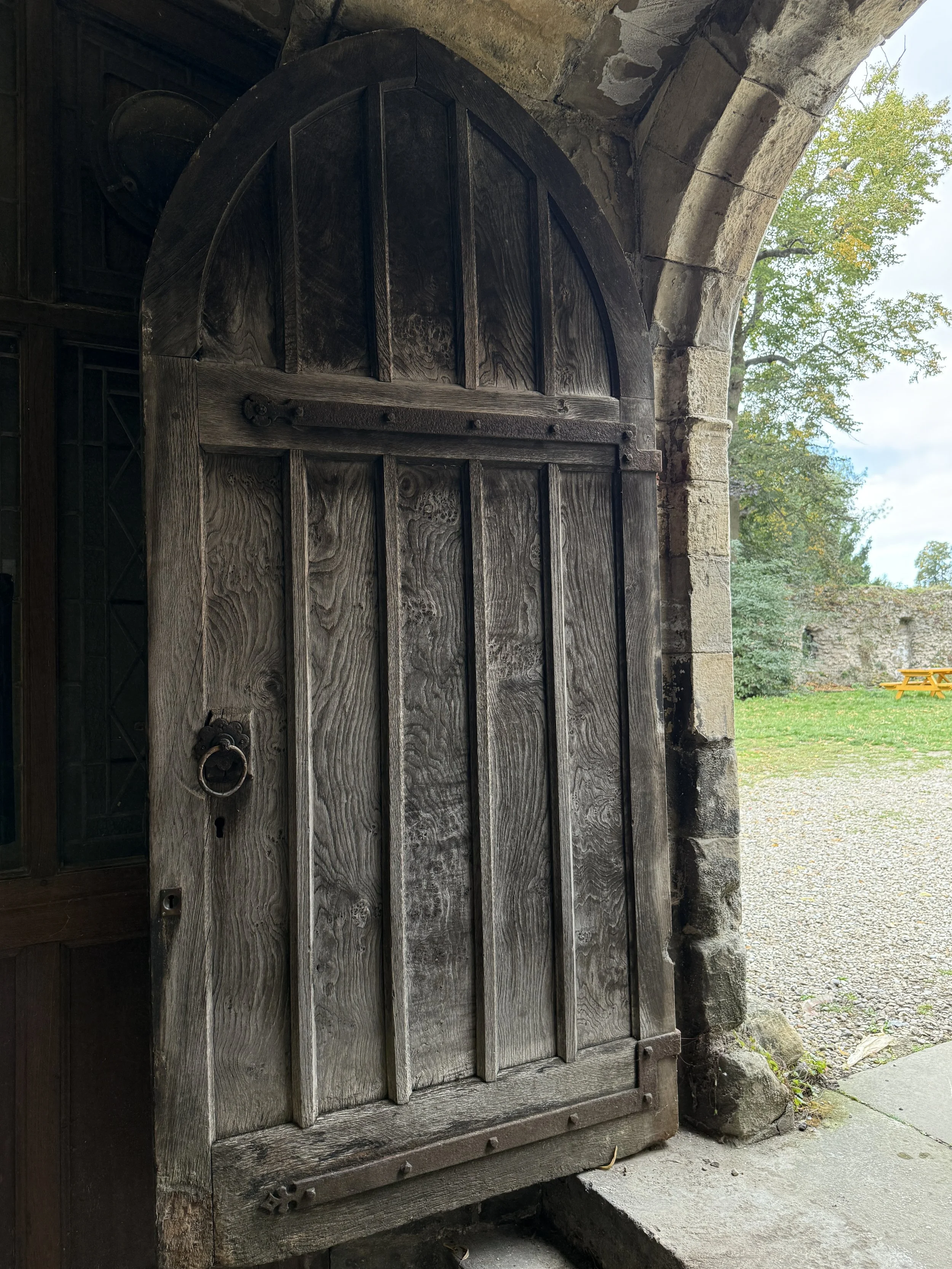
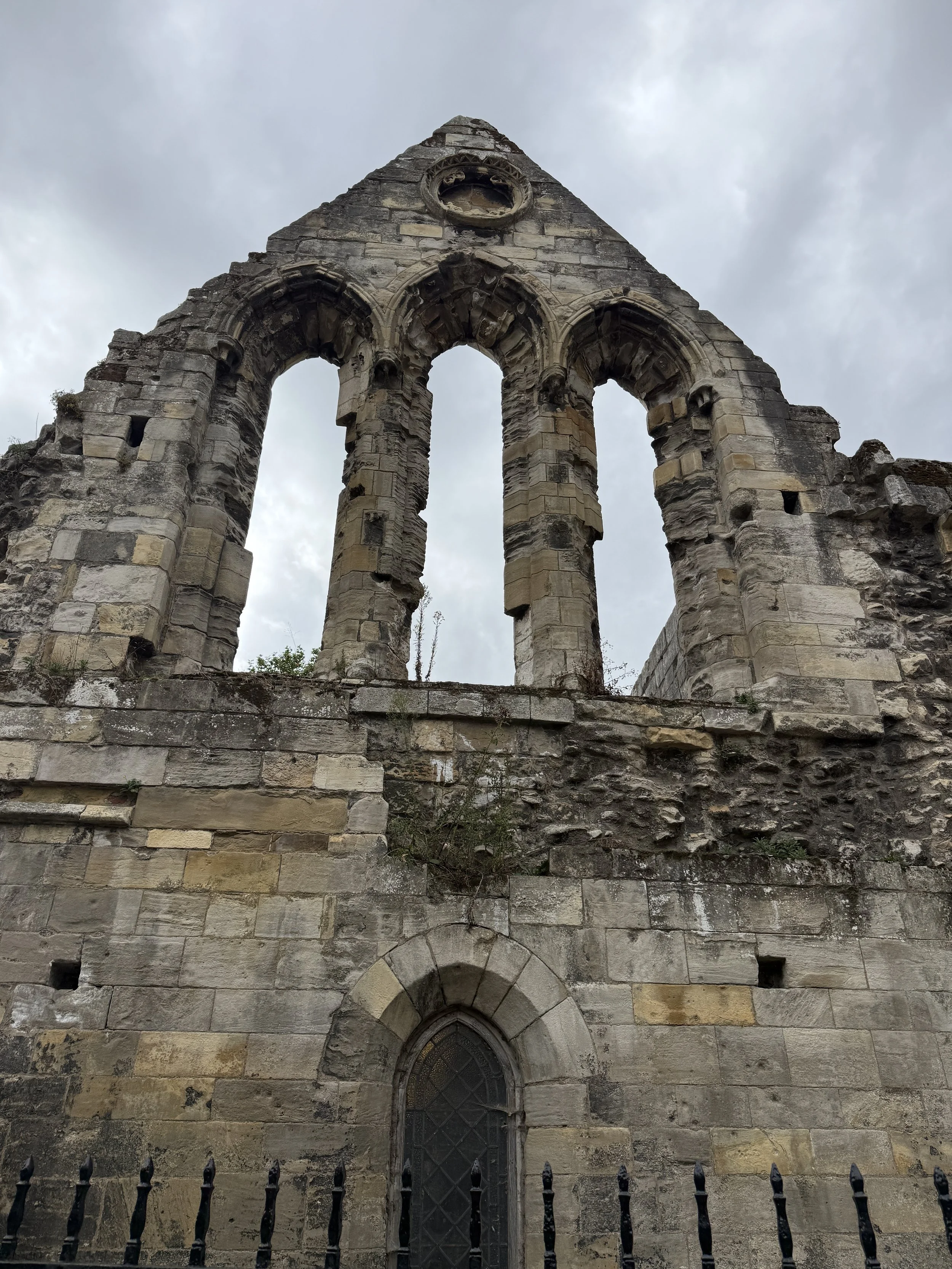
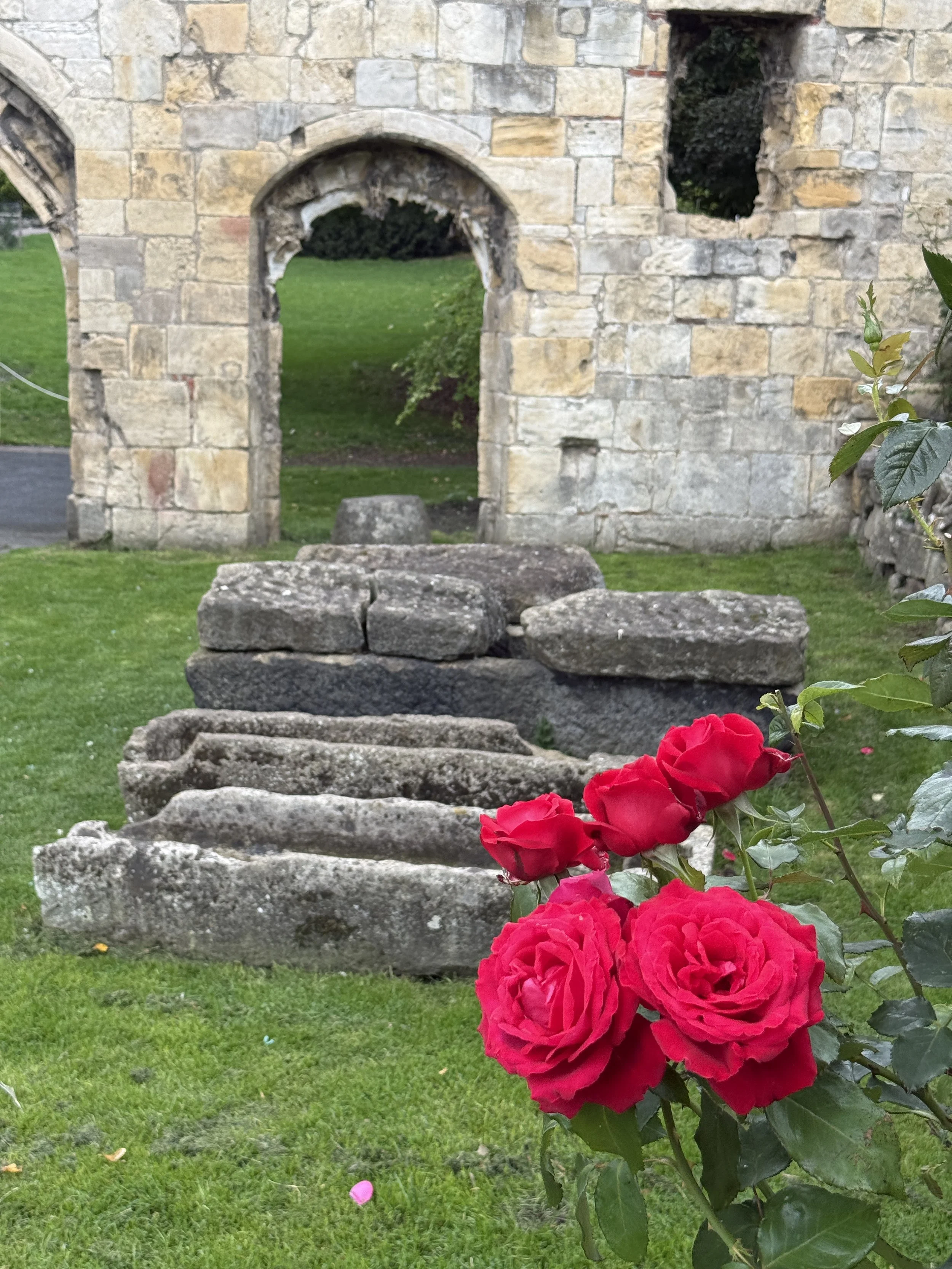
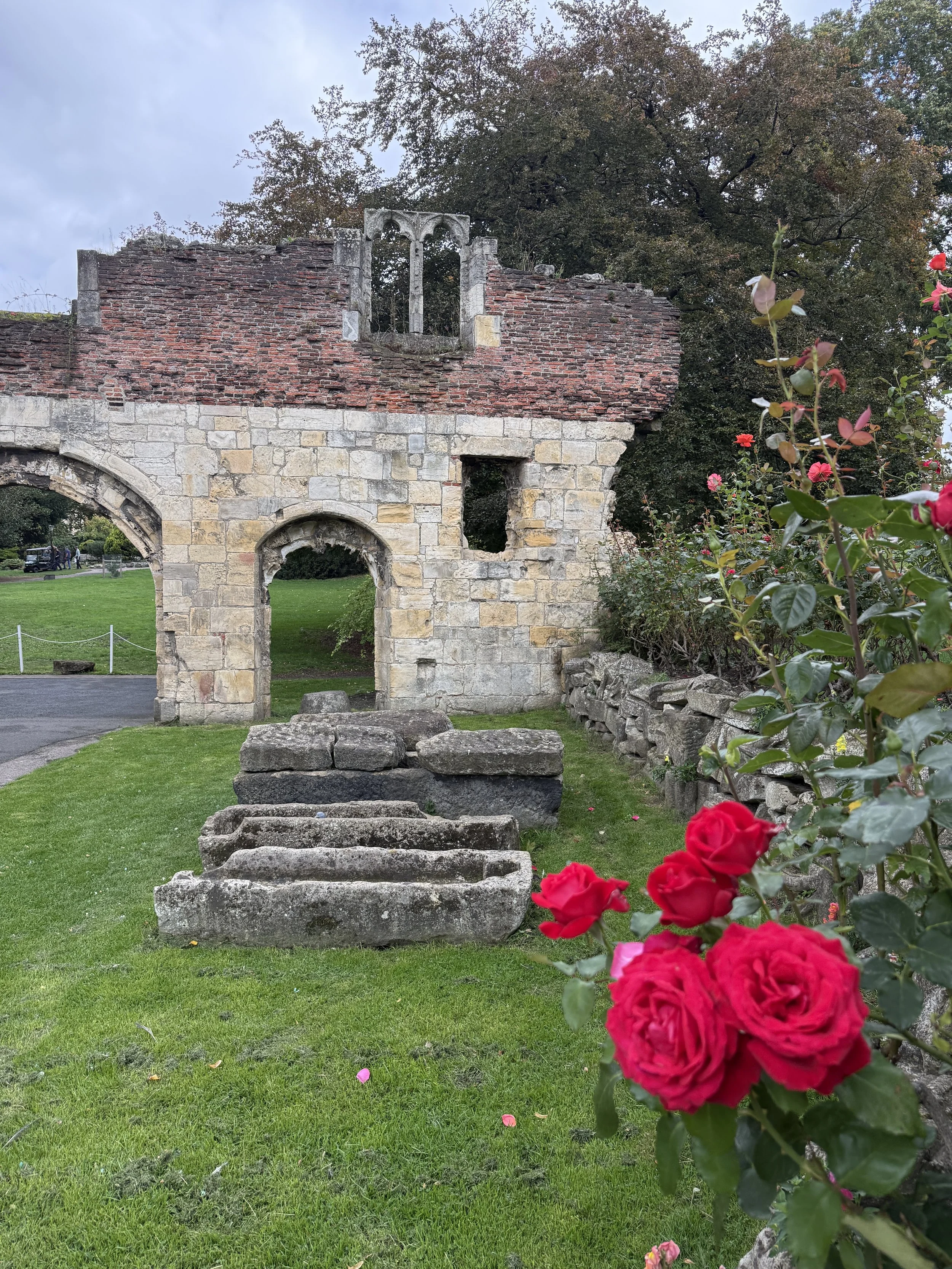
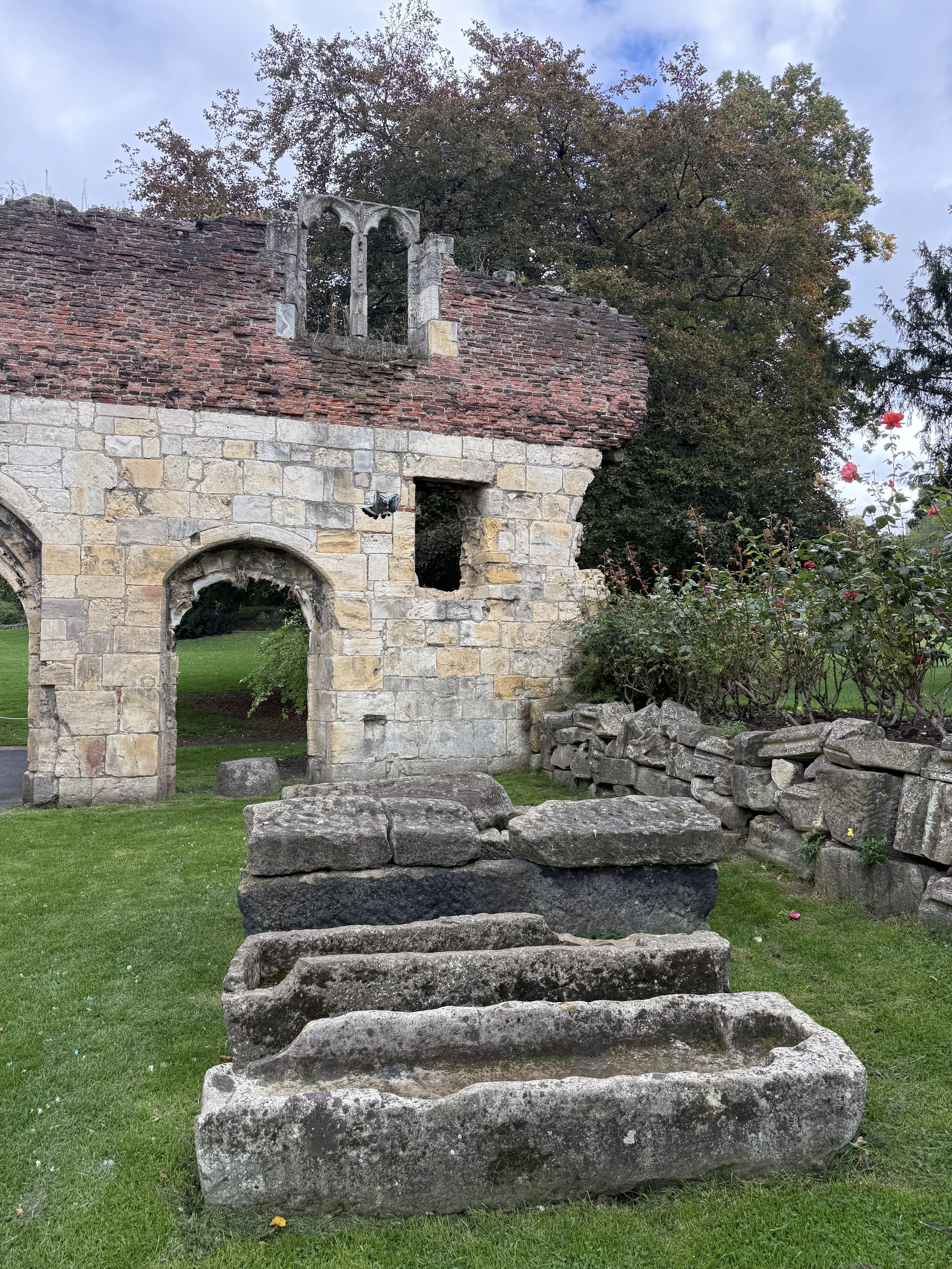
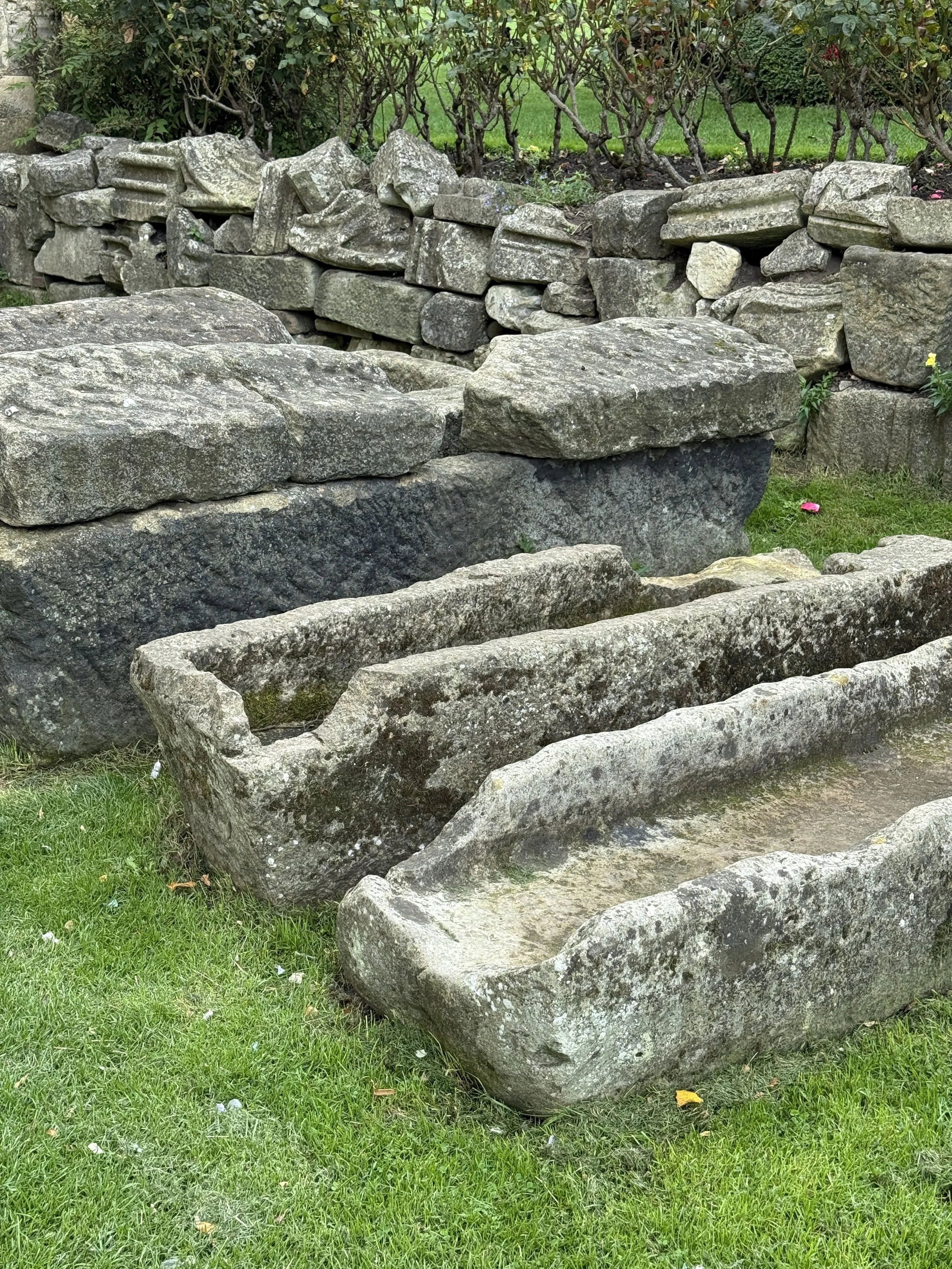
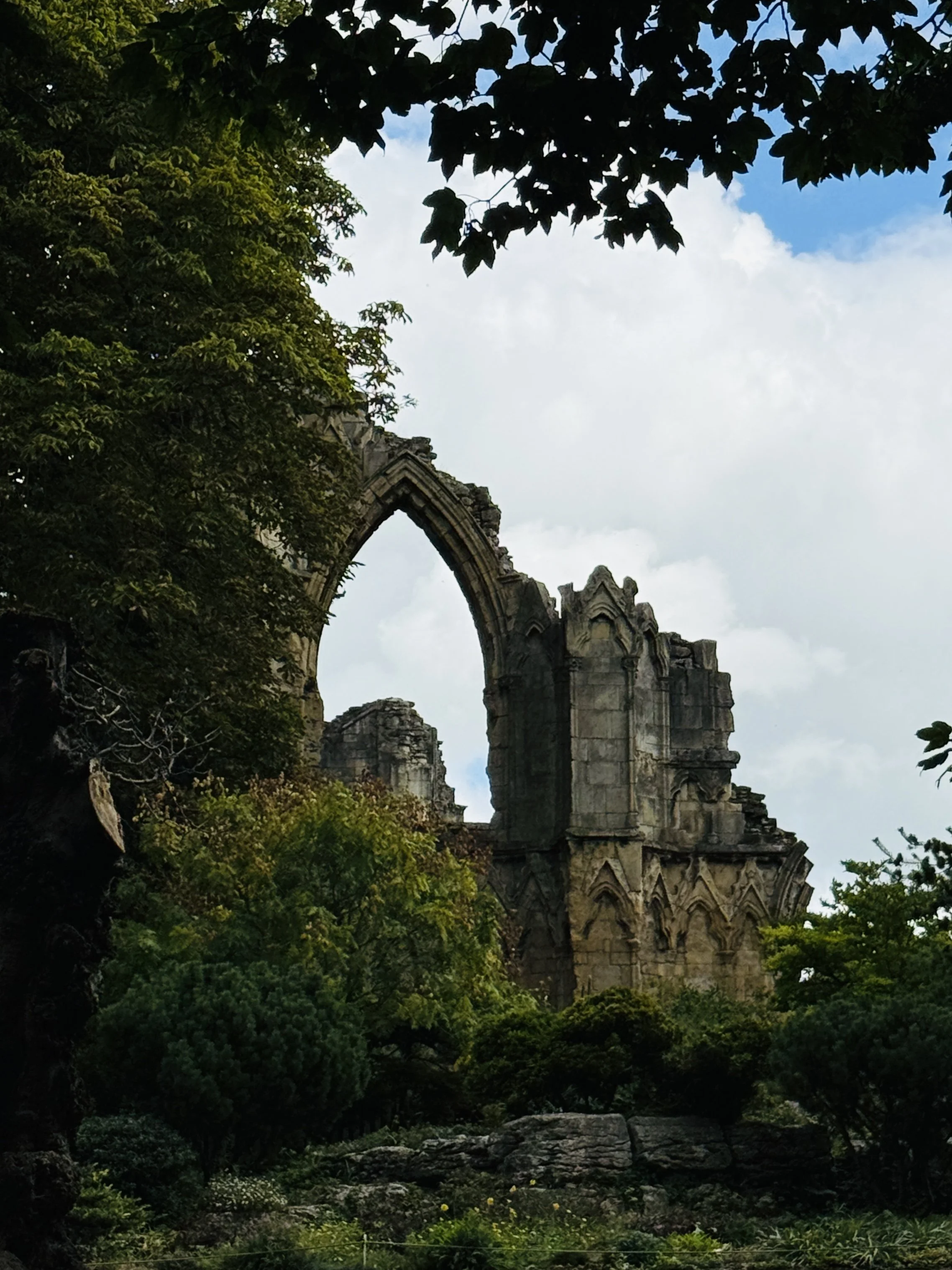
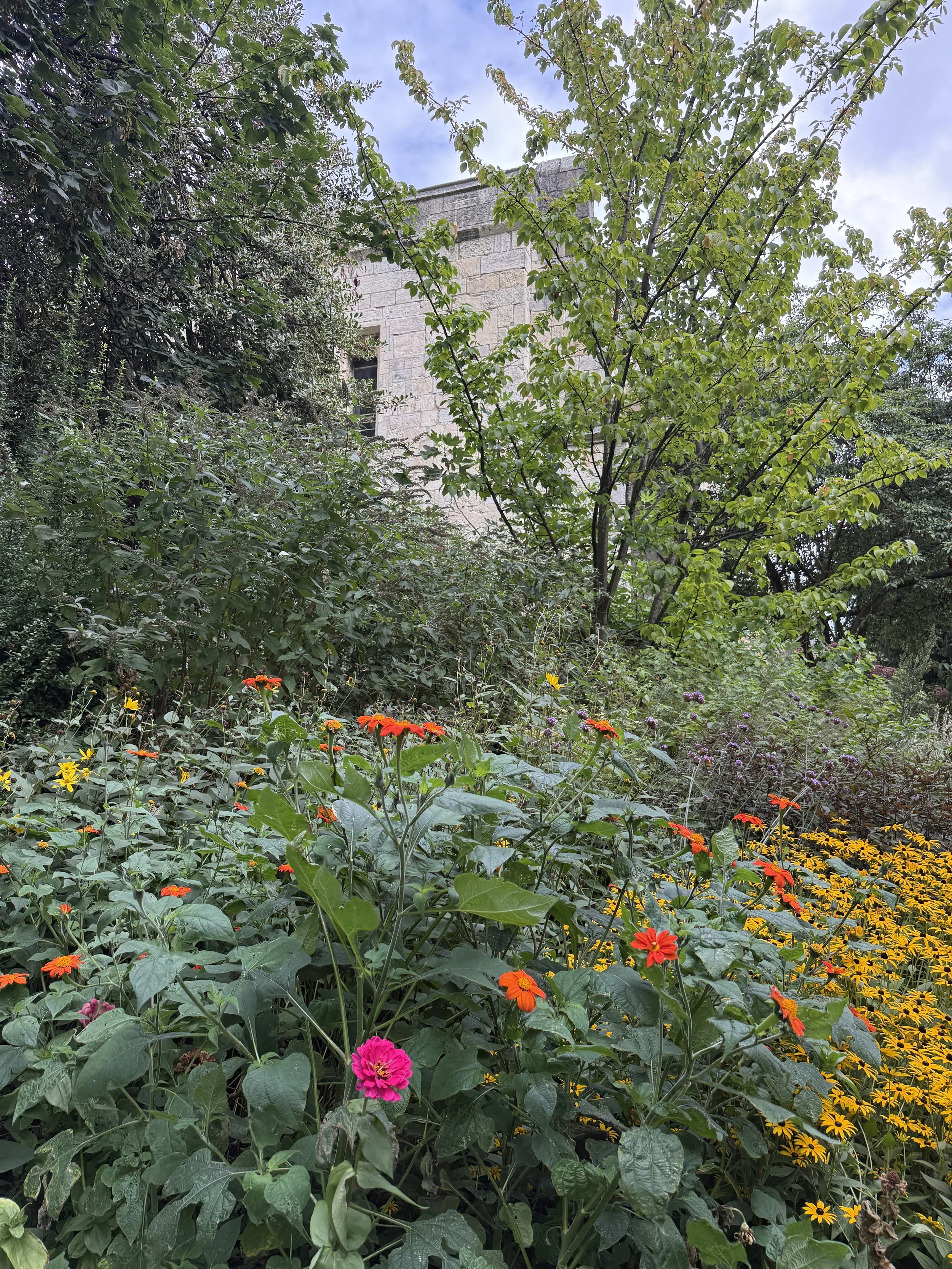
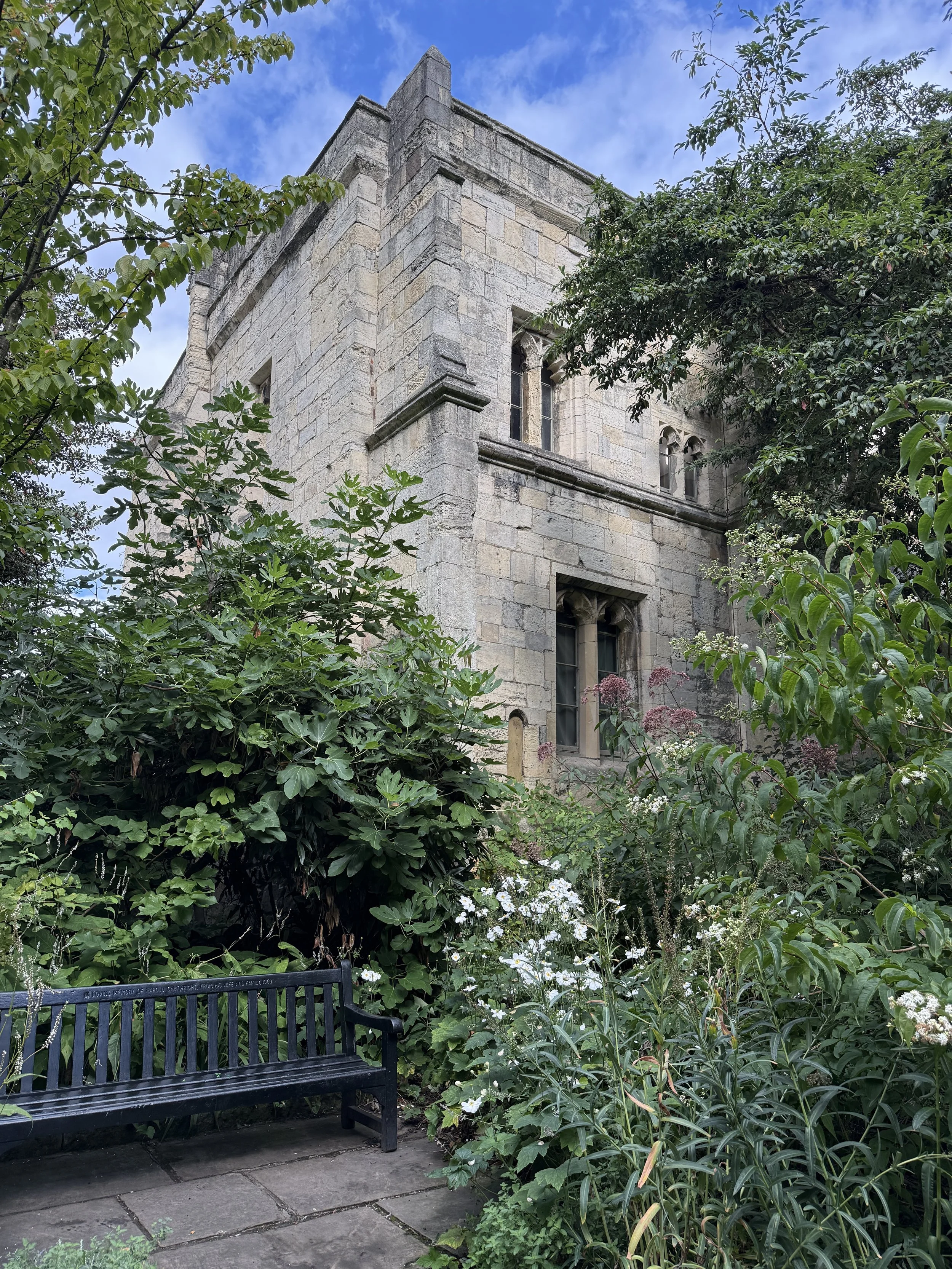
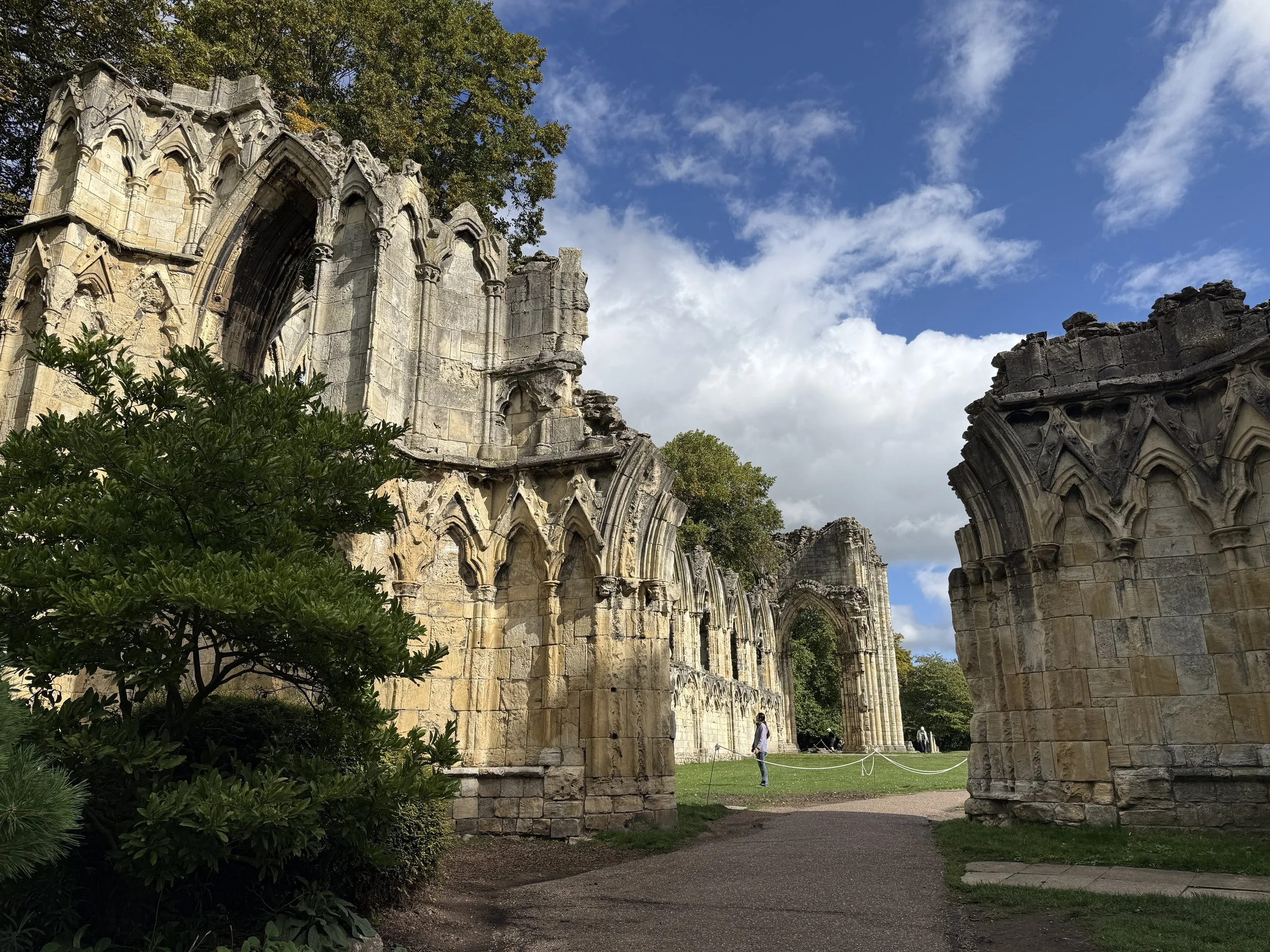
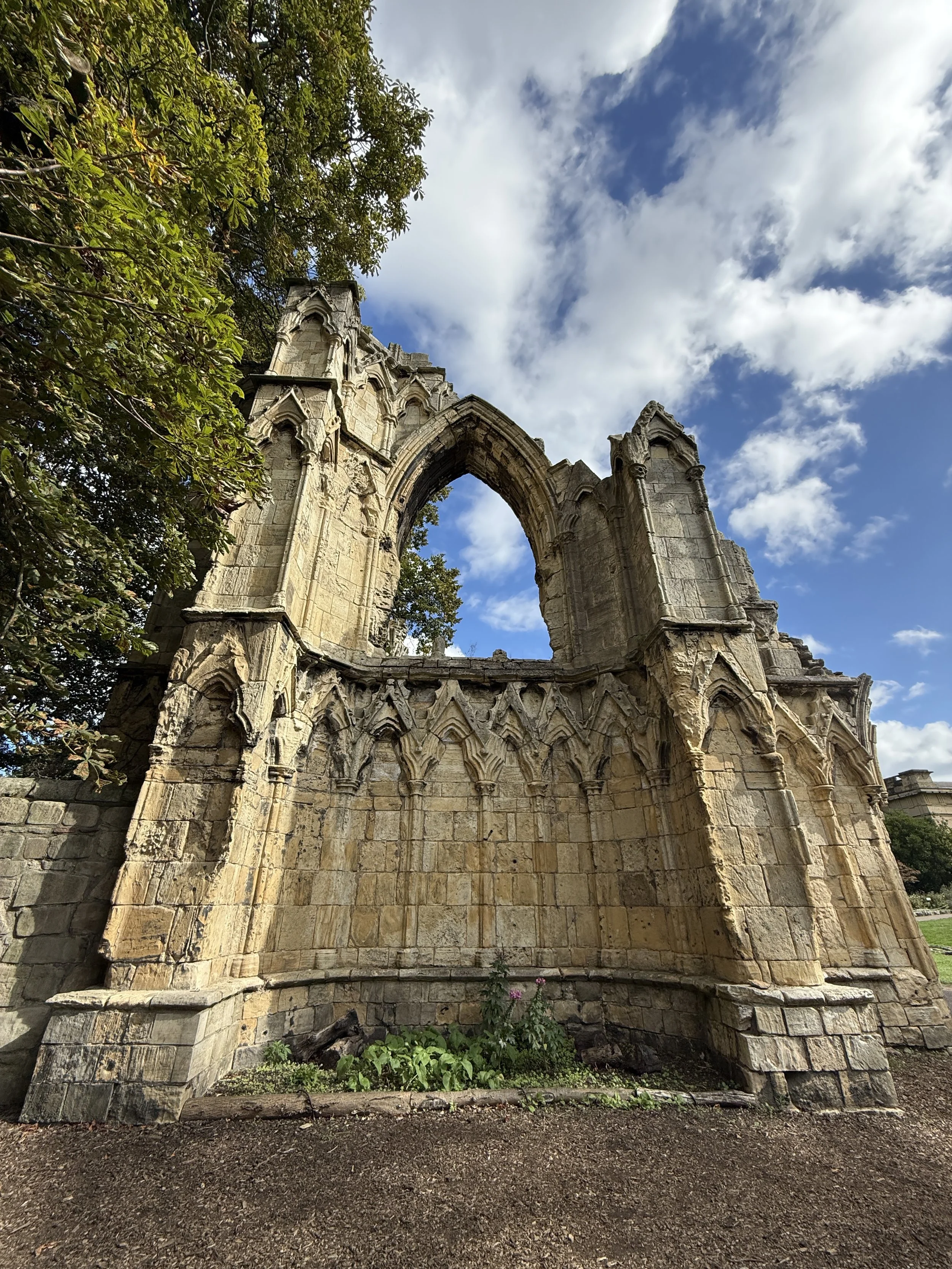
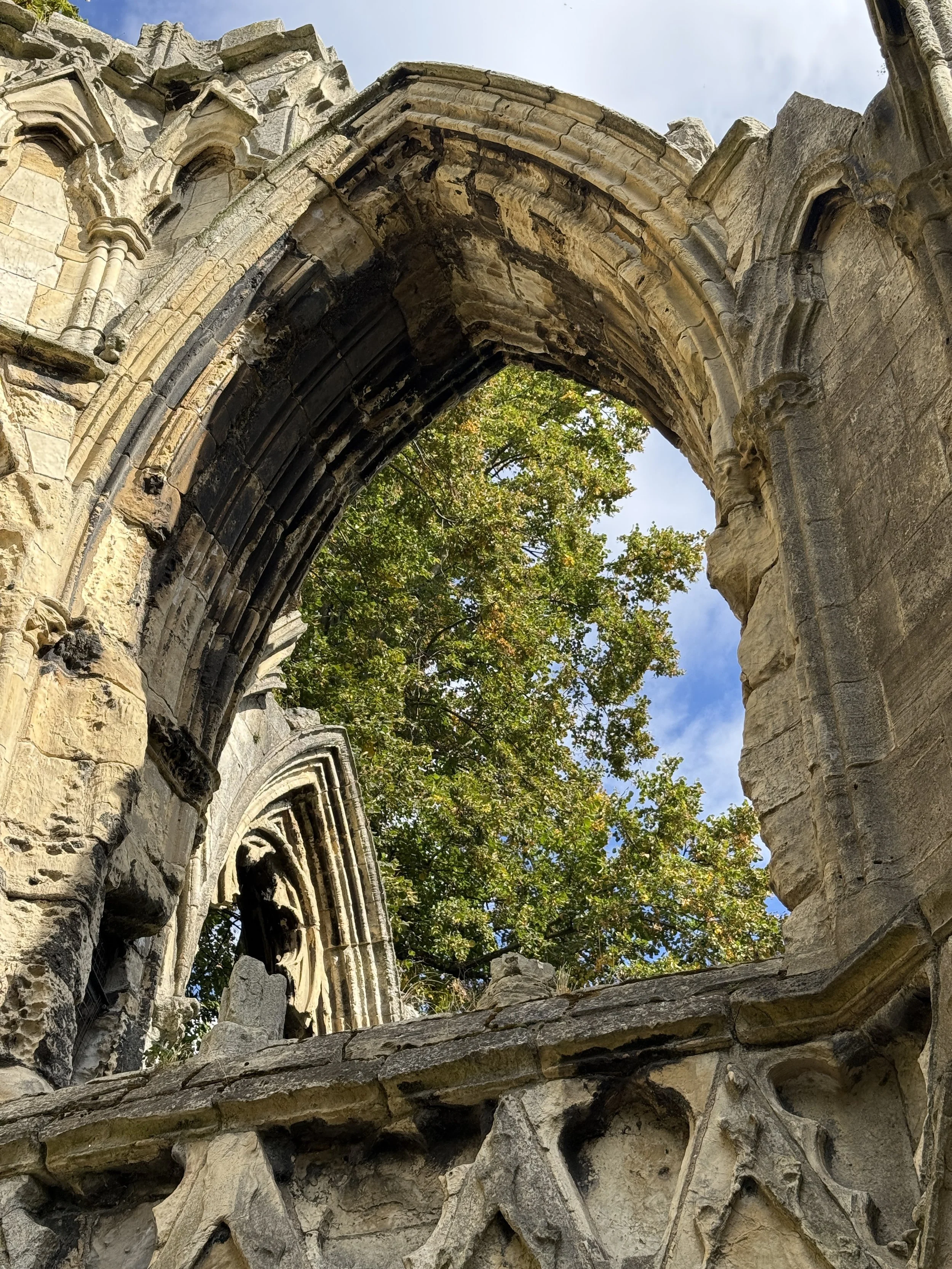
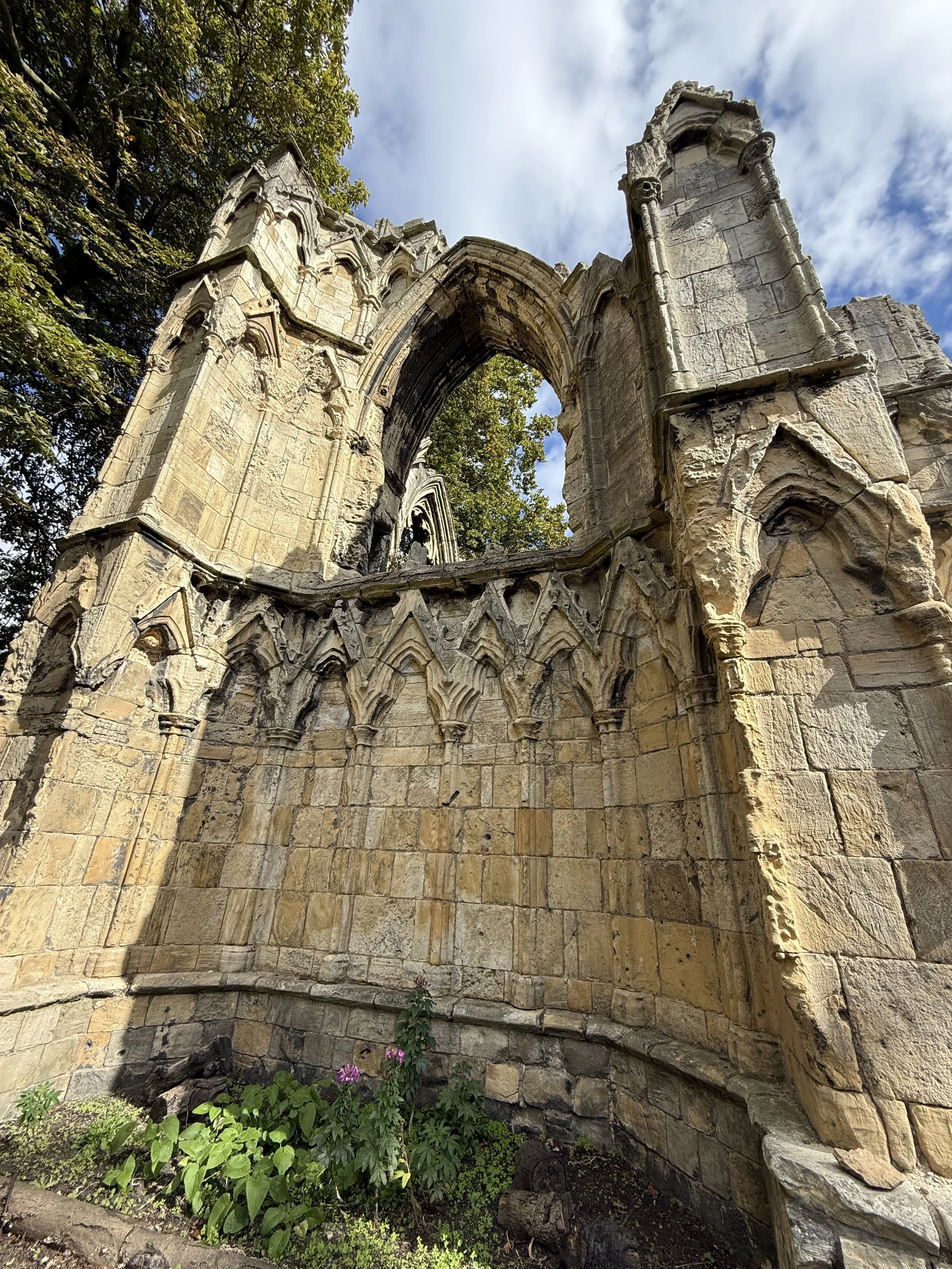
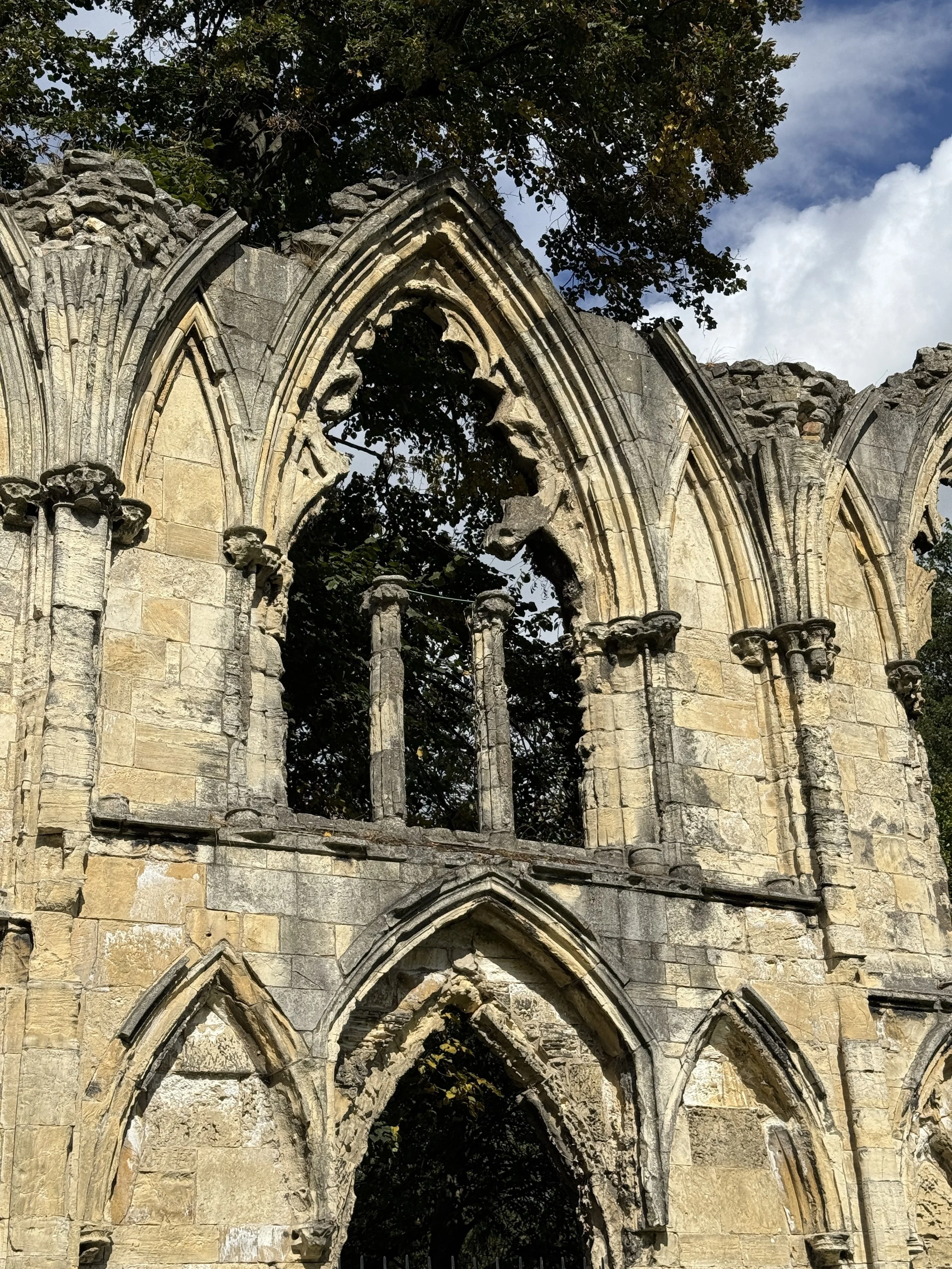
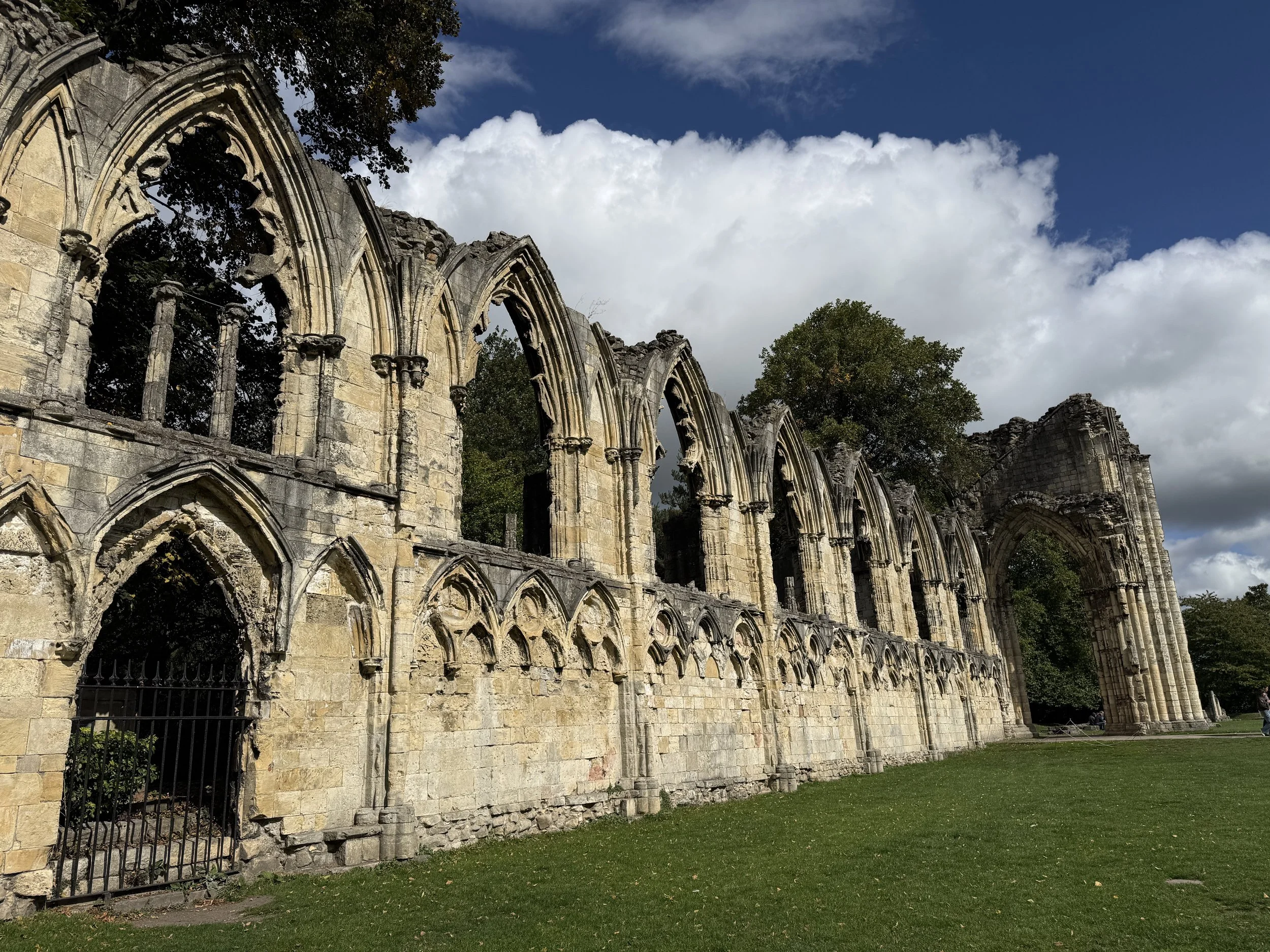
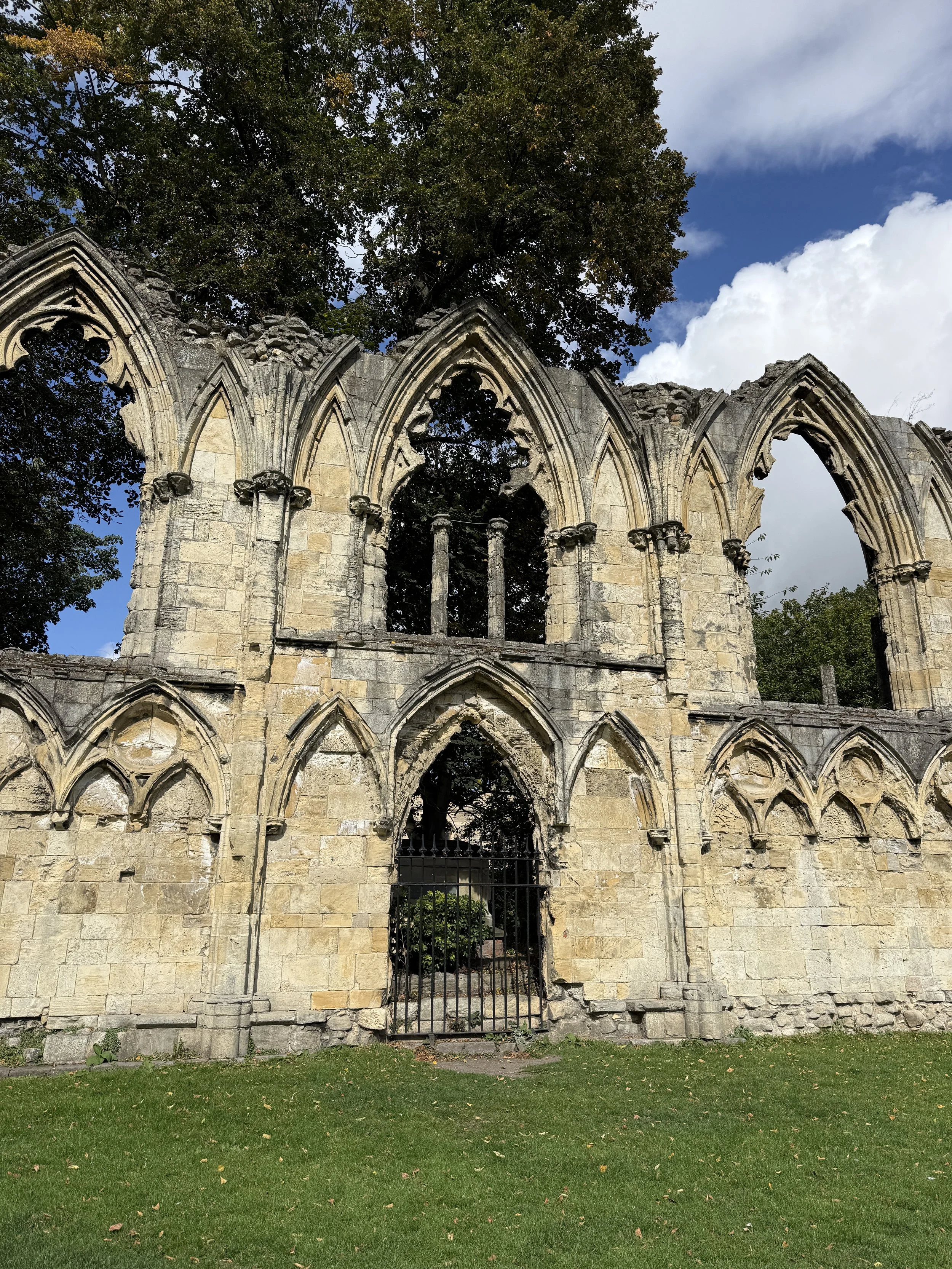
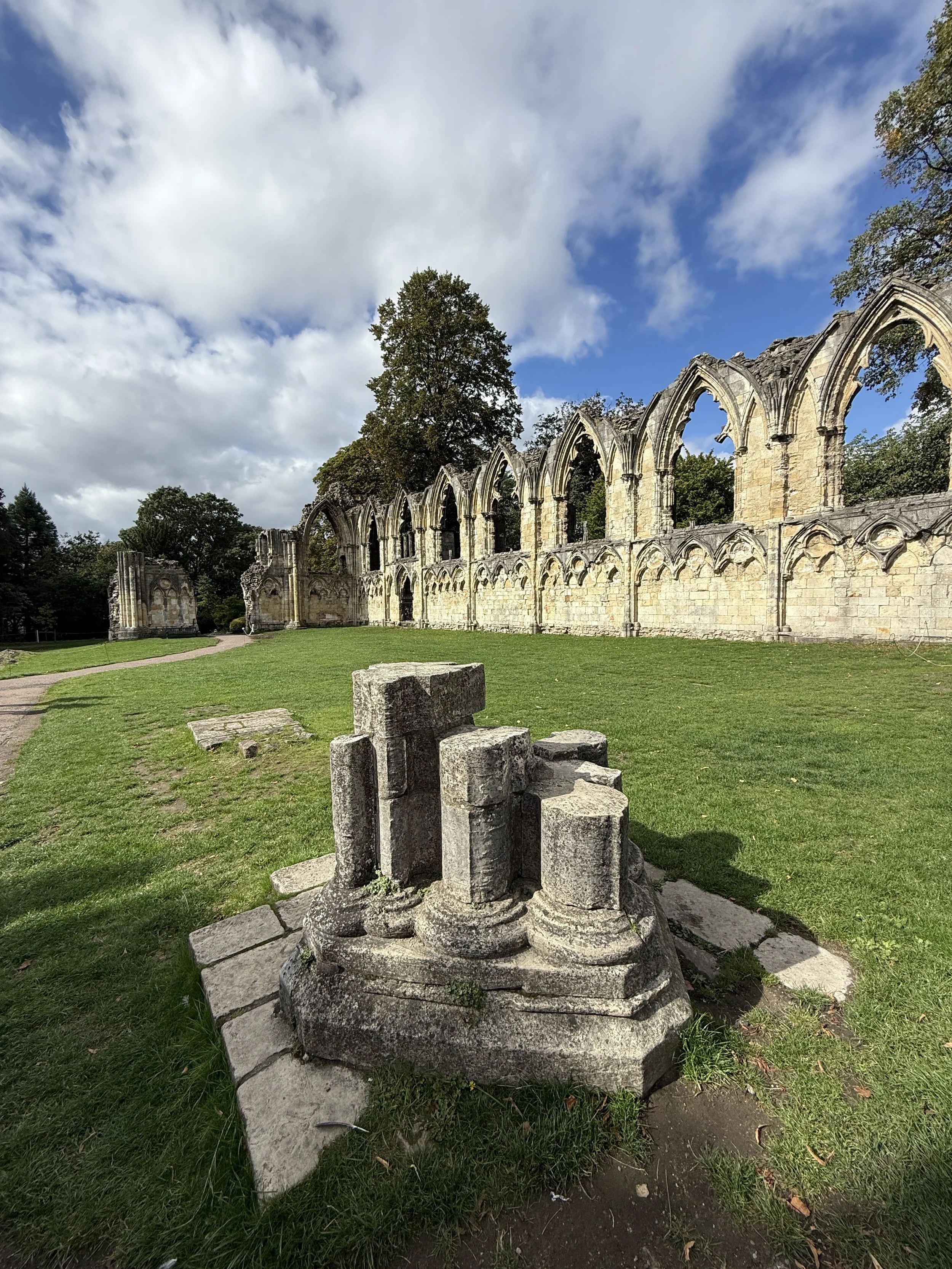
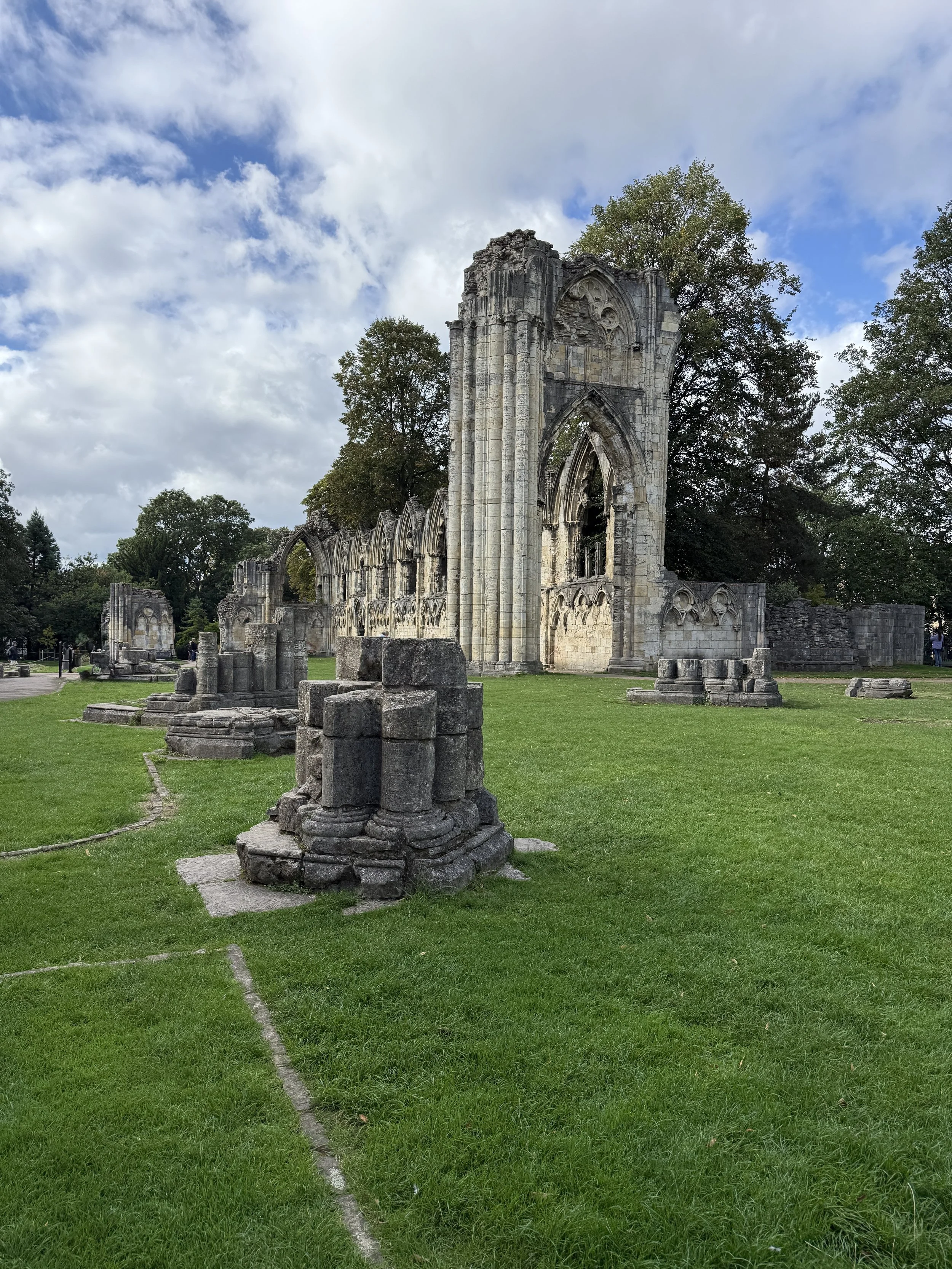
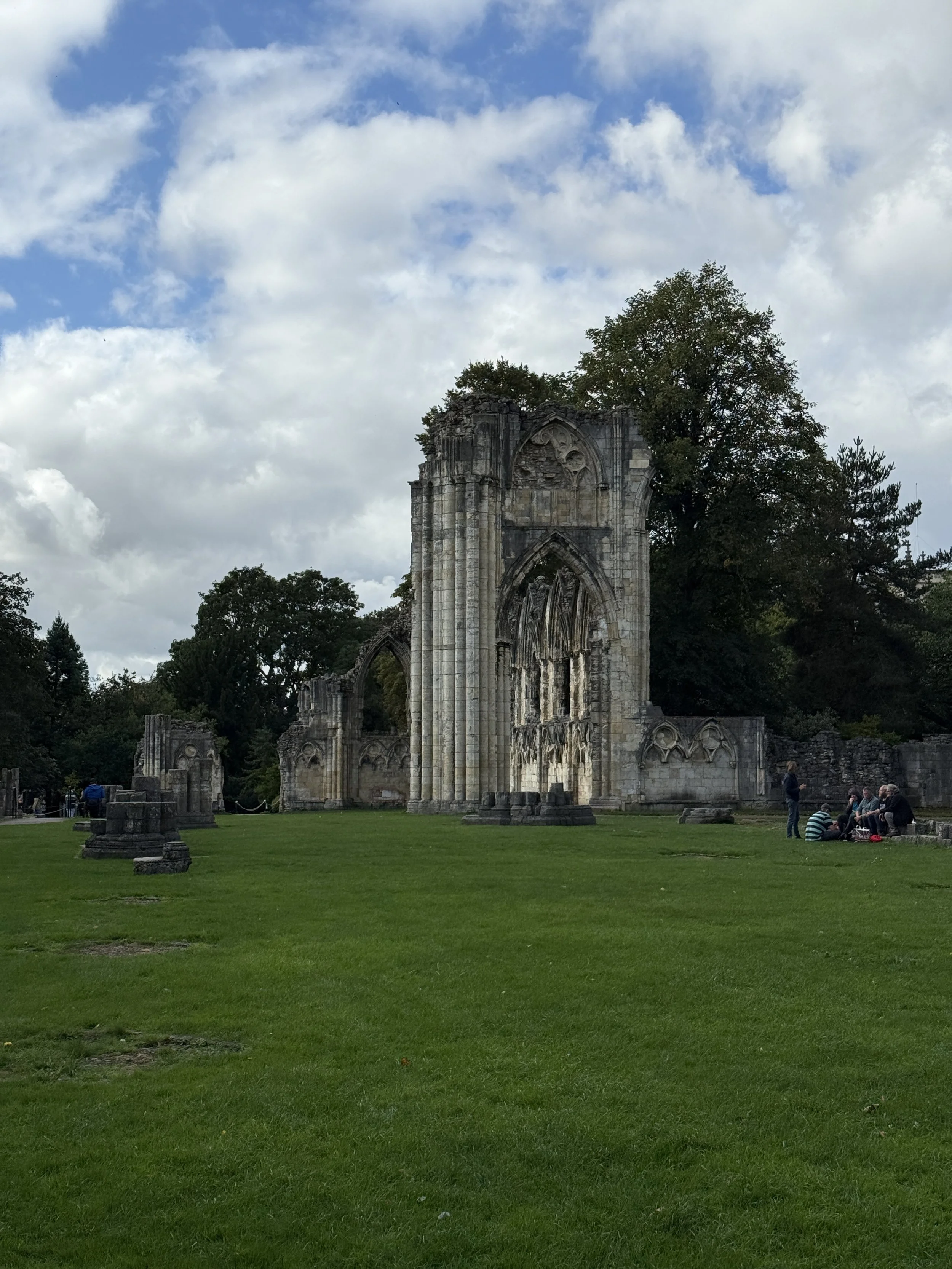
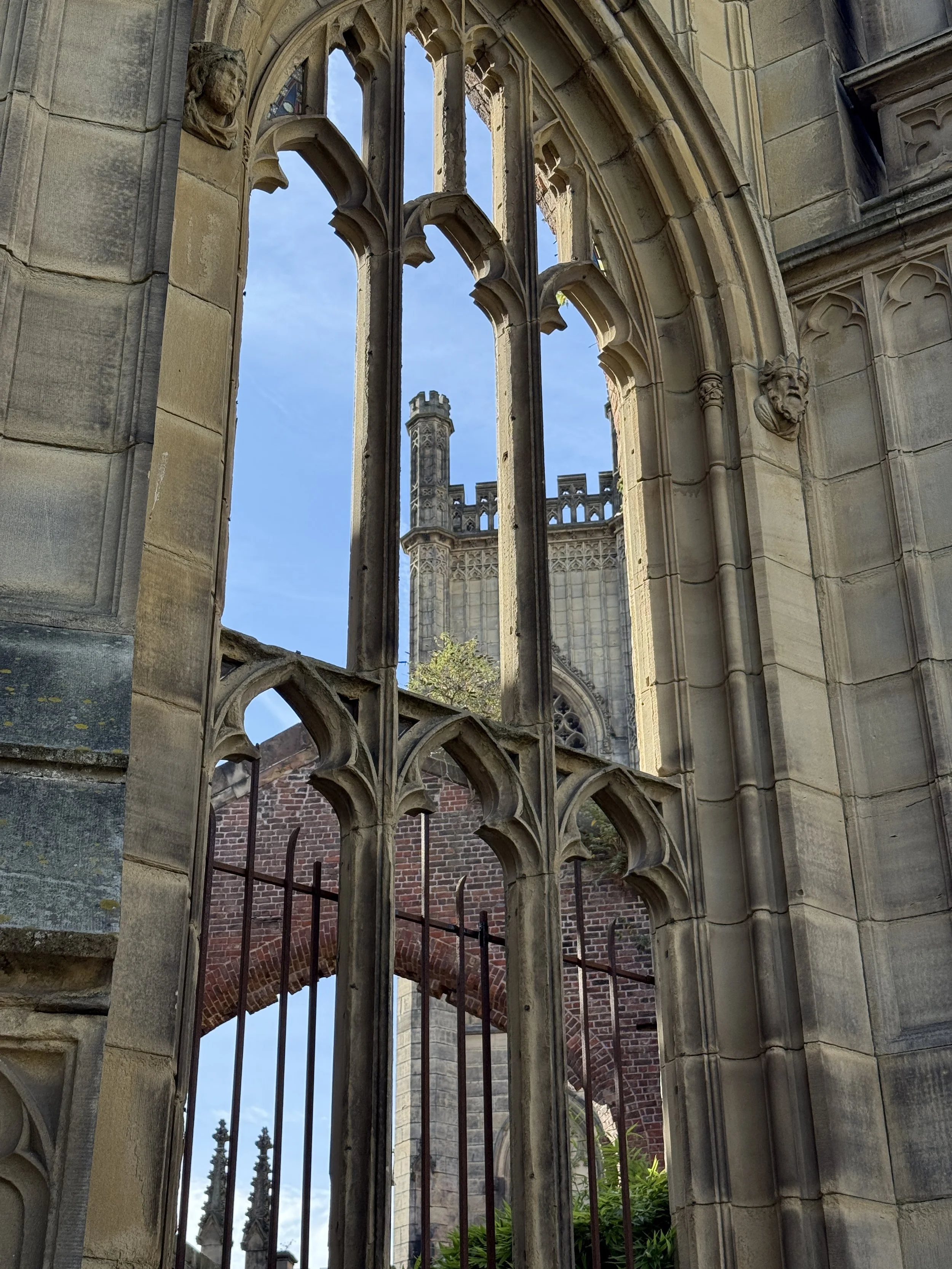
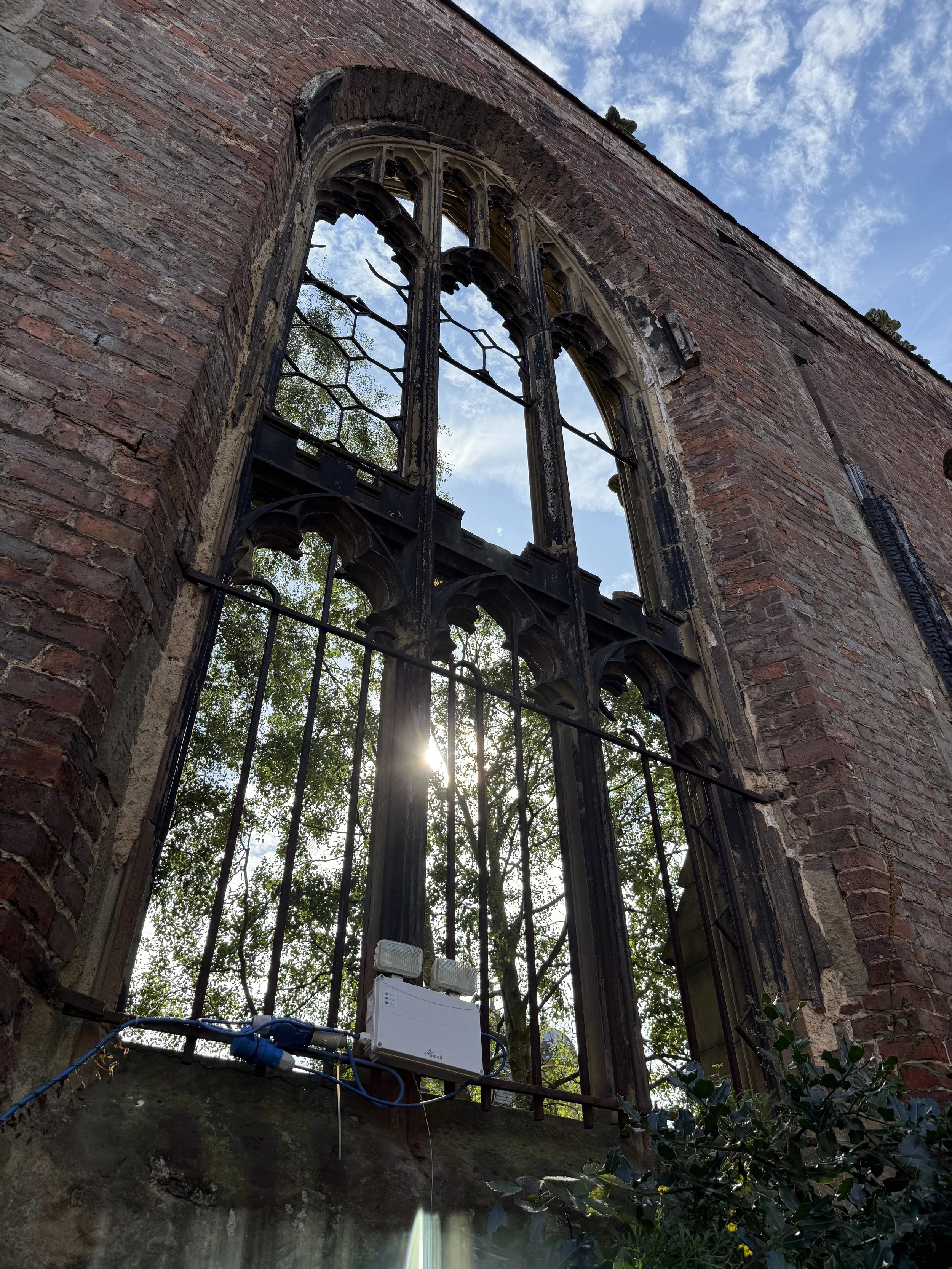
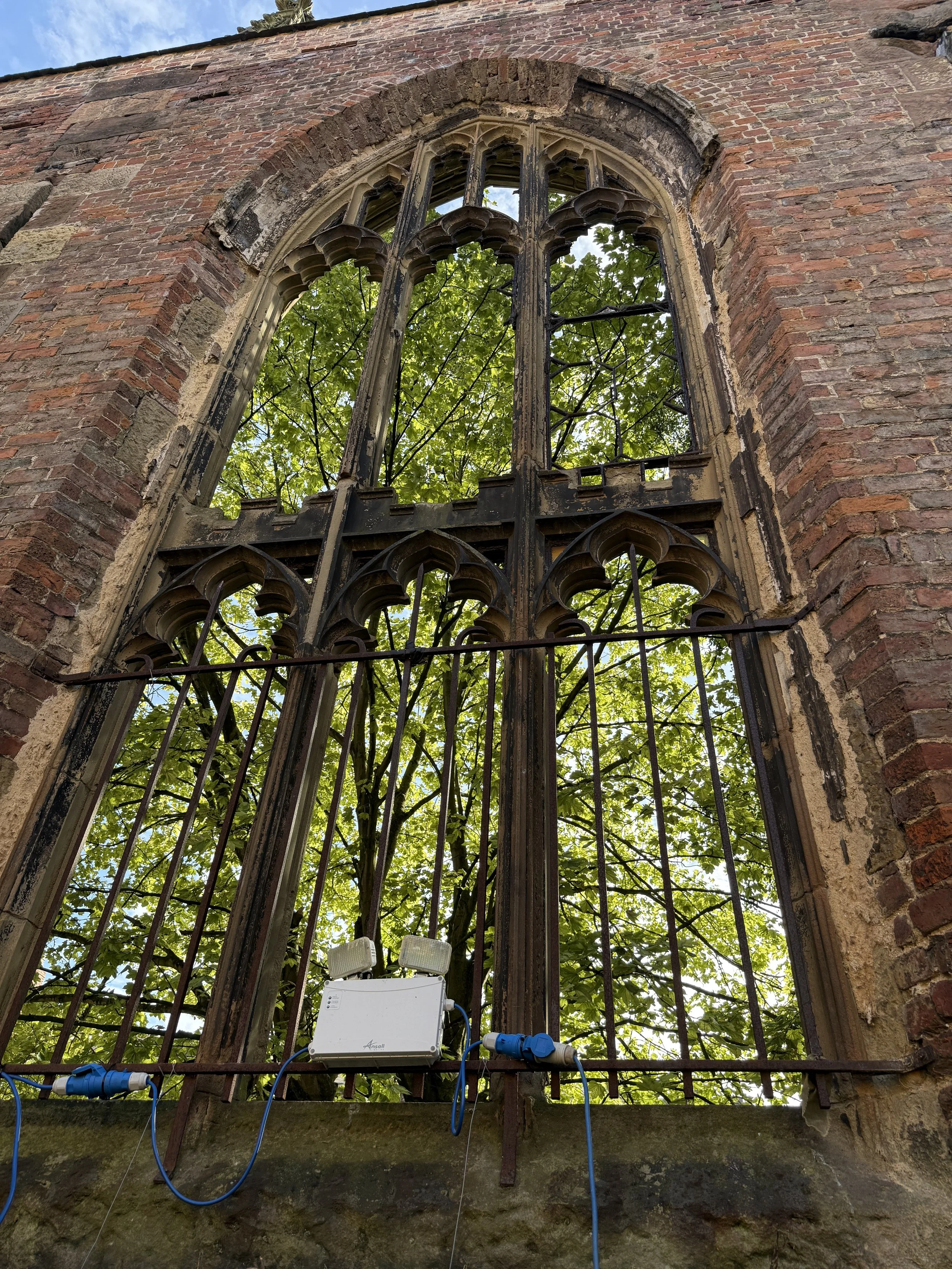
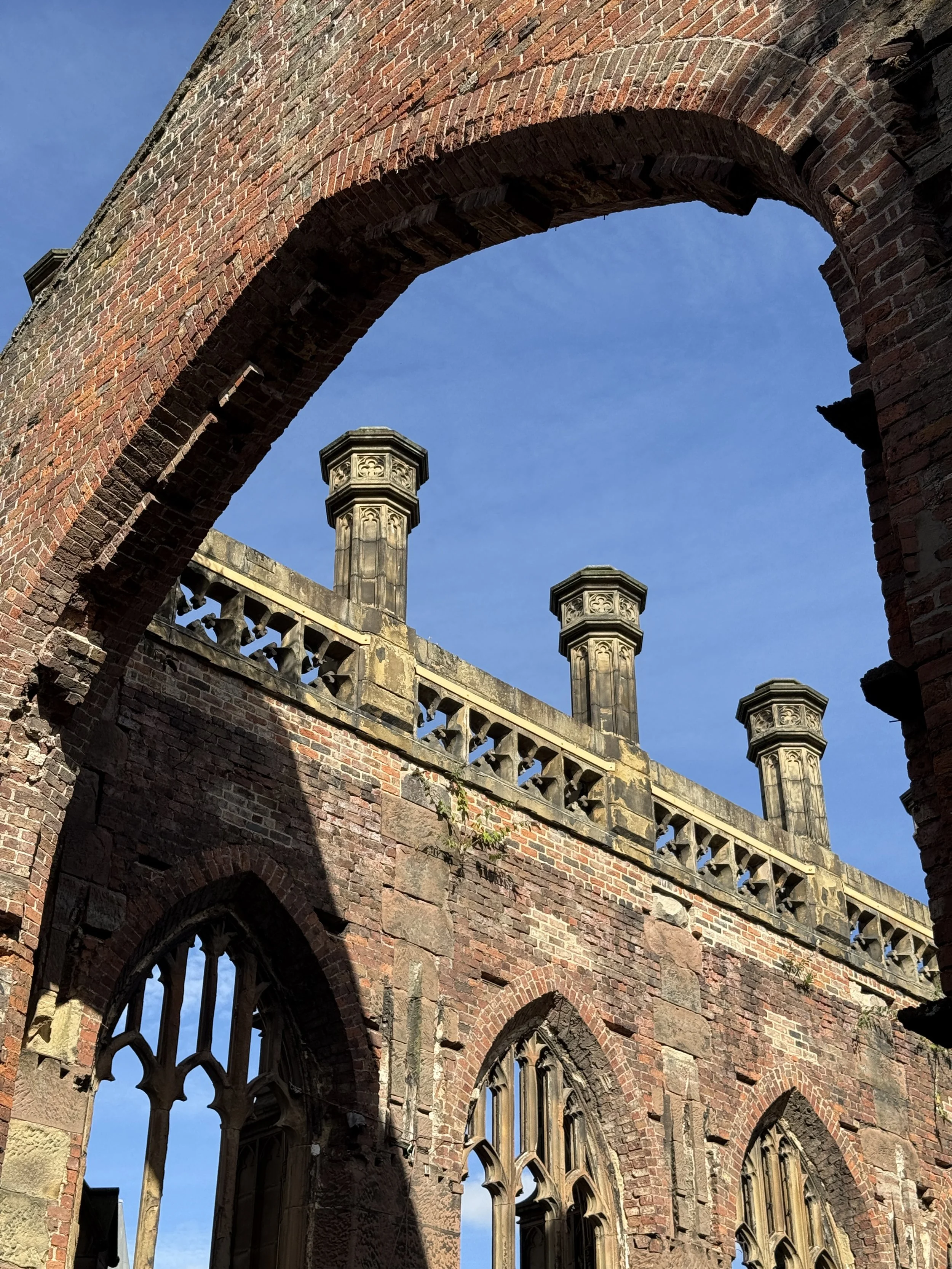
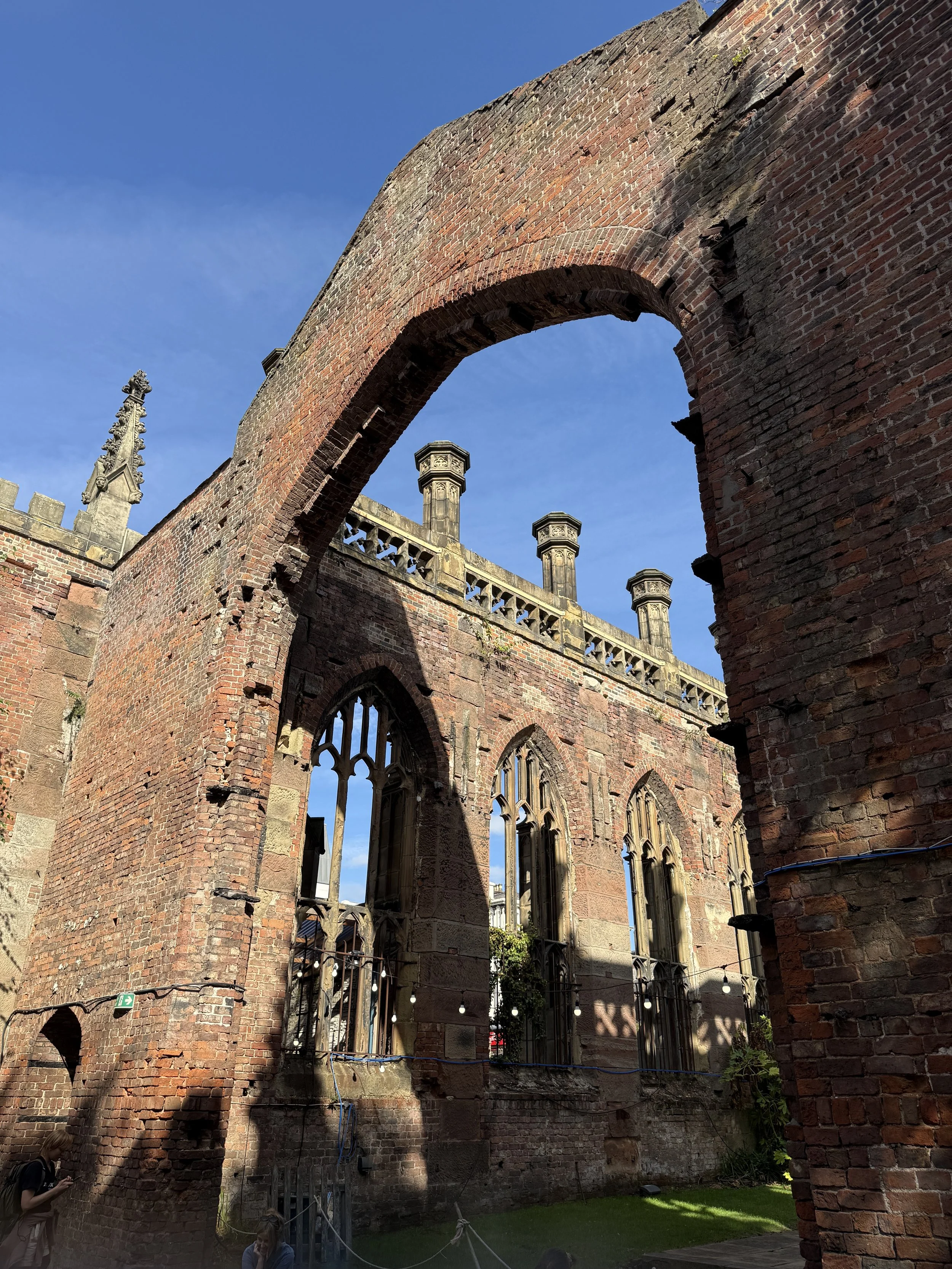
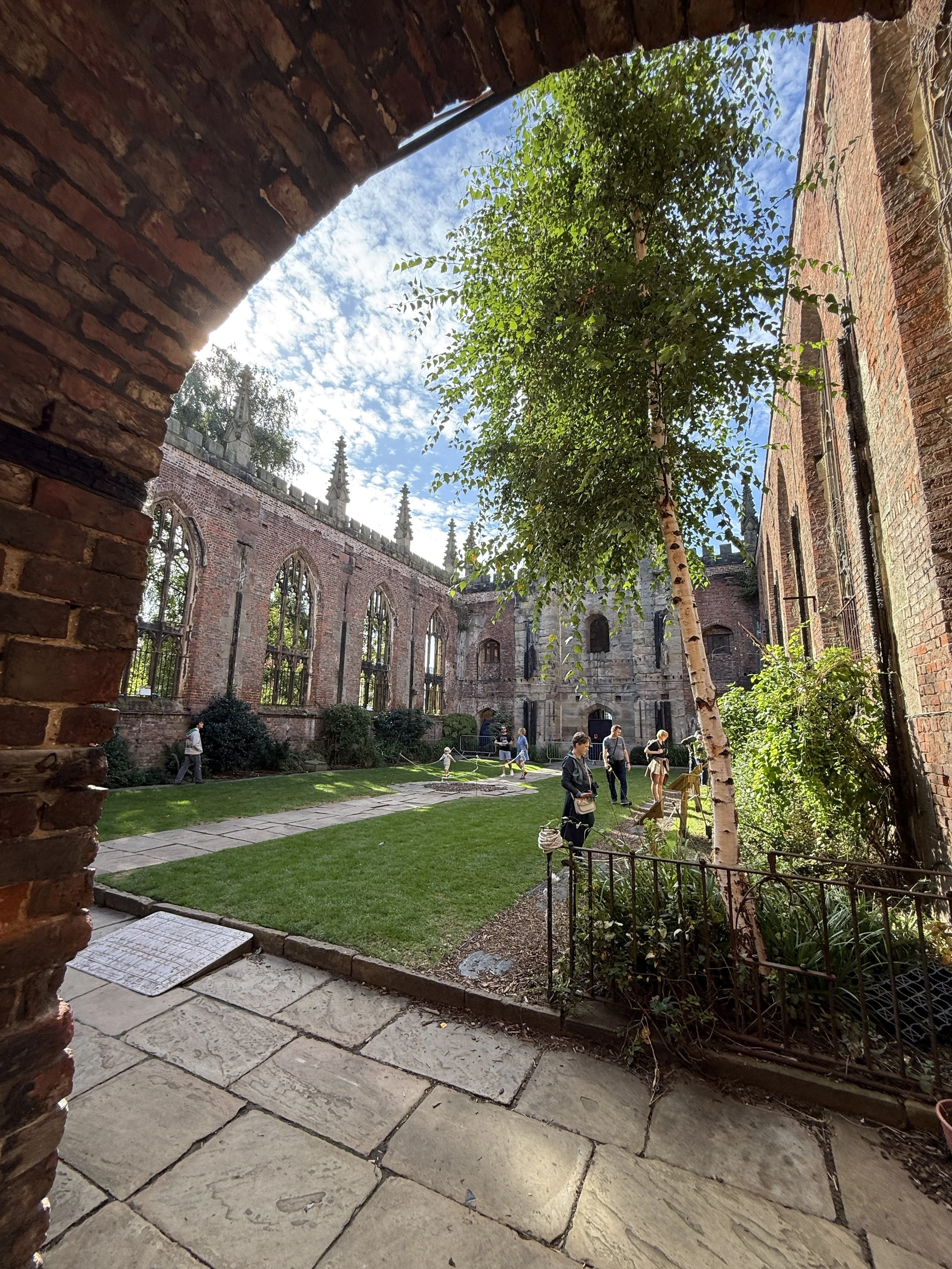
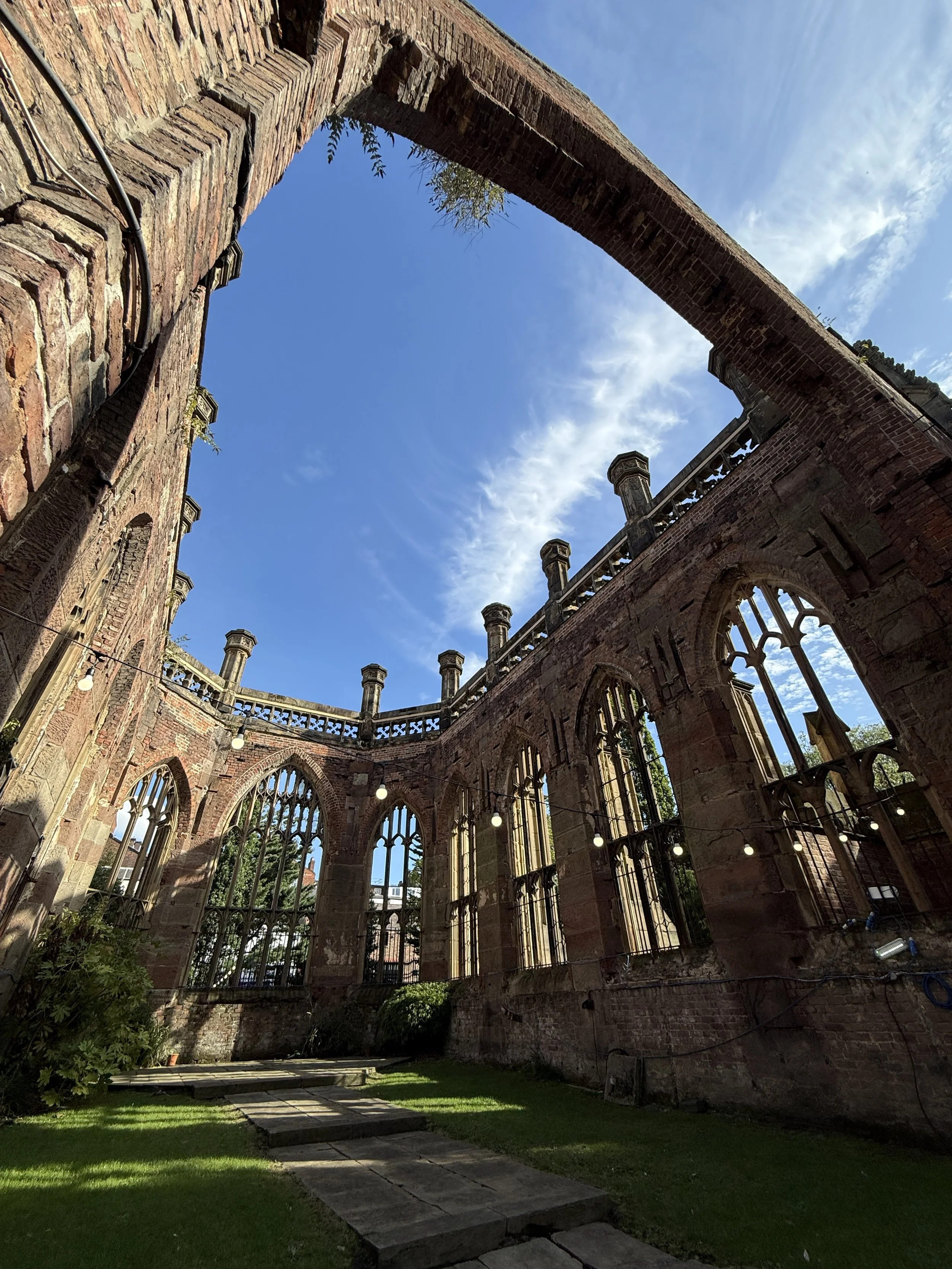
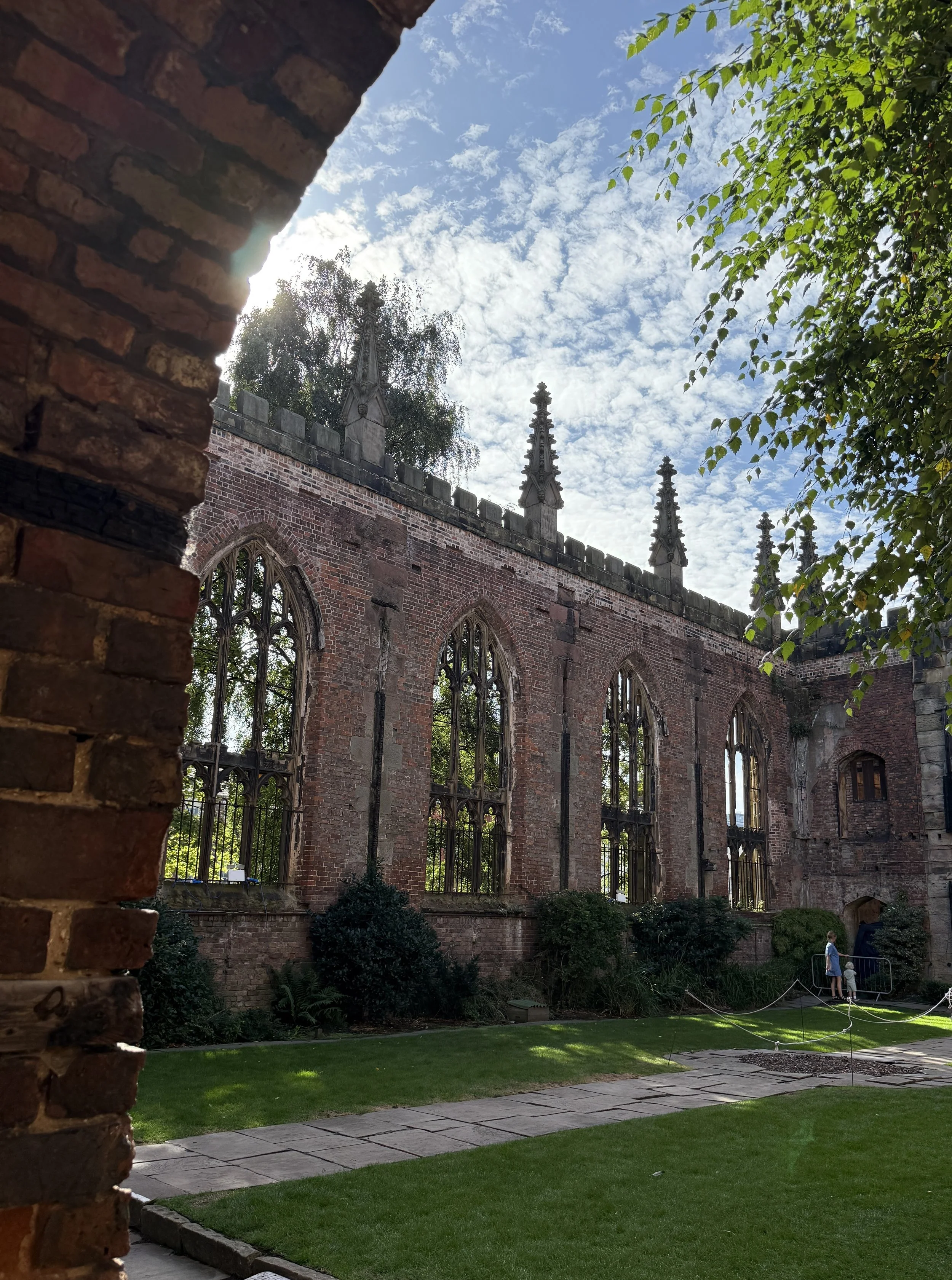
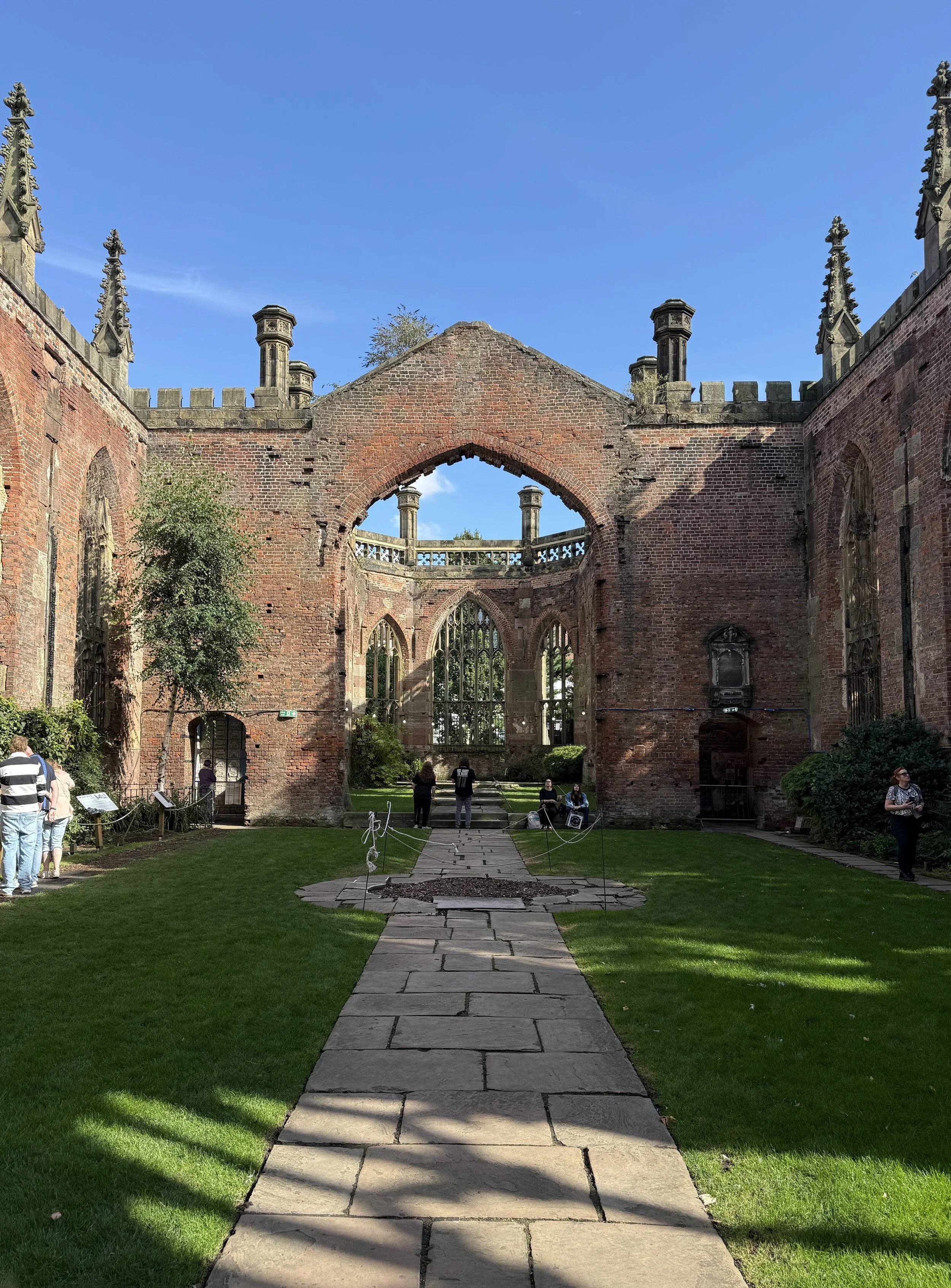
We also visited the ruins of St. Mary’s Abbey, once one of the richest and most powerful Benedictine monasteries in England. Founded in the 11th century, the abbey flourished for hundreds of years before being dissolved under Henry VIII in 1539. Today, its beautiful ruins in the Museum Gardens provide a striking reminder of medieval York and the enormous changes brought about by the English Reformation.
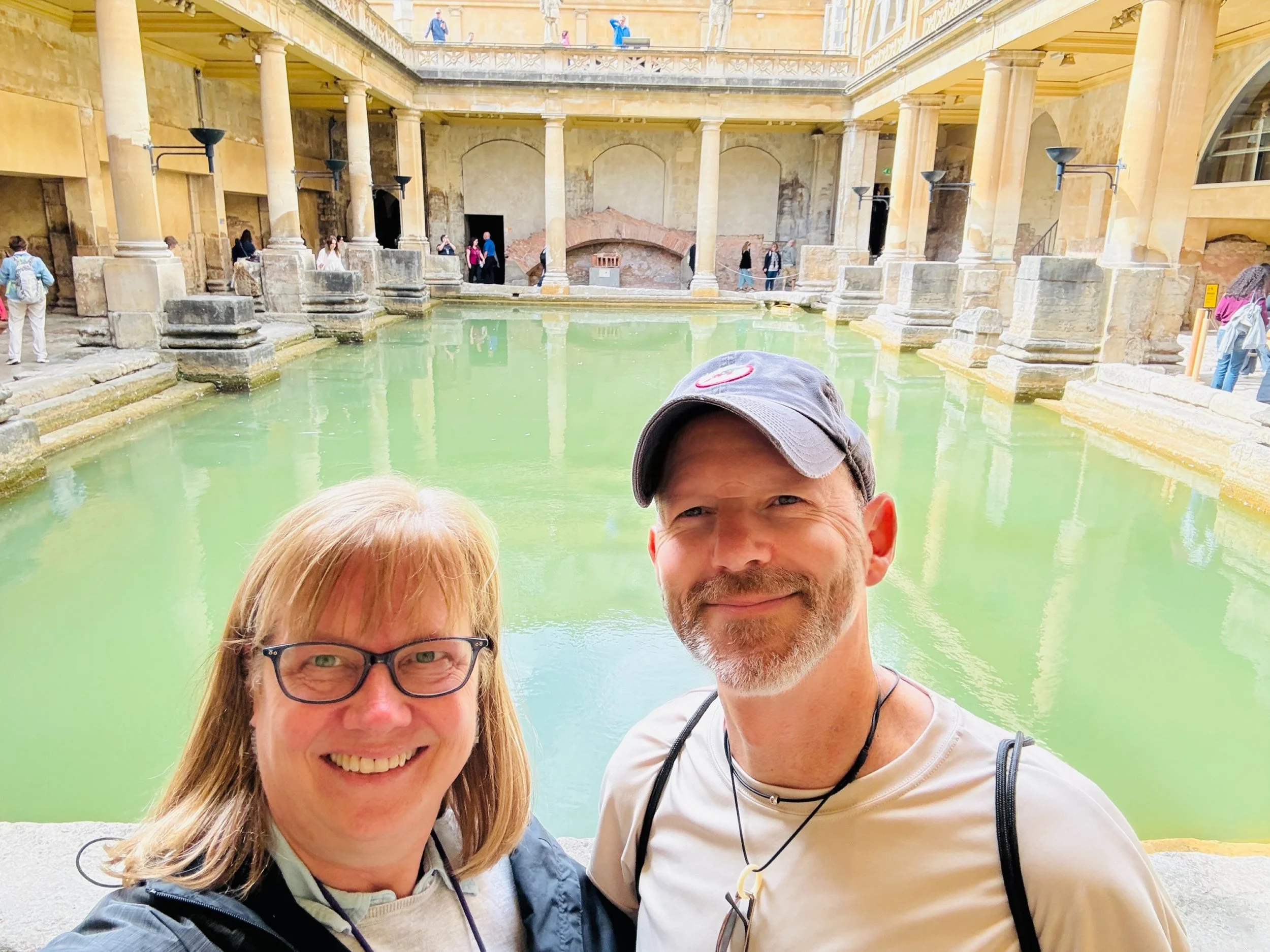
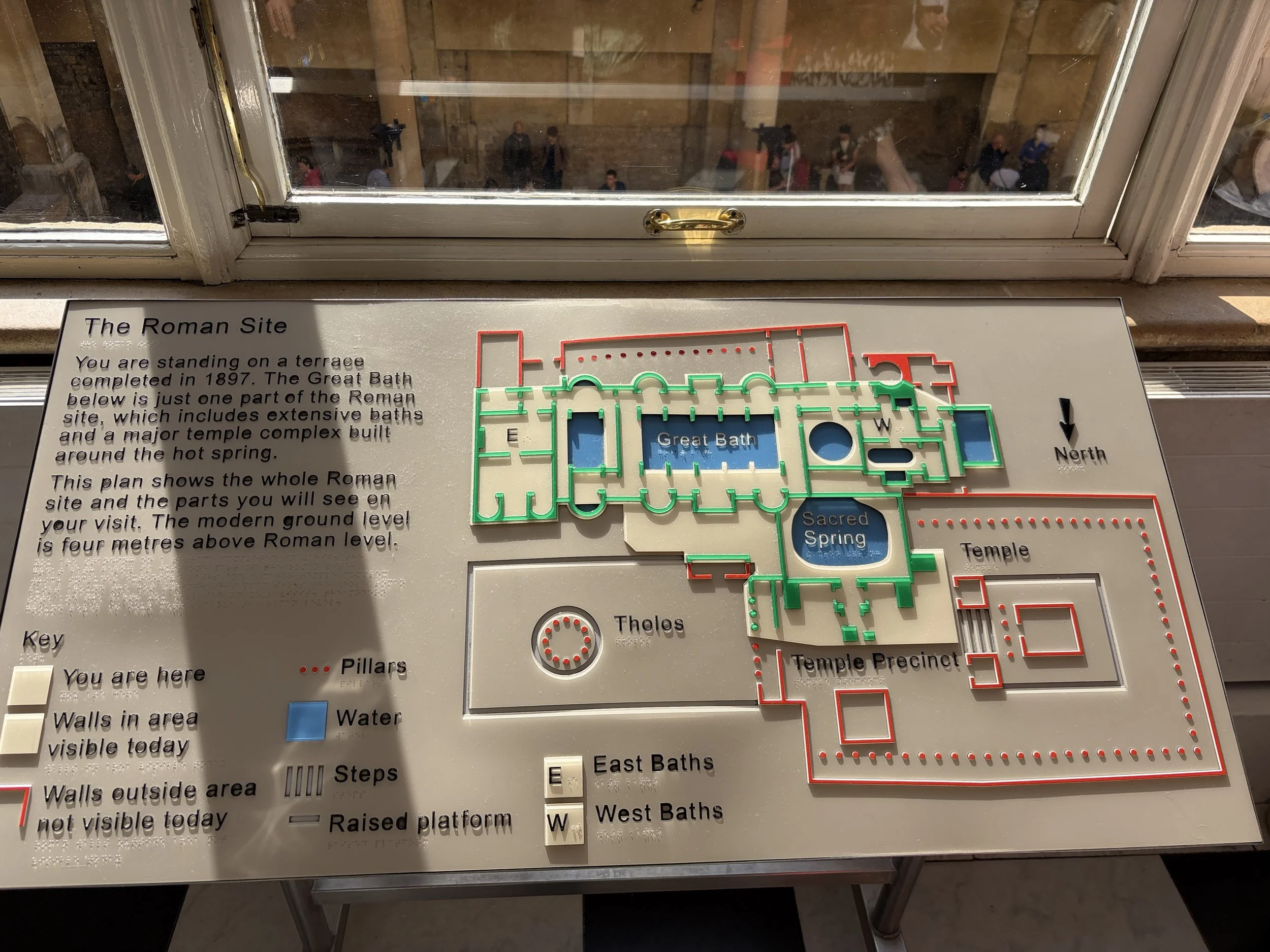
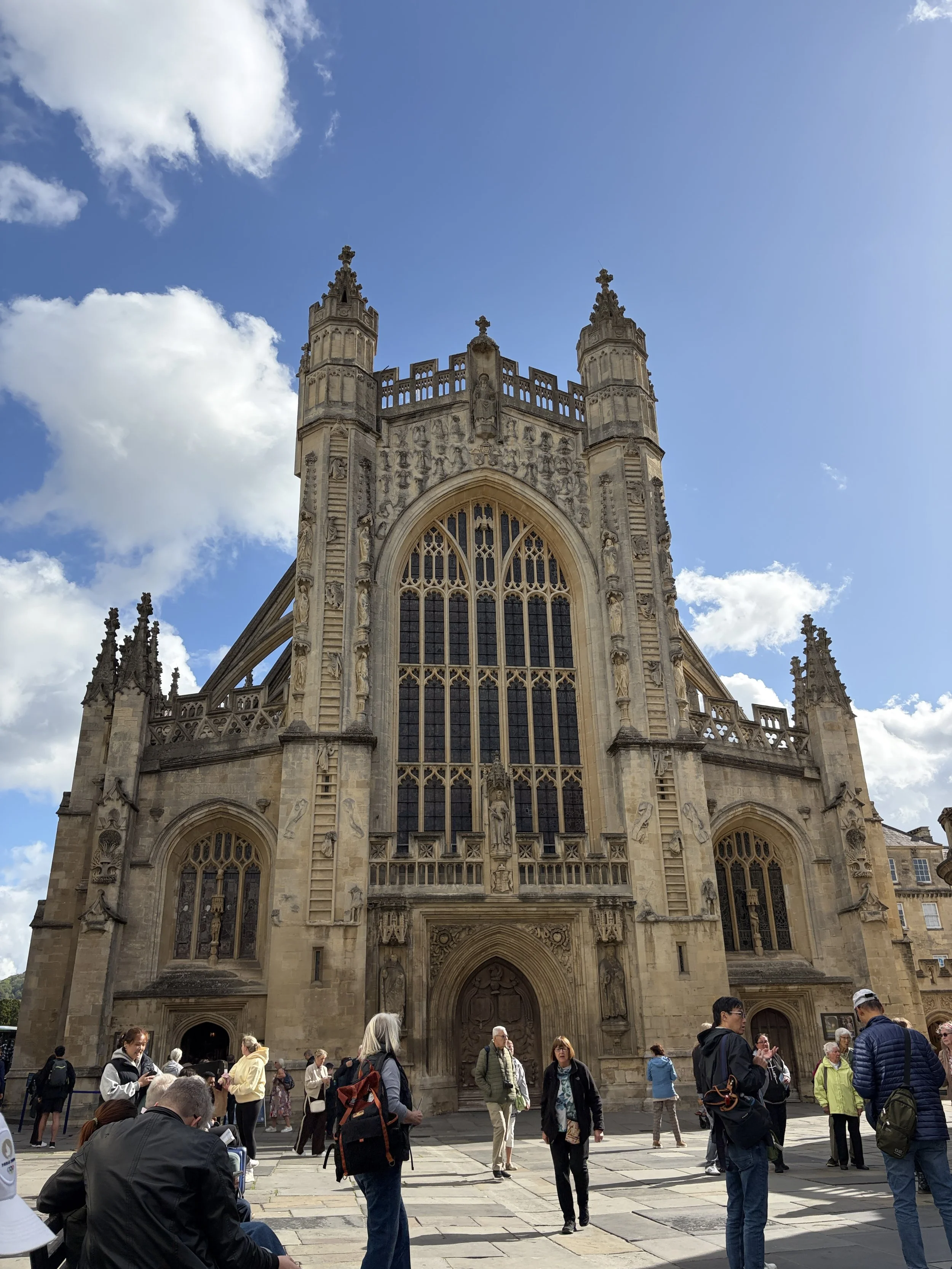
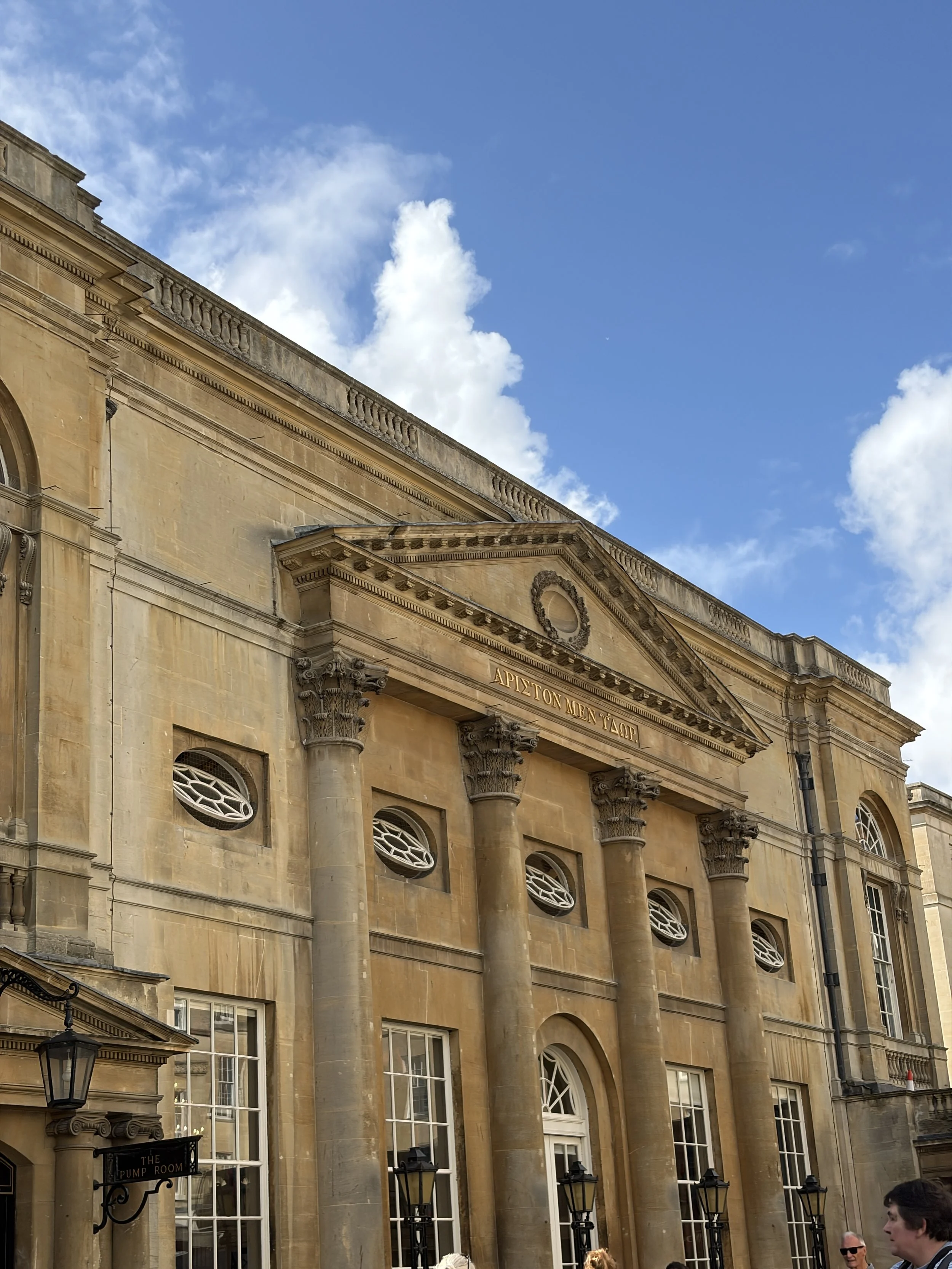
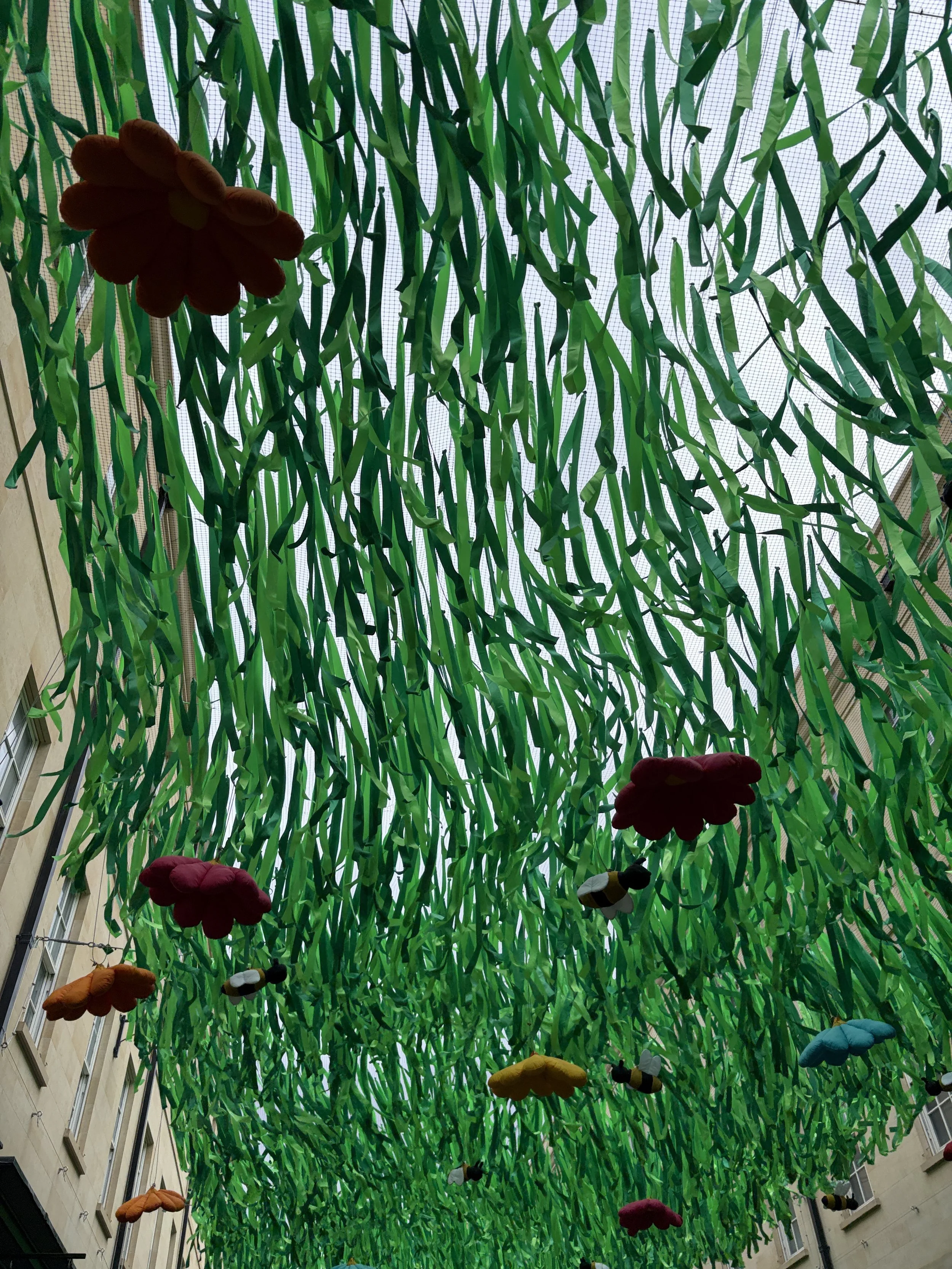
Our journey continued by train to Bath, where England’s Roman and Georgian past came together in an entirely different setting. At the heart of our visit were the extraordinary Roman Baths, constructed around the city’s natural hot springs. Walking through the remains of the ancient bathing complex offered a glimpse into life in Roman Britain almost two millennia ago.
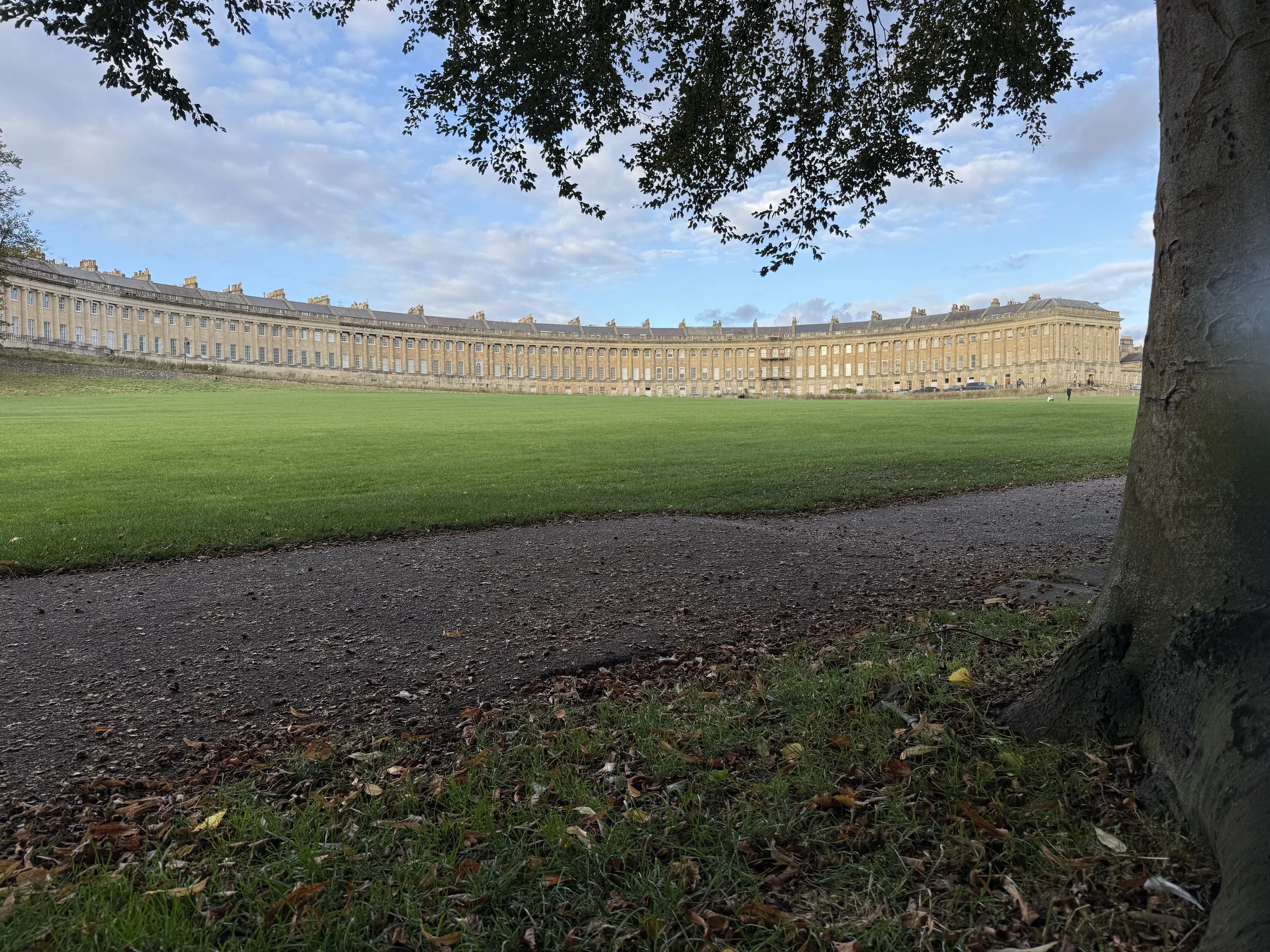
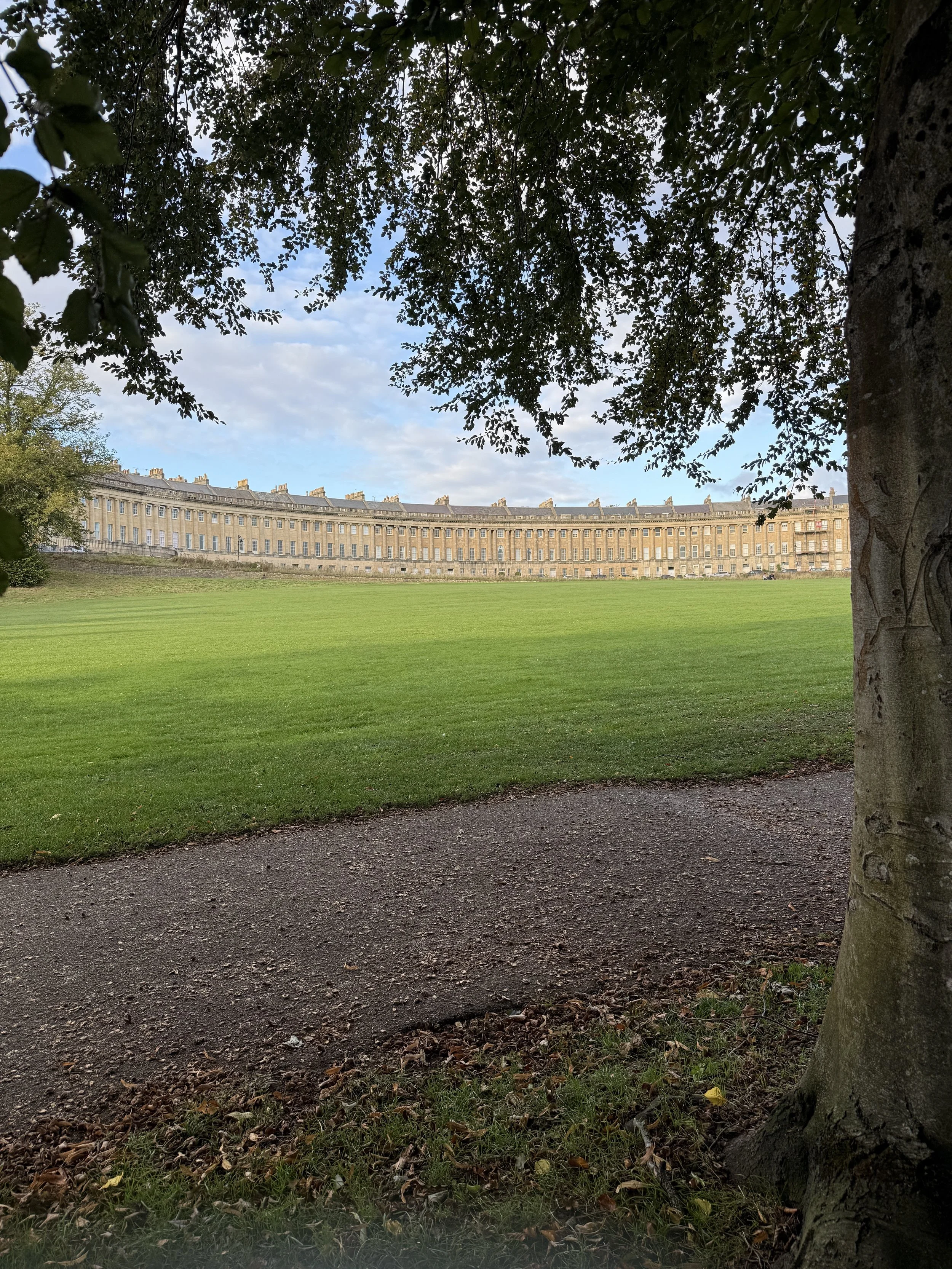
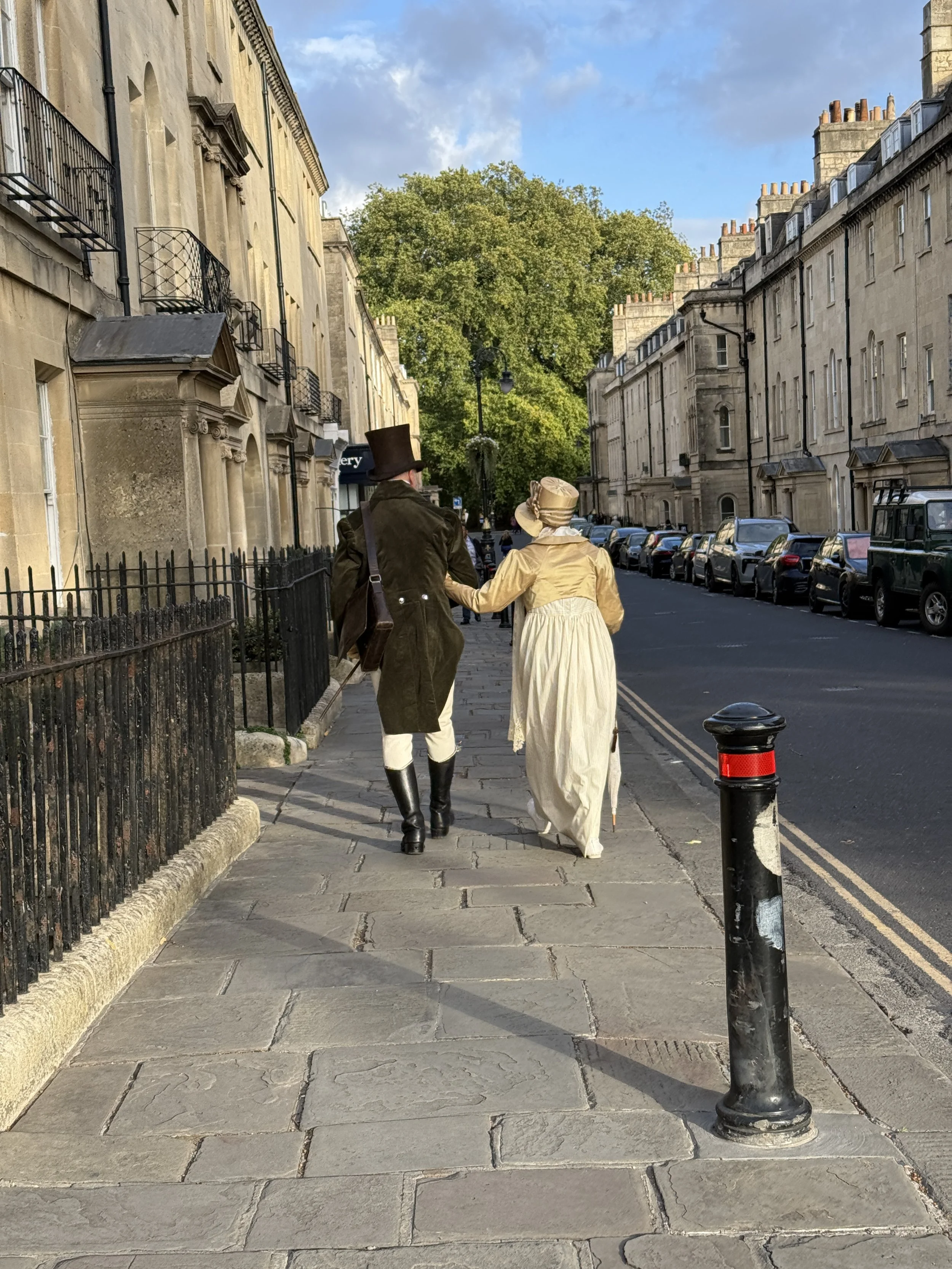
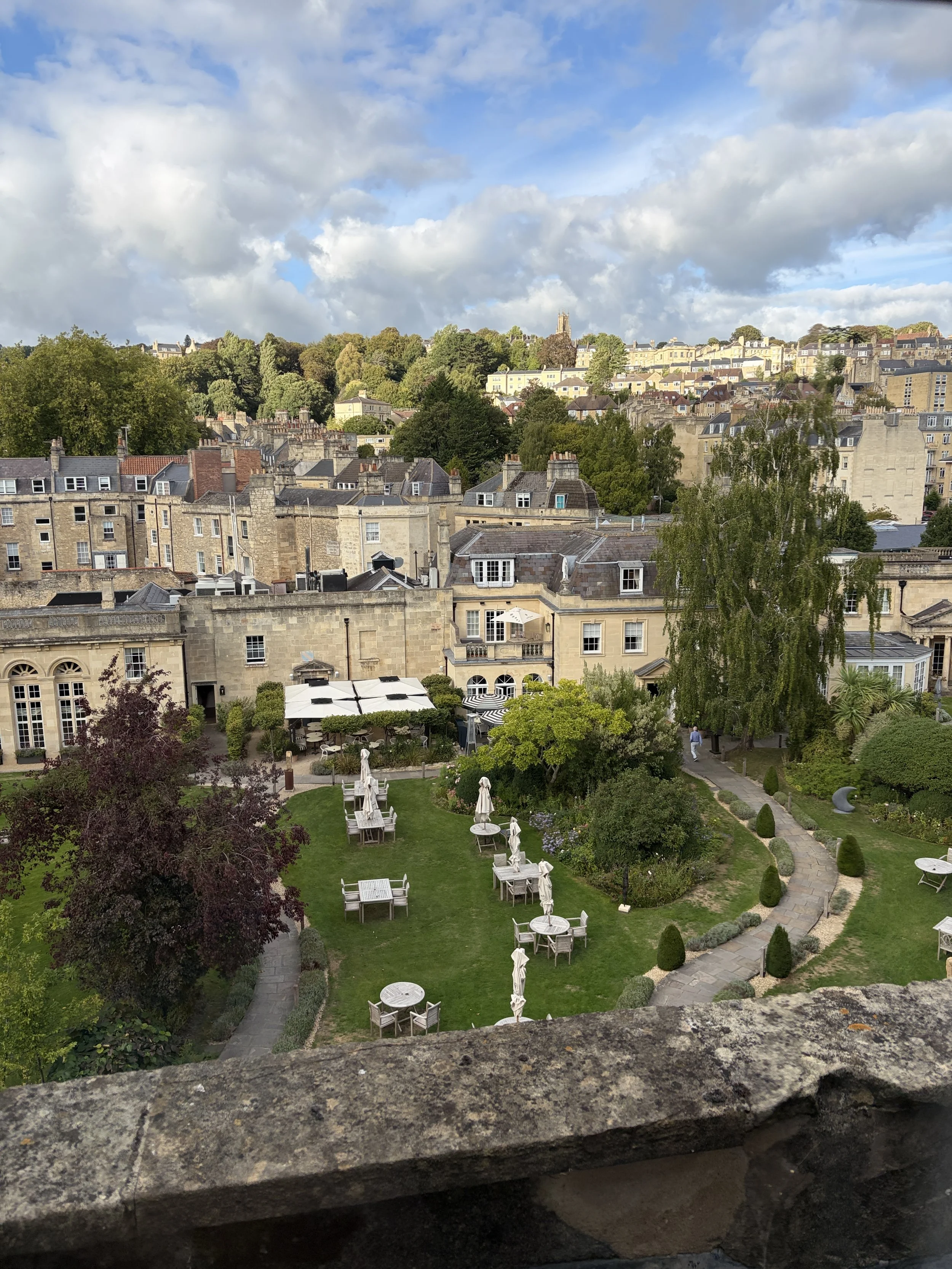
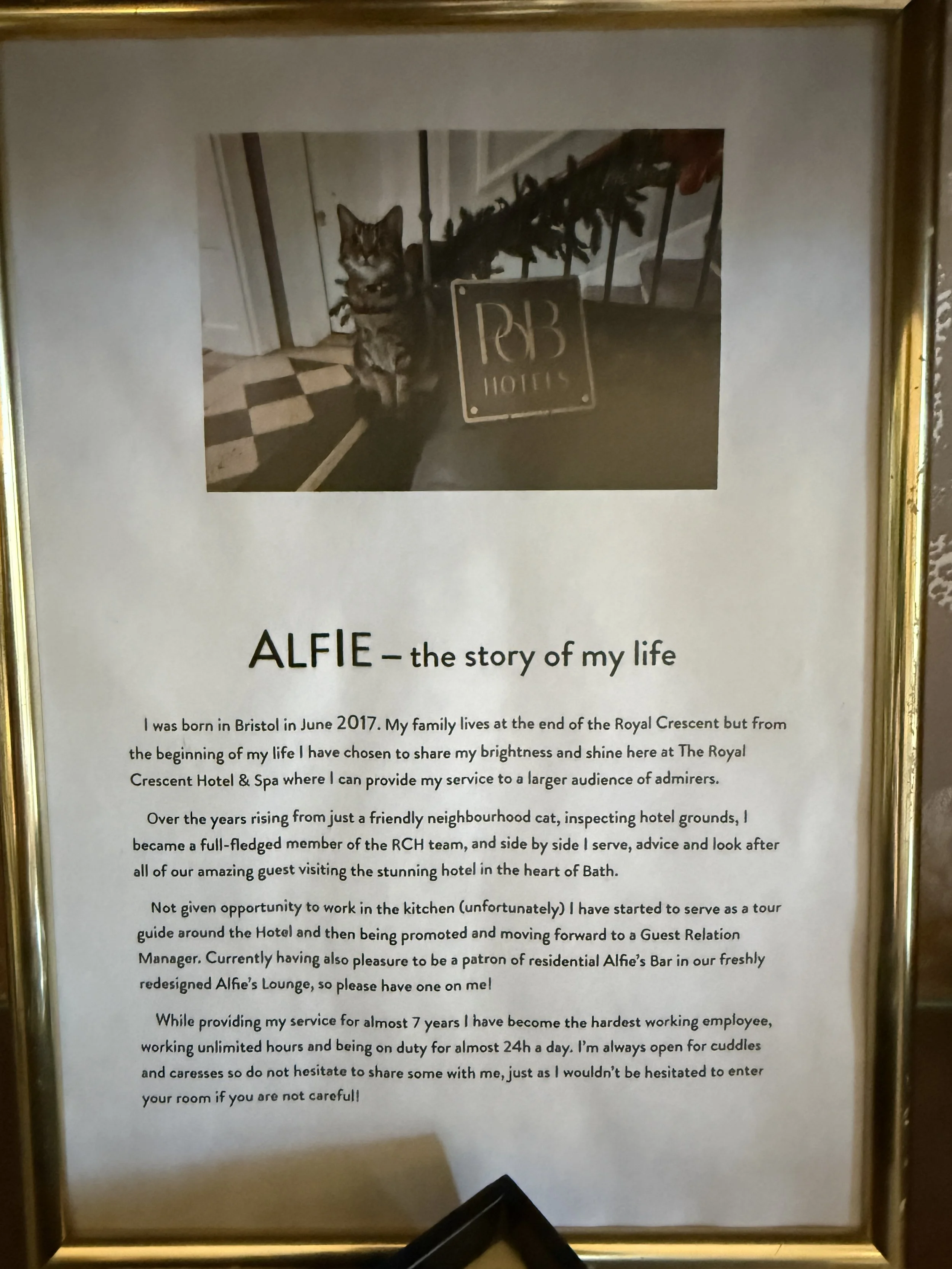
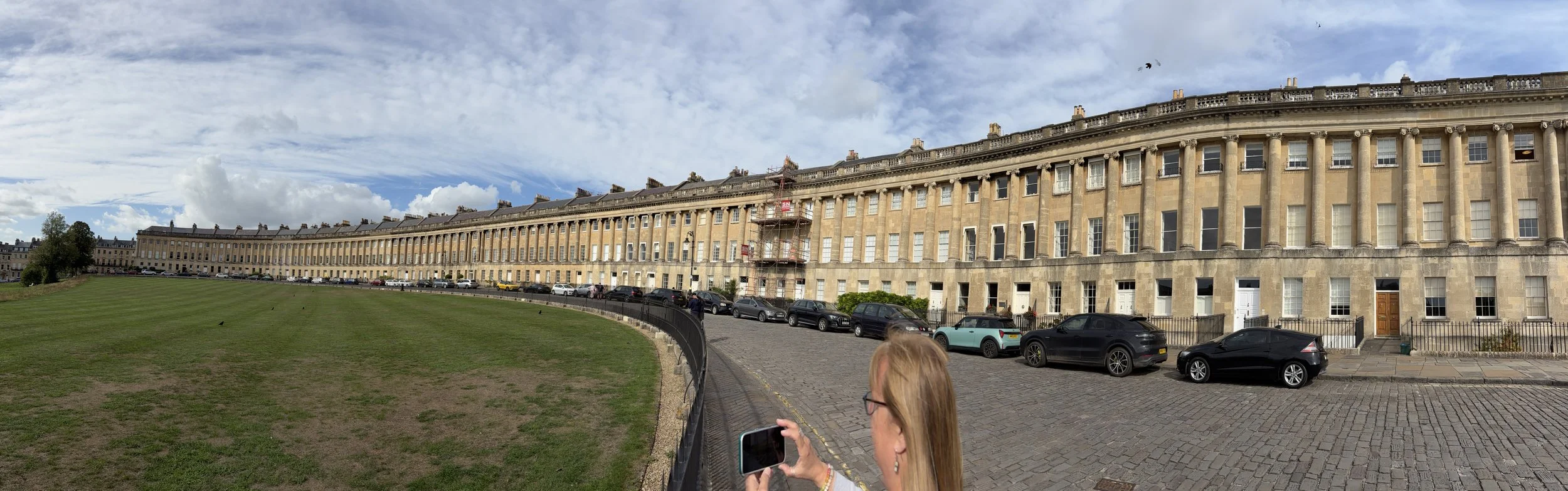
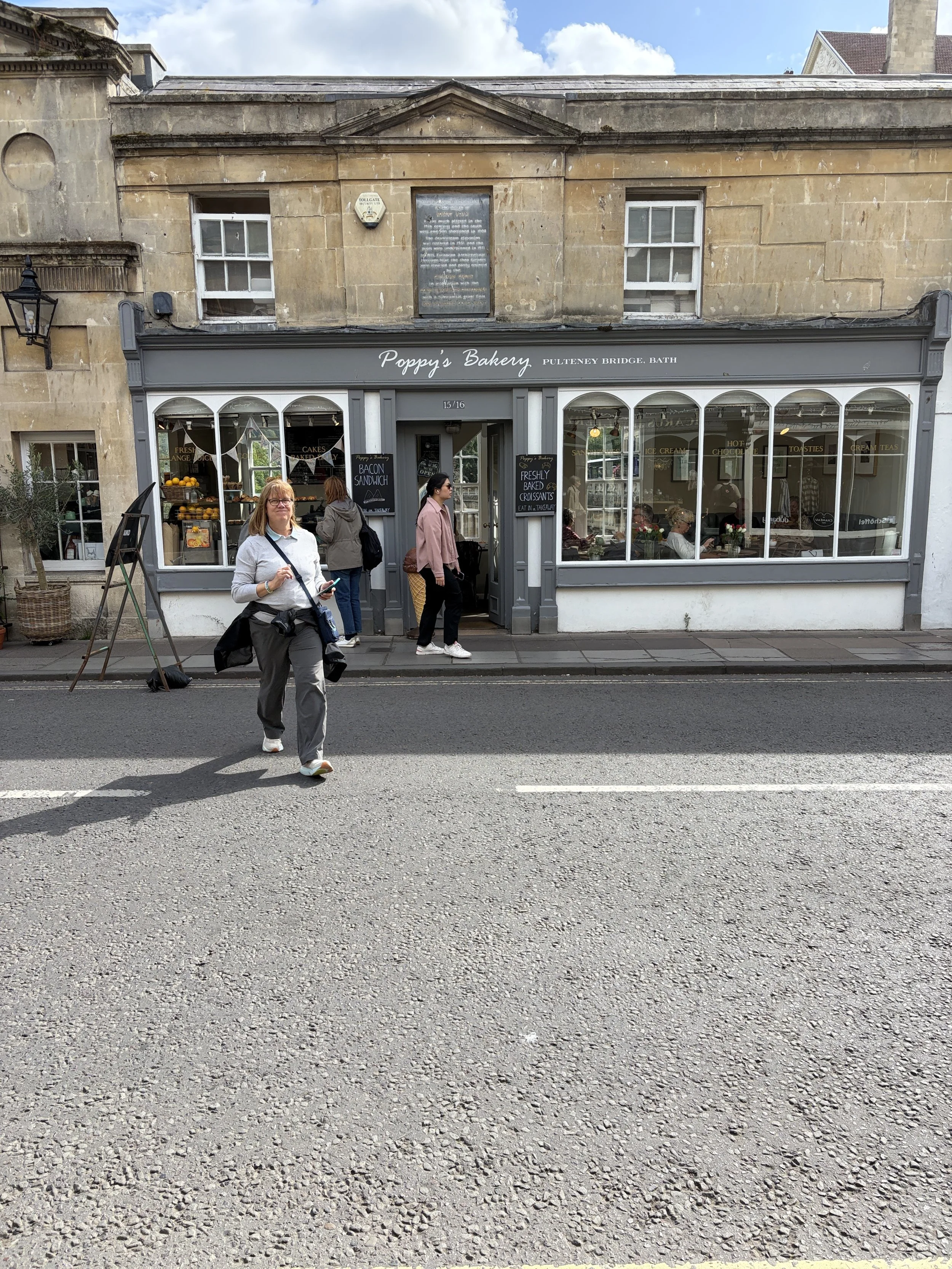
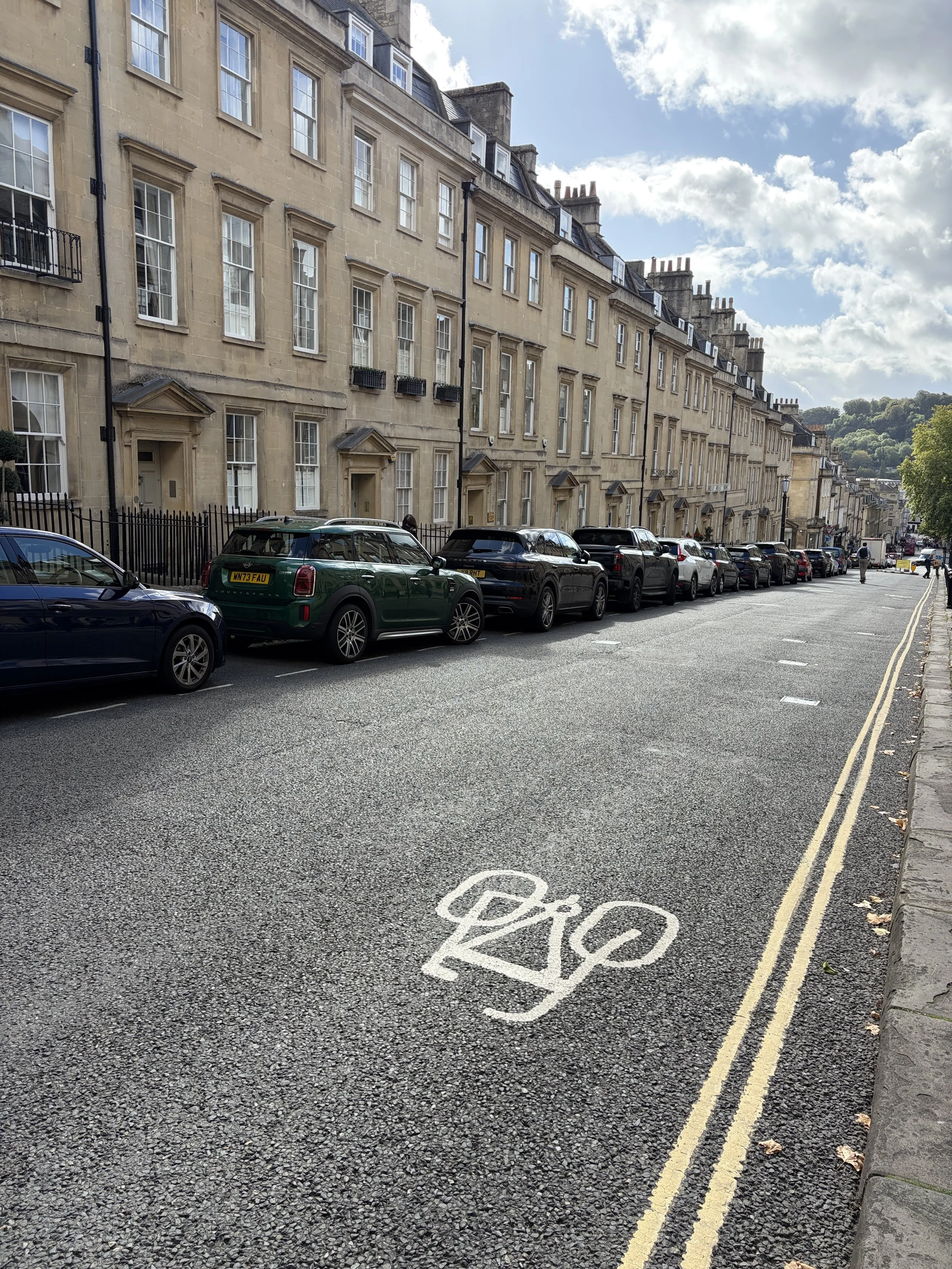
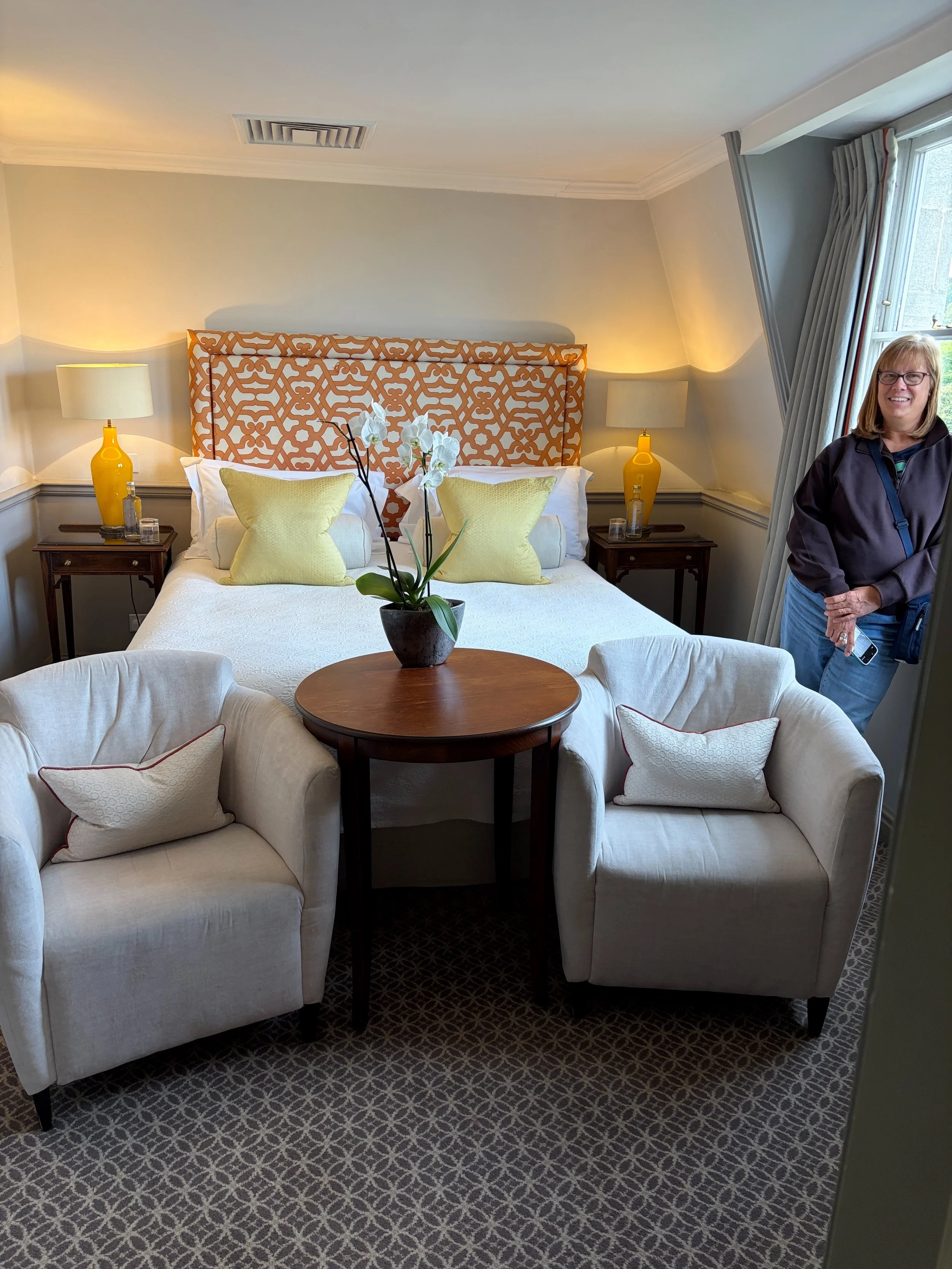
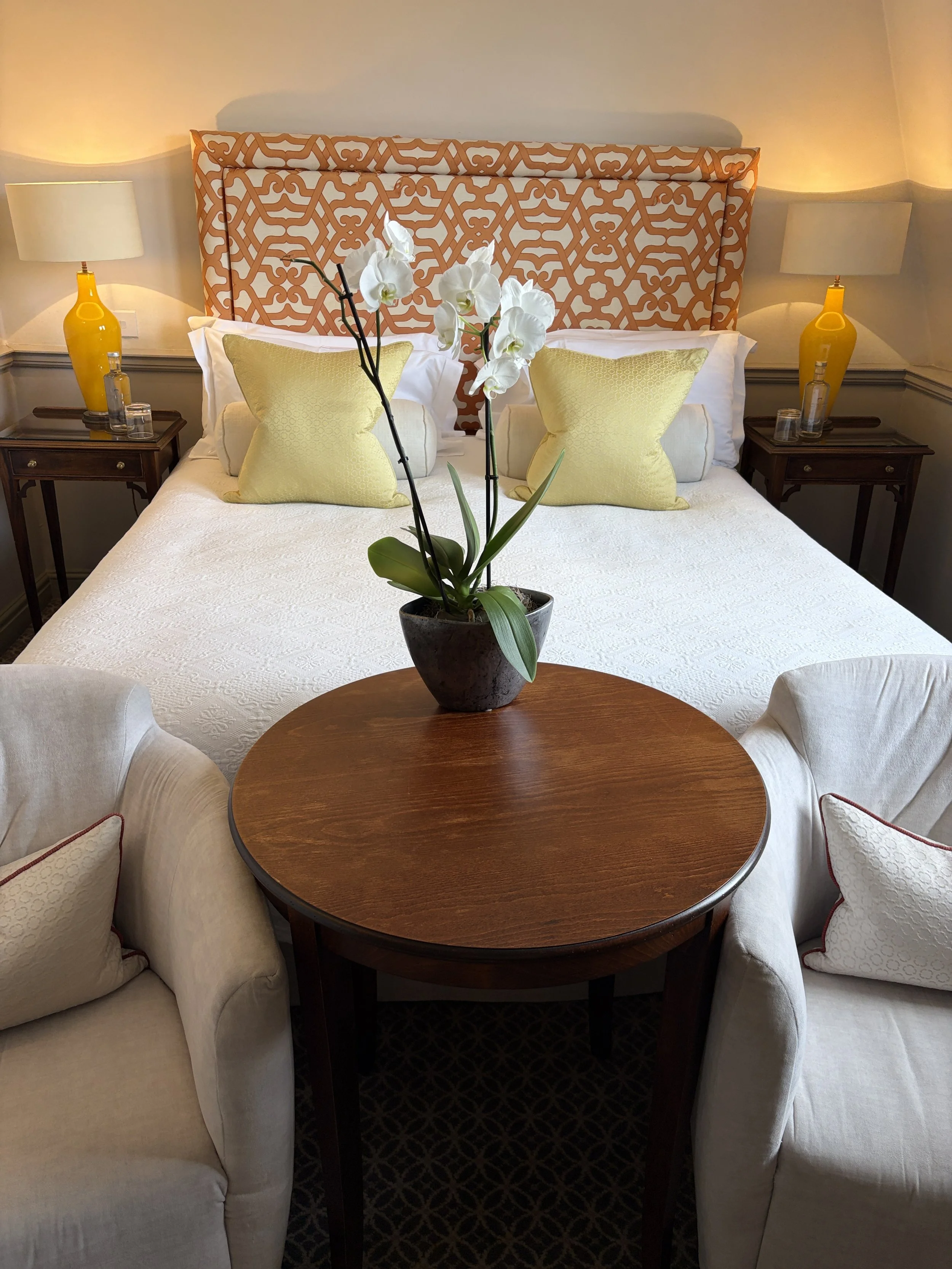
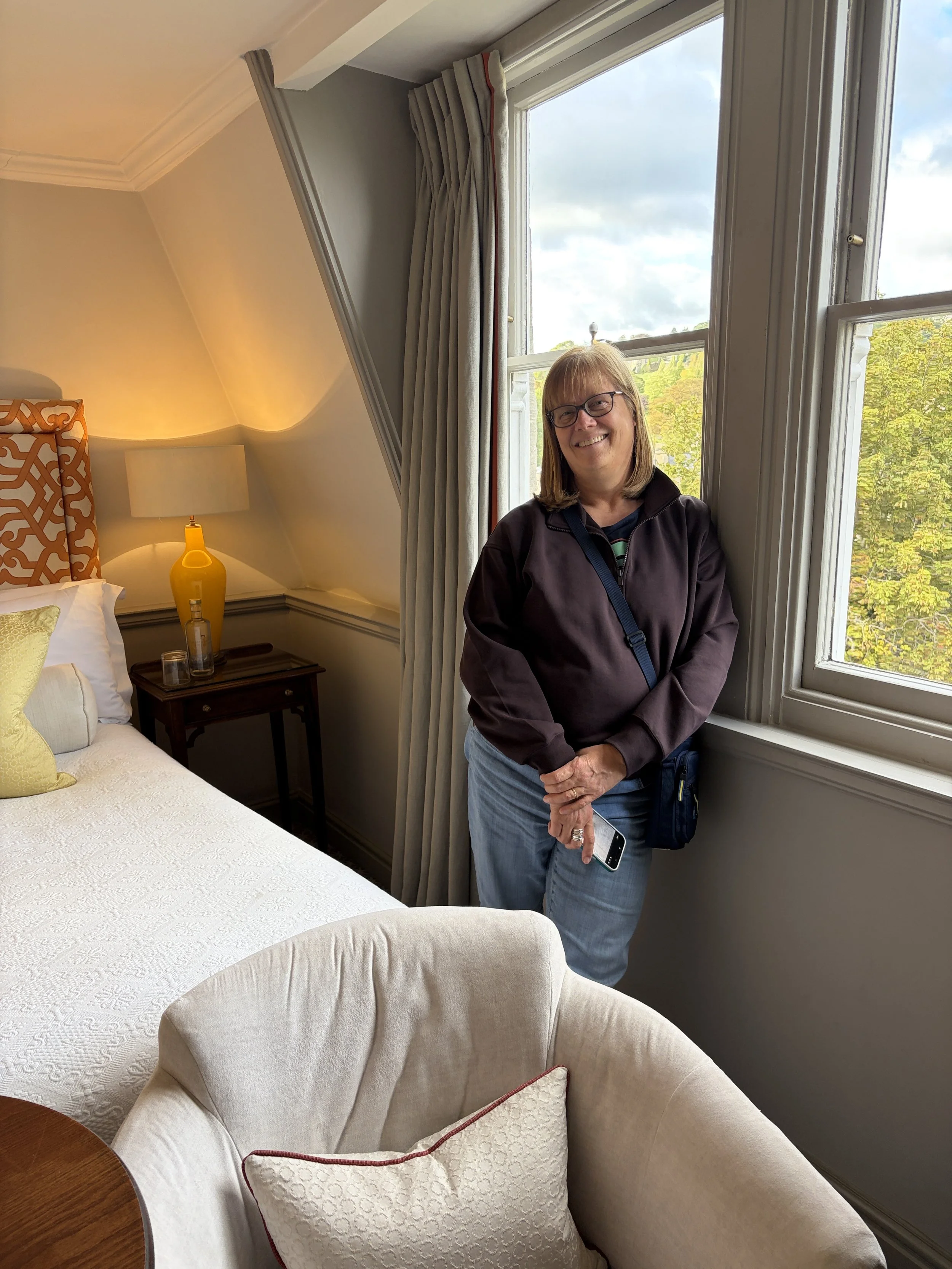
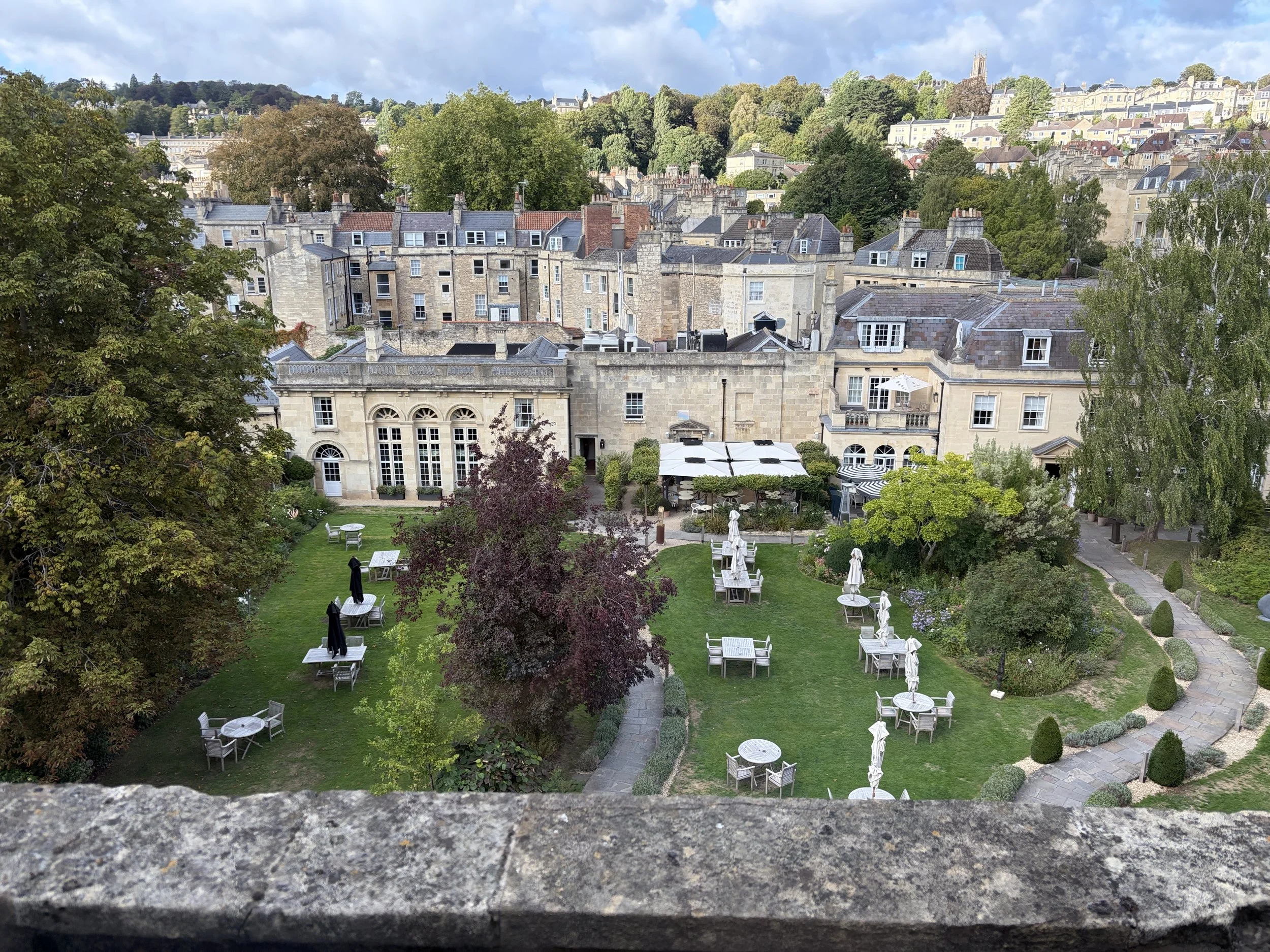
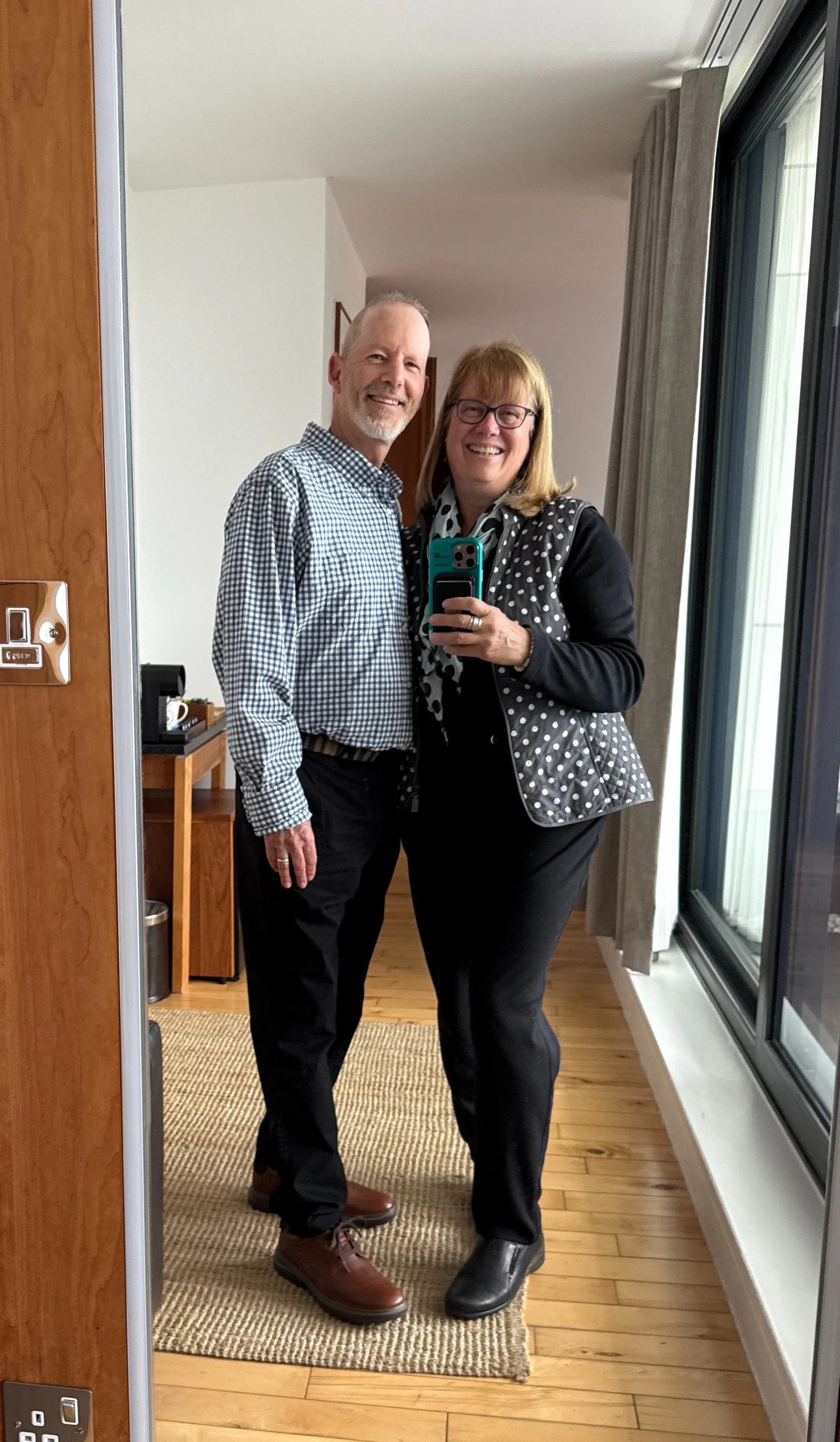
Bath itself was a pleasure to explore, with its honey-colored stone buildings, elegant streets, Georgian terraces, shops, restaurants, and sweeping architecture. Our stay at the magnificent Royal Crescent Hotel & Spa made the experience particularly special. The hotel occupies part of Bath’s celebrated Royal Crescent, designed by John Wood the Younger and completed in the 18th century—one of the most recognizable examples of Georgian architecture in Britain.
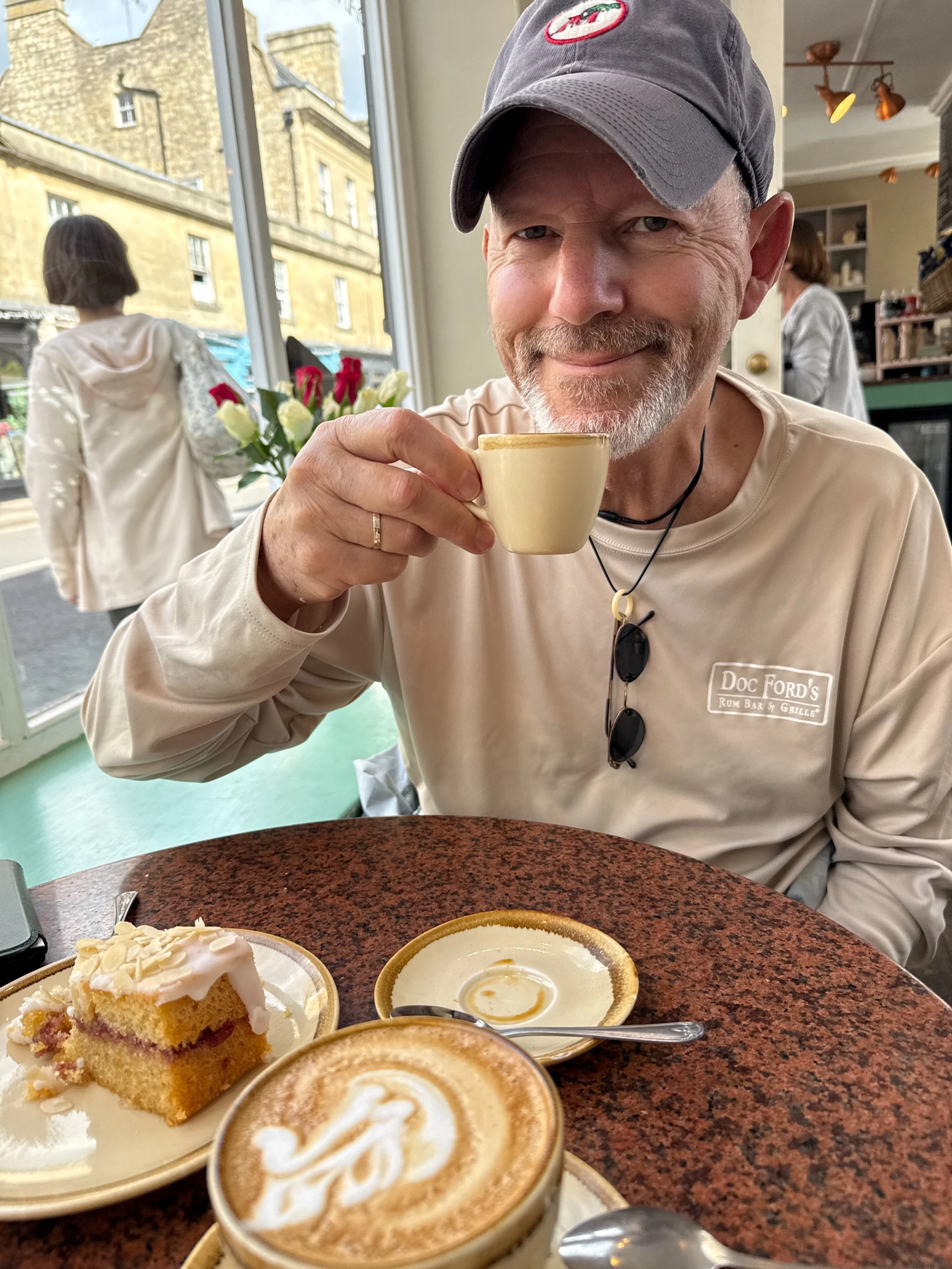
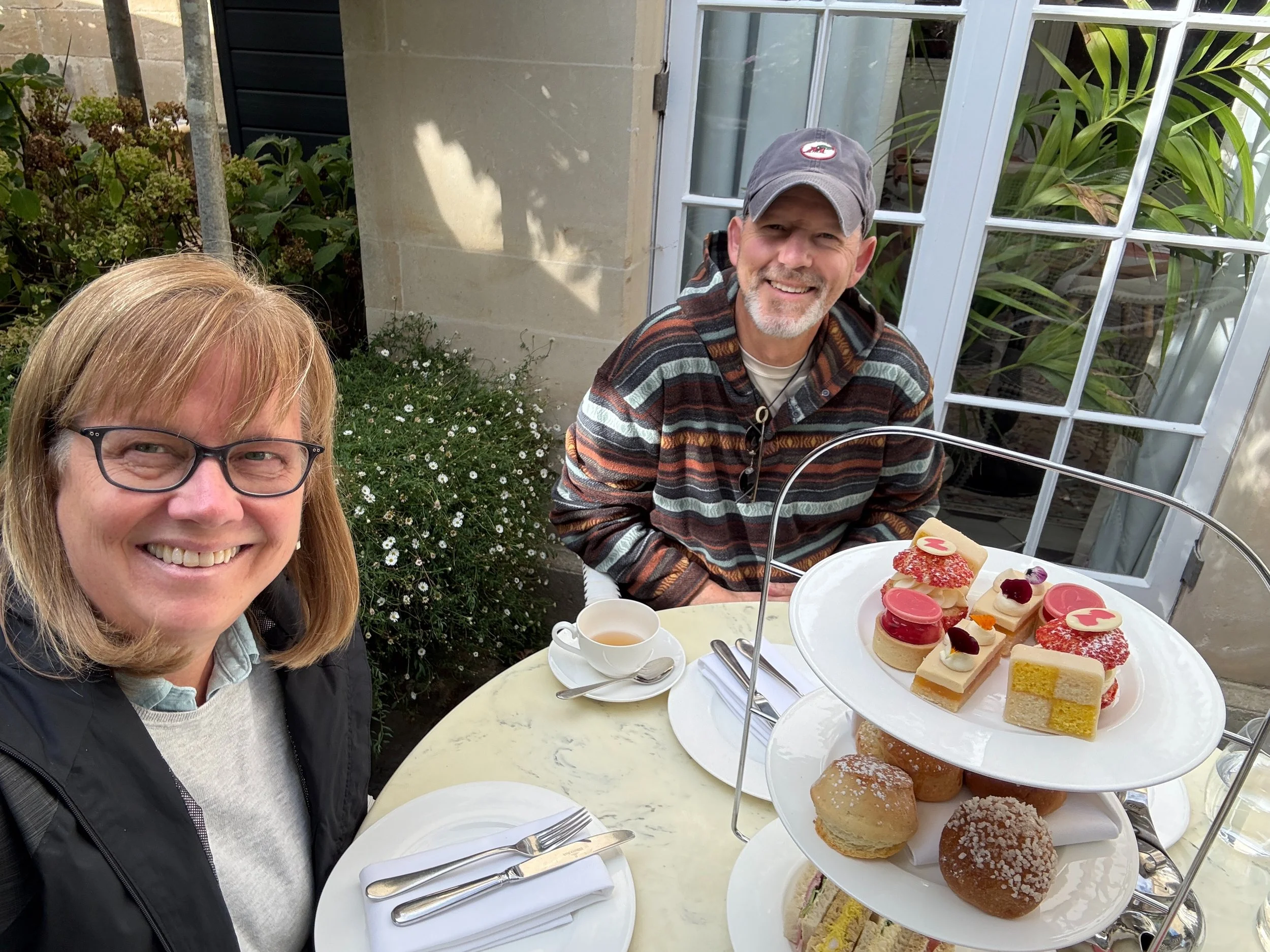
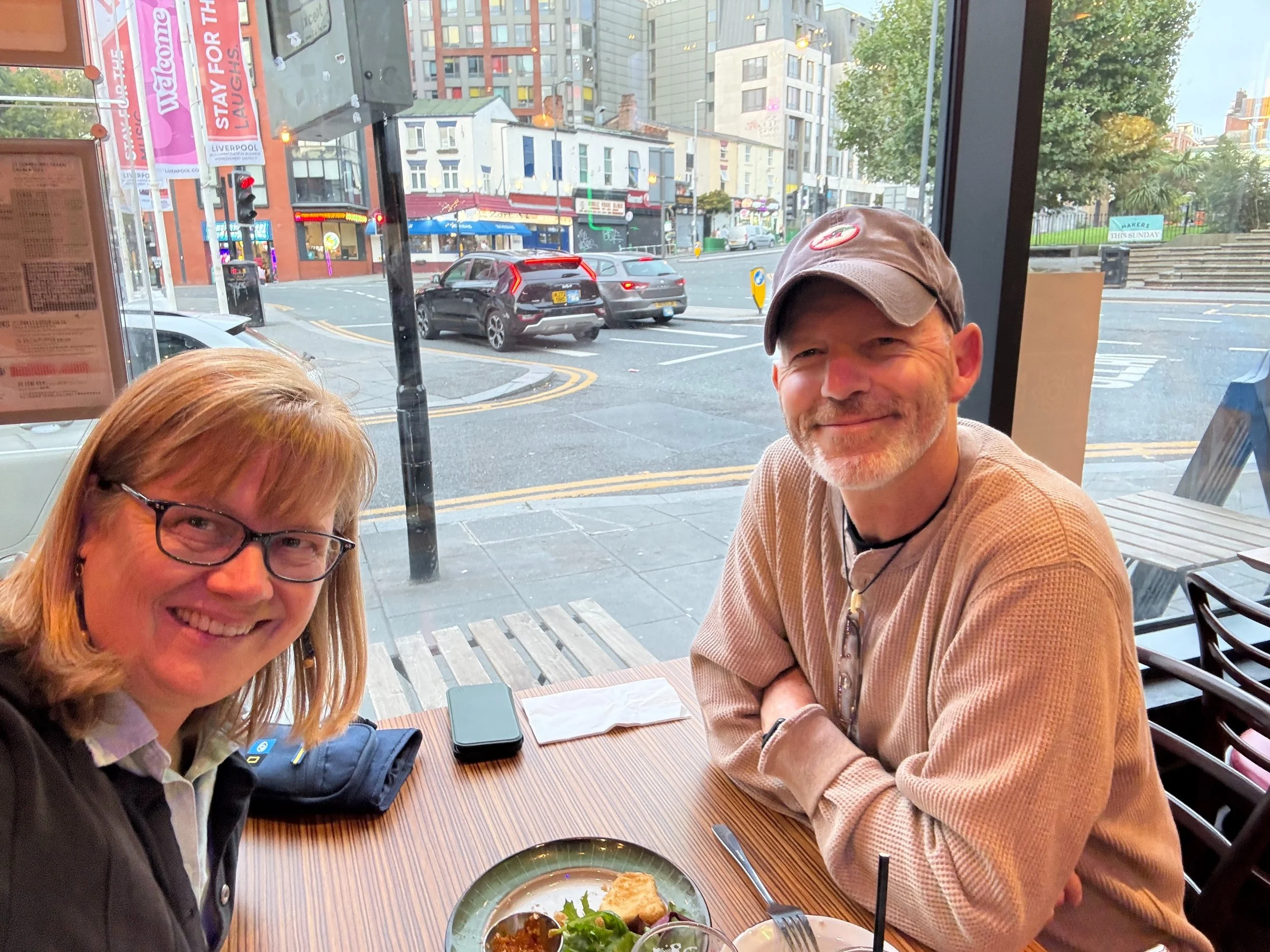
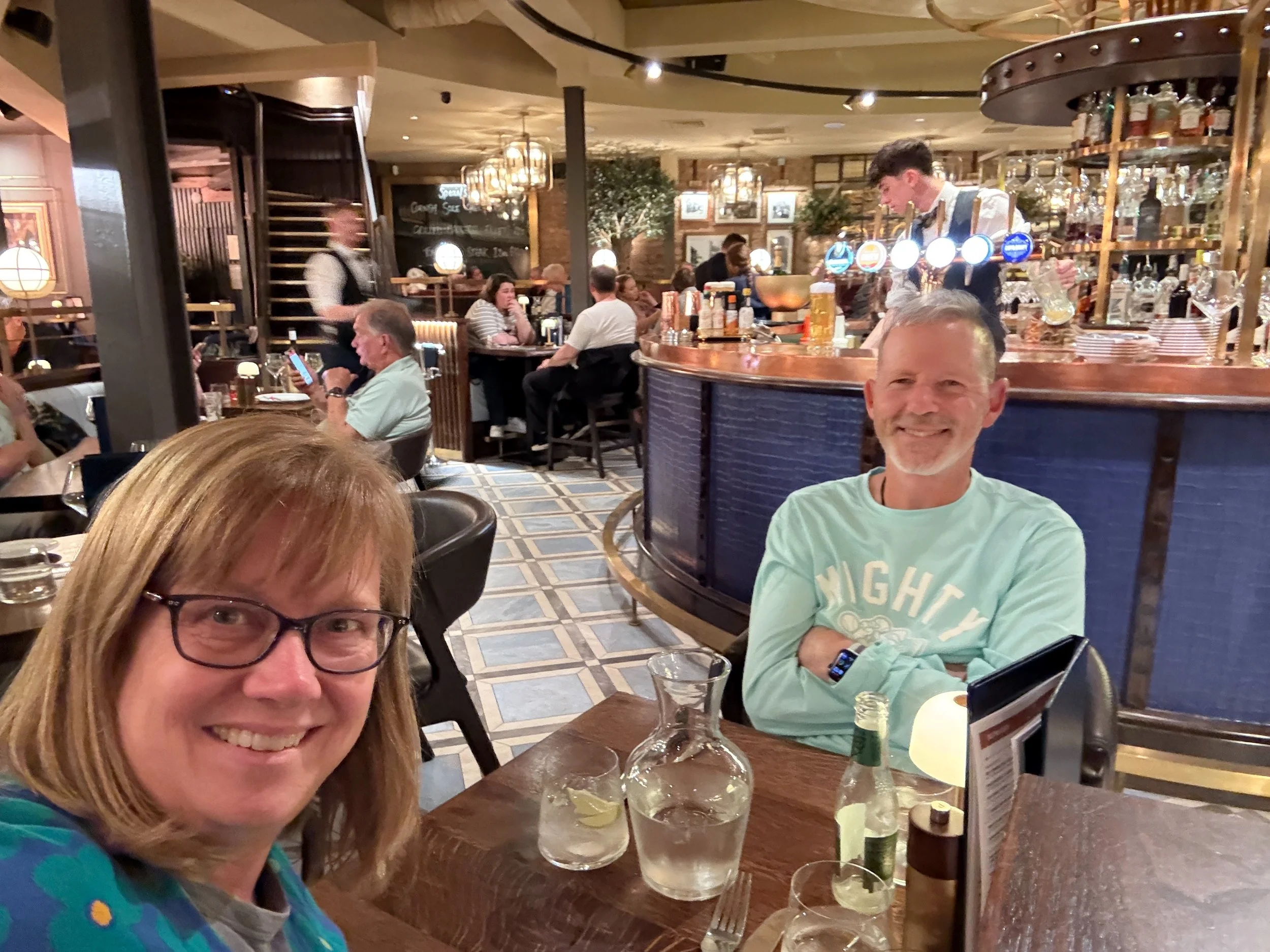
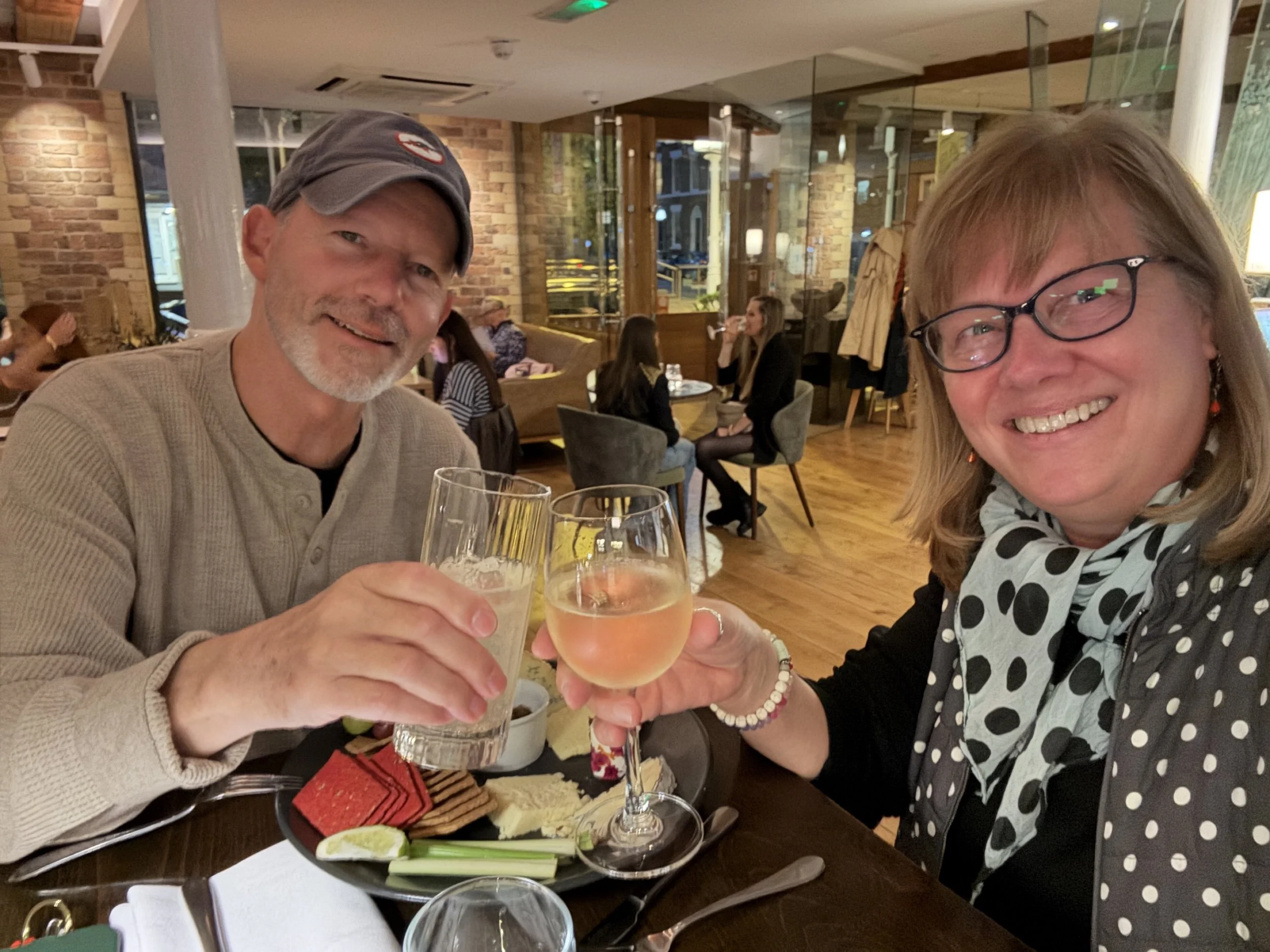
Evenings in Bath brought another memorable element to the trip: fine dining in the city, enjoying excellent food and wine after days spent exploring its historic streets and landmarks. Returning afterward to the Royal Crescent was a fitting conclusion to each day.
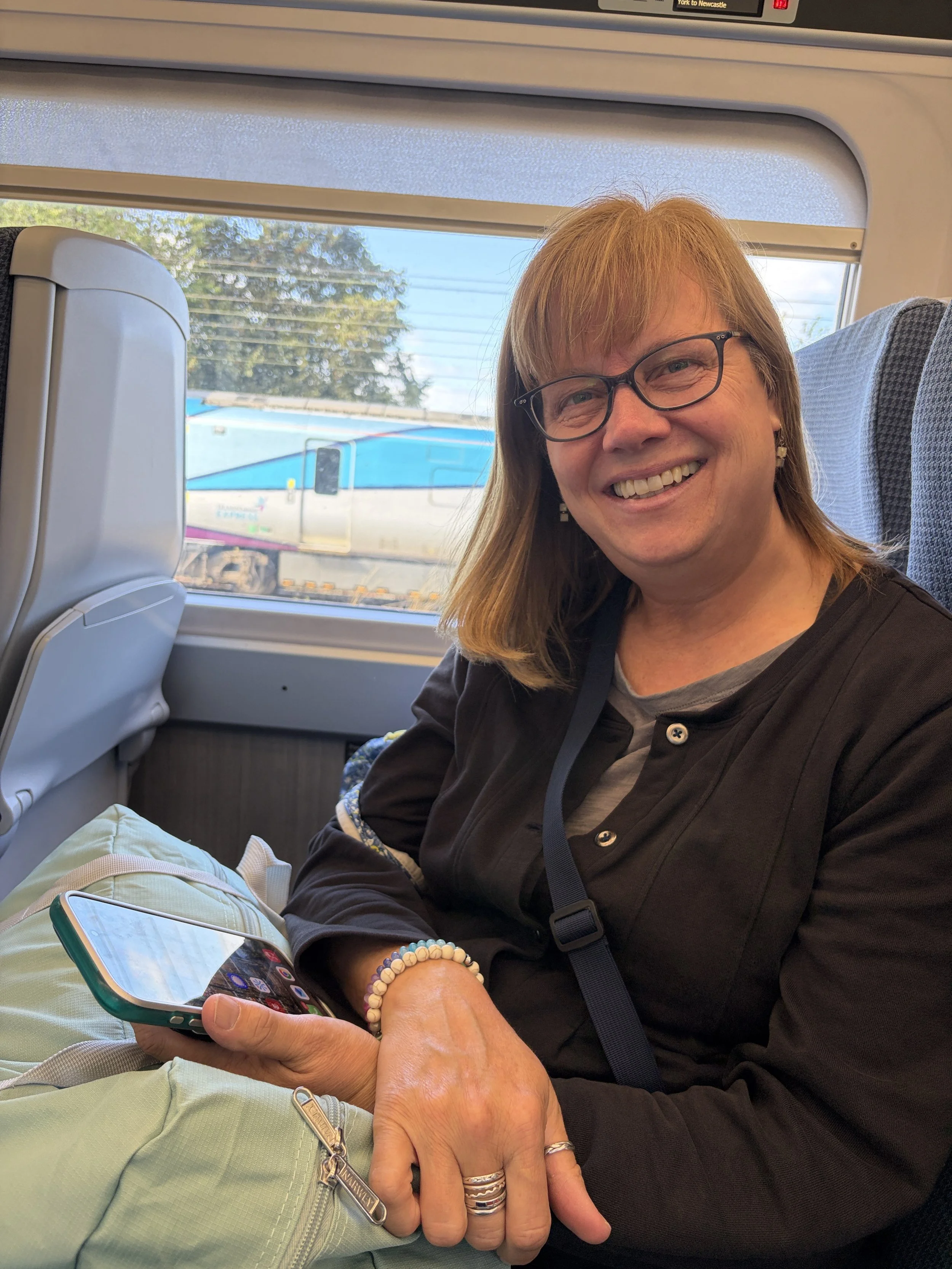
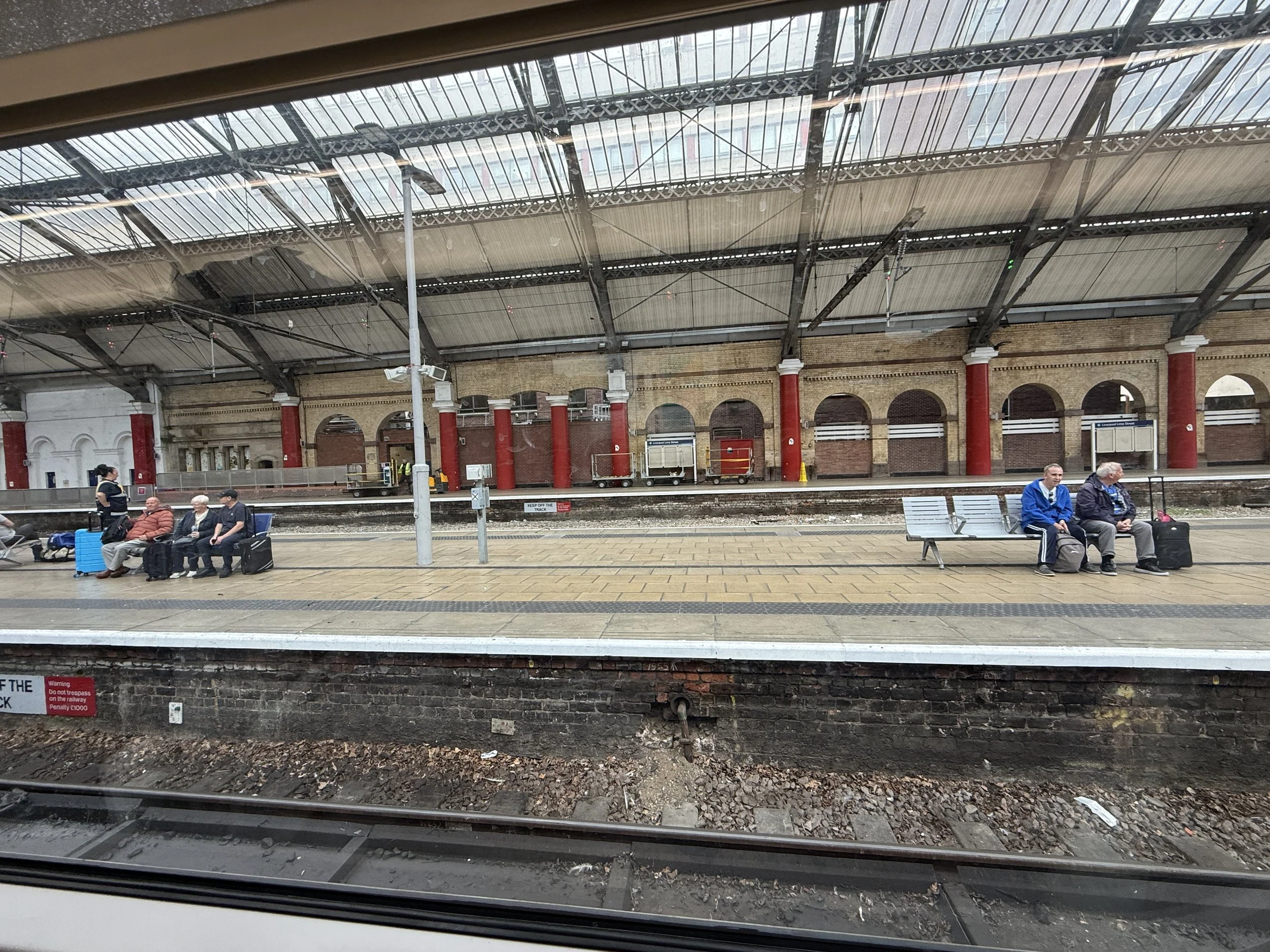
From the energy and traditions of Liverpool and Anfield, and the musical legacy of The Beatles, to the Roman, Viking, and medieval history of York, and finally to the Roman baths and Georgian elegance of Bath, our English tour carried us through nearly two thousand years of British history. Trains connected three very different cities, each with its own character and stories, while memorable meals, remarkable hotels, historic sites, music, and the excitement of Premier League football turned the journey into much more than sightseeing.
It was a trip through England’s history and culture—from Roman walls and Viking York to medieval abbeys and cathedrals, Georgian grandeur, the birthplace of the Beatles, and the modern-day cathedral of English football: Anfield.