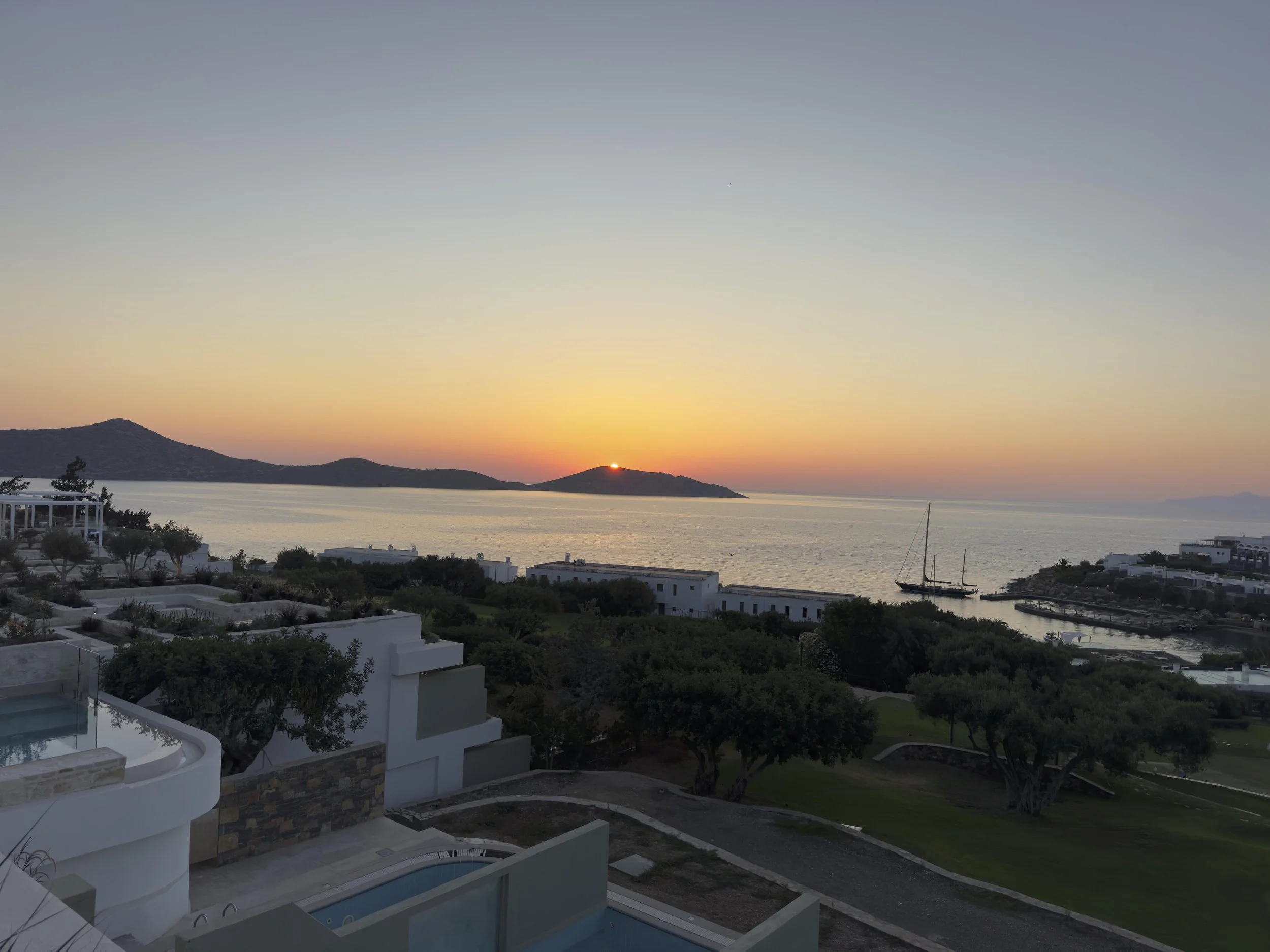
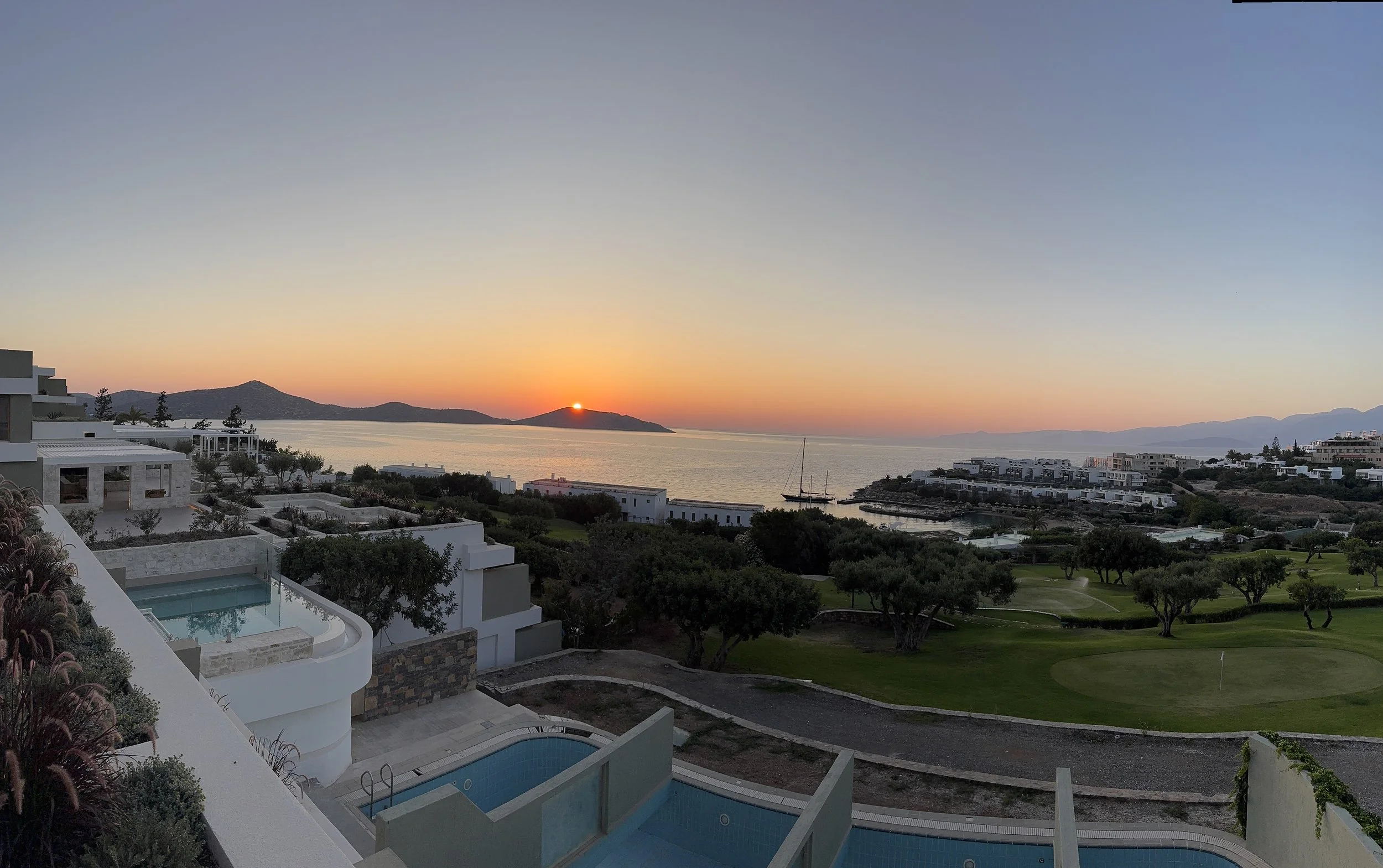
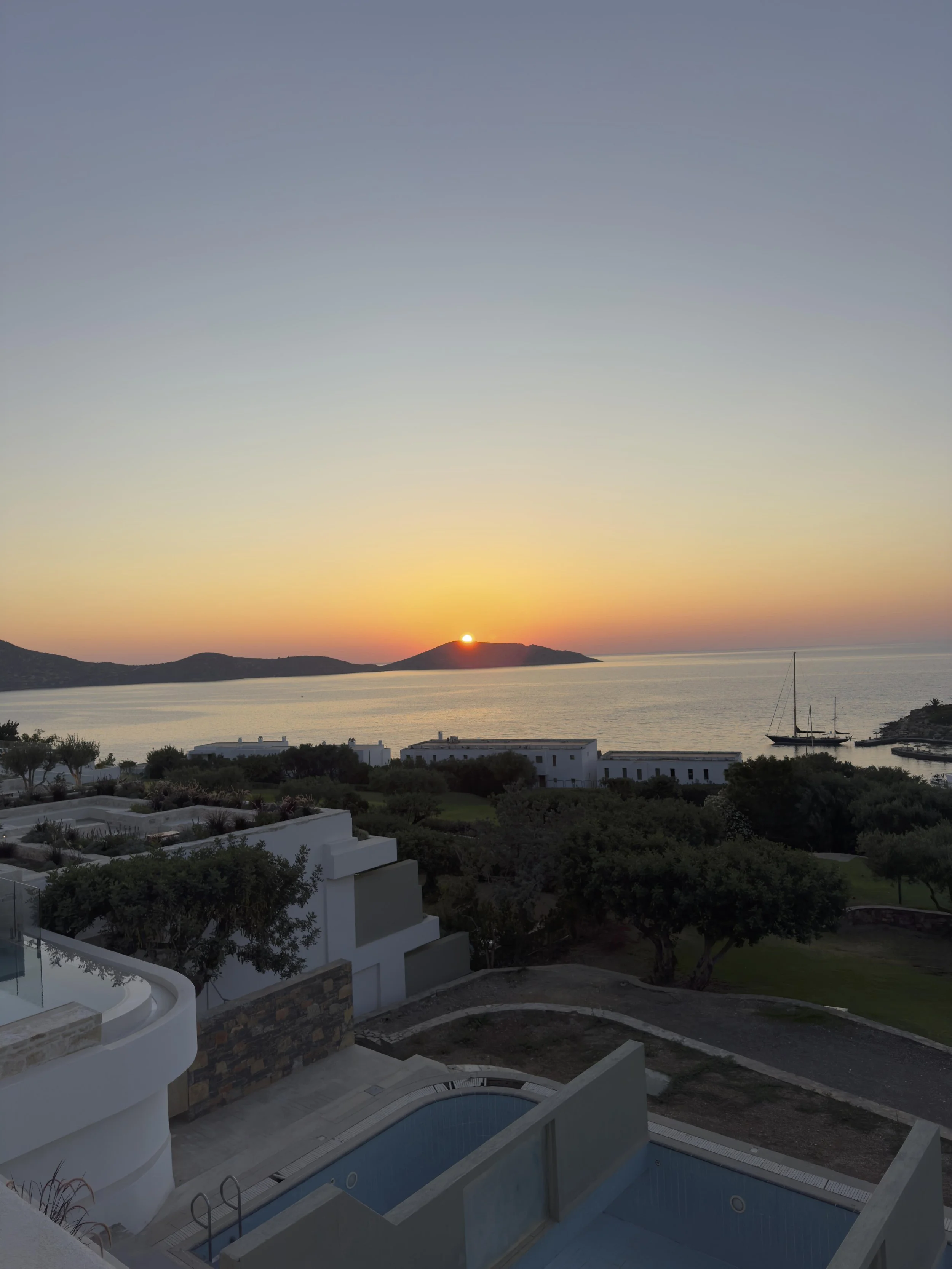
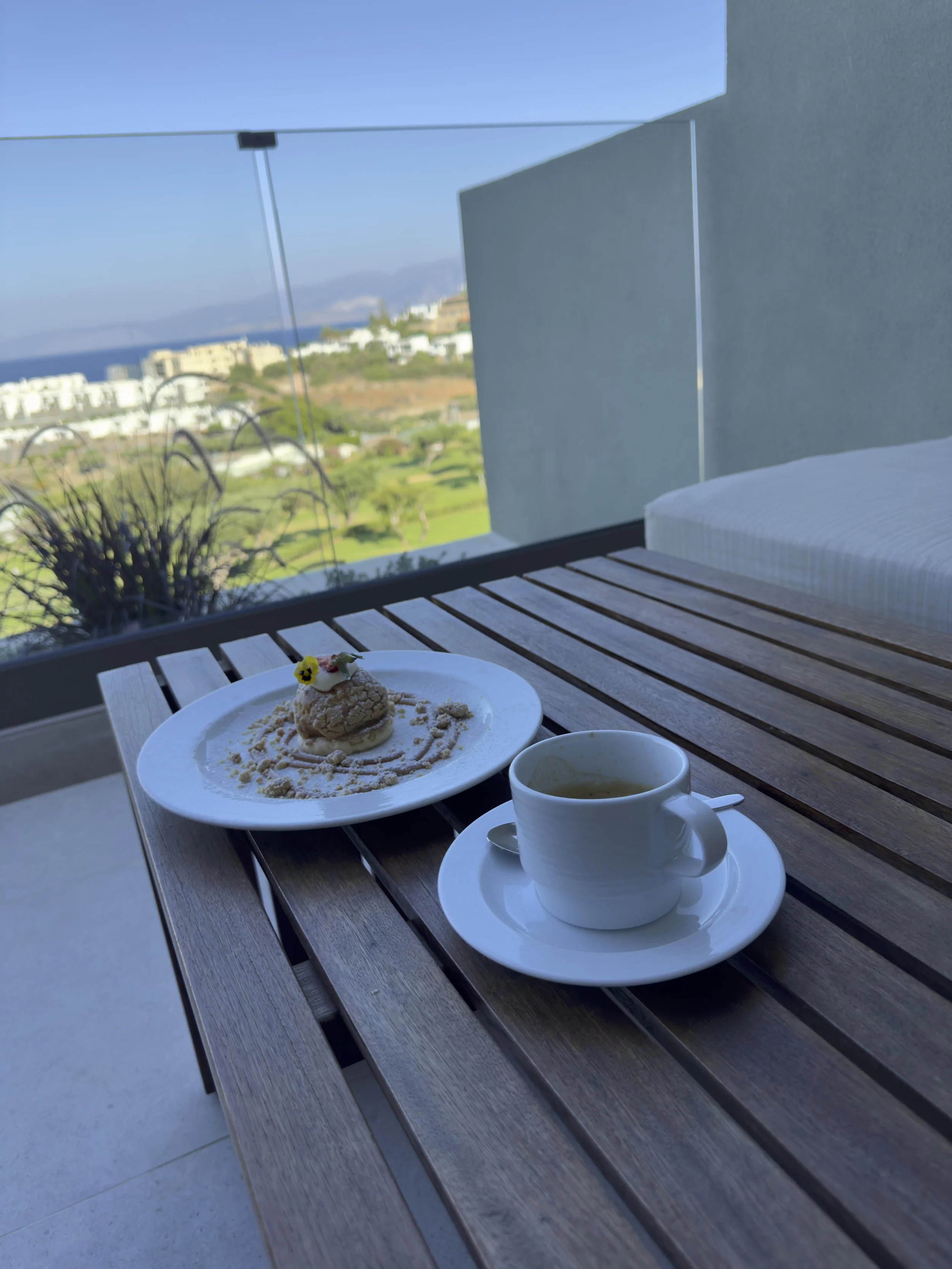
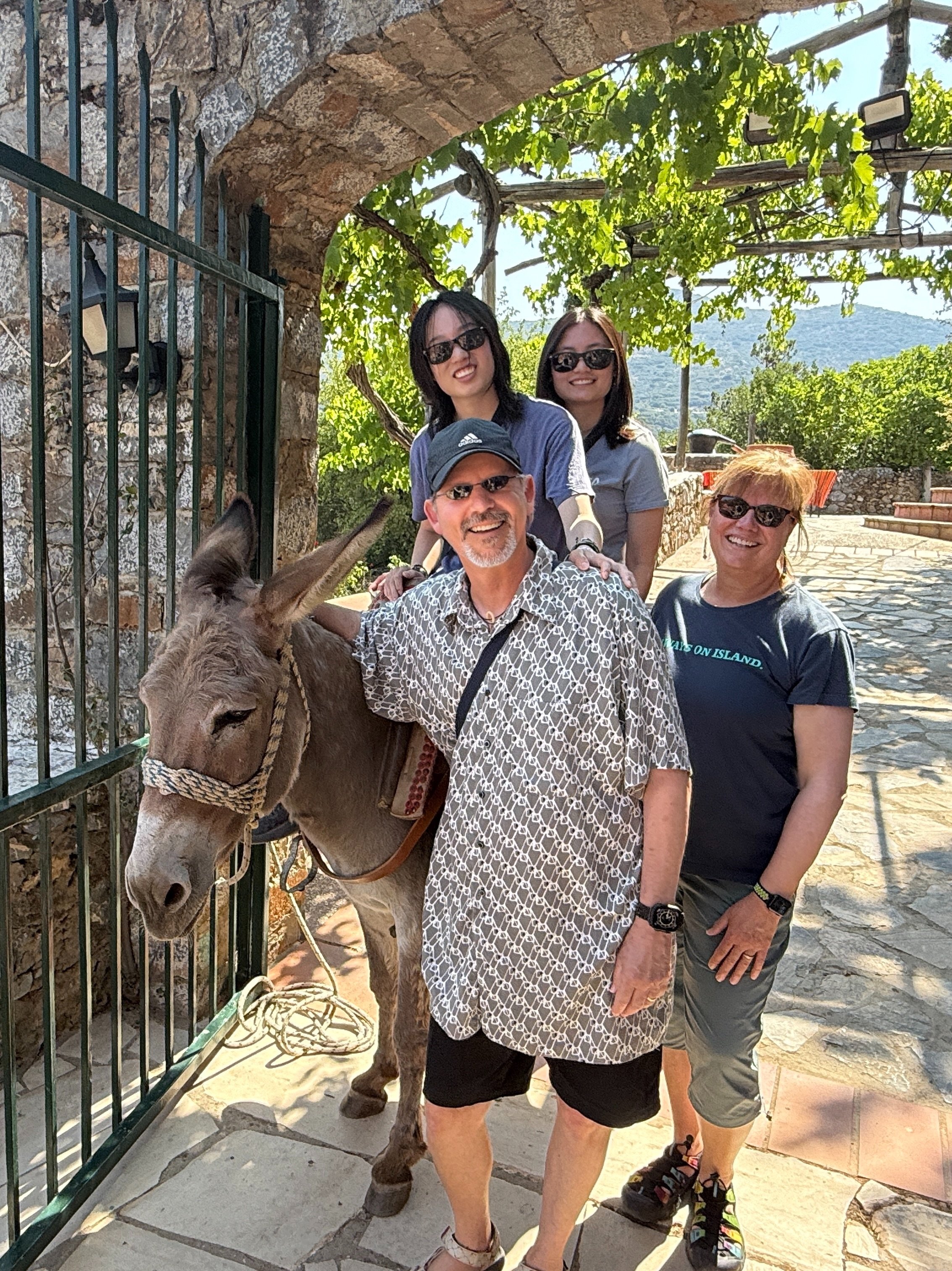
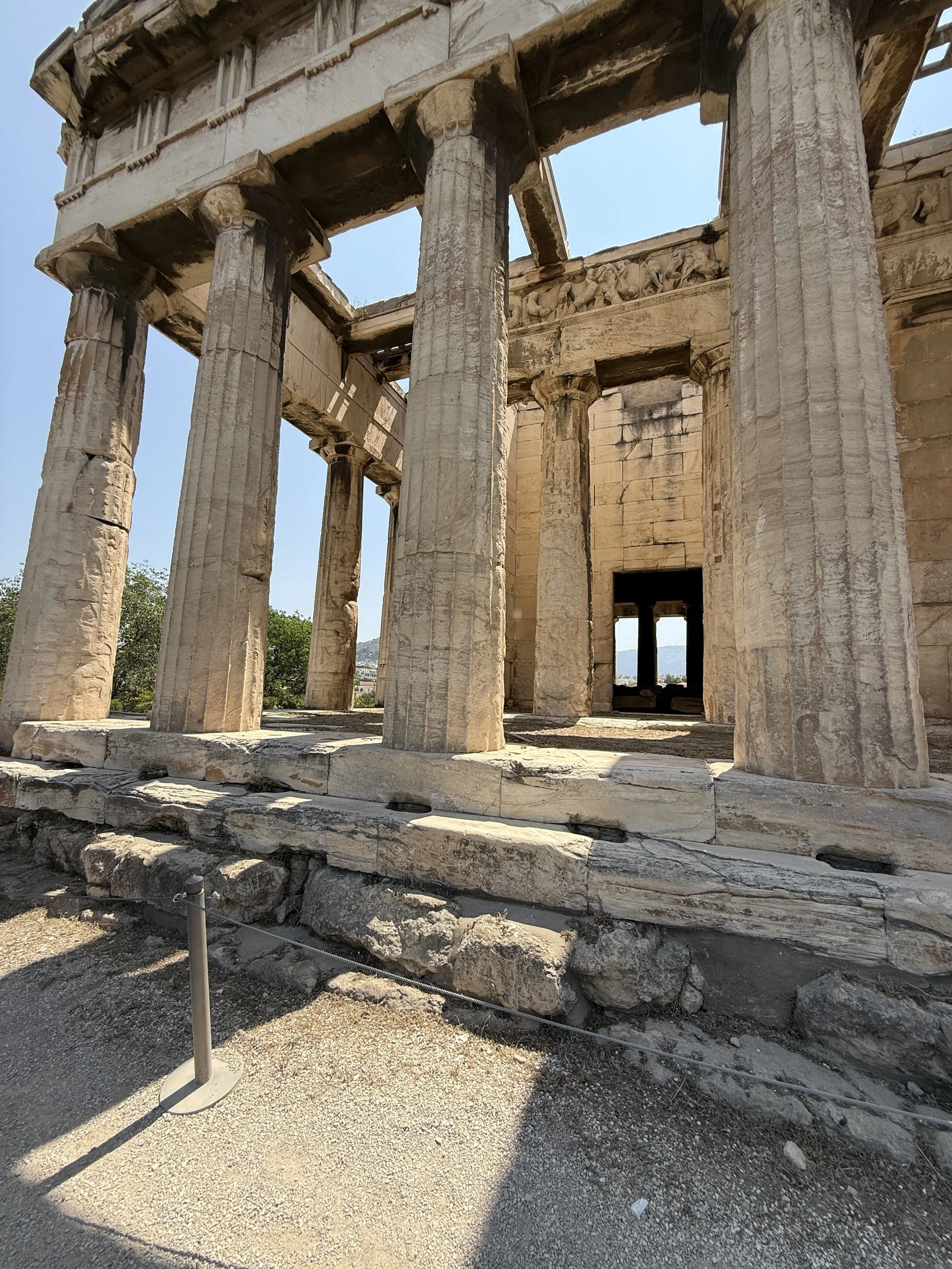
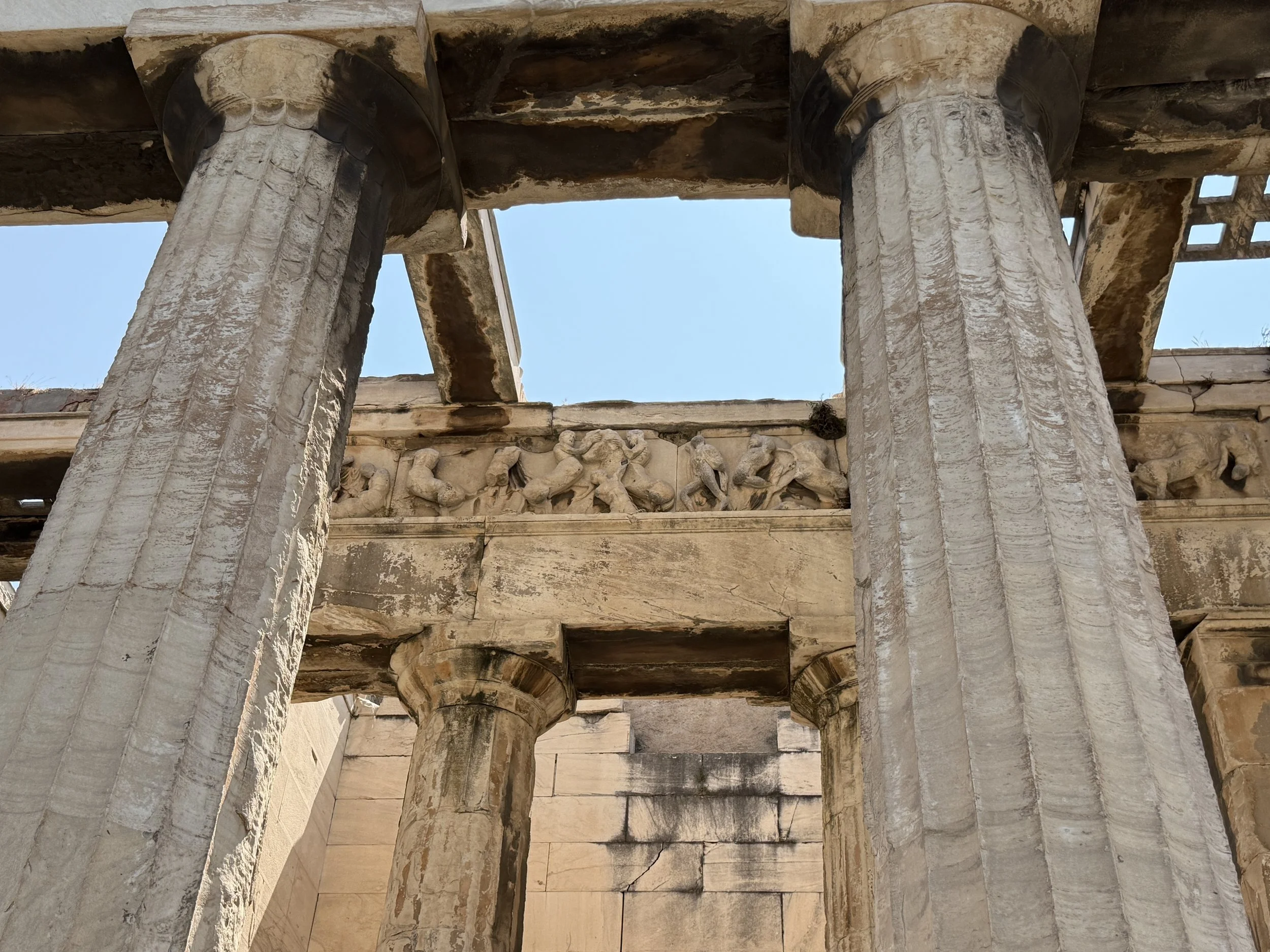
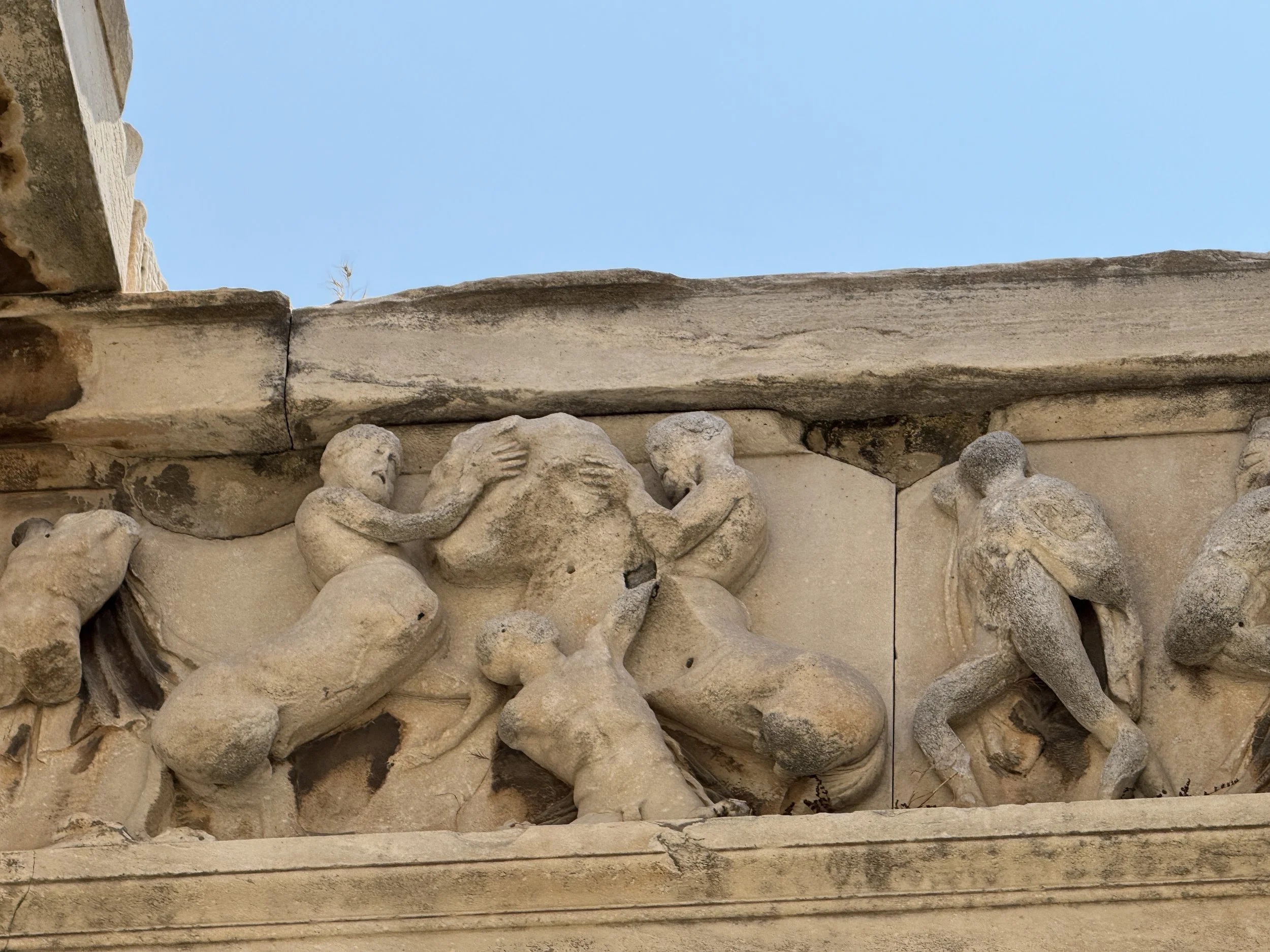
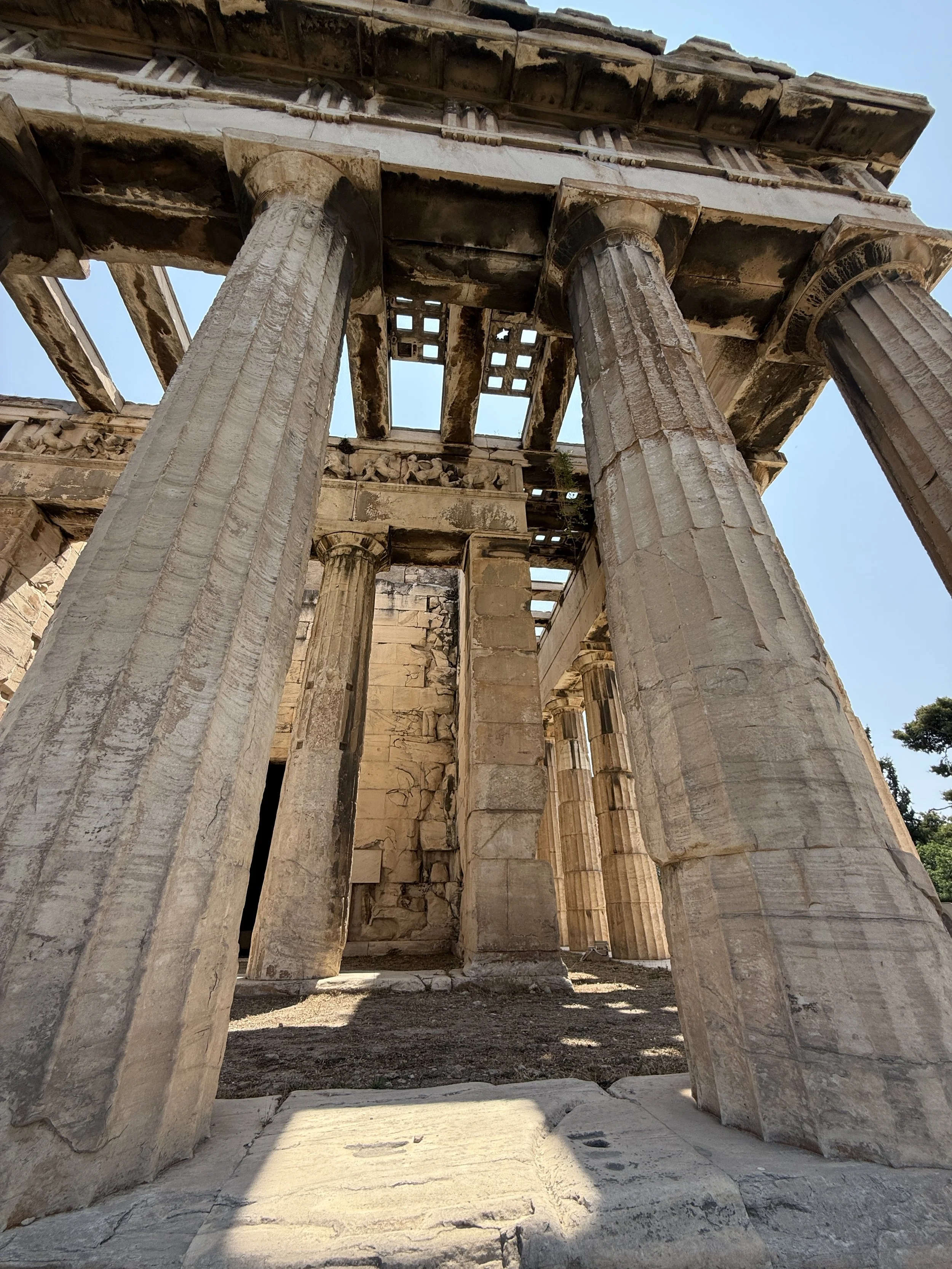
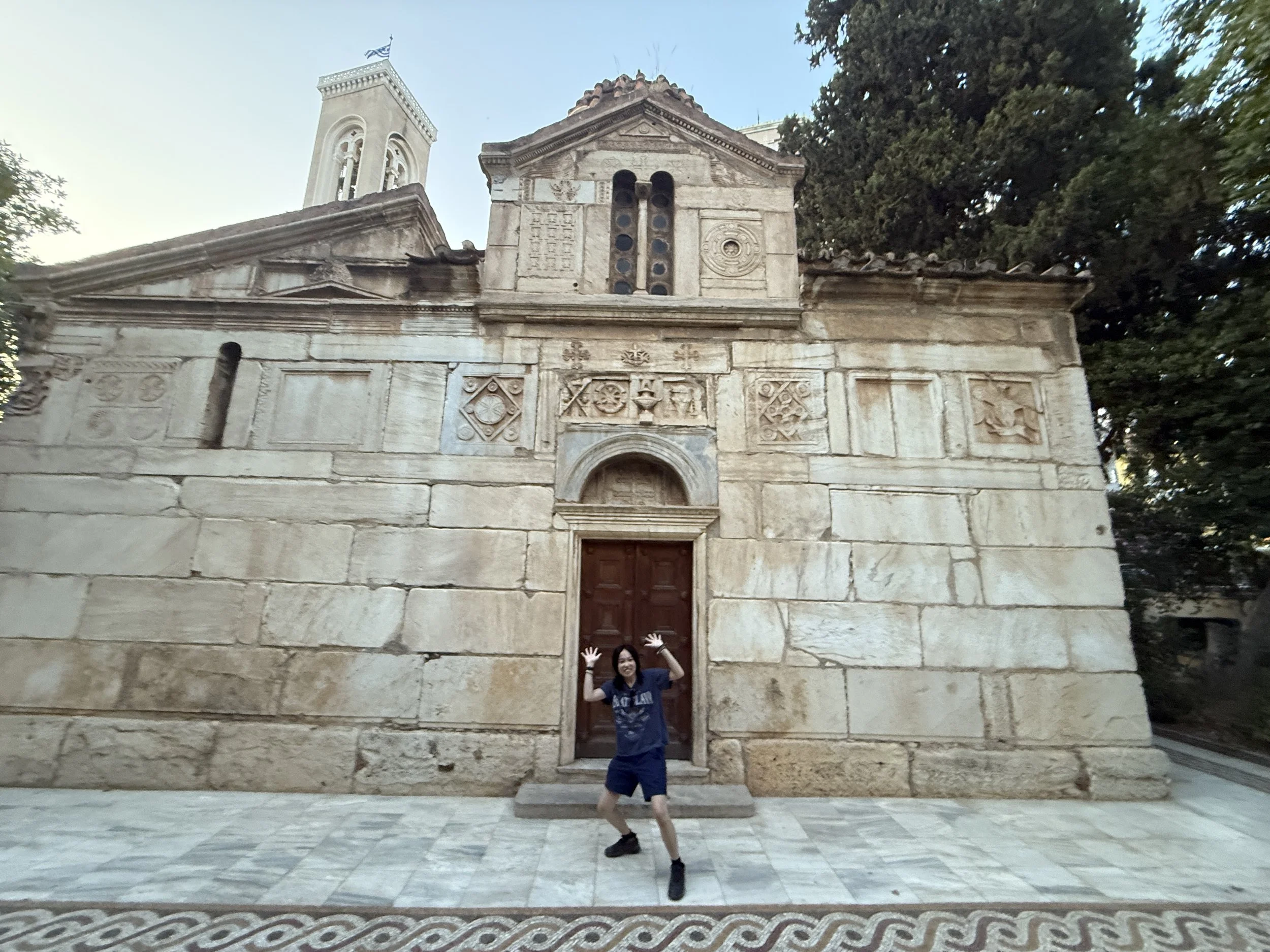
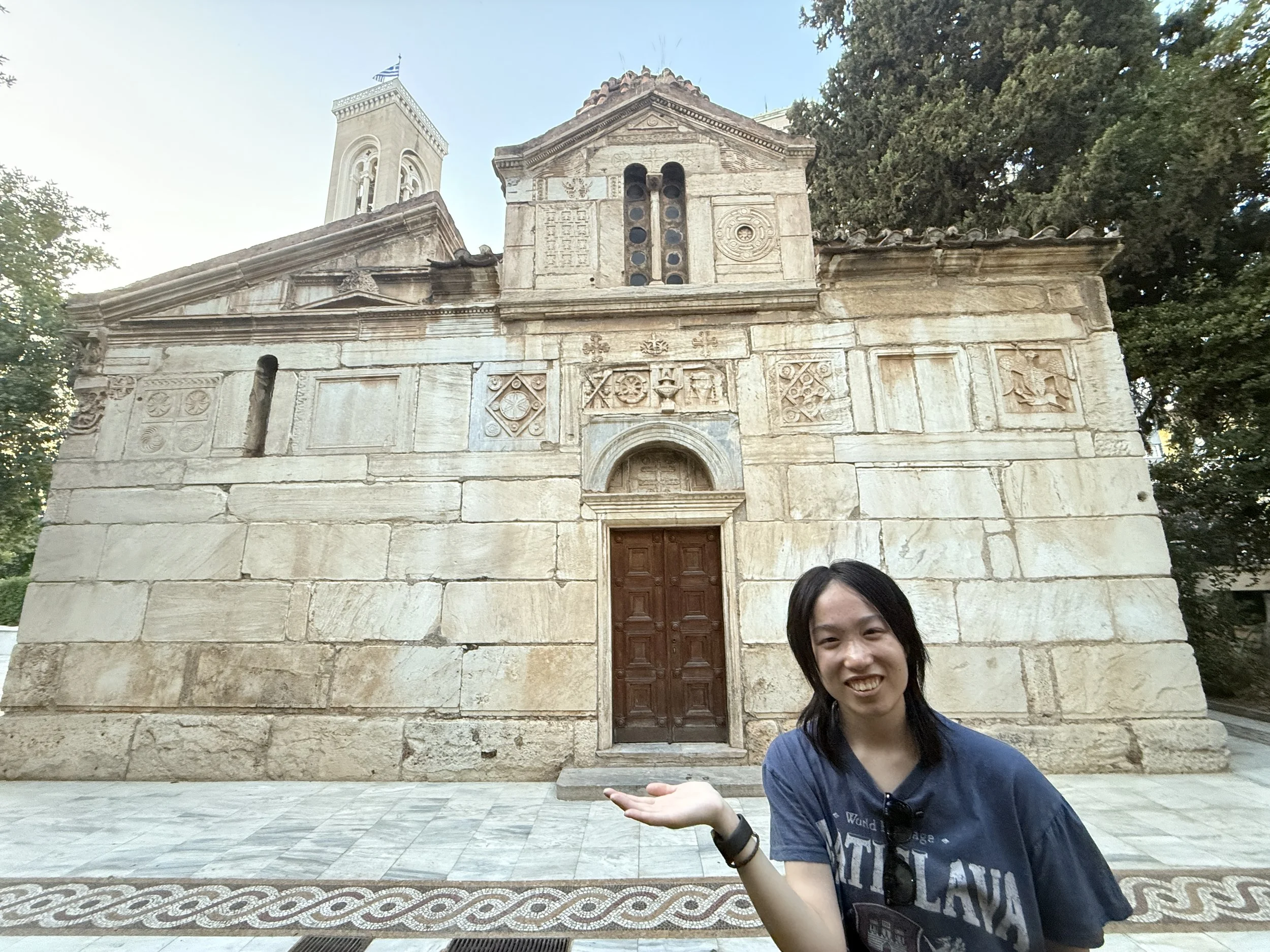
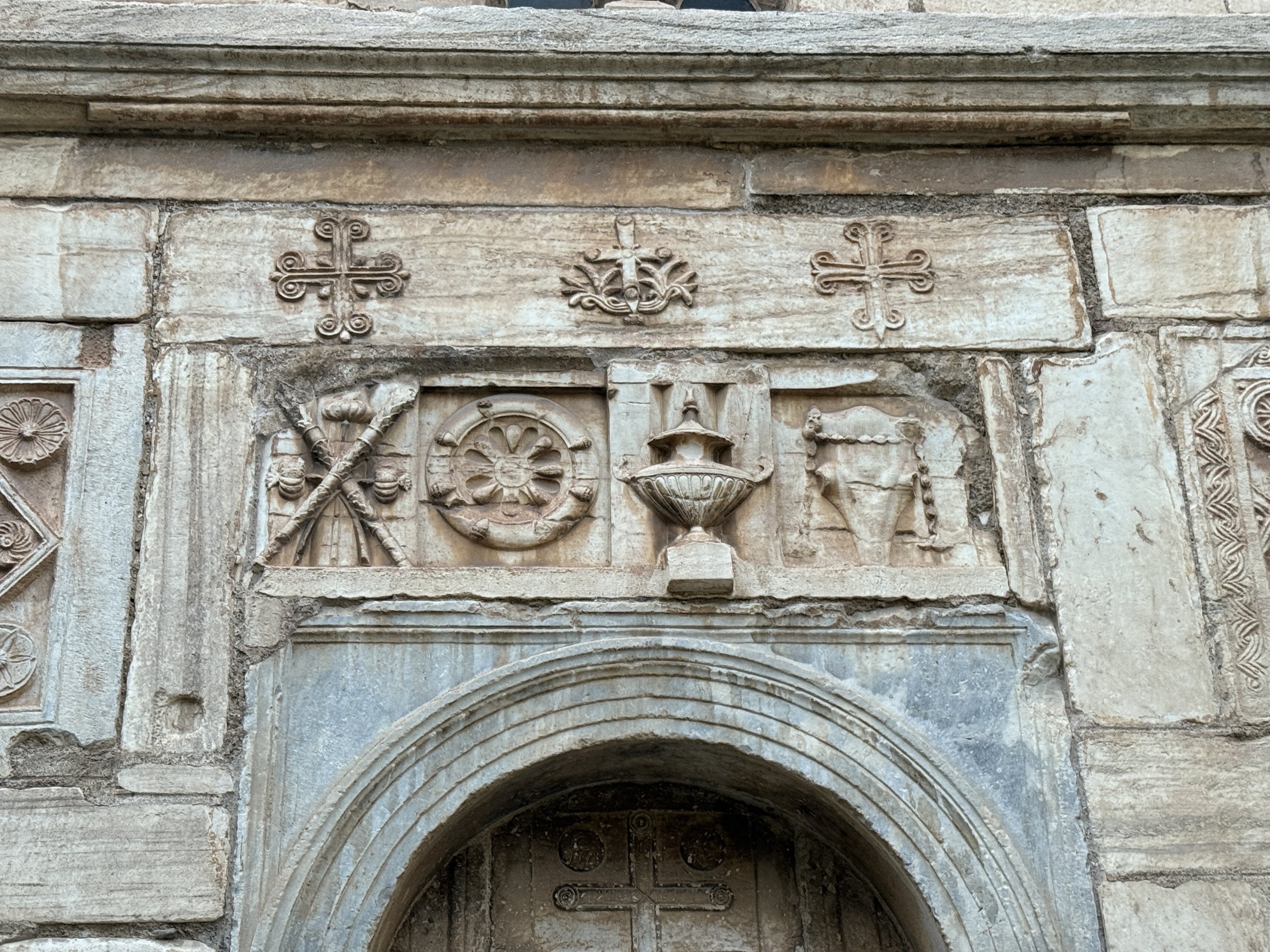
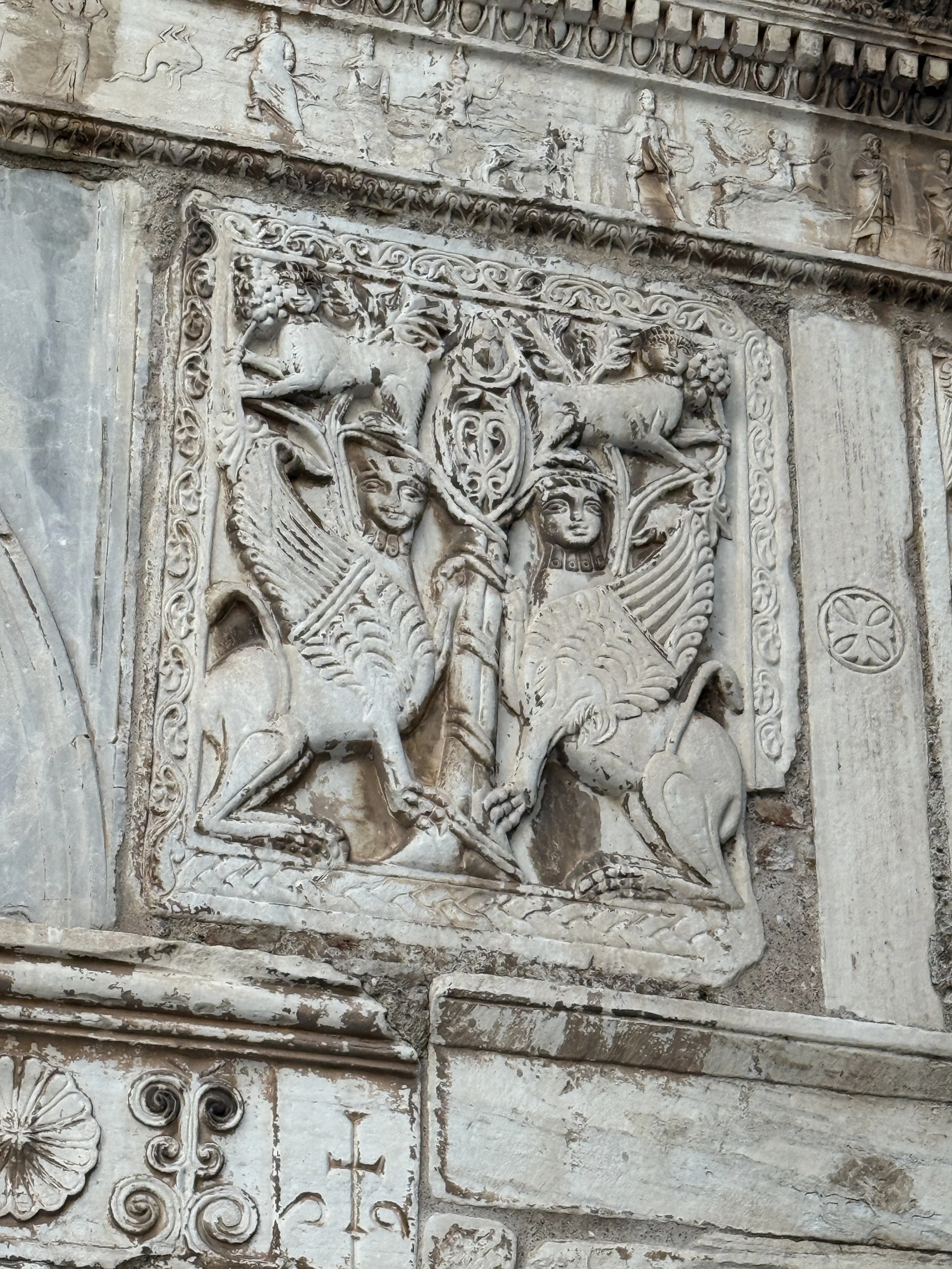
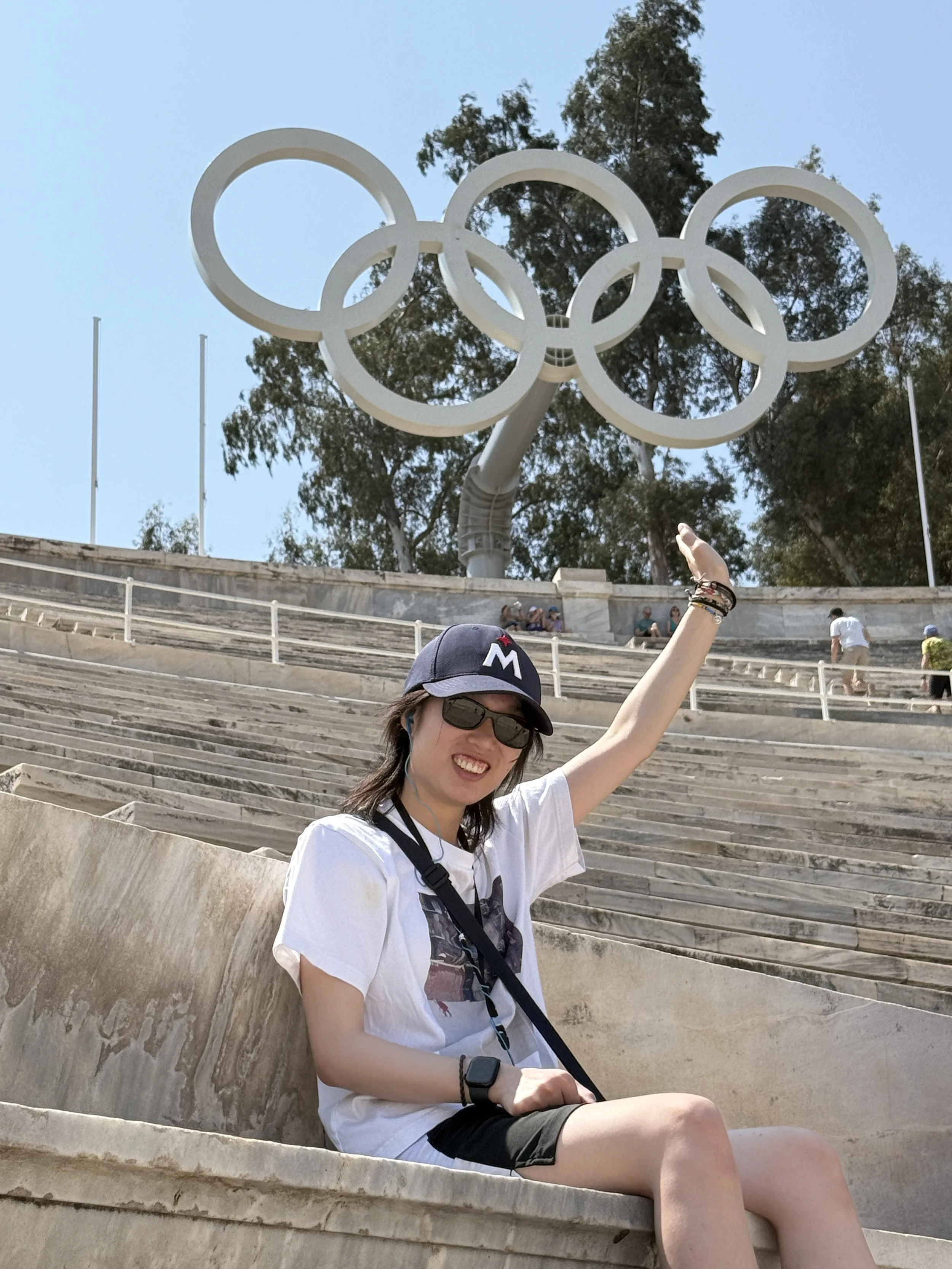
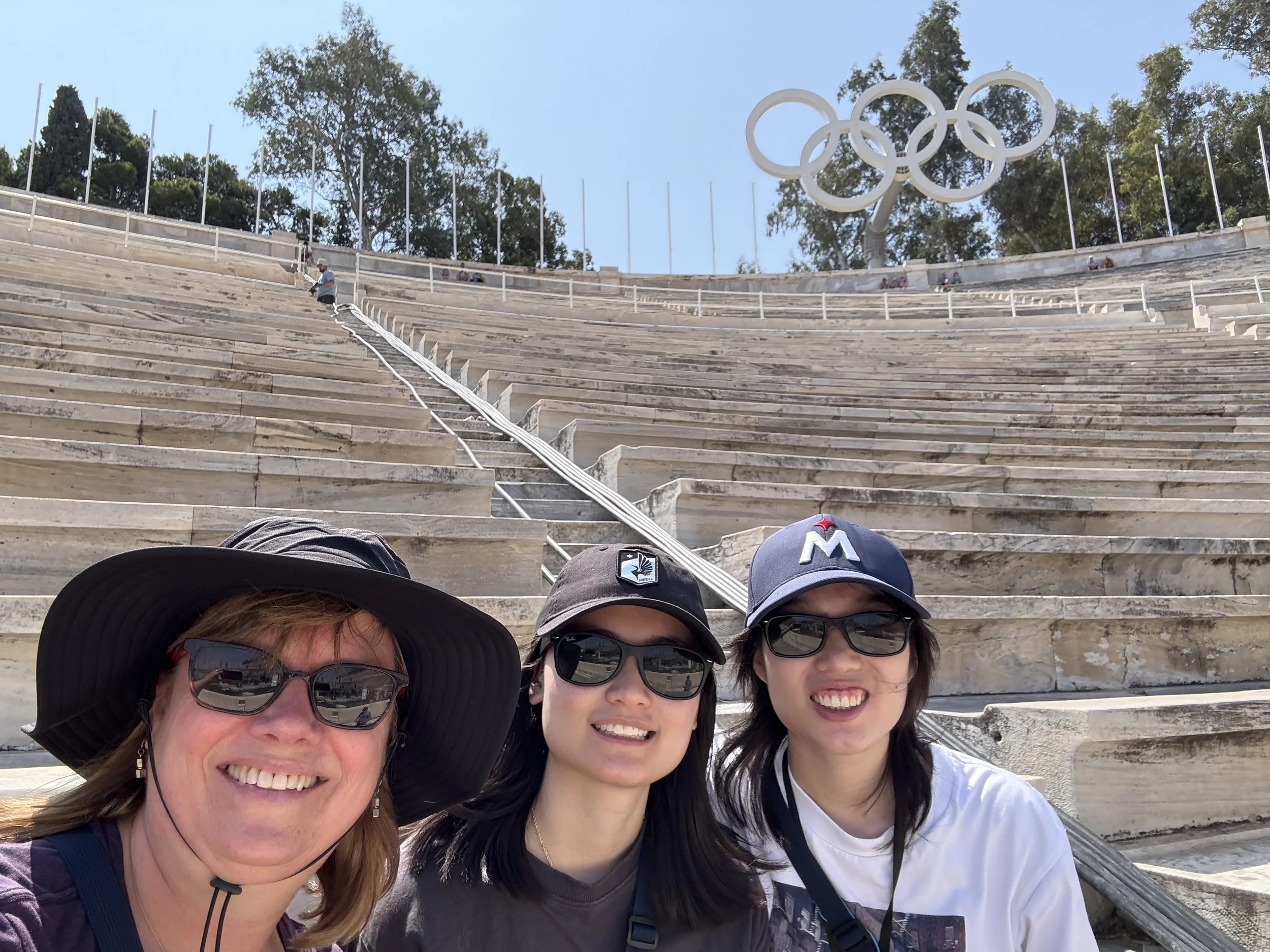
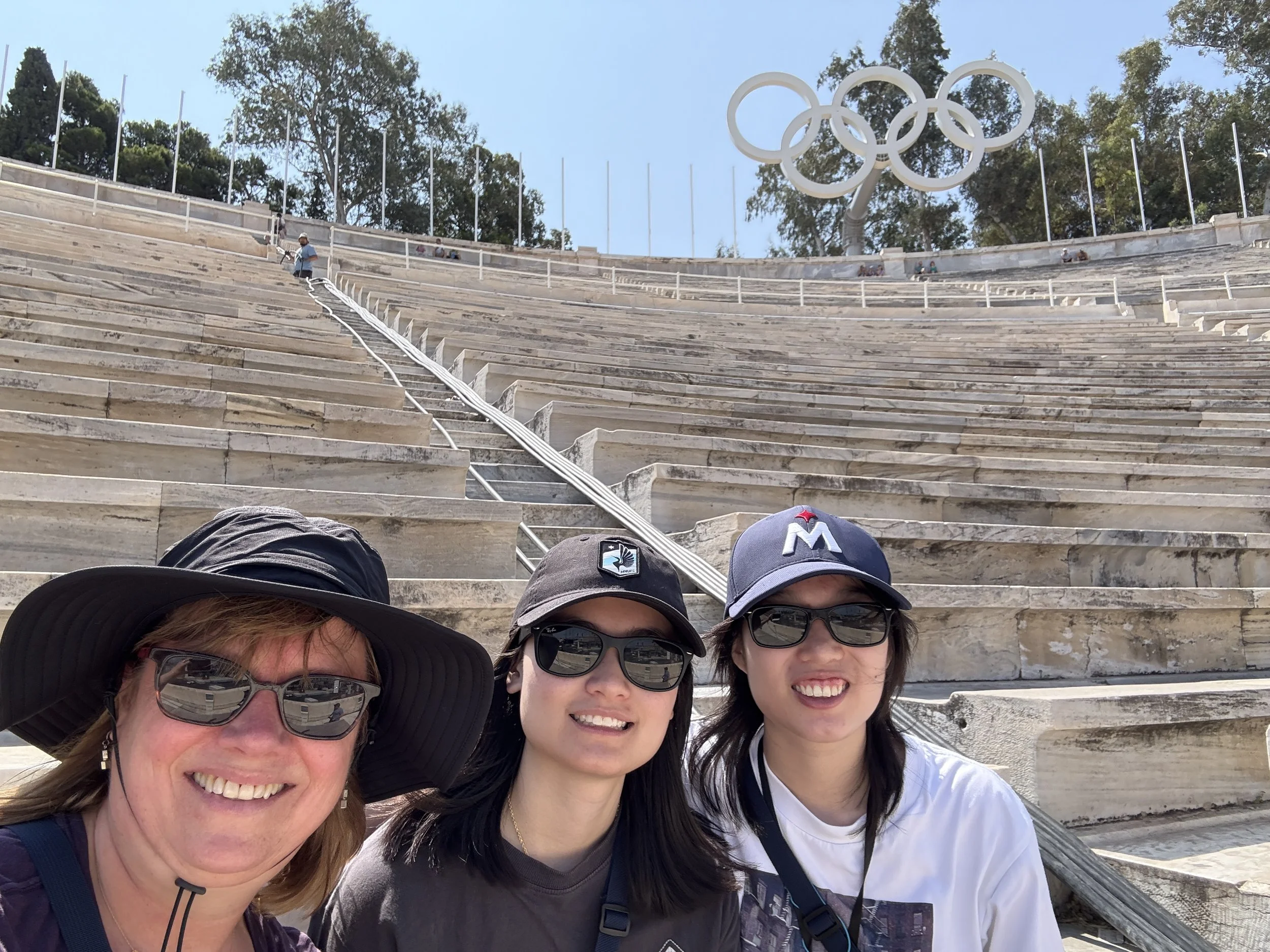
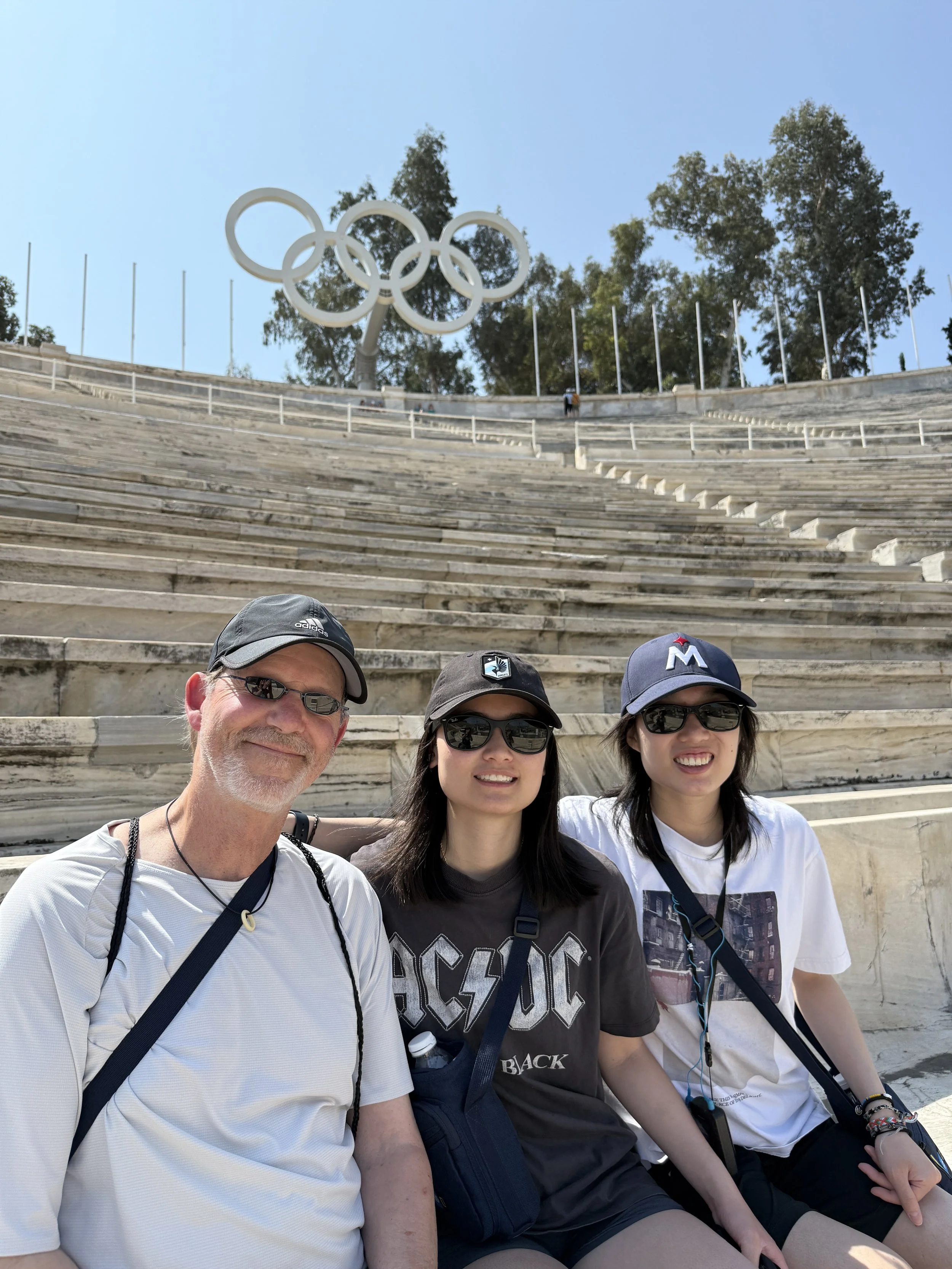
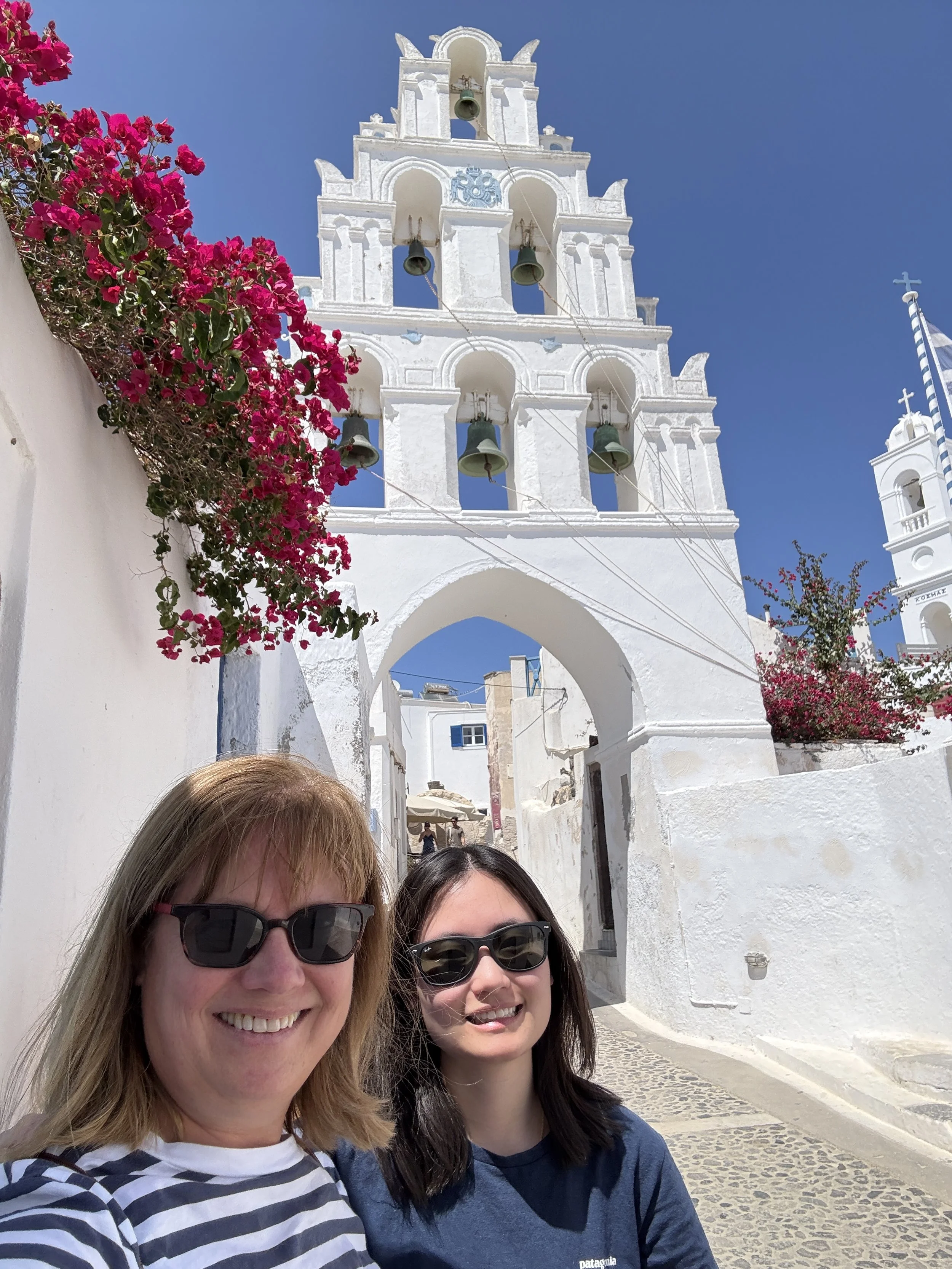
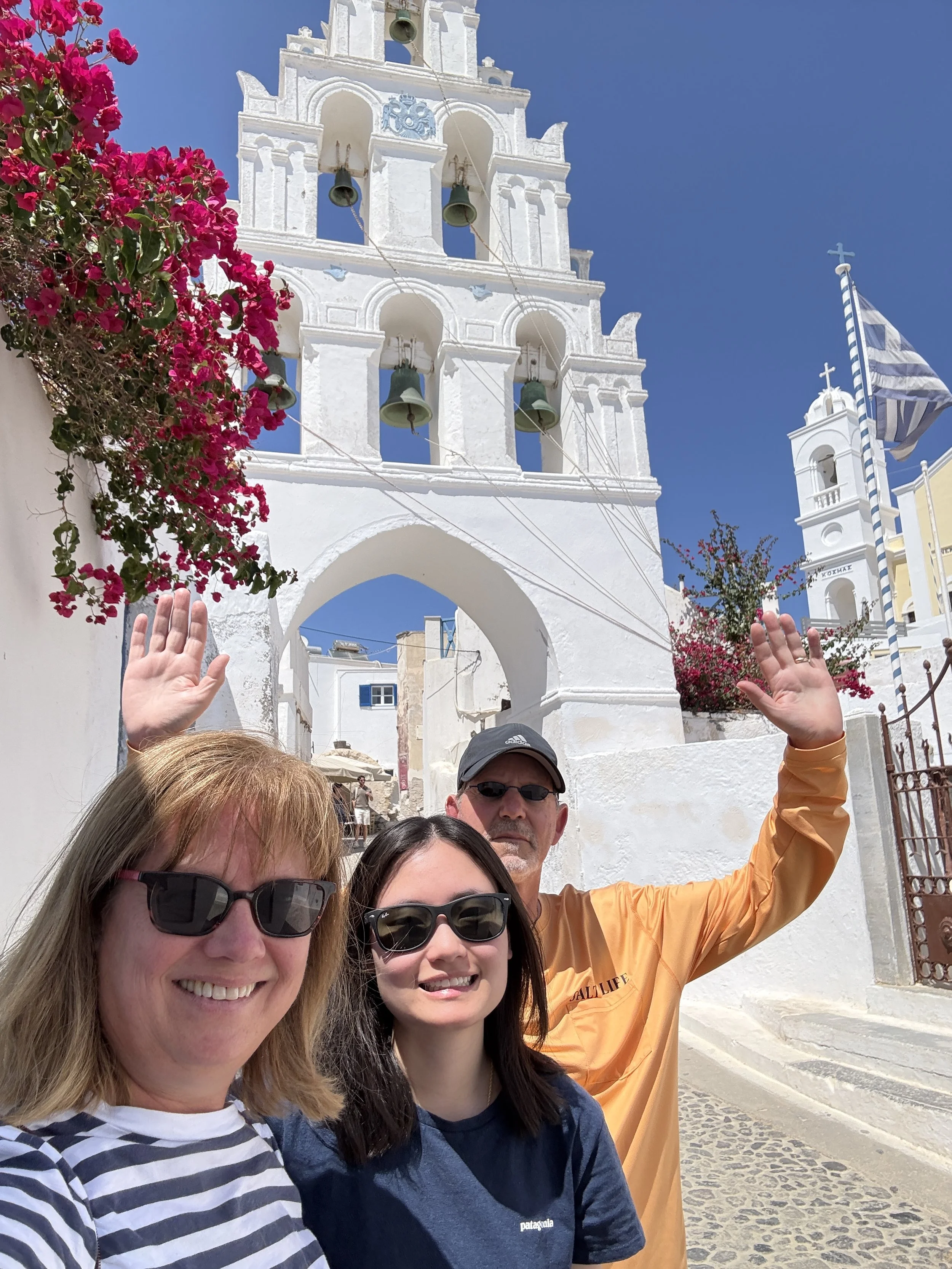
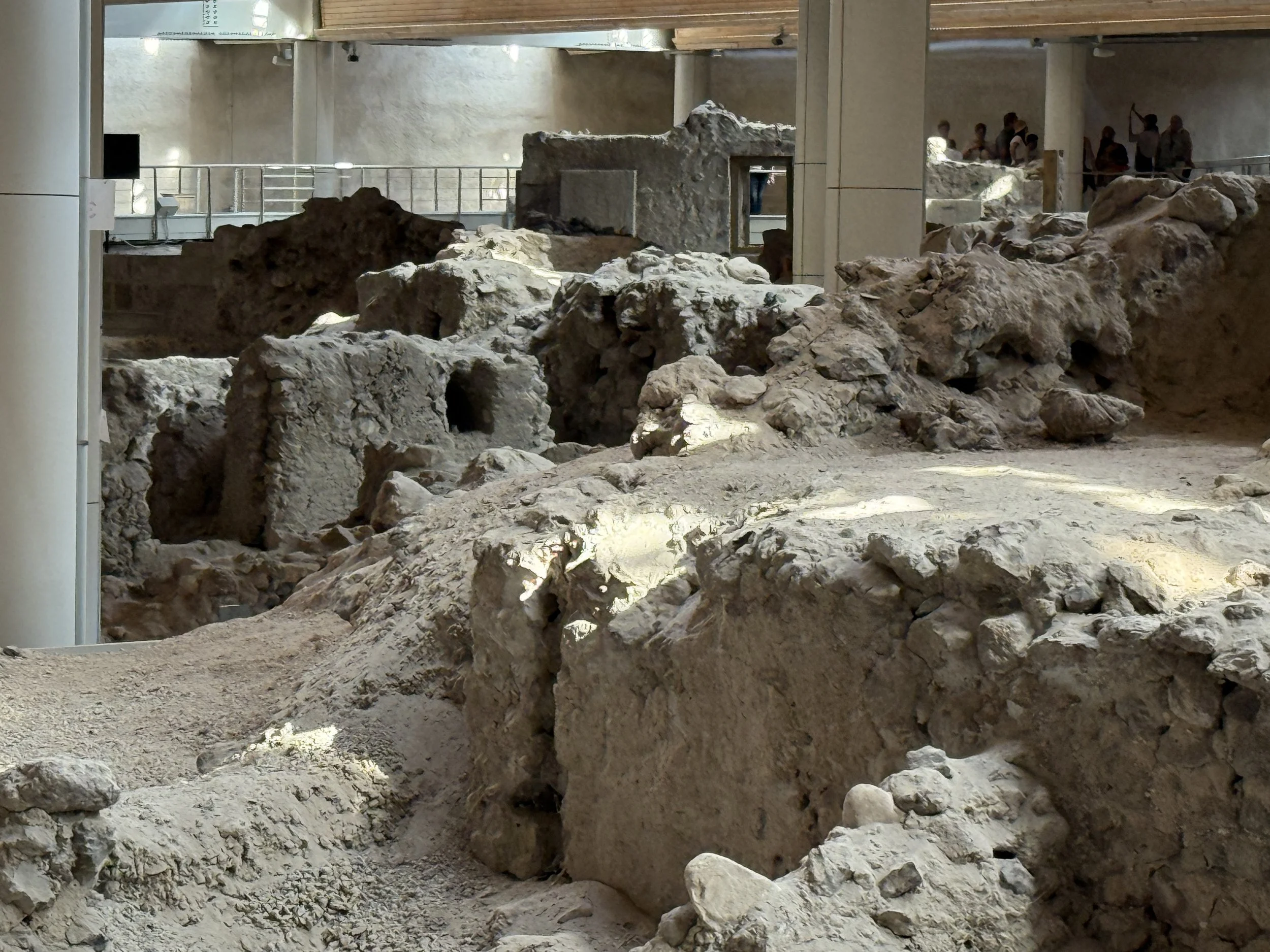
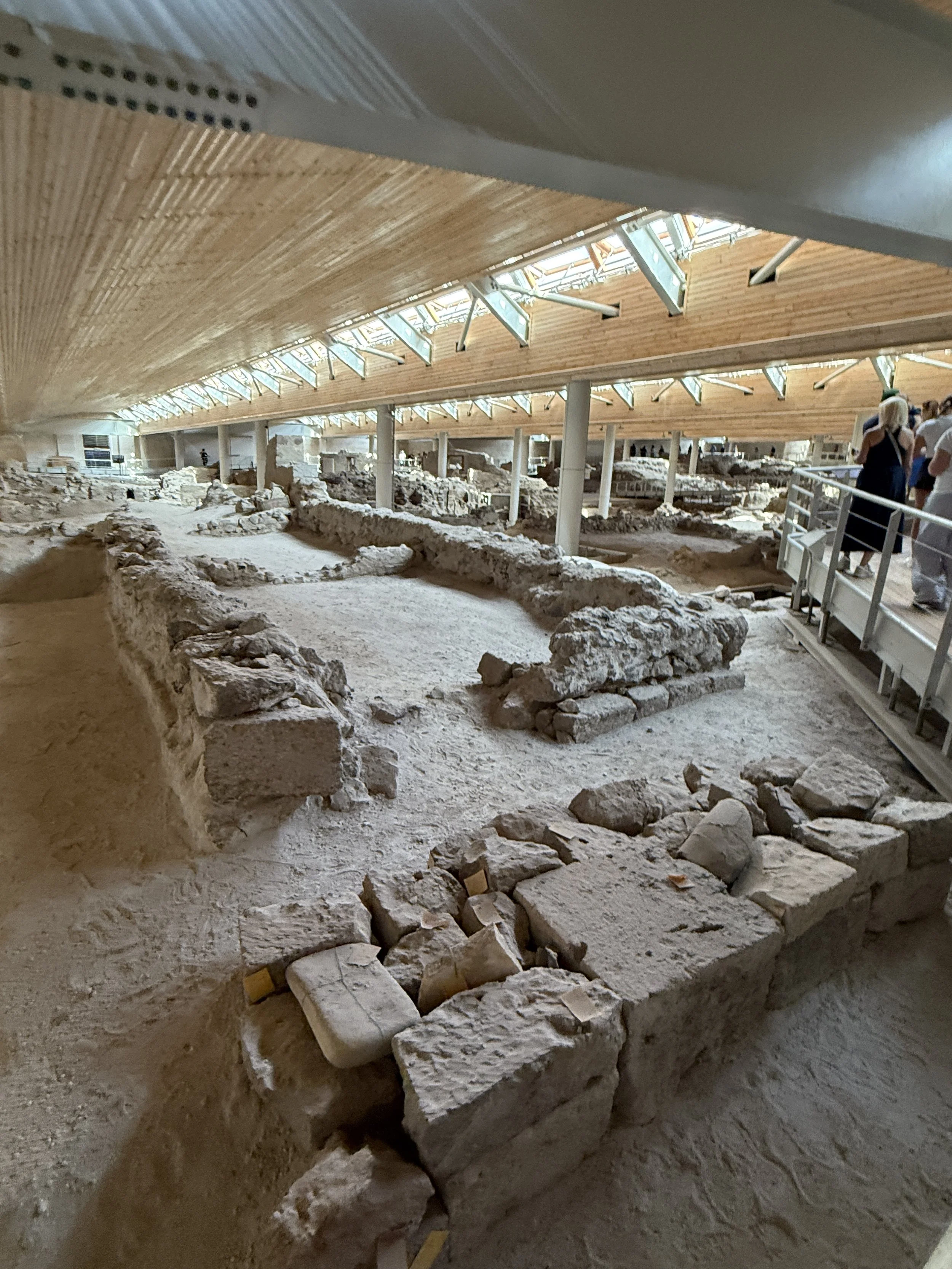
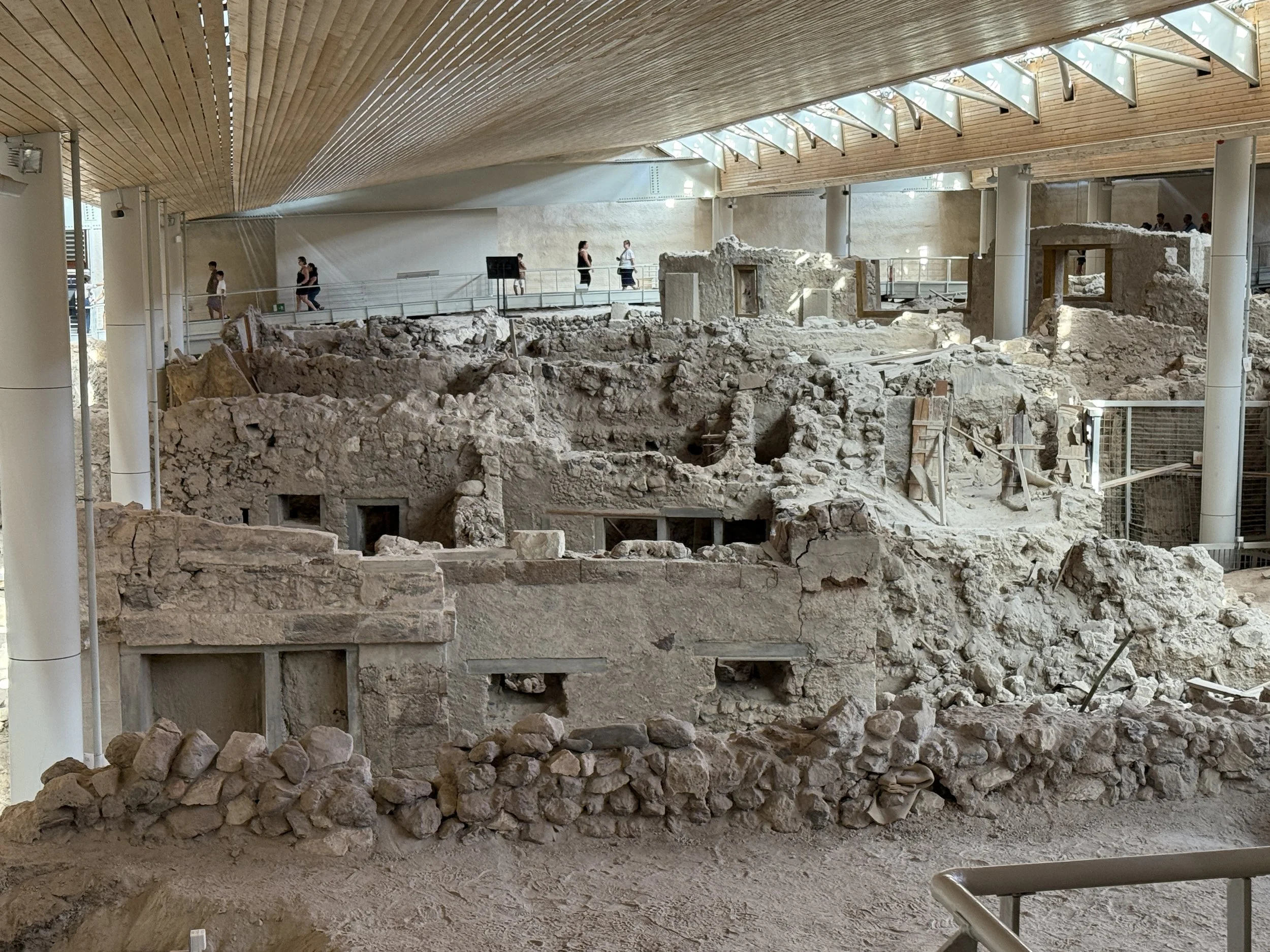
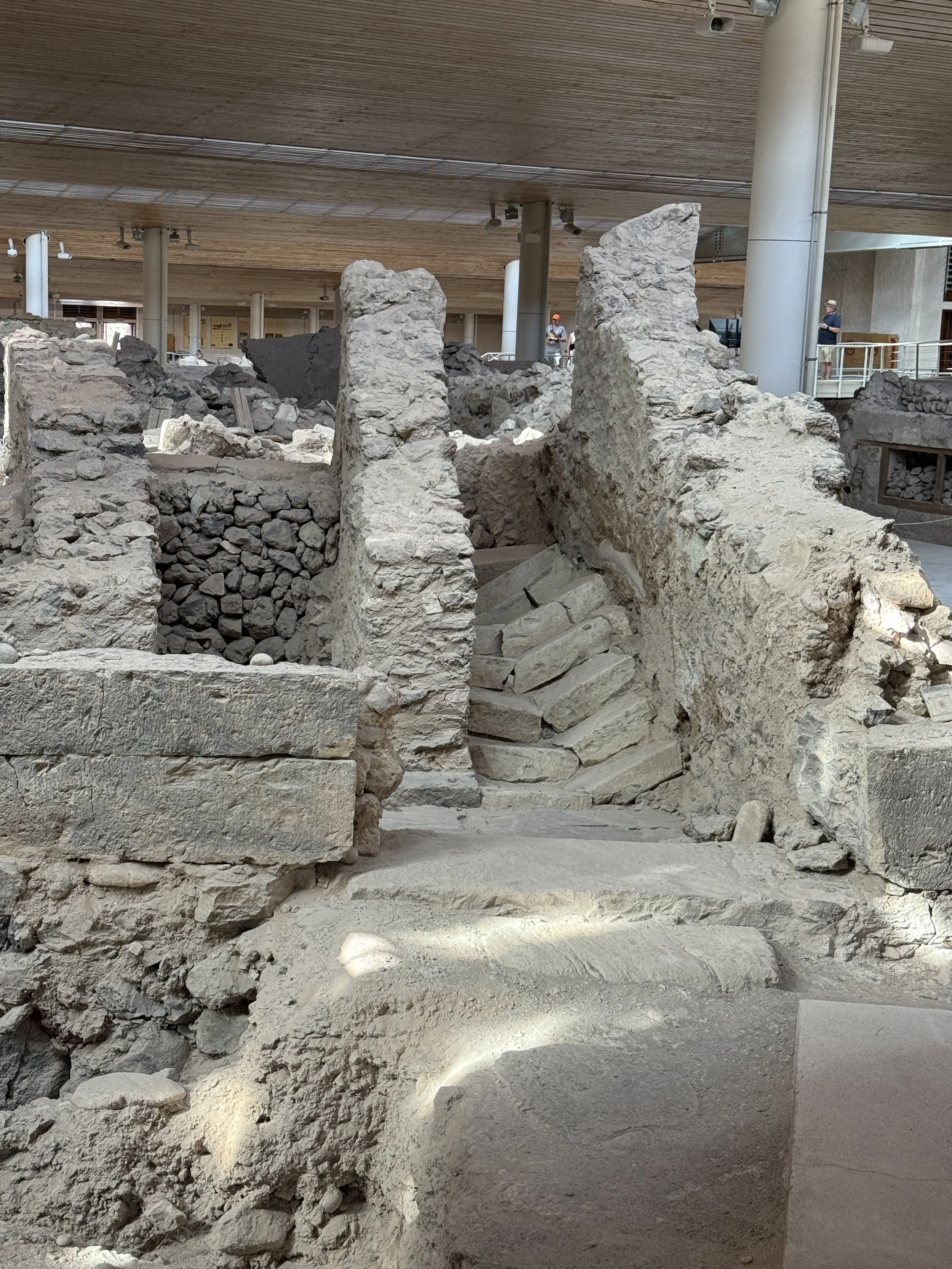
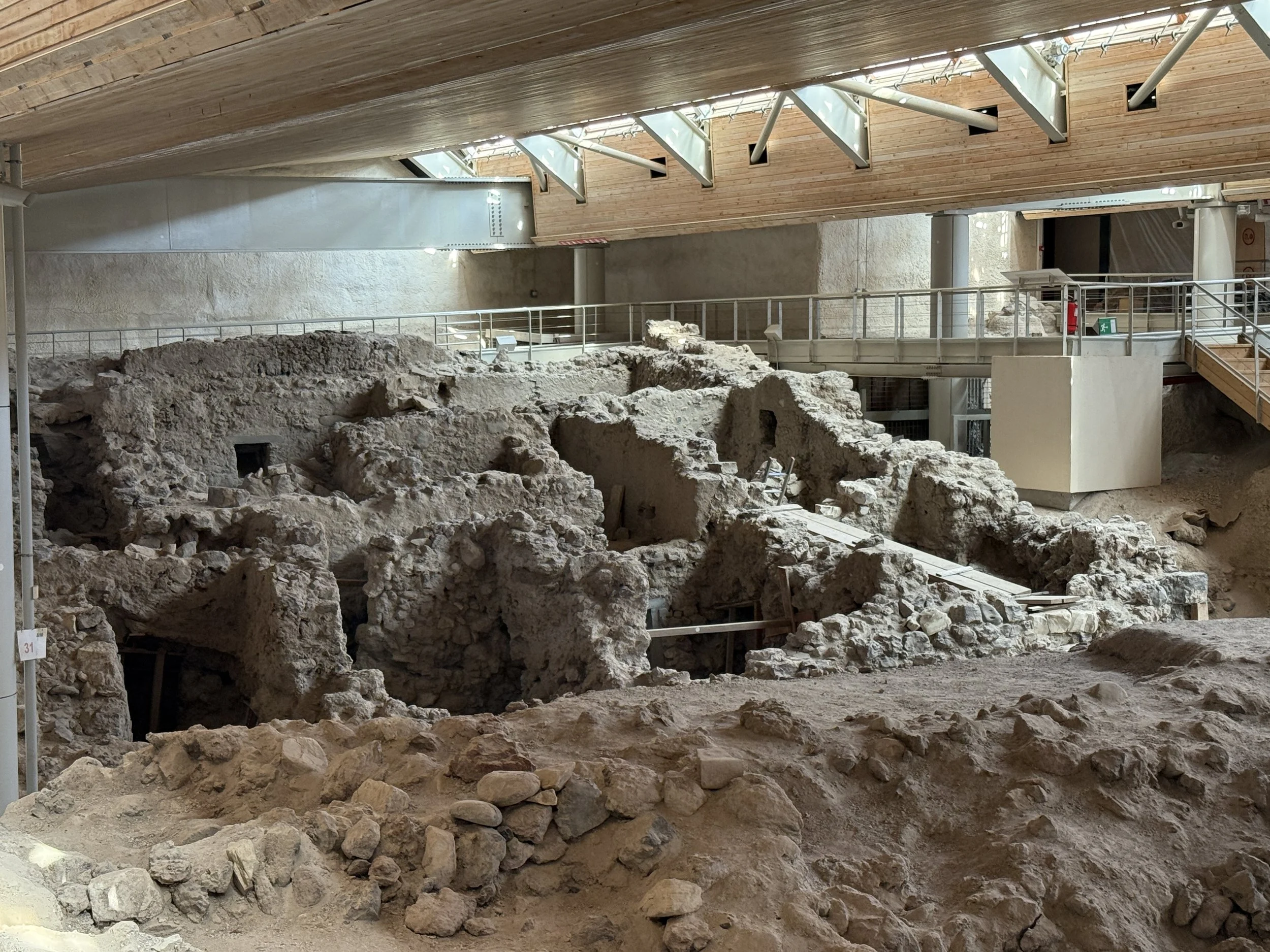
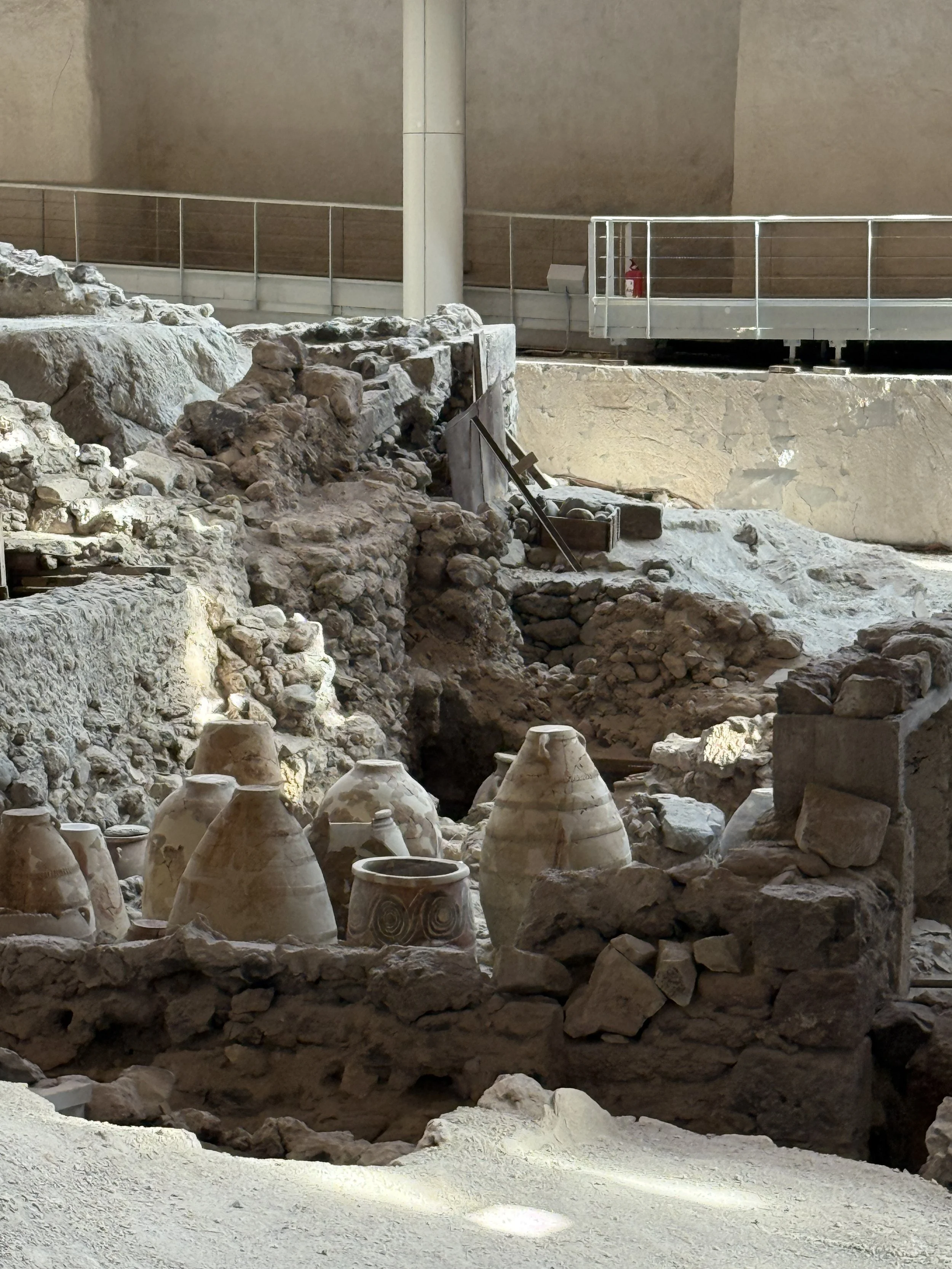
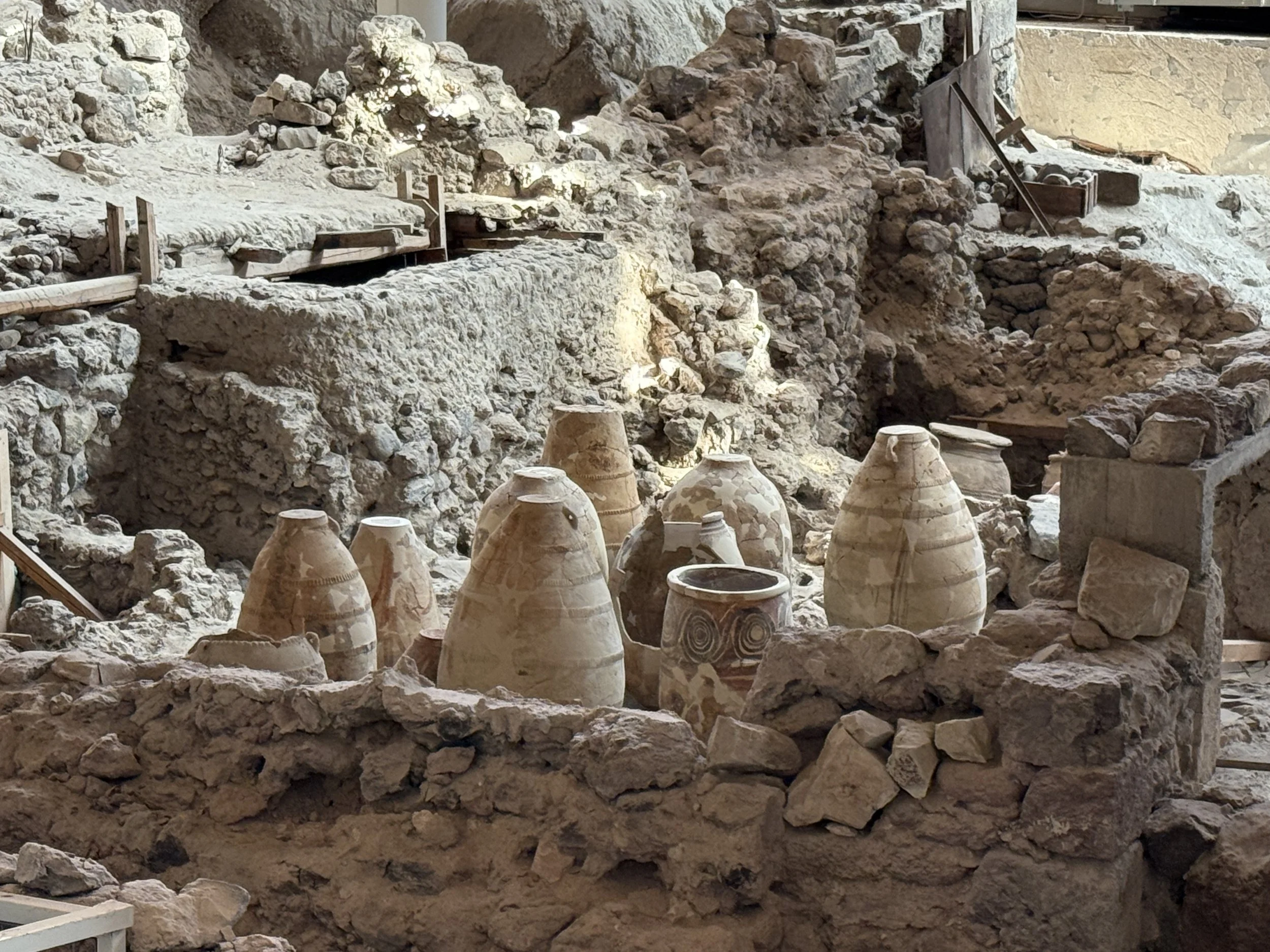
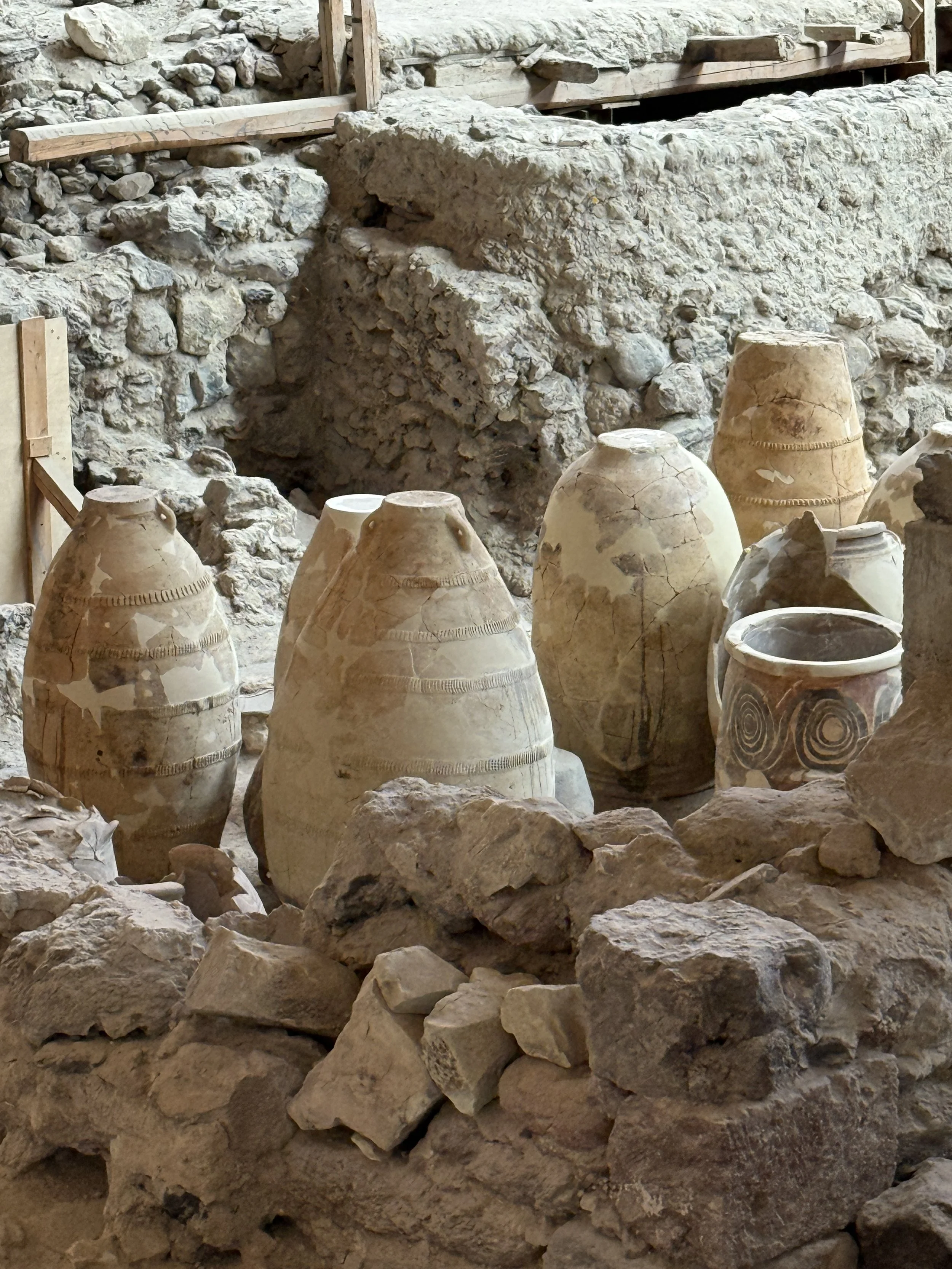
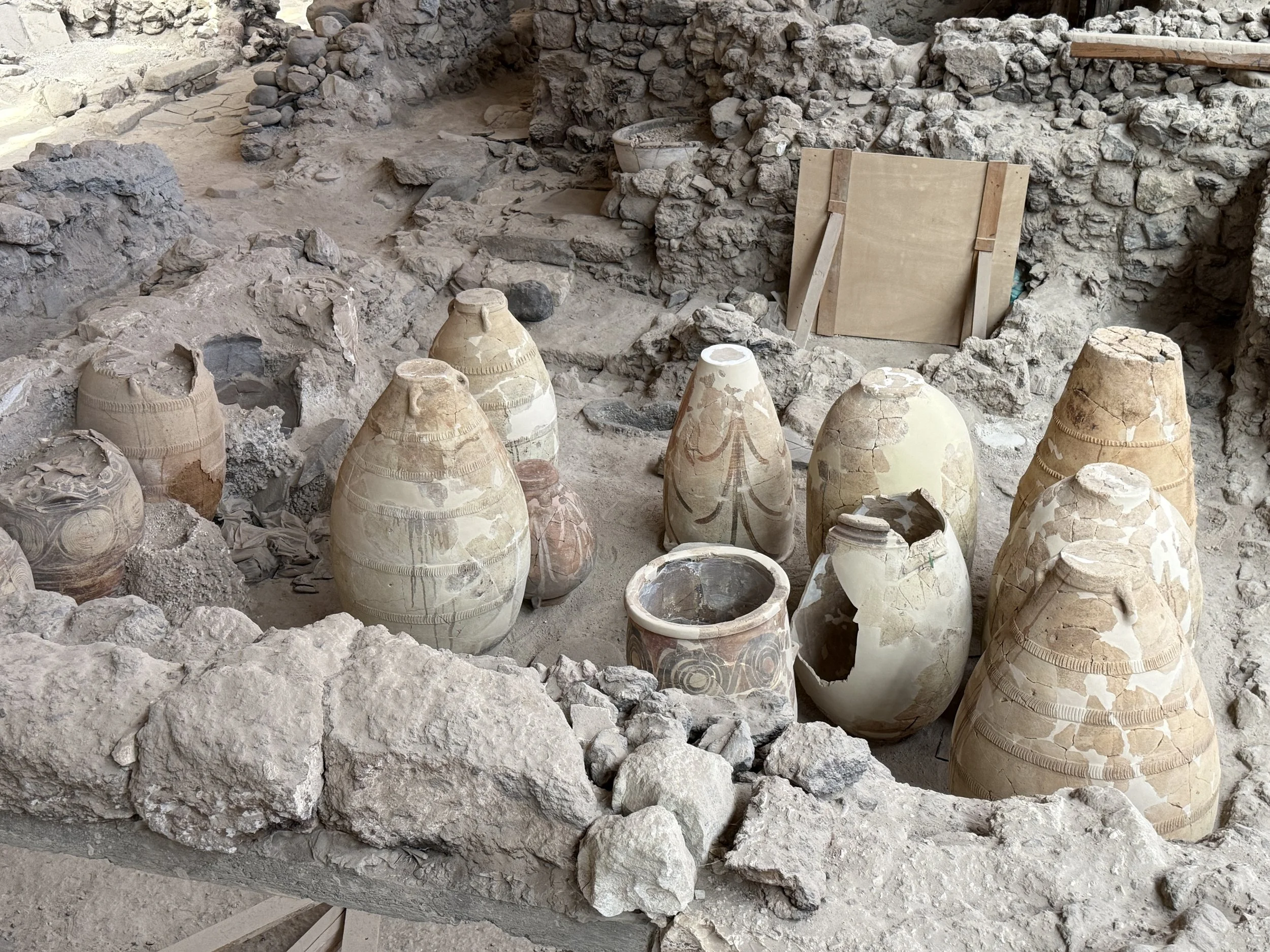
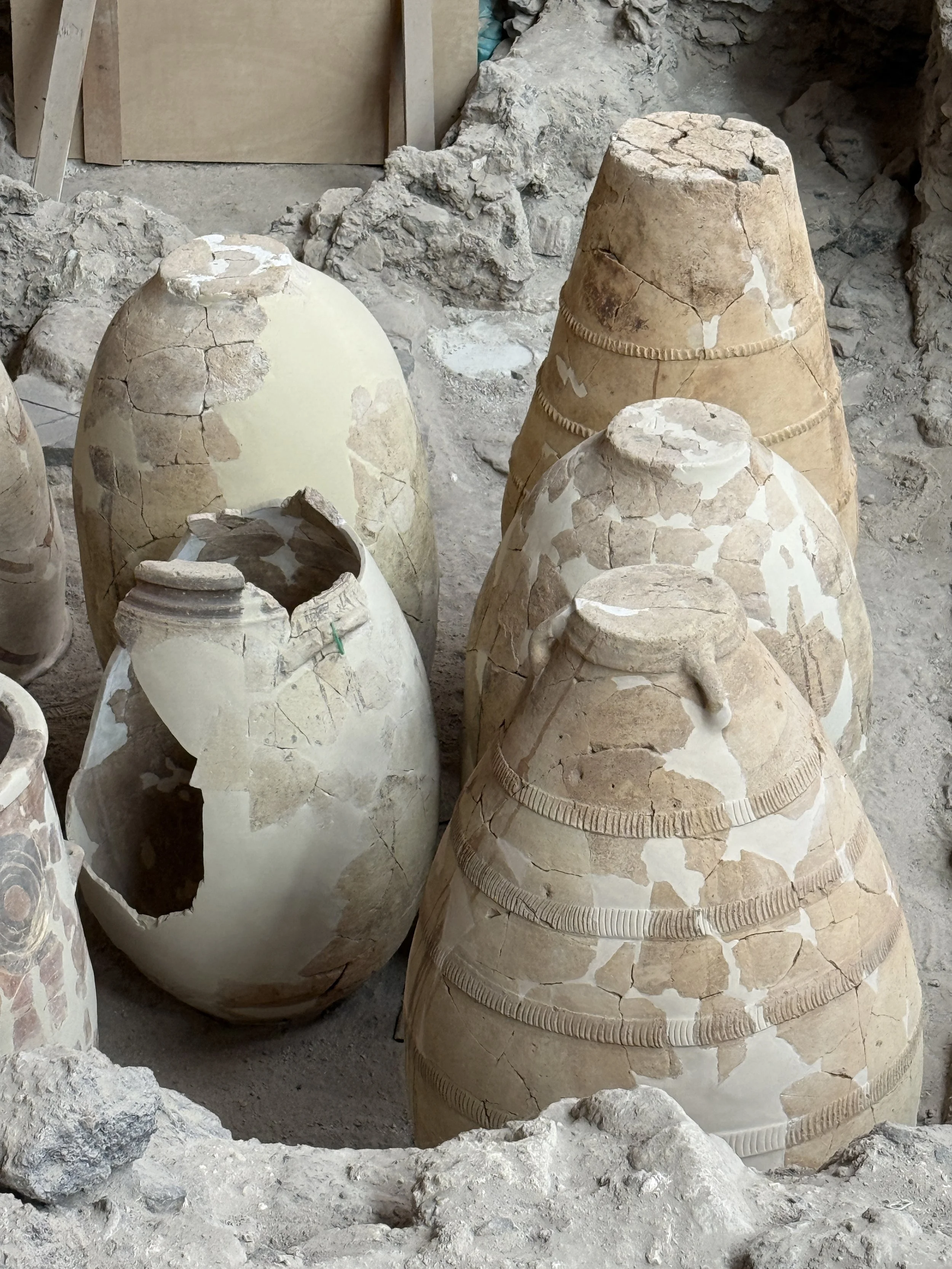
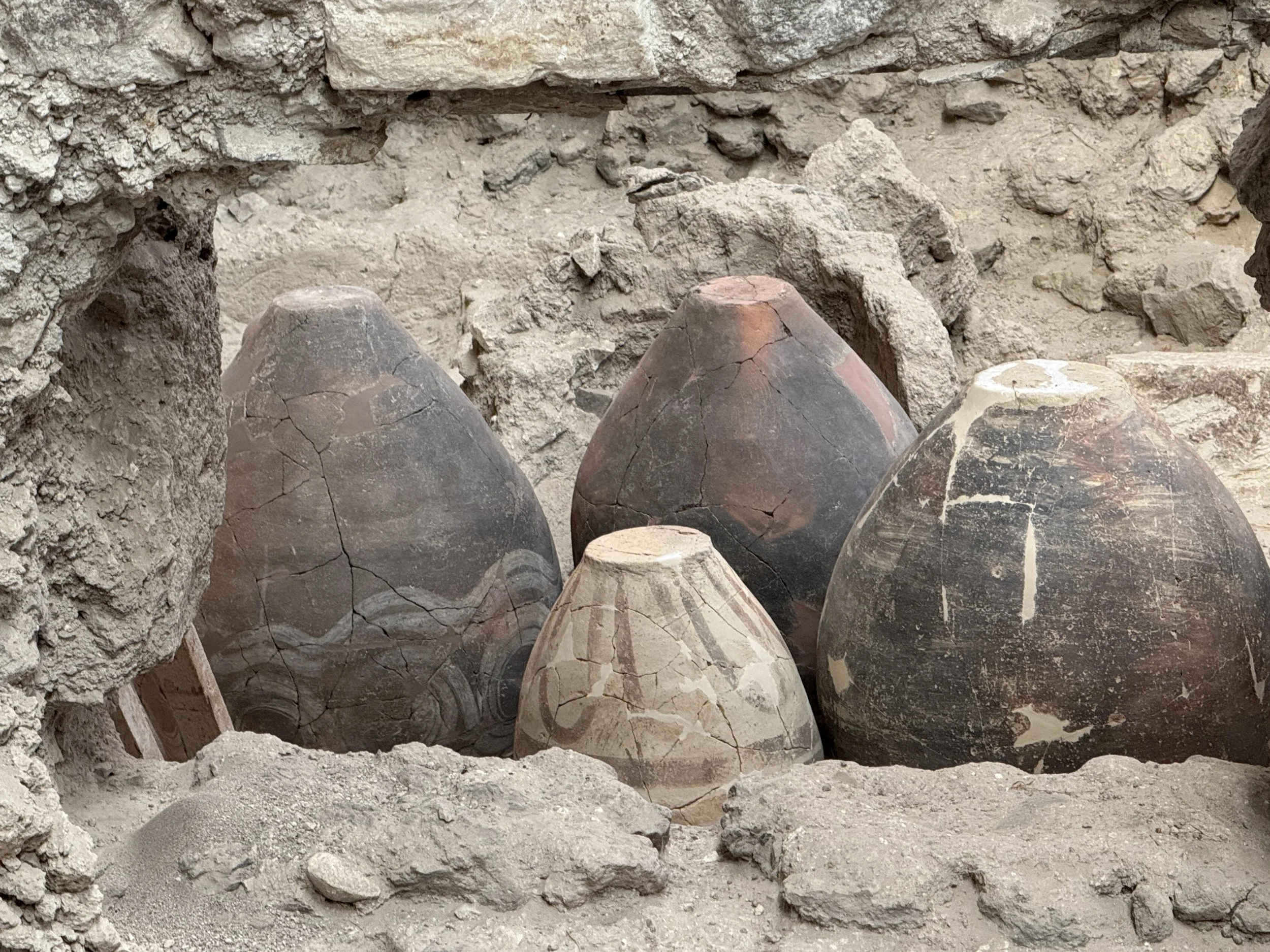
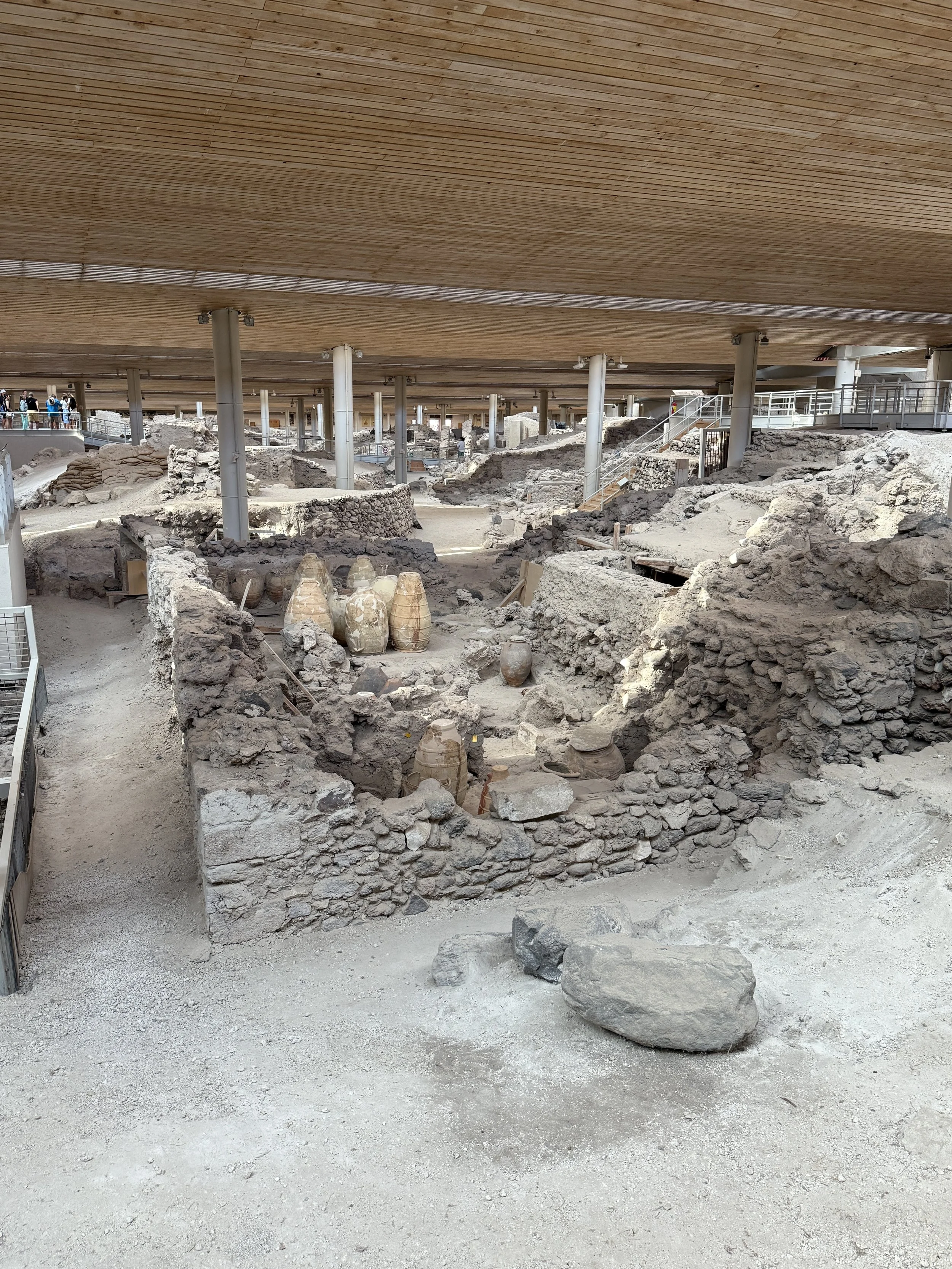
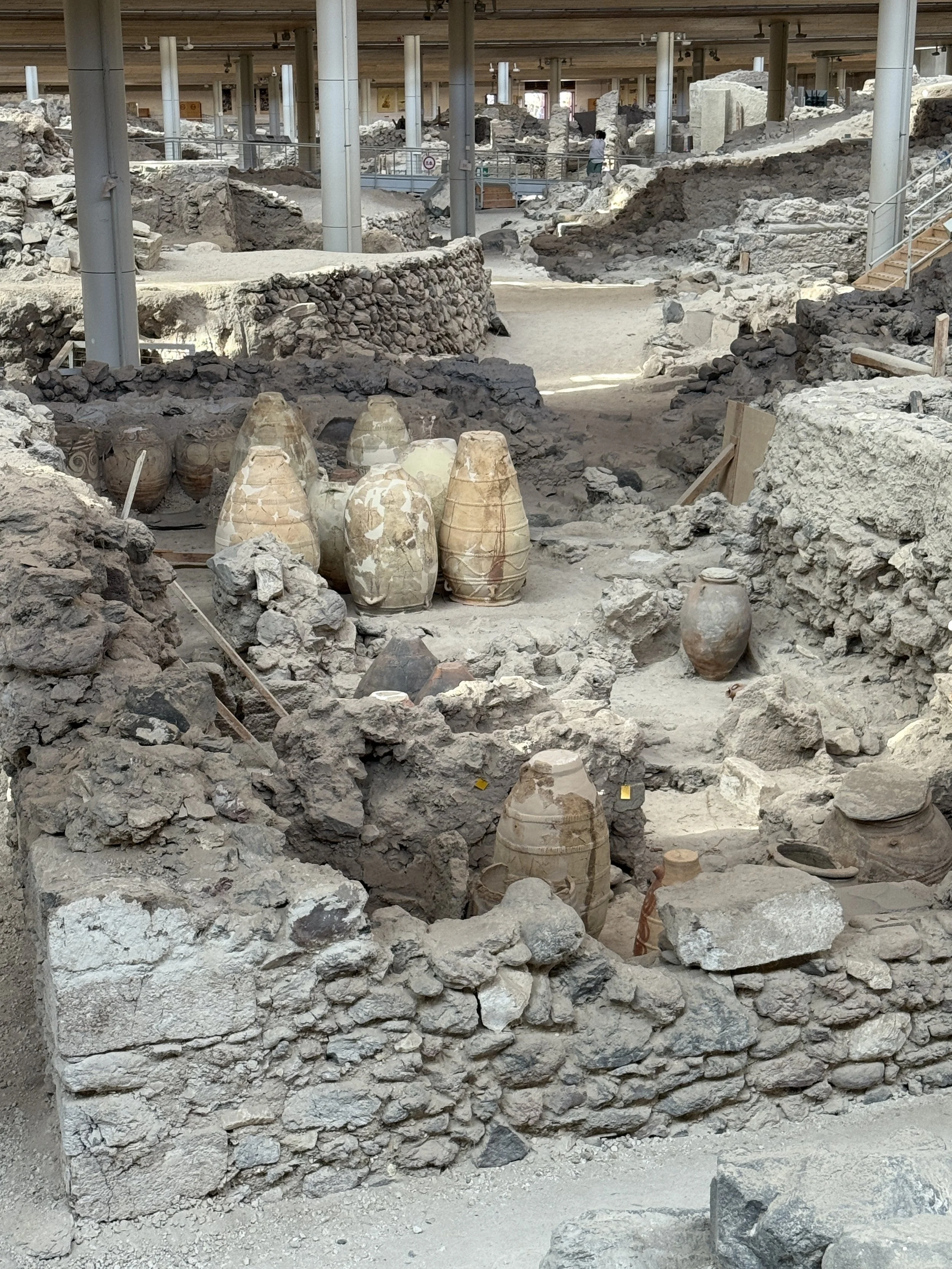
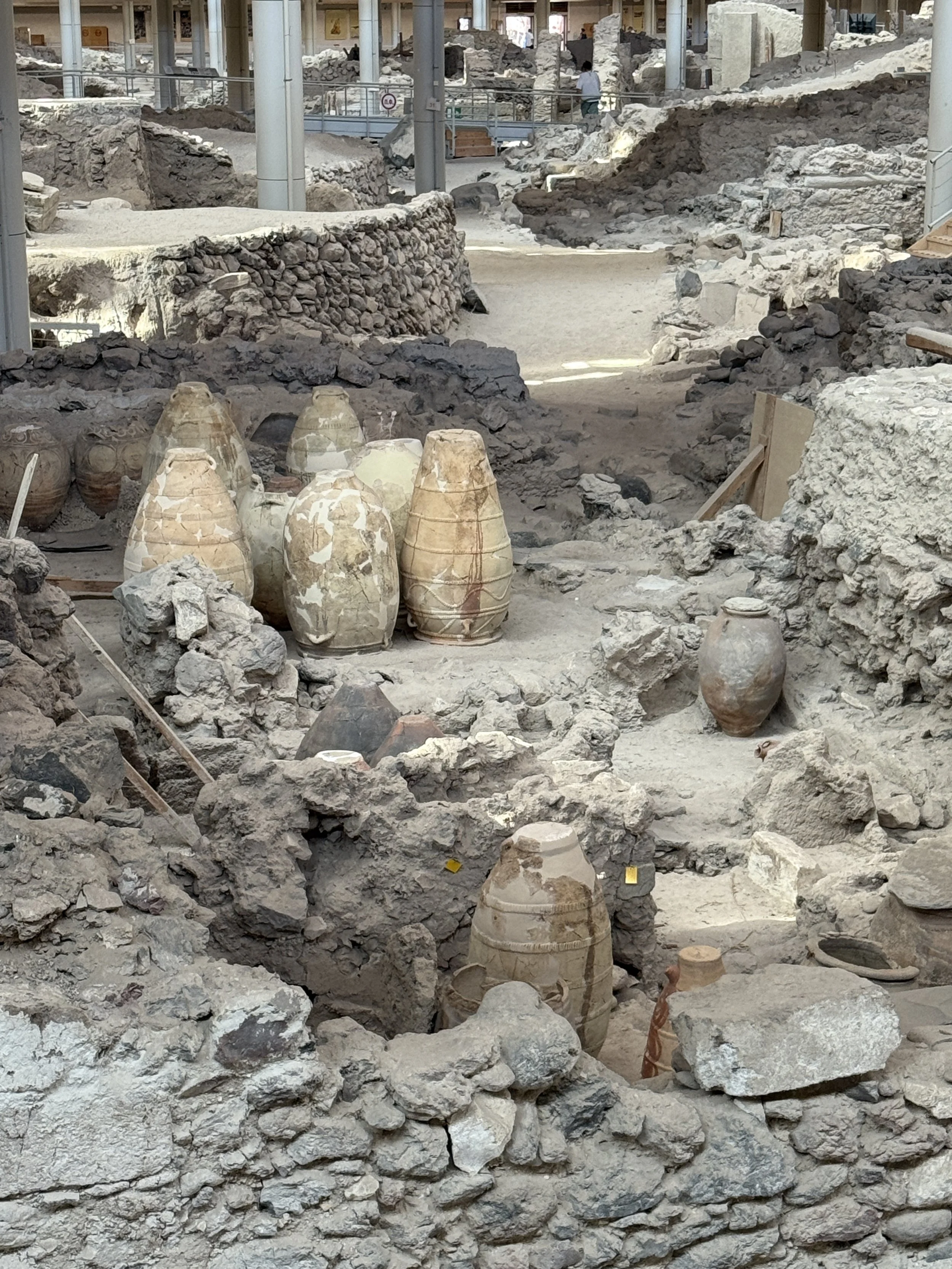
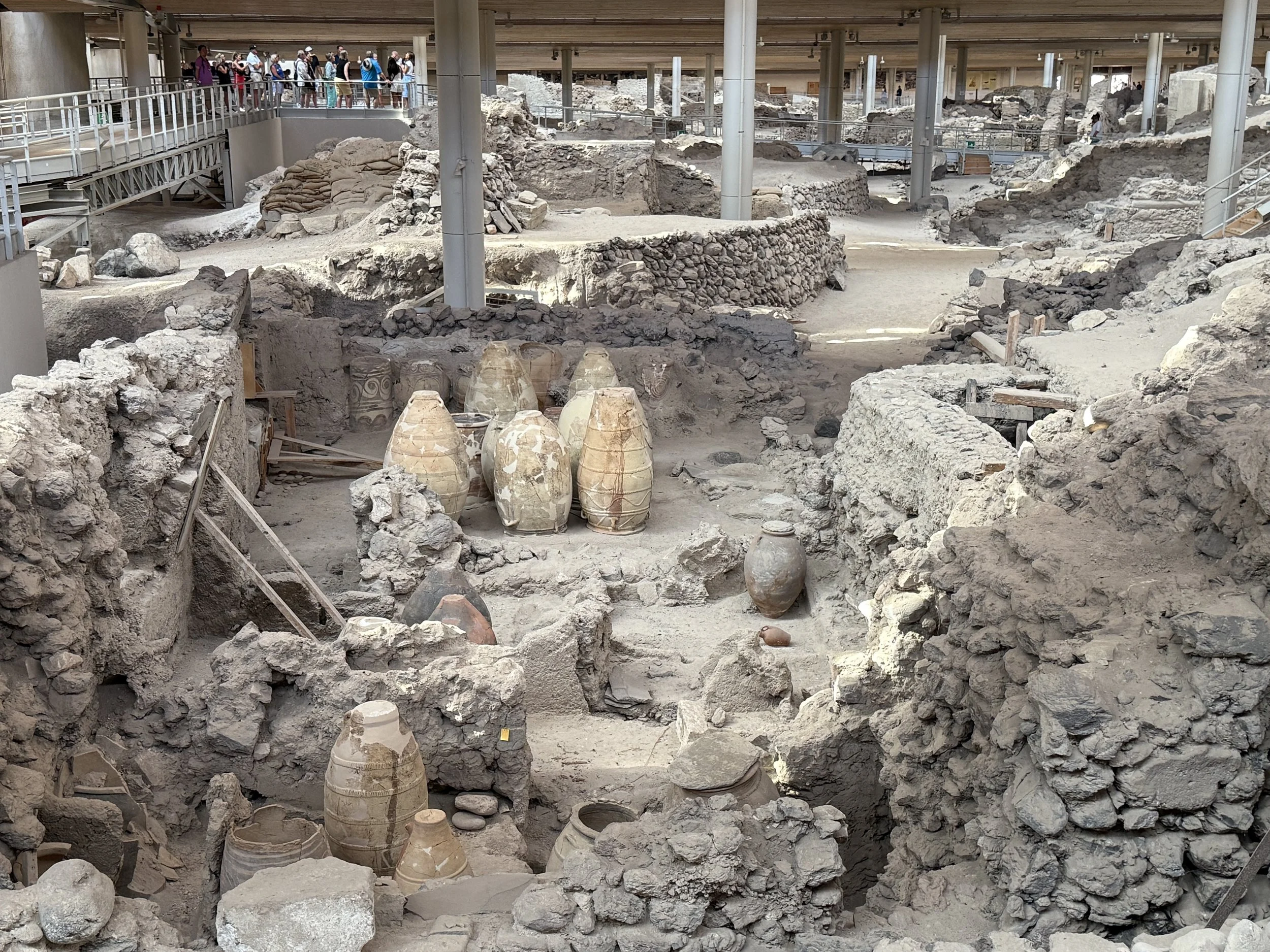
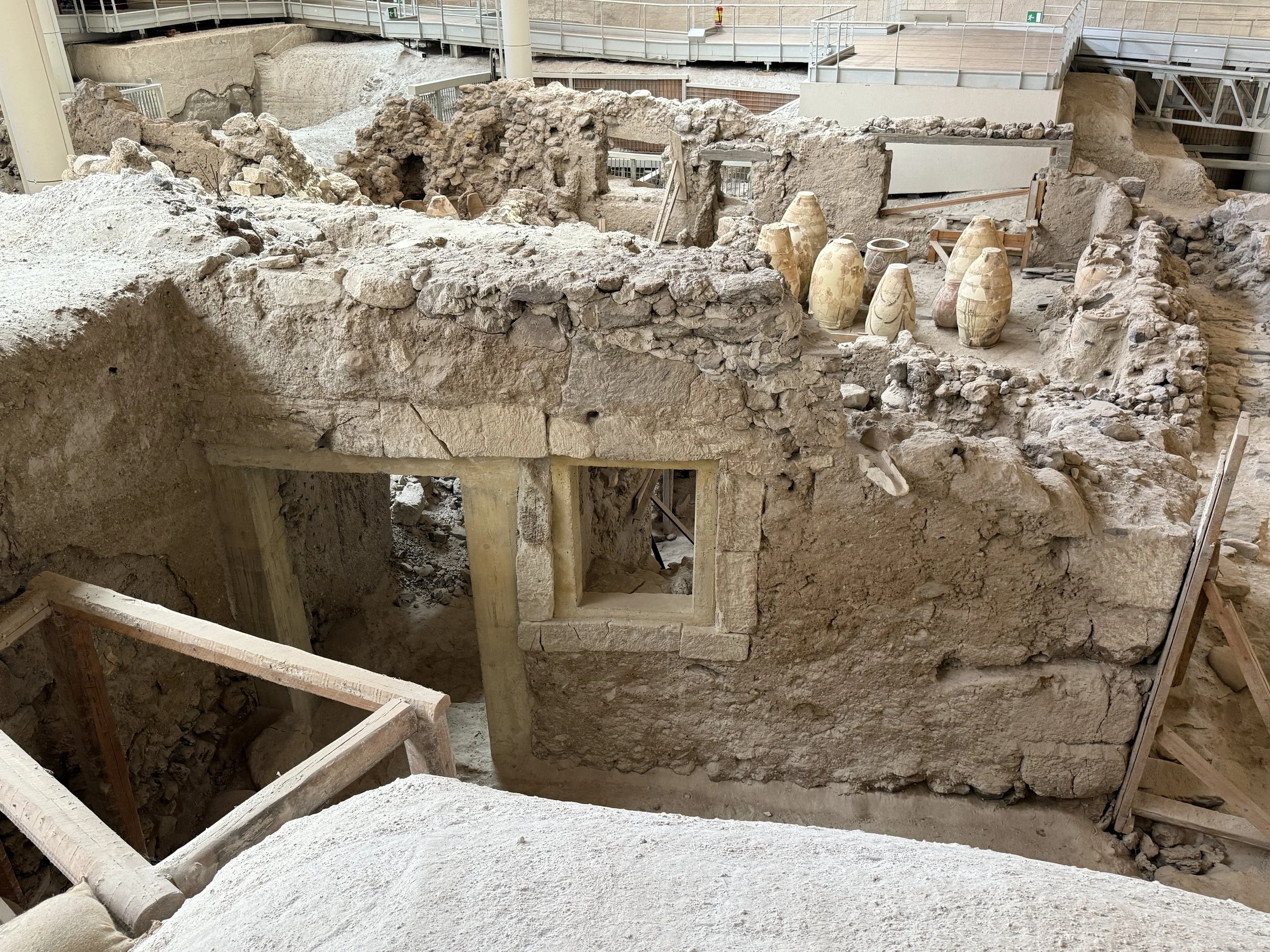
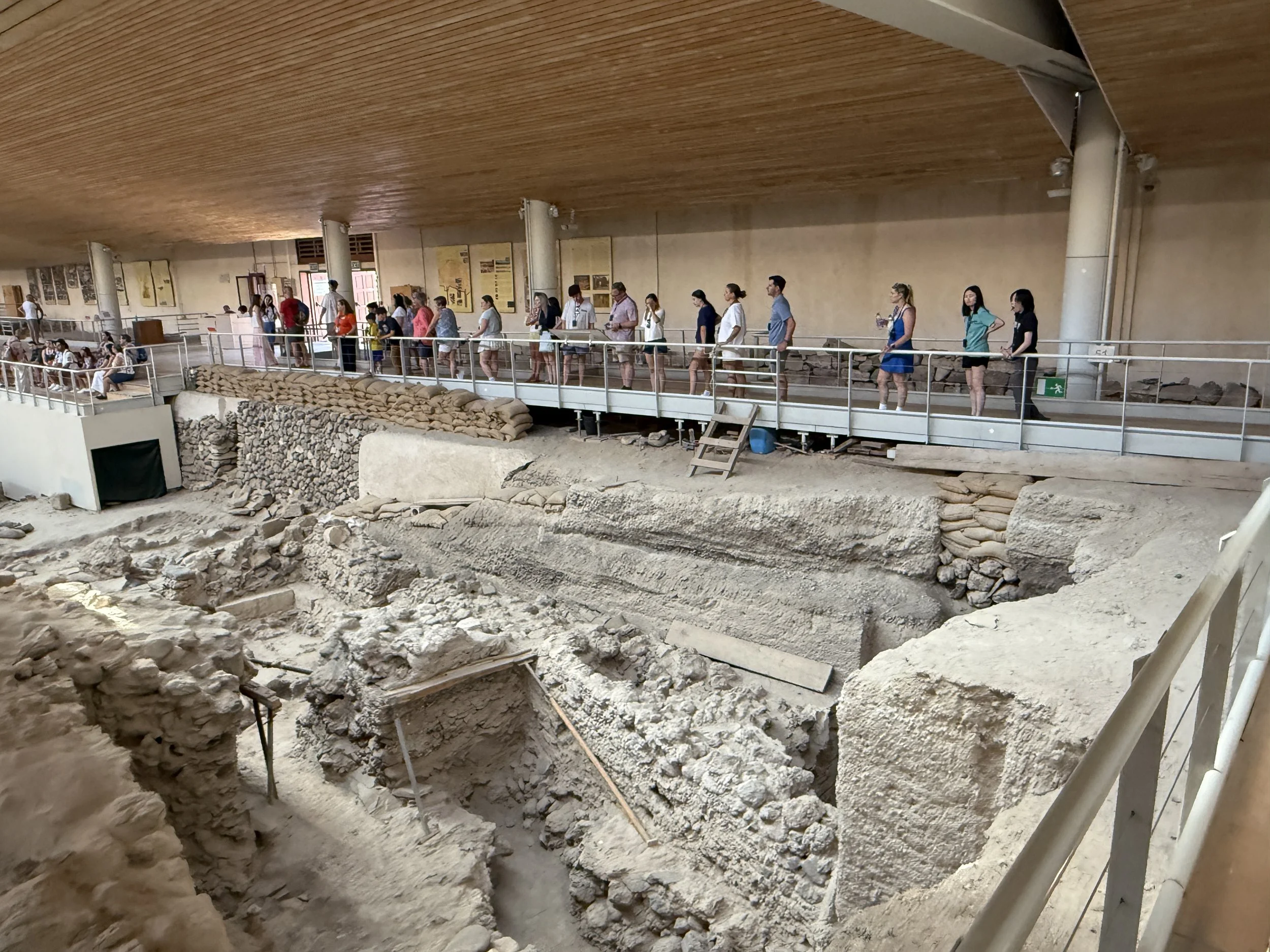
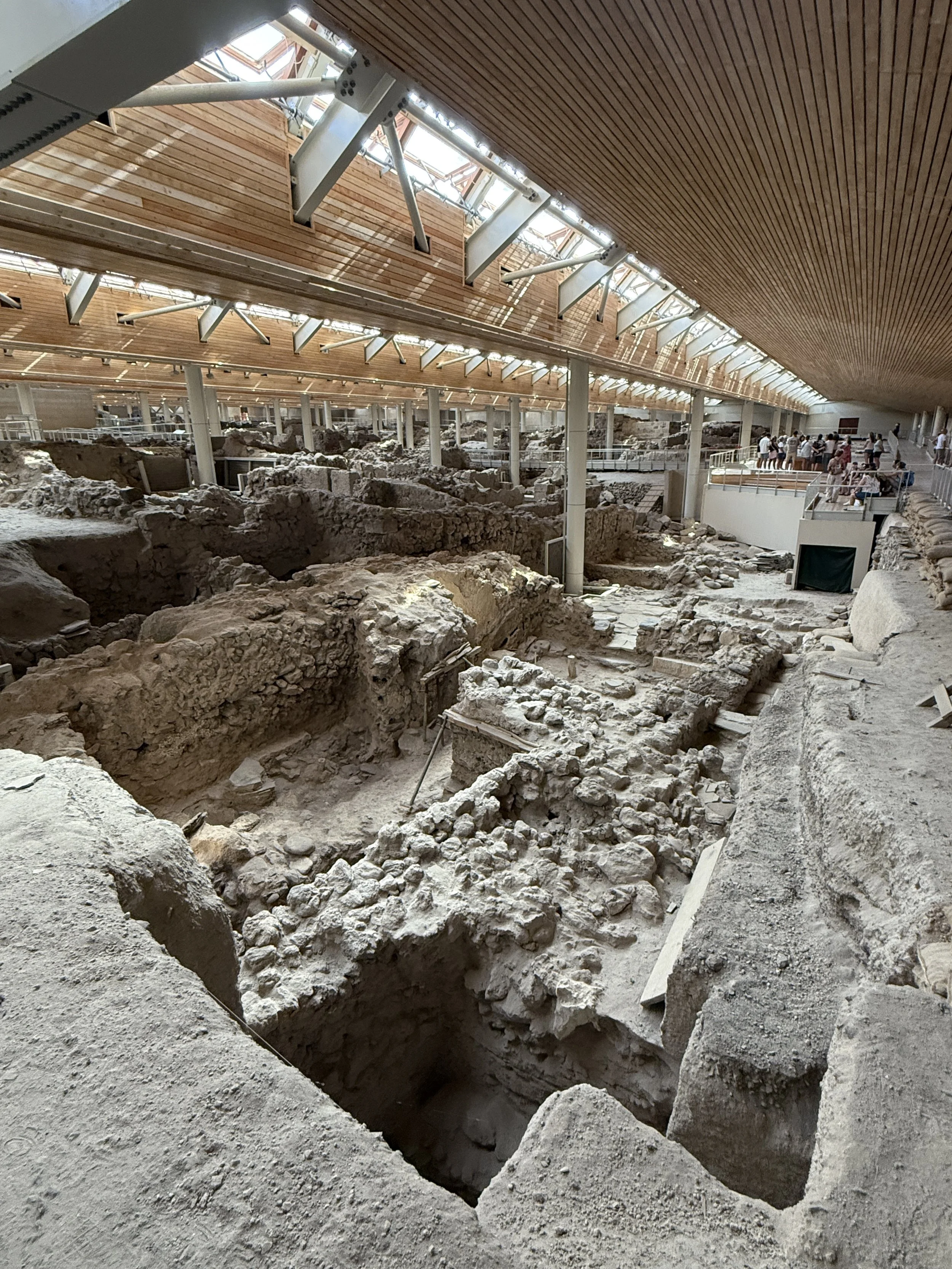
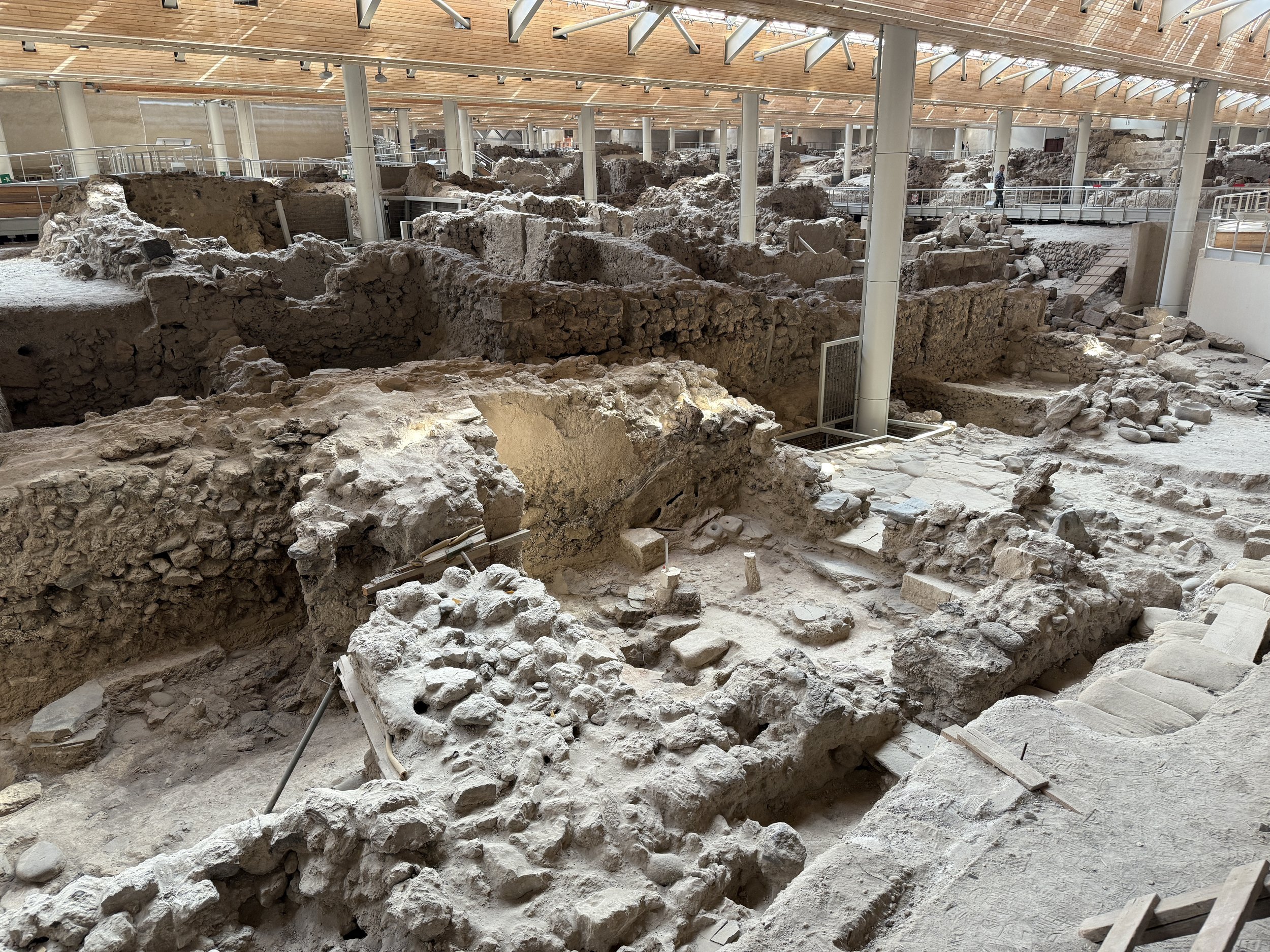
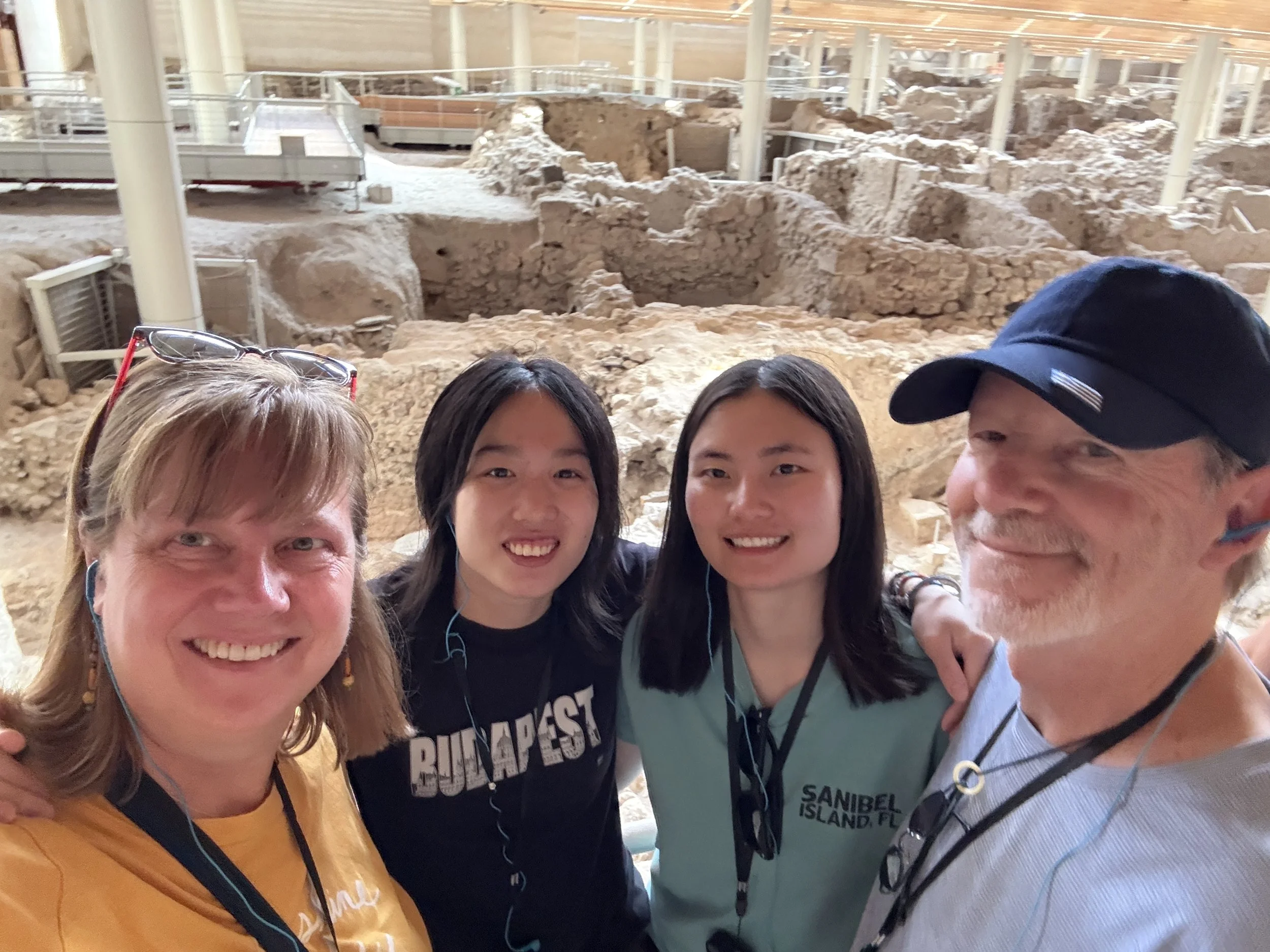
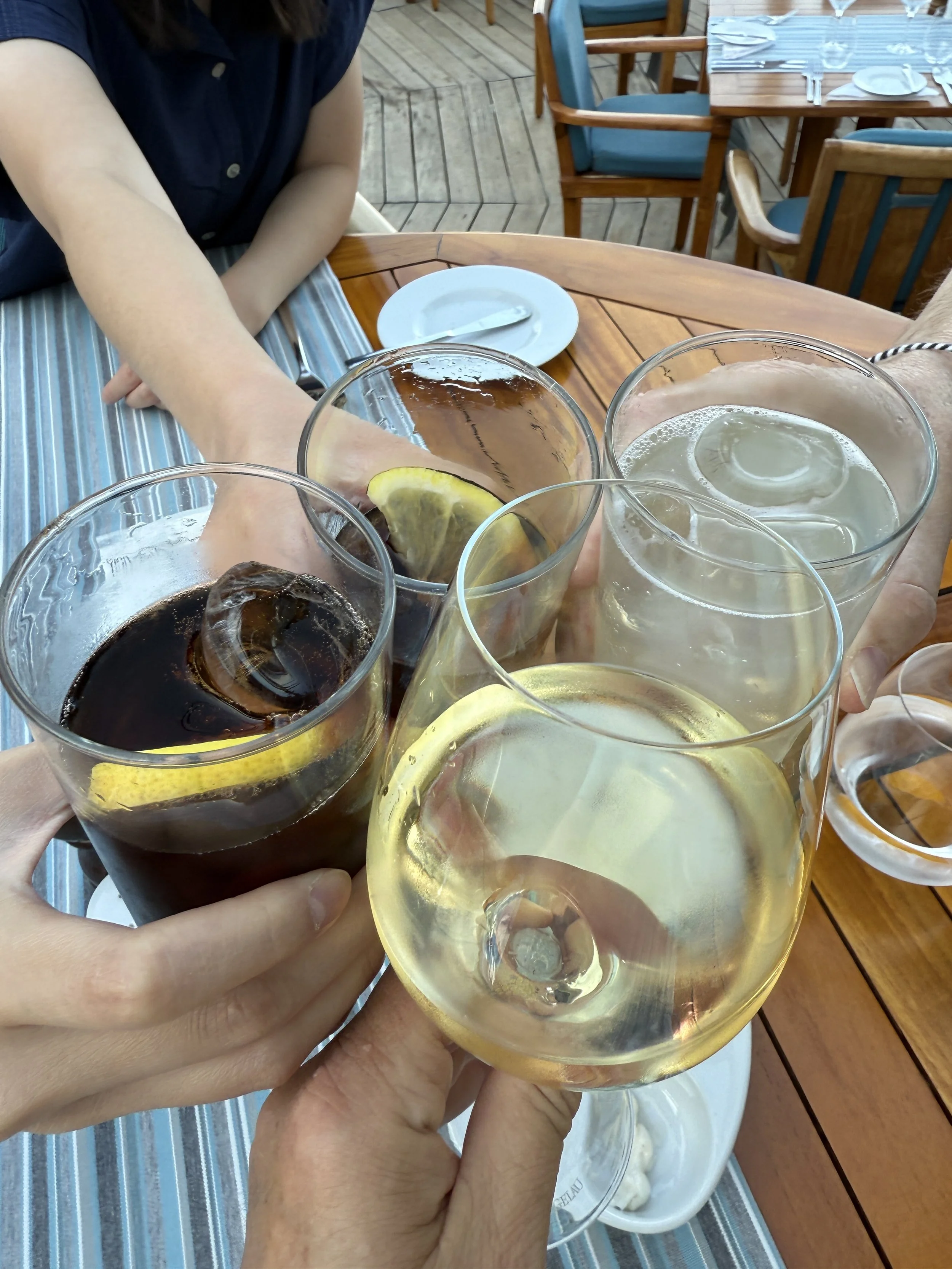
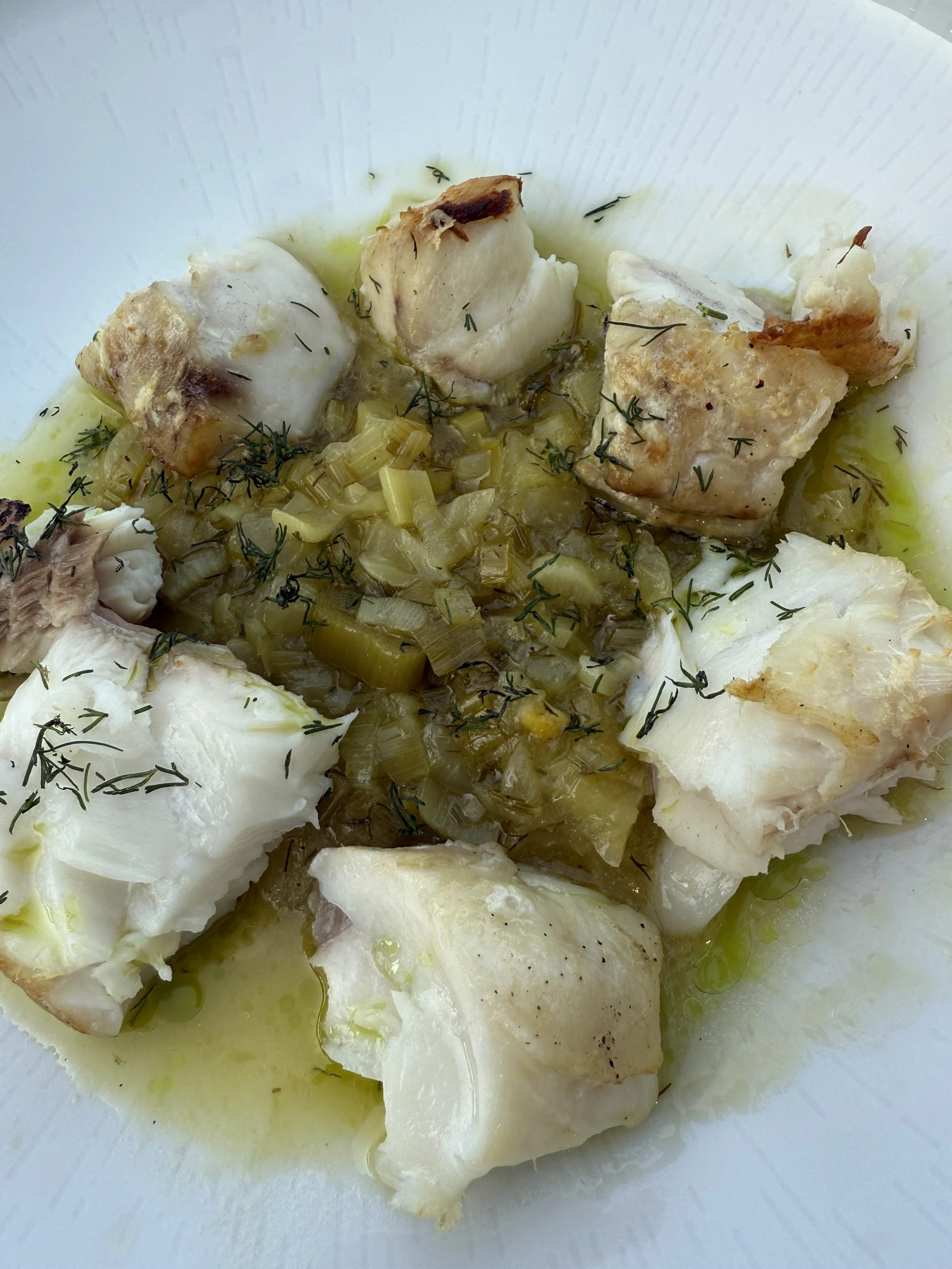
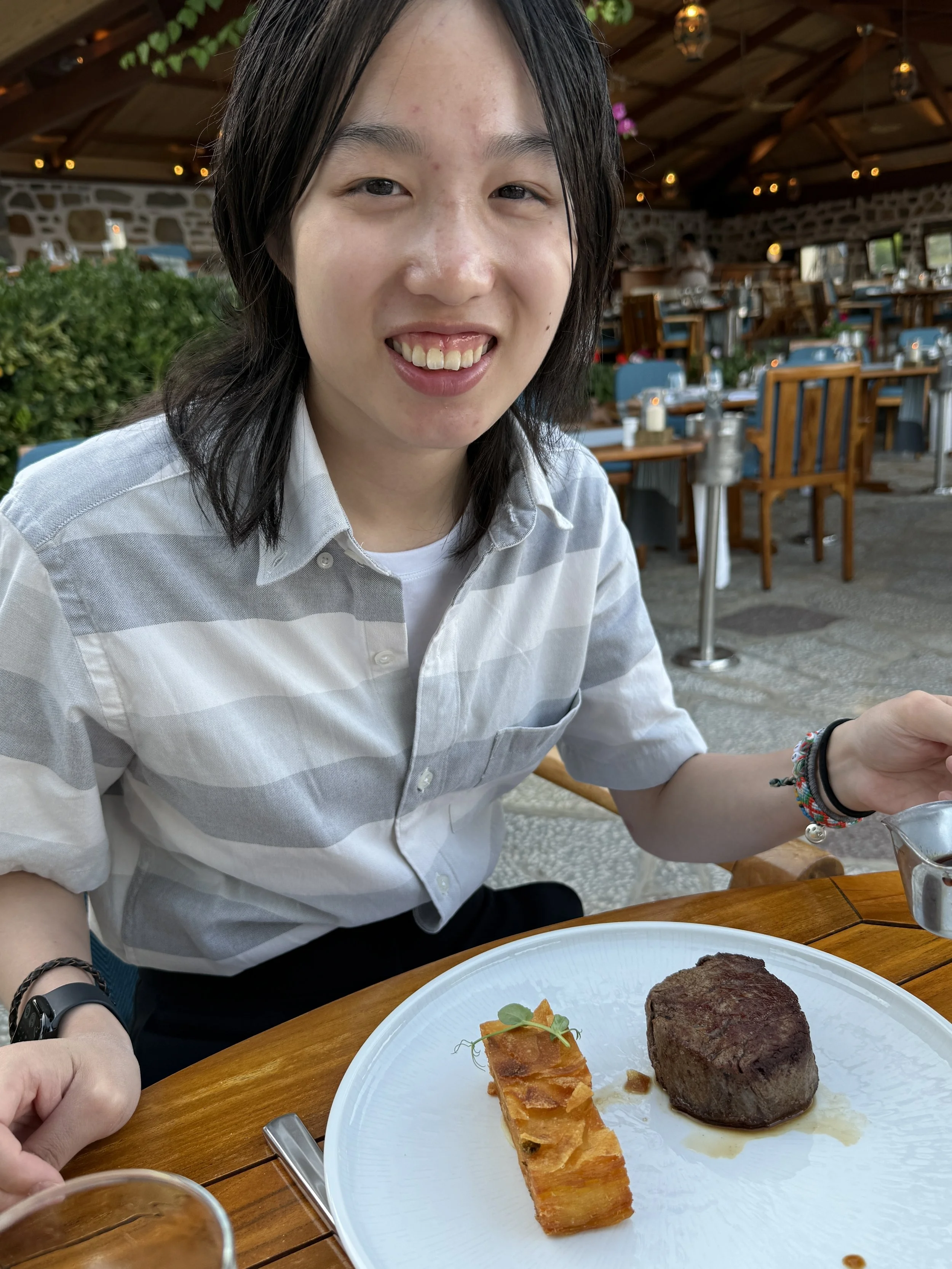
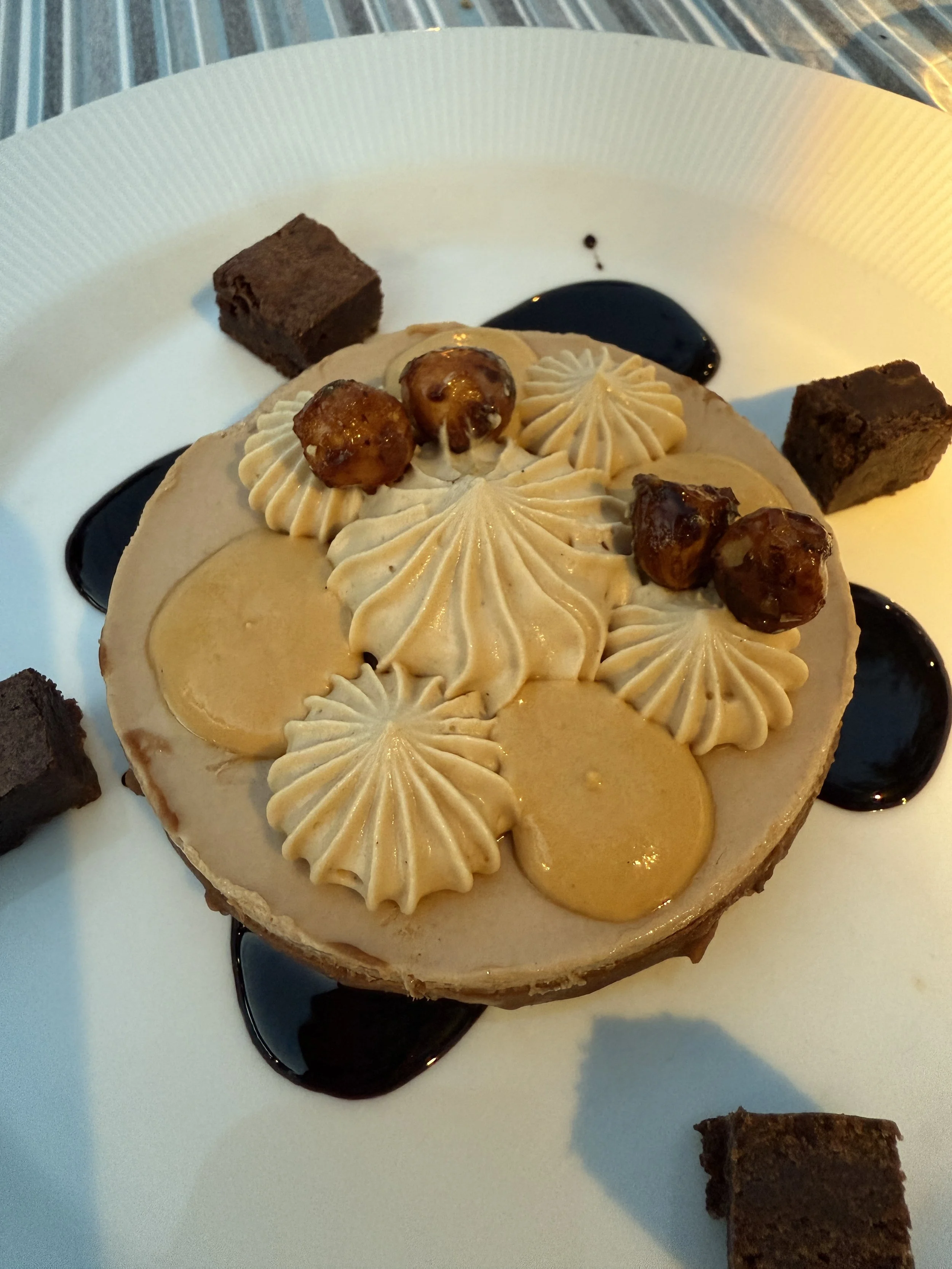
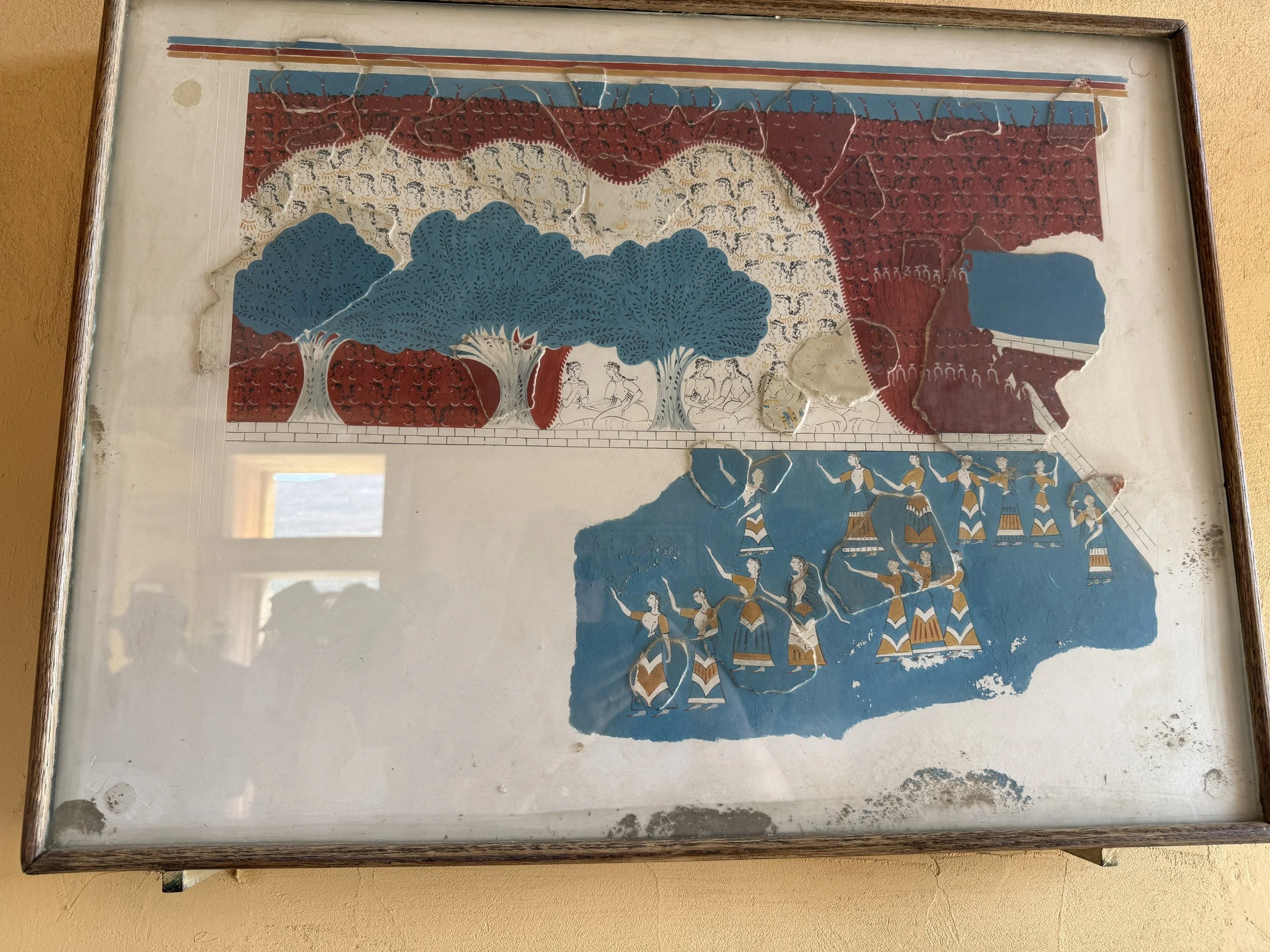
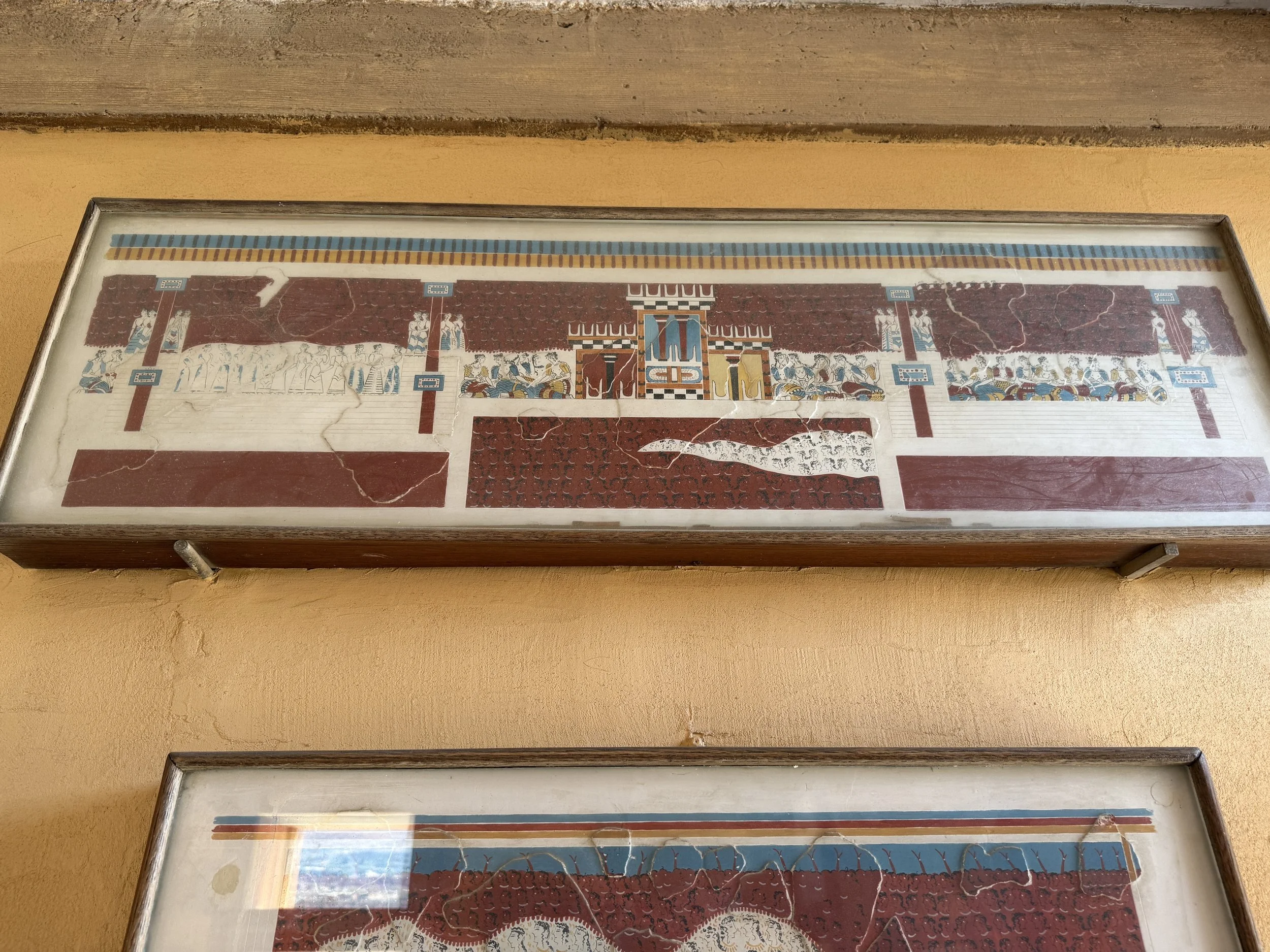
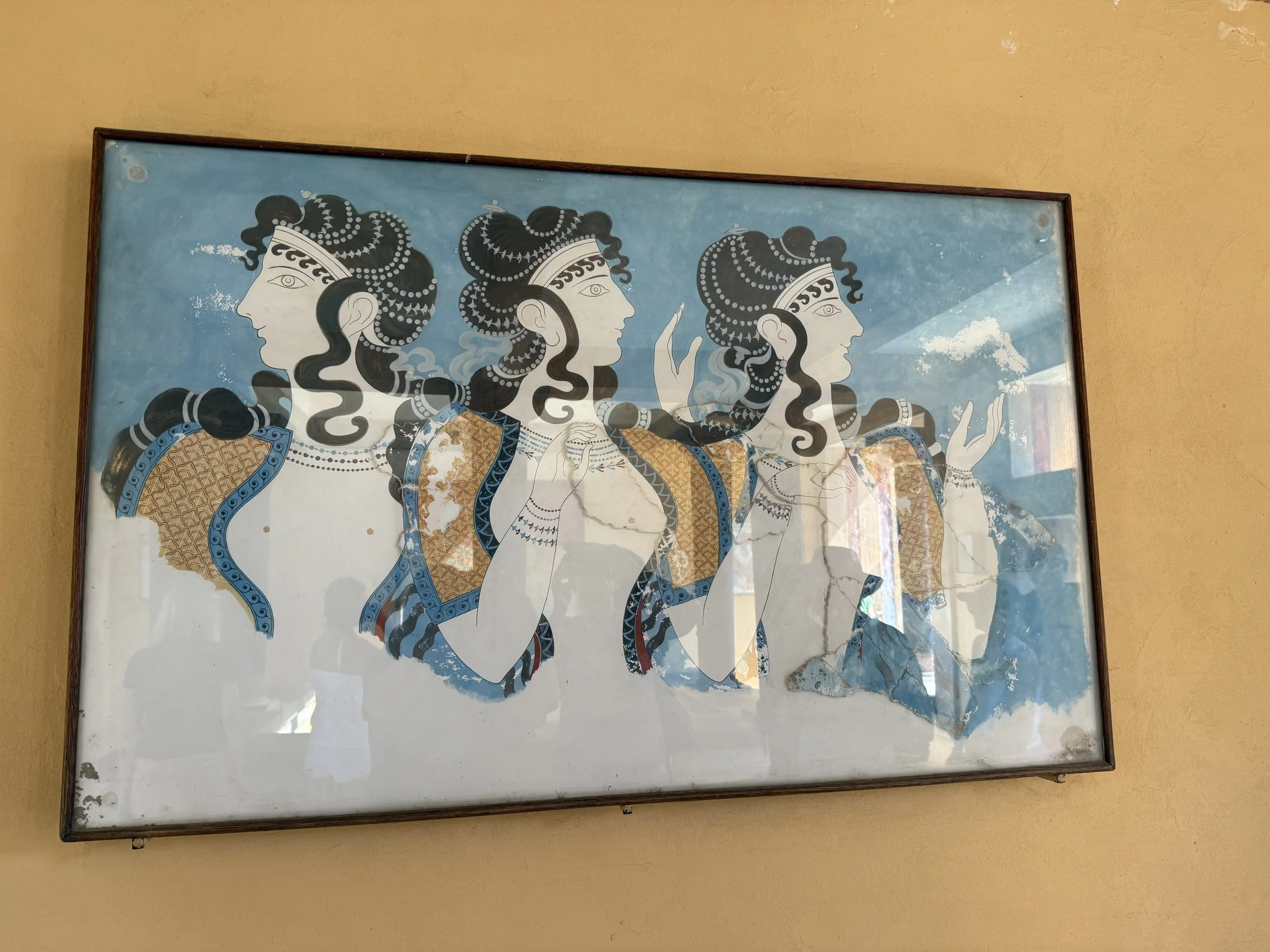
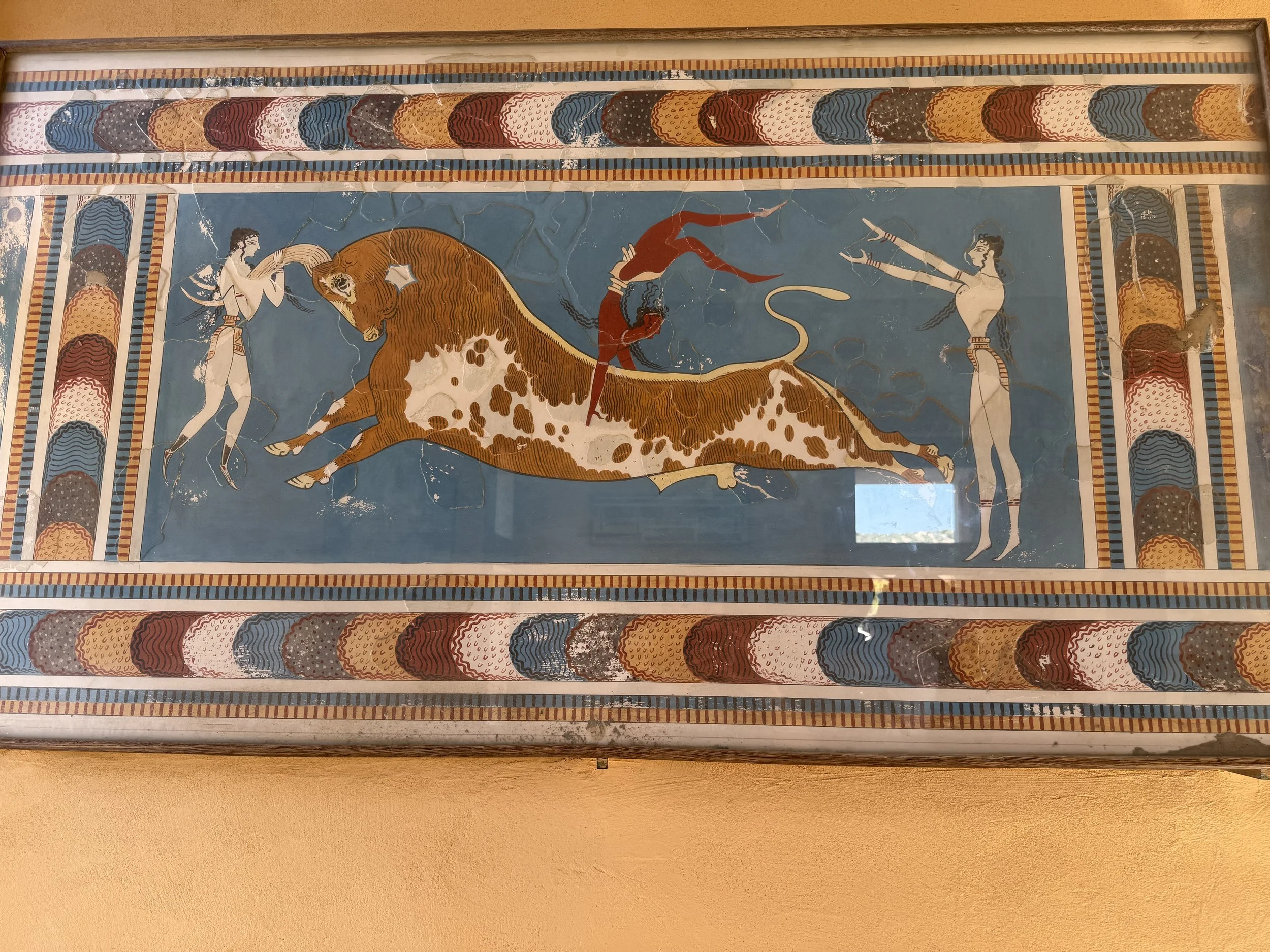
Καλημέρα! (Kalimera)
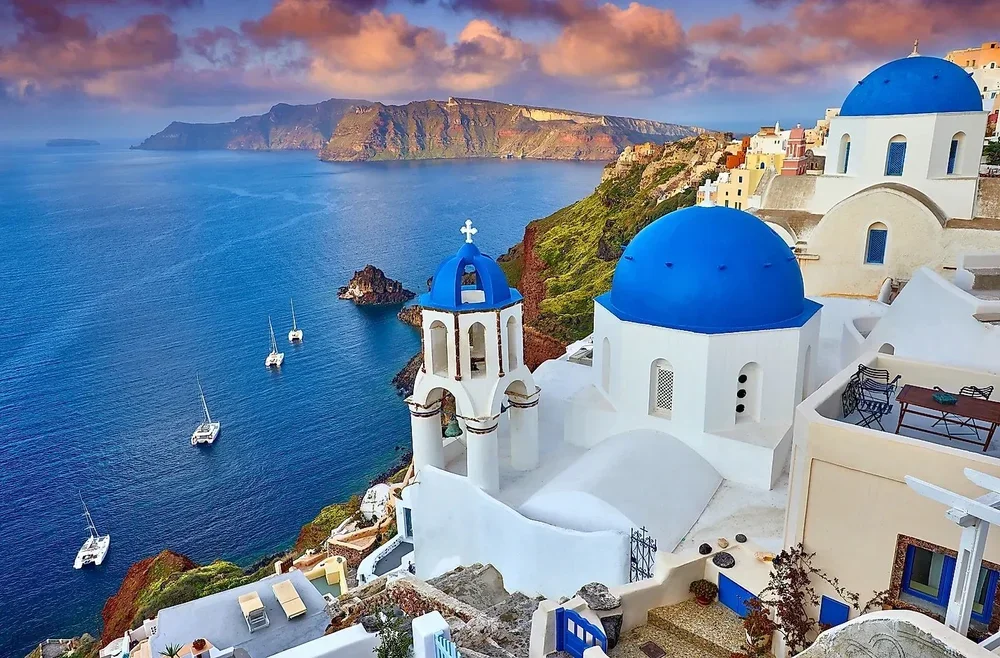
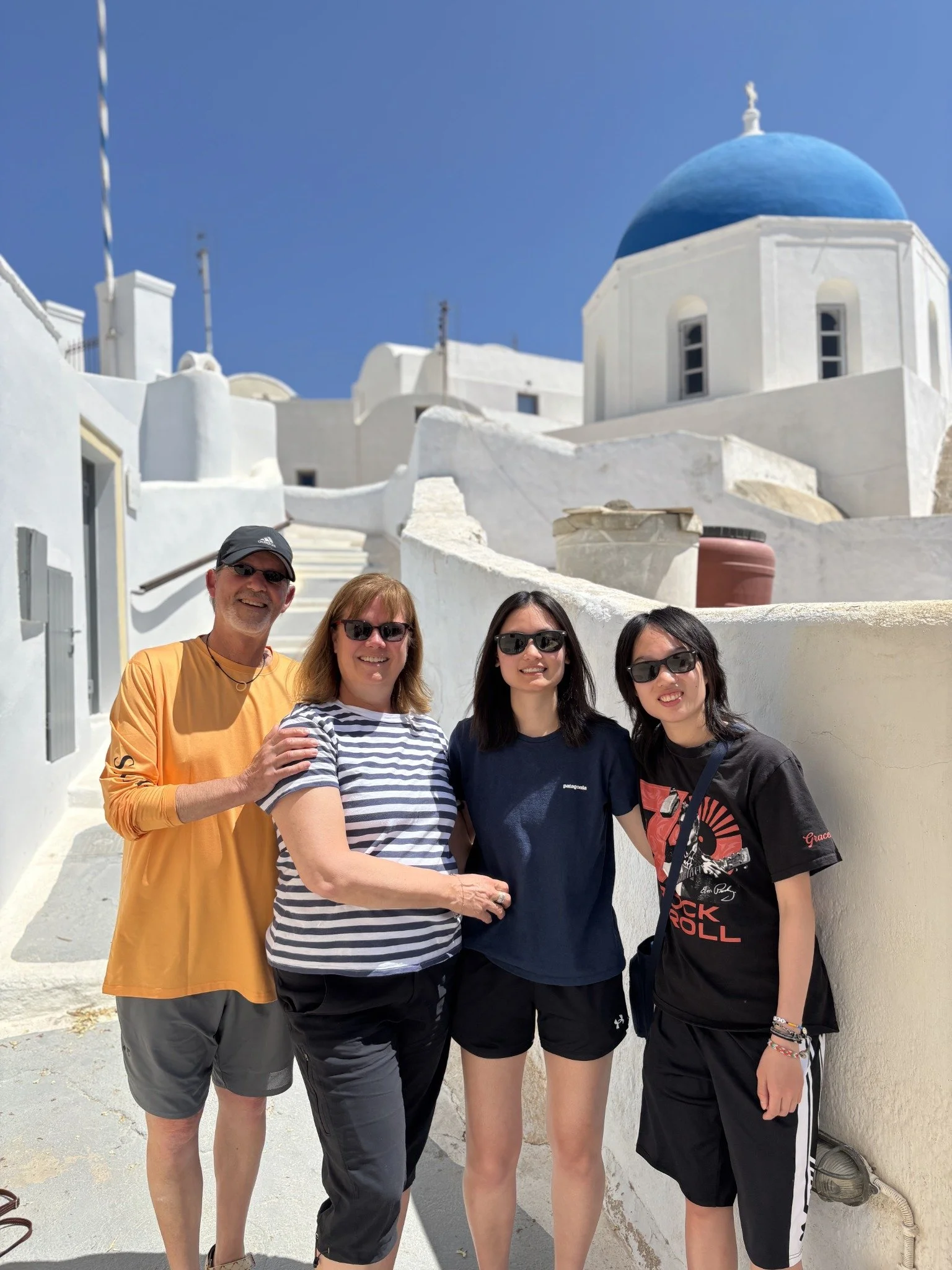
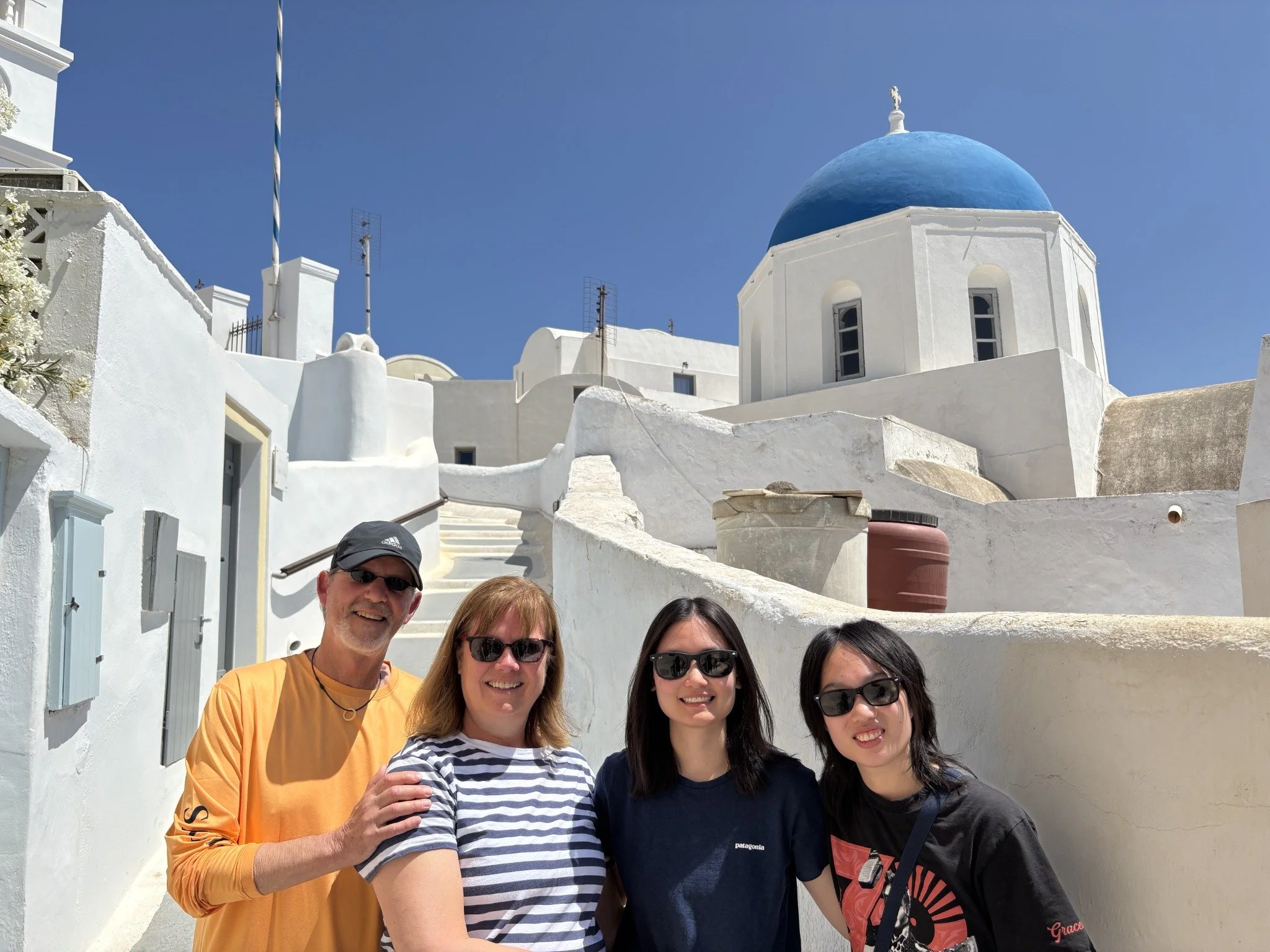
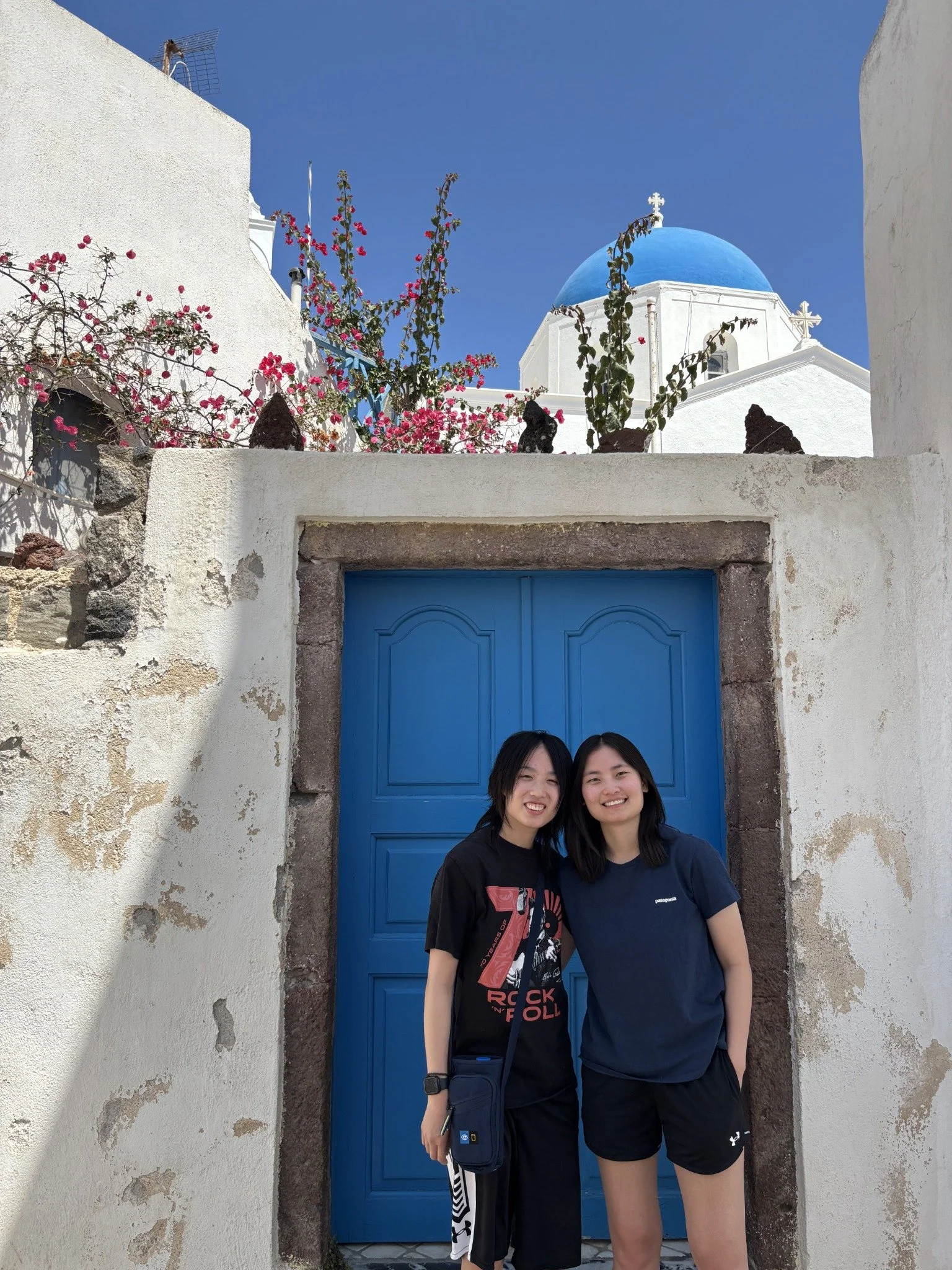
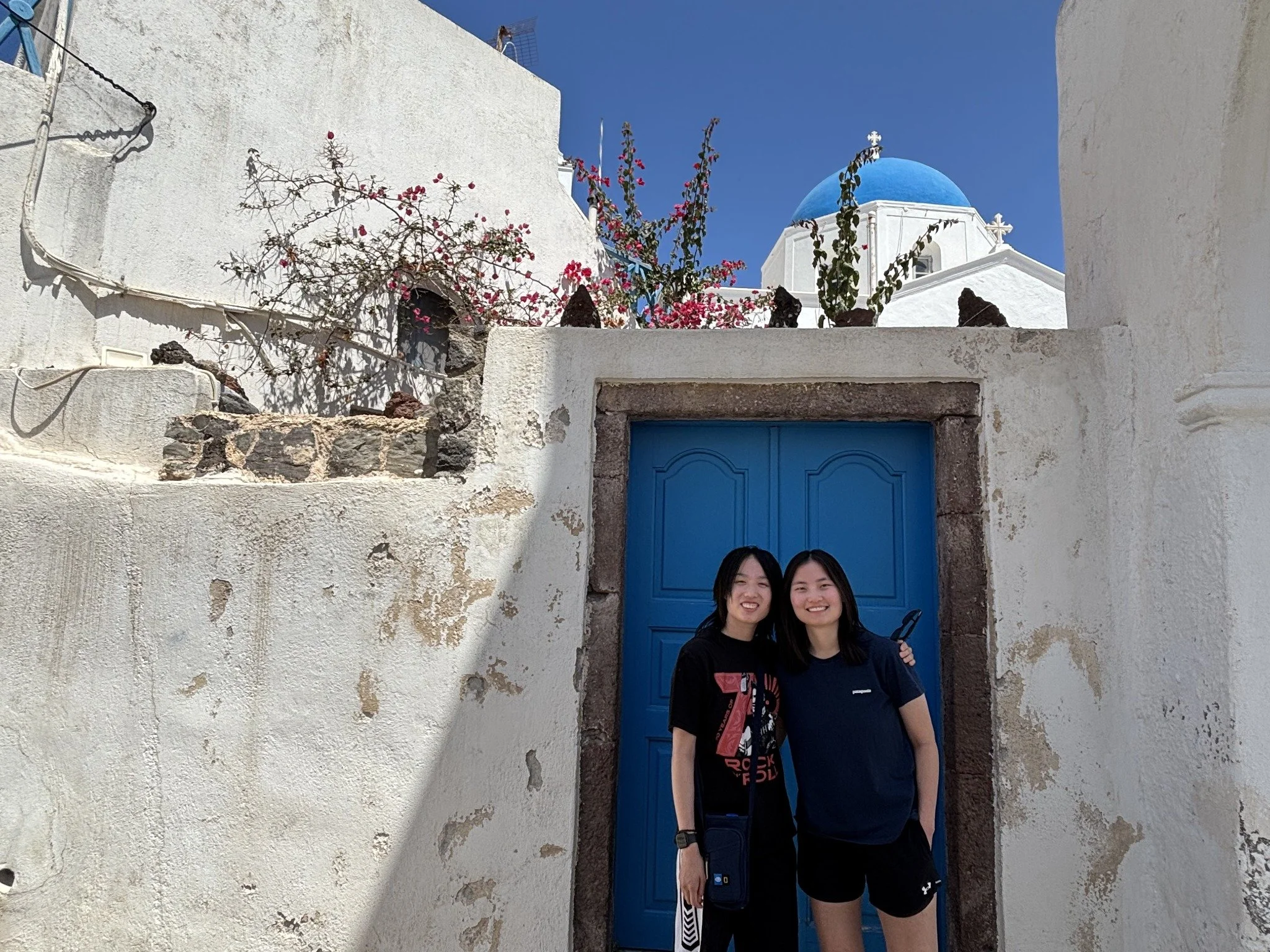
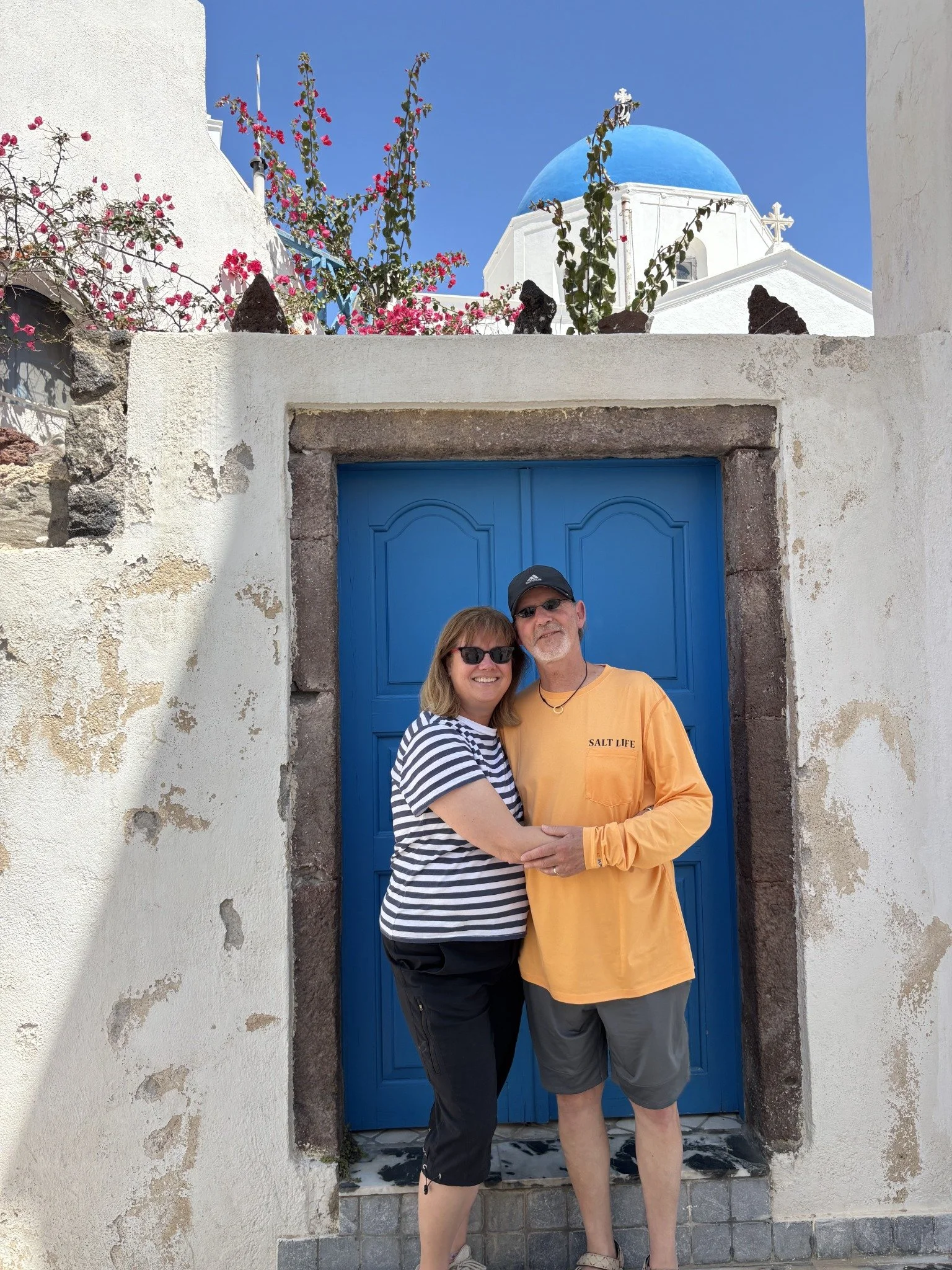
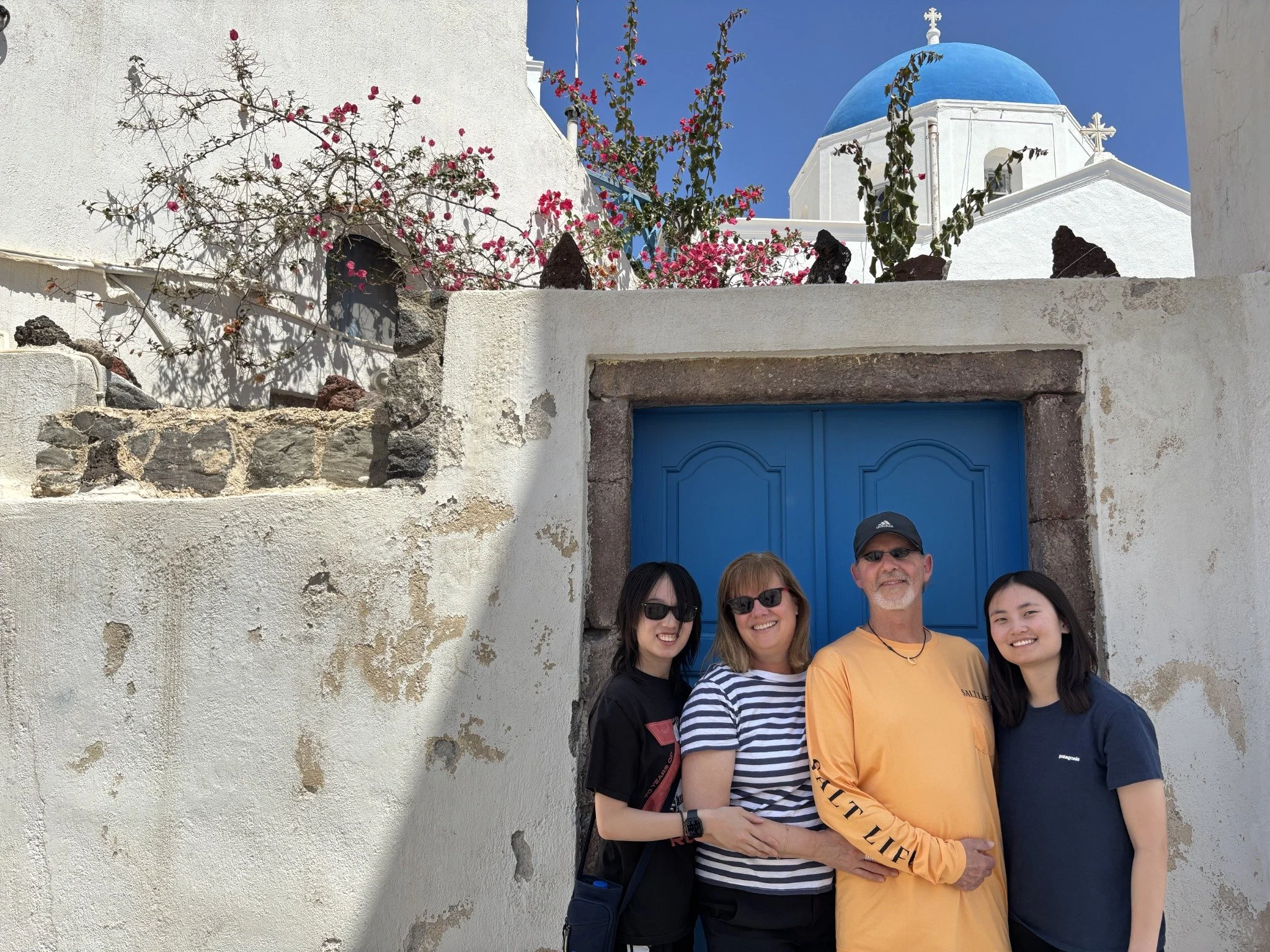
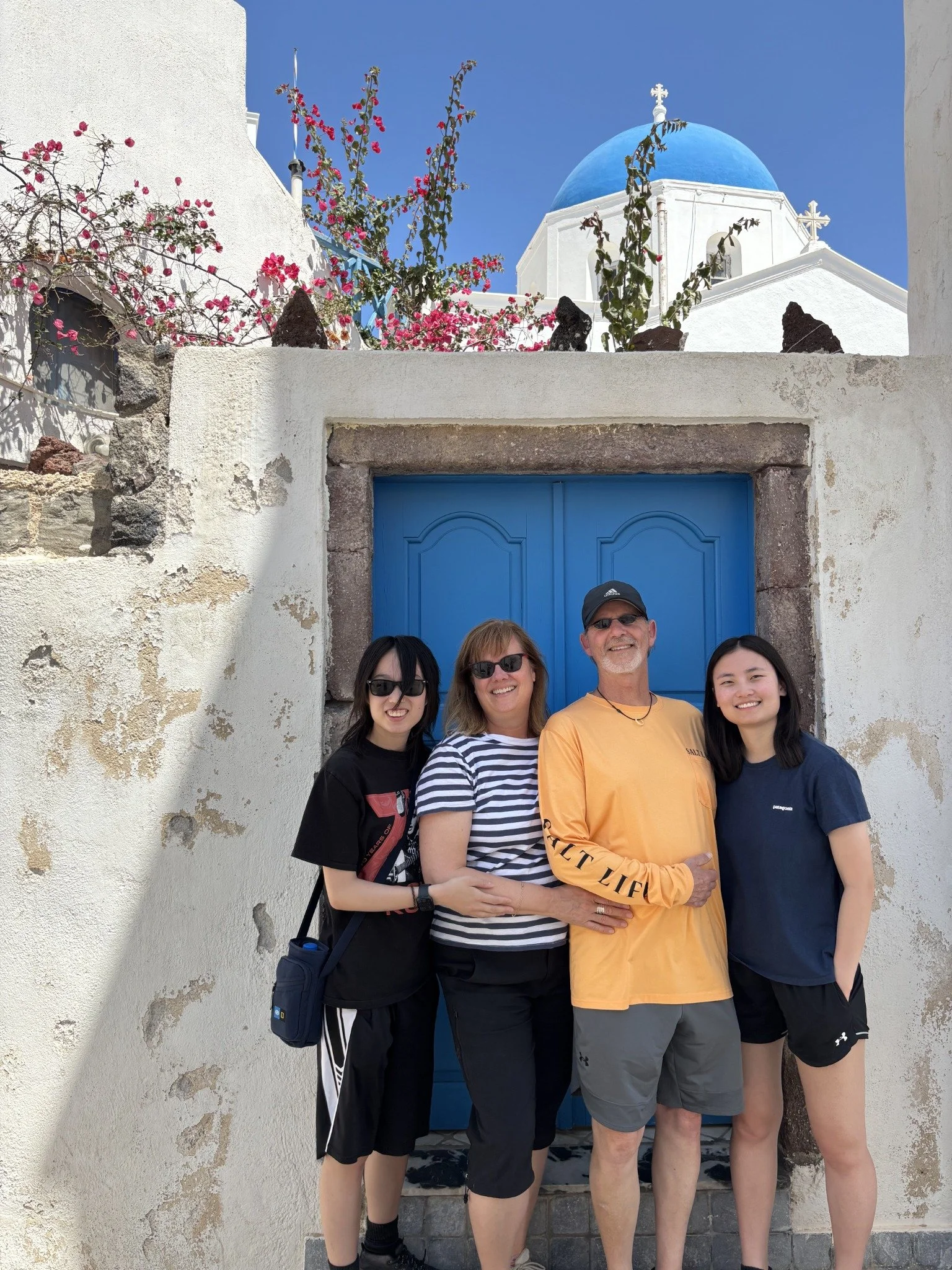
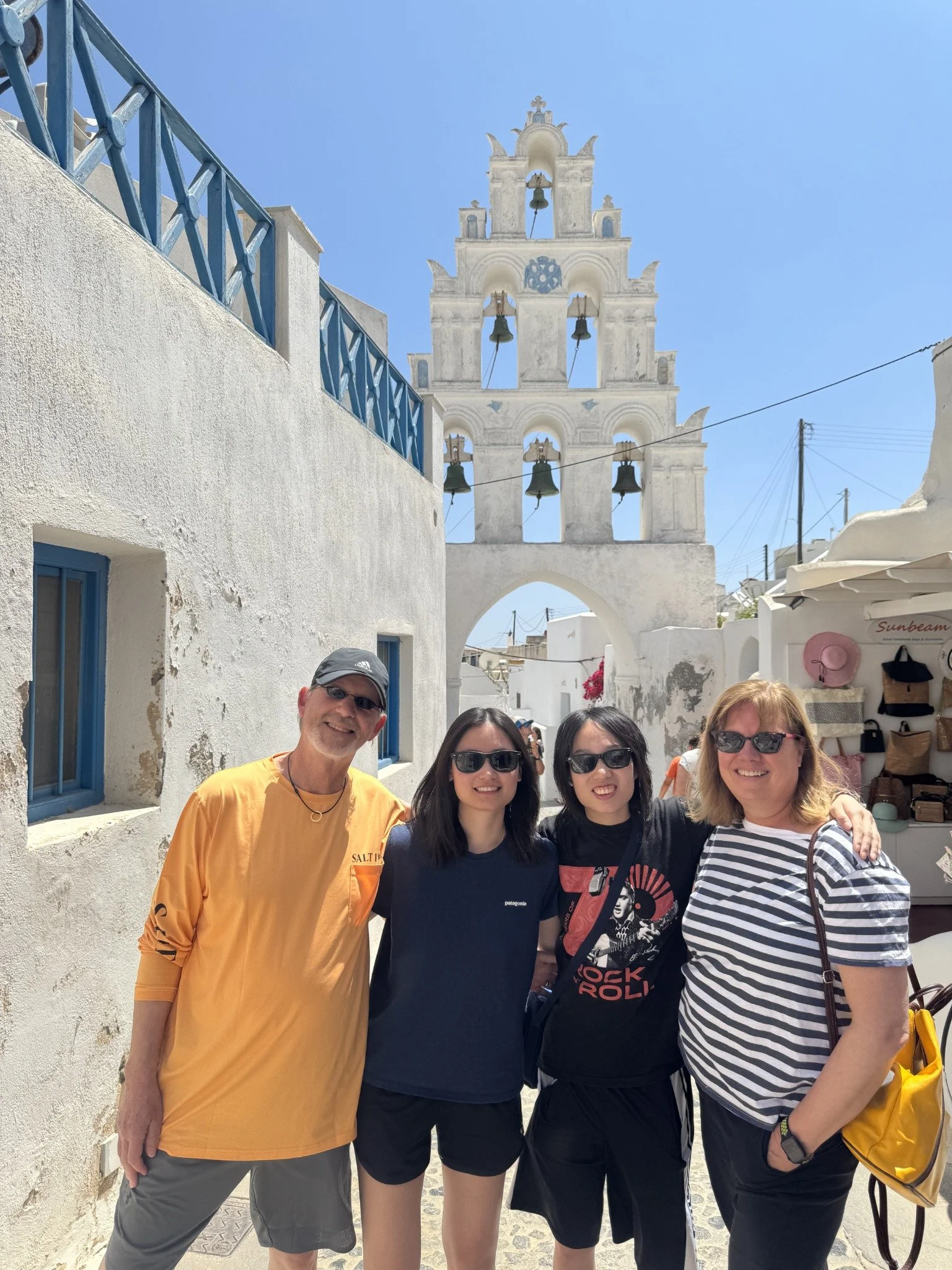
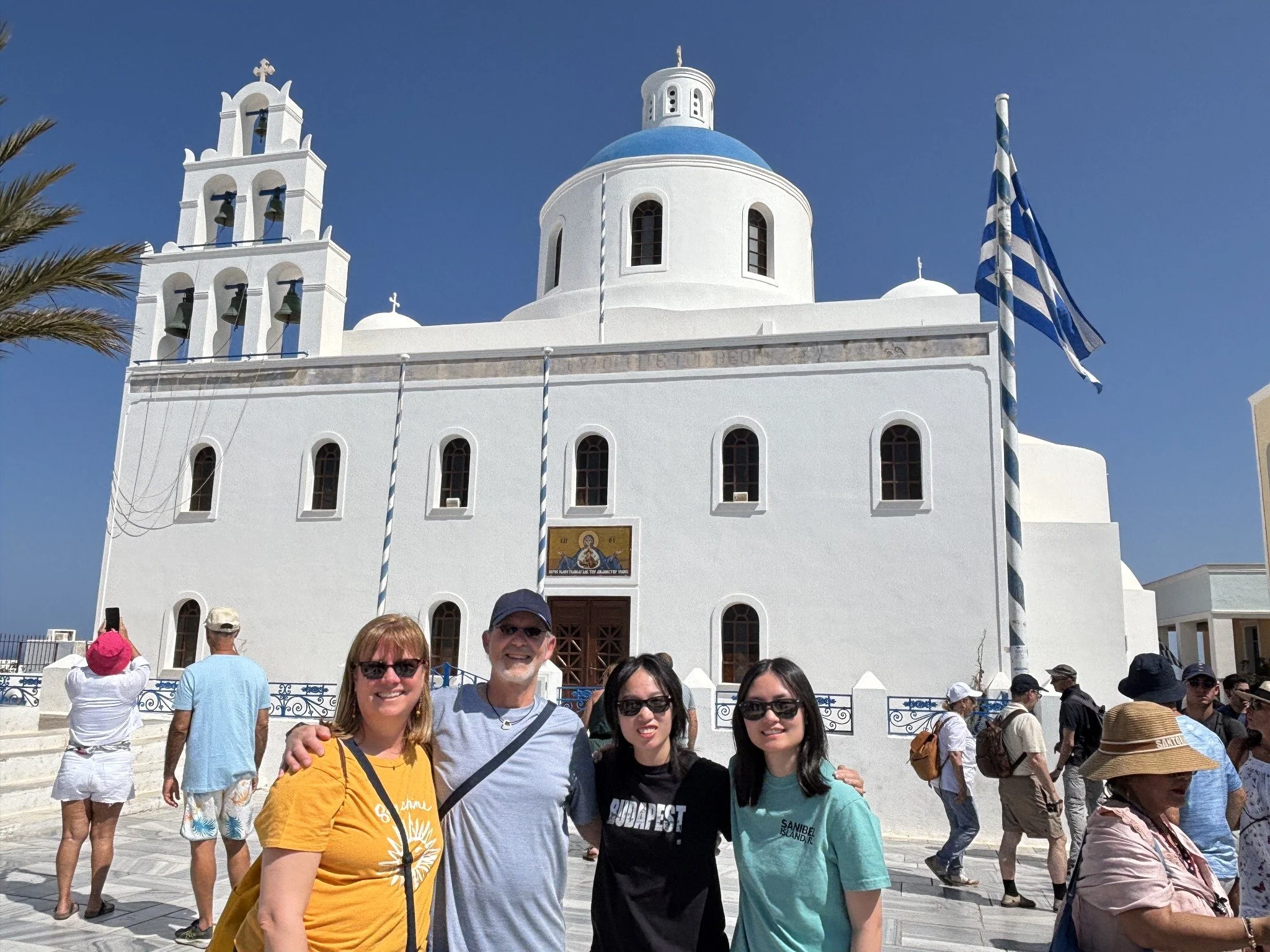
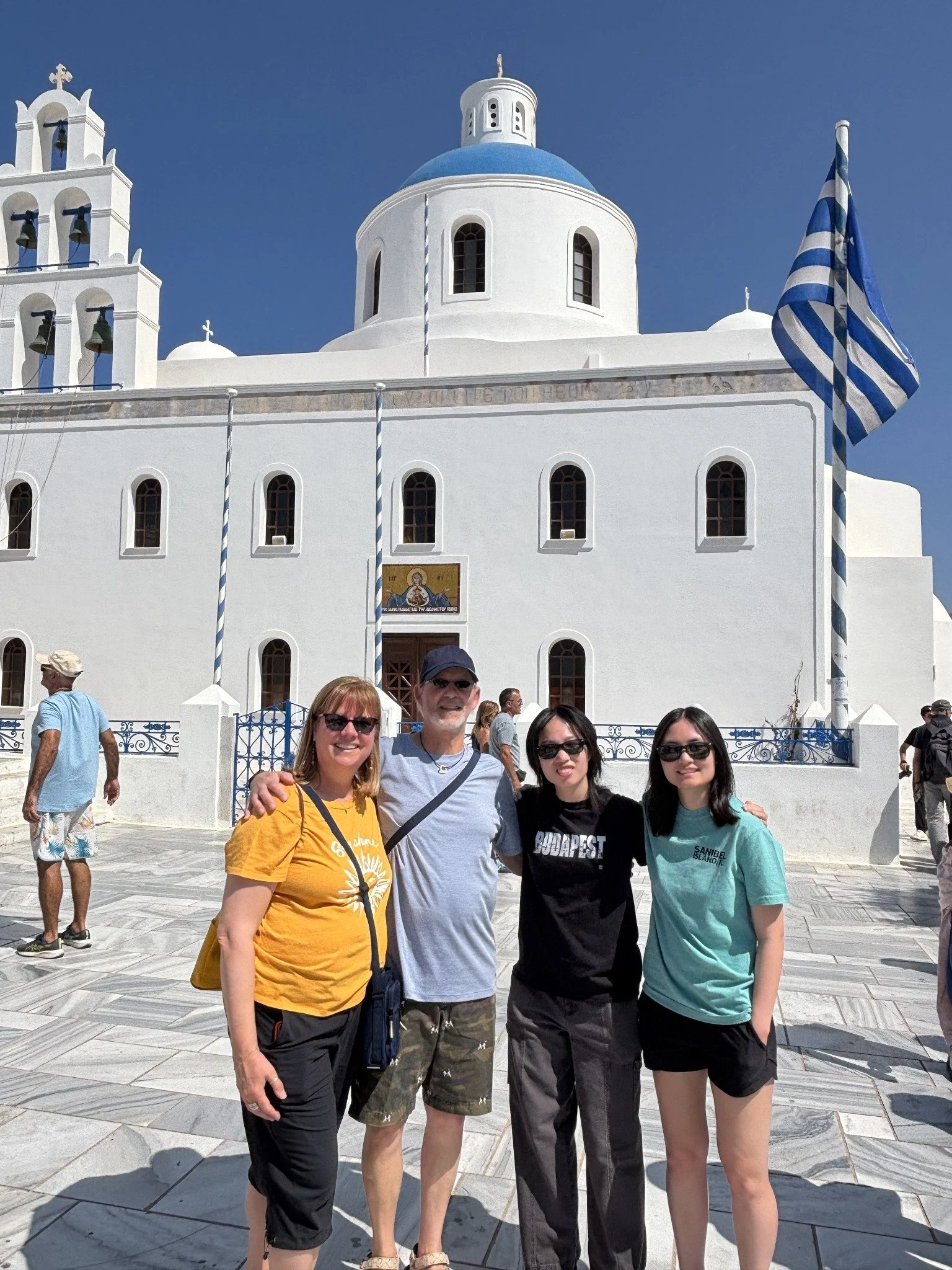
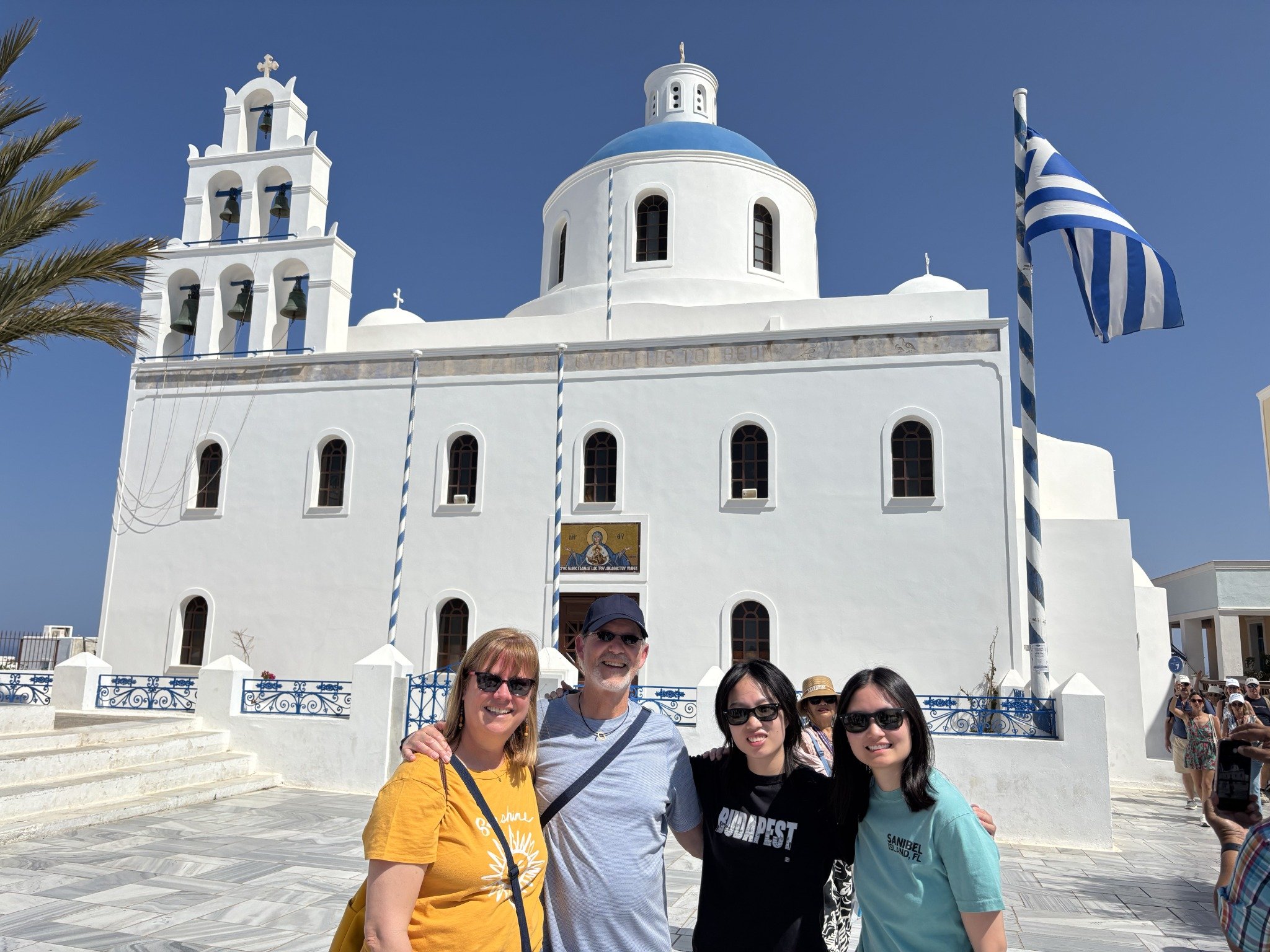
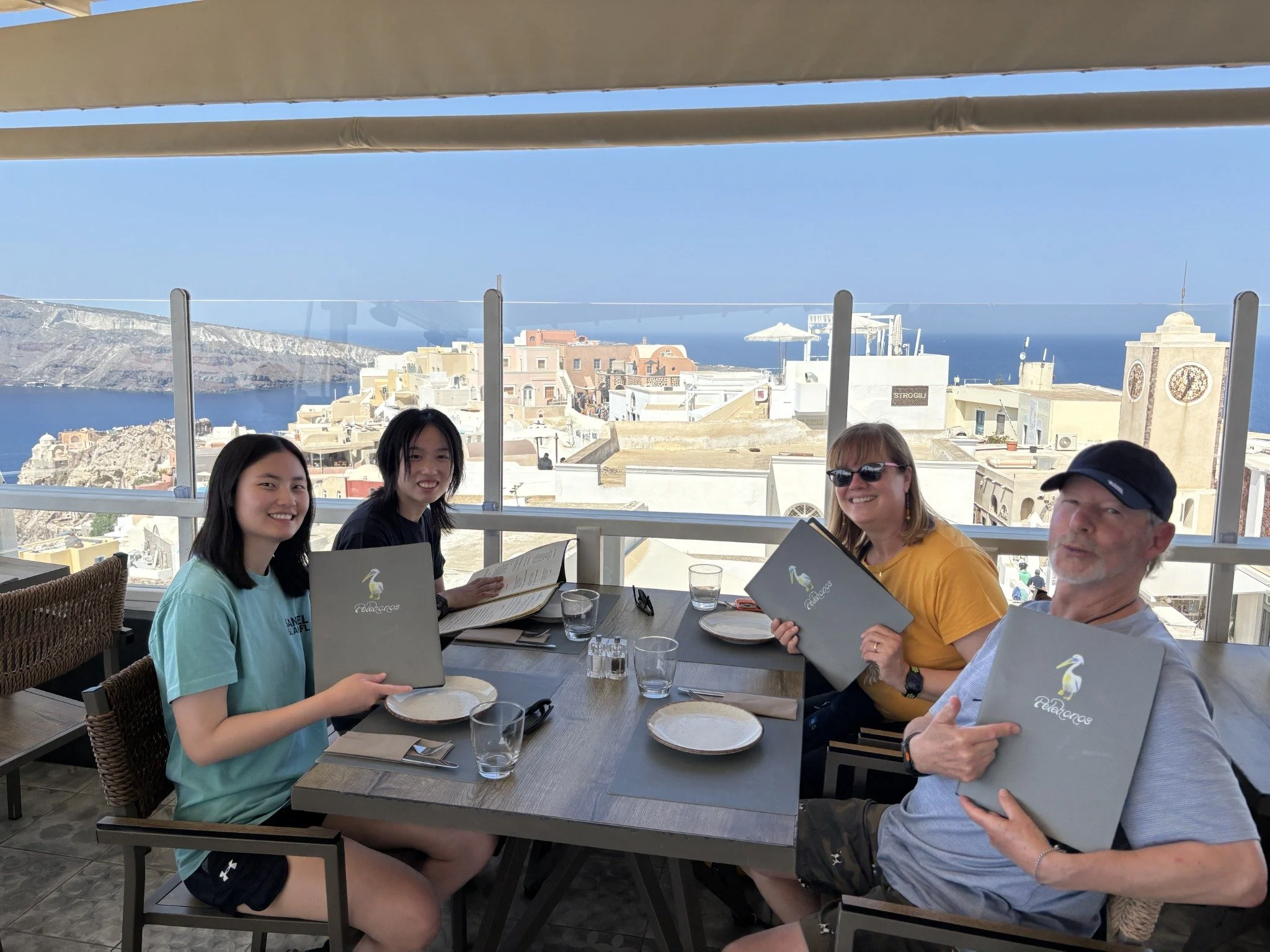
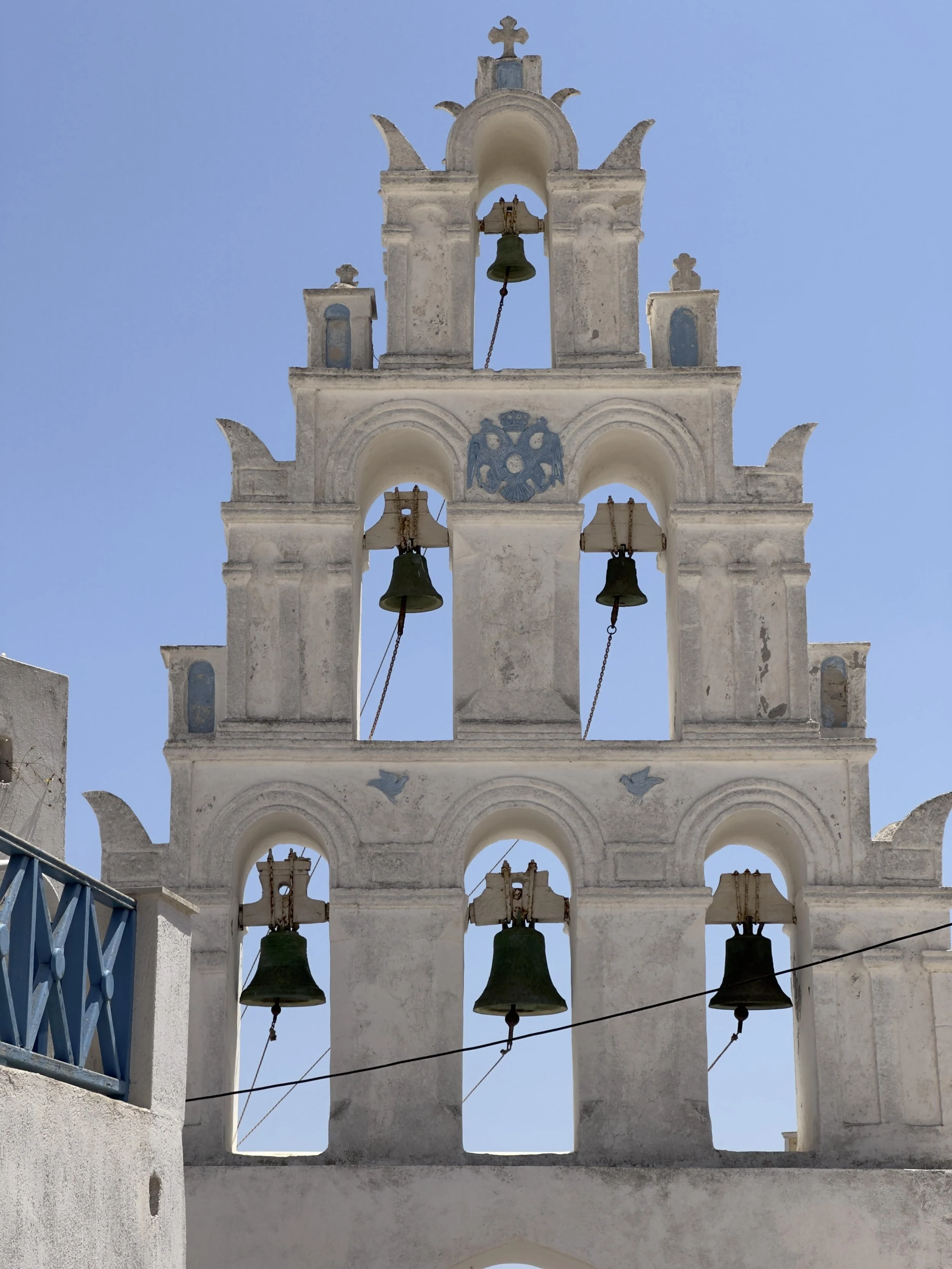
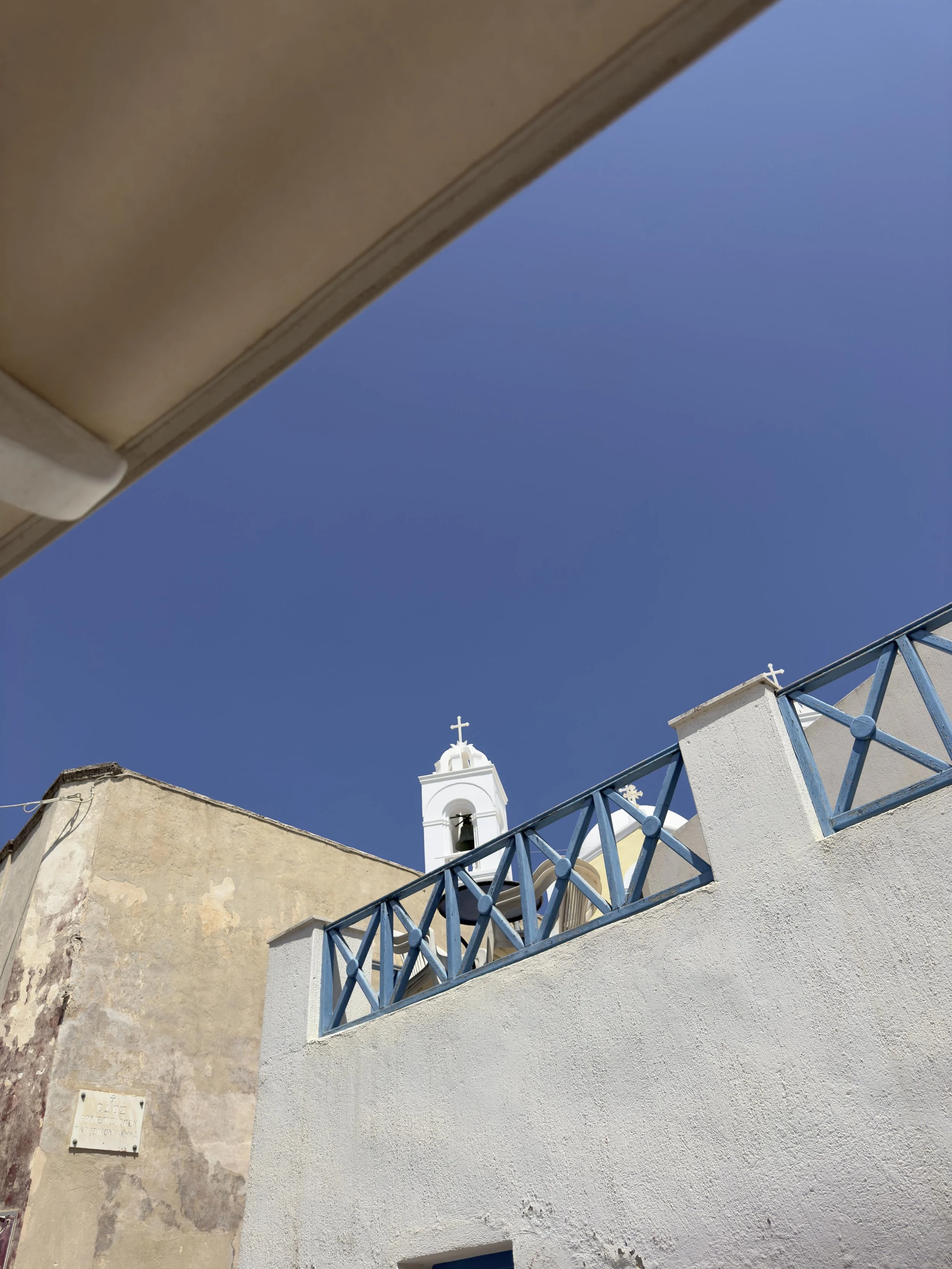
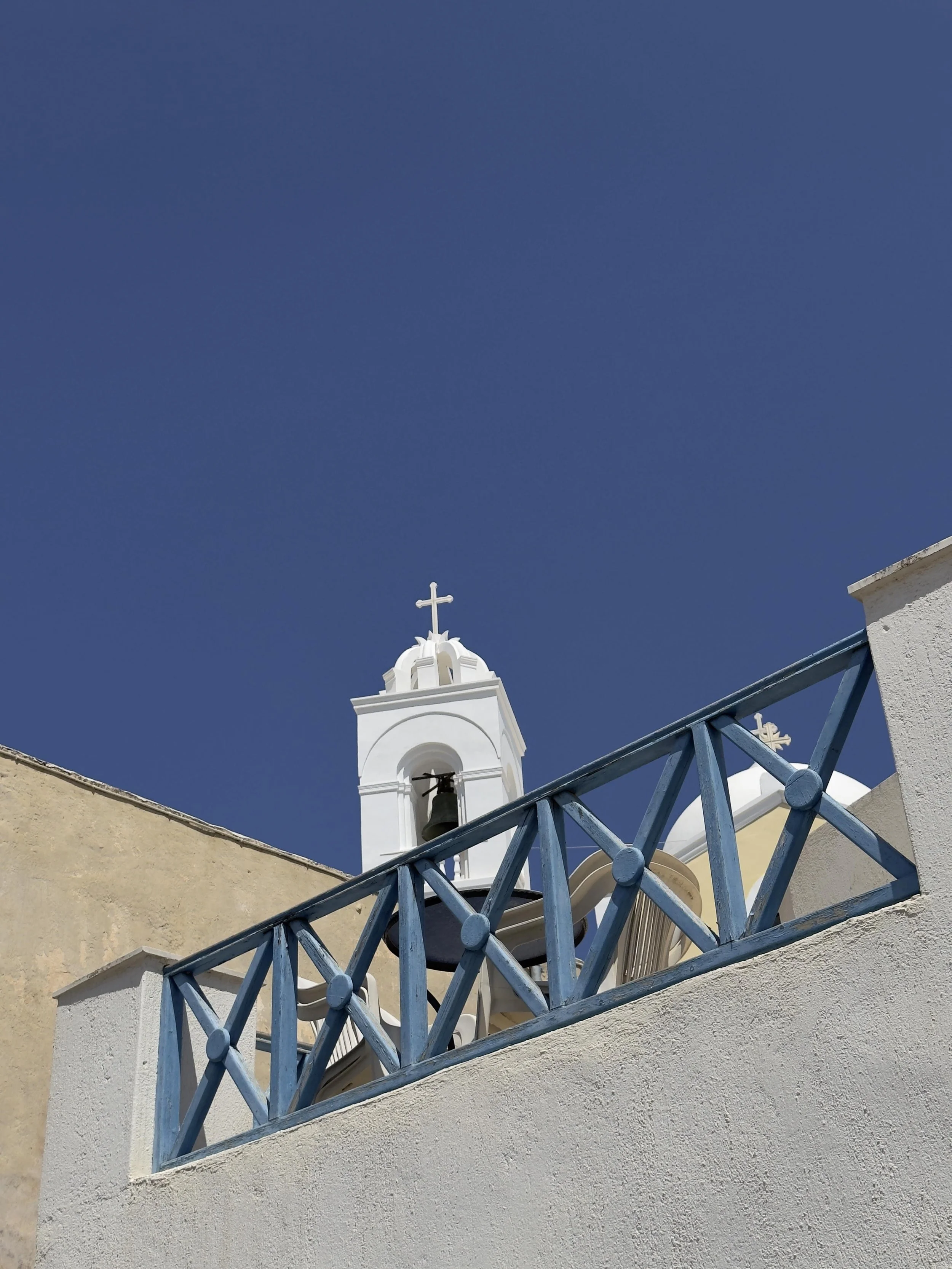
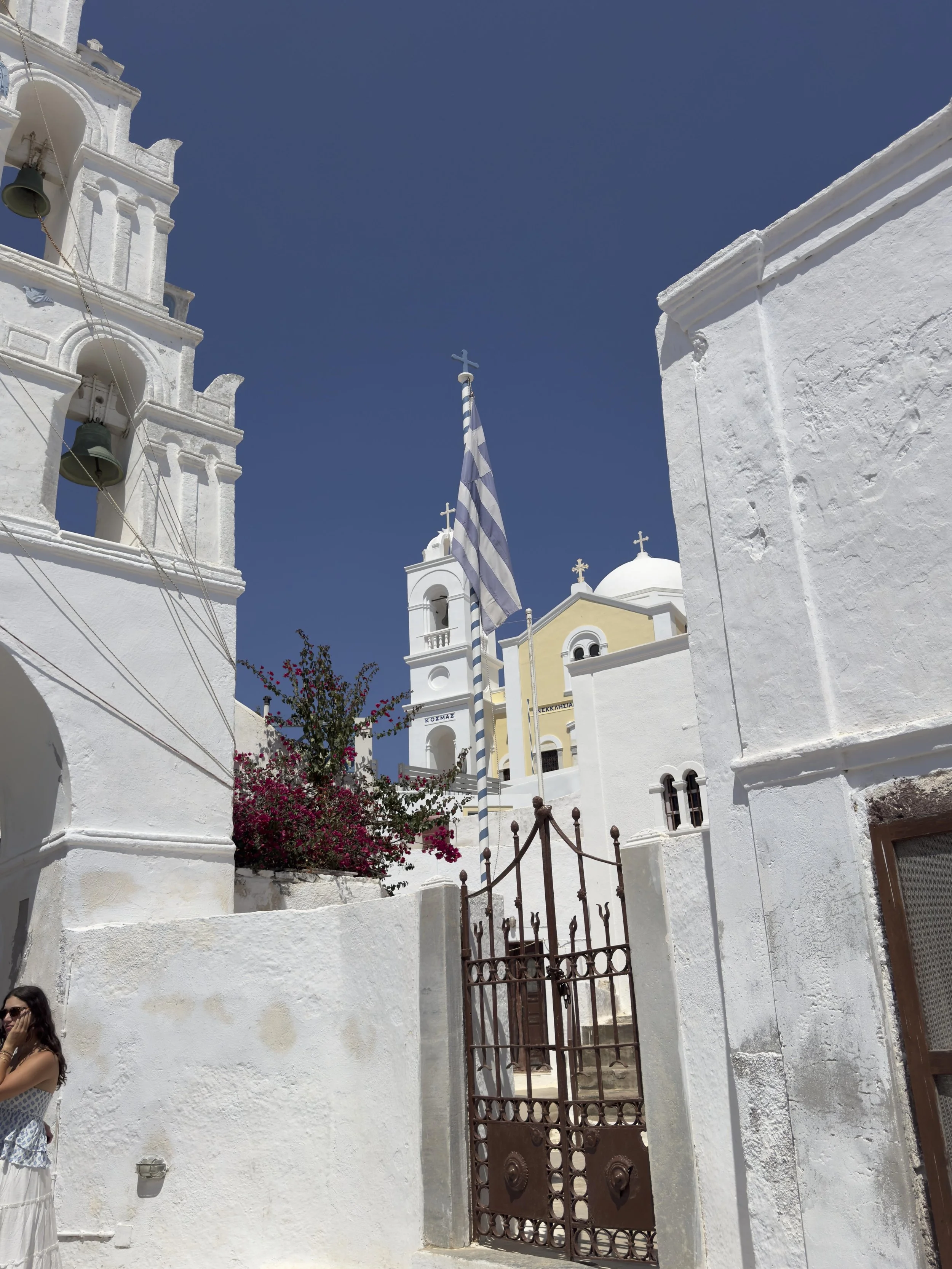
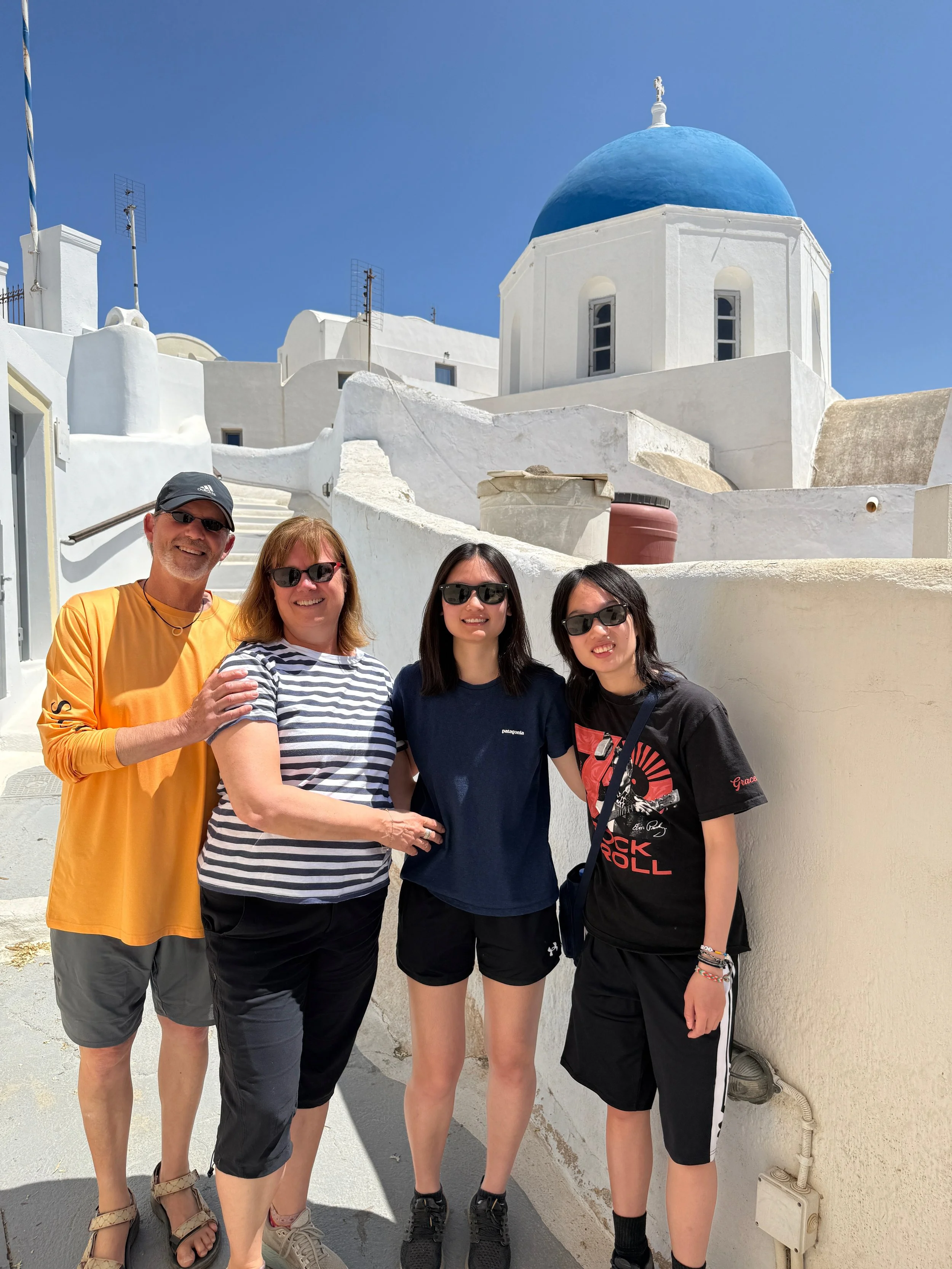
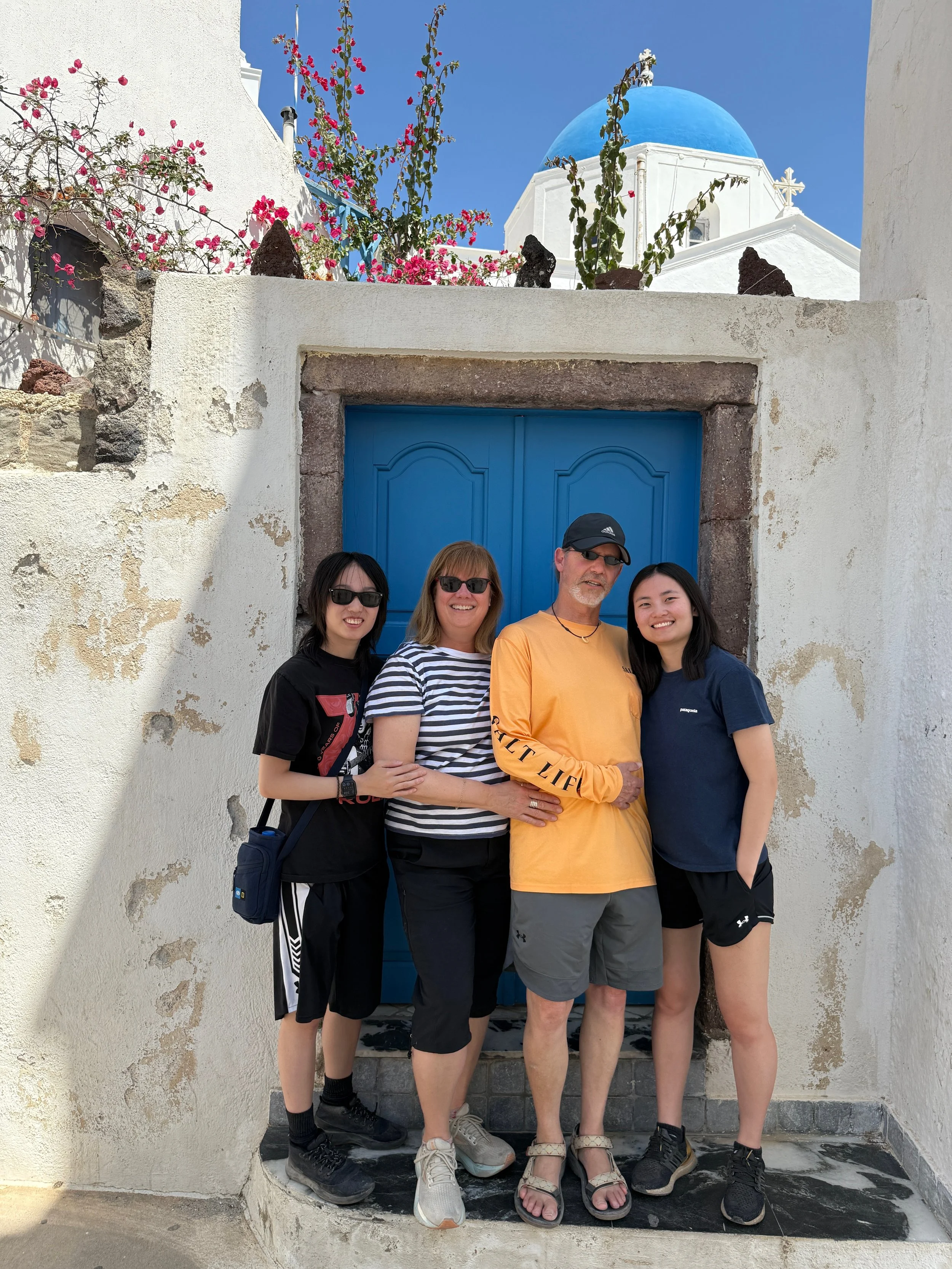
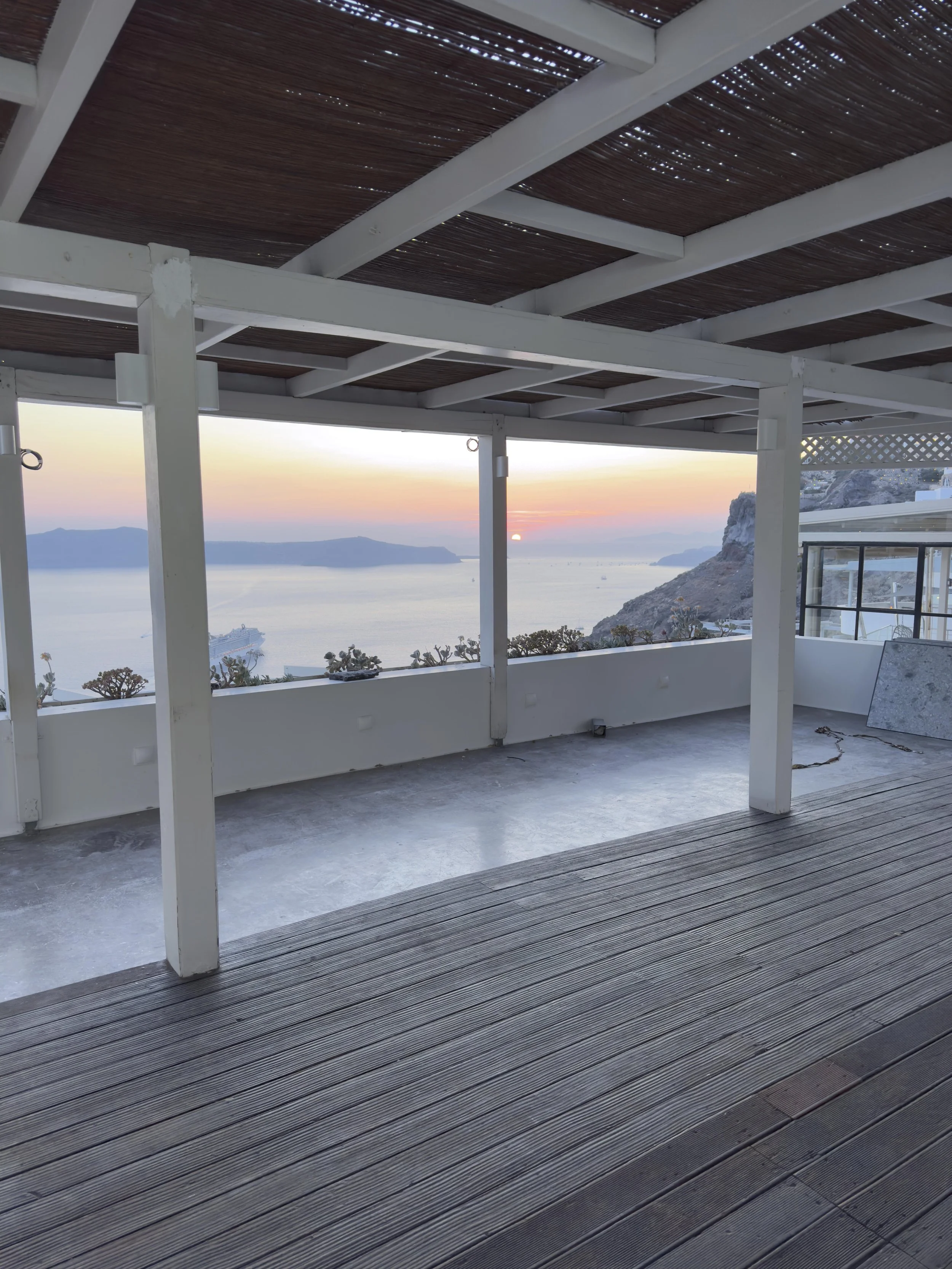
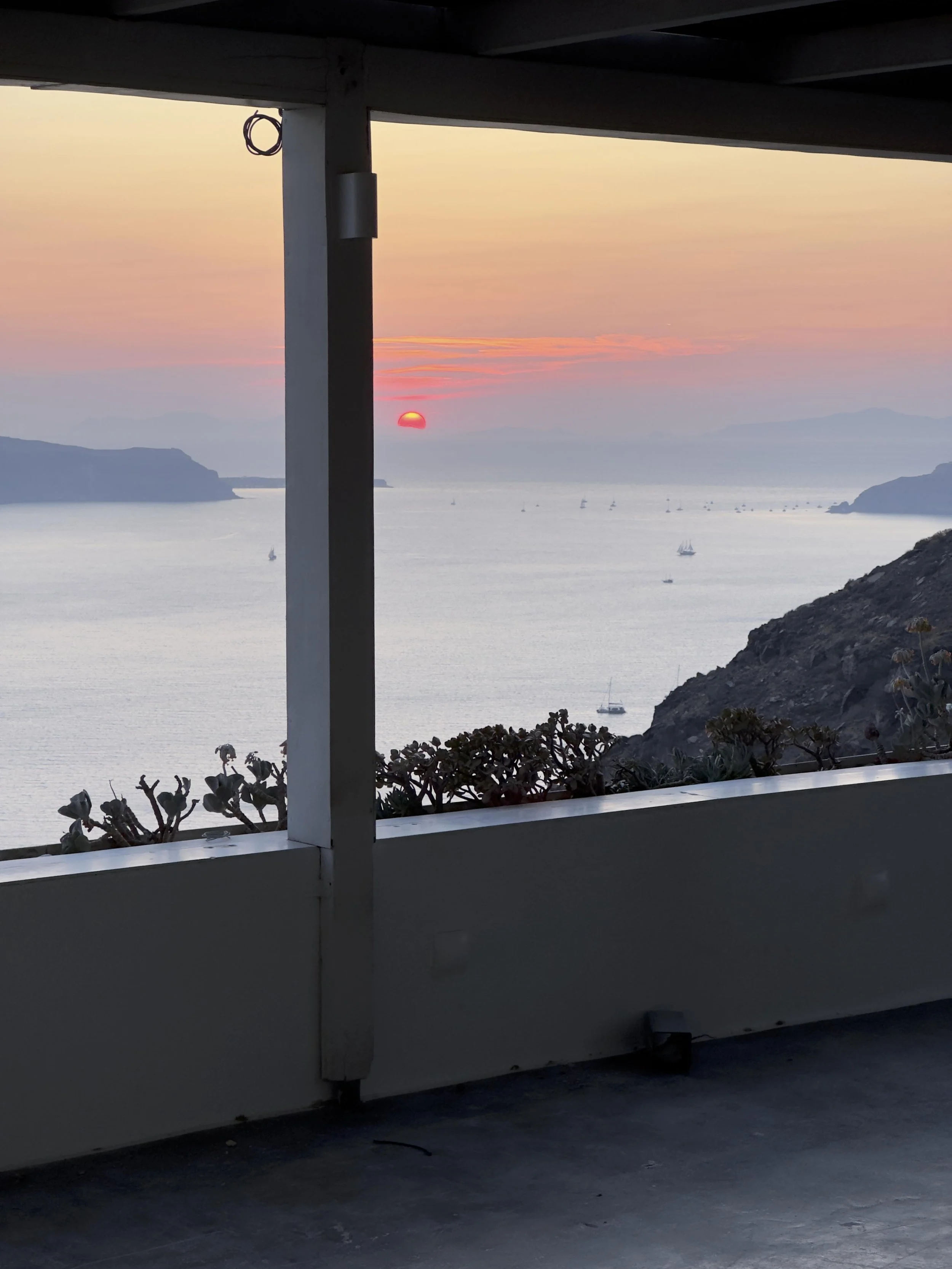
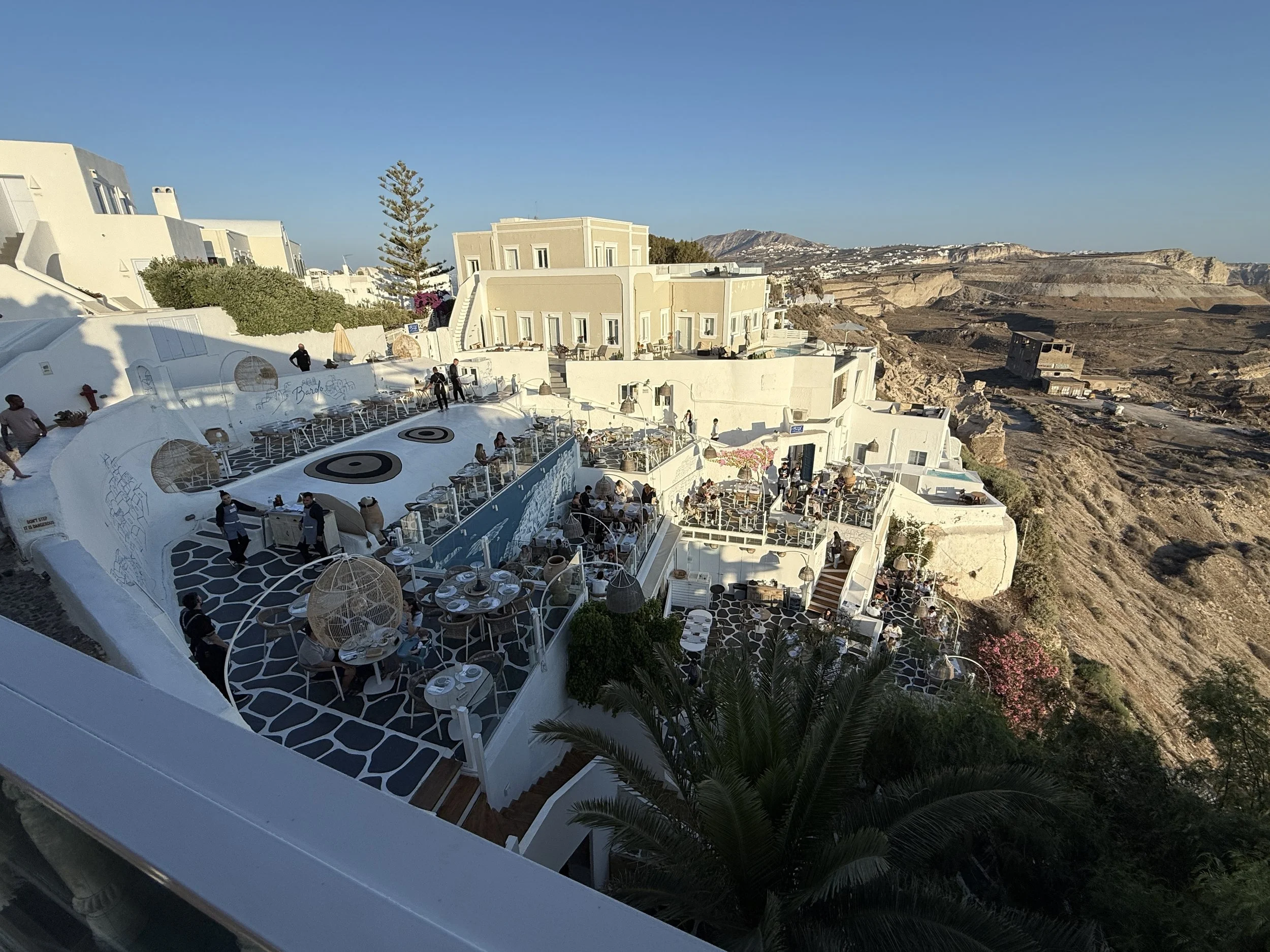
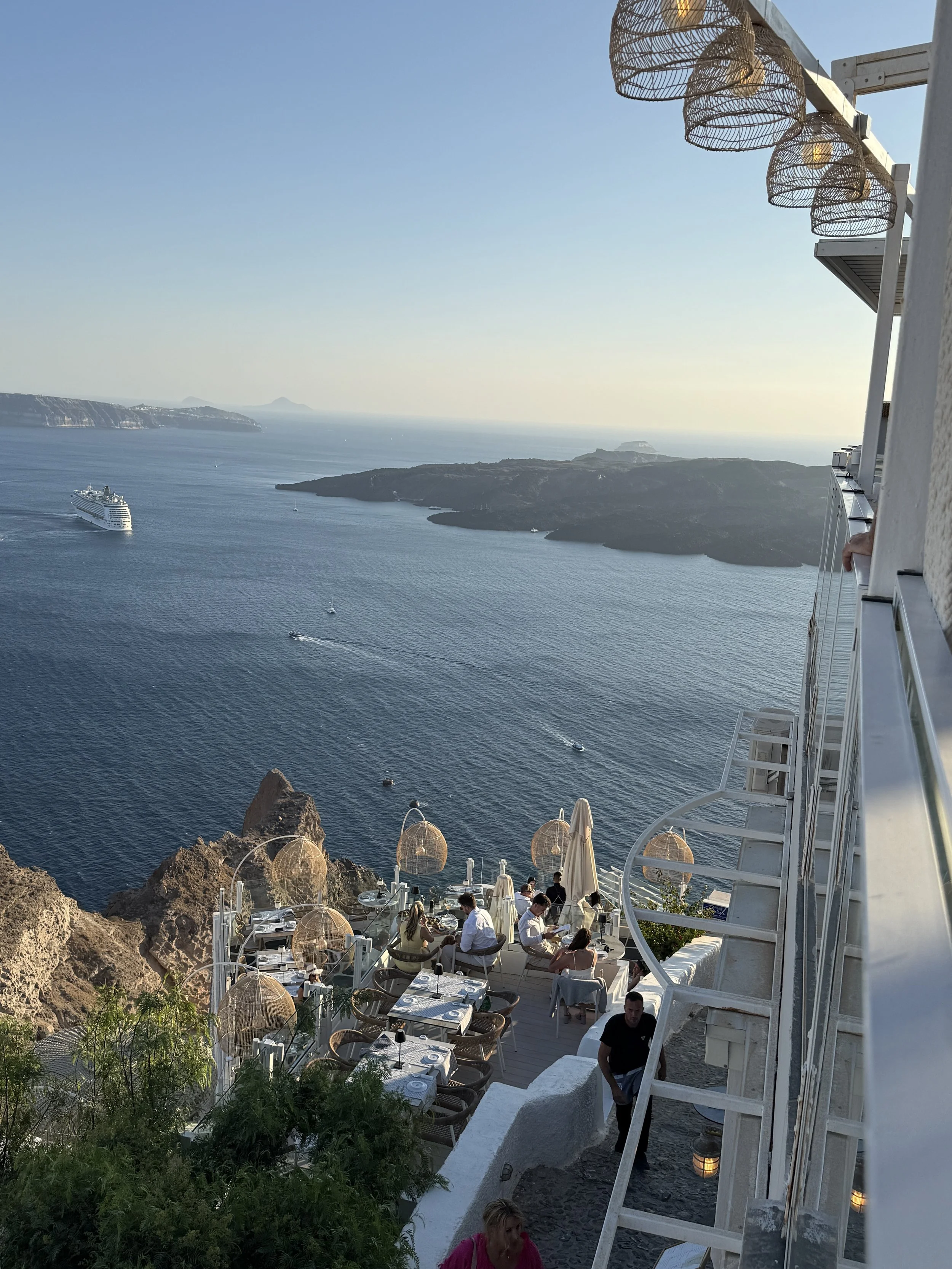
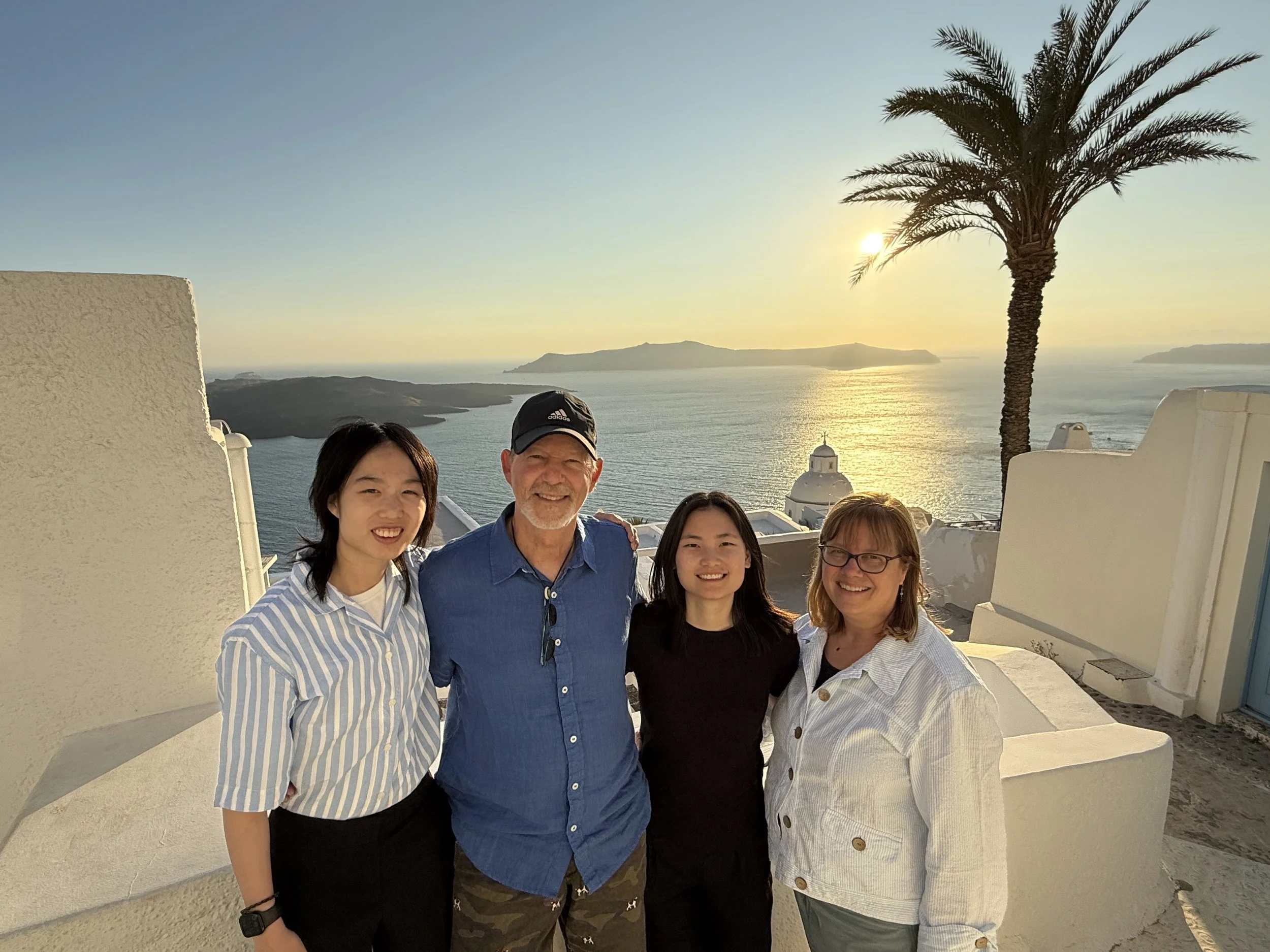
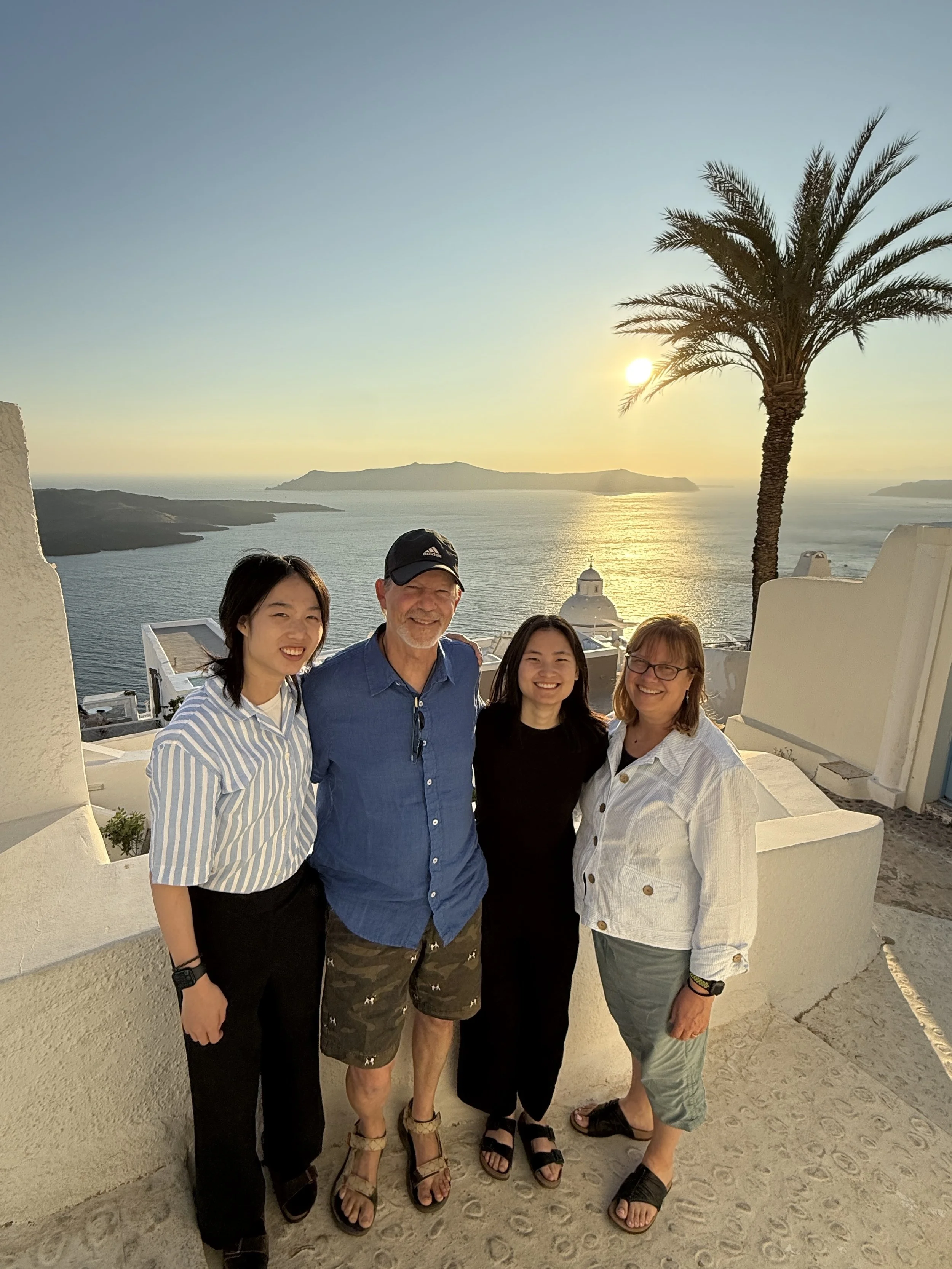
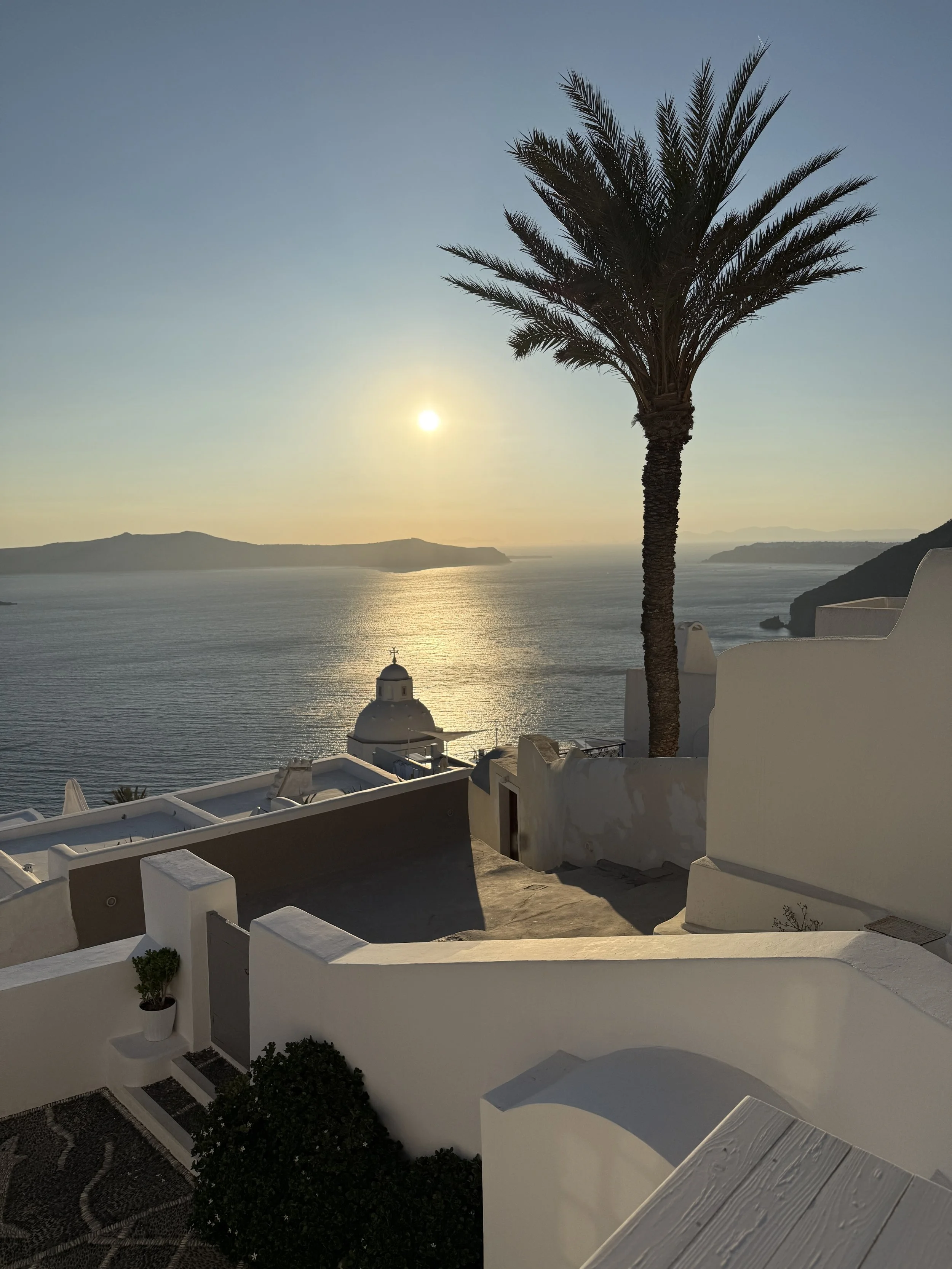
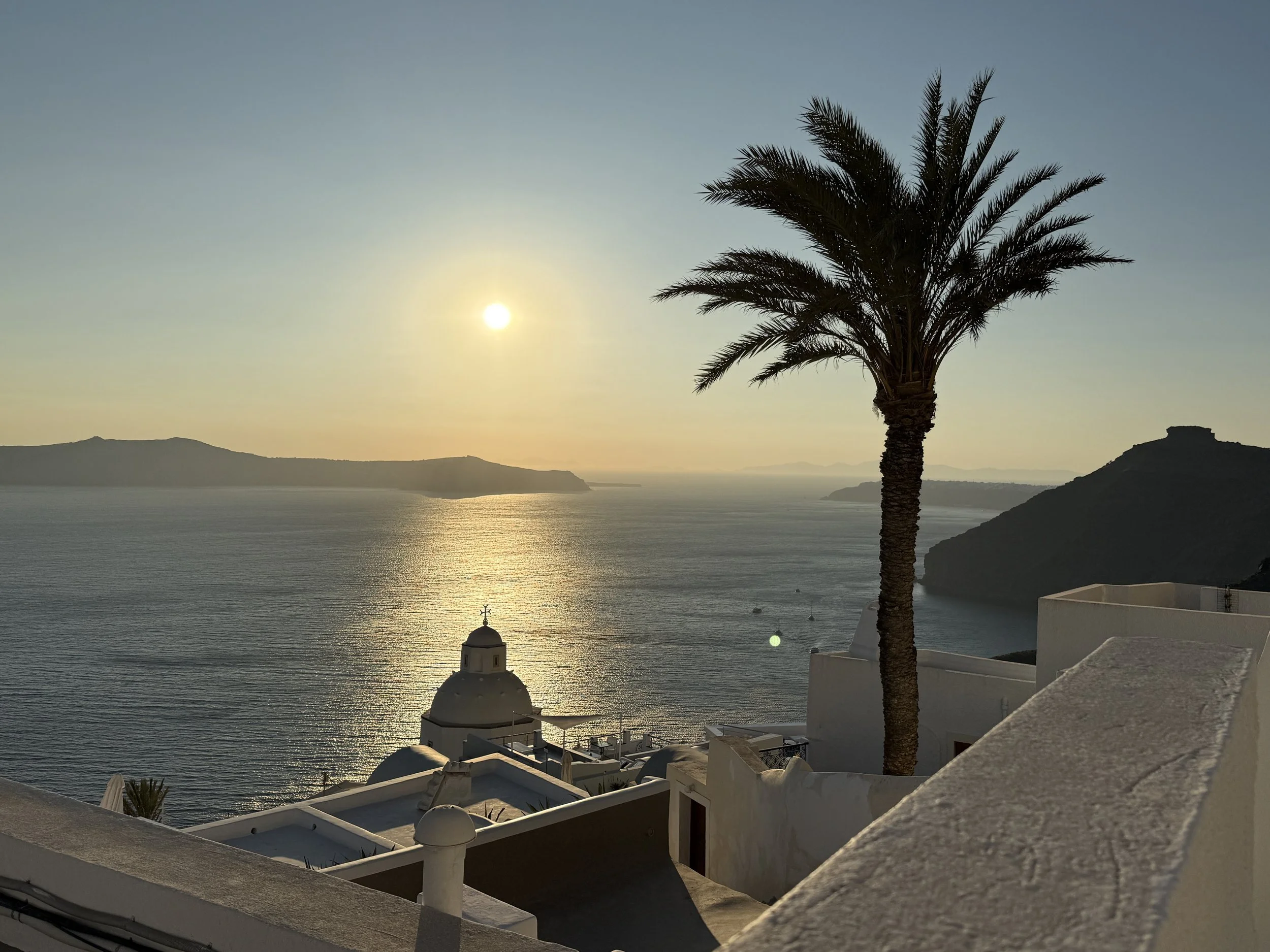
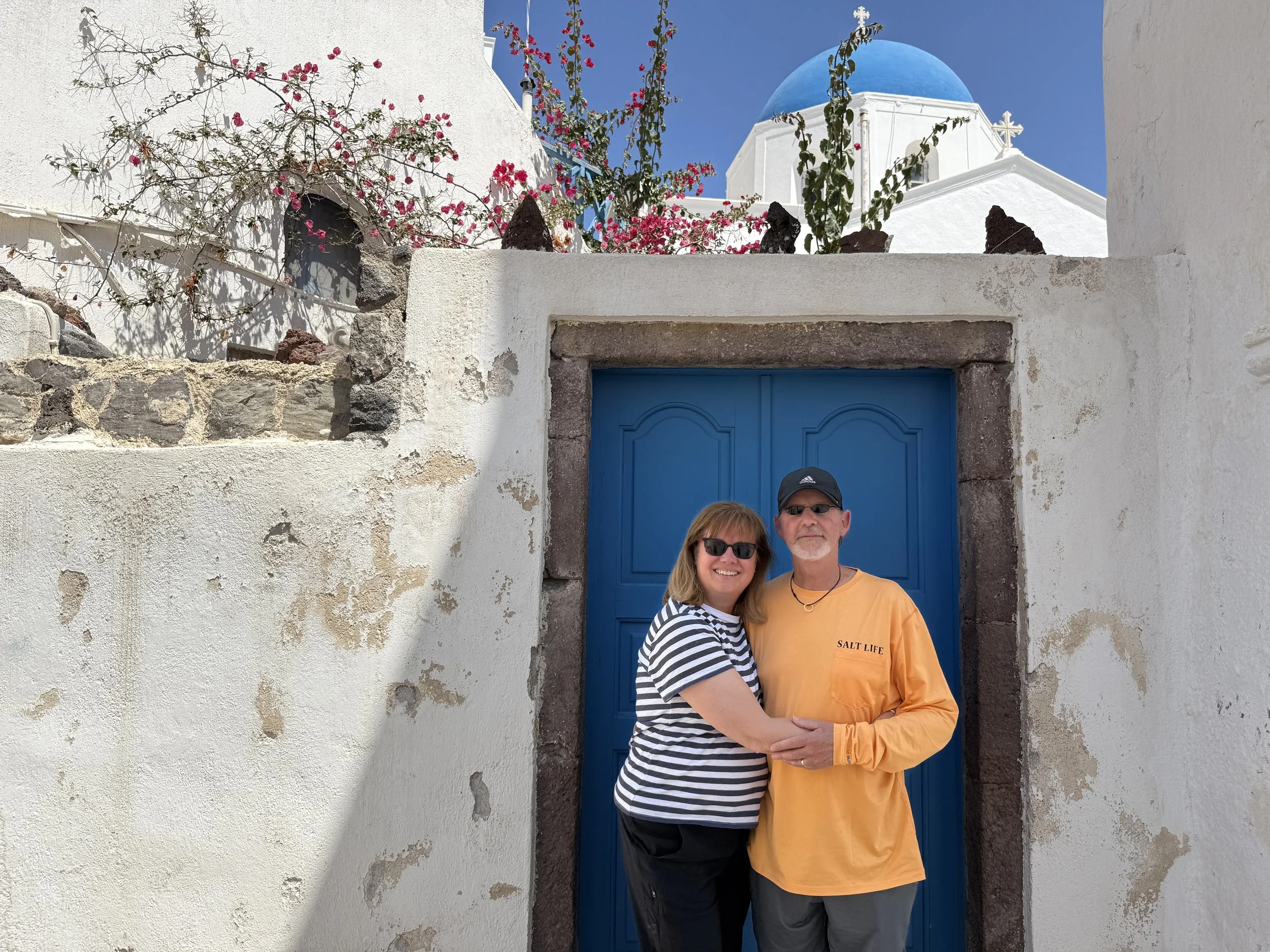
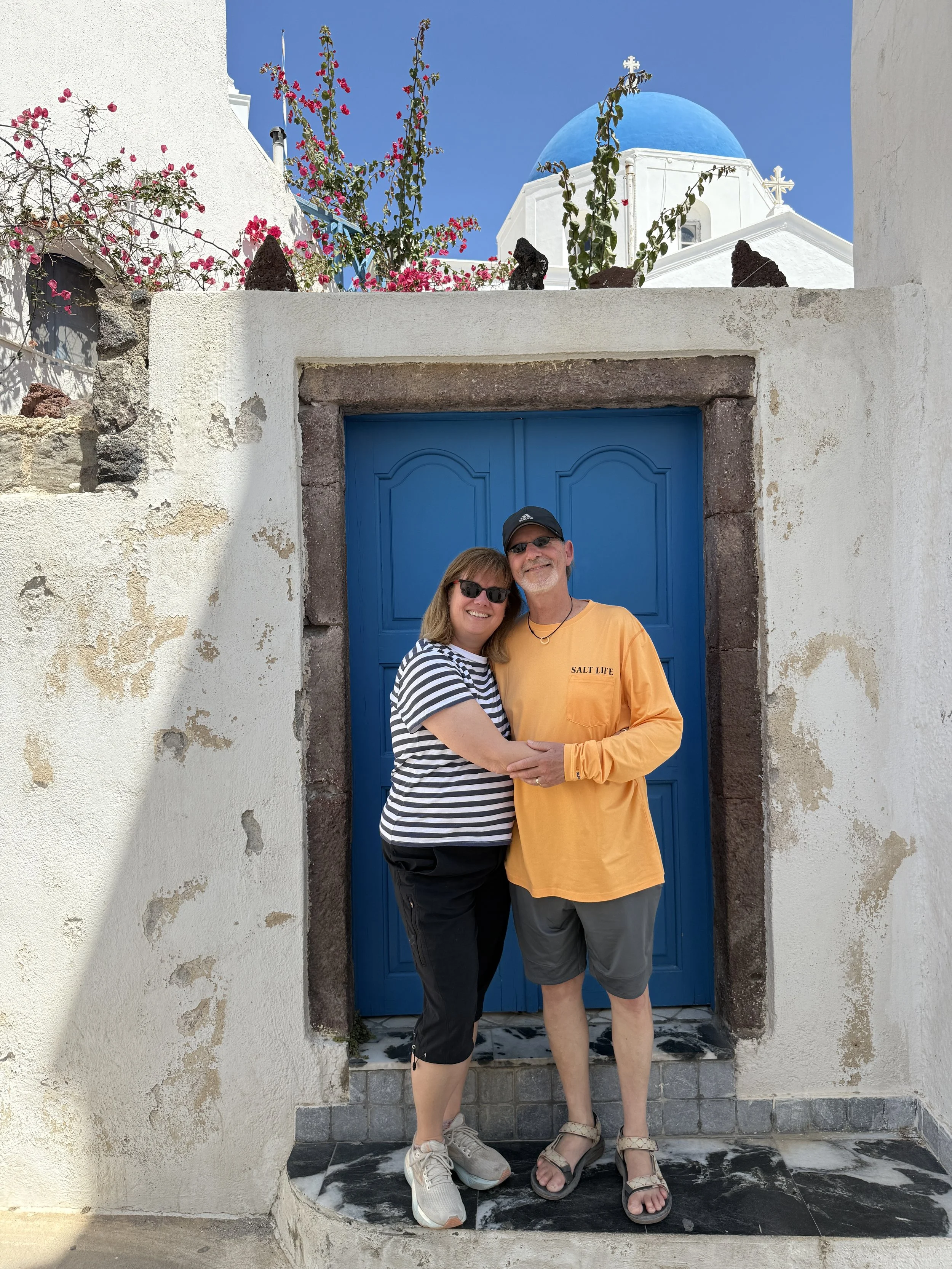
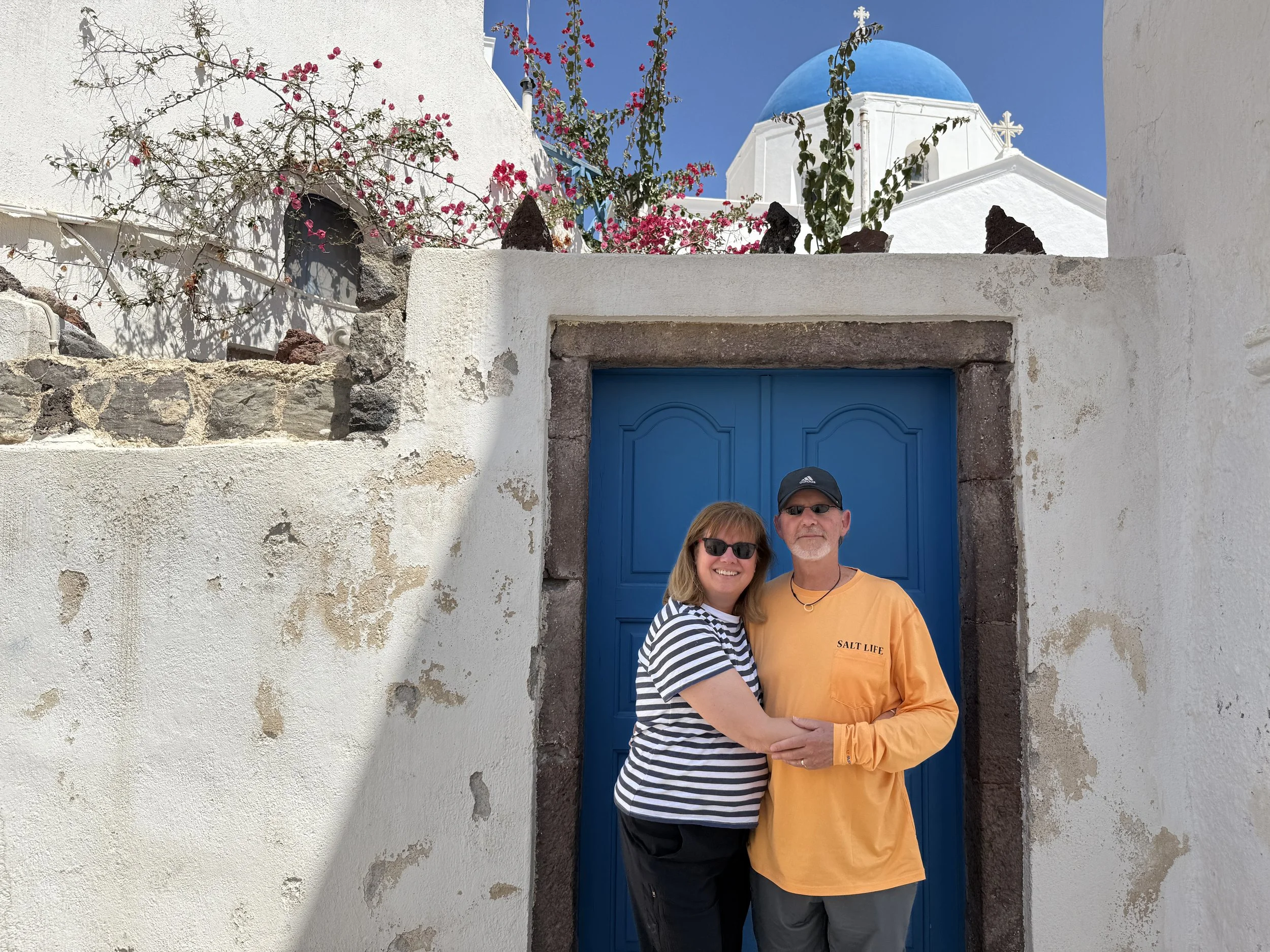
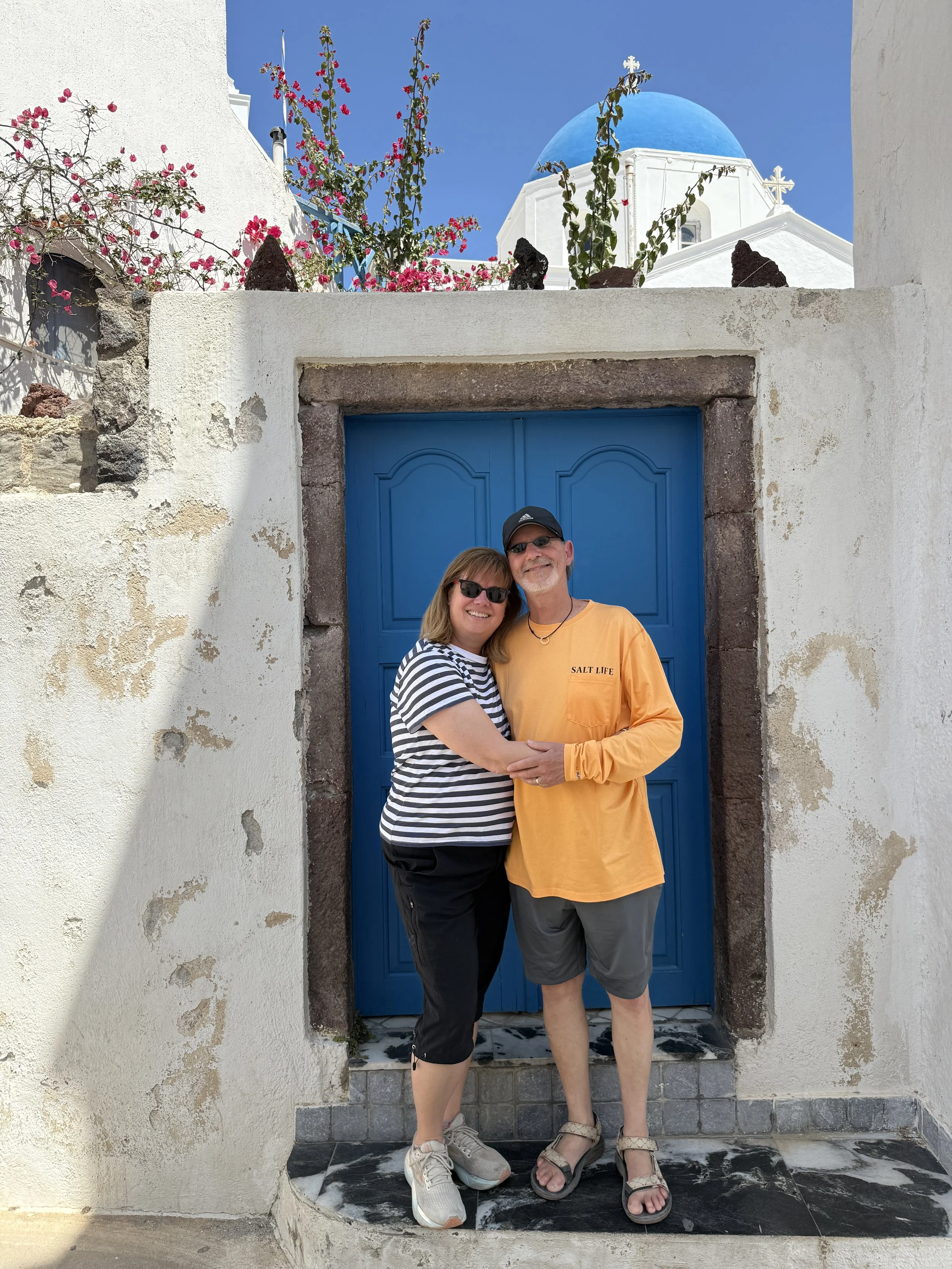
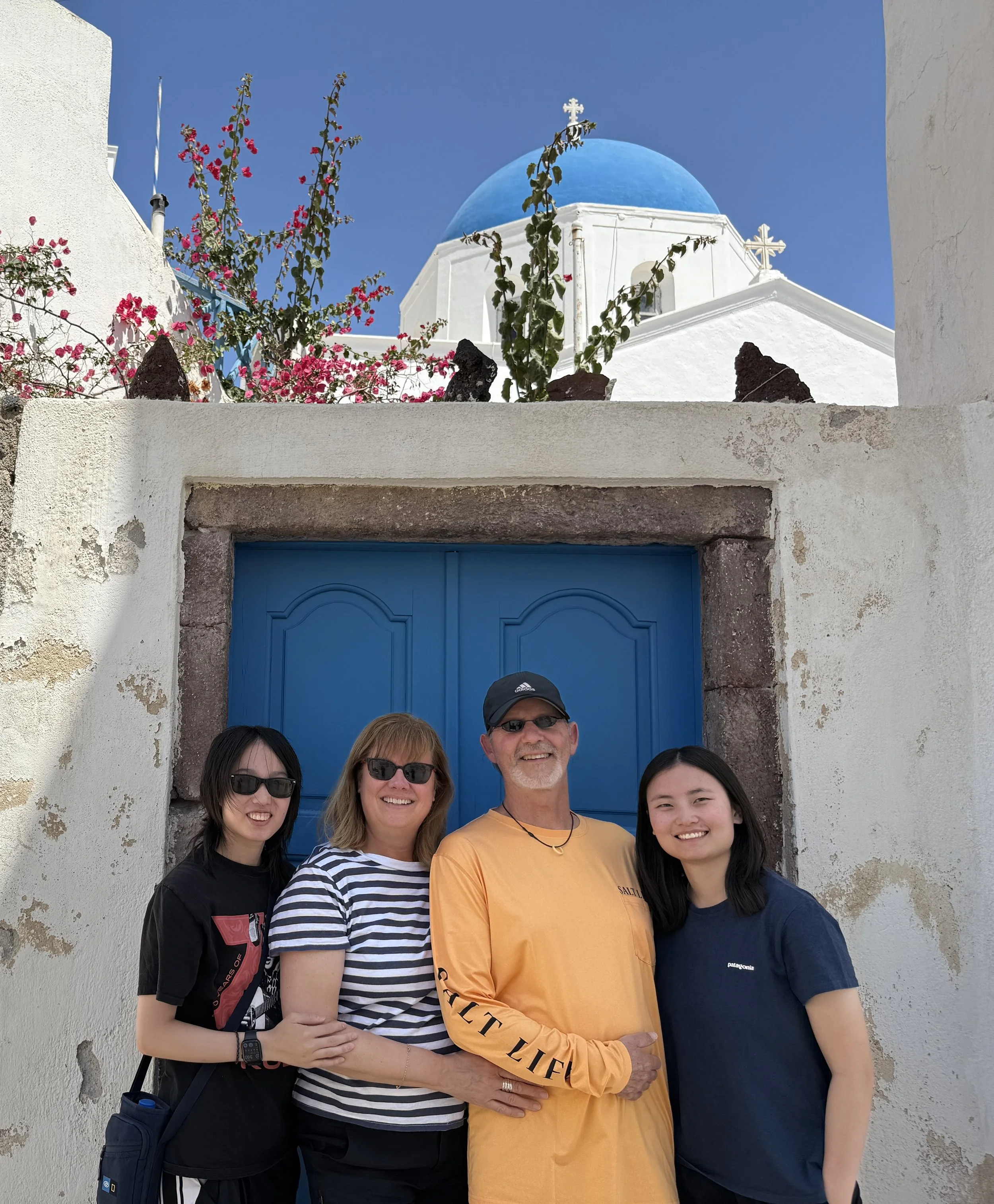
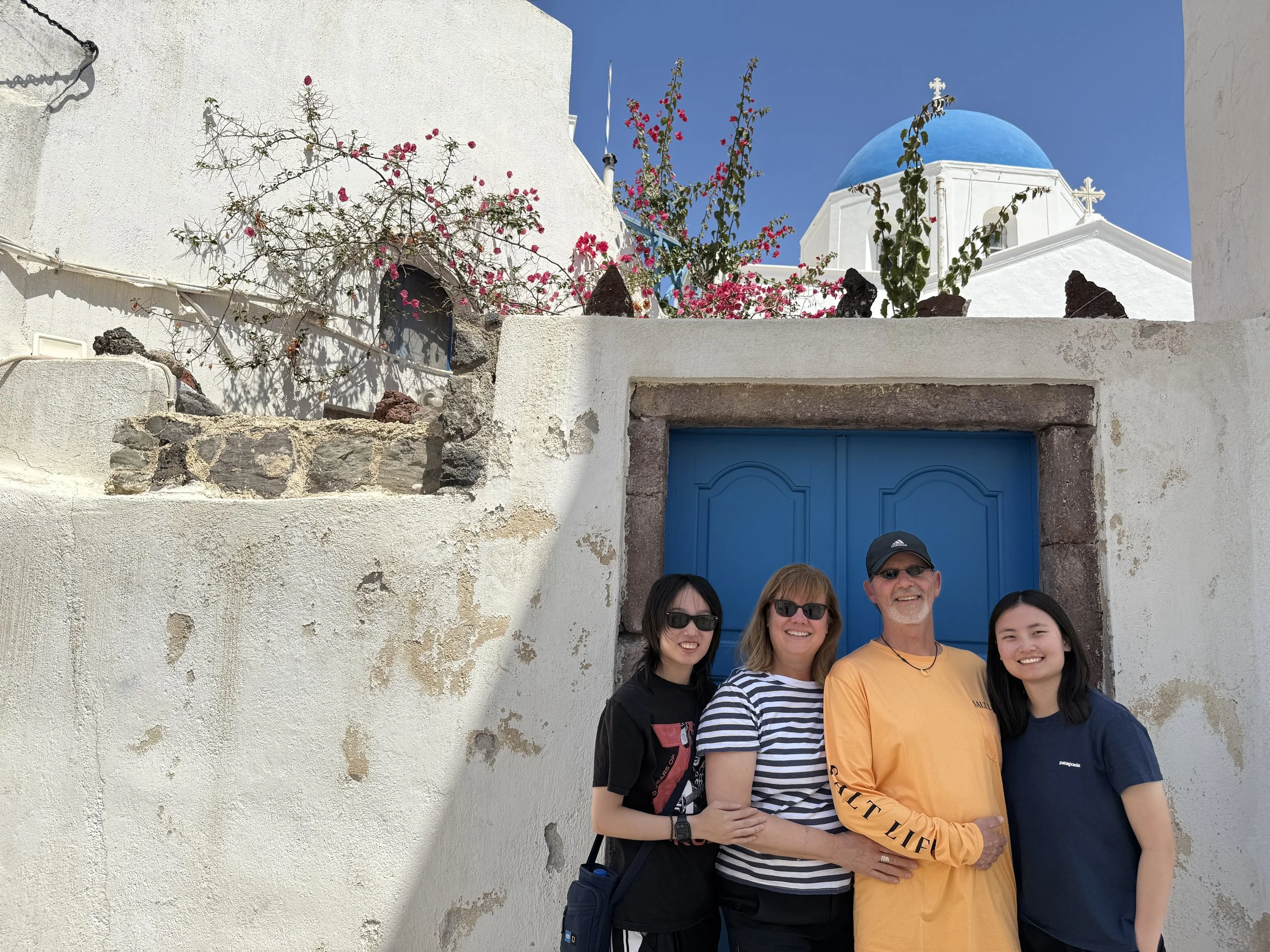
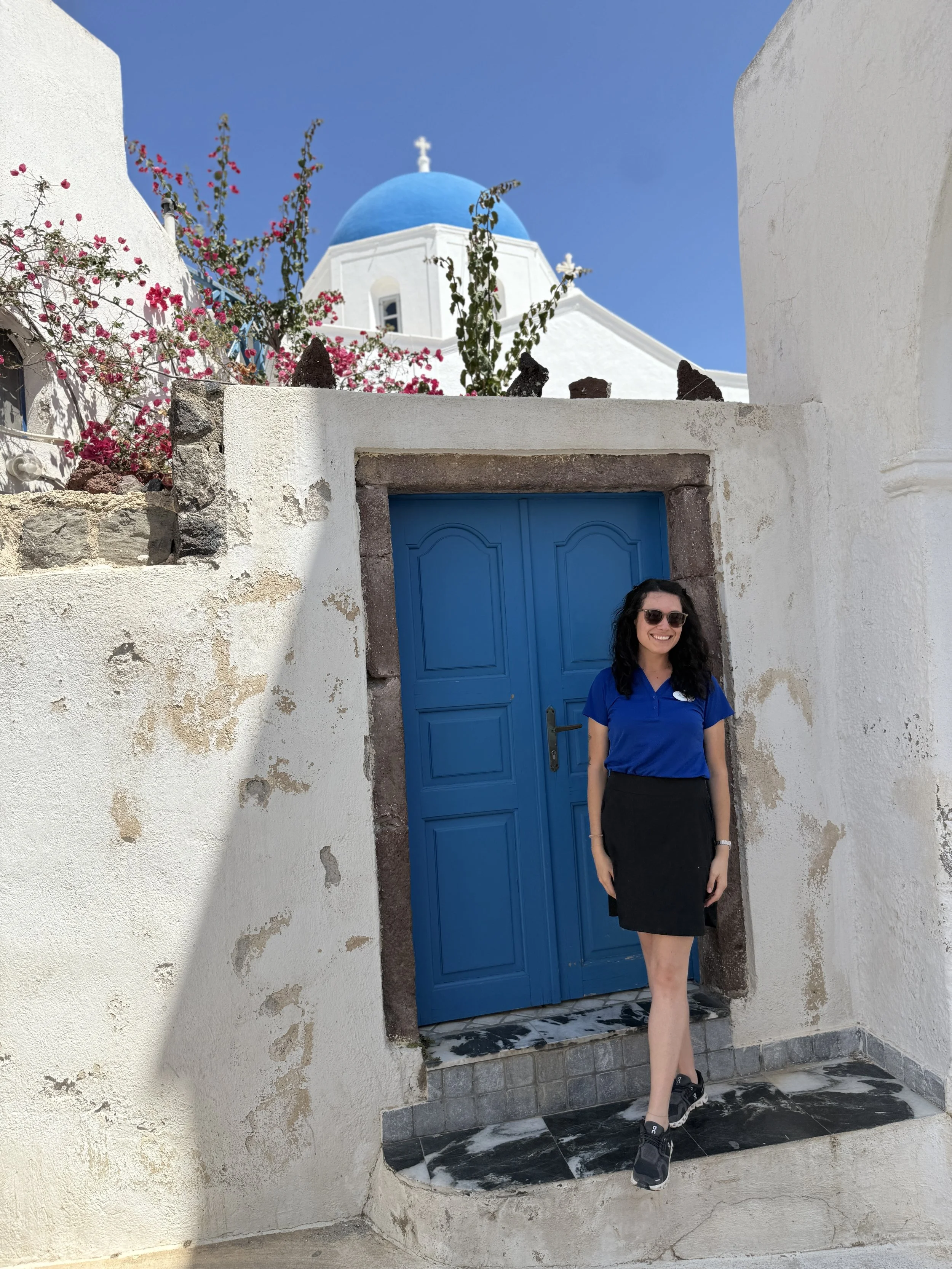
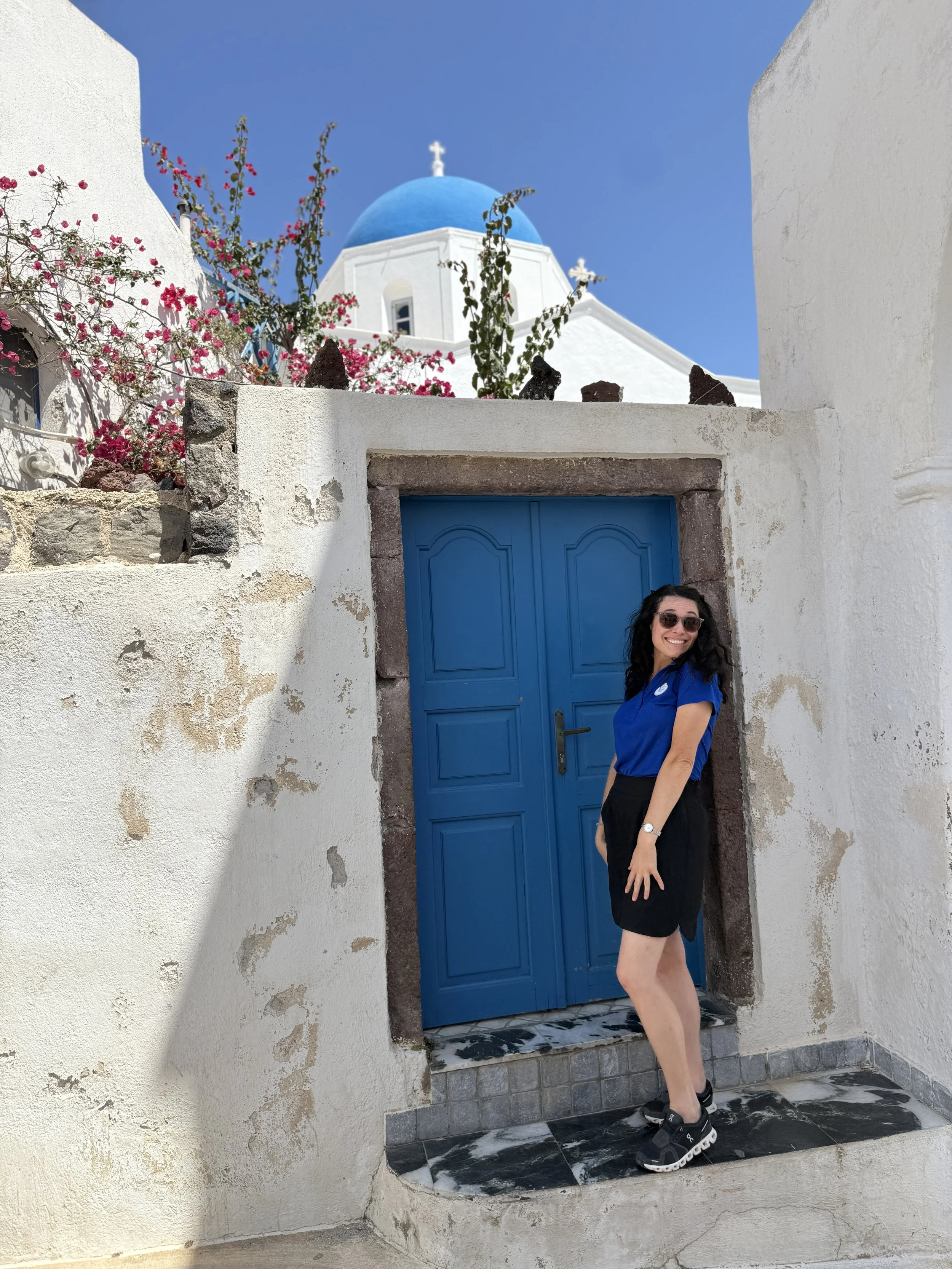
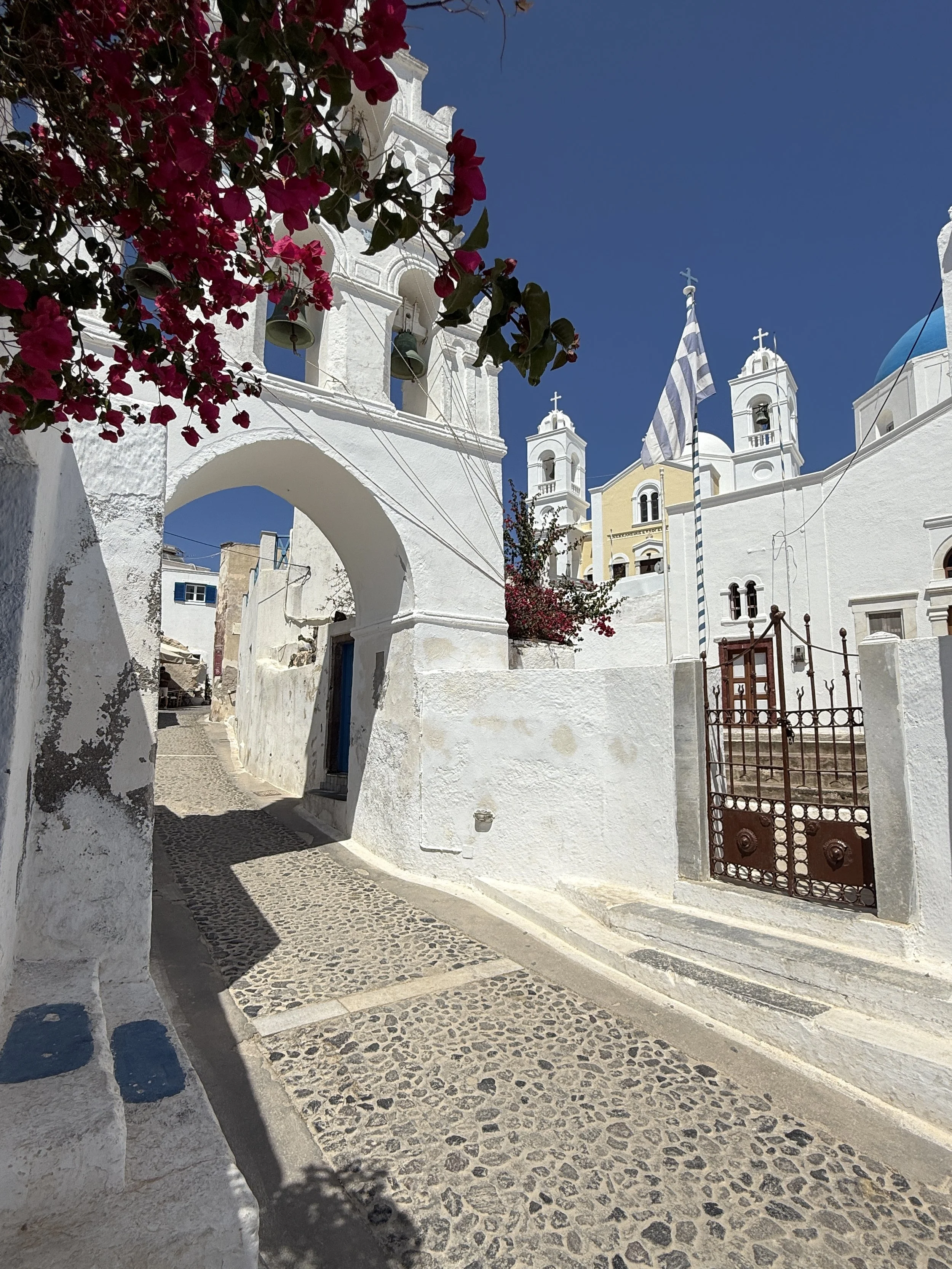
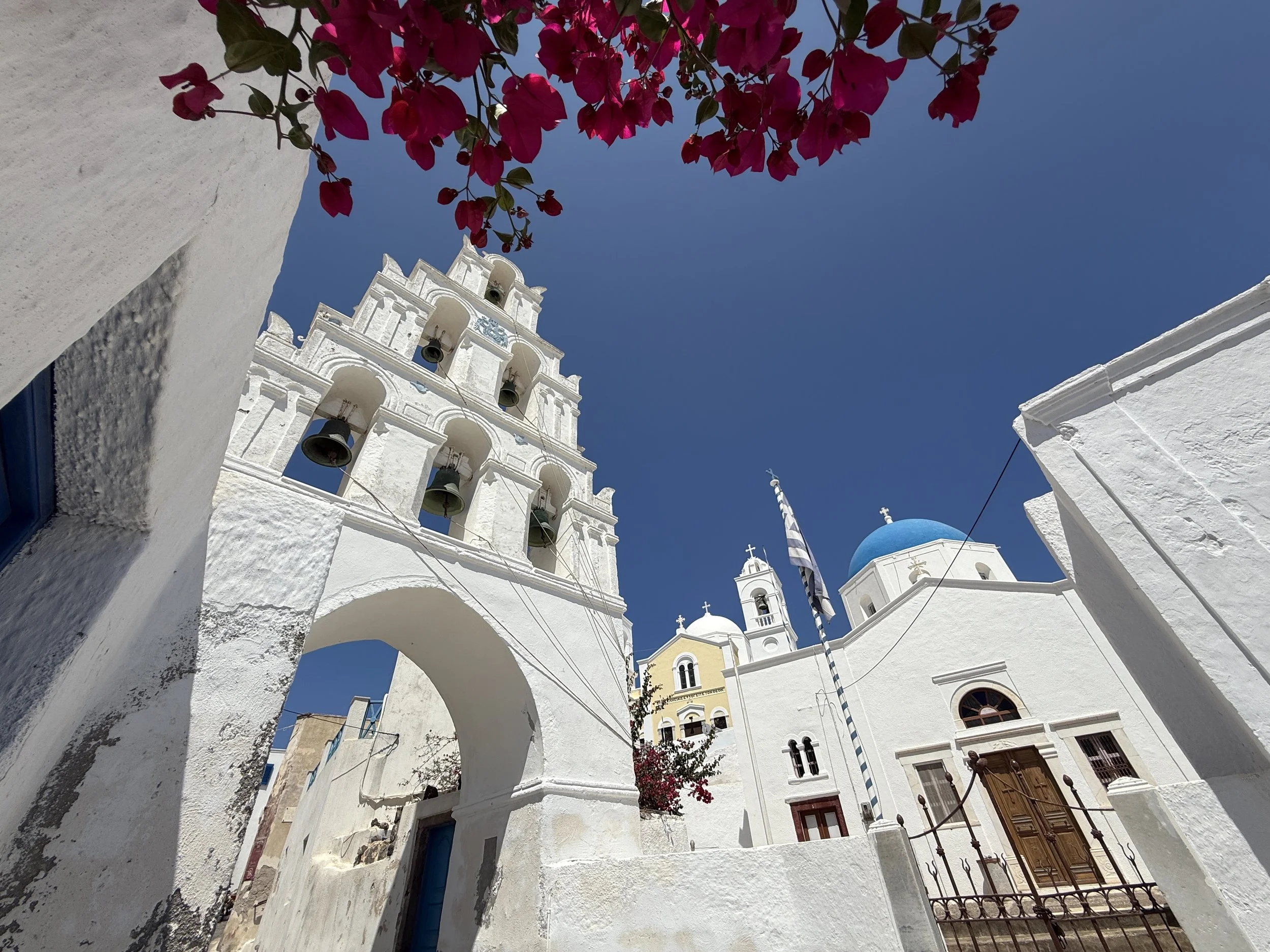
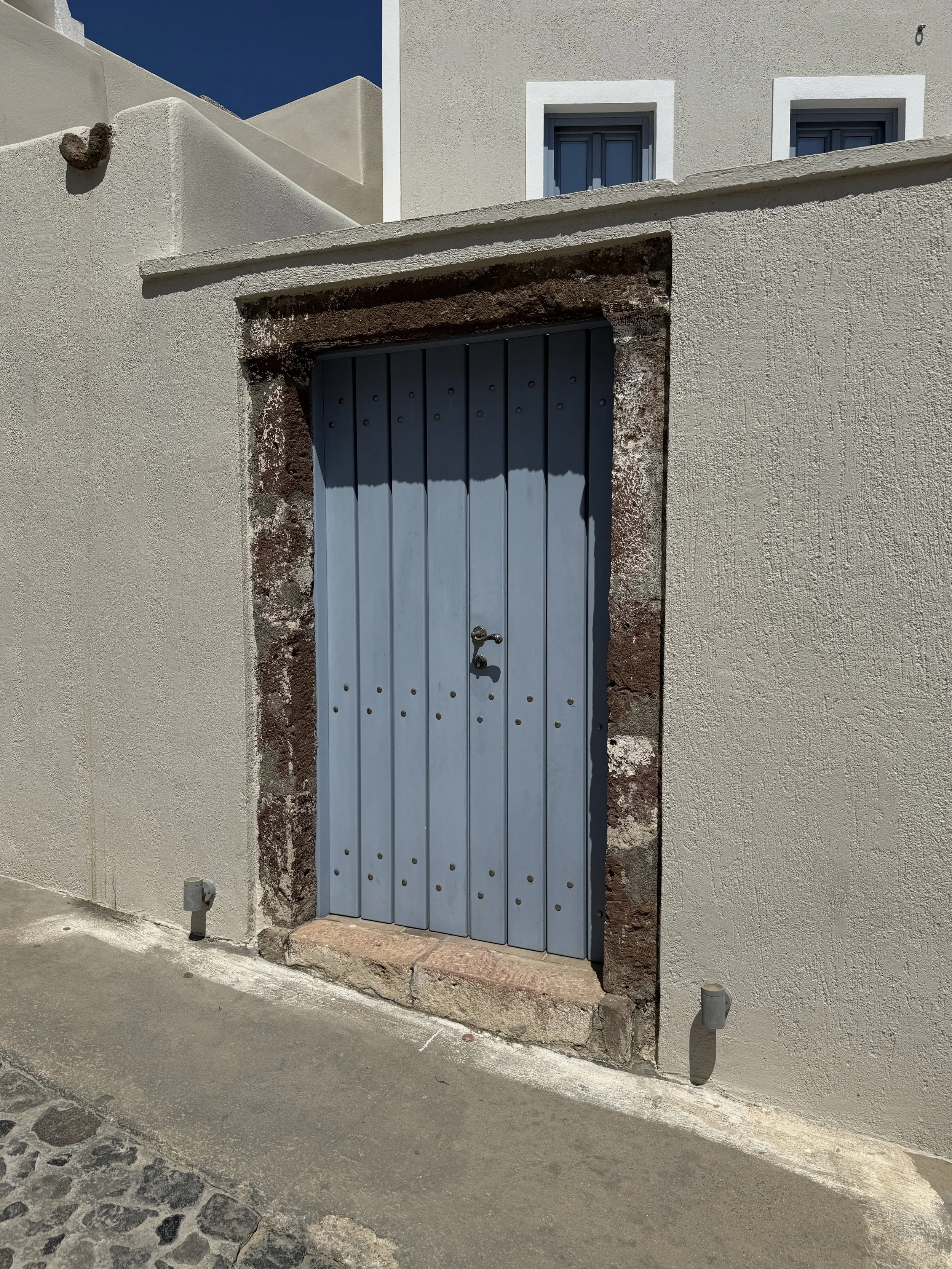
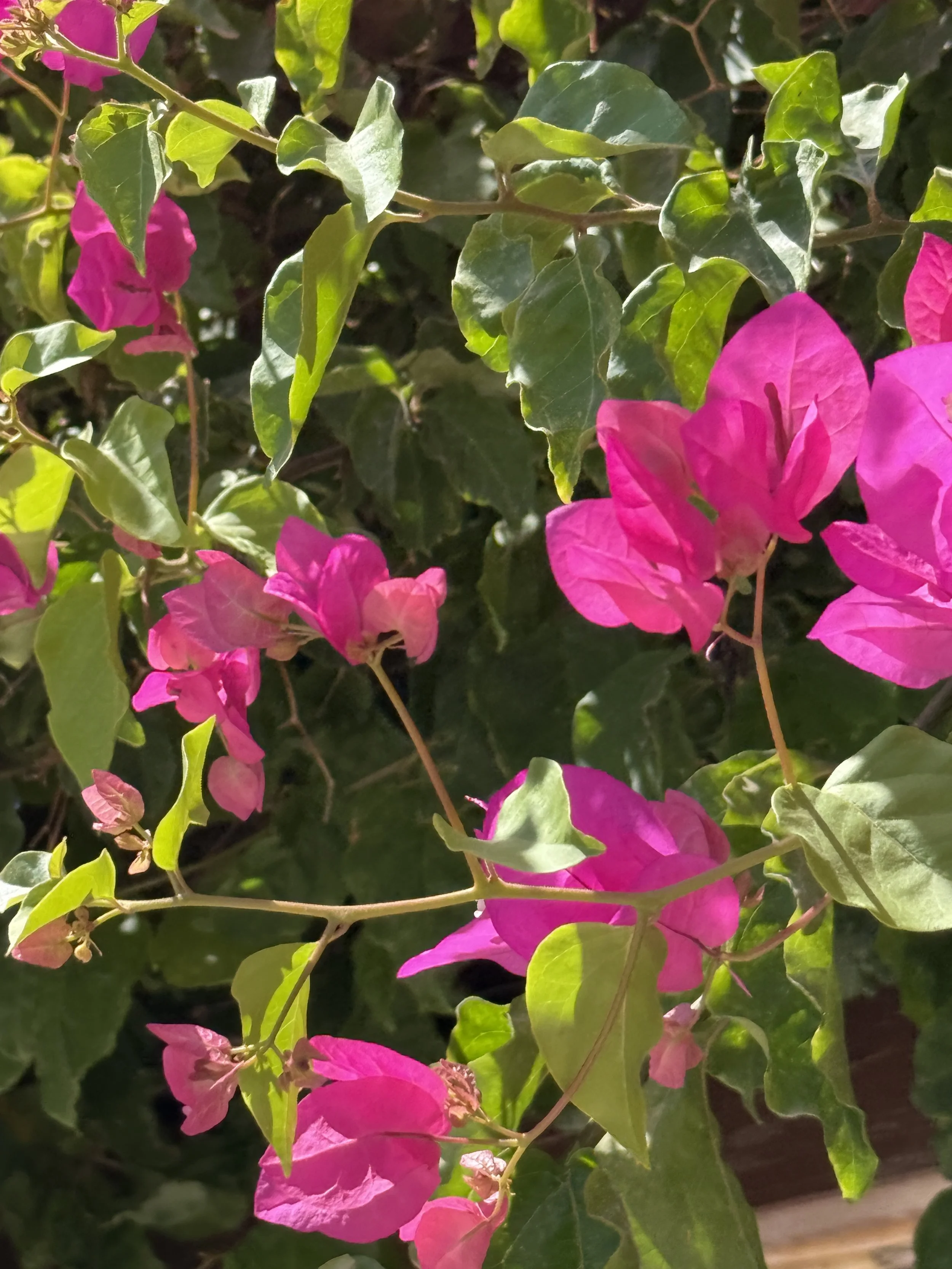
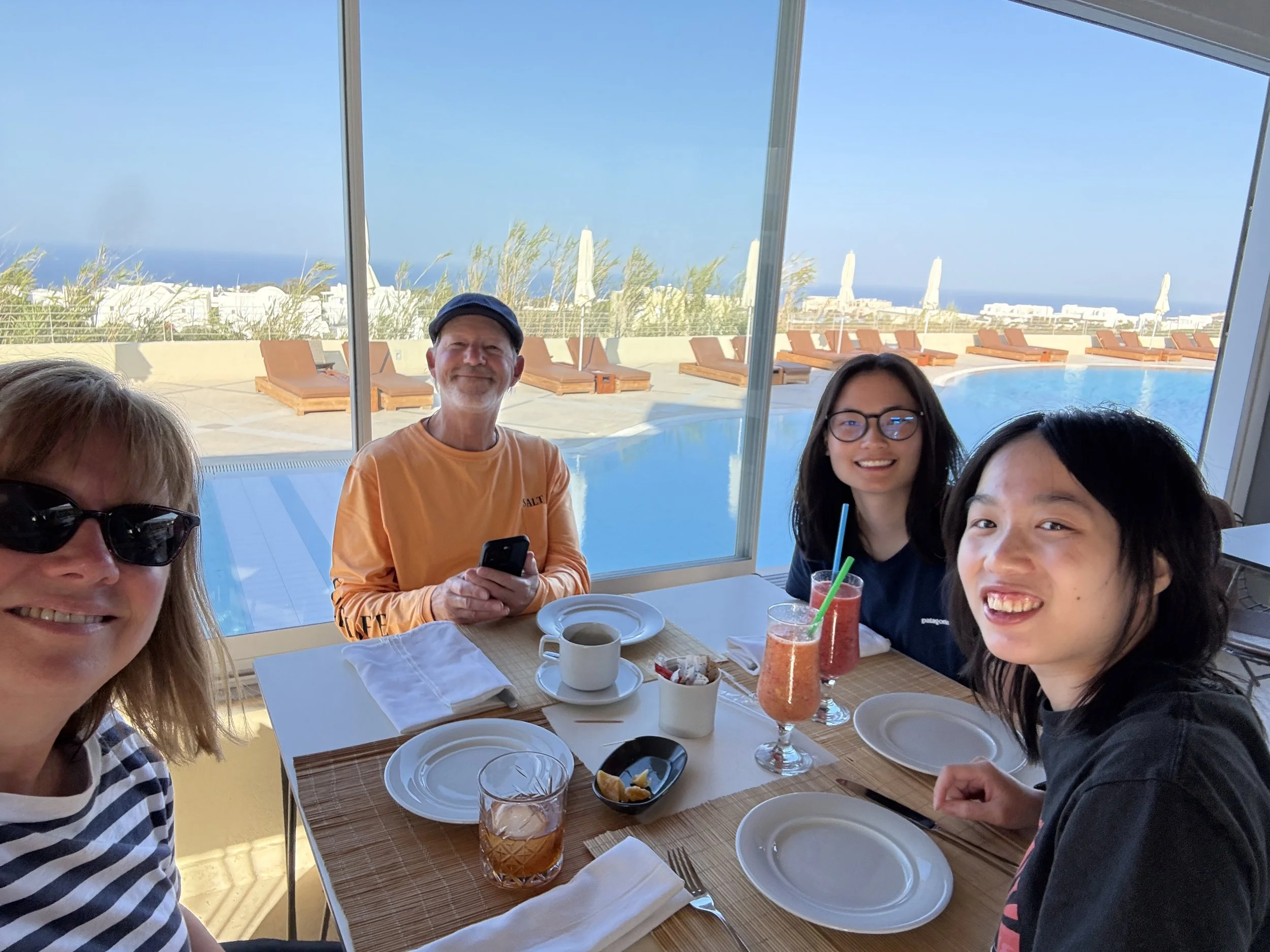
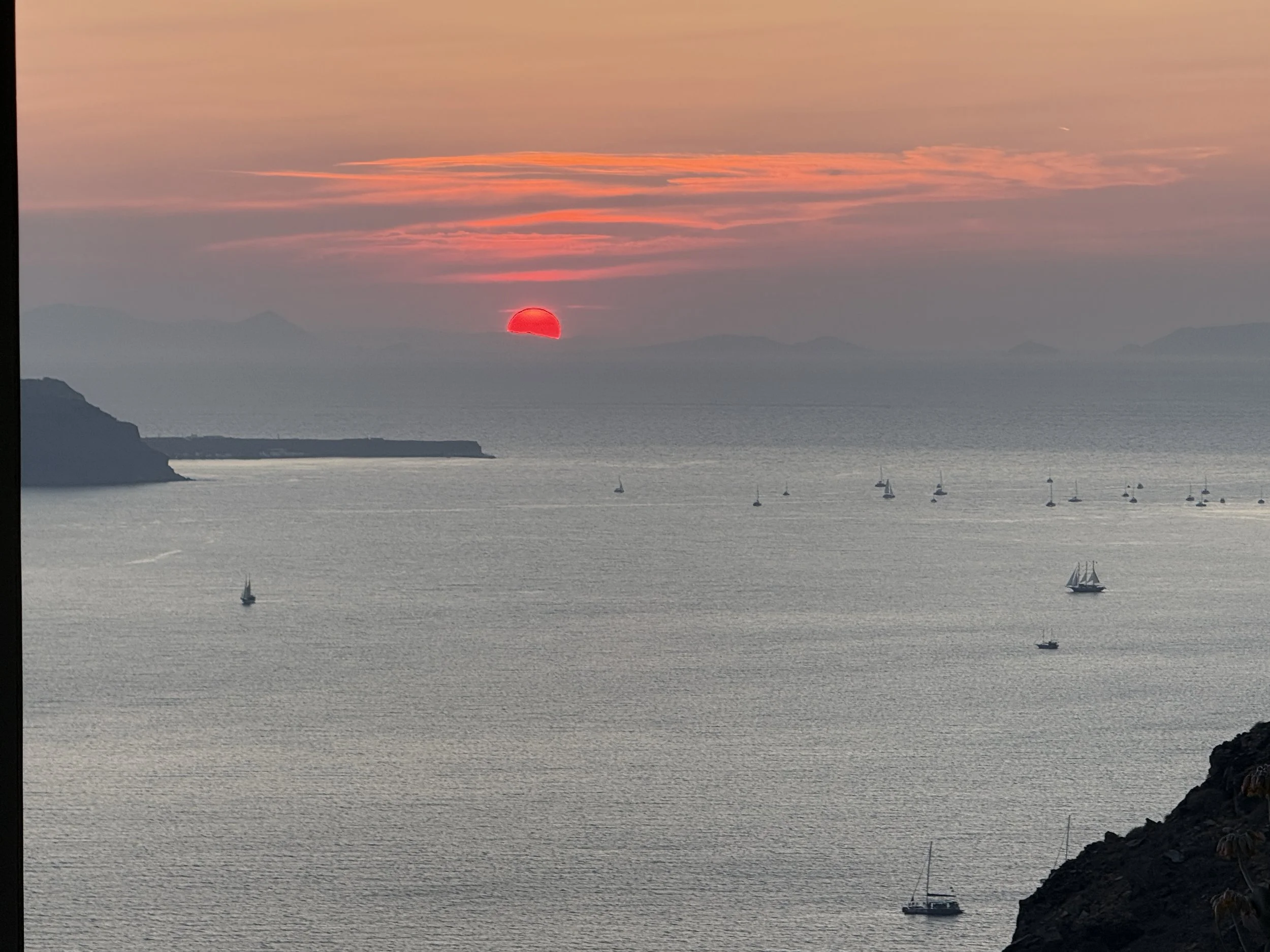
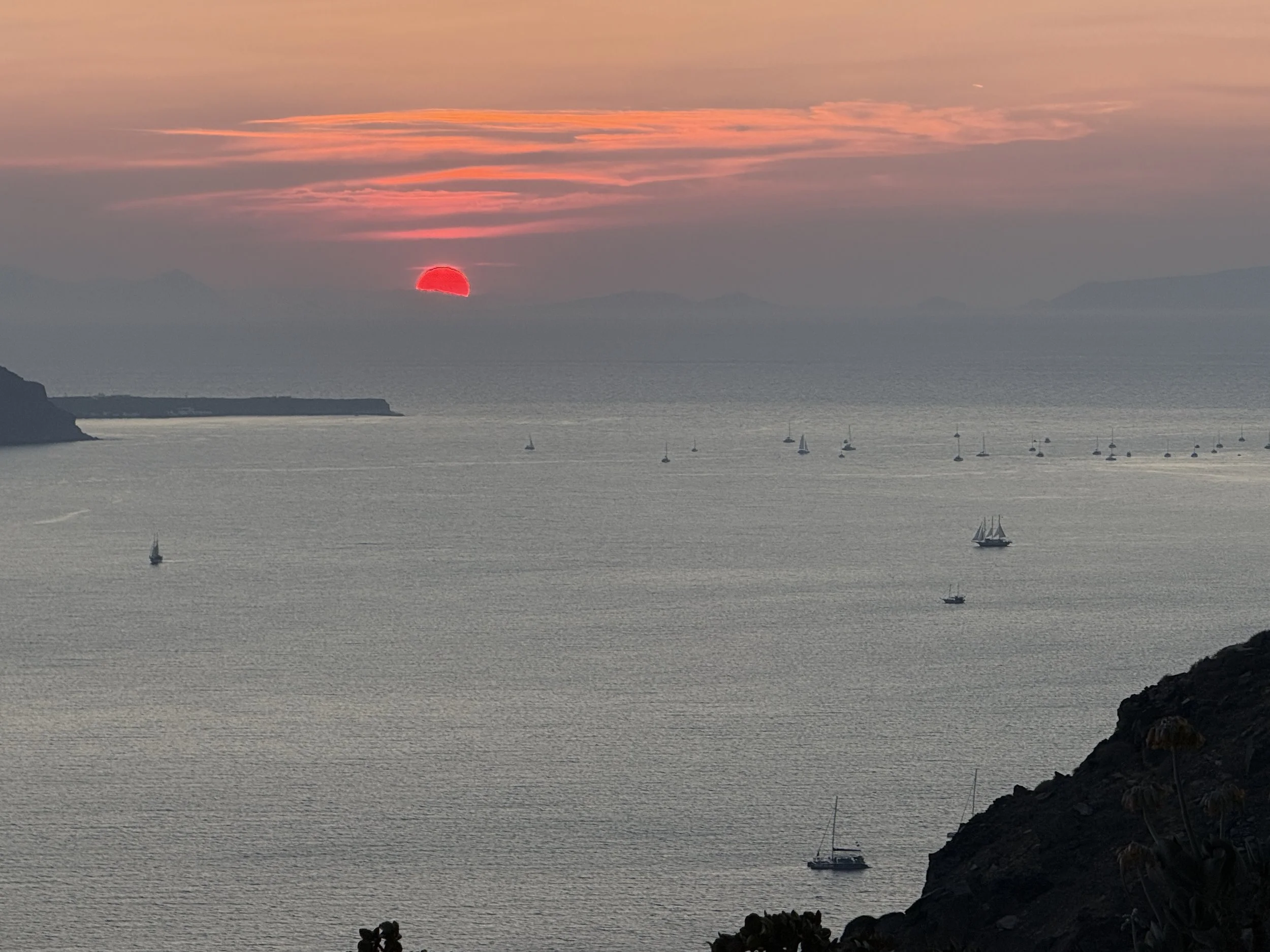
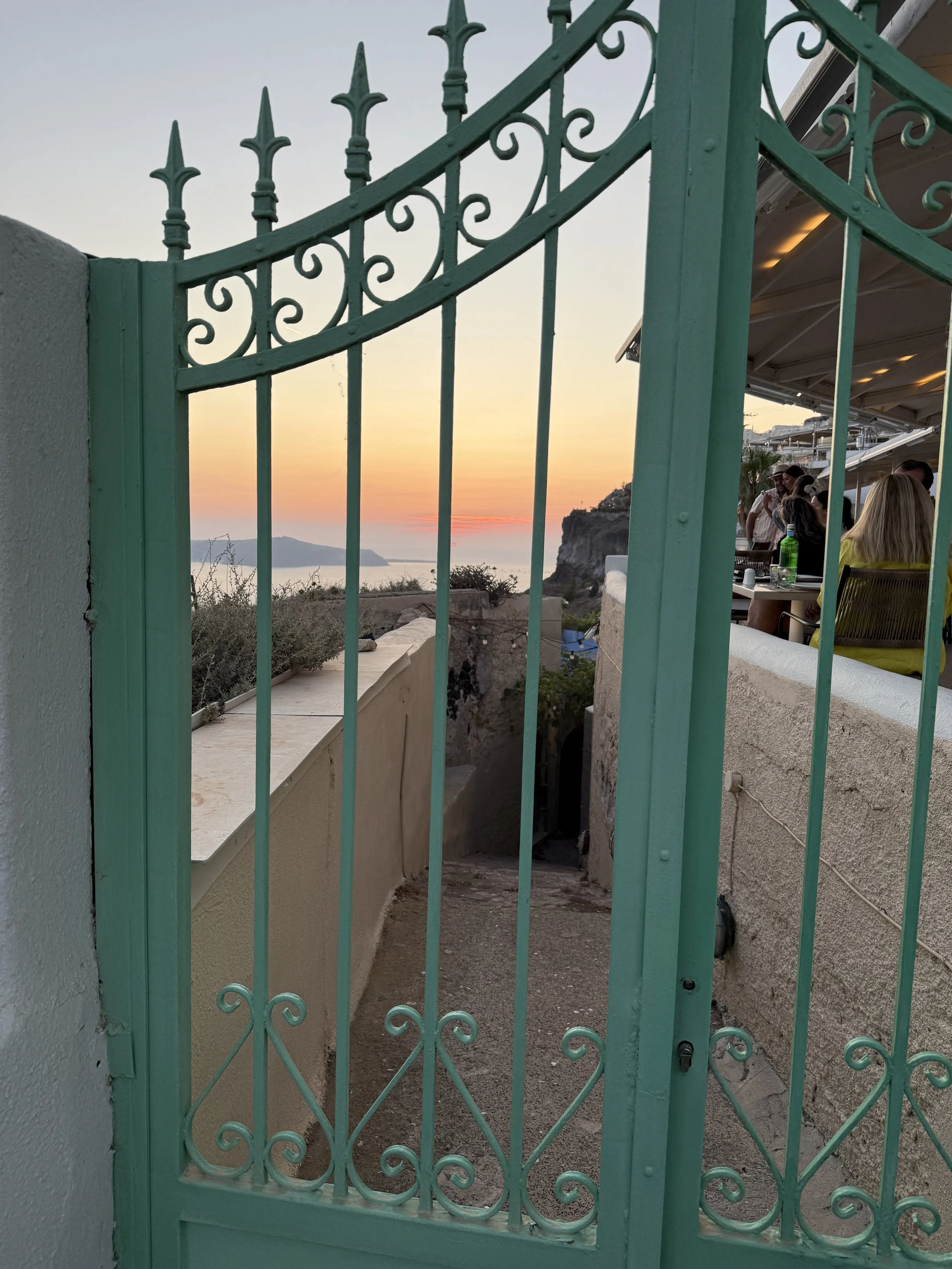
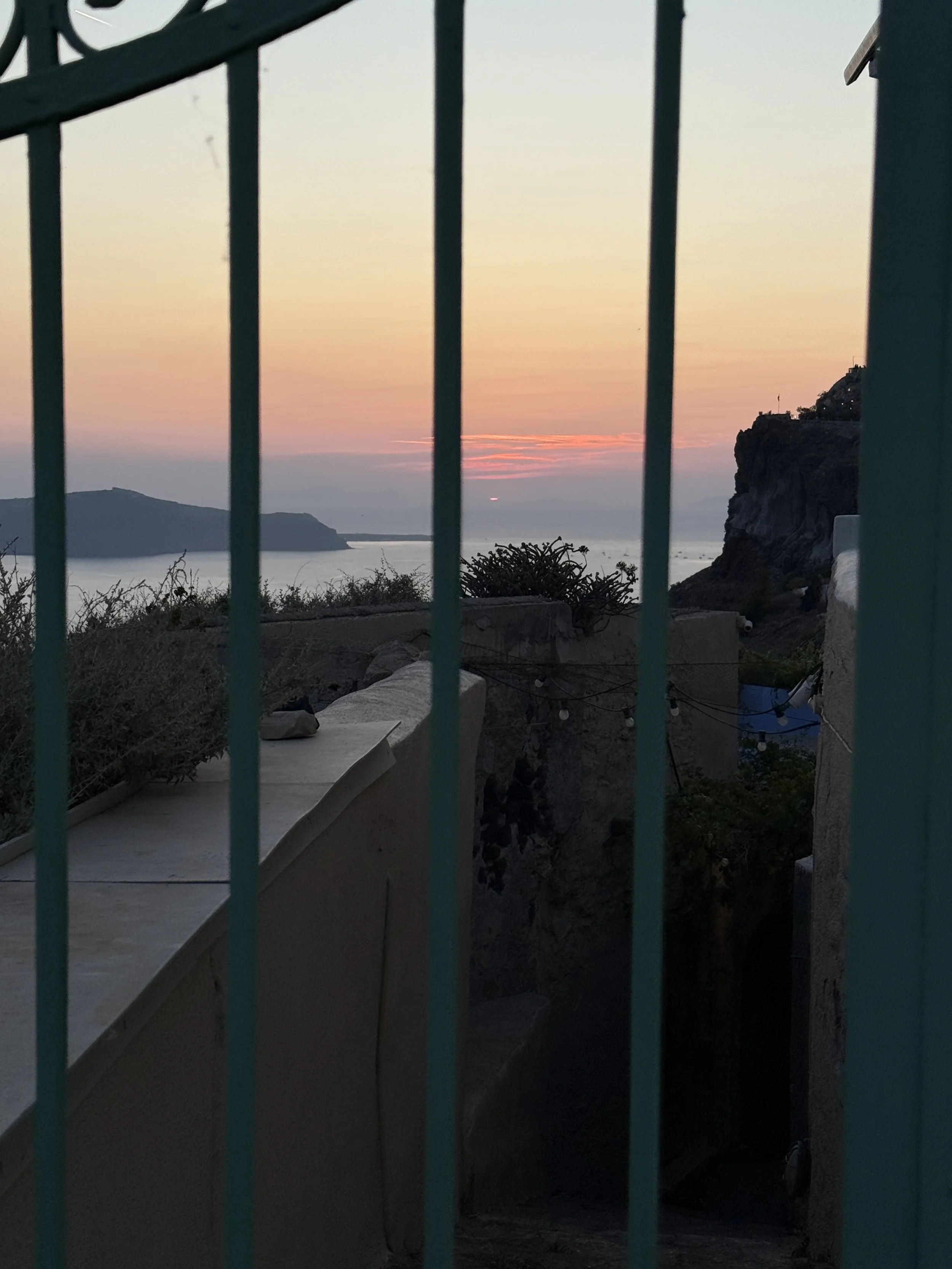
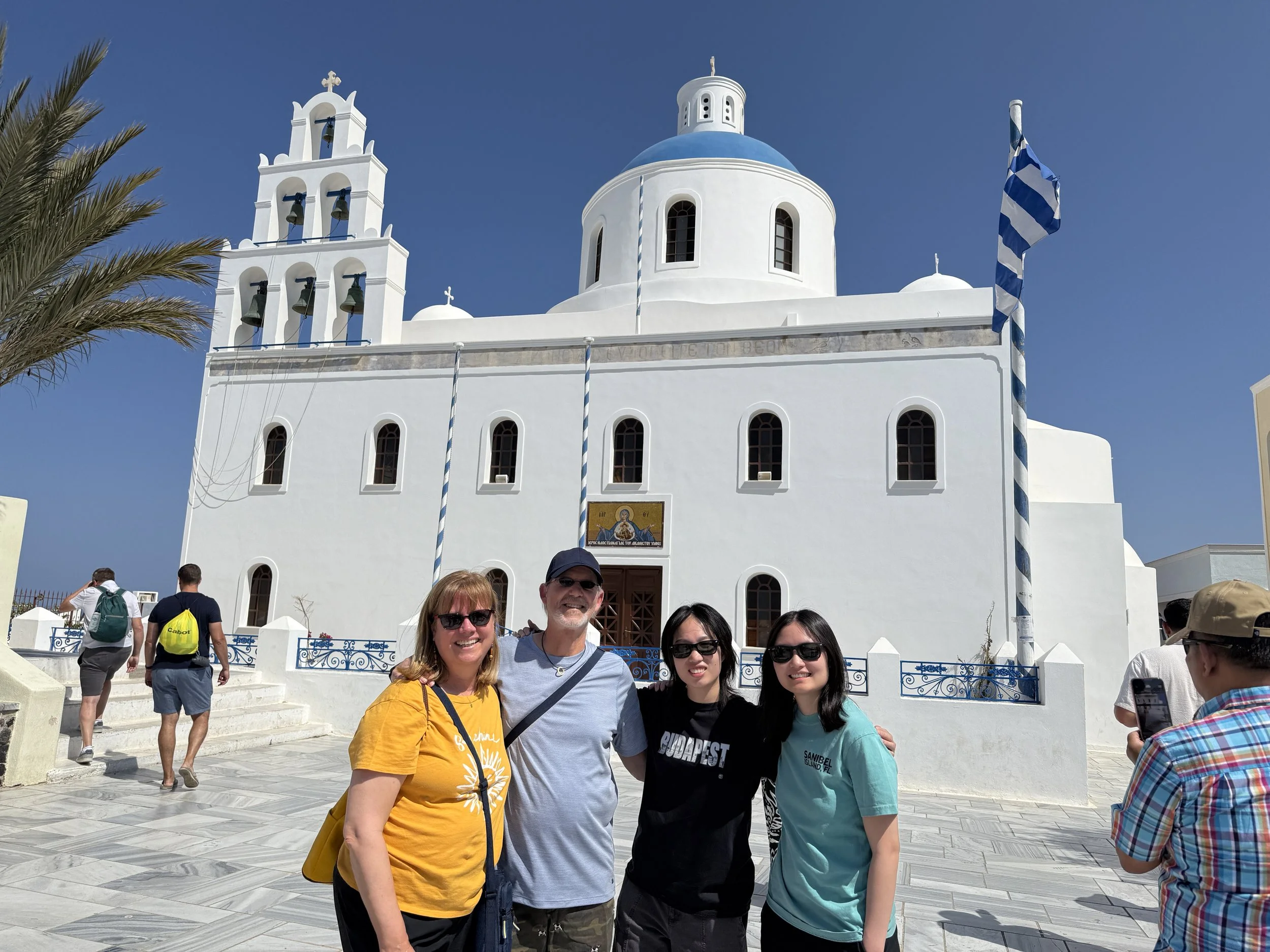
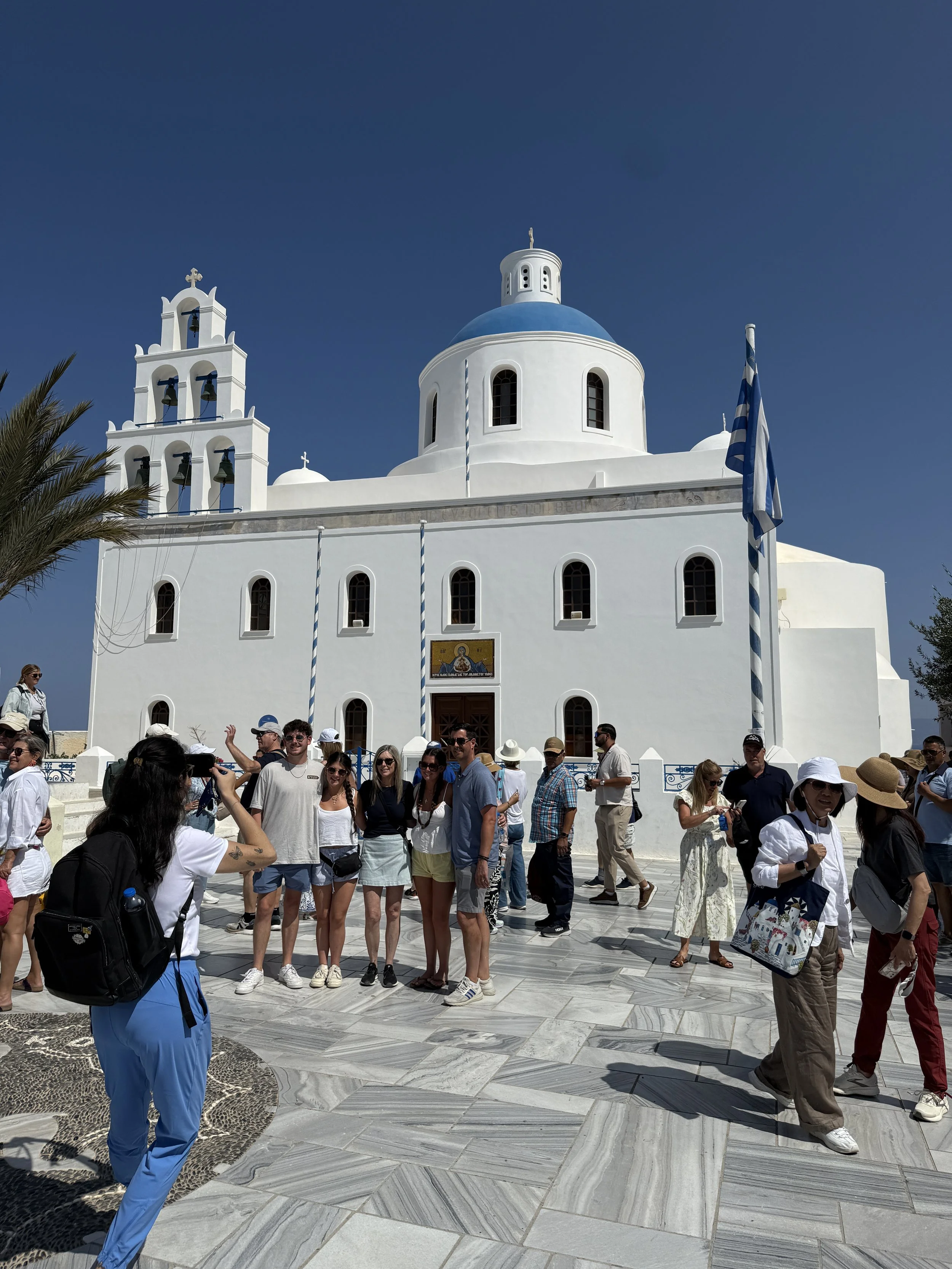
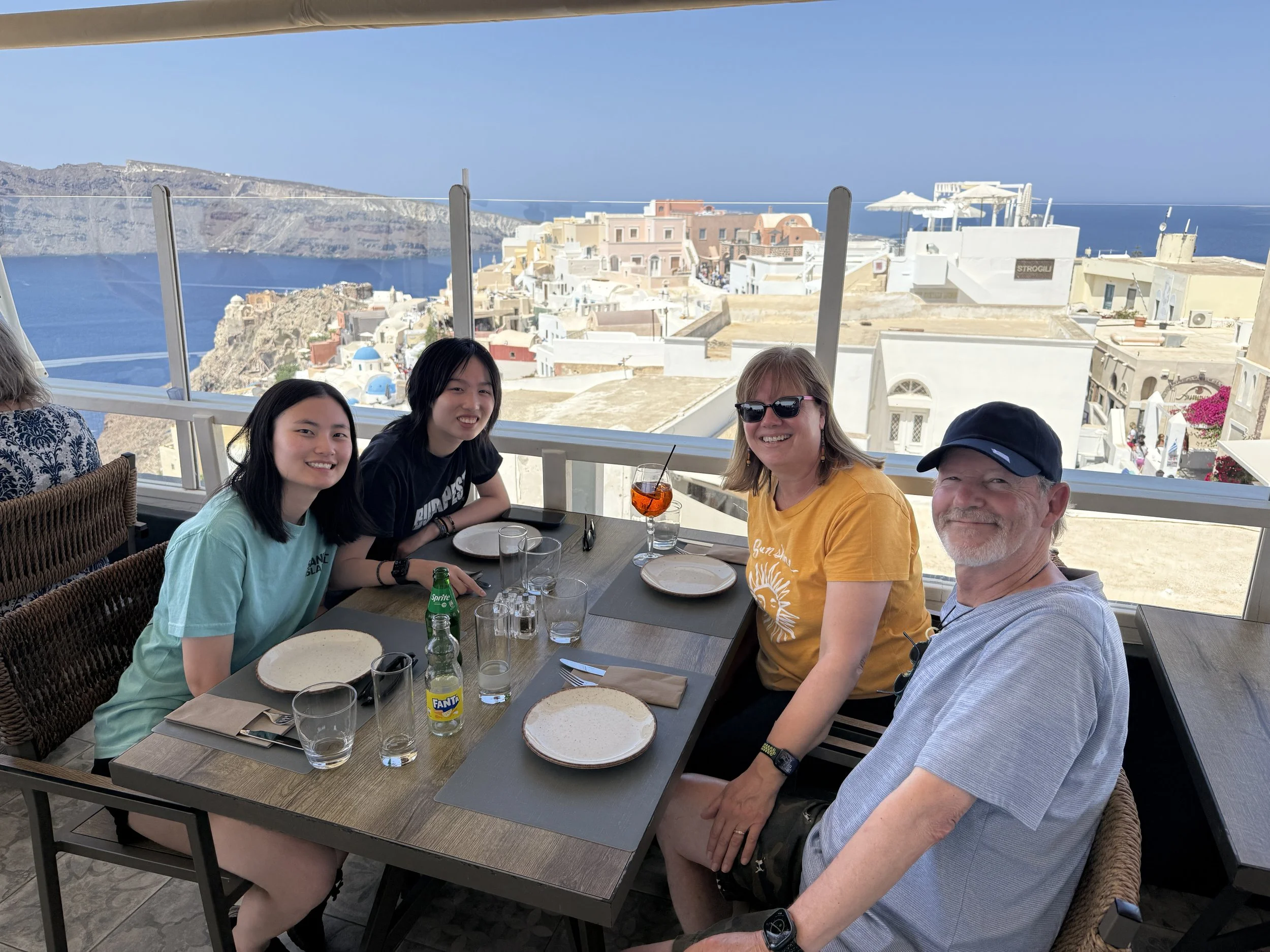
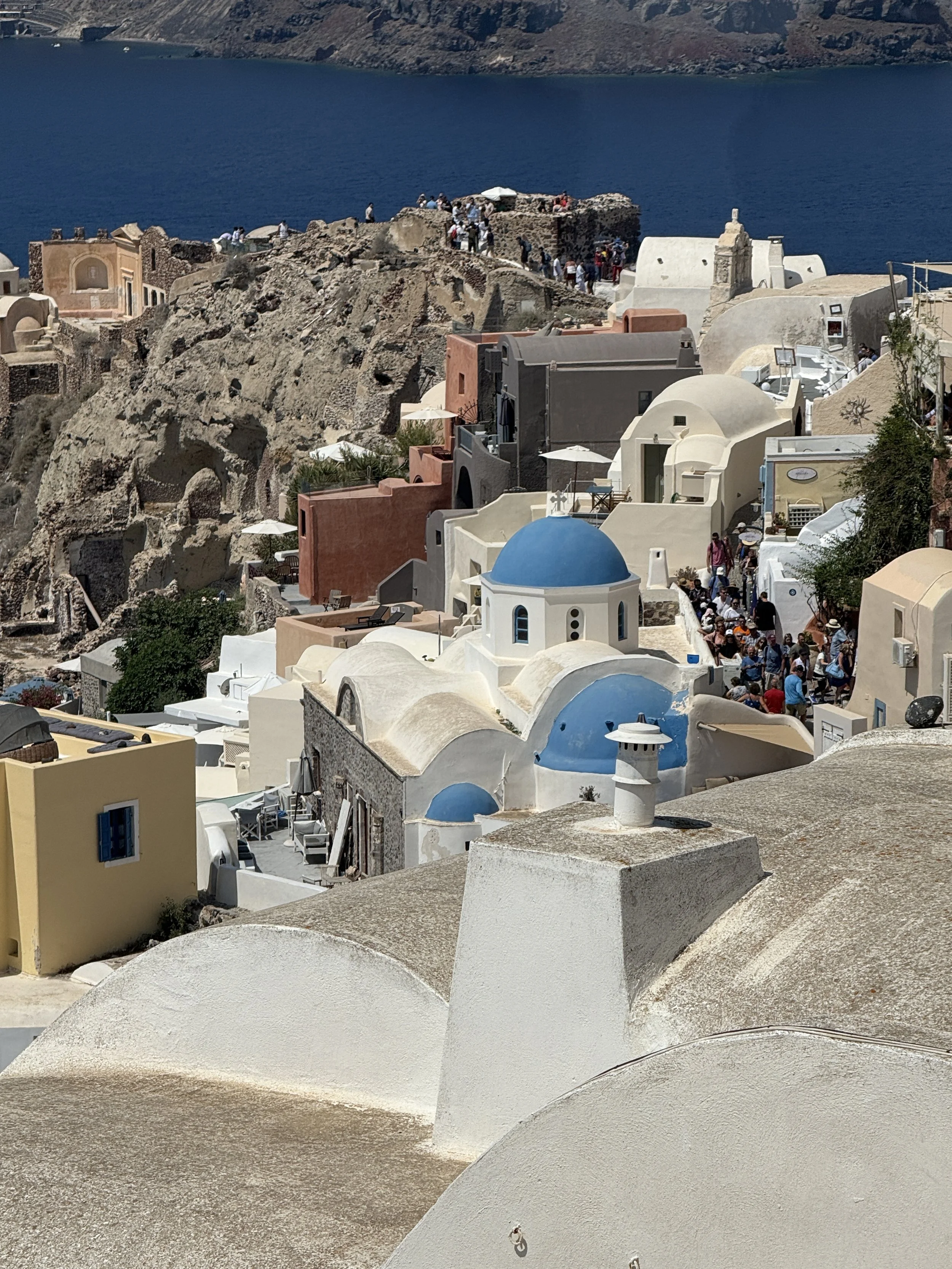
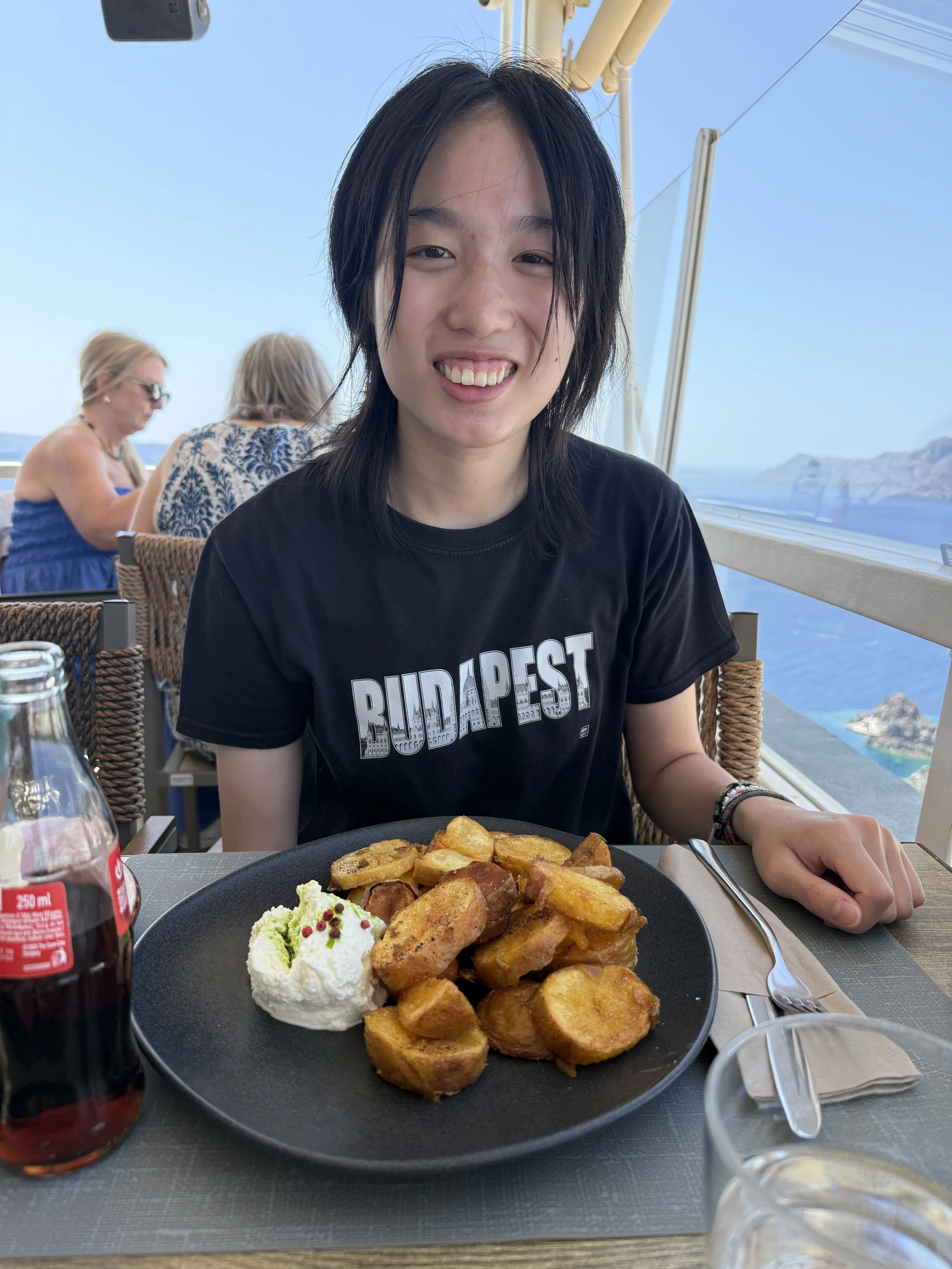
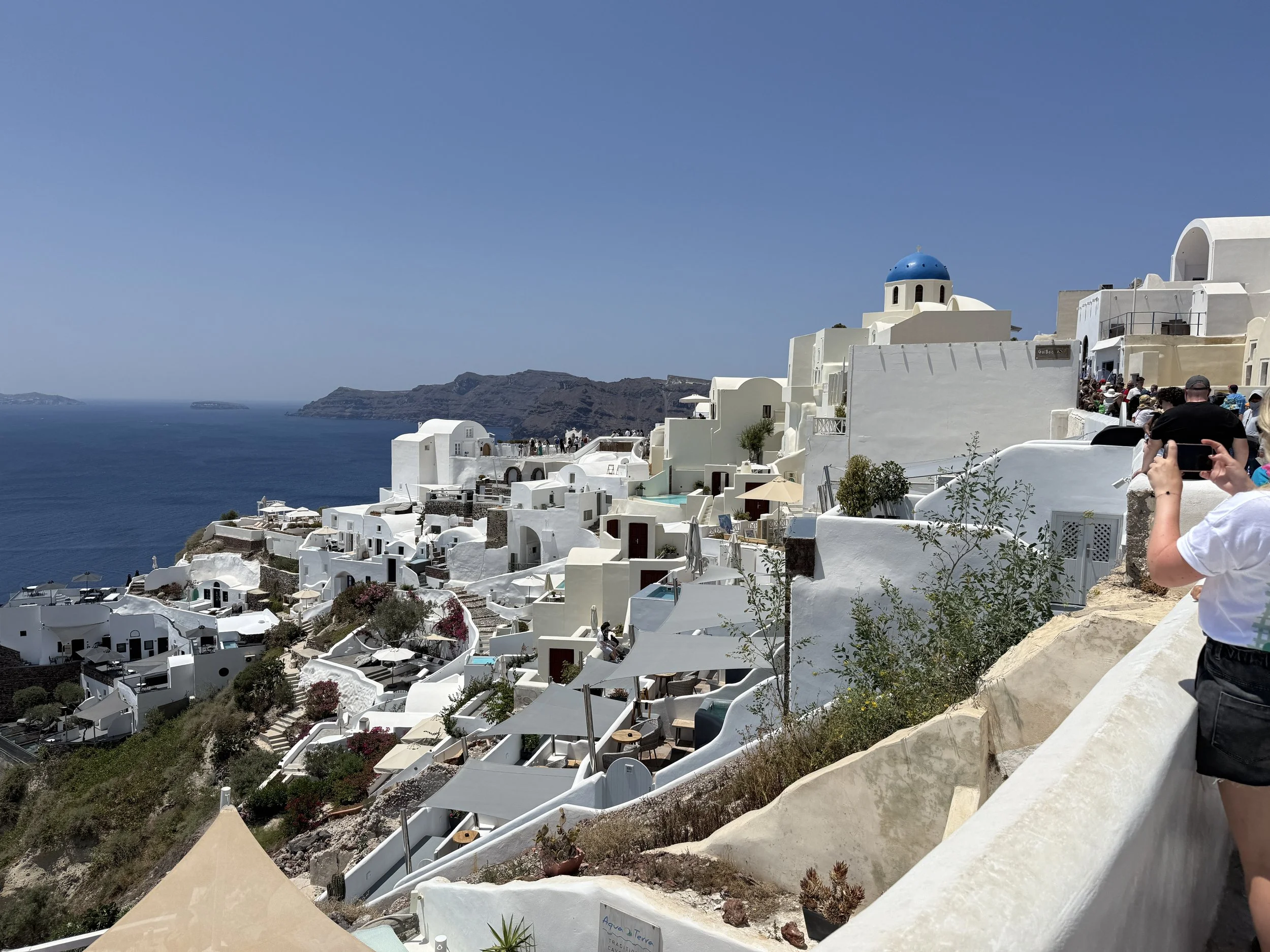
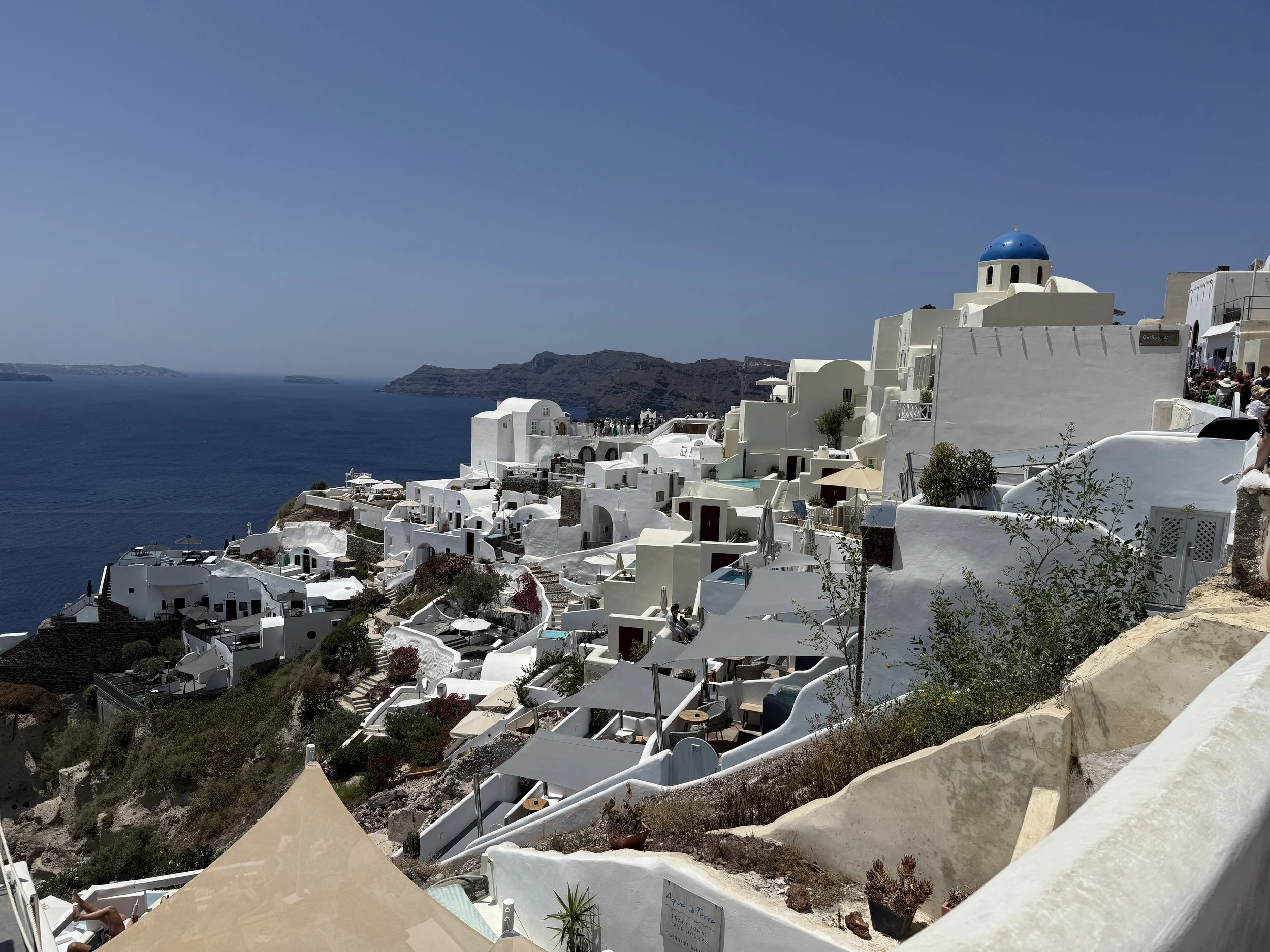
Santorini
“The problem with Greece is that she’s just too beautiful.”
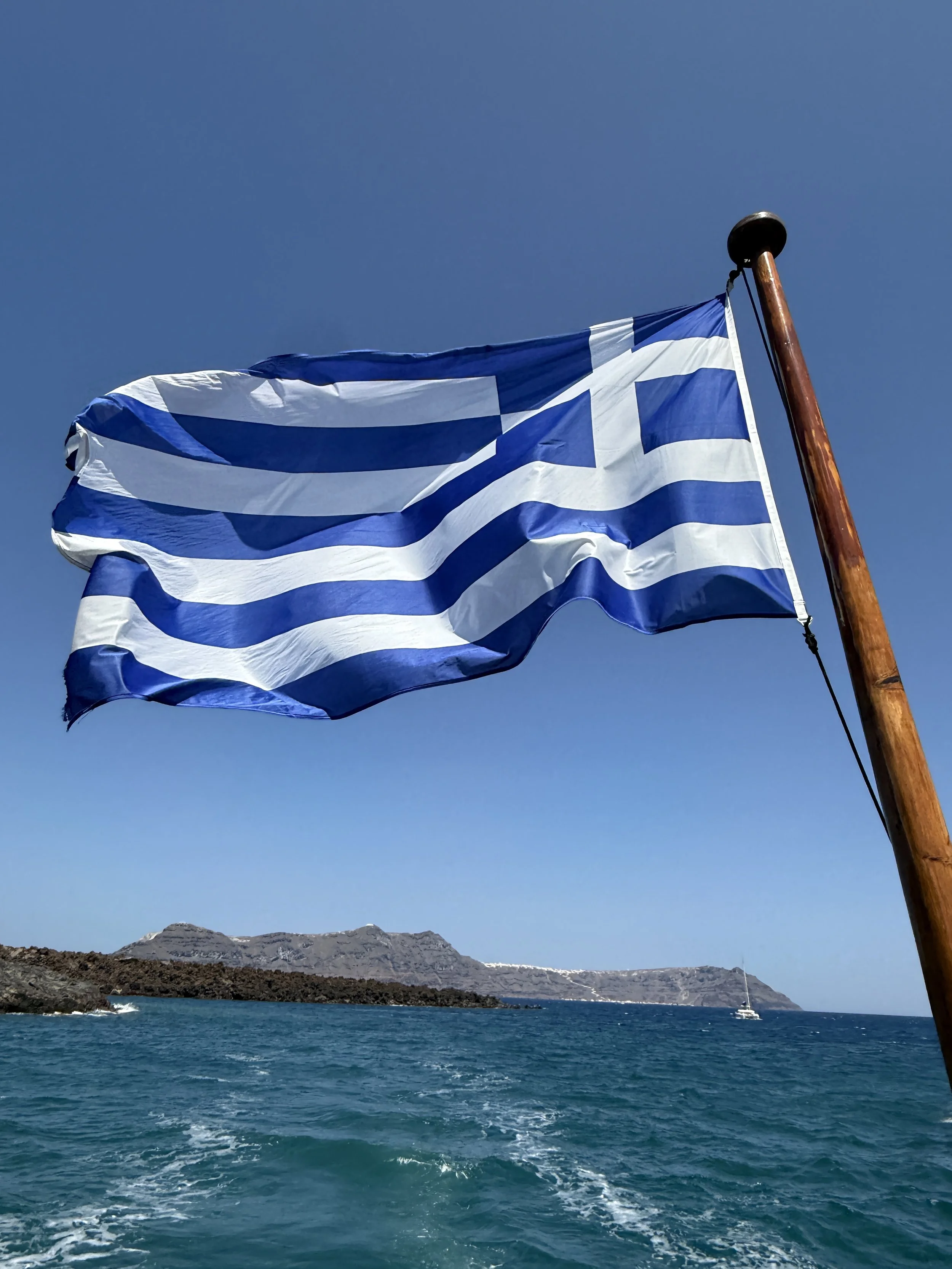
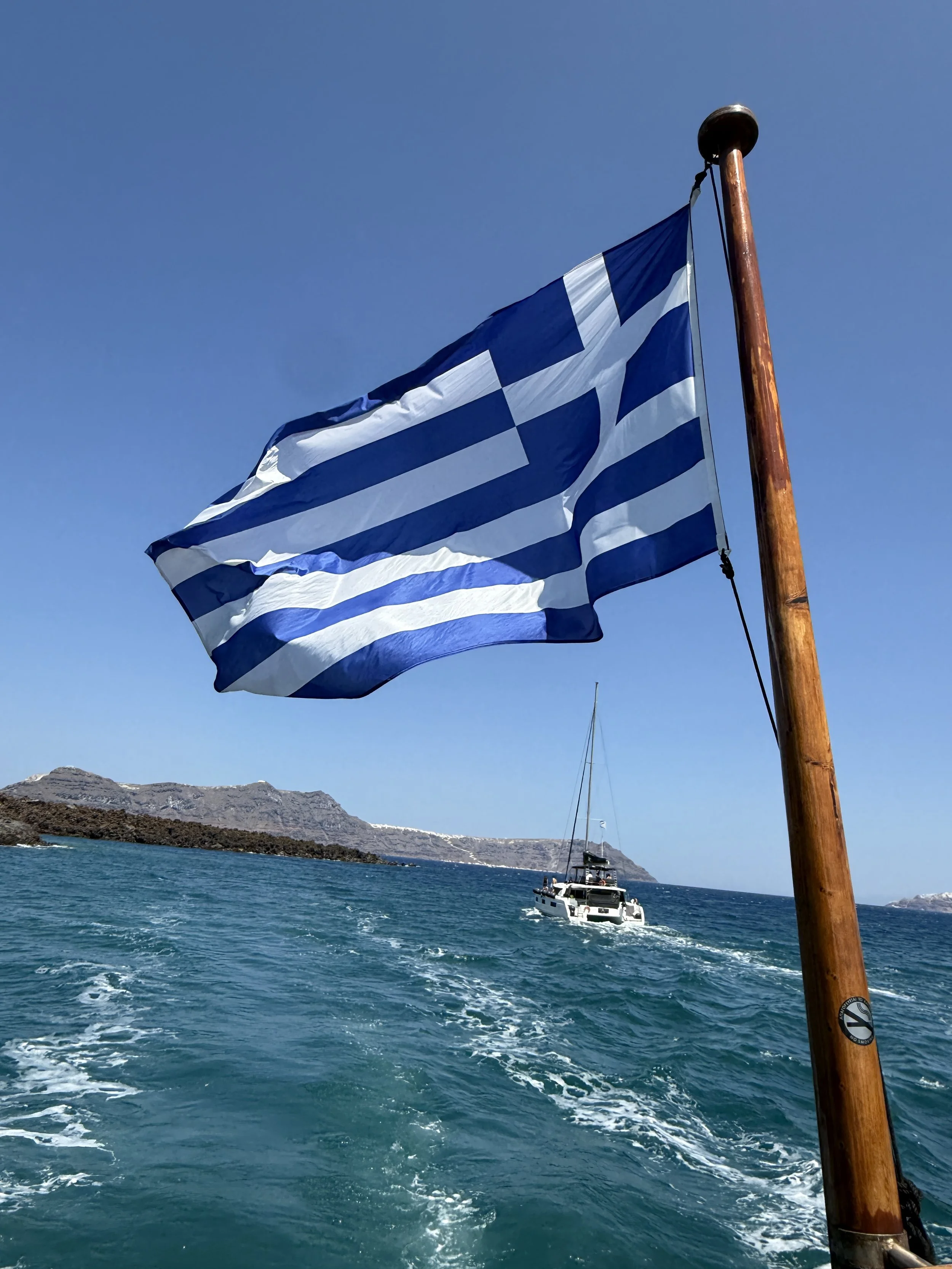
The sovereign nation of Greece comprises several islands that are further organized into different island clusters depending upon their location. These island clusters include Sporades, Dodecanese, Crete, Ionian Islands, Cyclades, North Aegean Islands, and the Argo-Saronic Islands.
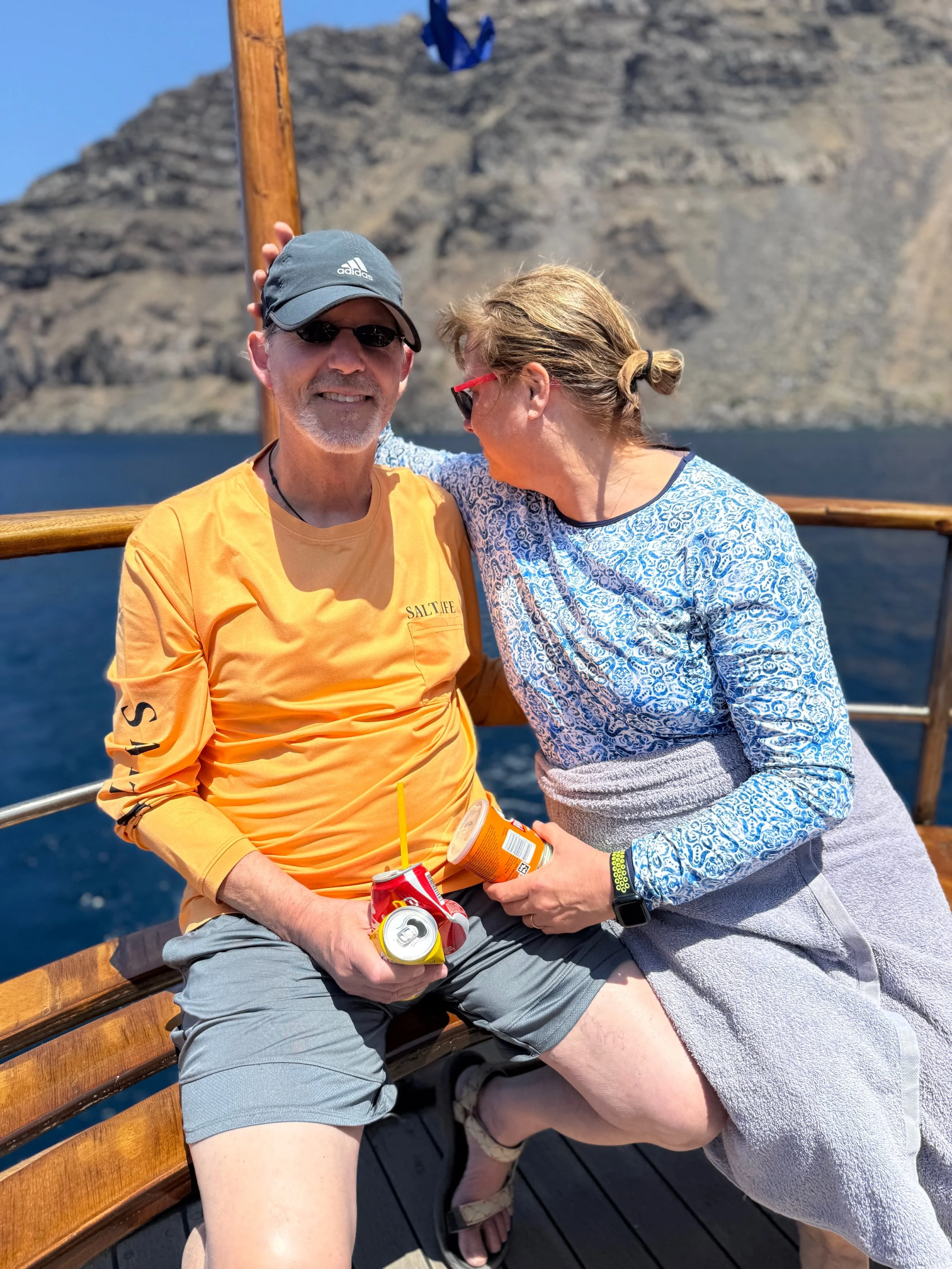
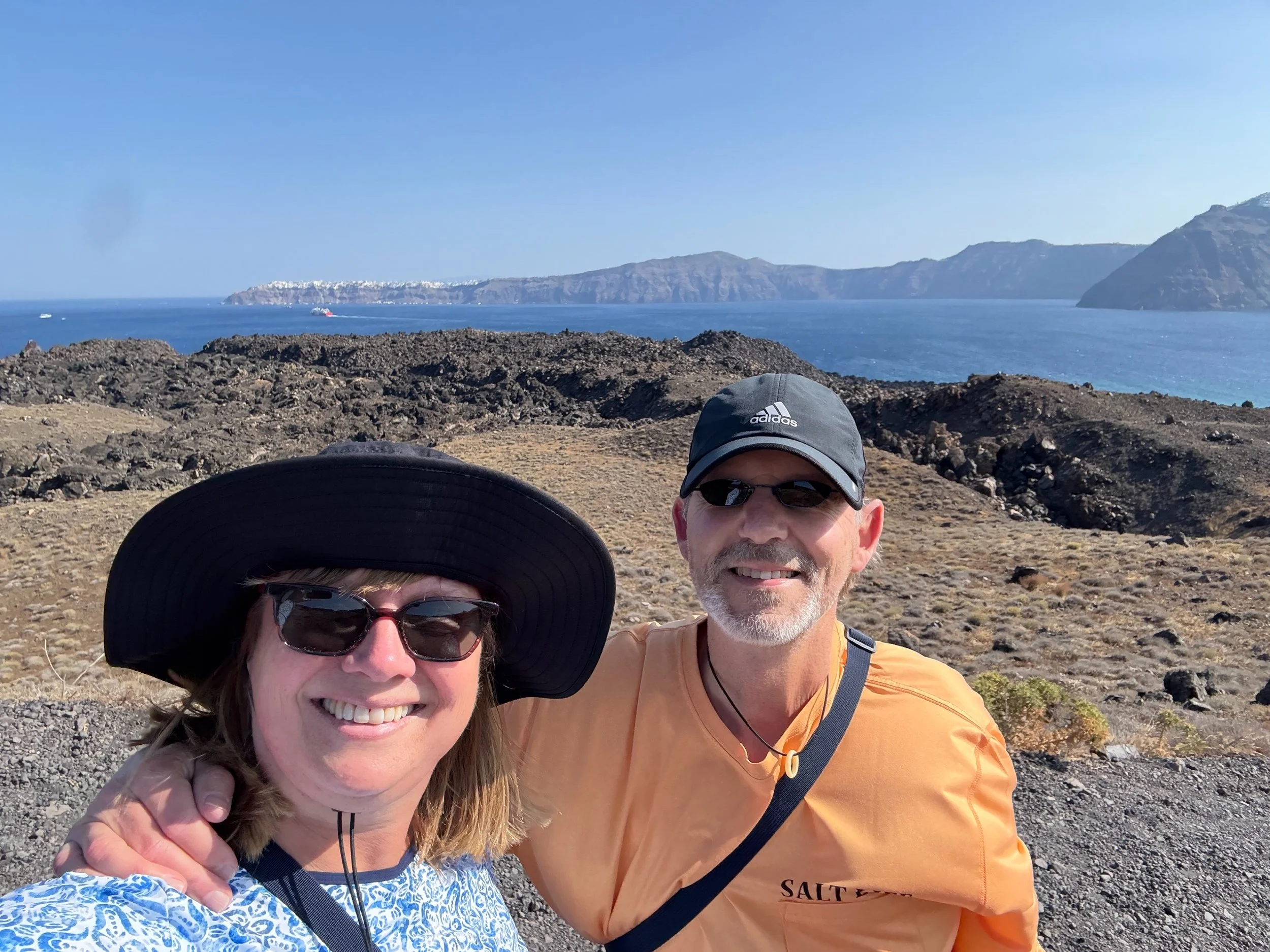
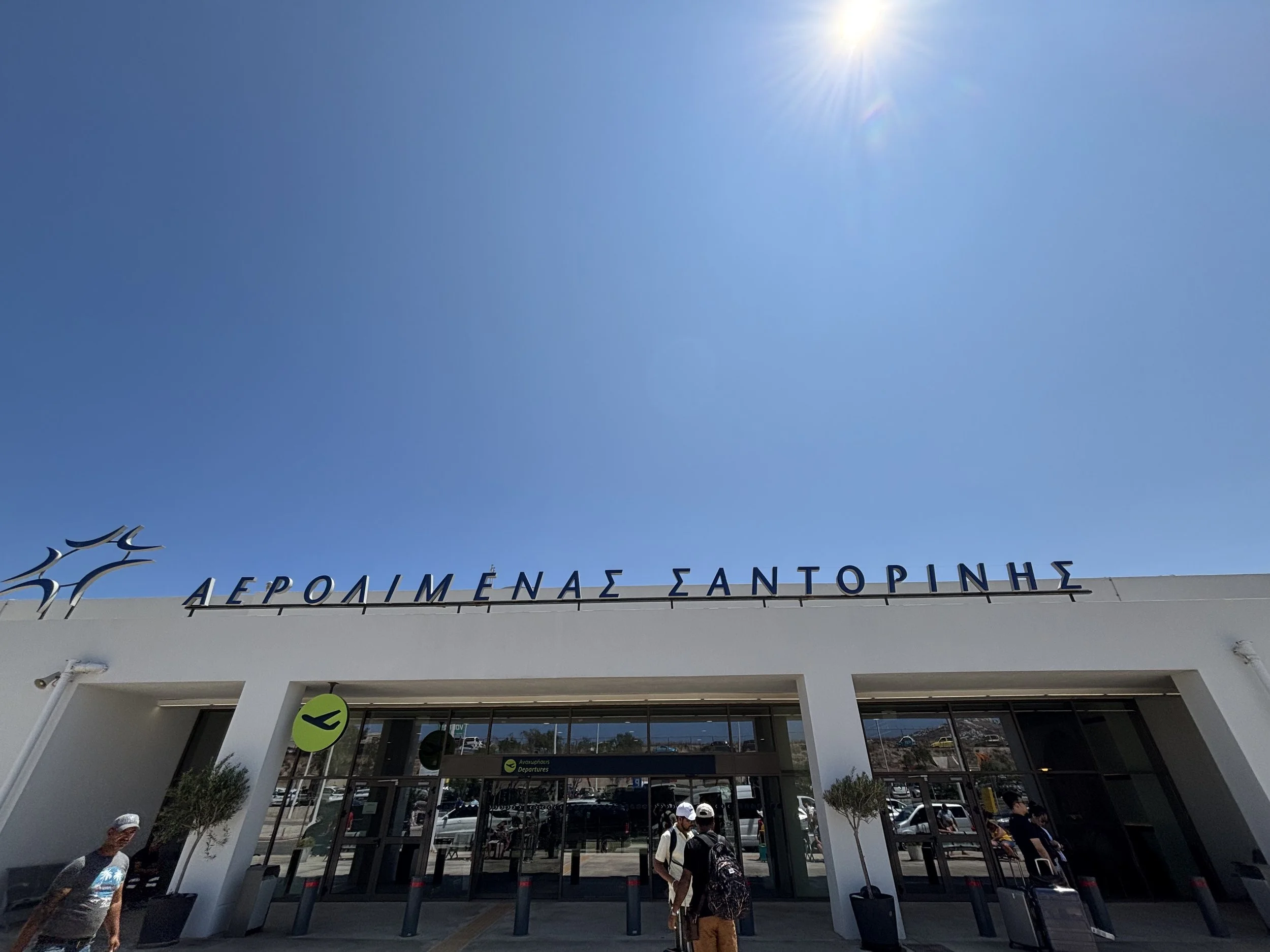
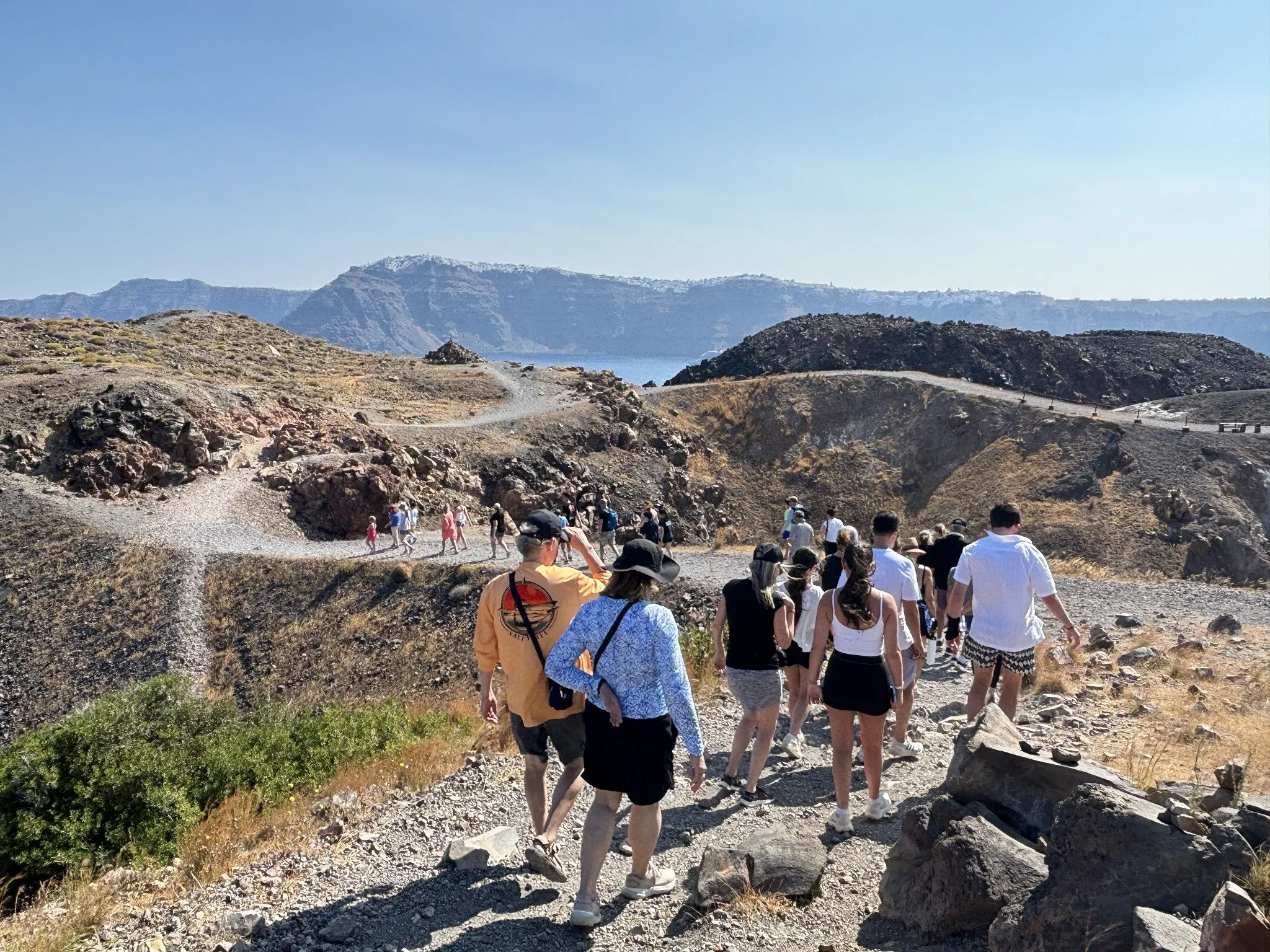
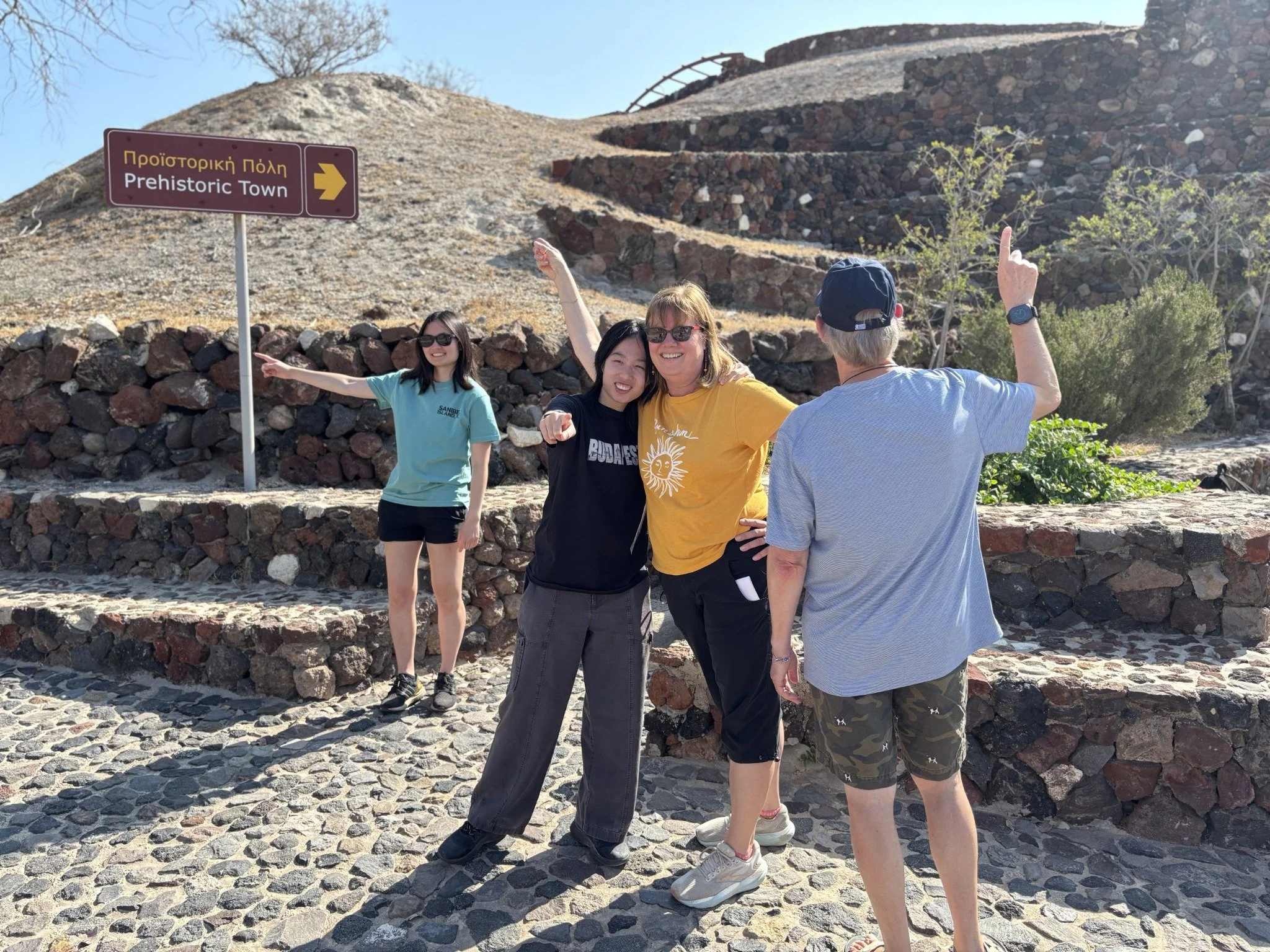
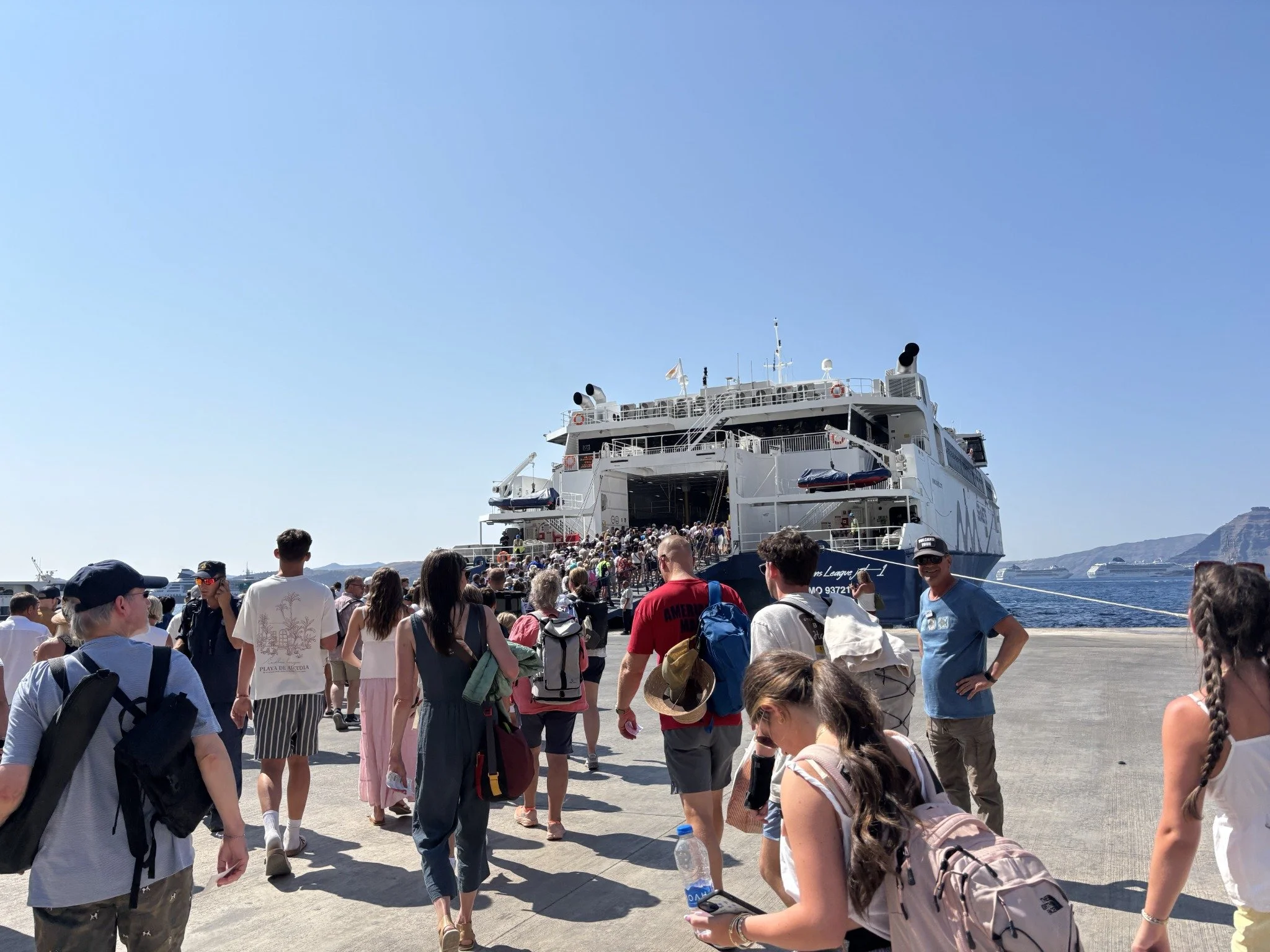
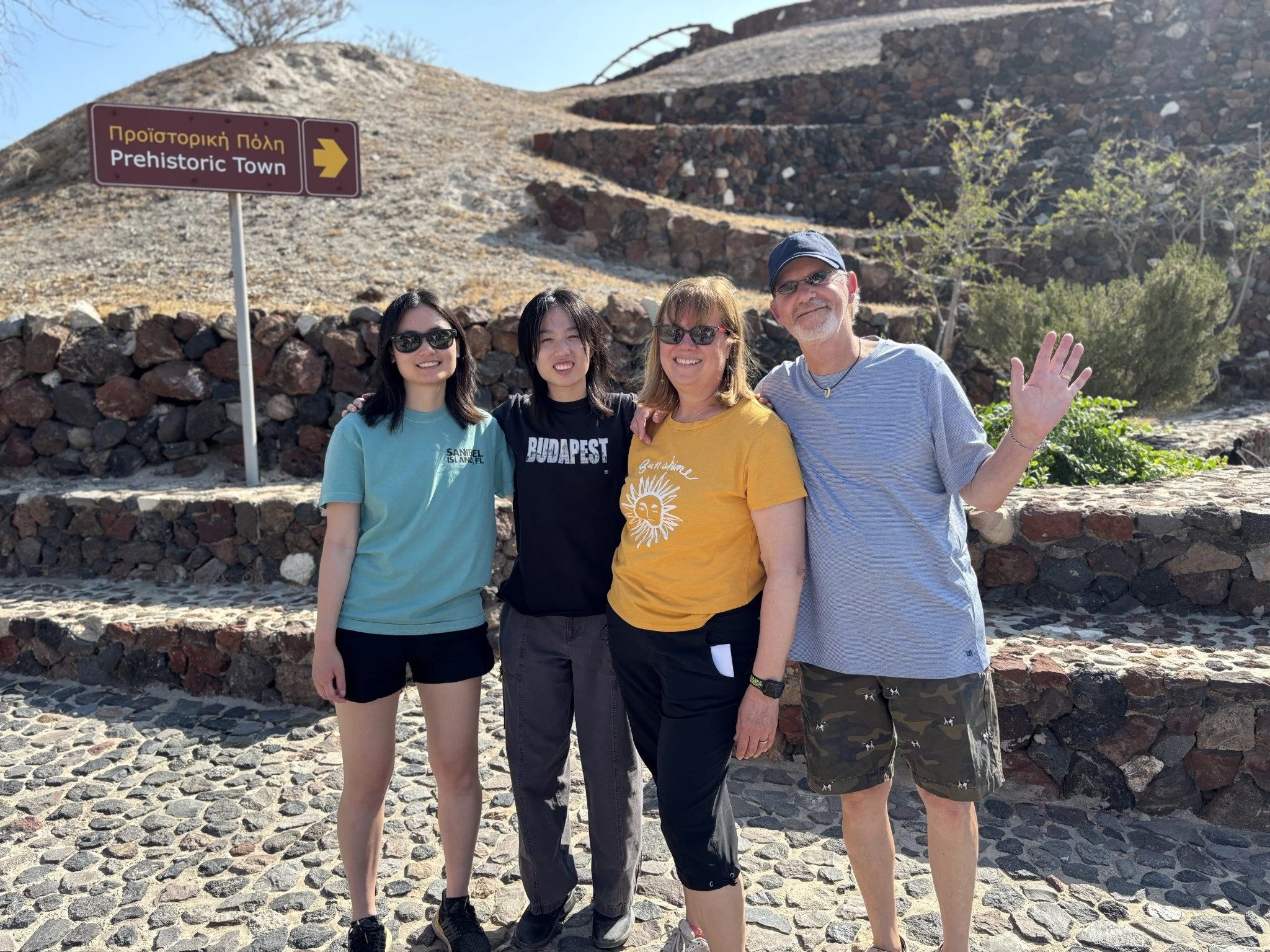
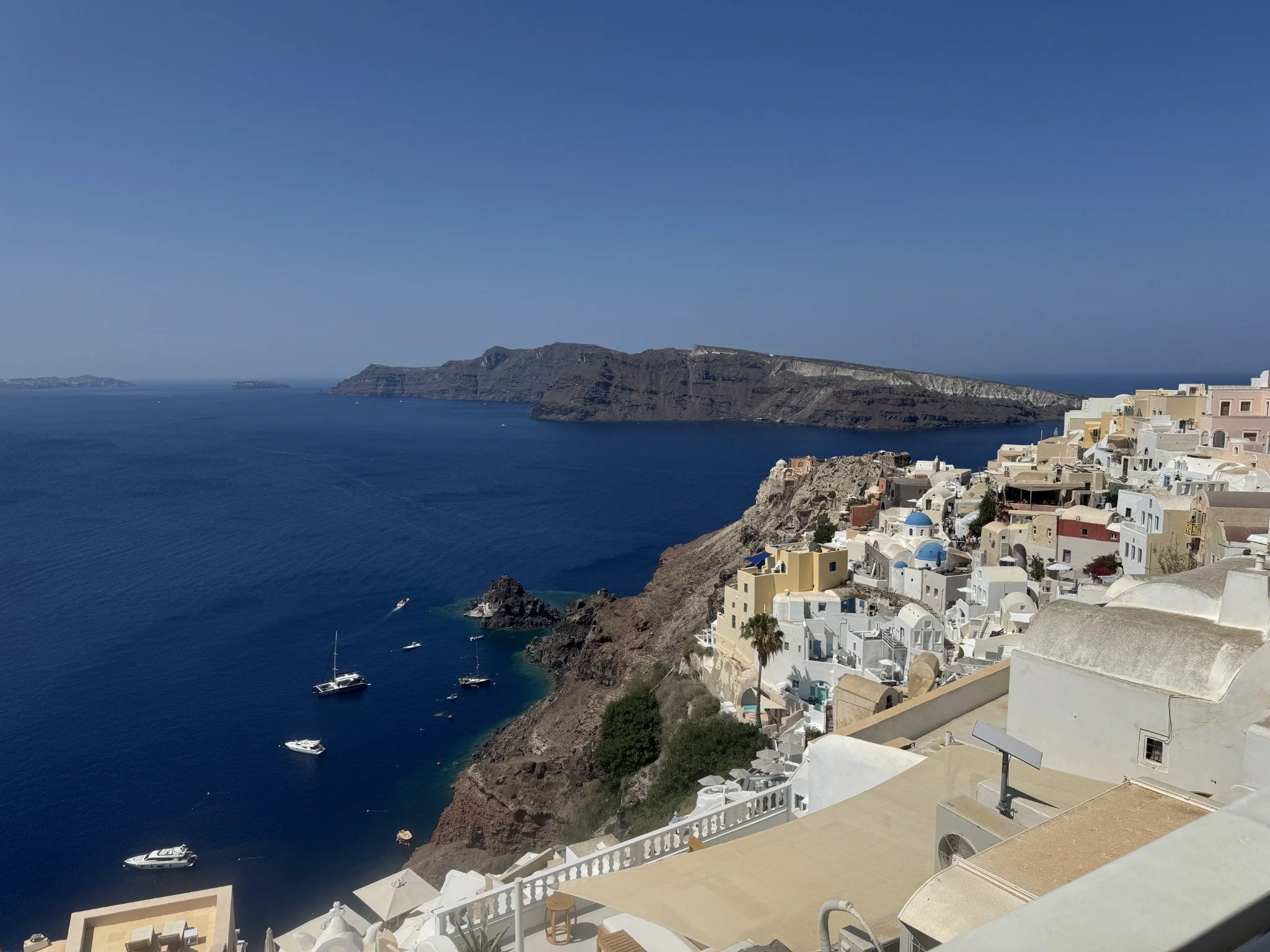
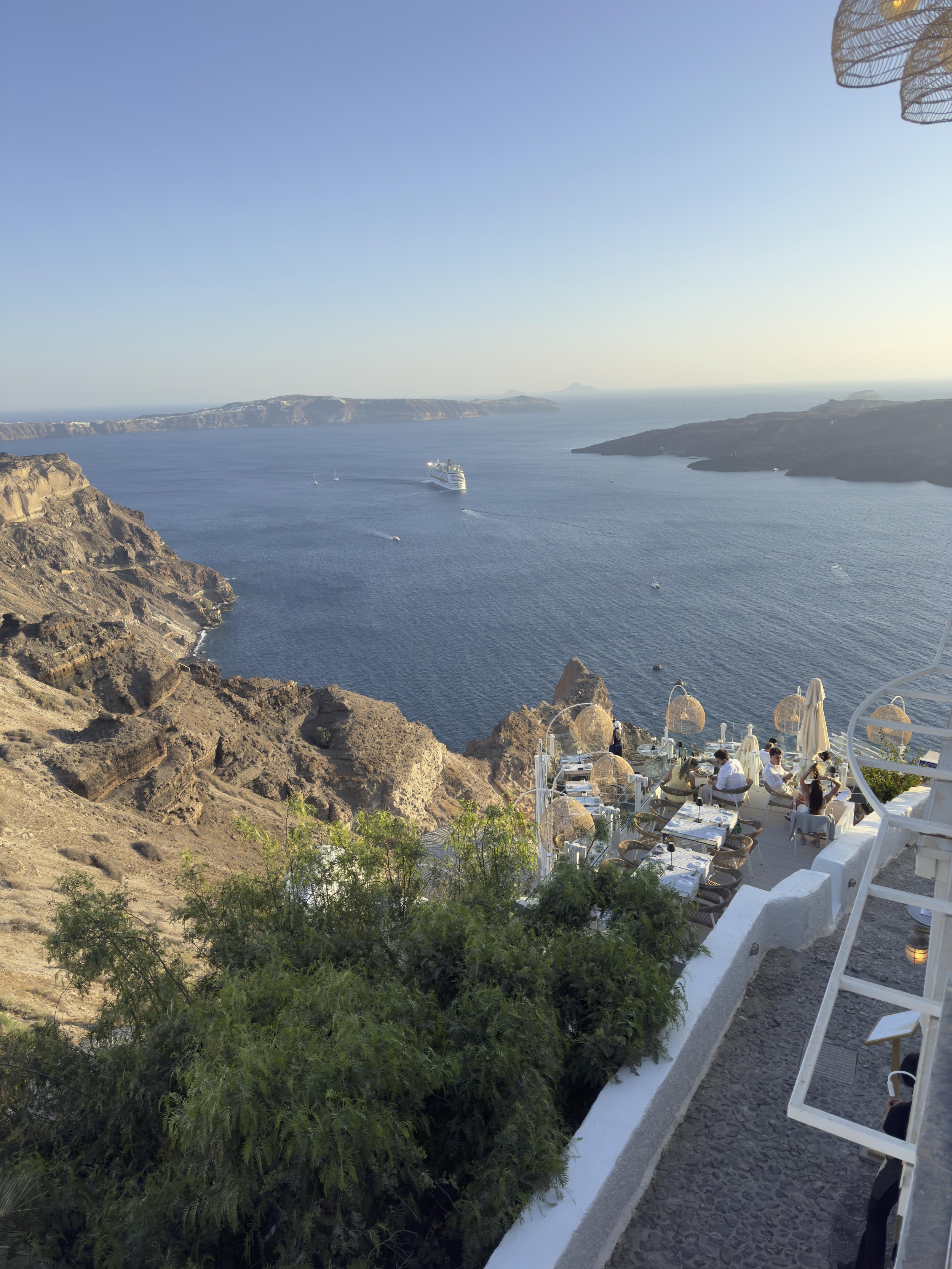
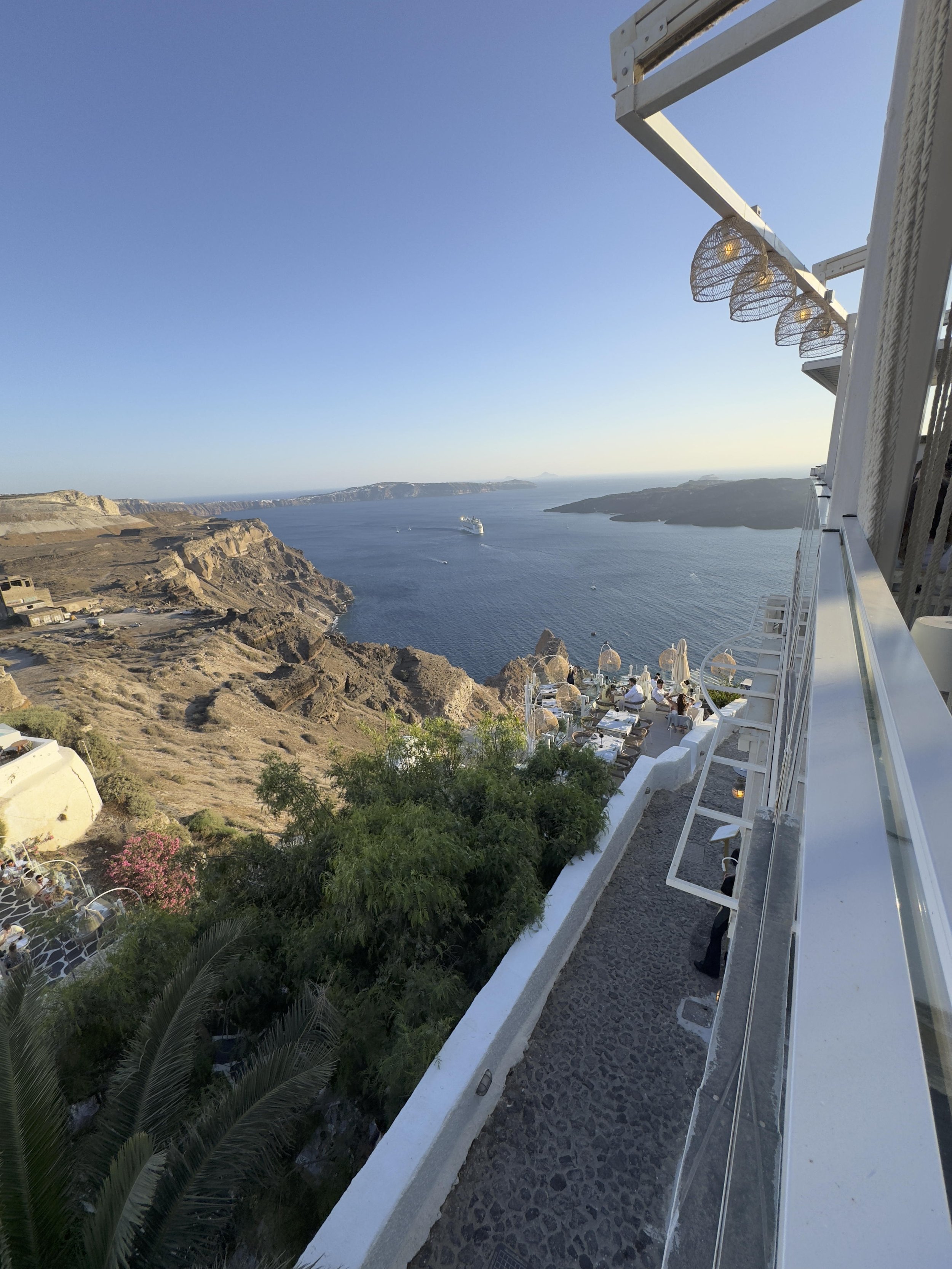
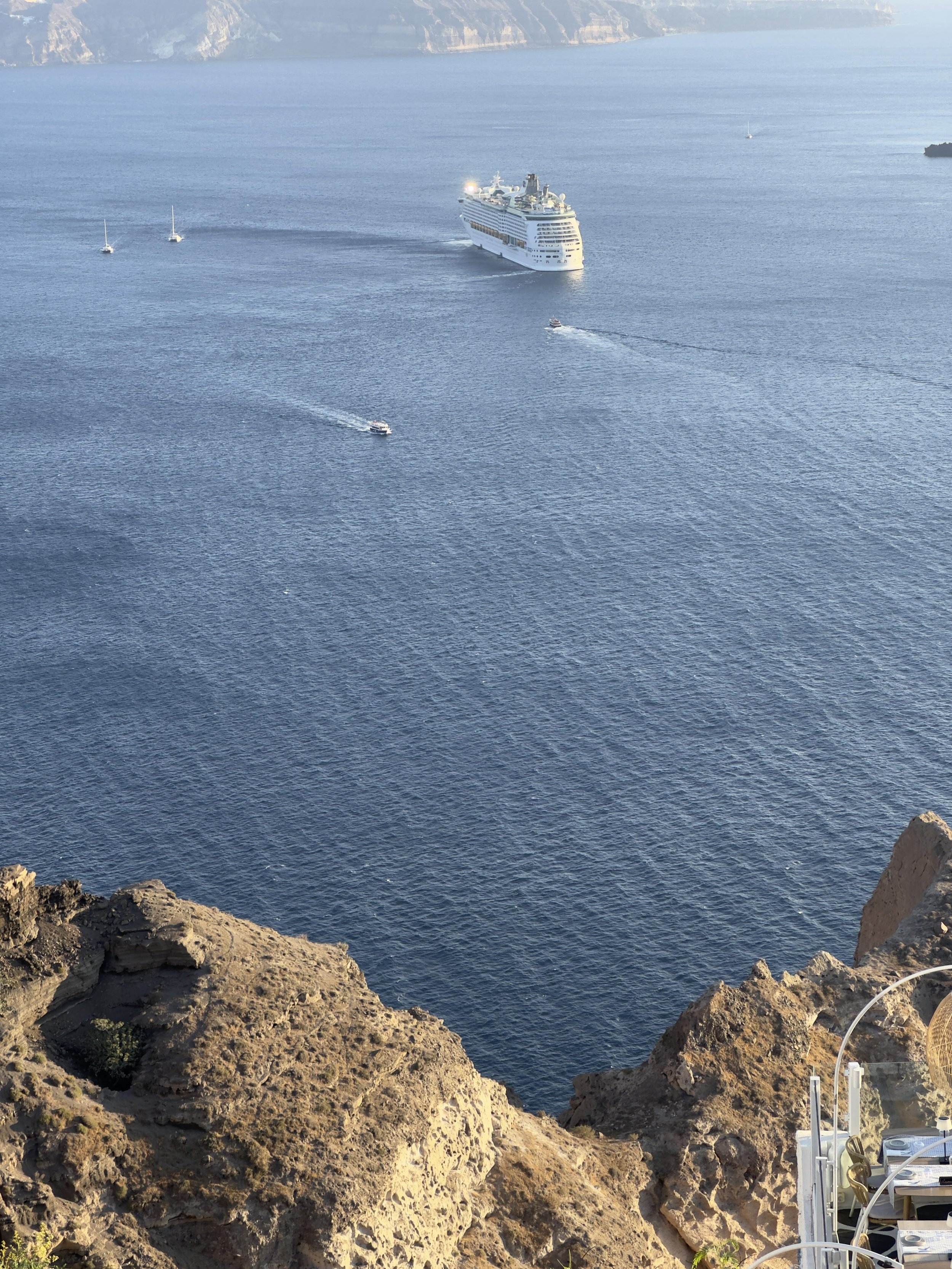
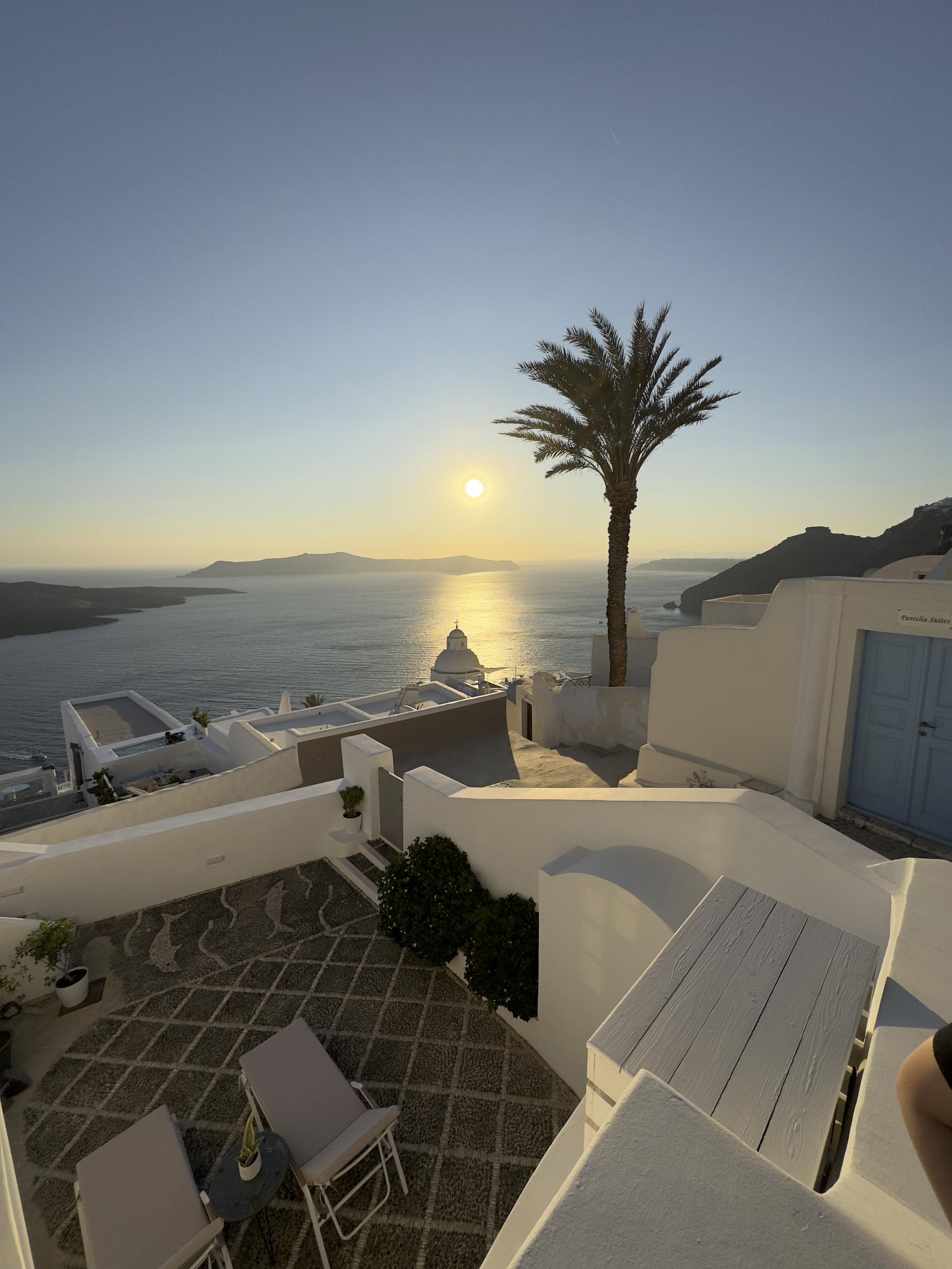
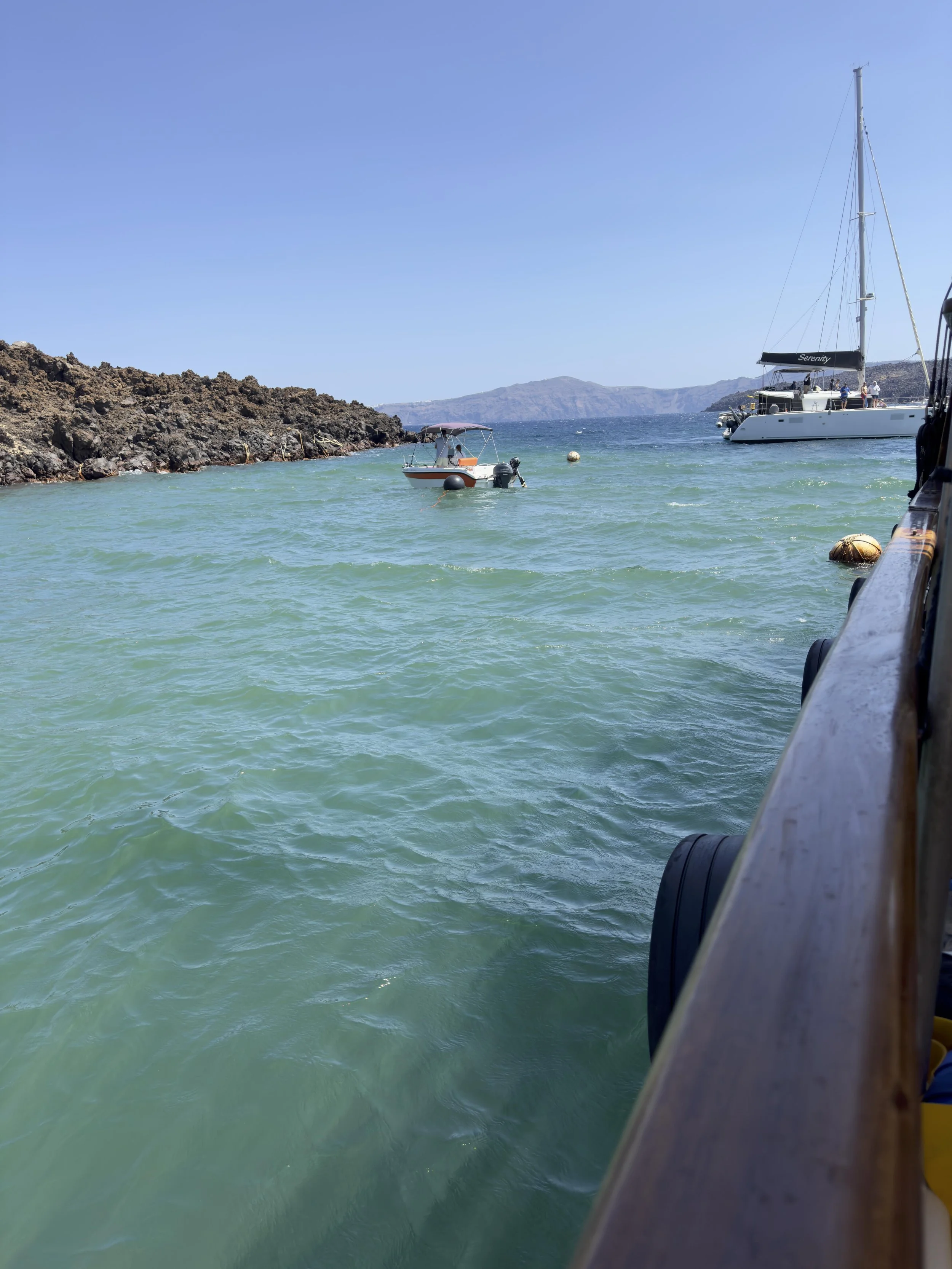
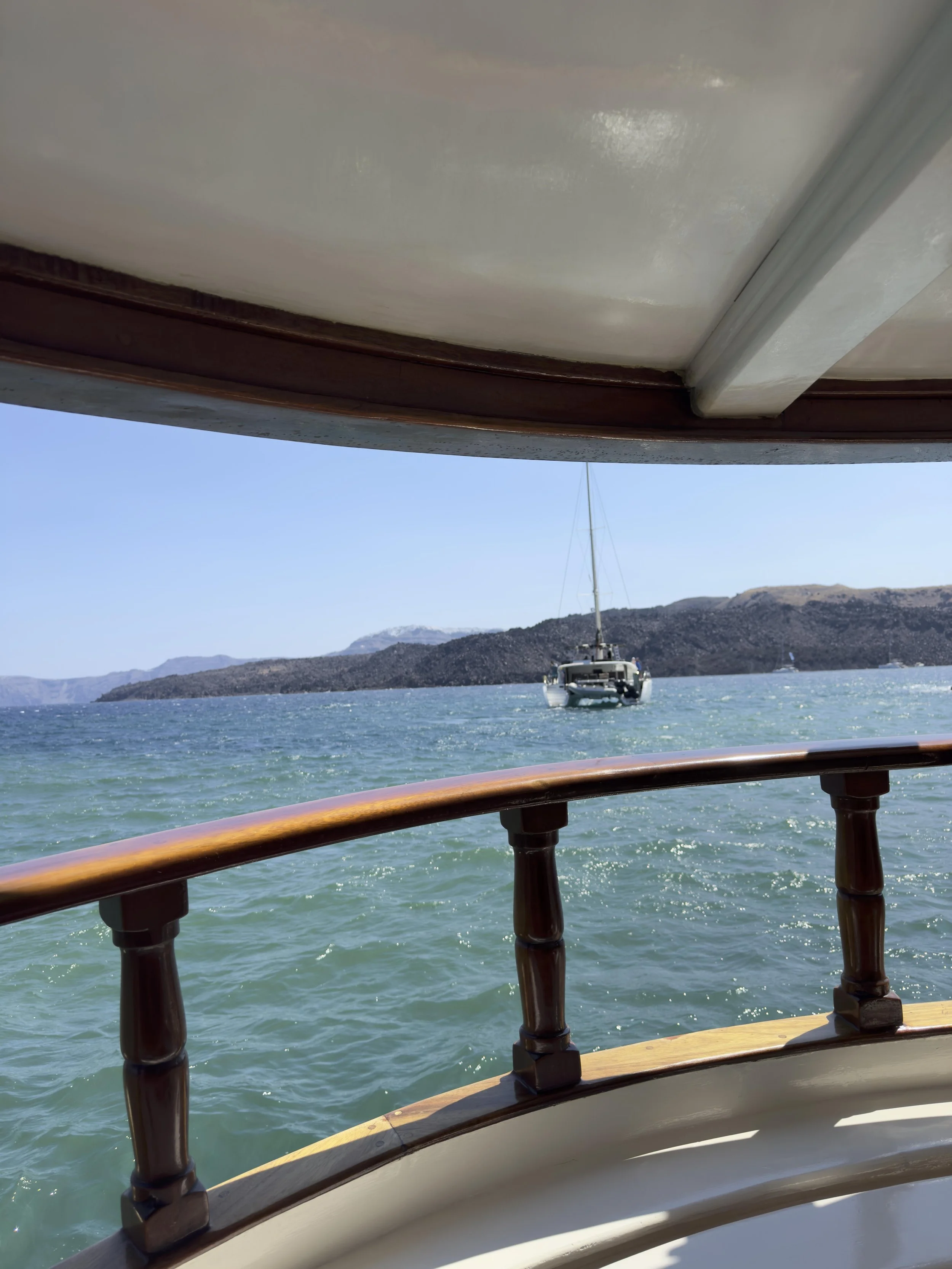
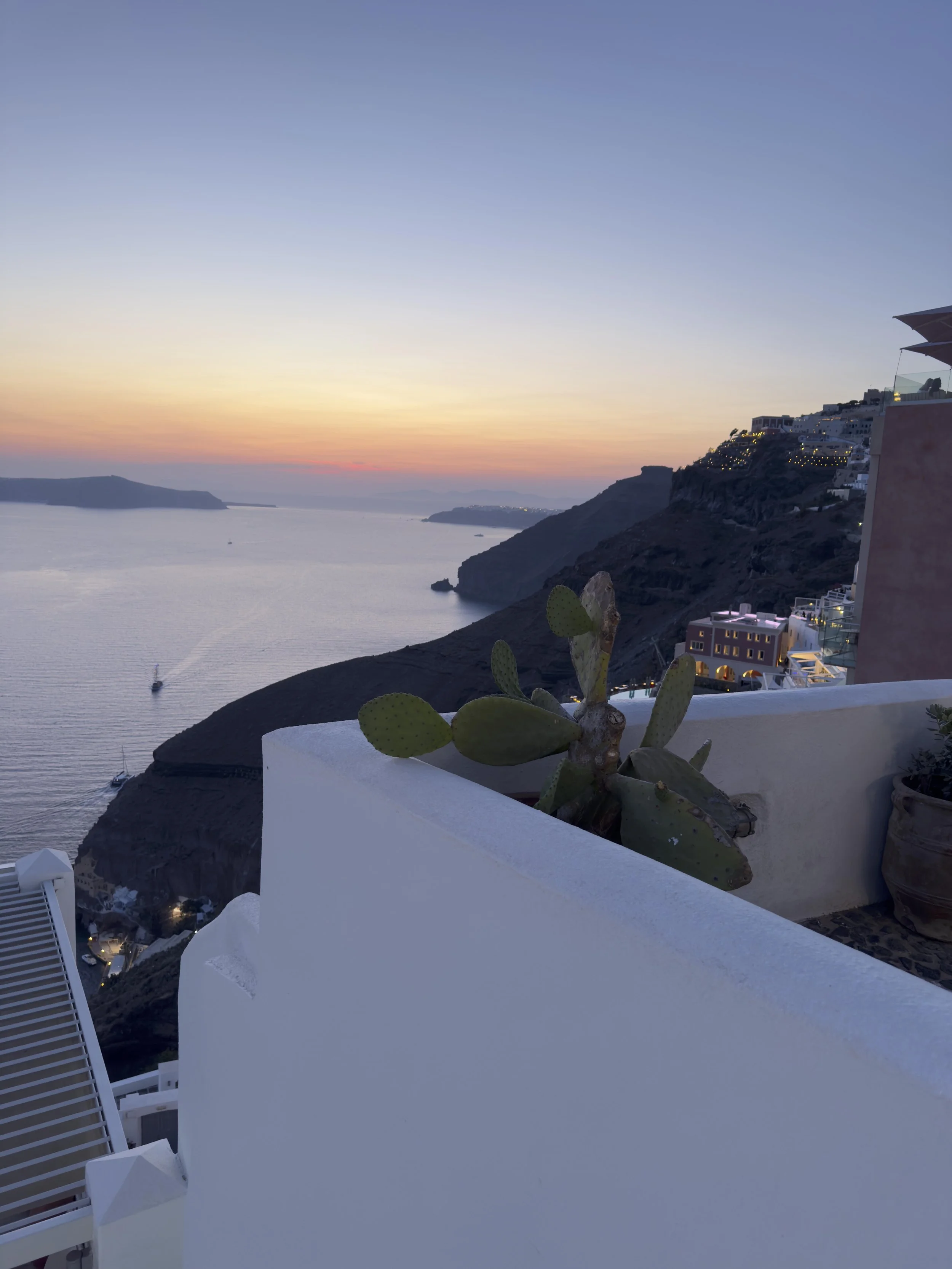
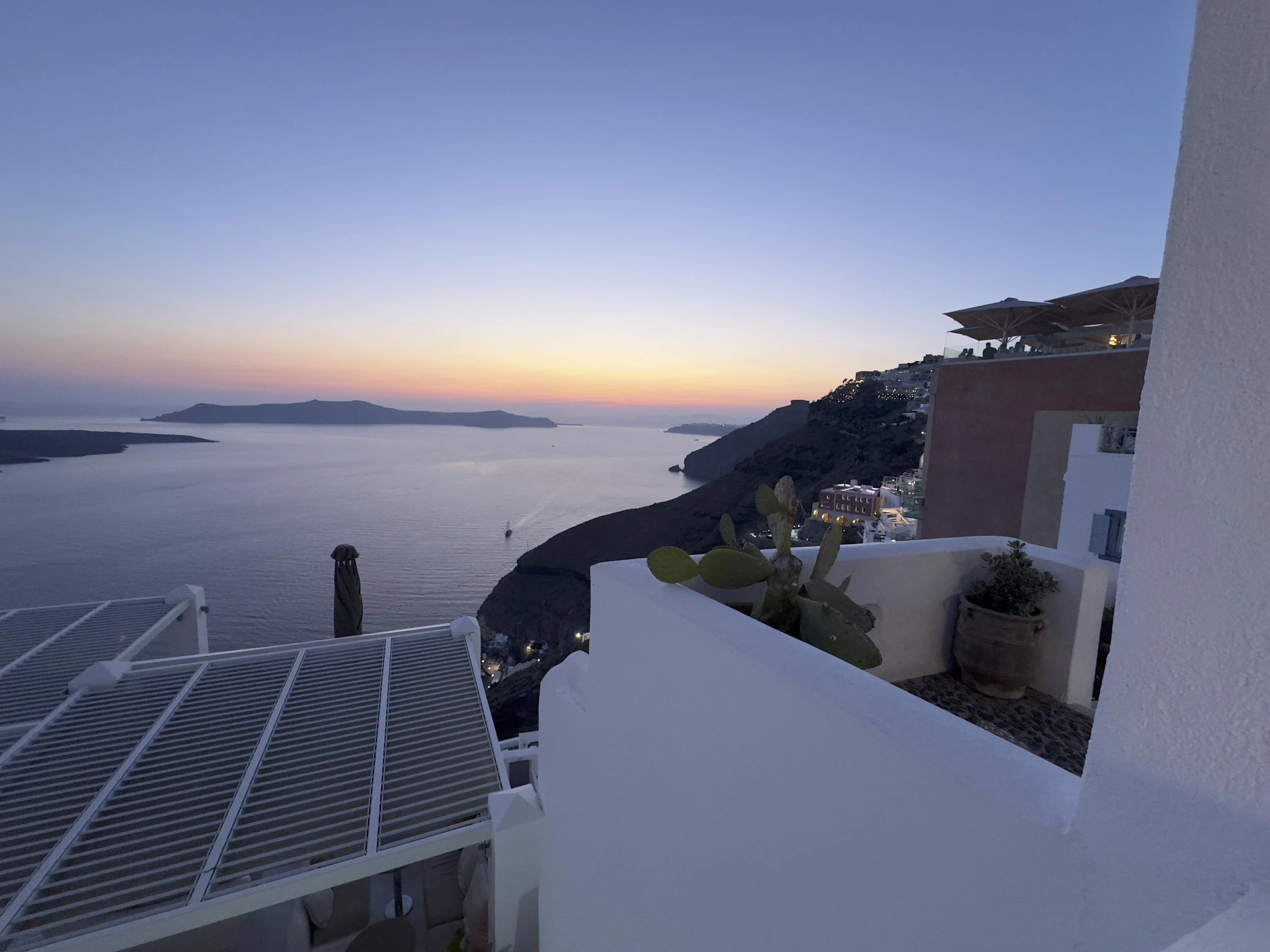
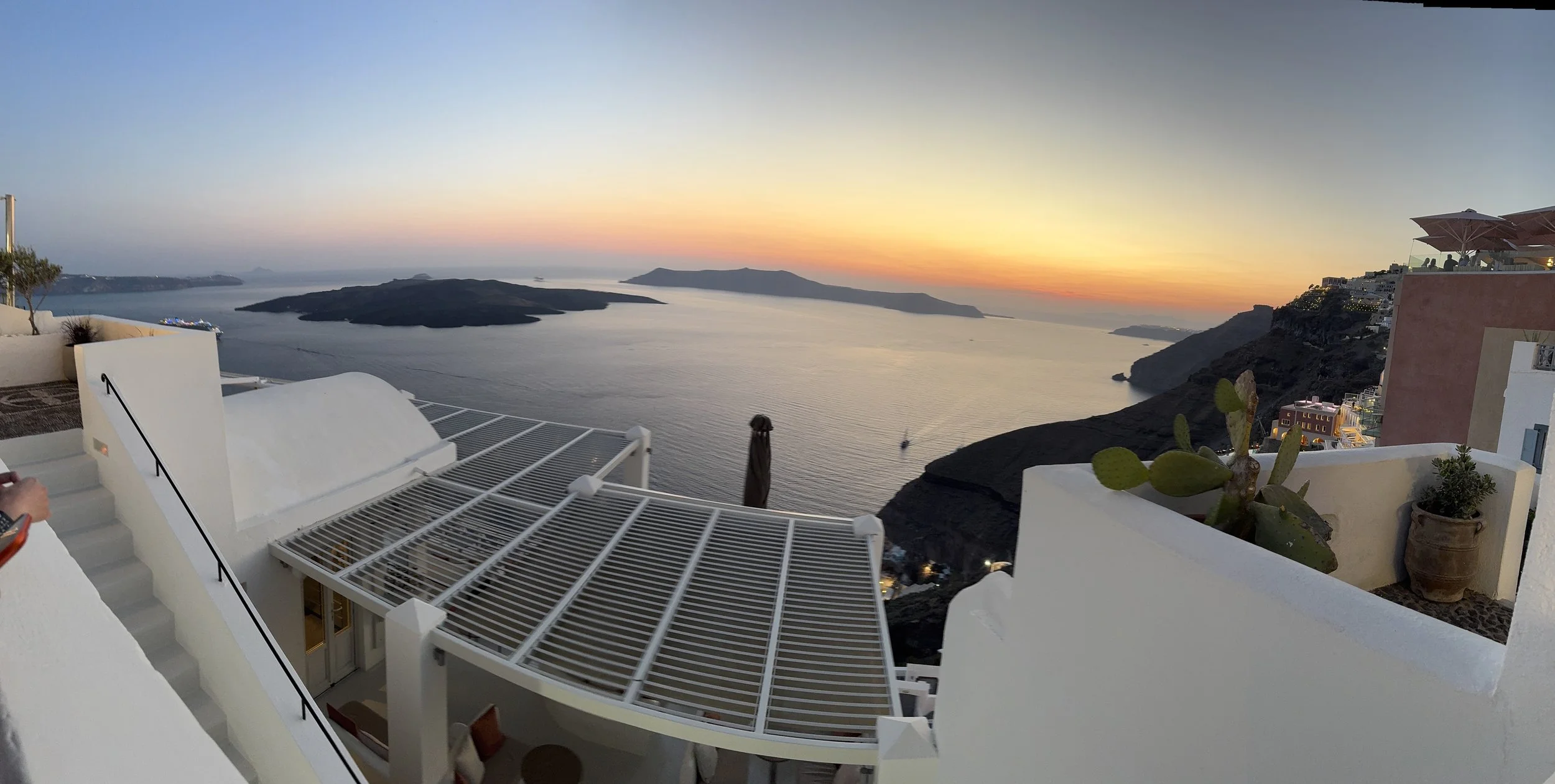
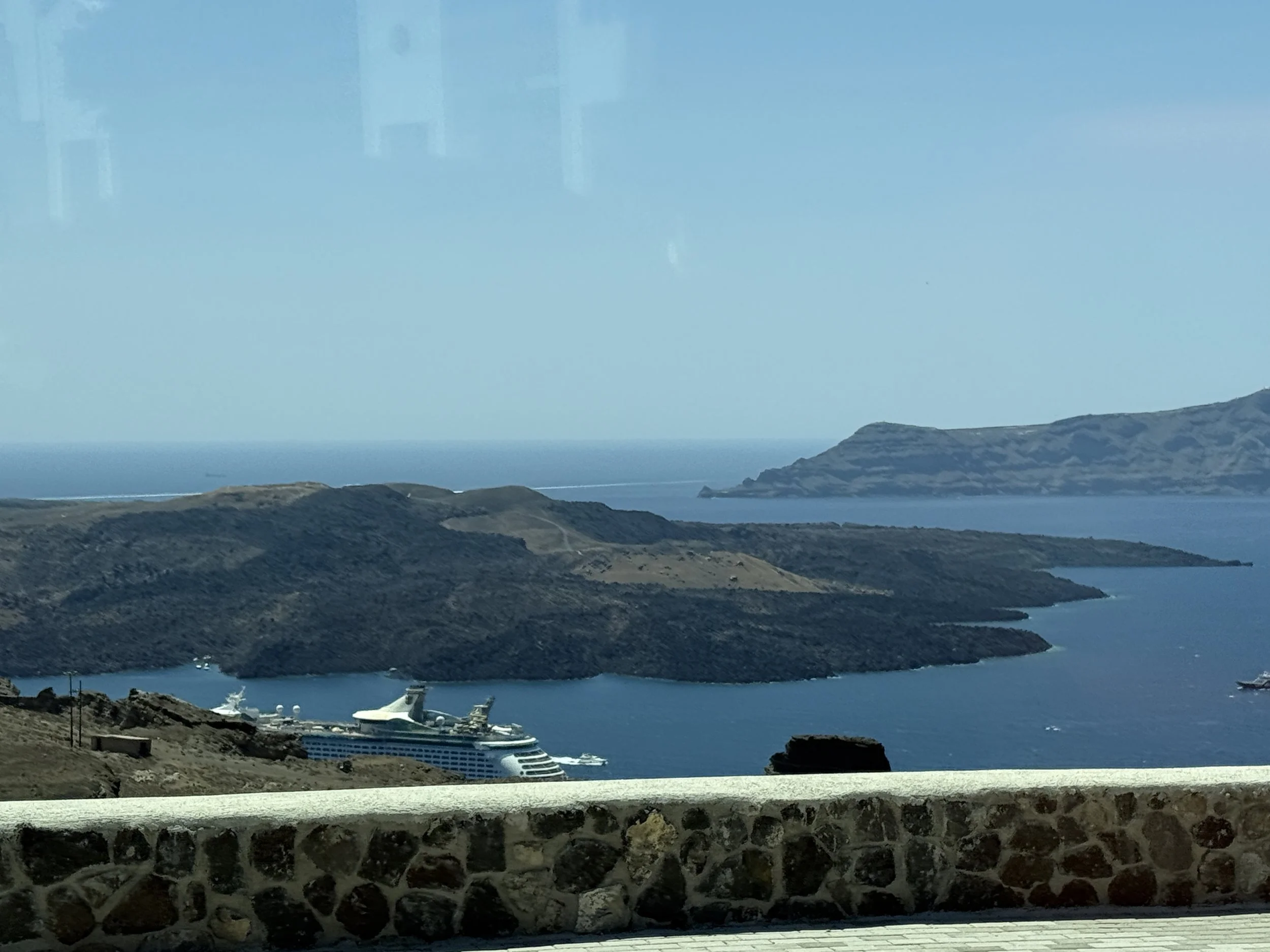
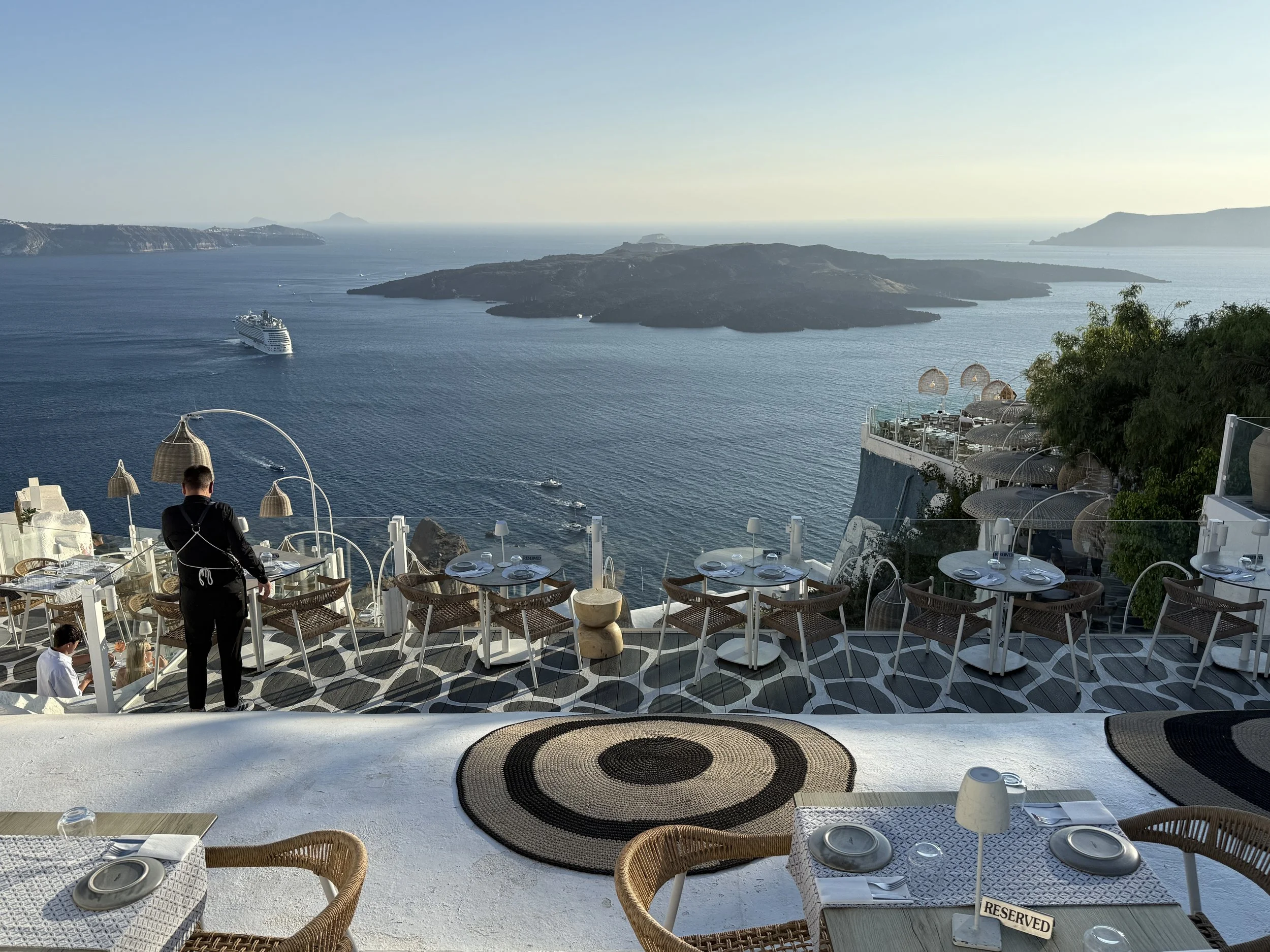
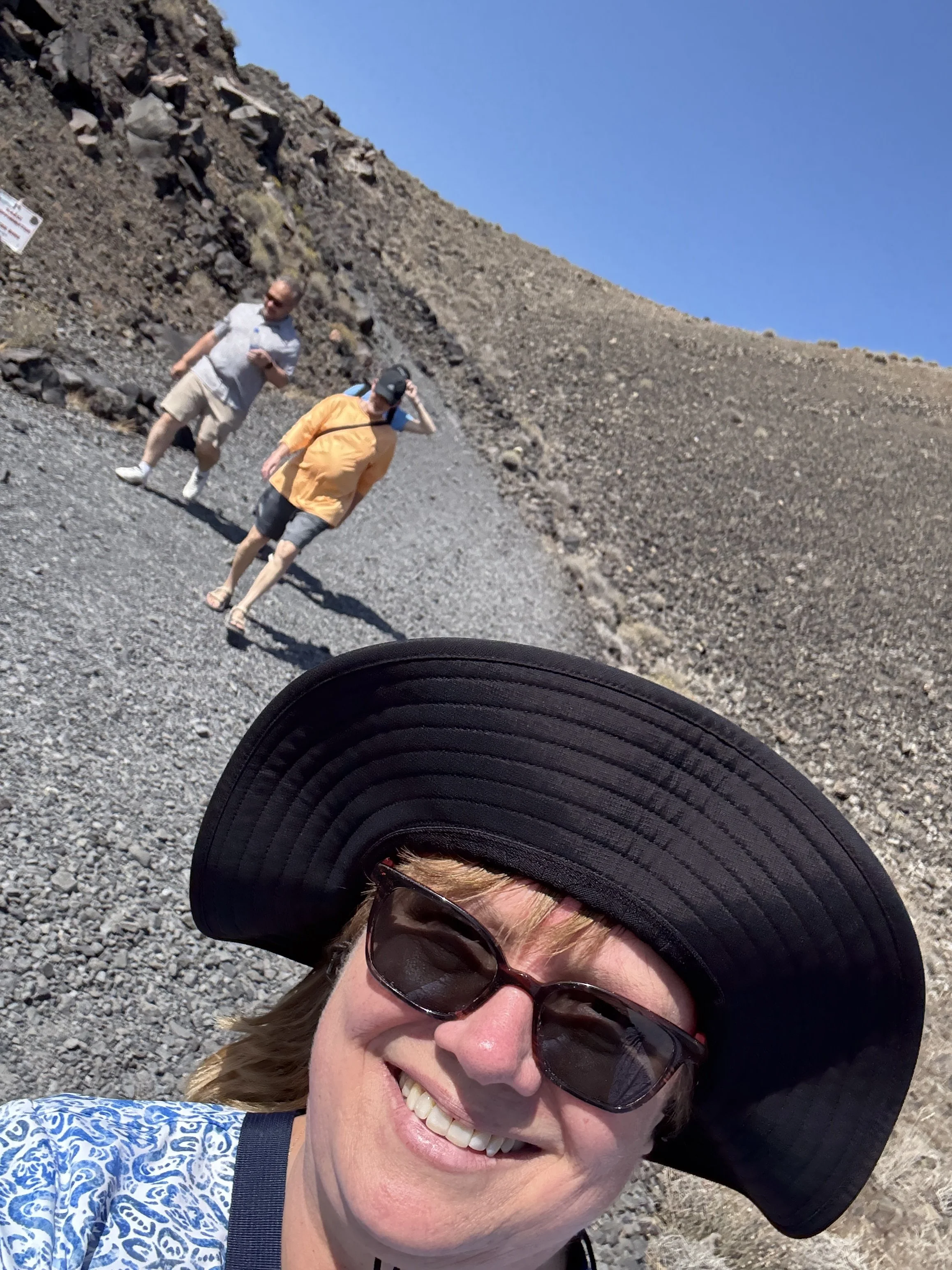
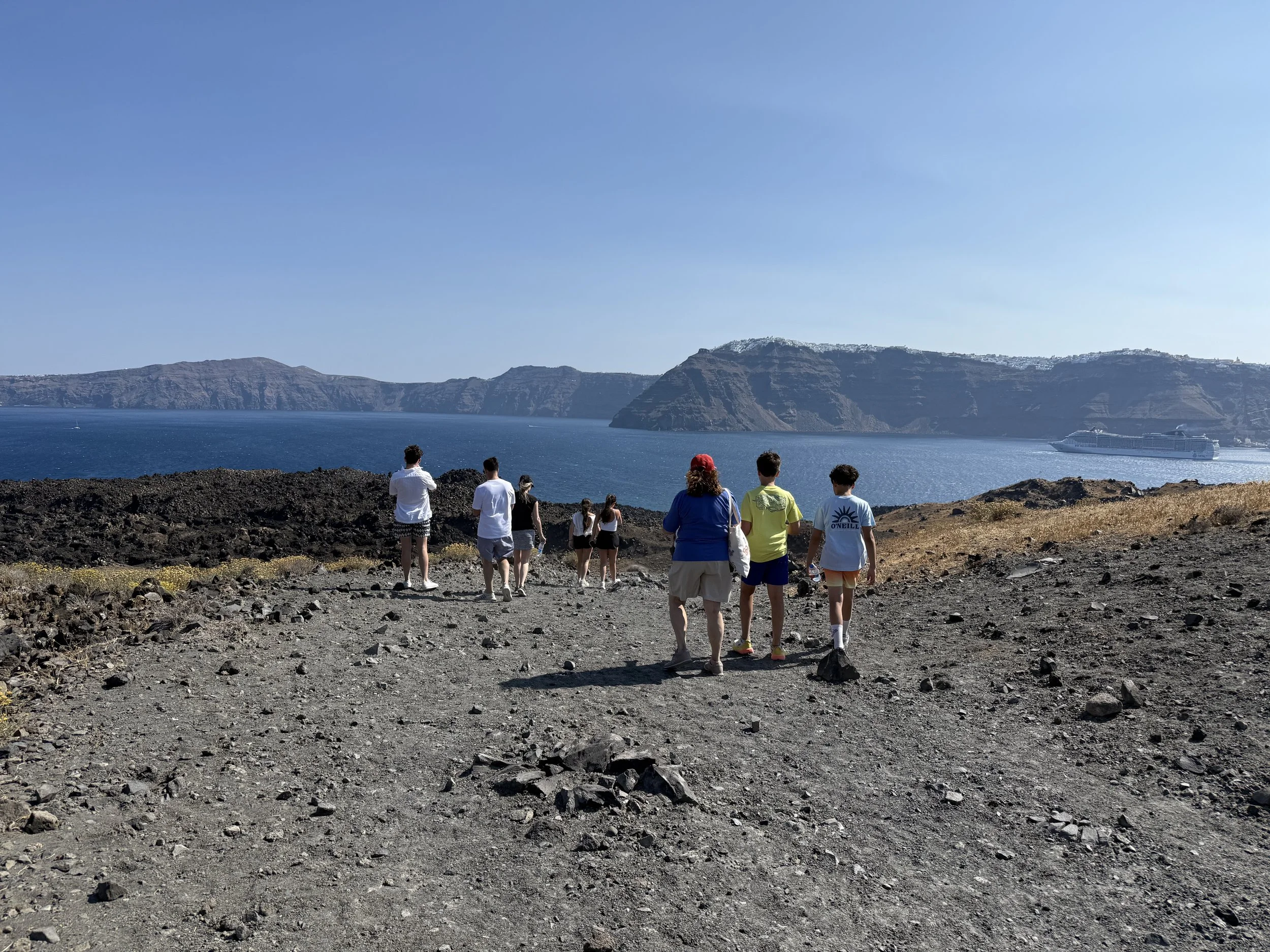
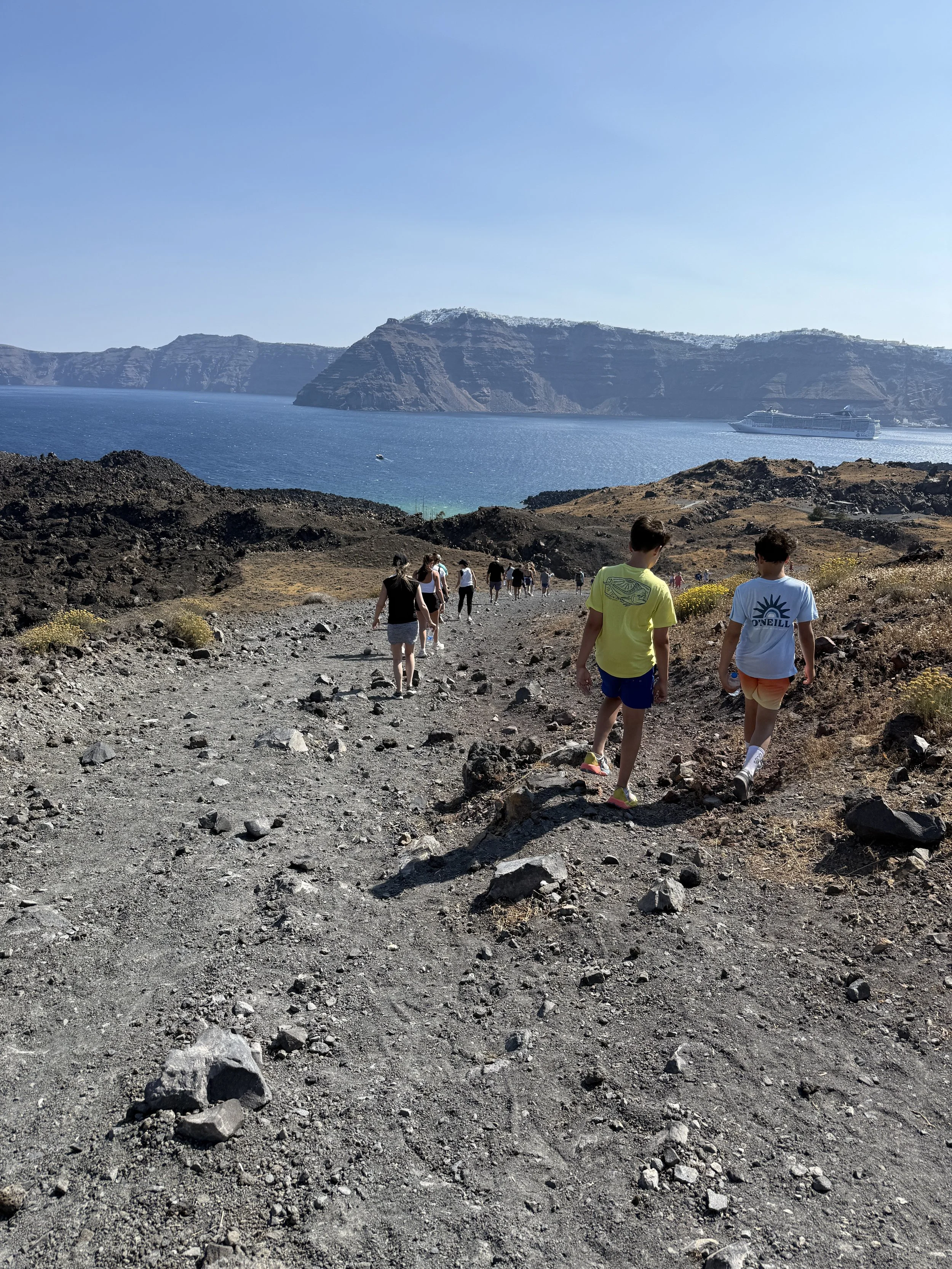
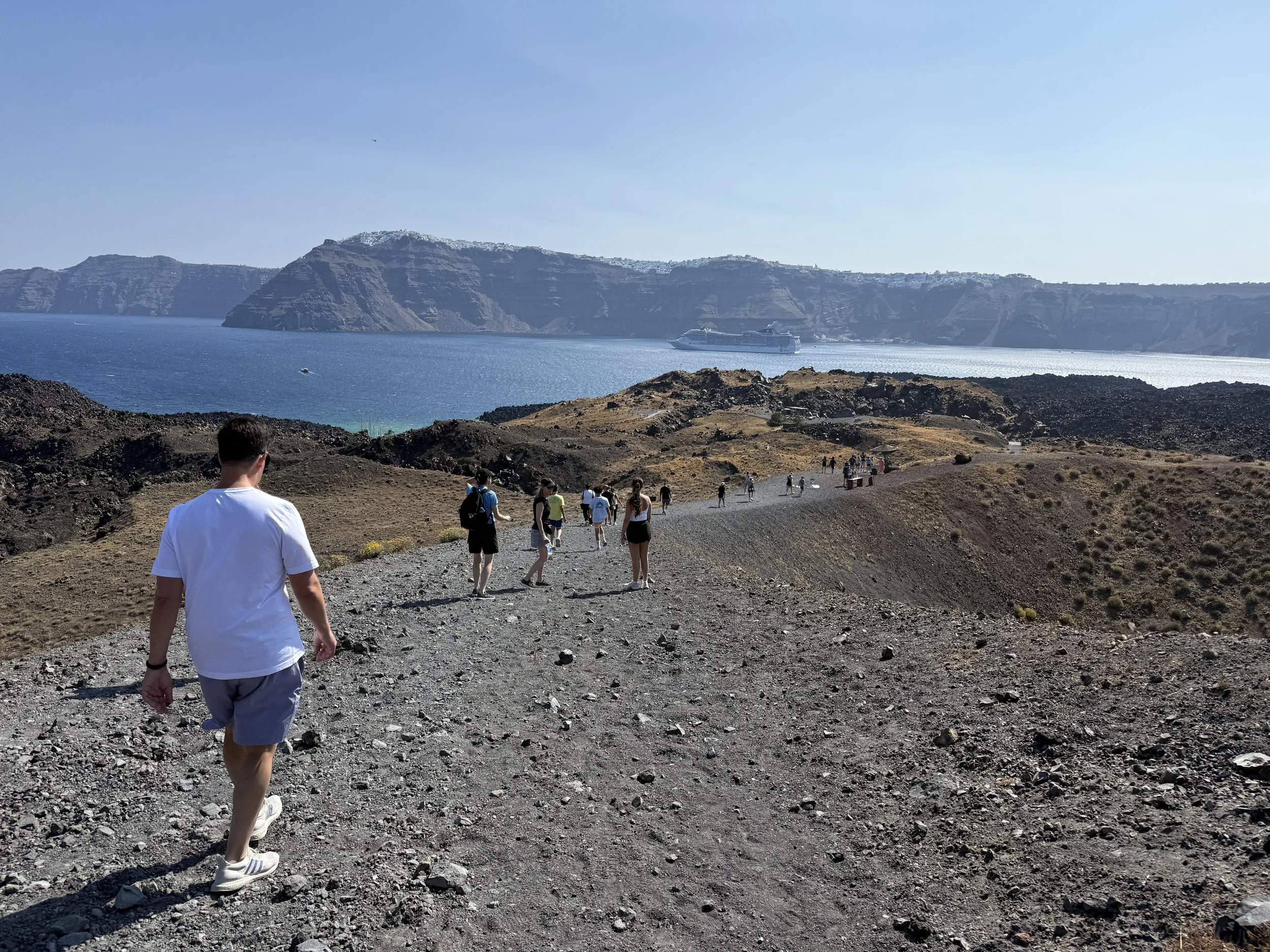
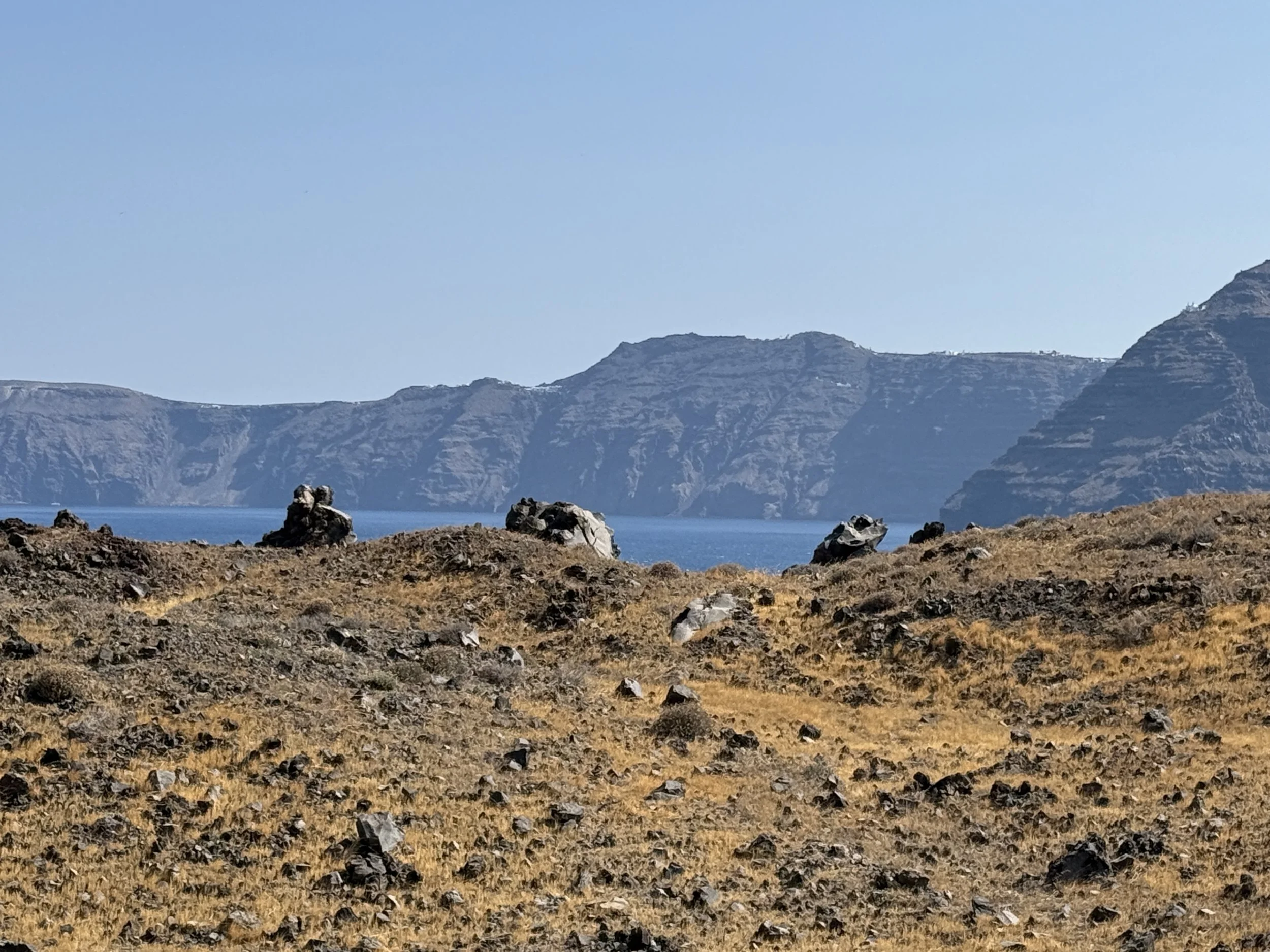
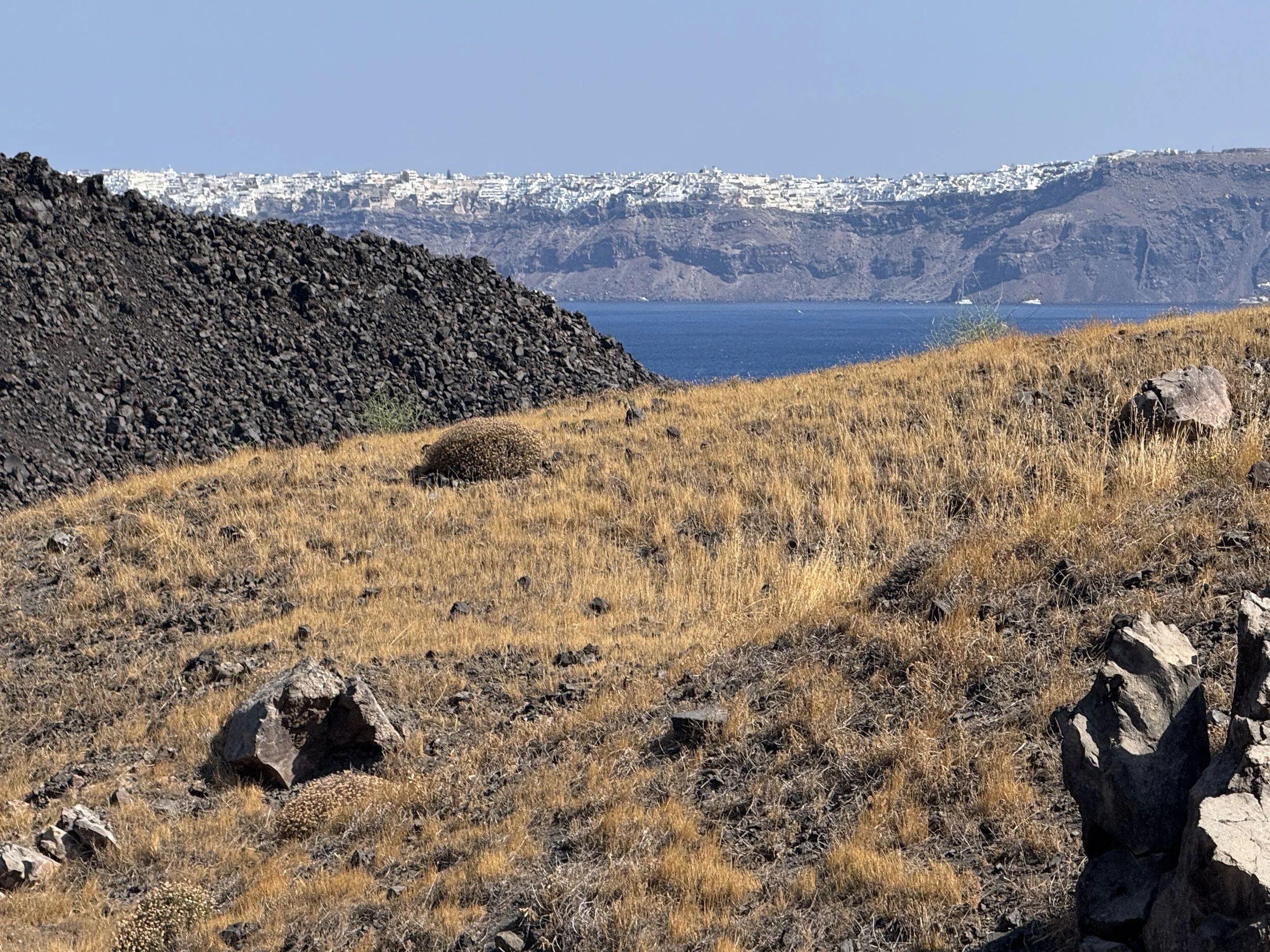
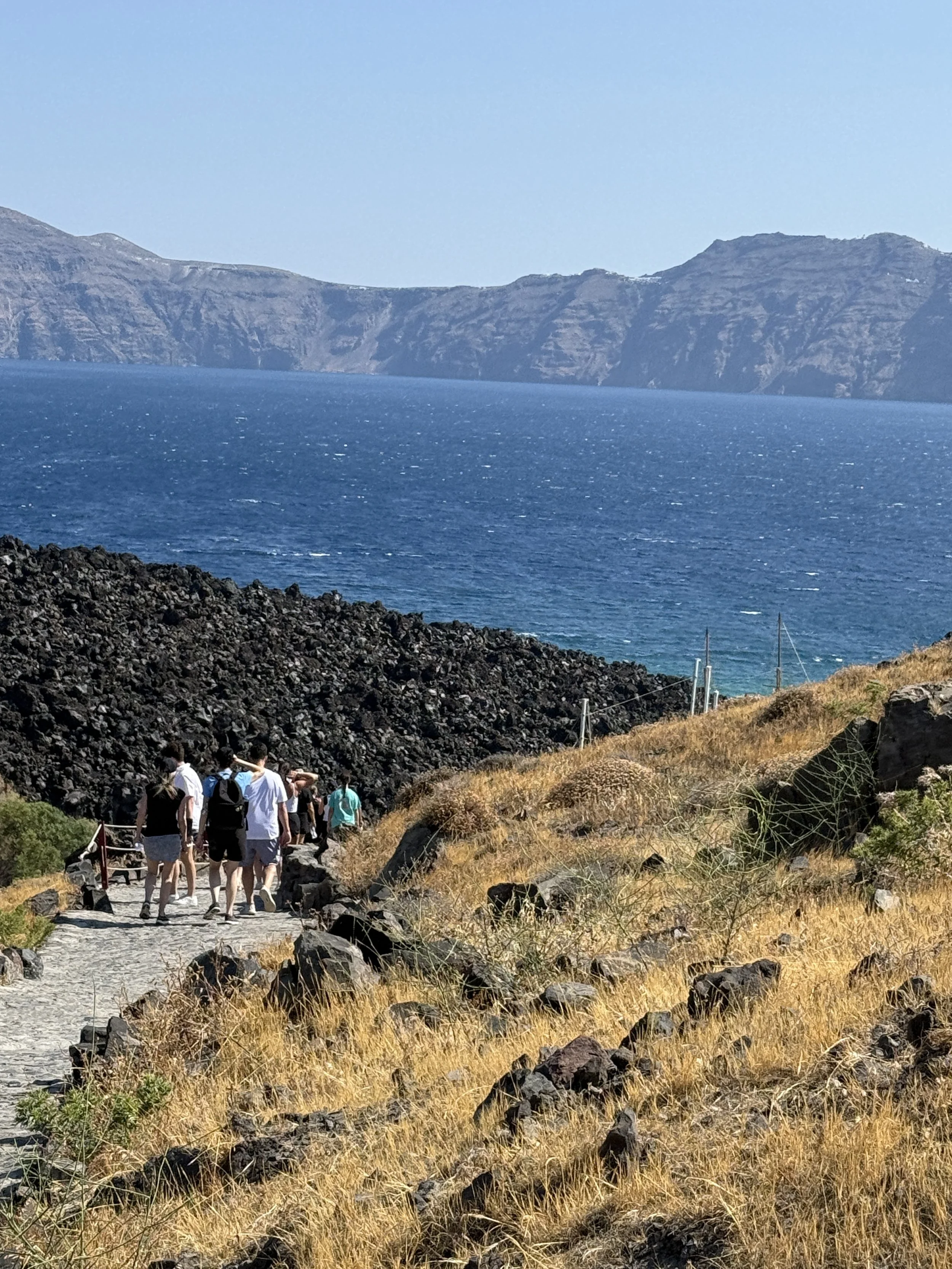
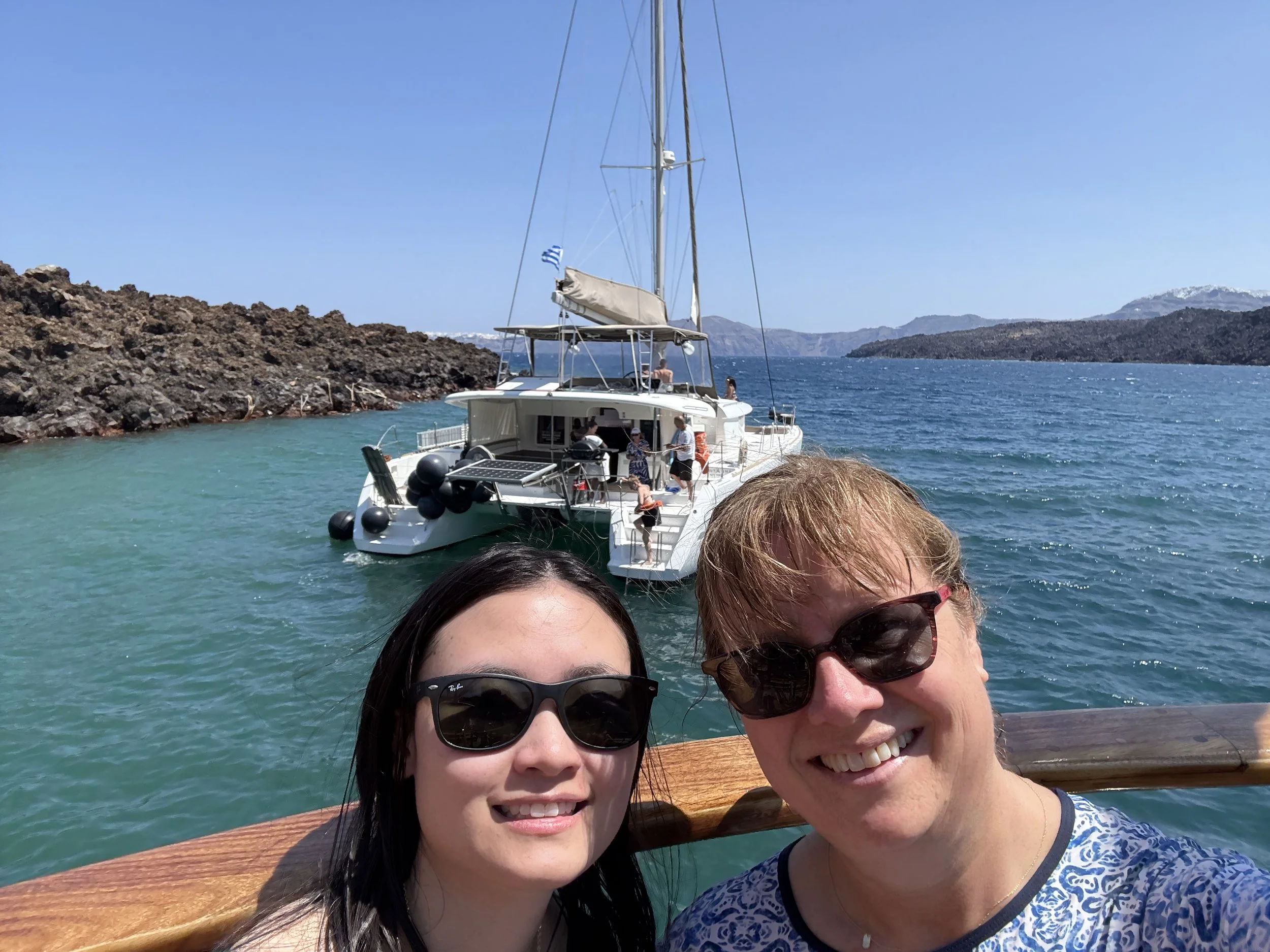
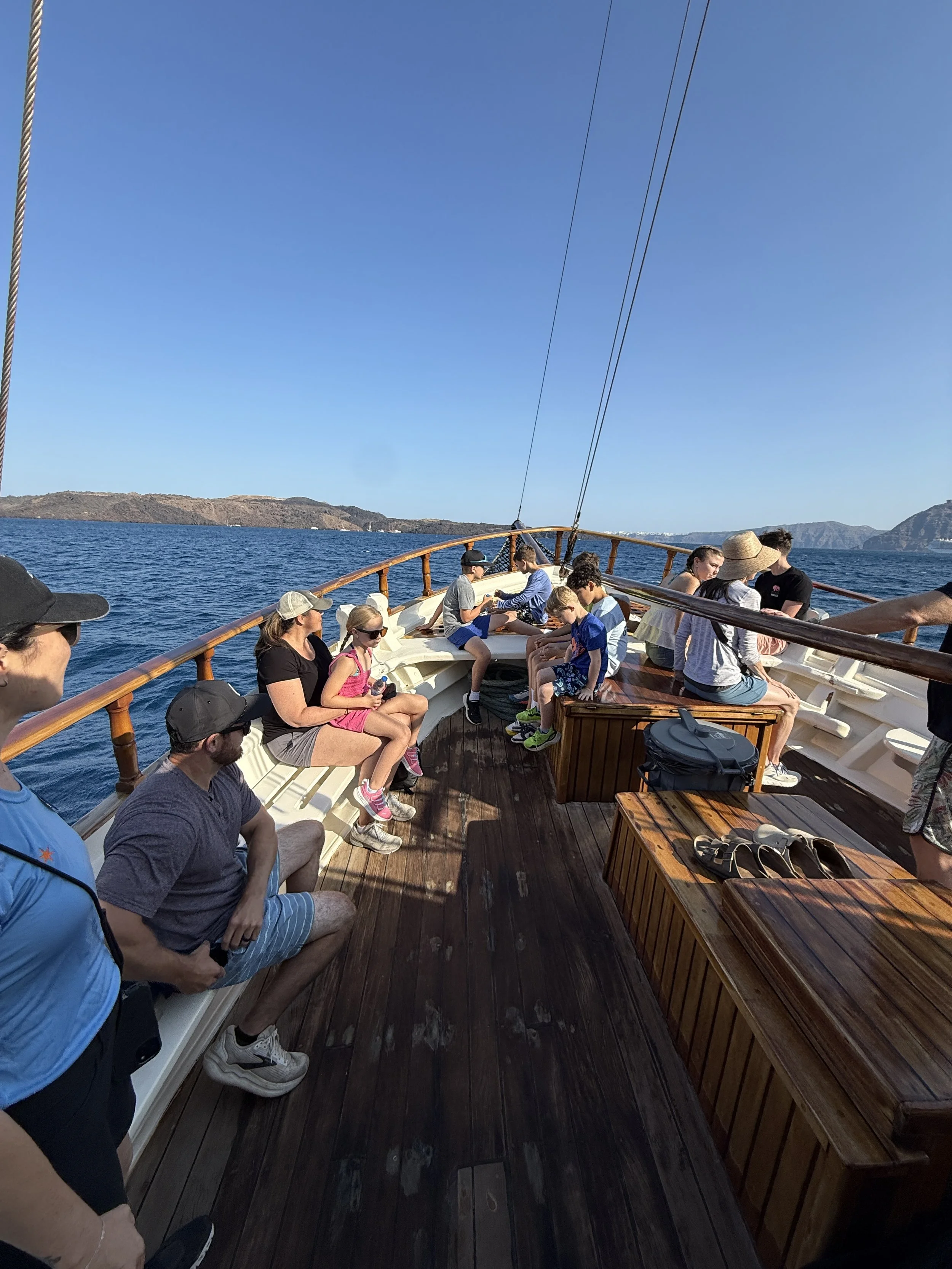
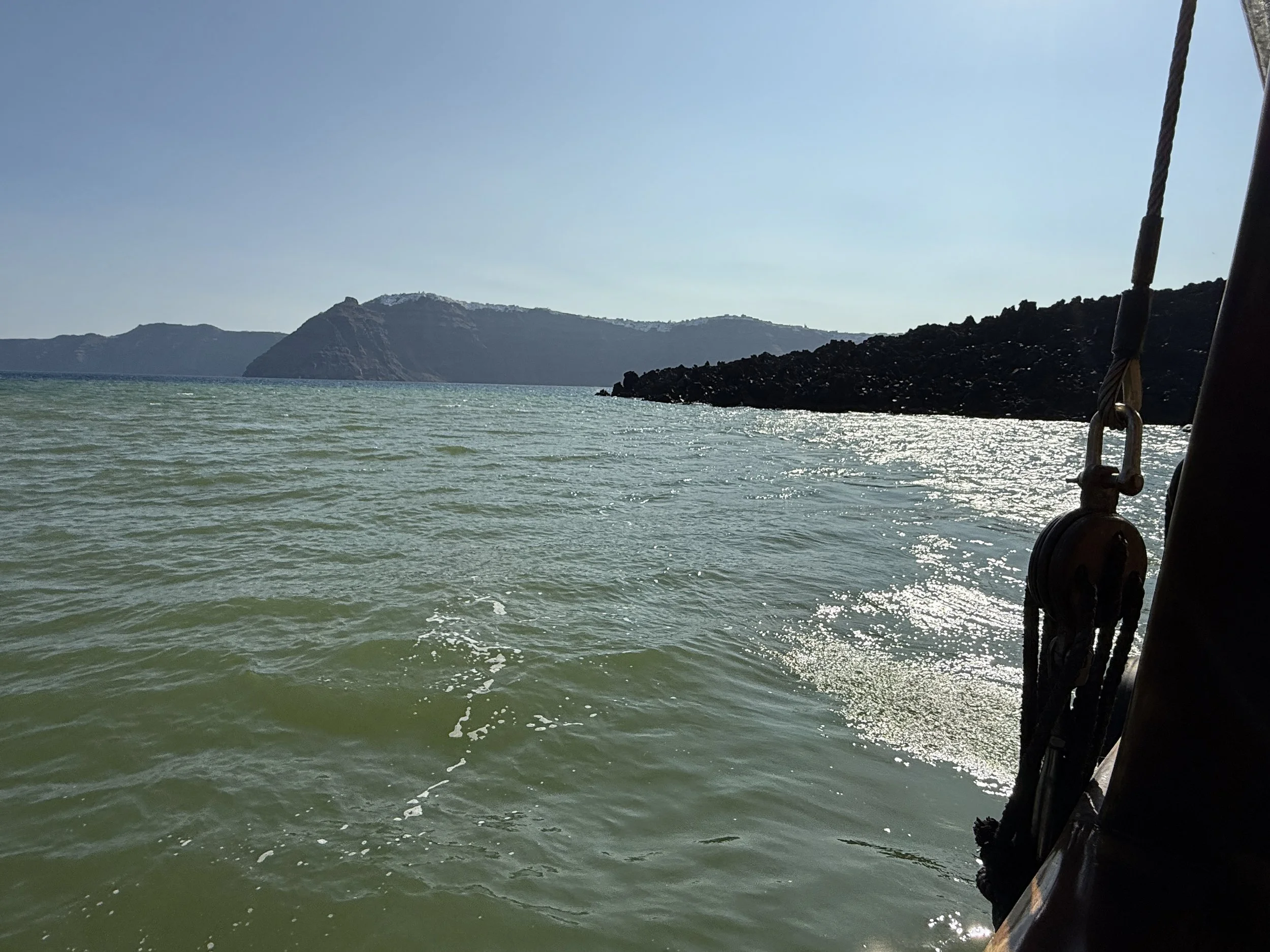
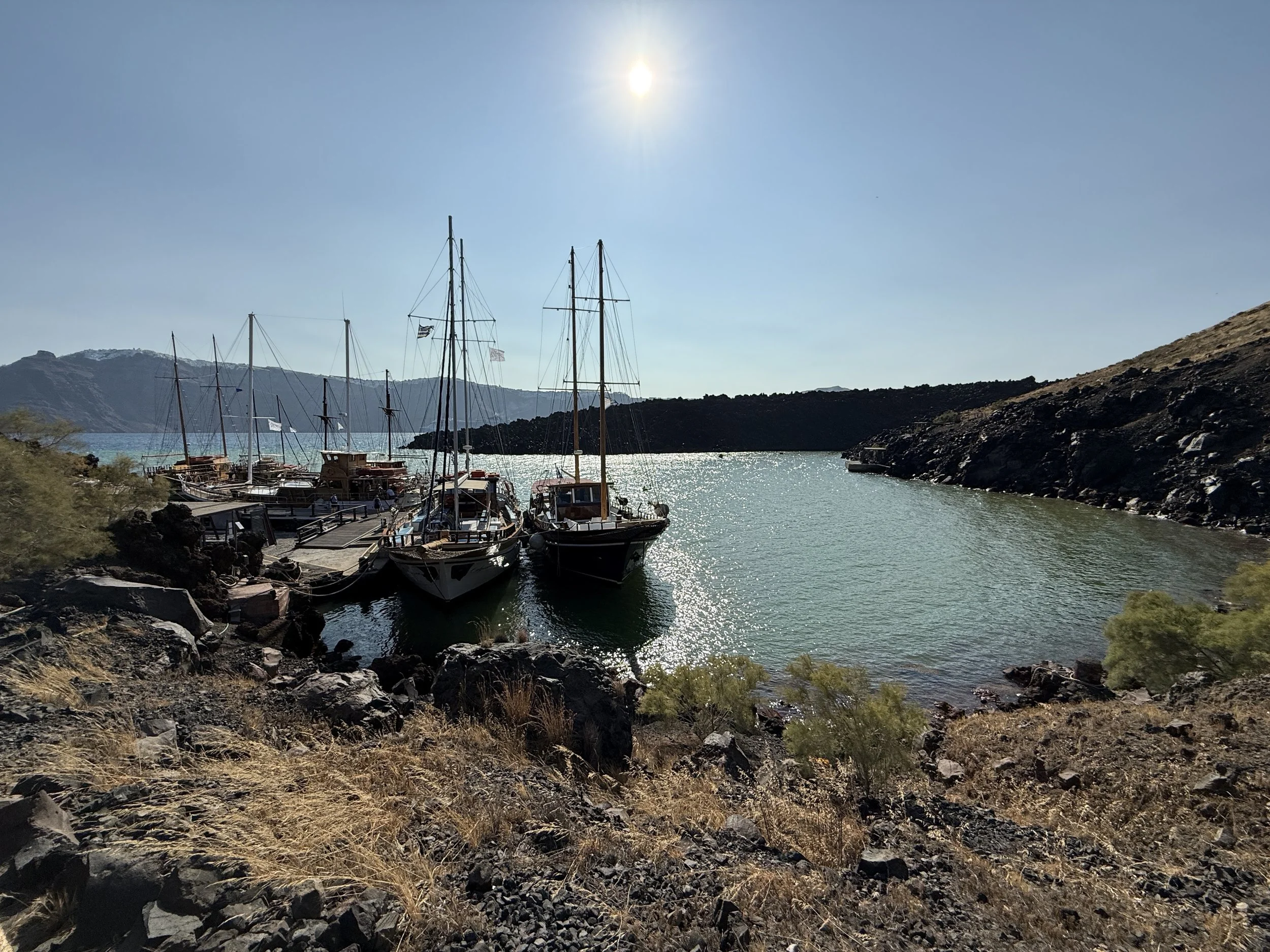
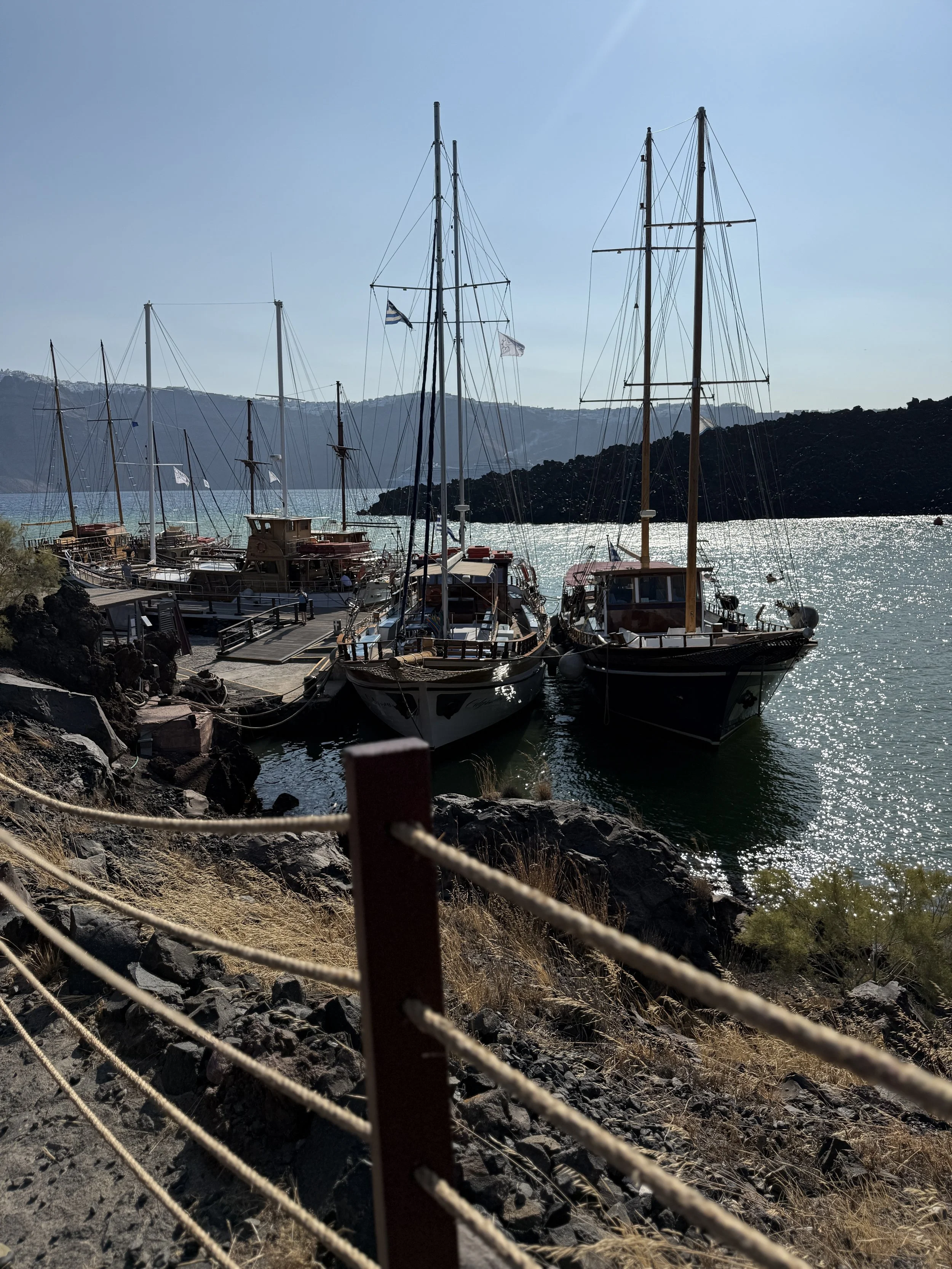
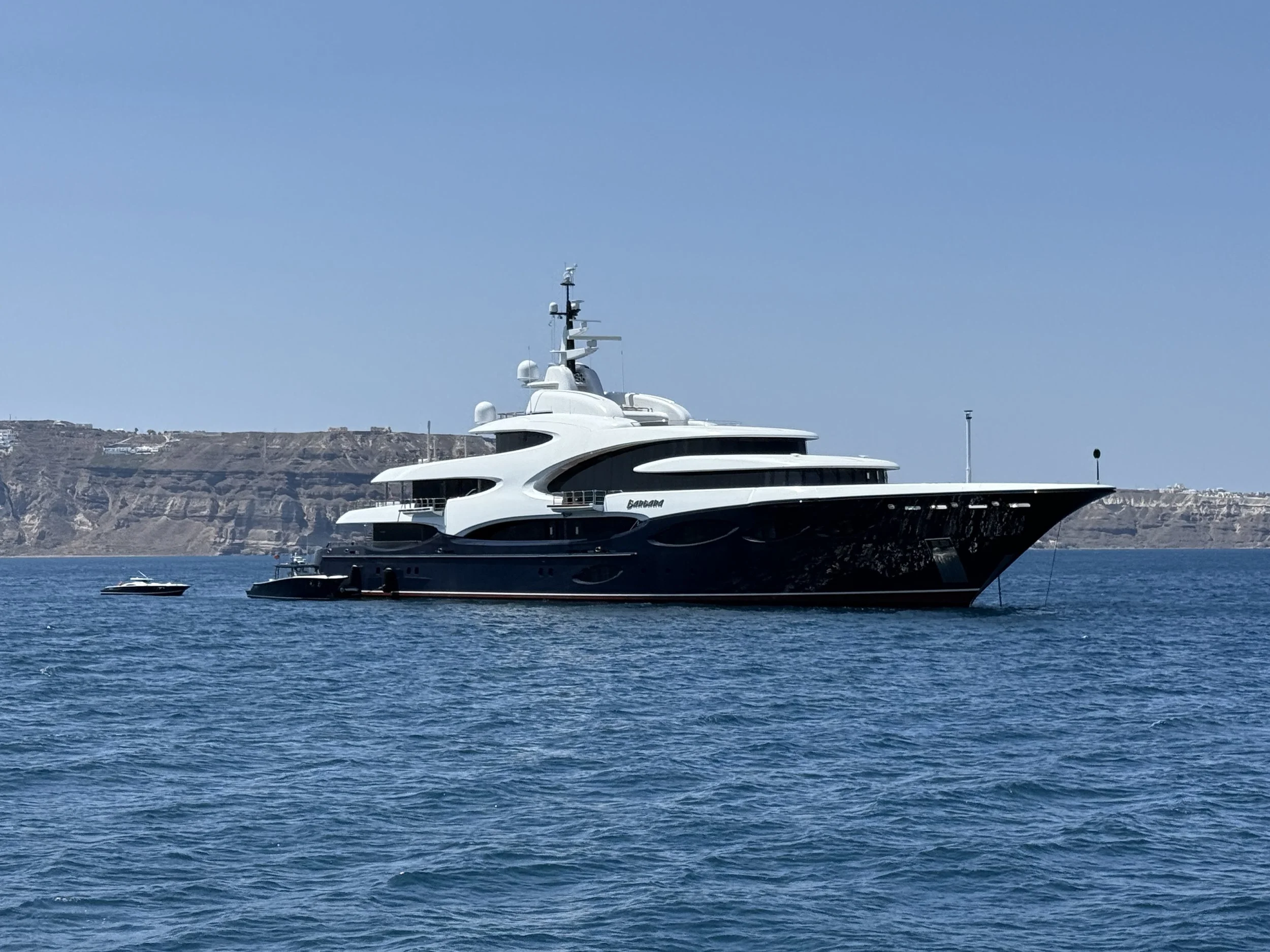
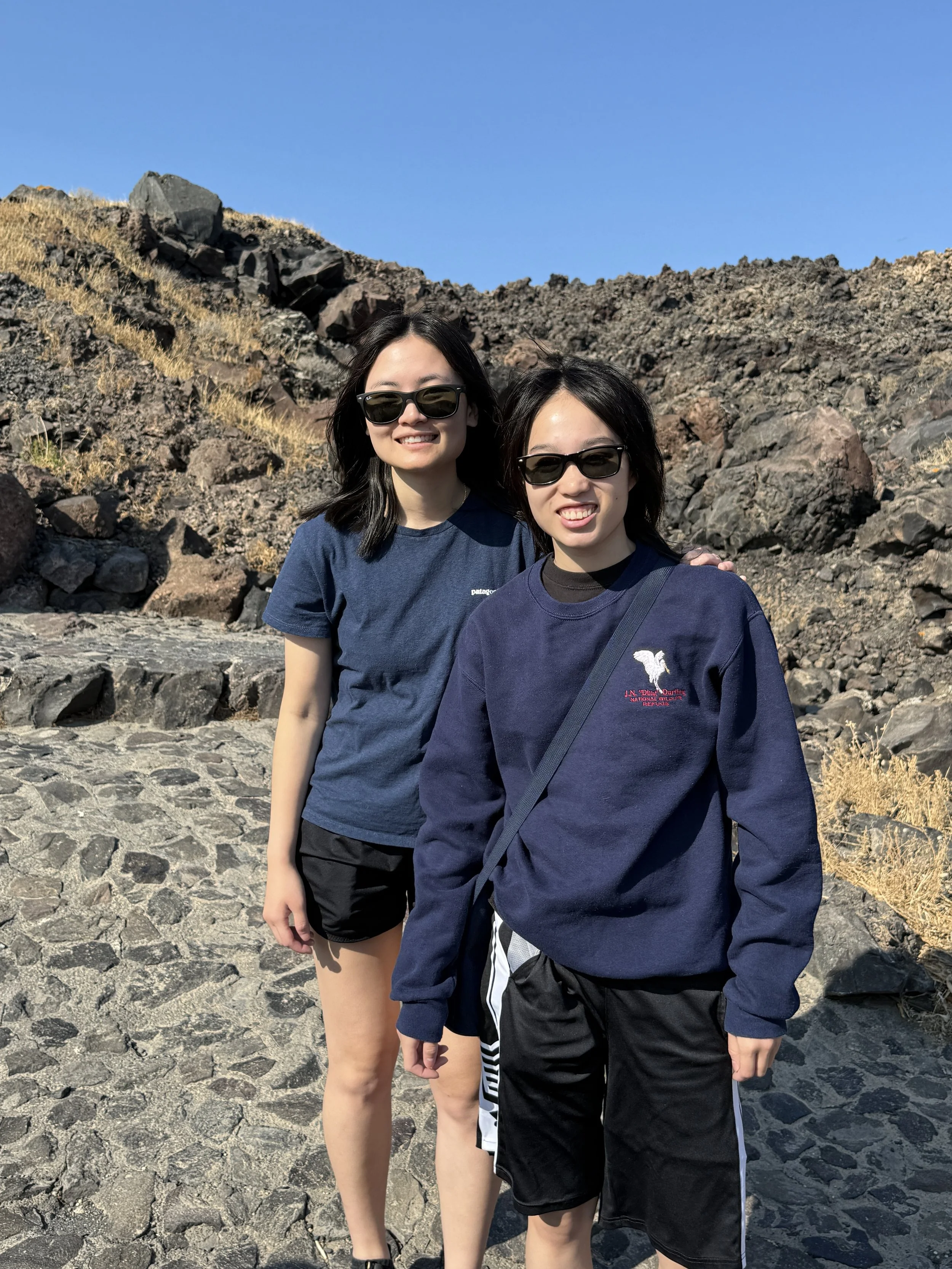
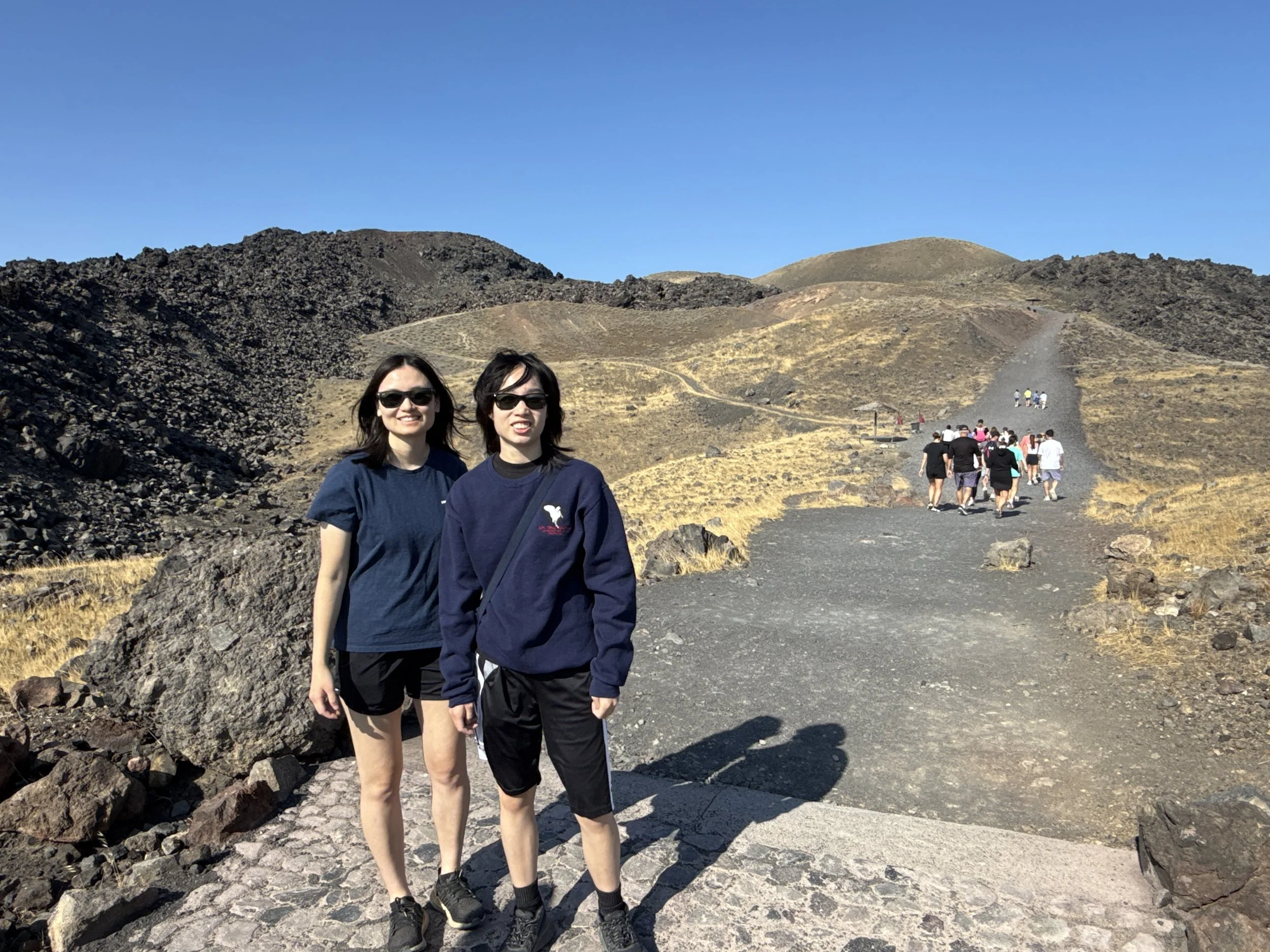
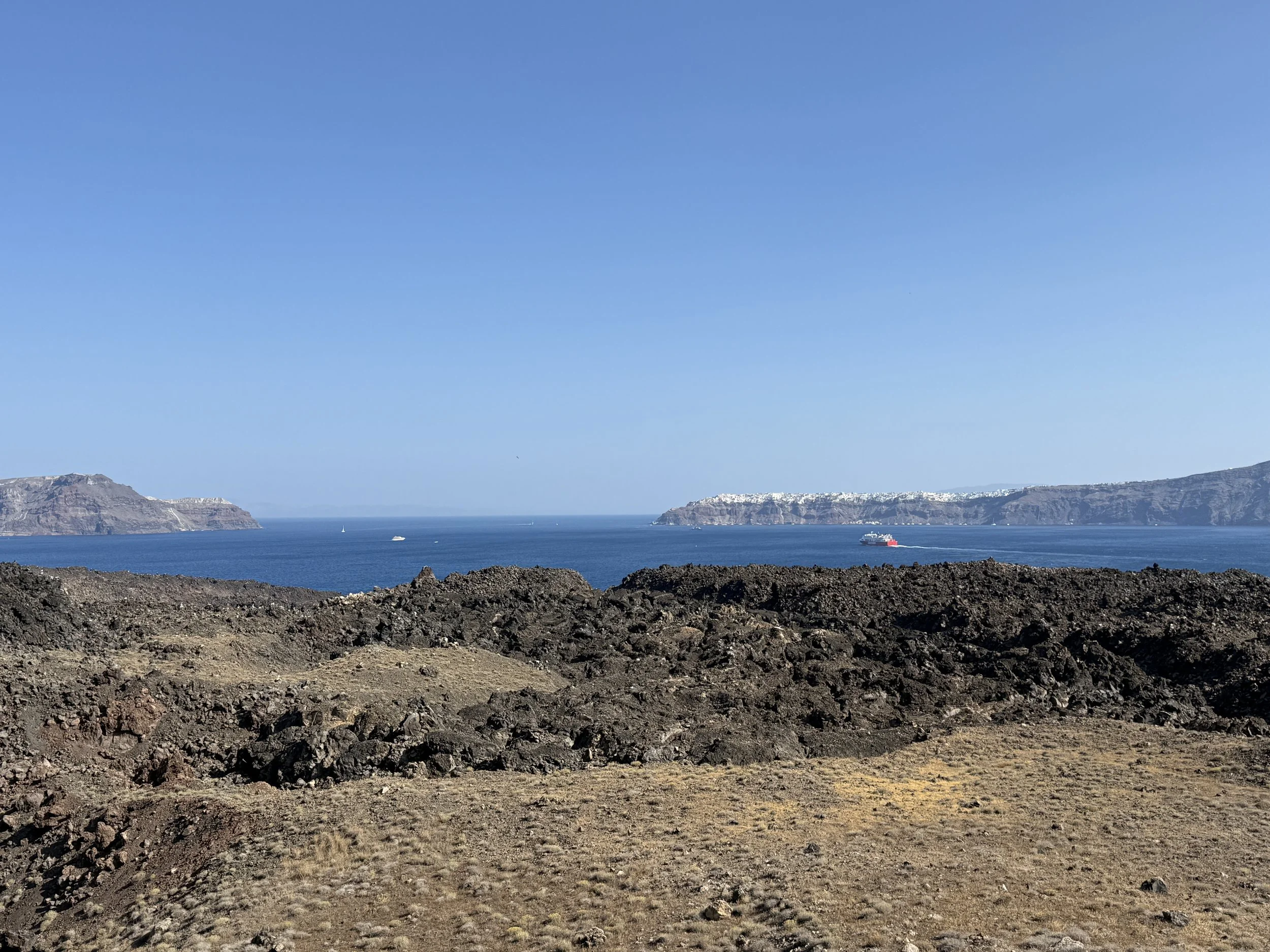
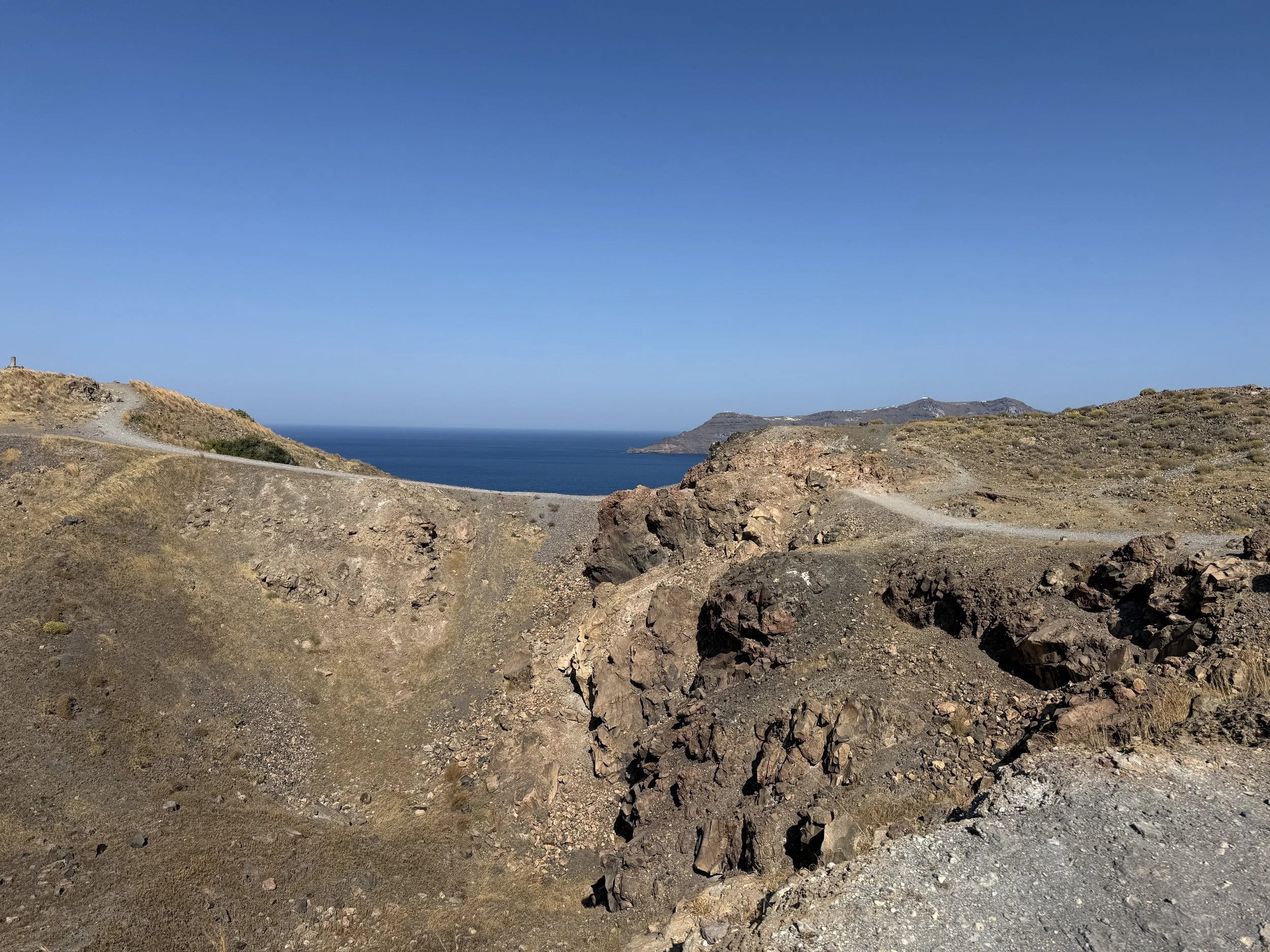
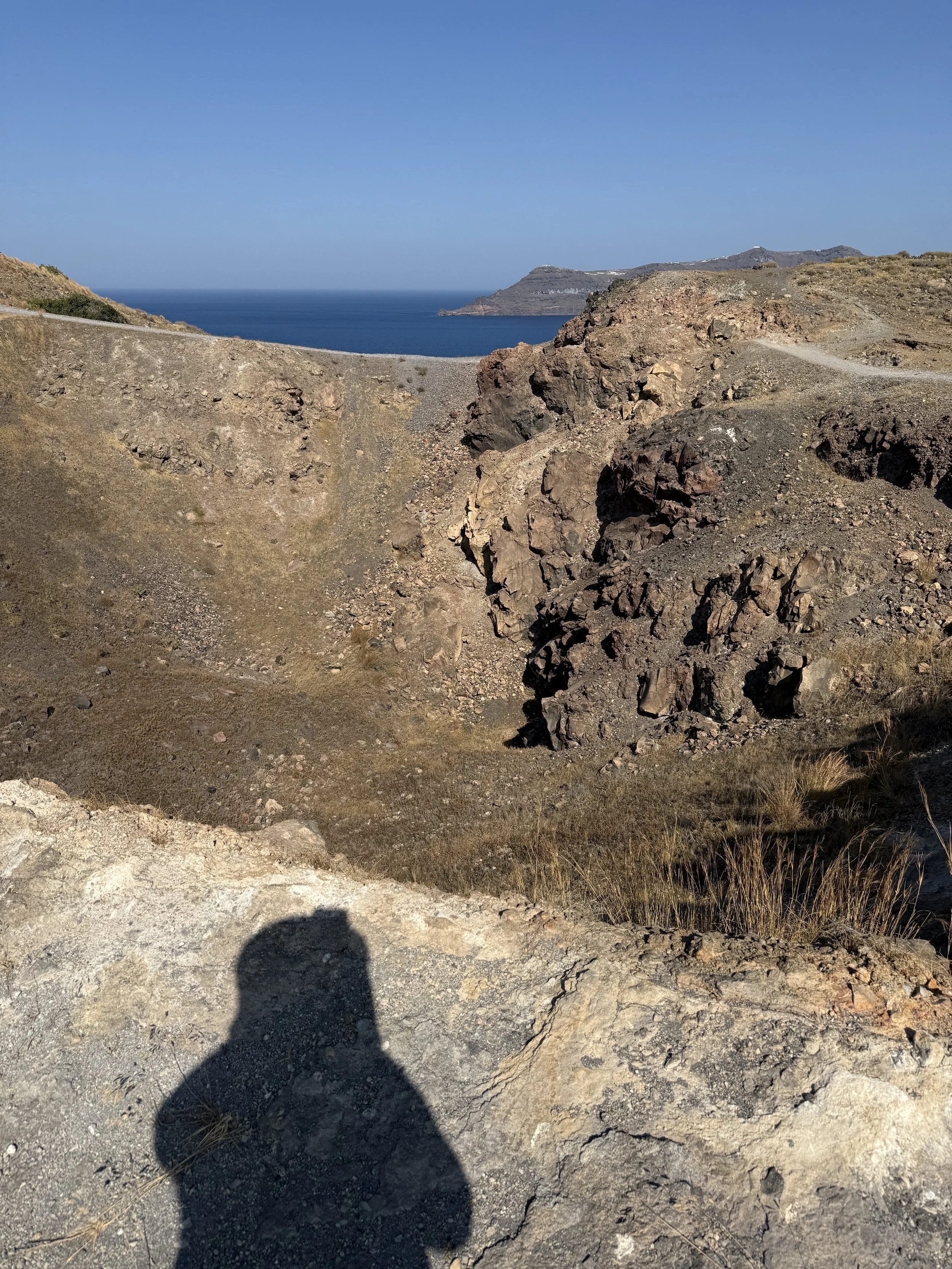
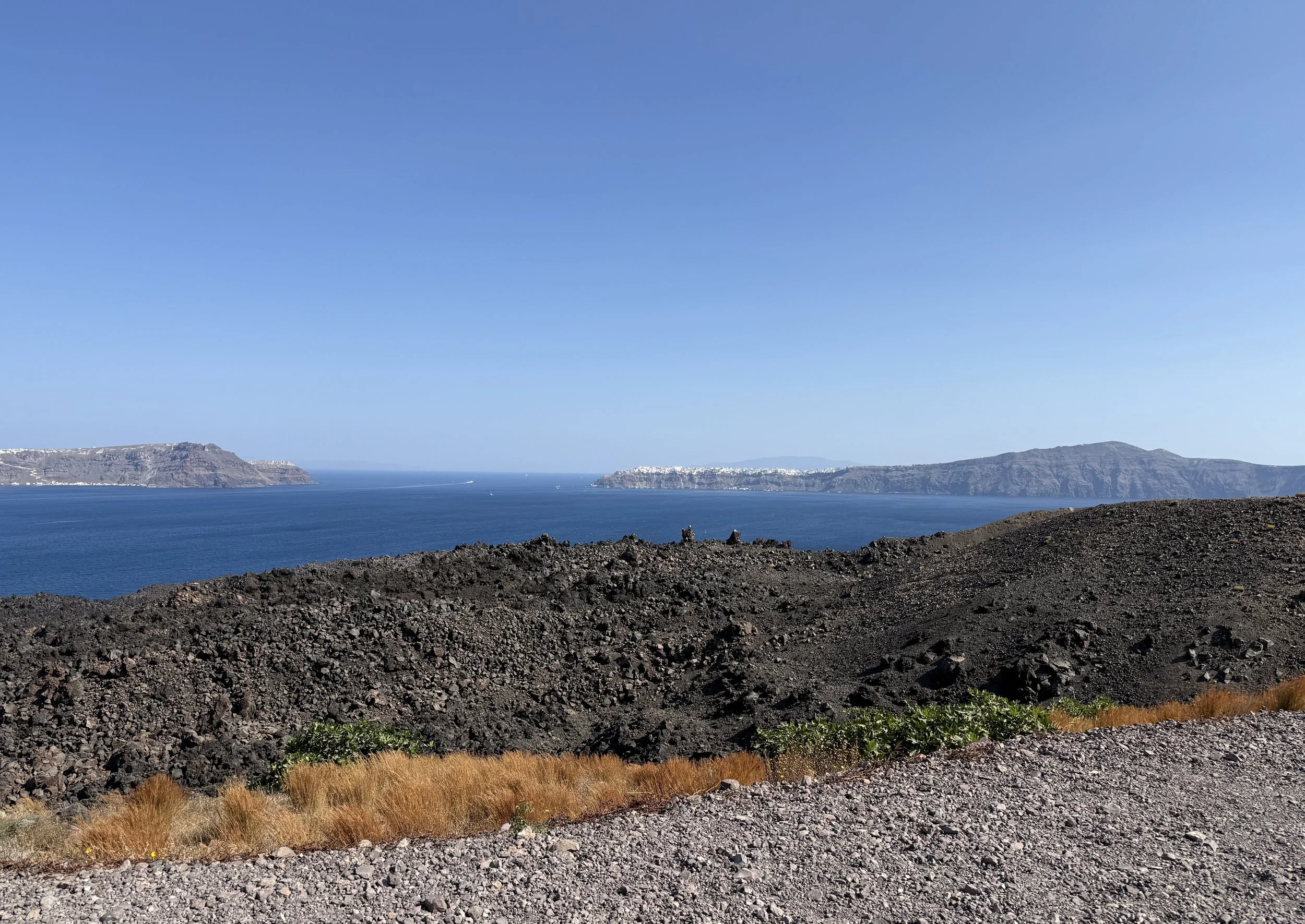
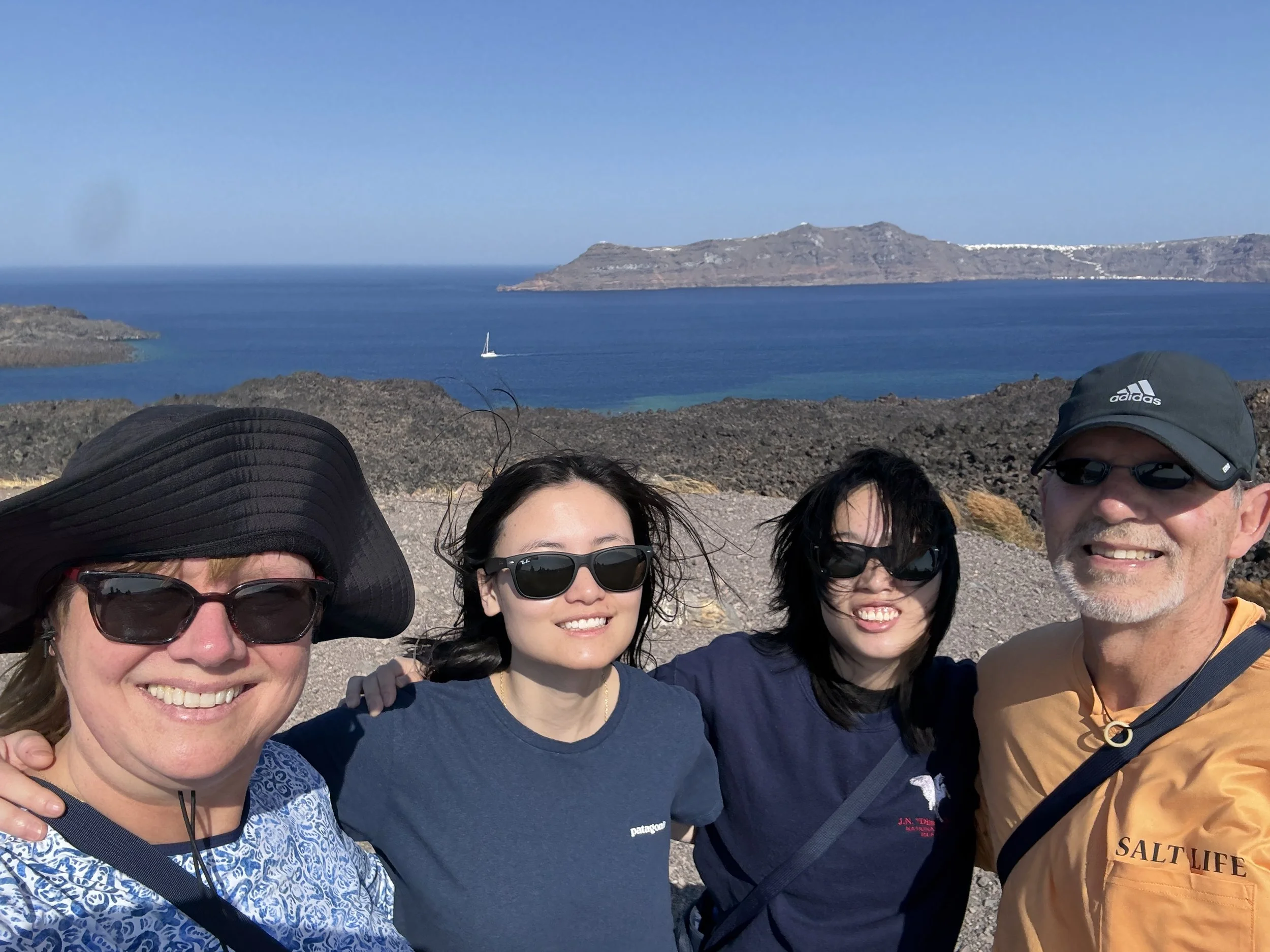
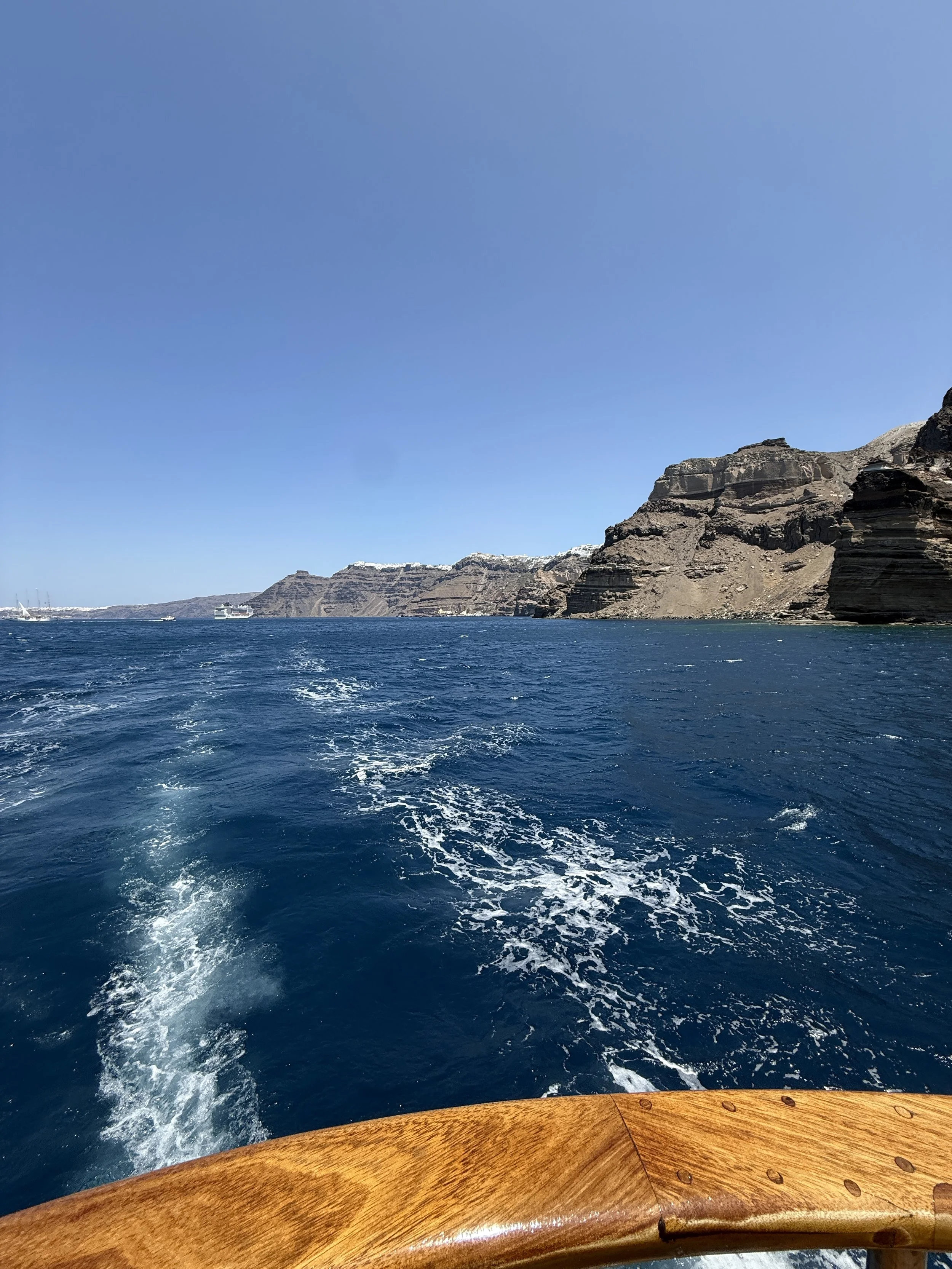
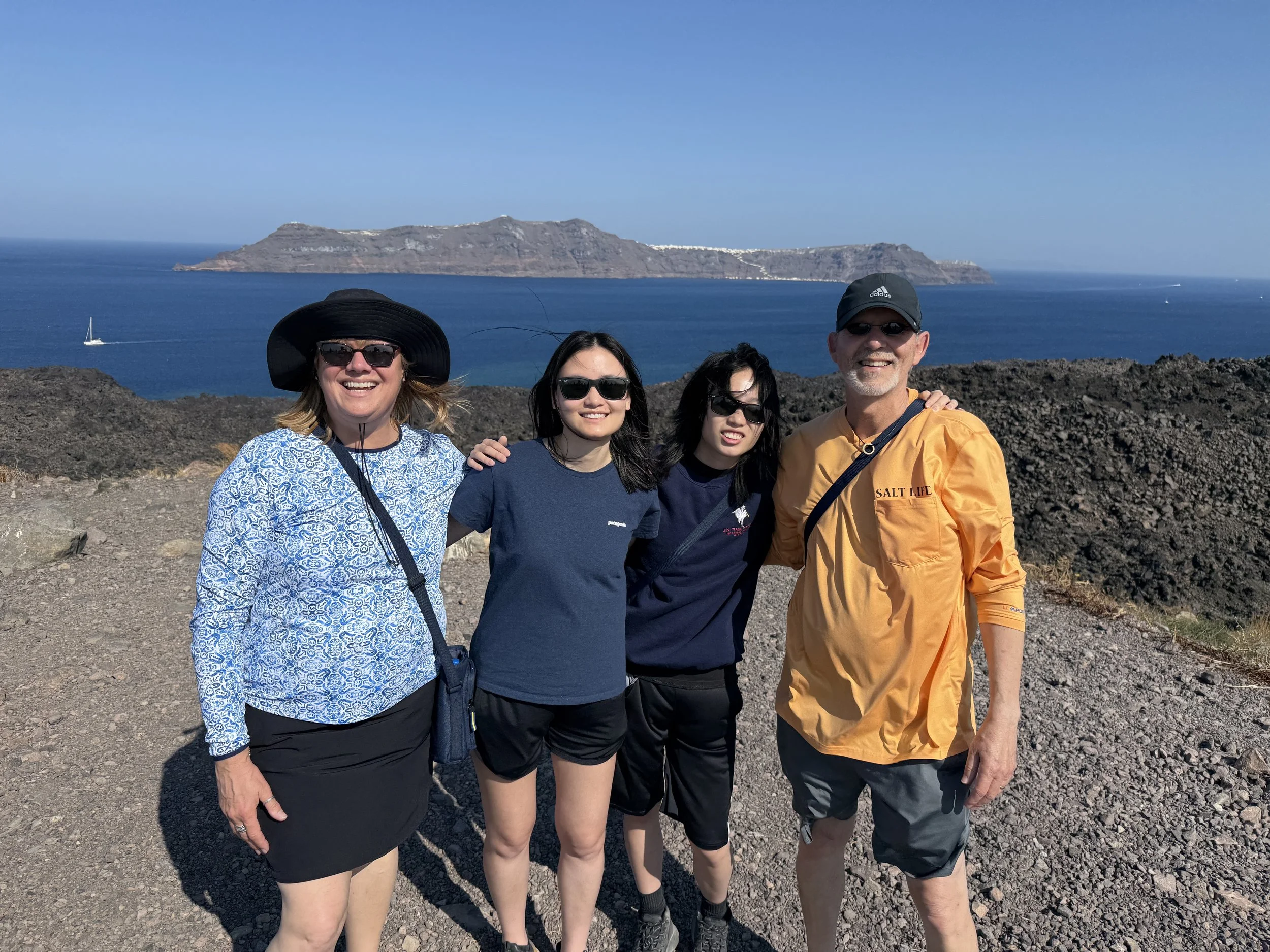
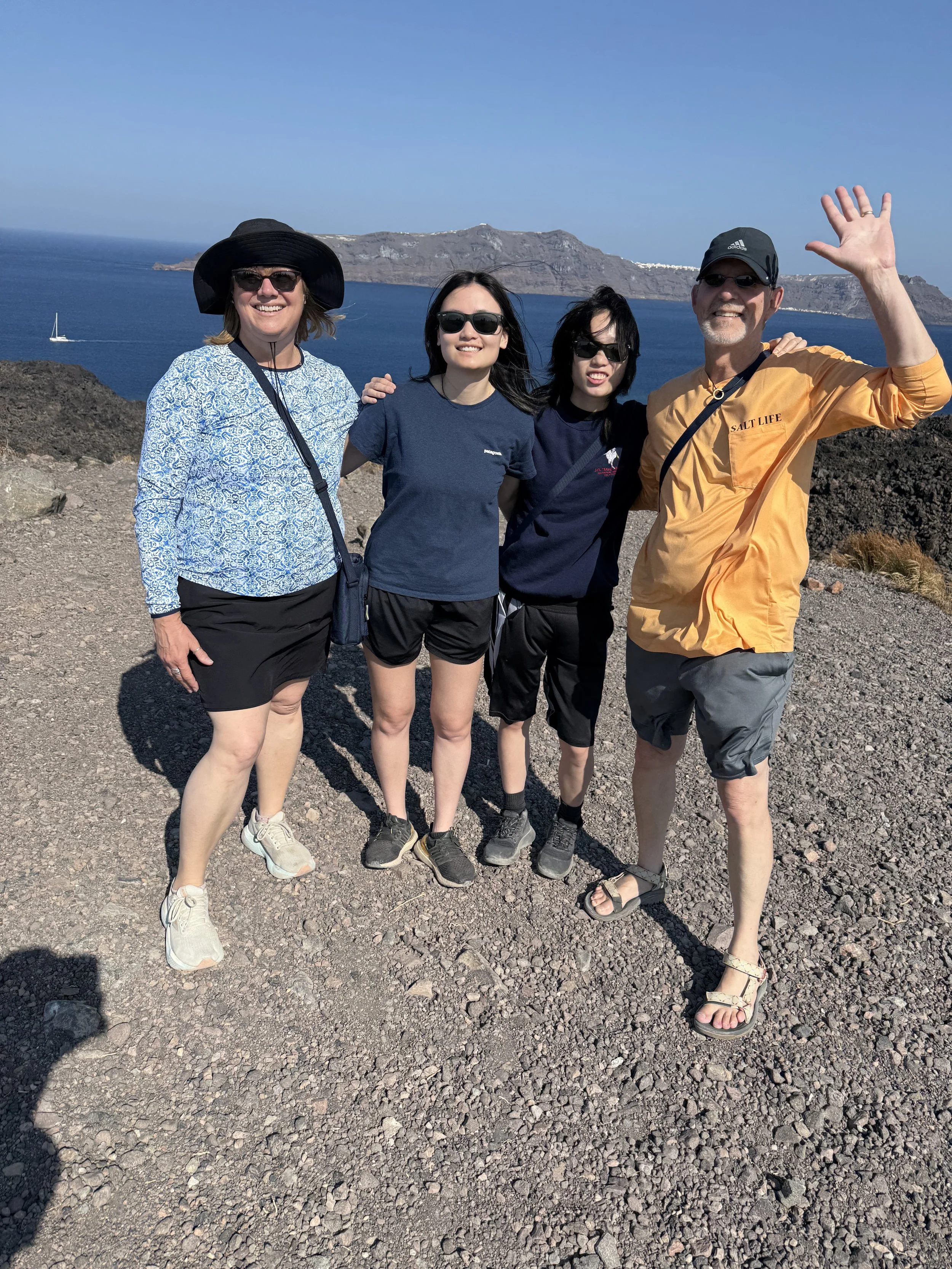
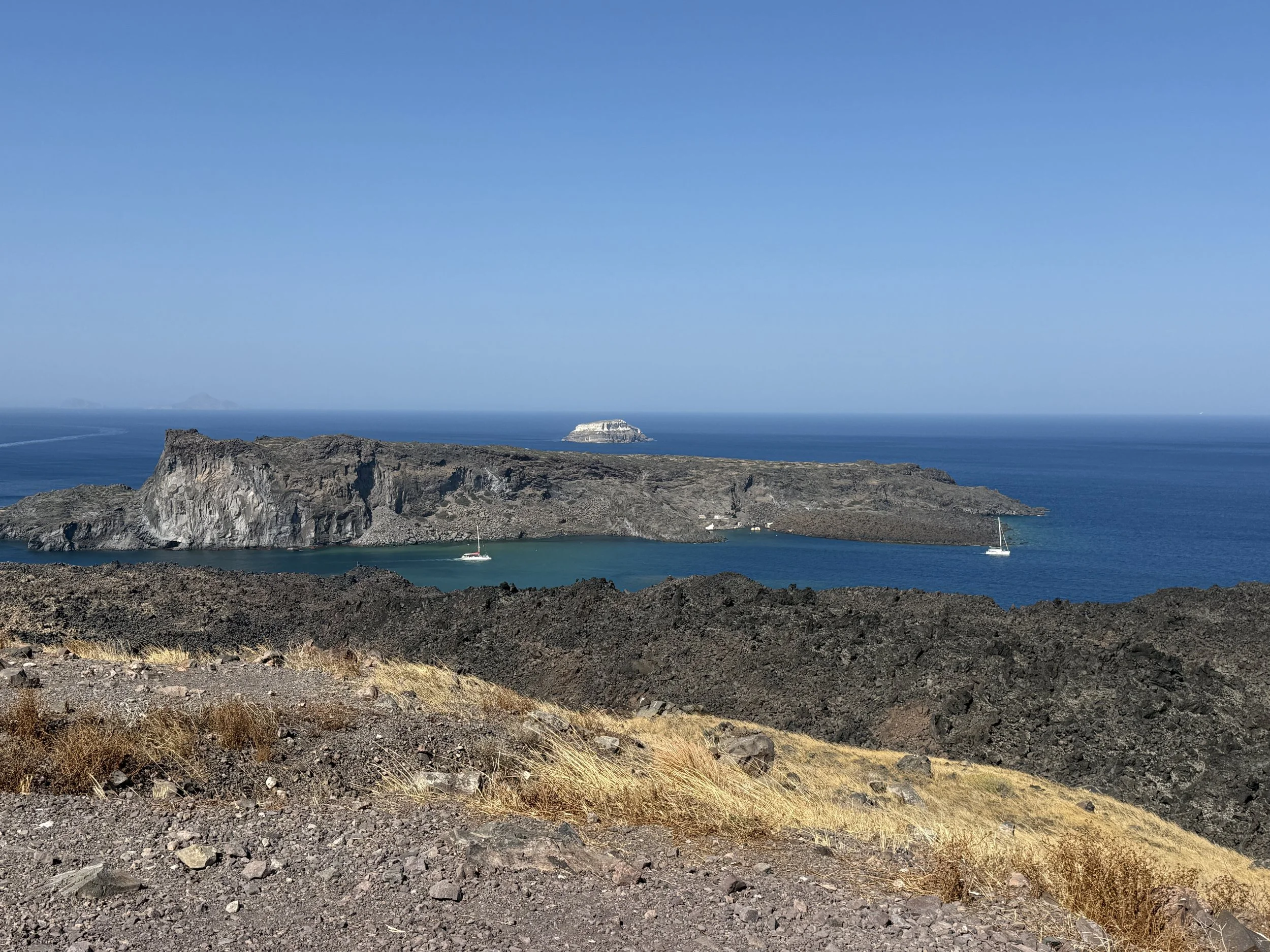
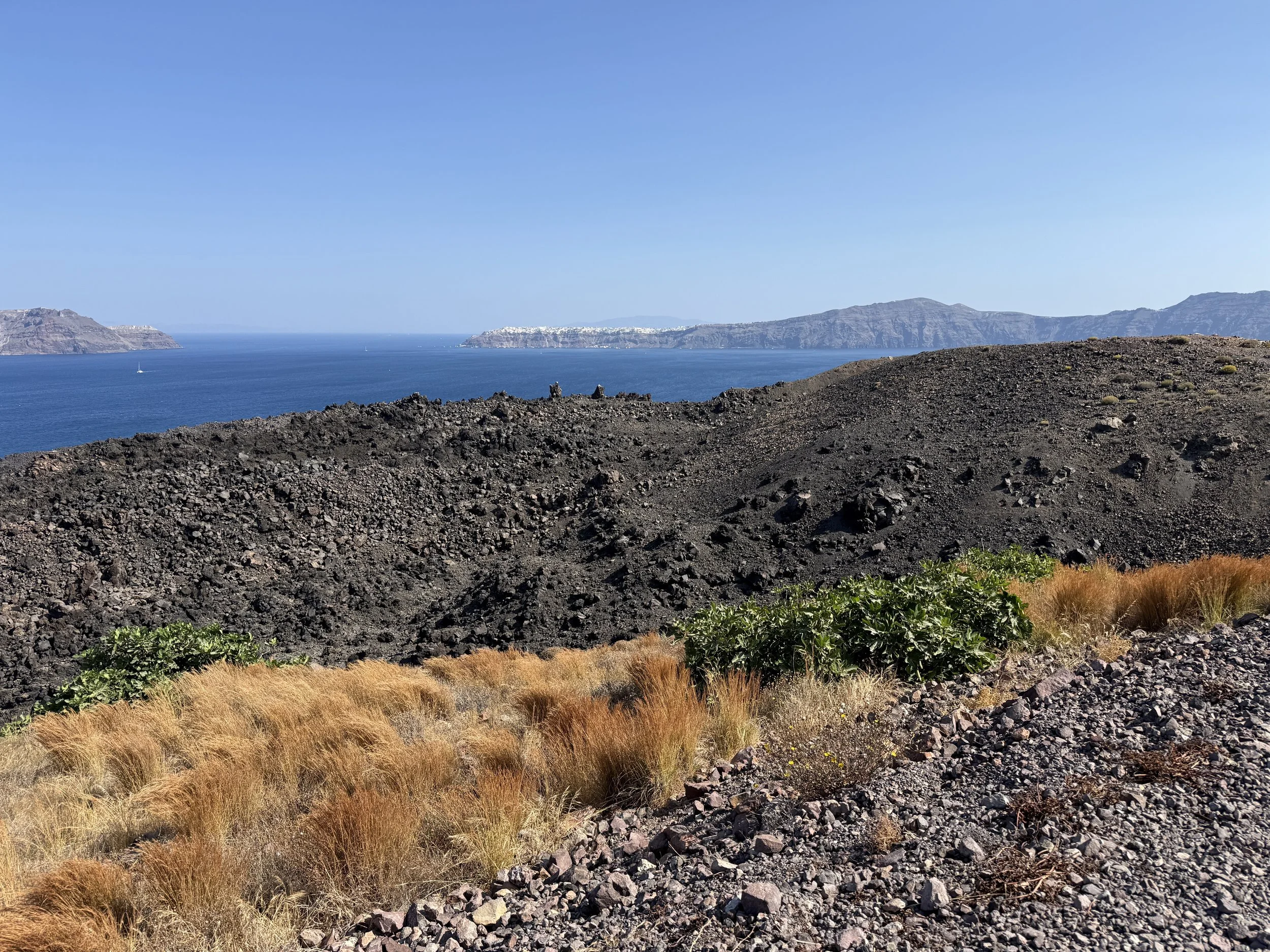
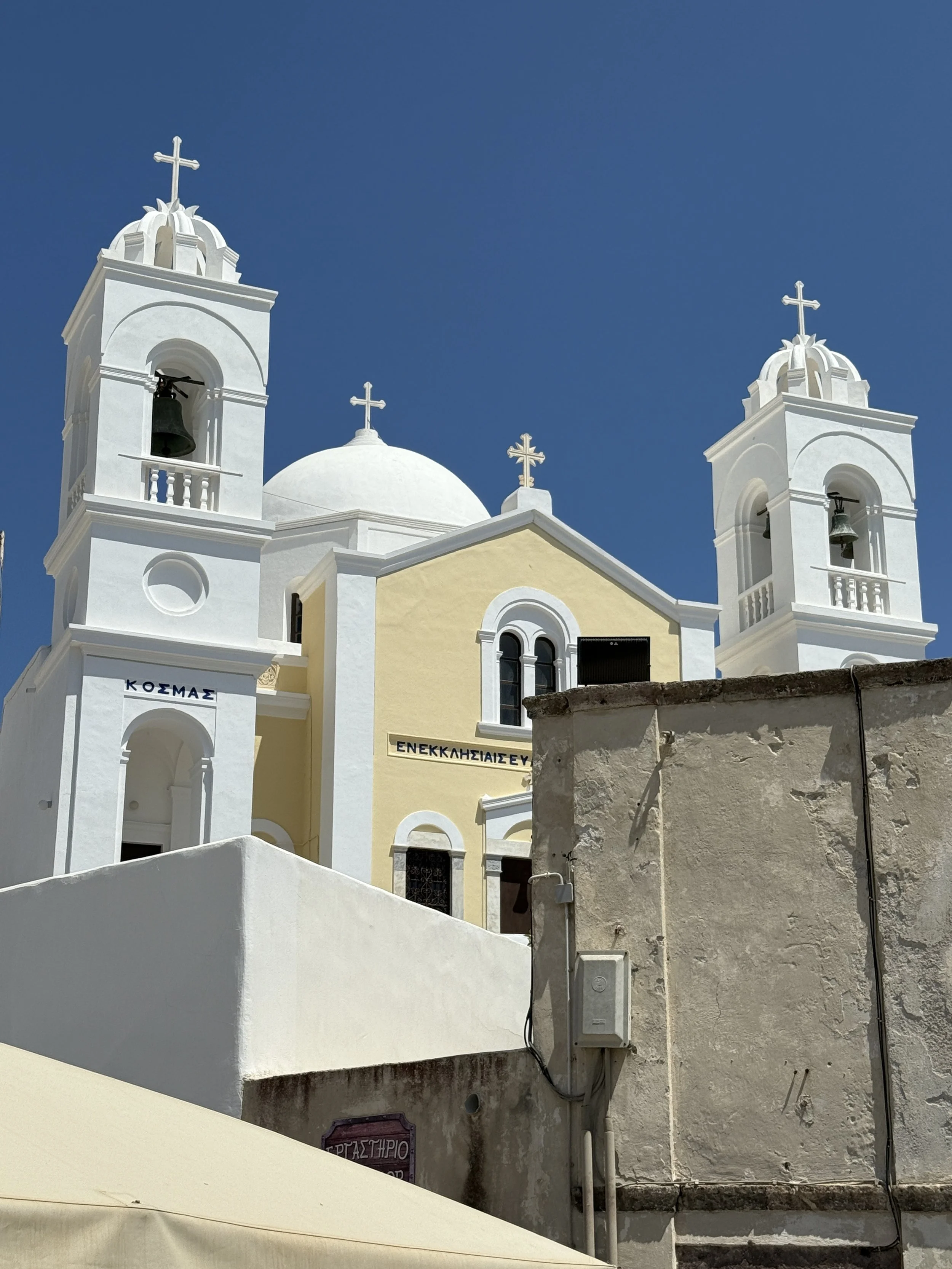
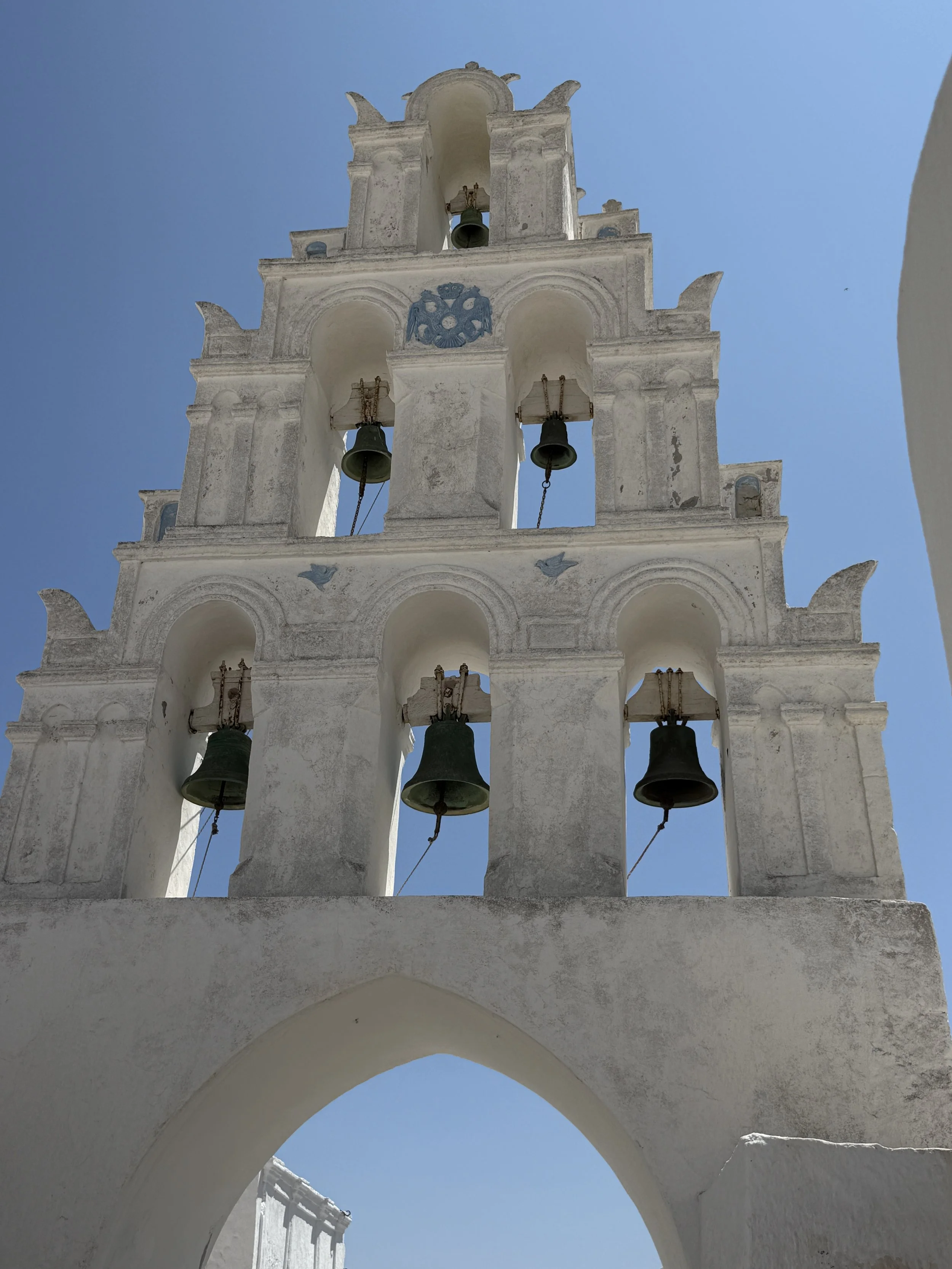
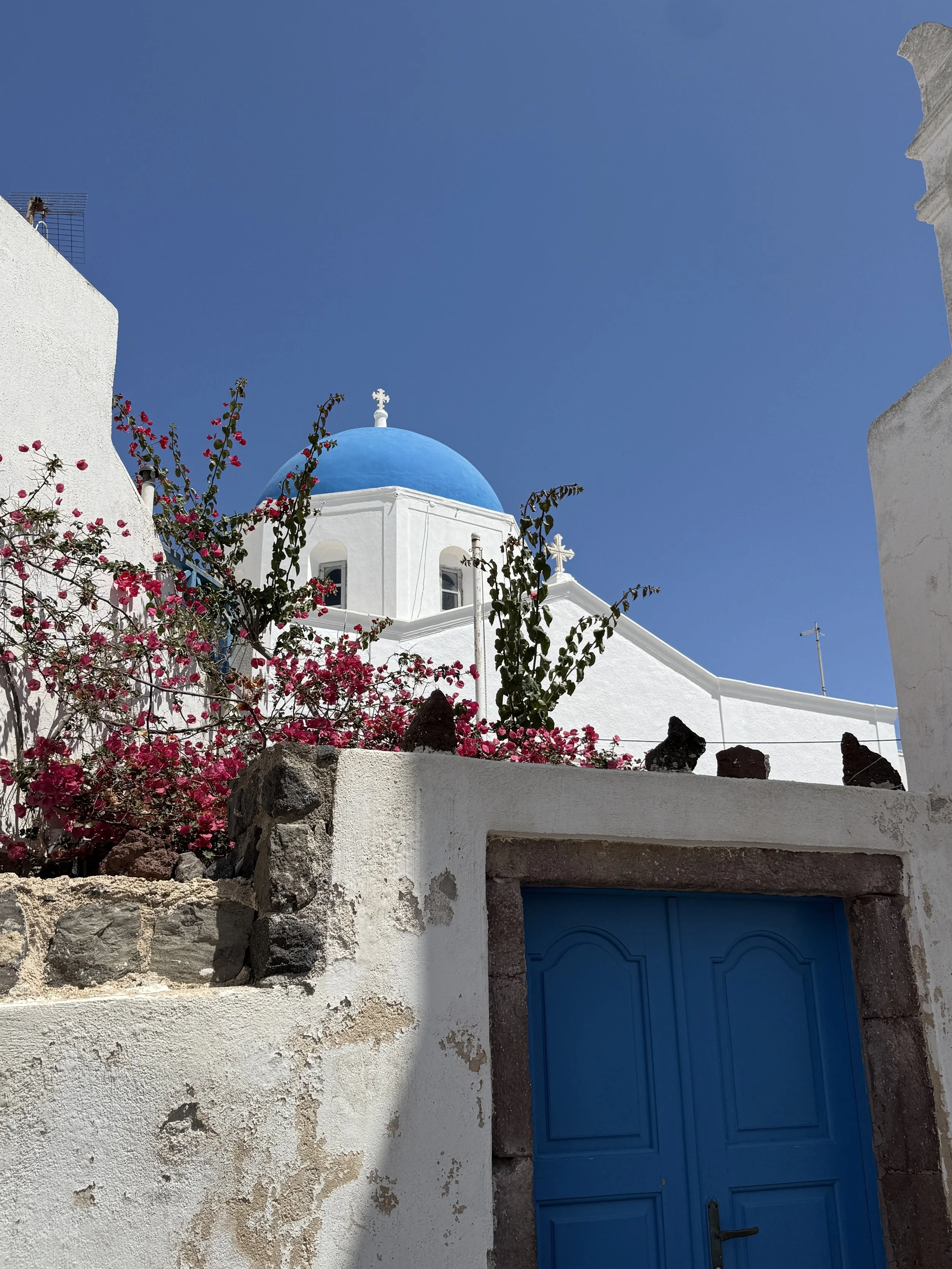
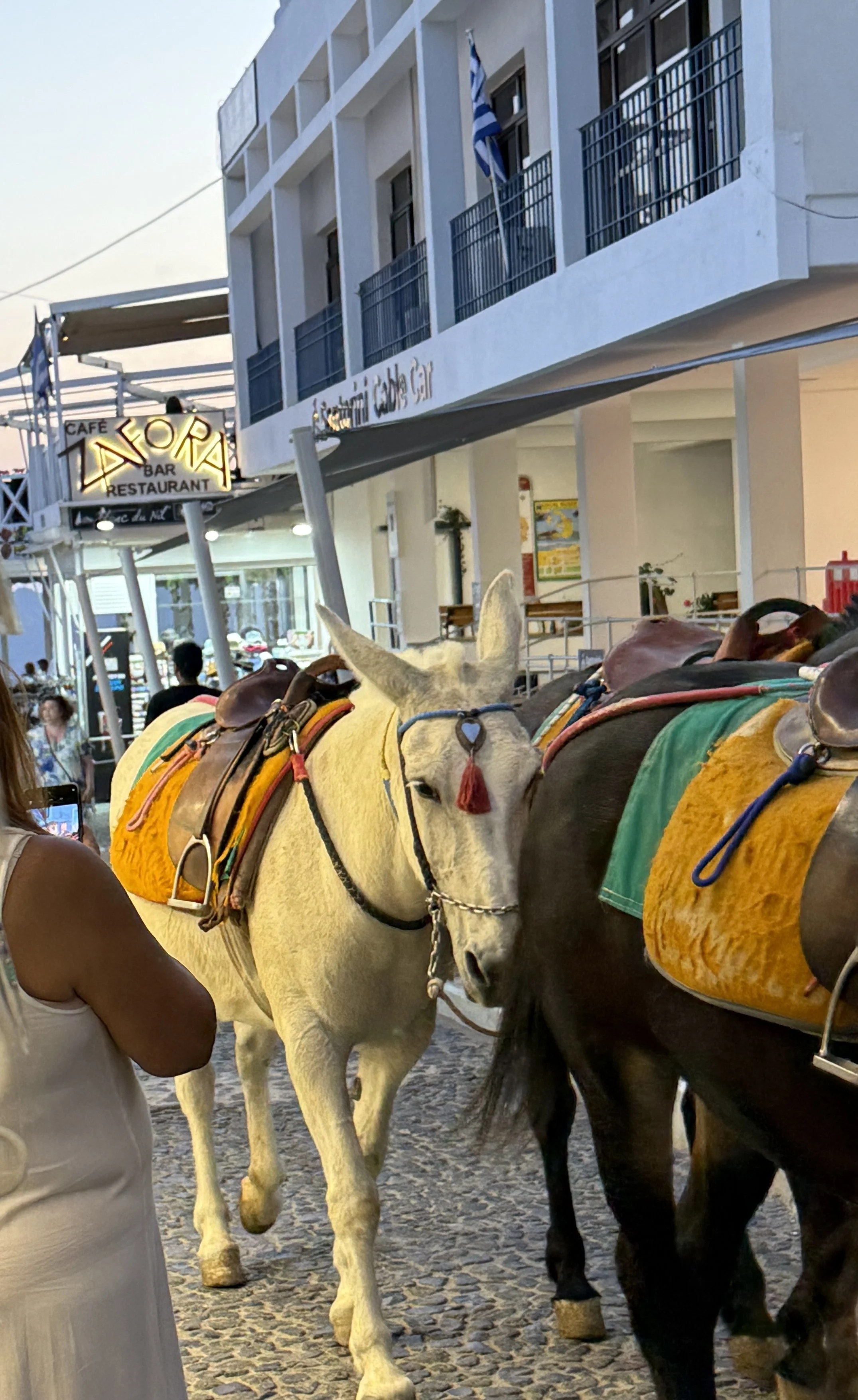
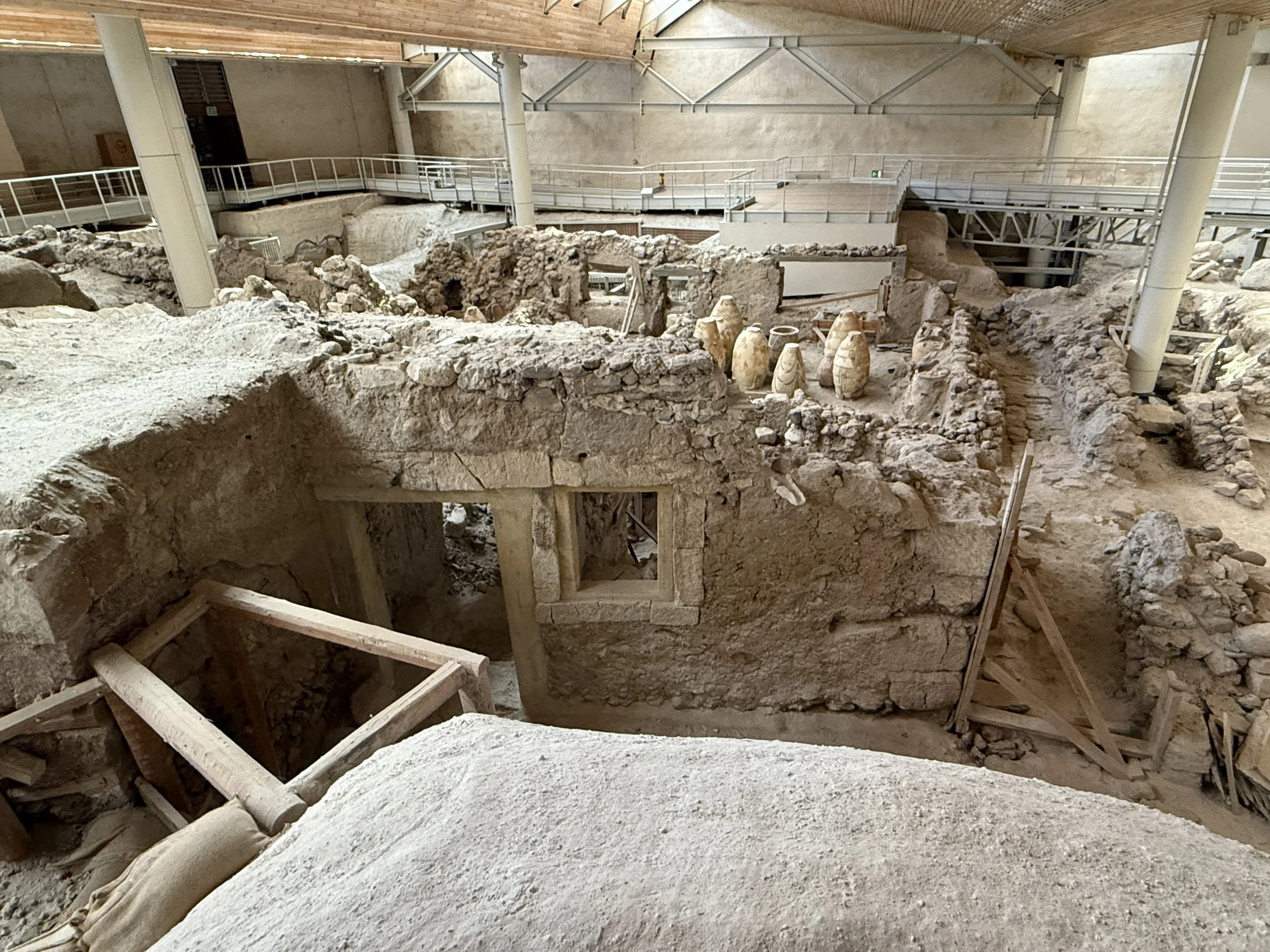
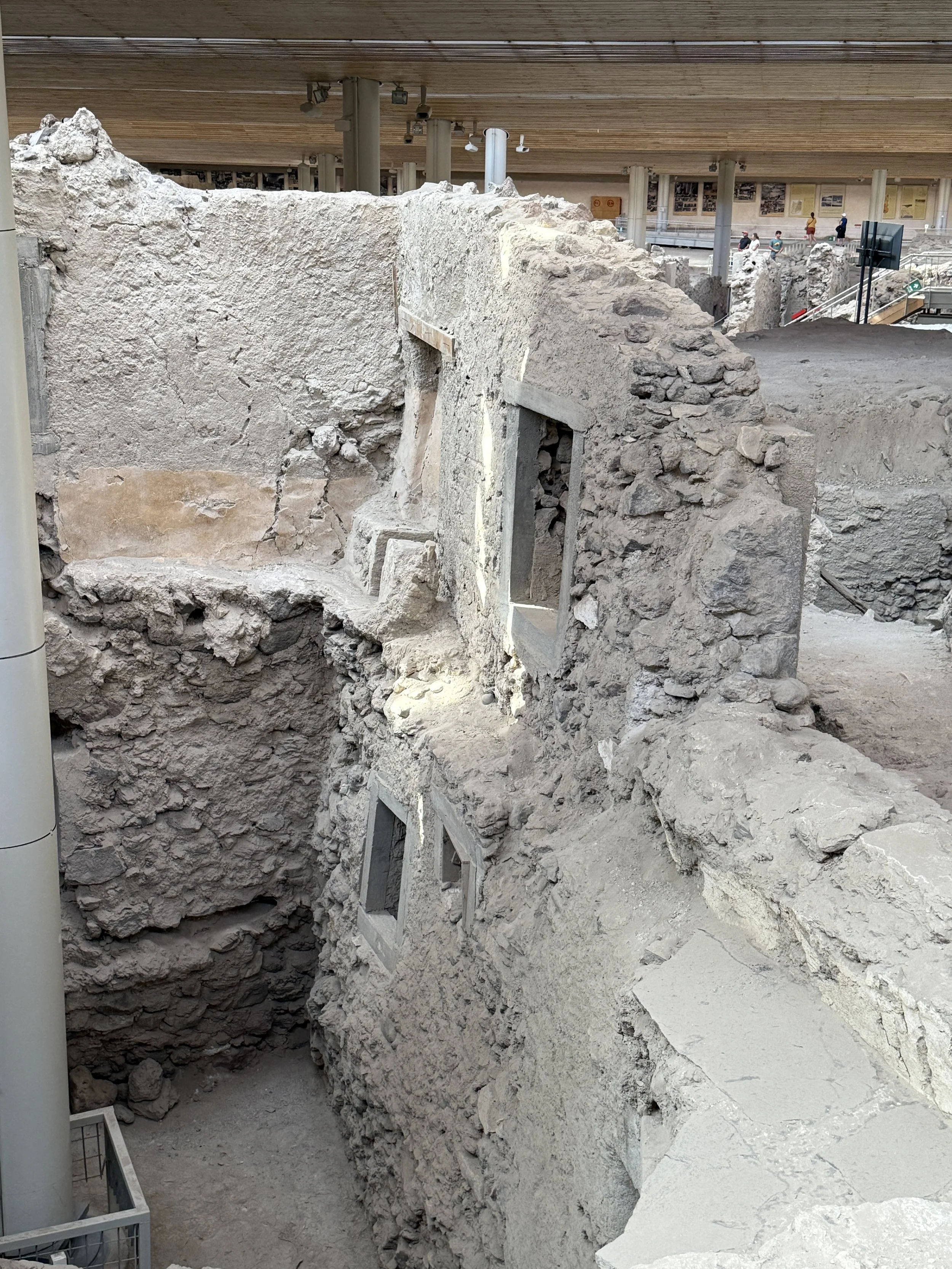
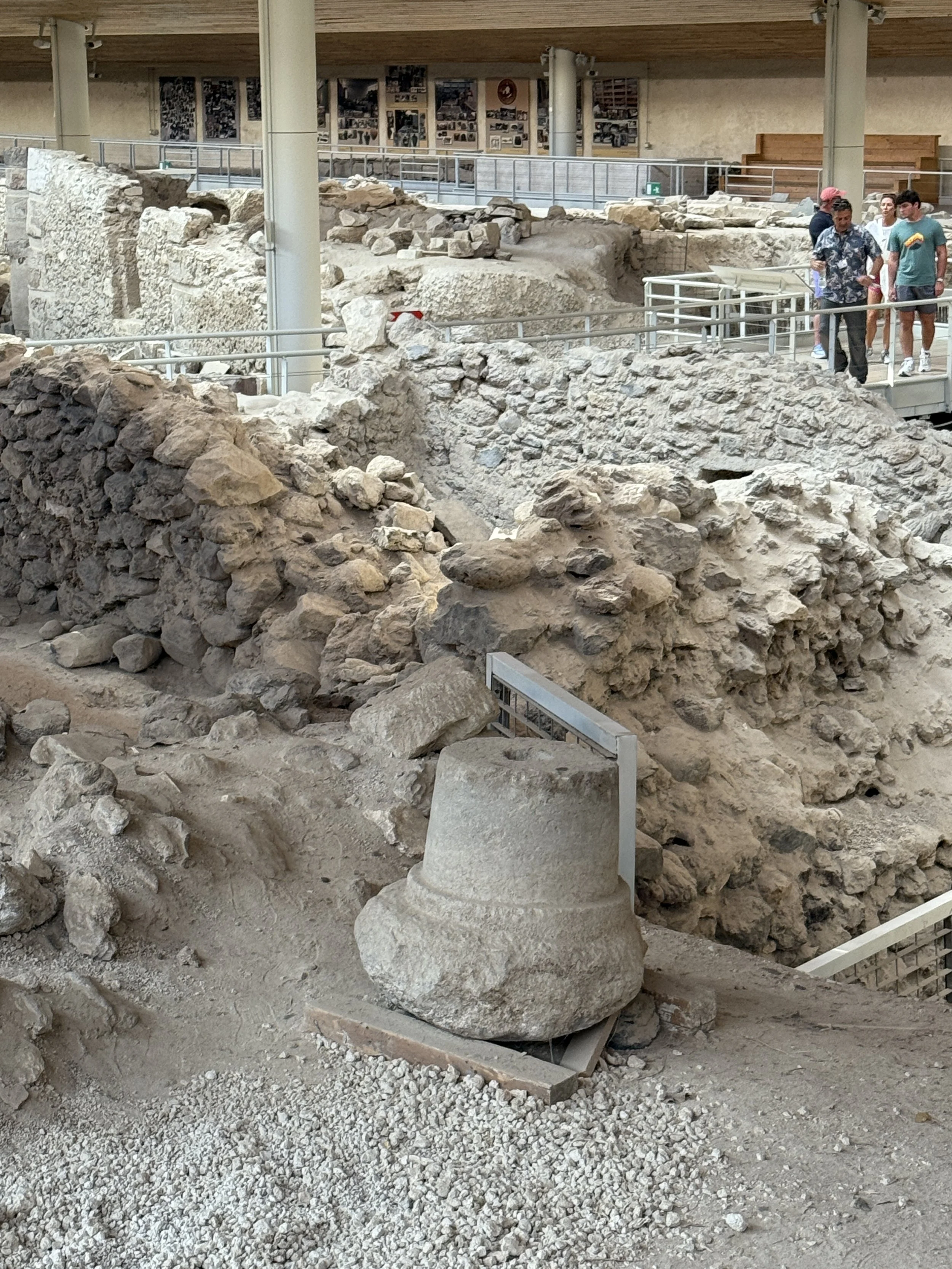
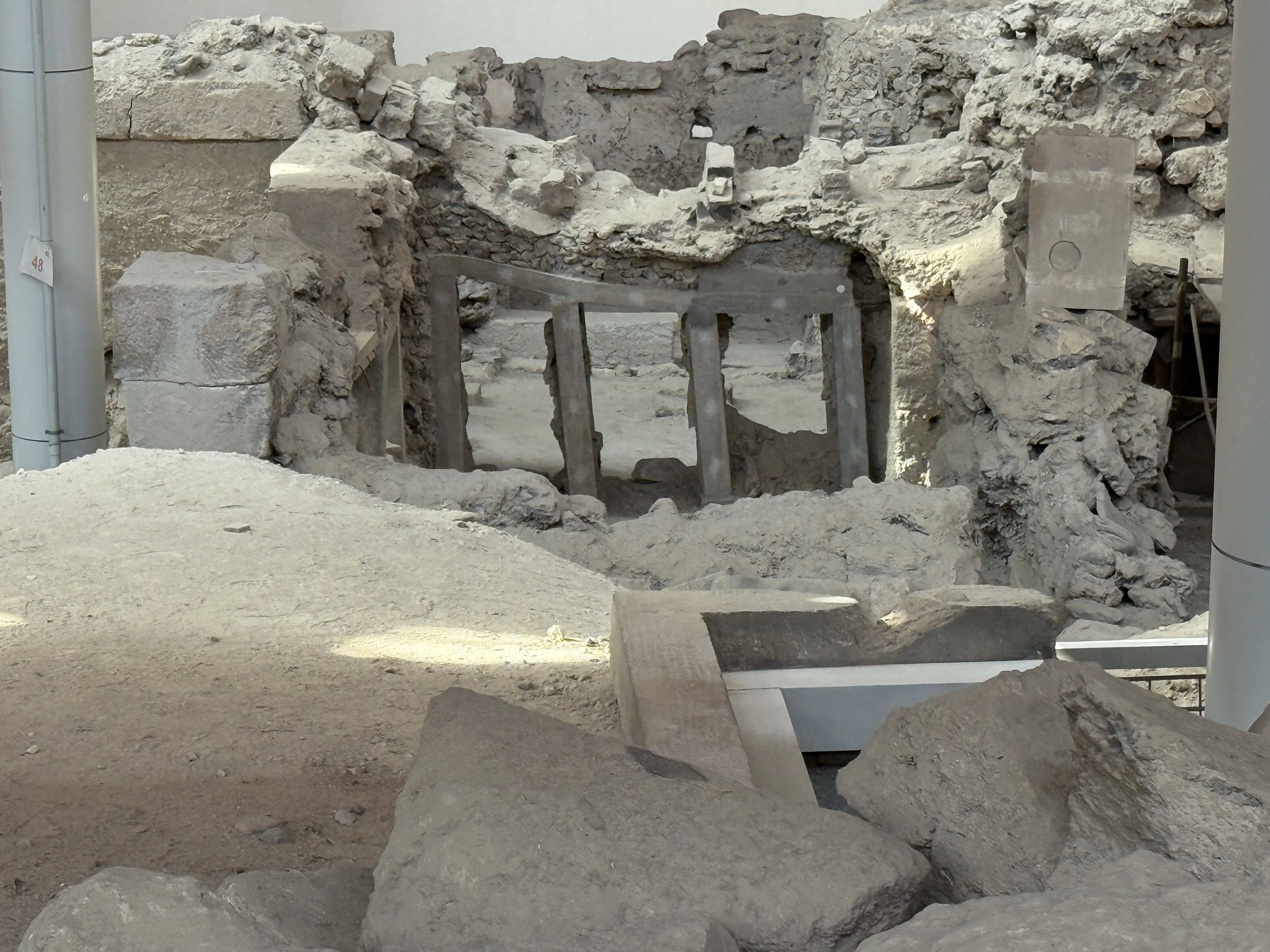
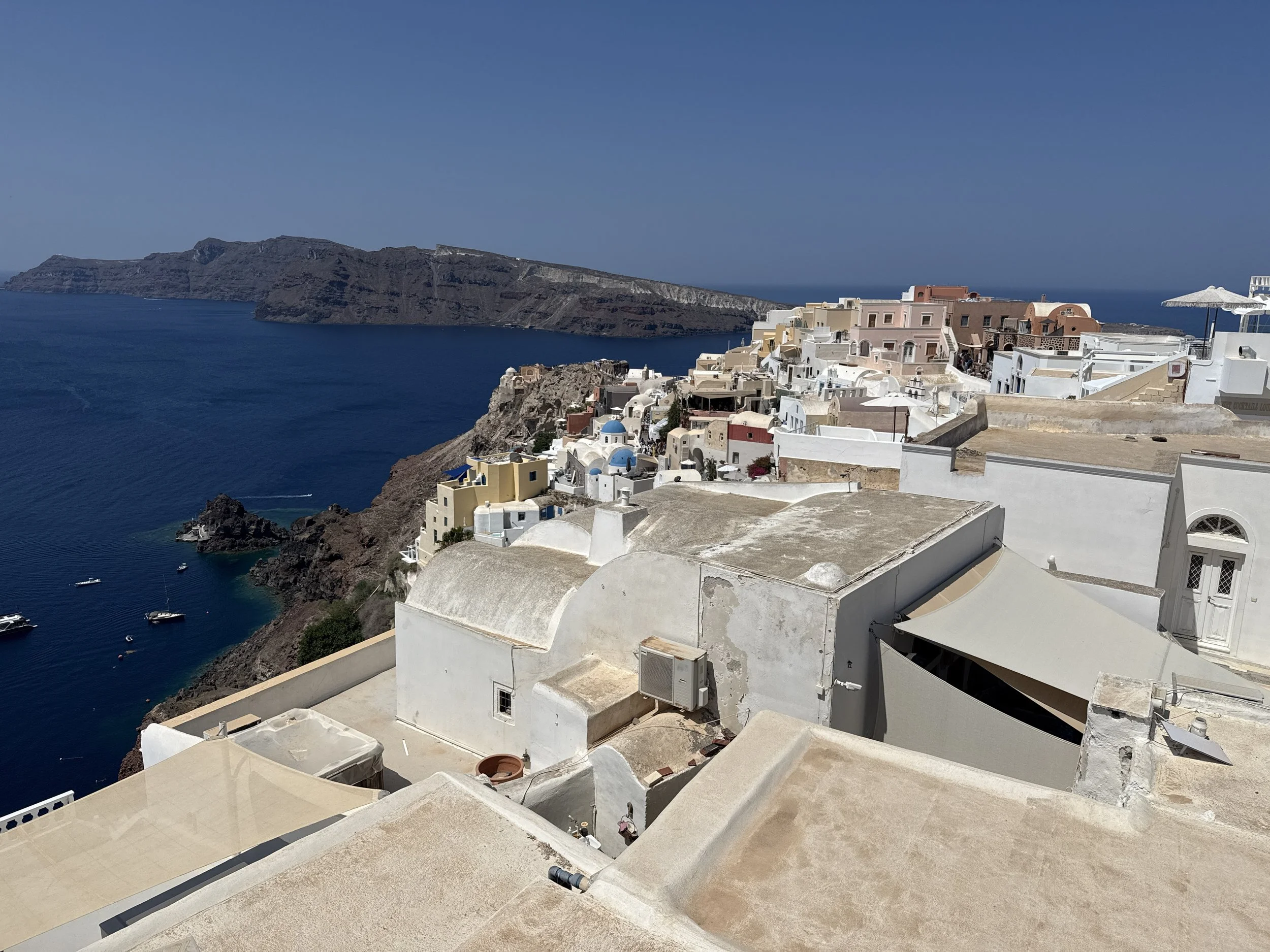
Santorini (officially, Thira) is a volcanic crater island that is located in the southern part of the Aegean Sea in southeastern Greece. Santorini is the southernmost island in the Cyclades island group. As per the 2011 Greek Kallikratis reform, Santorini forms a part of the Thira regional unit and the Santorini municipality is composed of the inhabited islands of Therasia and Santorini as well as the islands of Aspronisi, Christiana, Nea Kameni, and Palaia Kameni which are uninhabited.
In the 13th century, the island was named “Santorini” by the Latin Empire in the honor of the martyred Christian saint, Saint Irene. The island was previously known as Kalliste or Thera. In the 19th century, the name Thera was restored as the official name of the island and its principal city. In English, the island is still usually referred to as Santorini.
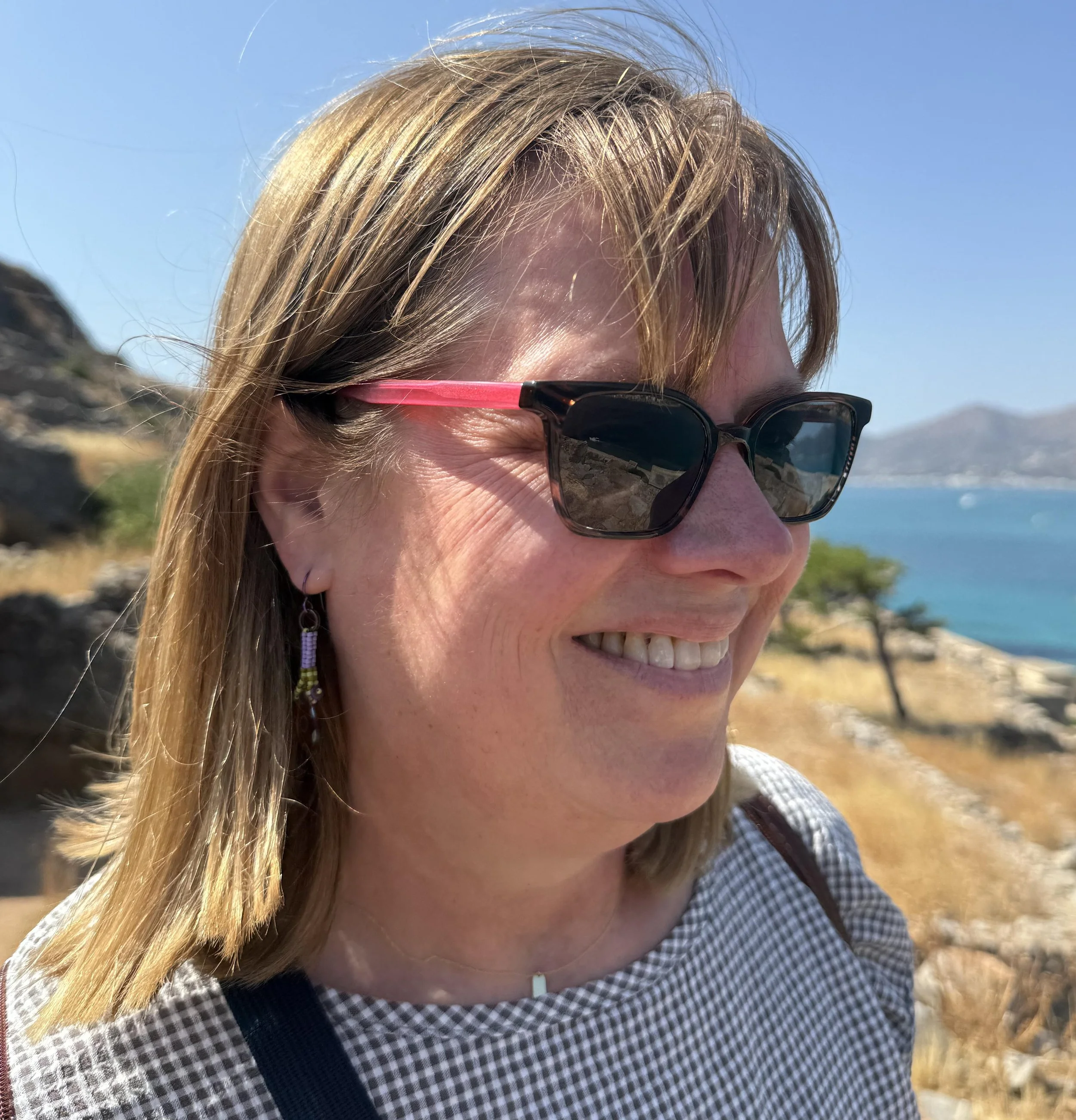
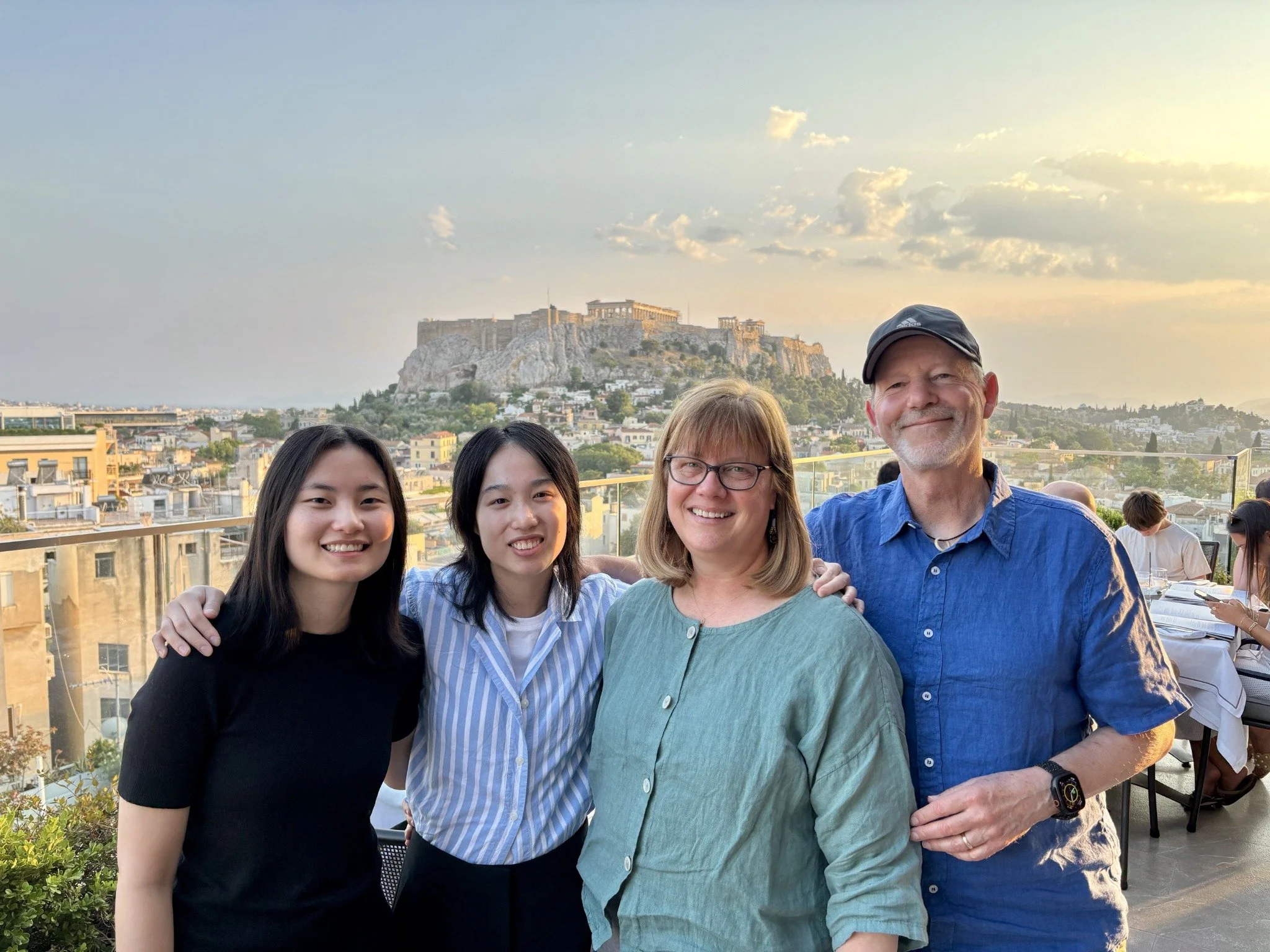
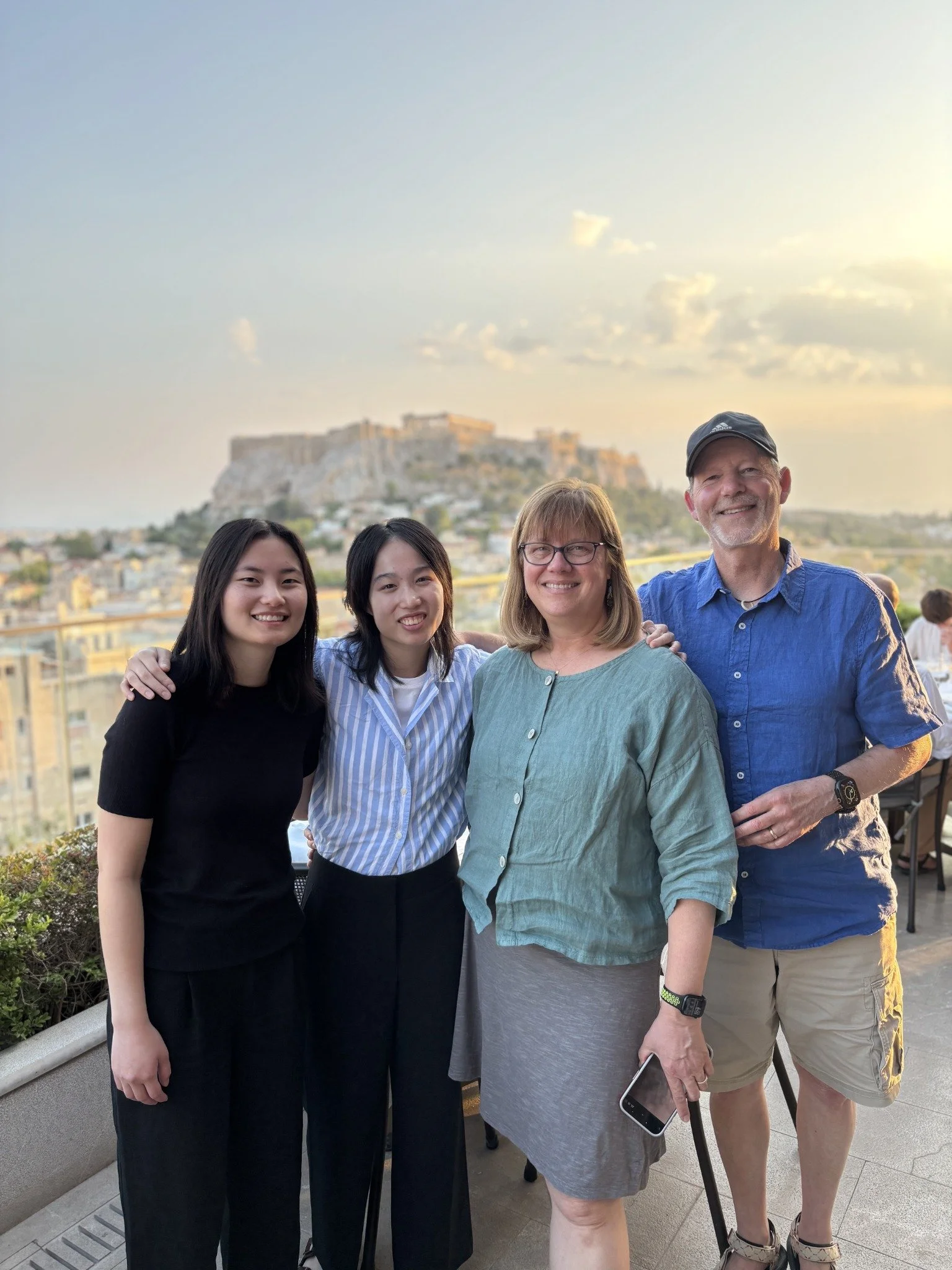
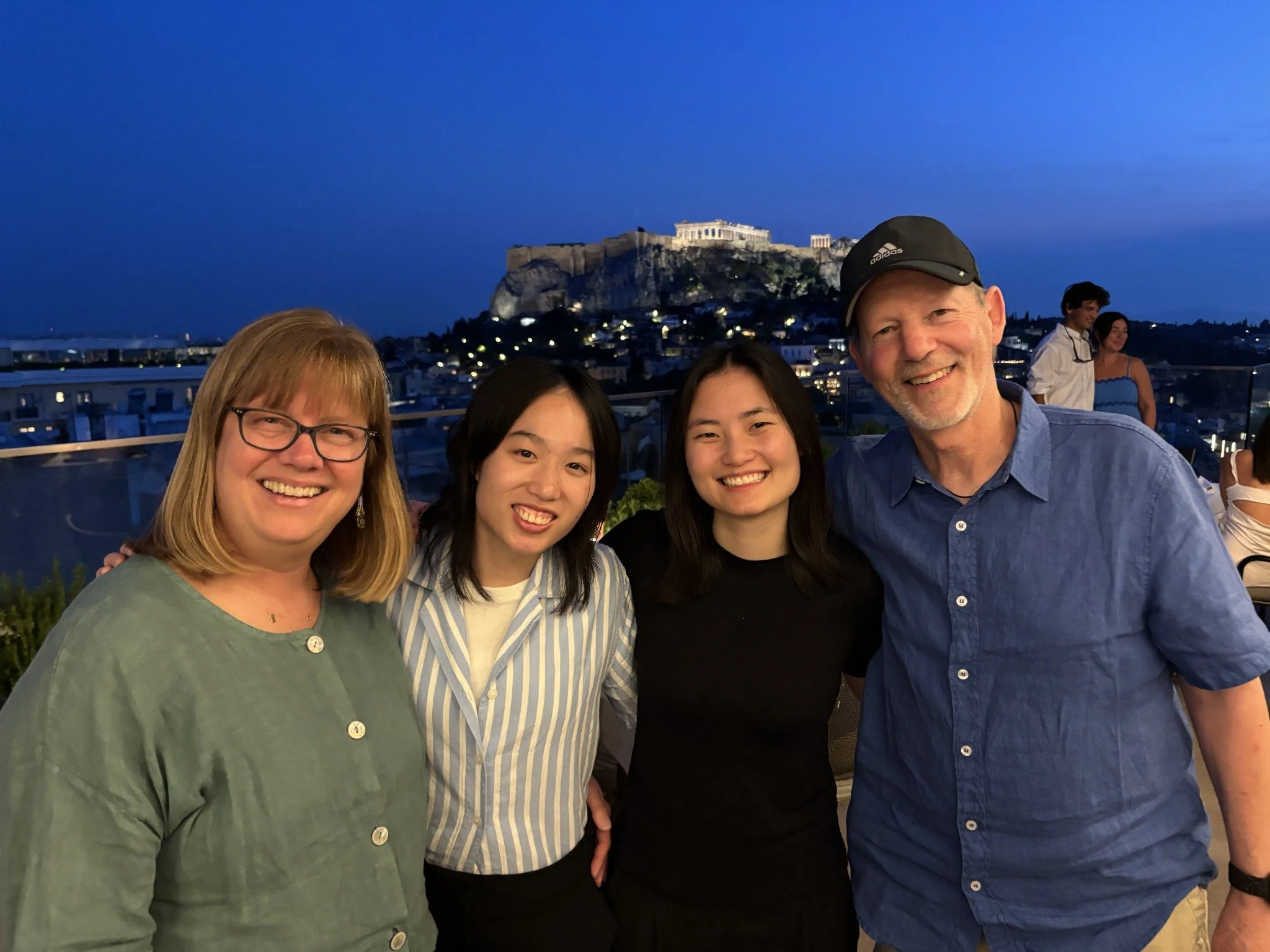
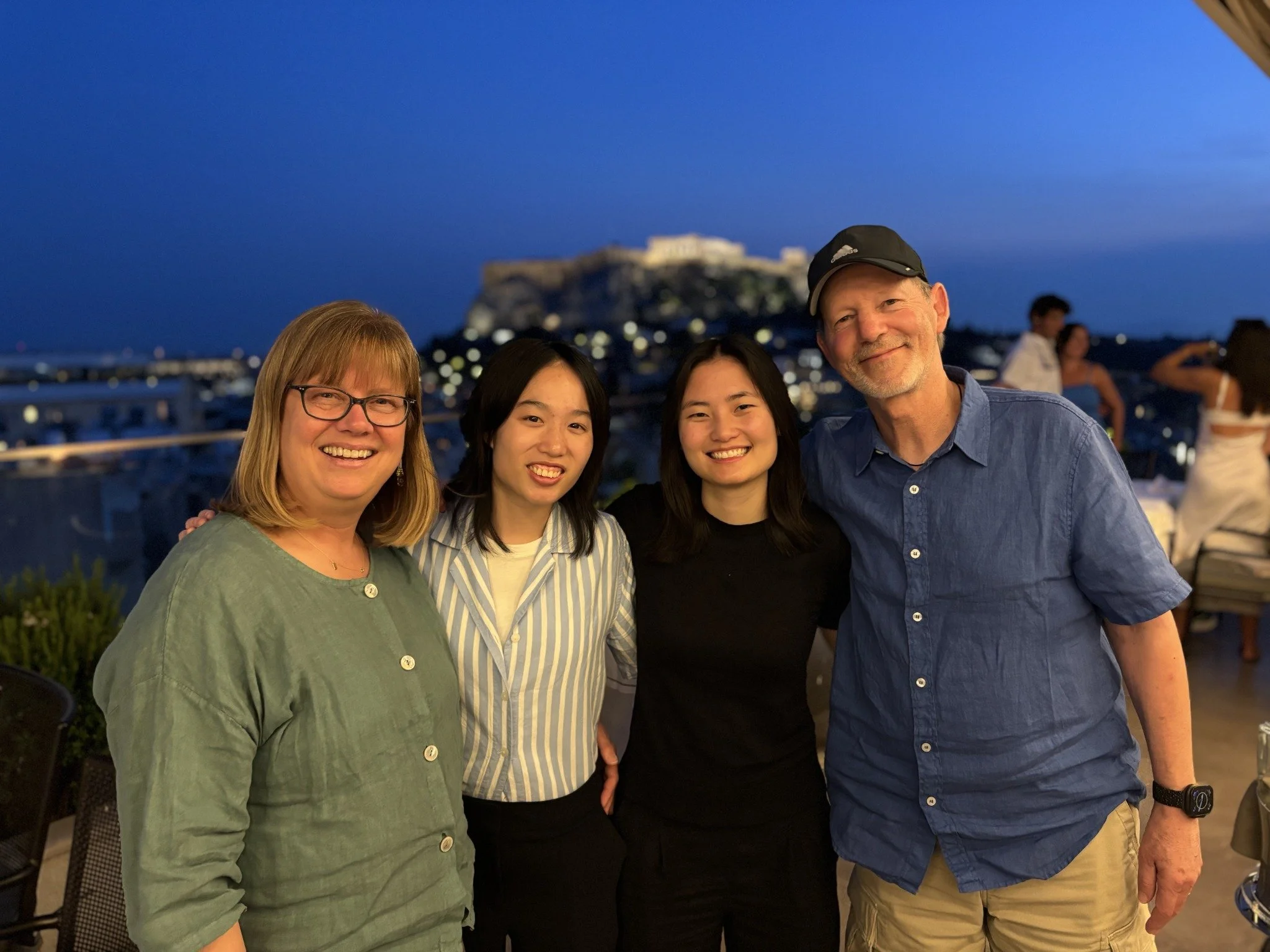
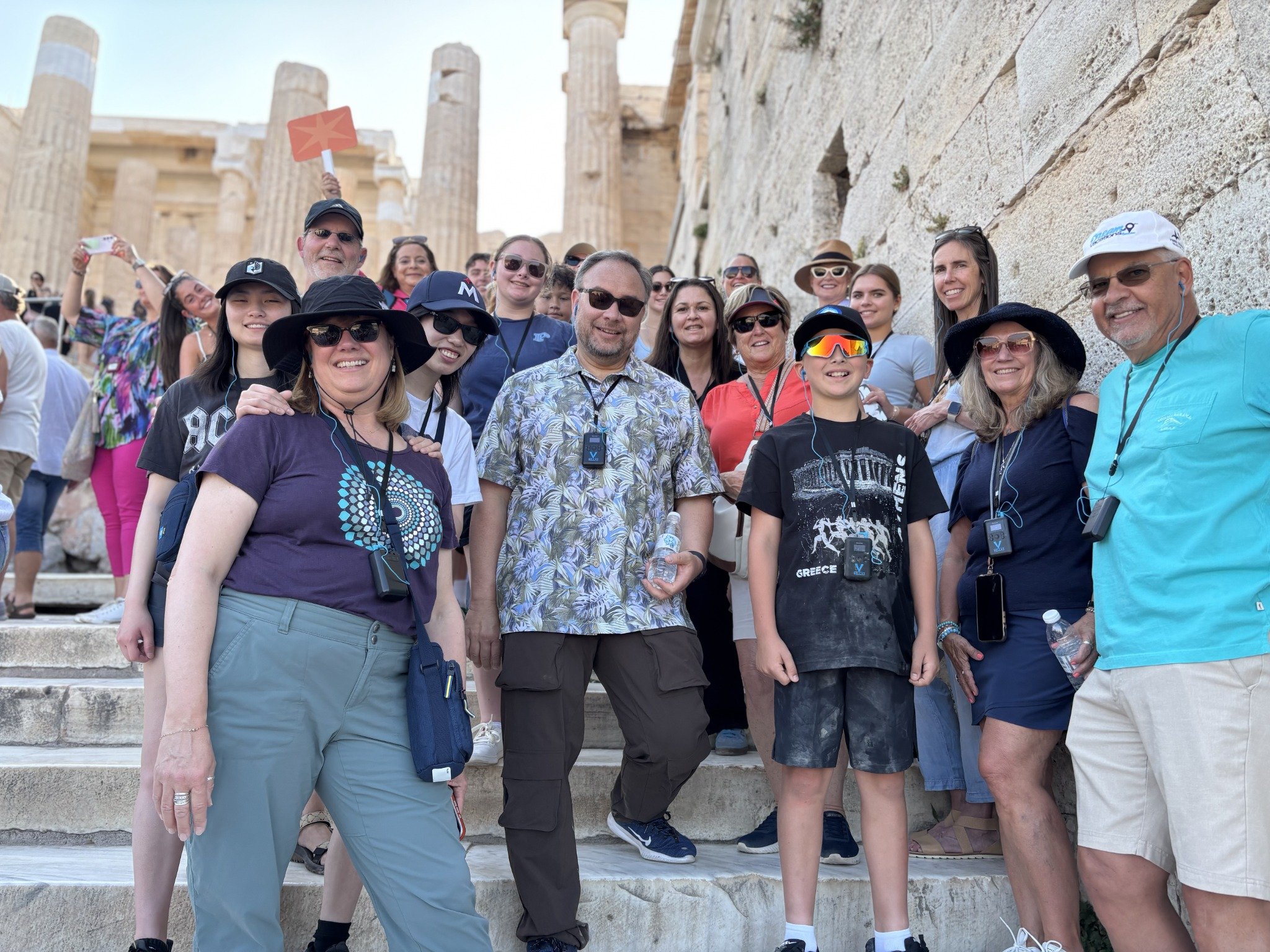
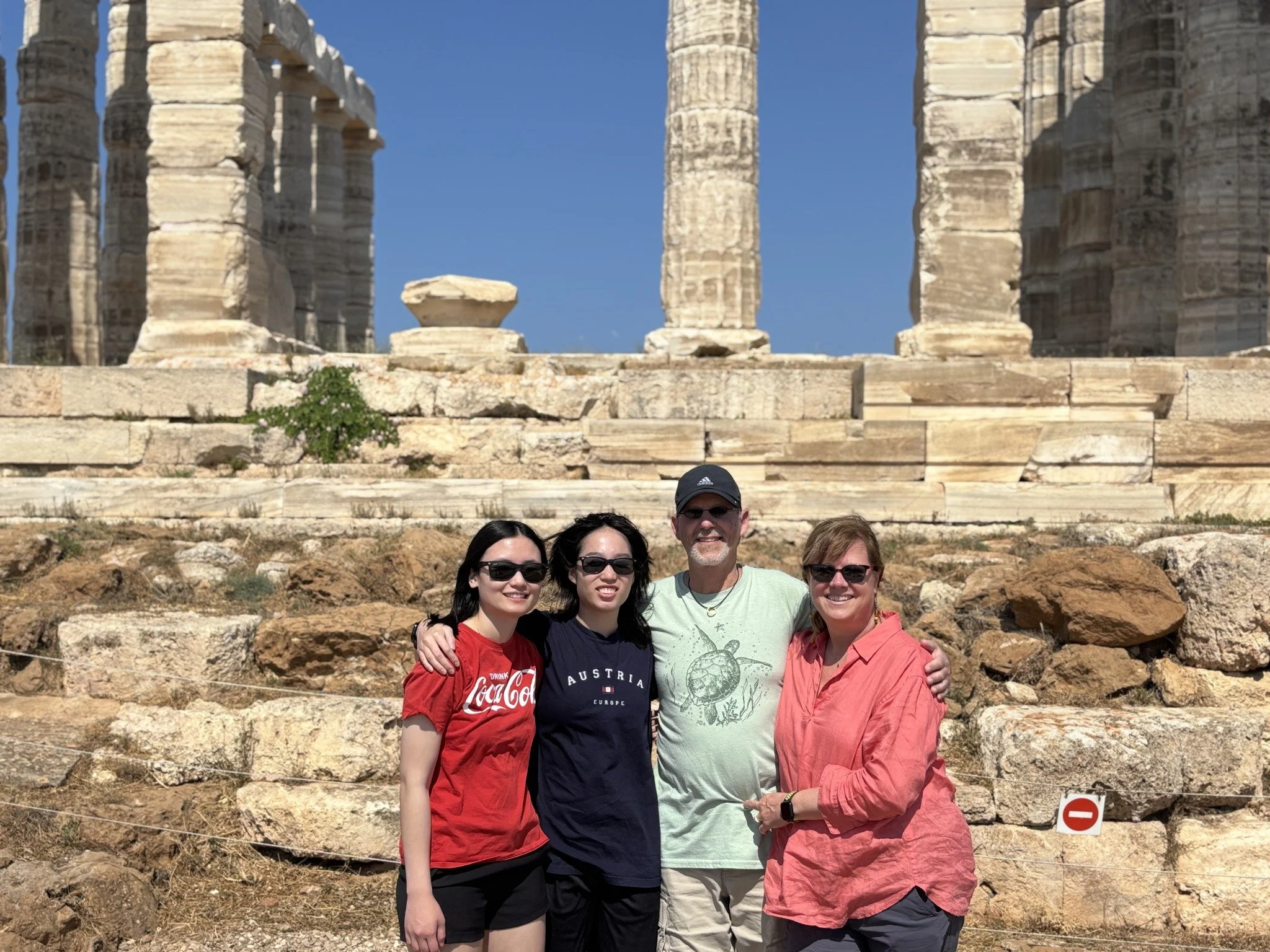
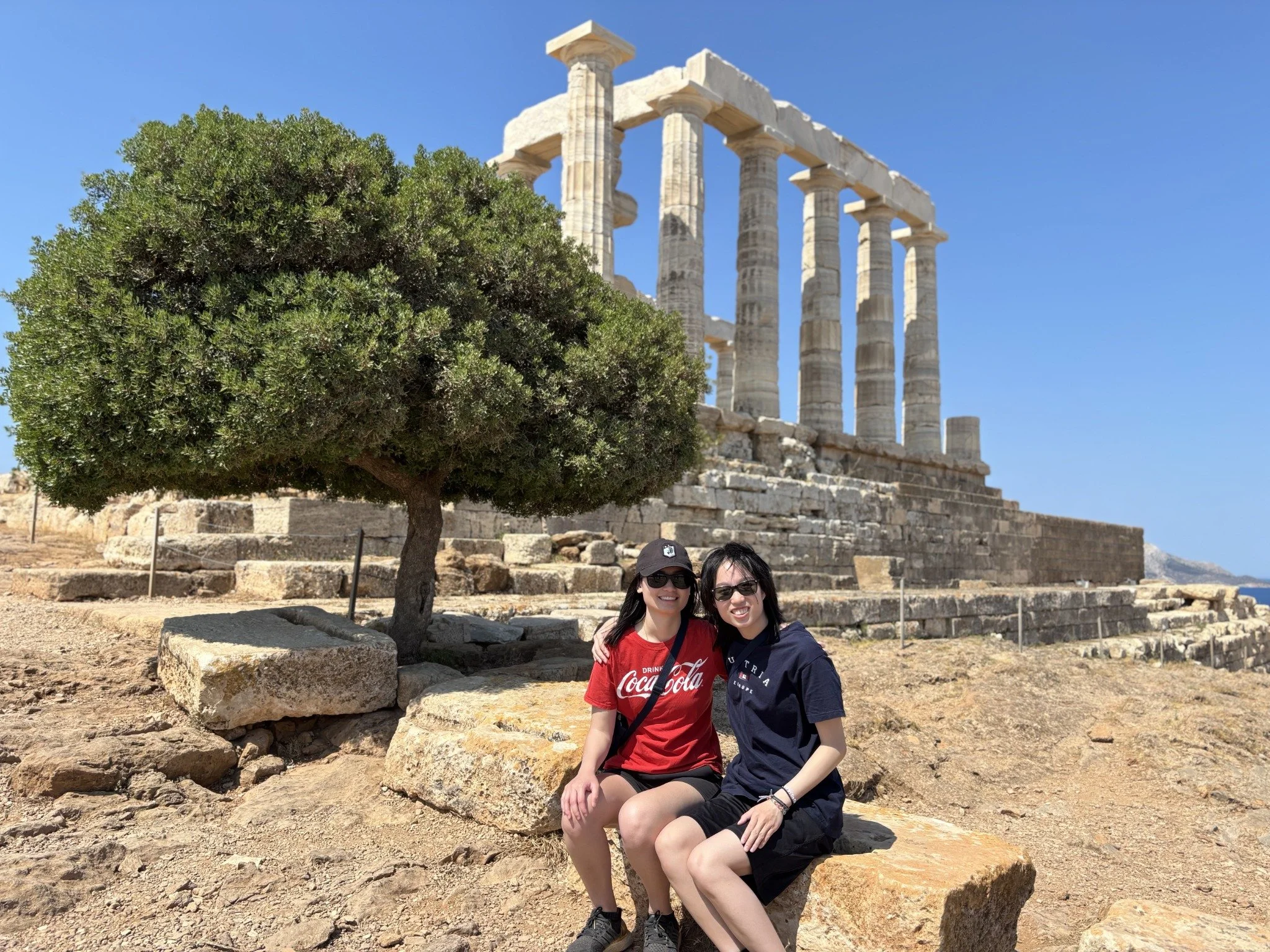
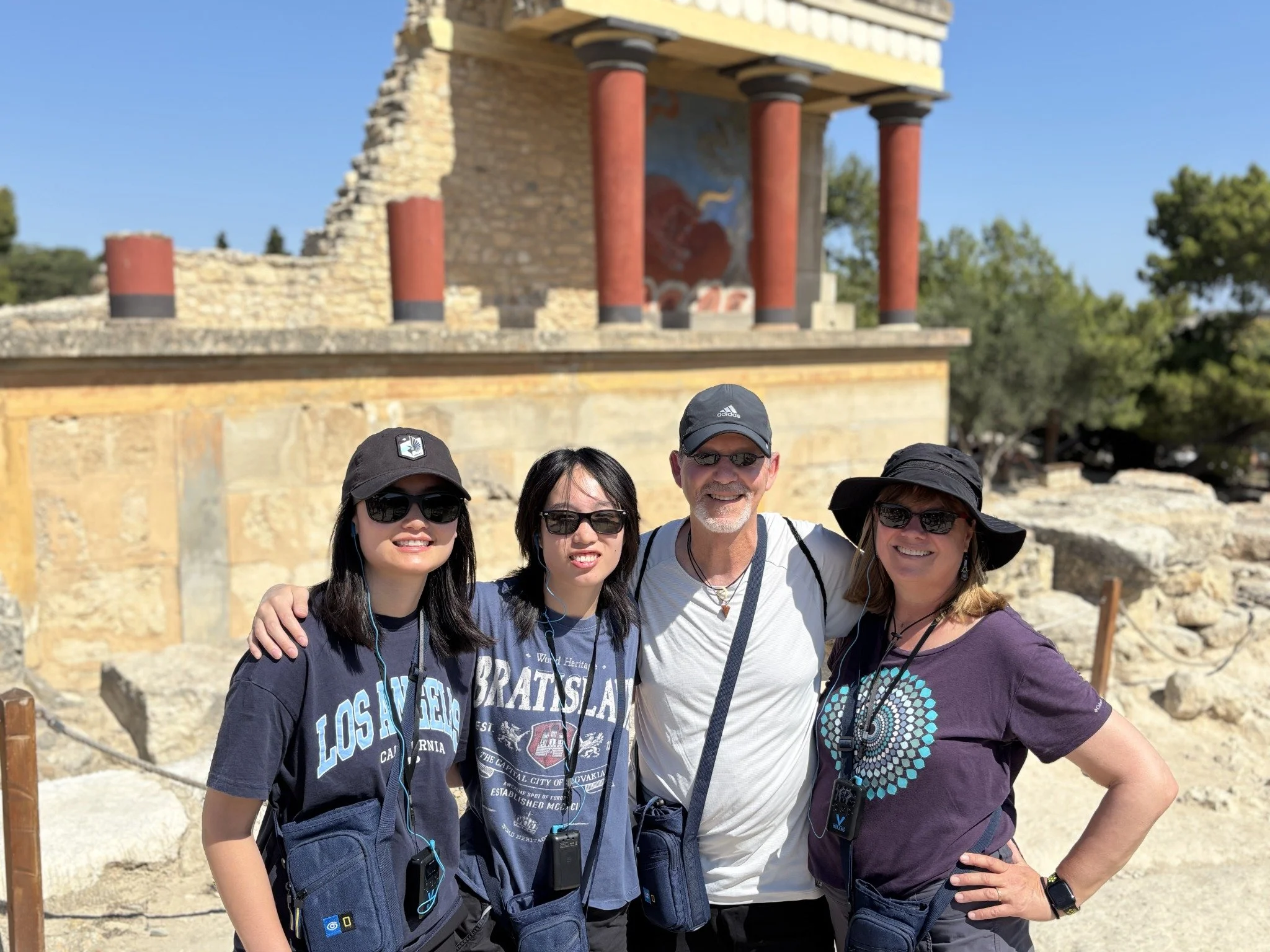
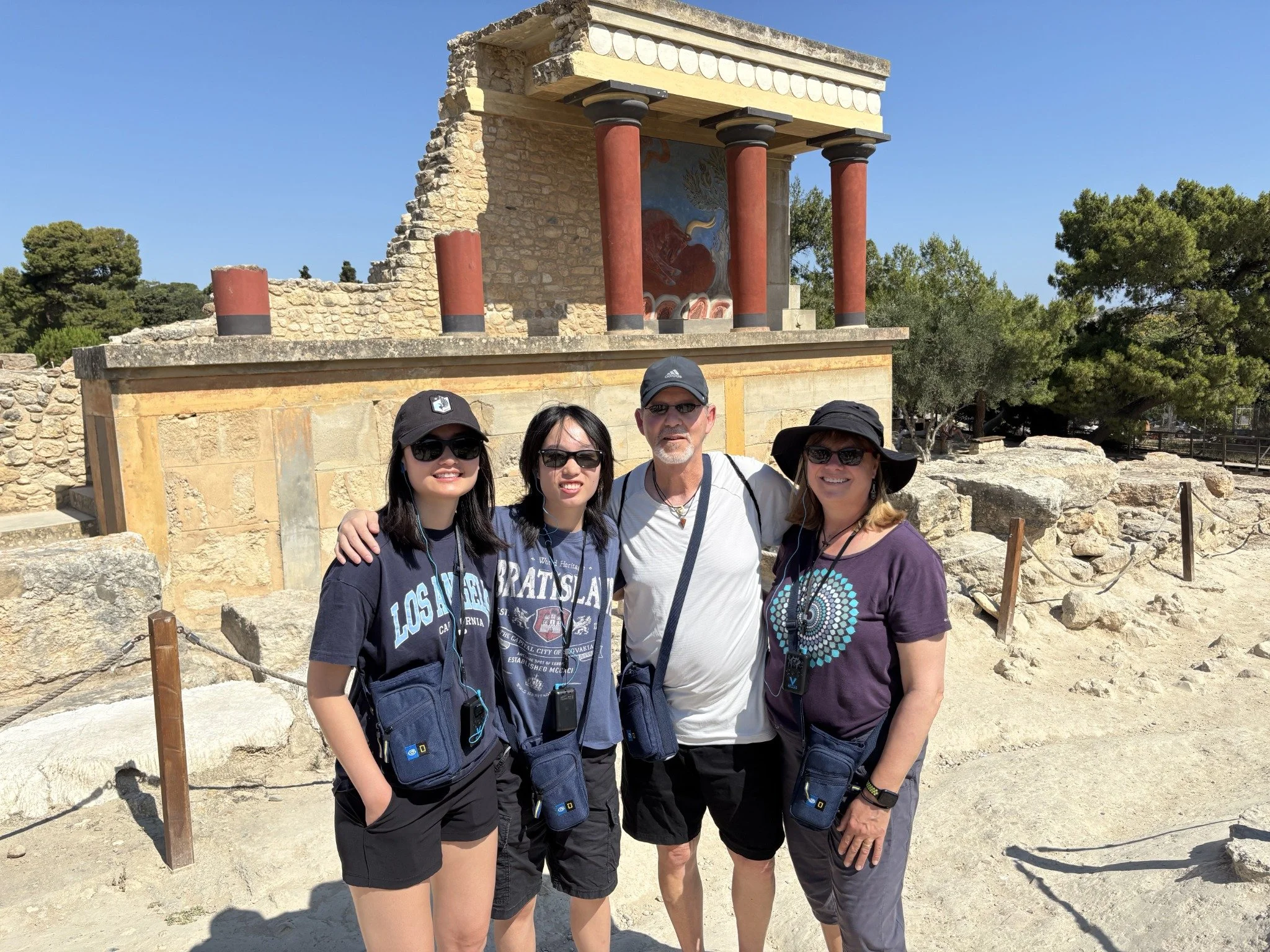
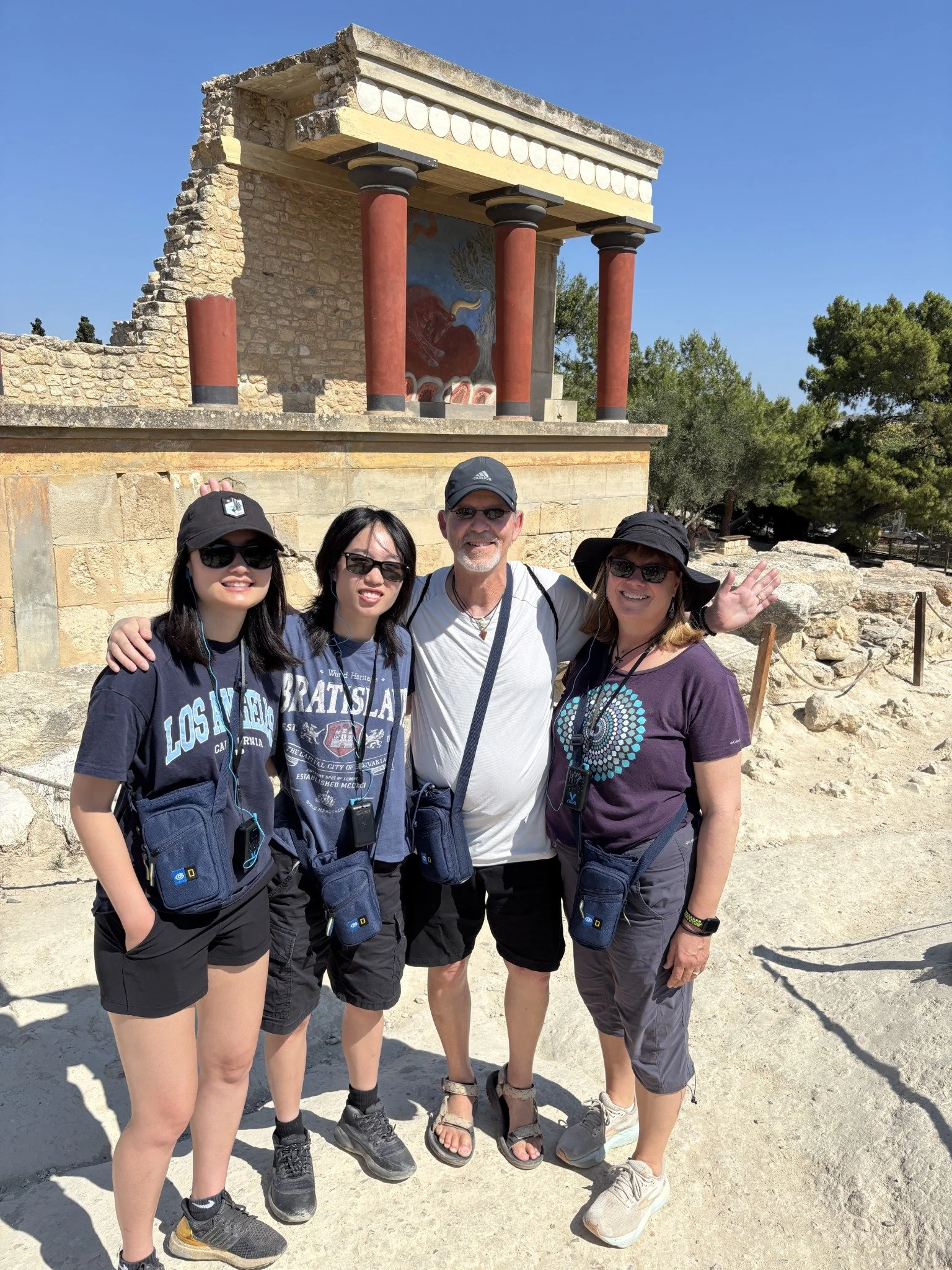
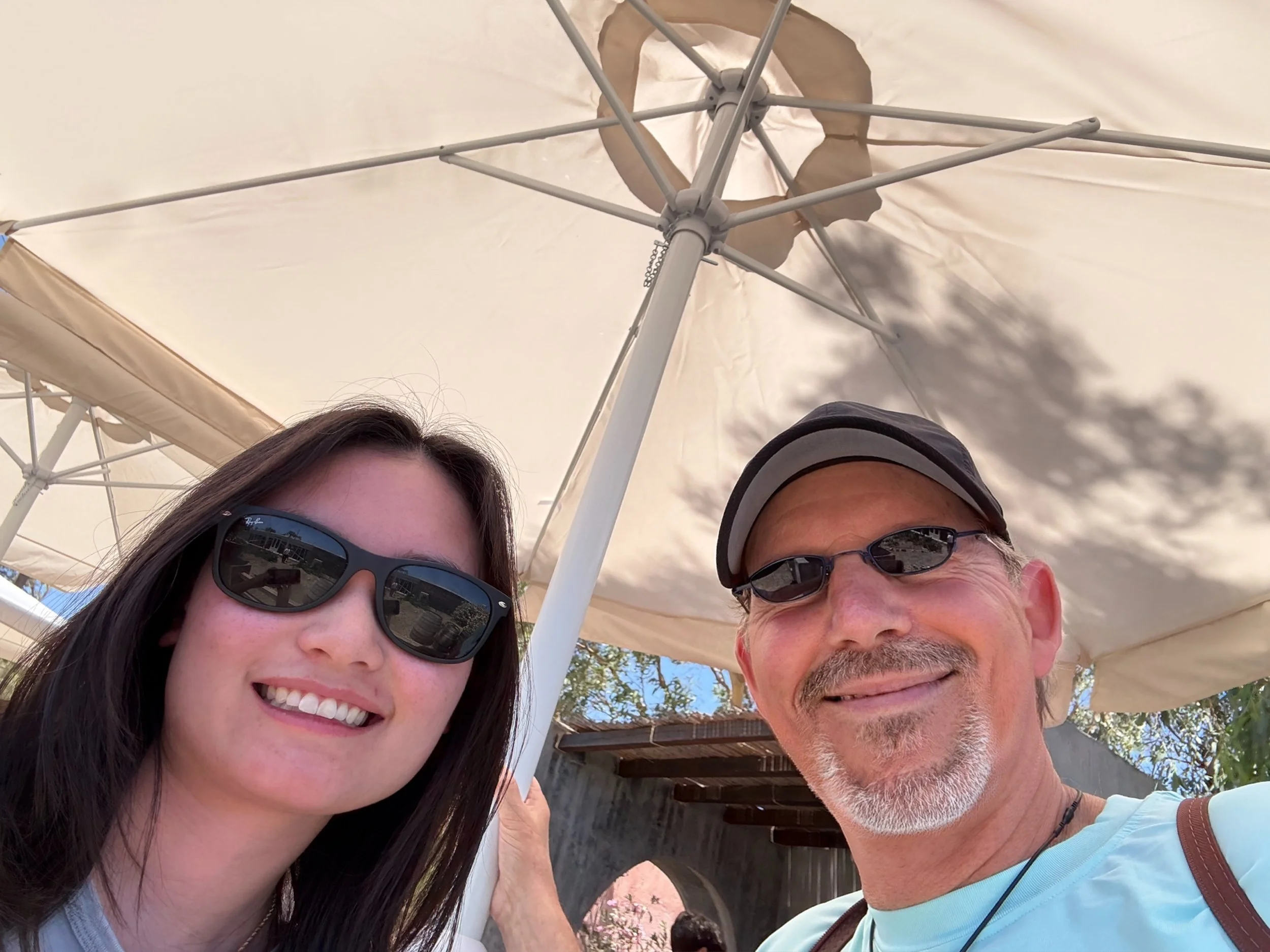
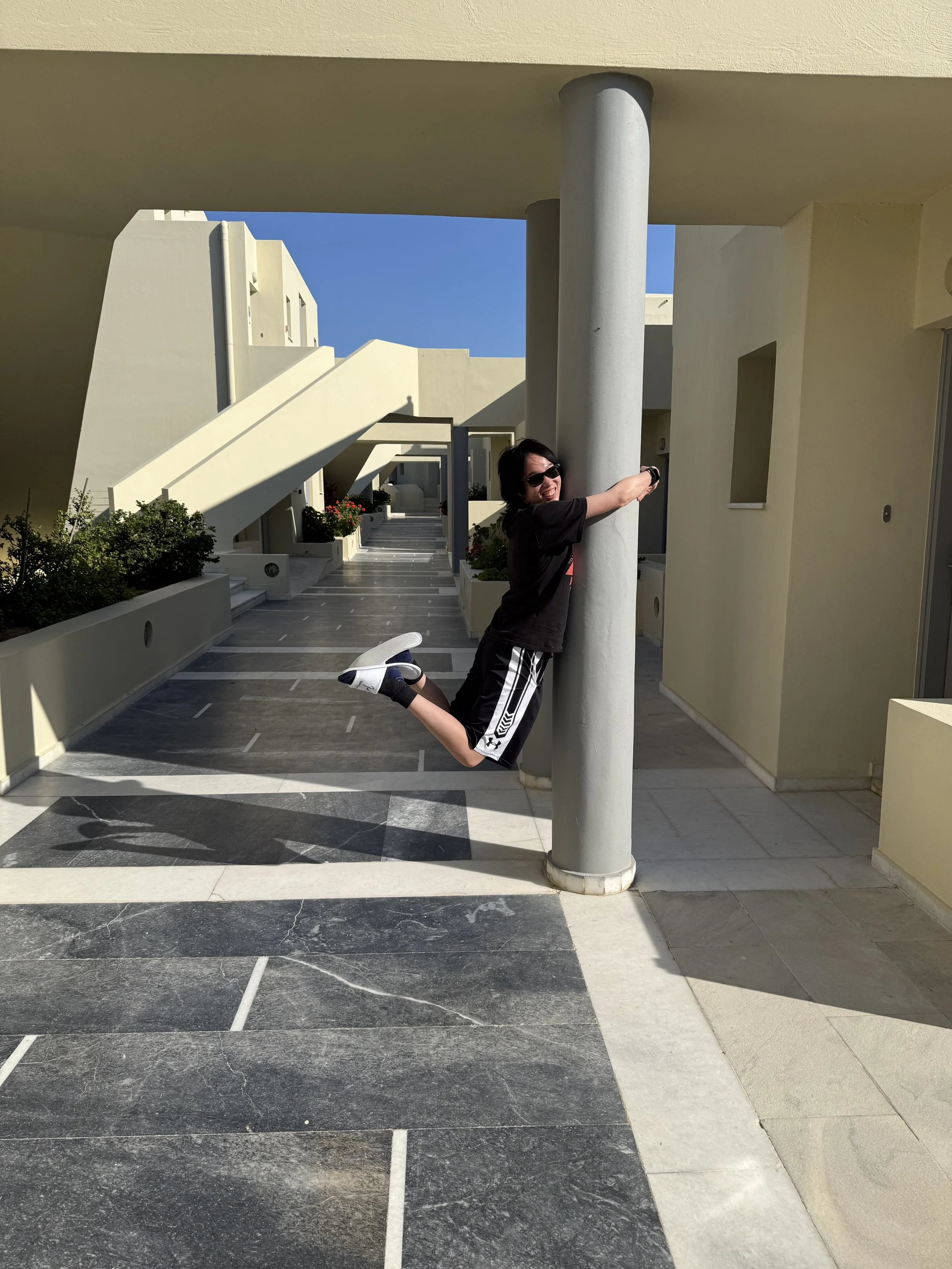
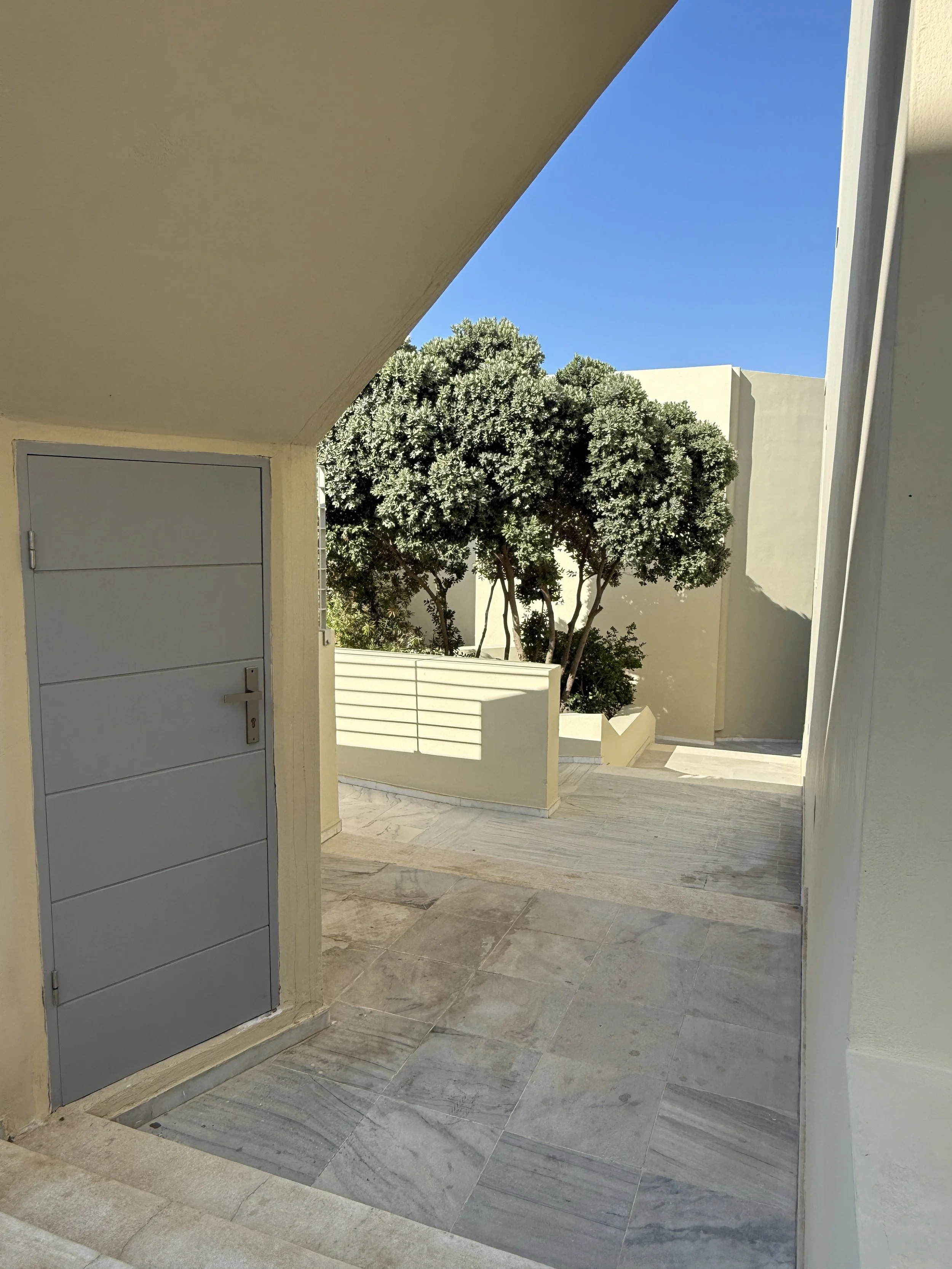
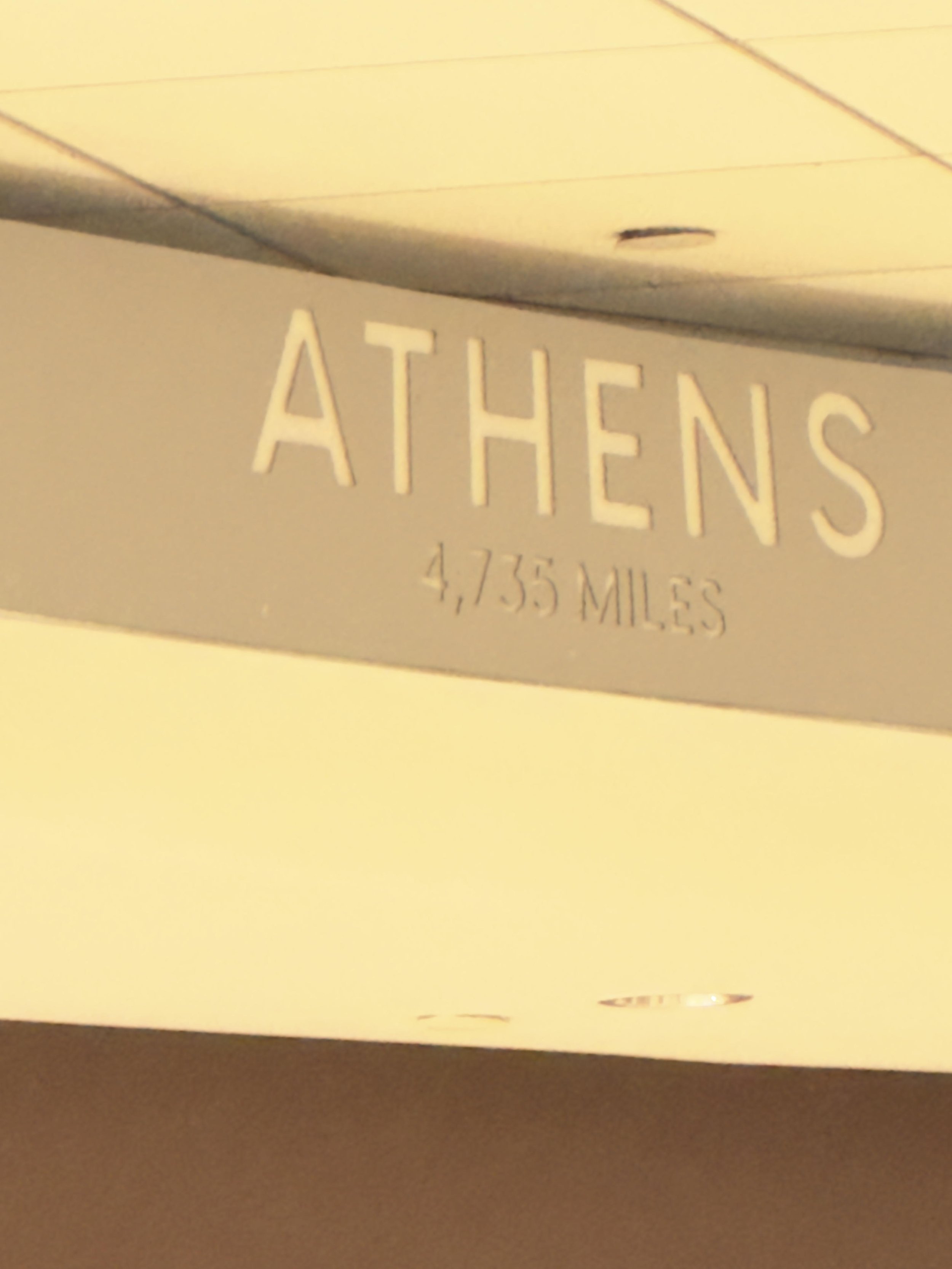
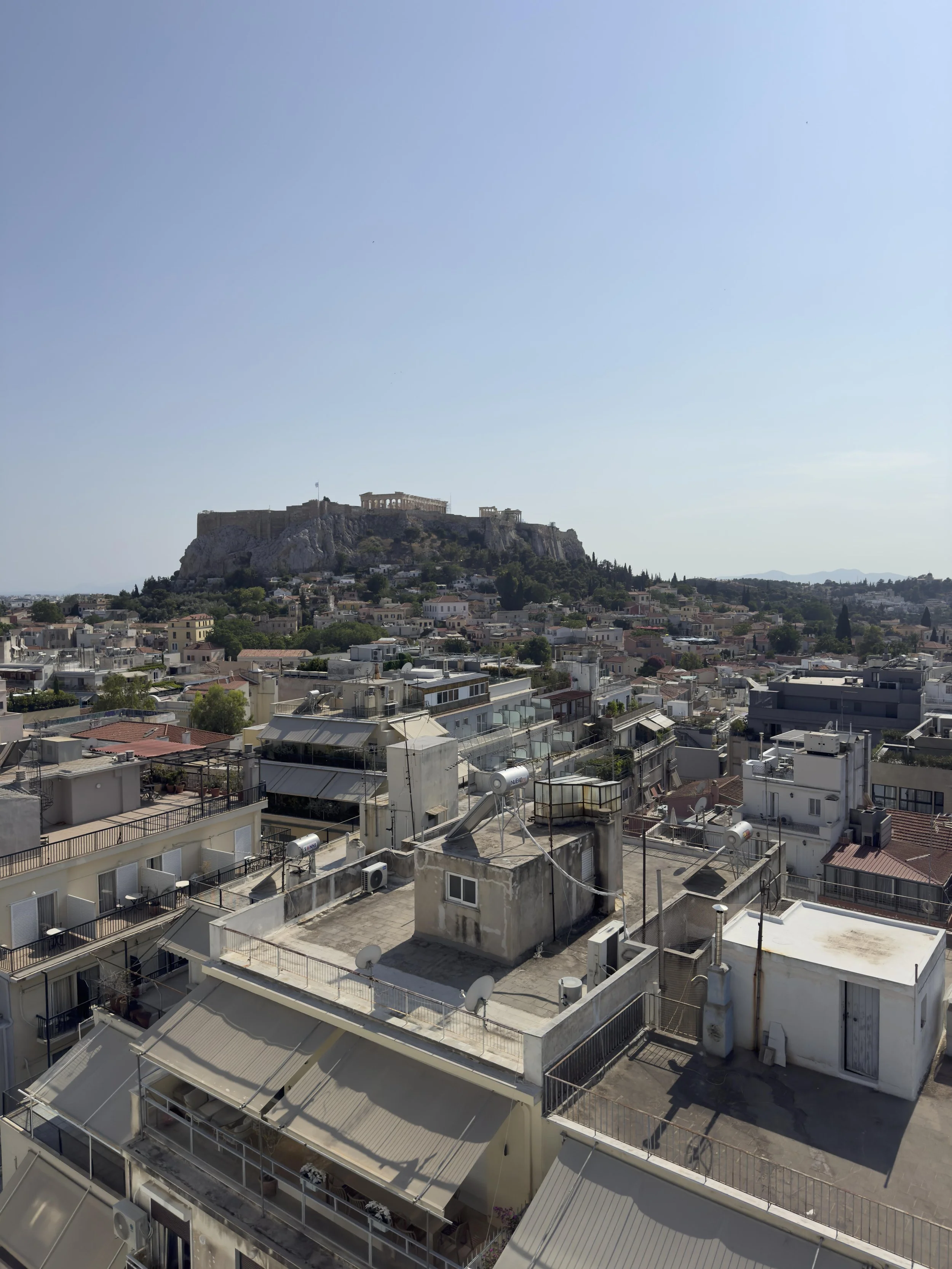
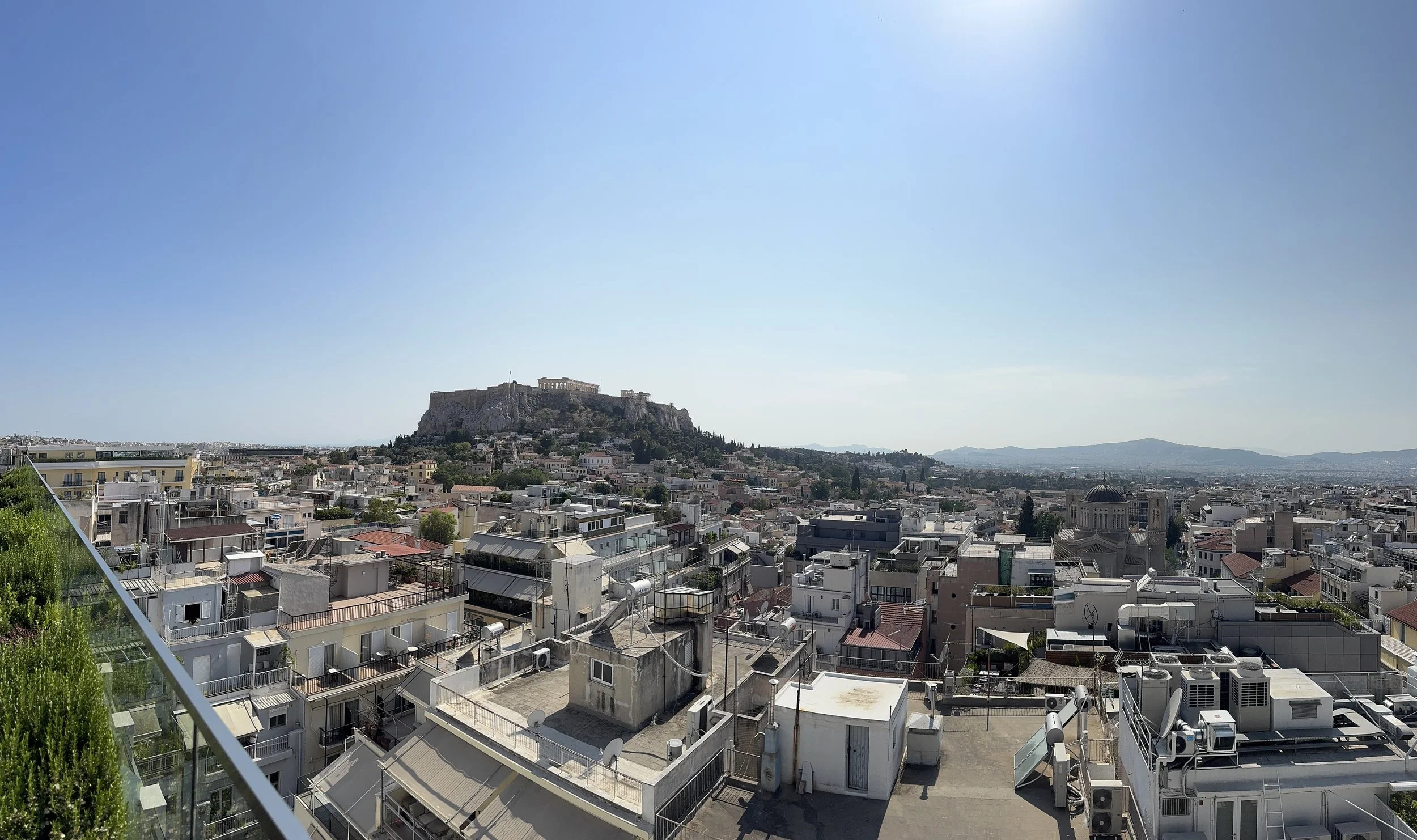
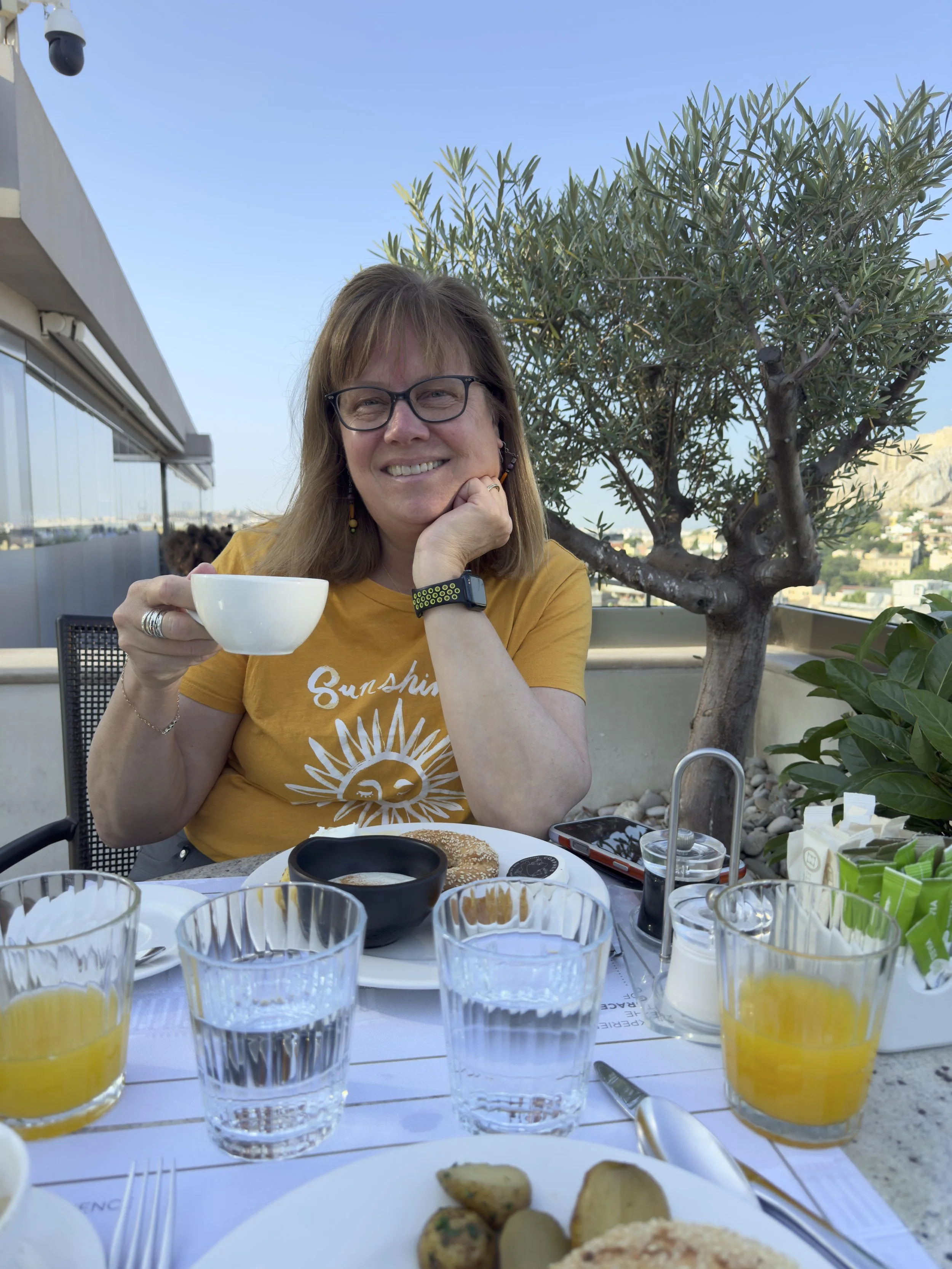
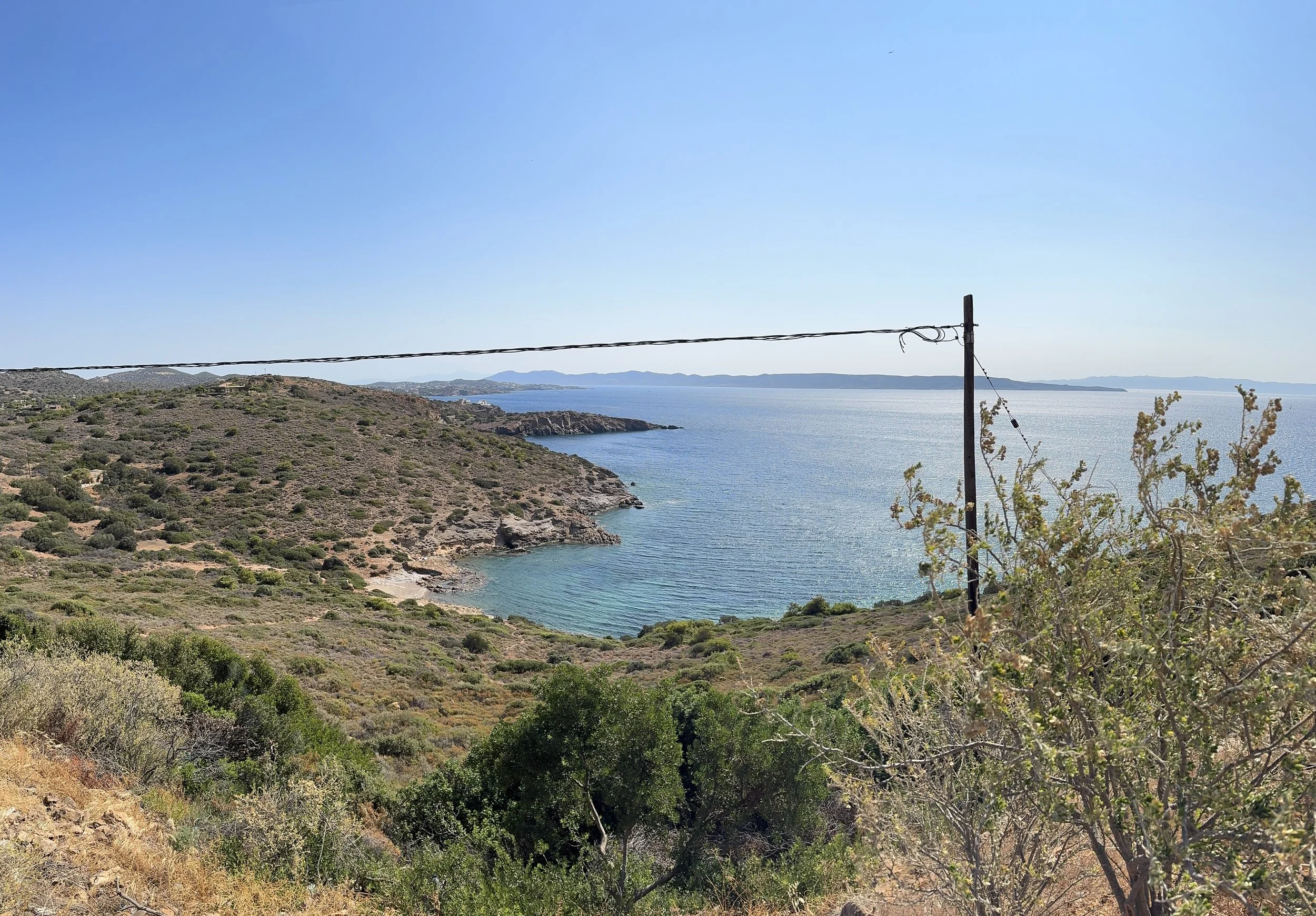
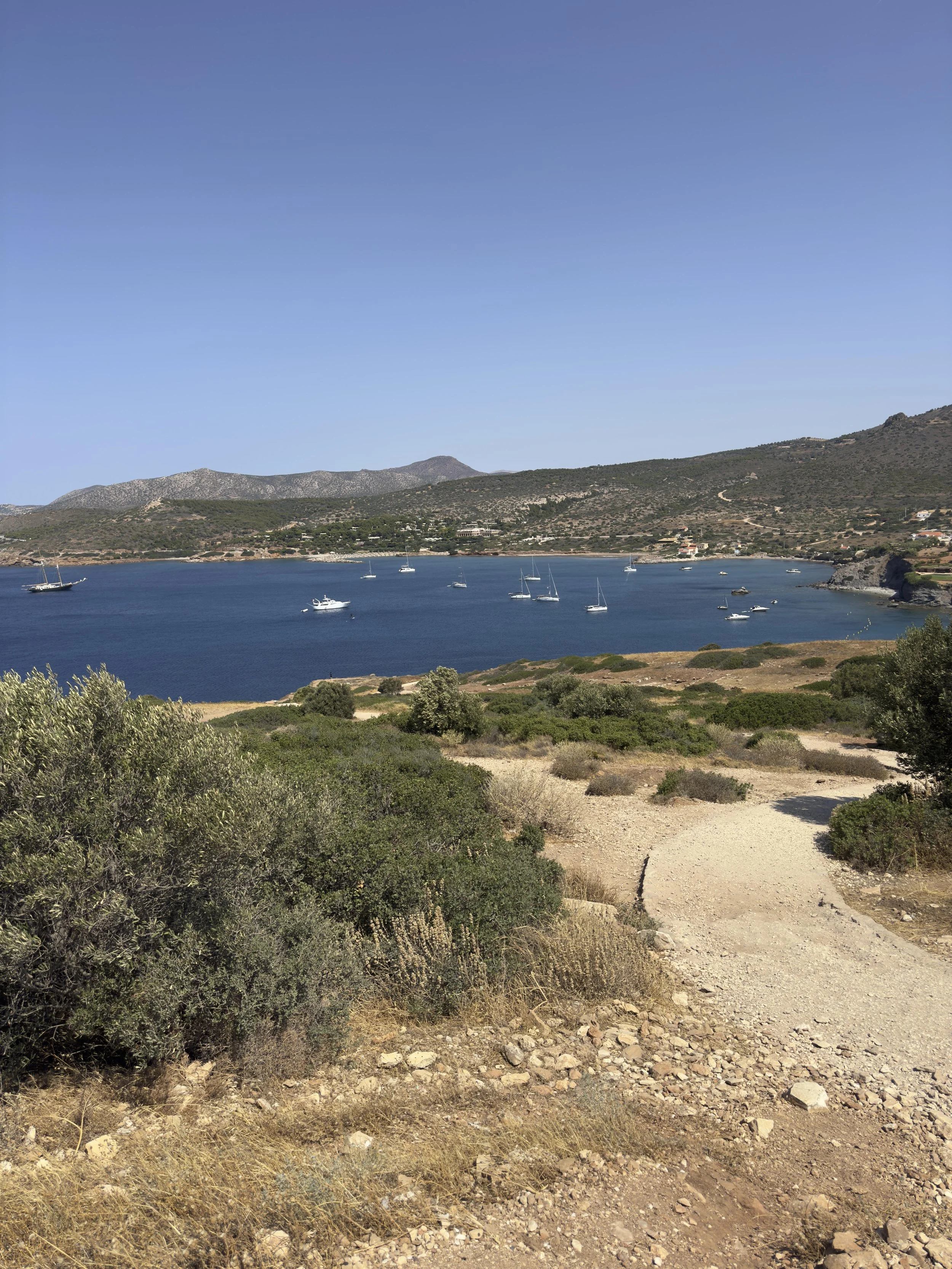
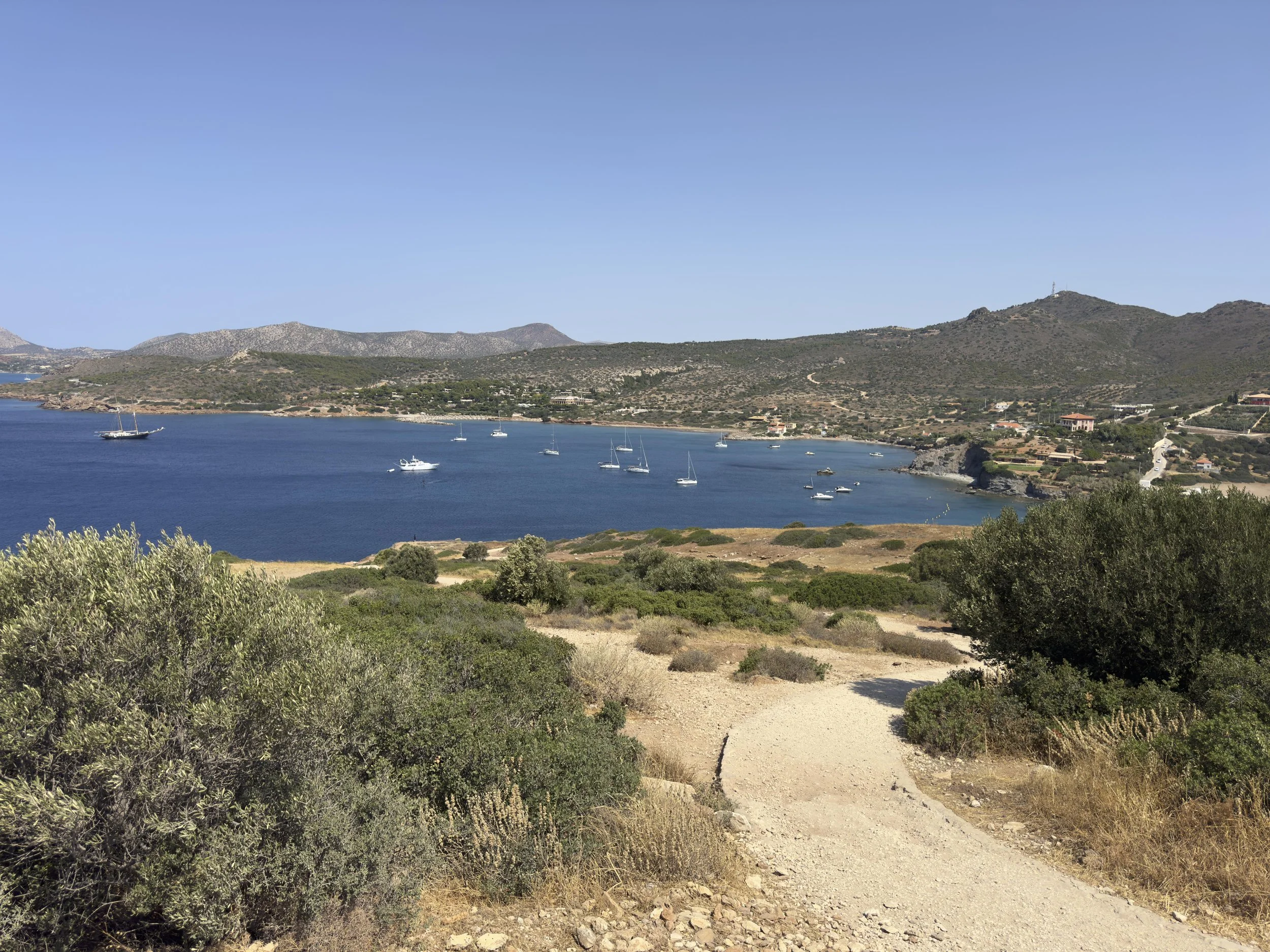
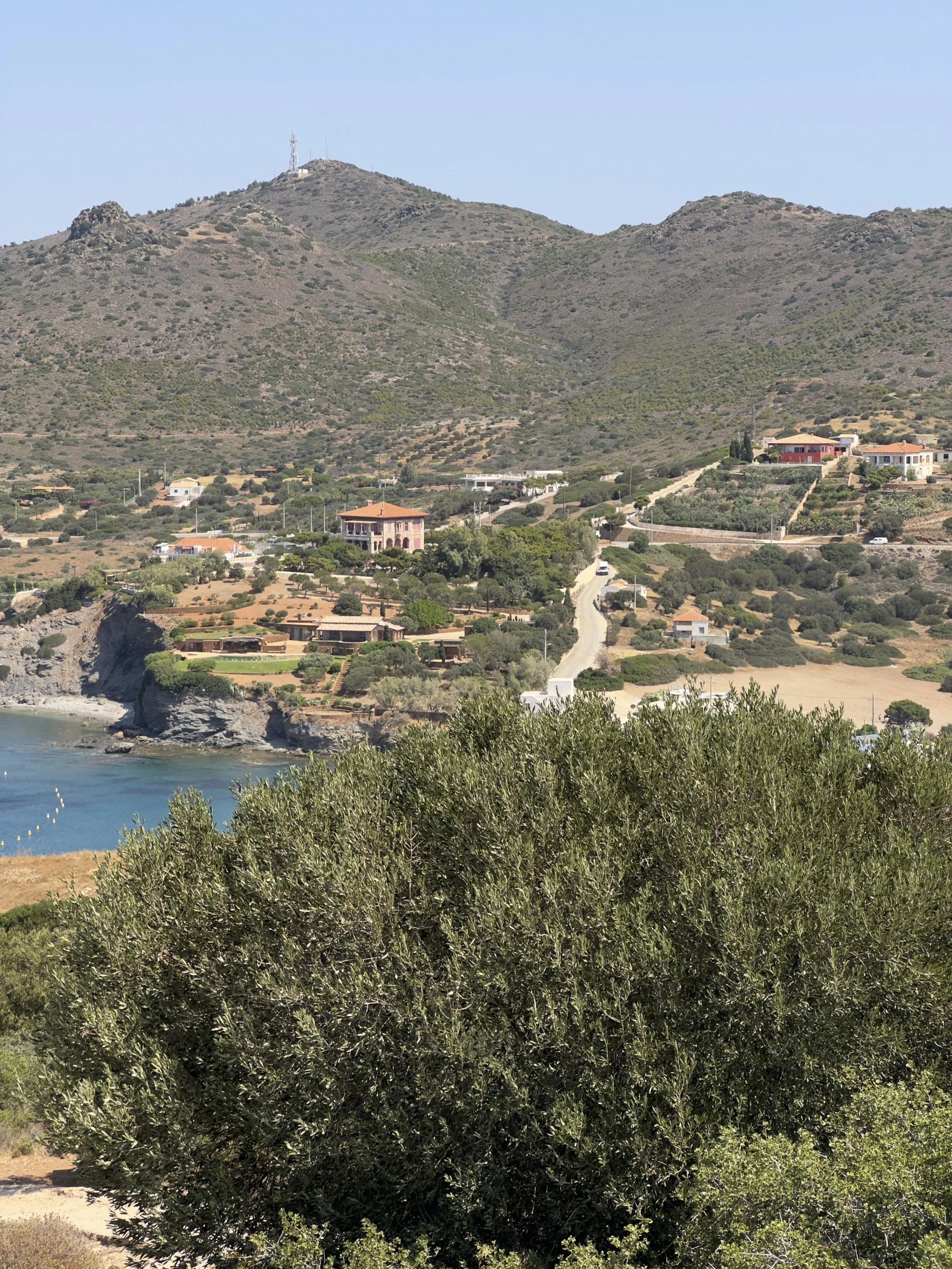
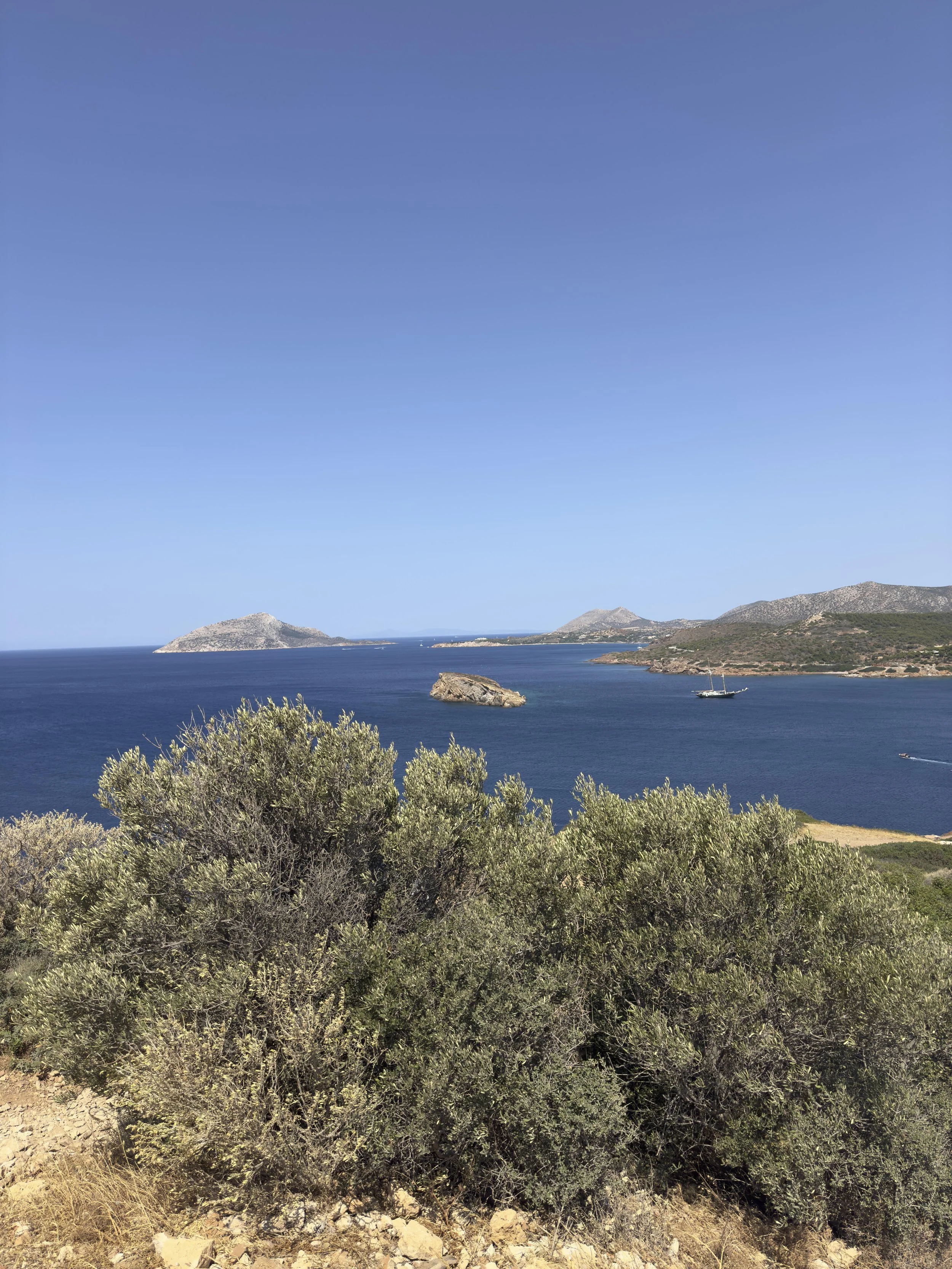
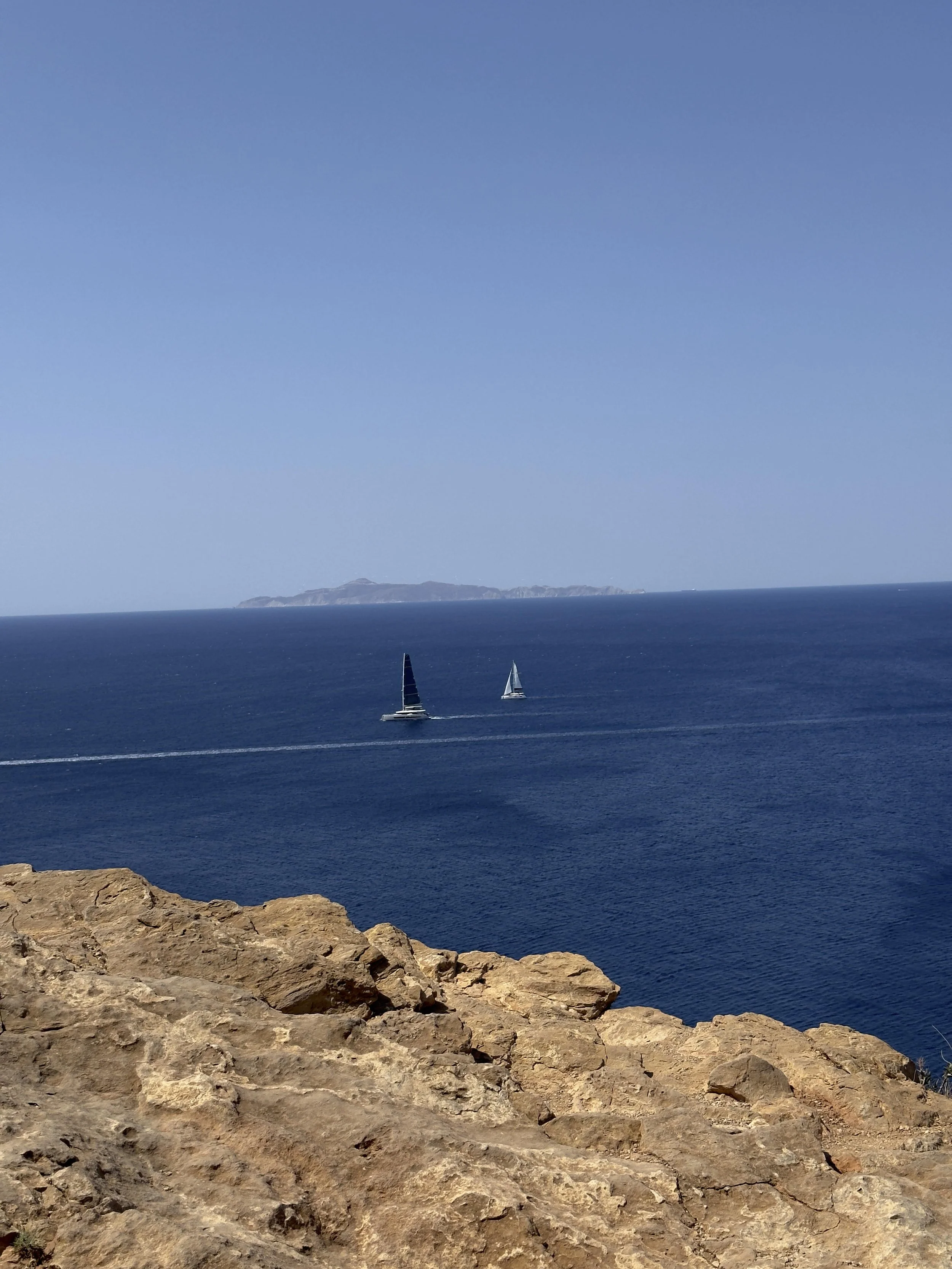
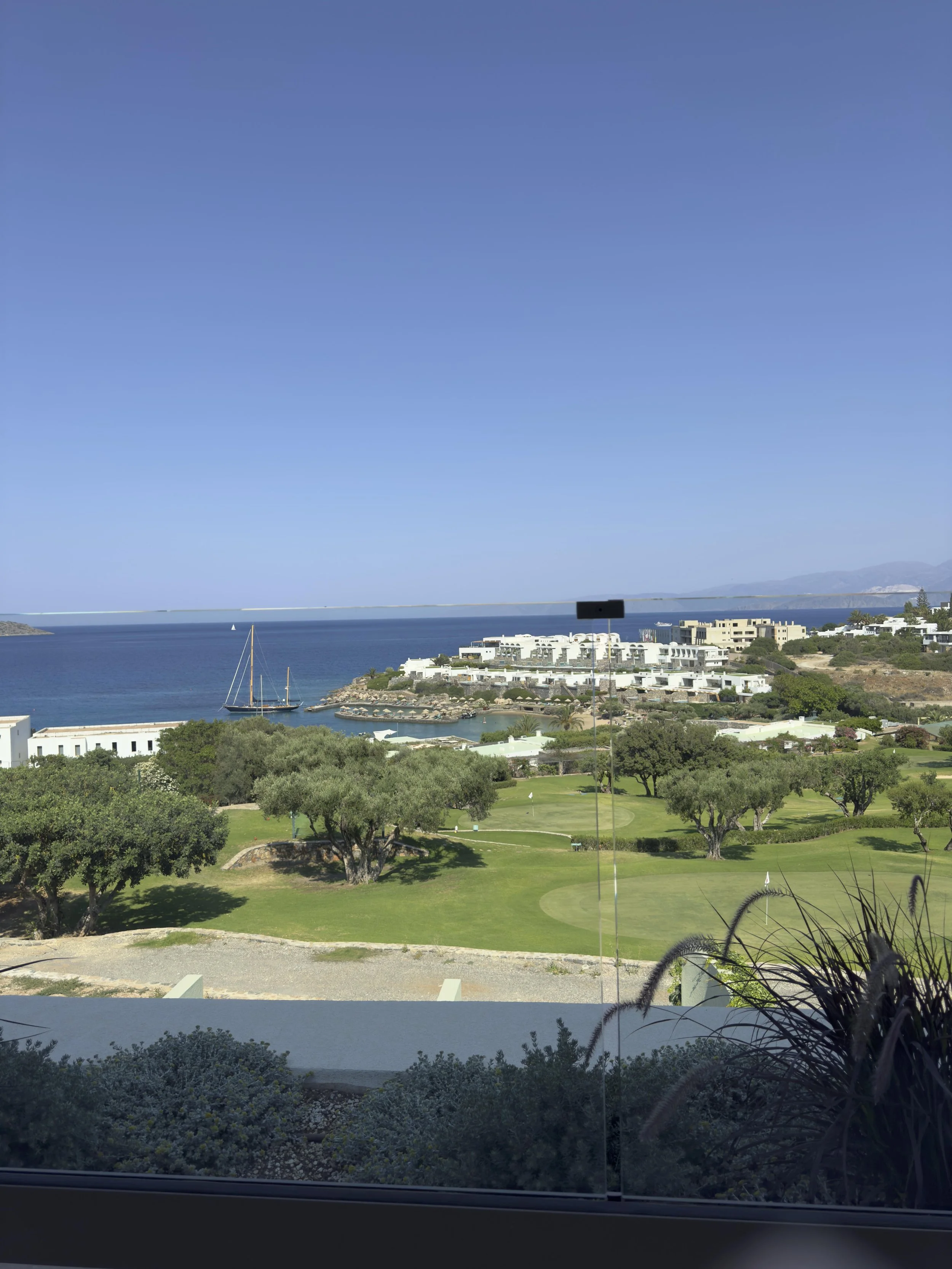
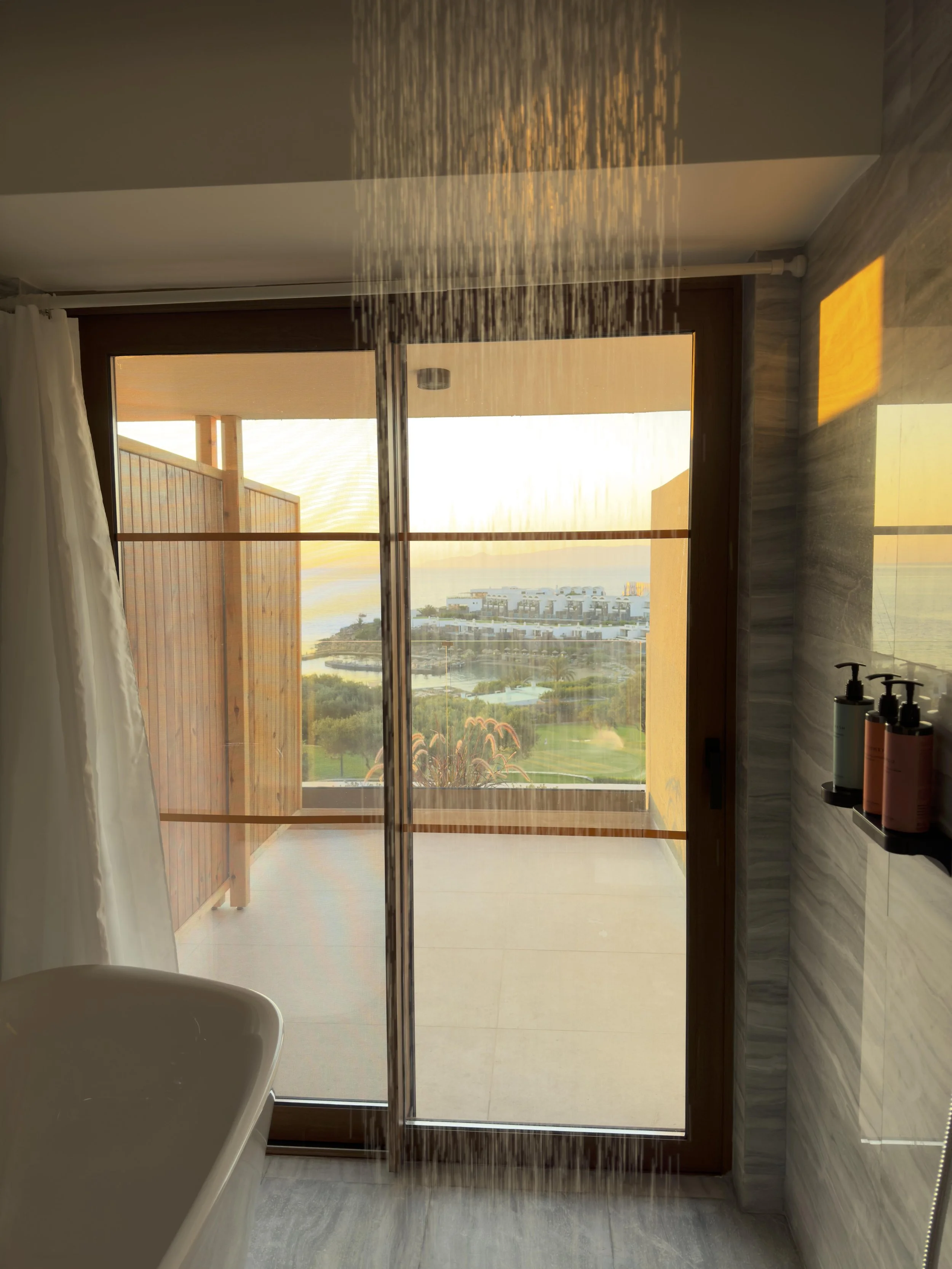
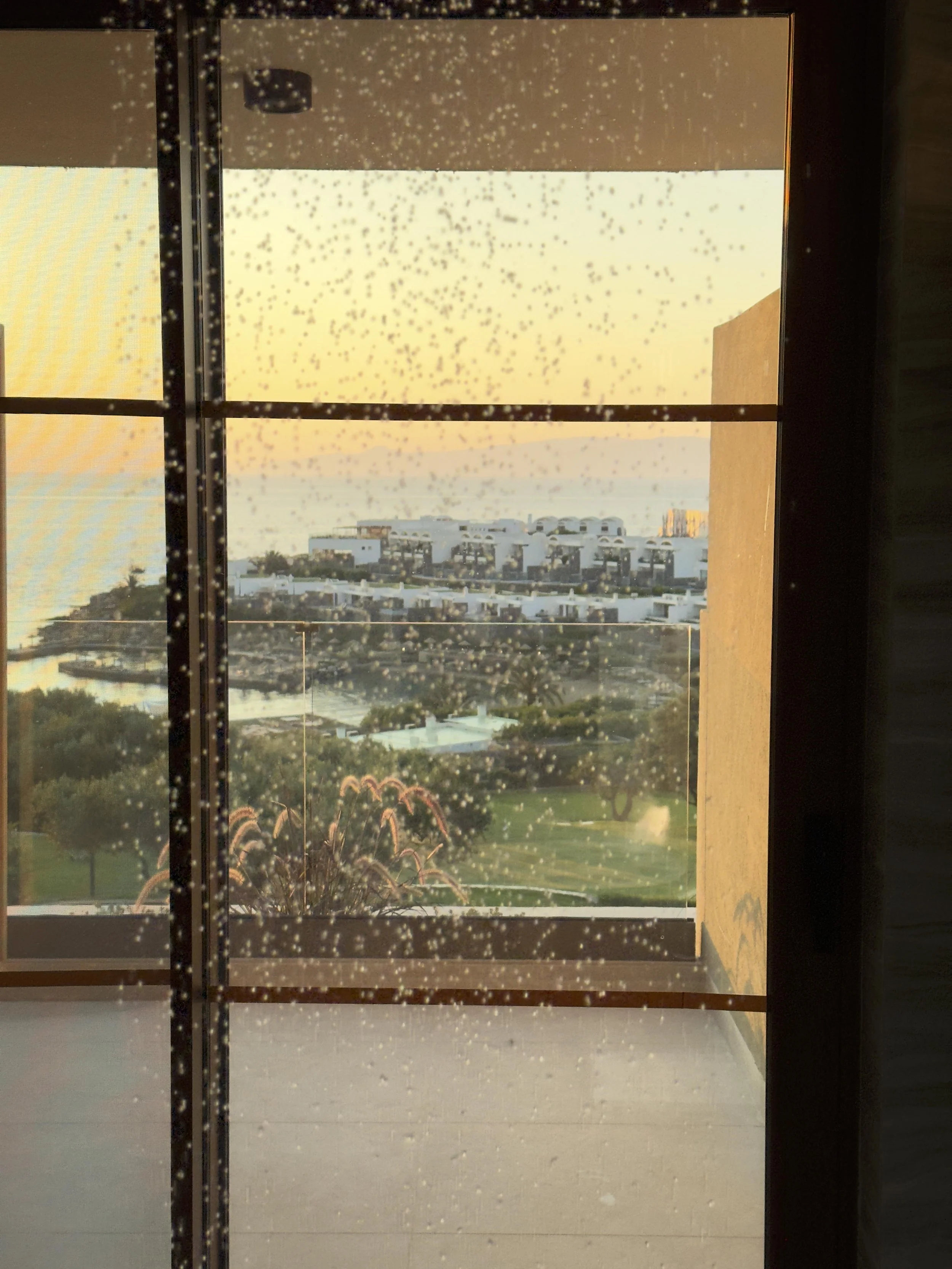
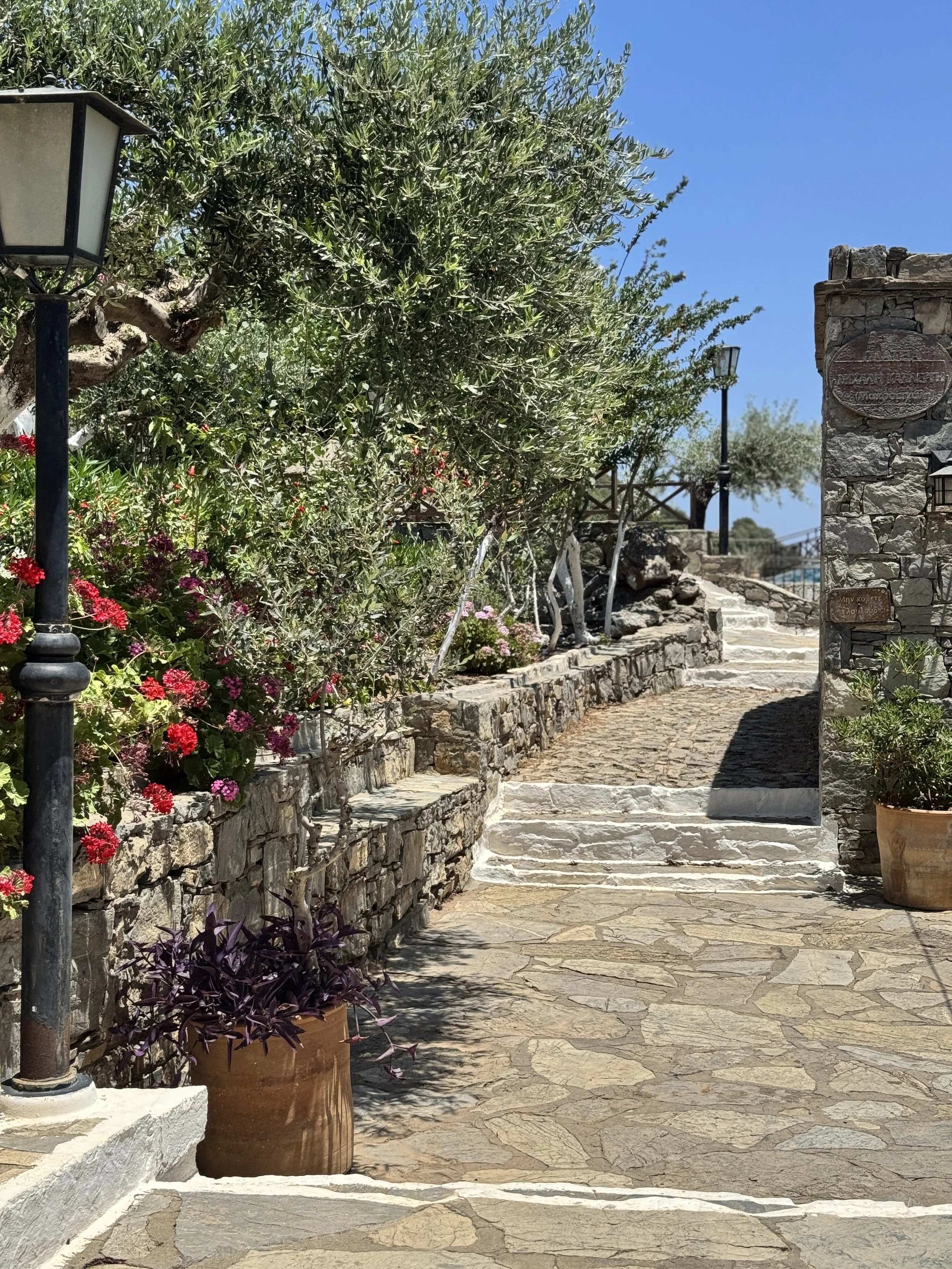
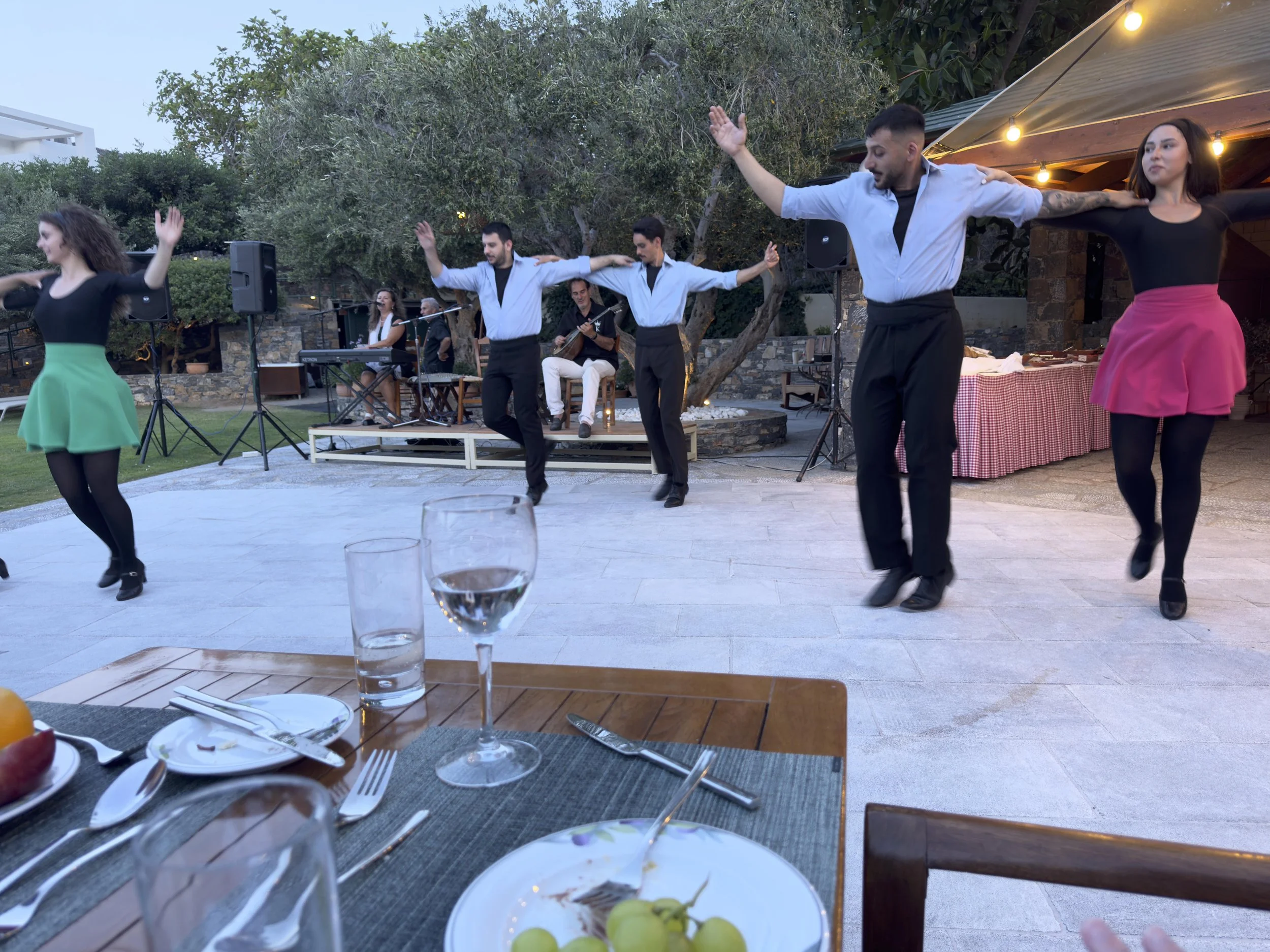
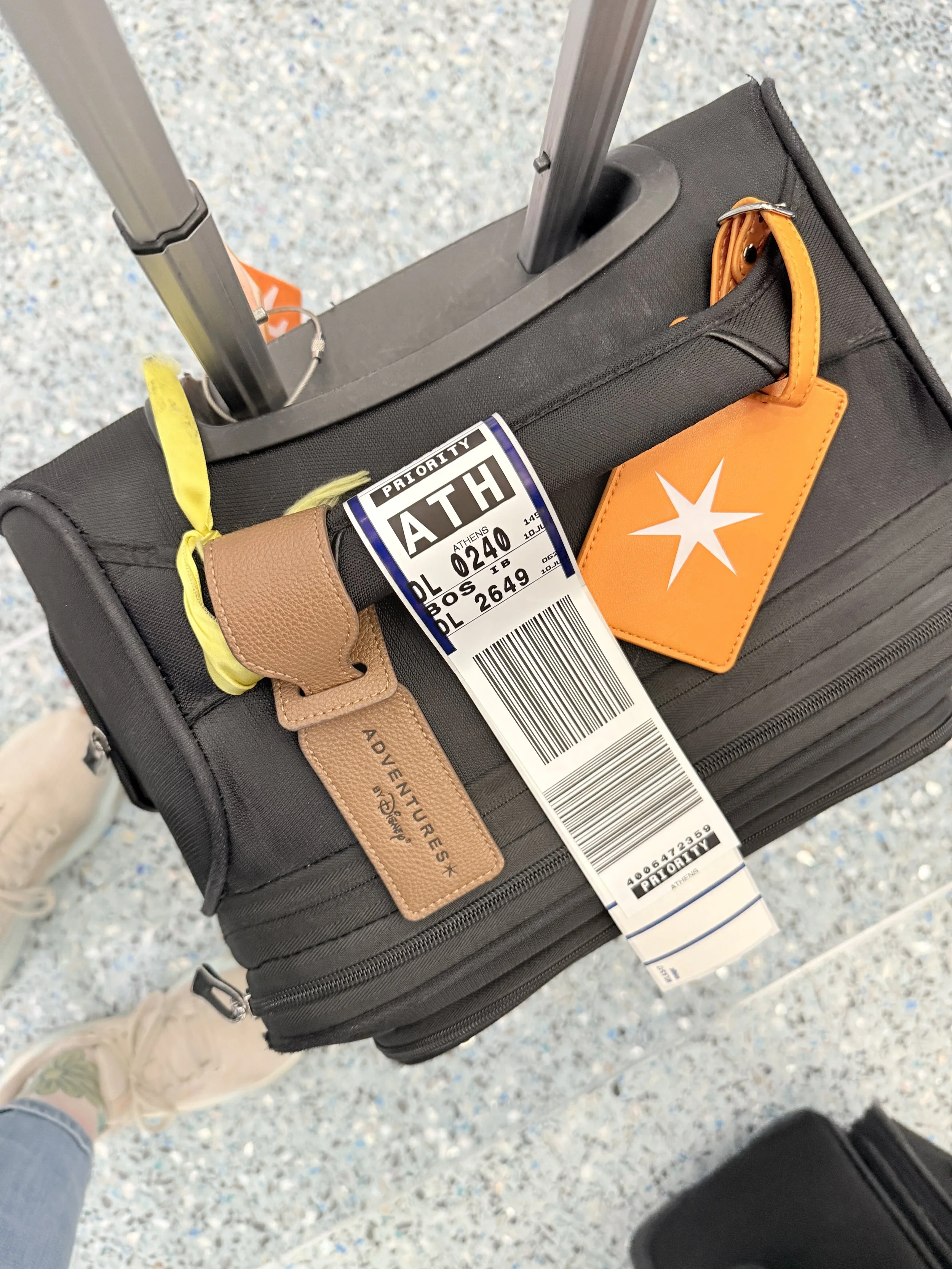
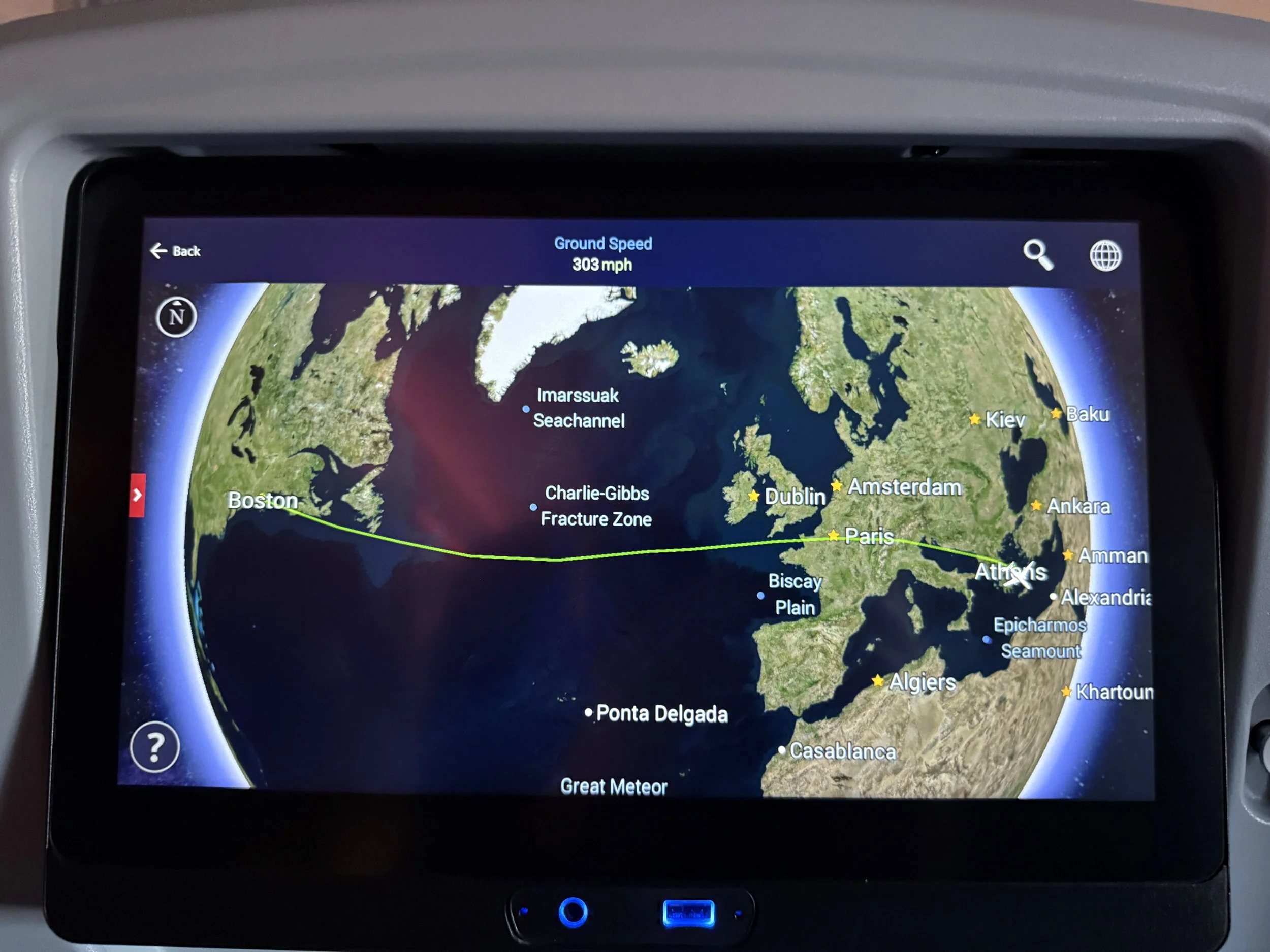
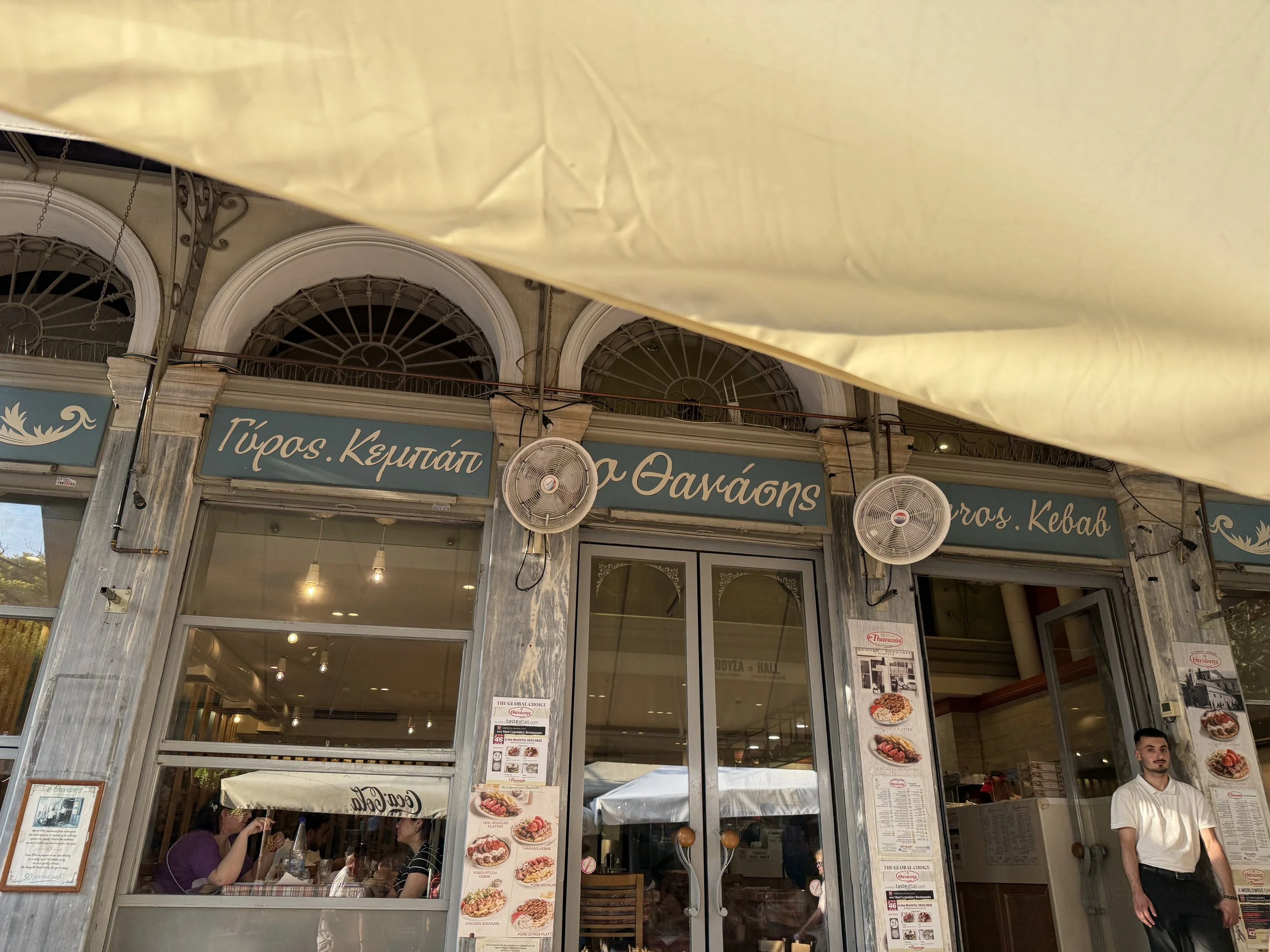
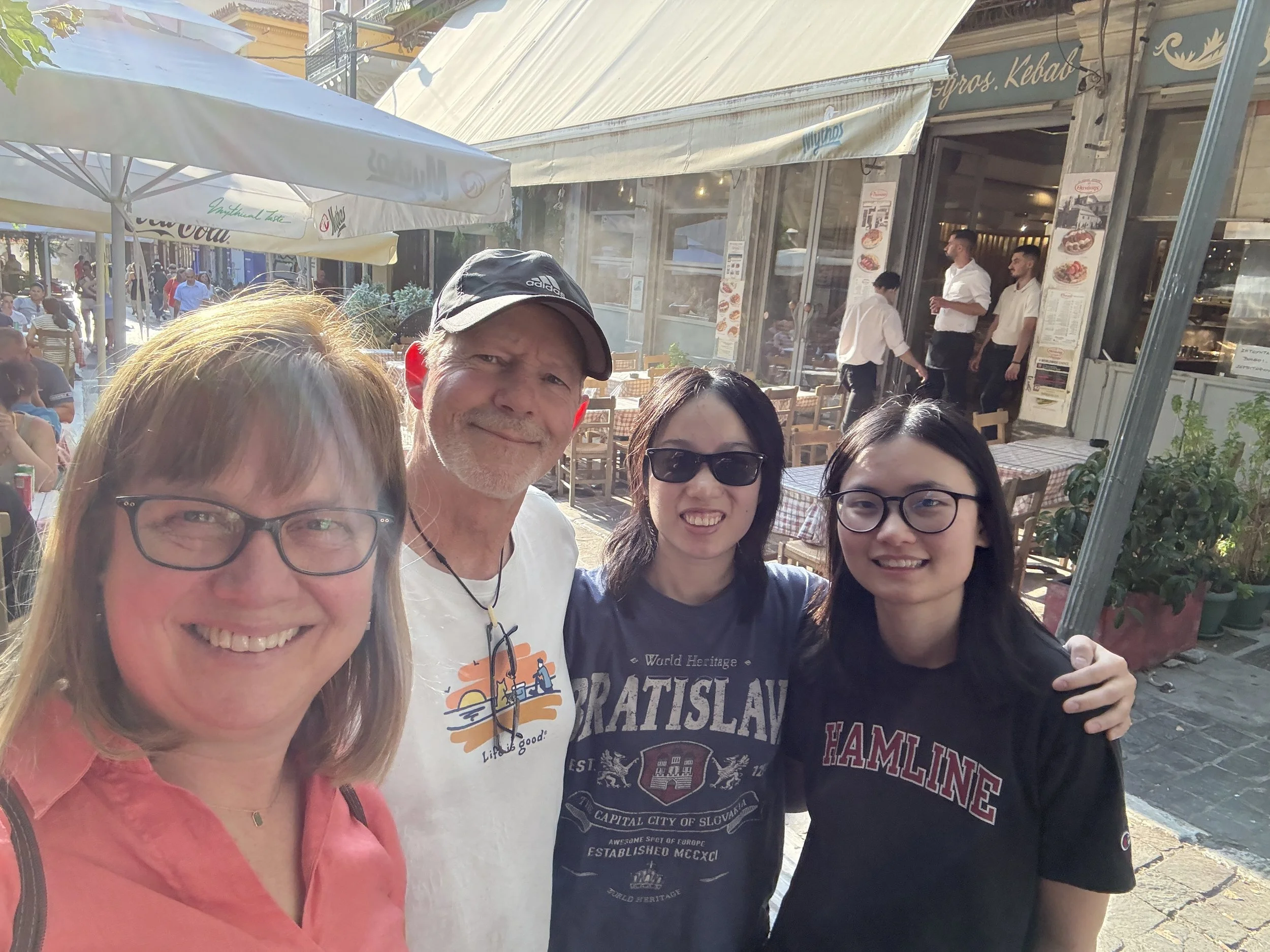
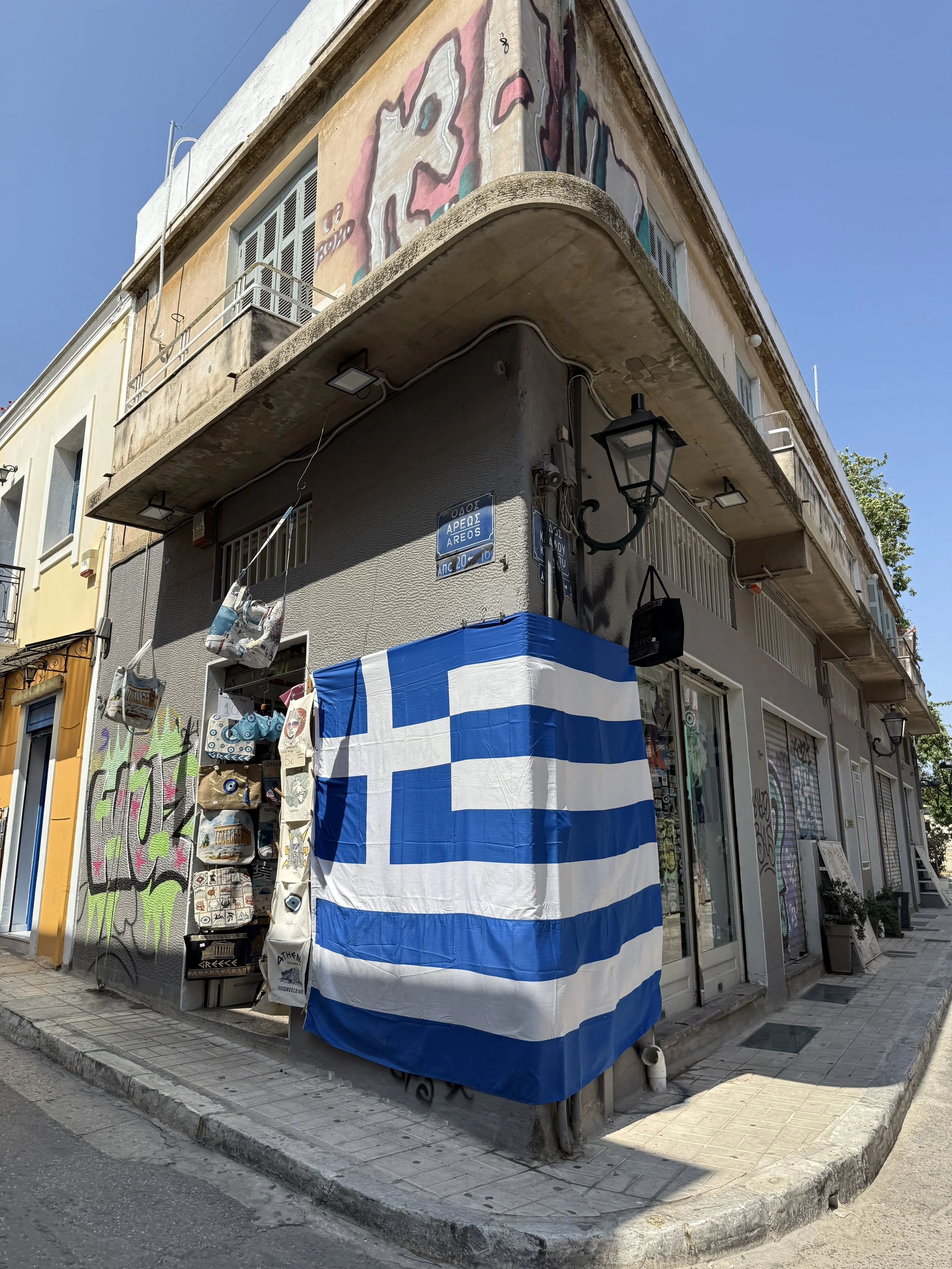
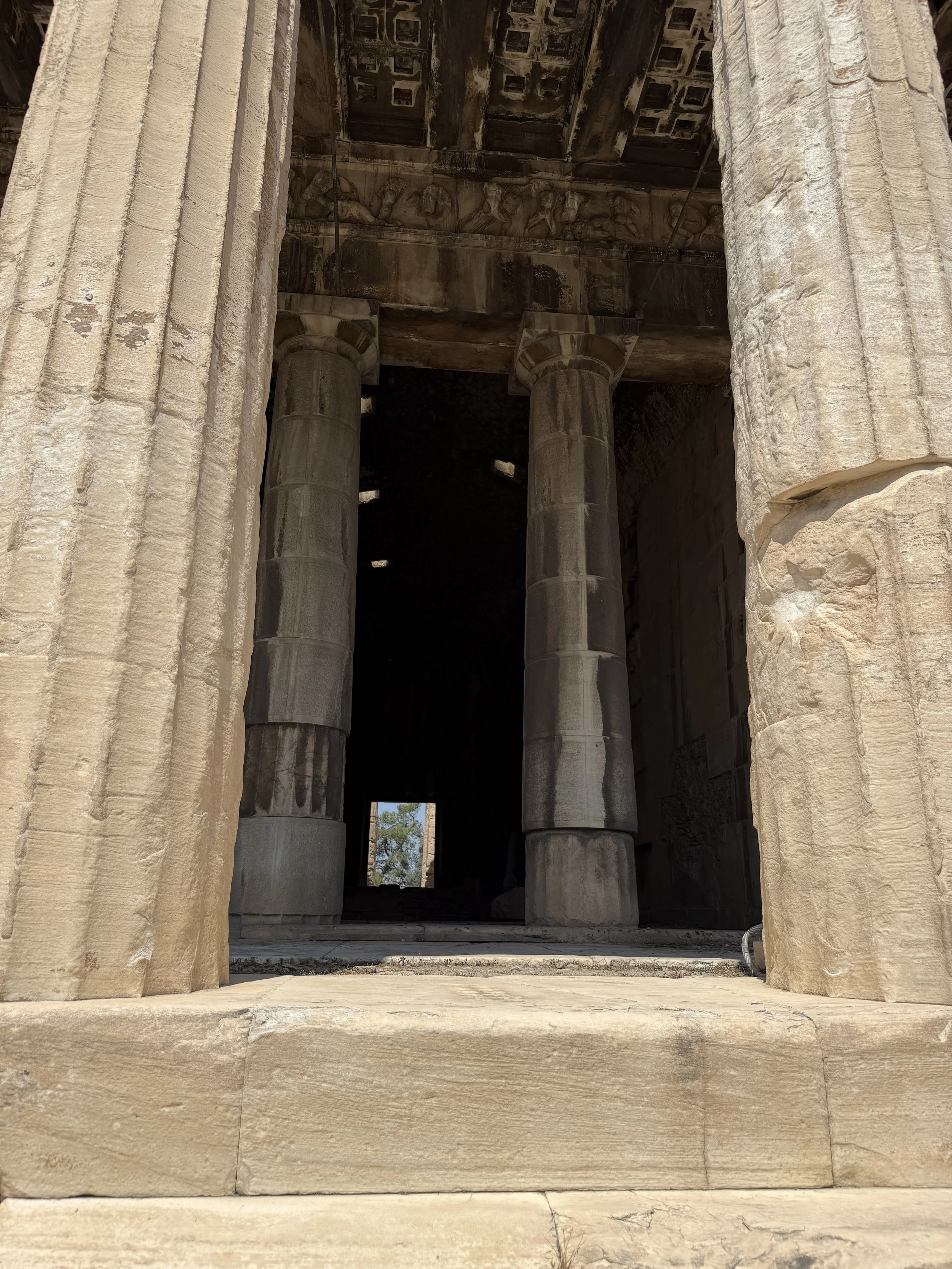
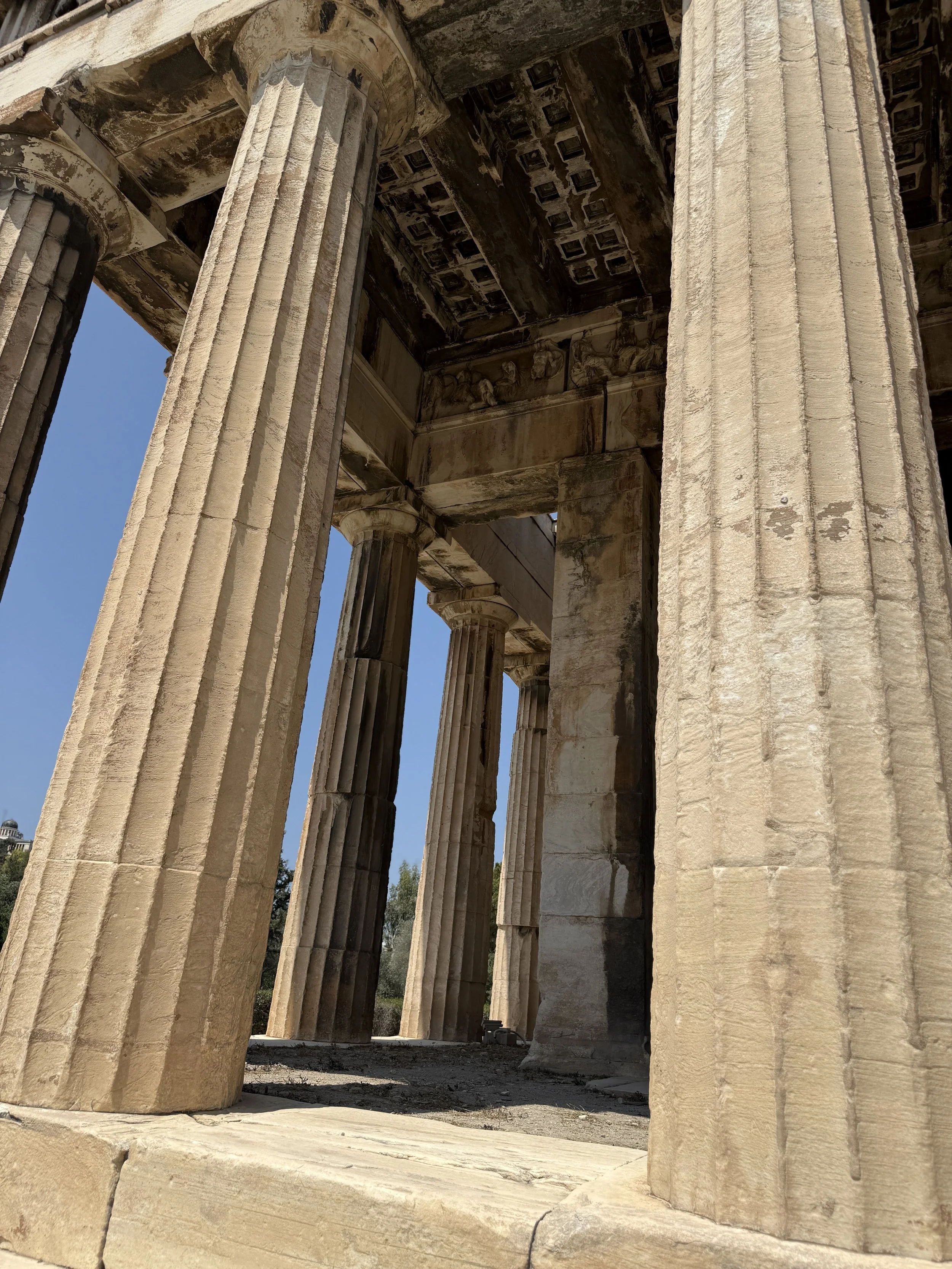
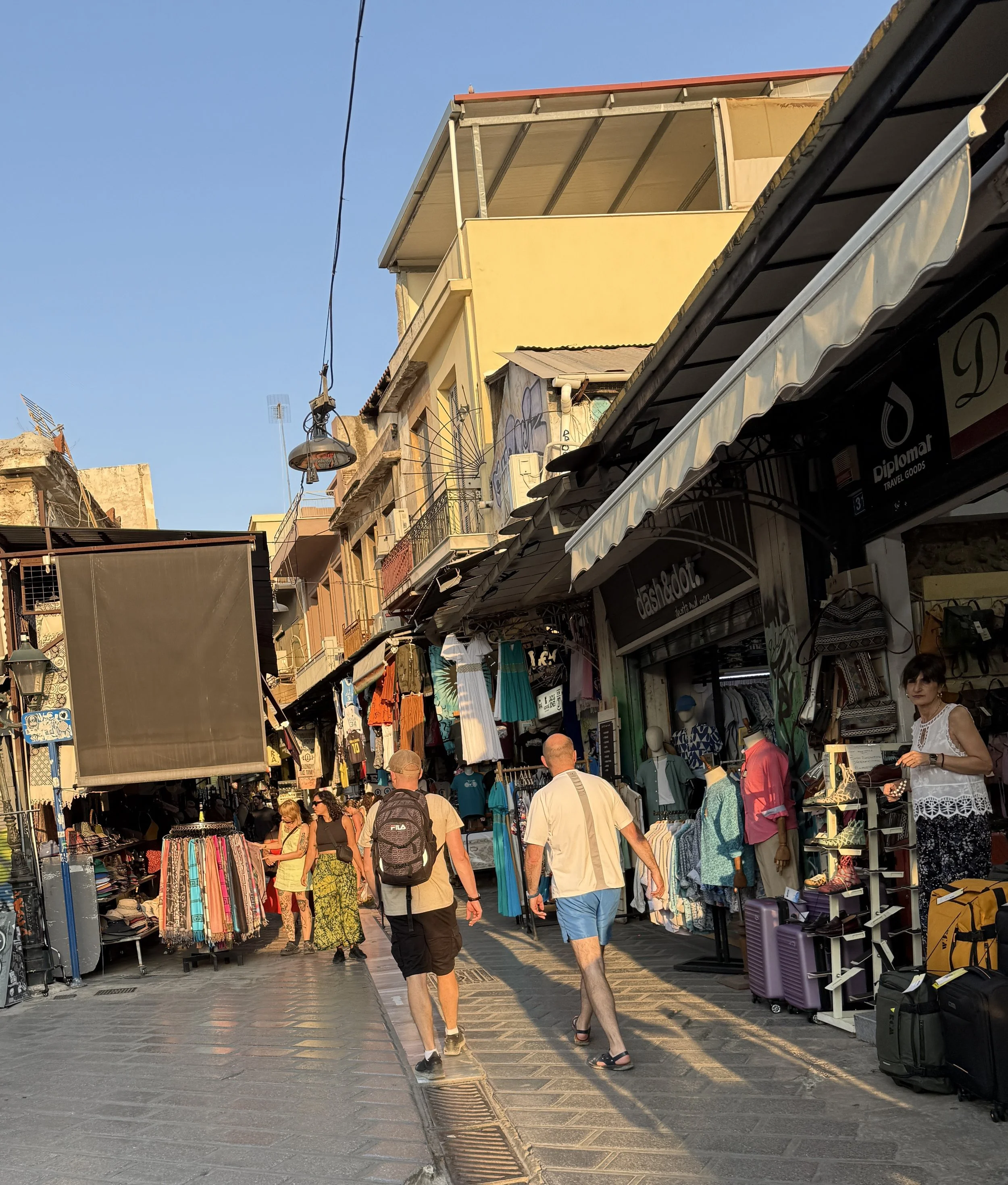
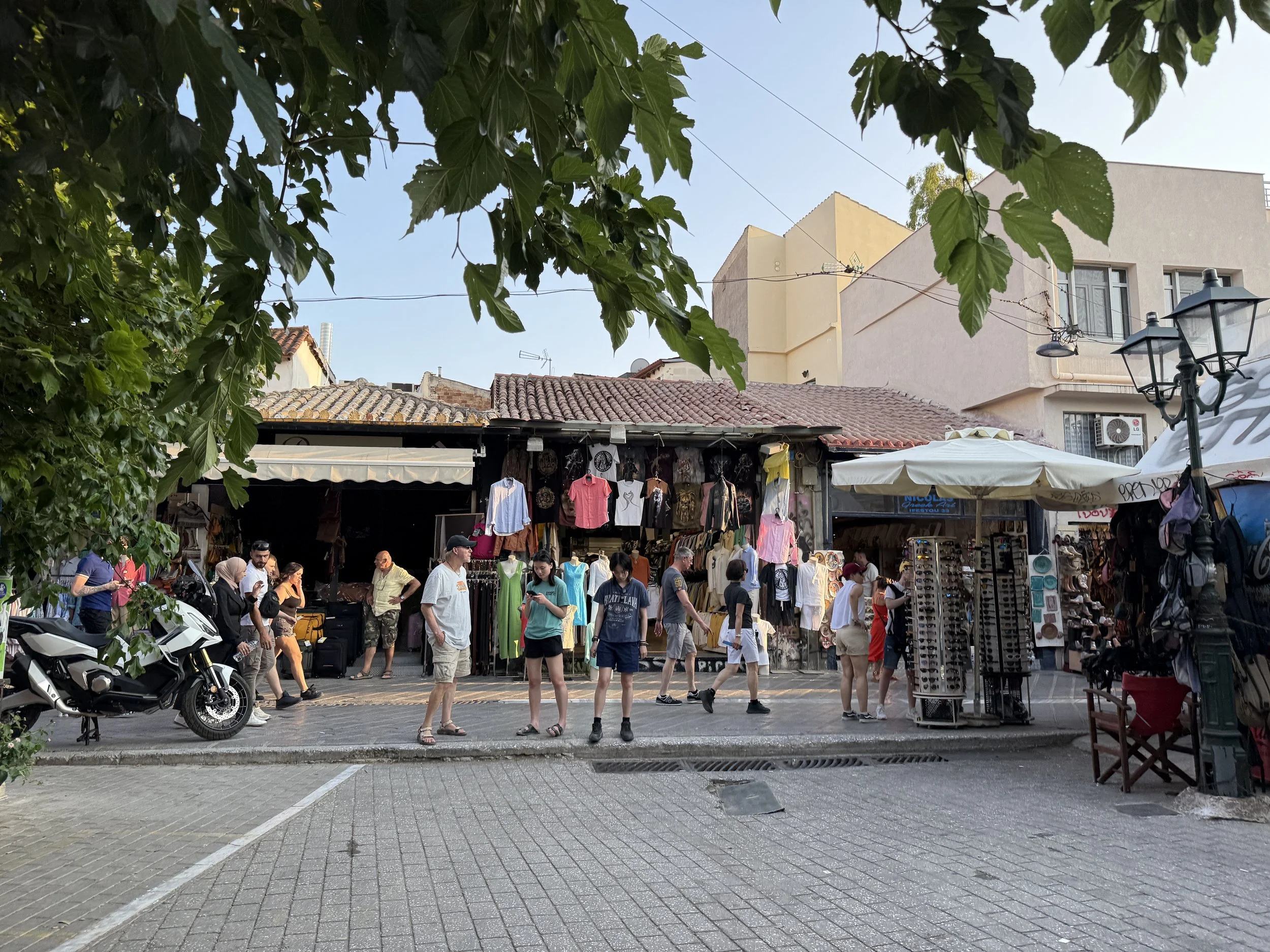
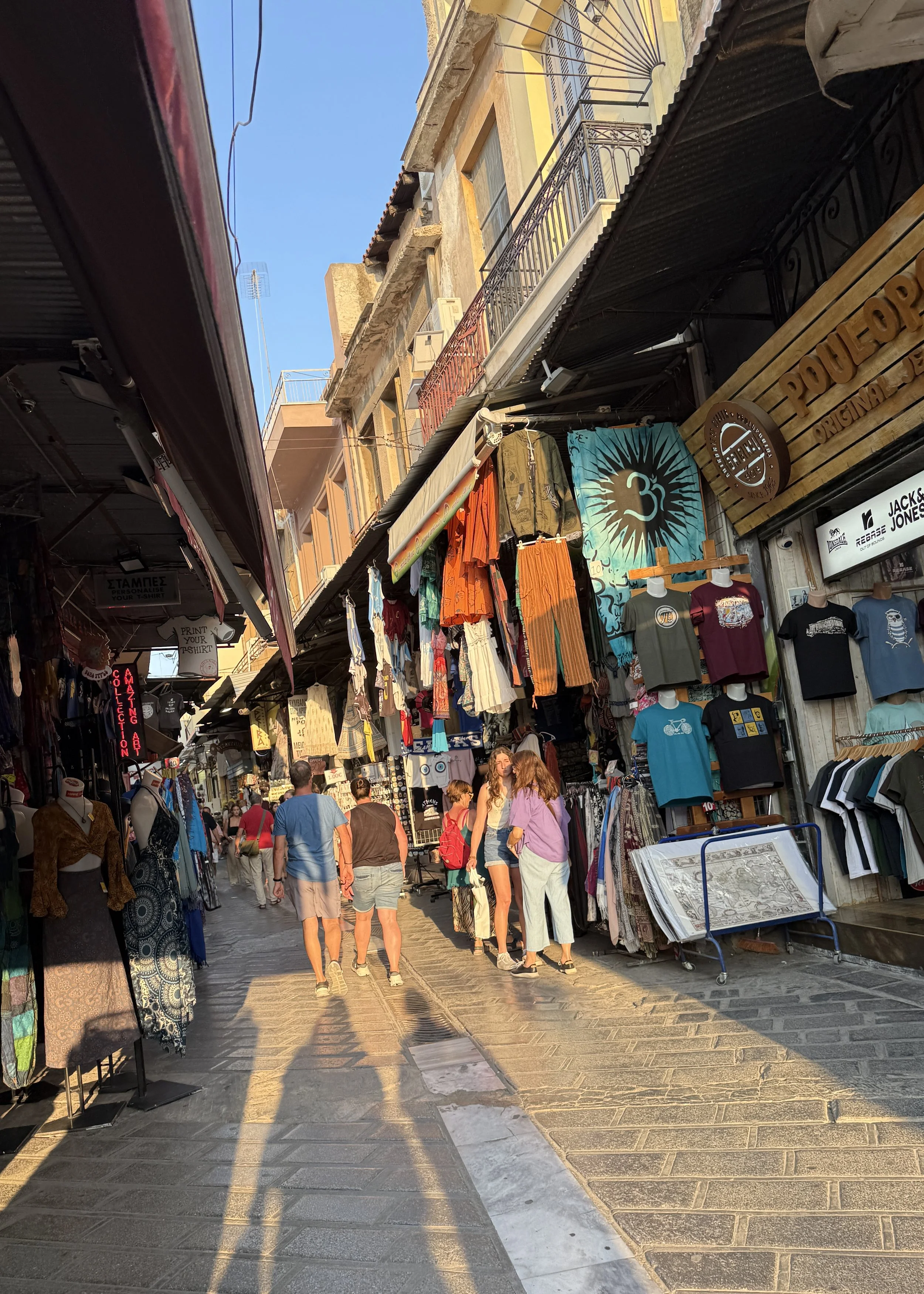
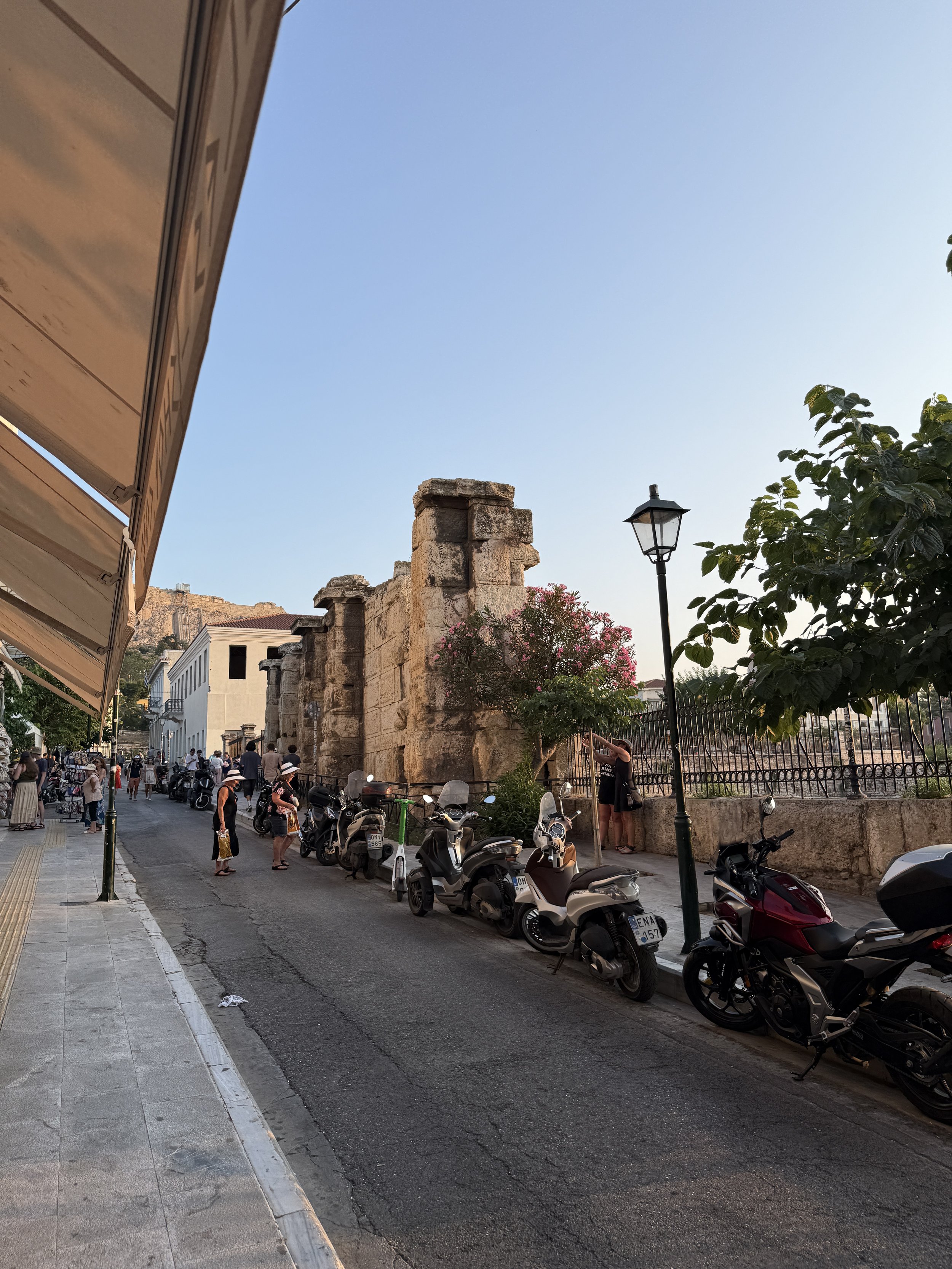
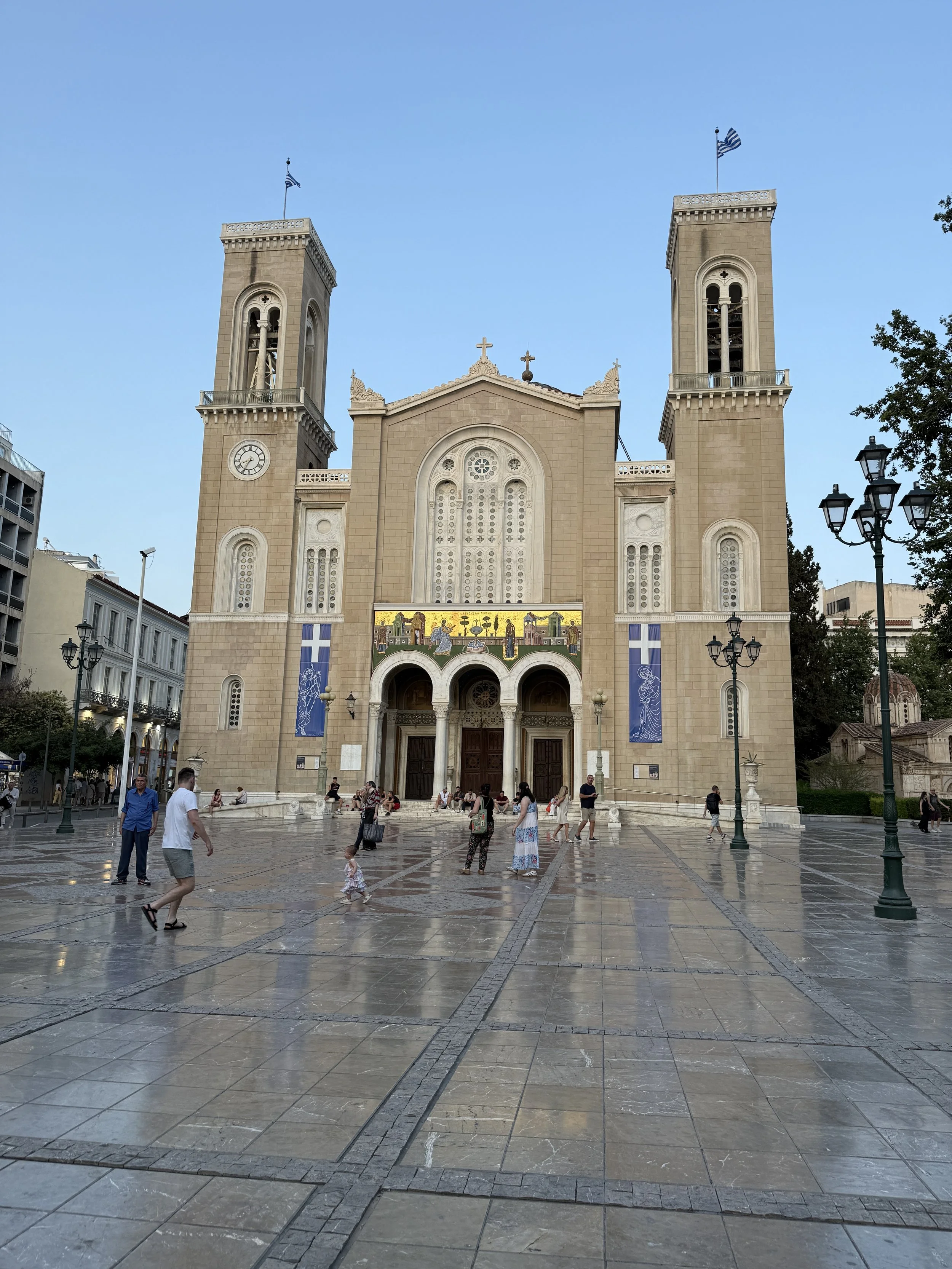
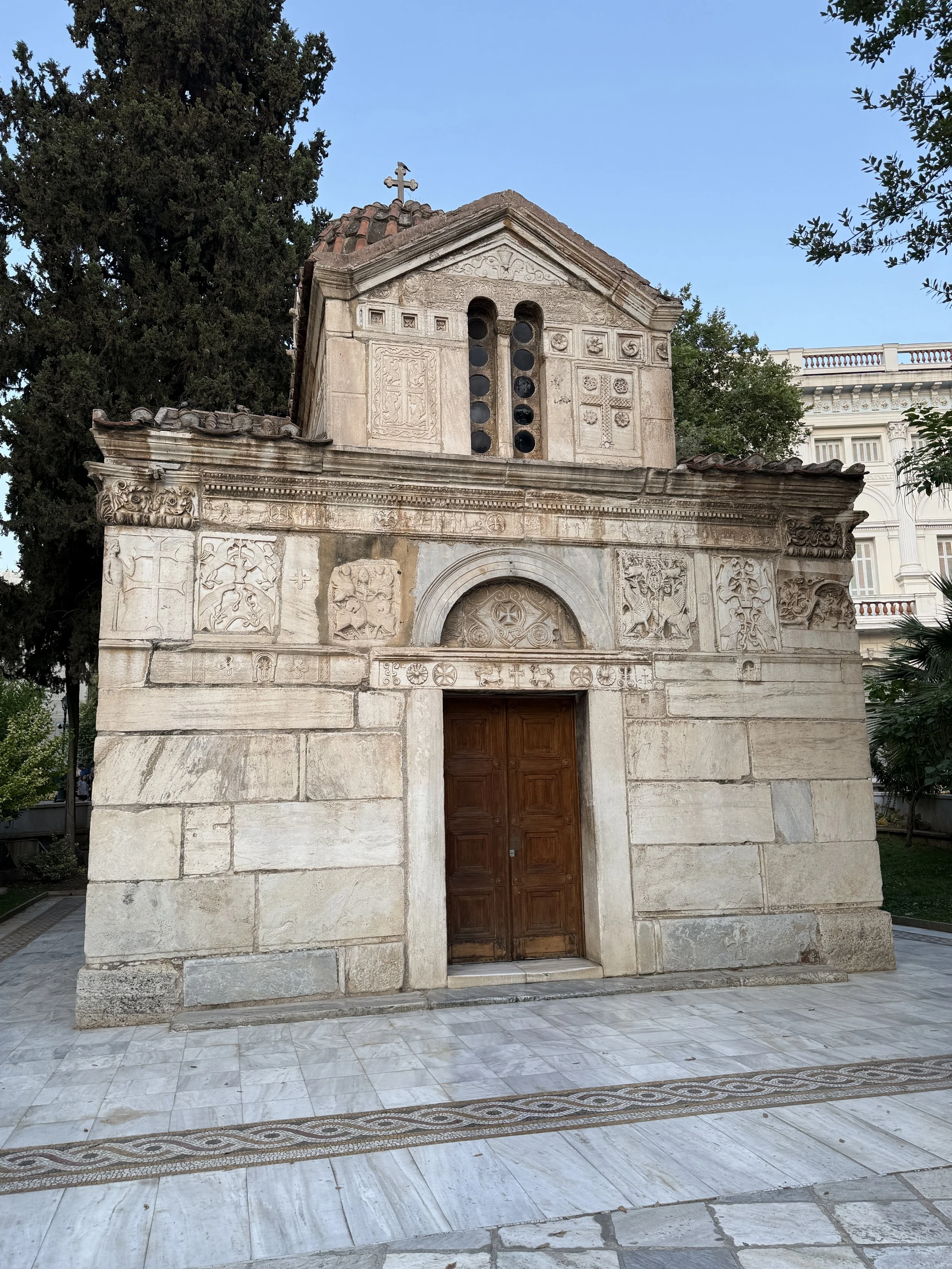
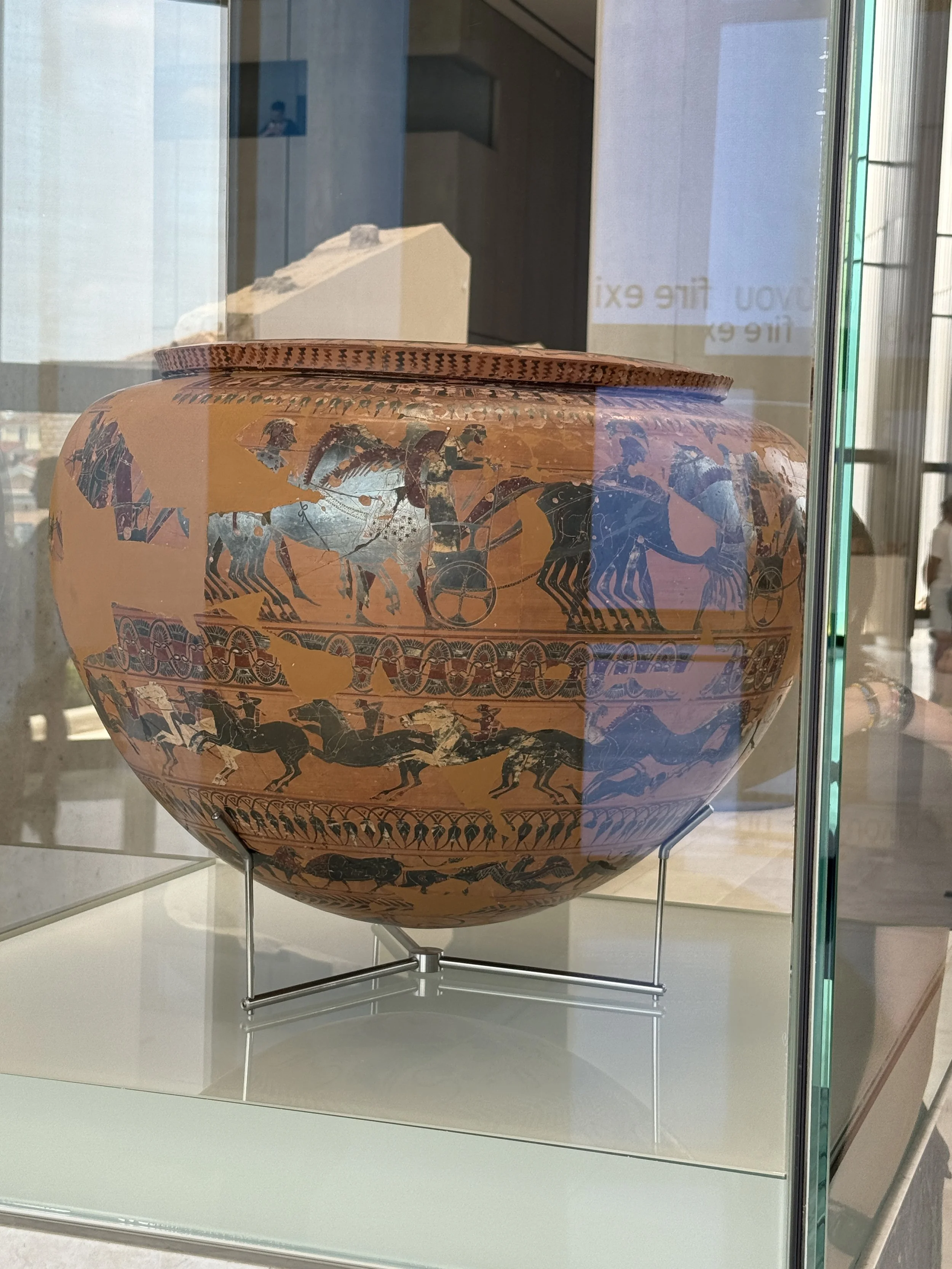
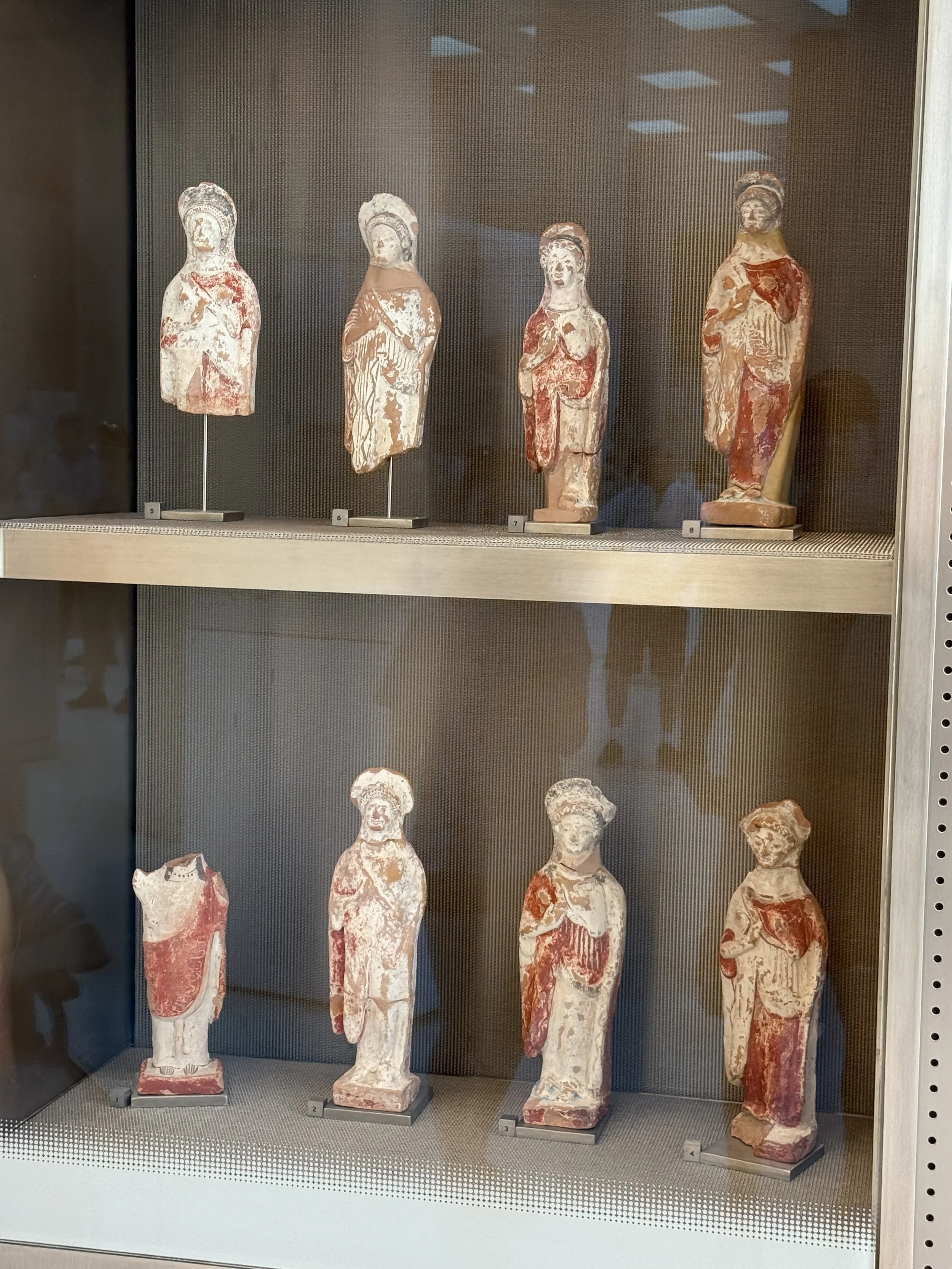
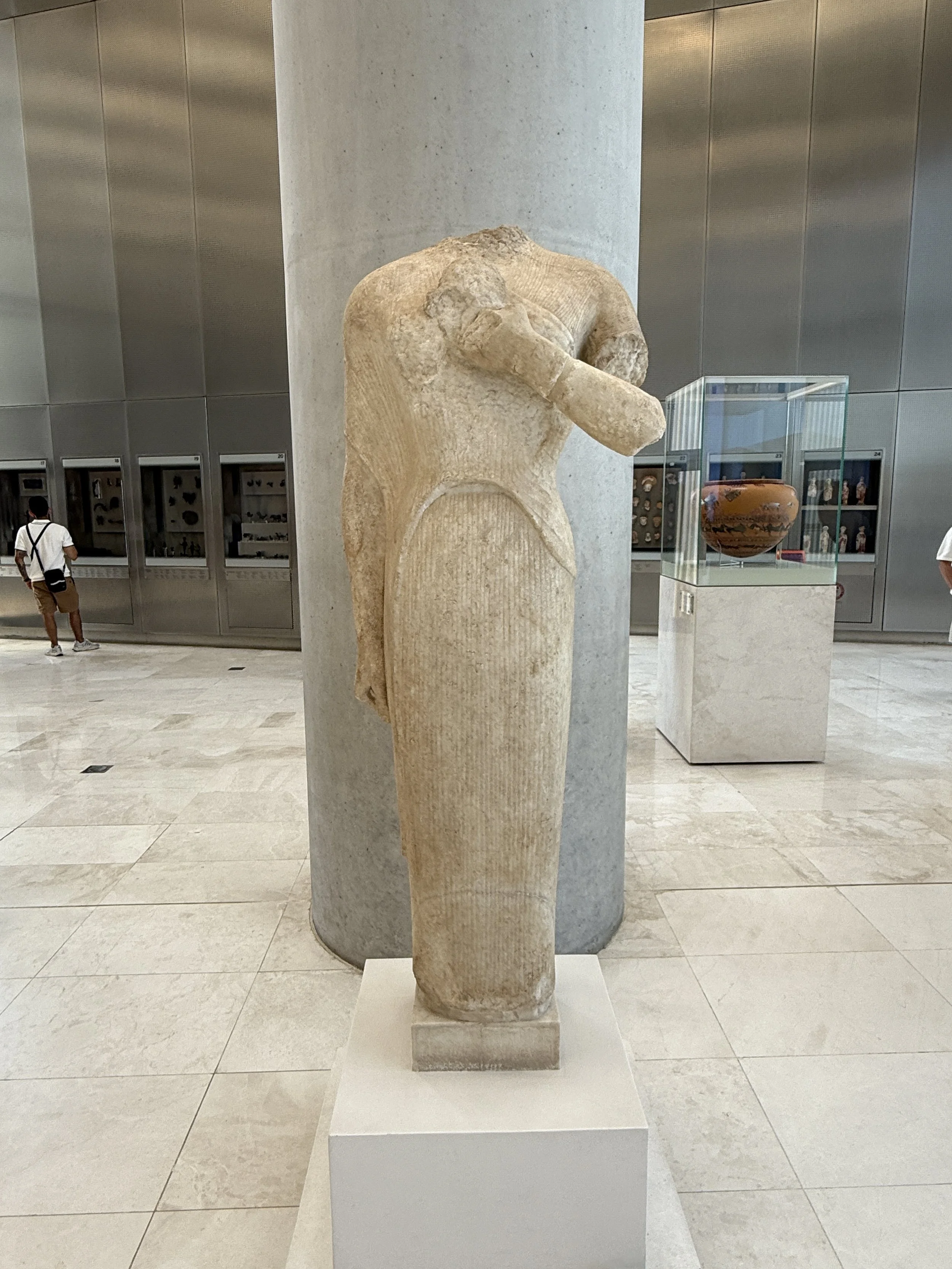
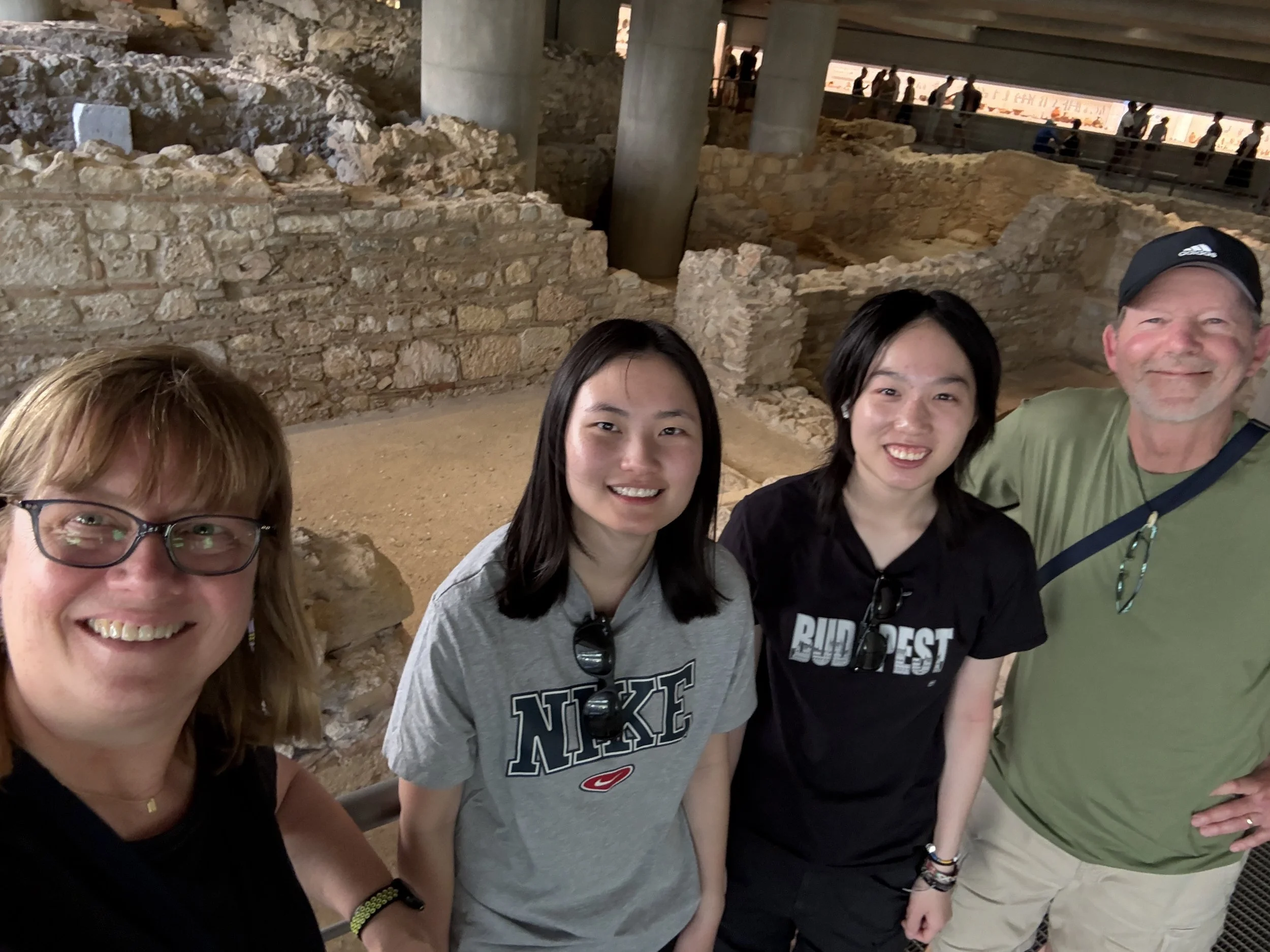
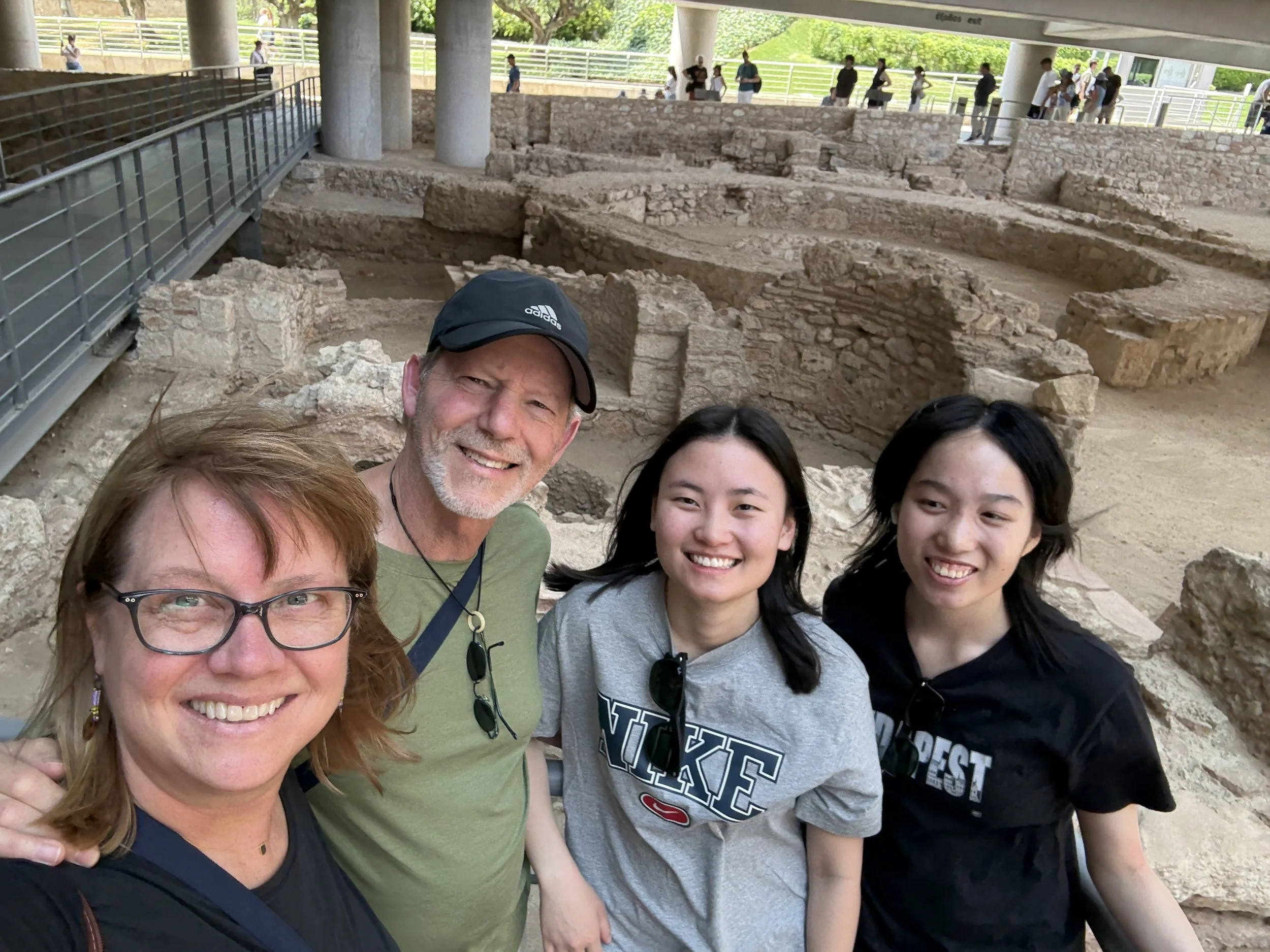
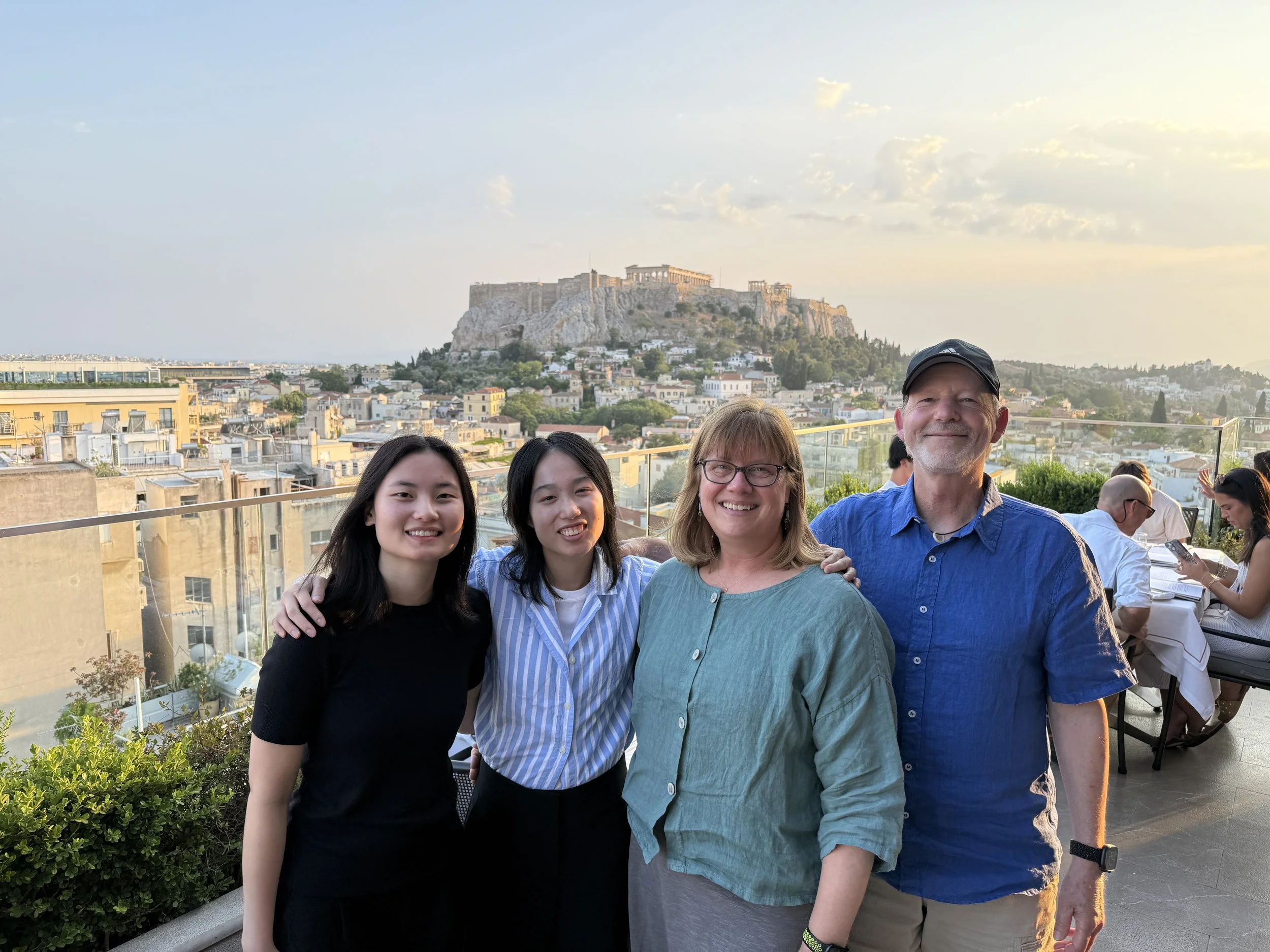
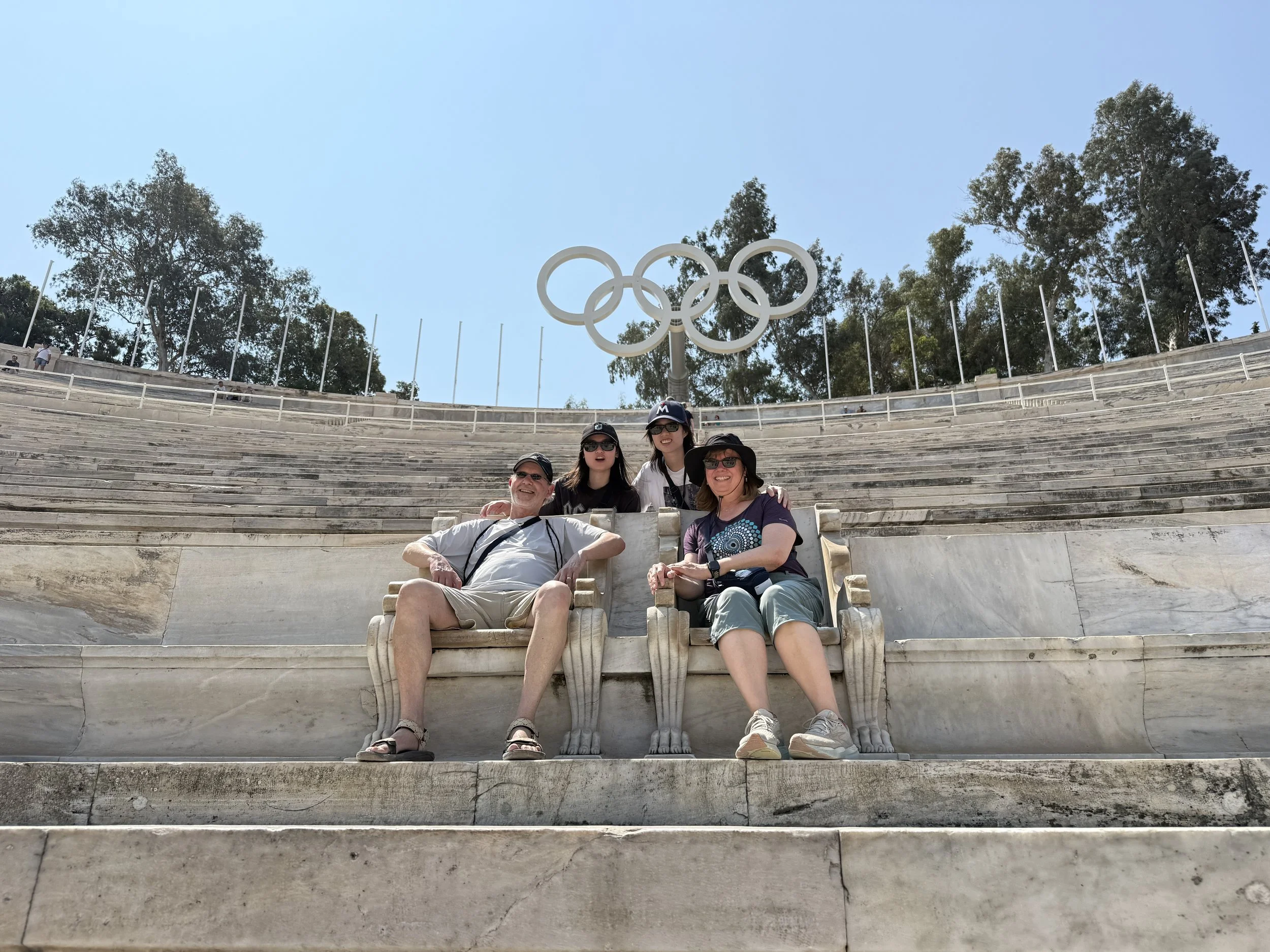
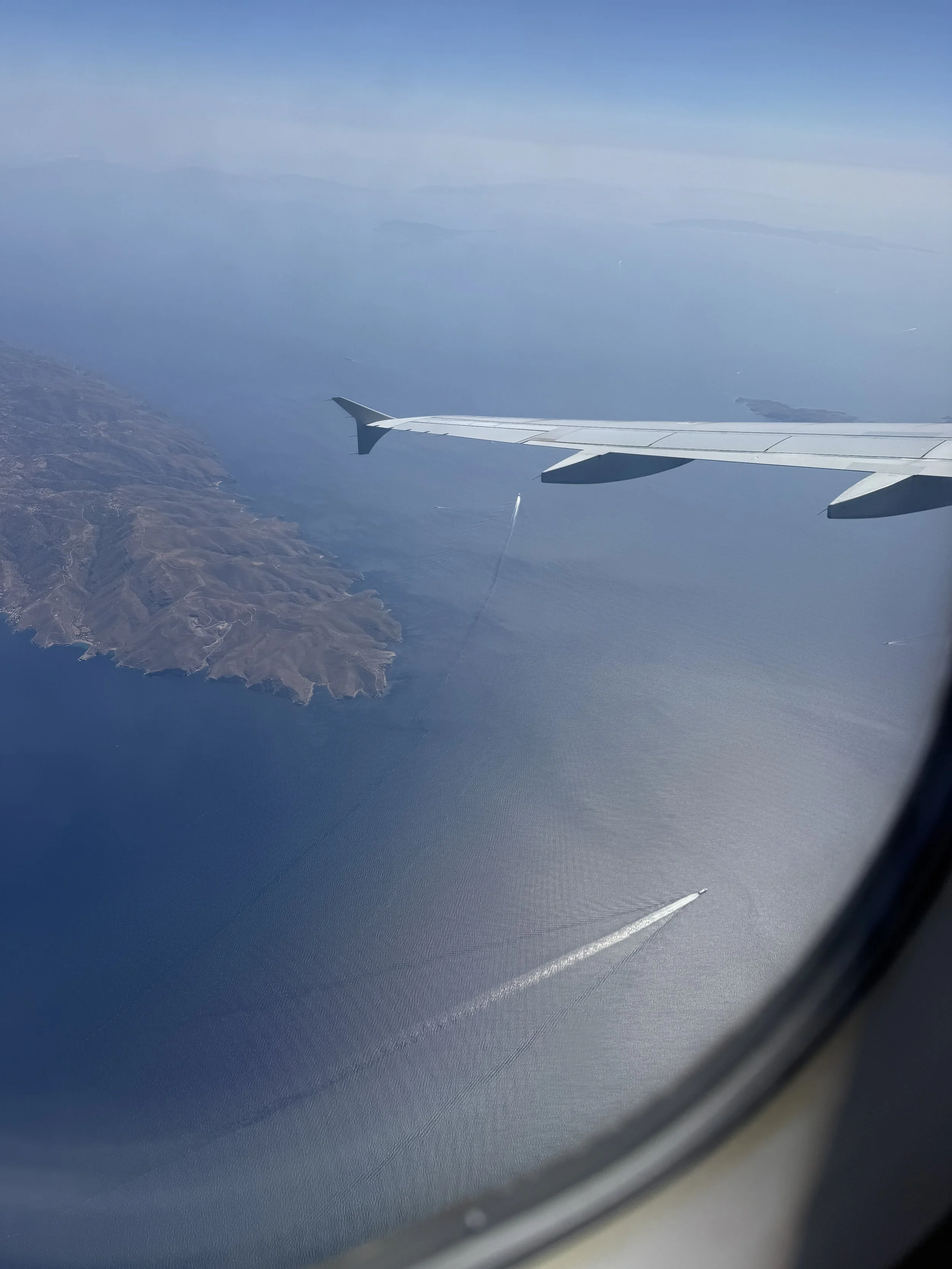
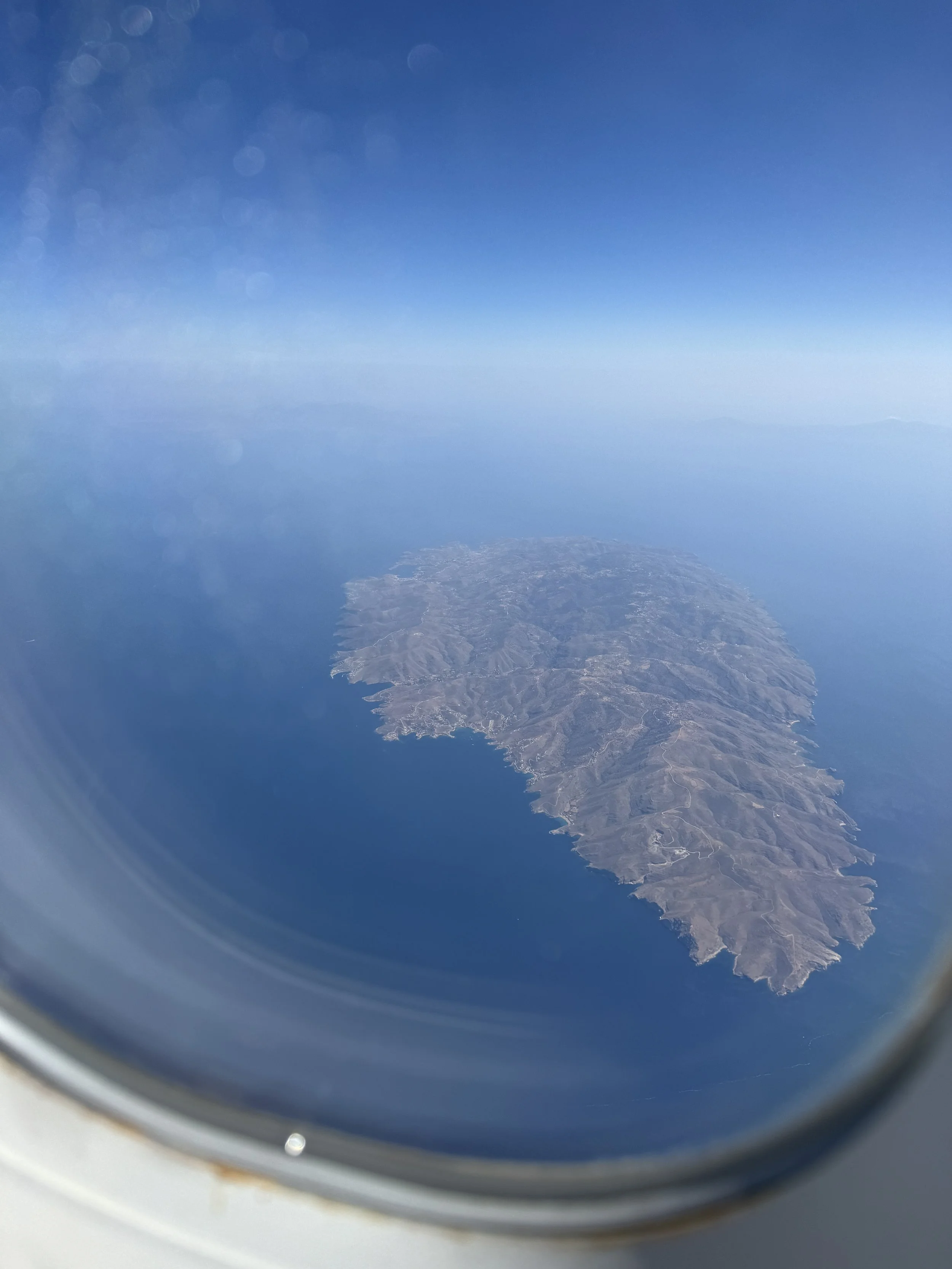
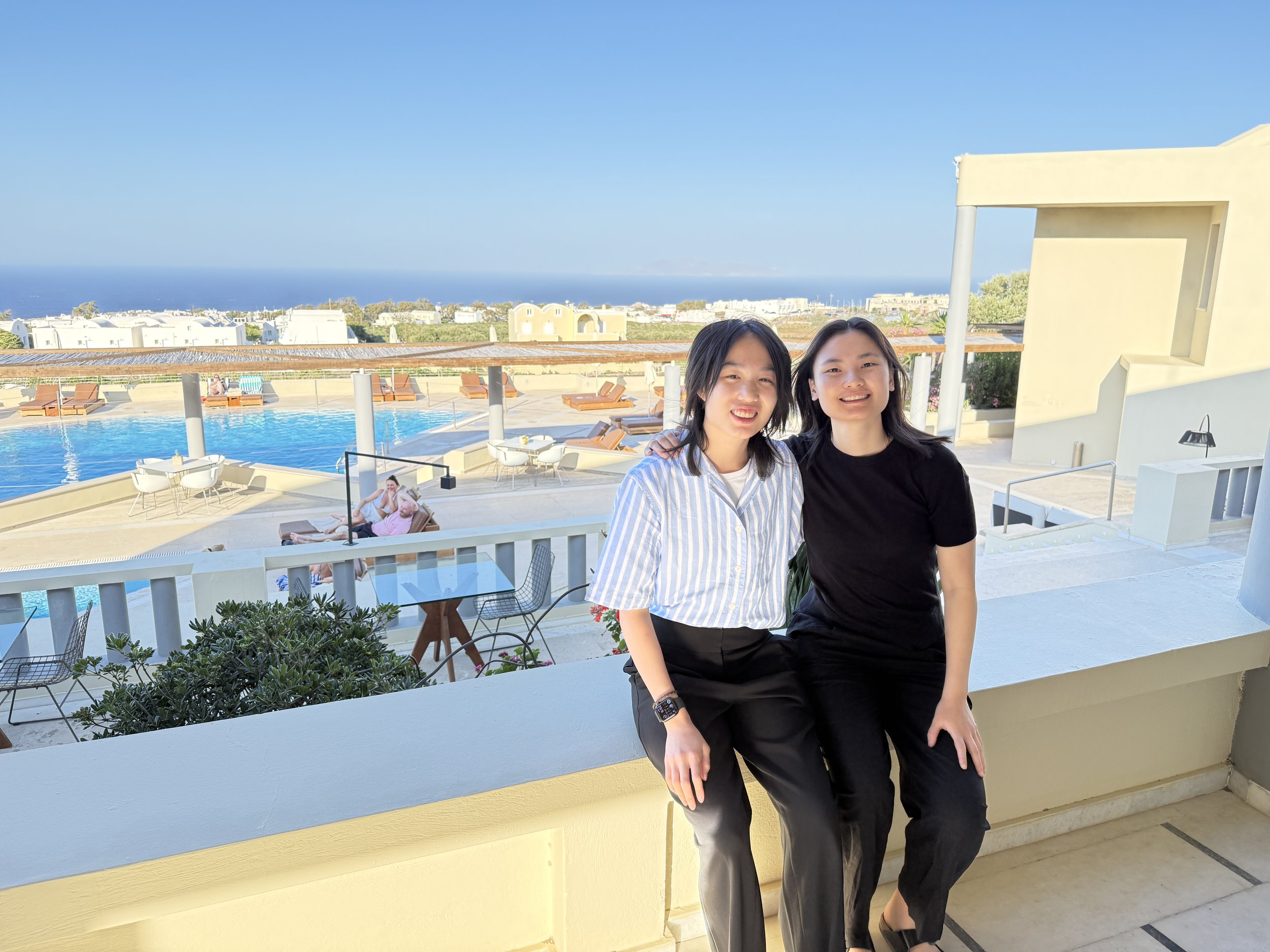
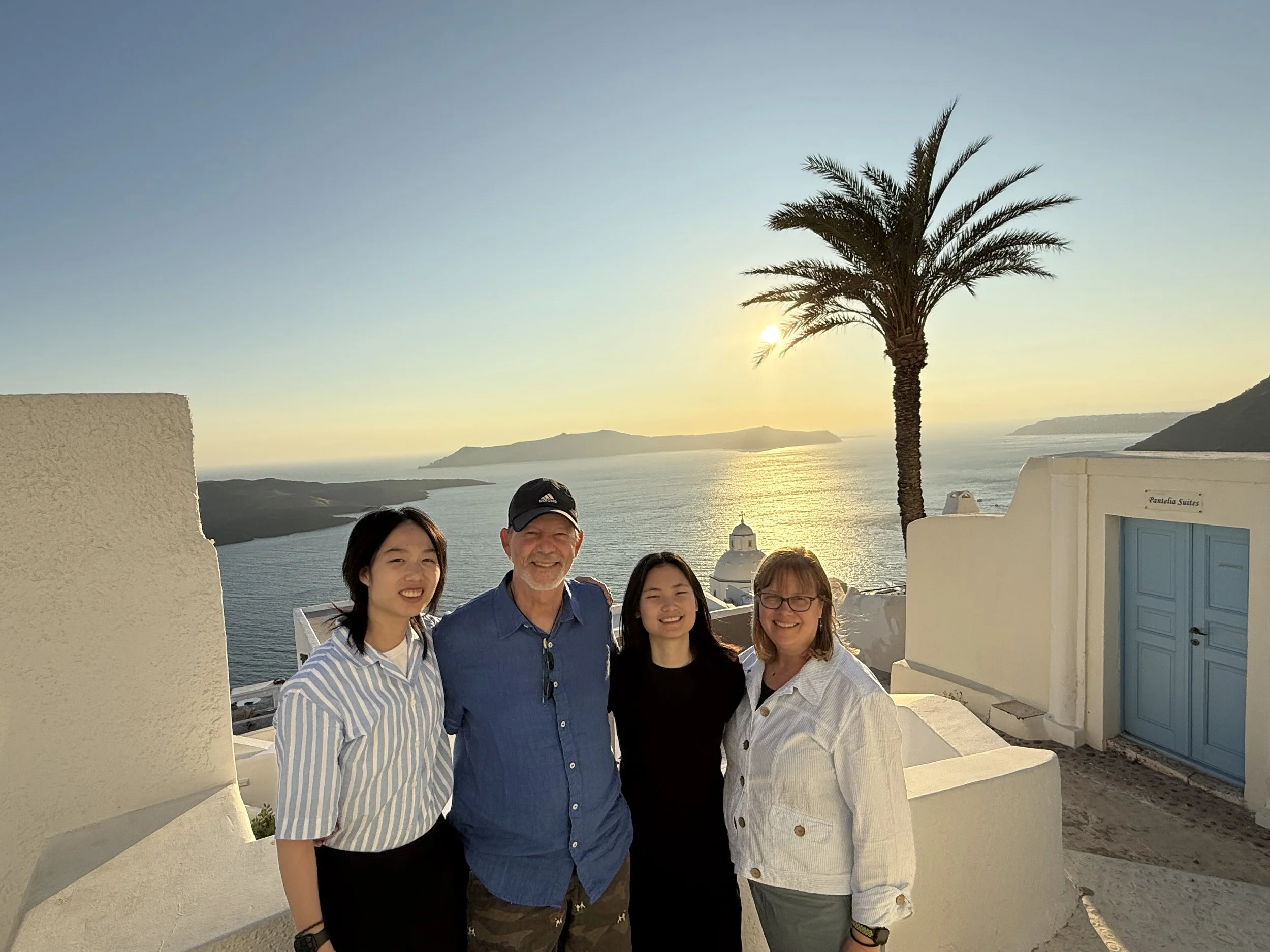
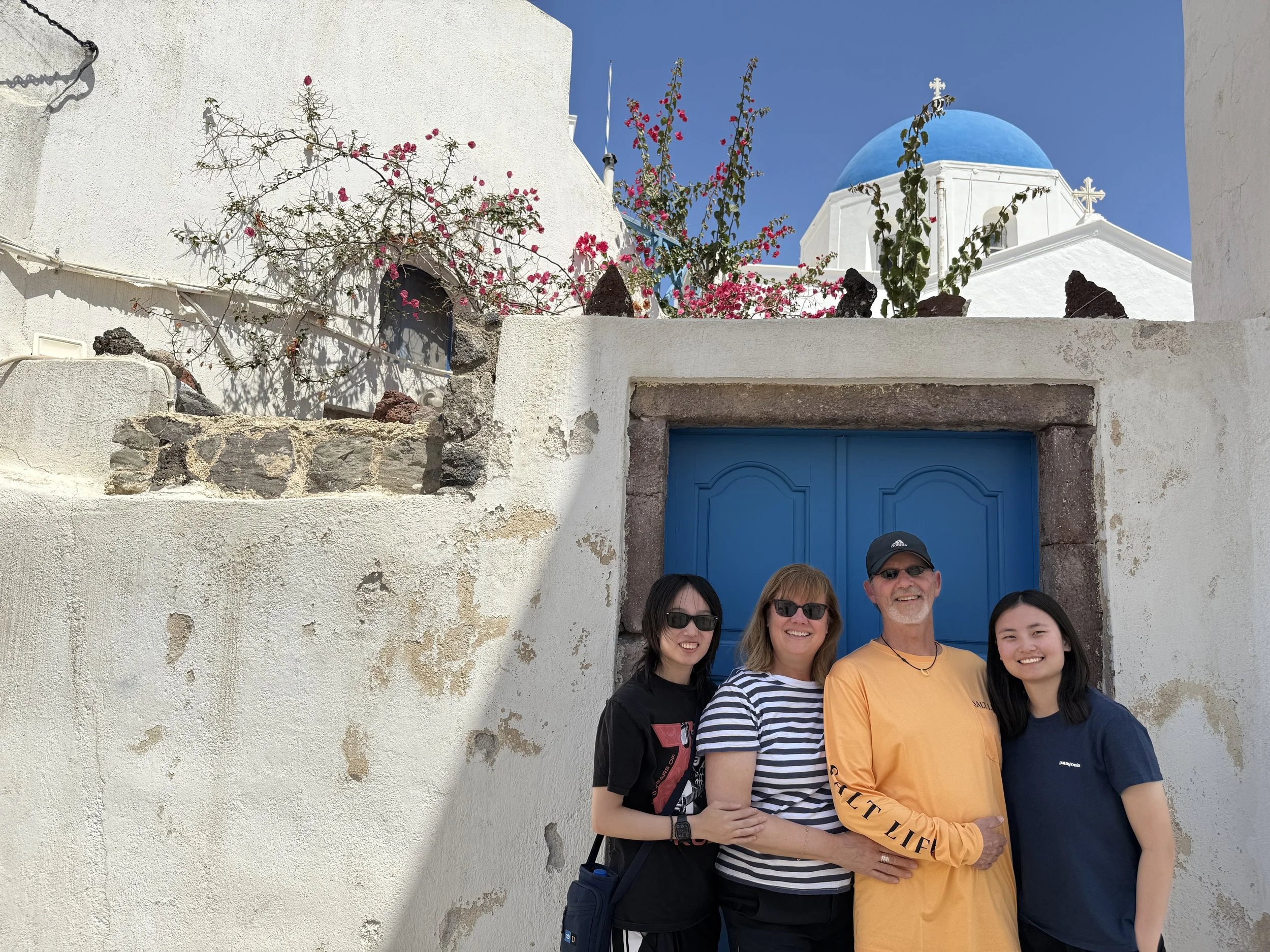
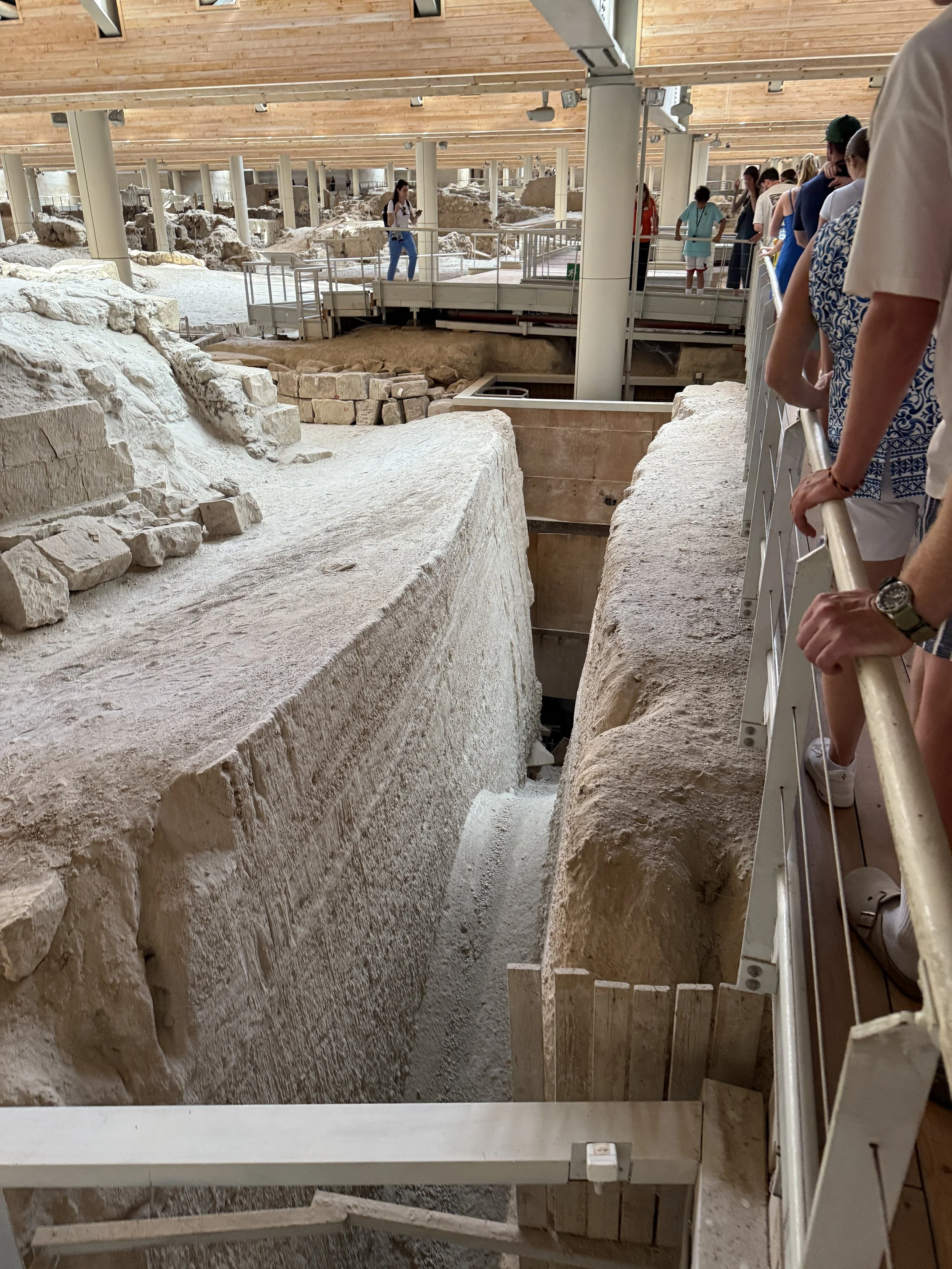
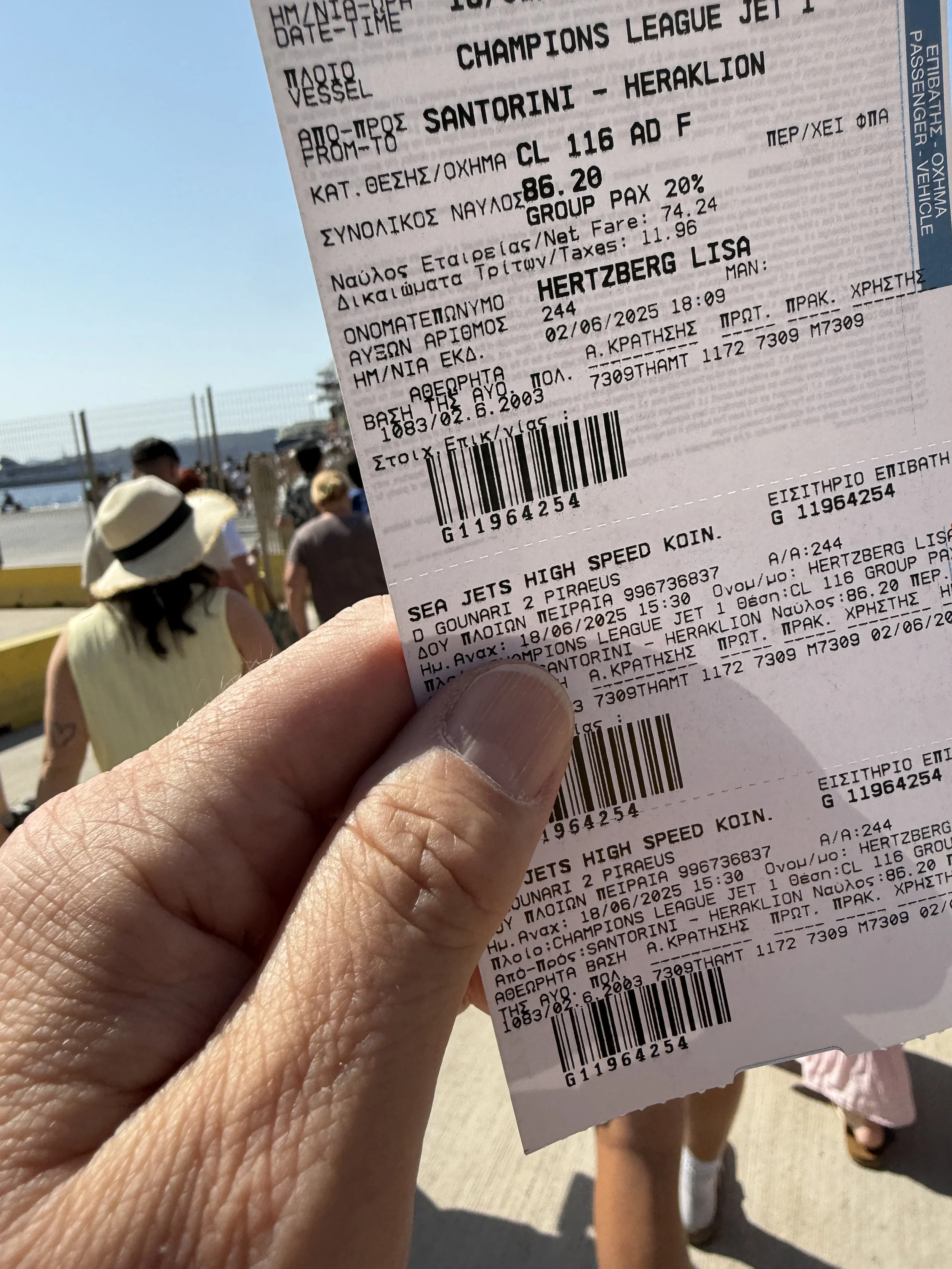
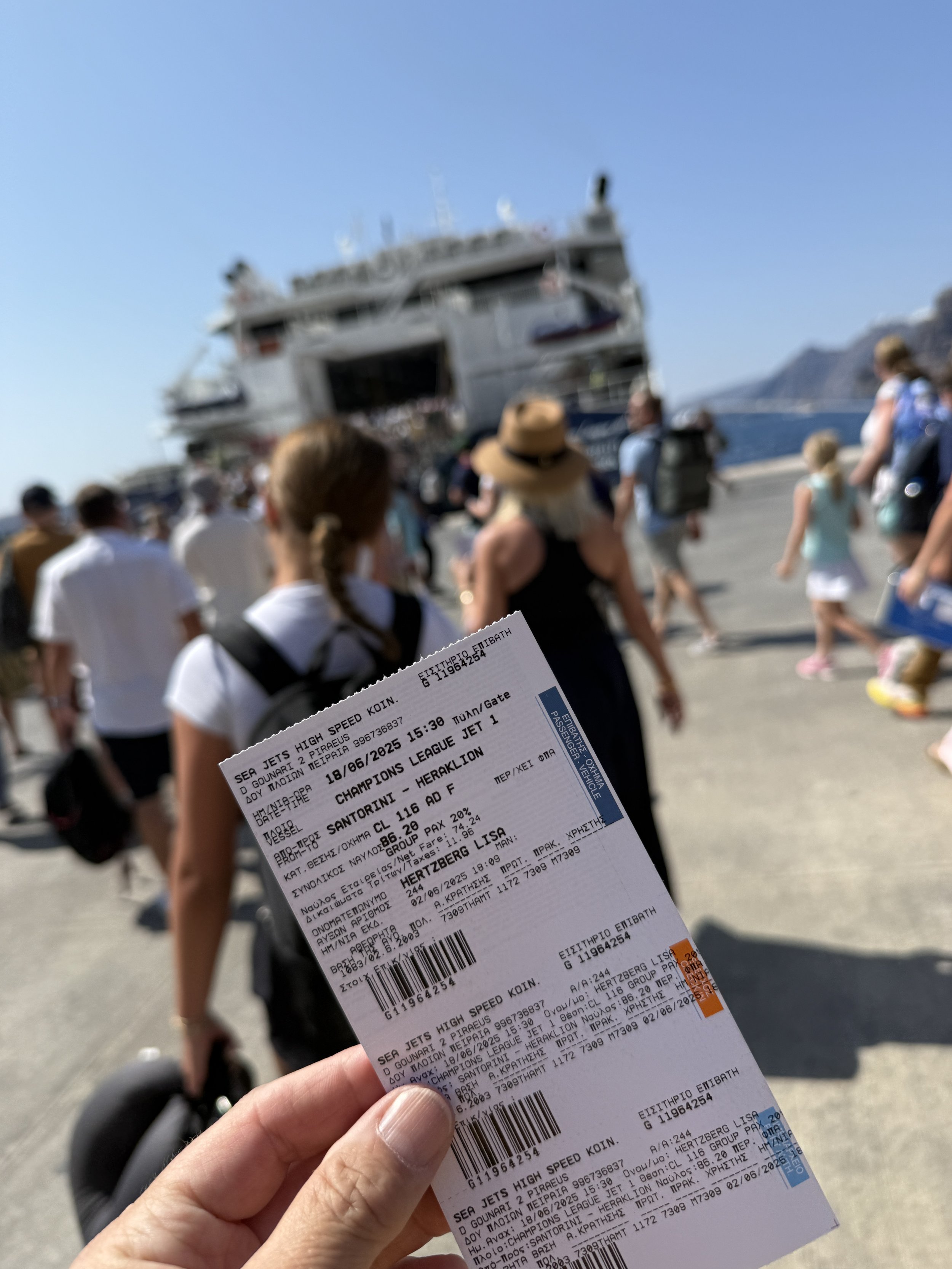
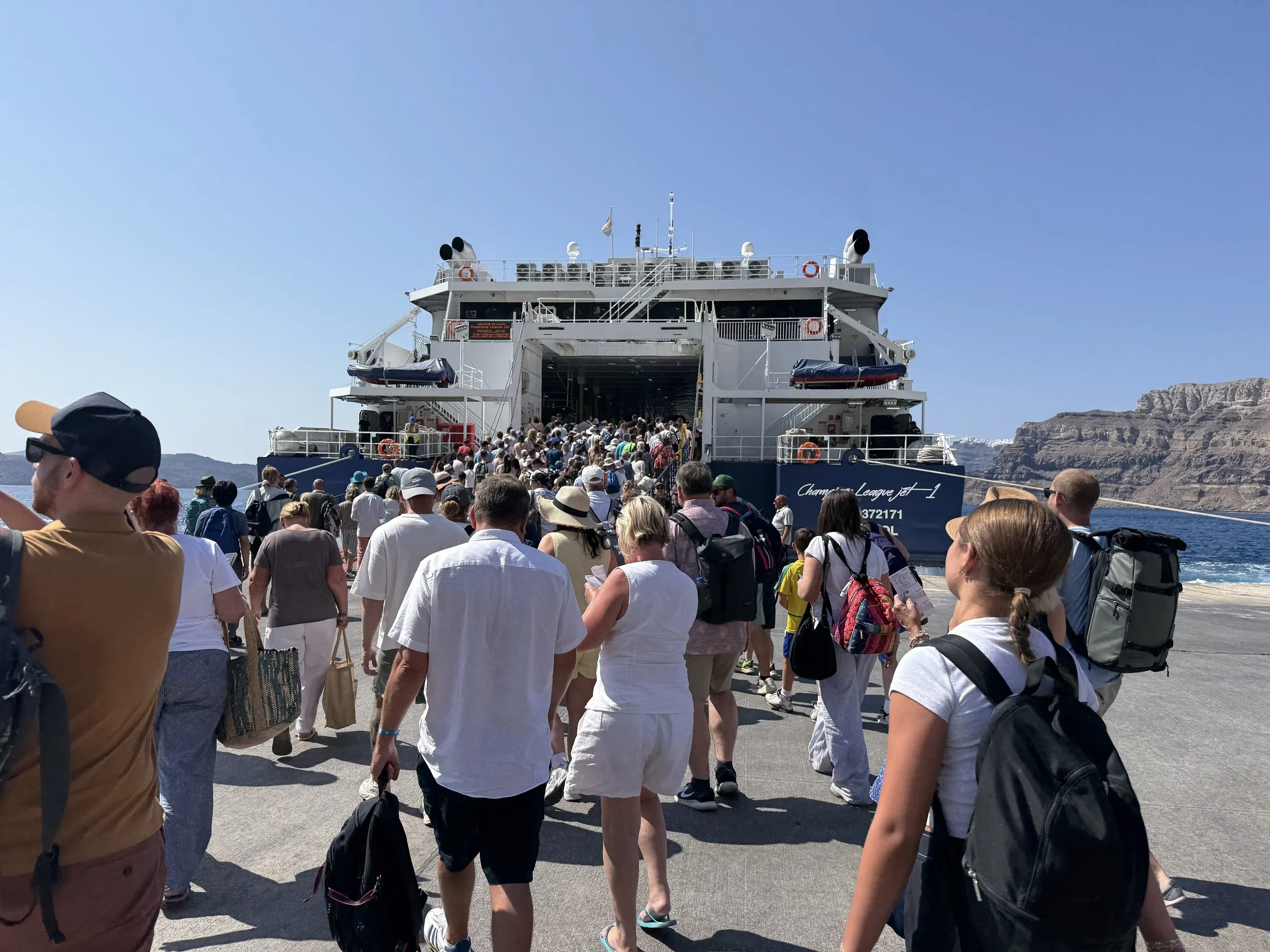
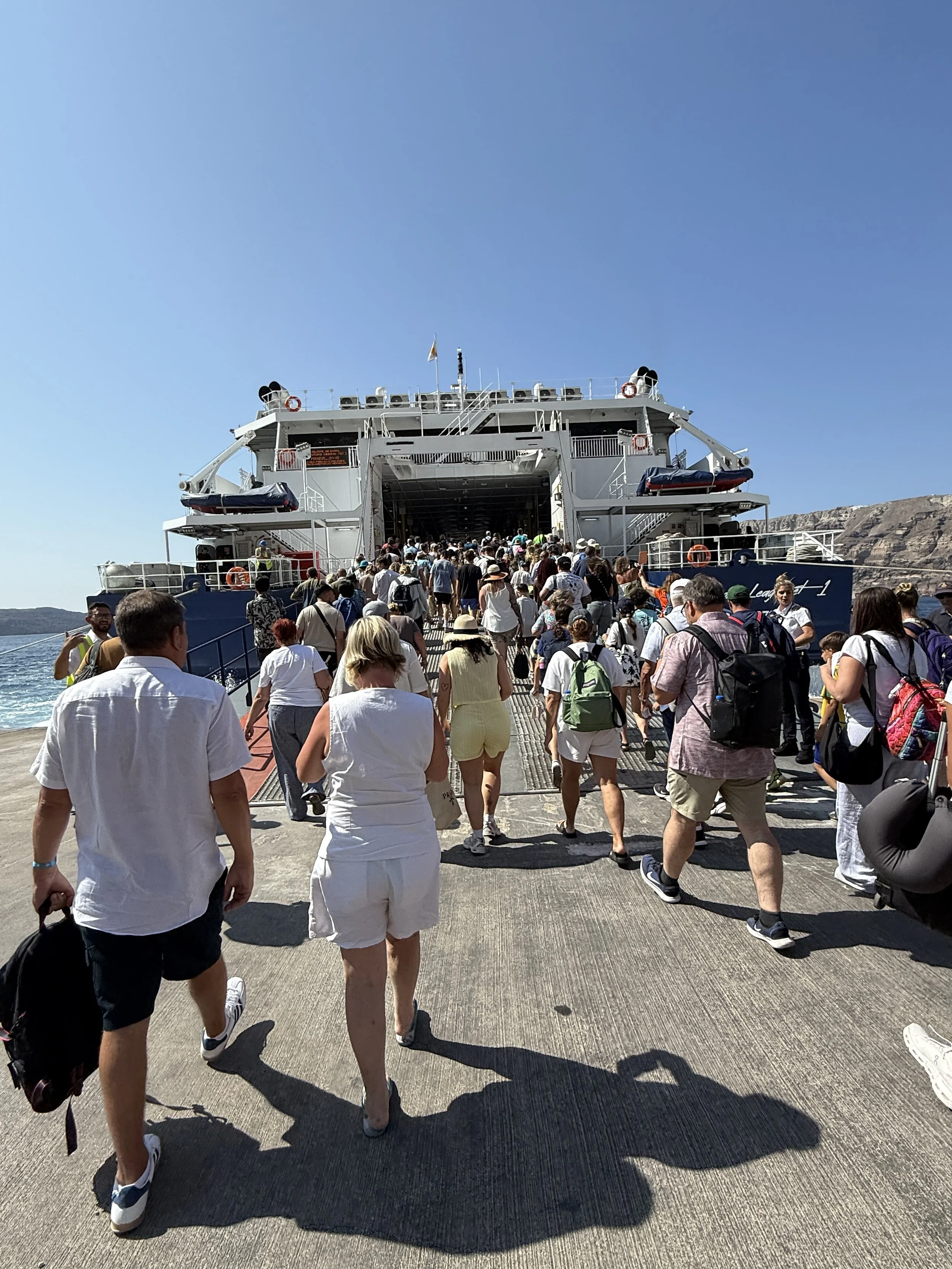
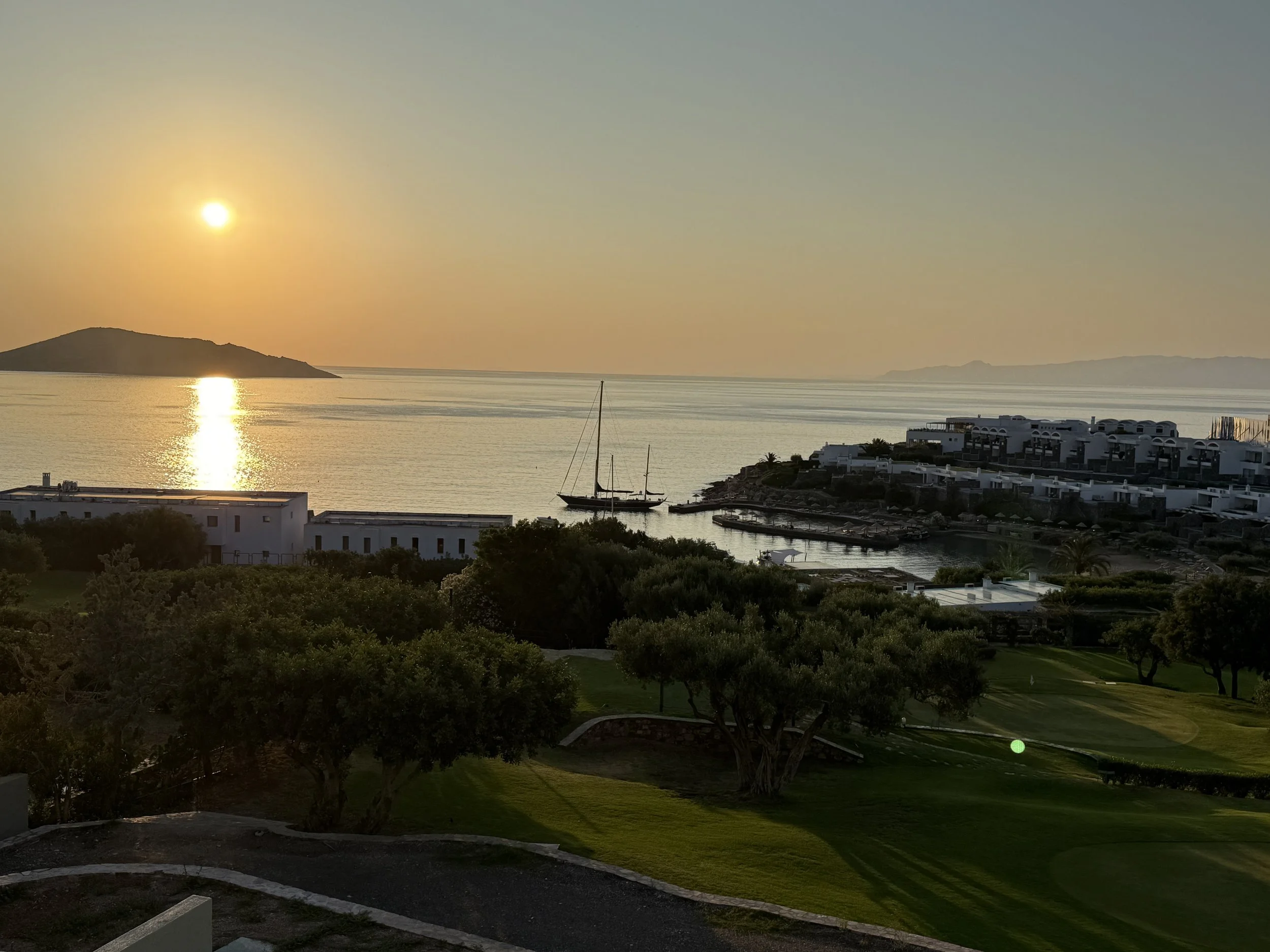
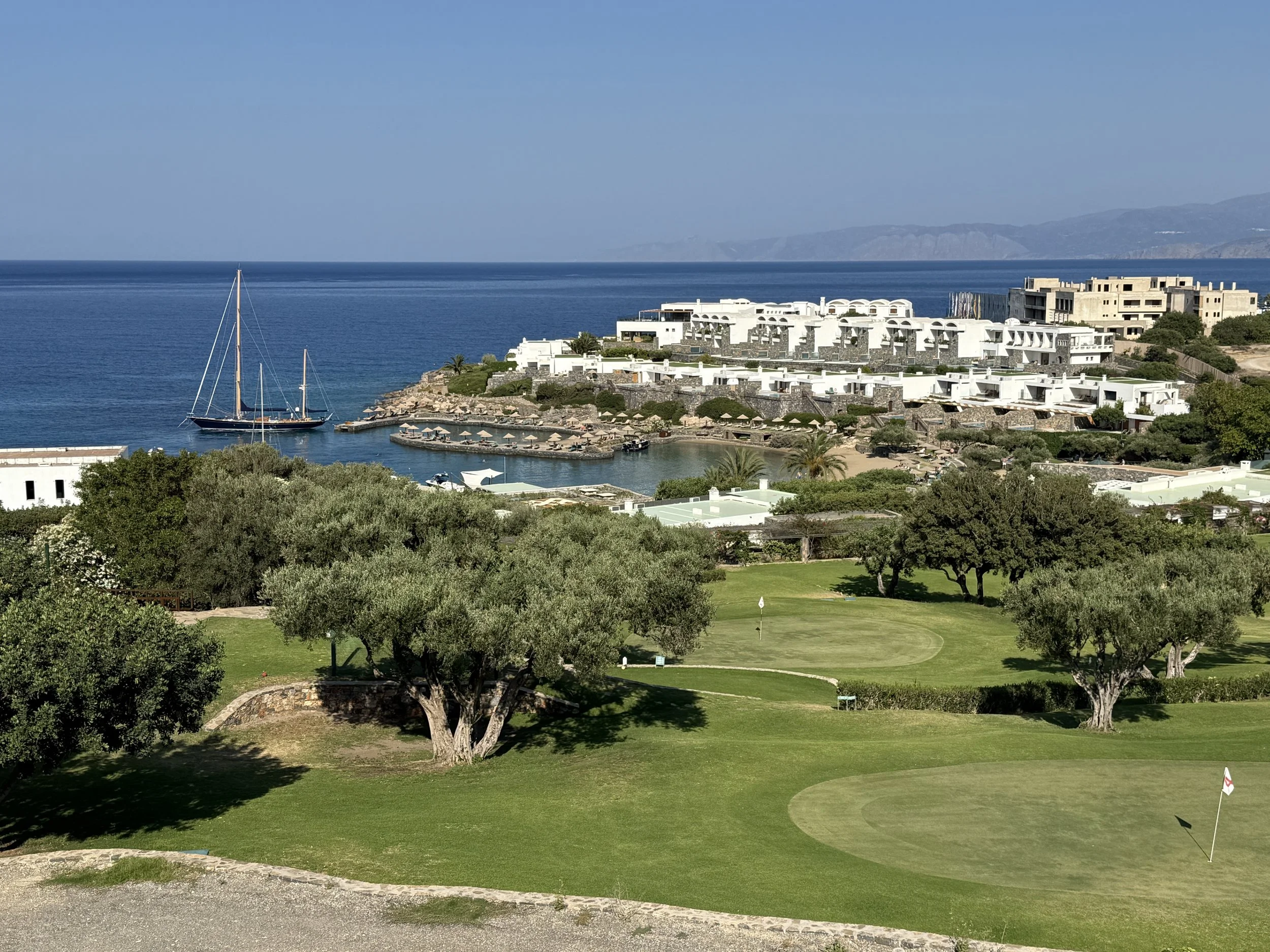
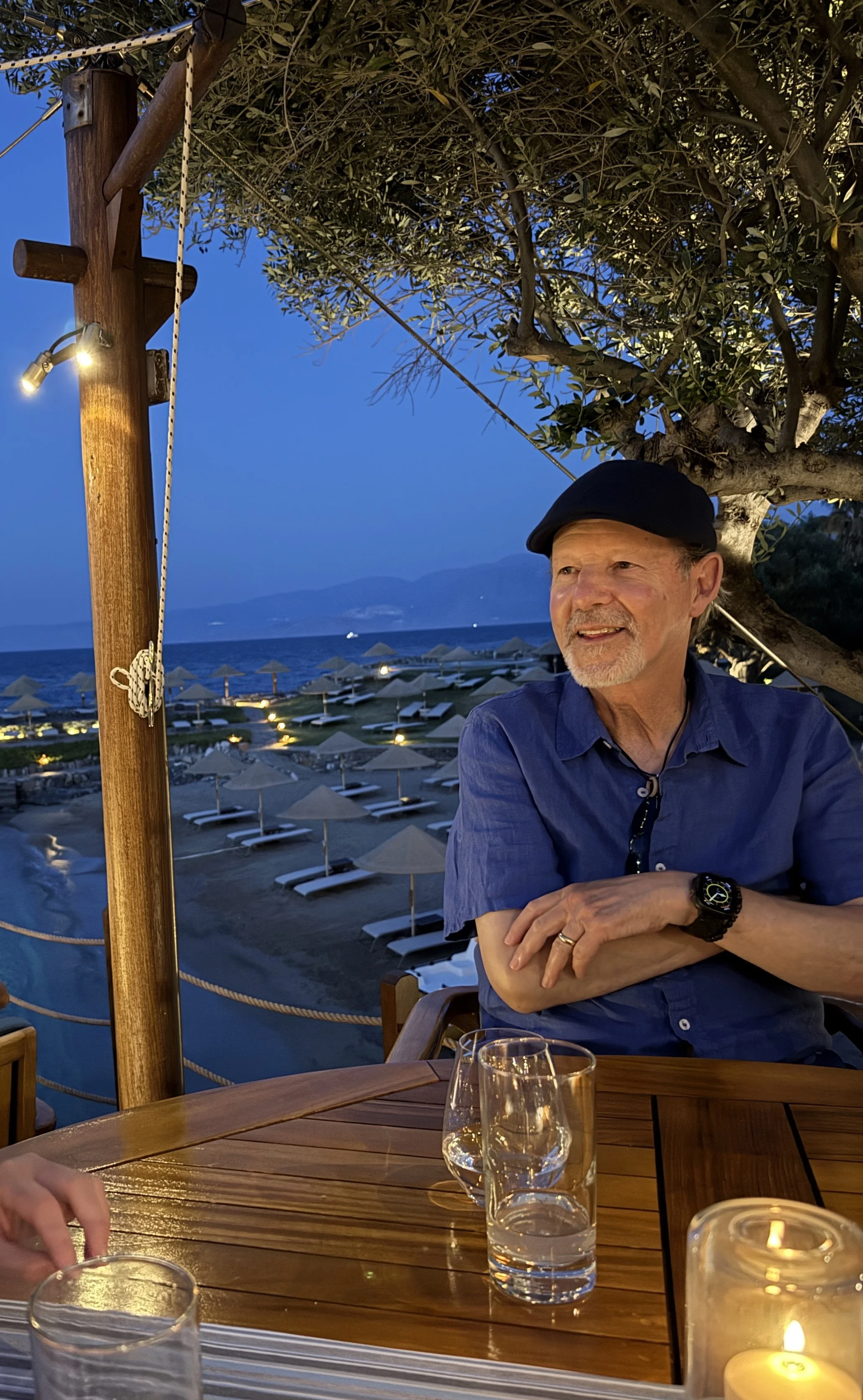
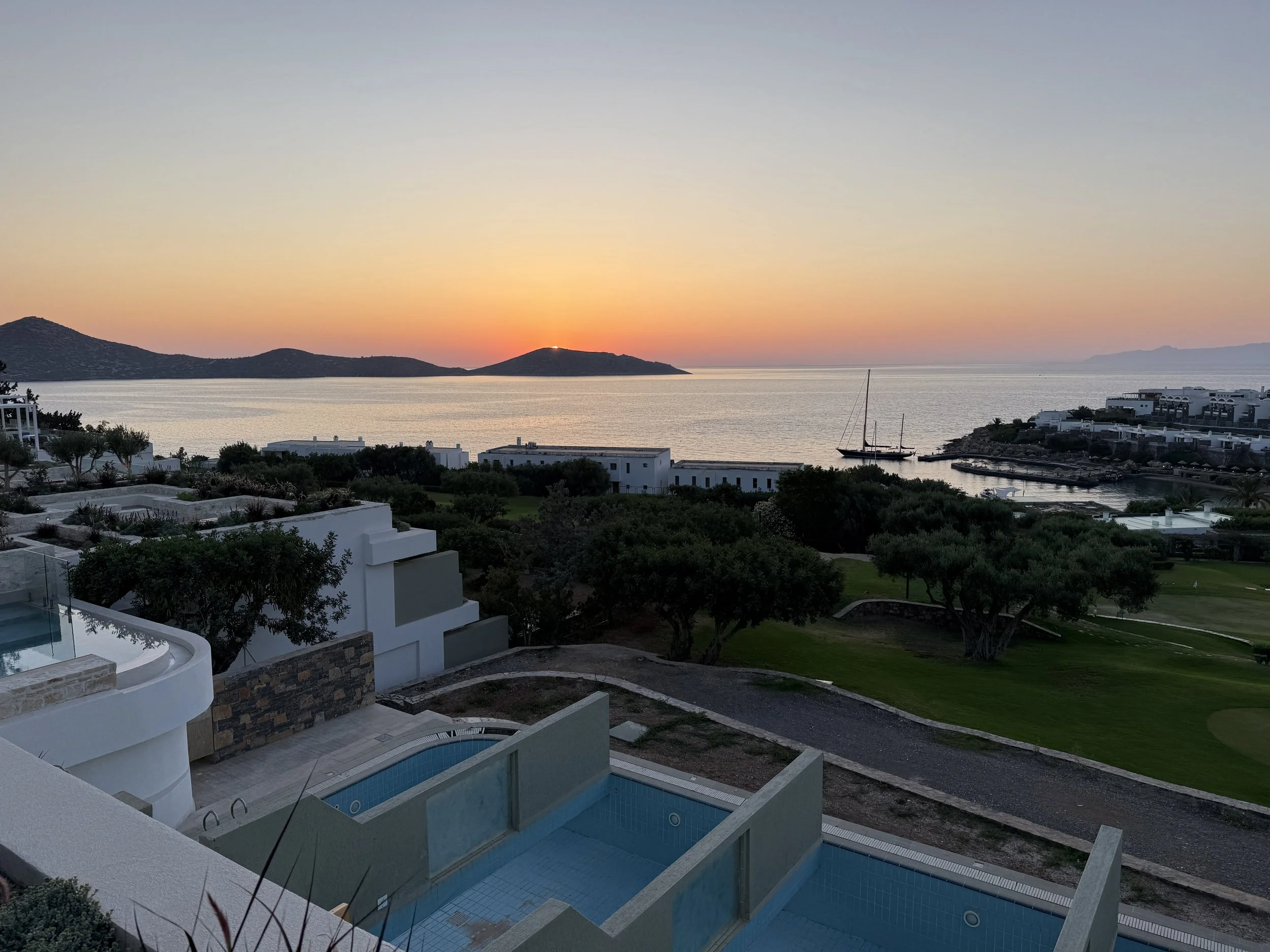
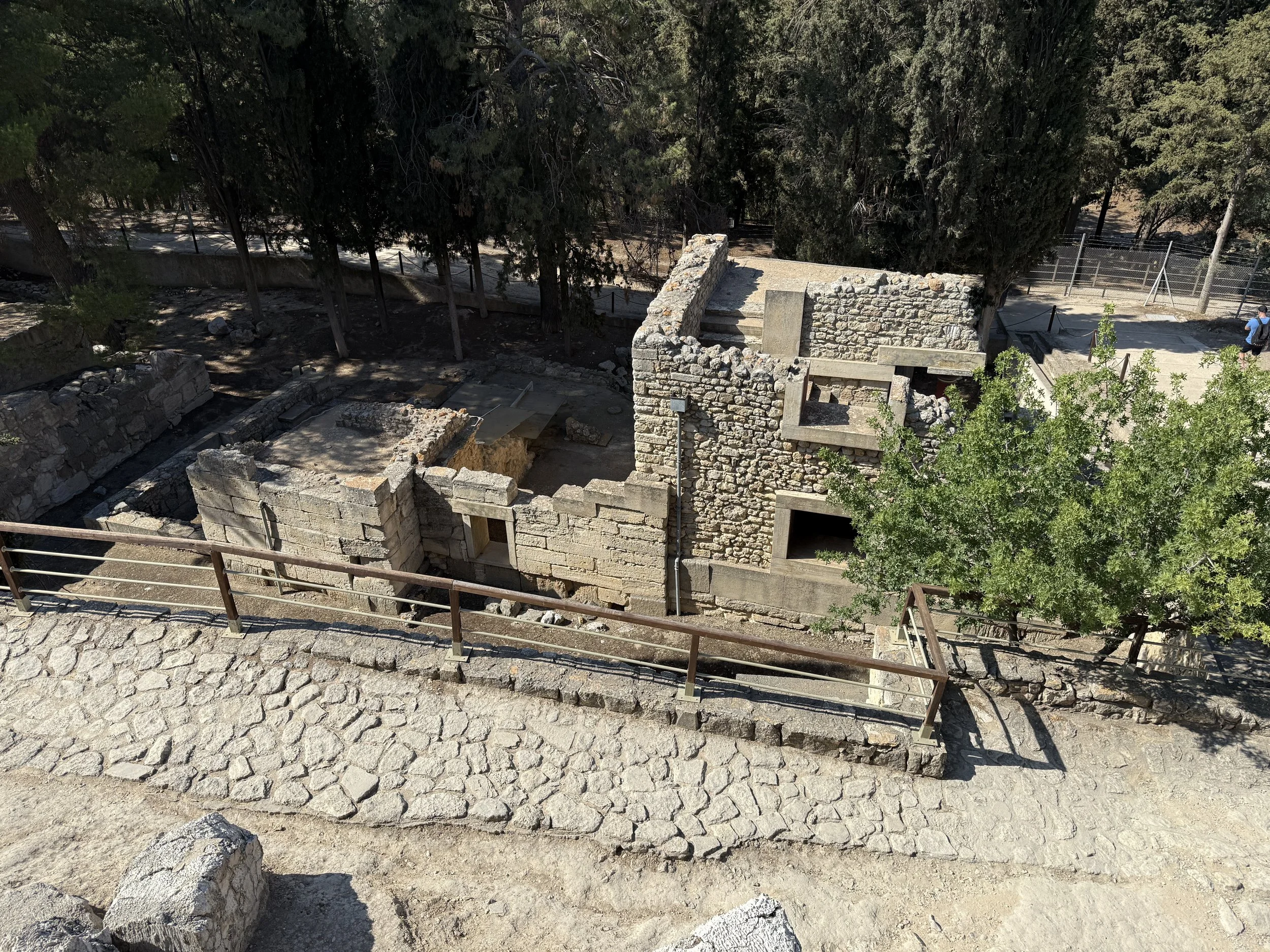
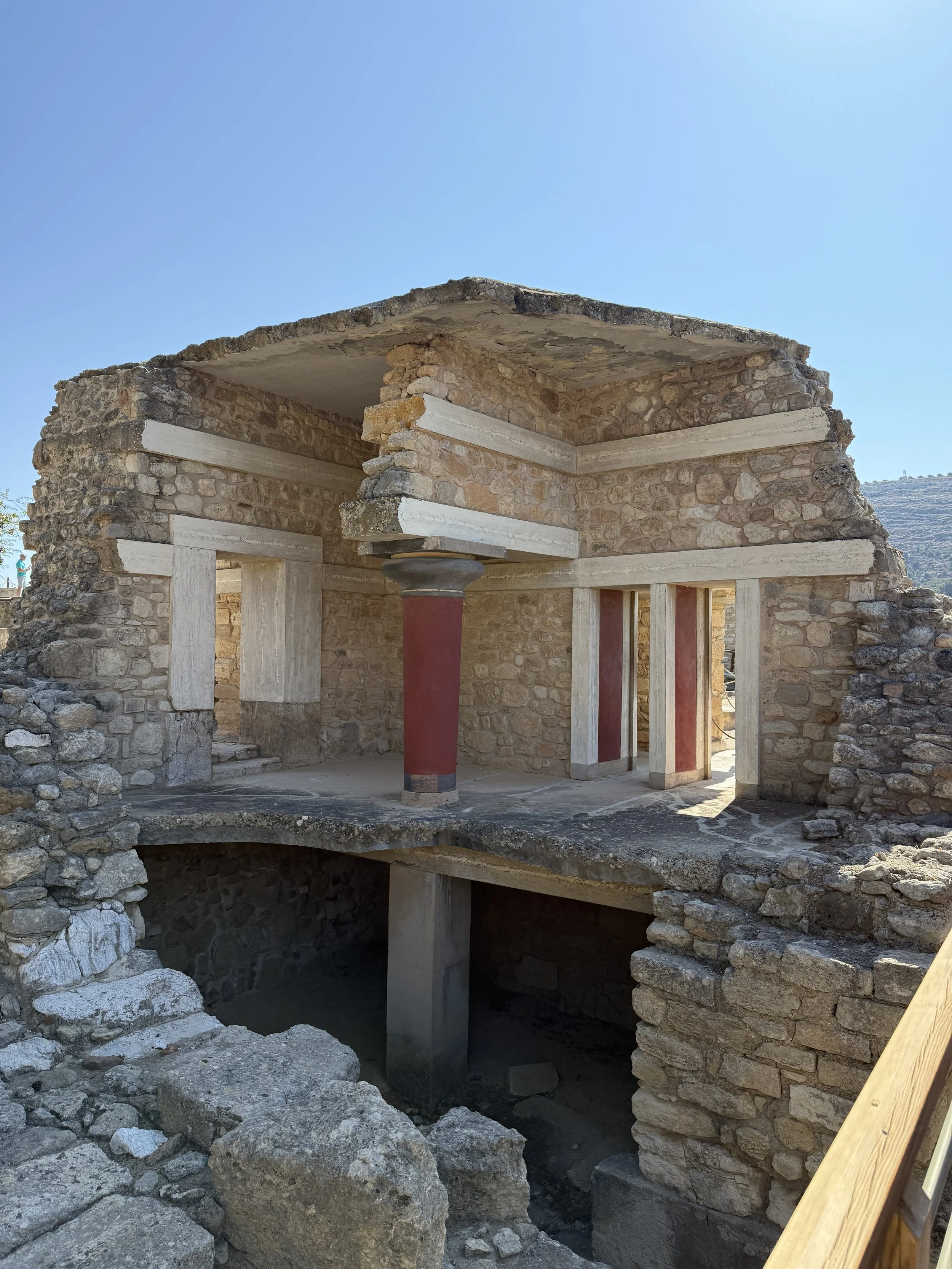
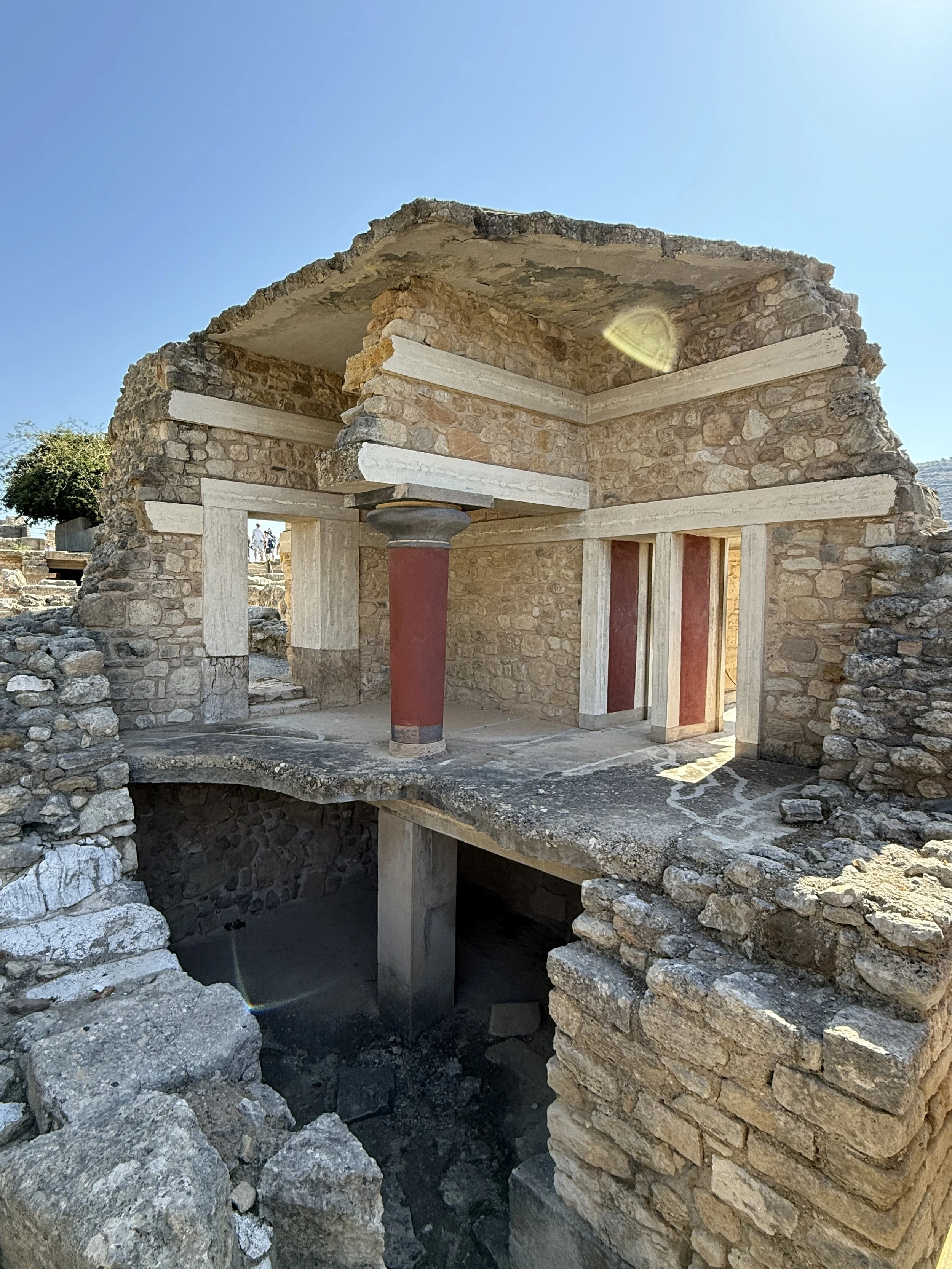
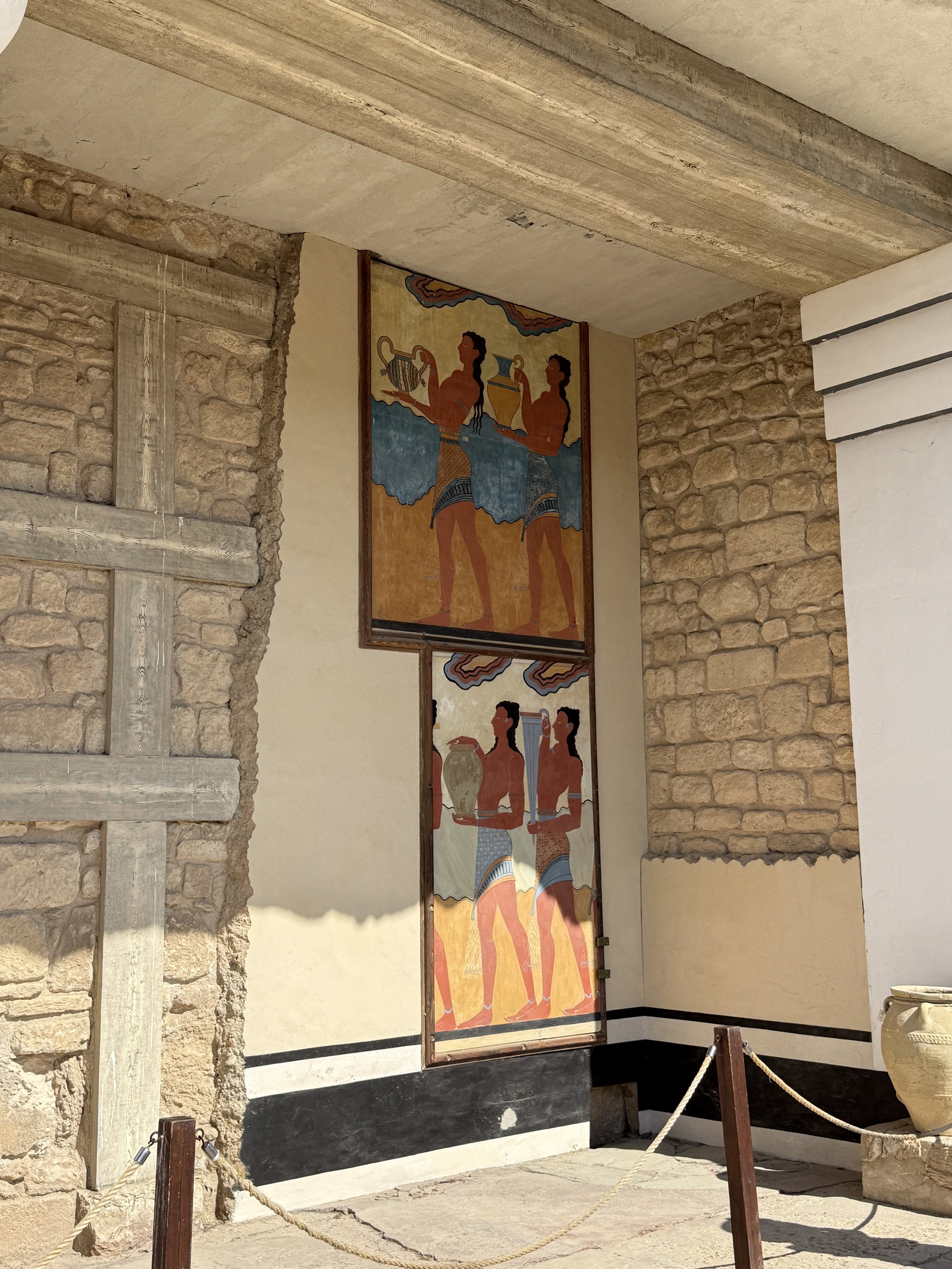
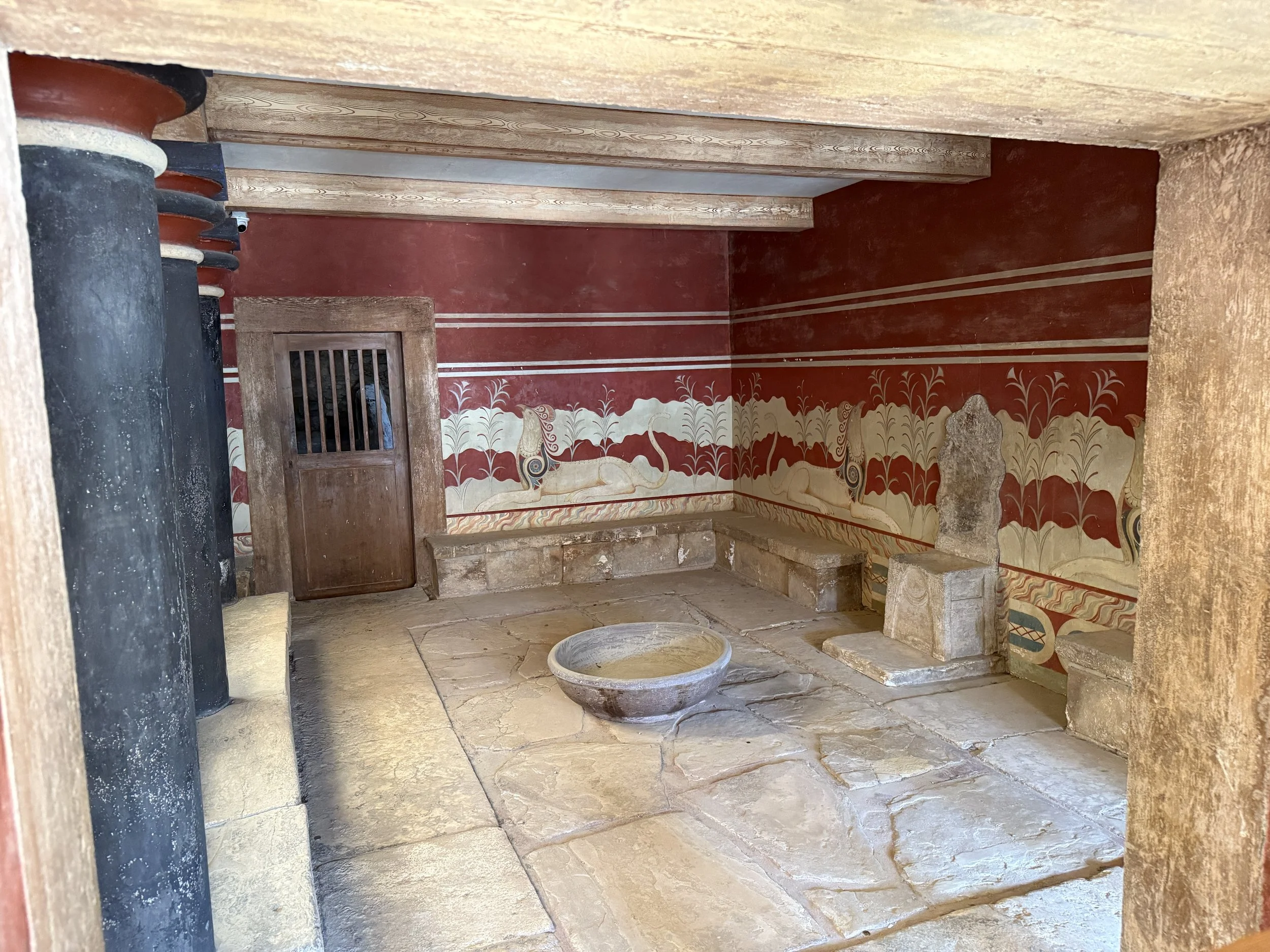
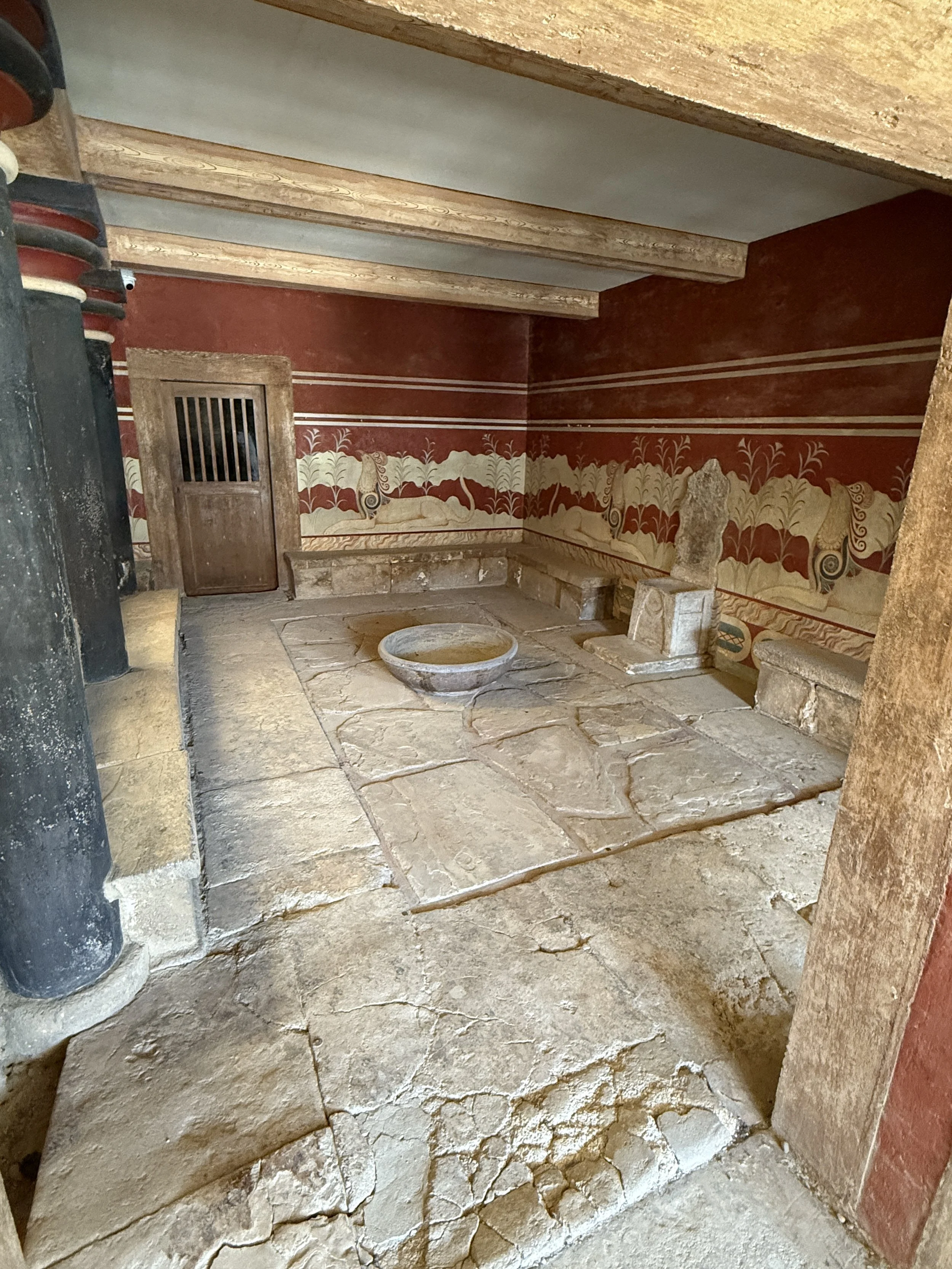
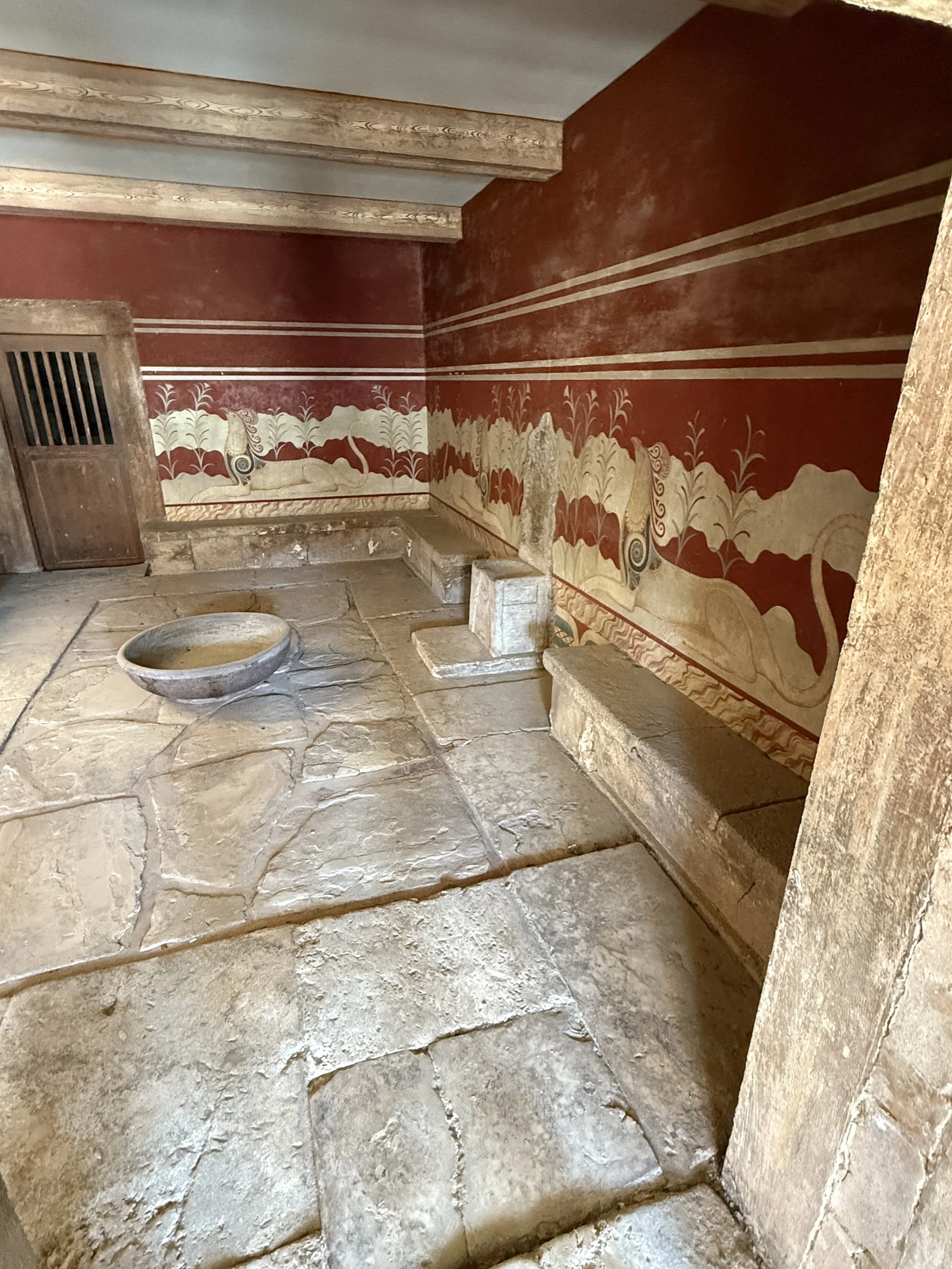
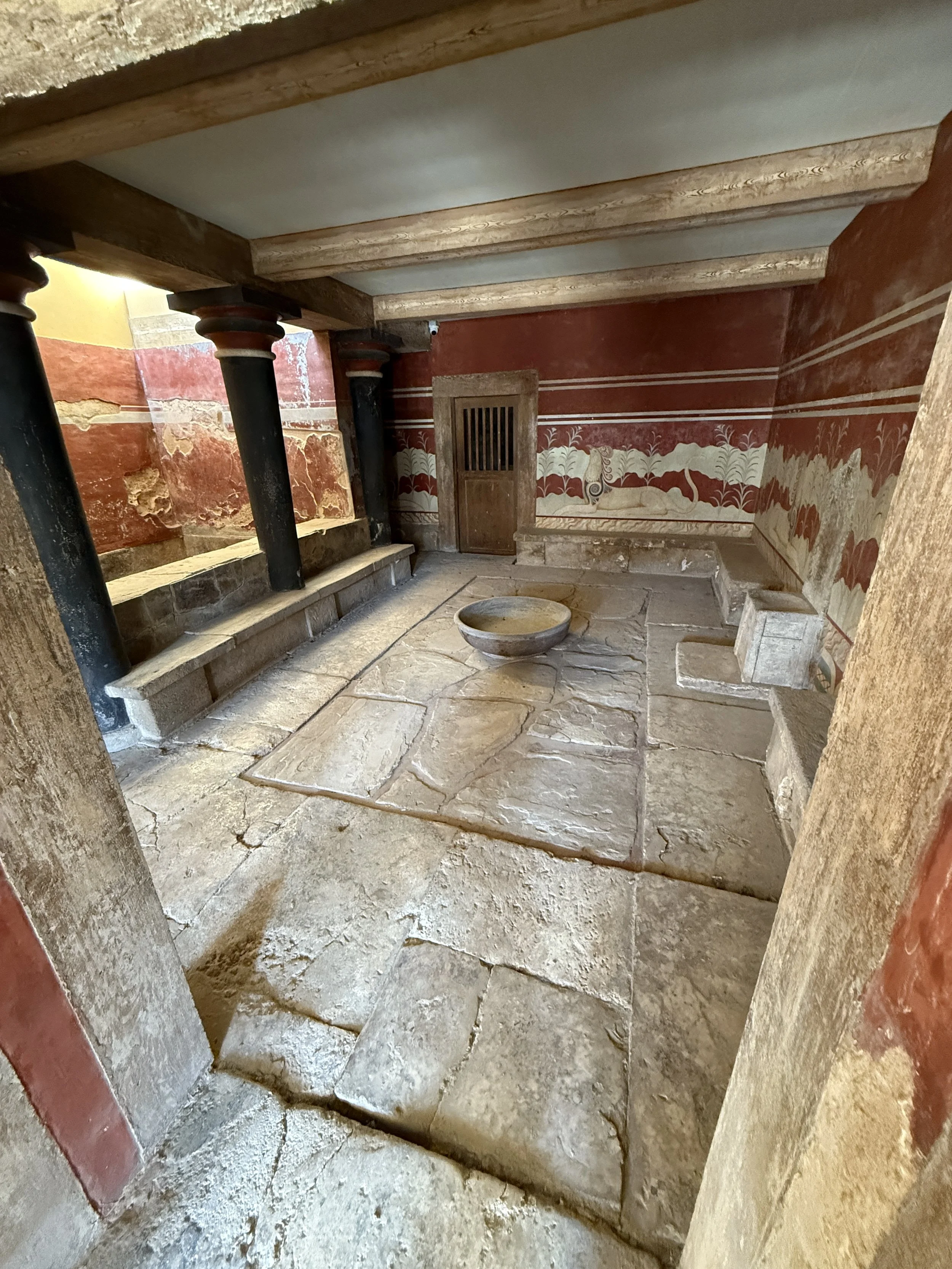
Our journey through Greece took us from the ancient streets of Athens to the dramatic cliffs of Santorini and the rugged, sun-drenched landscapes of Crete. Everywhere we traveled, the geography was spectacular—mountains tumbling toward impossibly blue water, silvery olive groves stretching across the hillsides, vineyards clinging to volcanic soil, and small villages seemingly untouched by time.
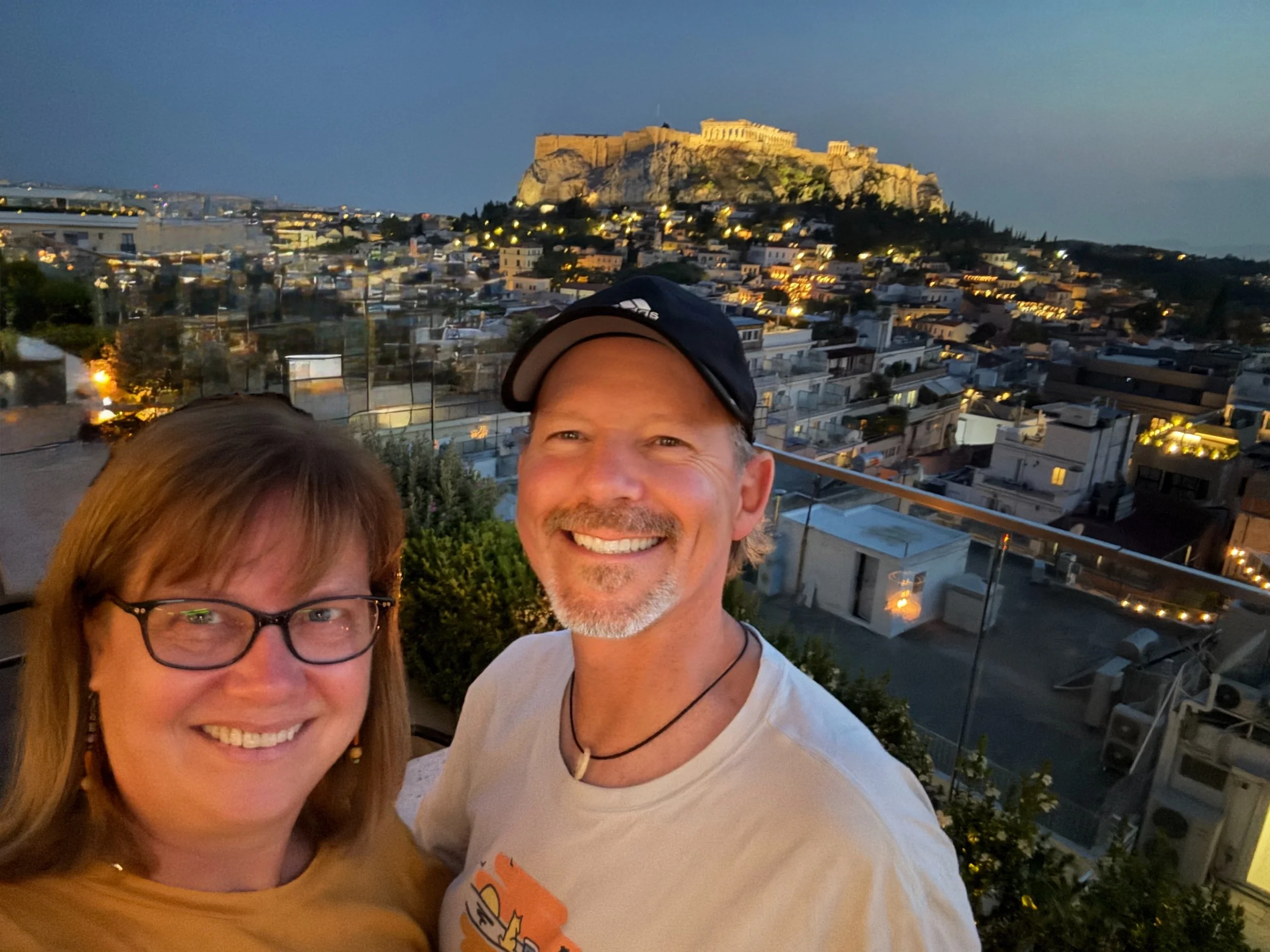
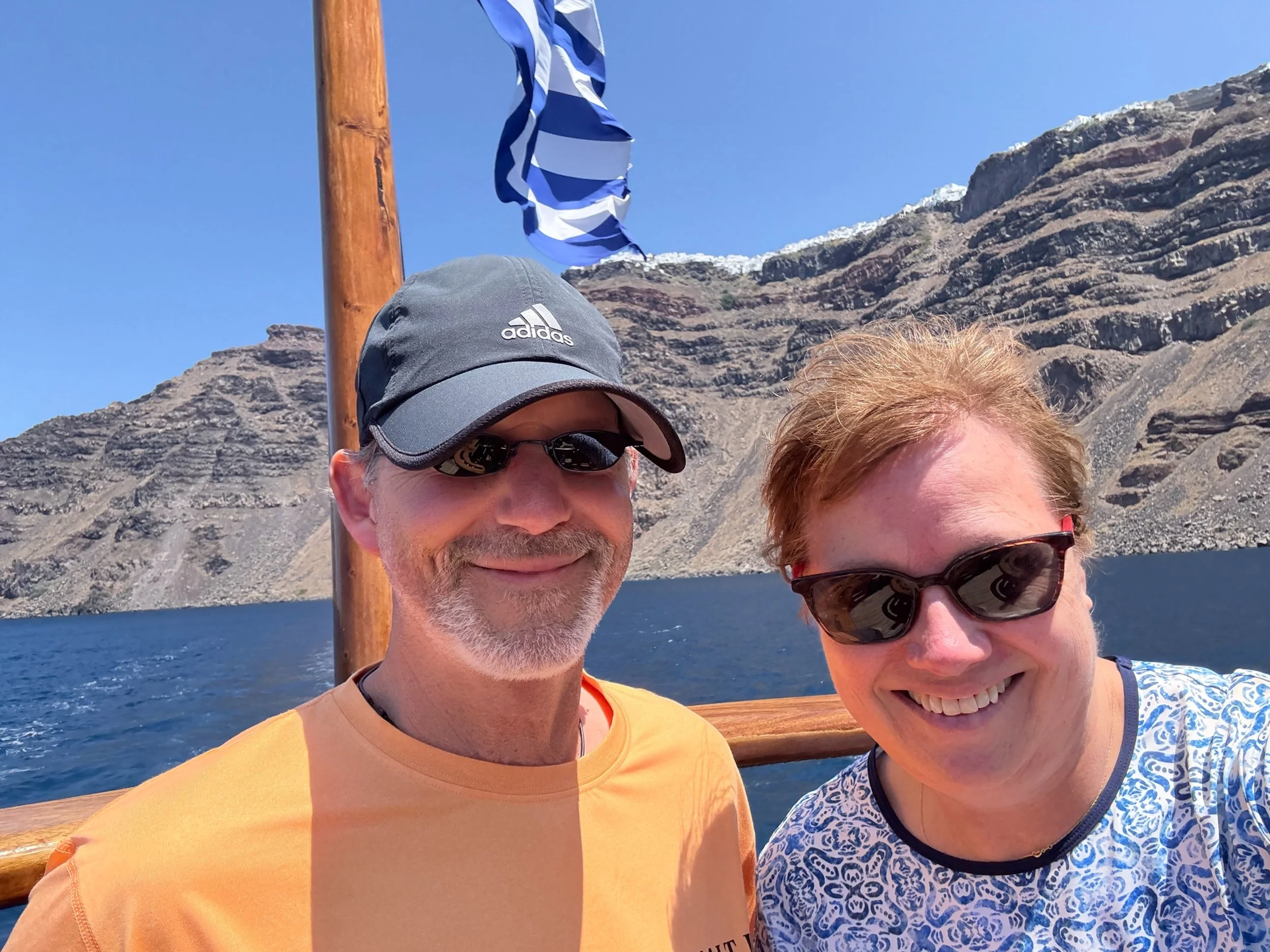
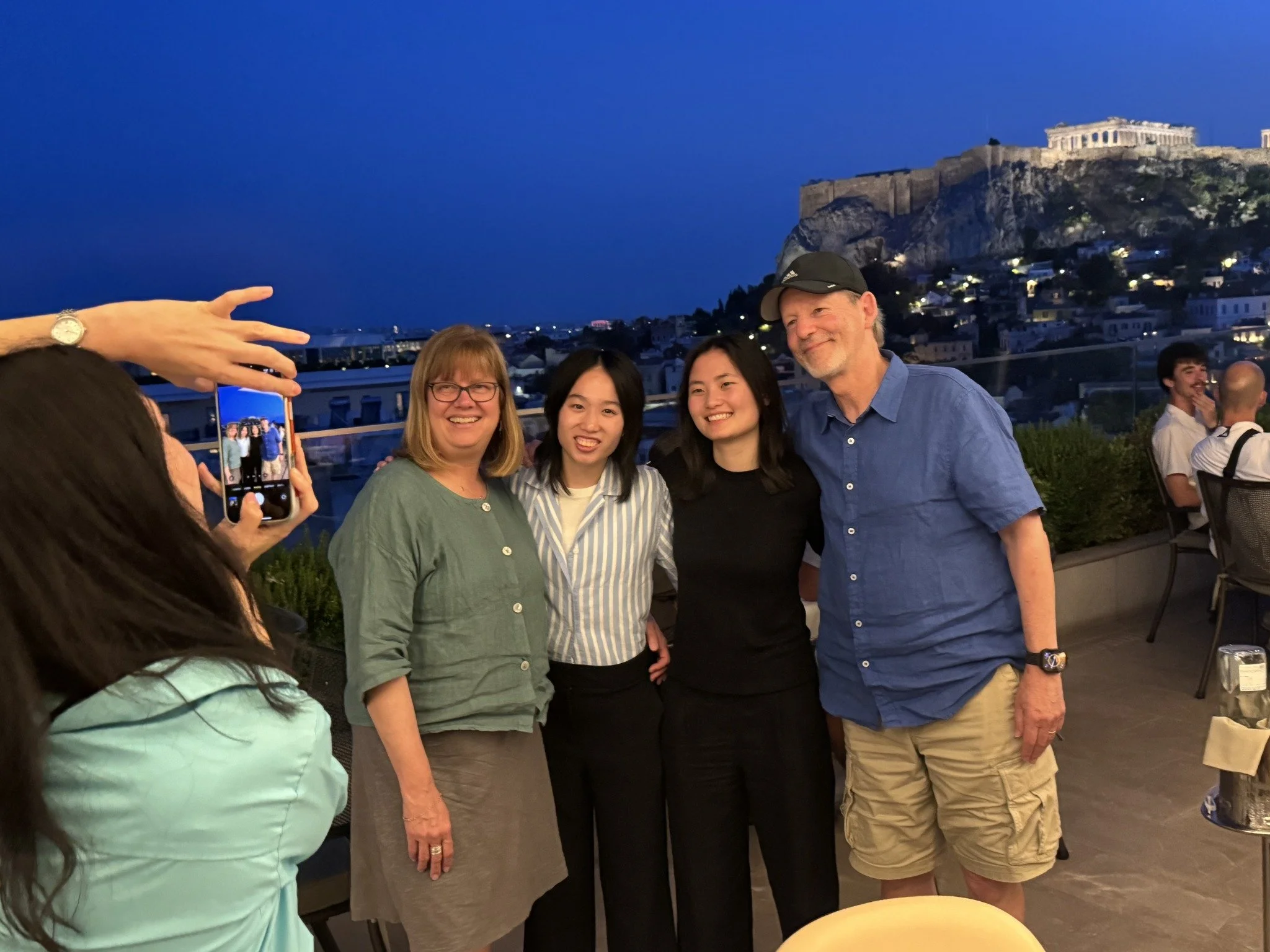
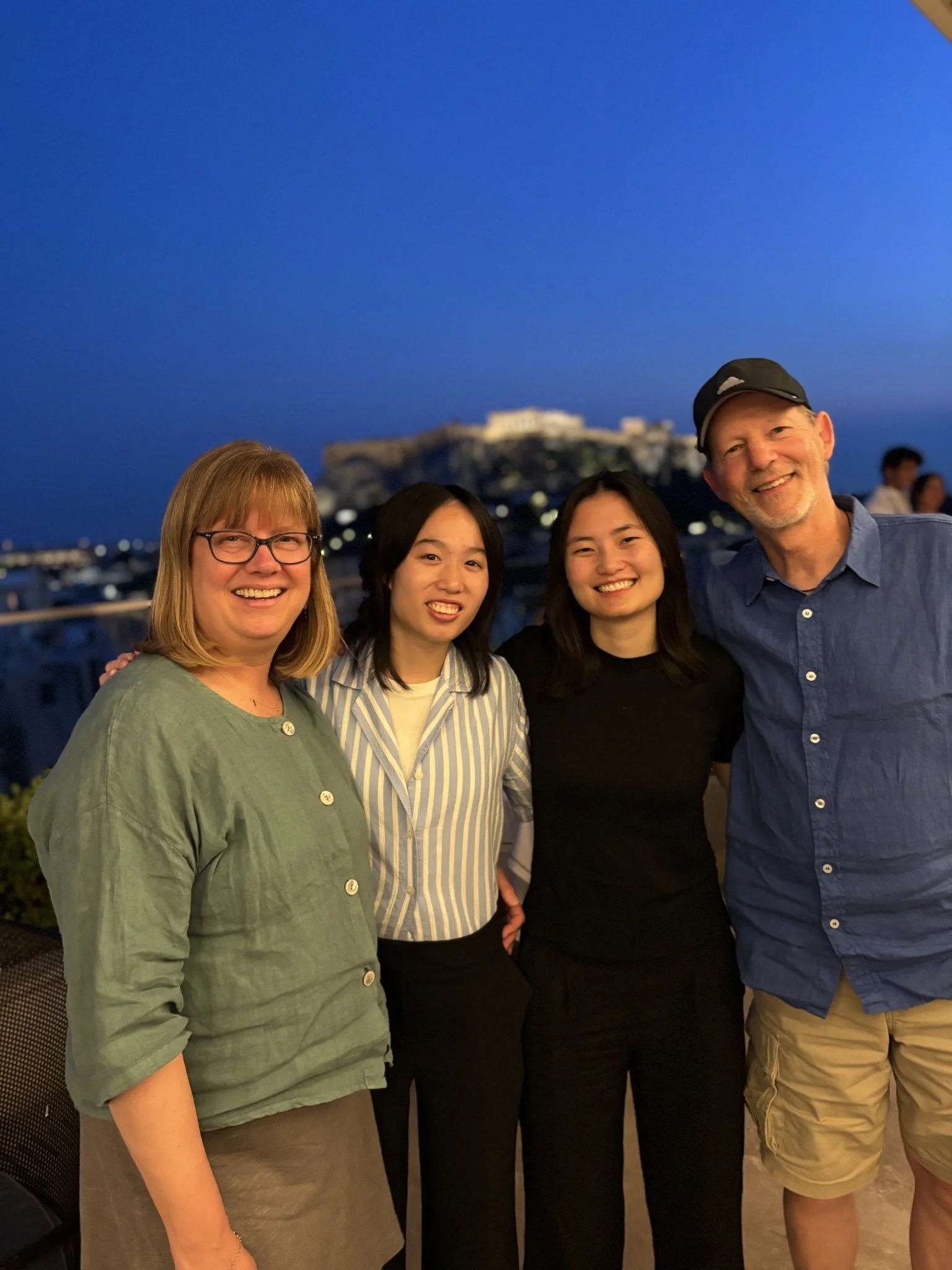
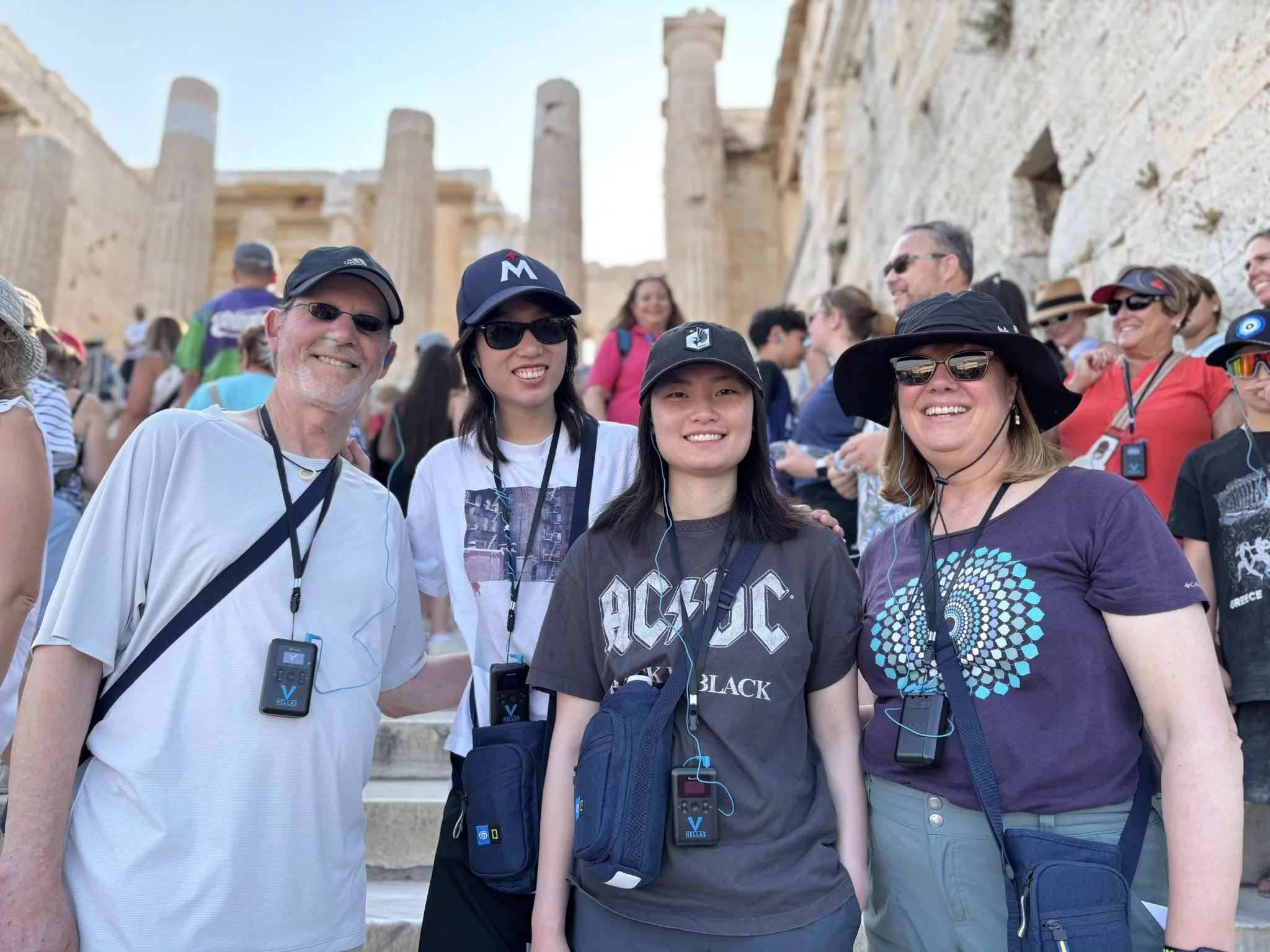
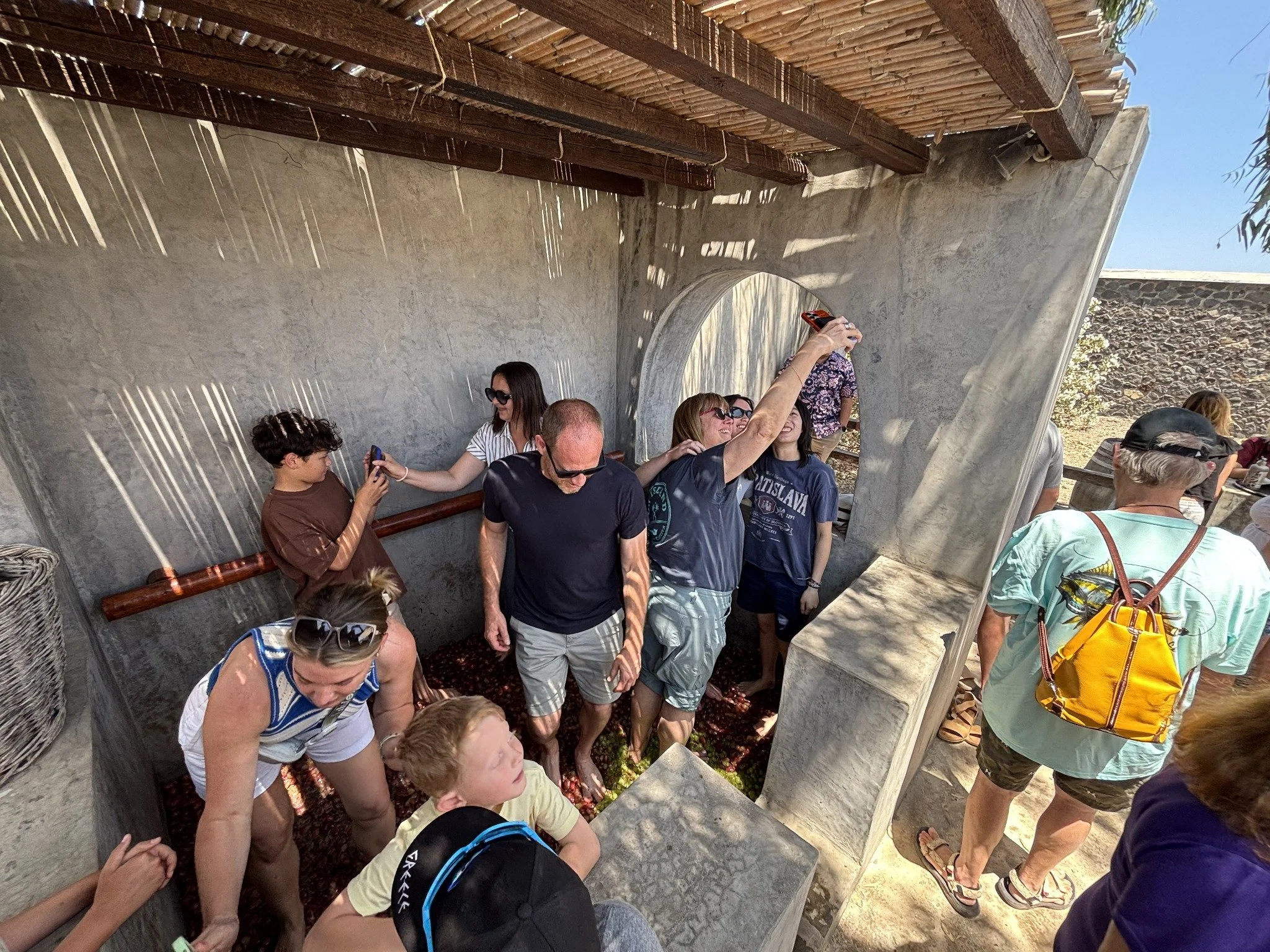
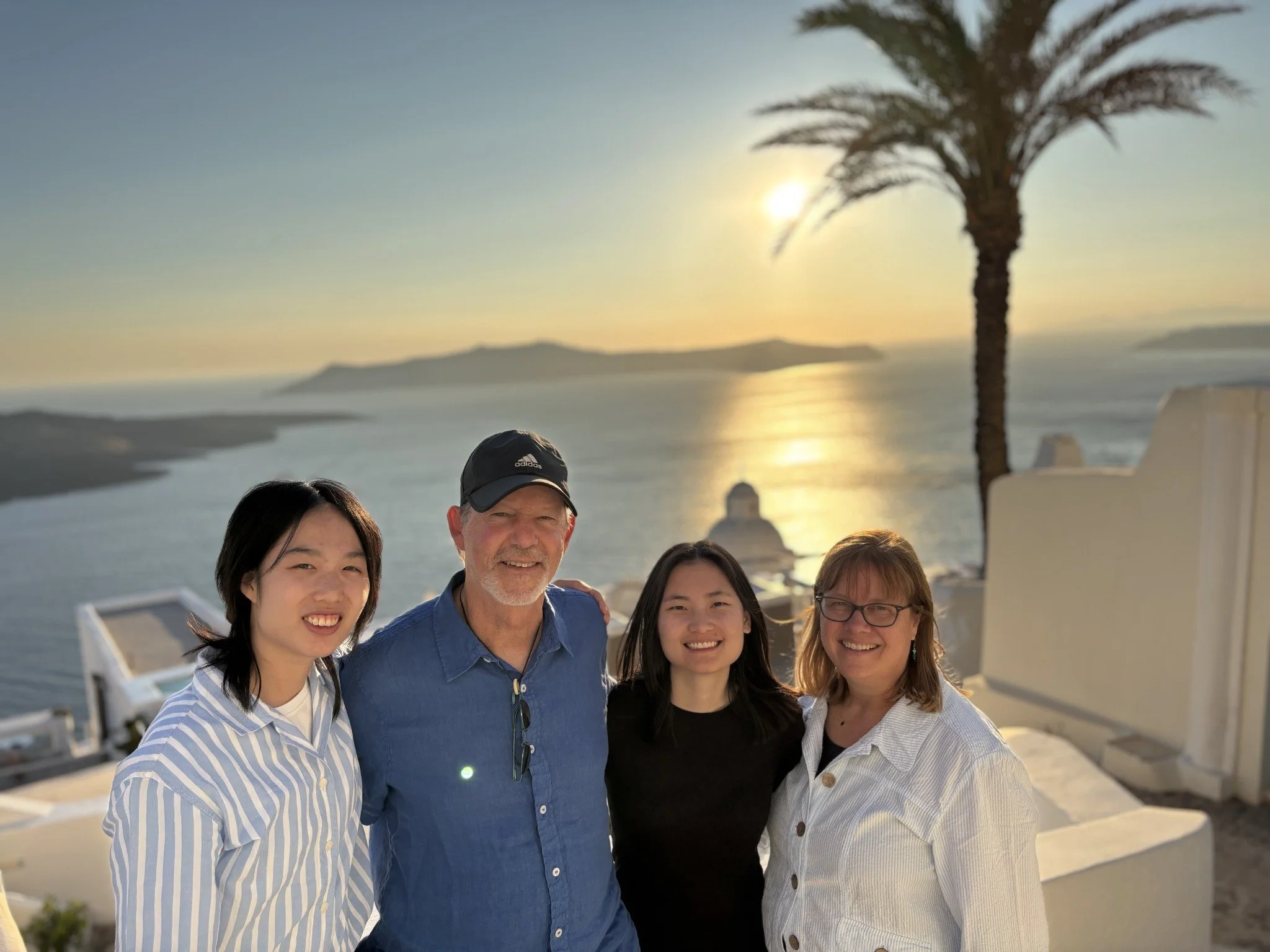
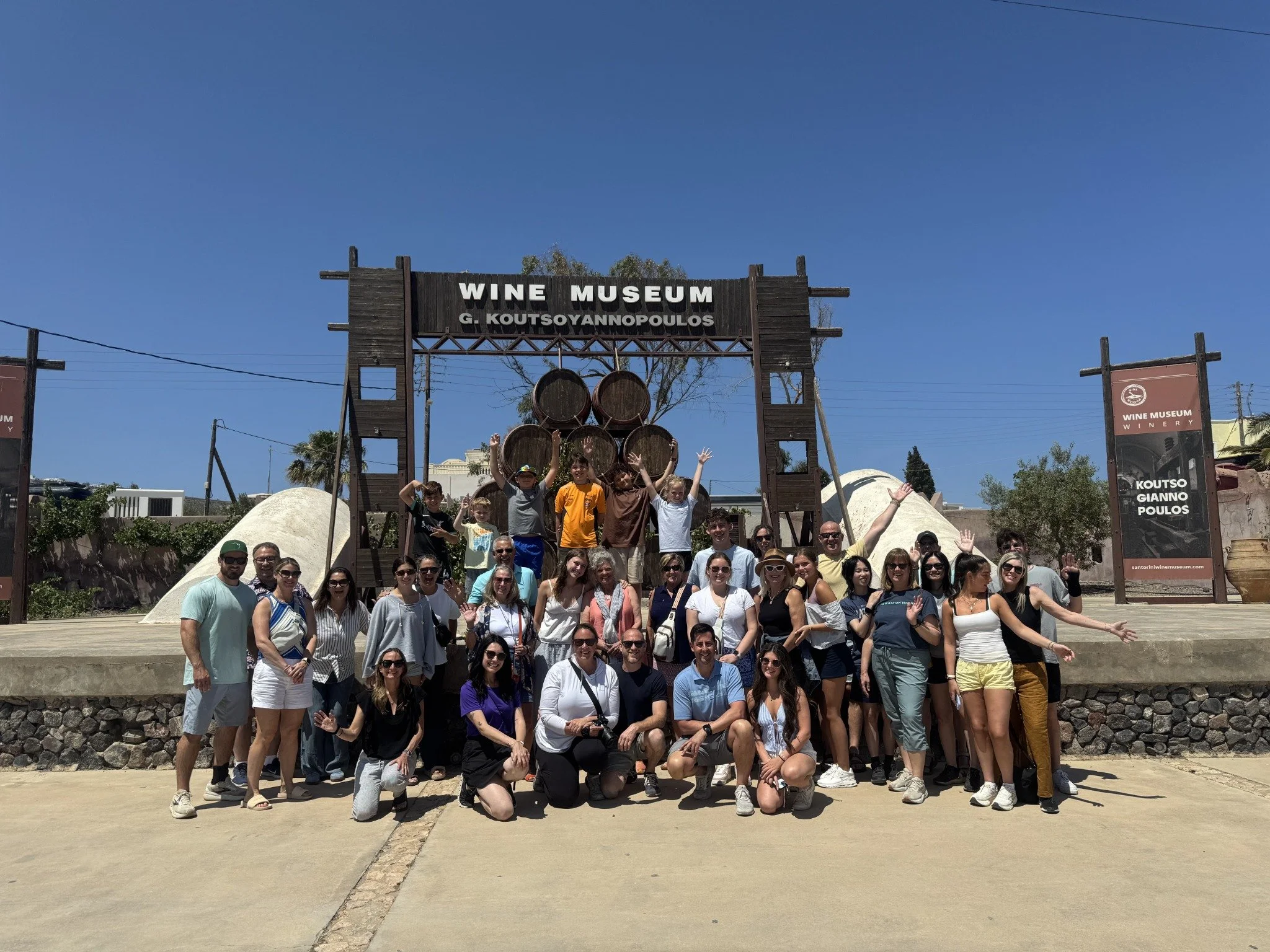
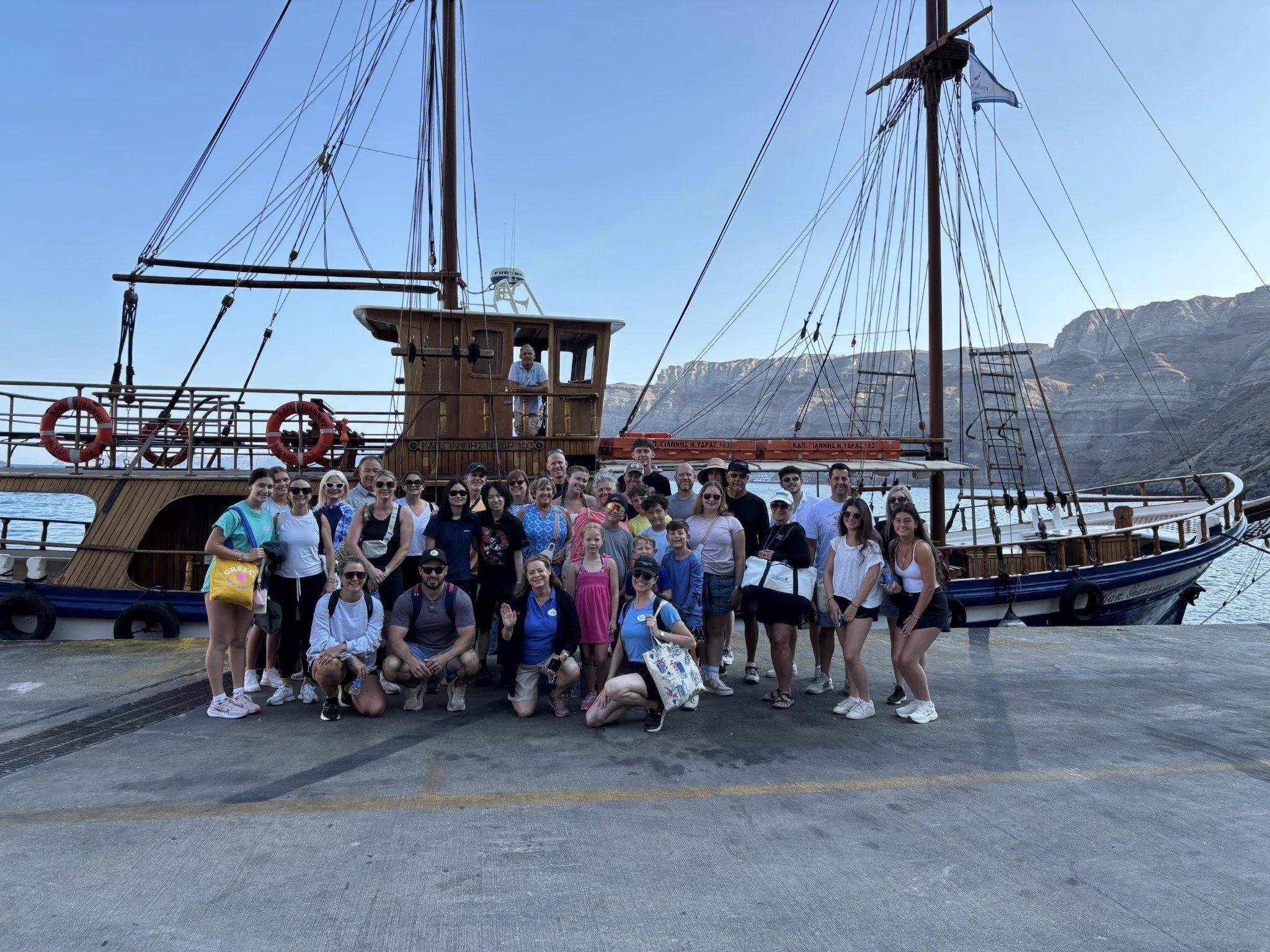
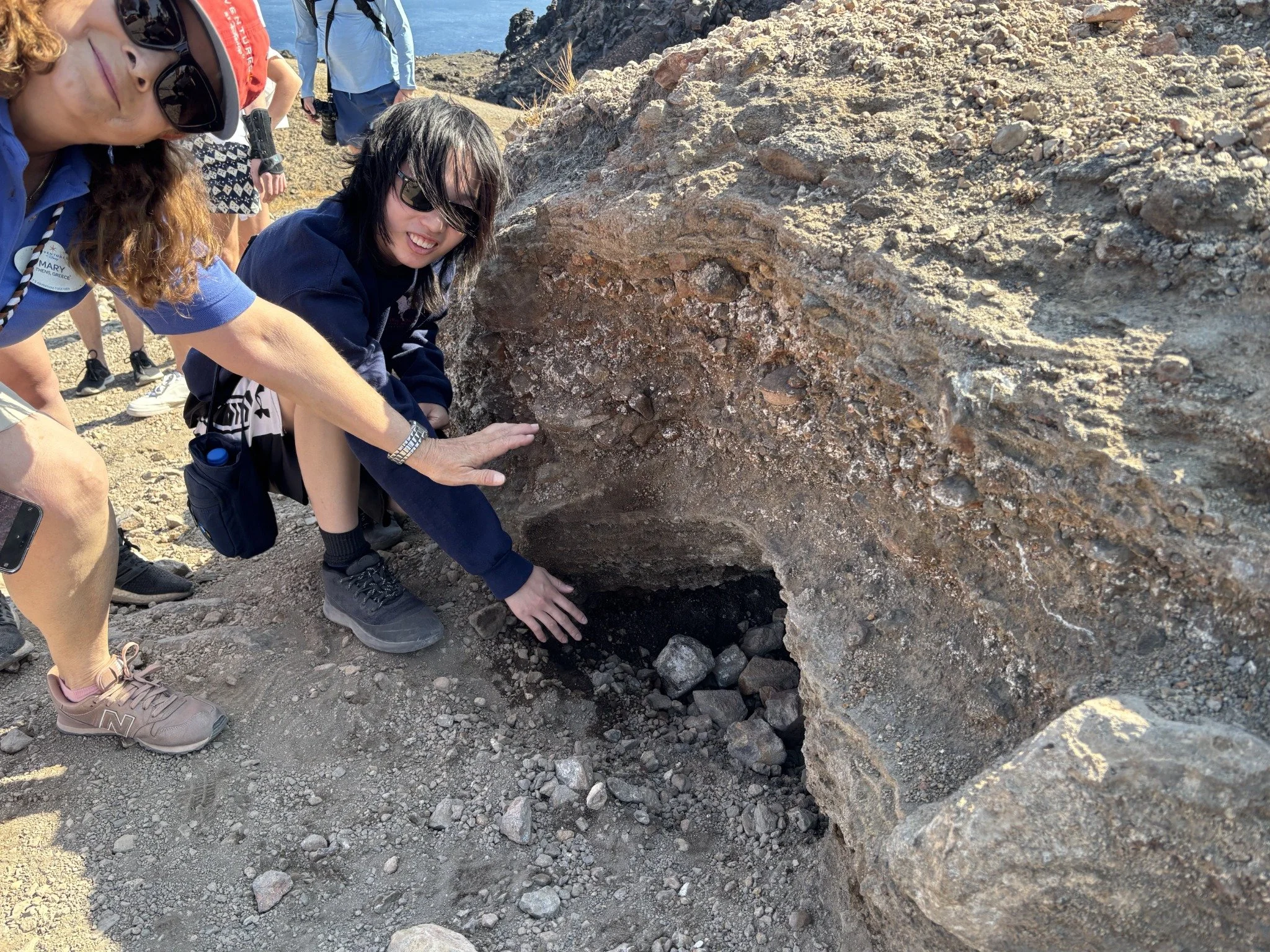
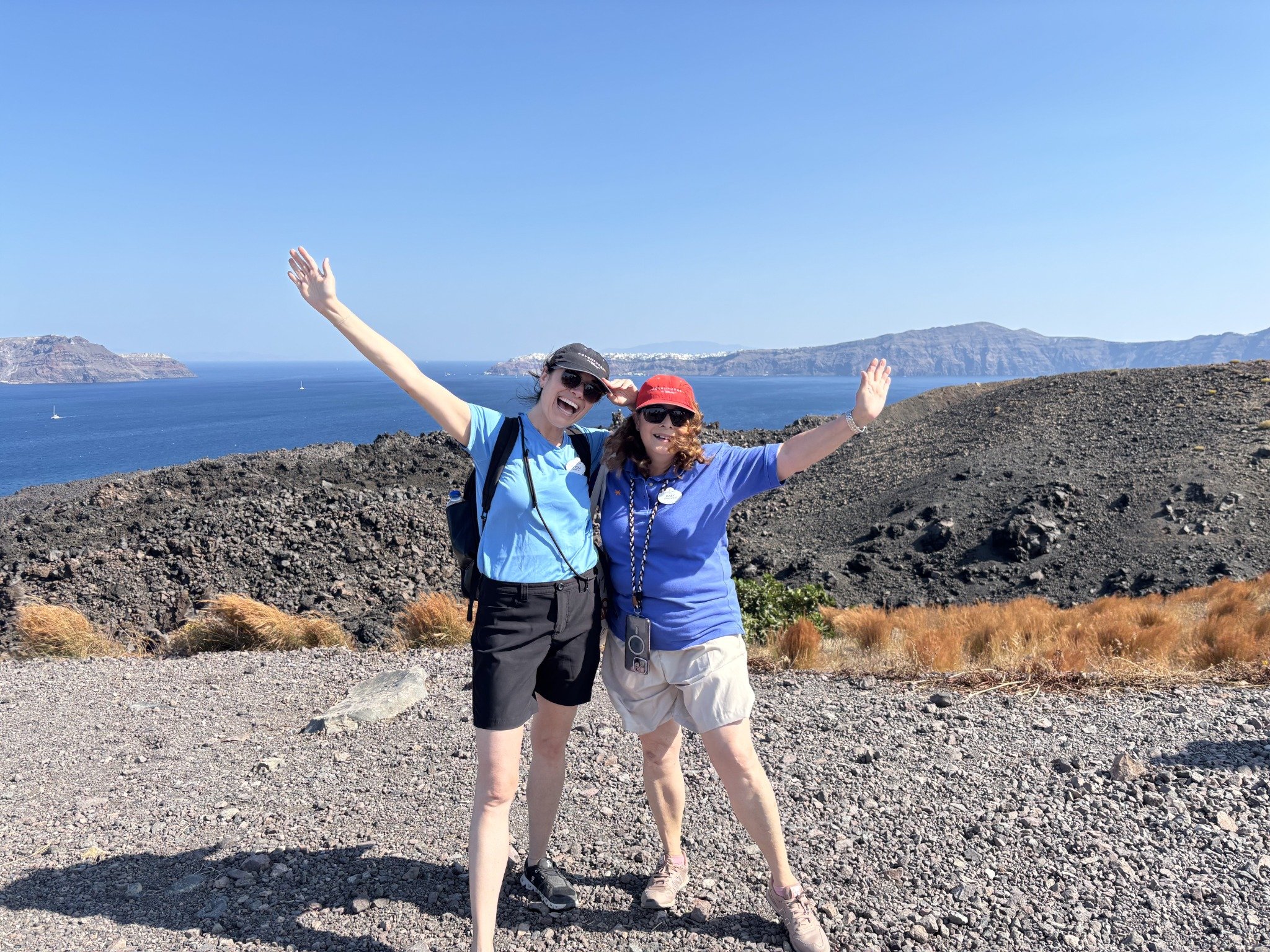
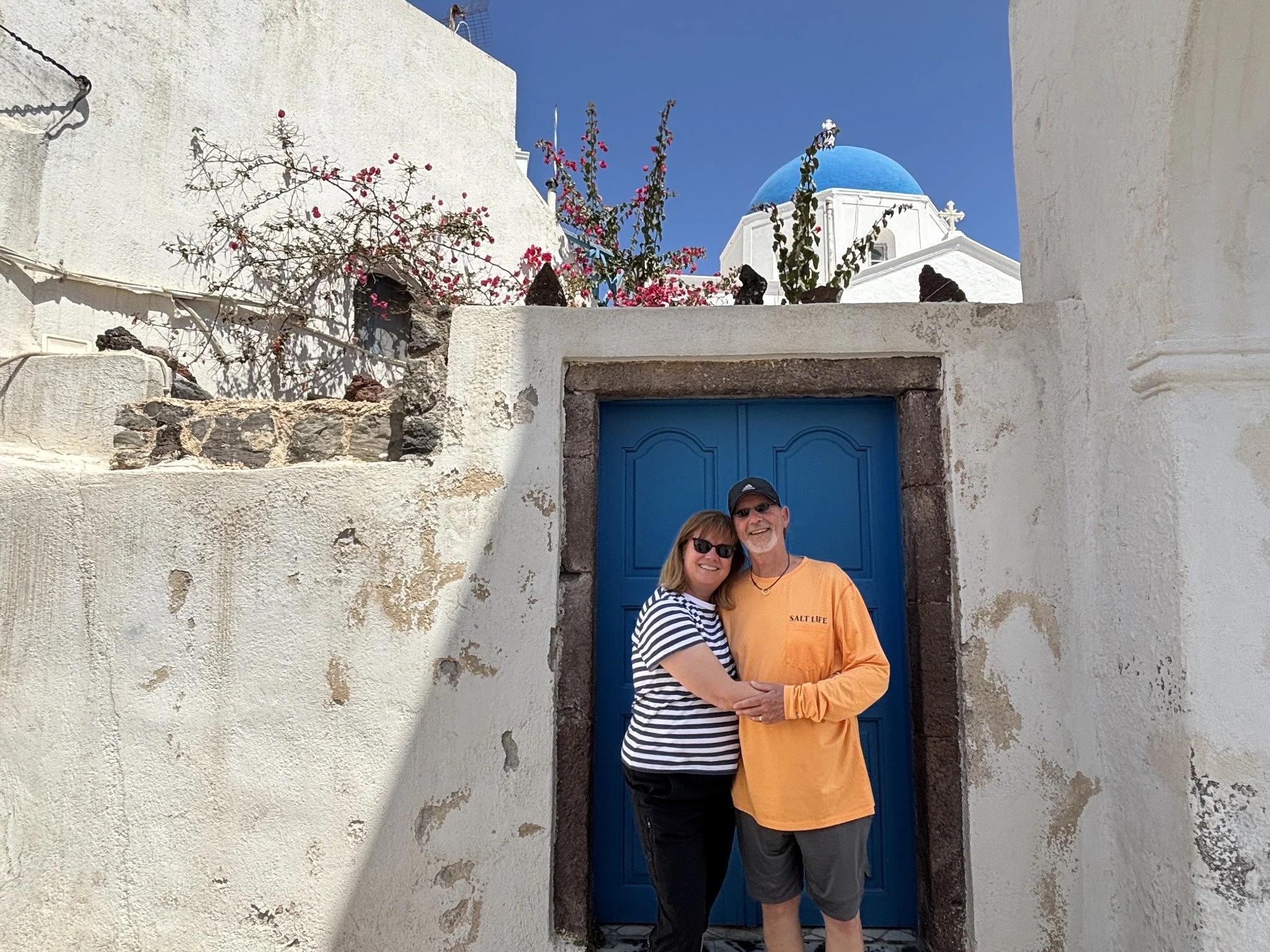
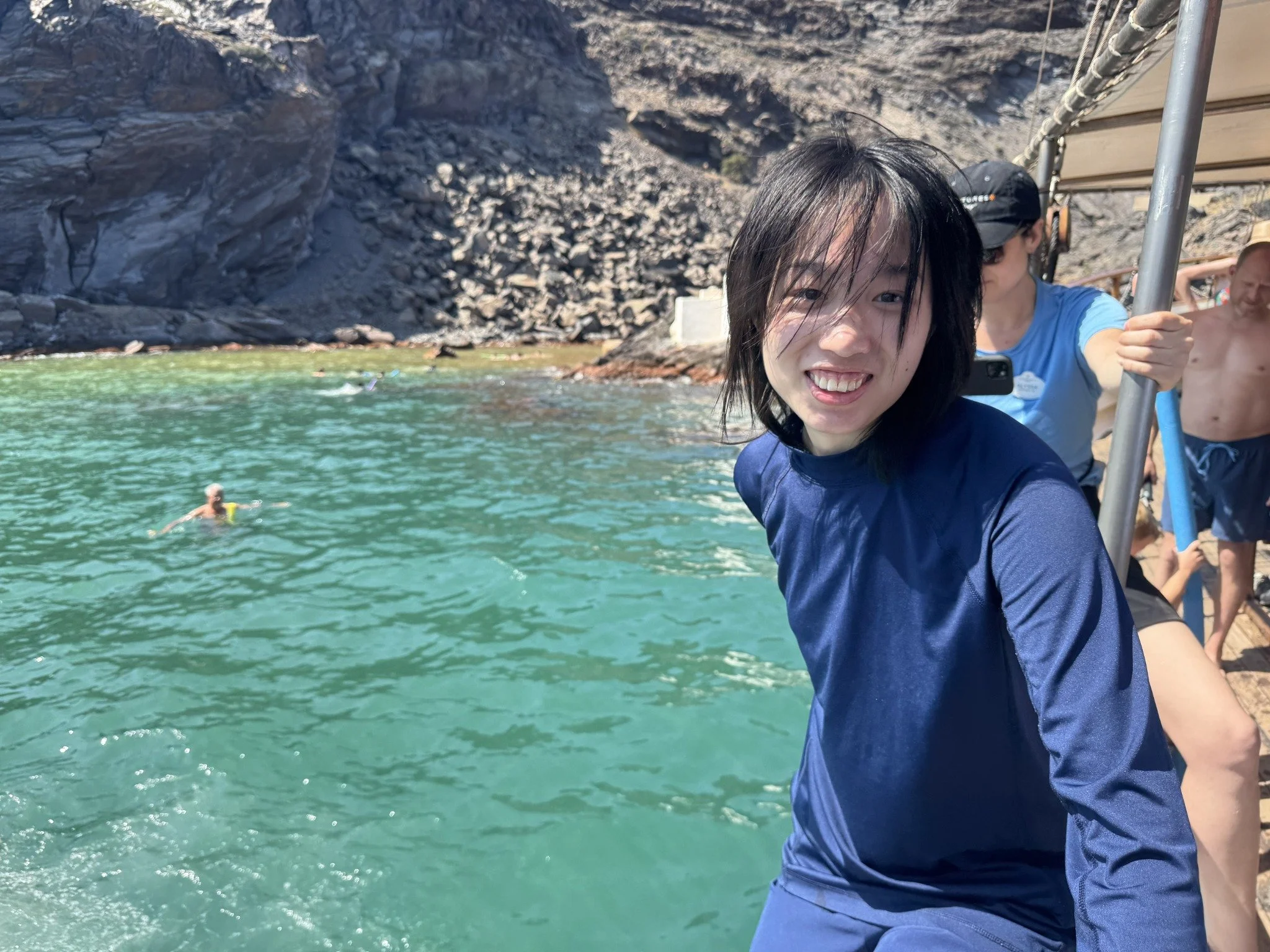
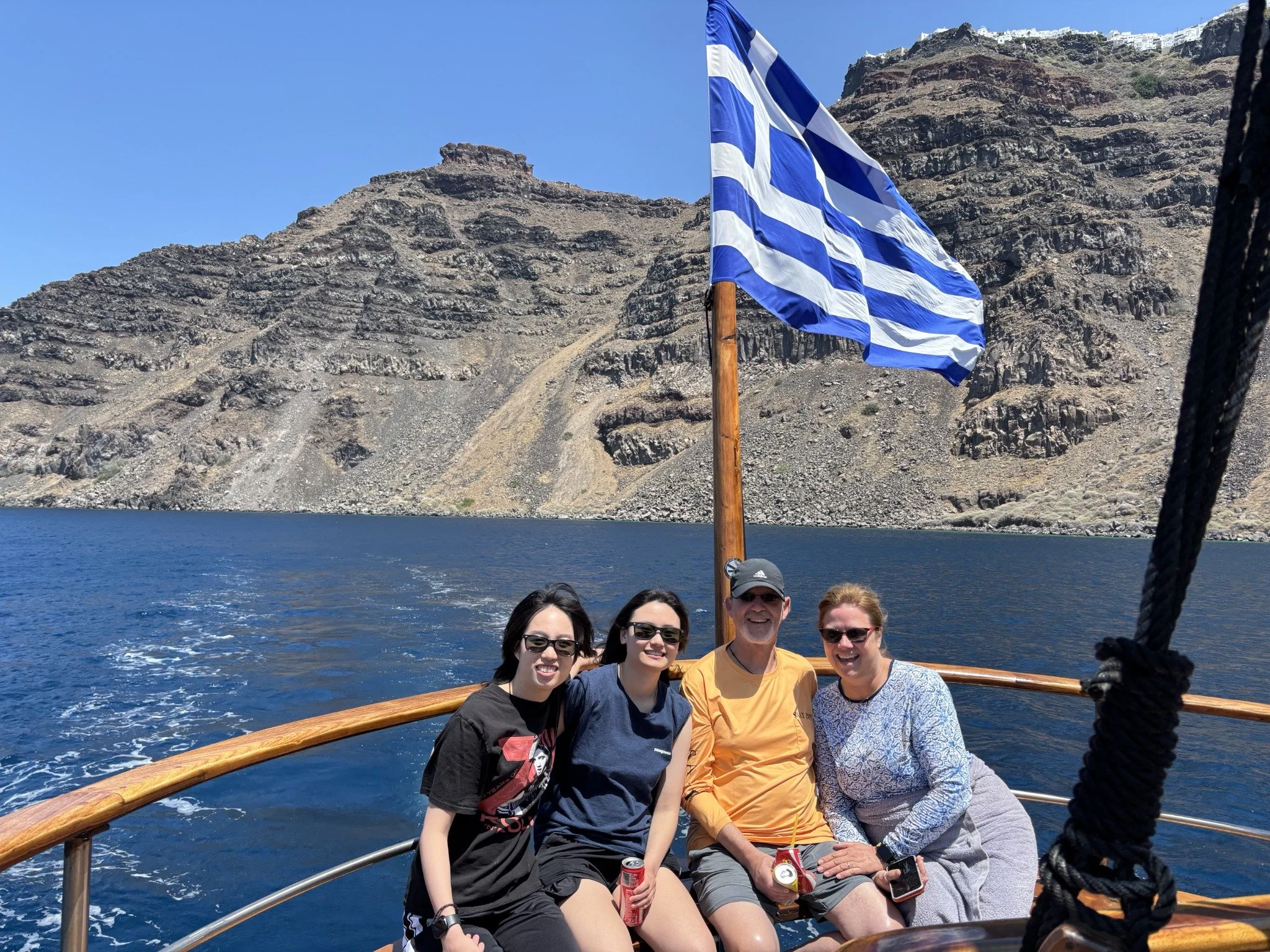
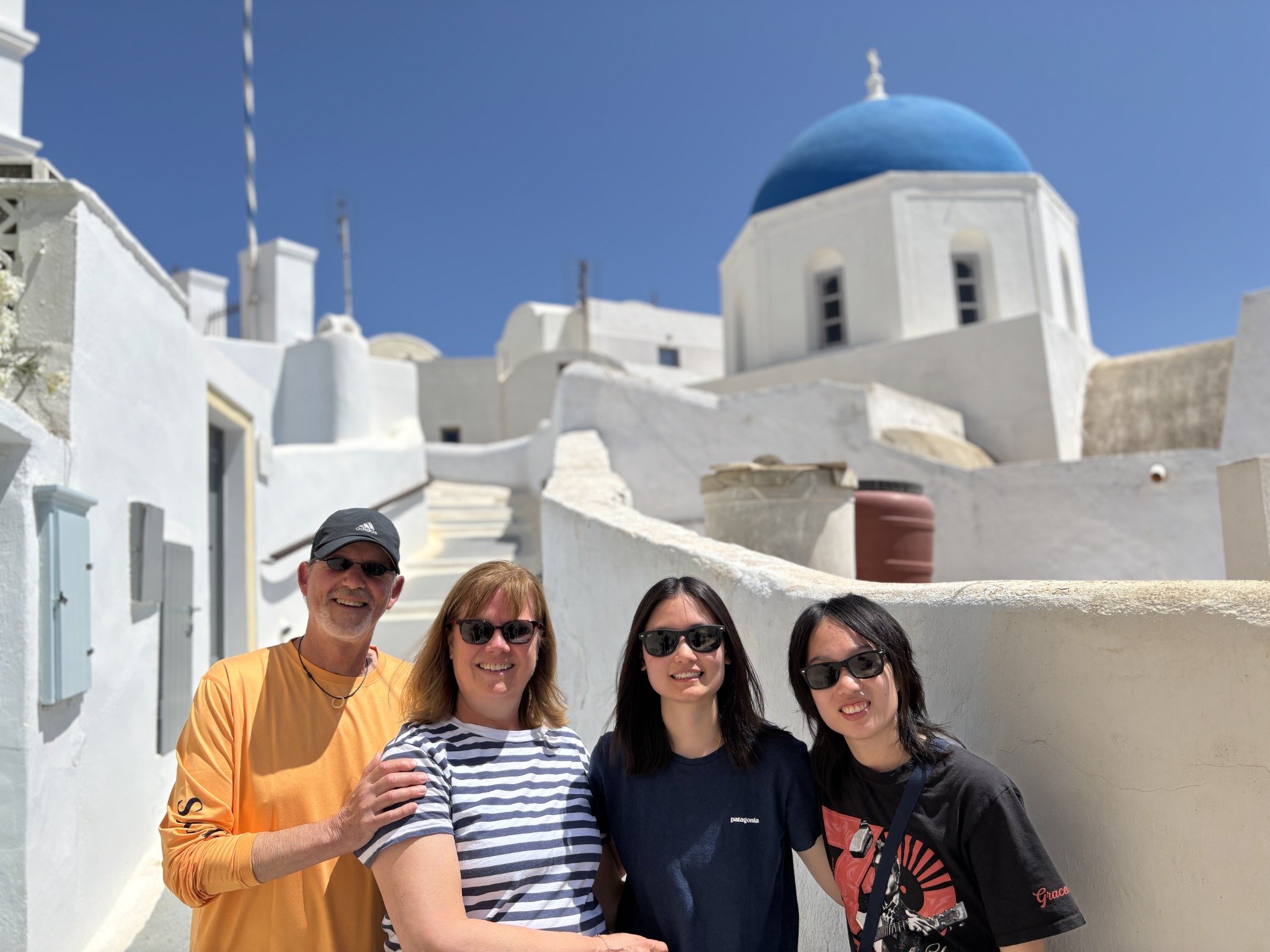
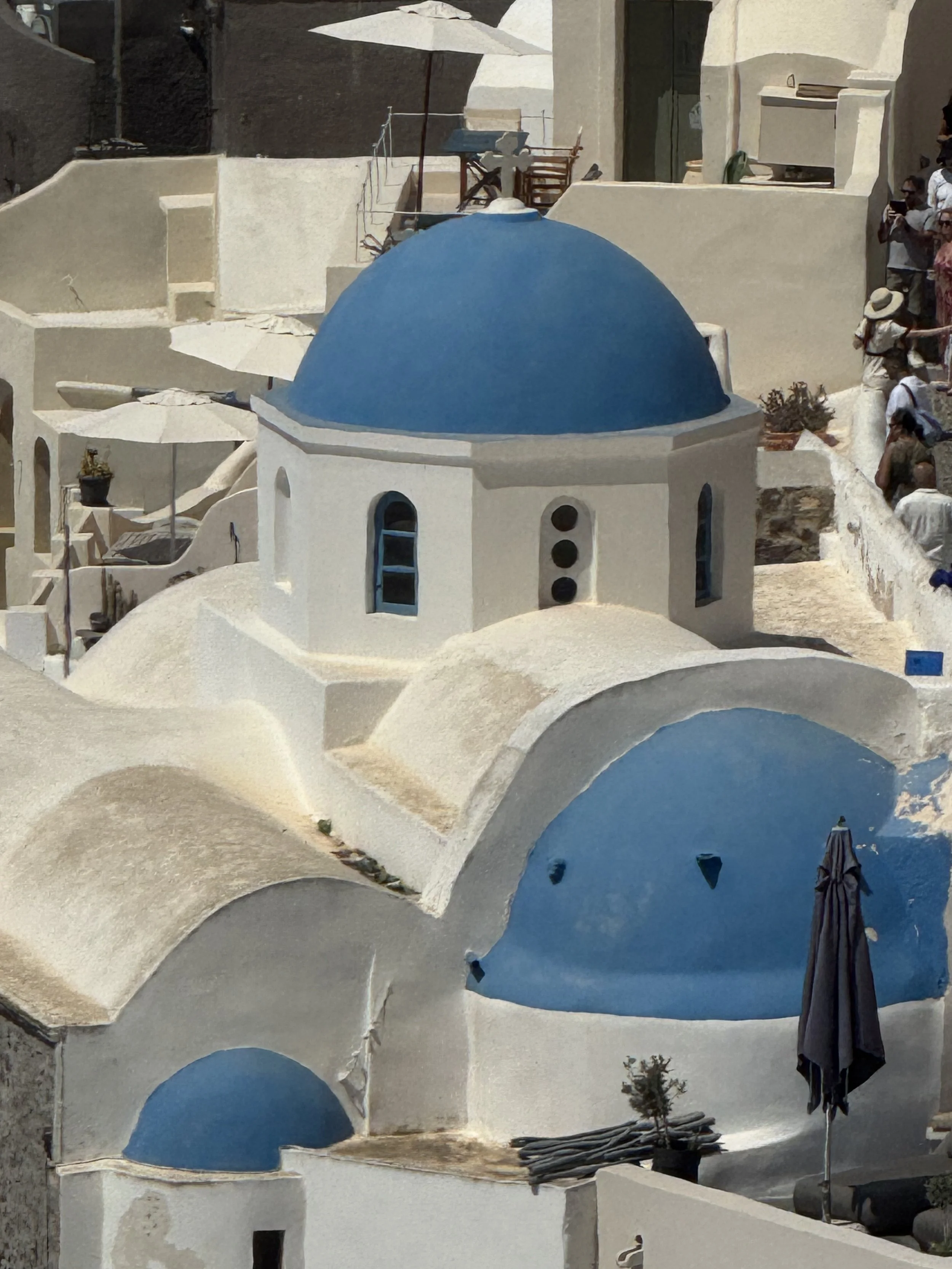
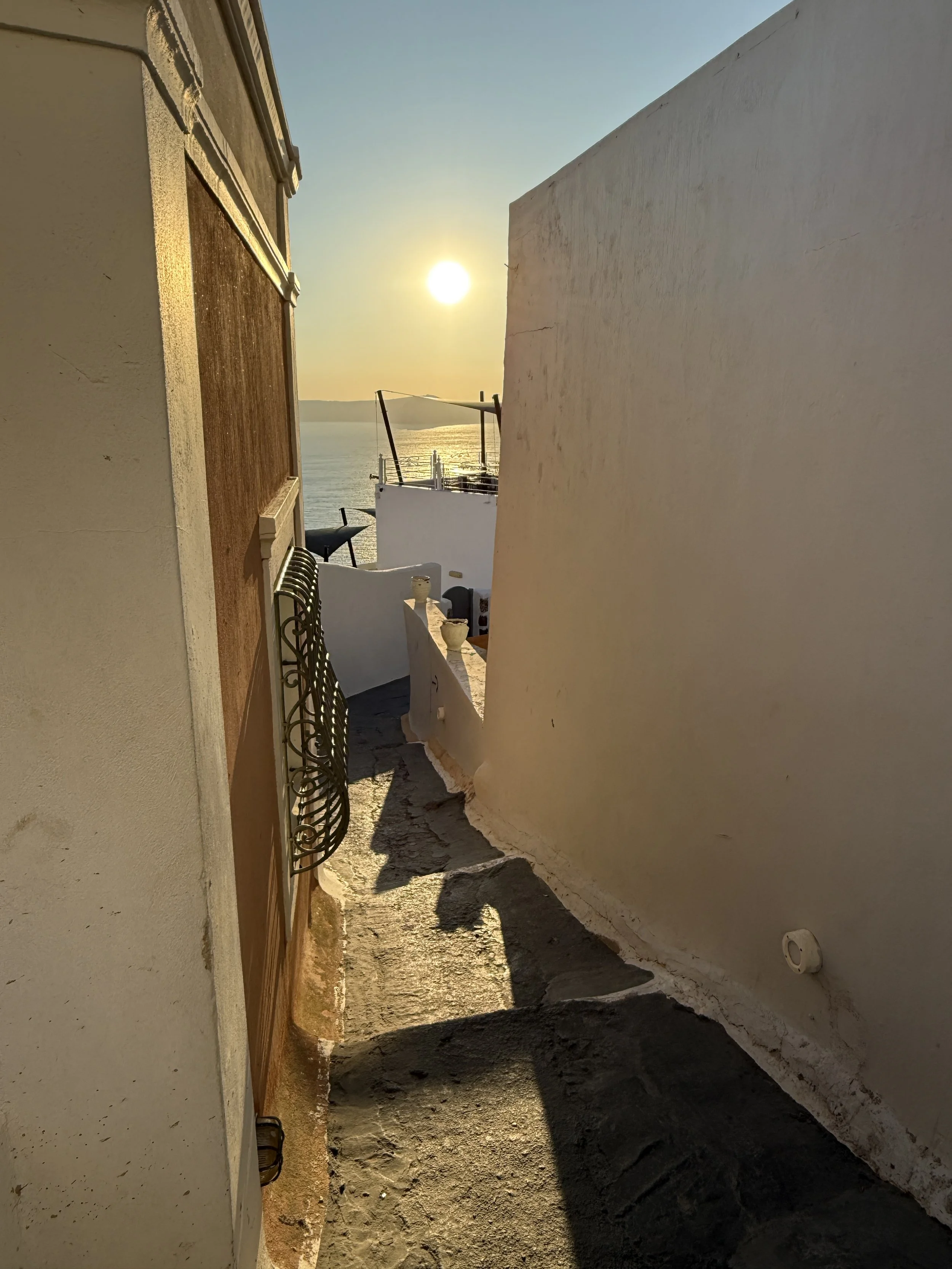
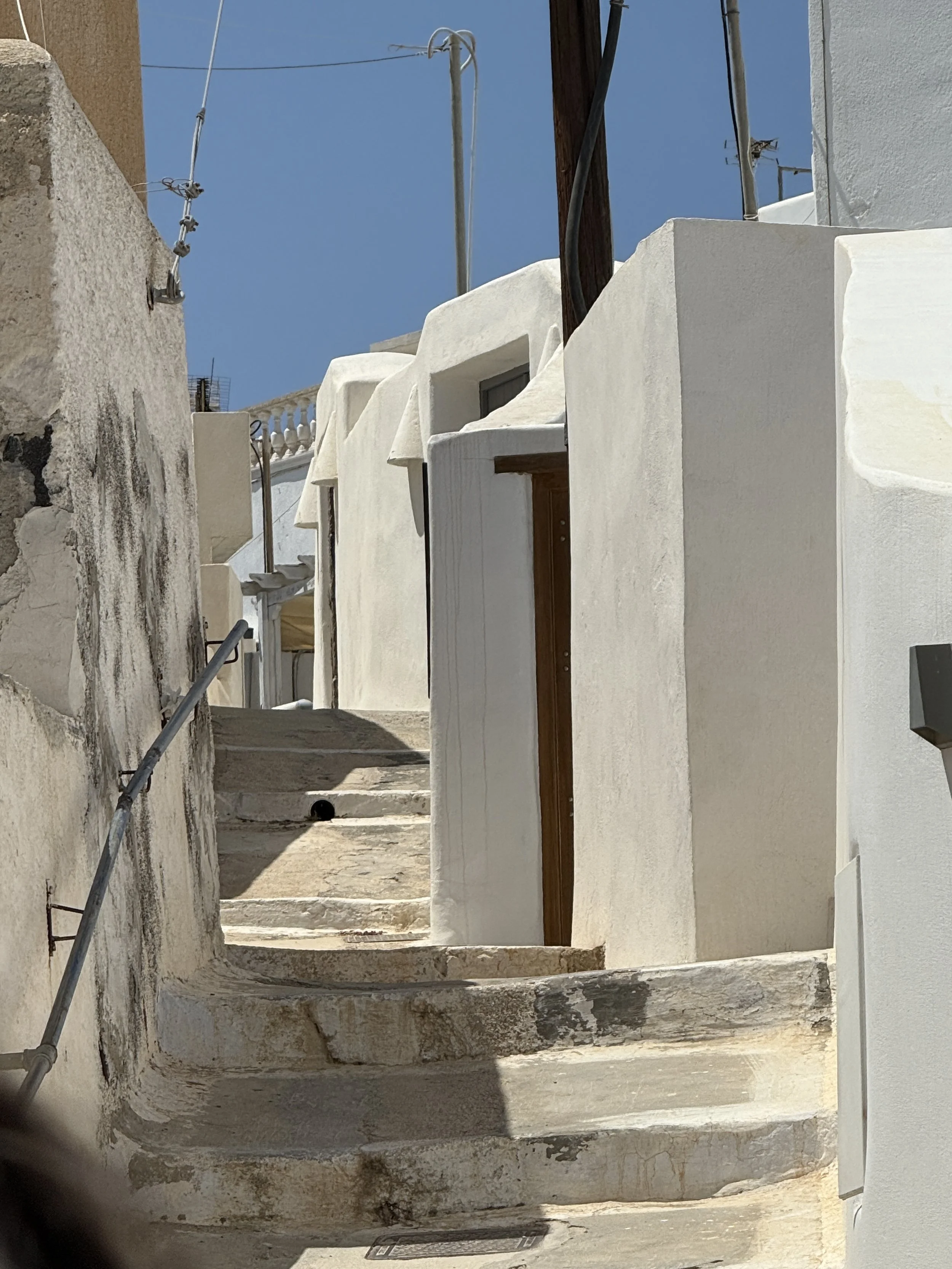
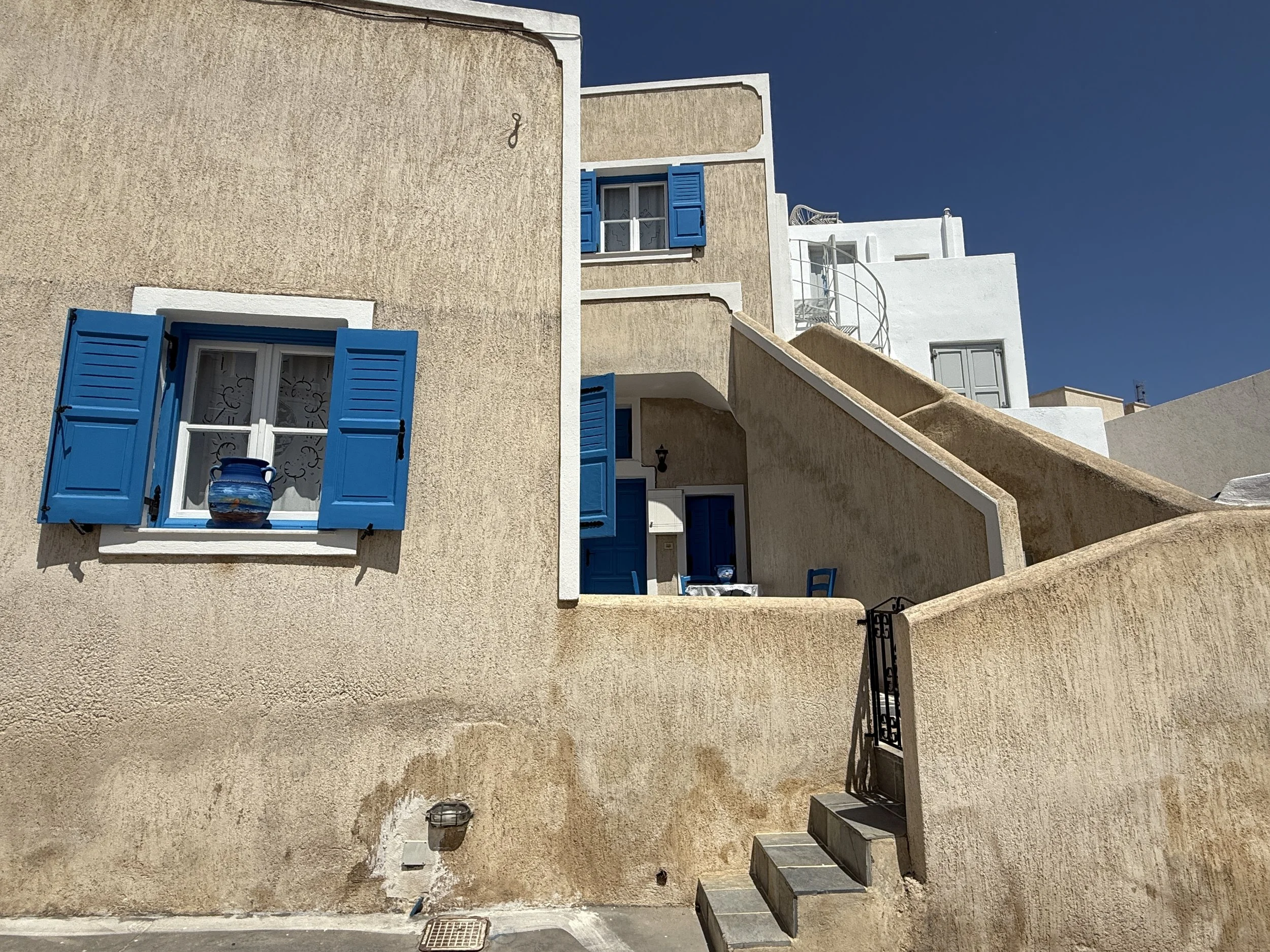
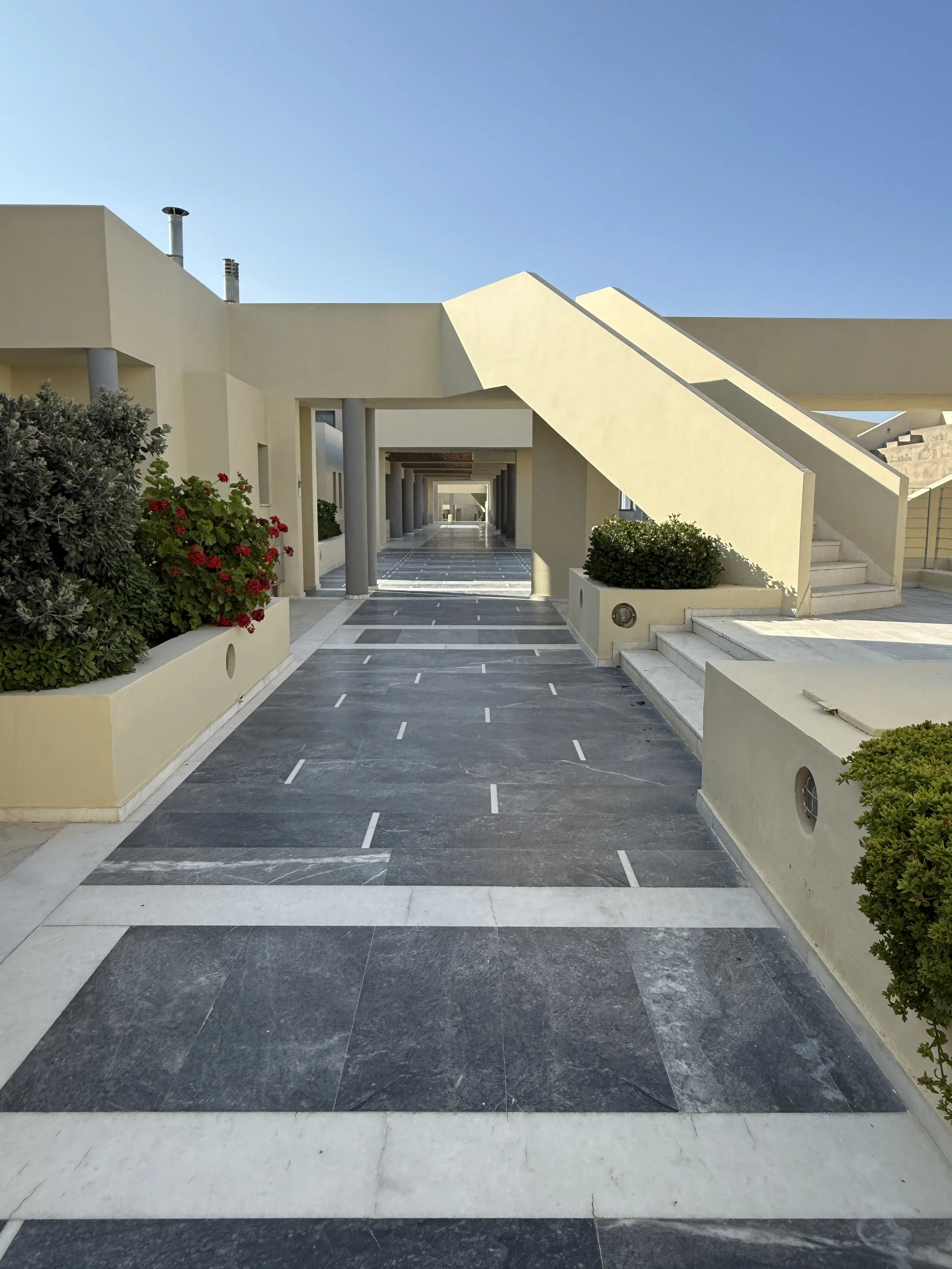
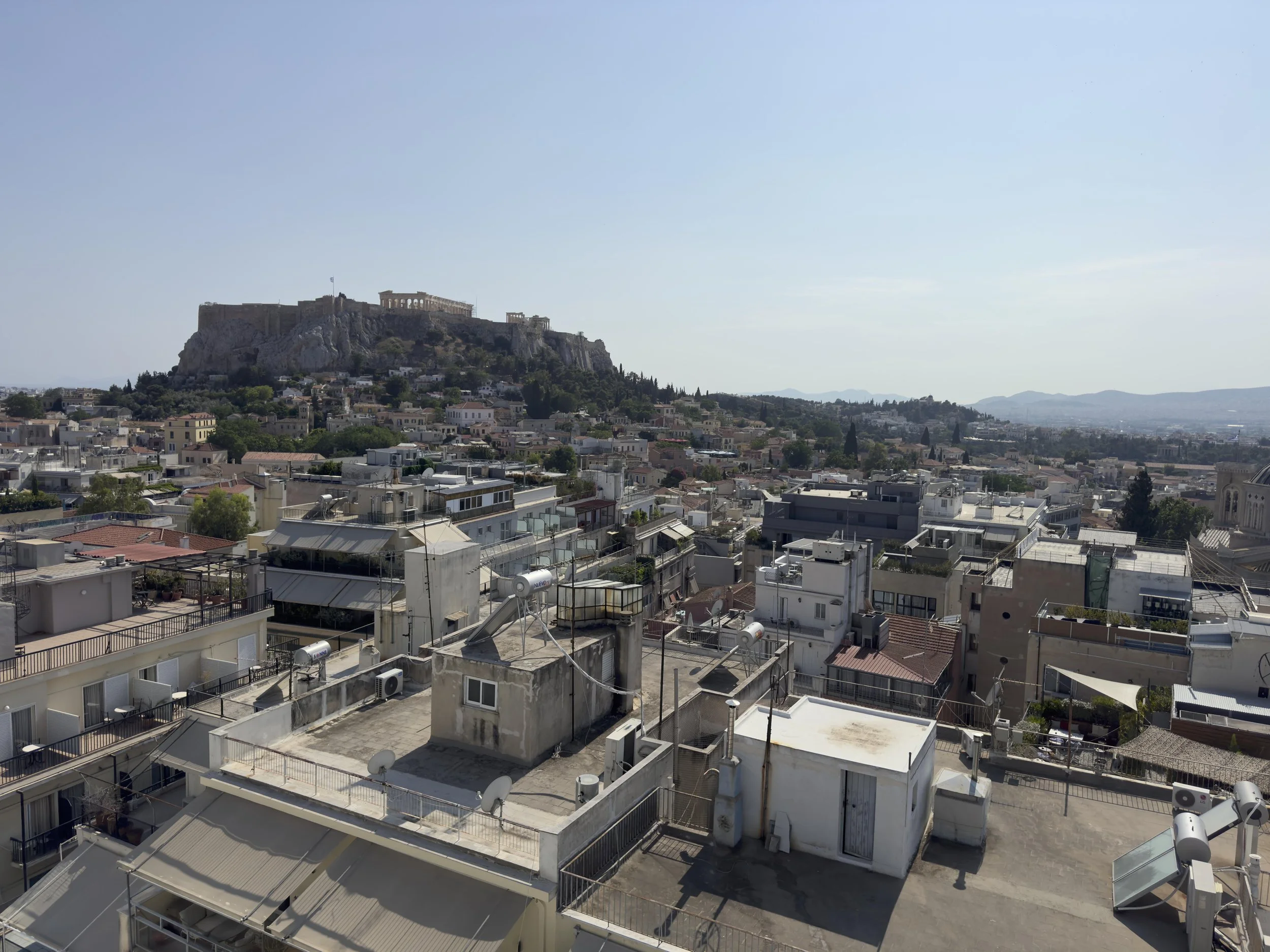
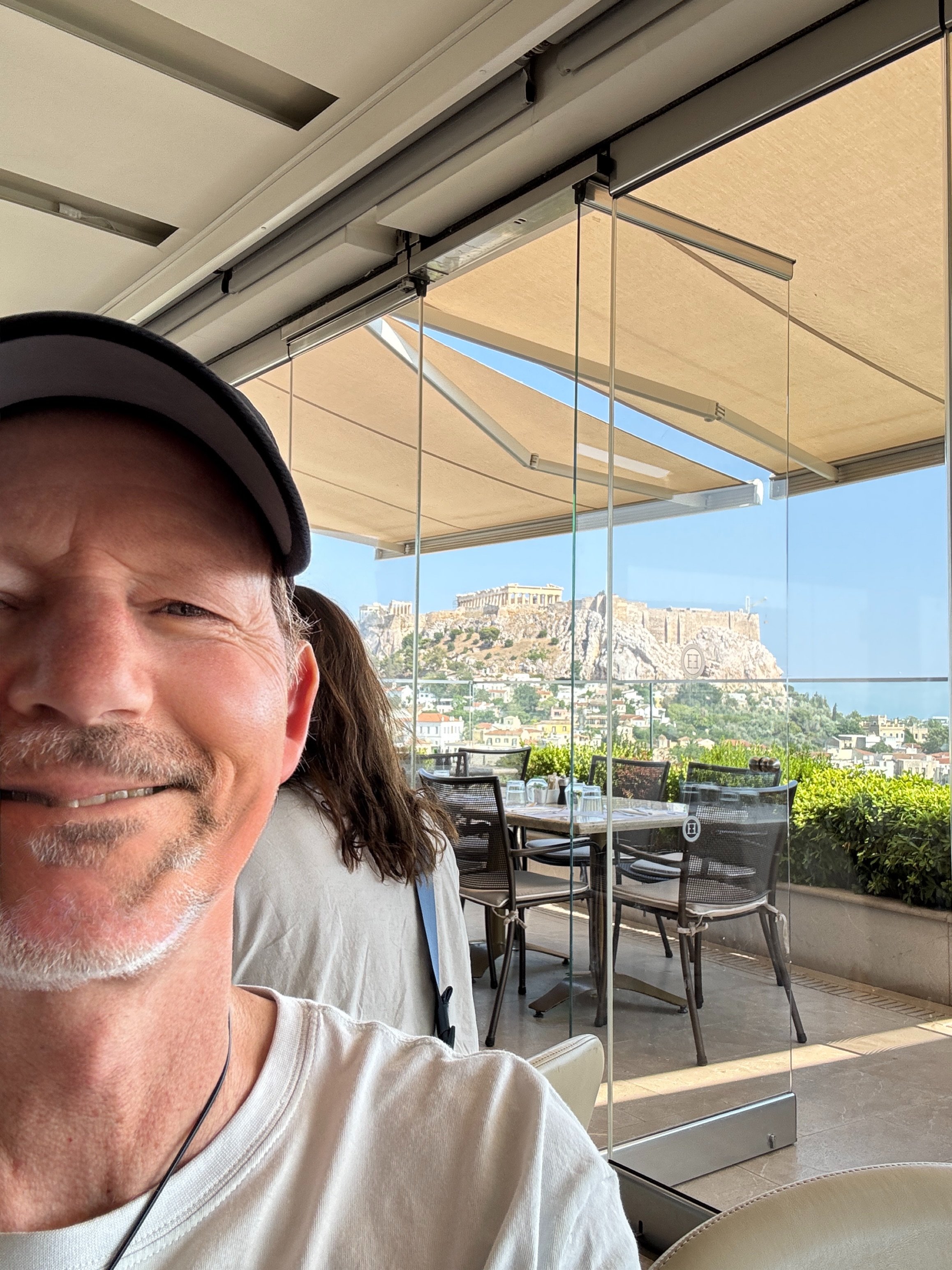
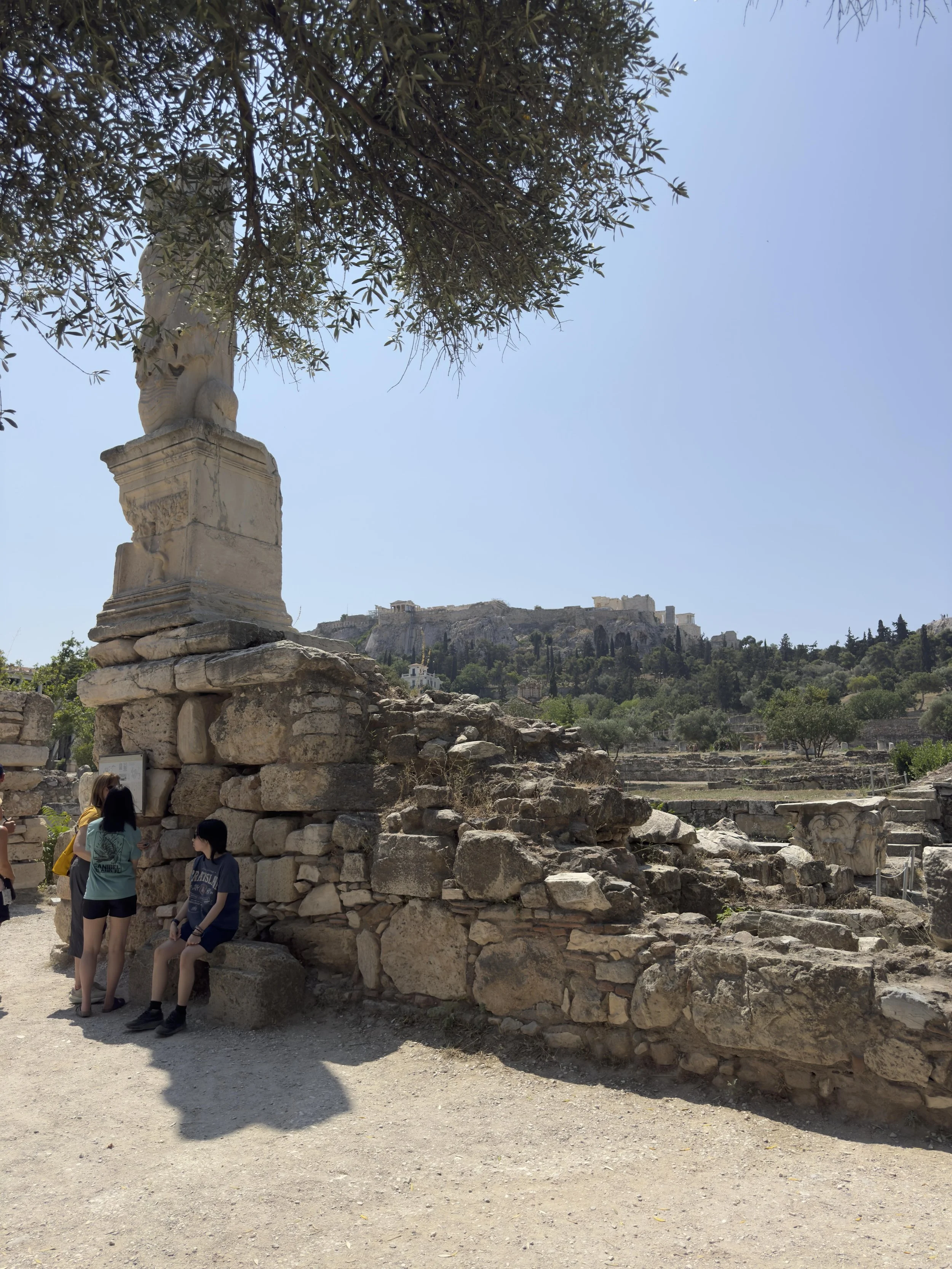
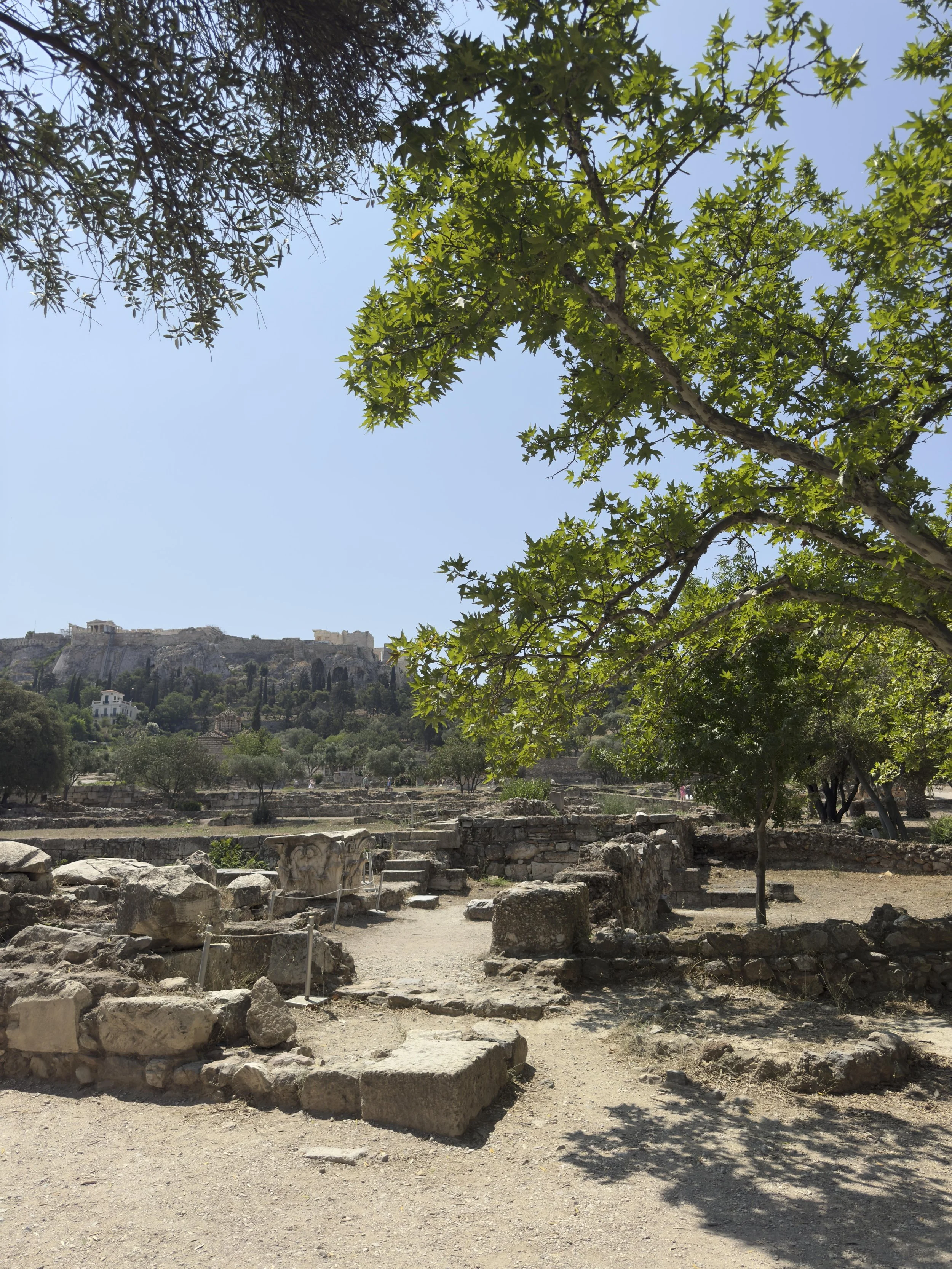
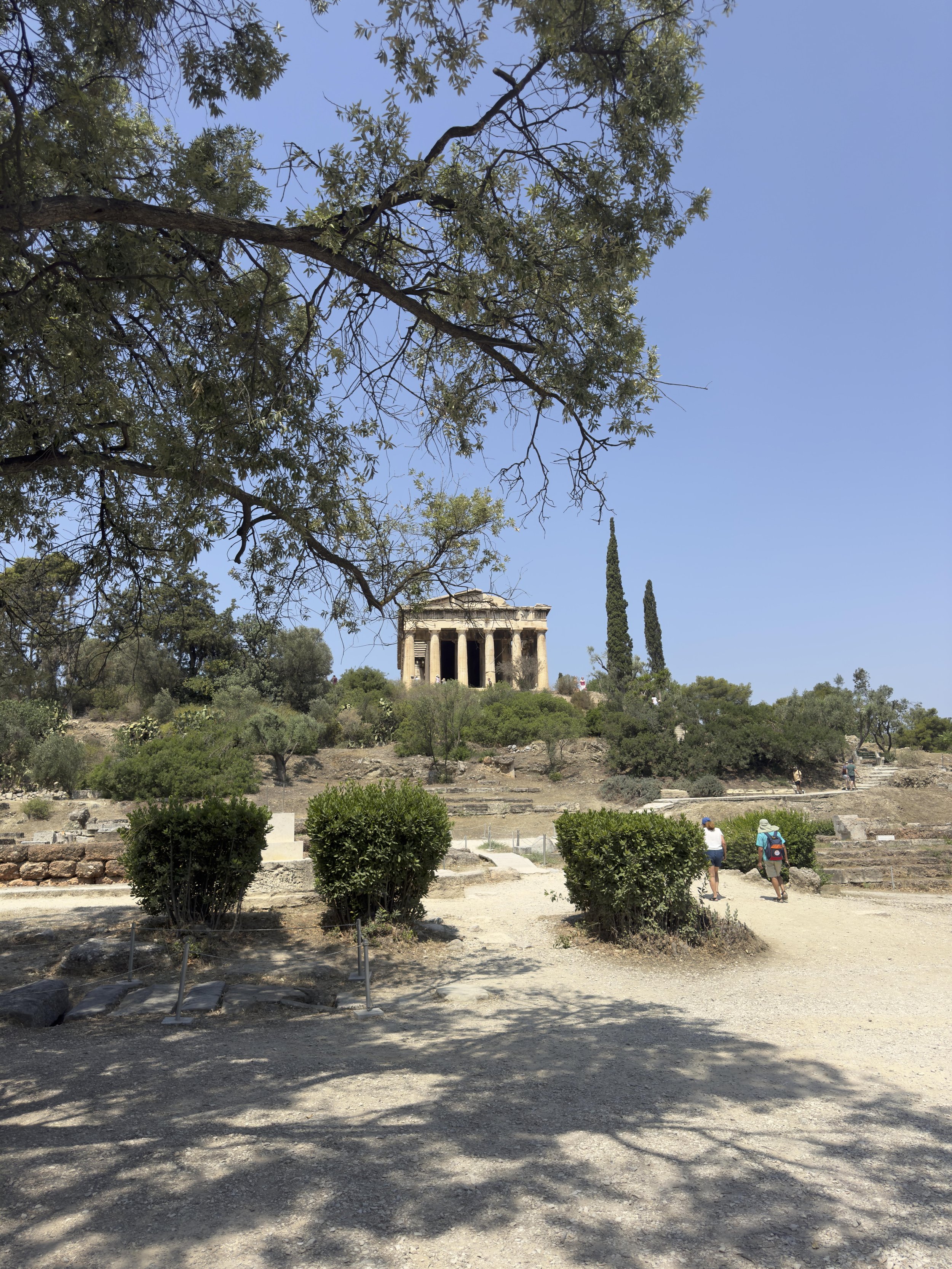
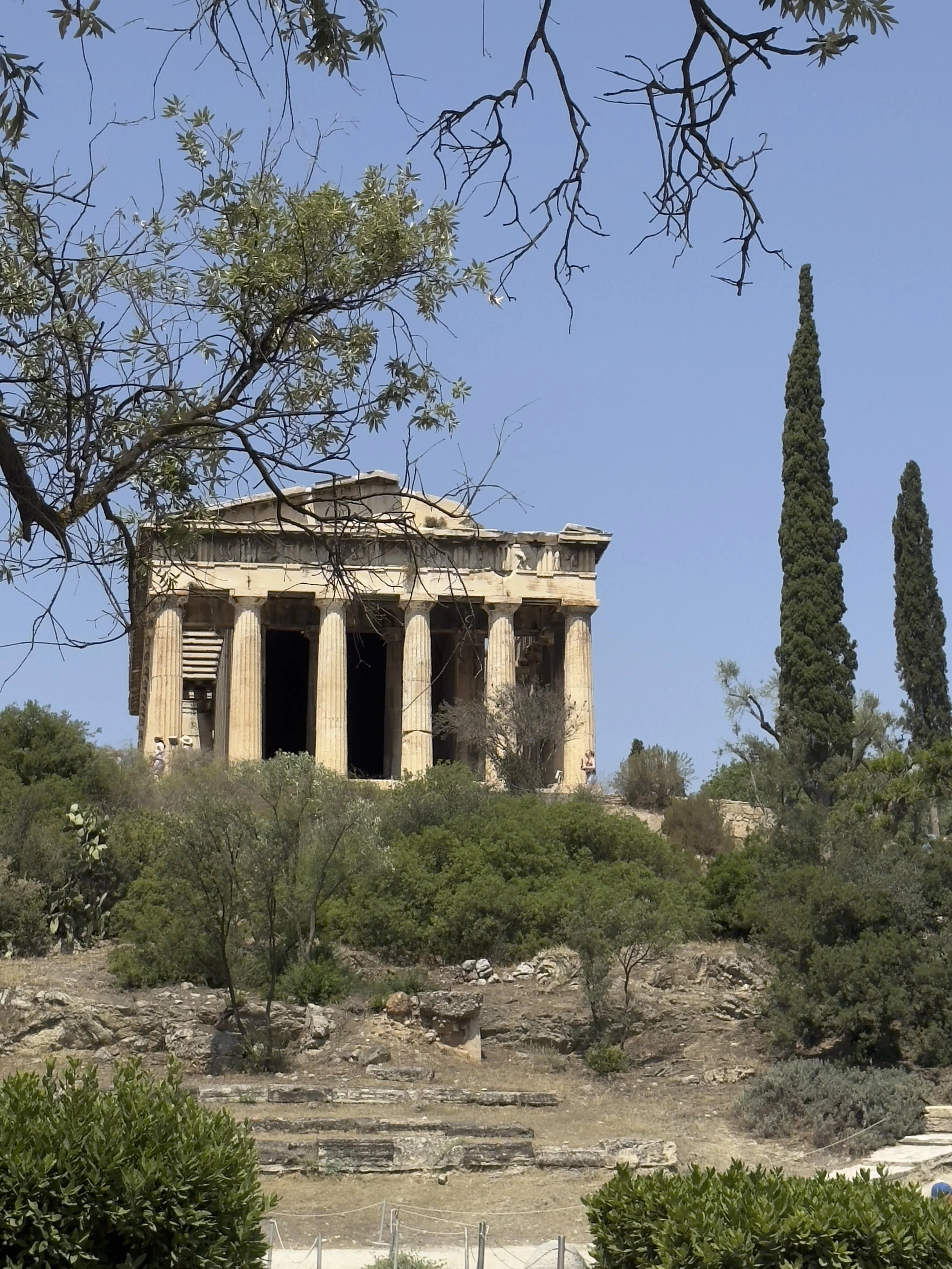
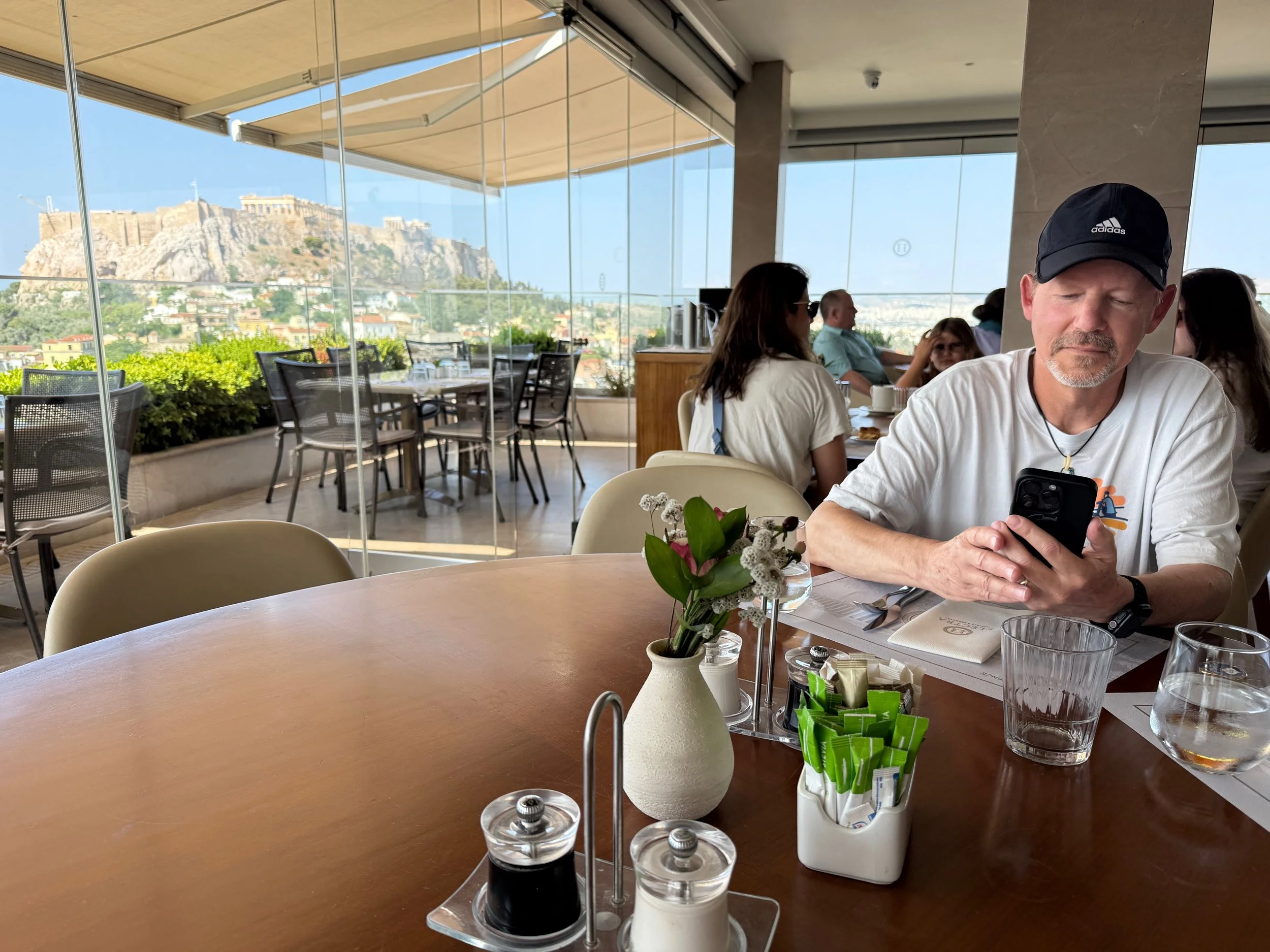
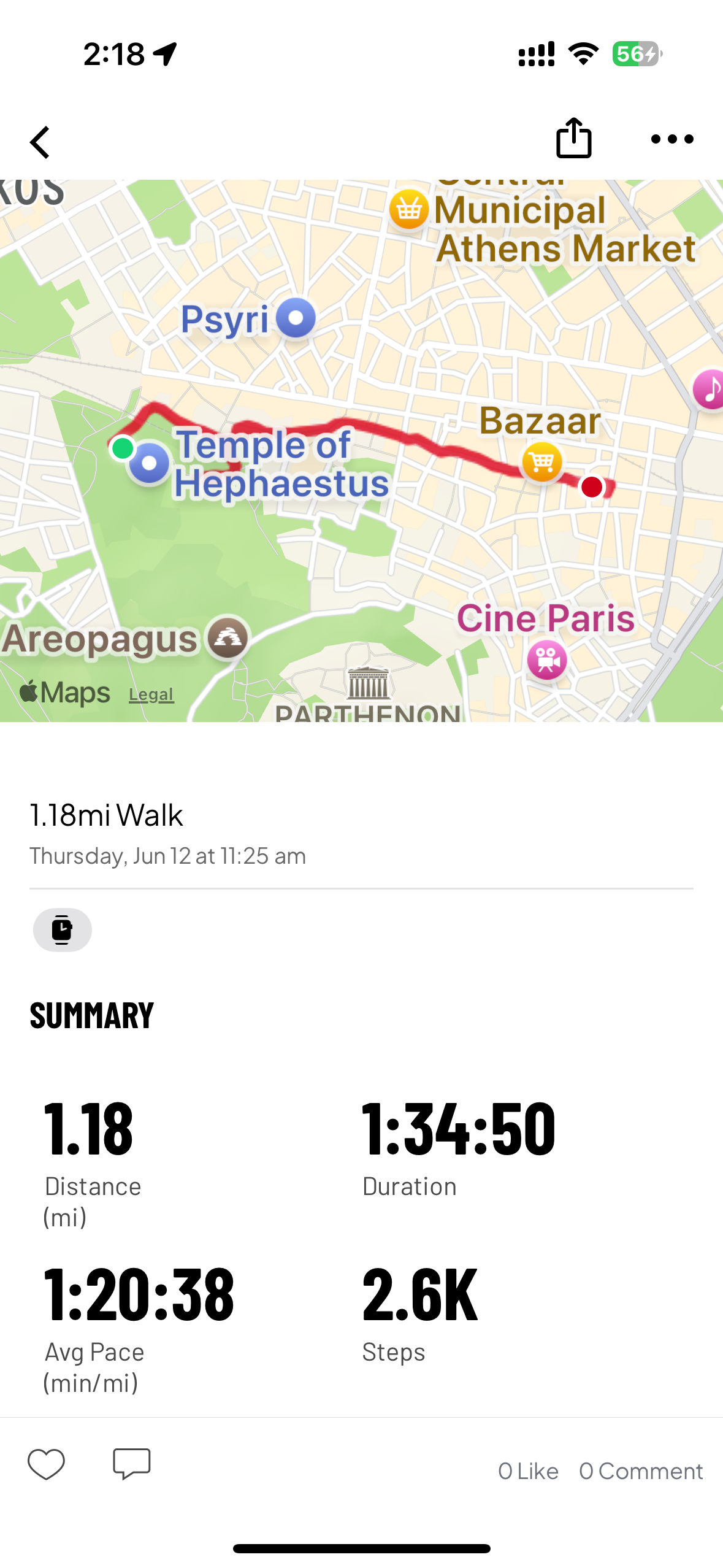
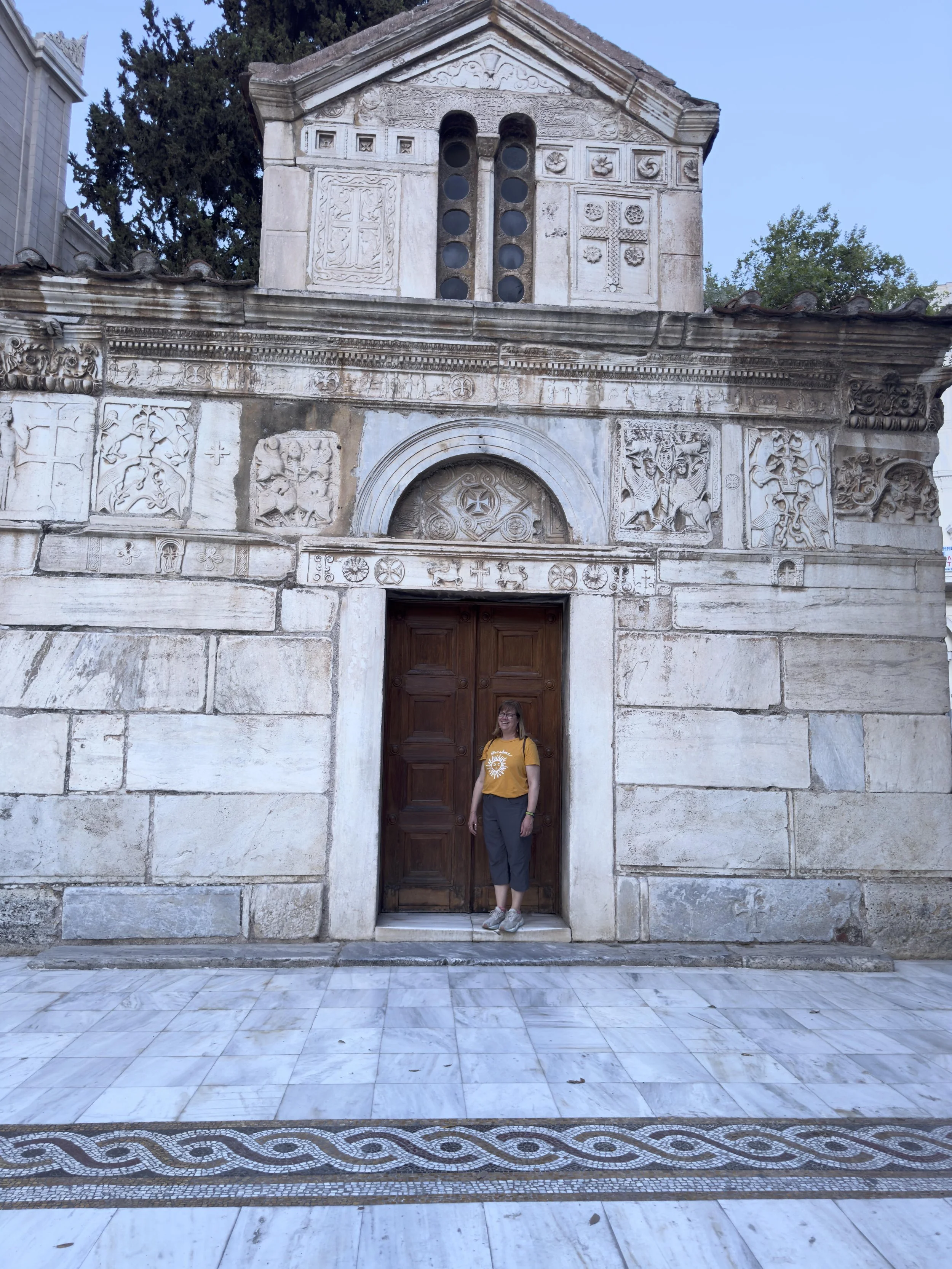
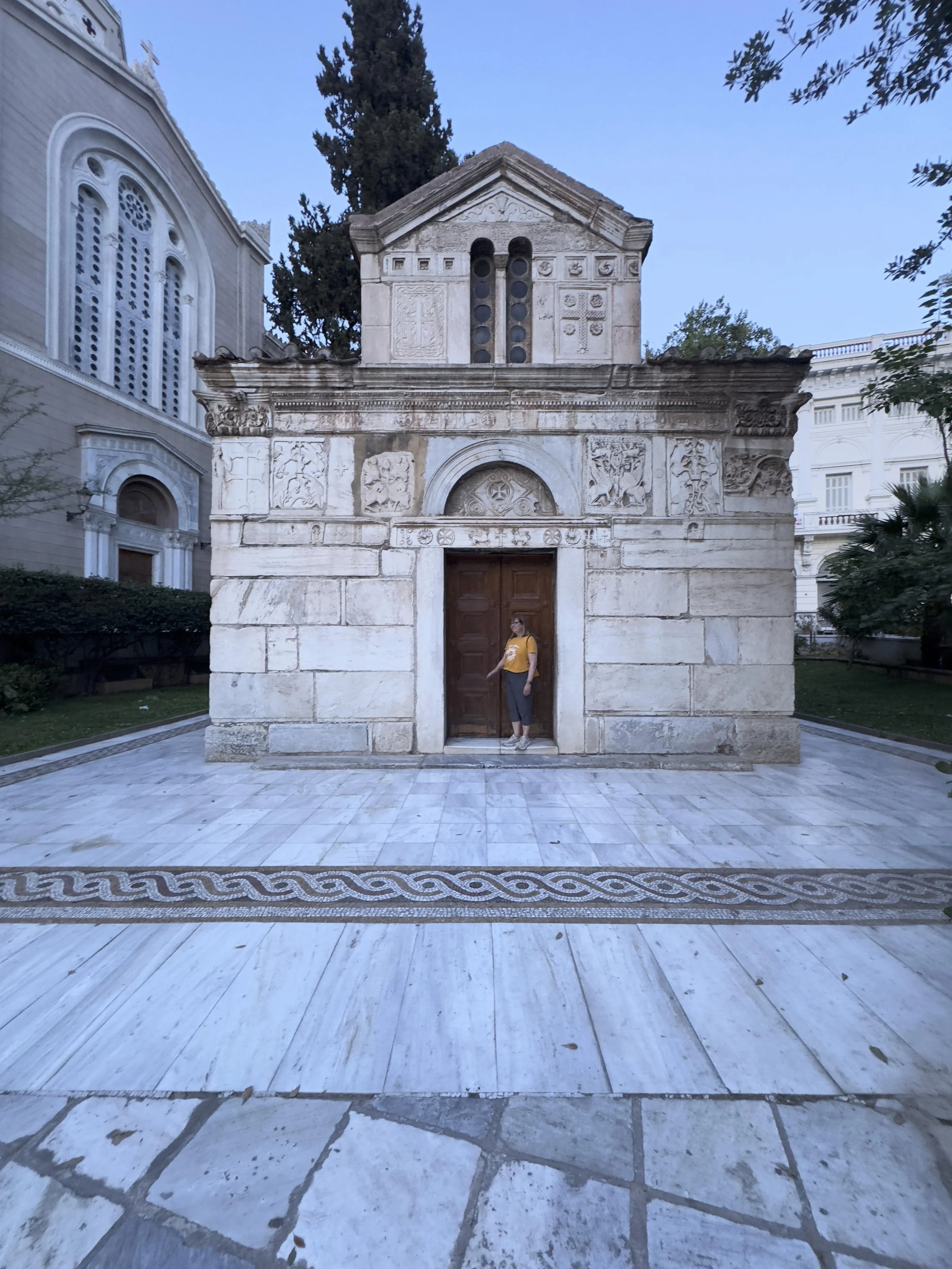
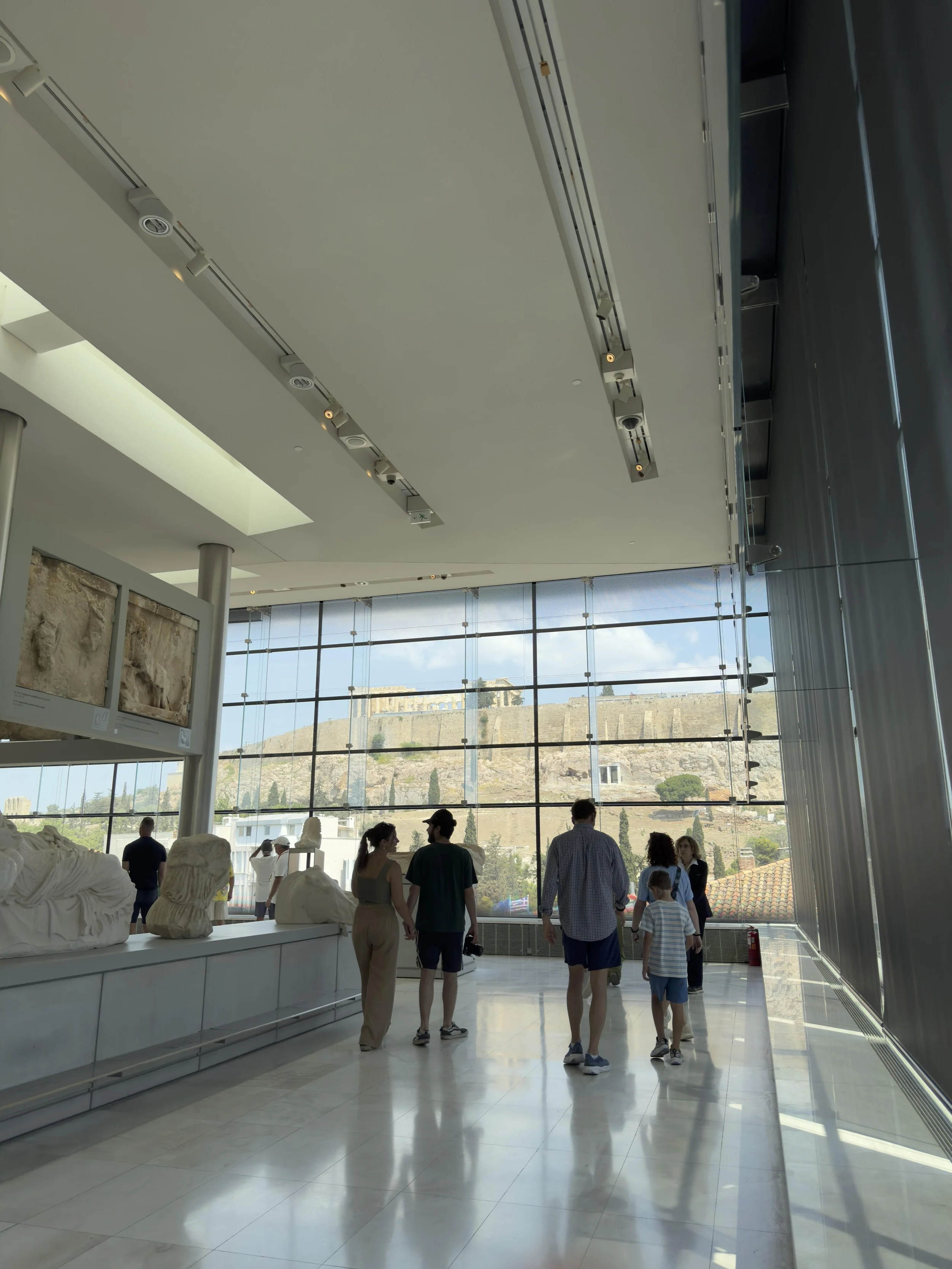
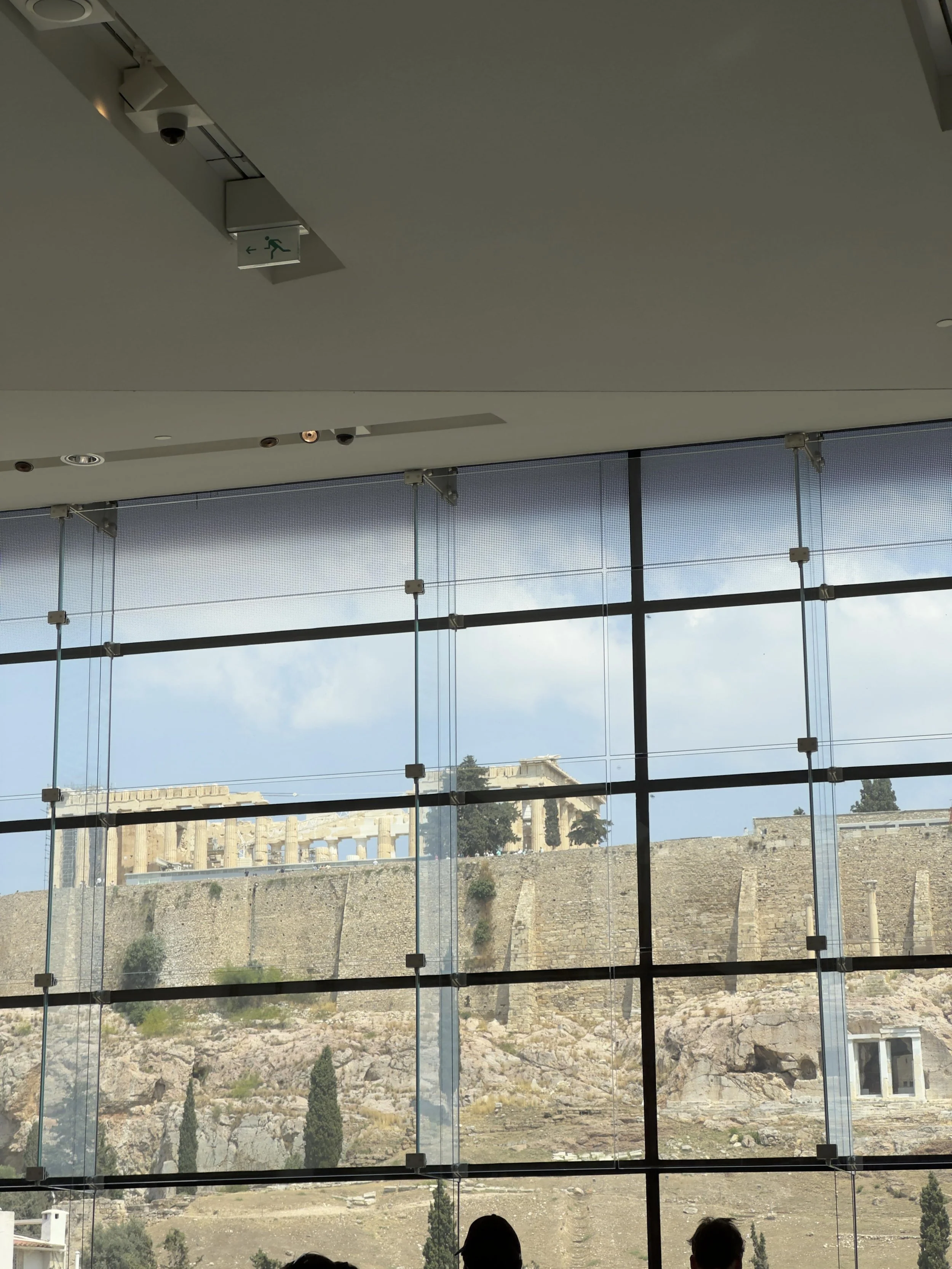
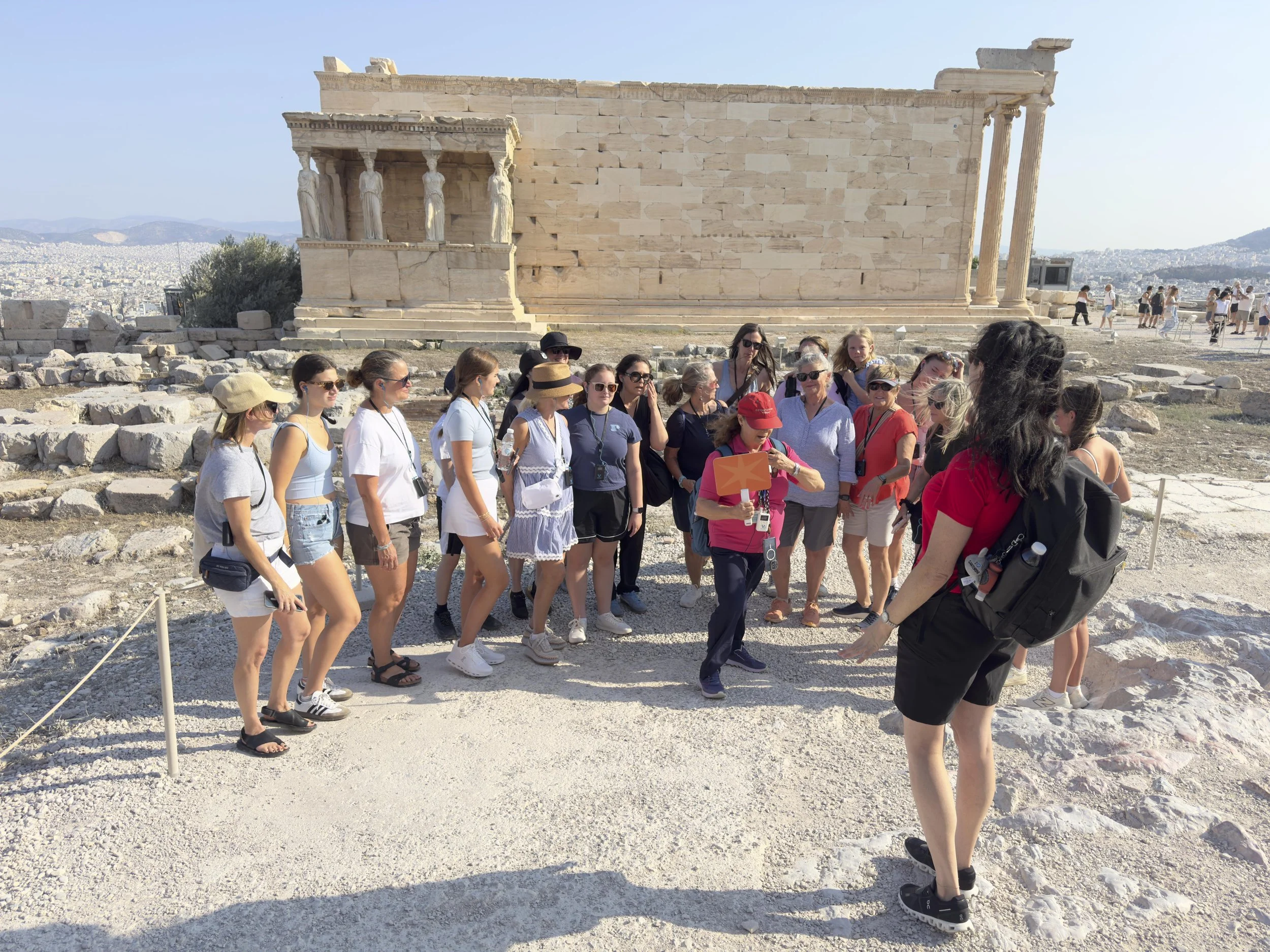
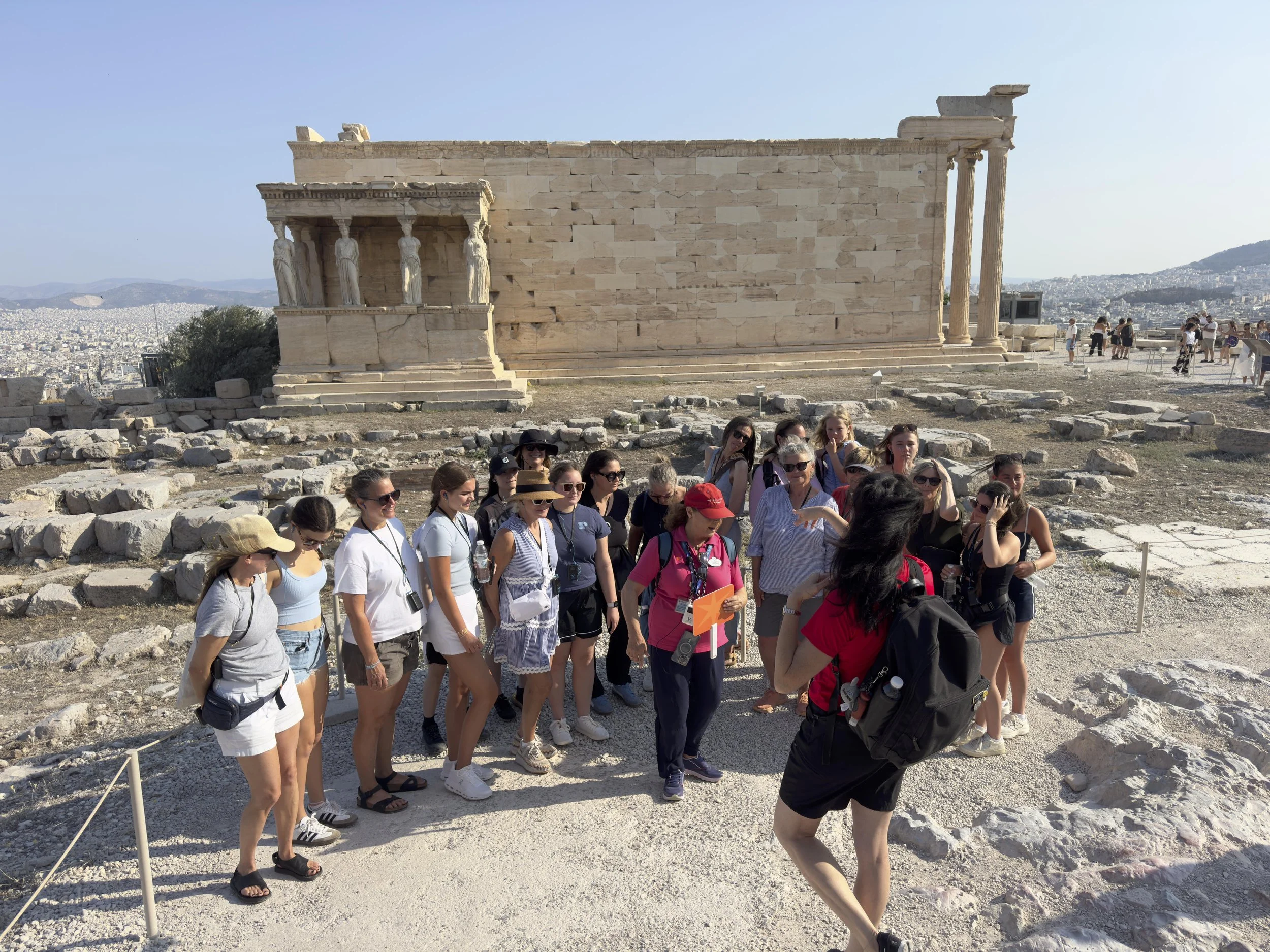
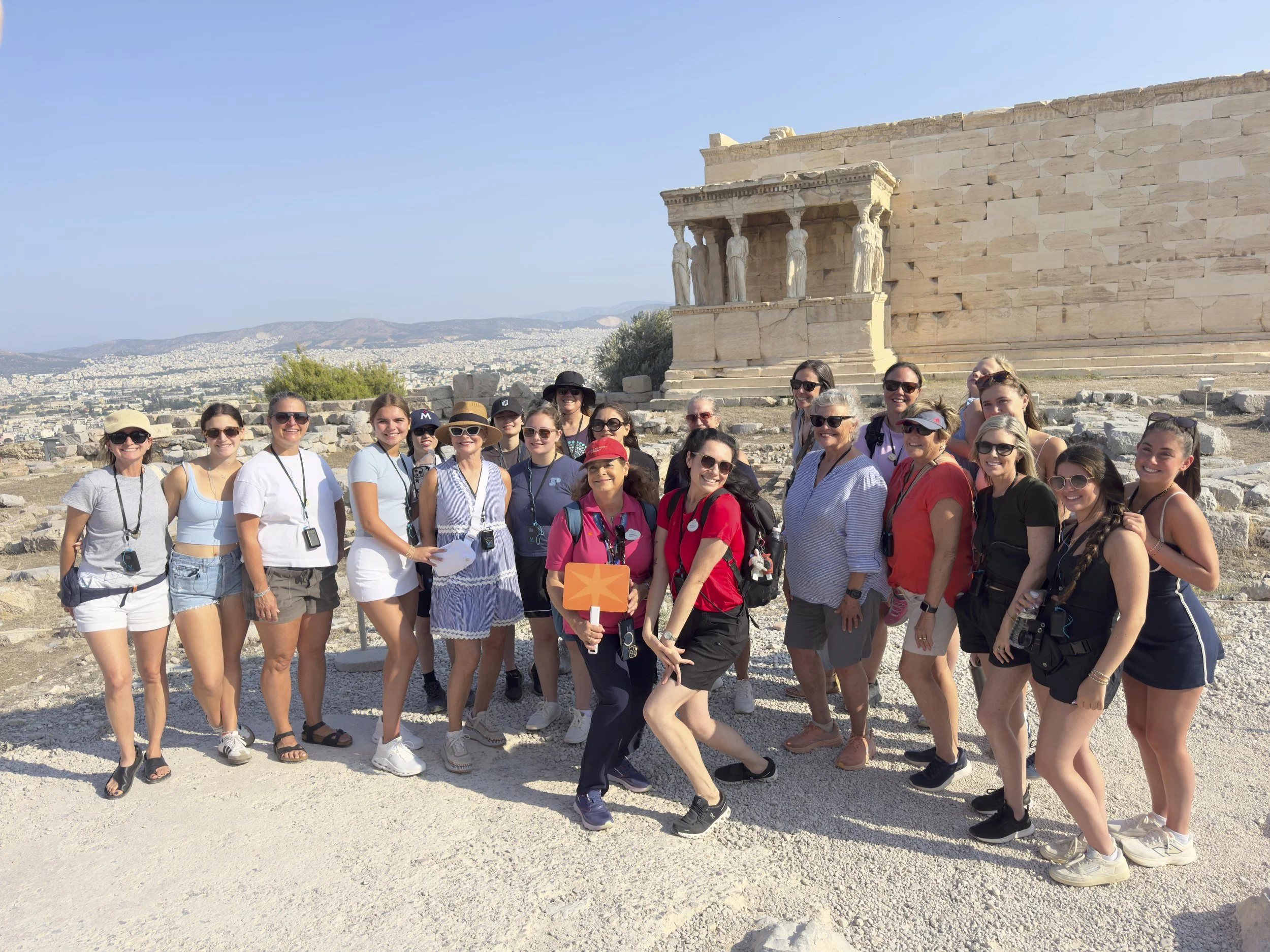
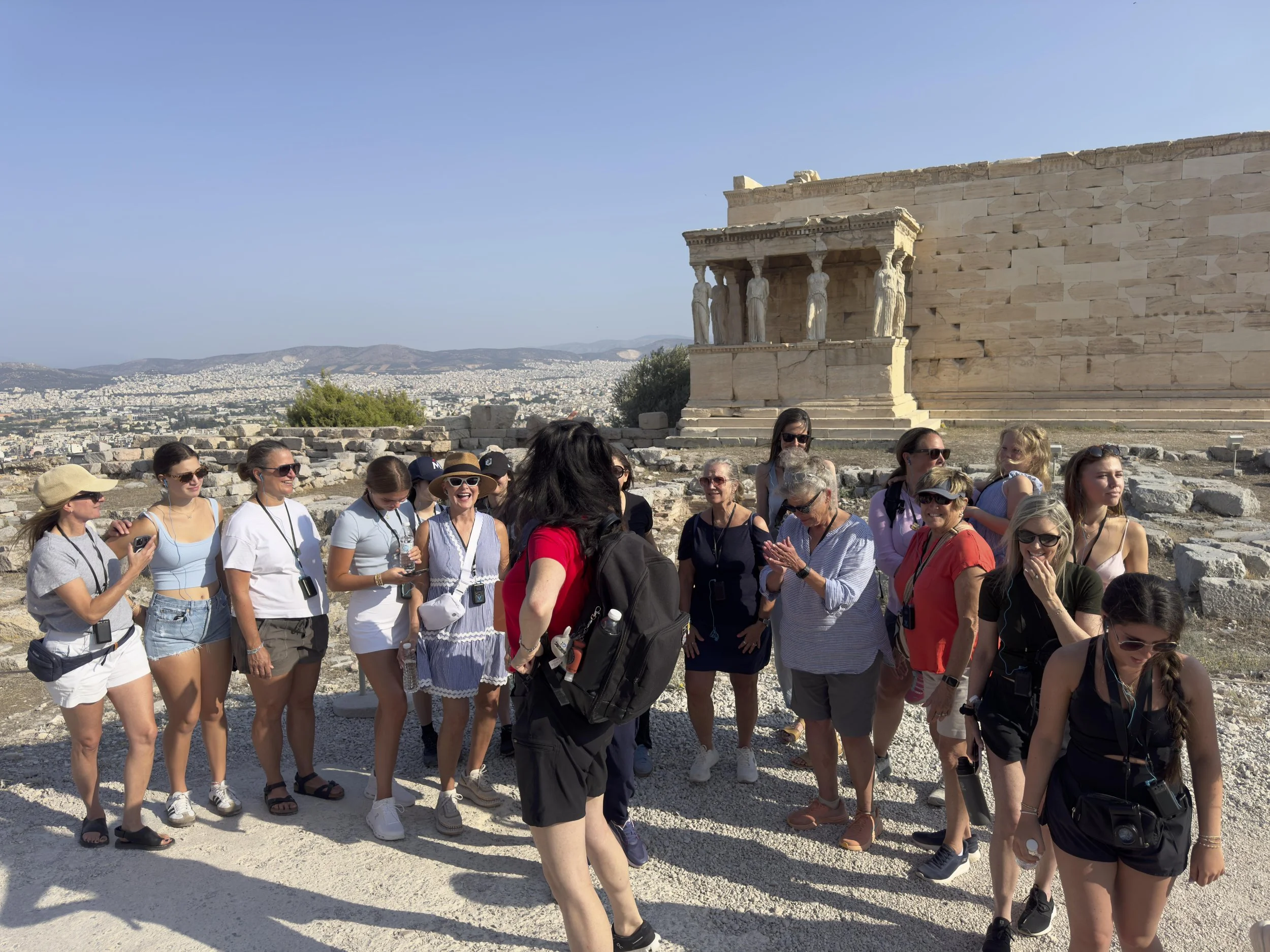
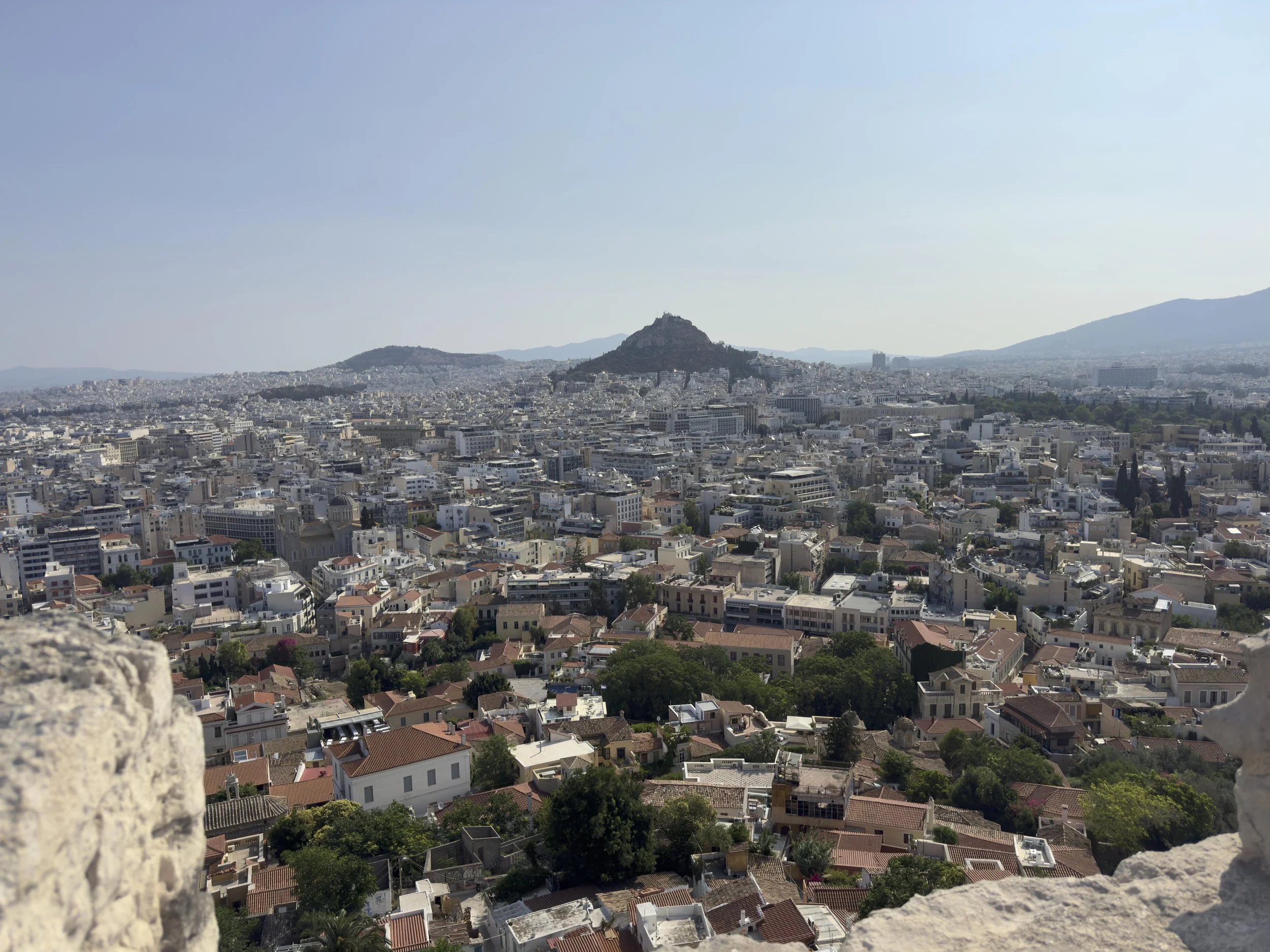
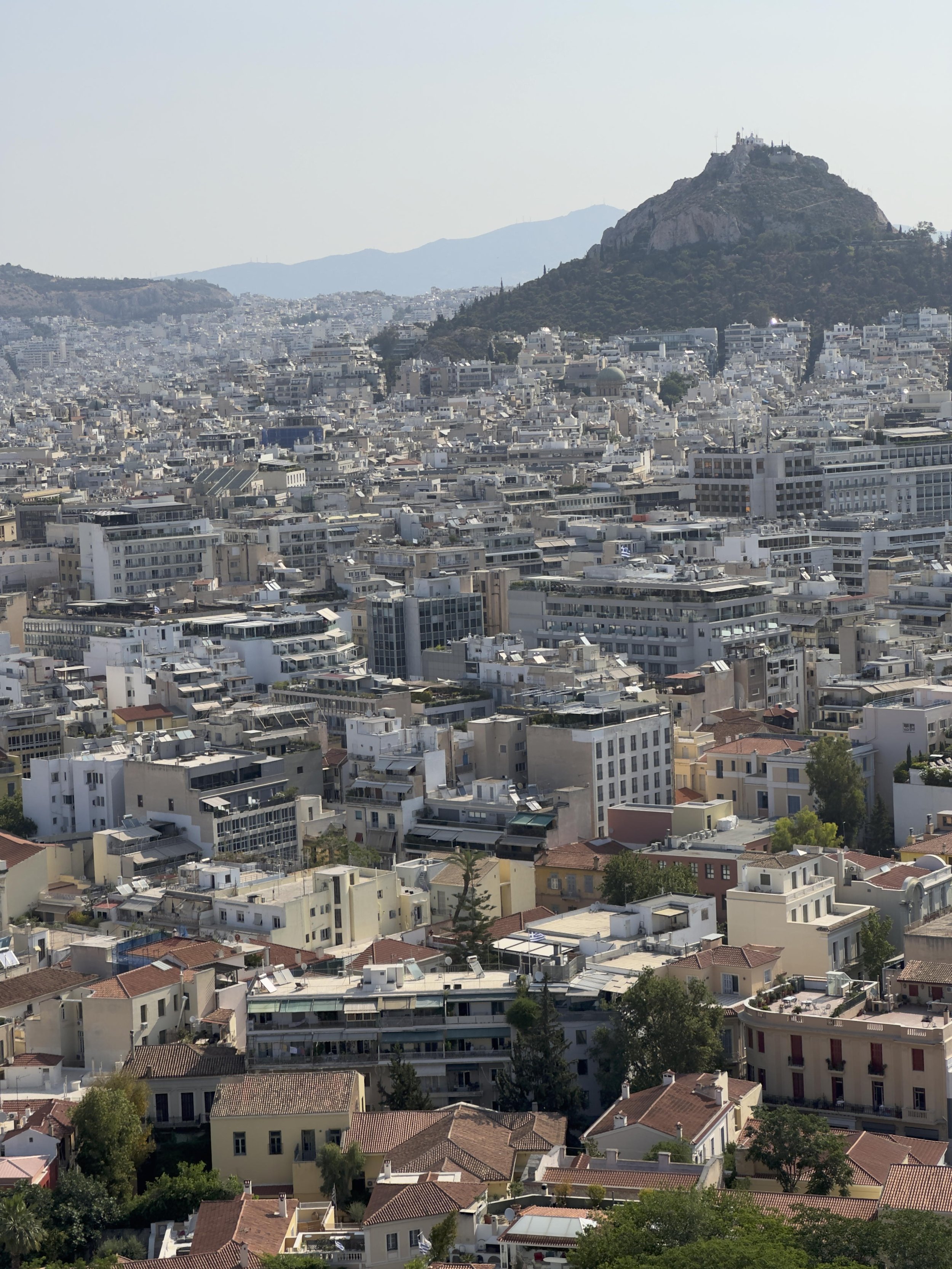
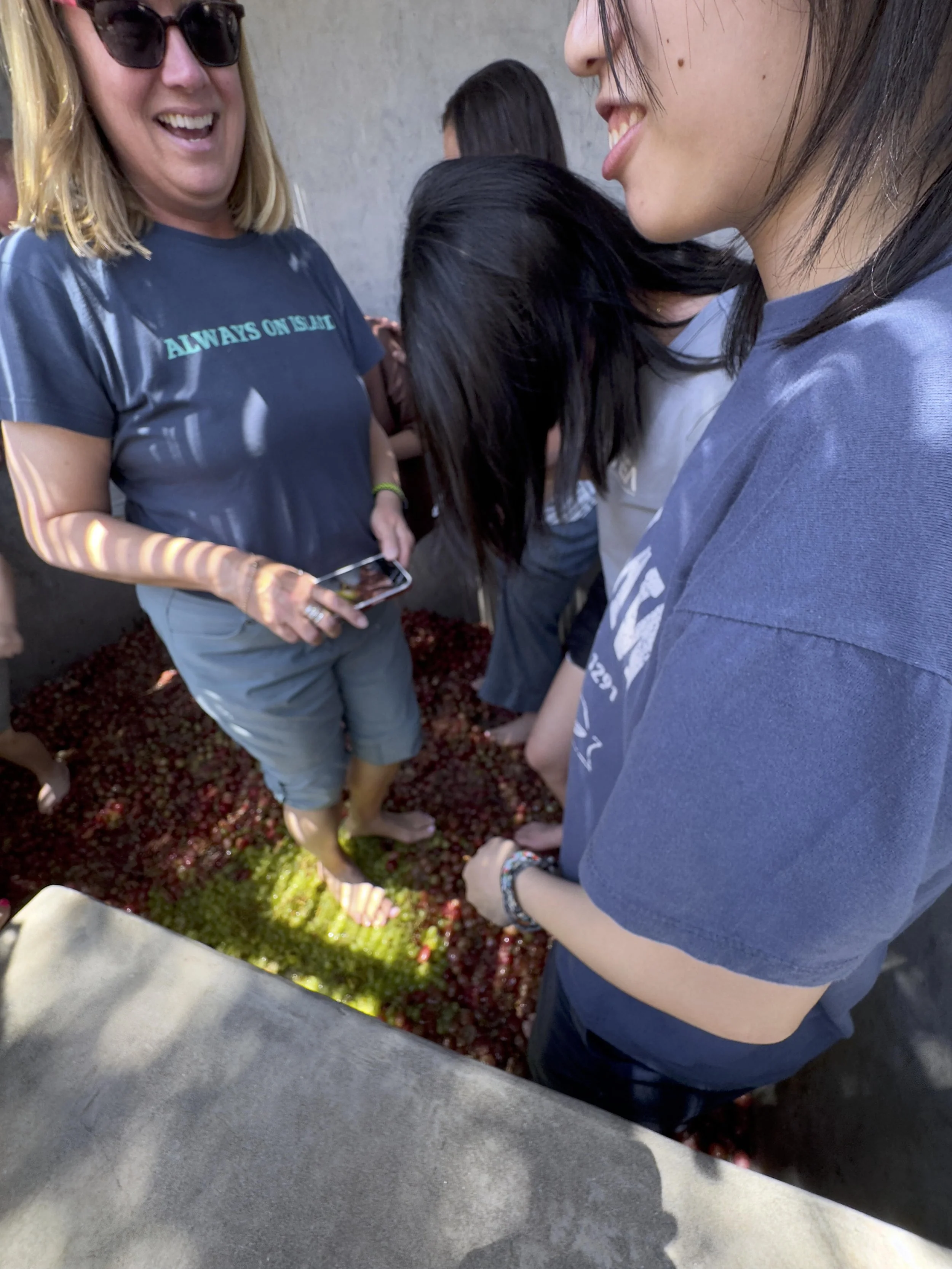
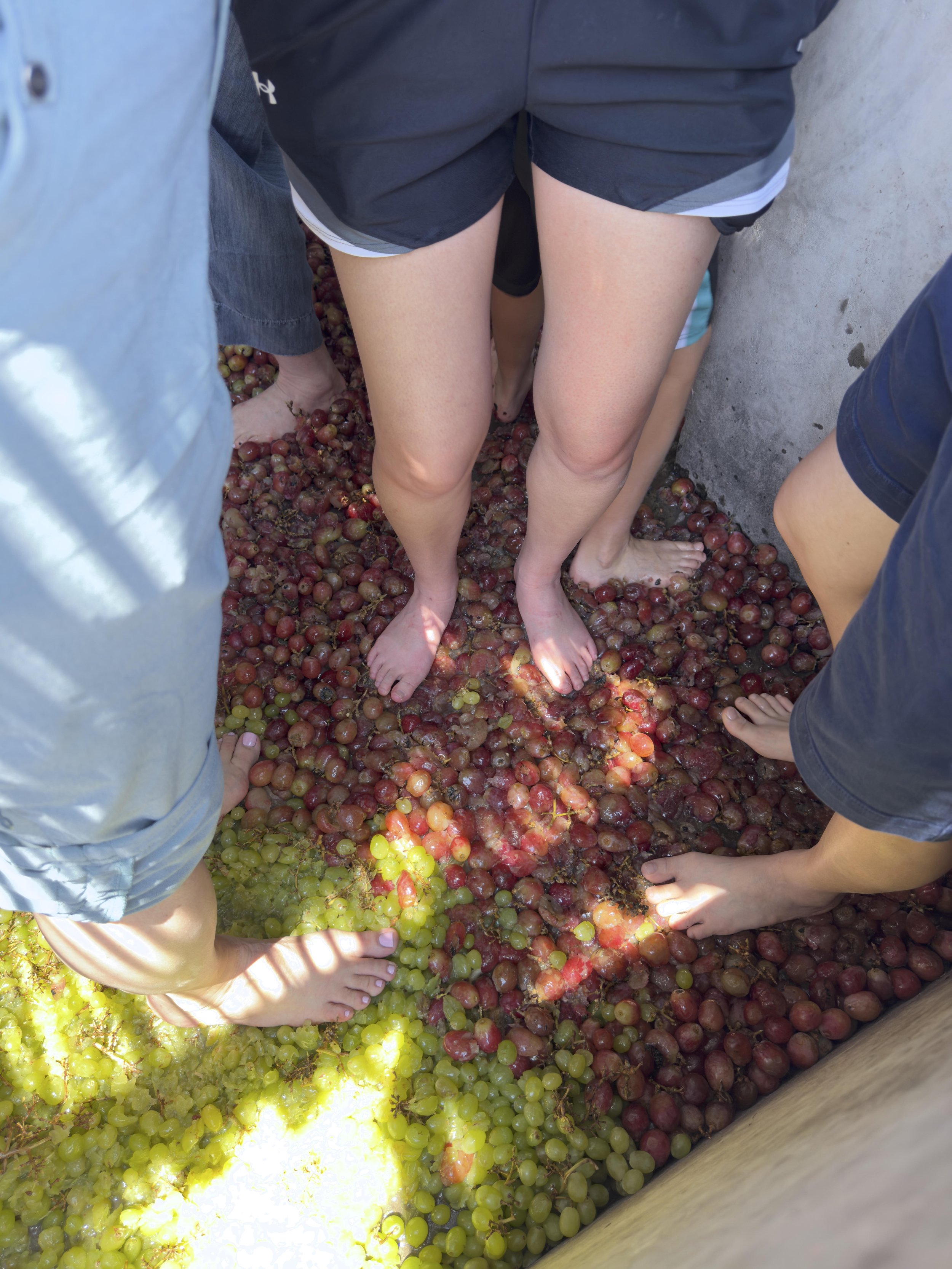
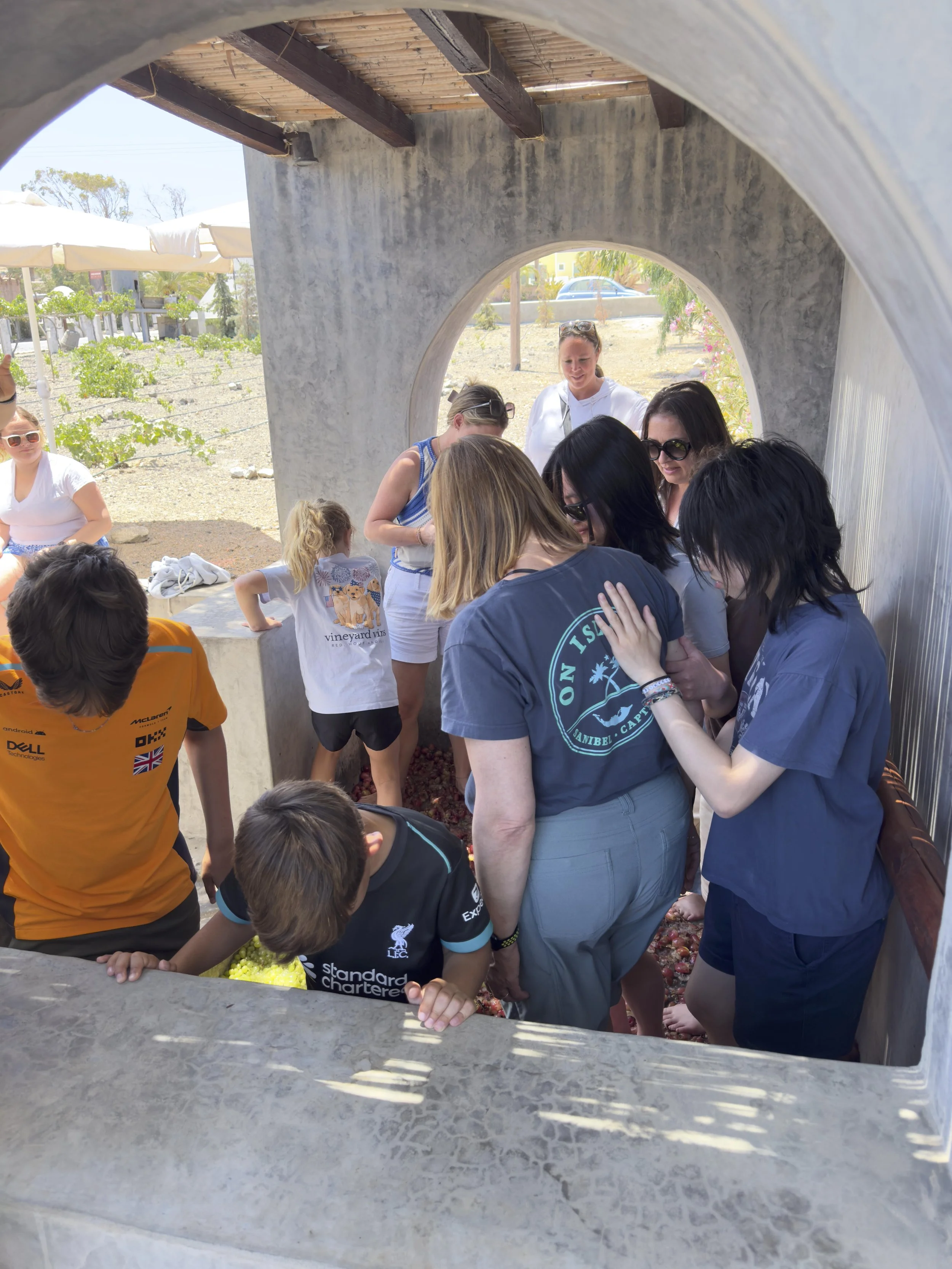
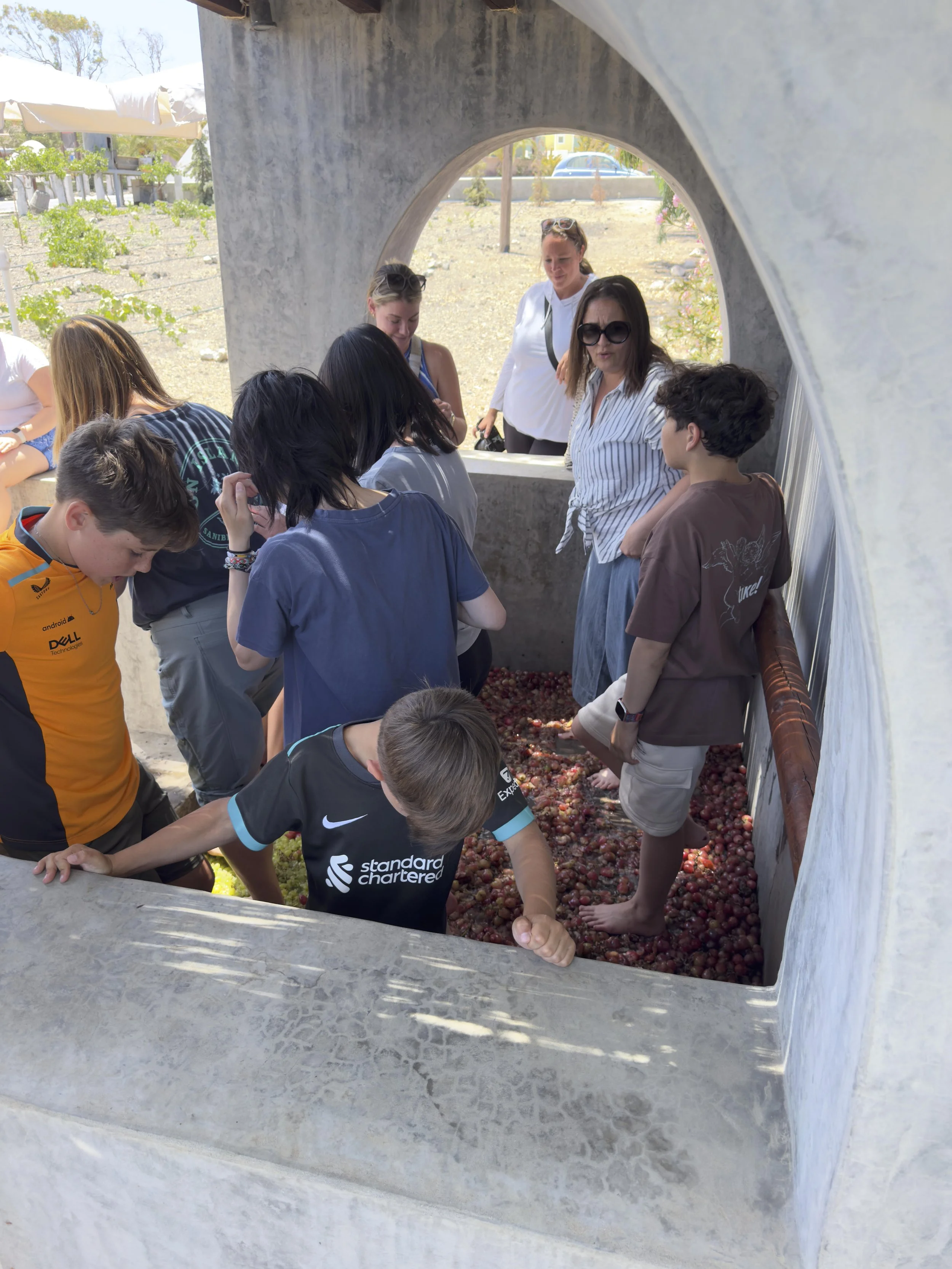
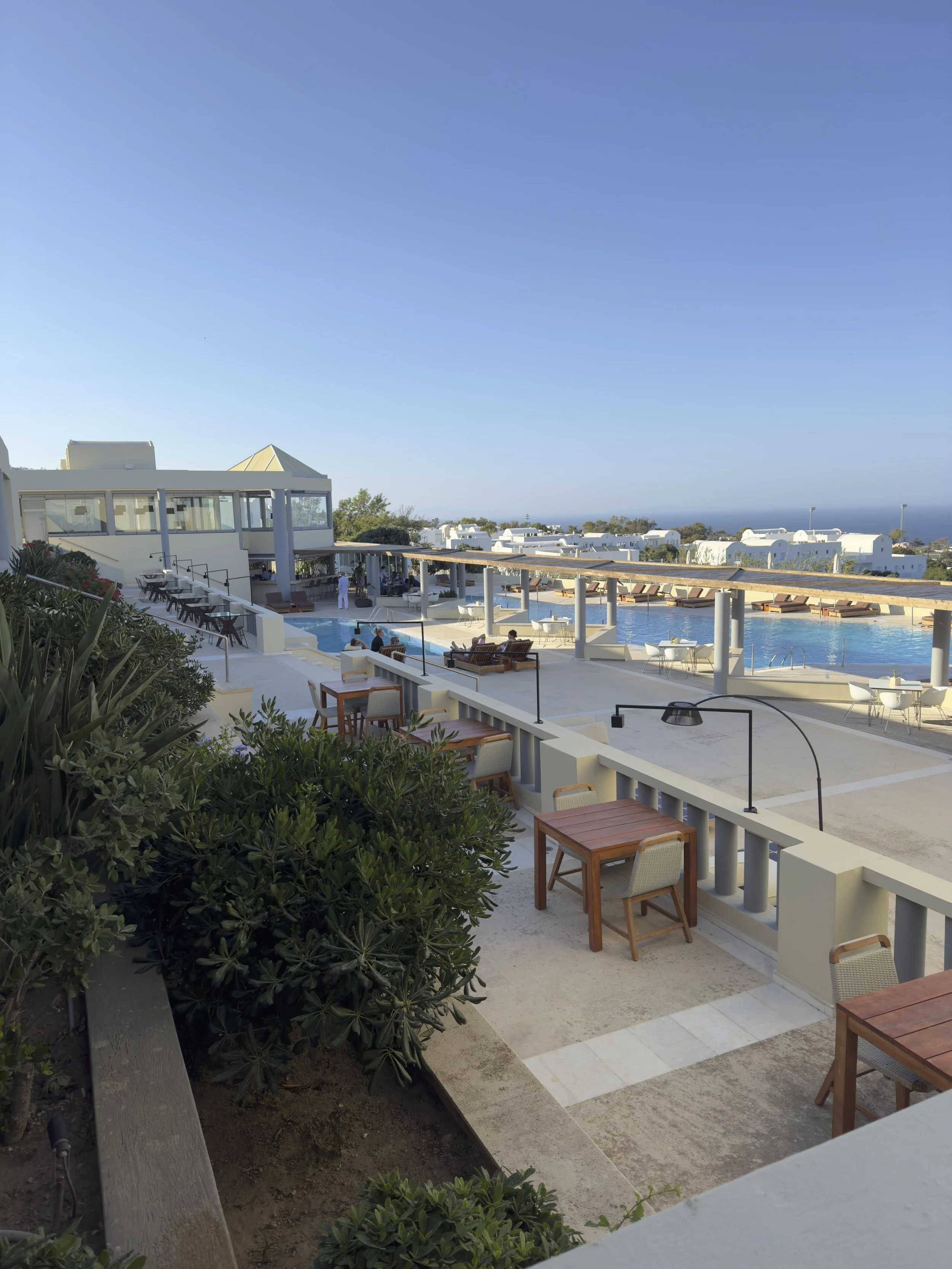
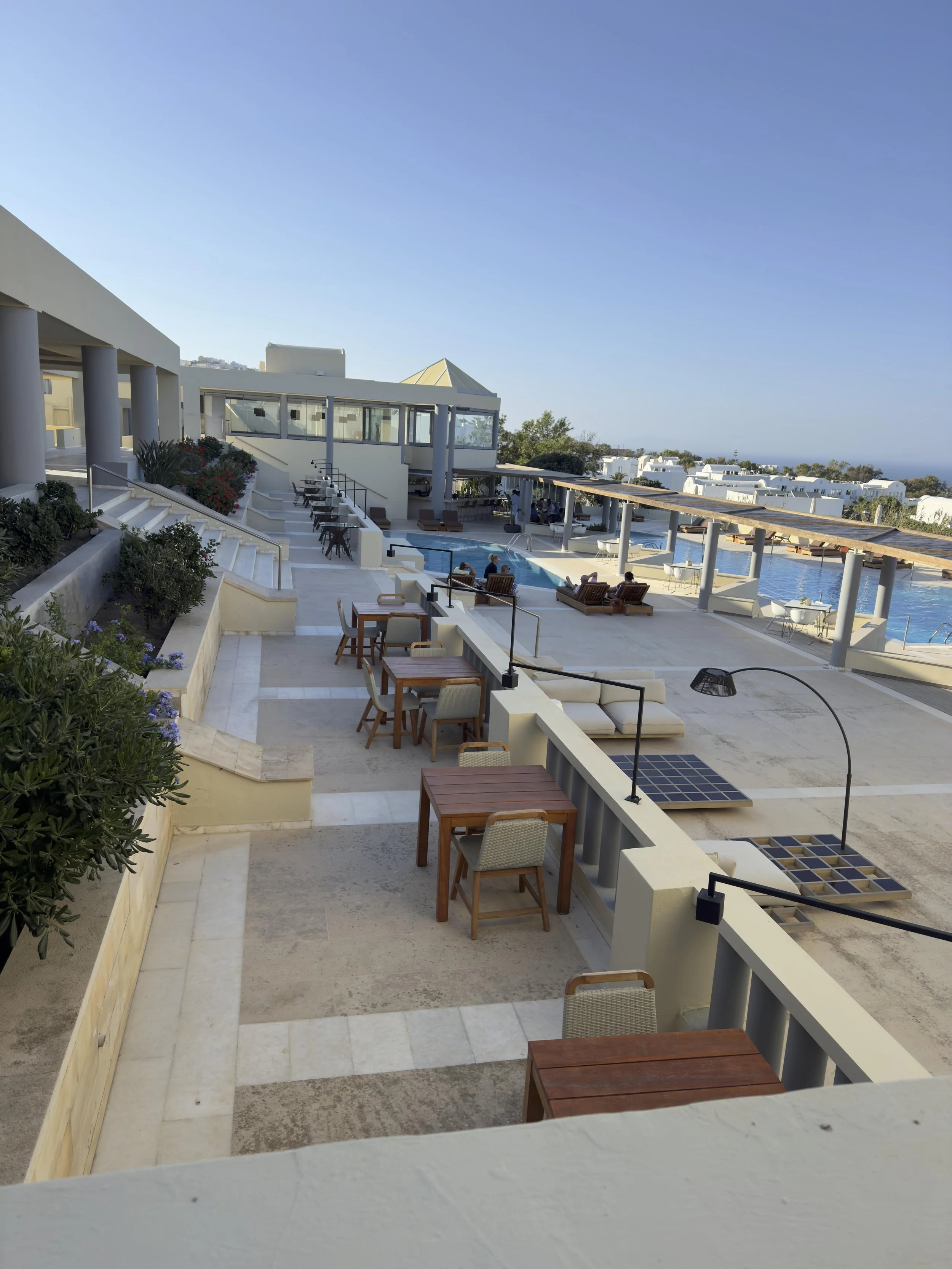
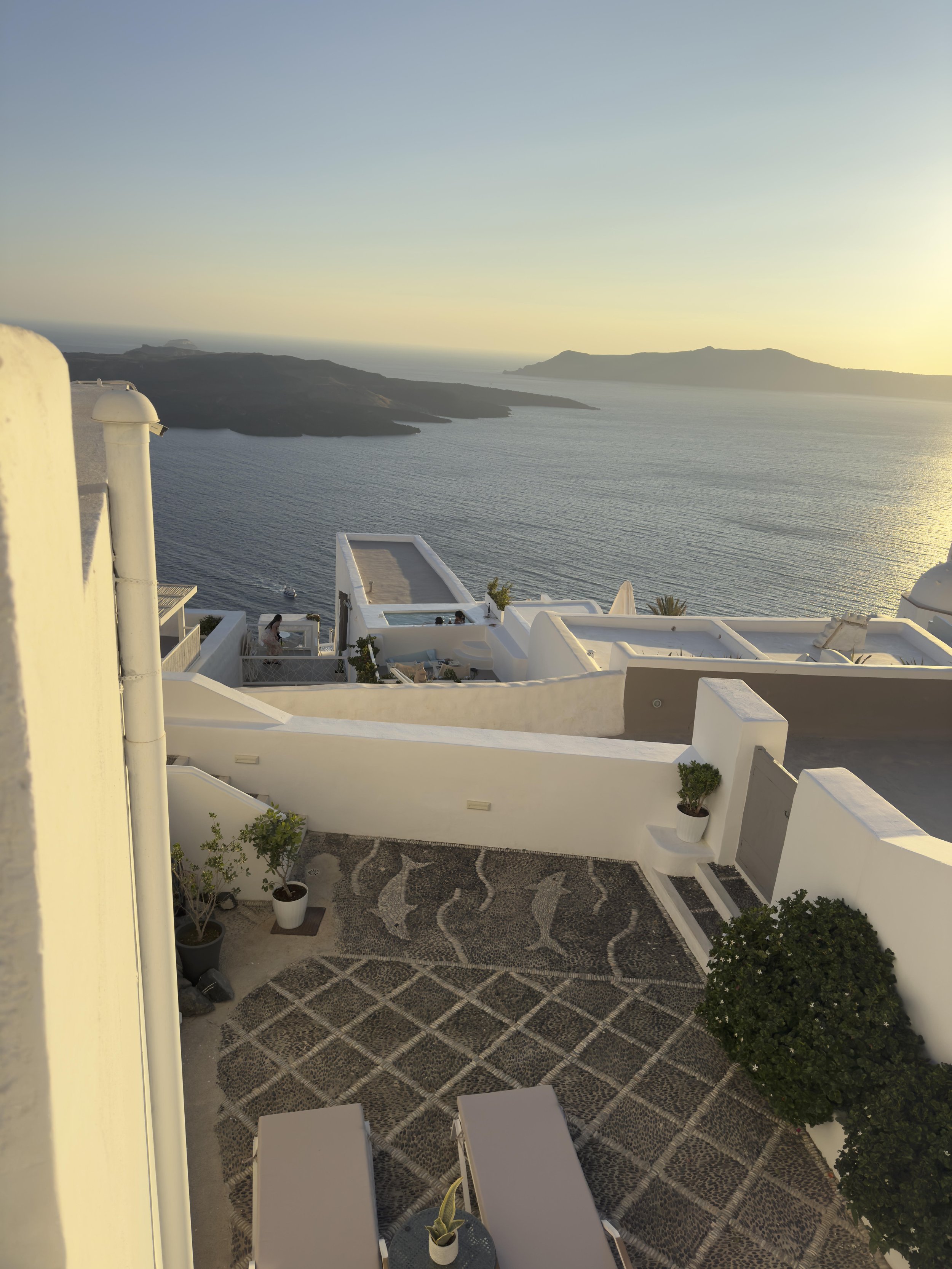
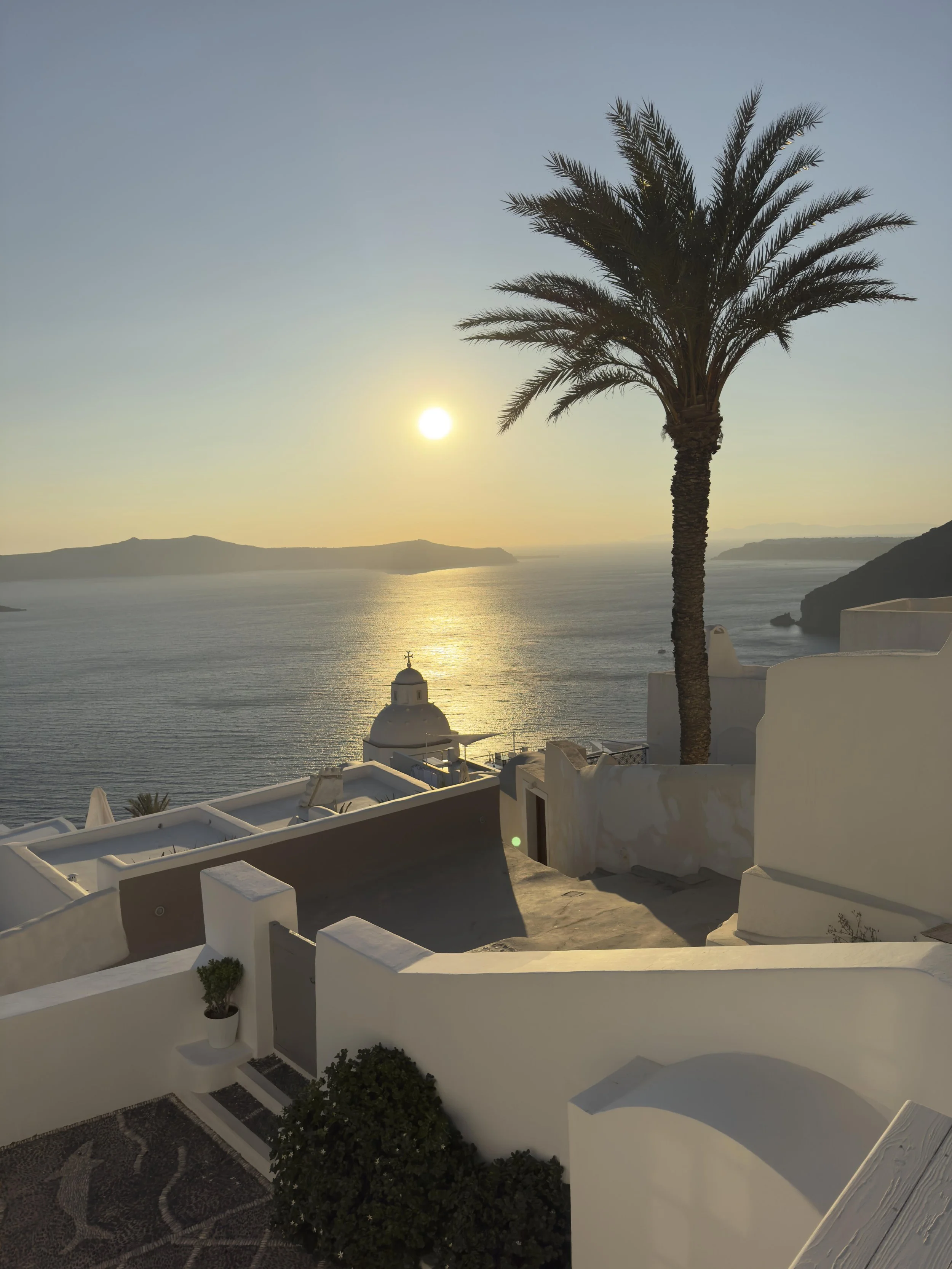
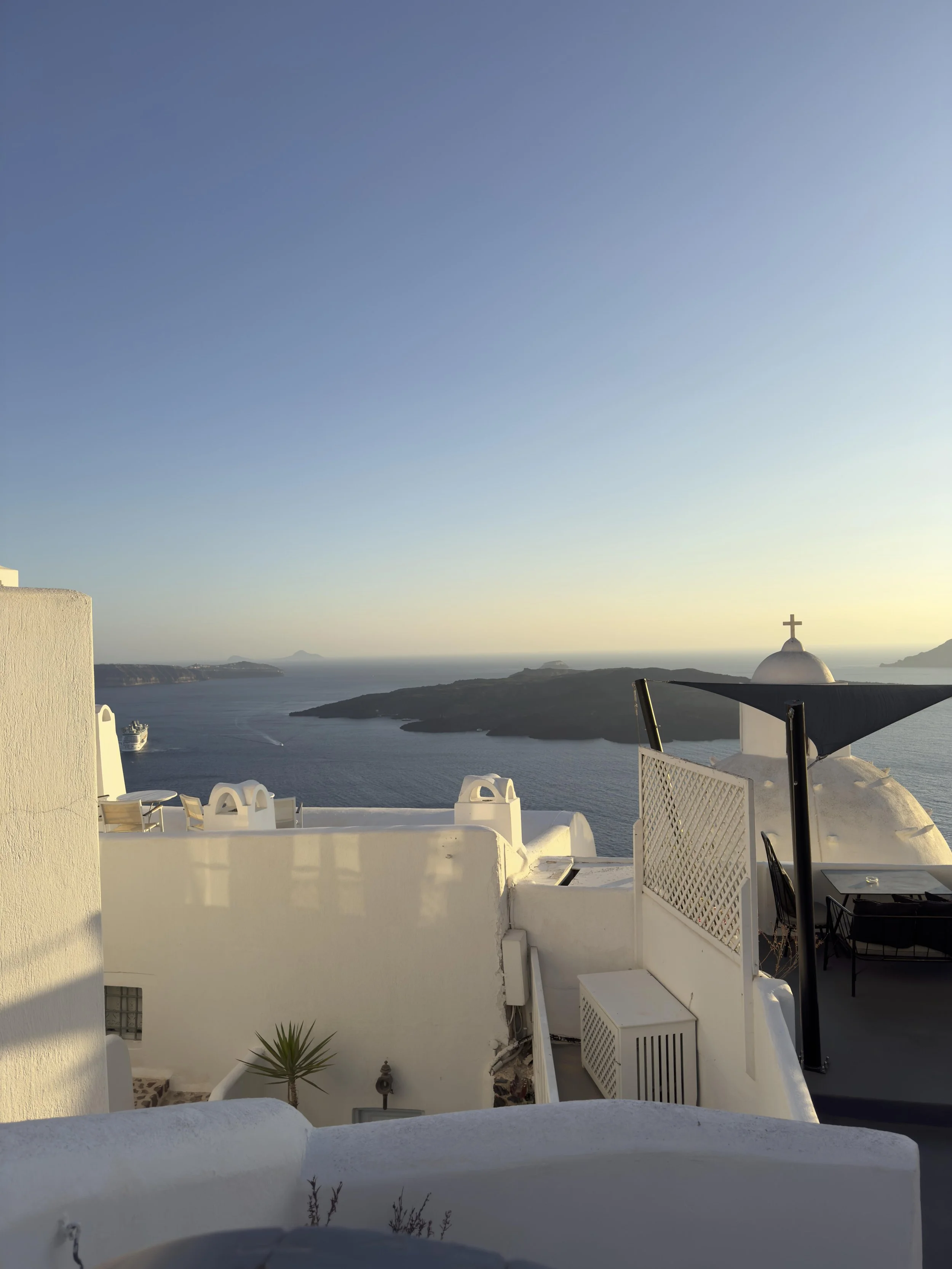
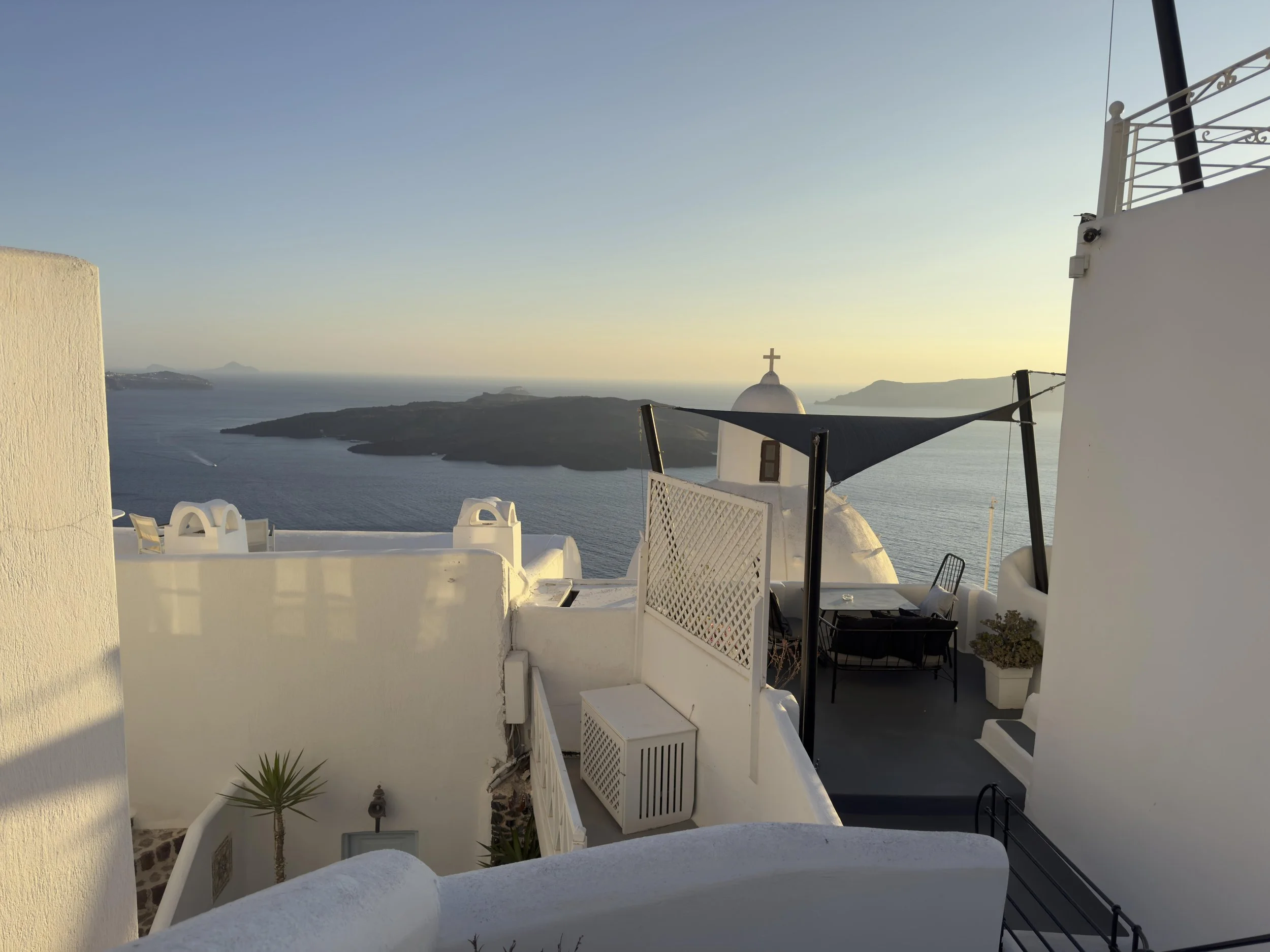
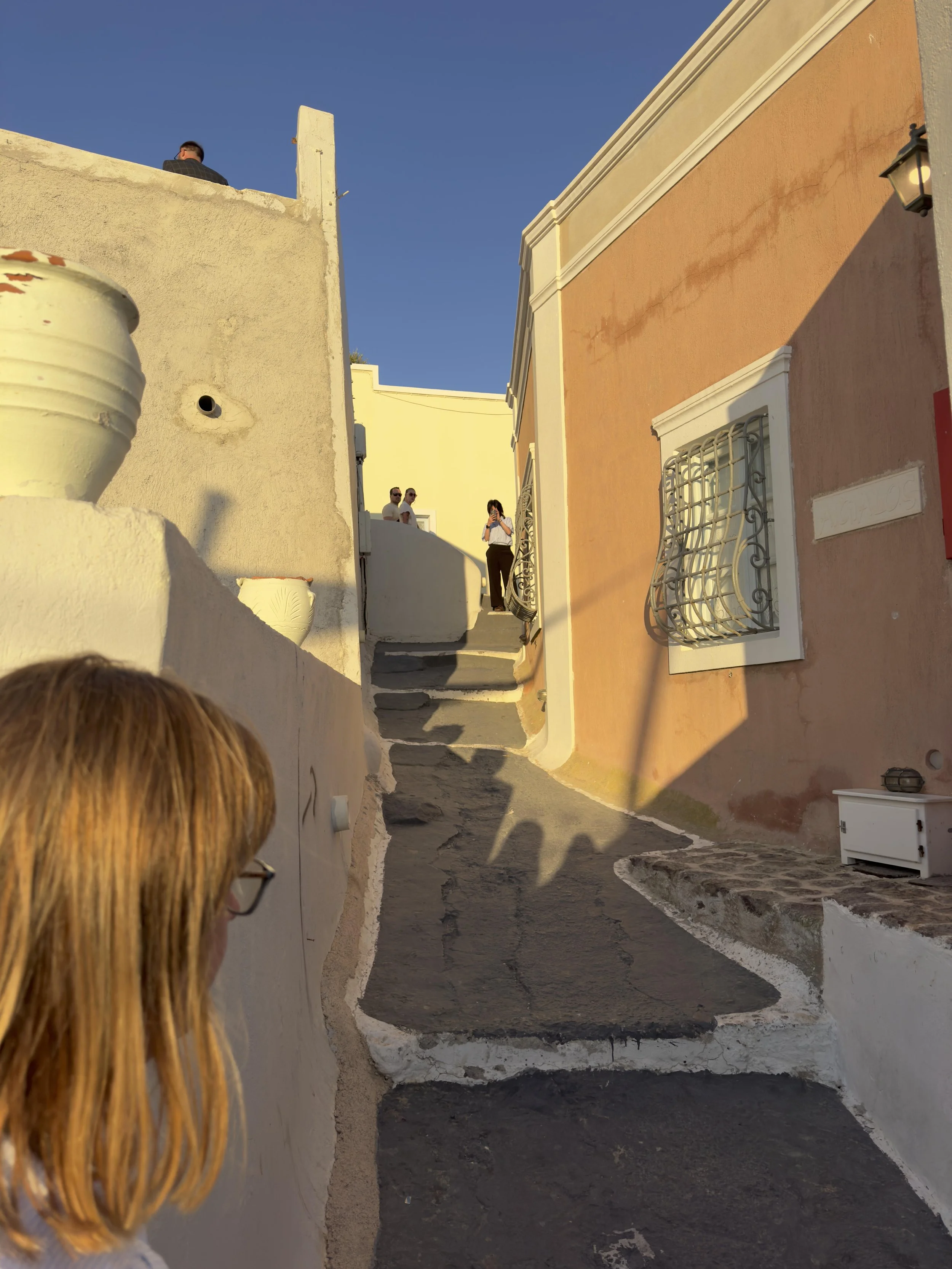
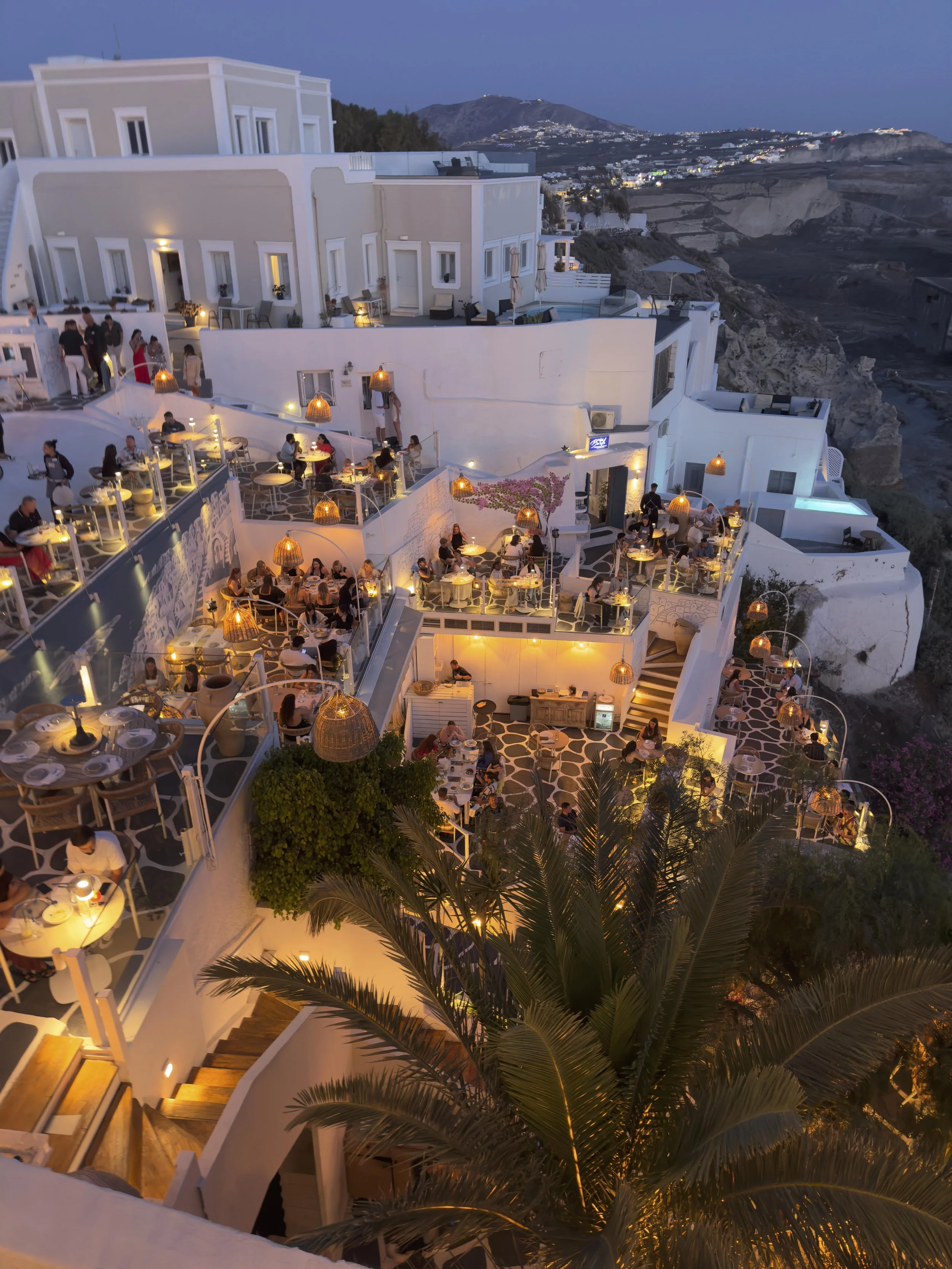
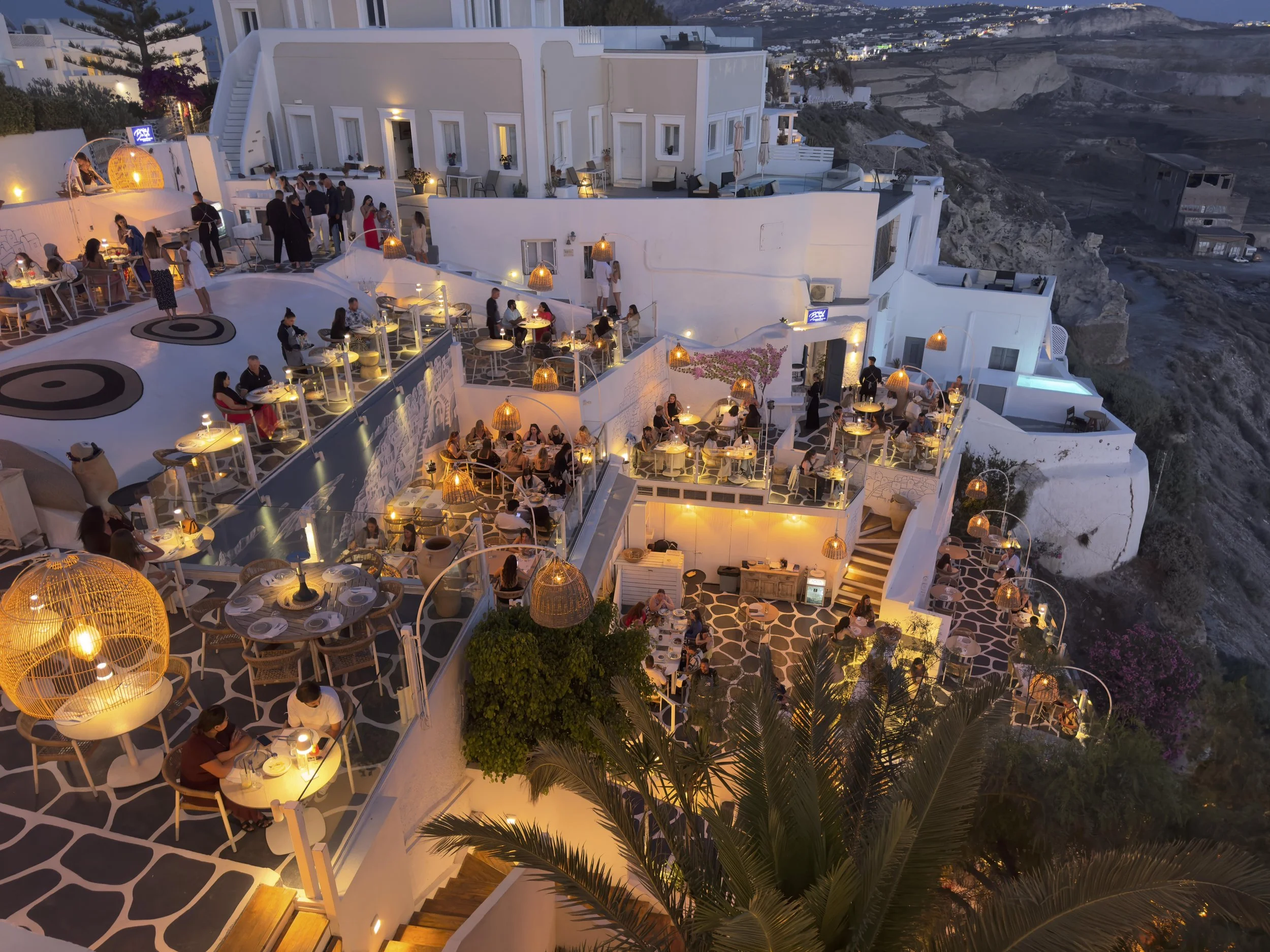
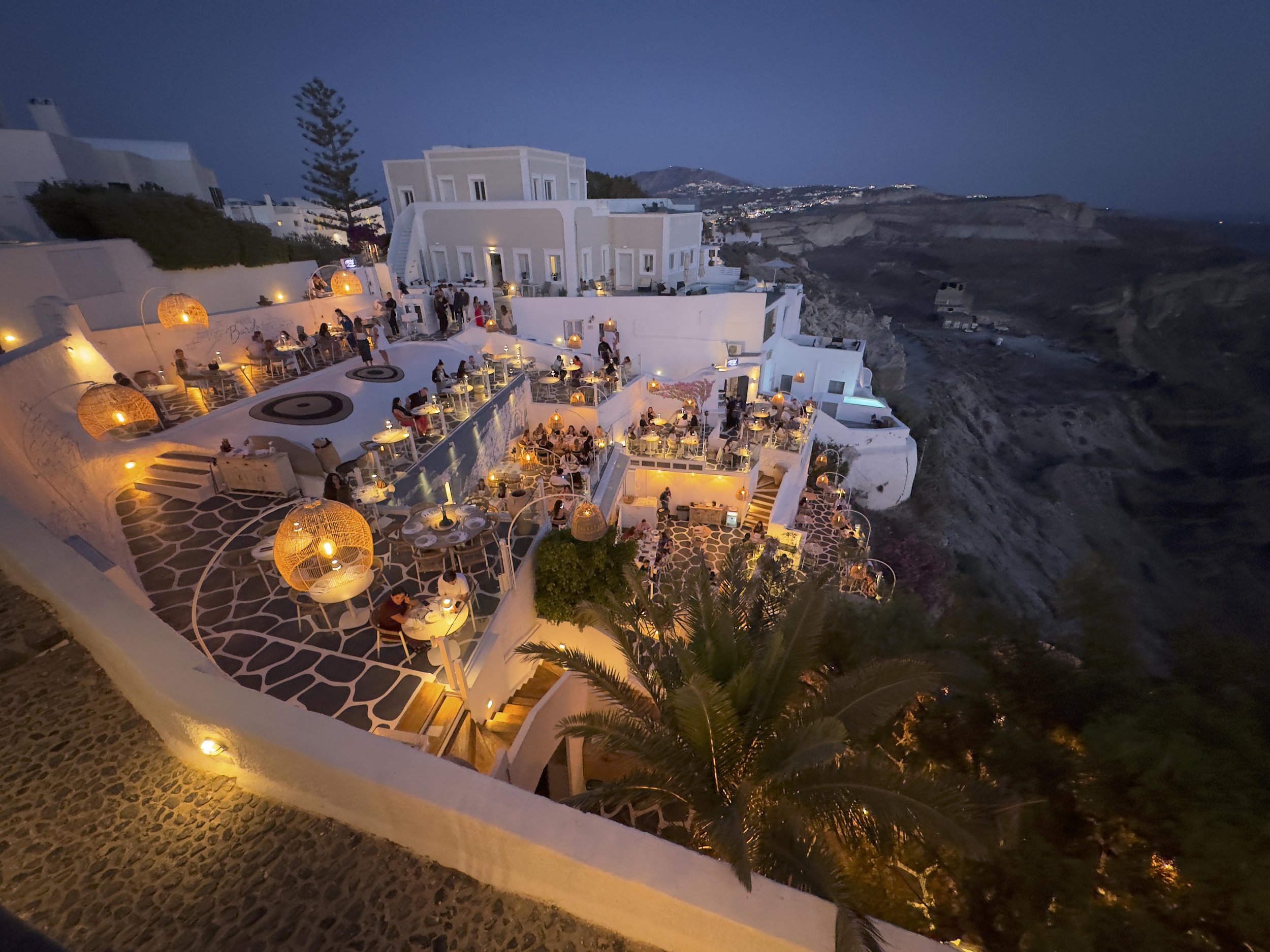
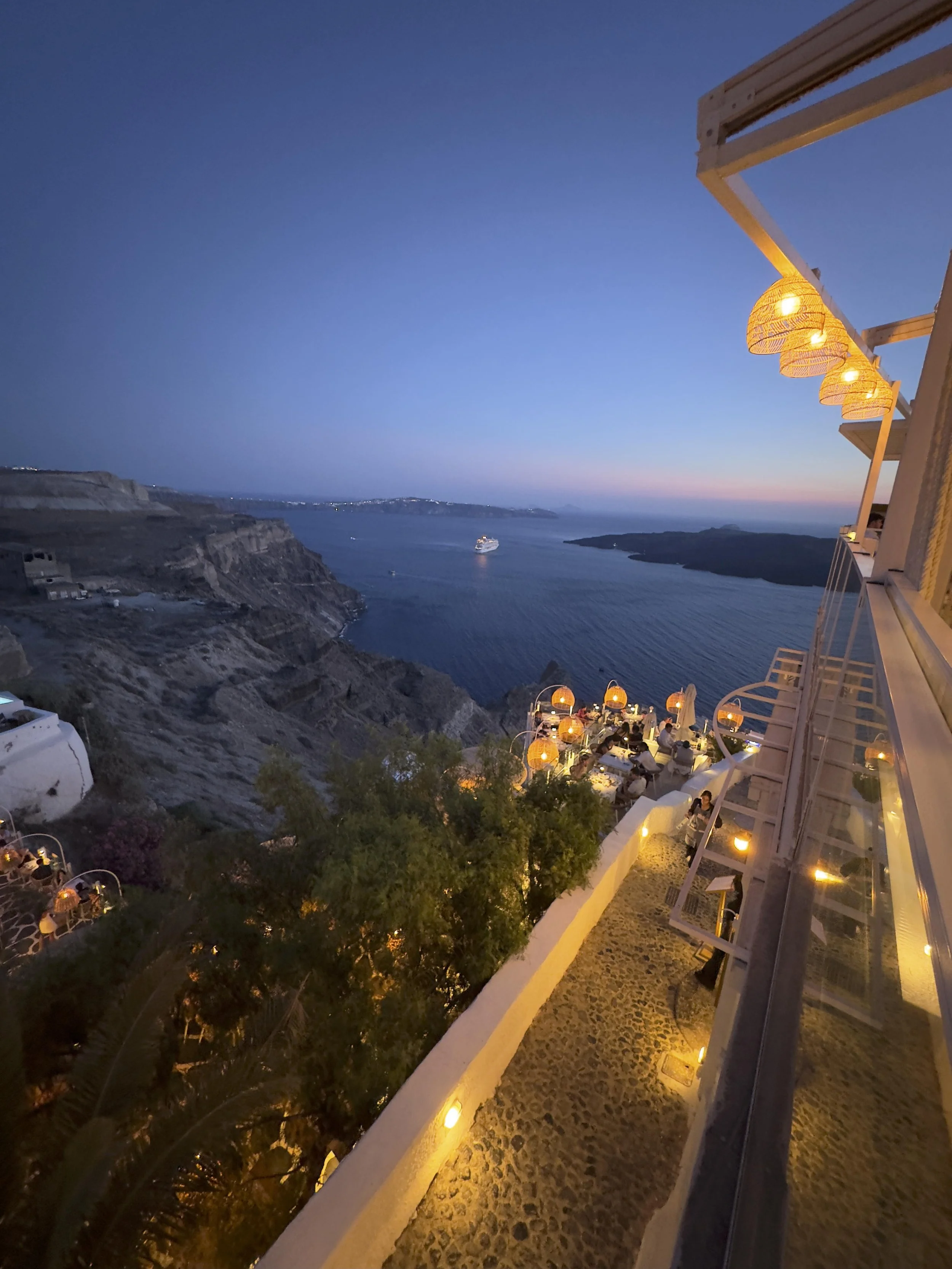
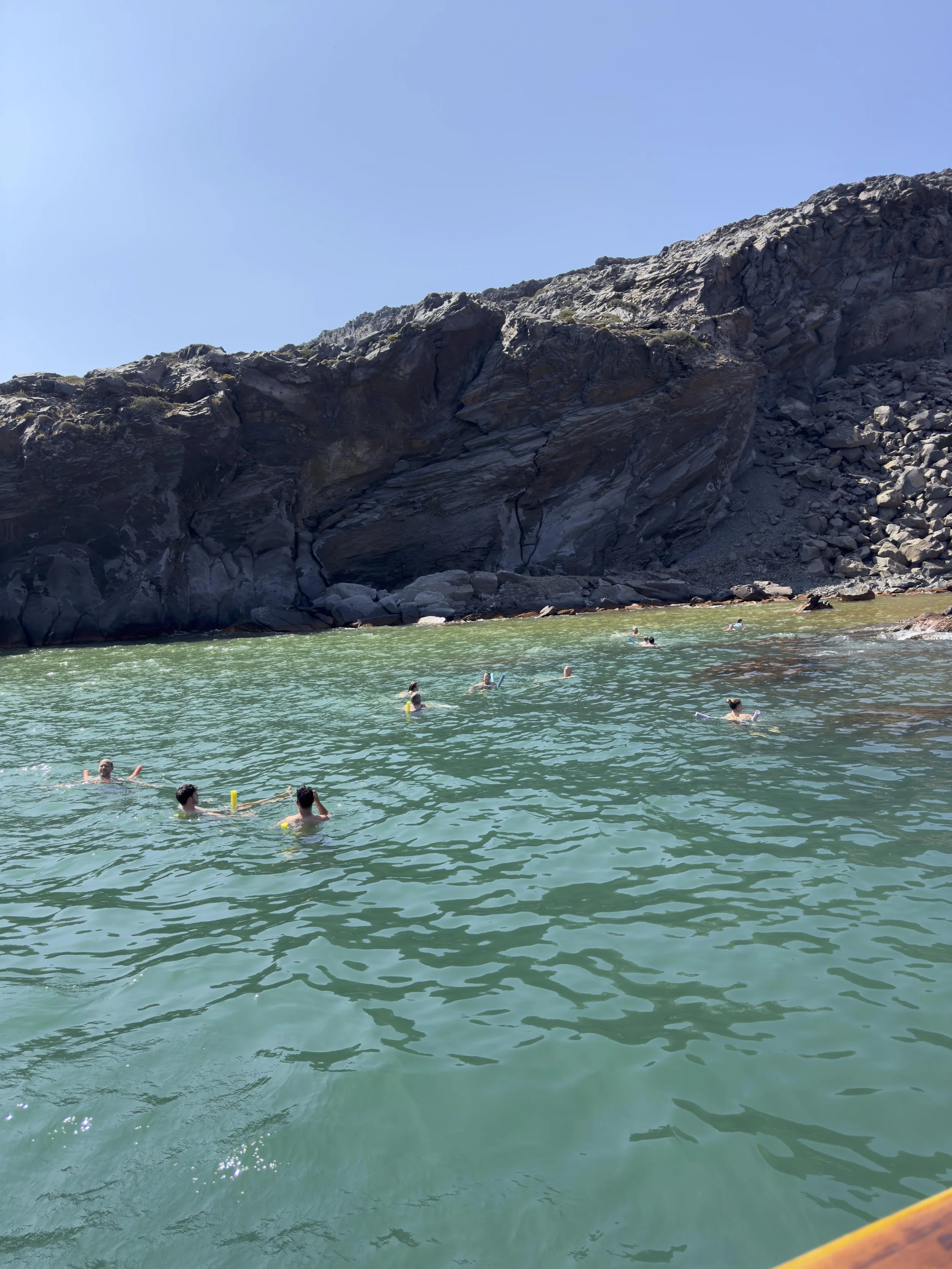
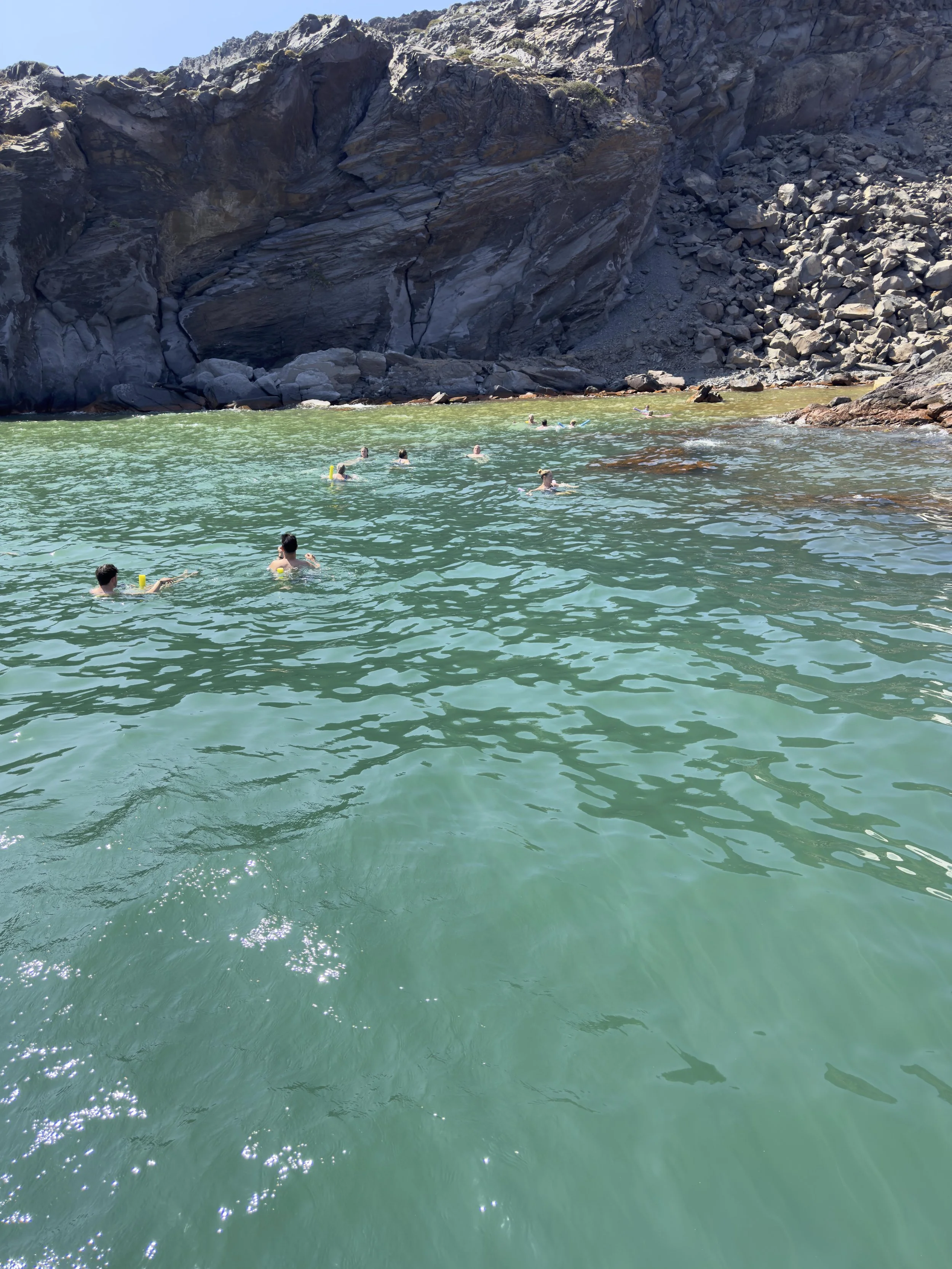
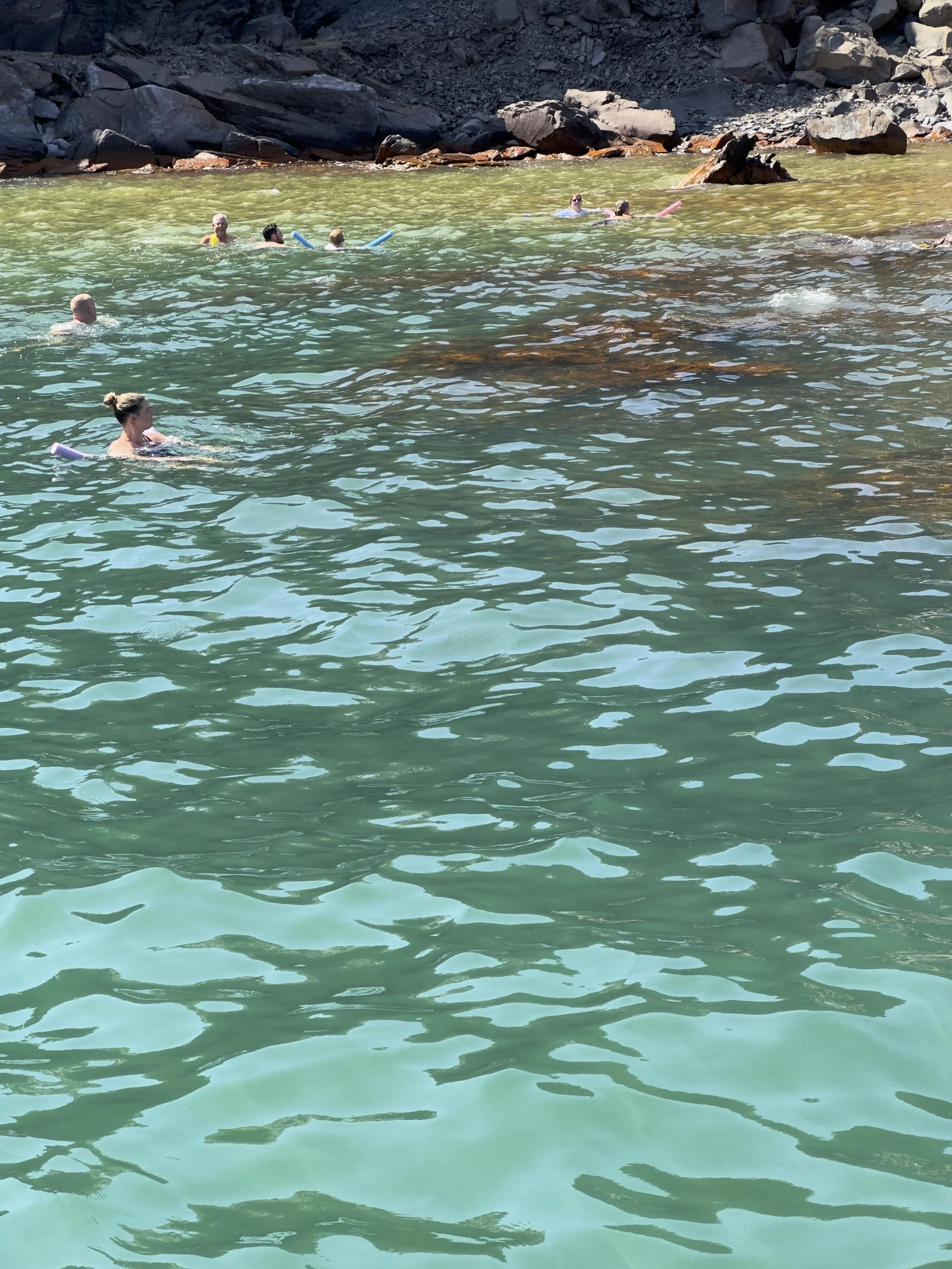
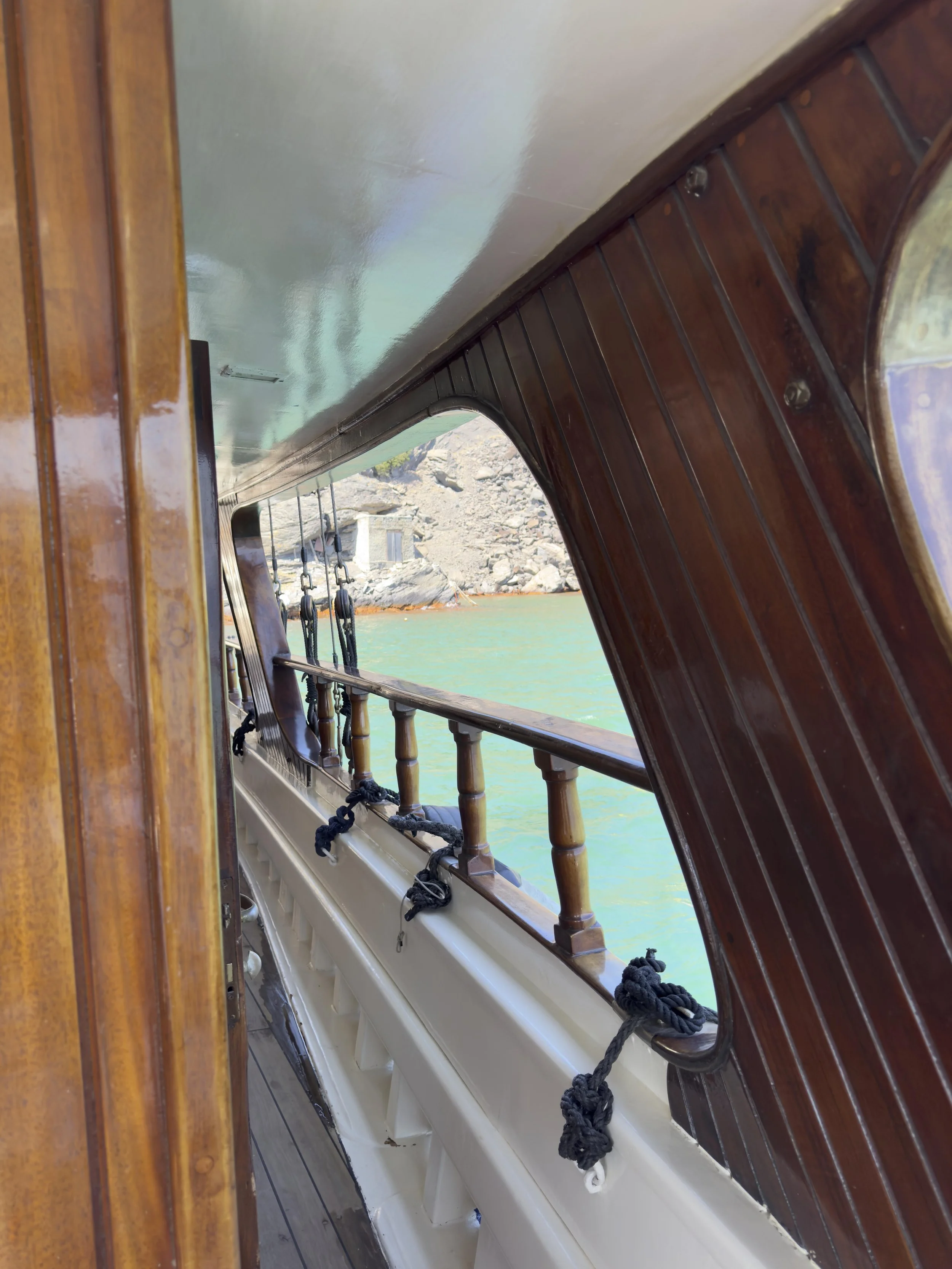
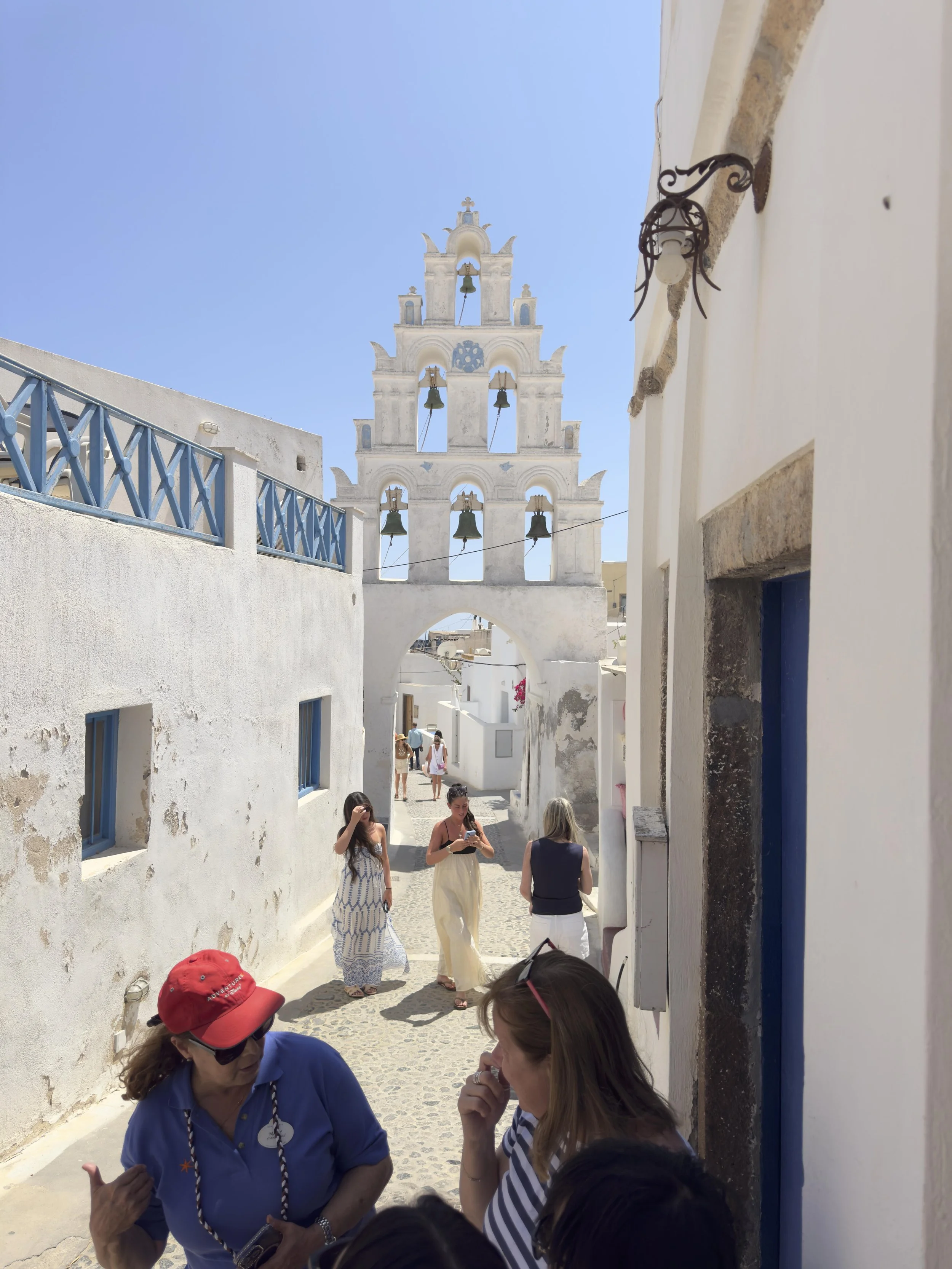
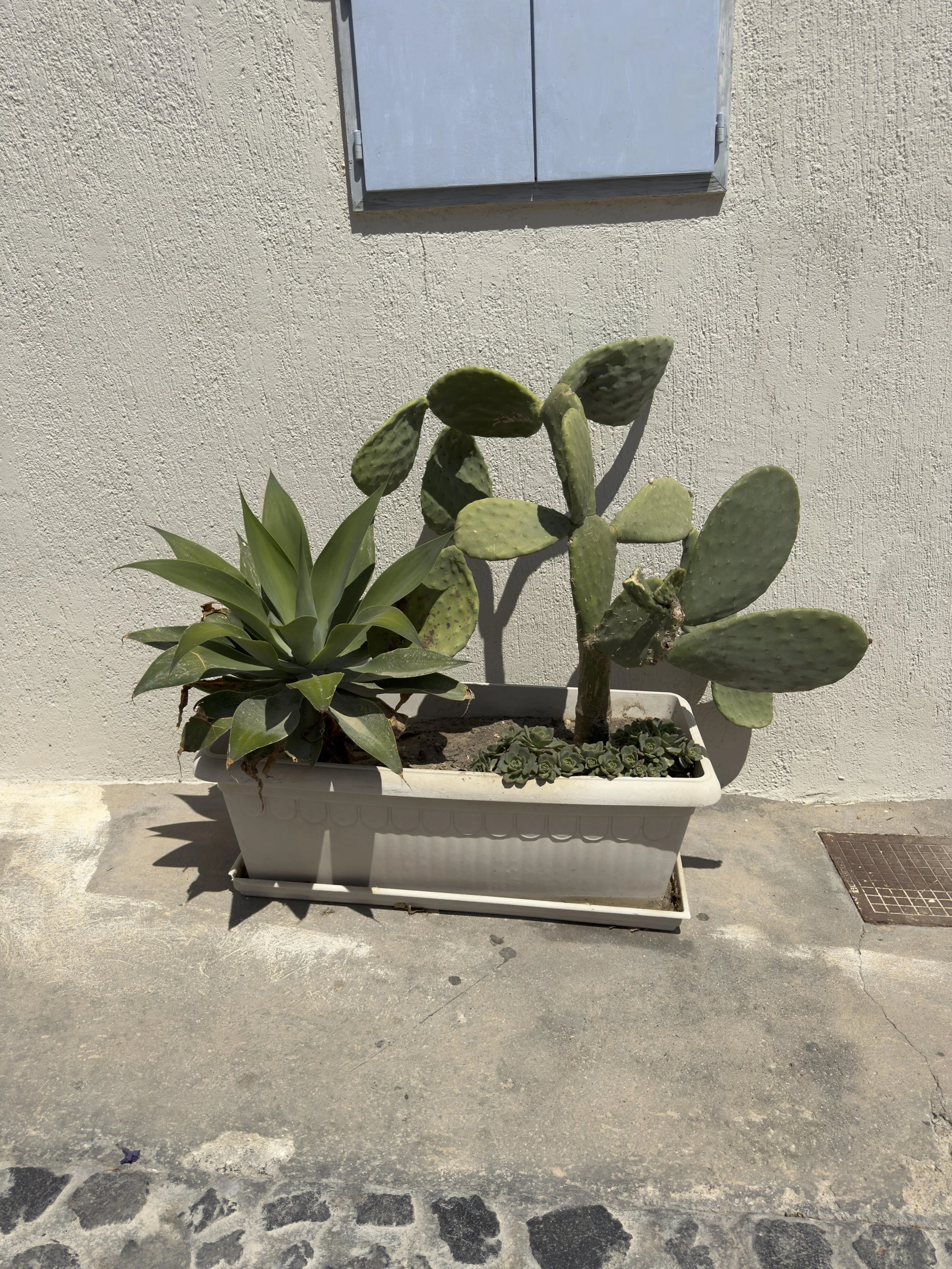
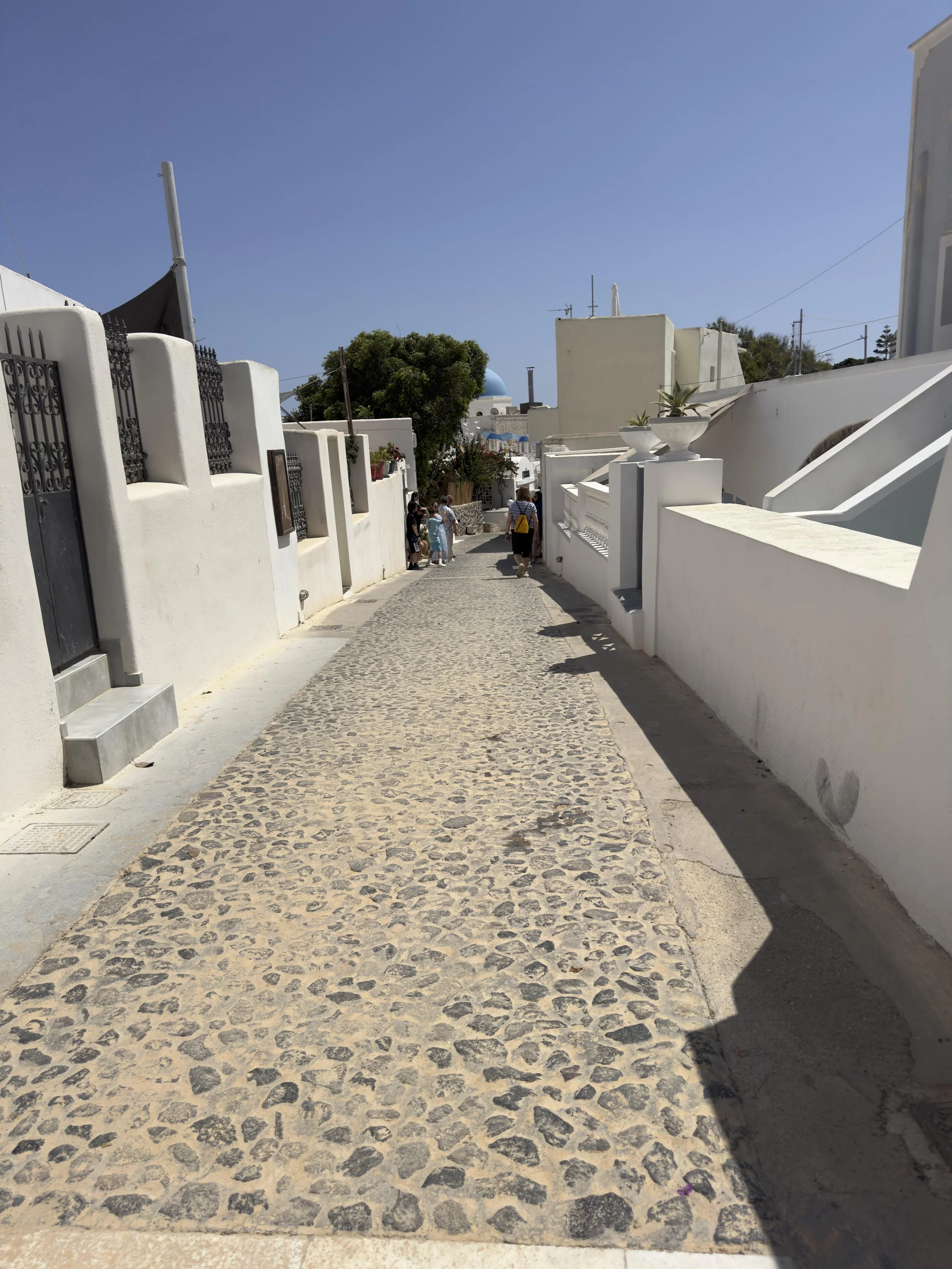
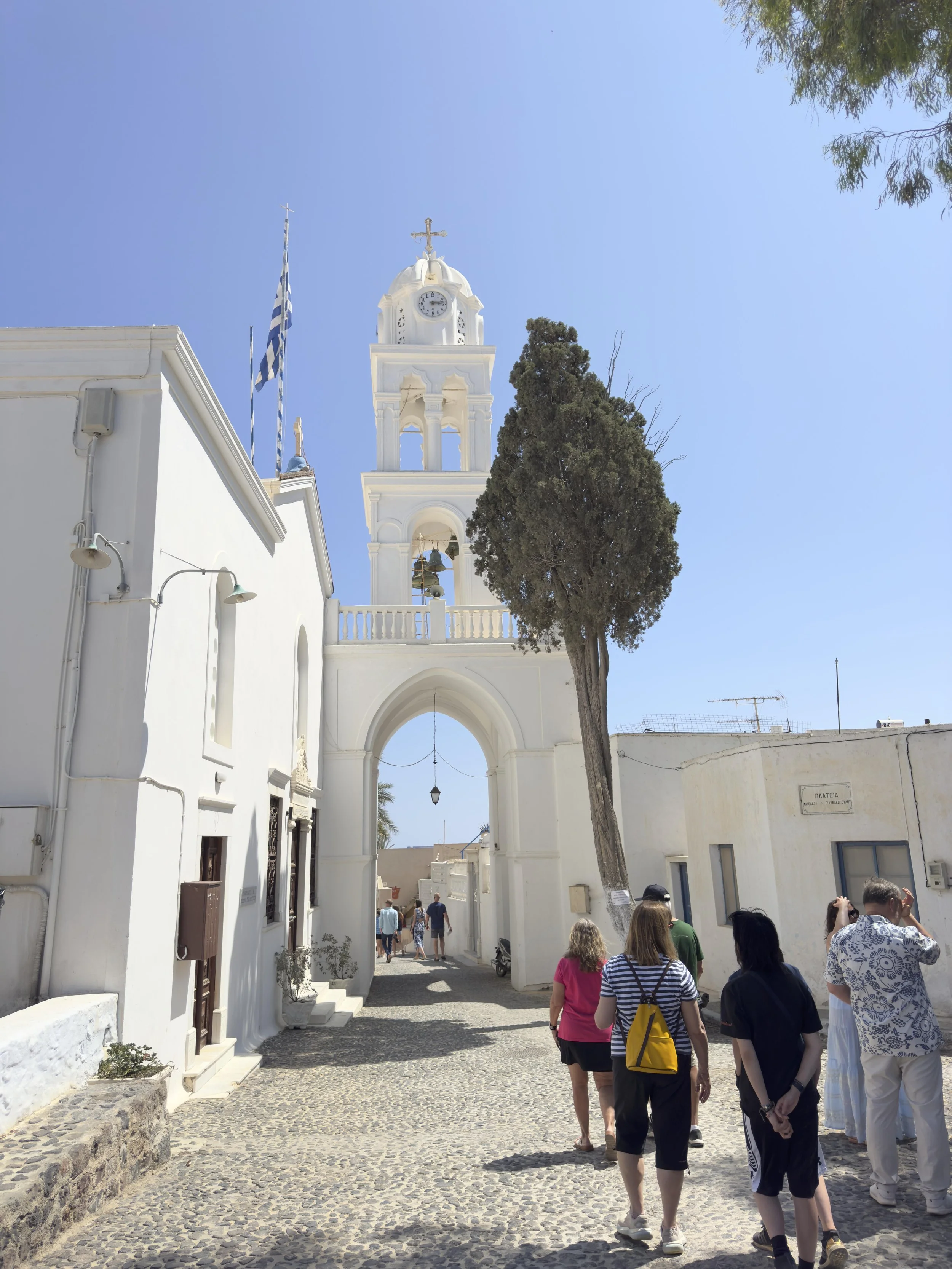
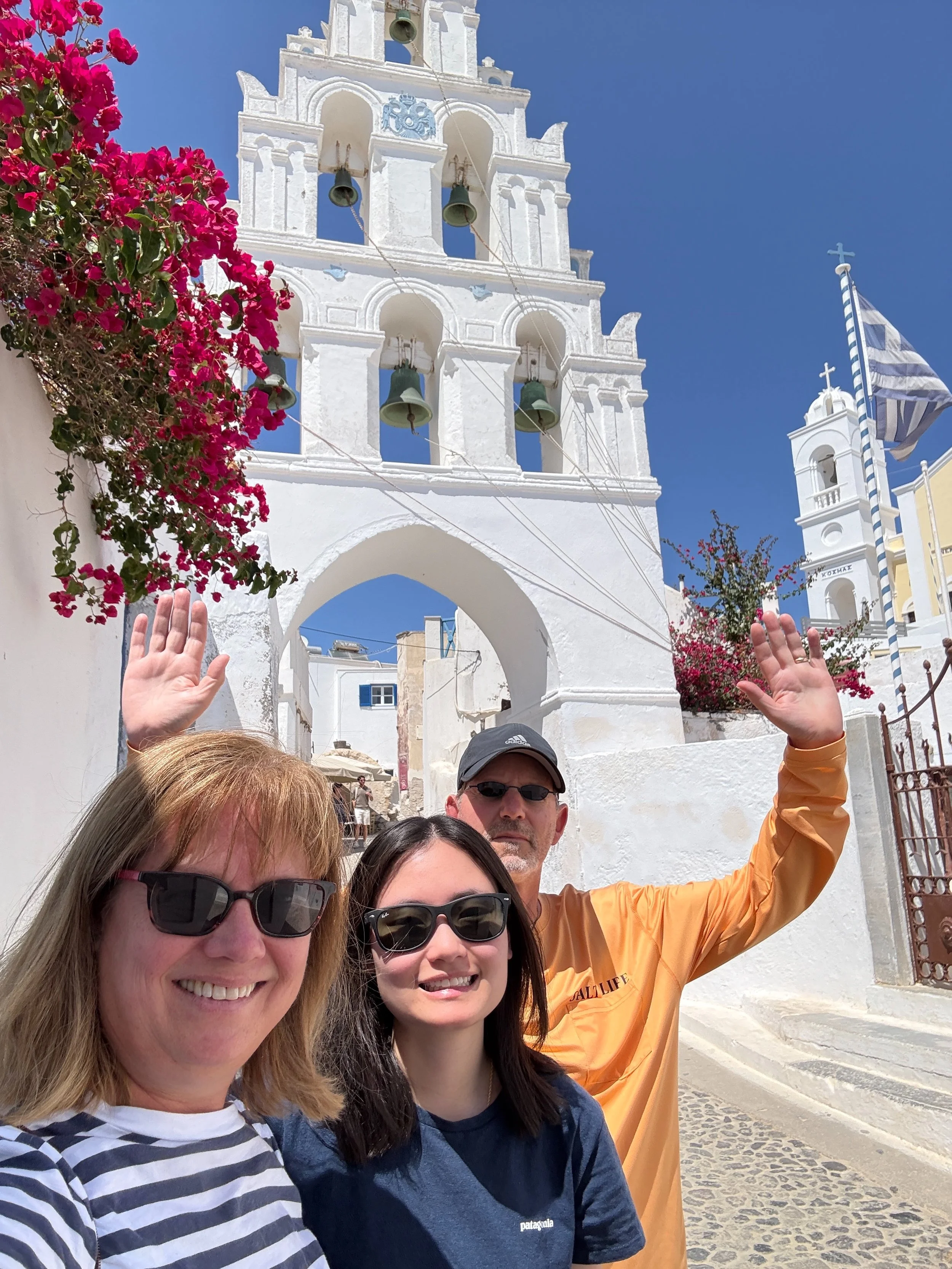
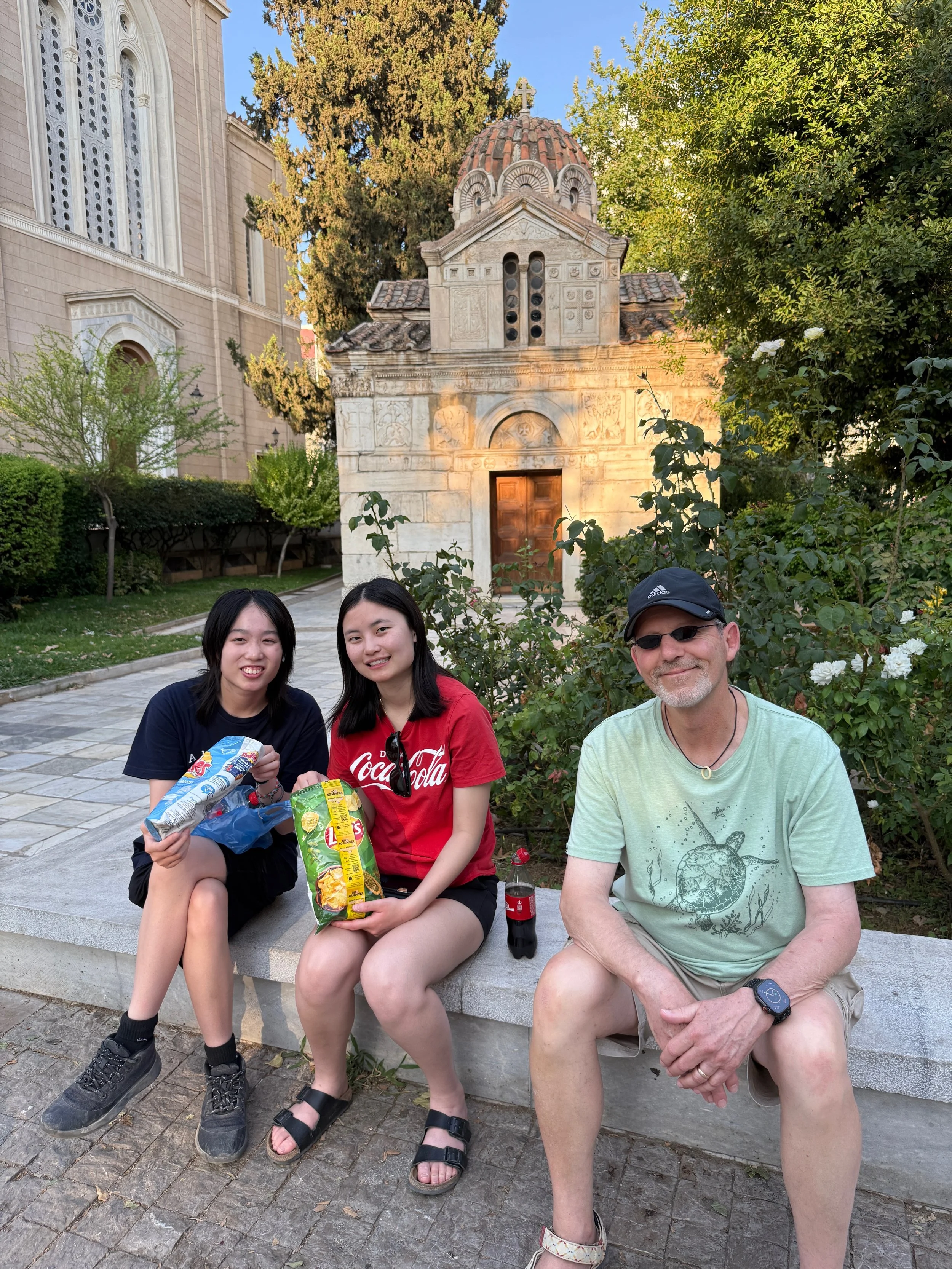
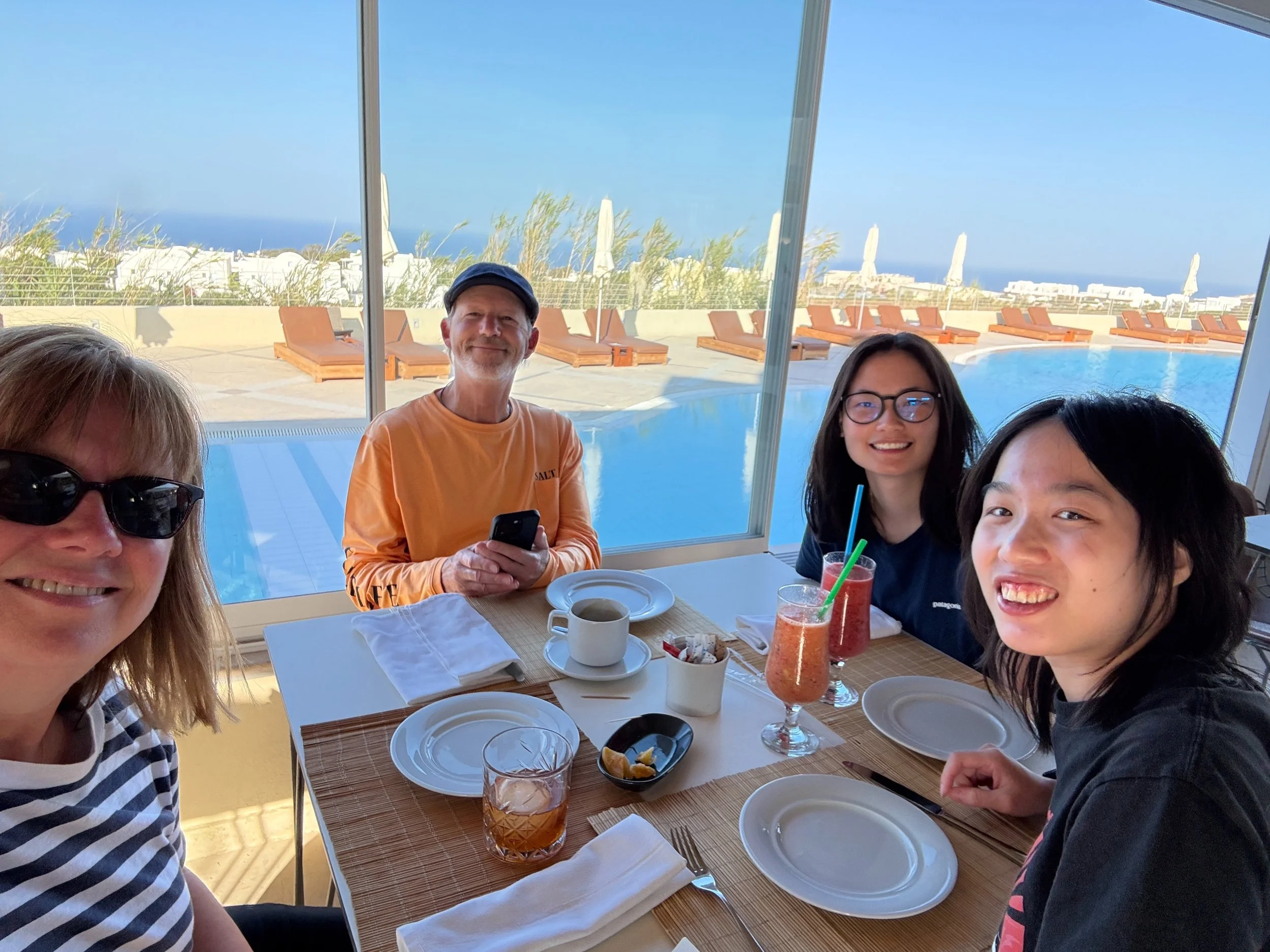
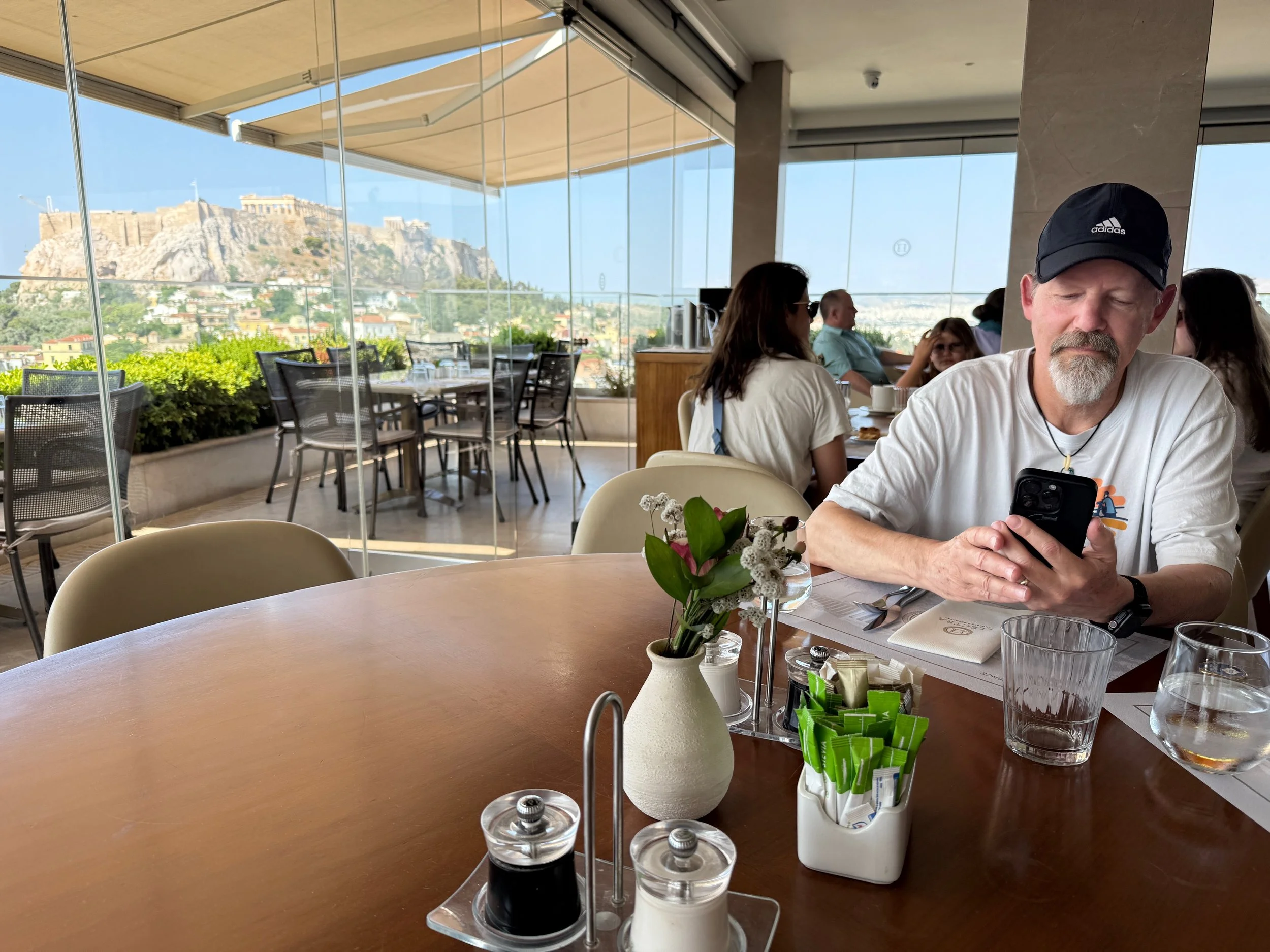
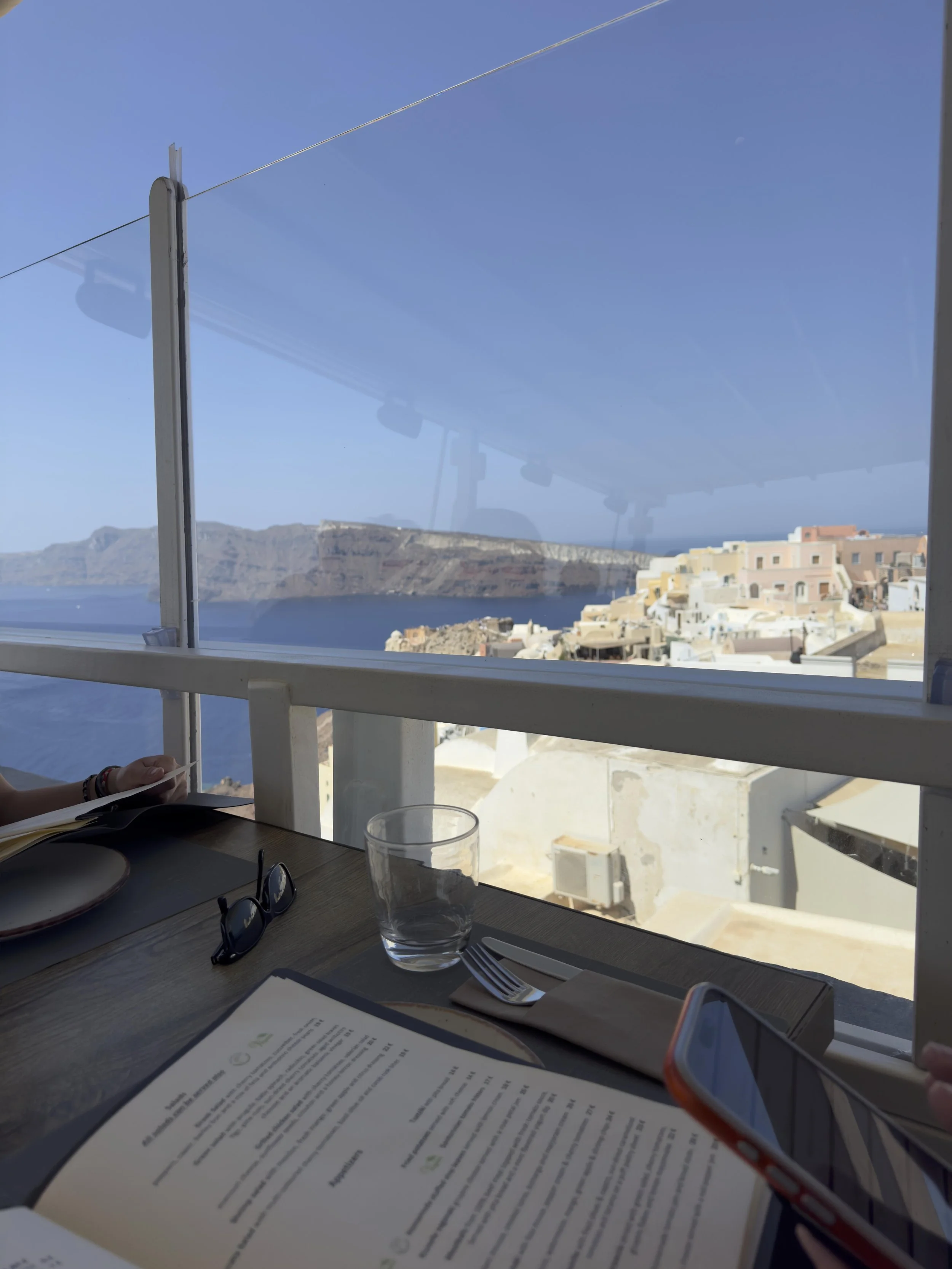
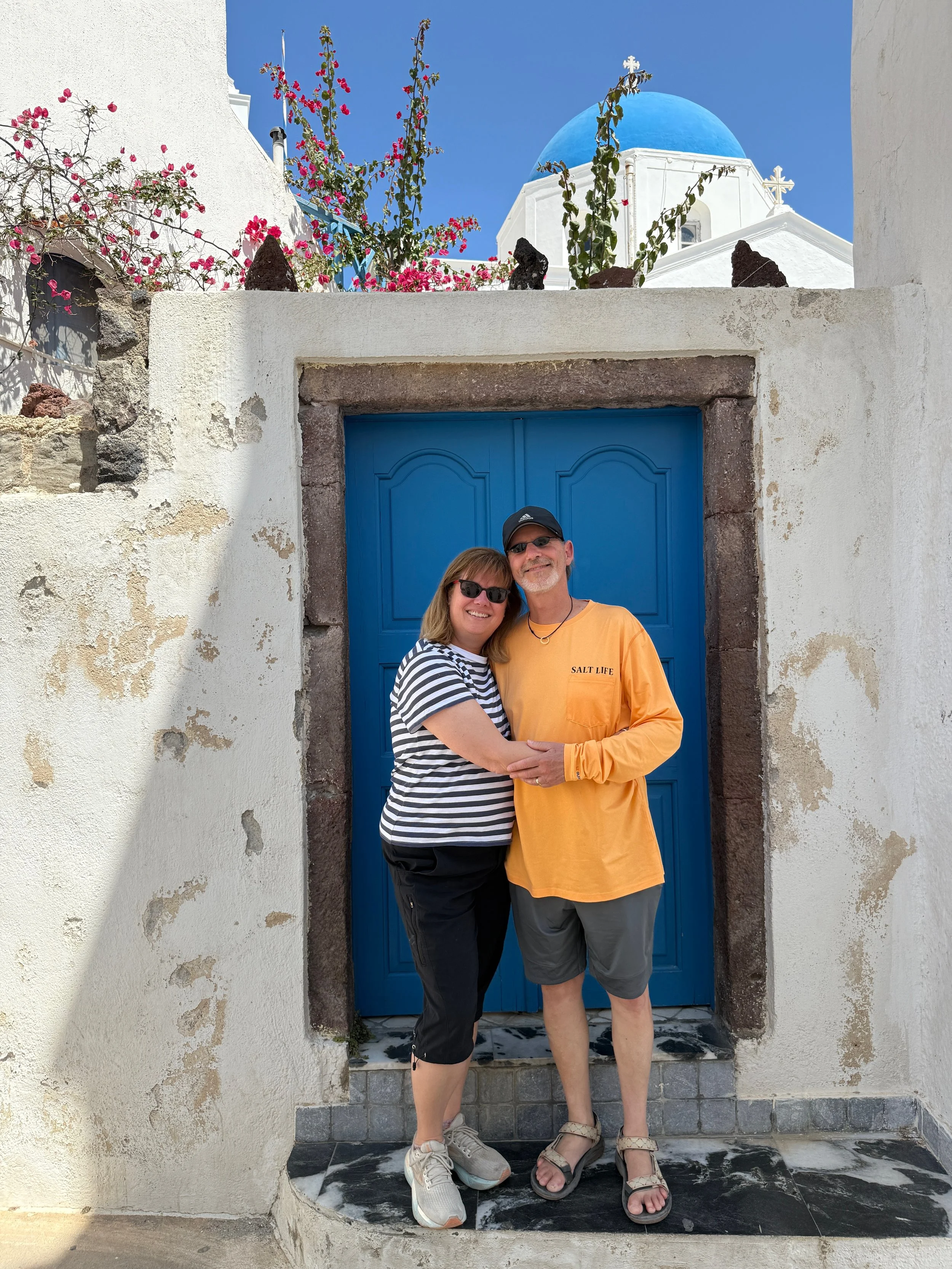
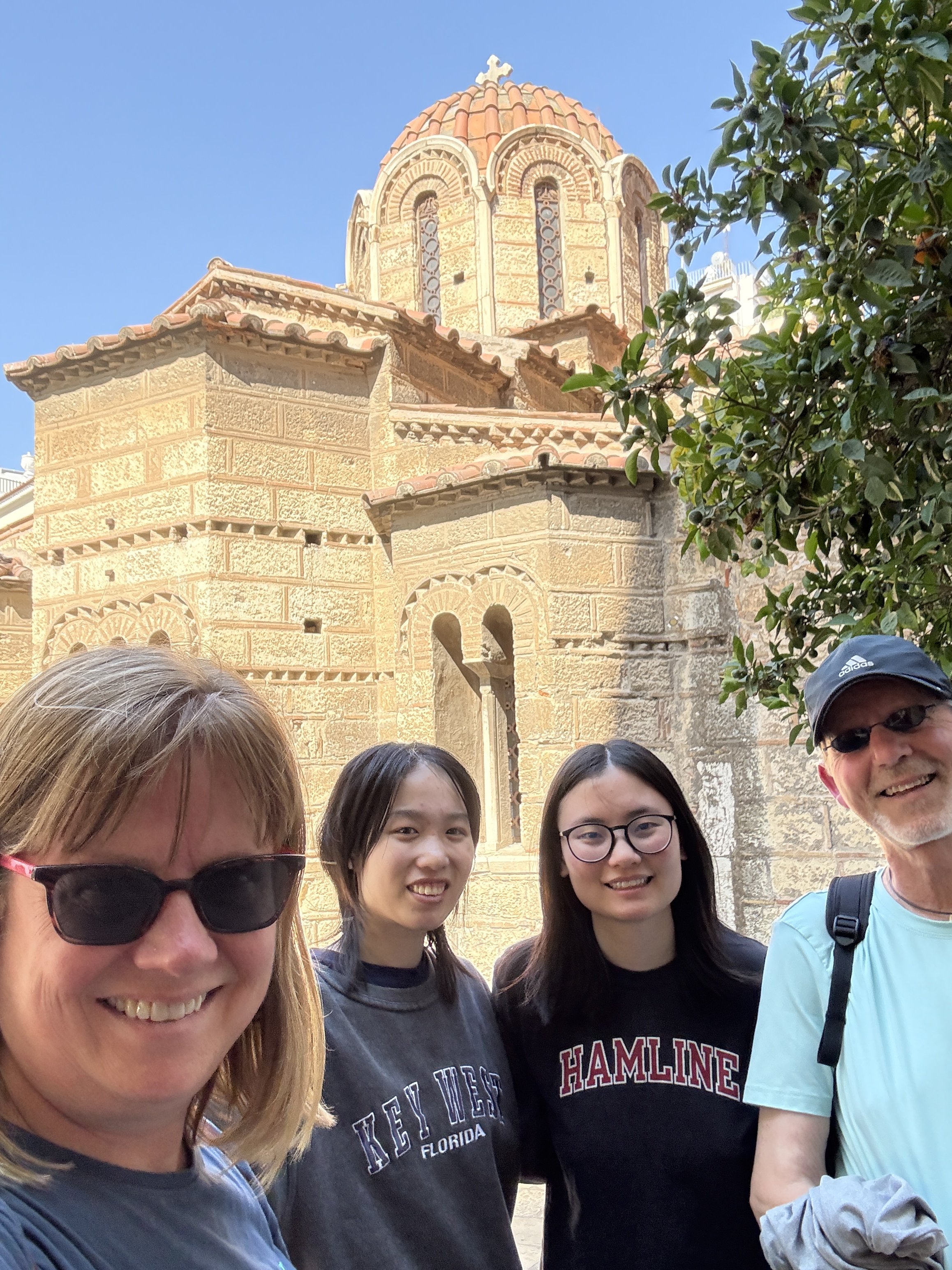
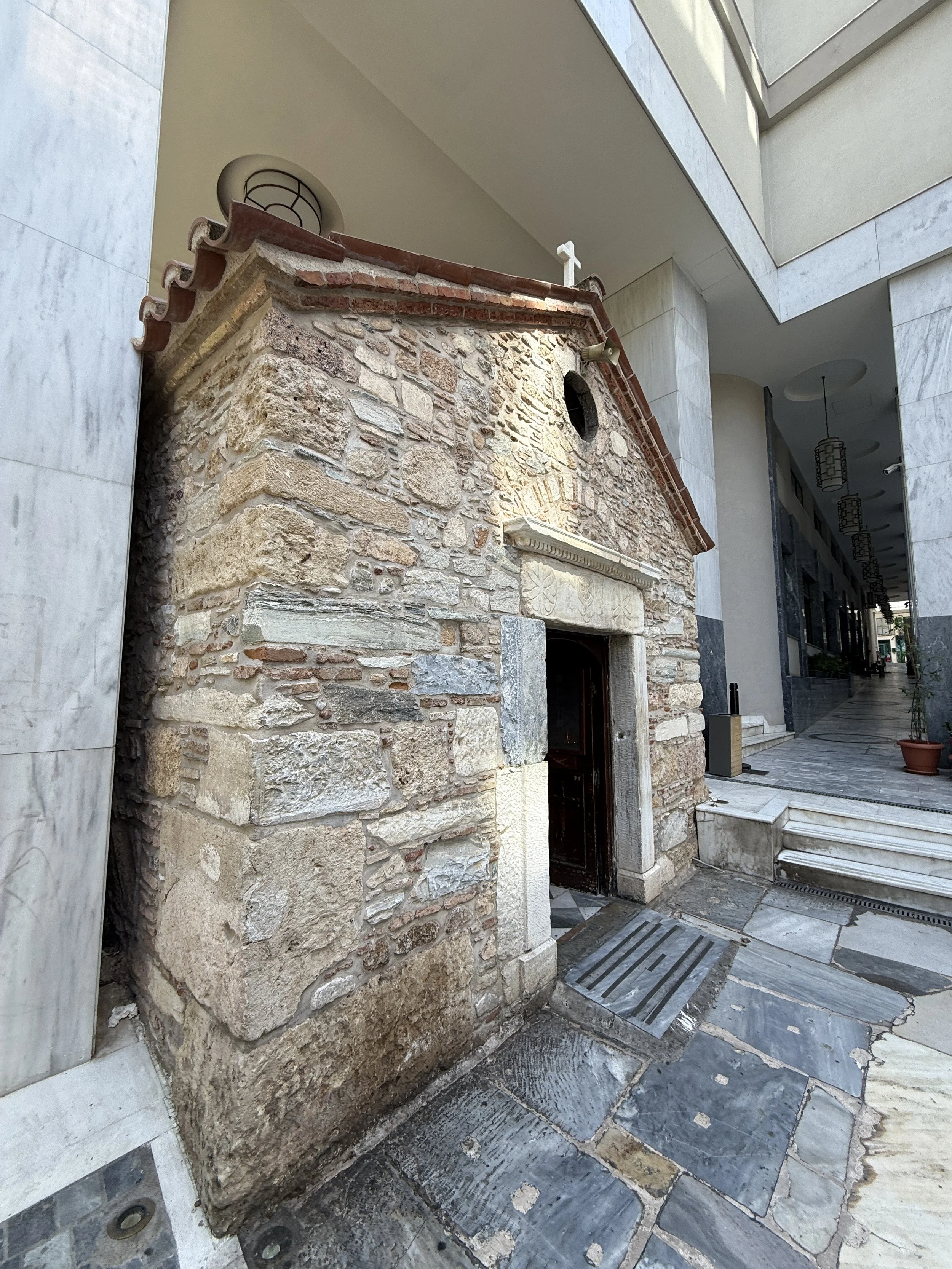
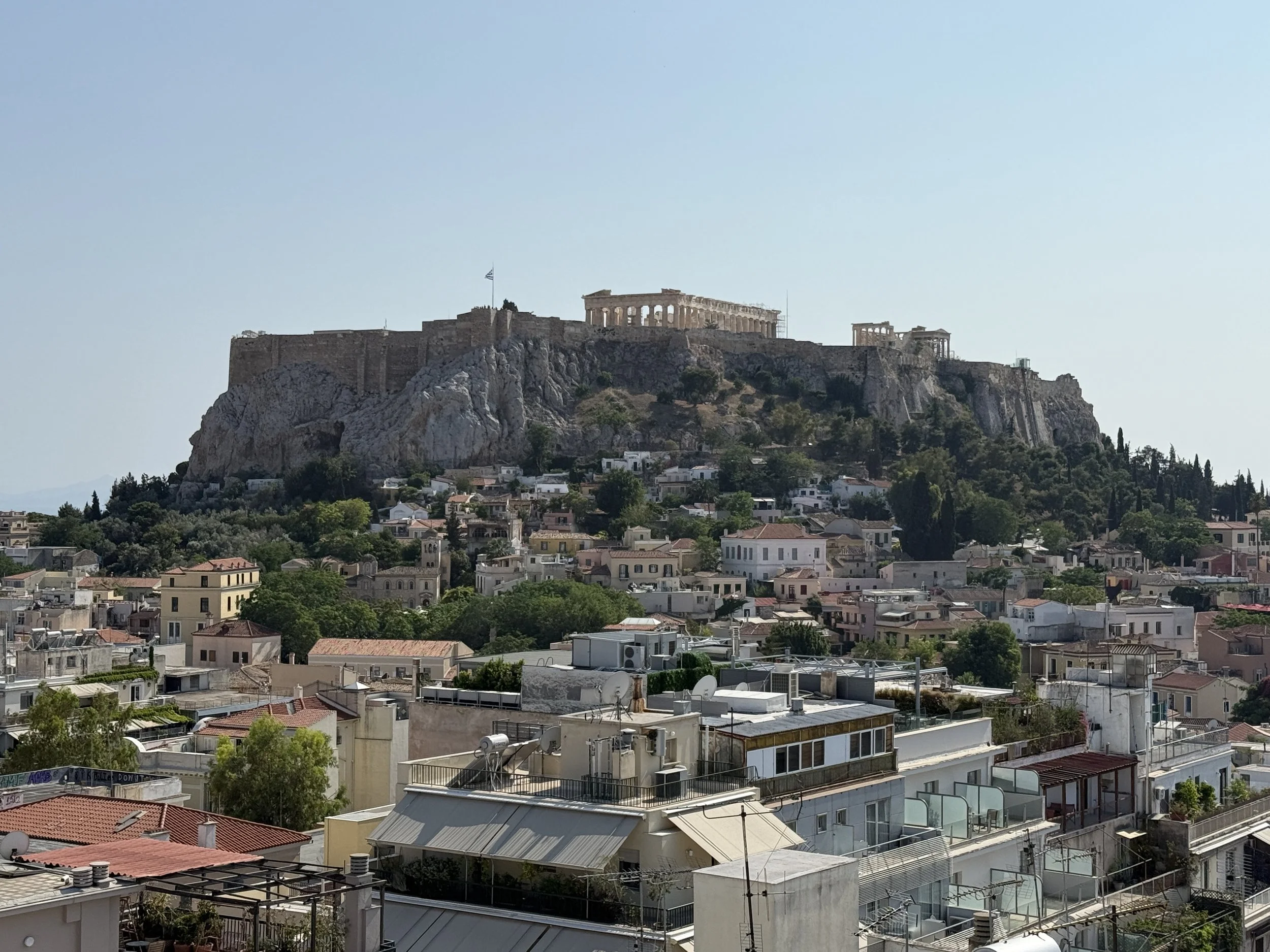
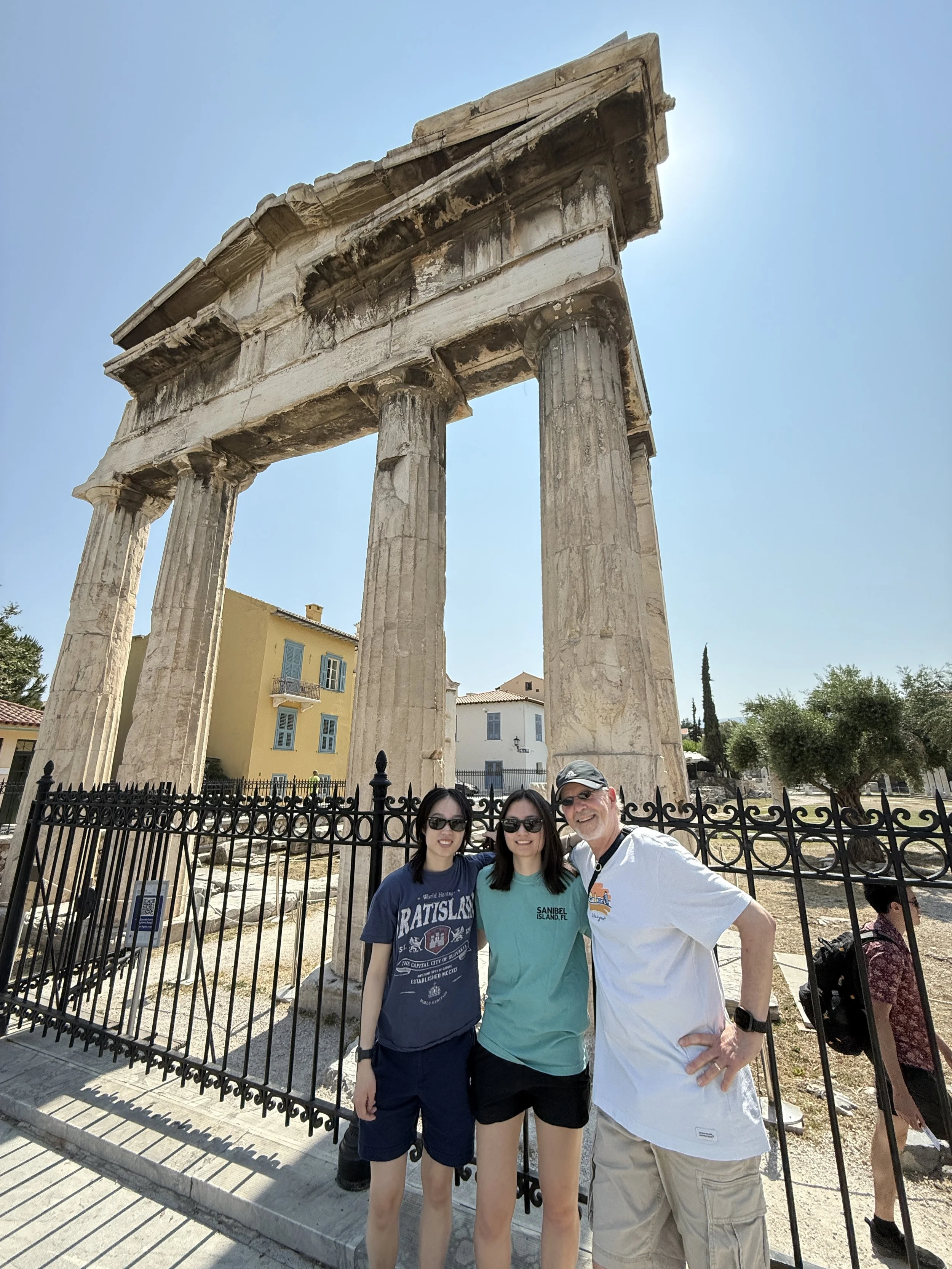
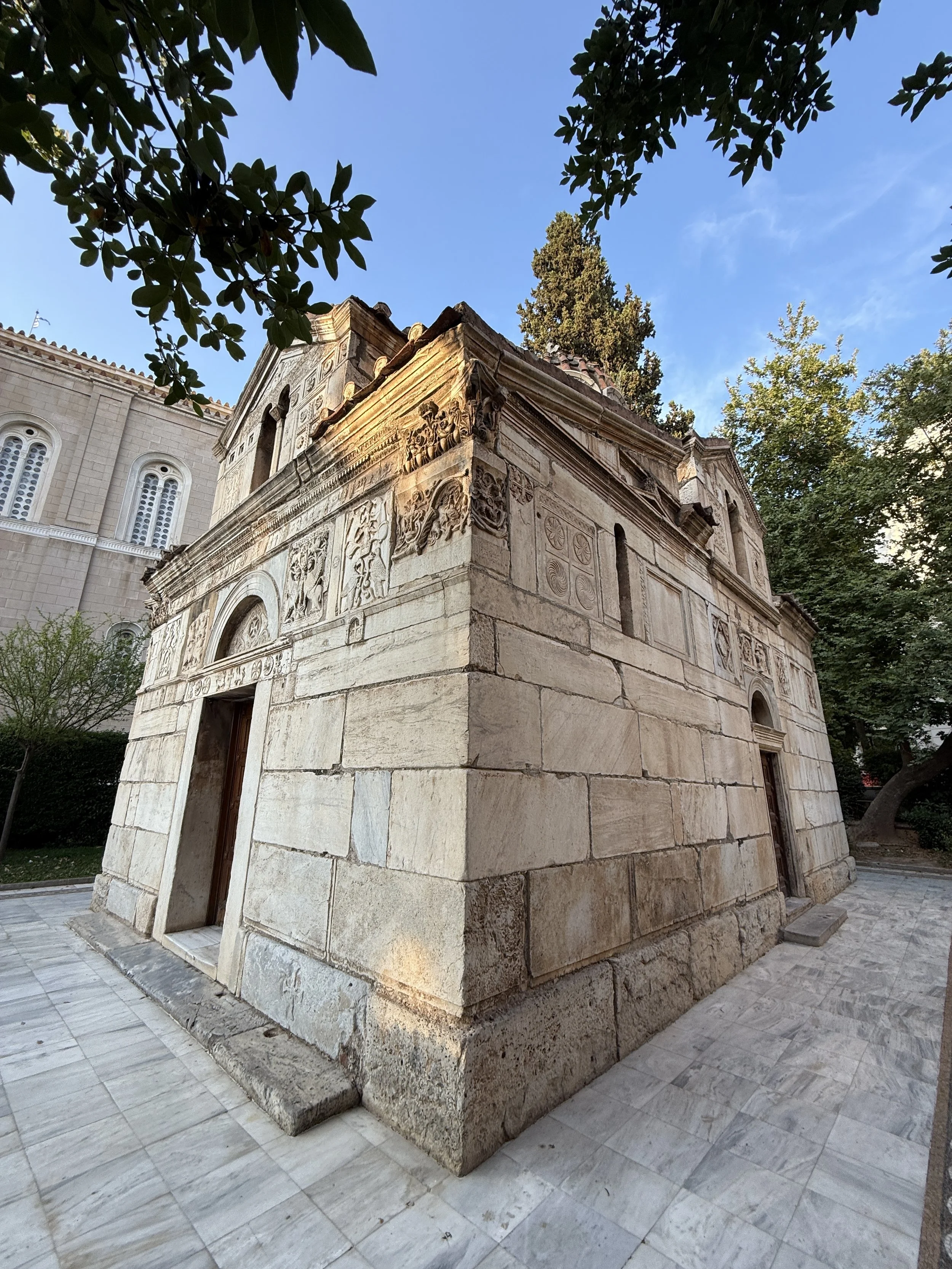
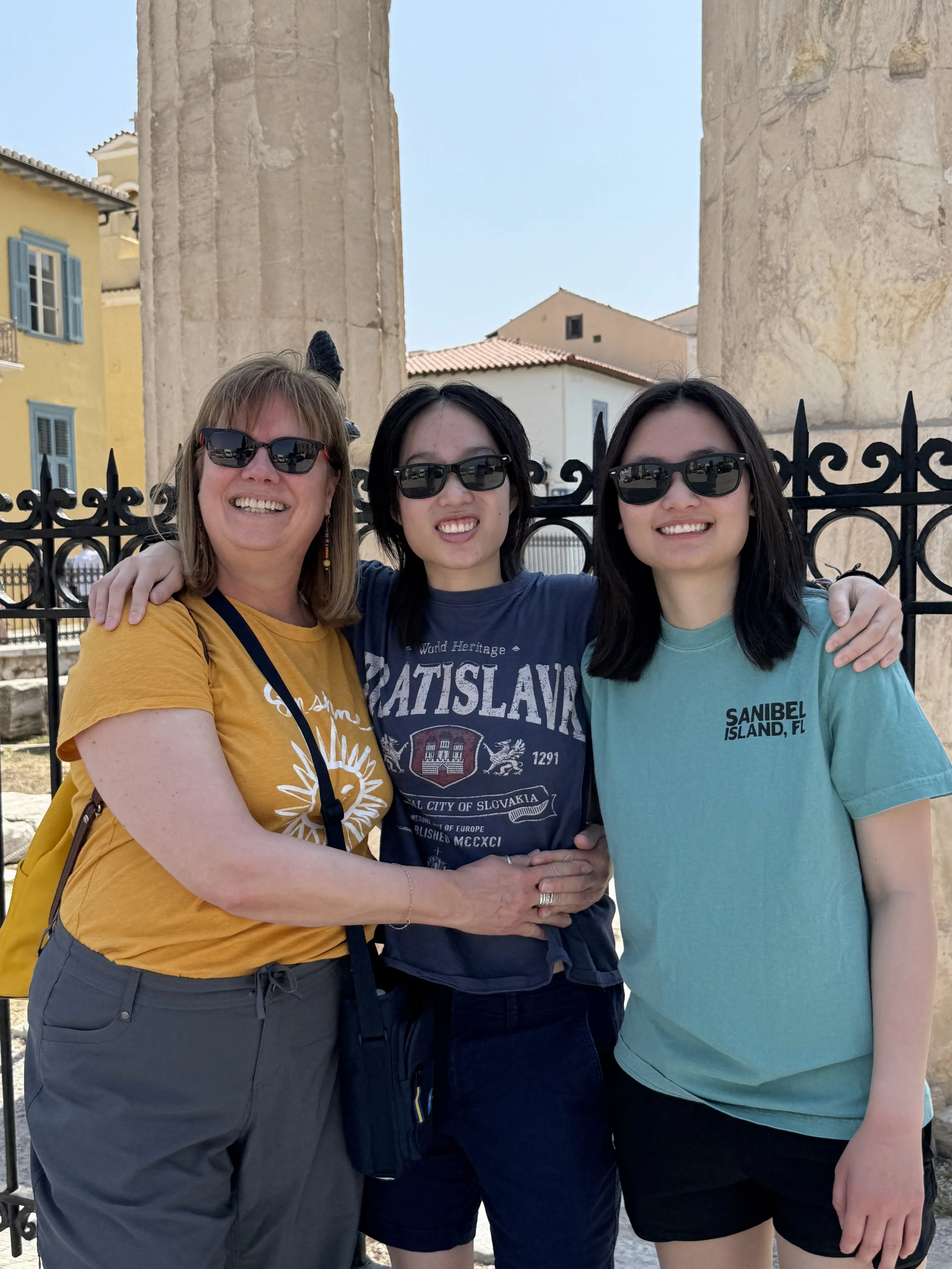
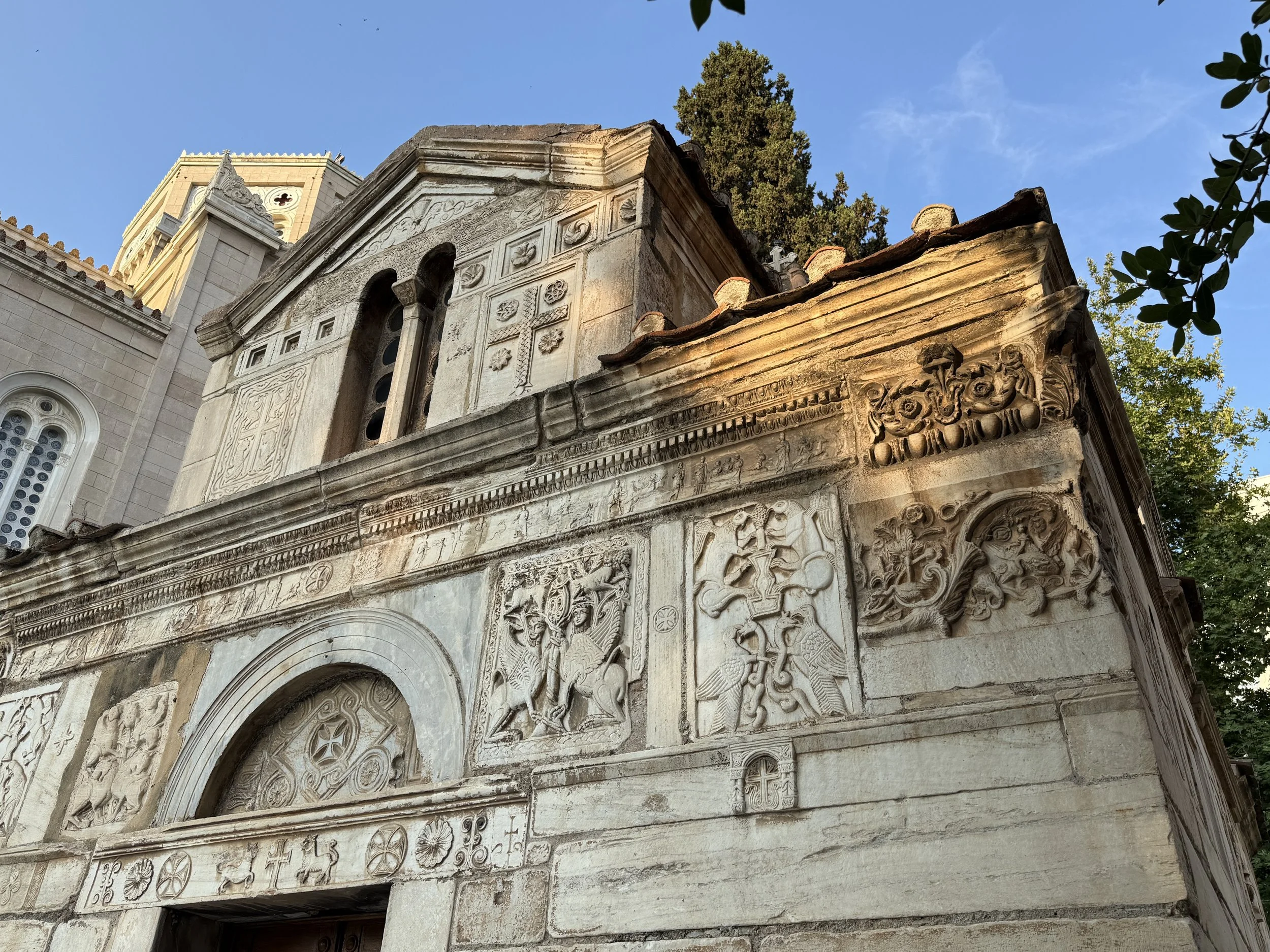
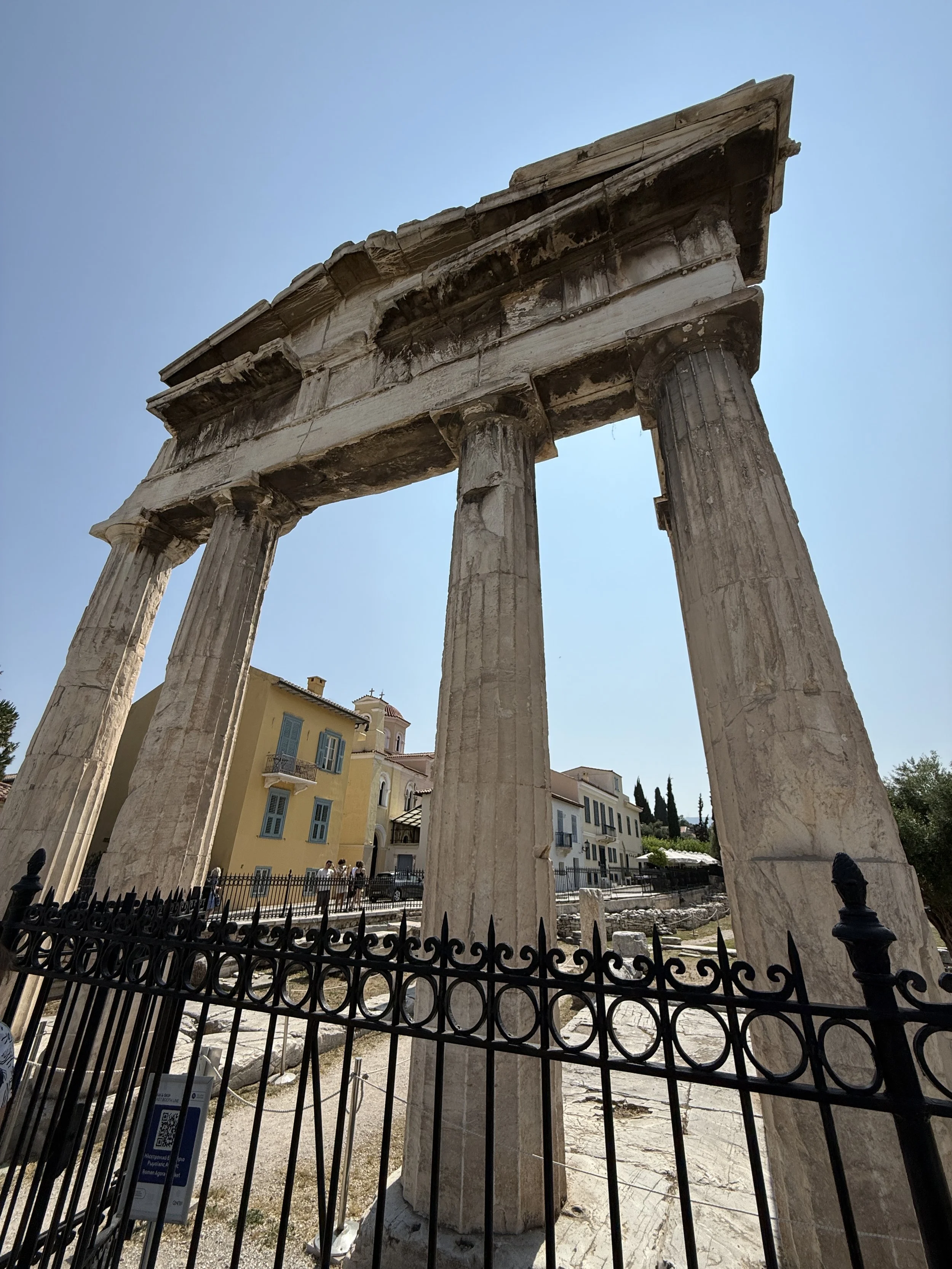
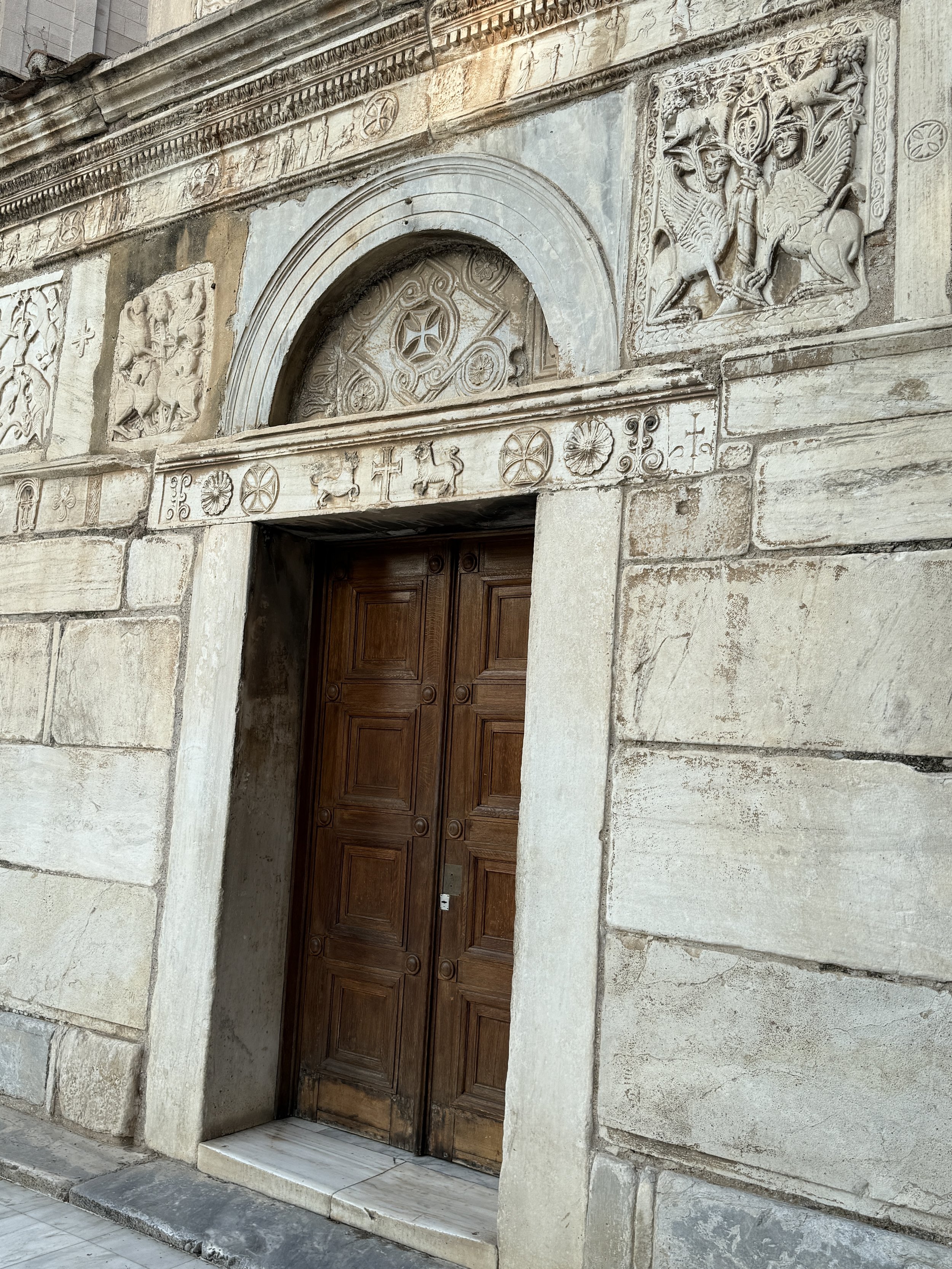
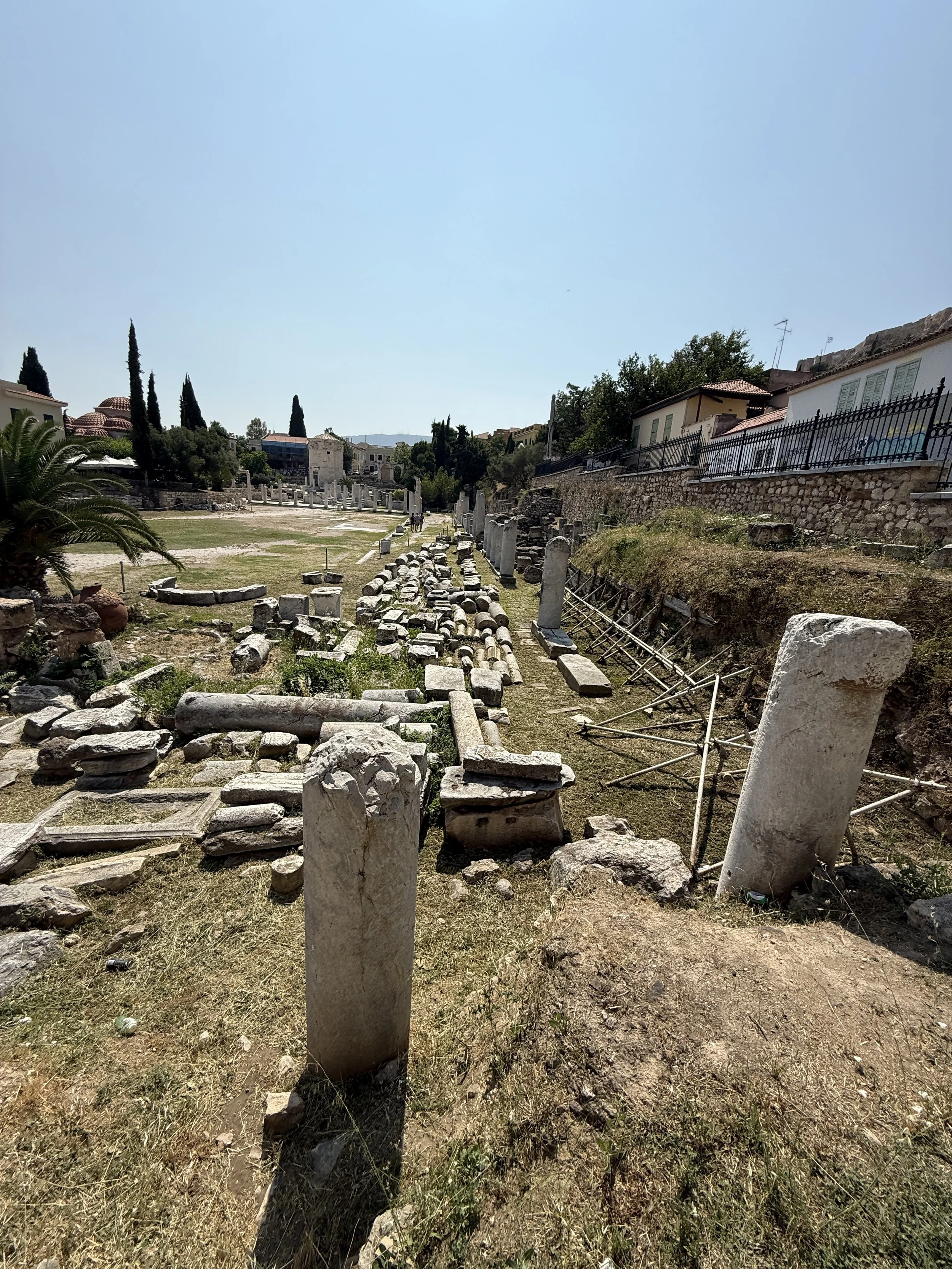
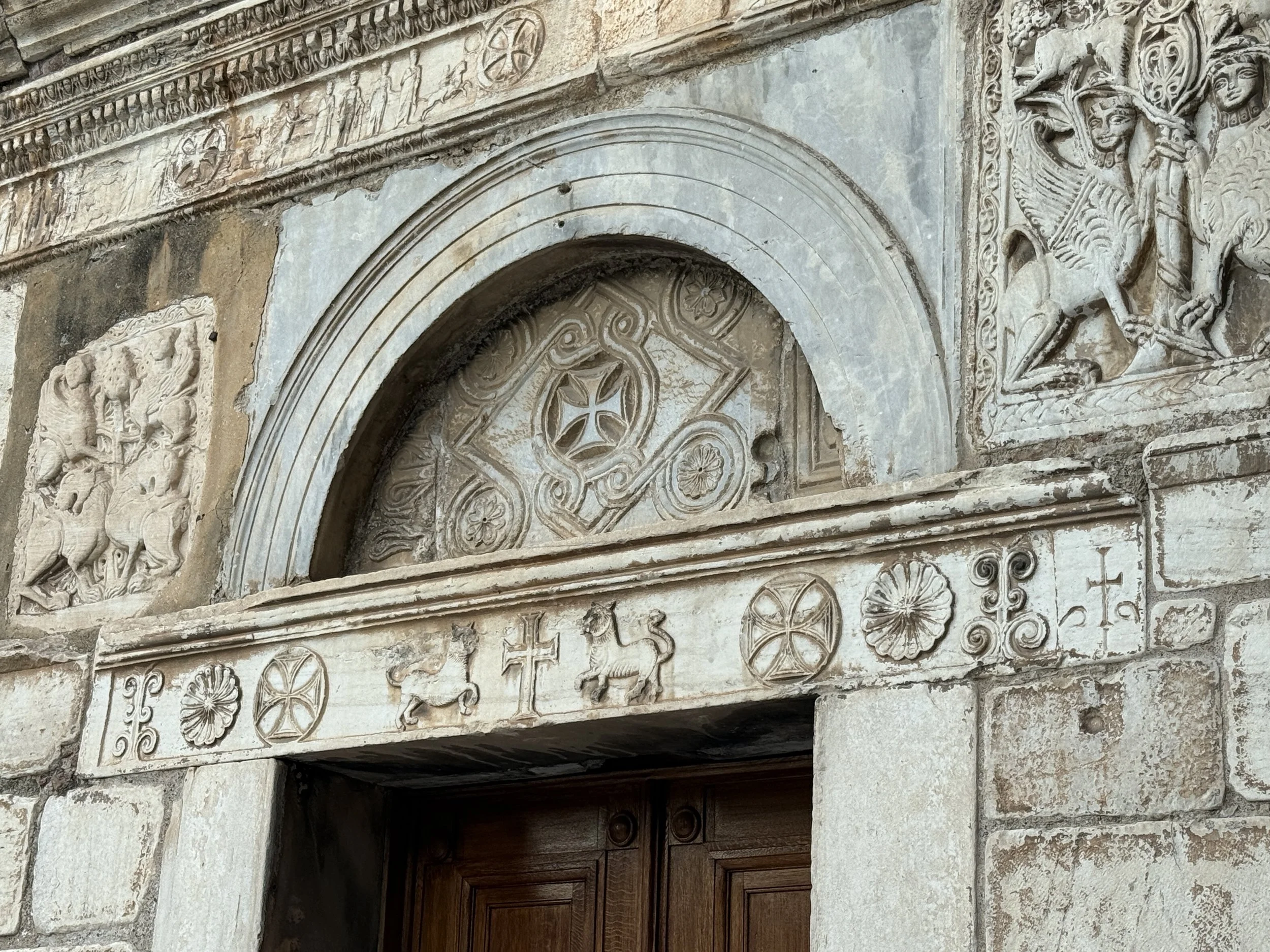
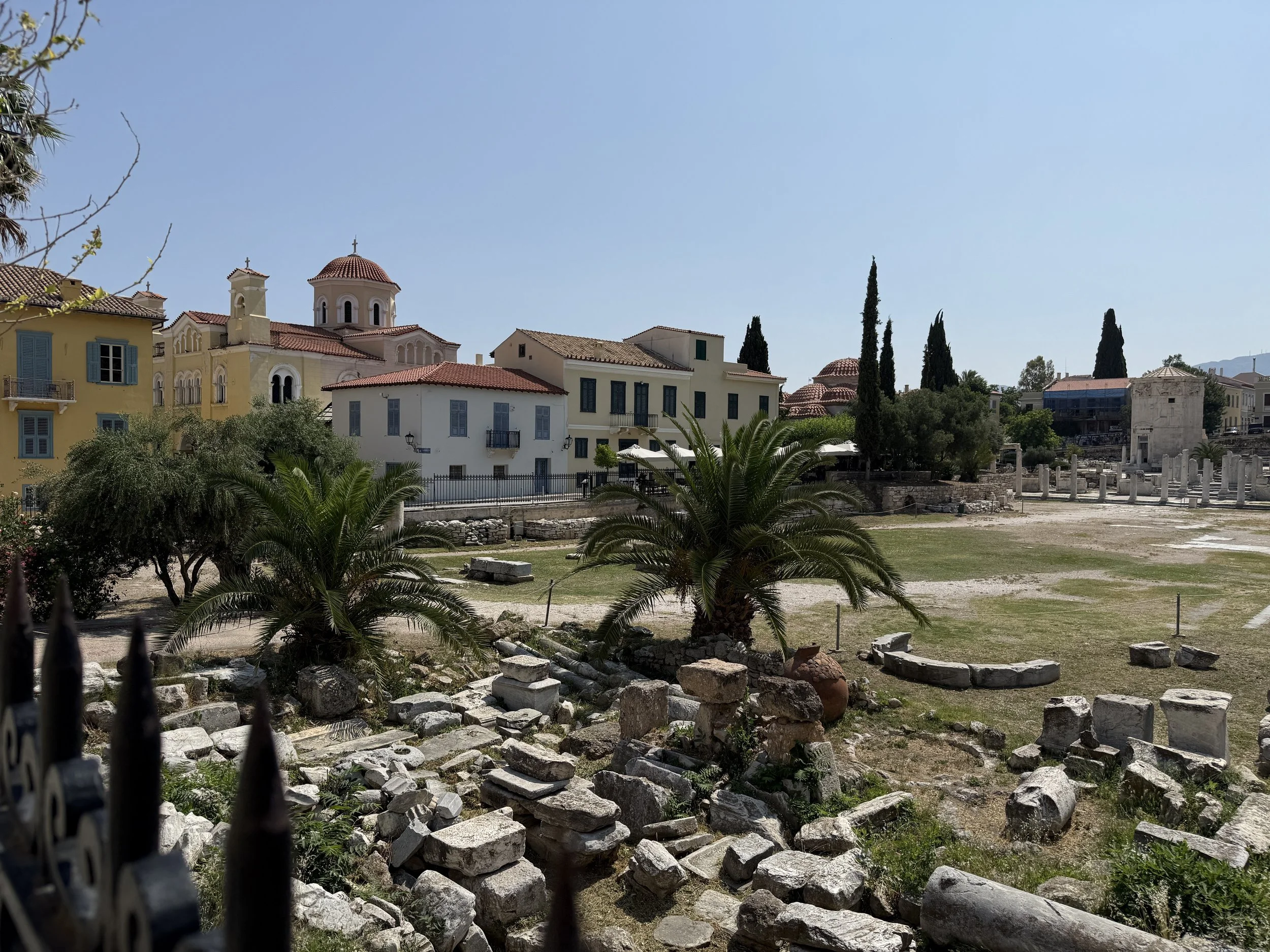
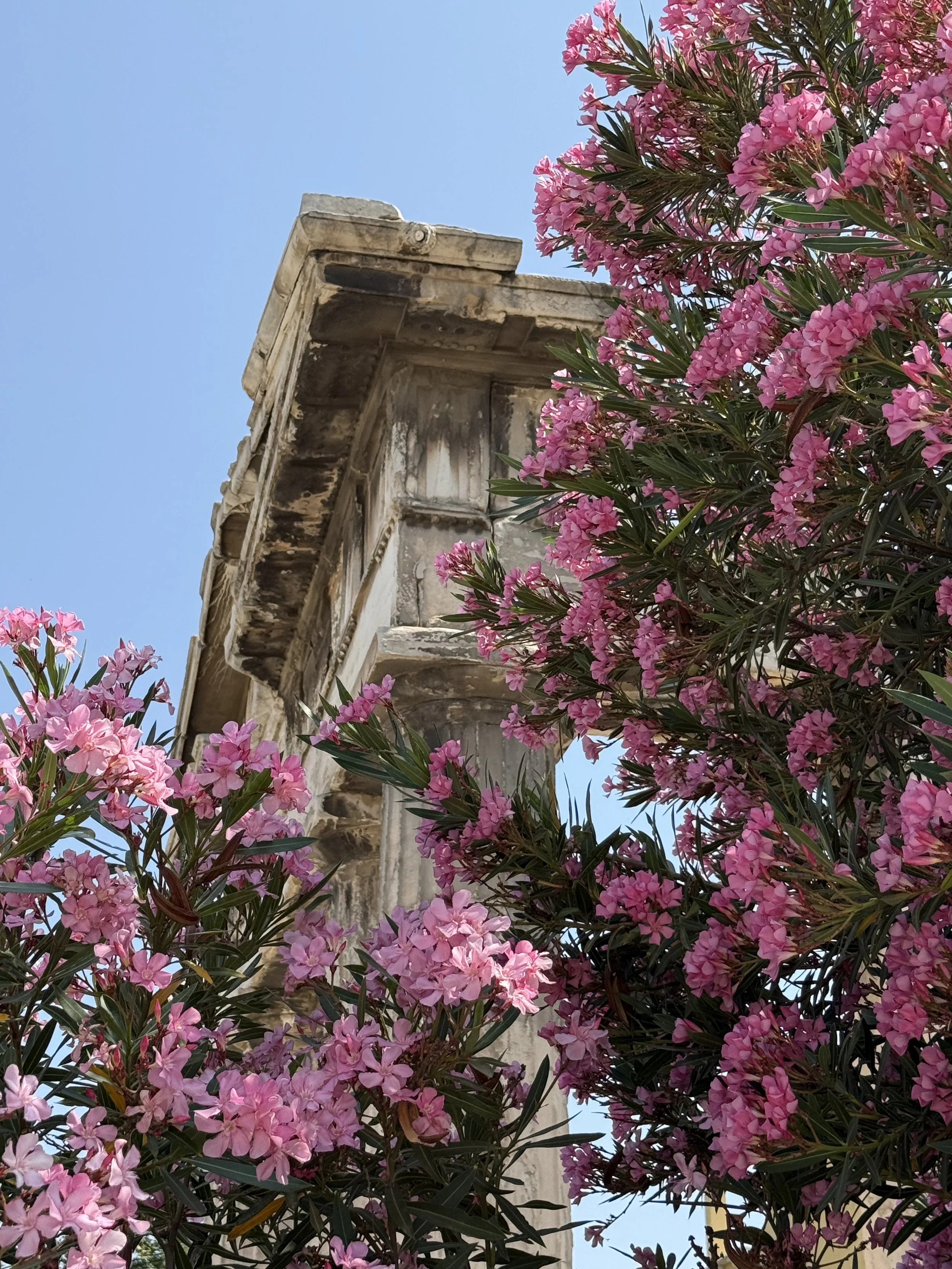
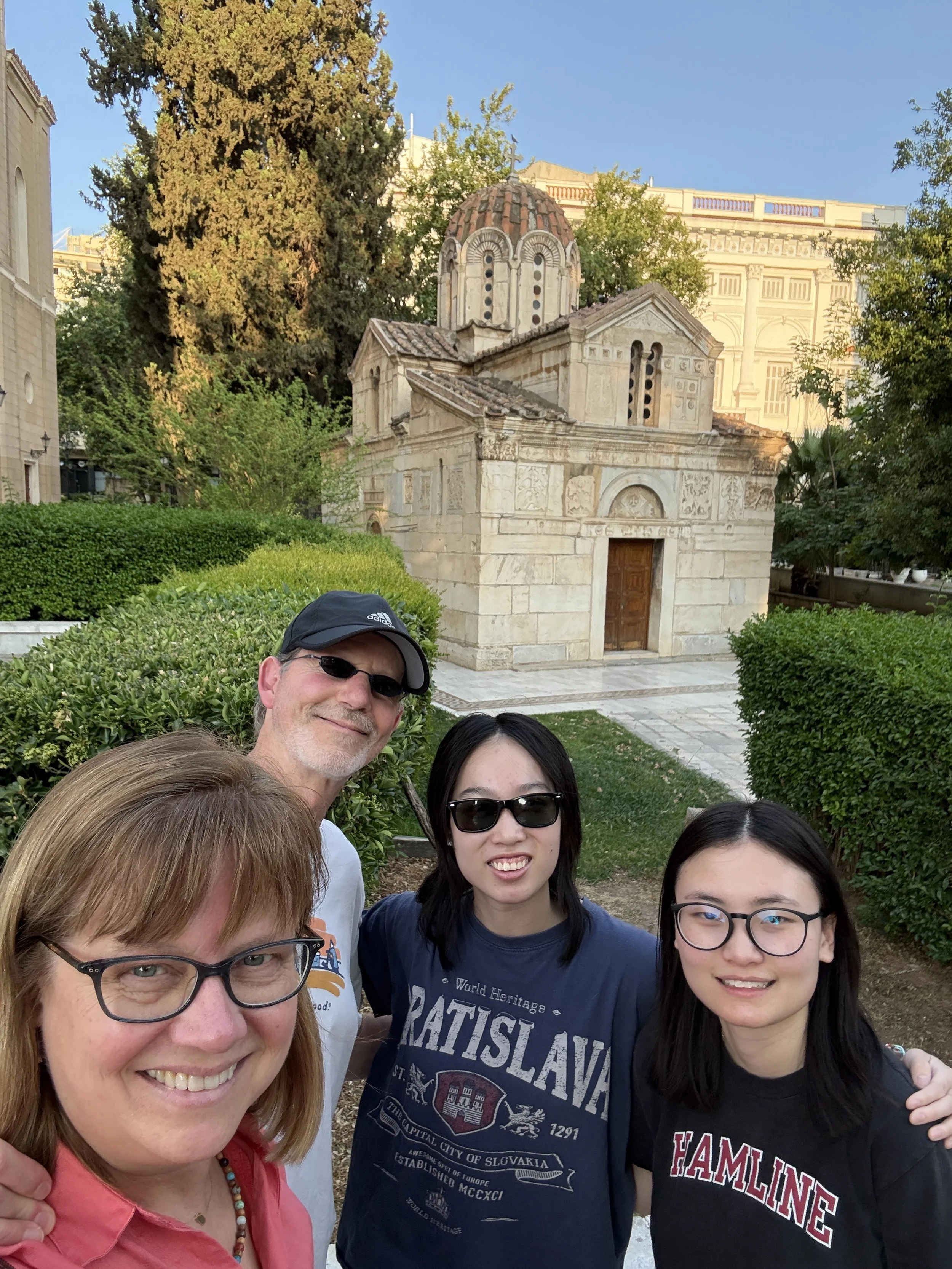
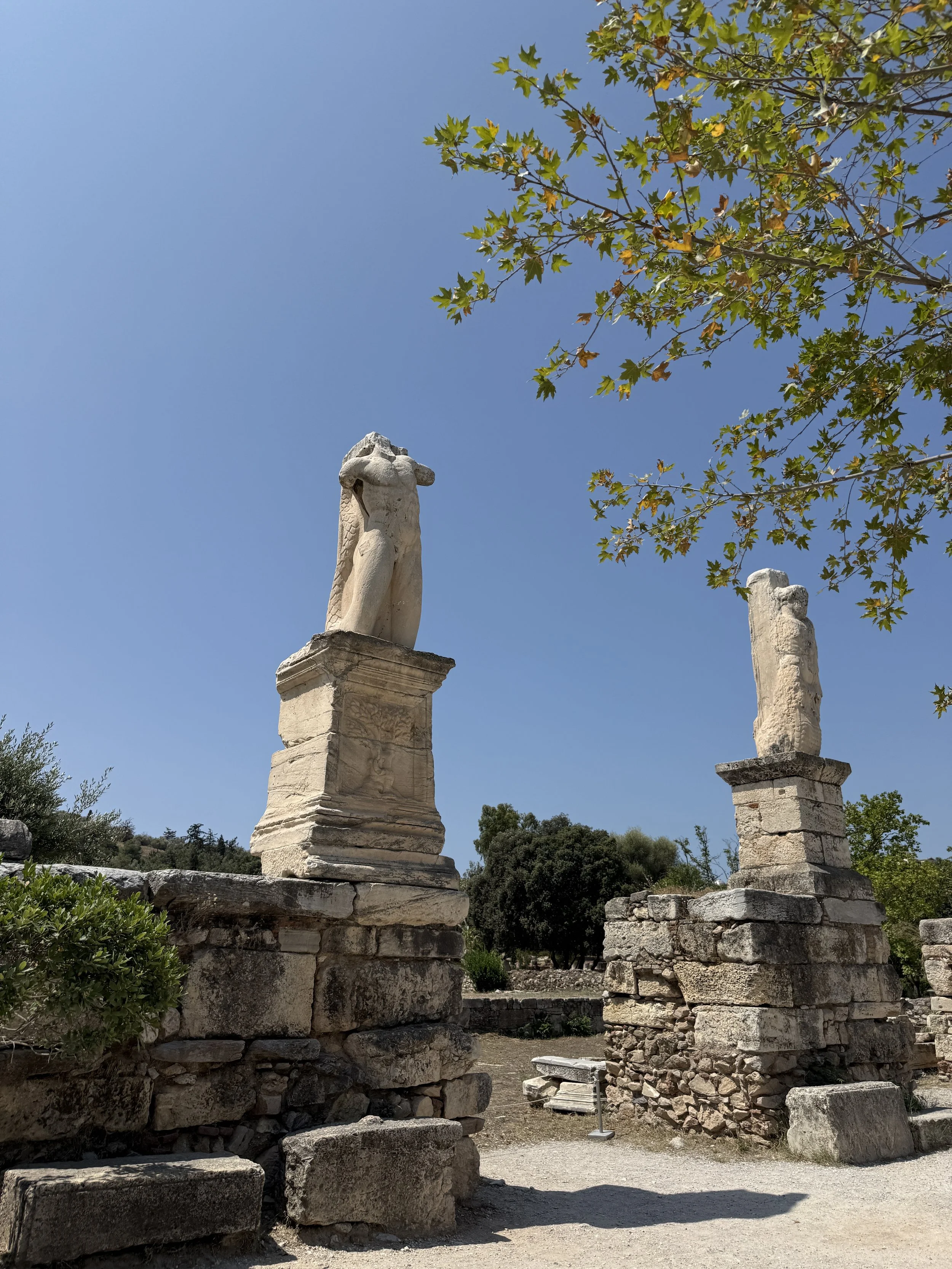
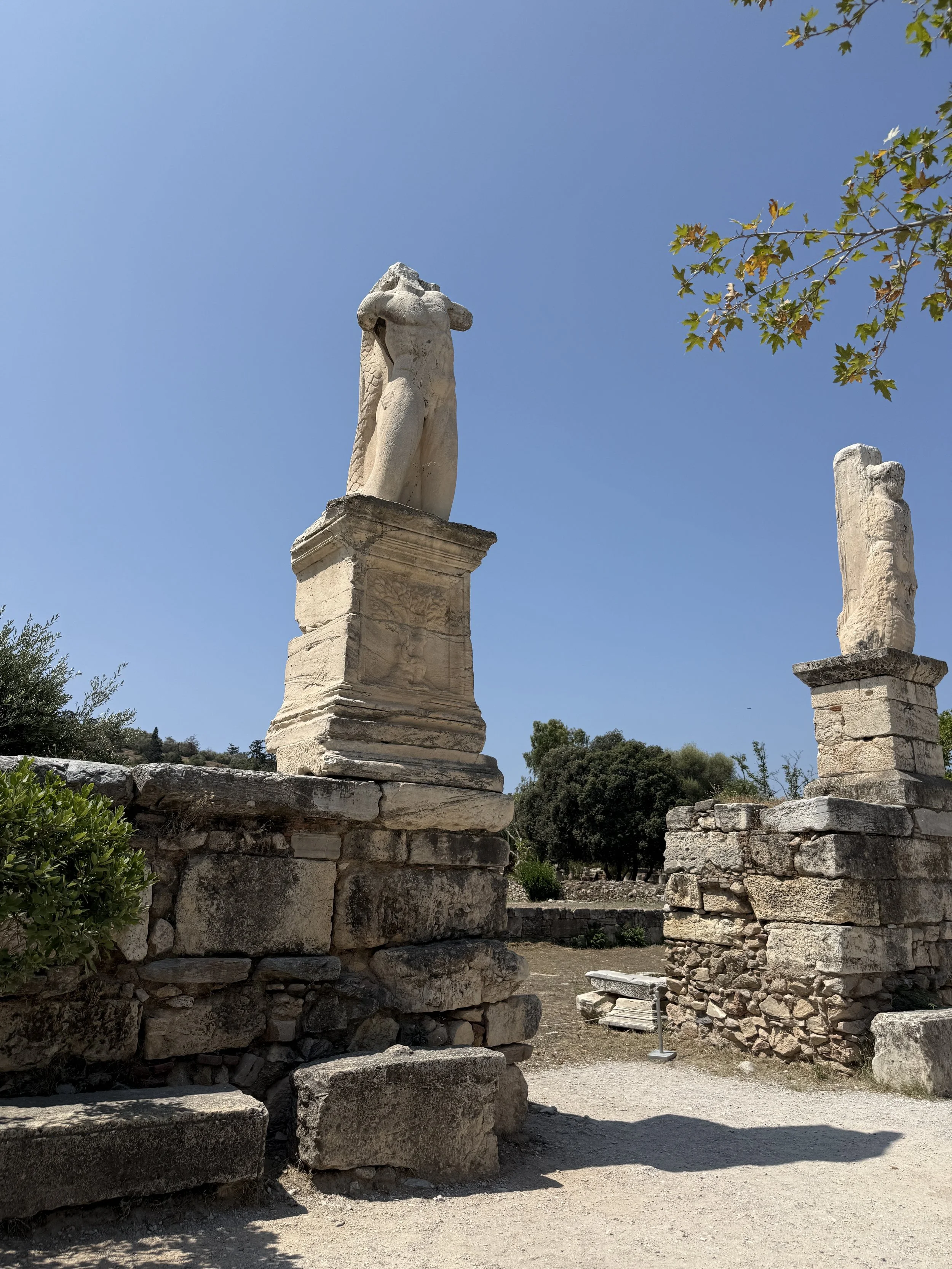
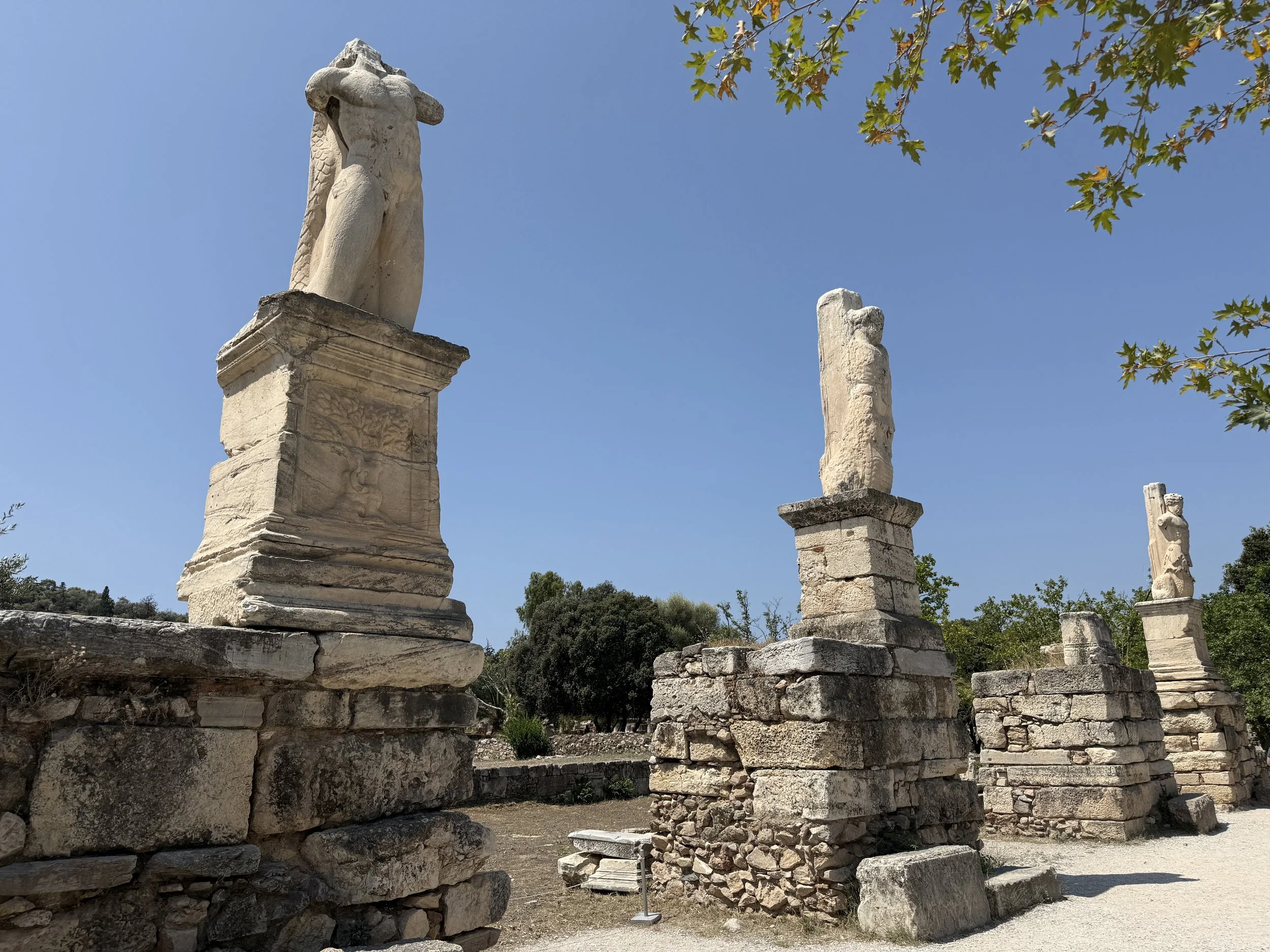
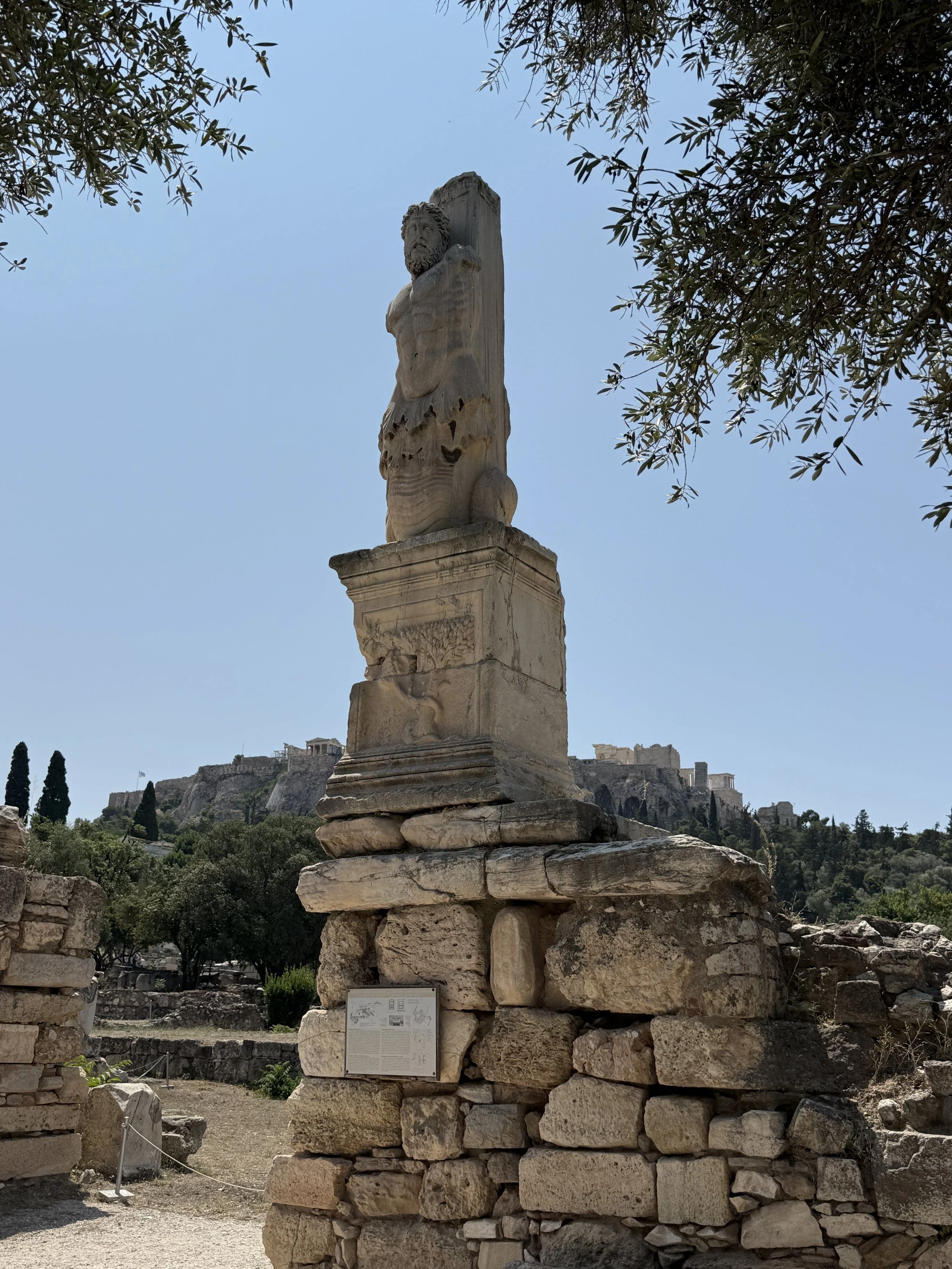
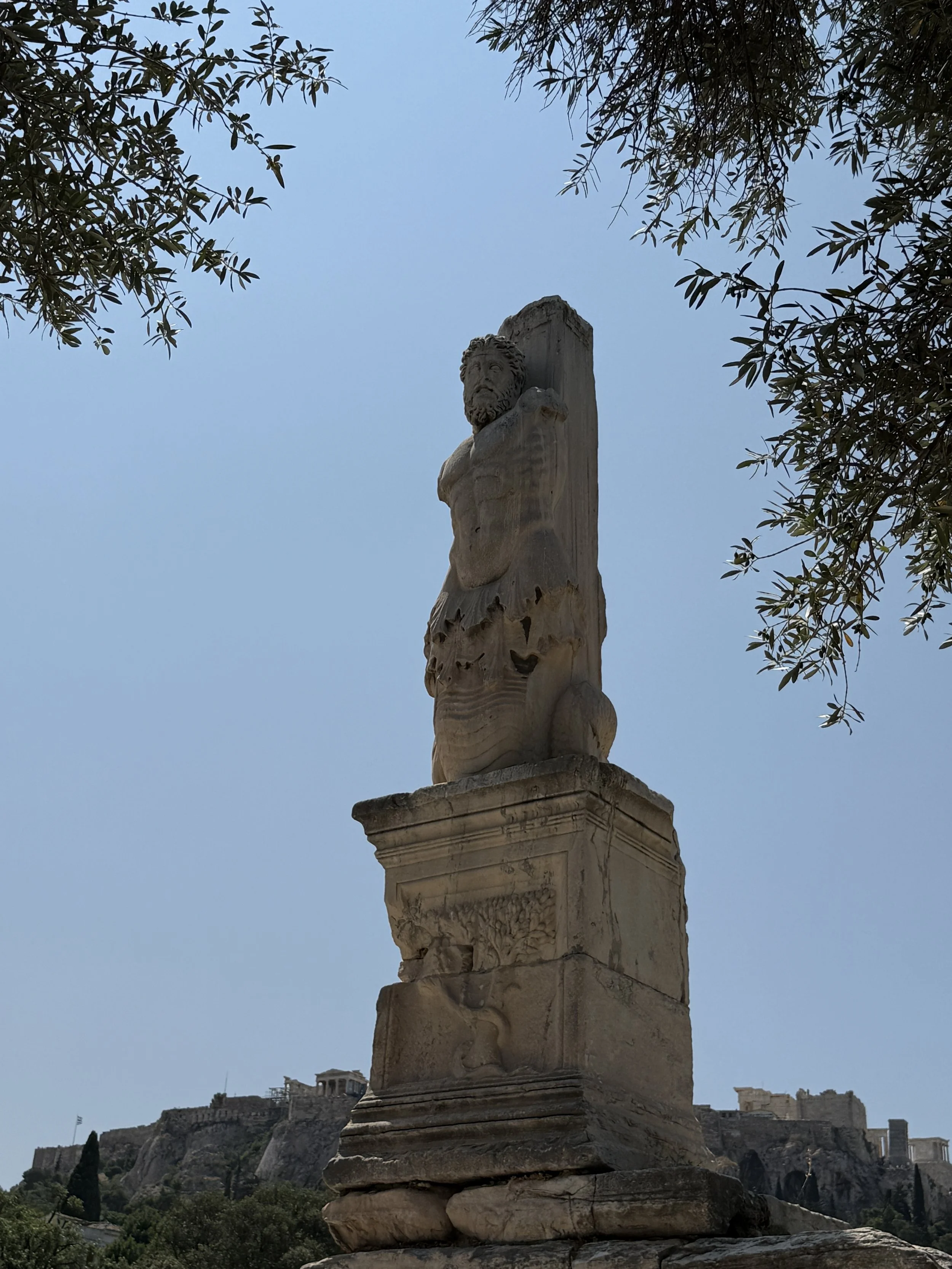
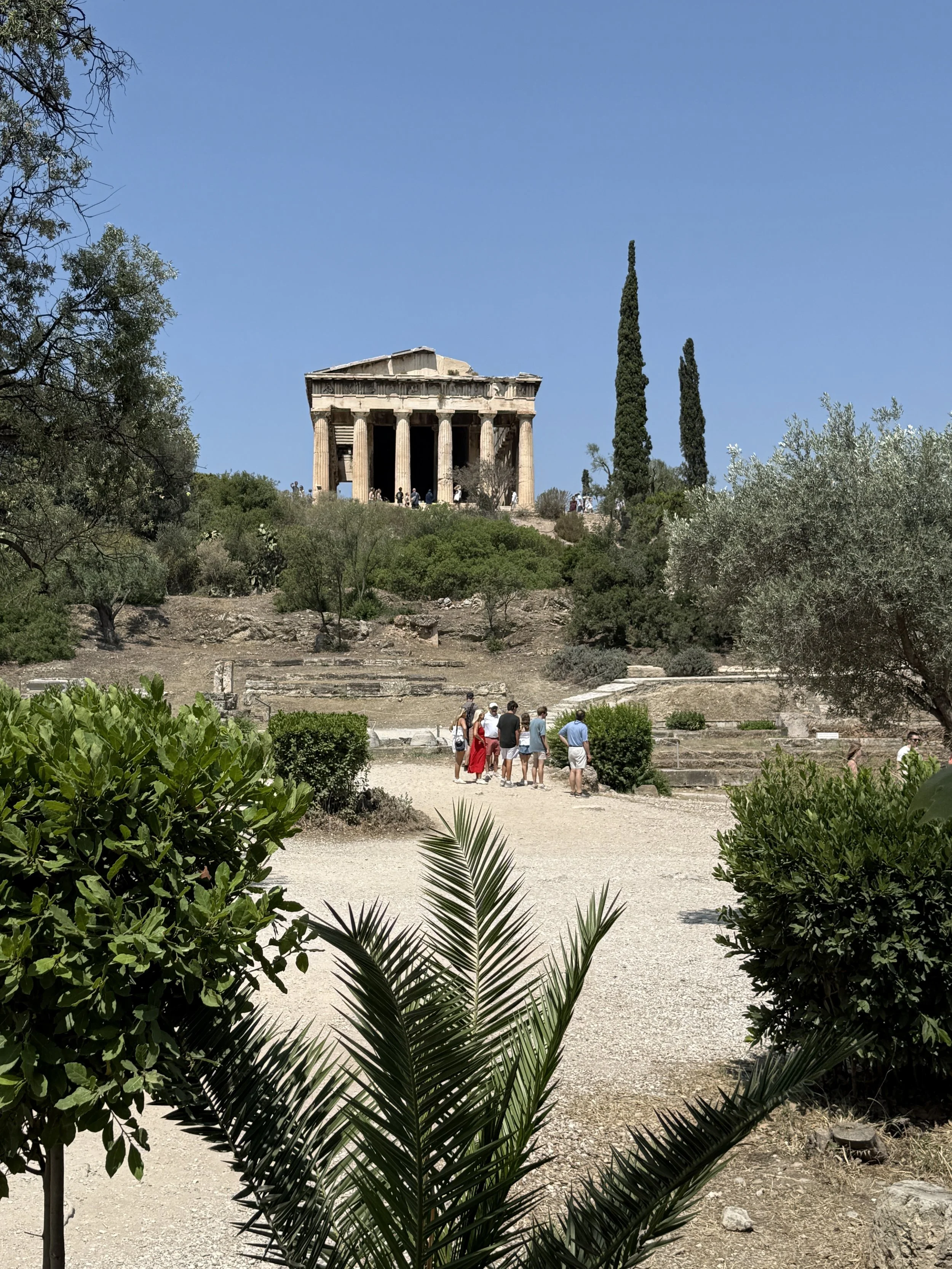
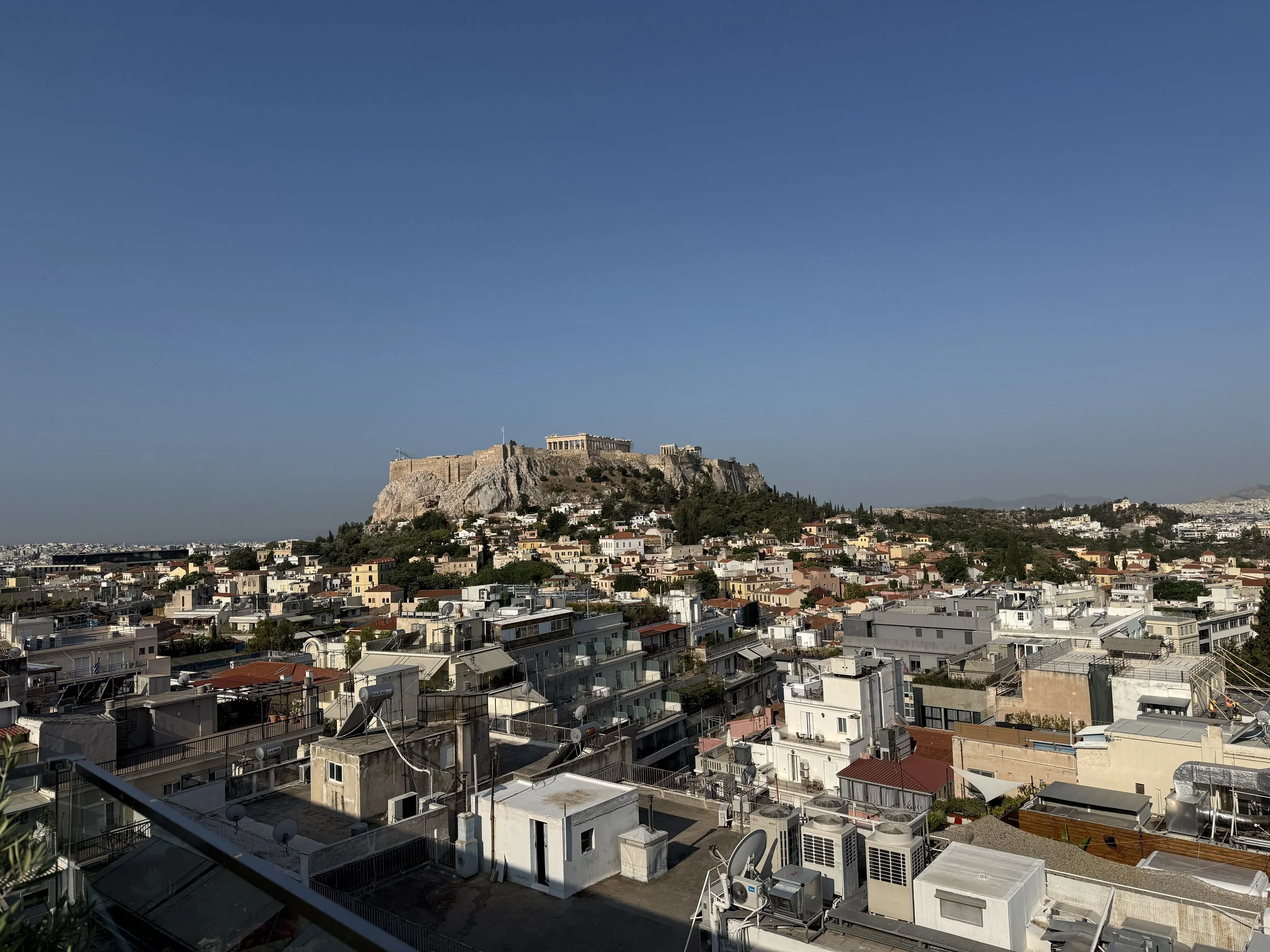
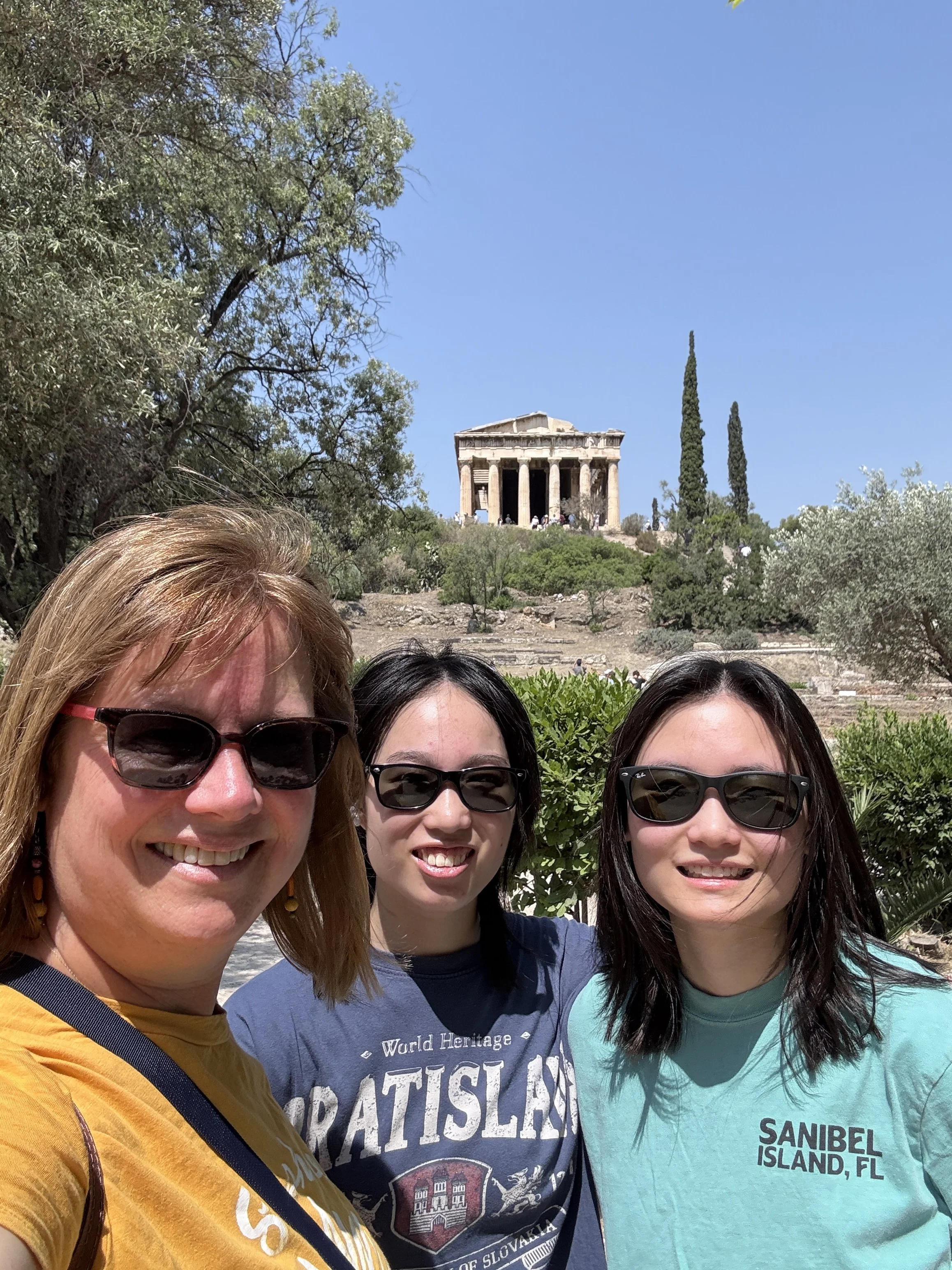
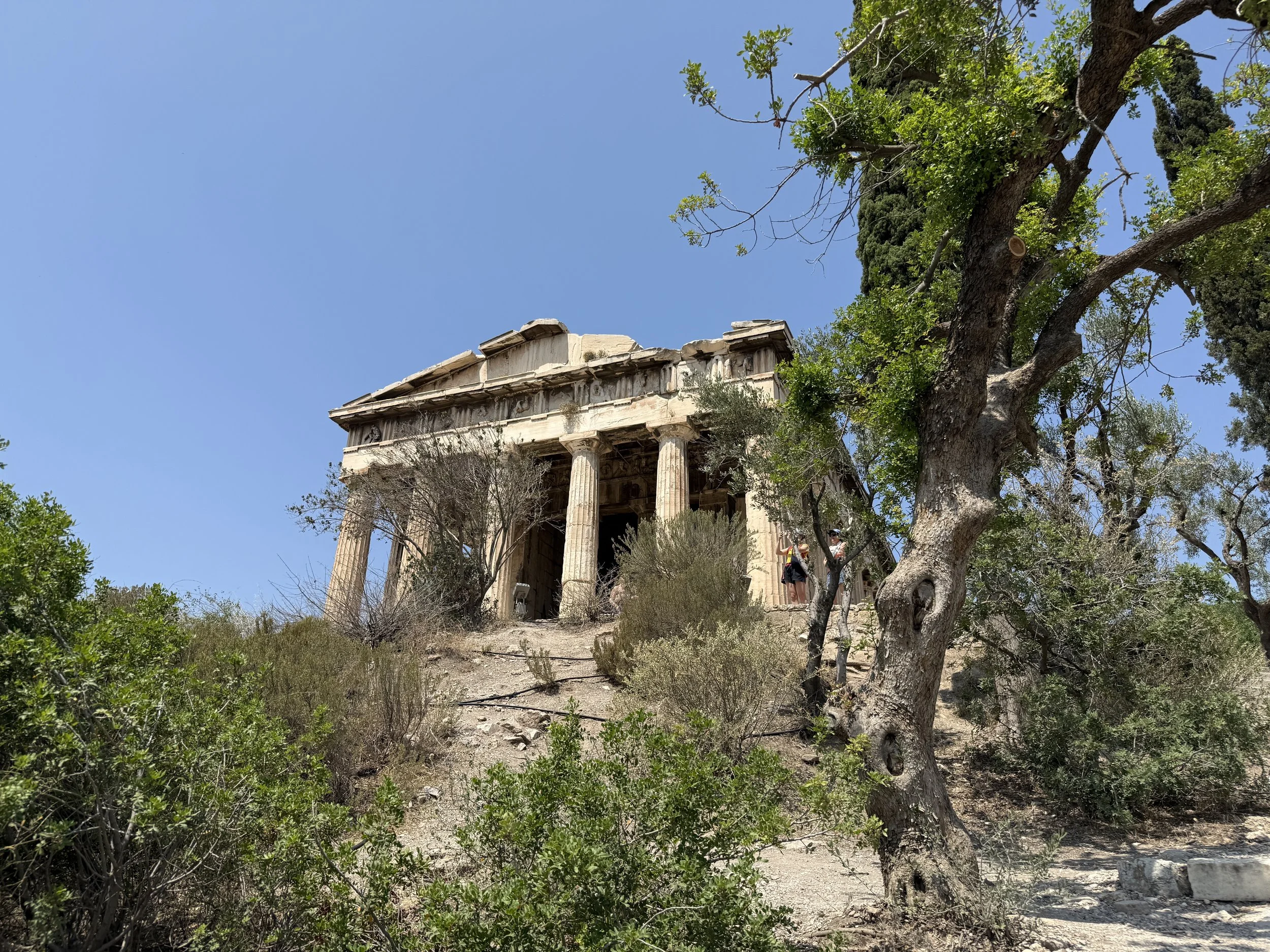
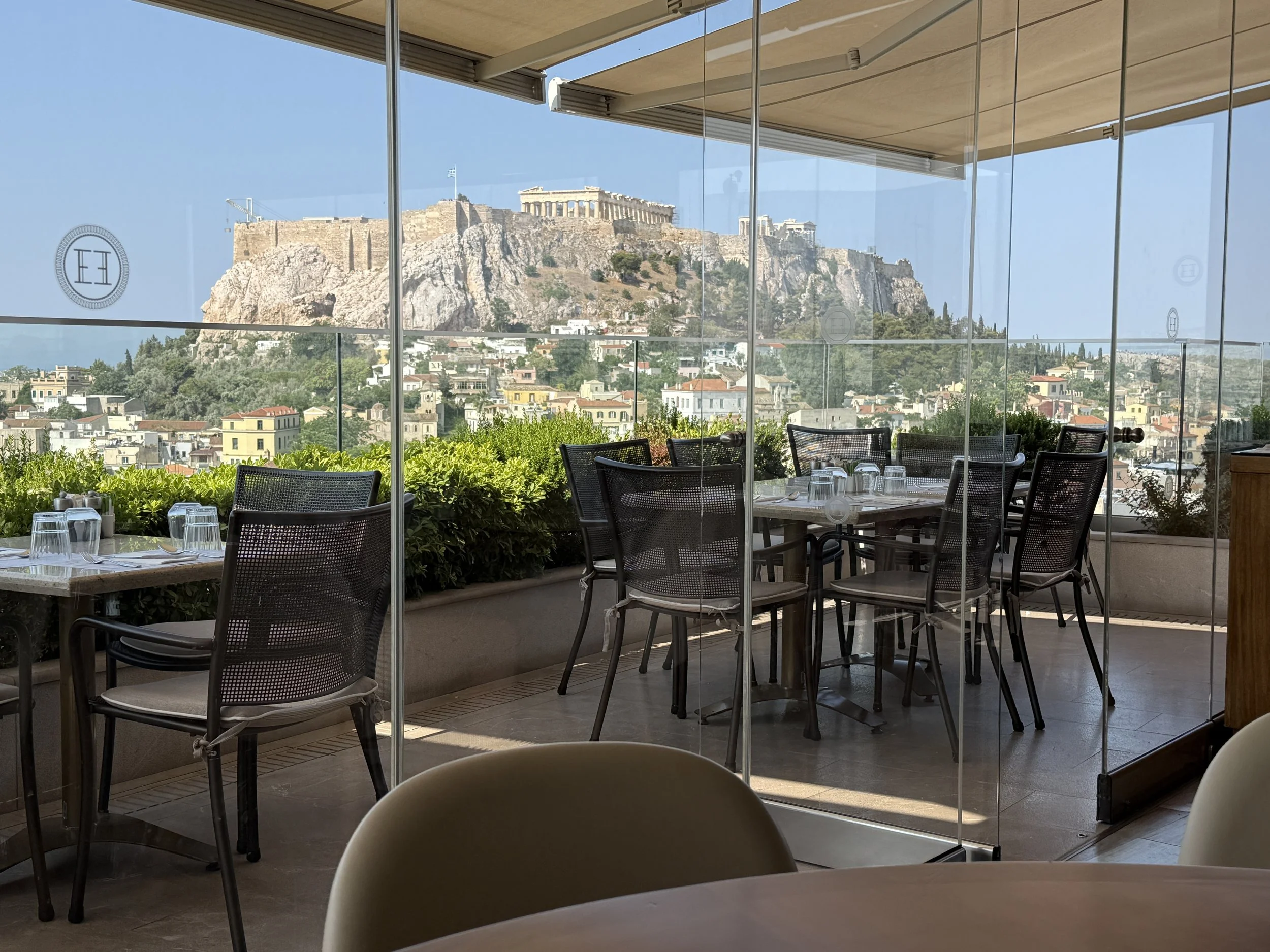
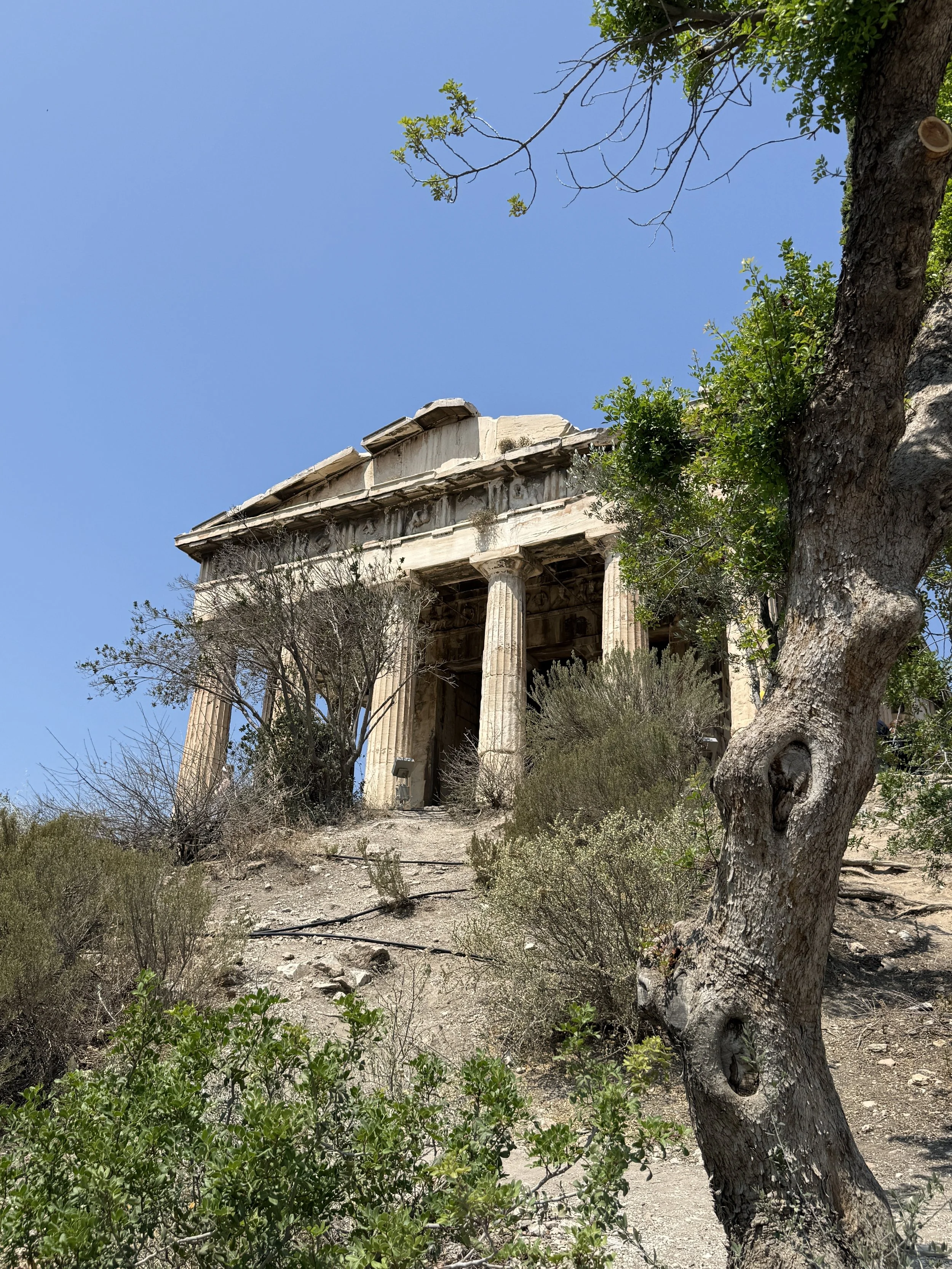
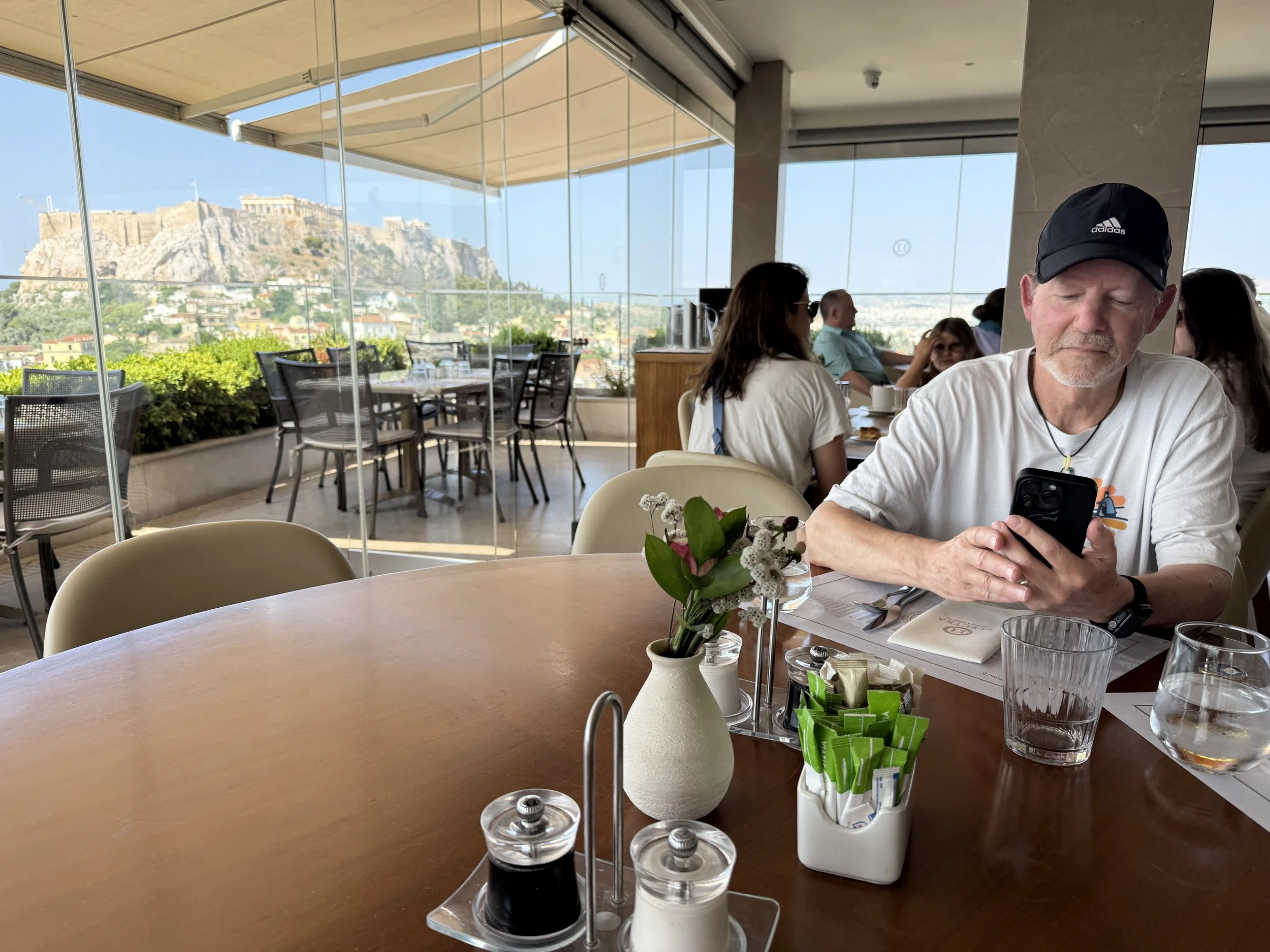
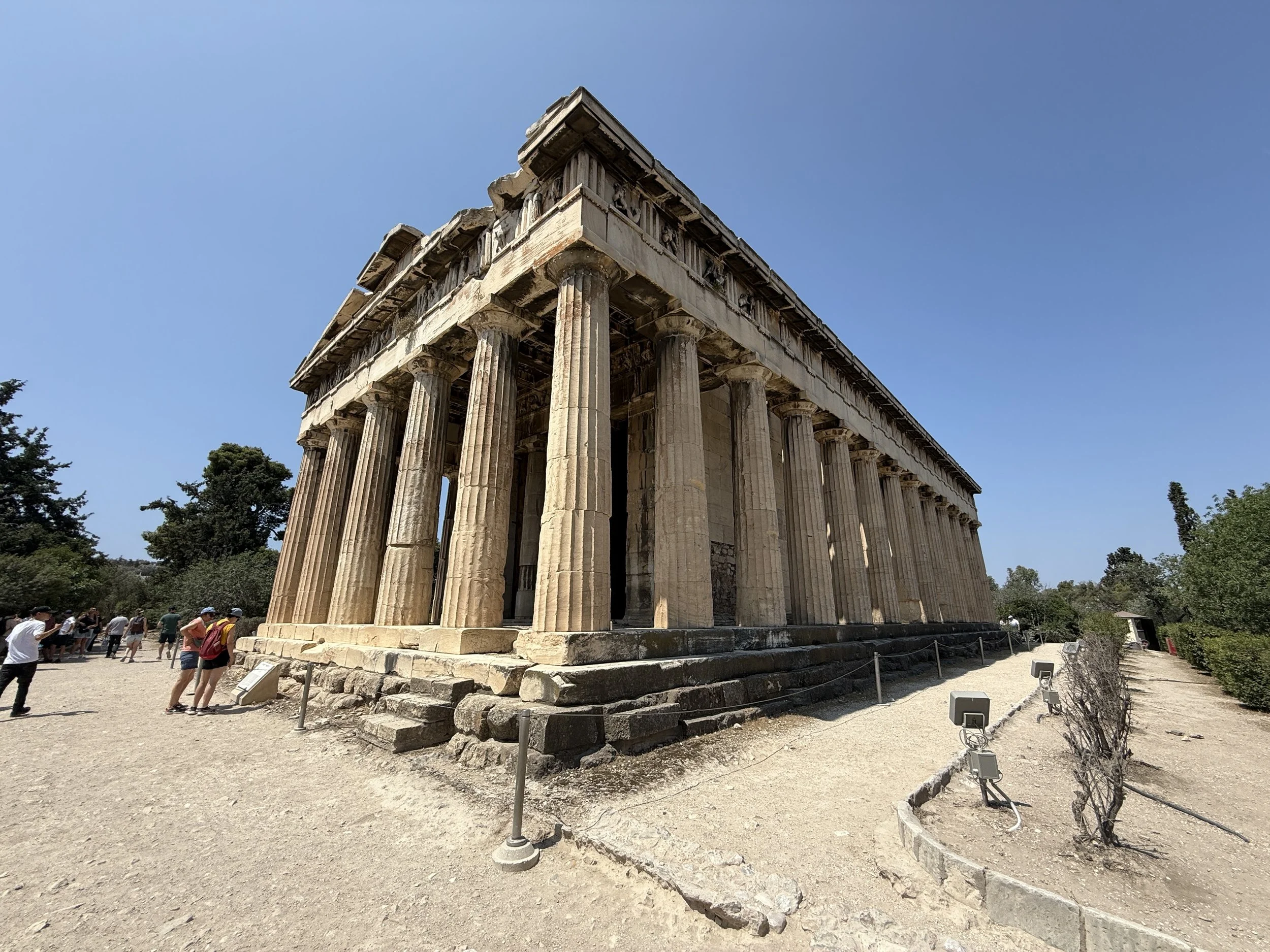
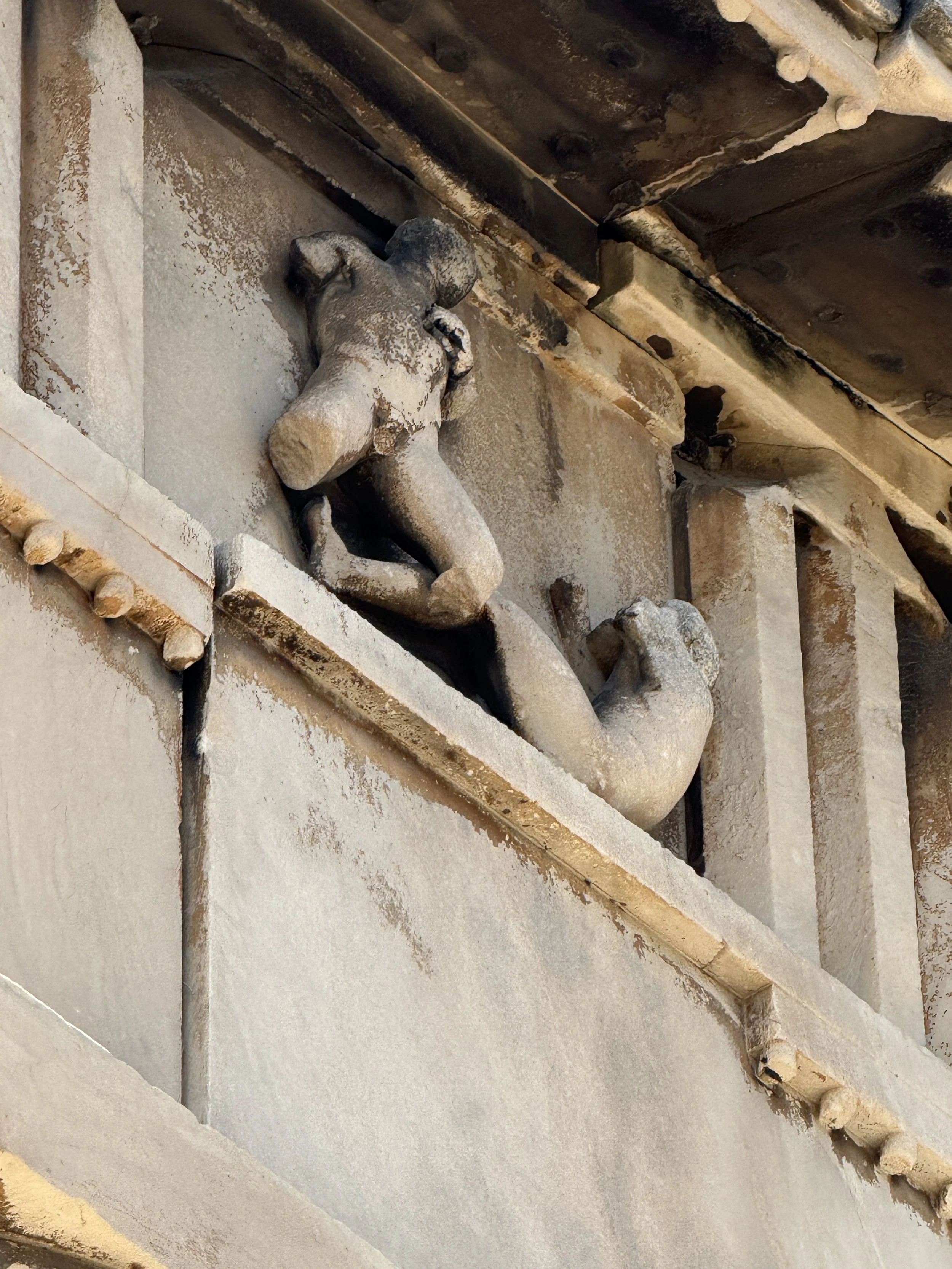
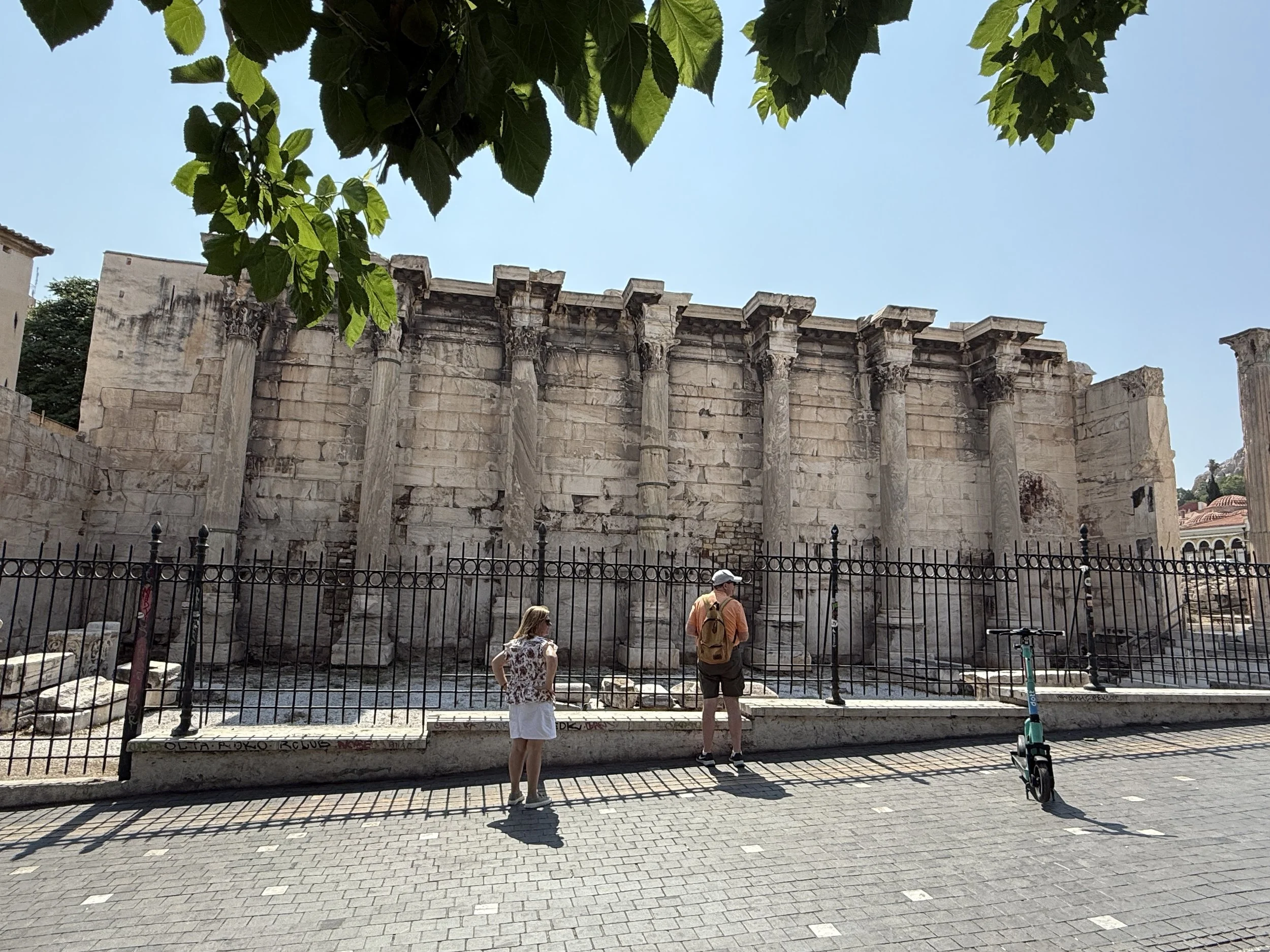
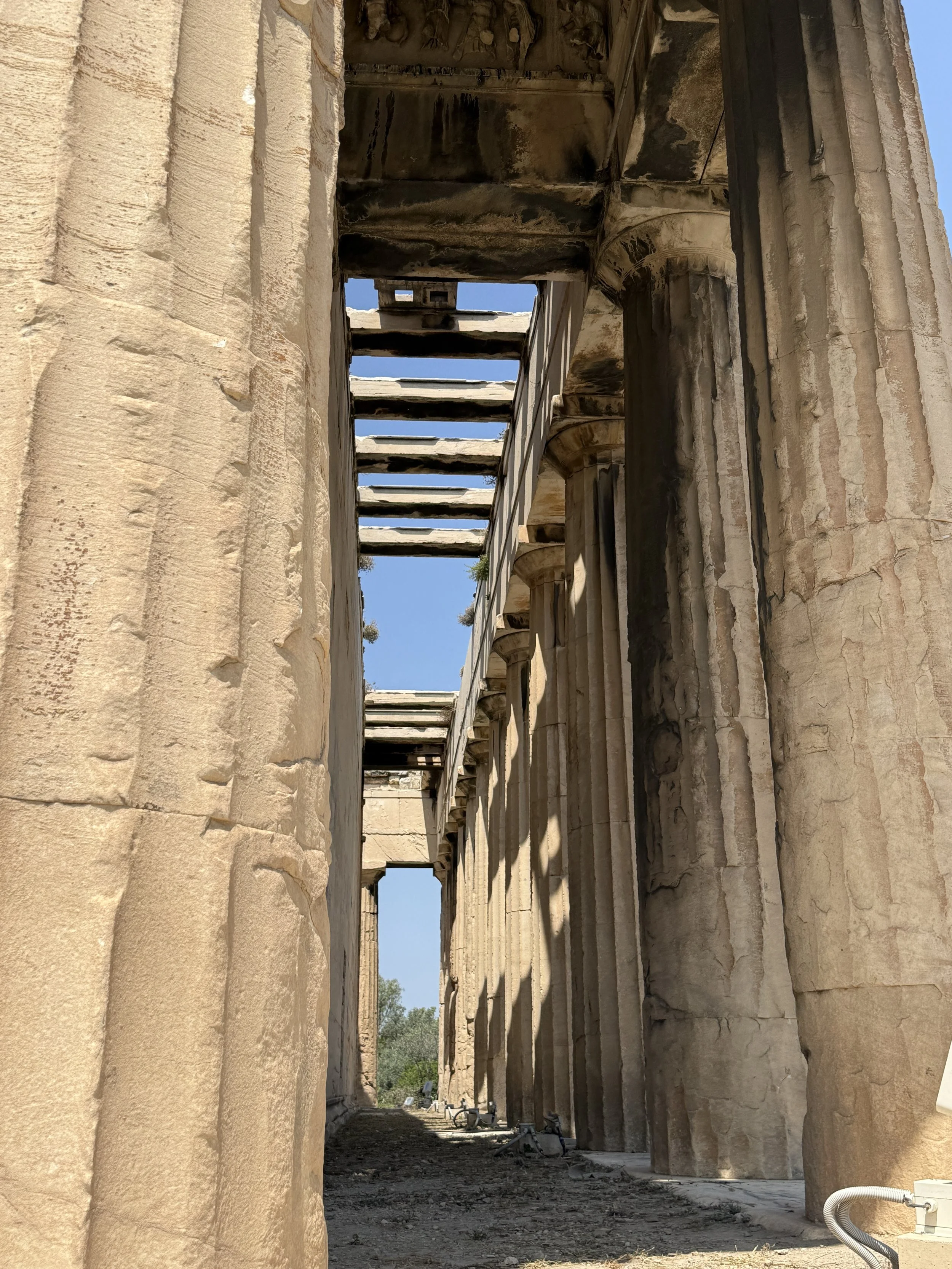
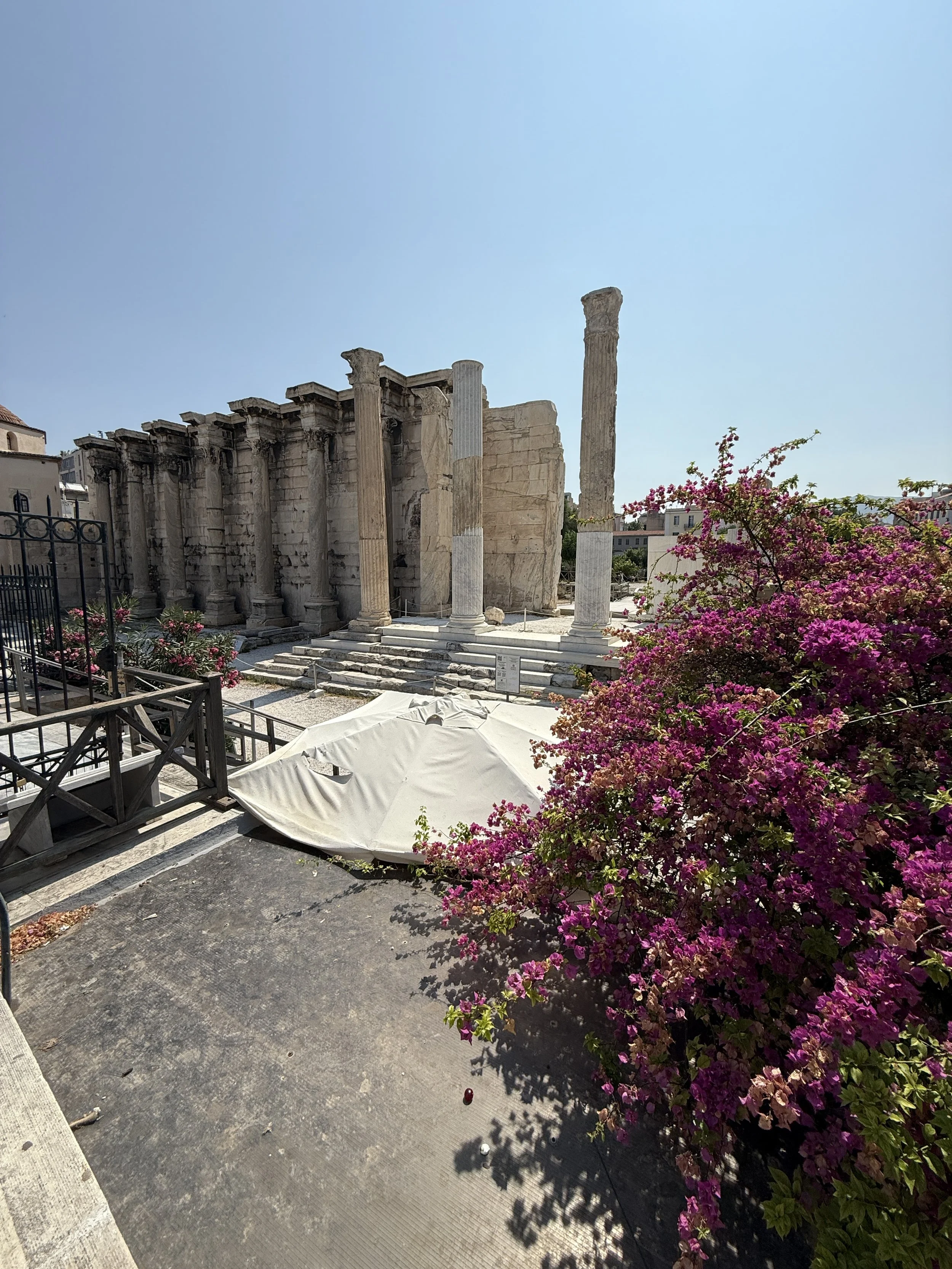
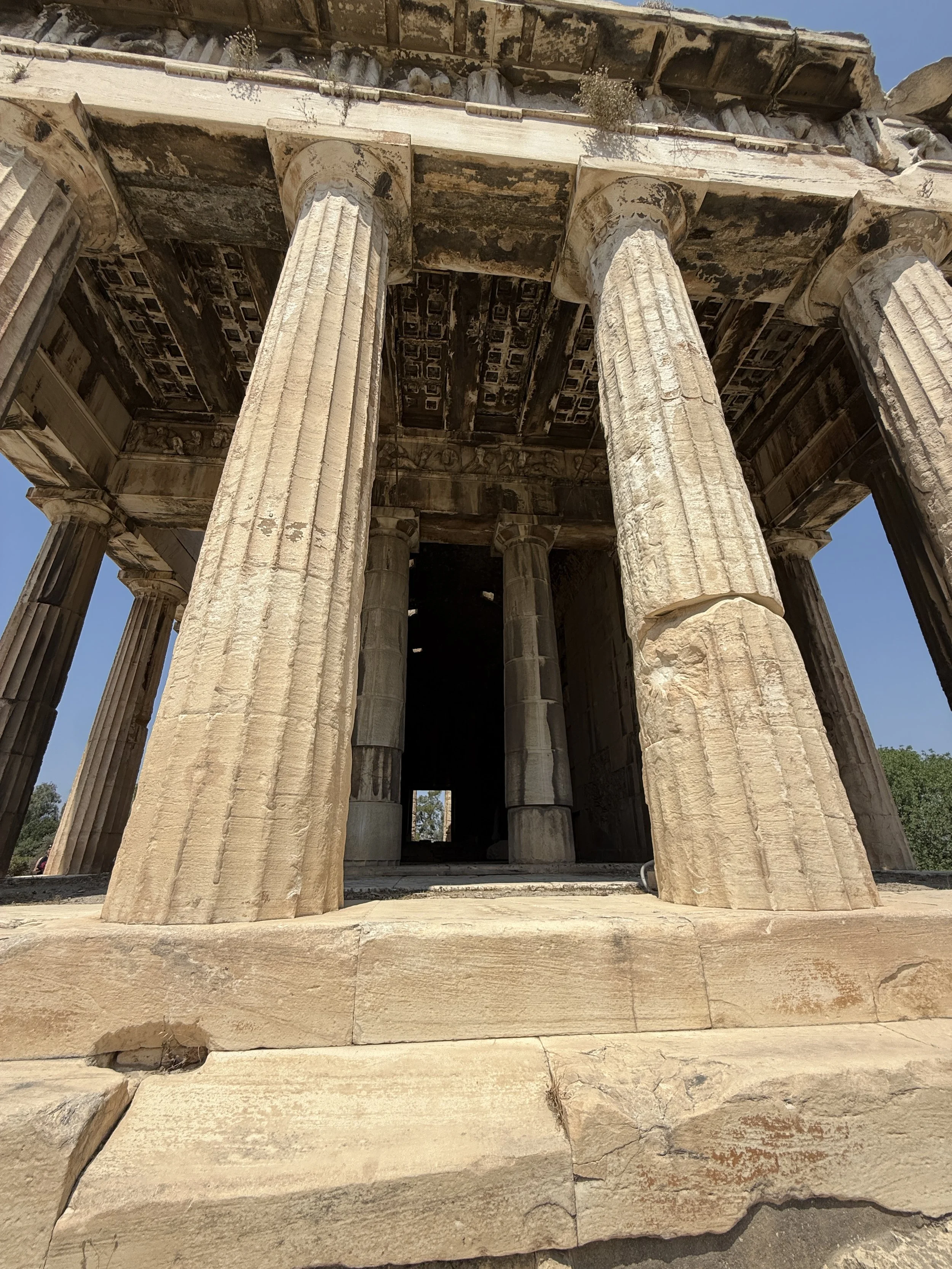
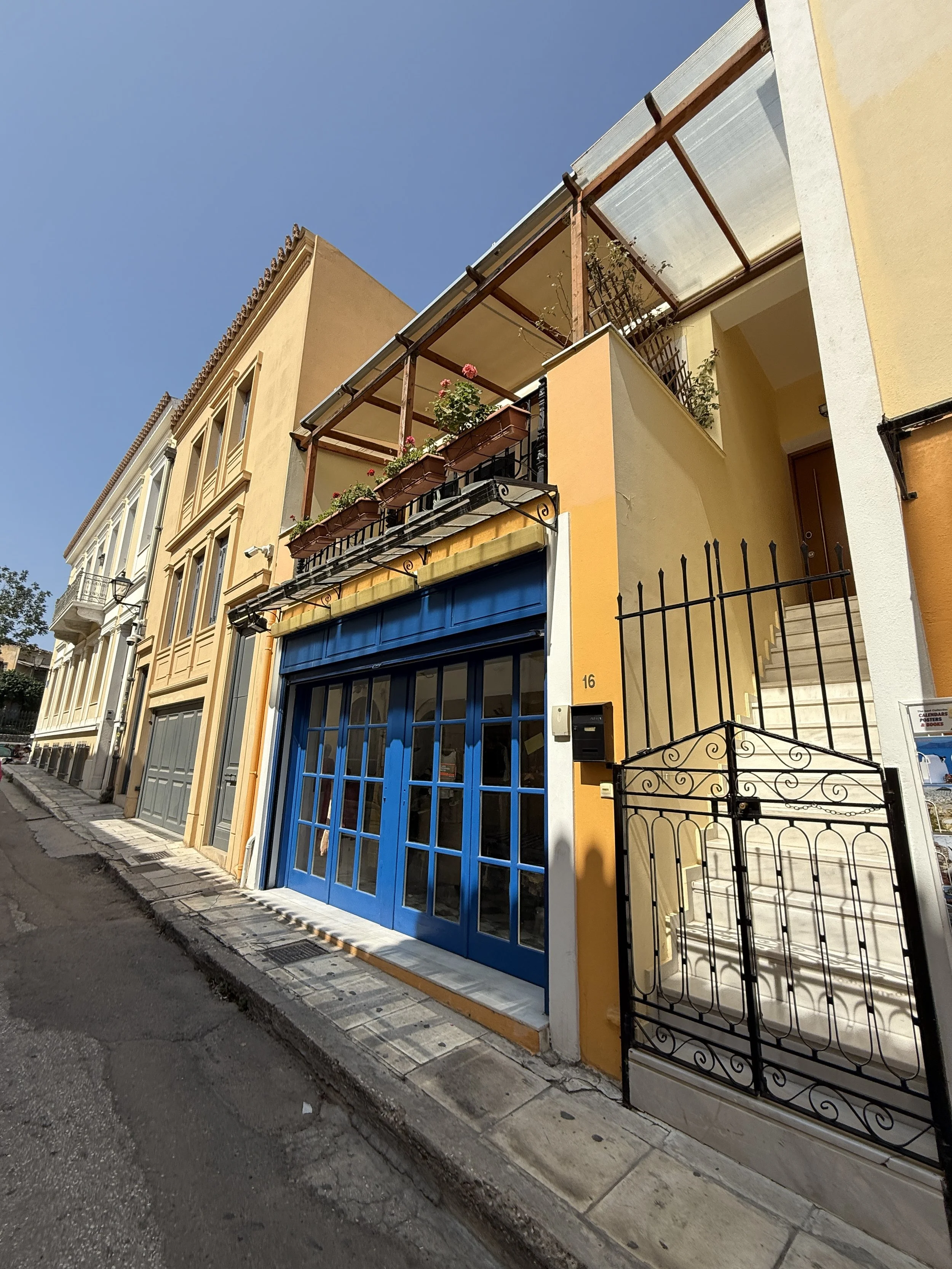
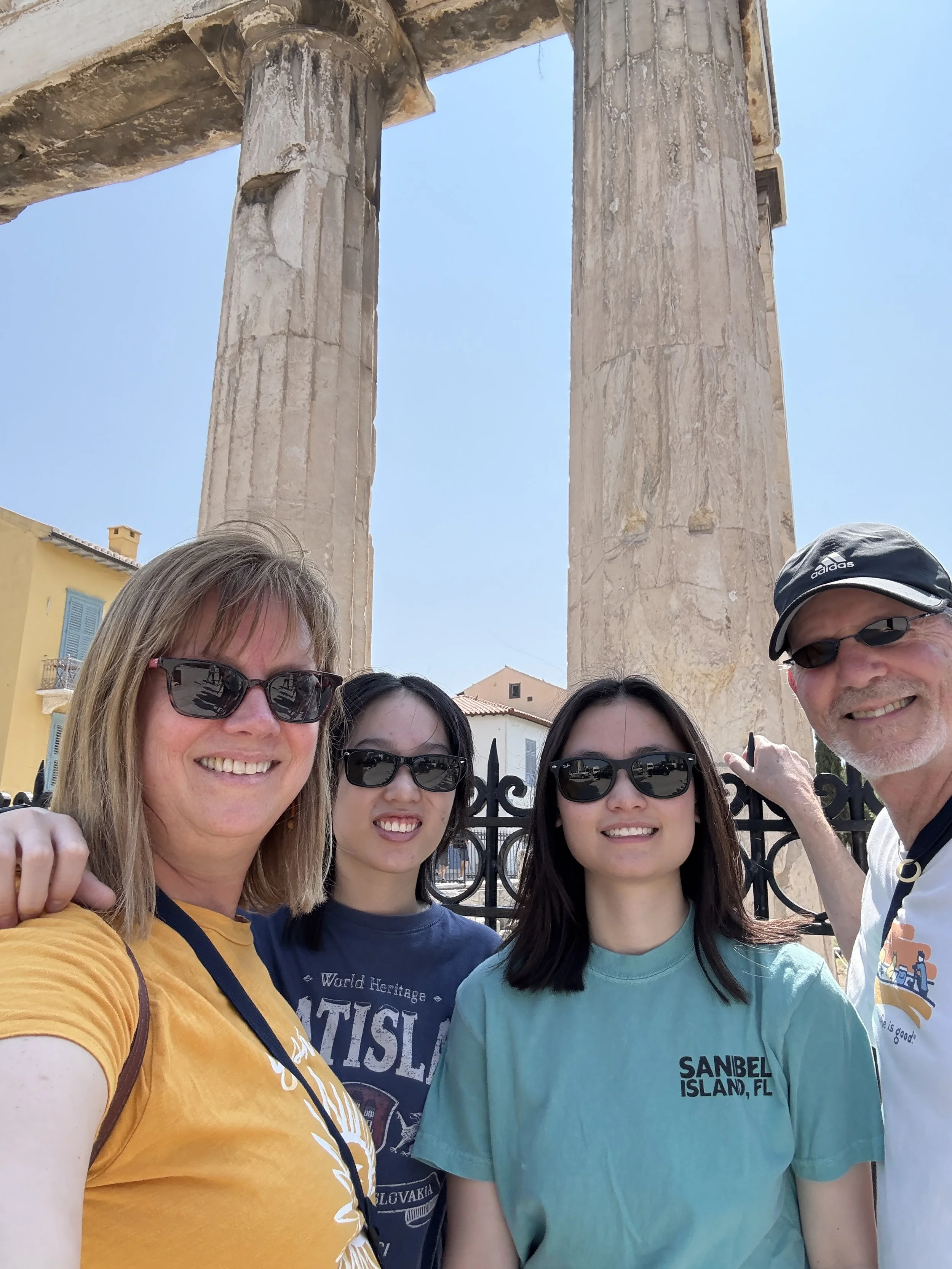
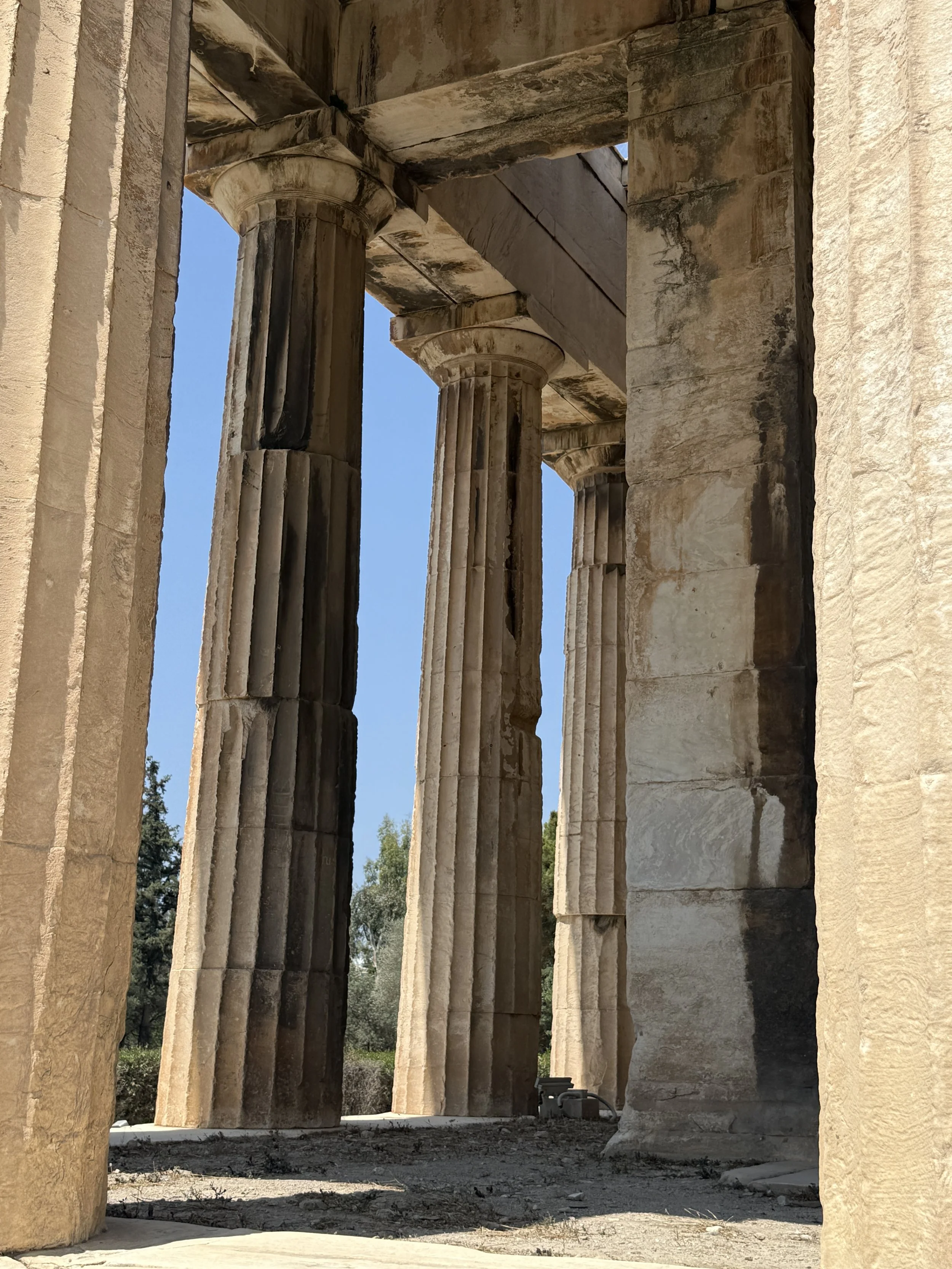
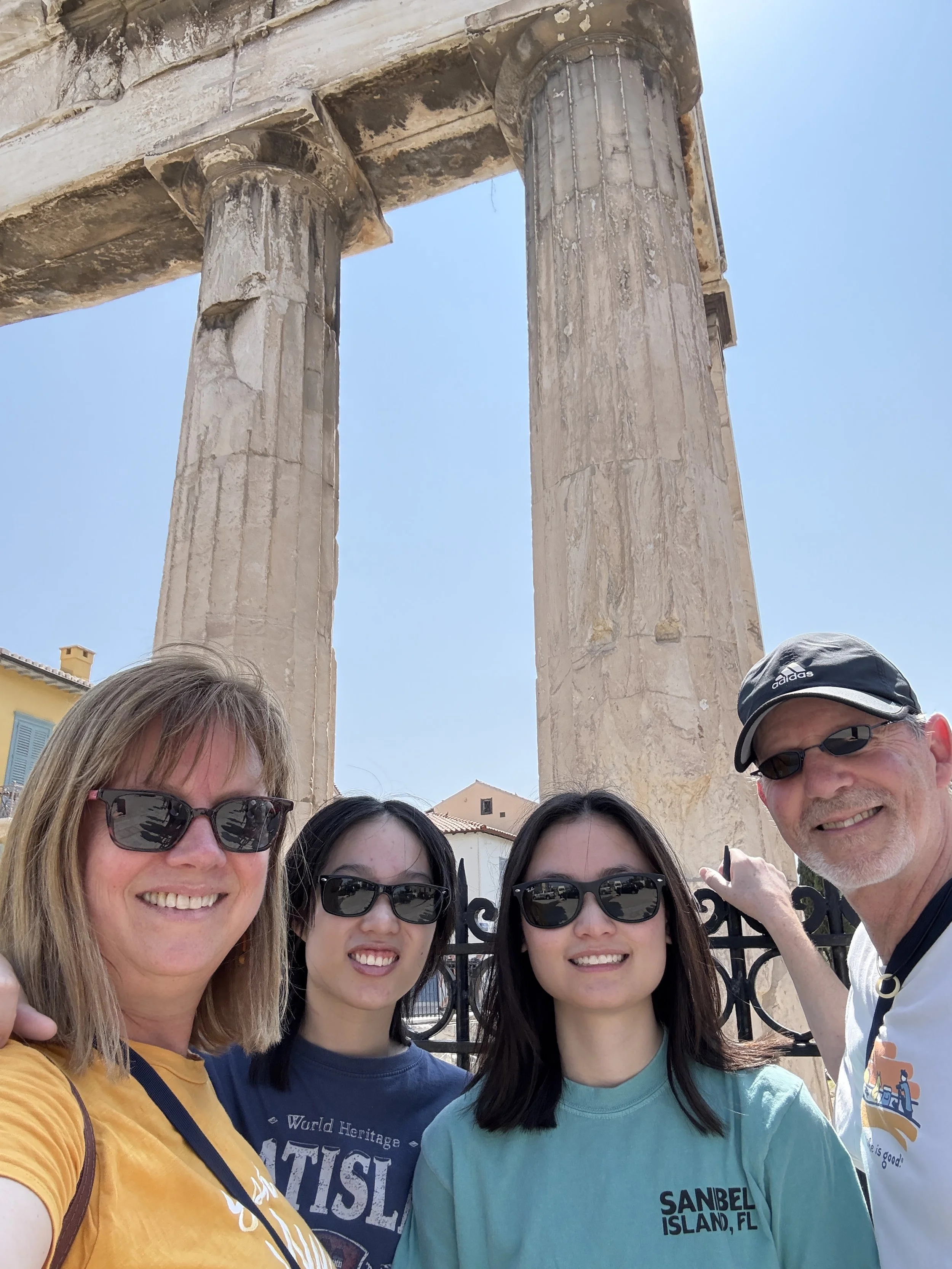
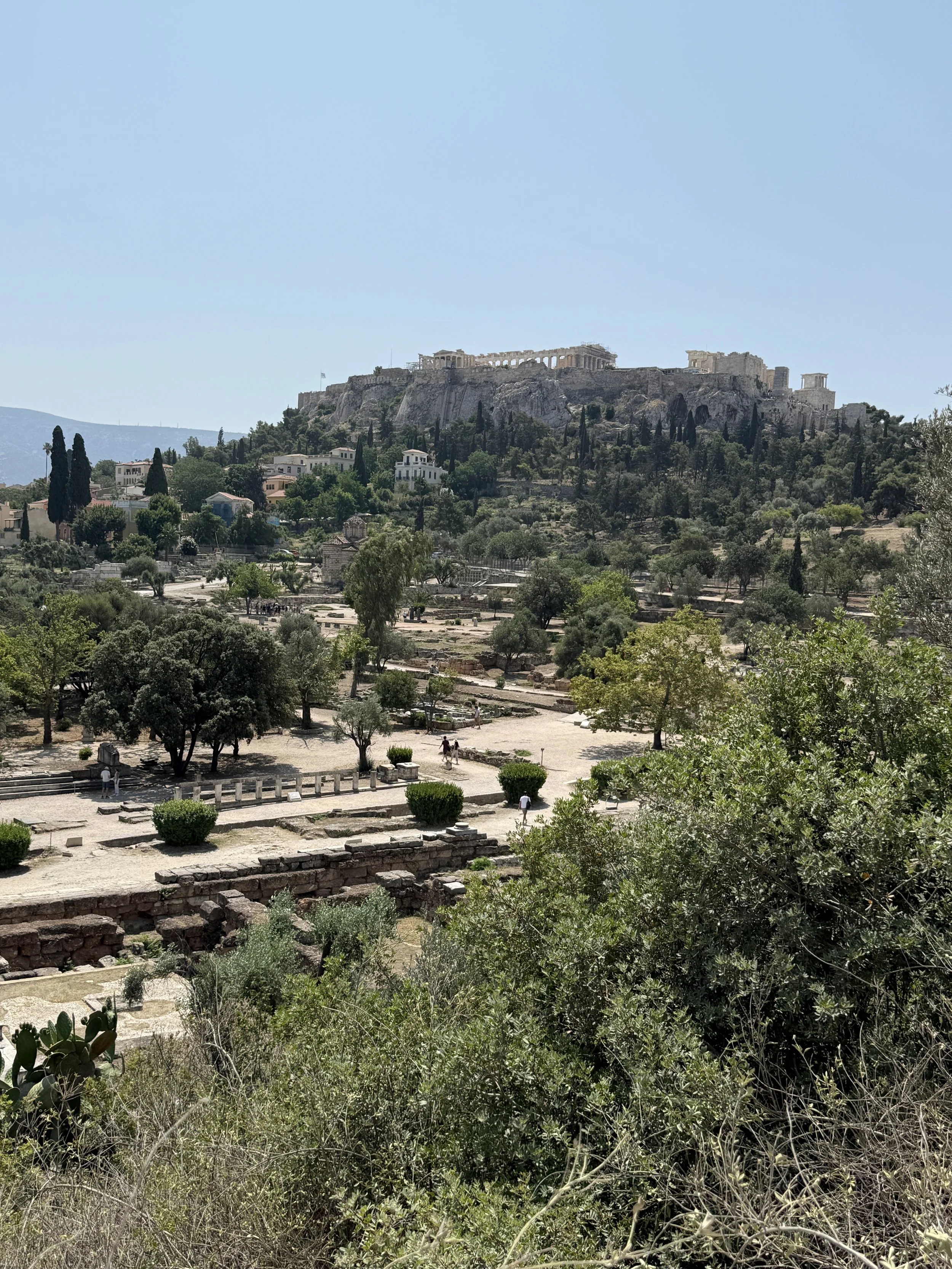
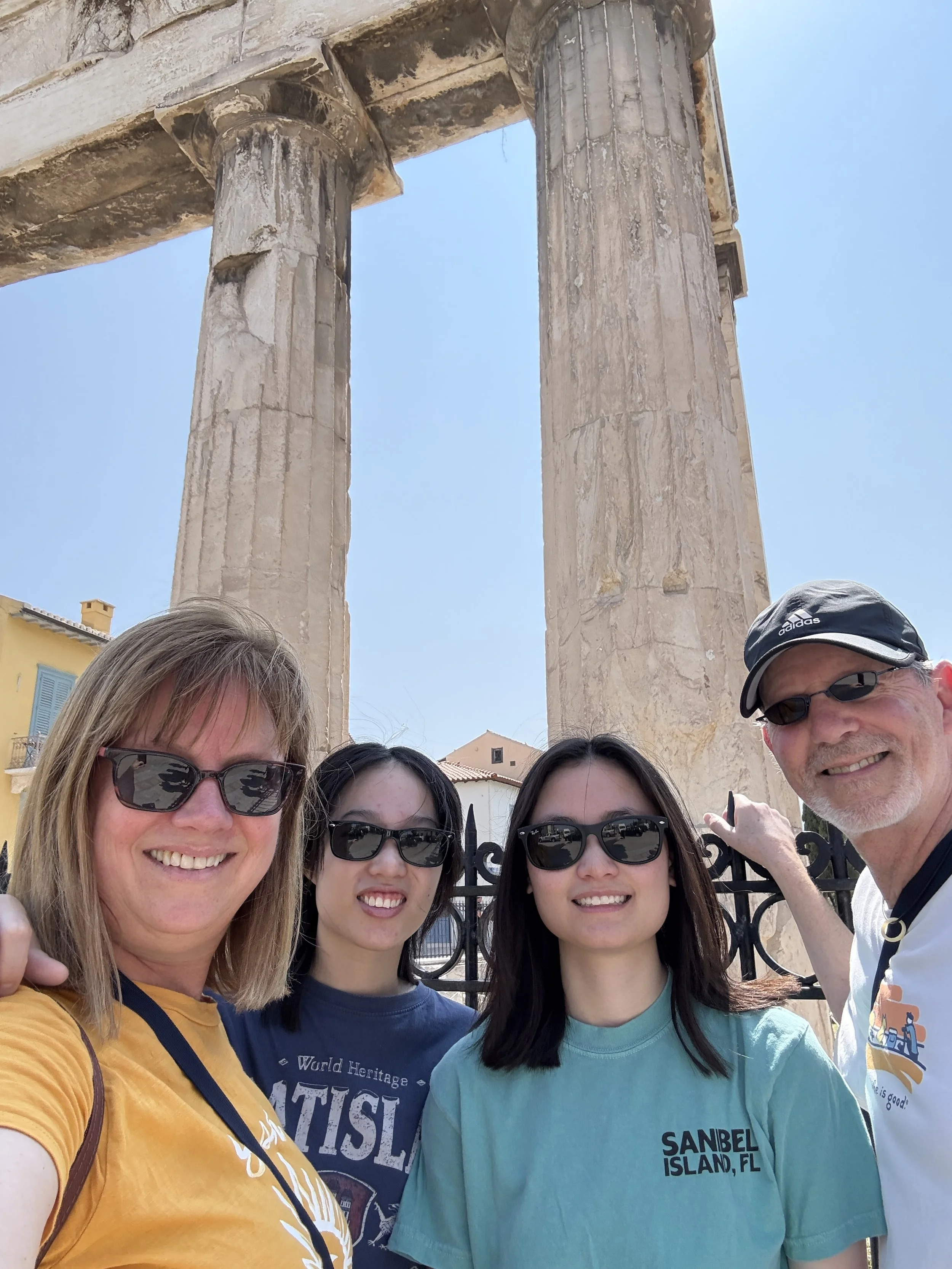
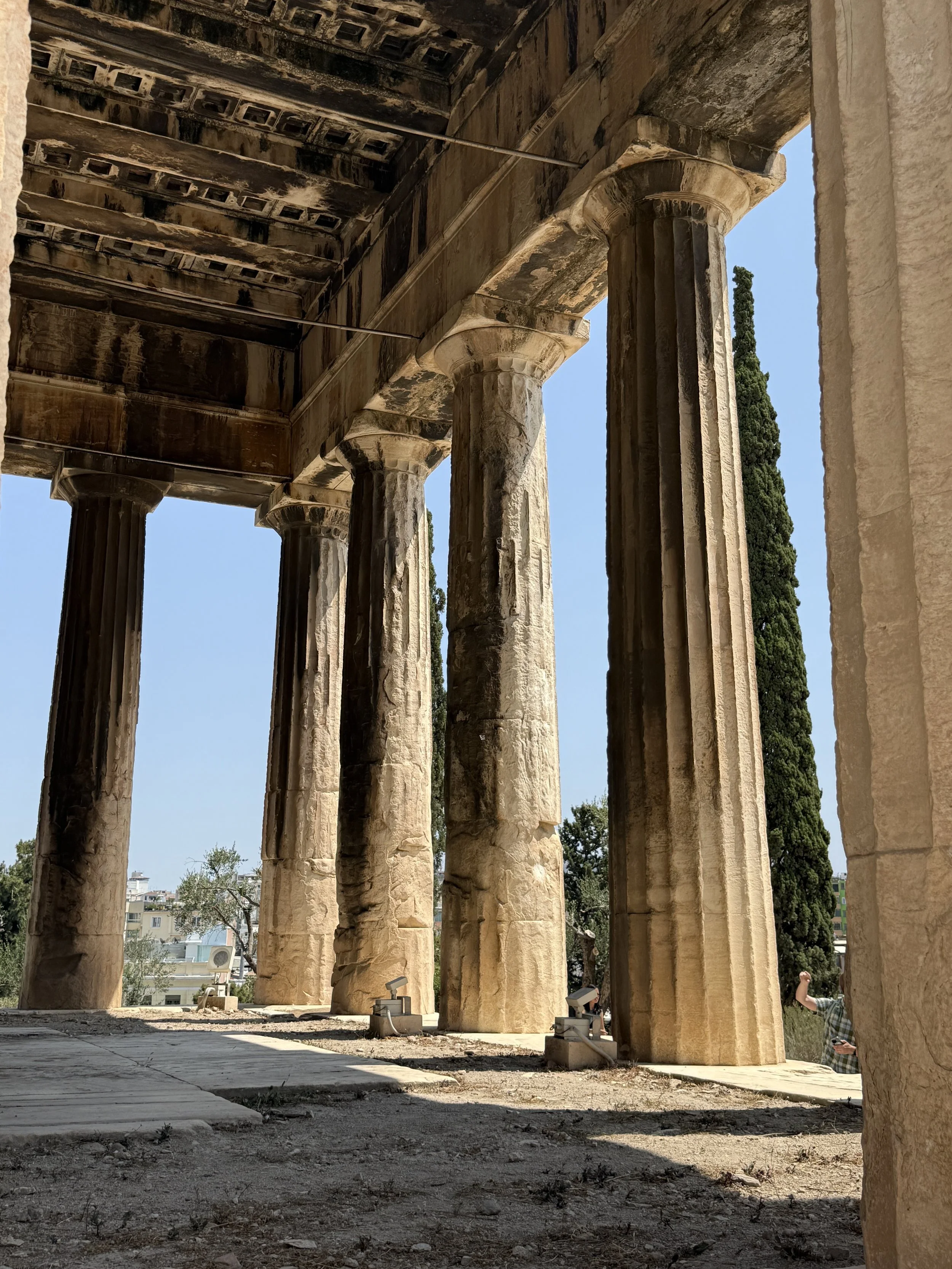
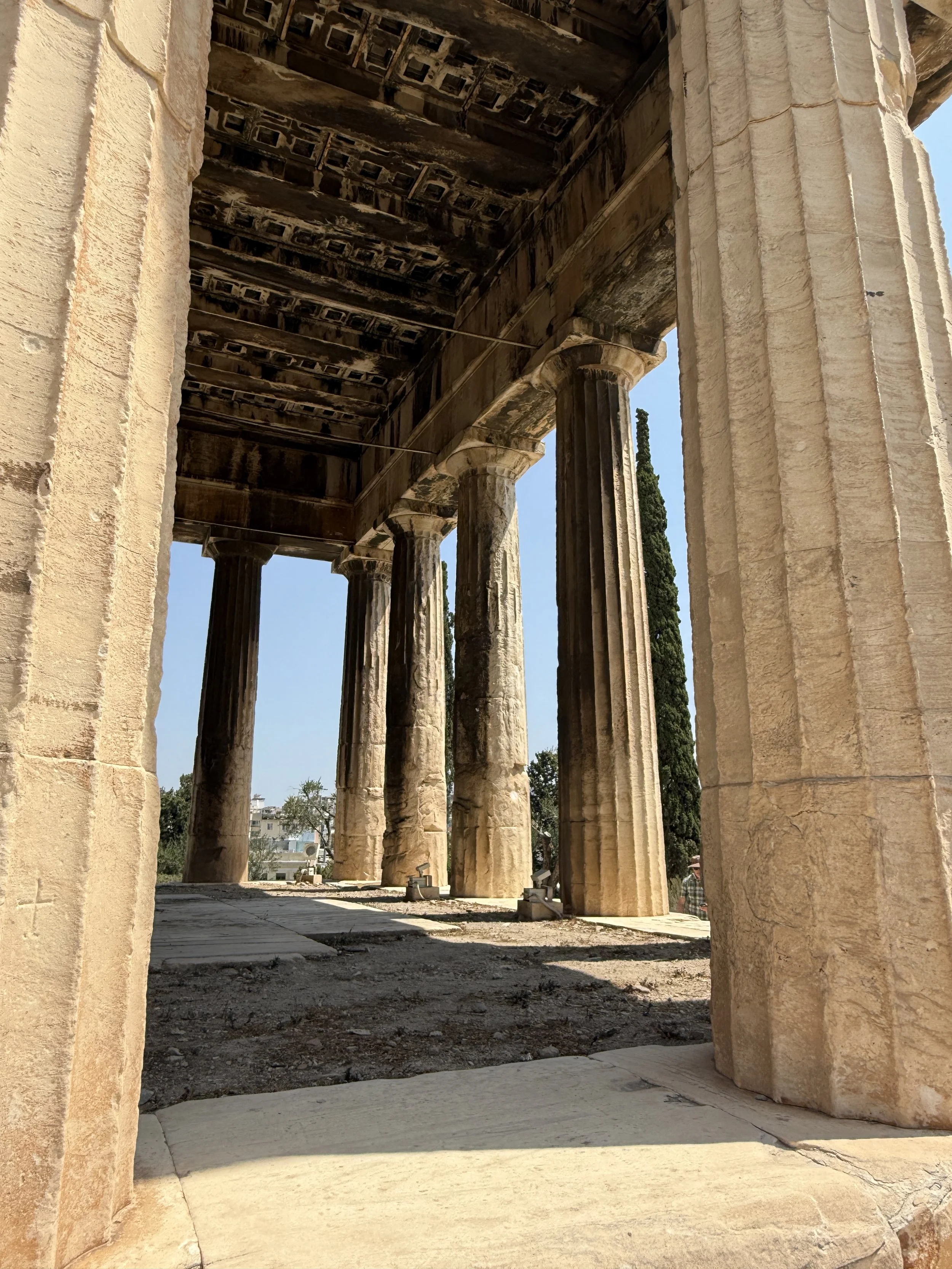
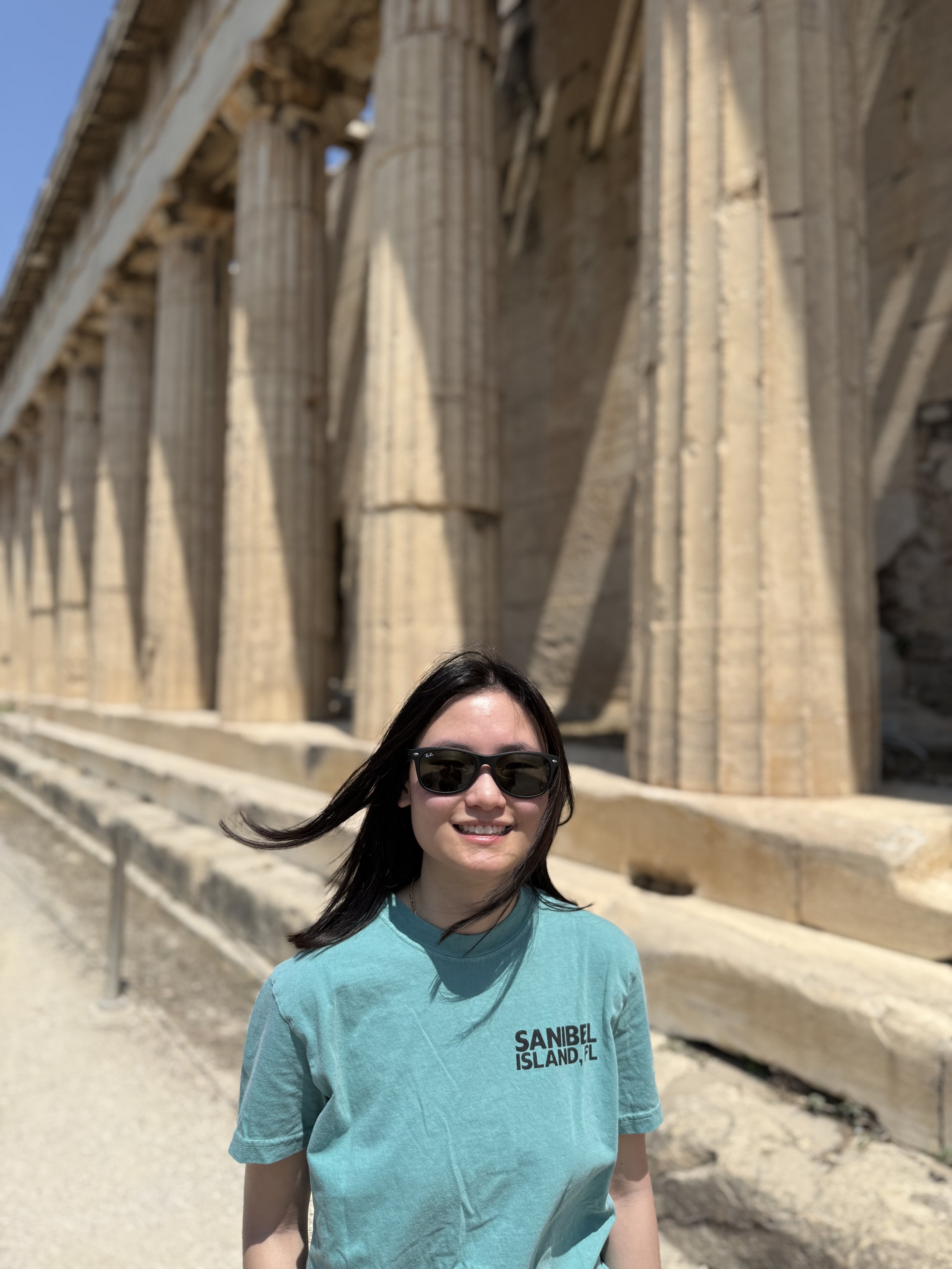
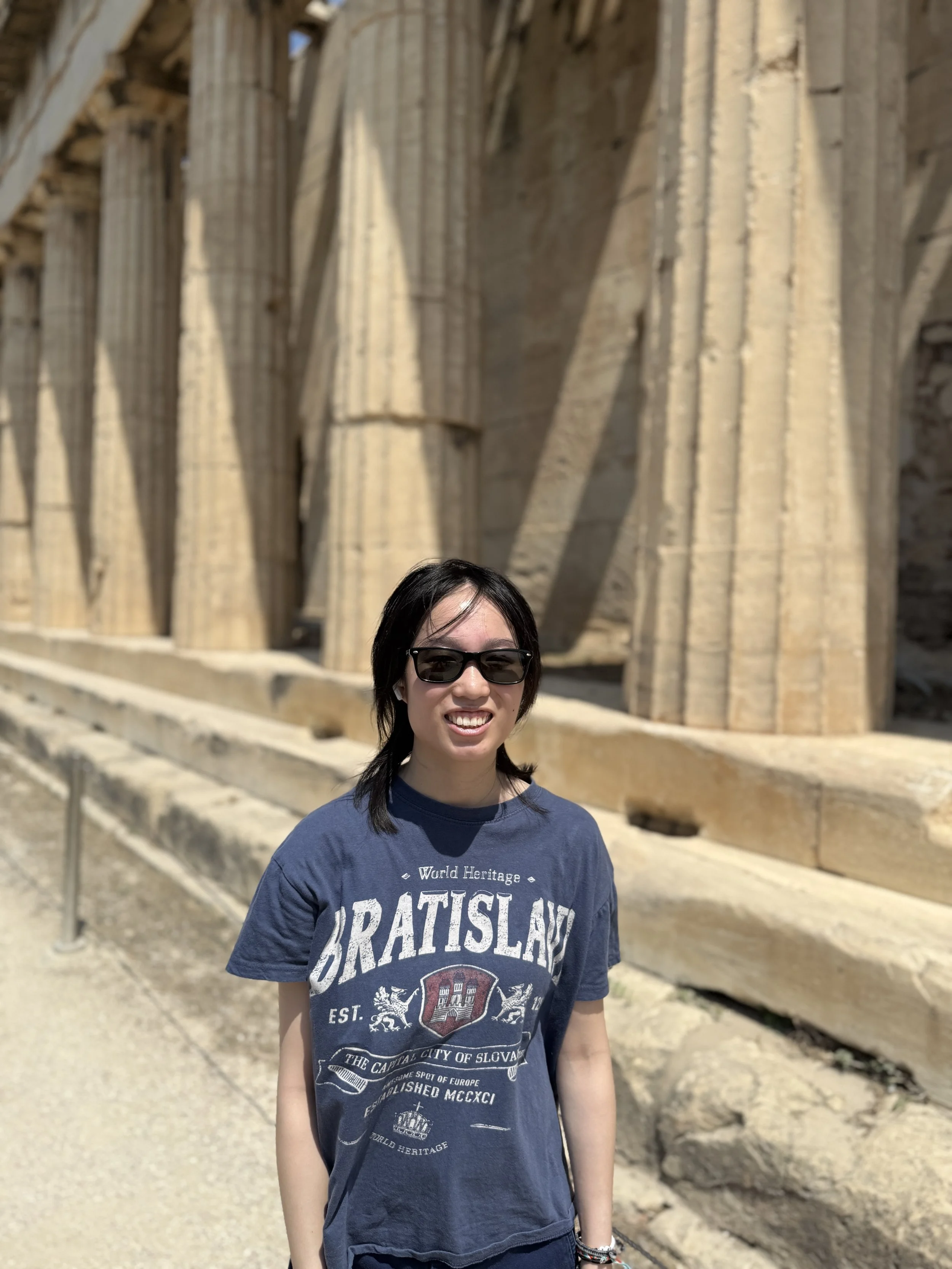
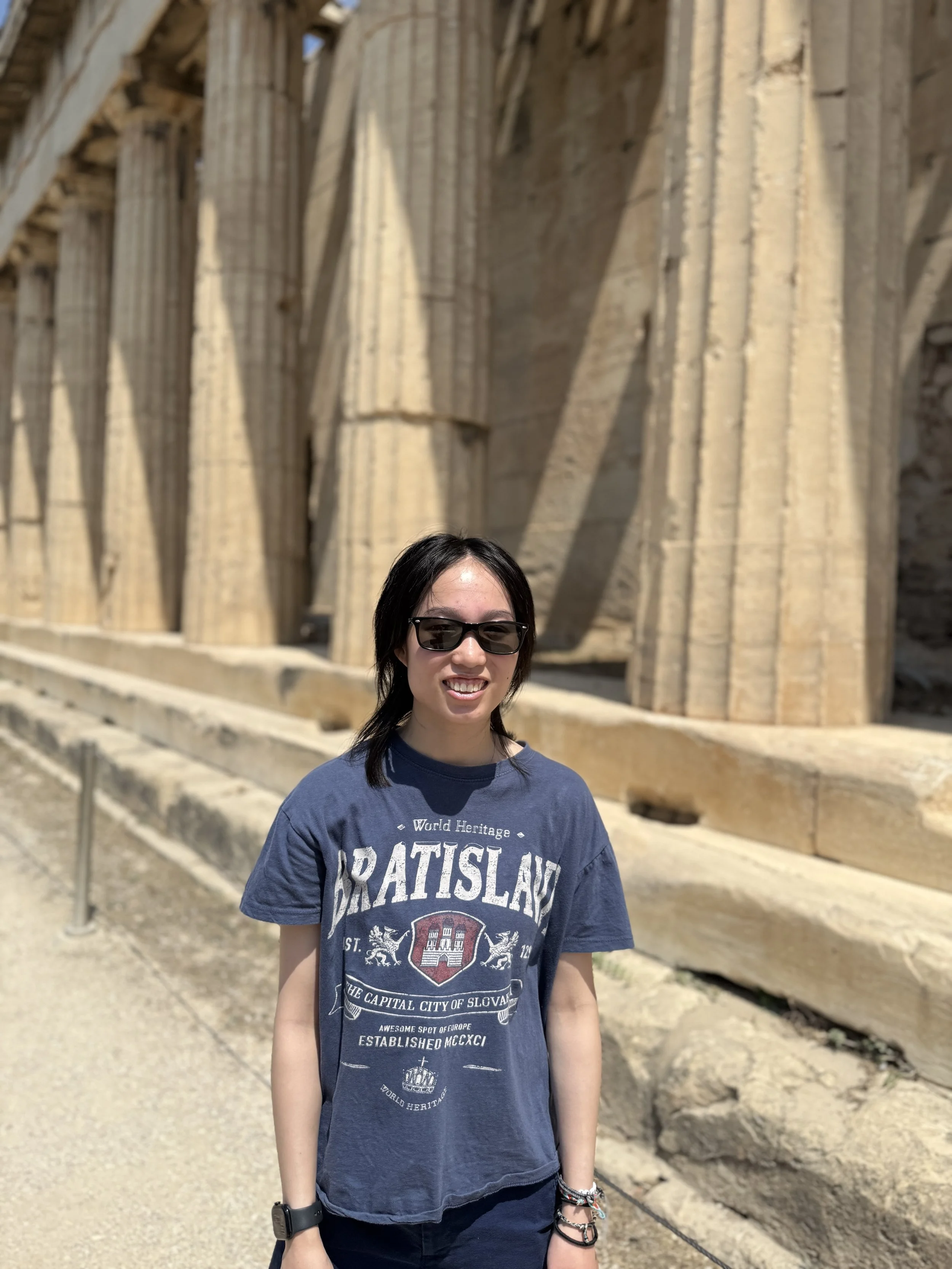
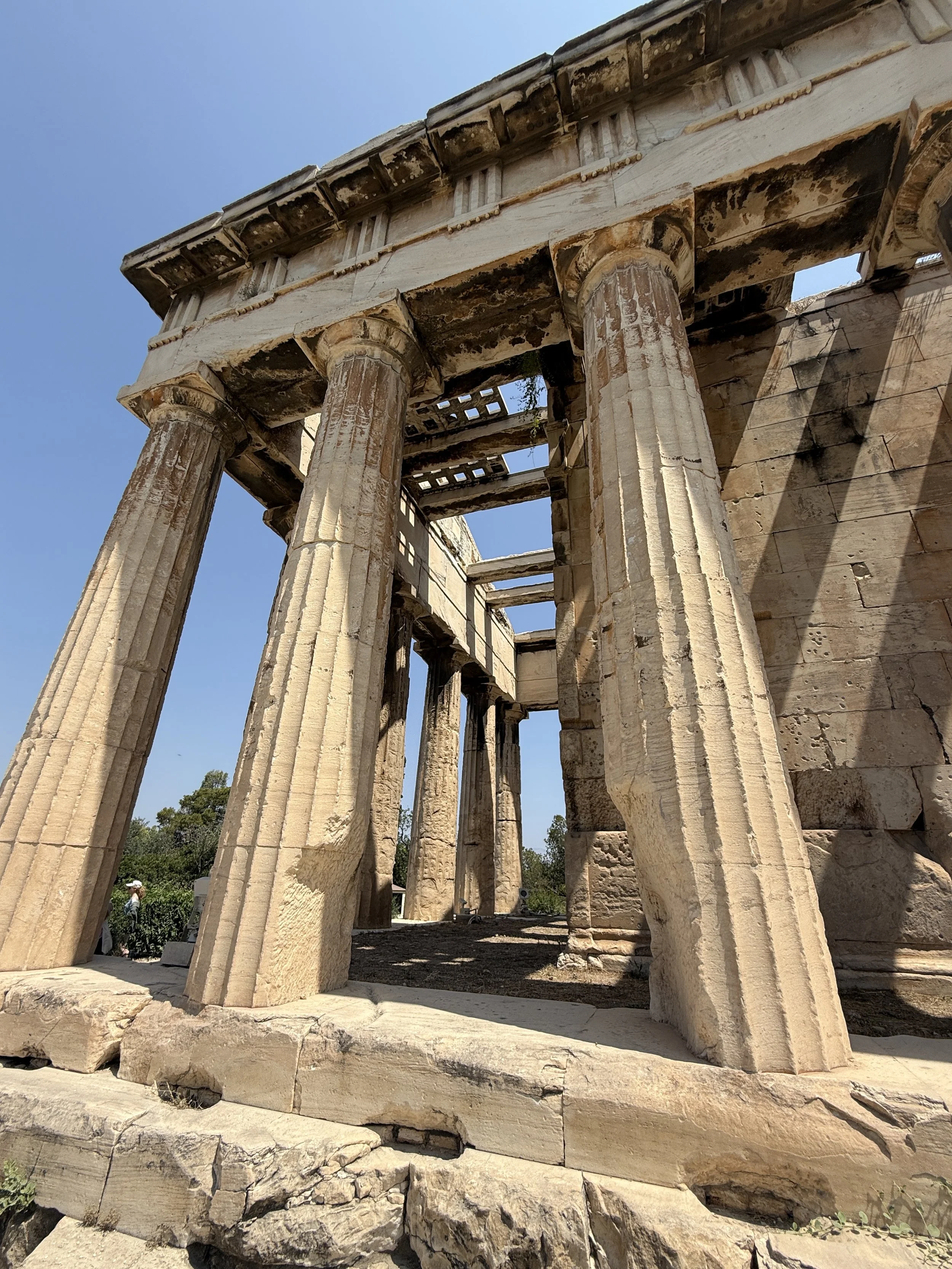
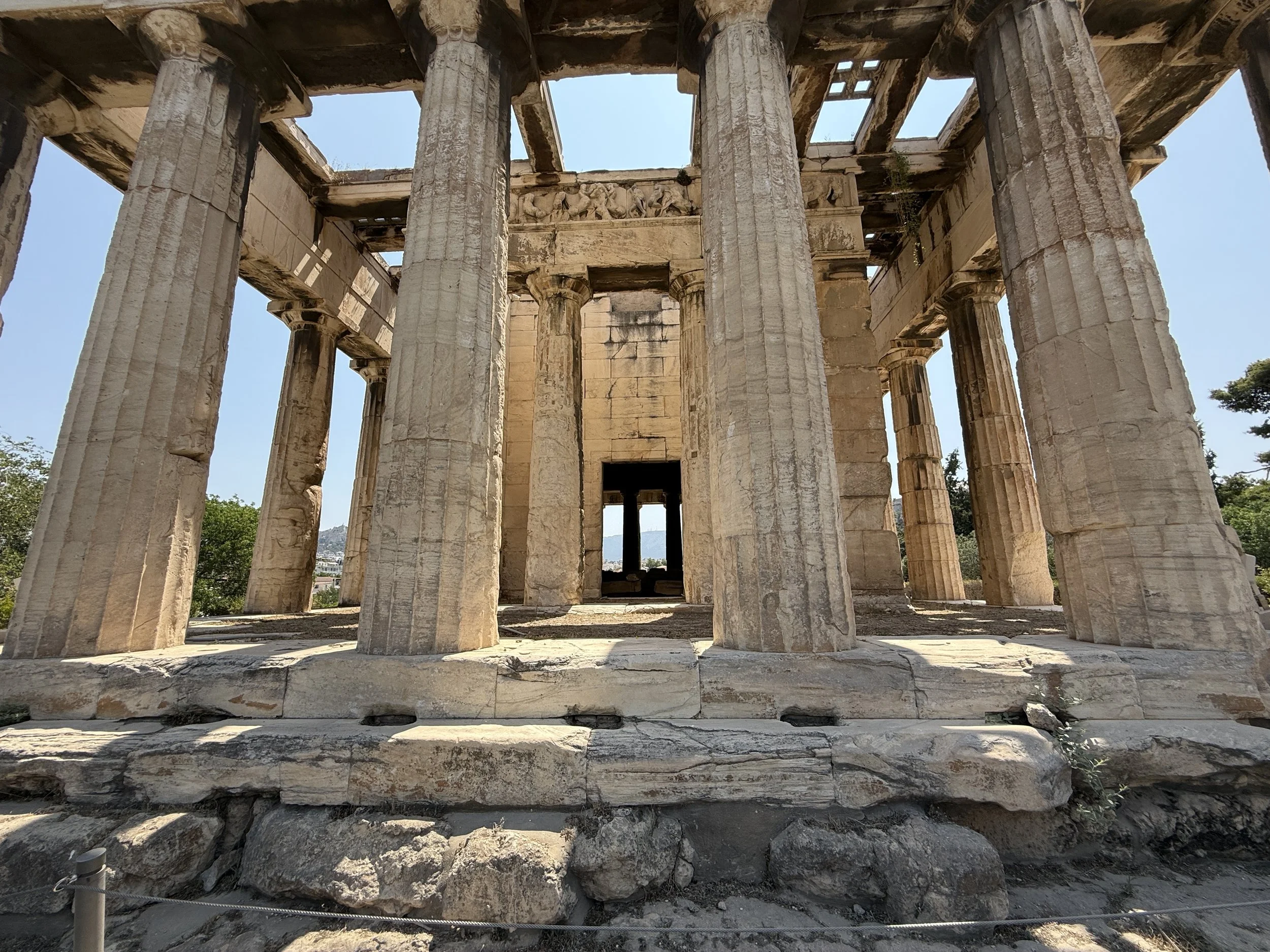
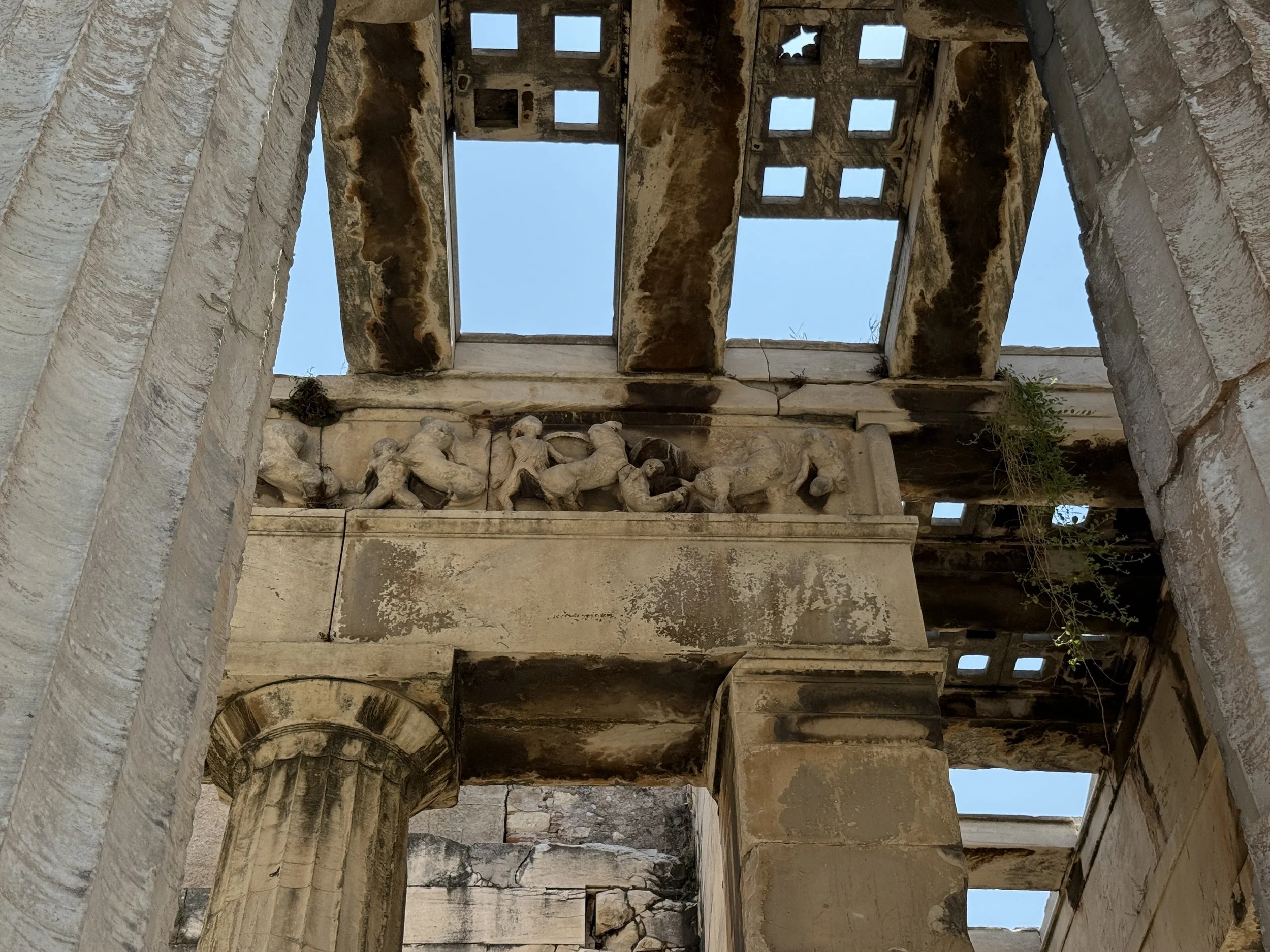
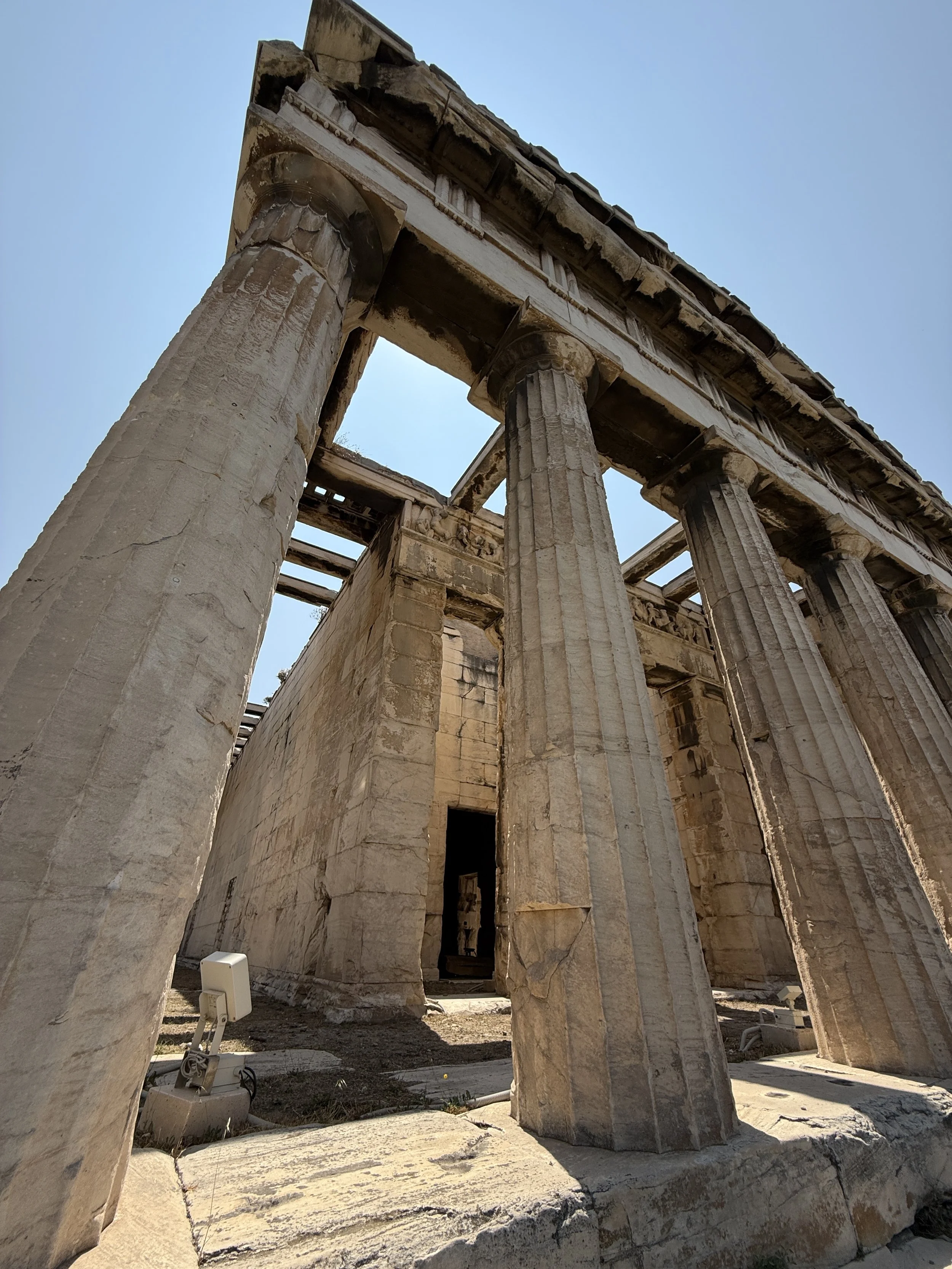
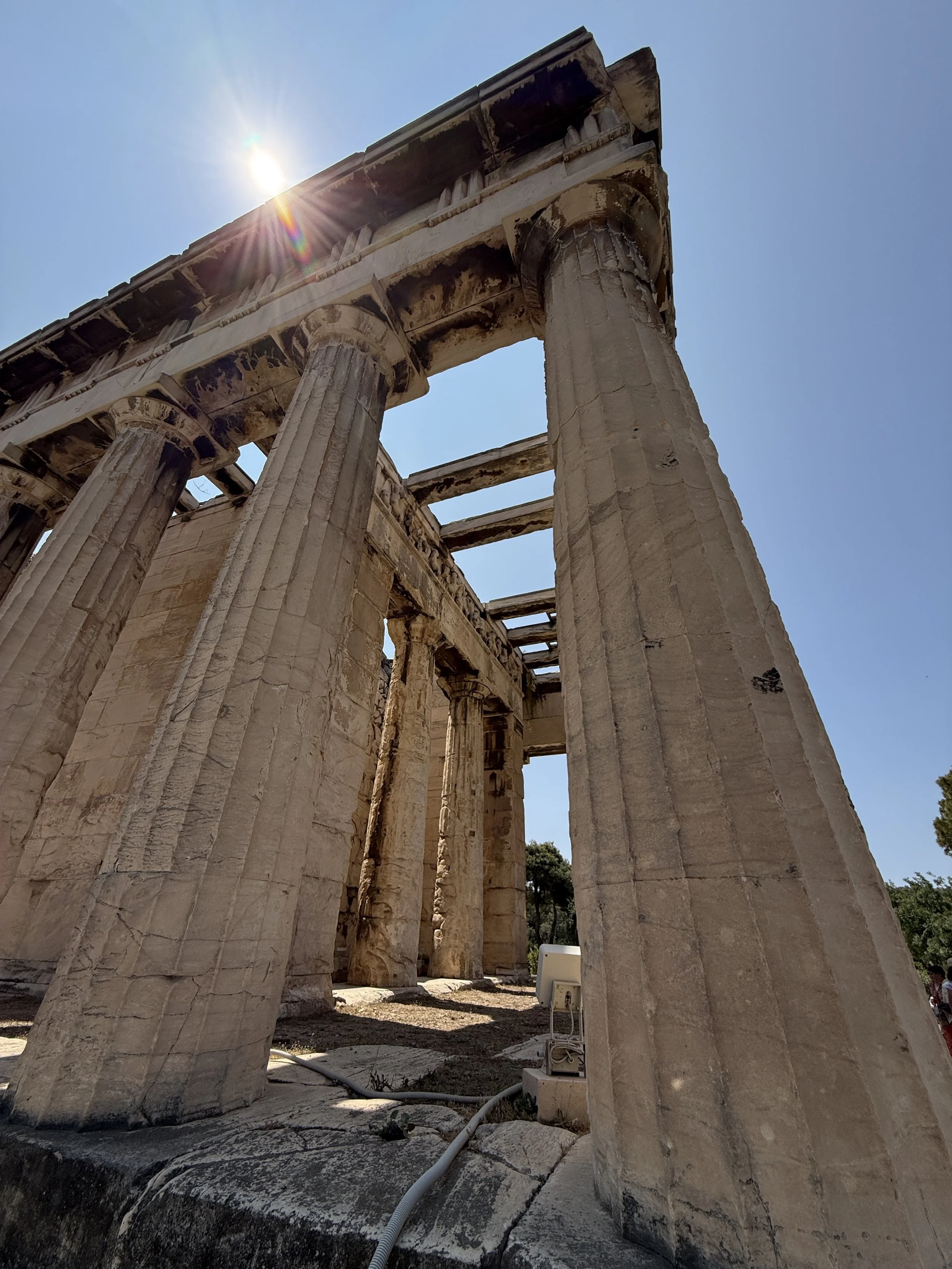
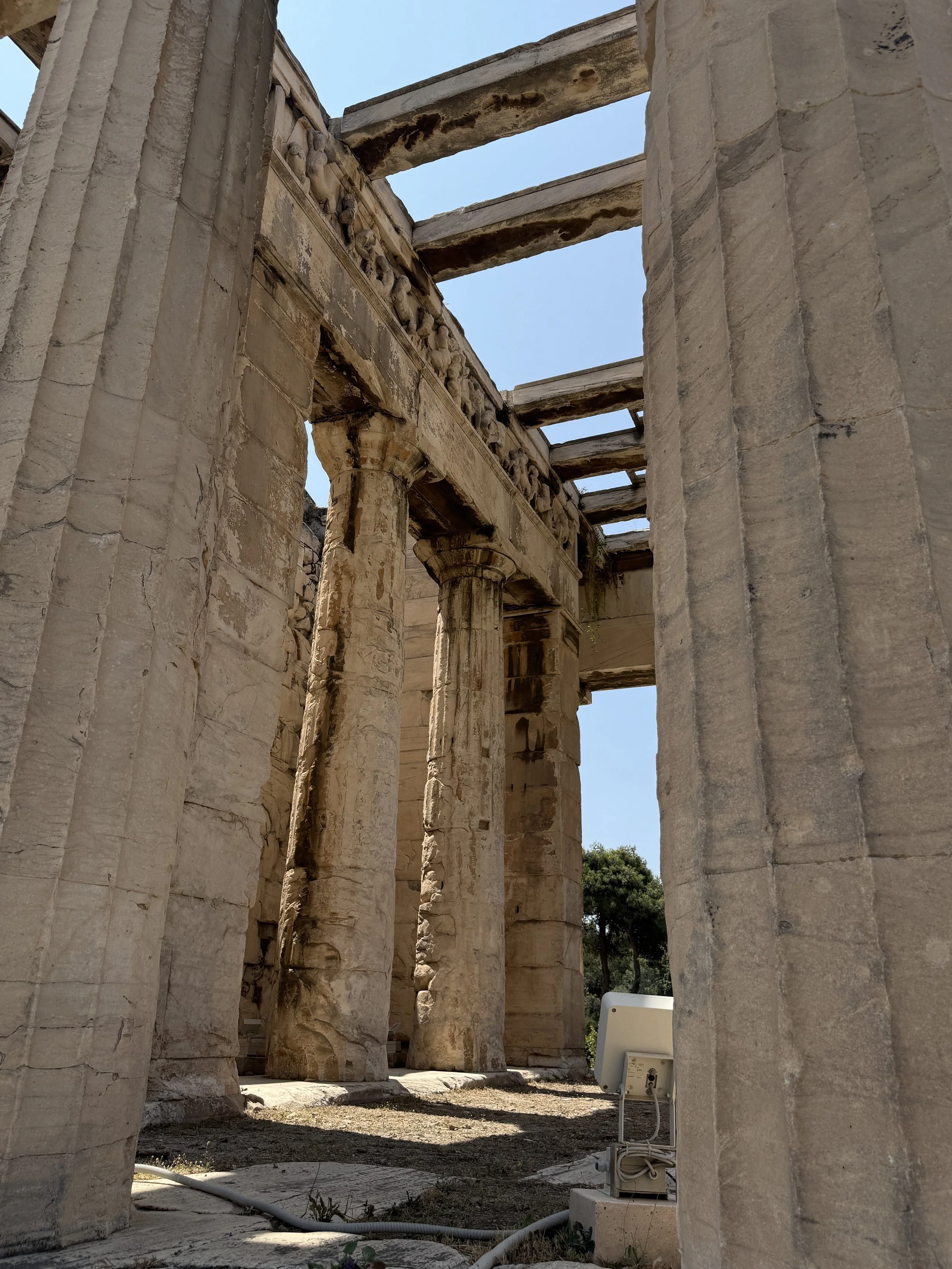
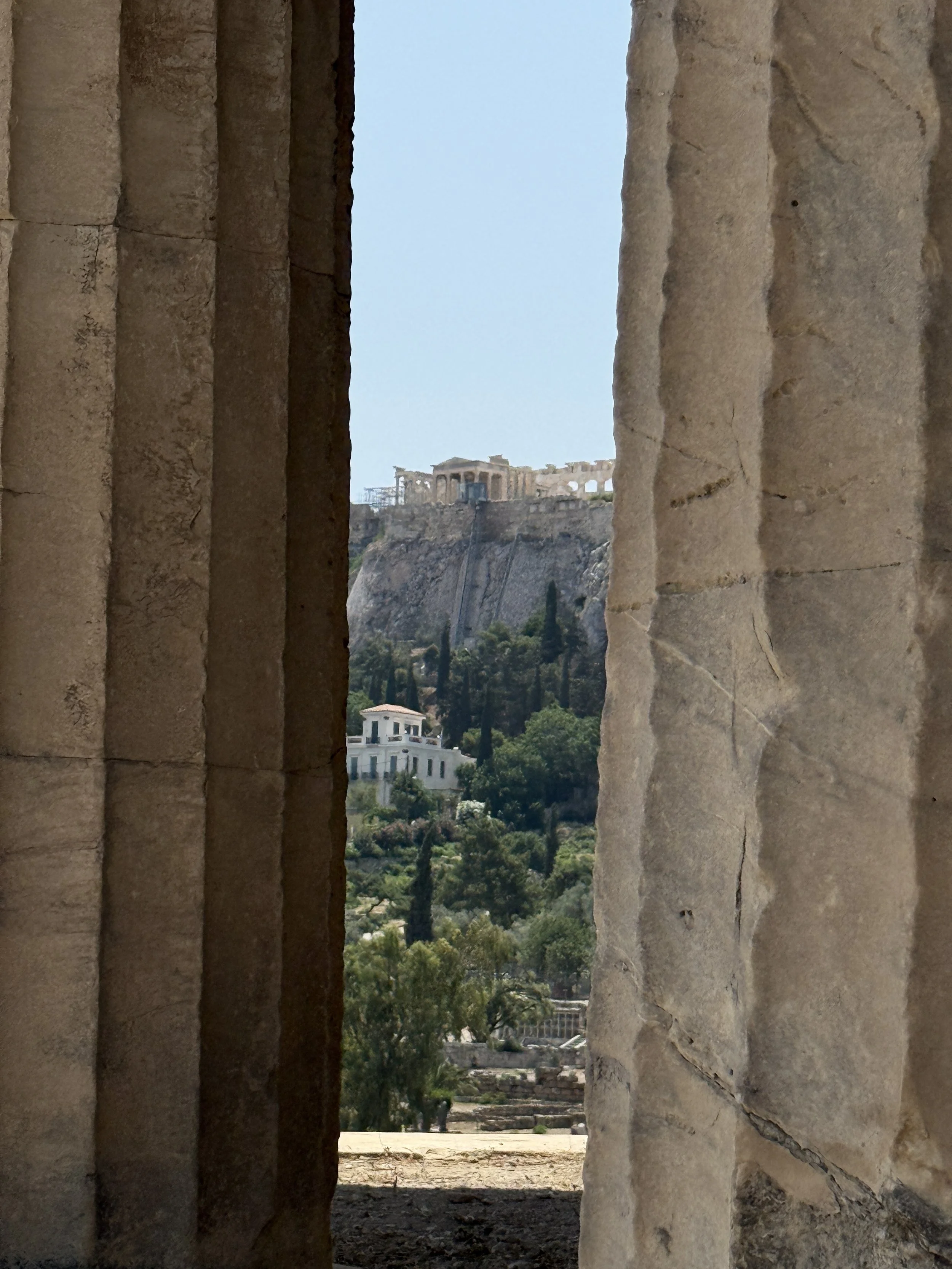
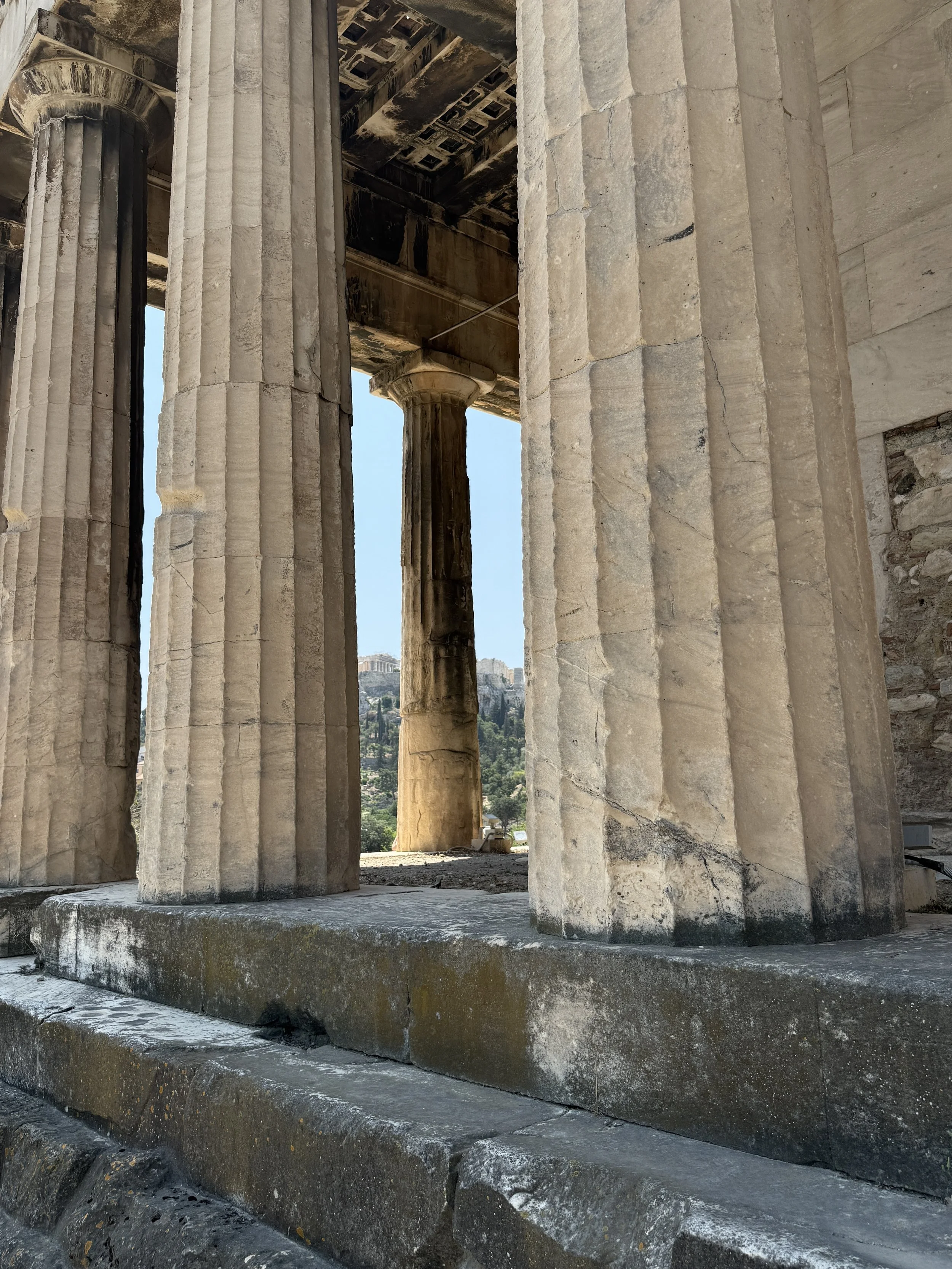
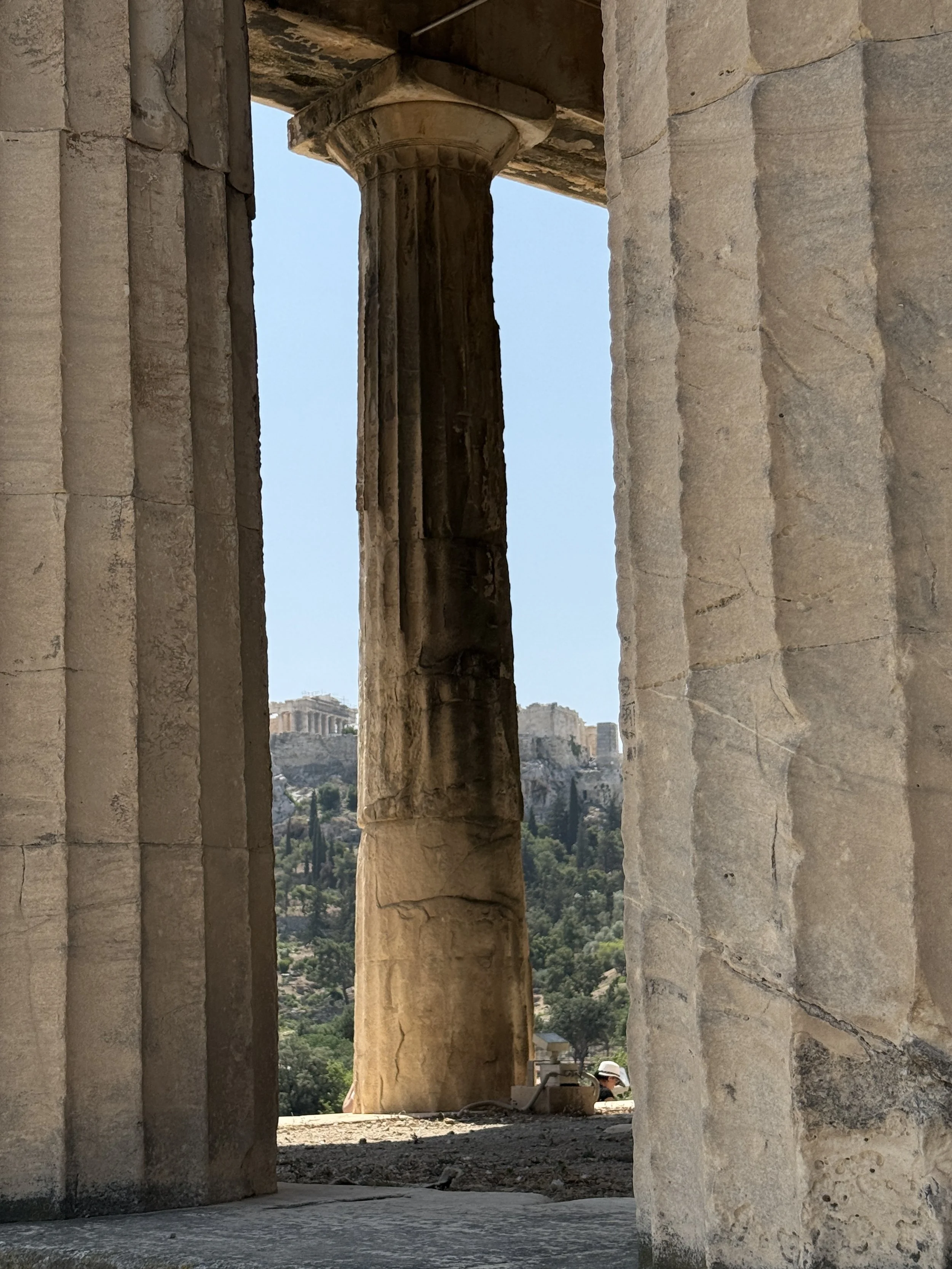
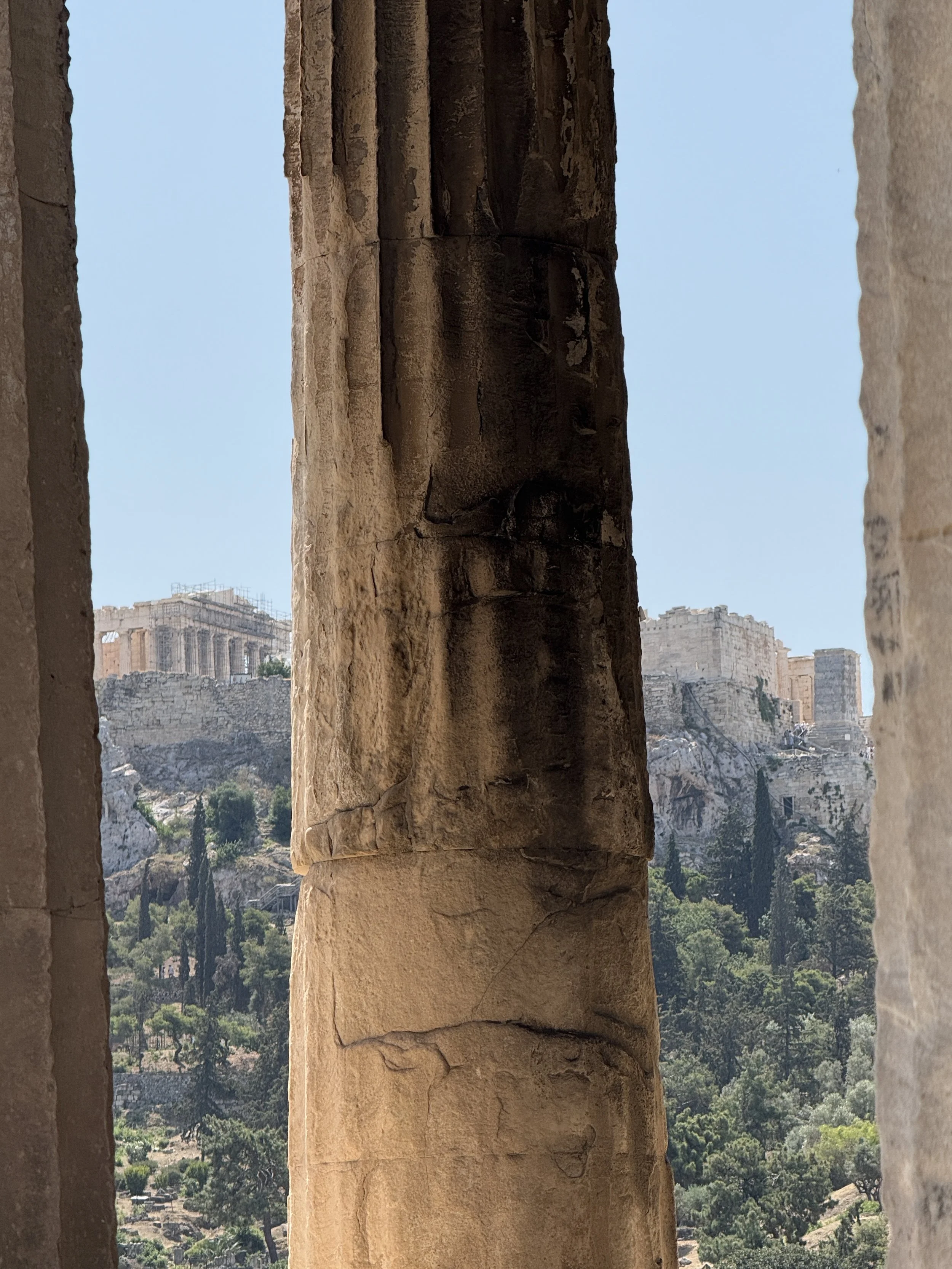
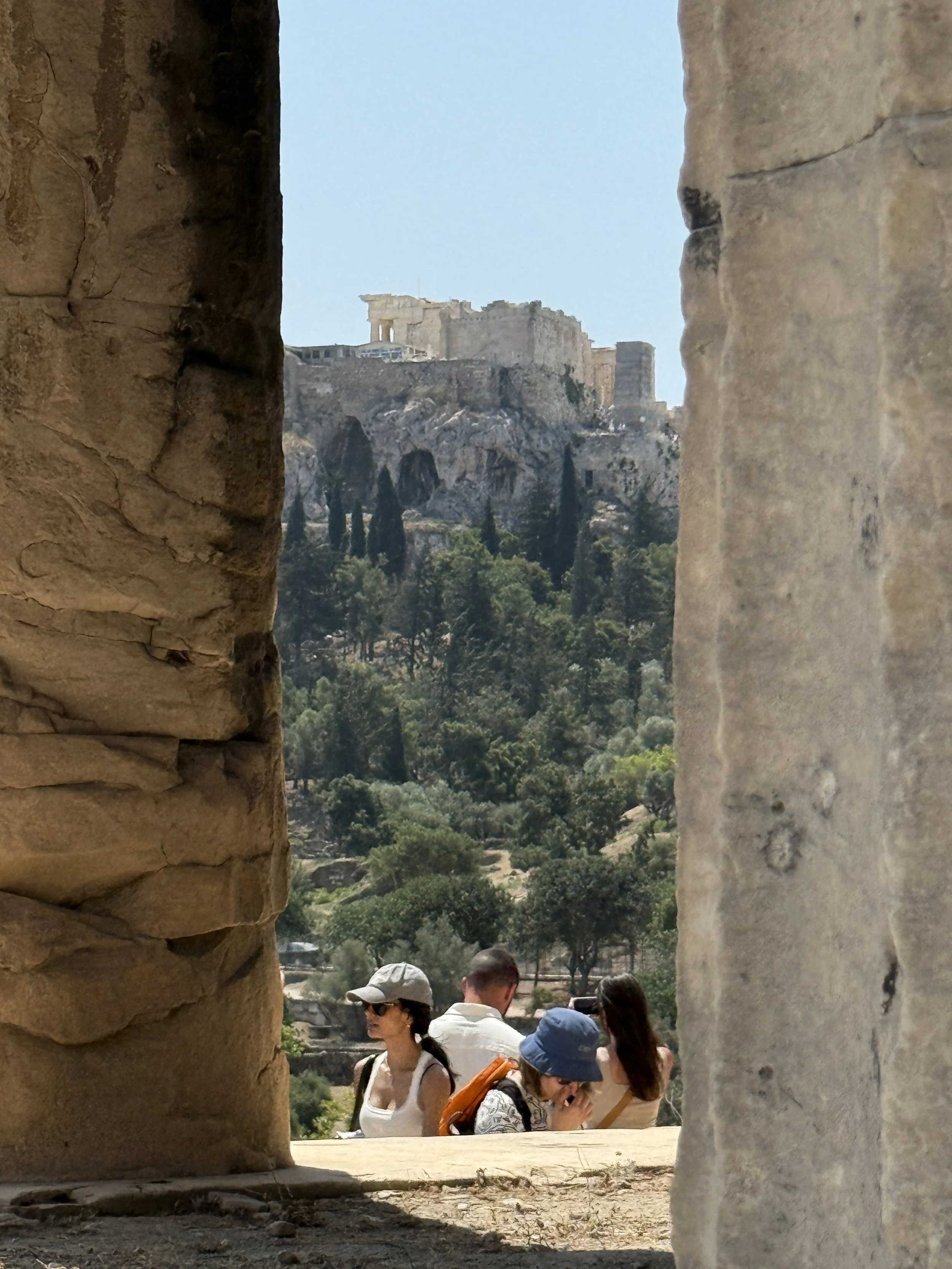
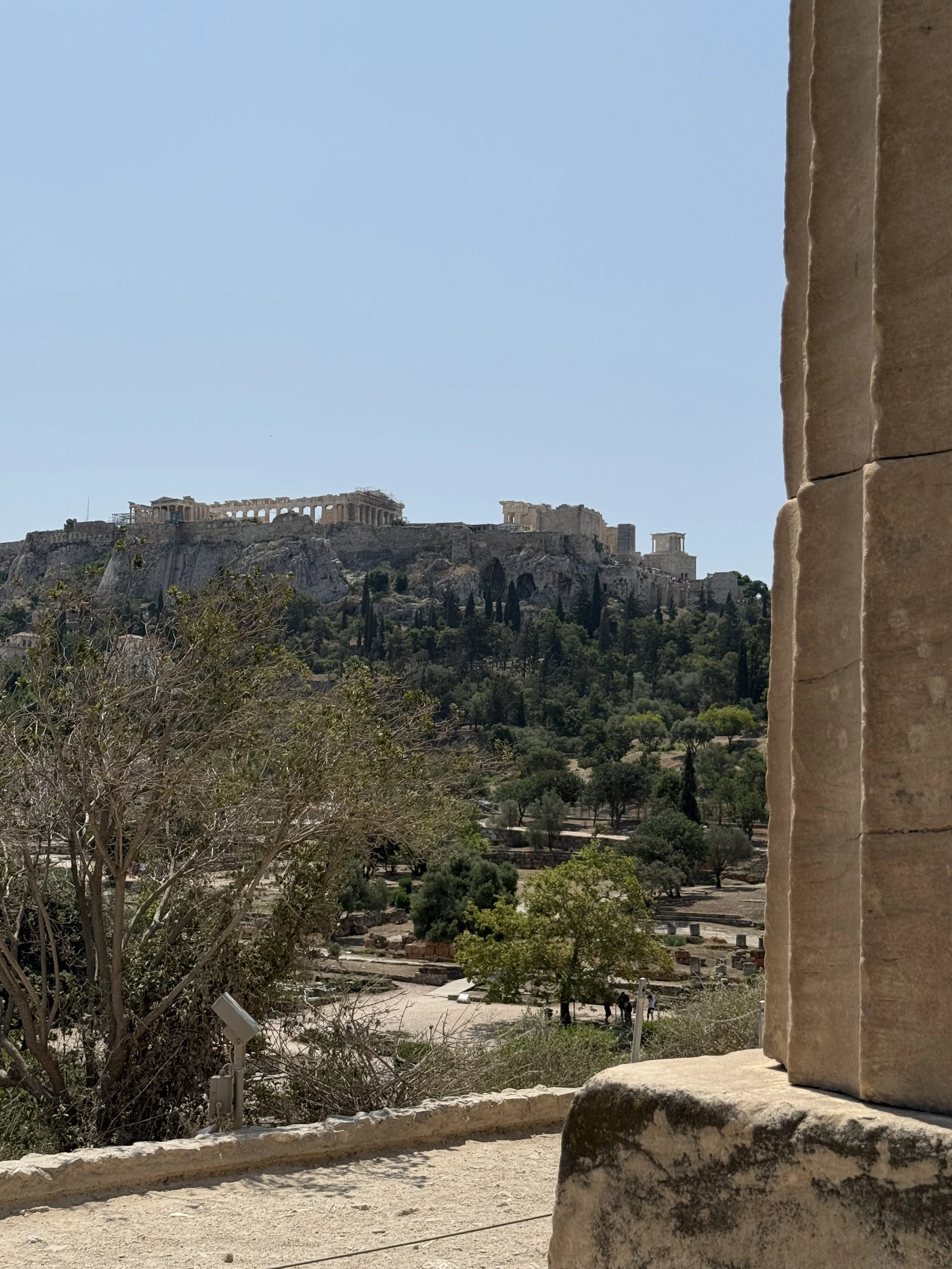
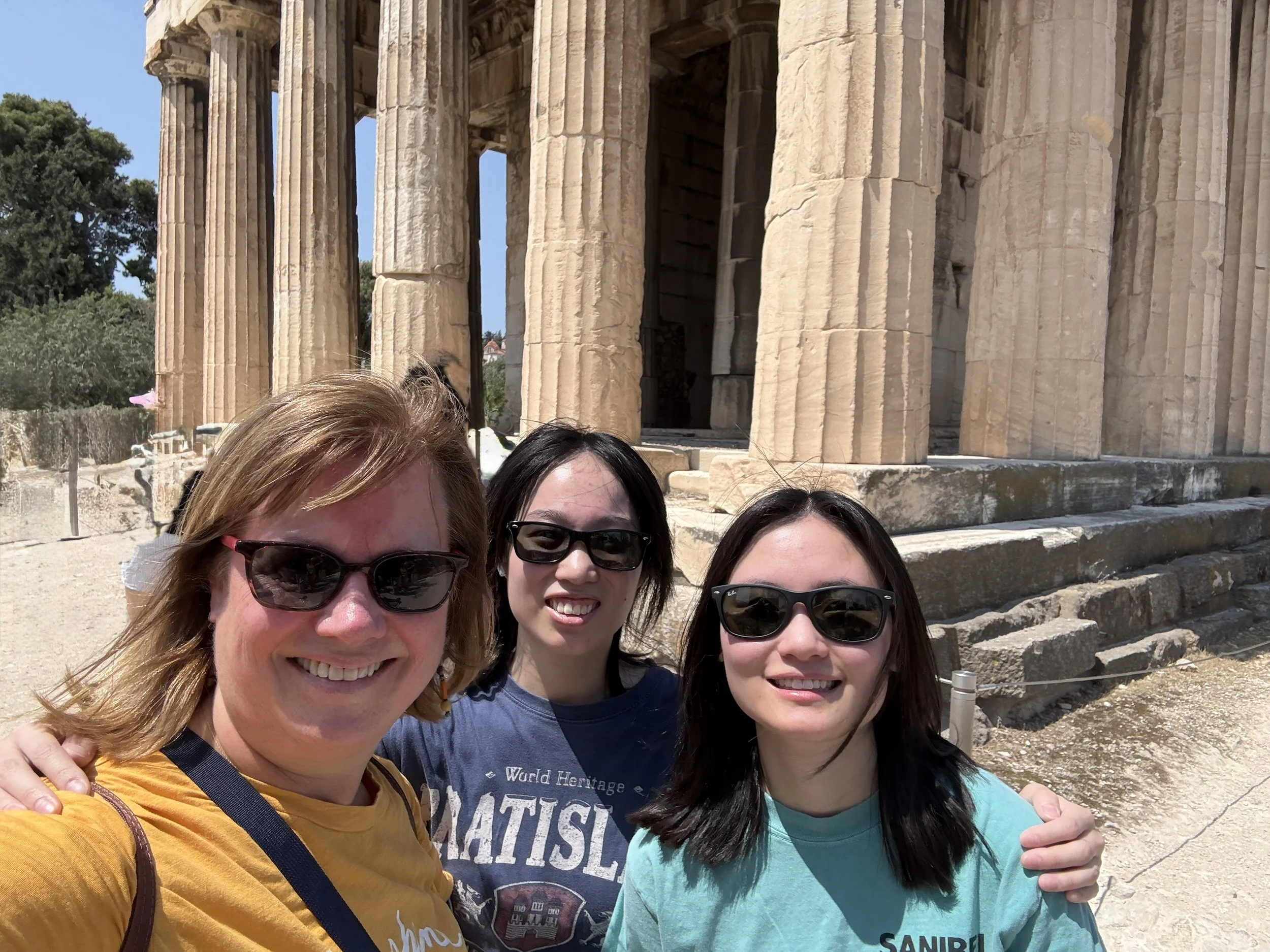
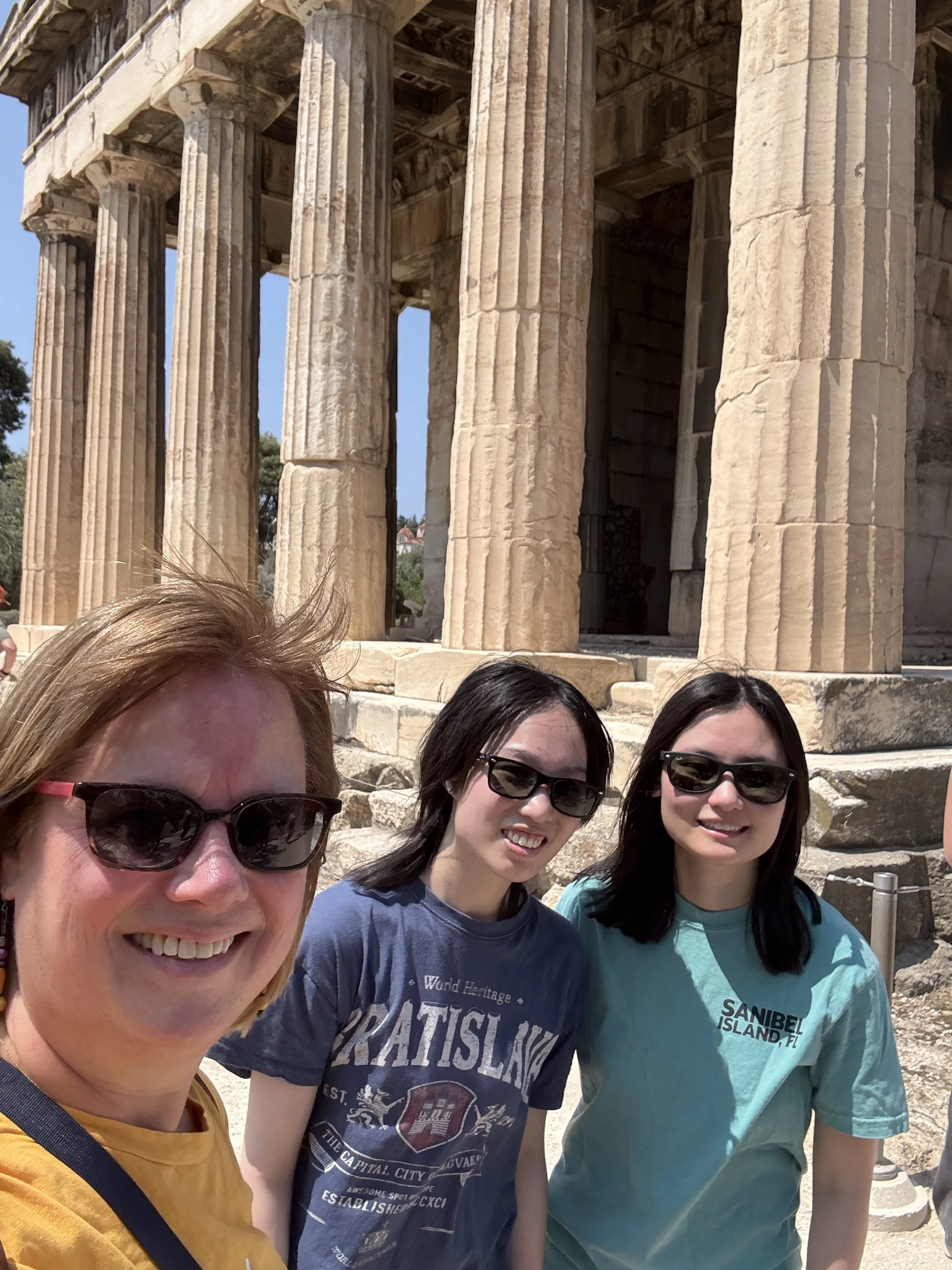
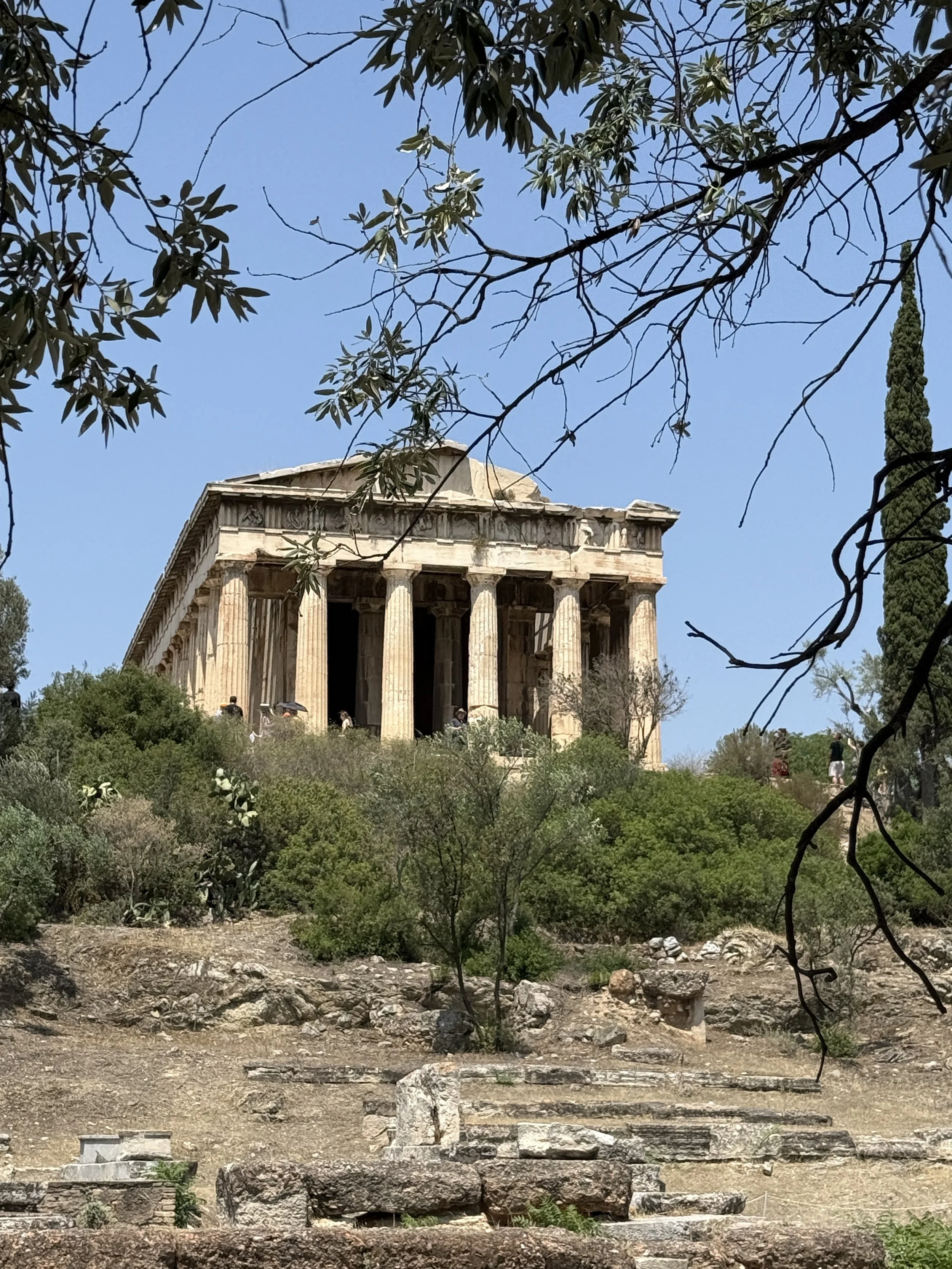
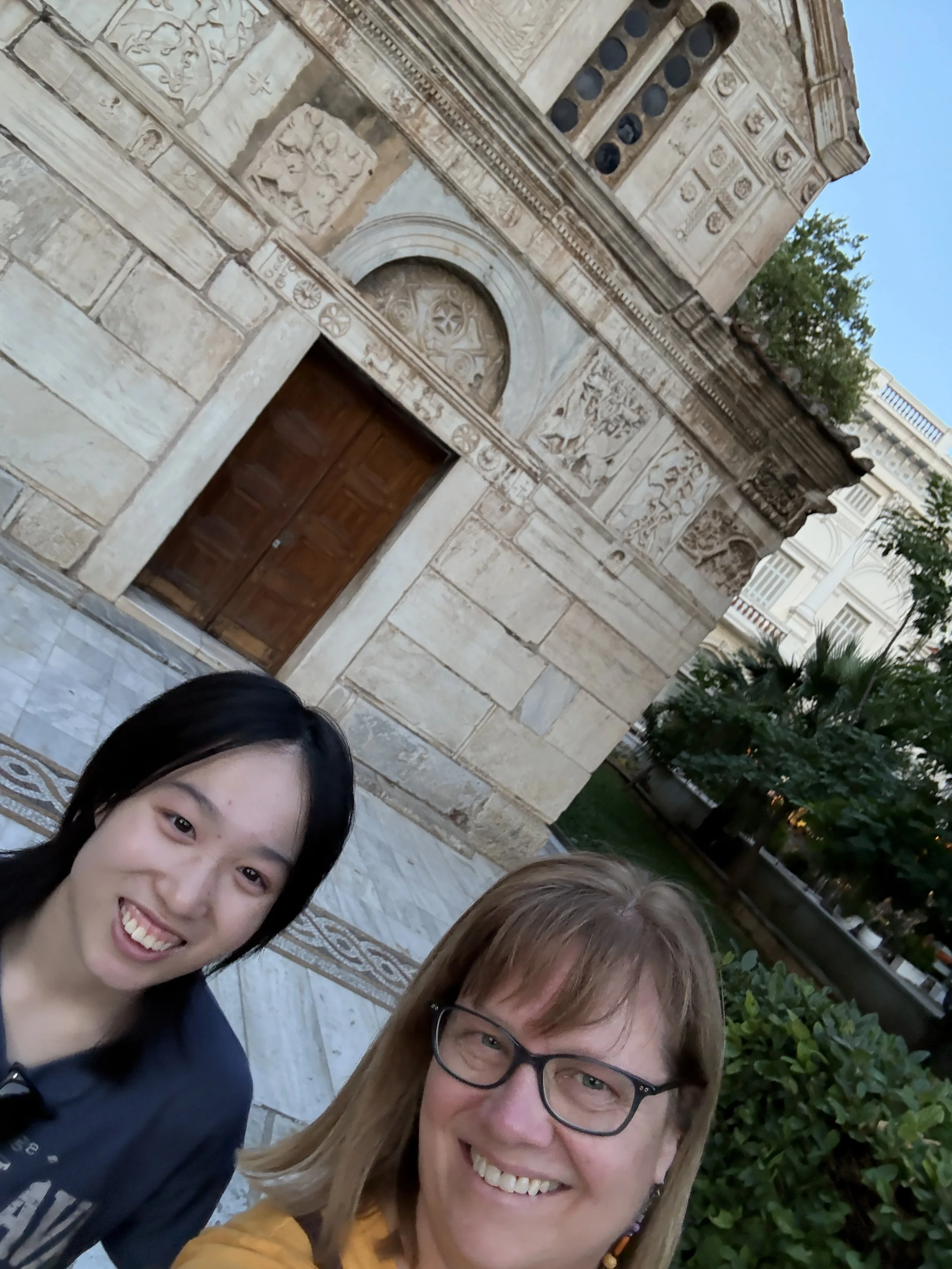
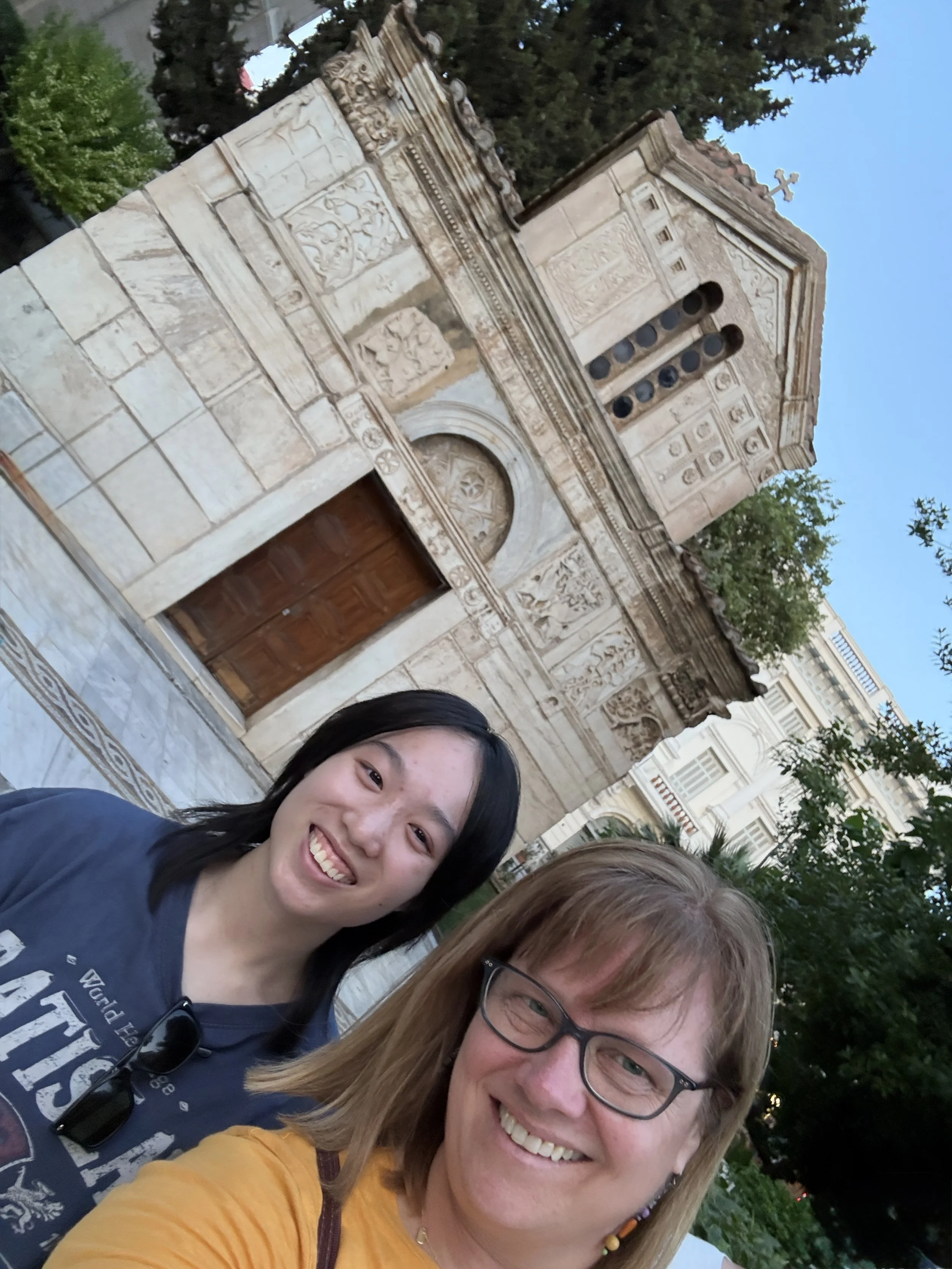
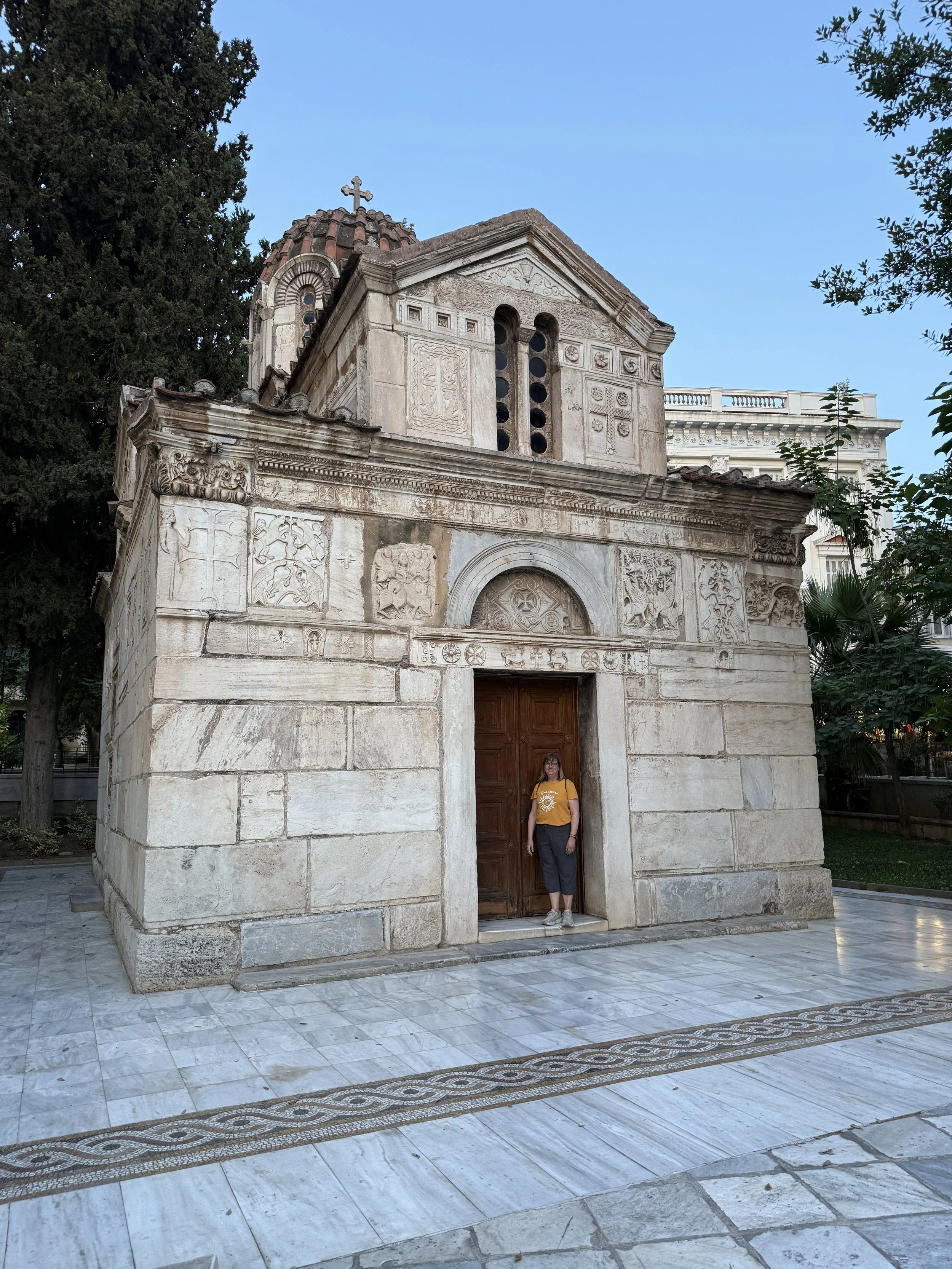
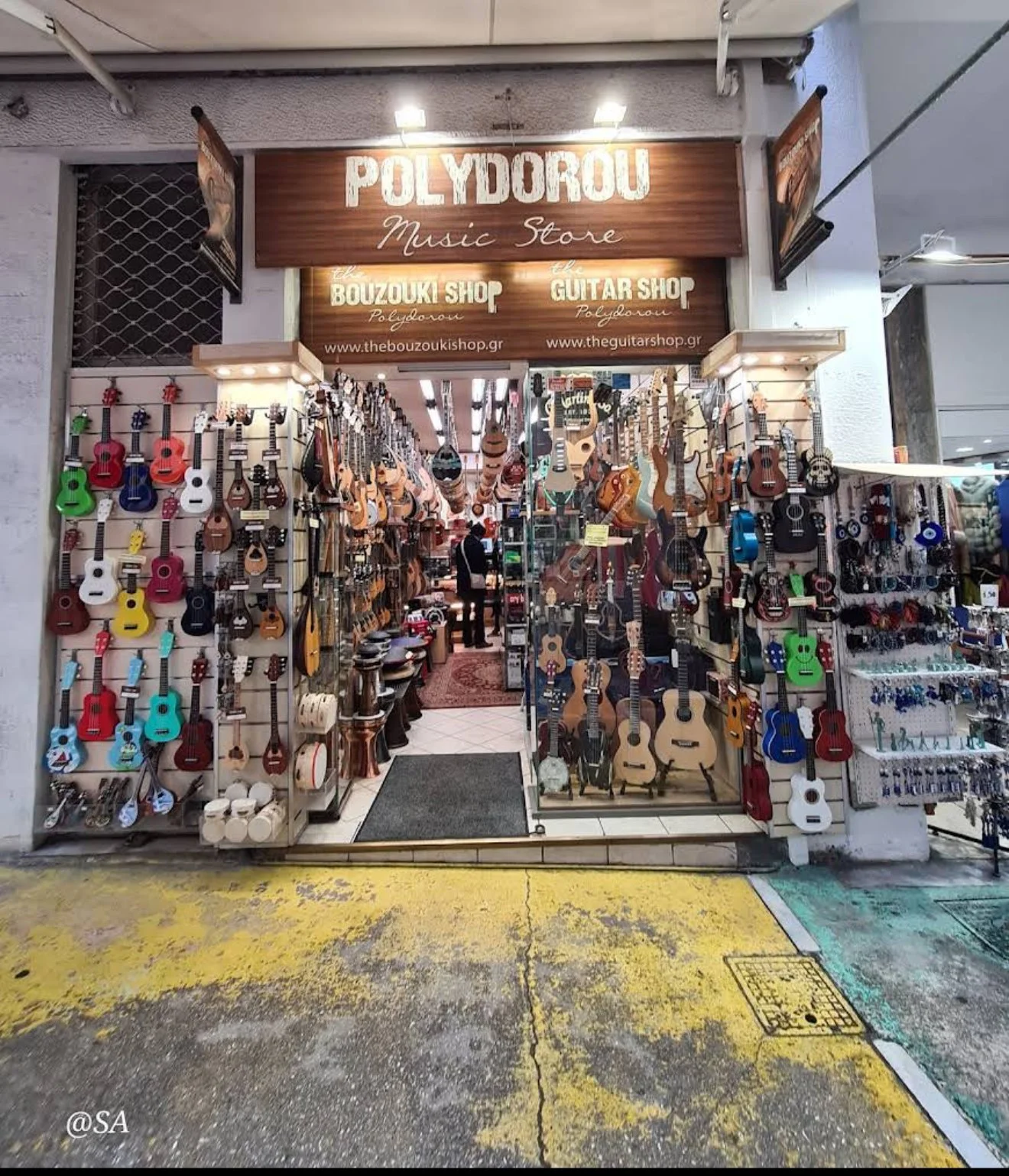
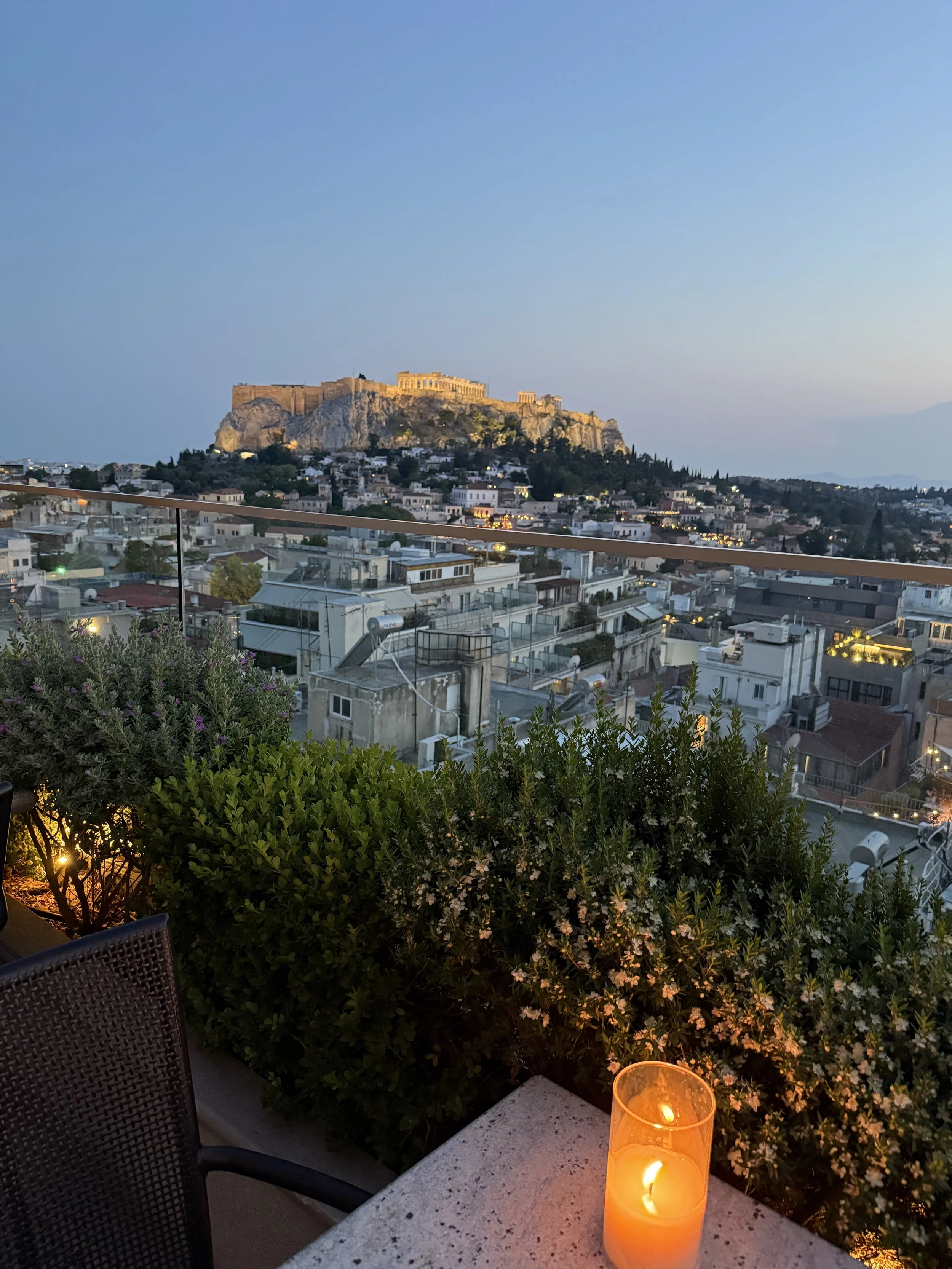
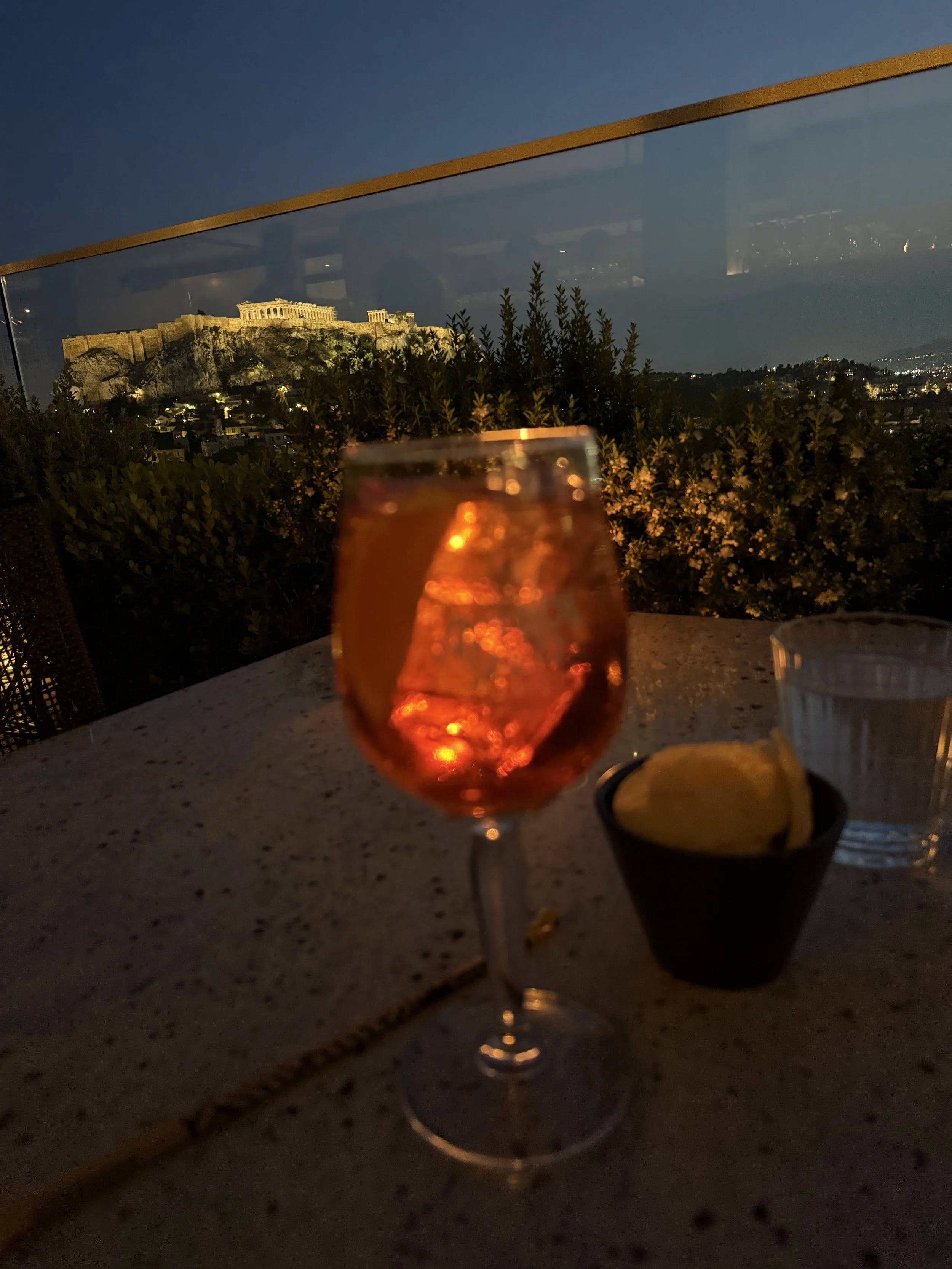
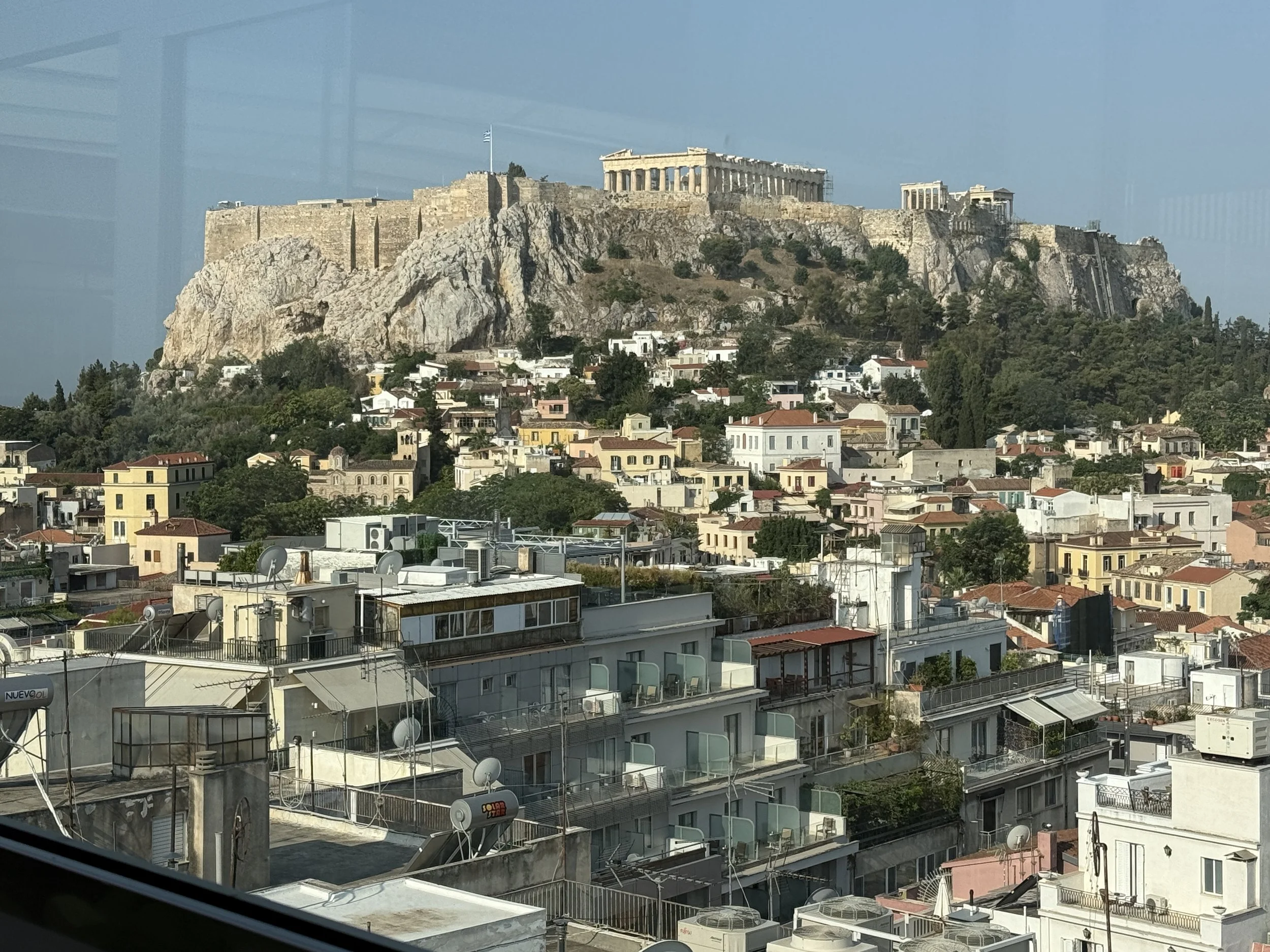
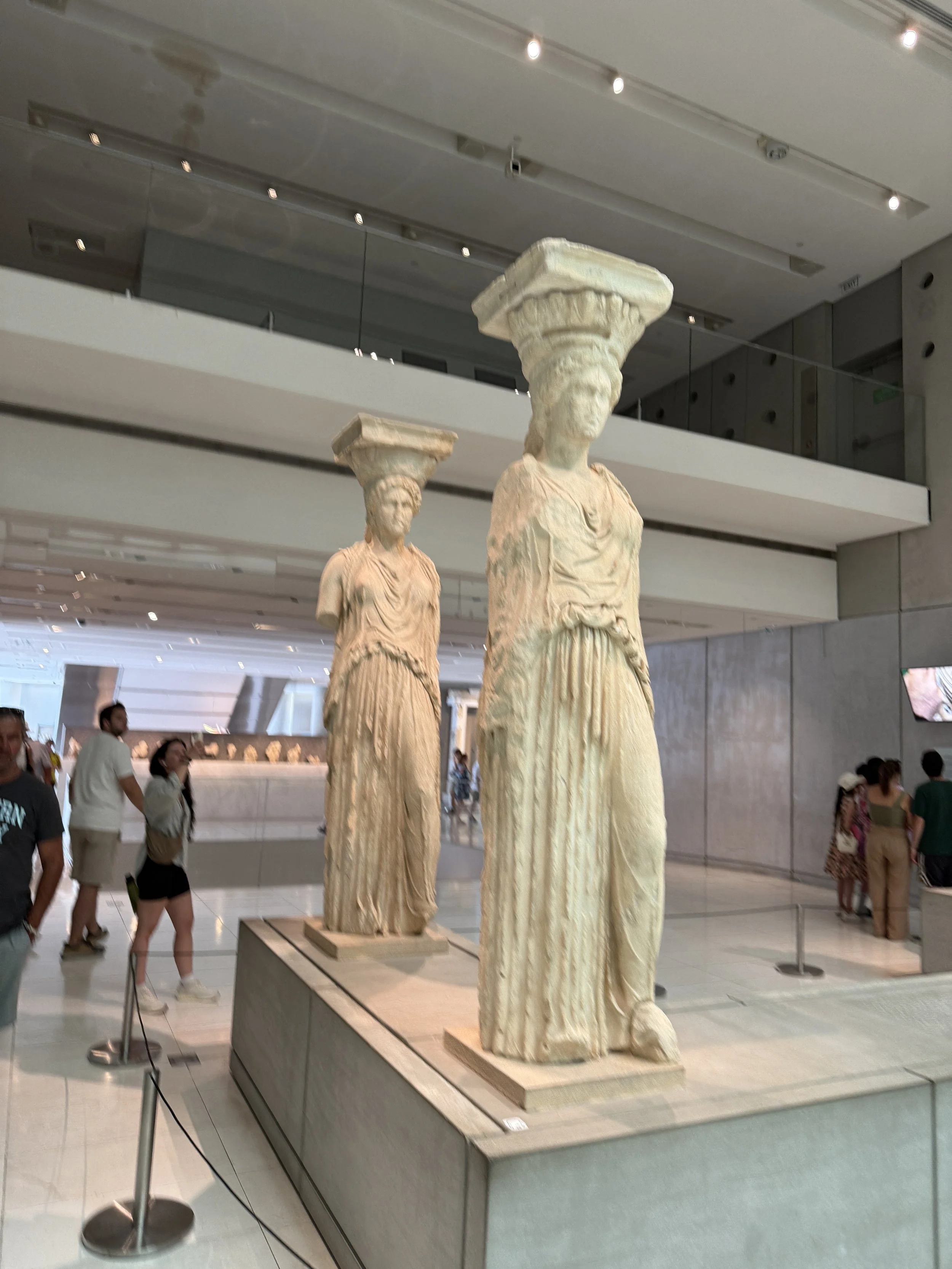
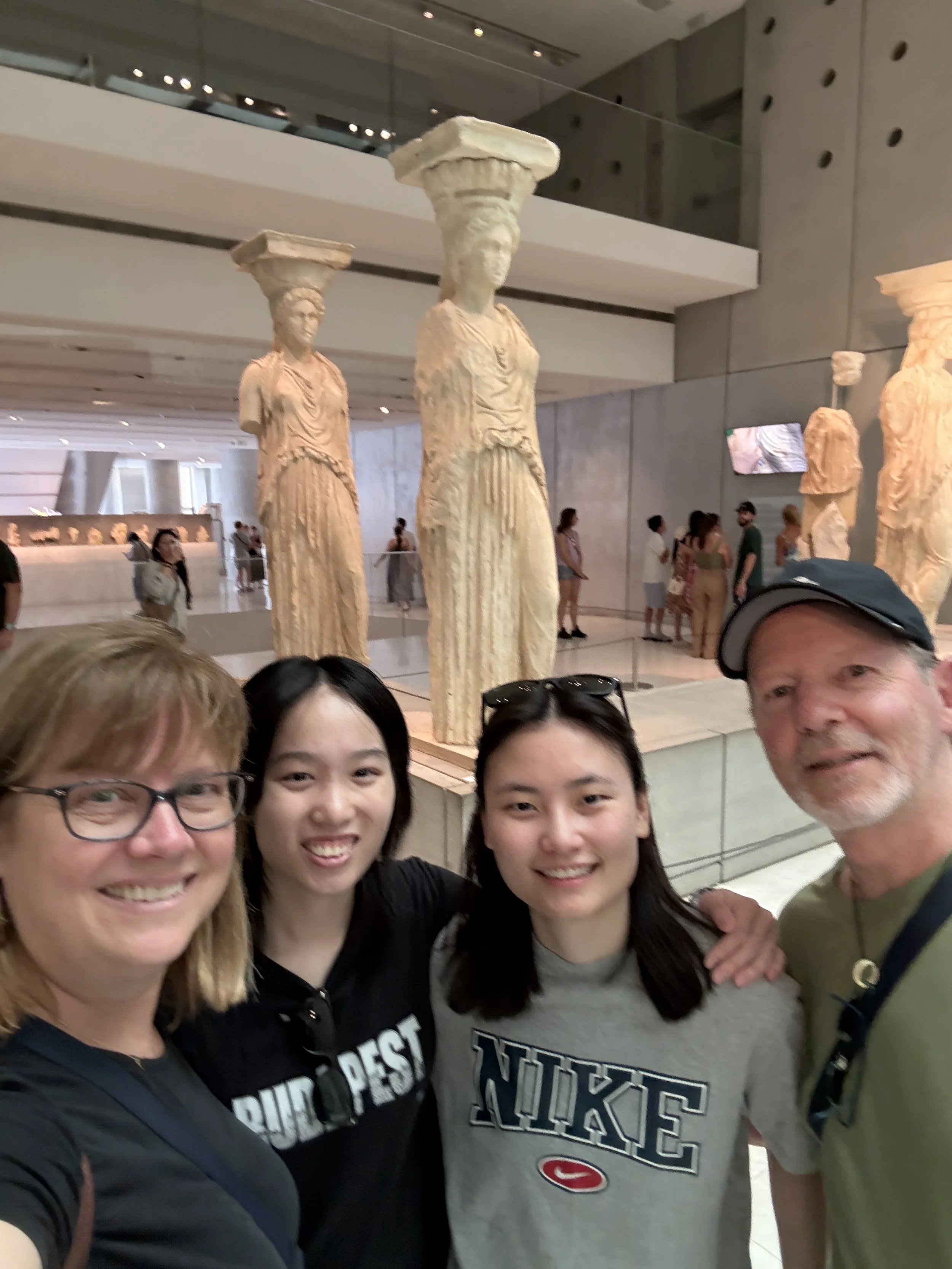
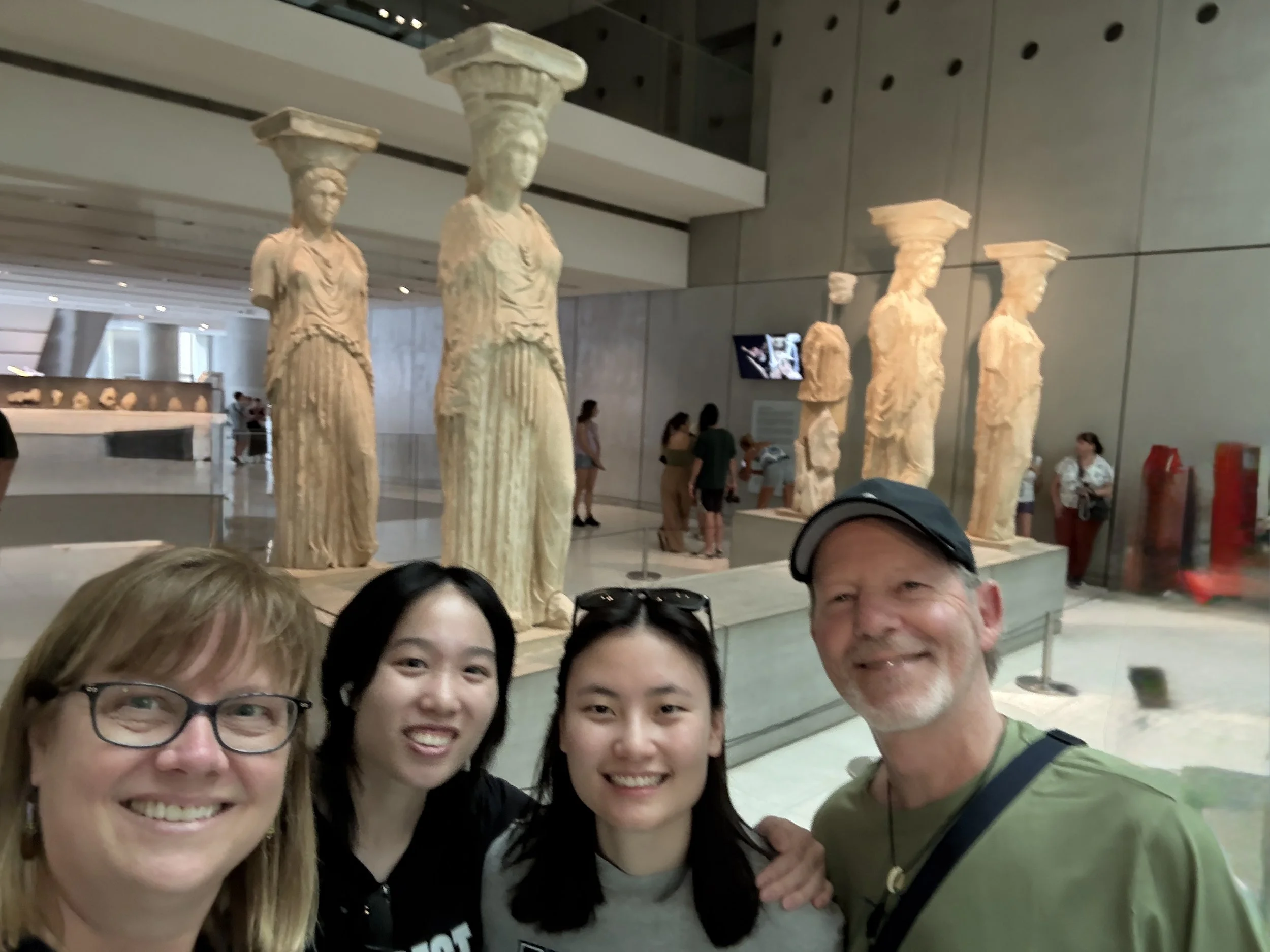
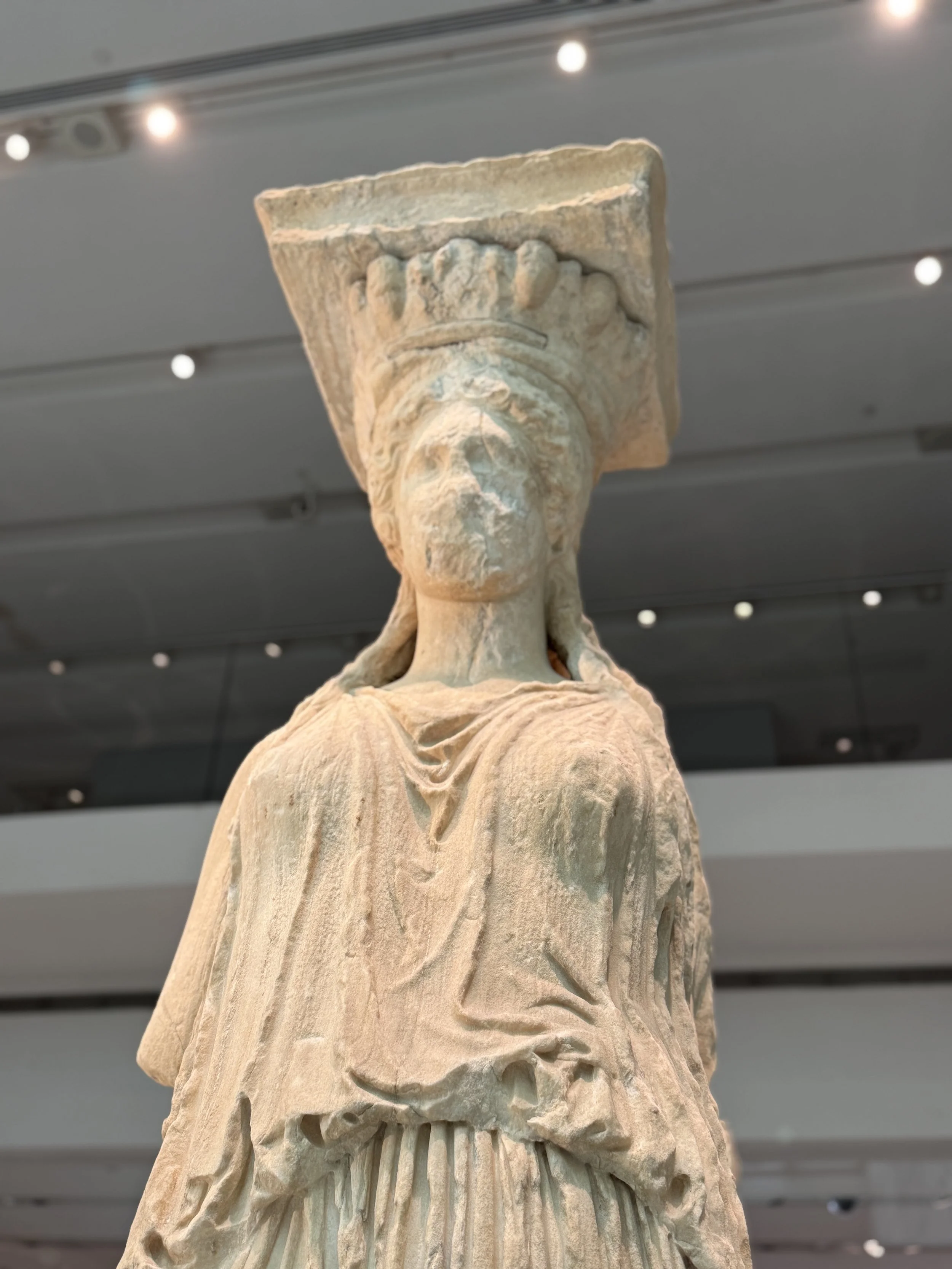
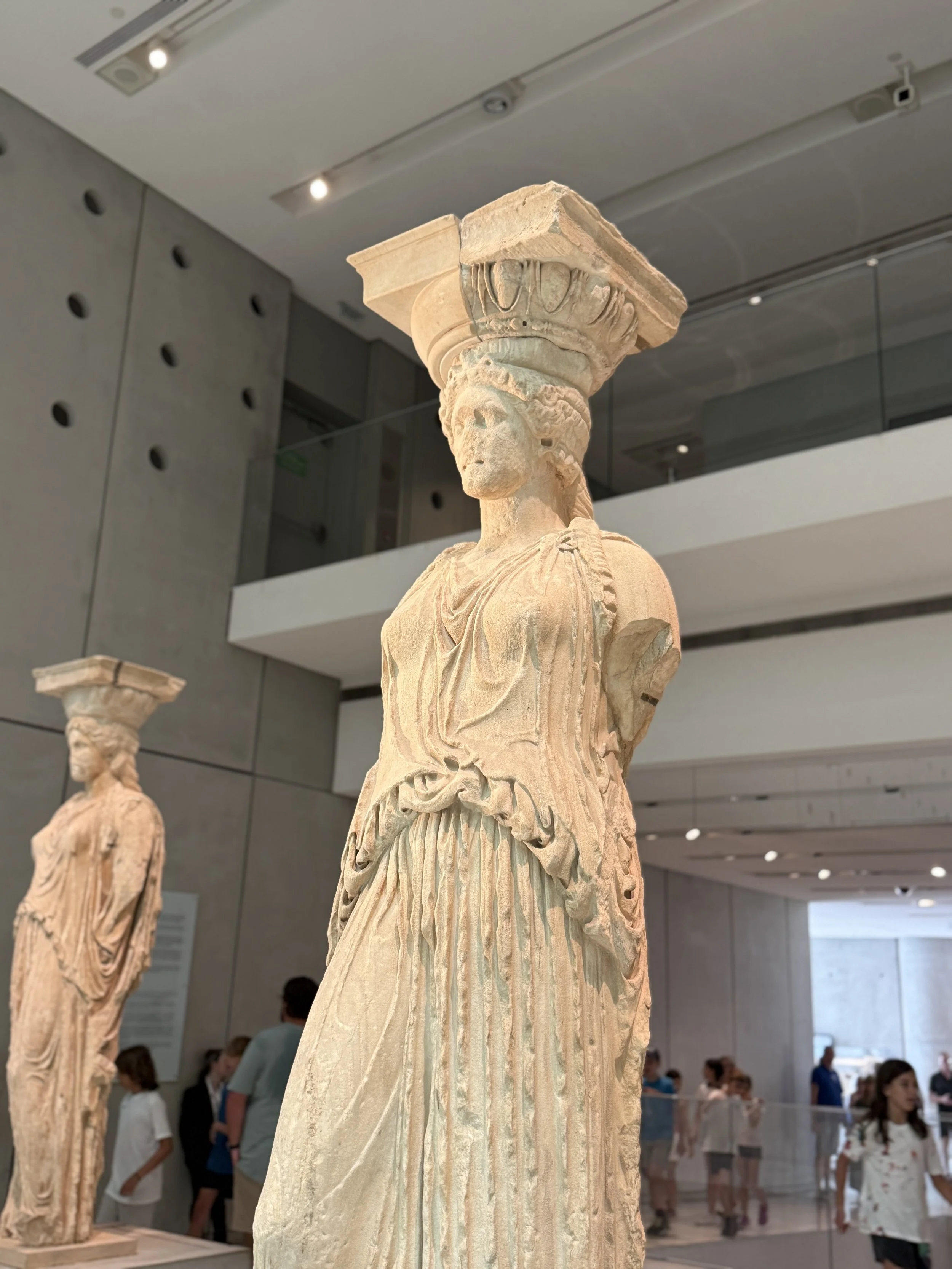
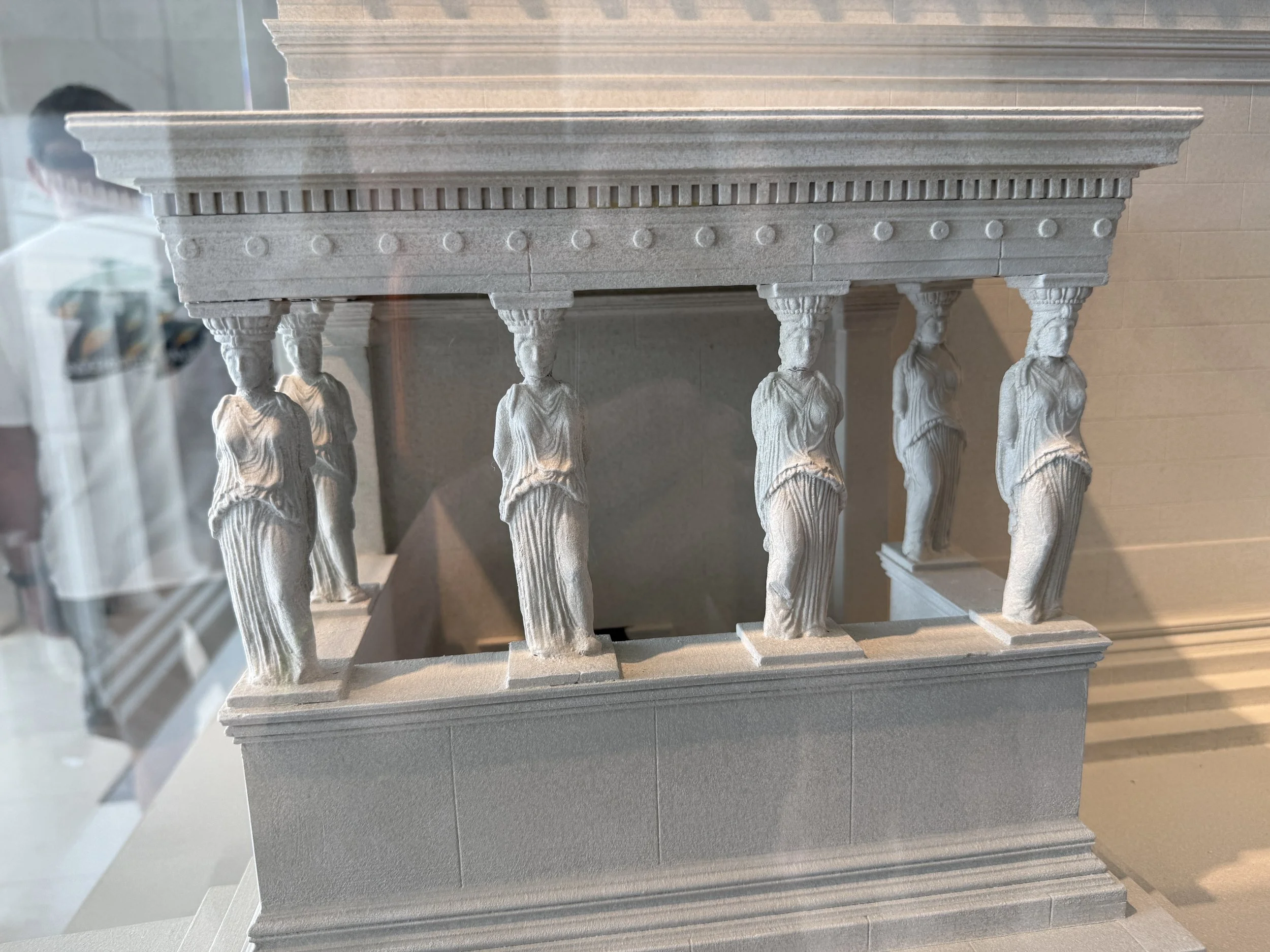
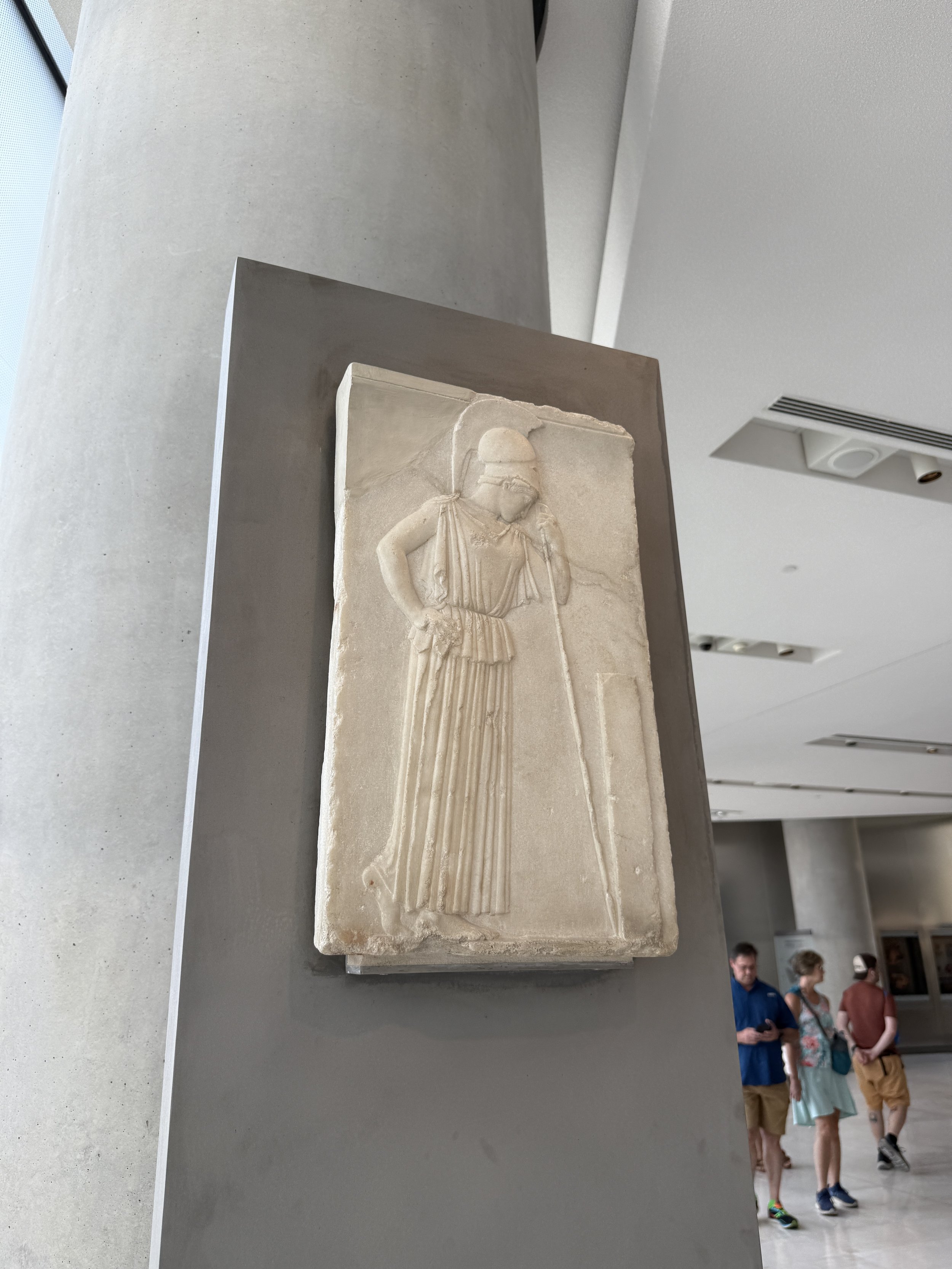
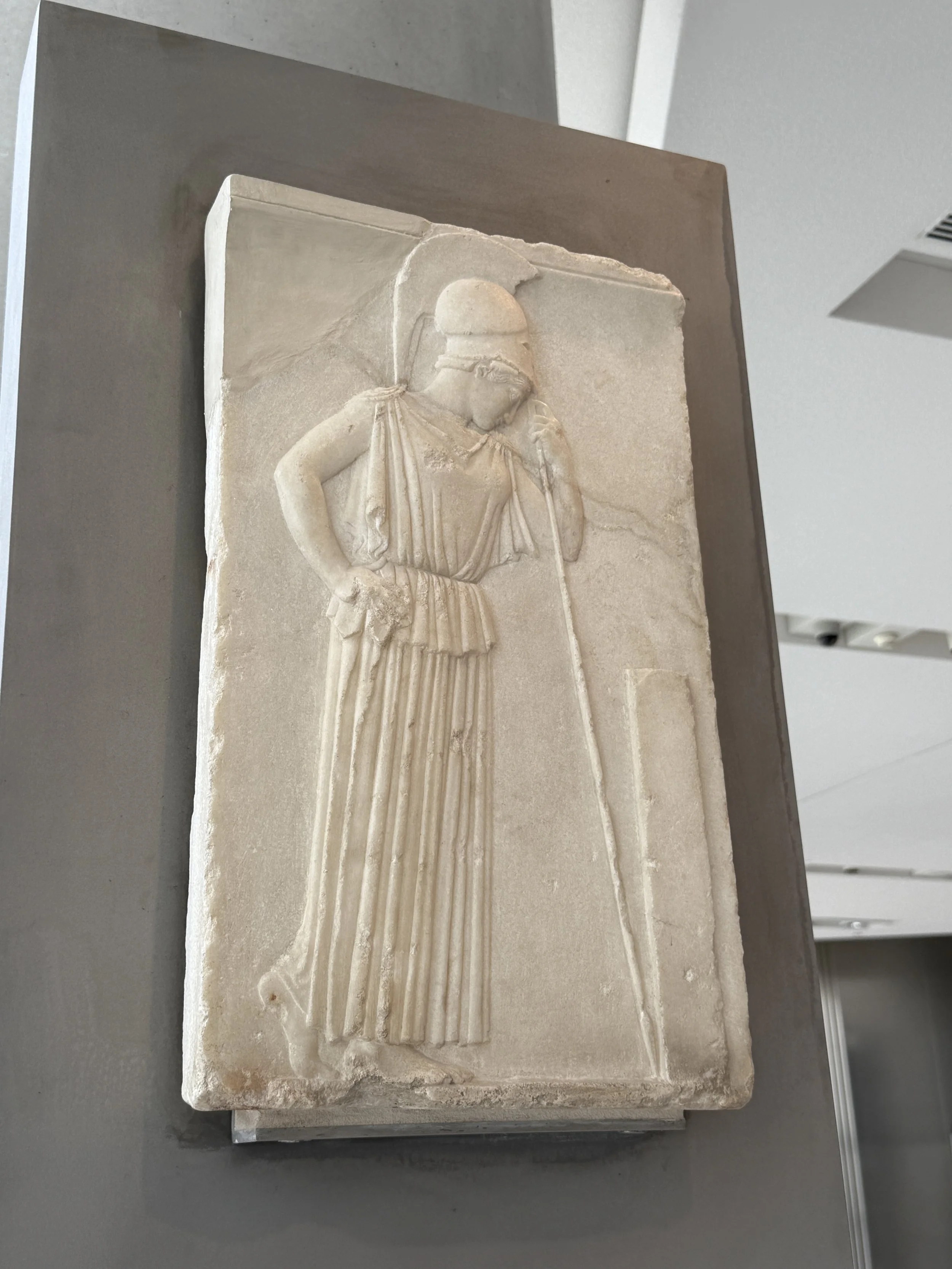
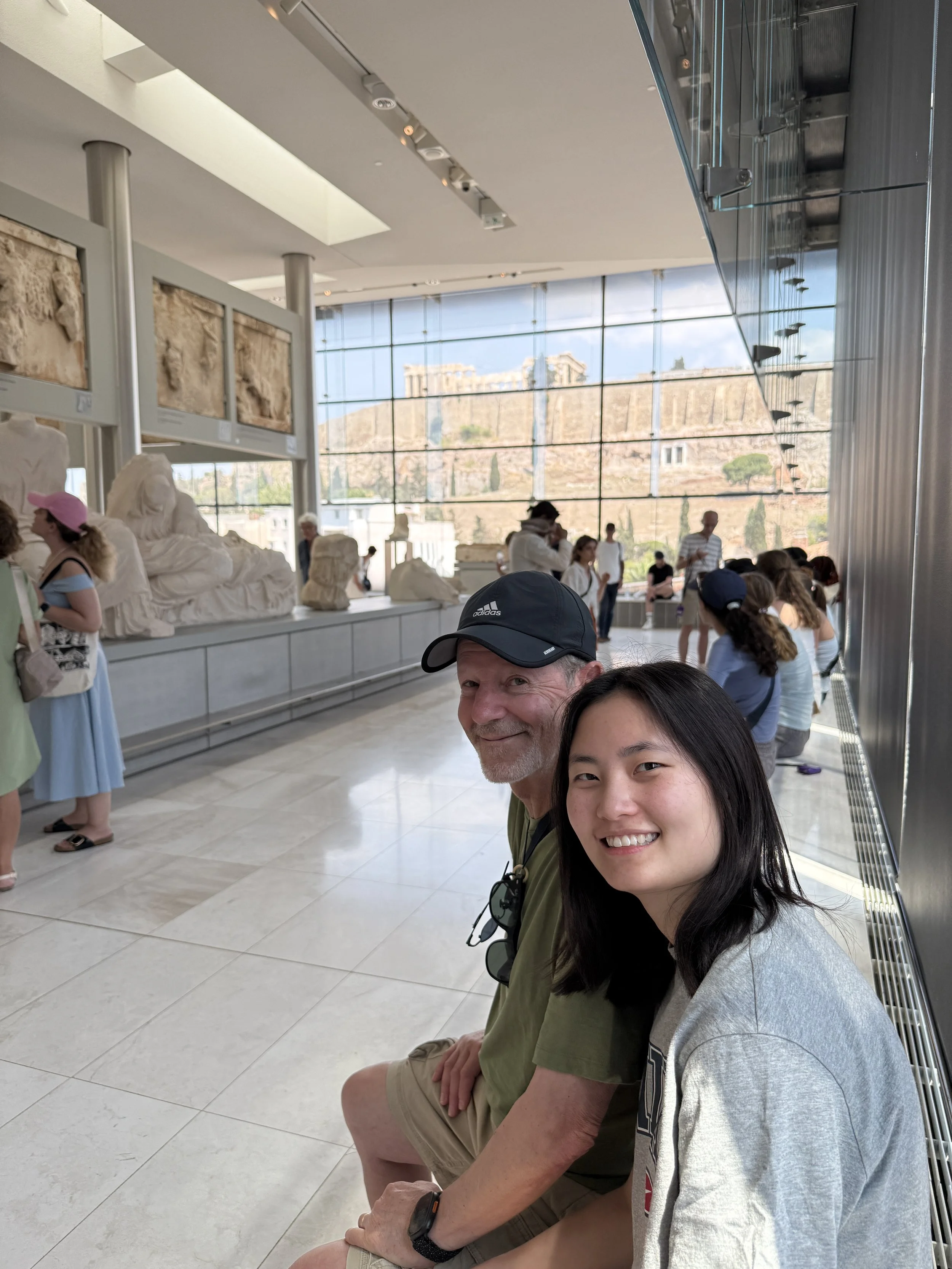
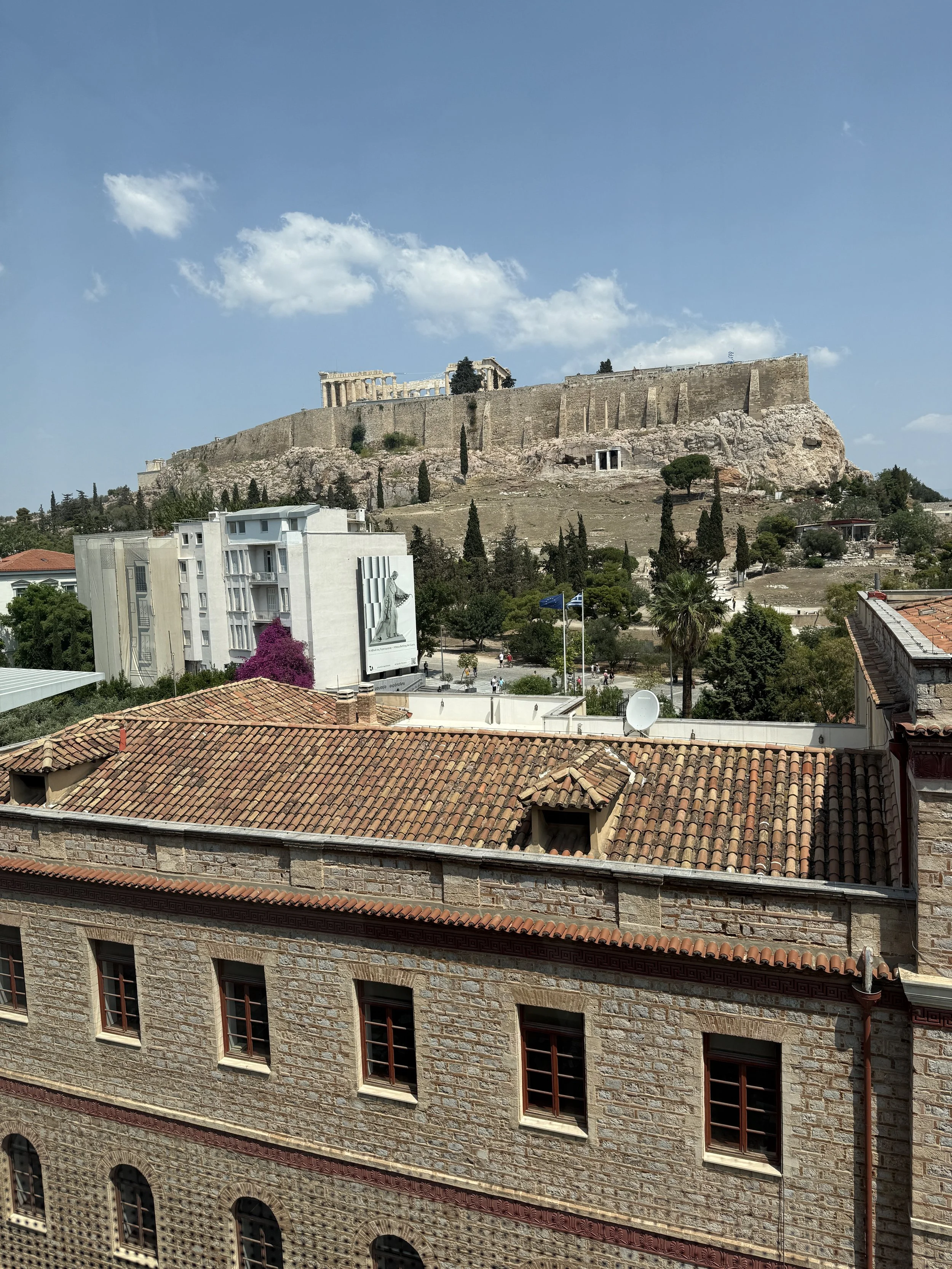
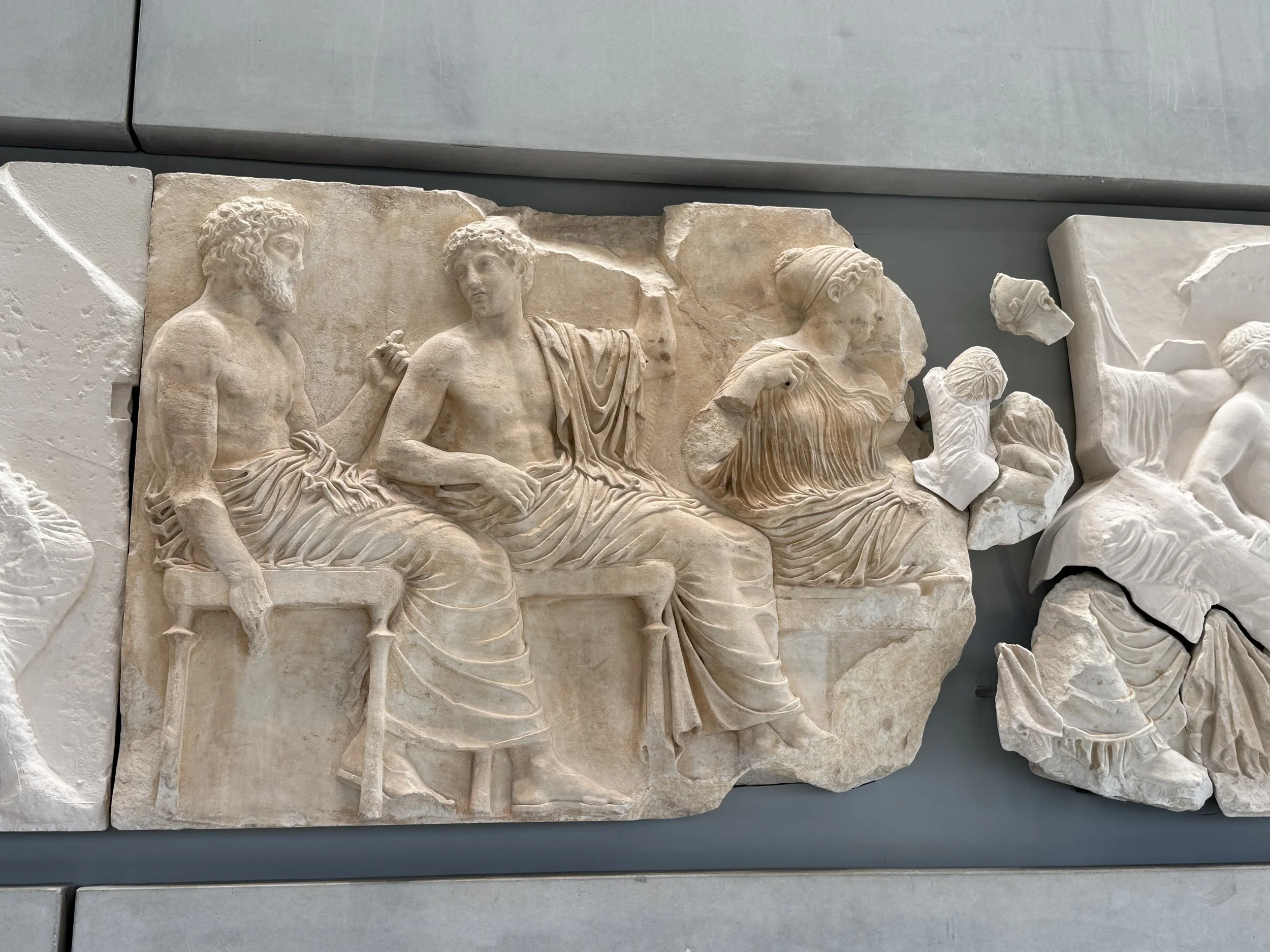
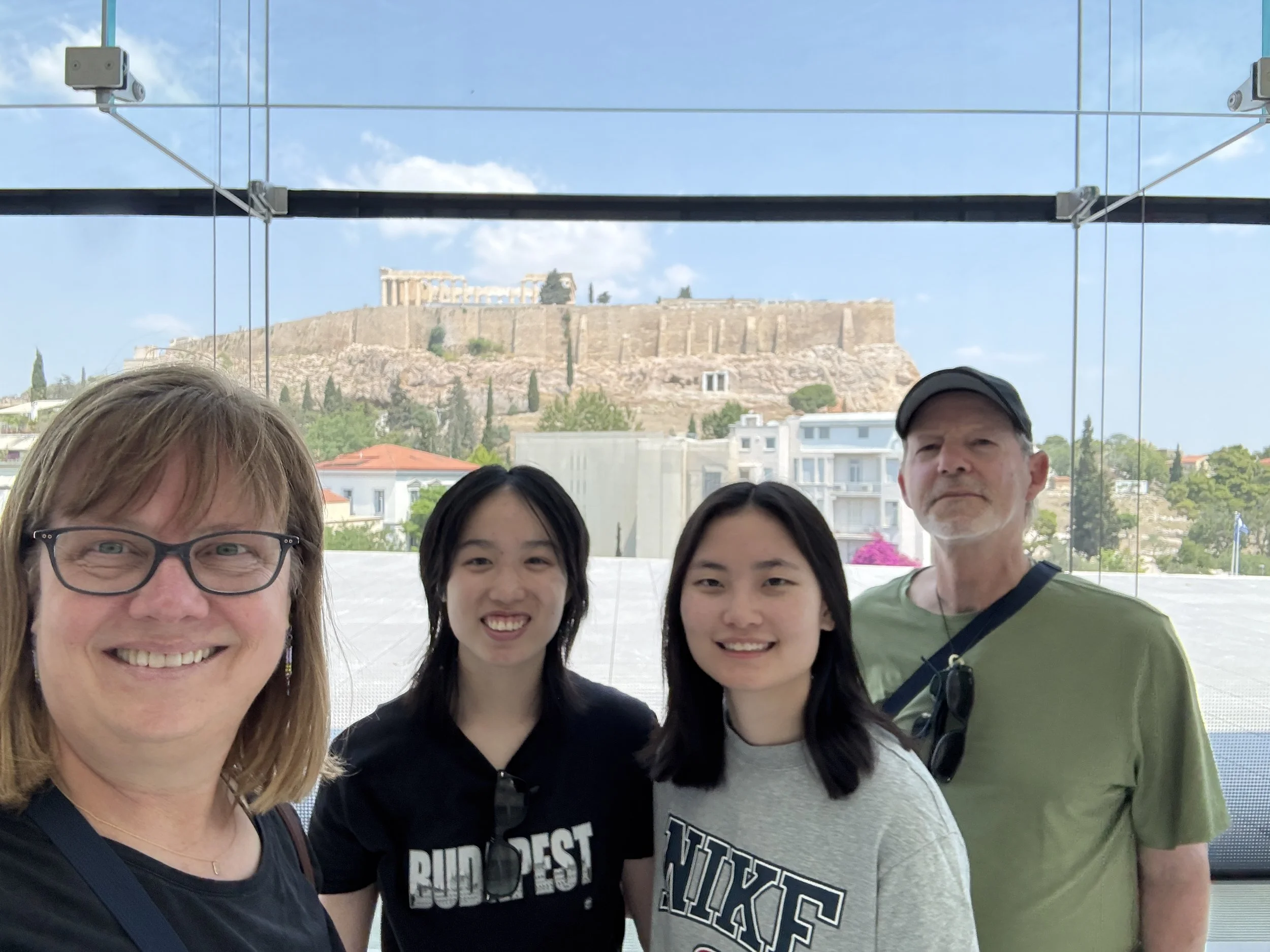
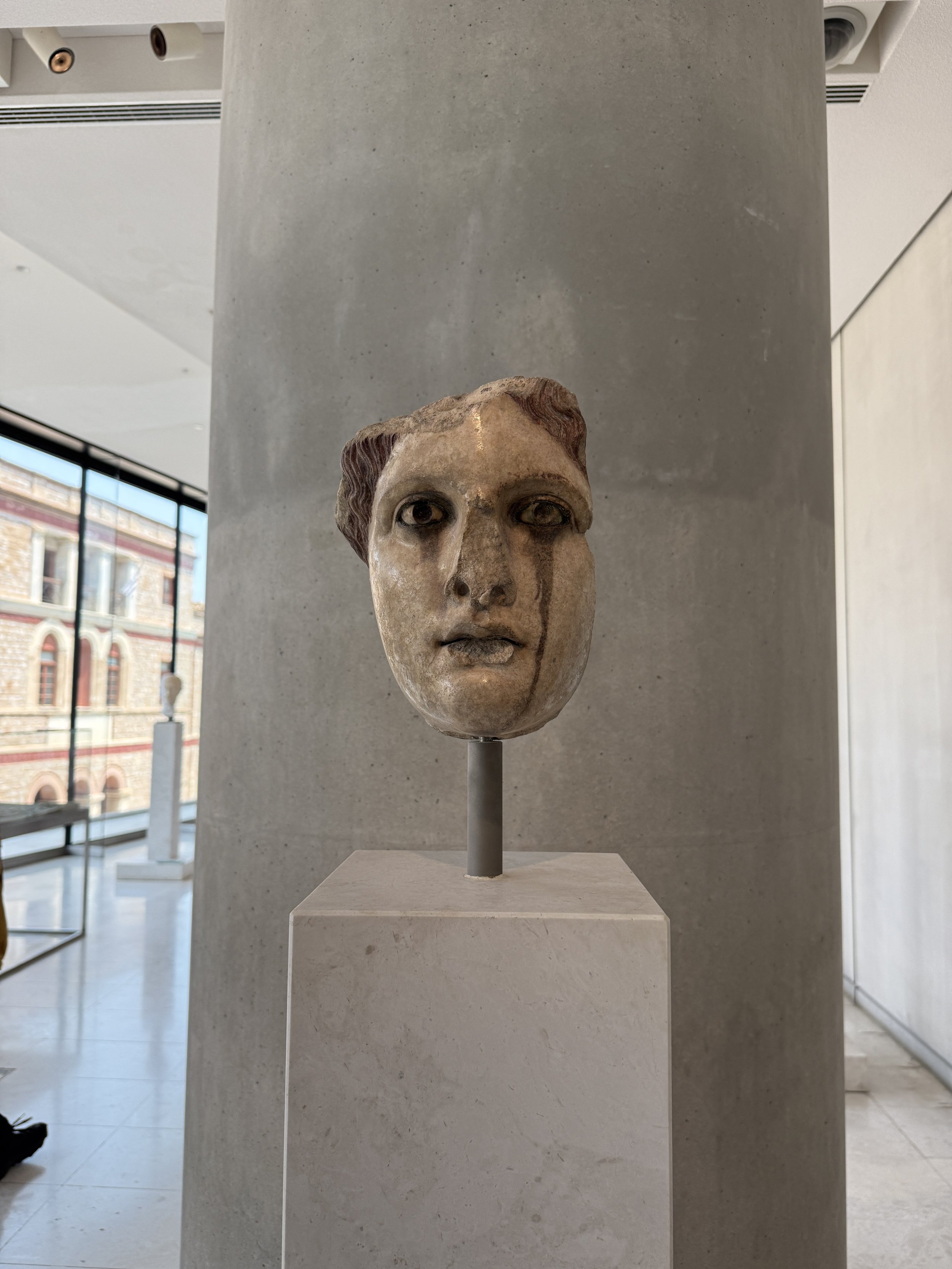
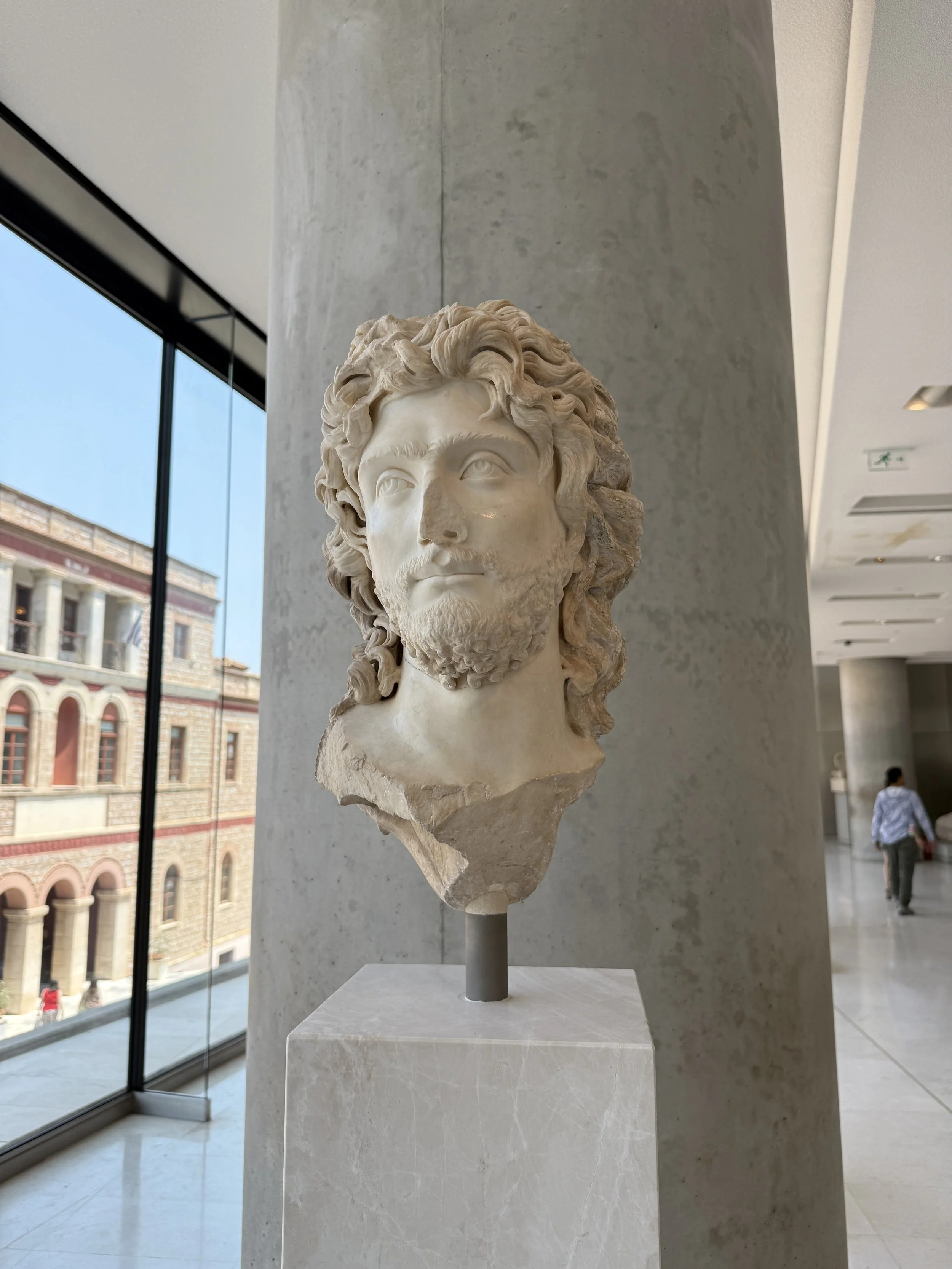
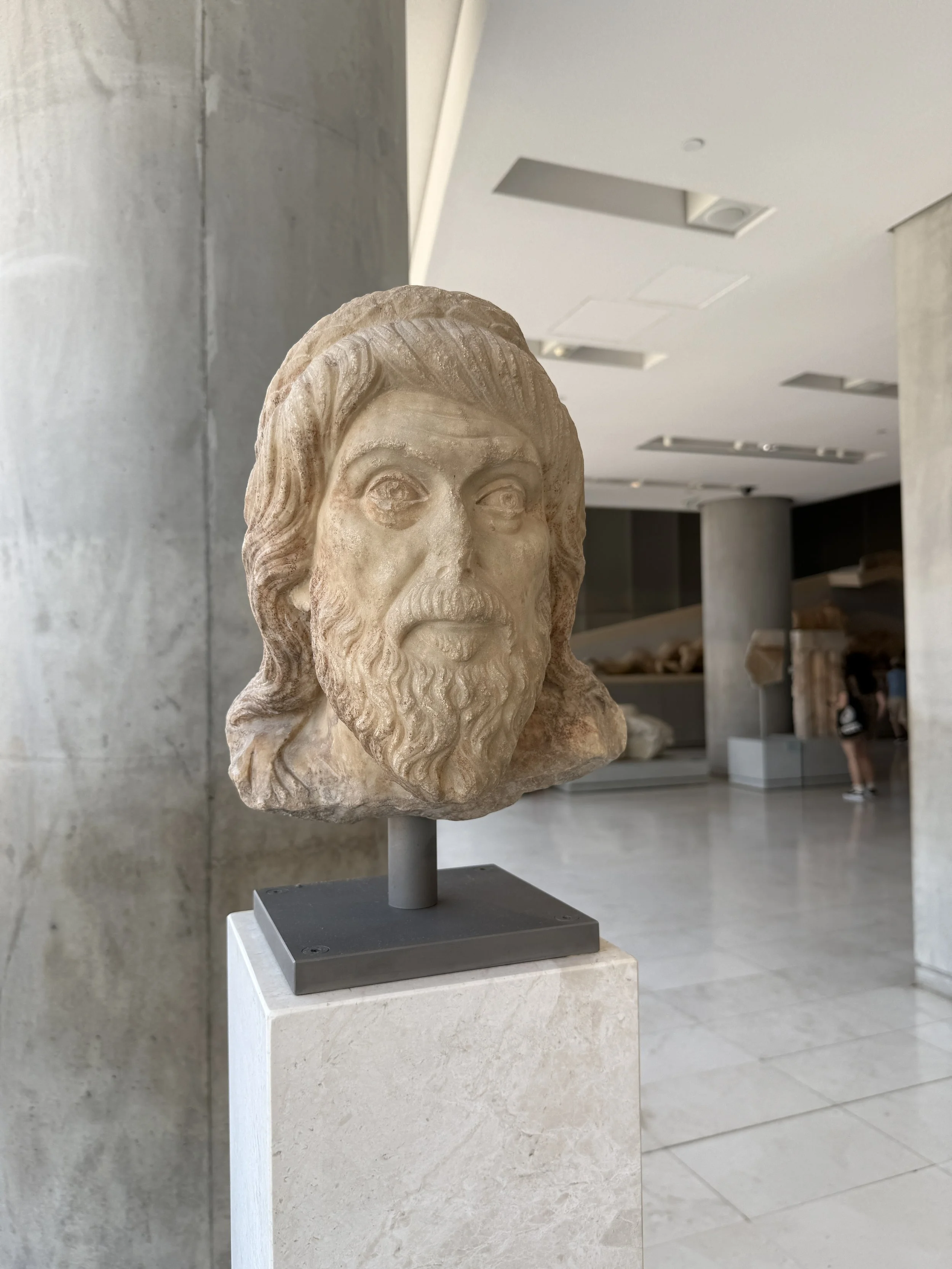
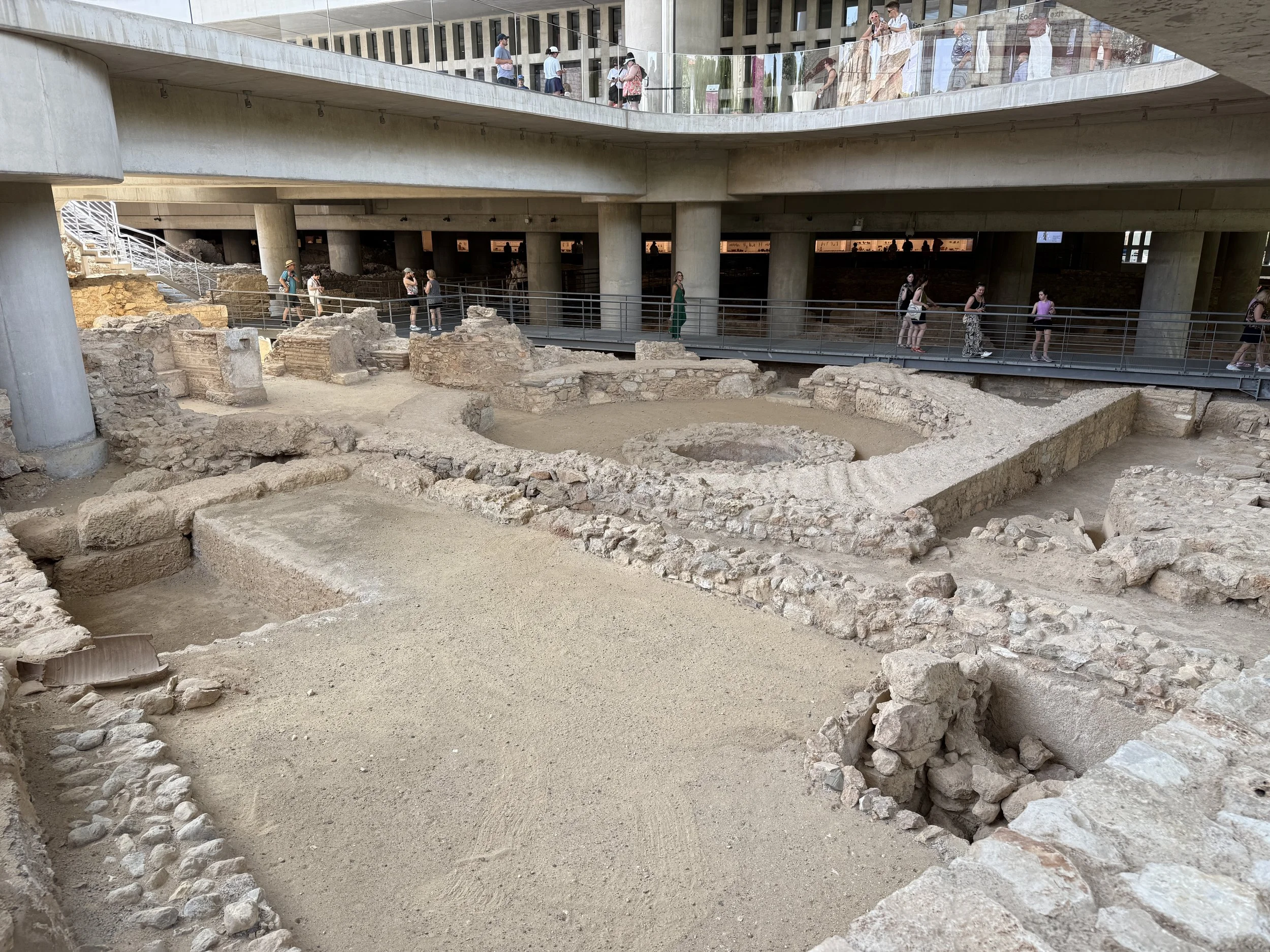
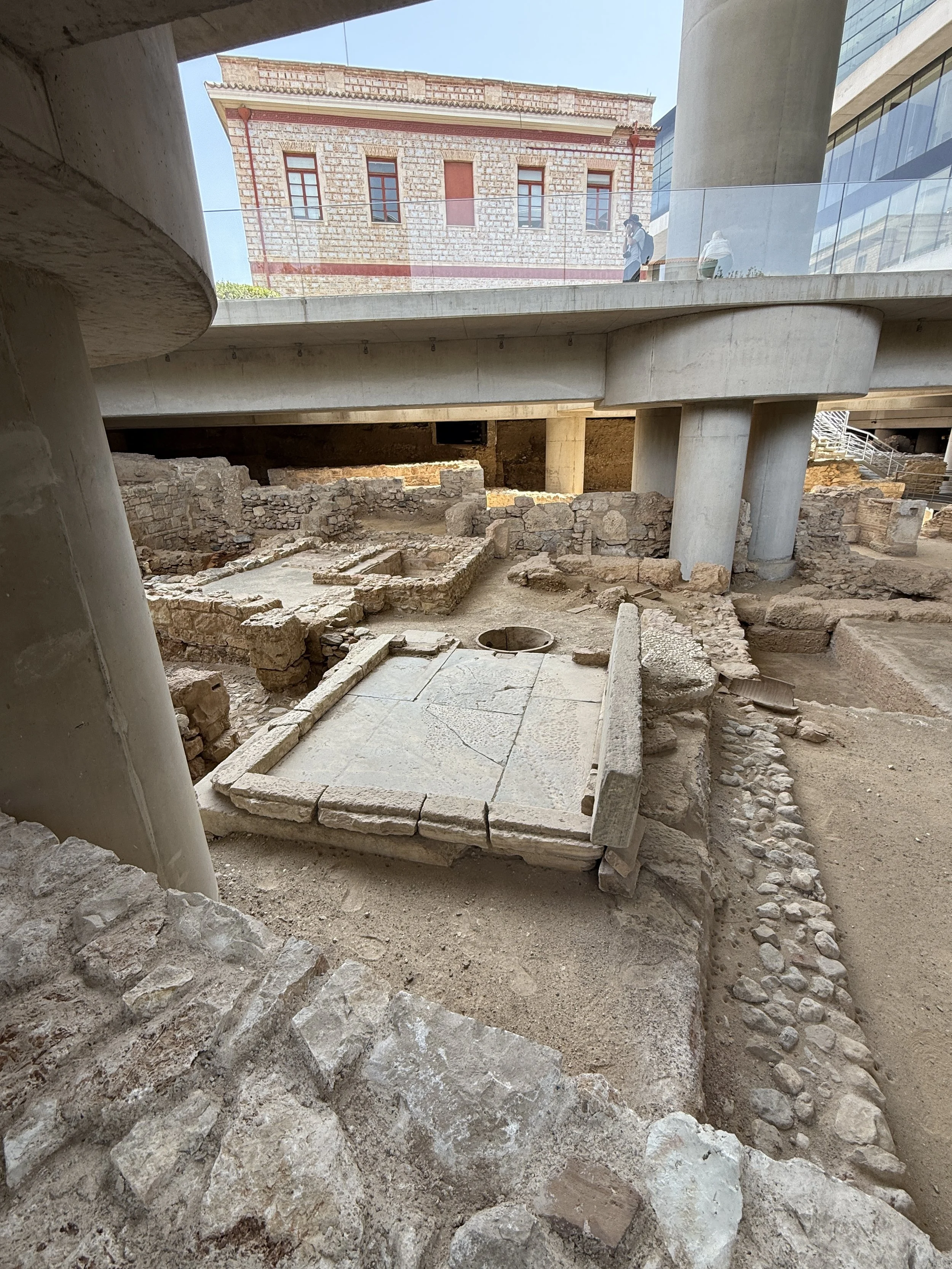
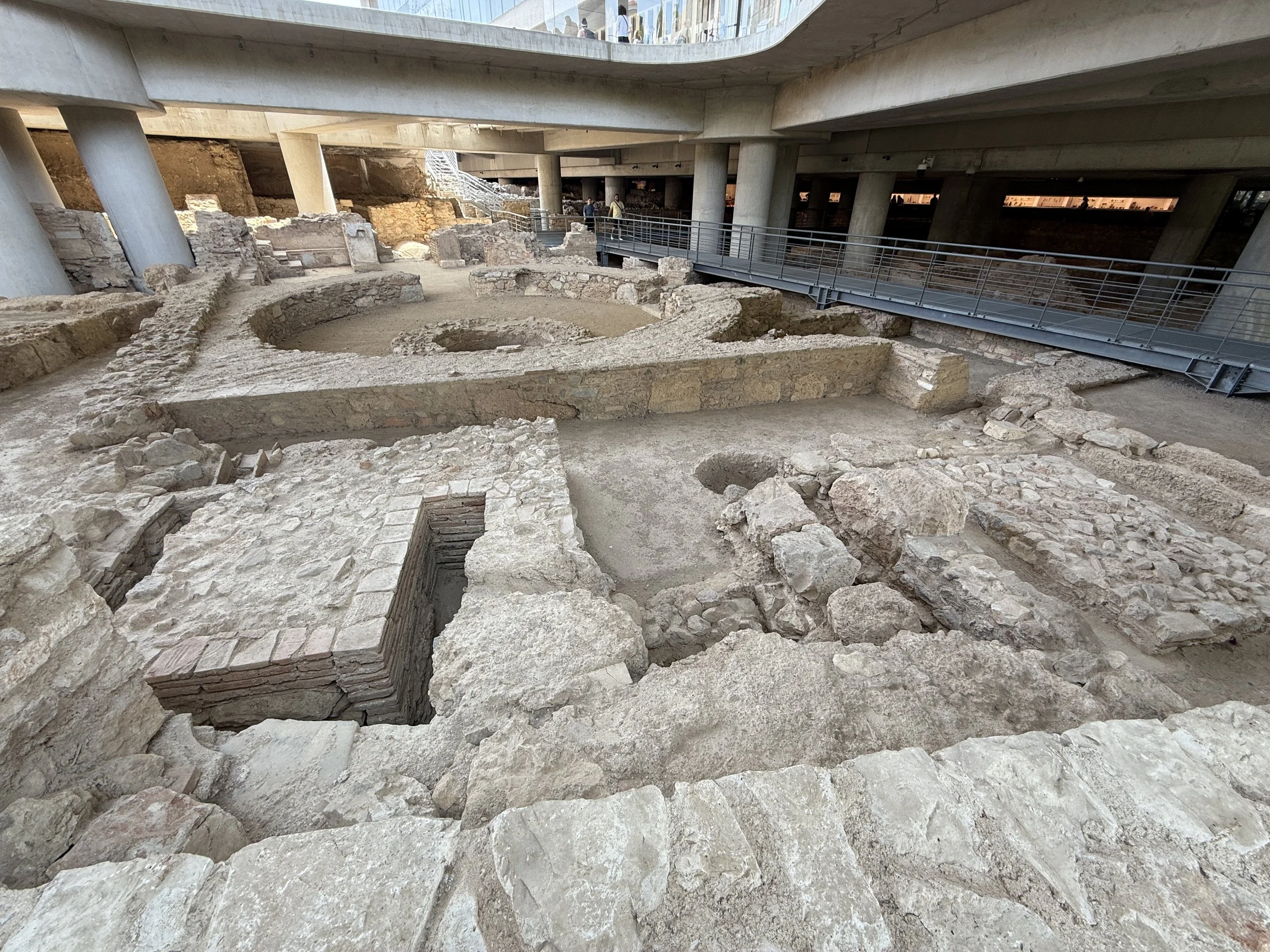
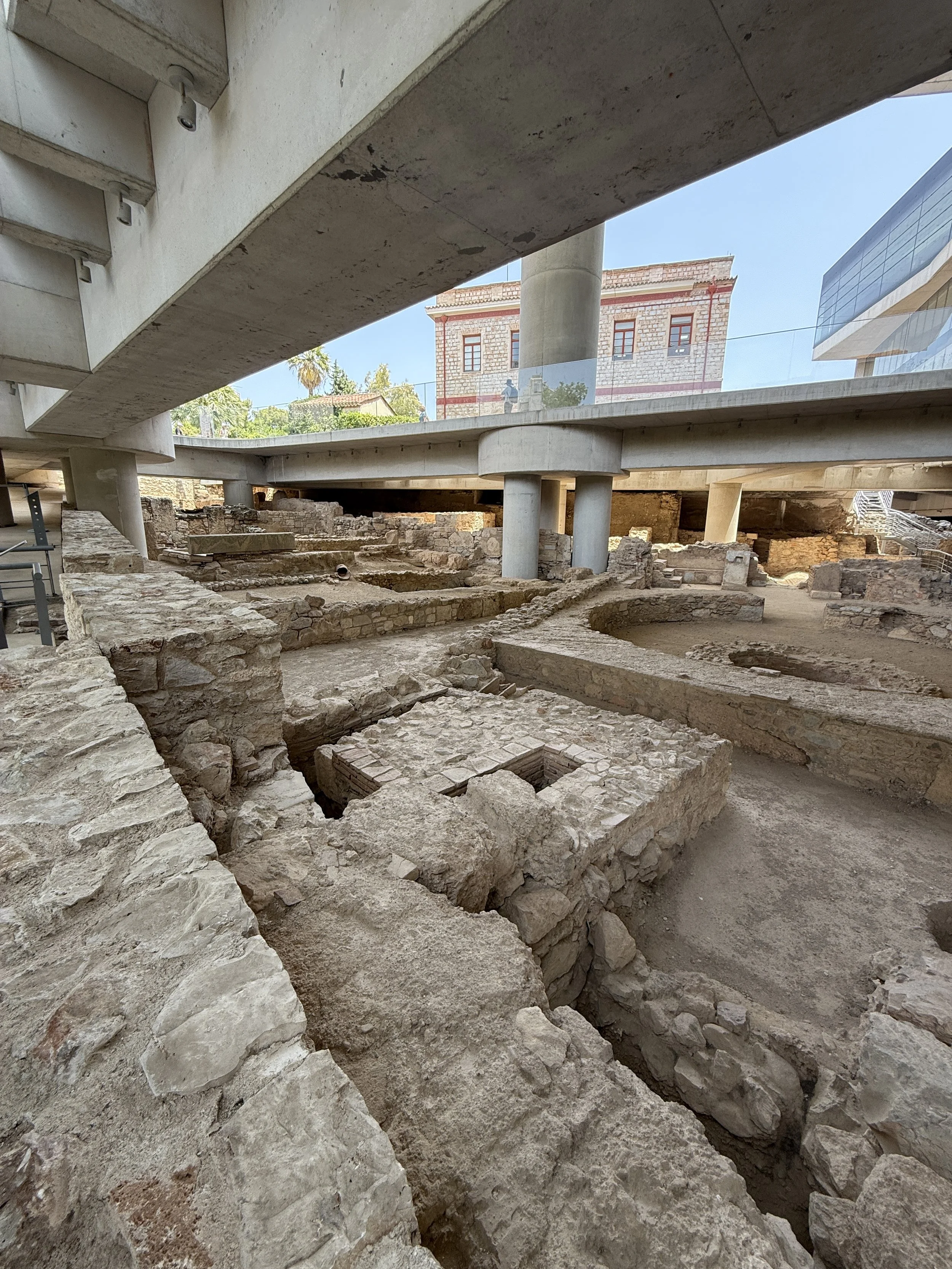
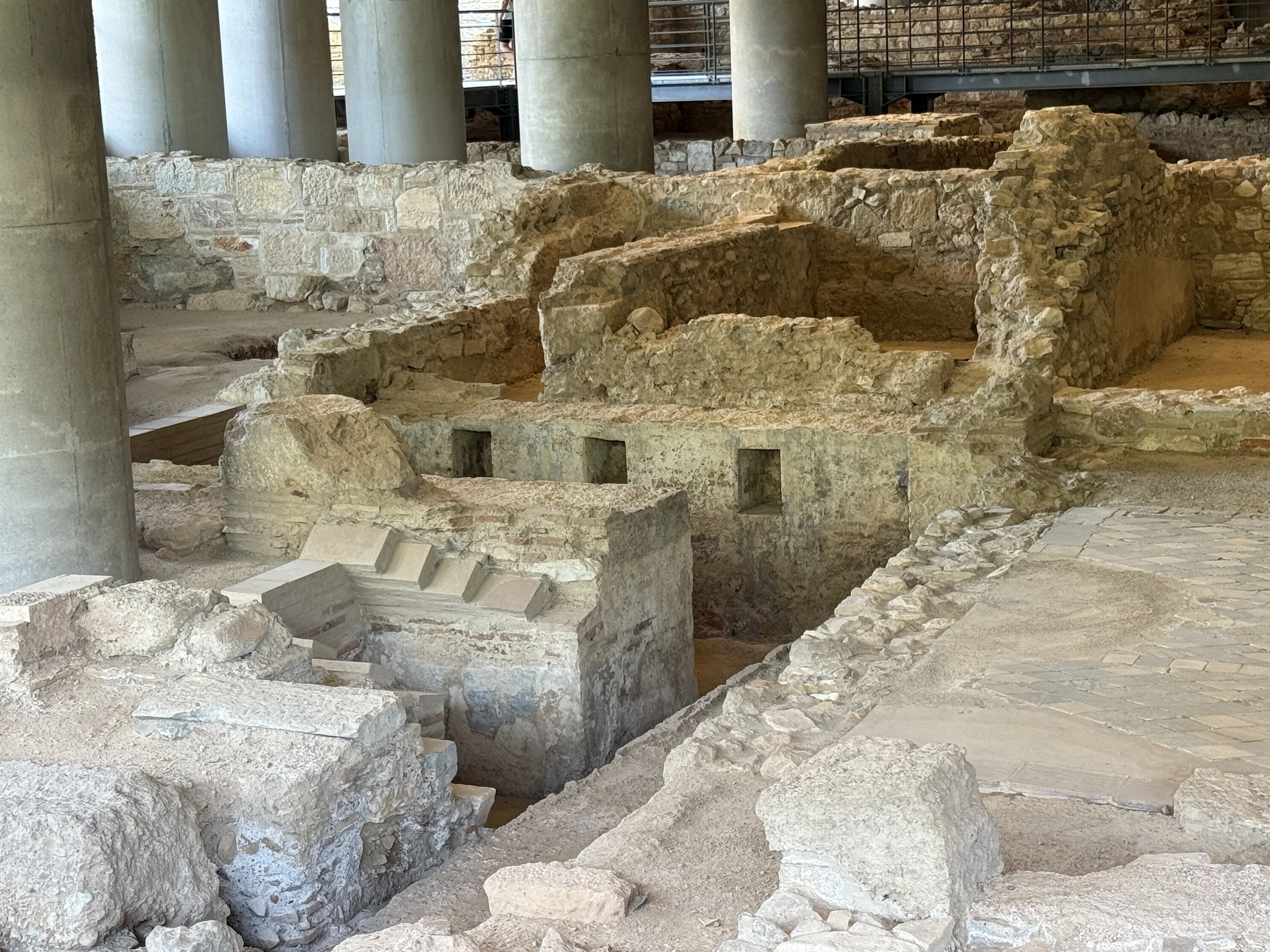
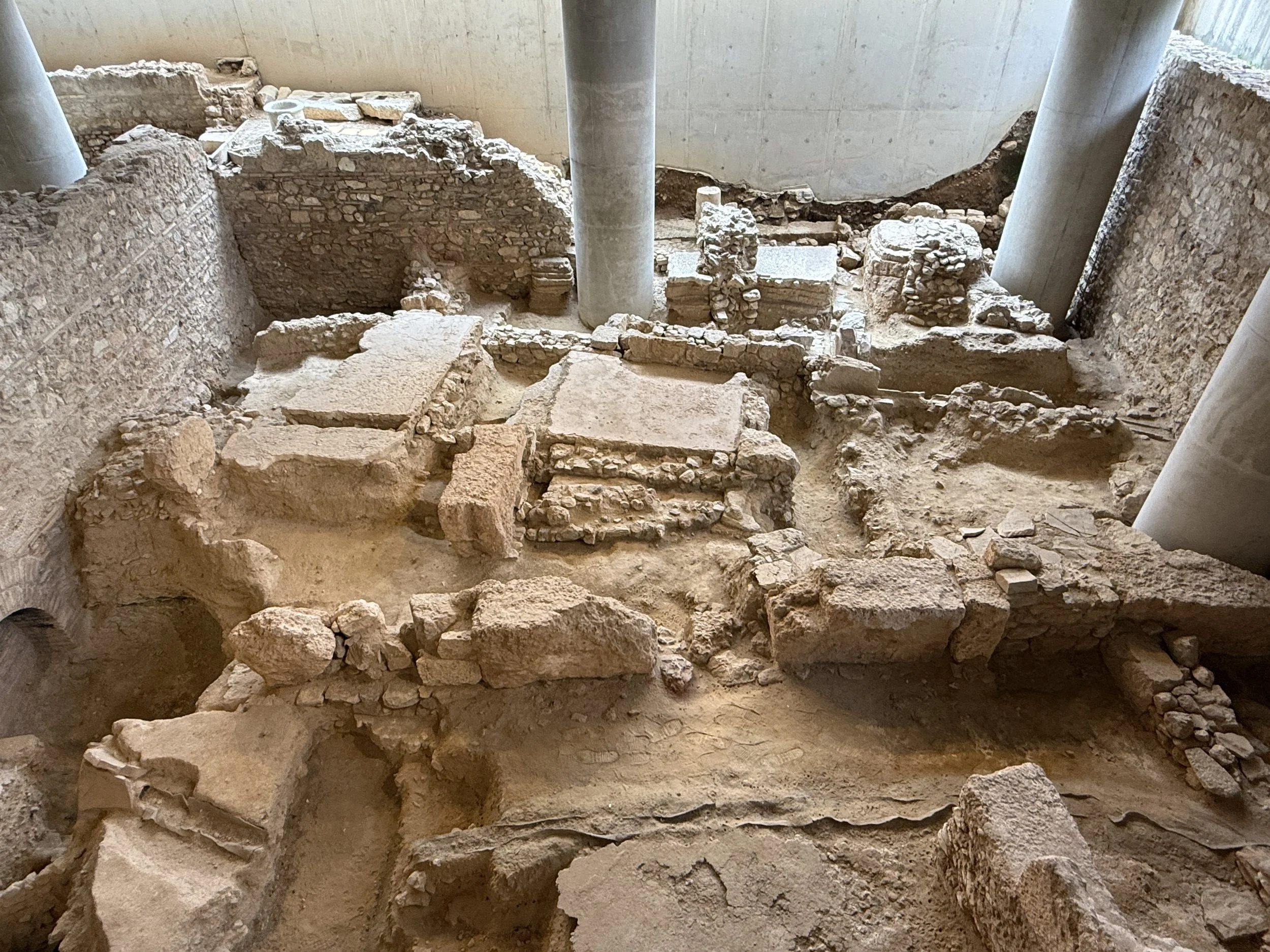
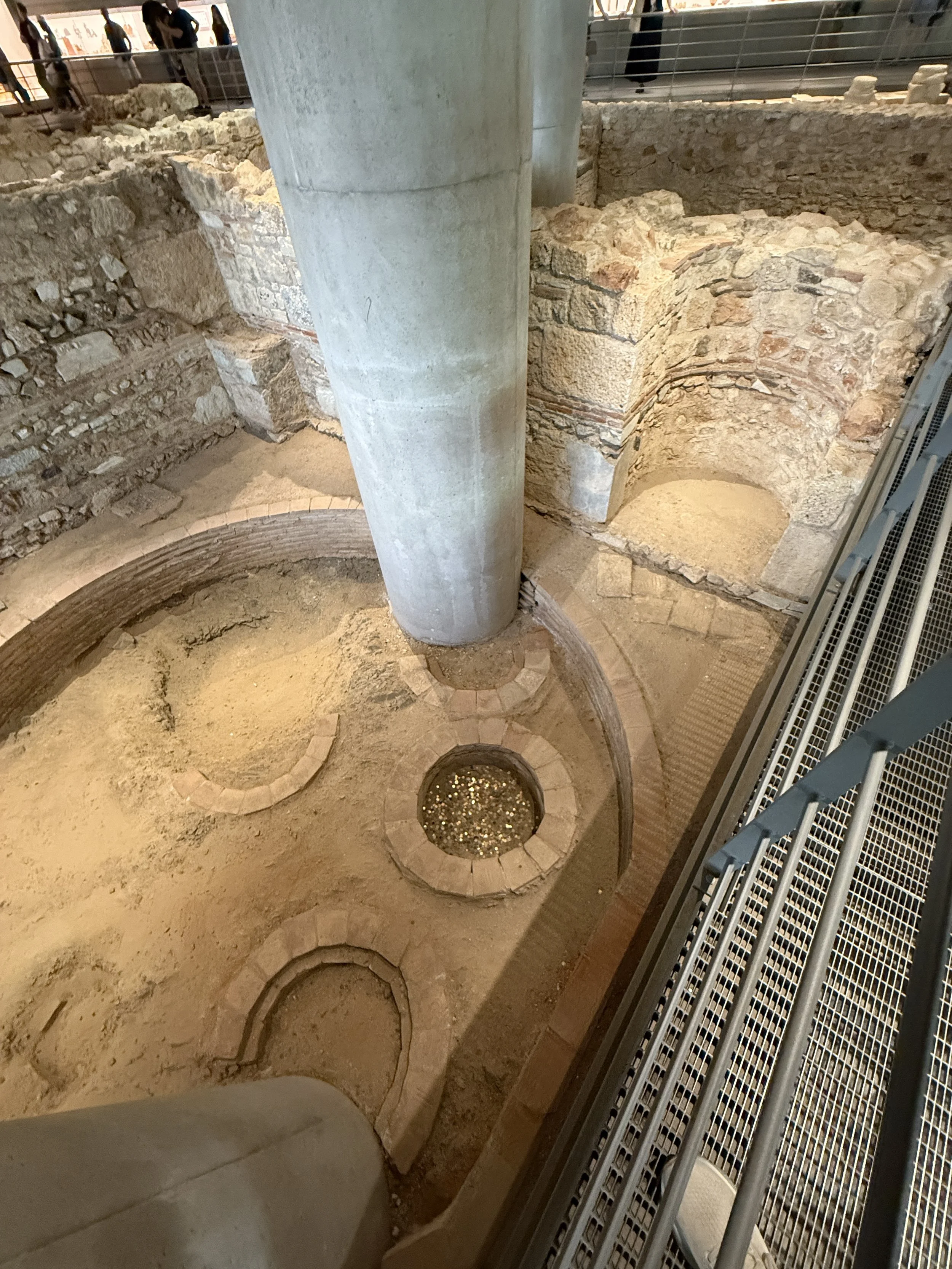
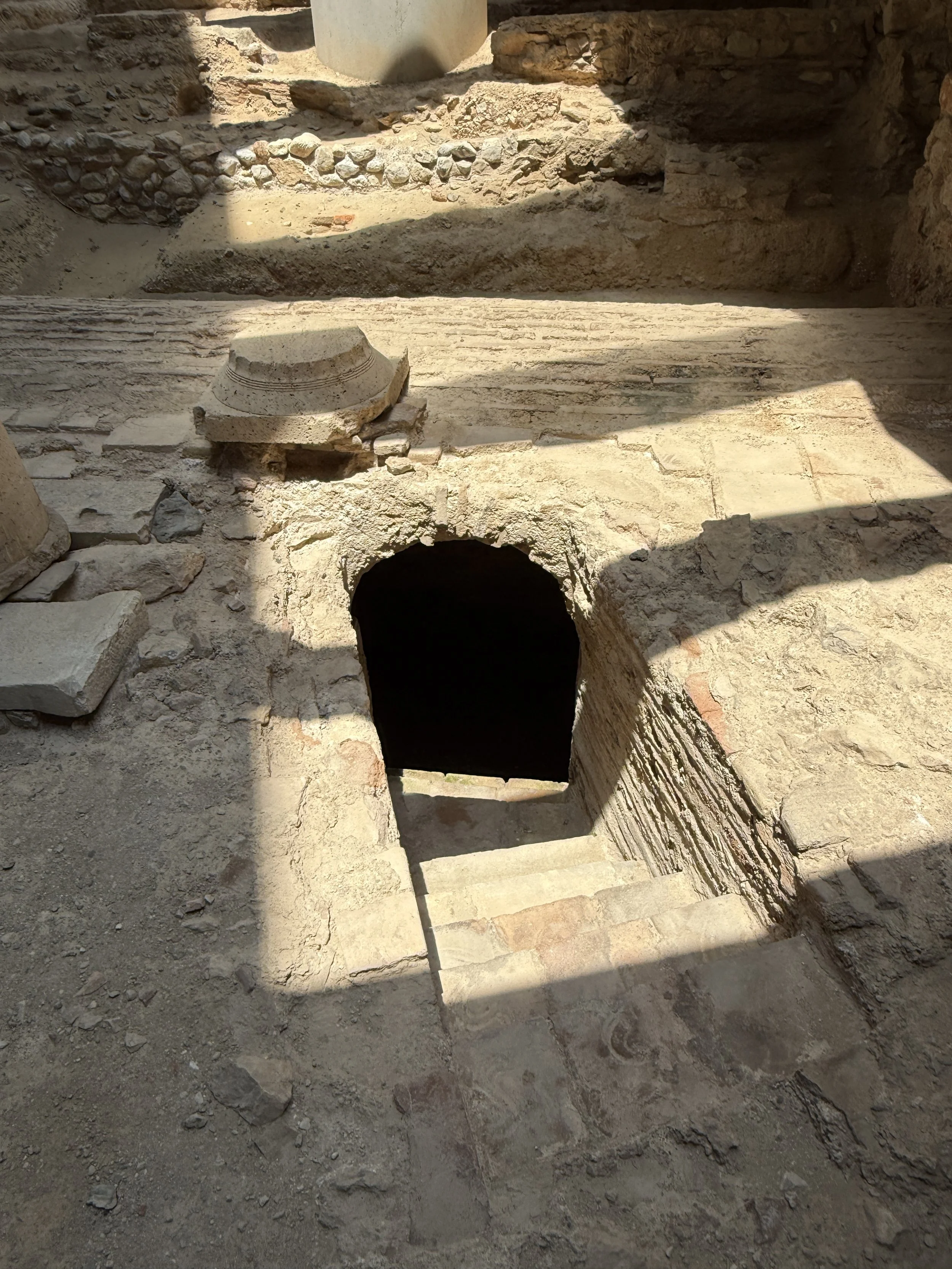
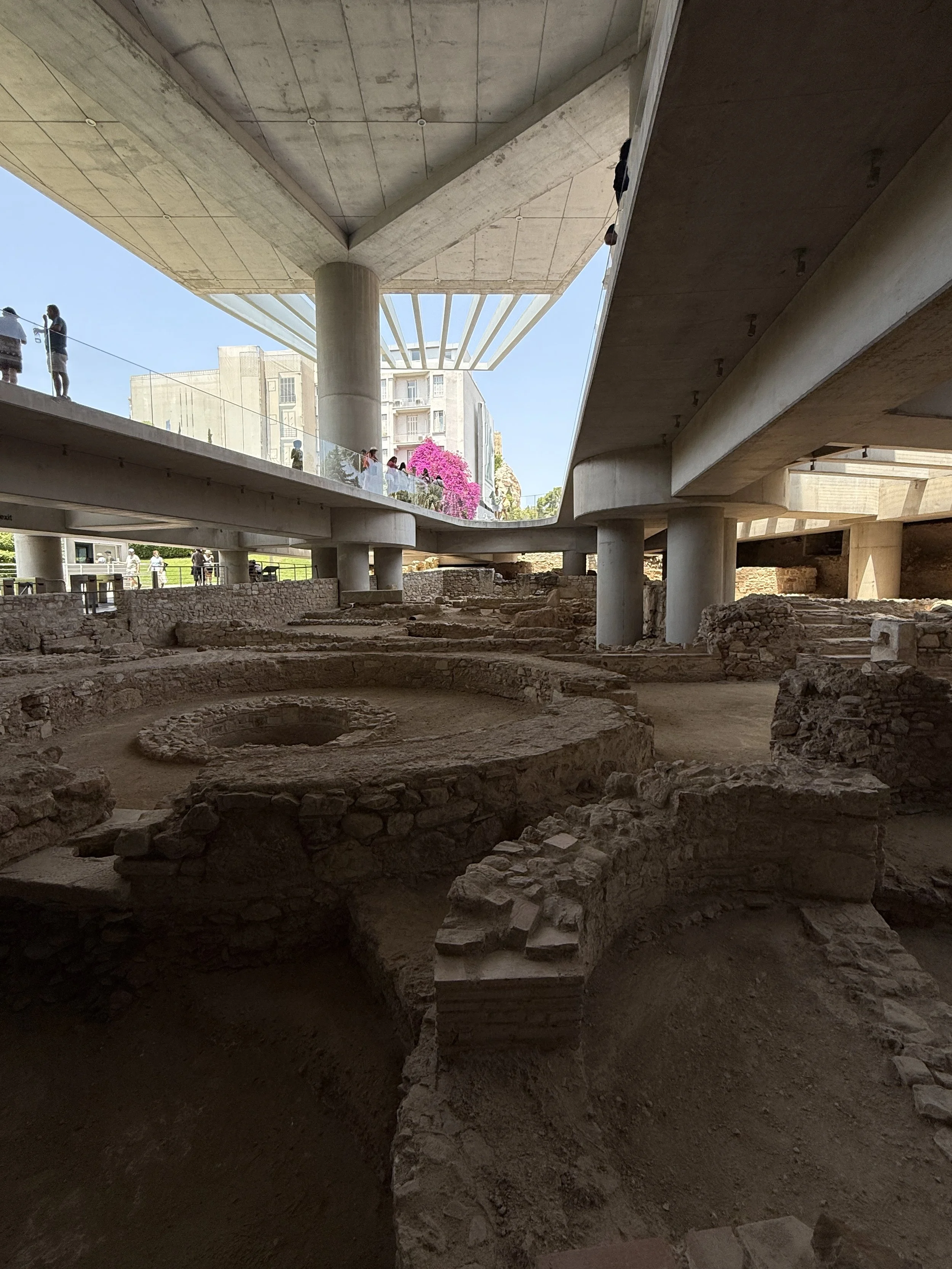
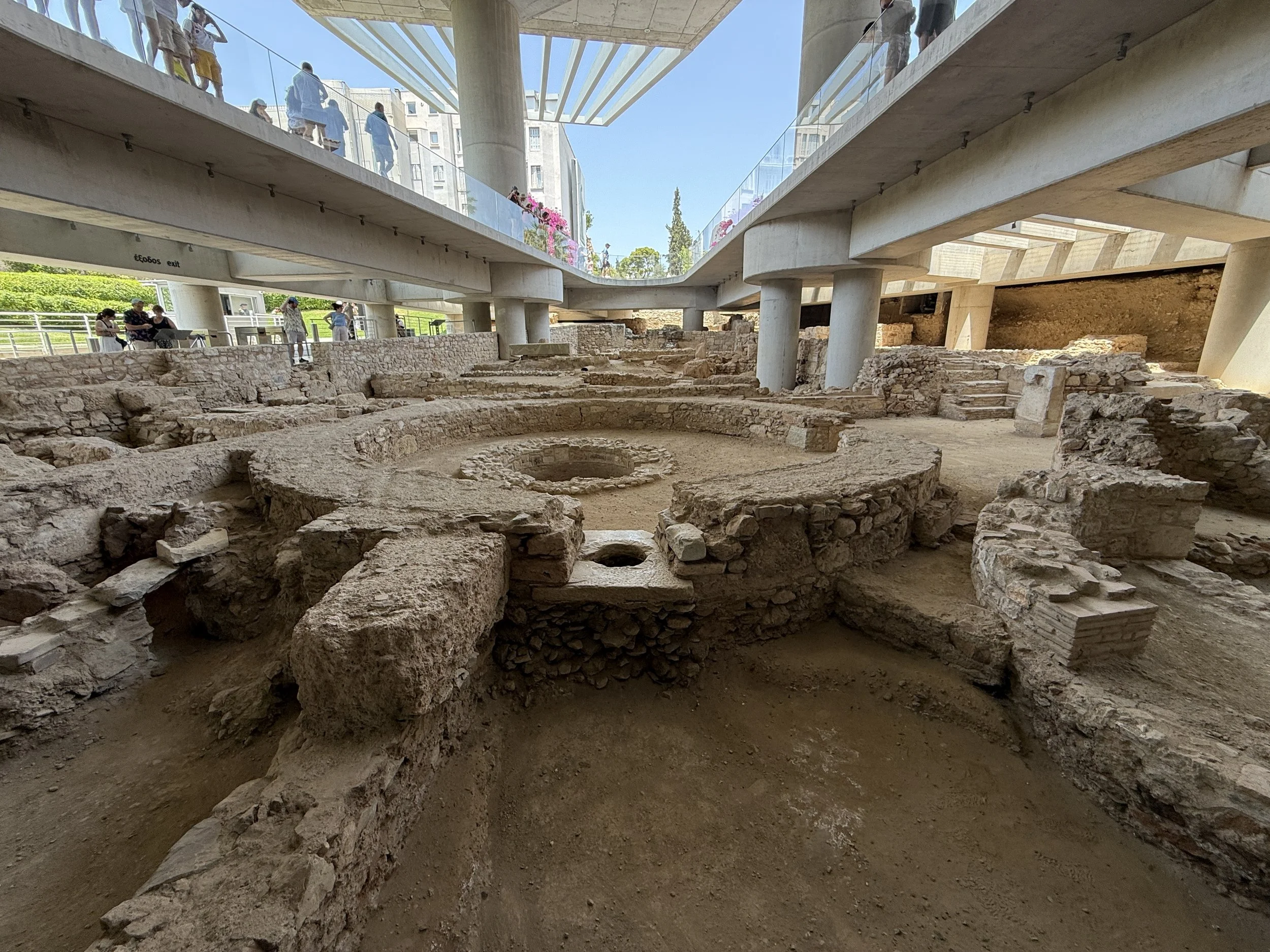
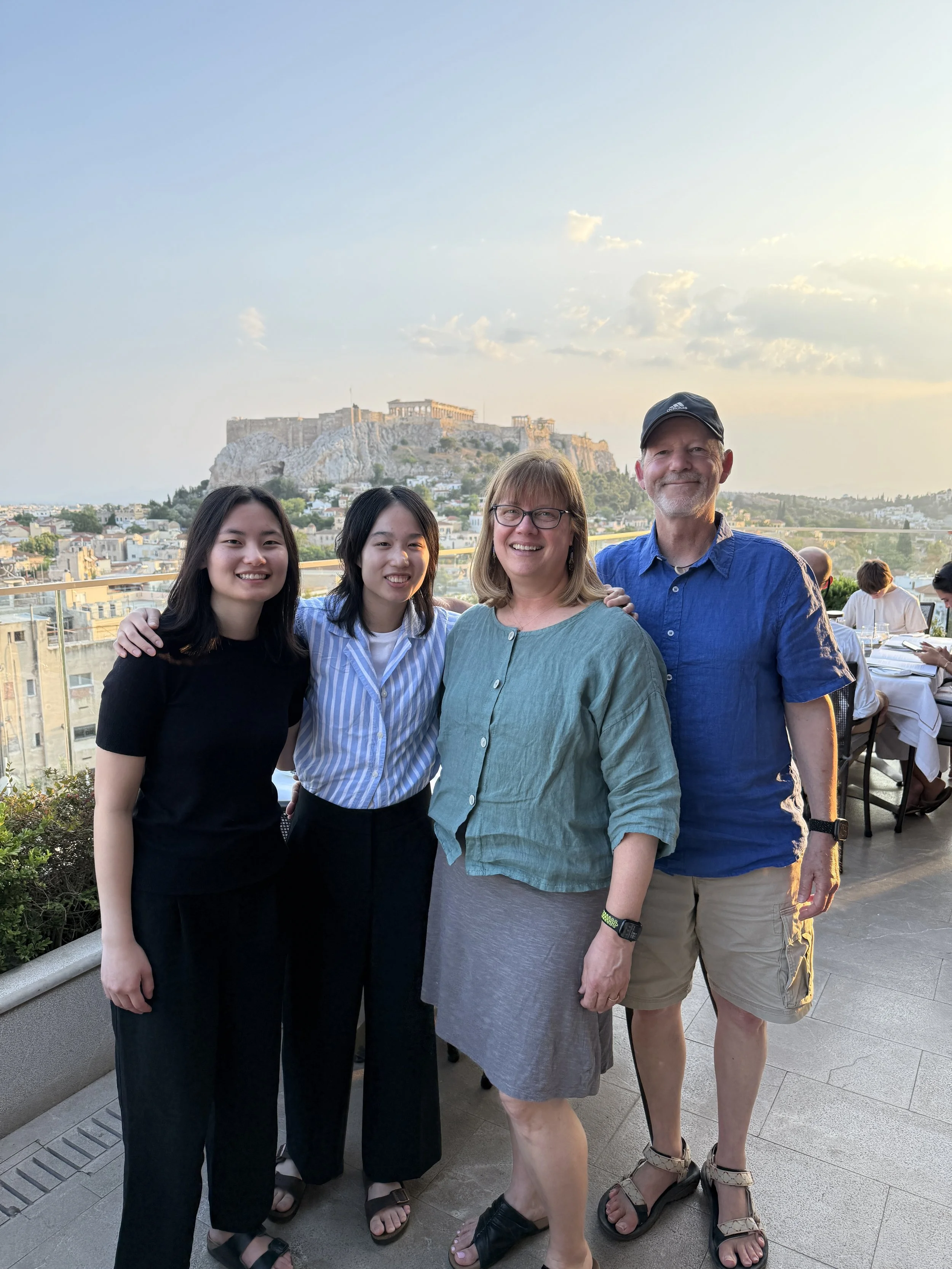
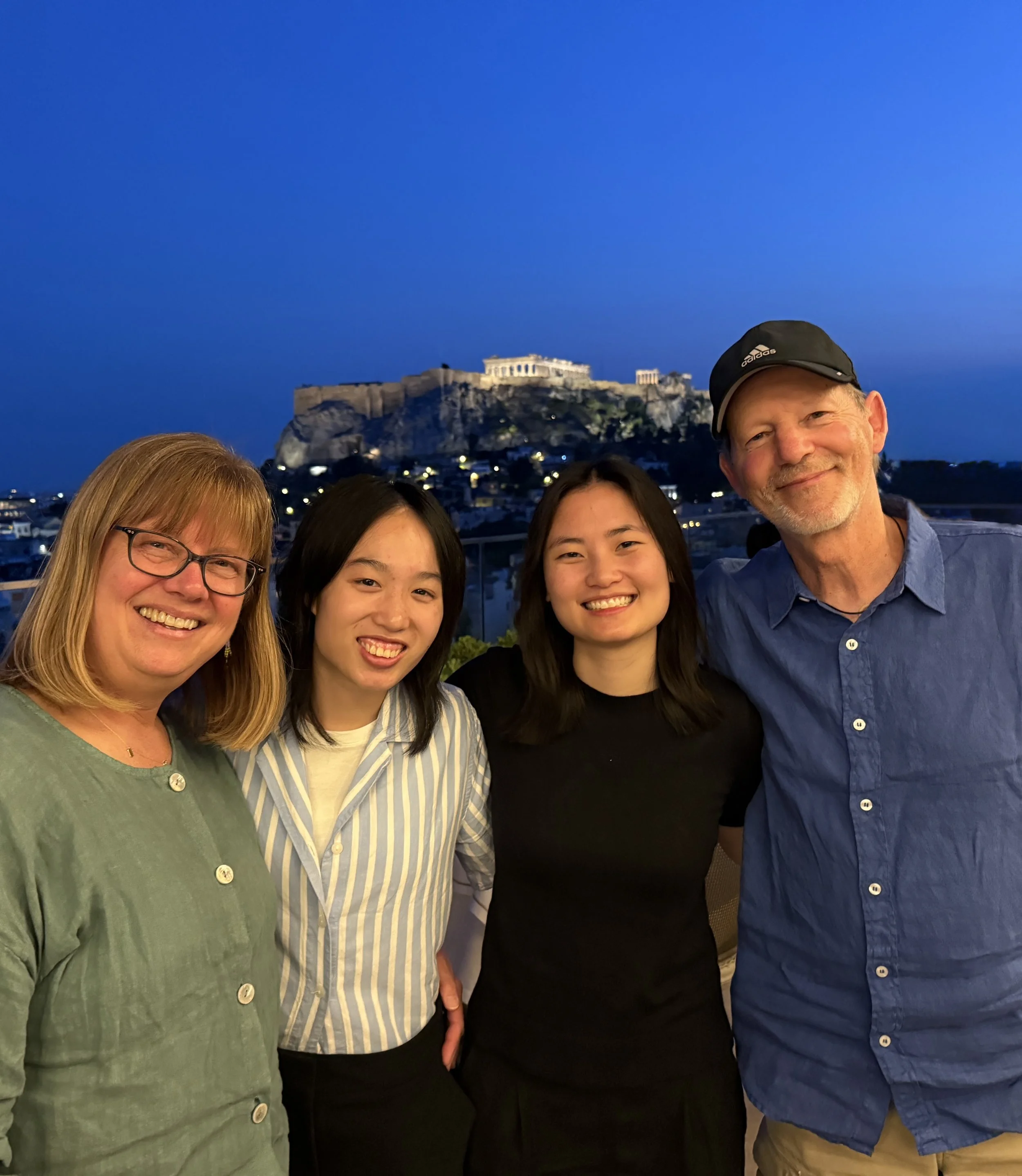
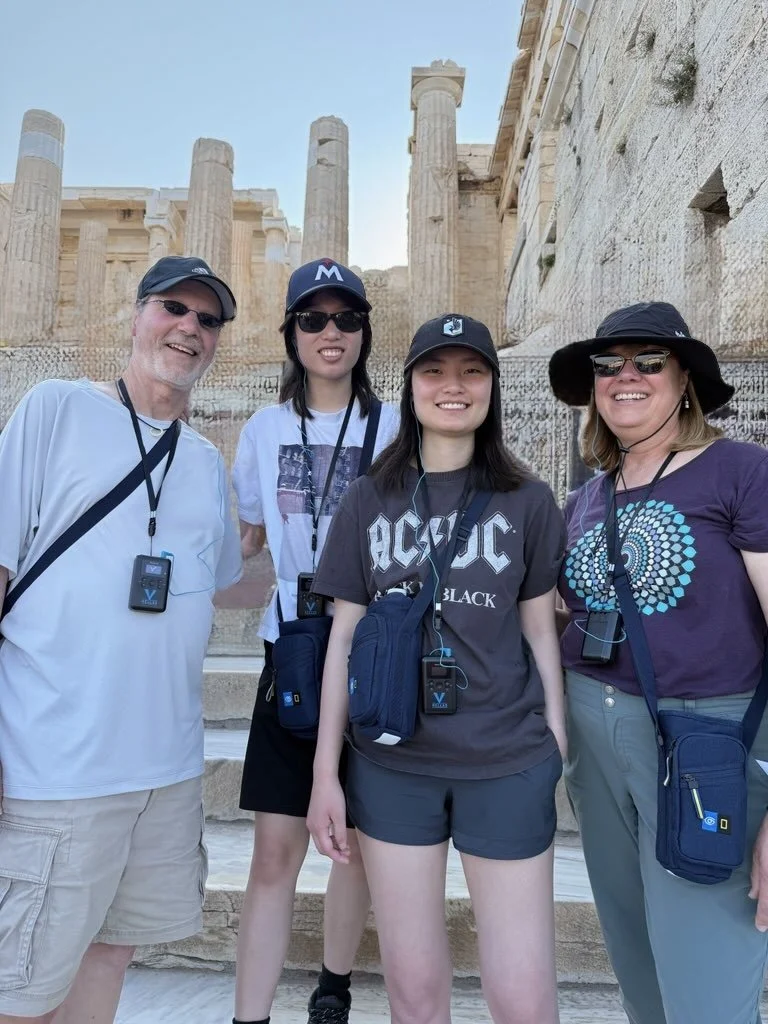
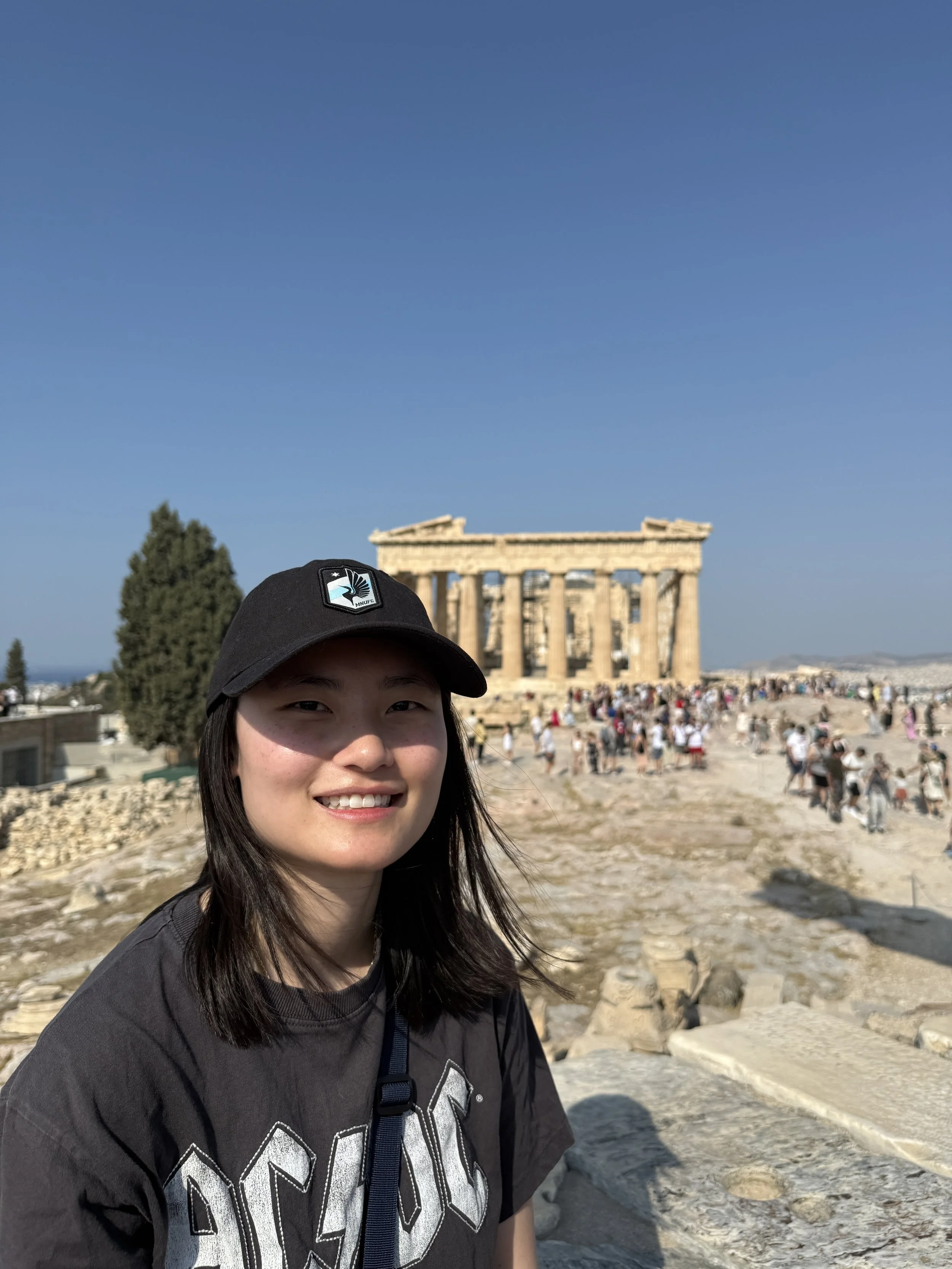
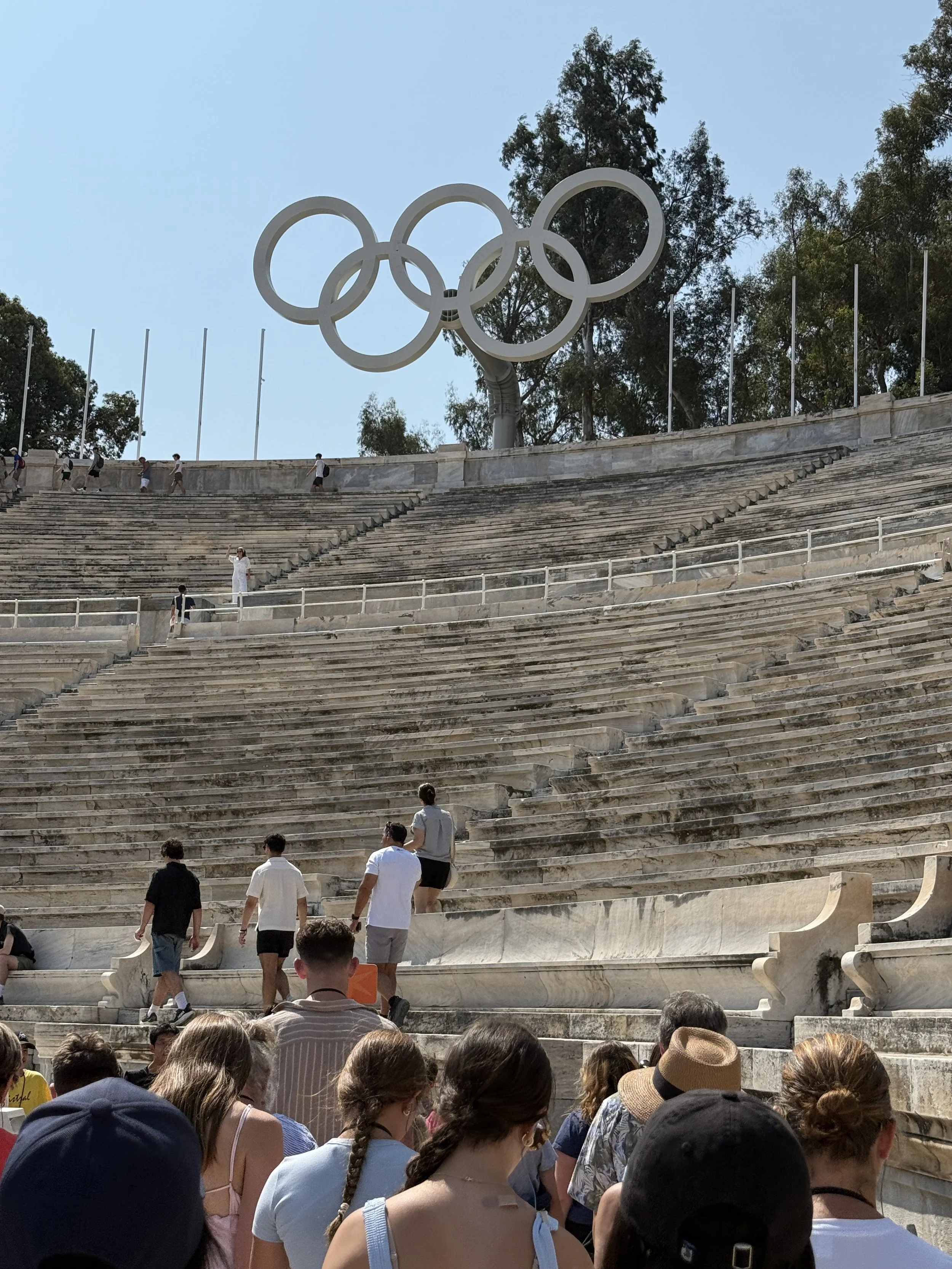
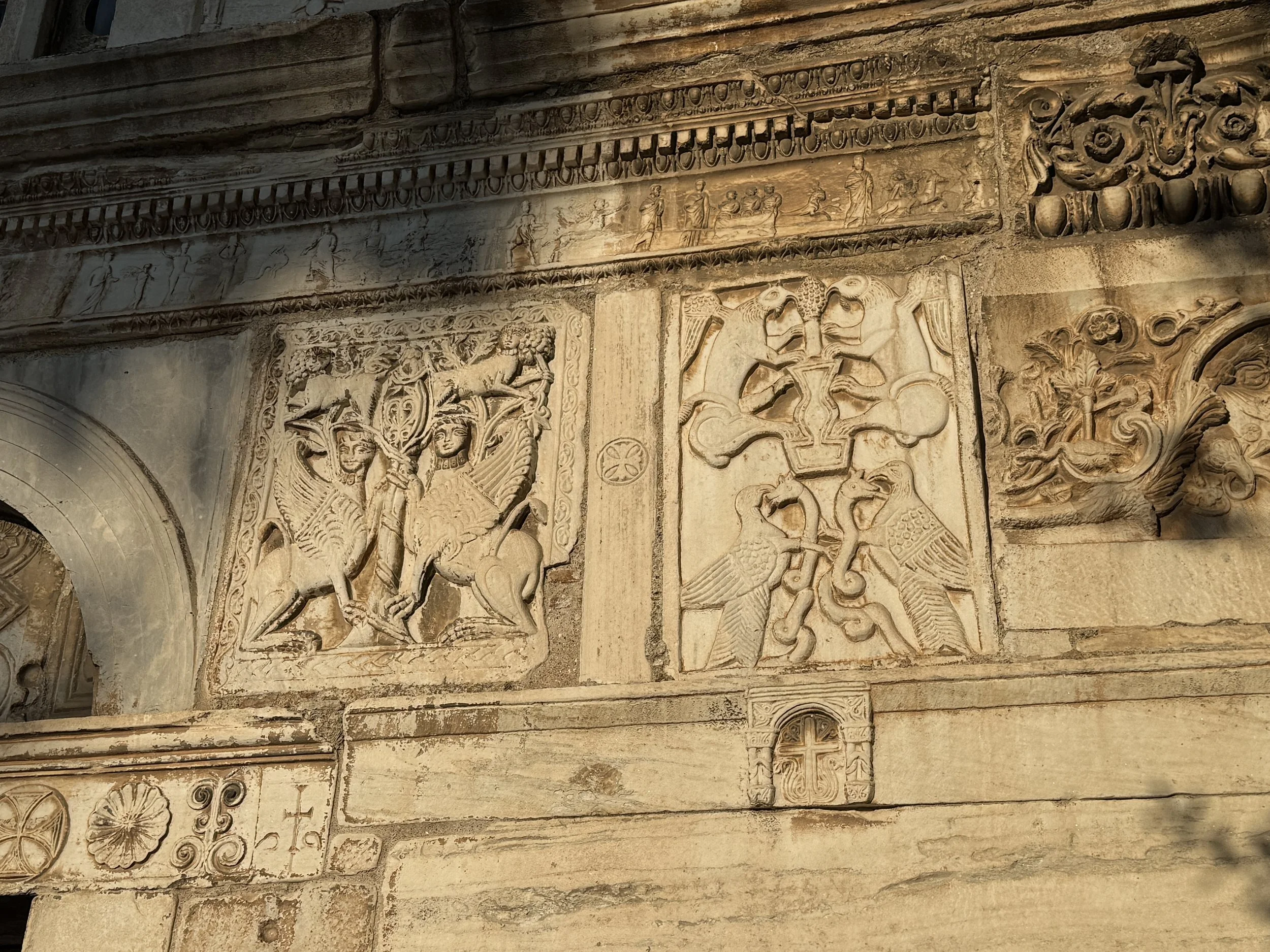
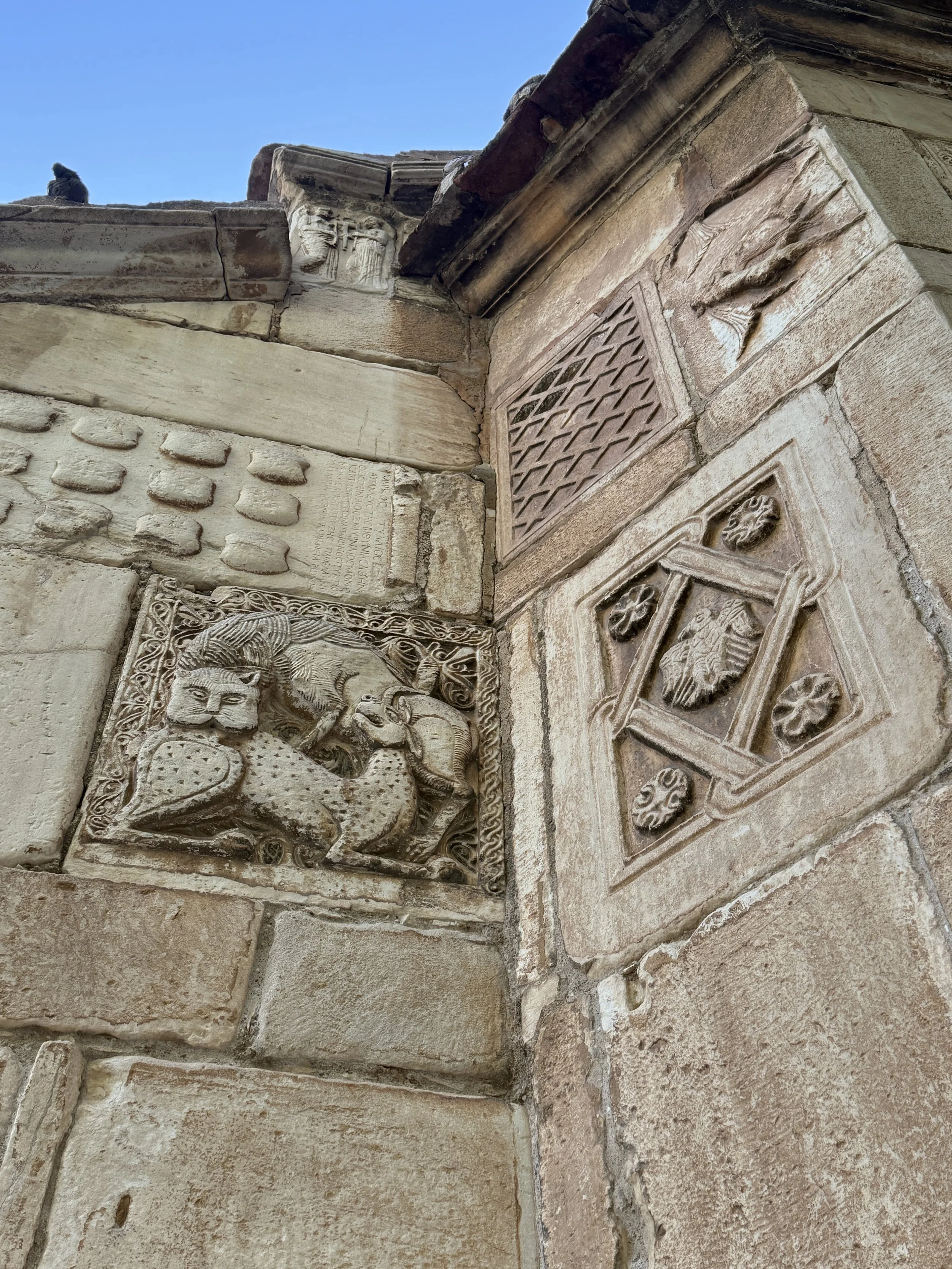
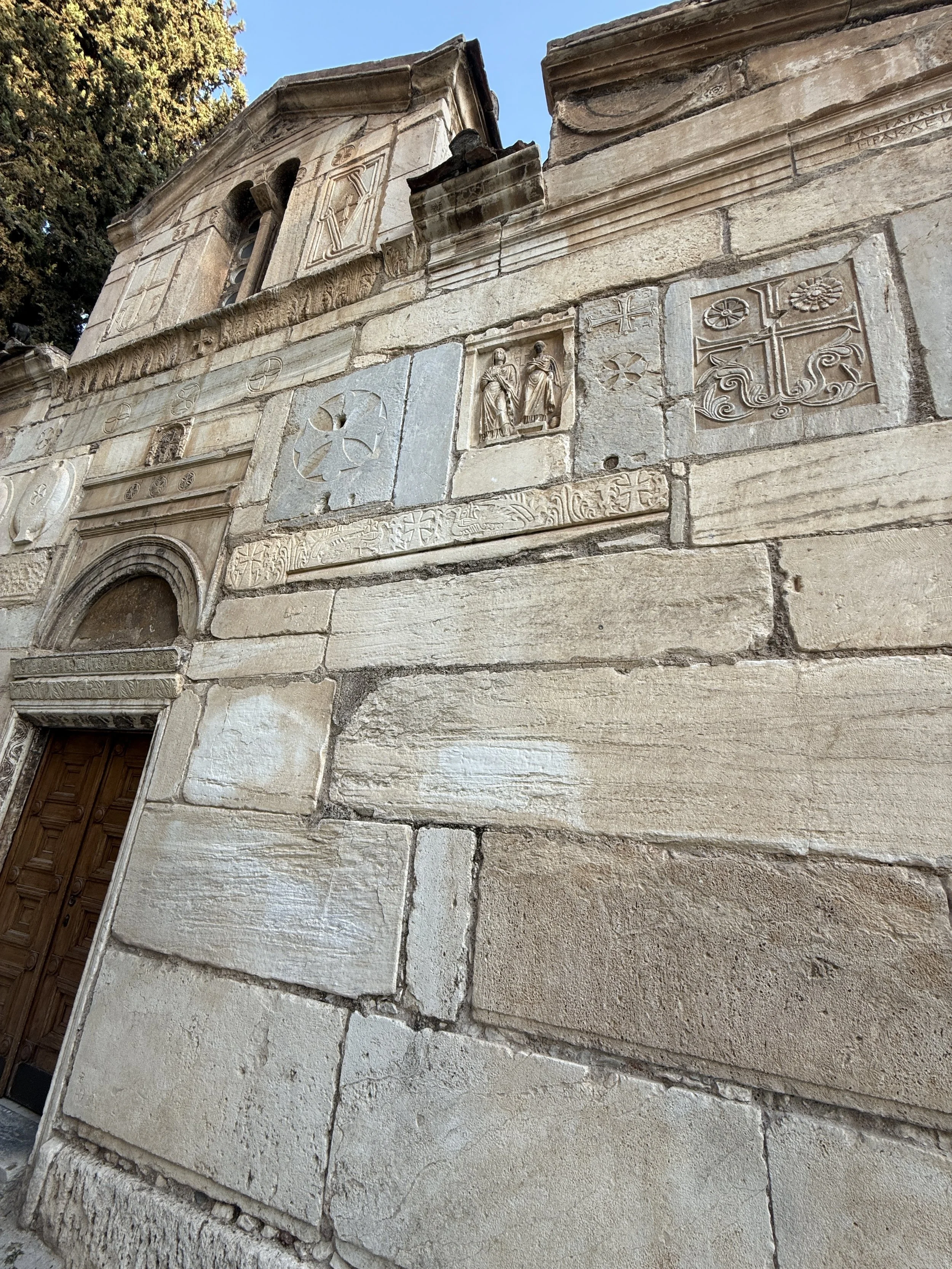
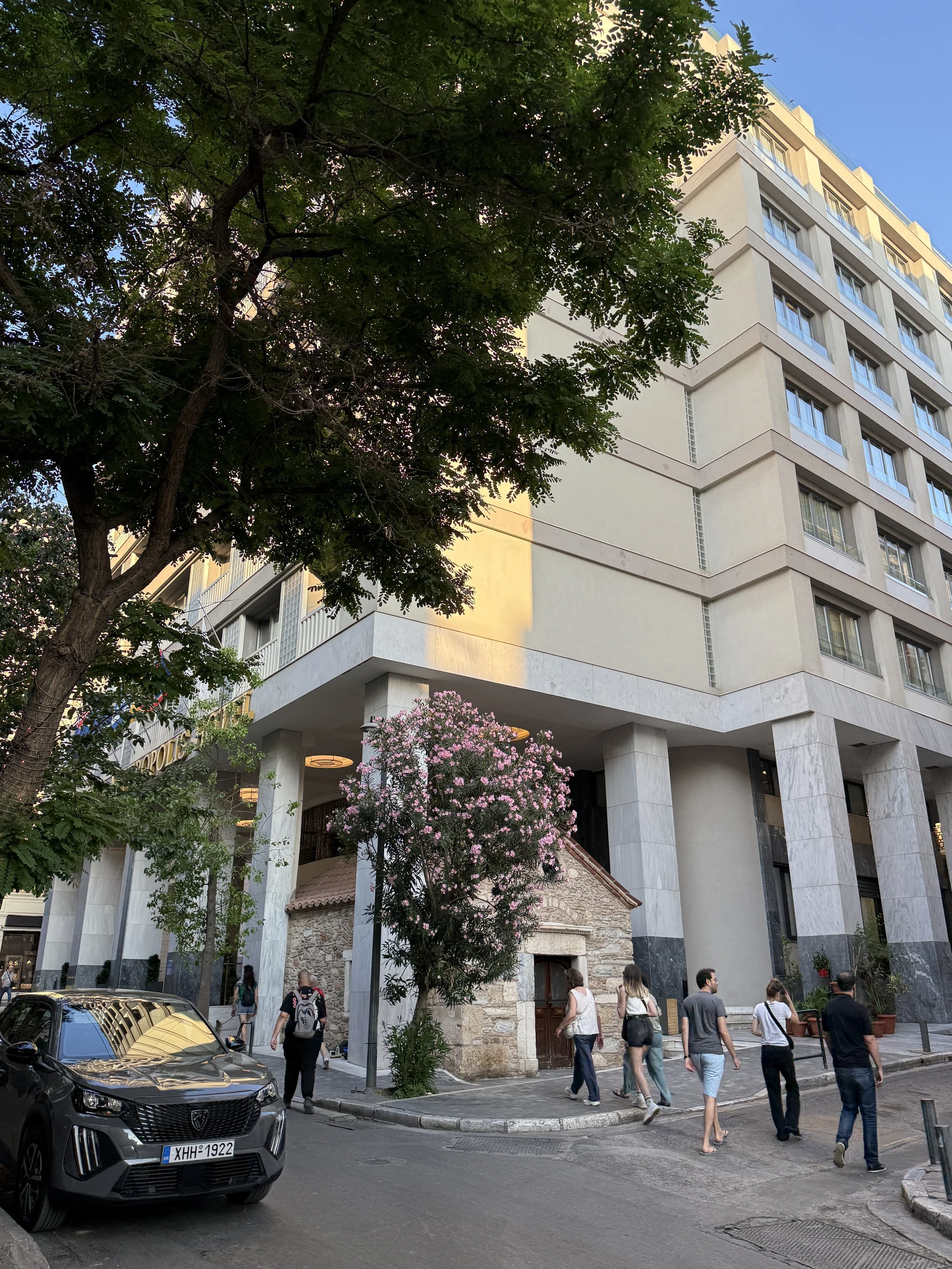
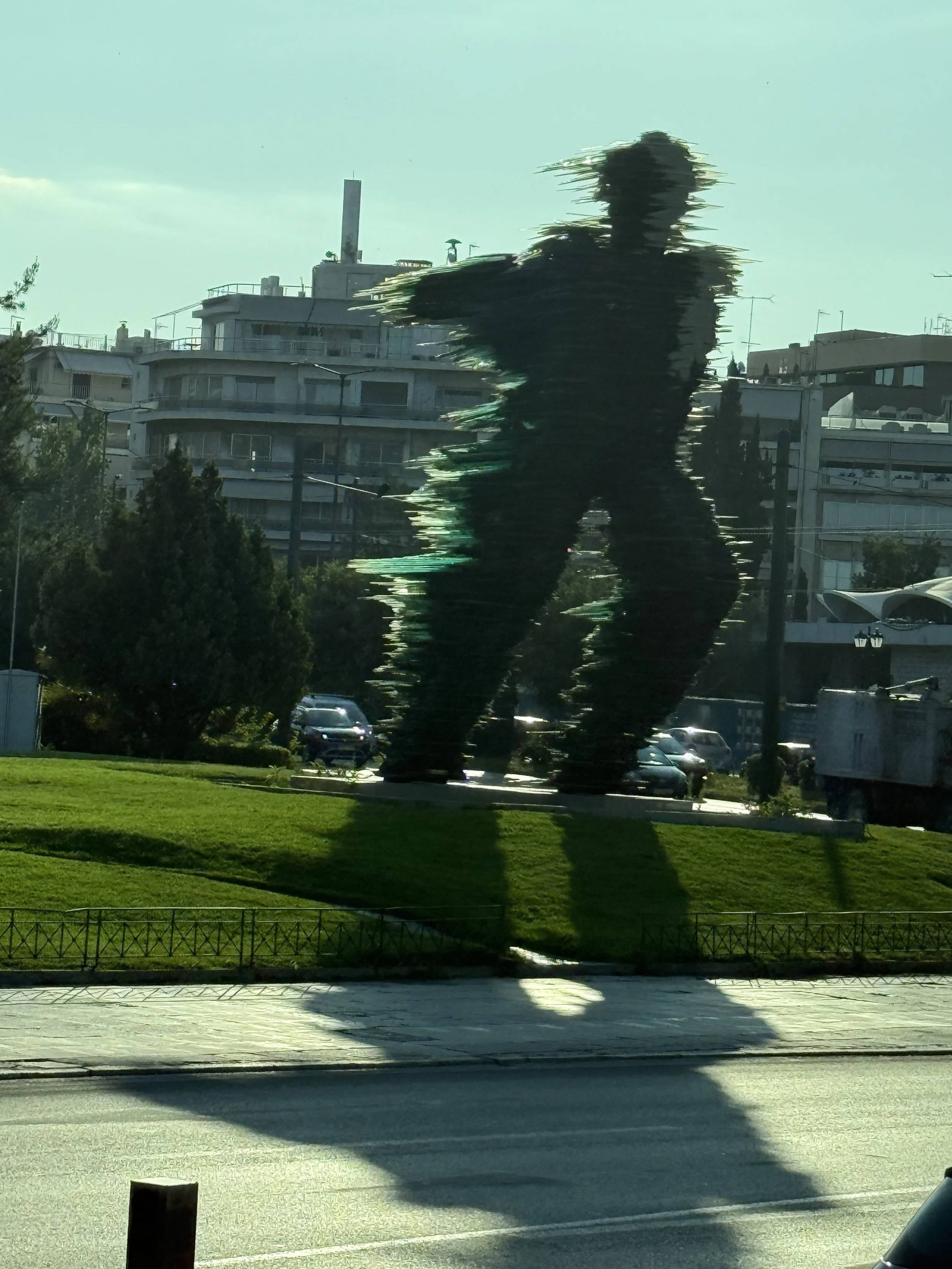
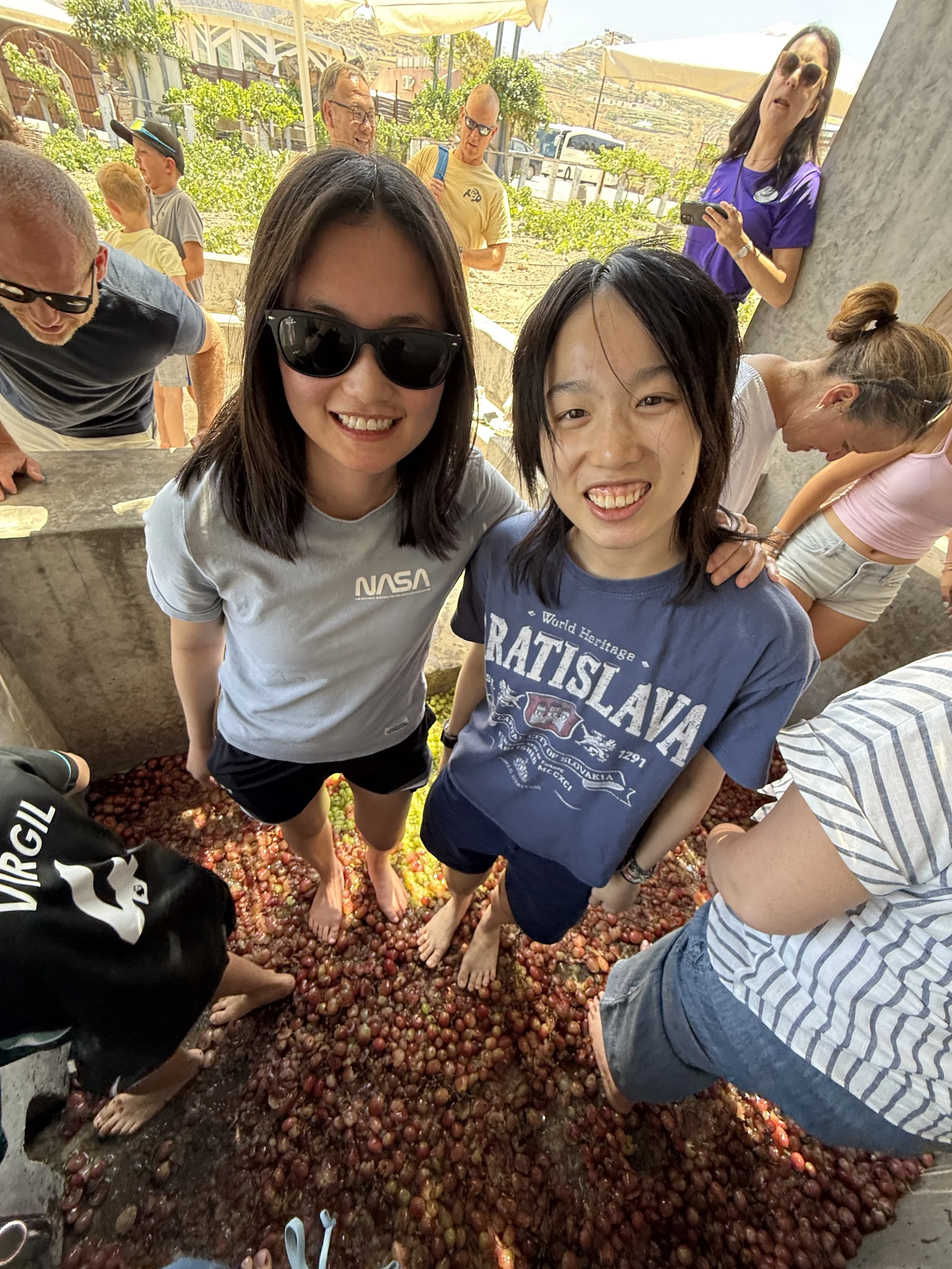
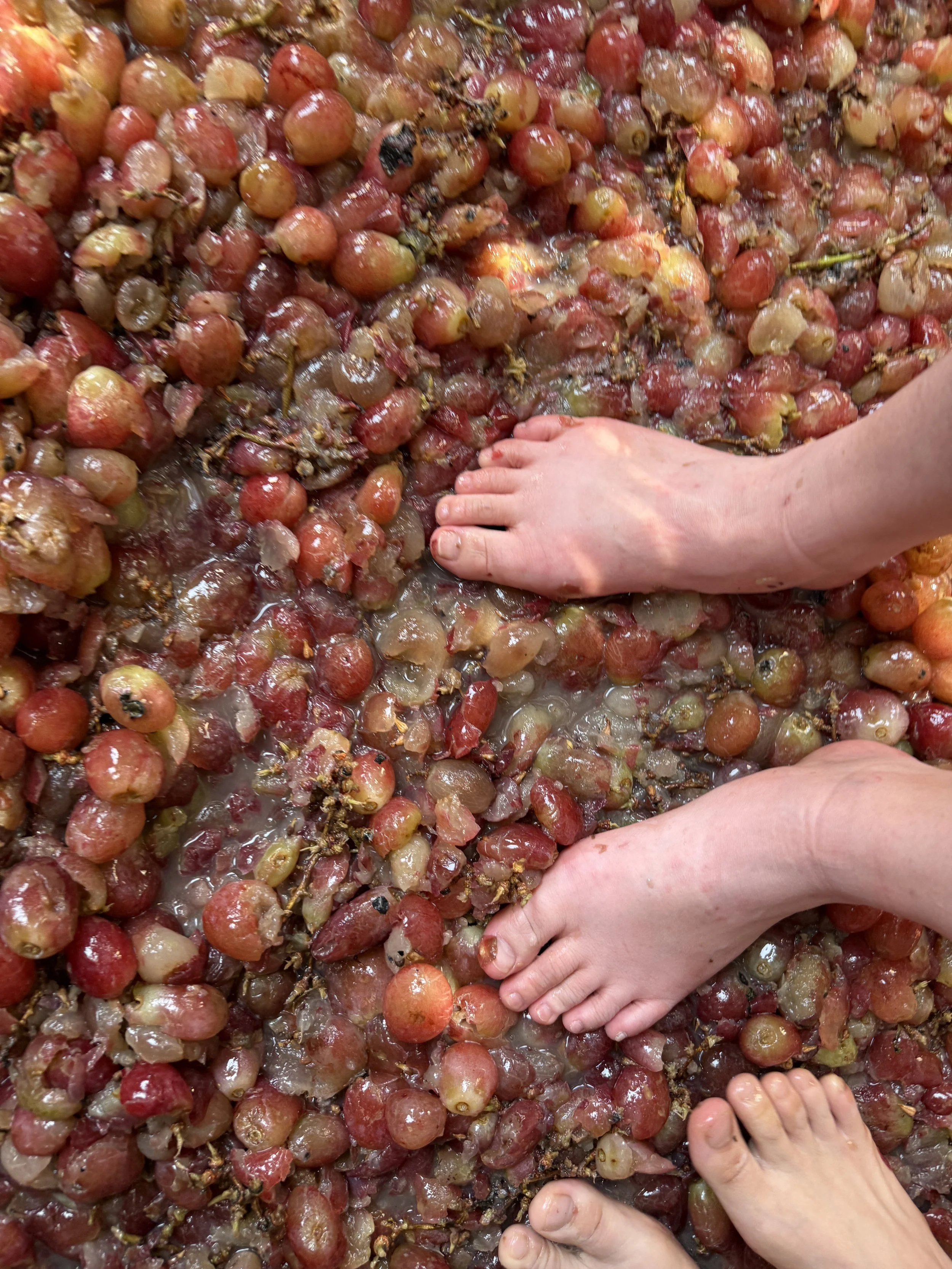
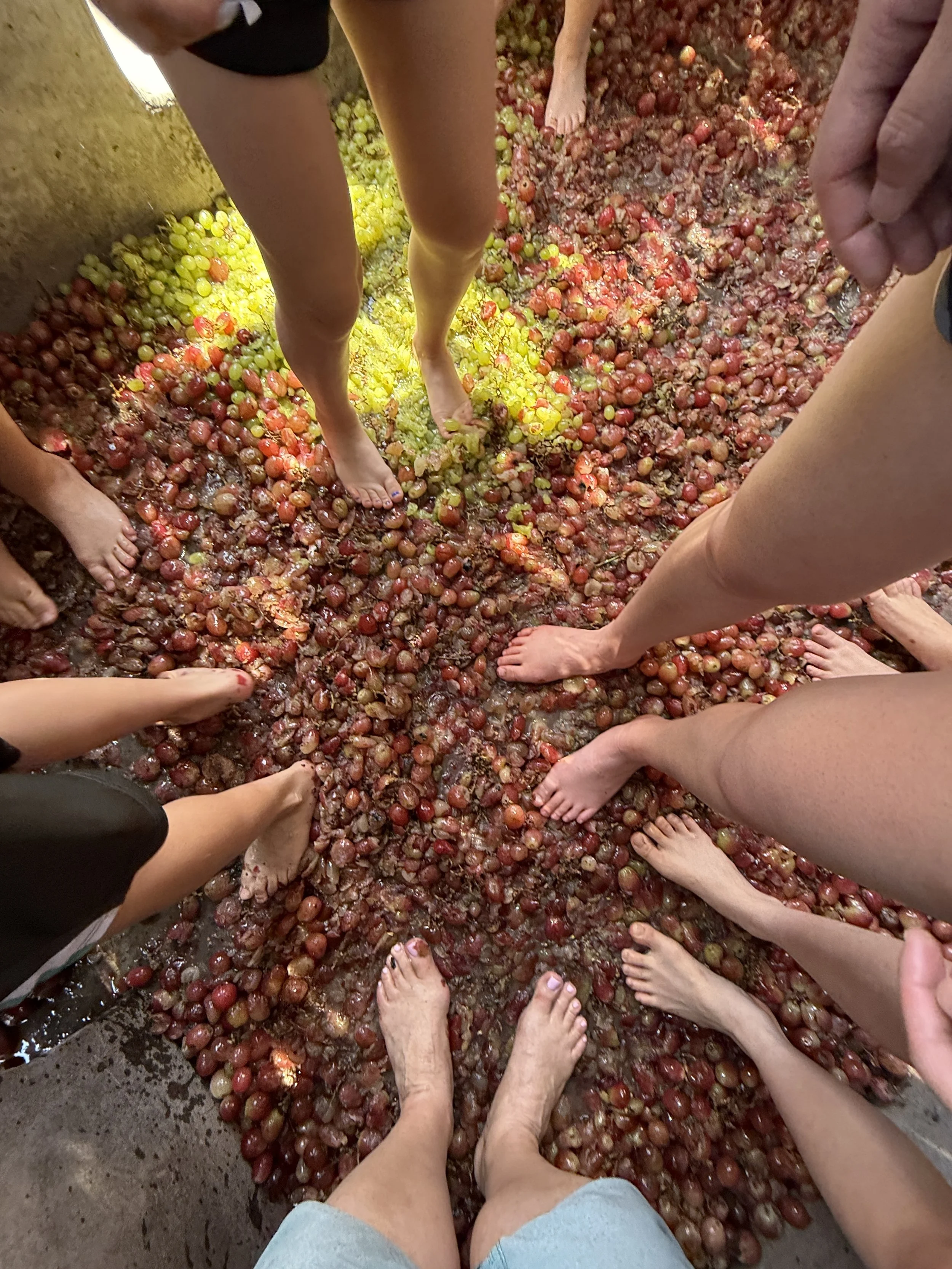
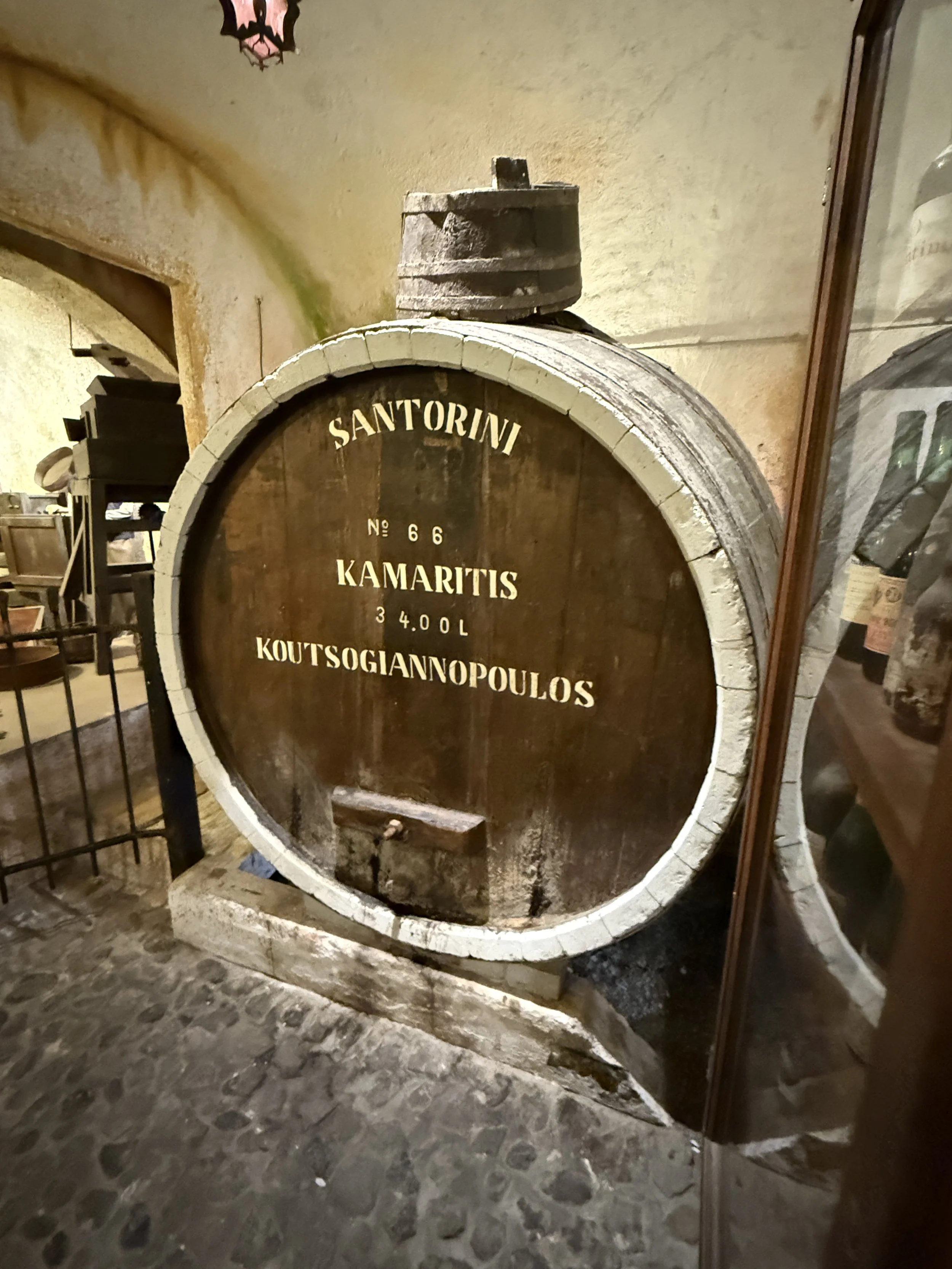
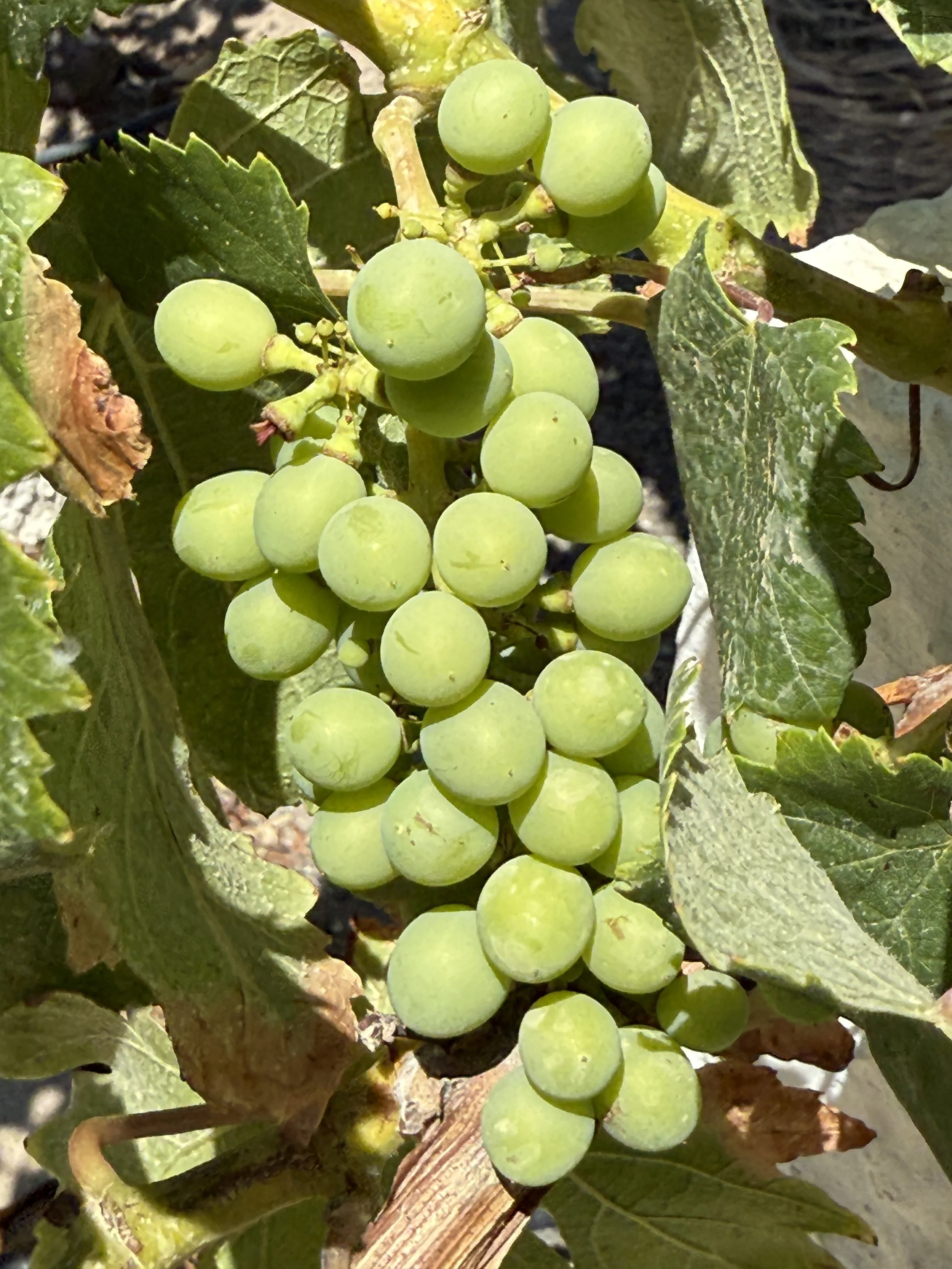
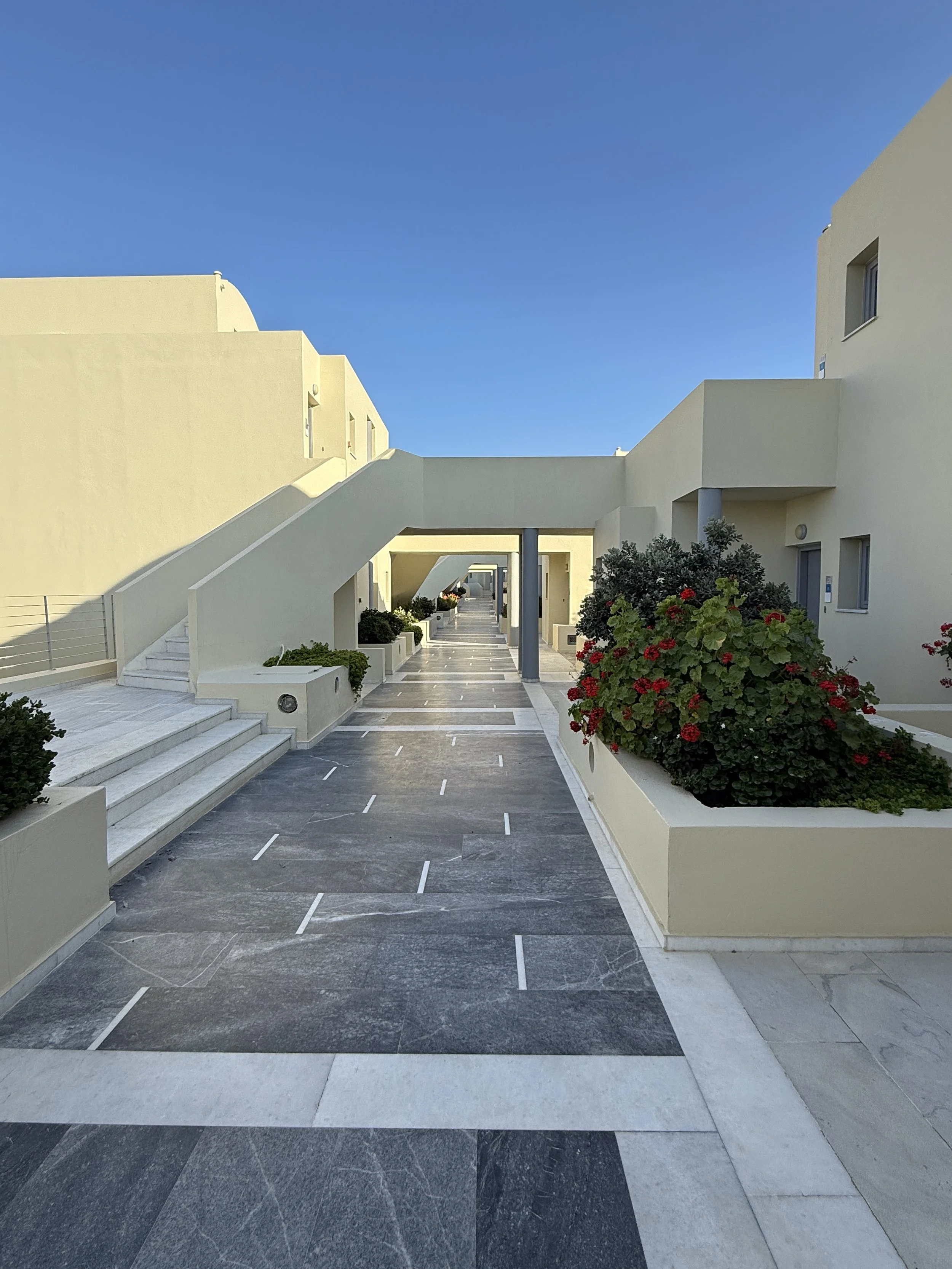
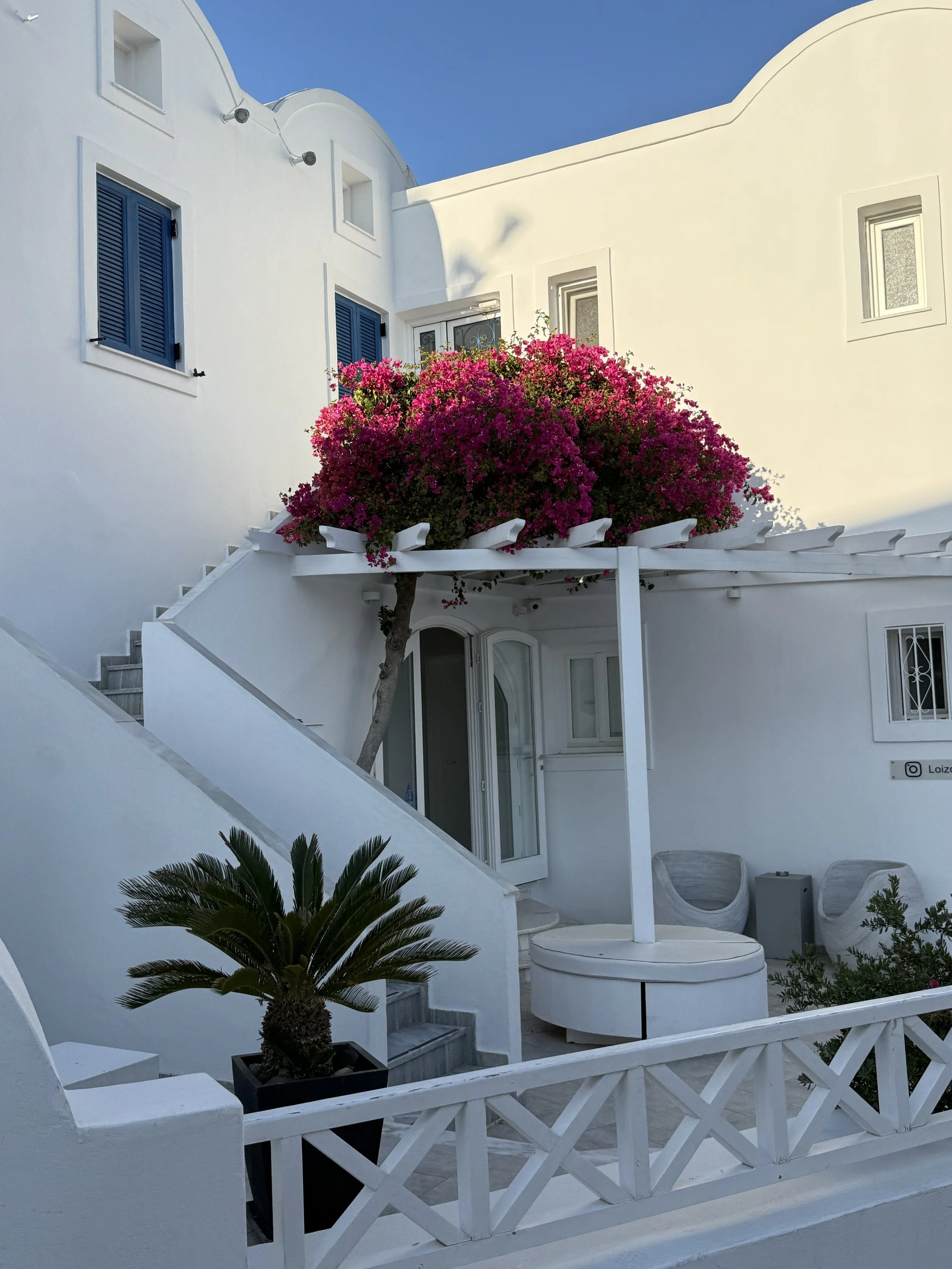
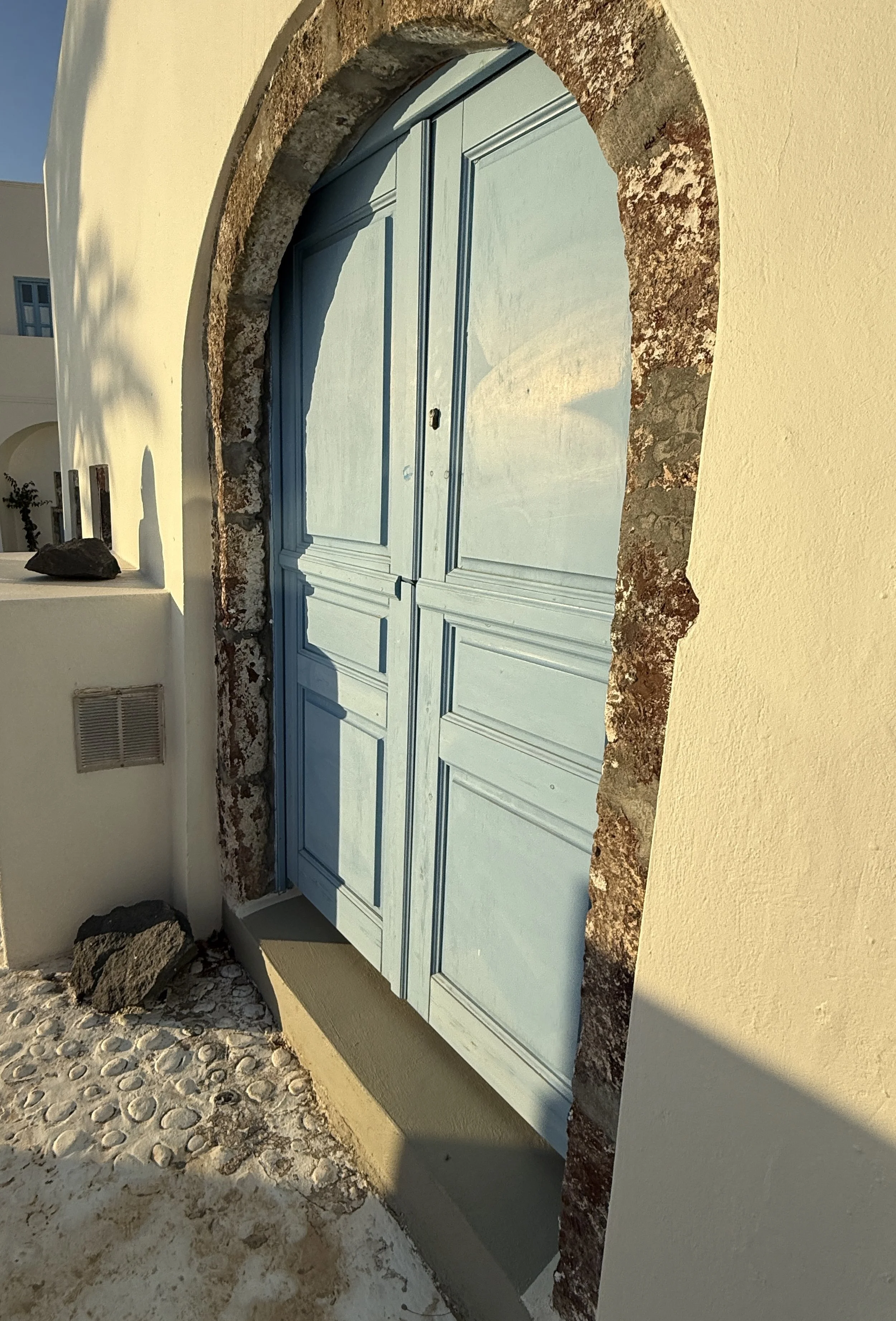
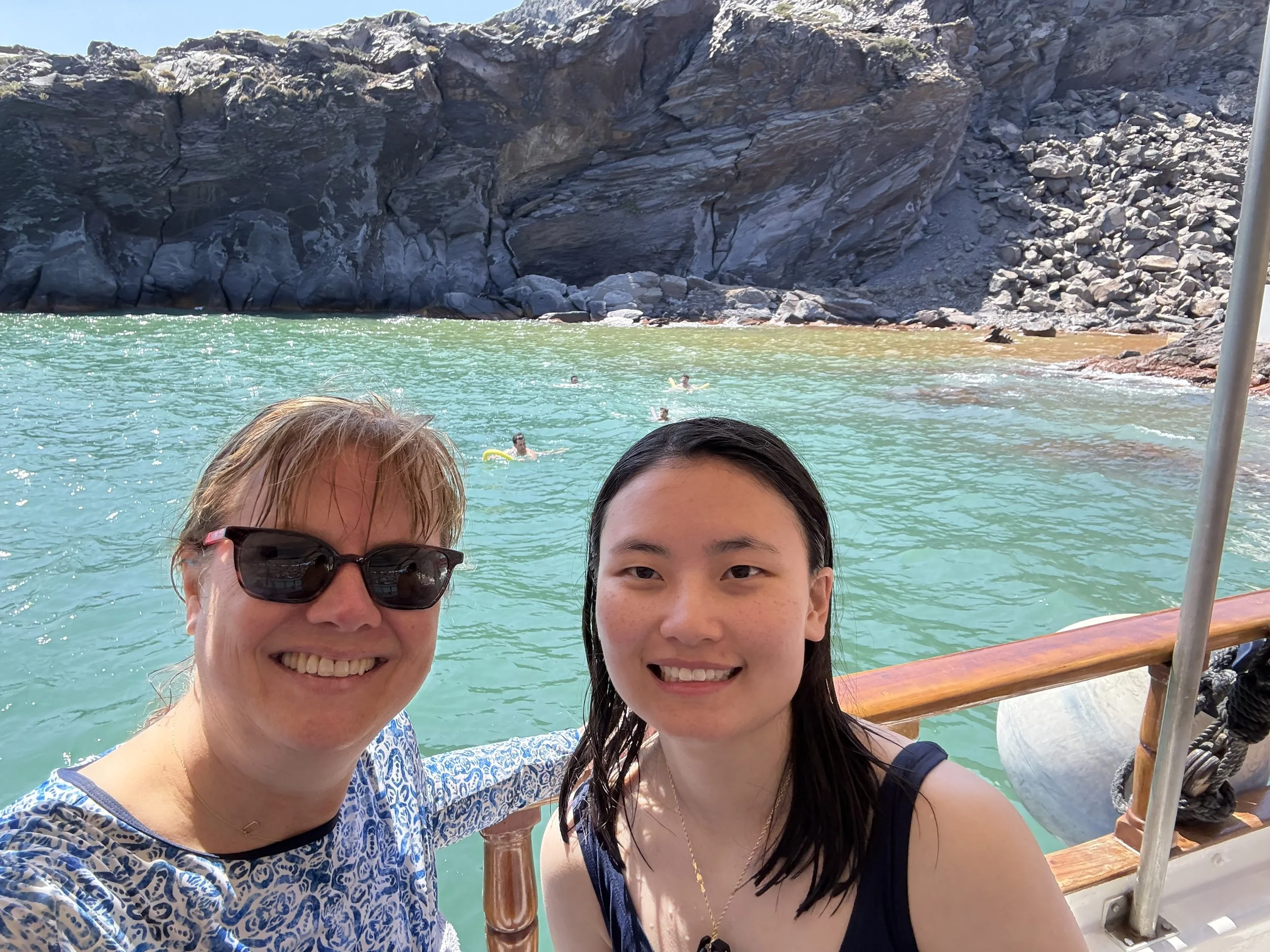
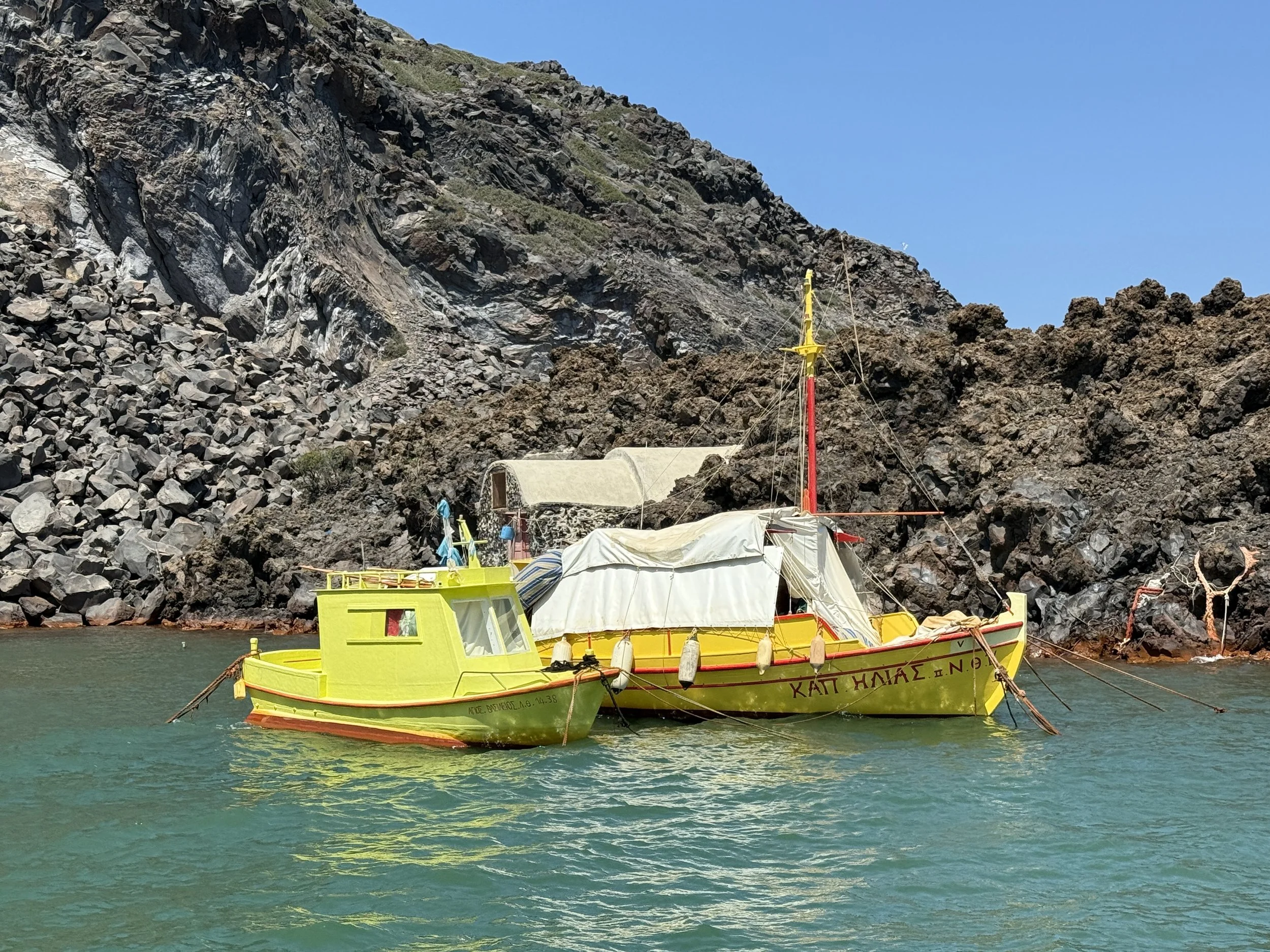
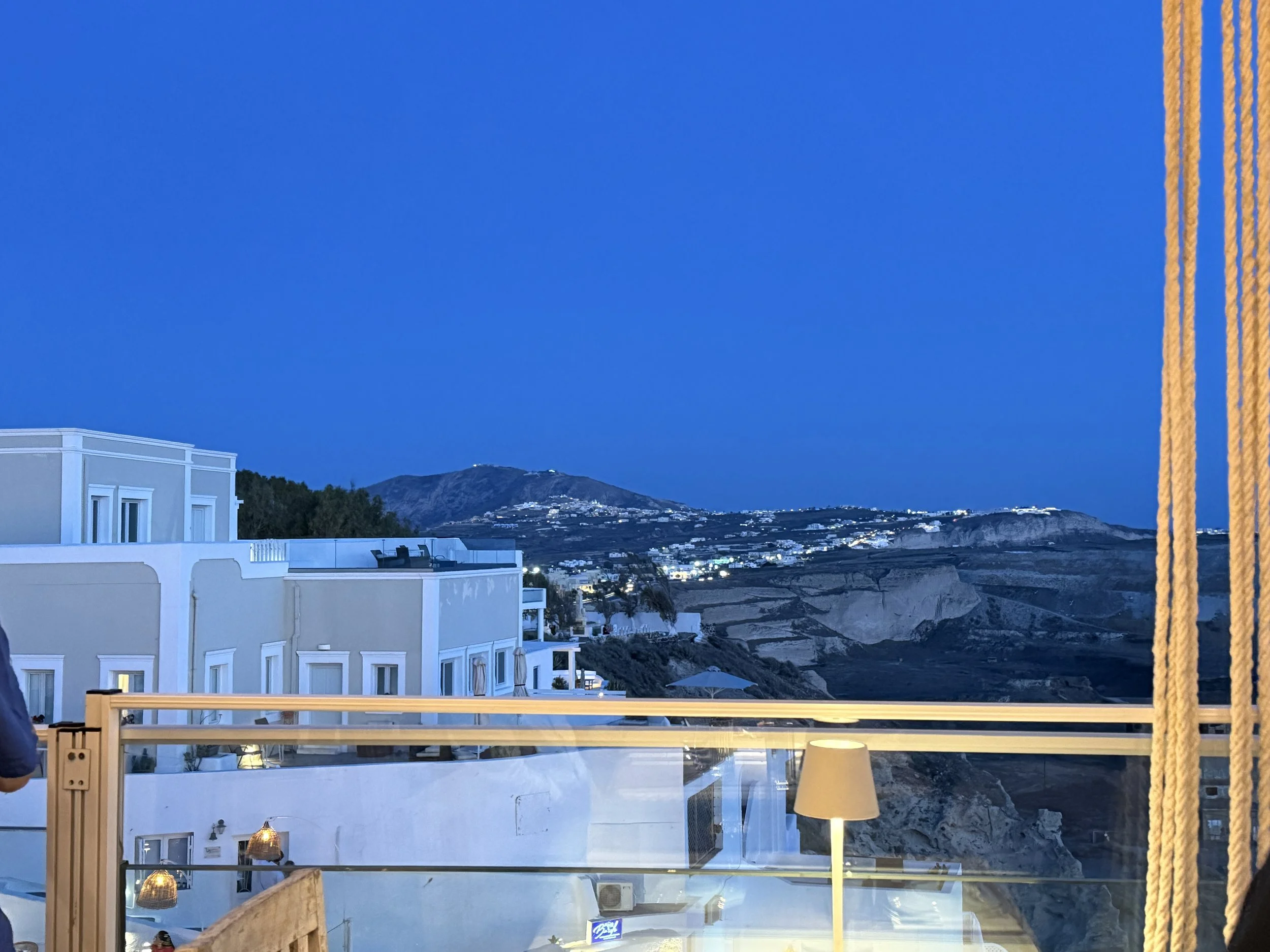
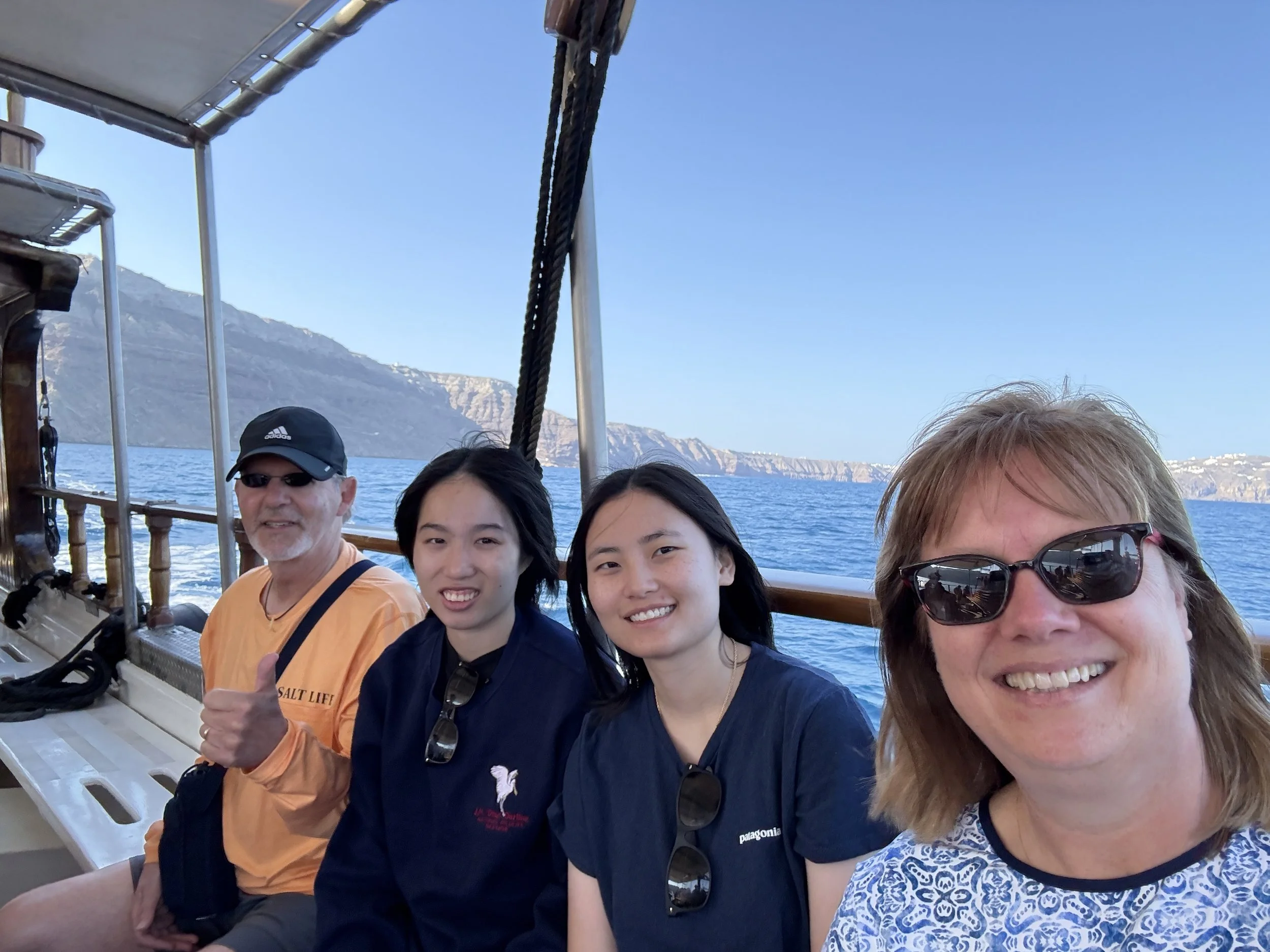
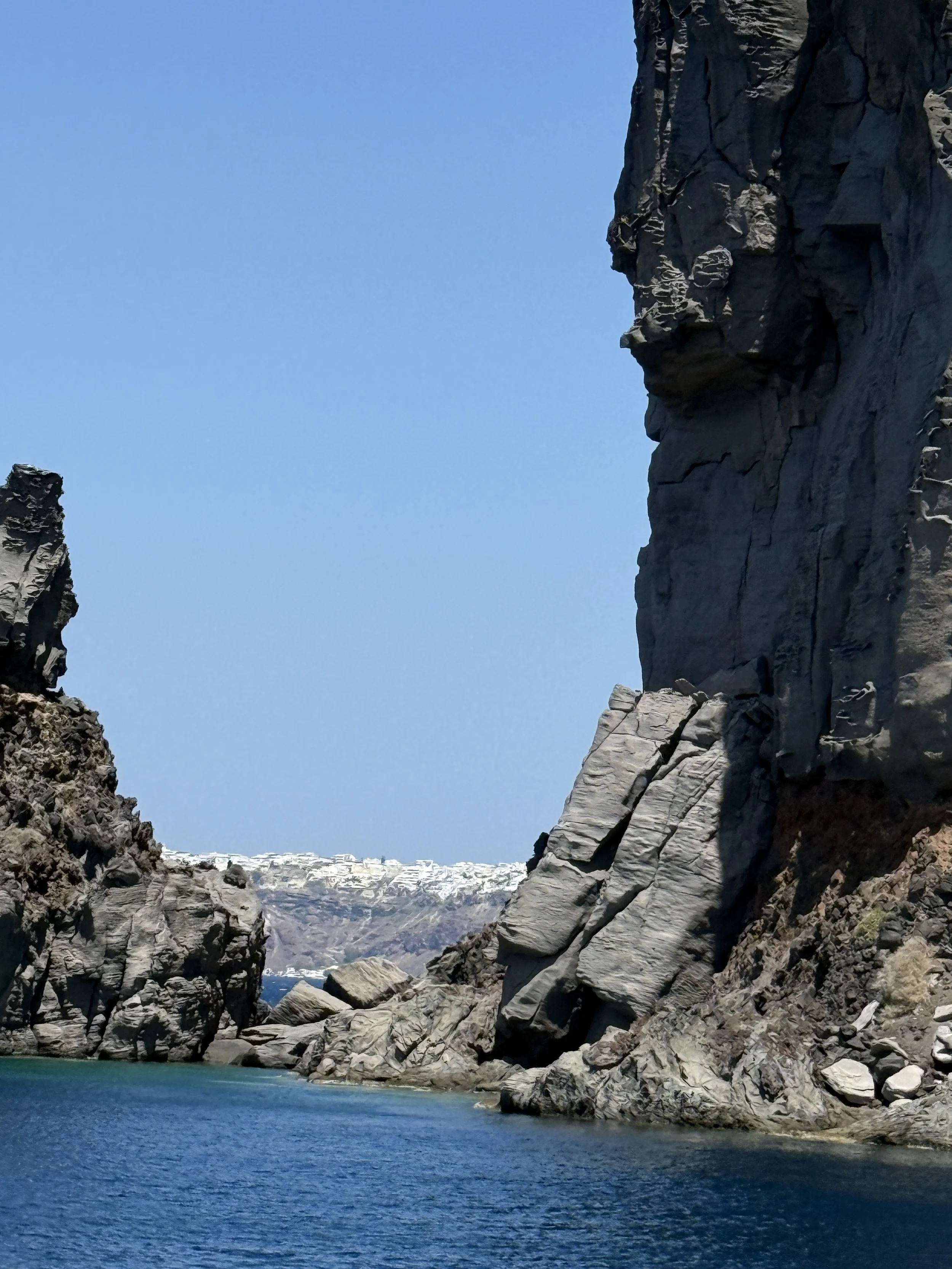
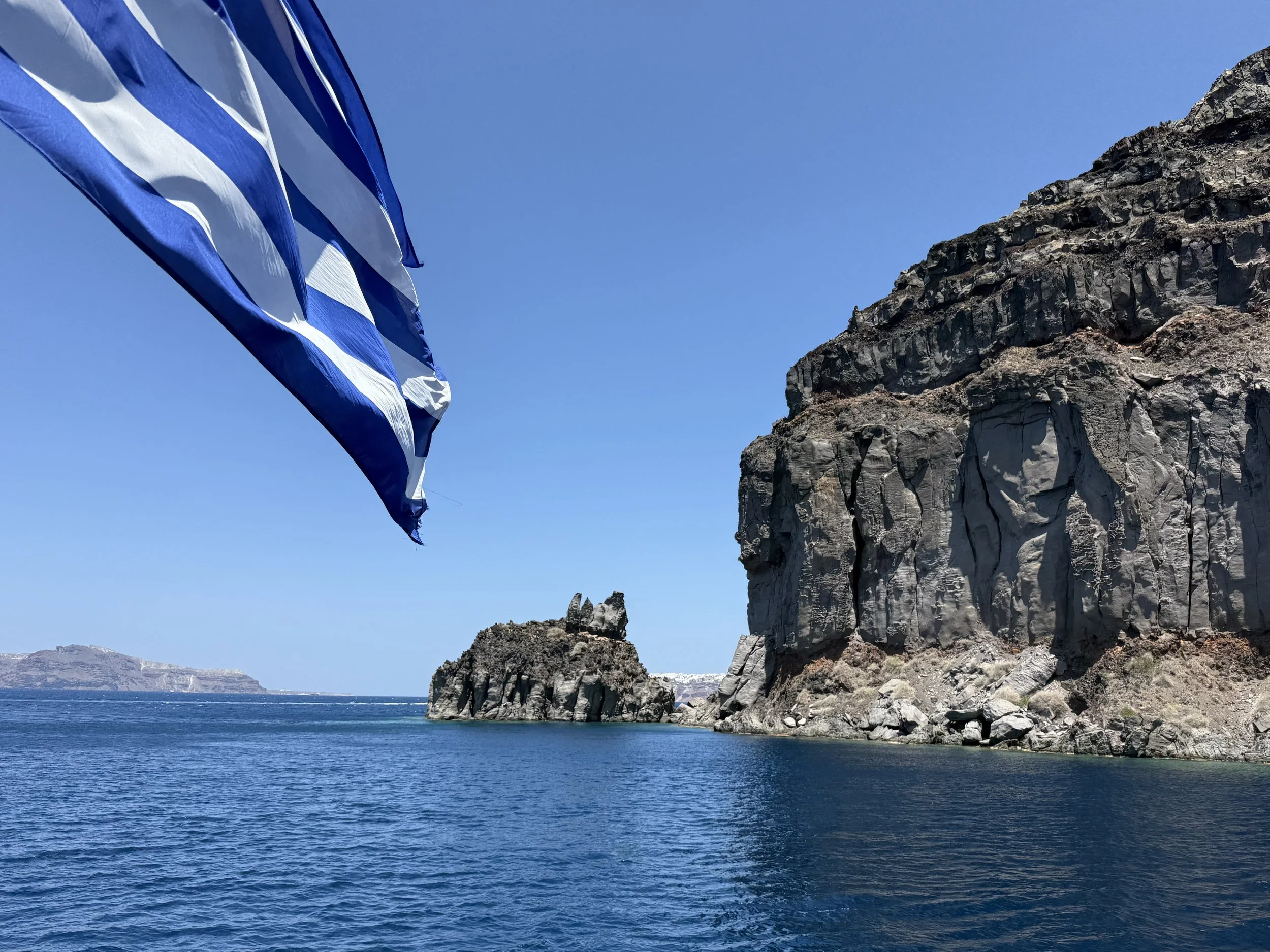
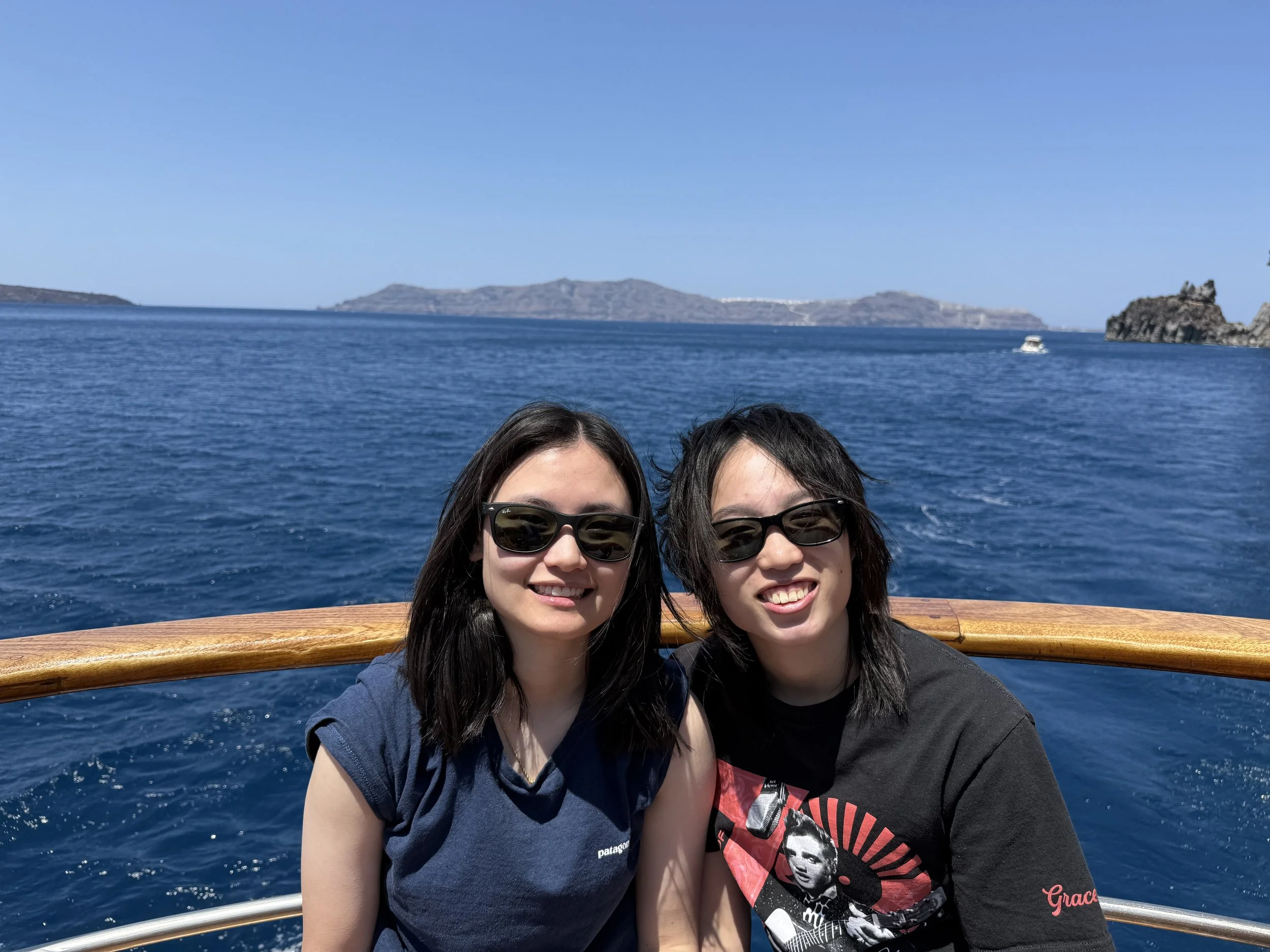
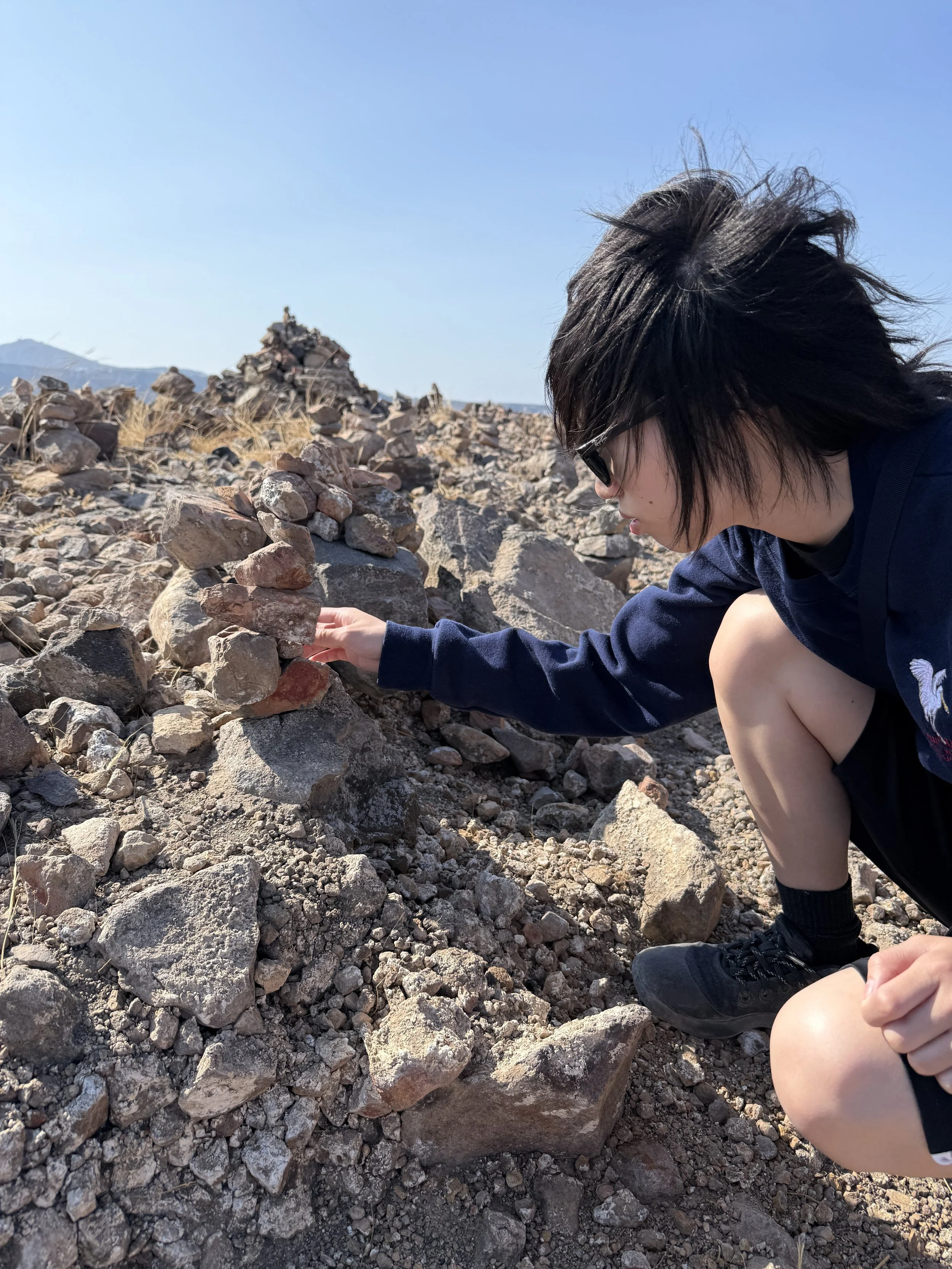
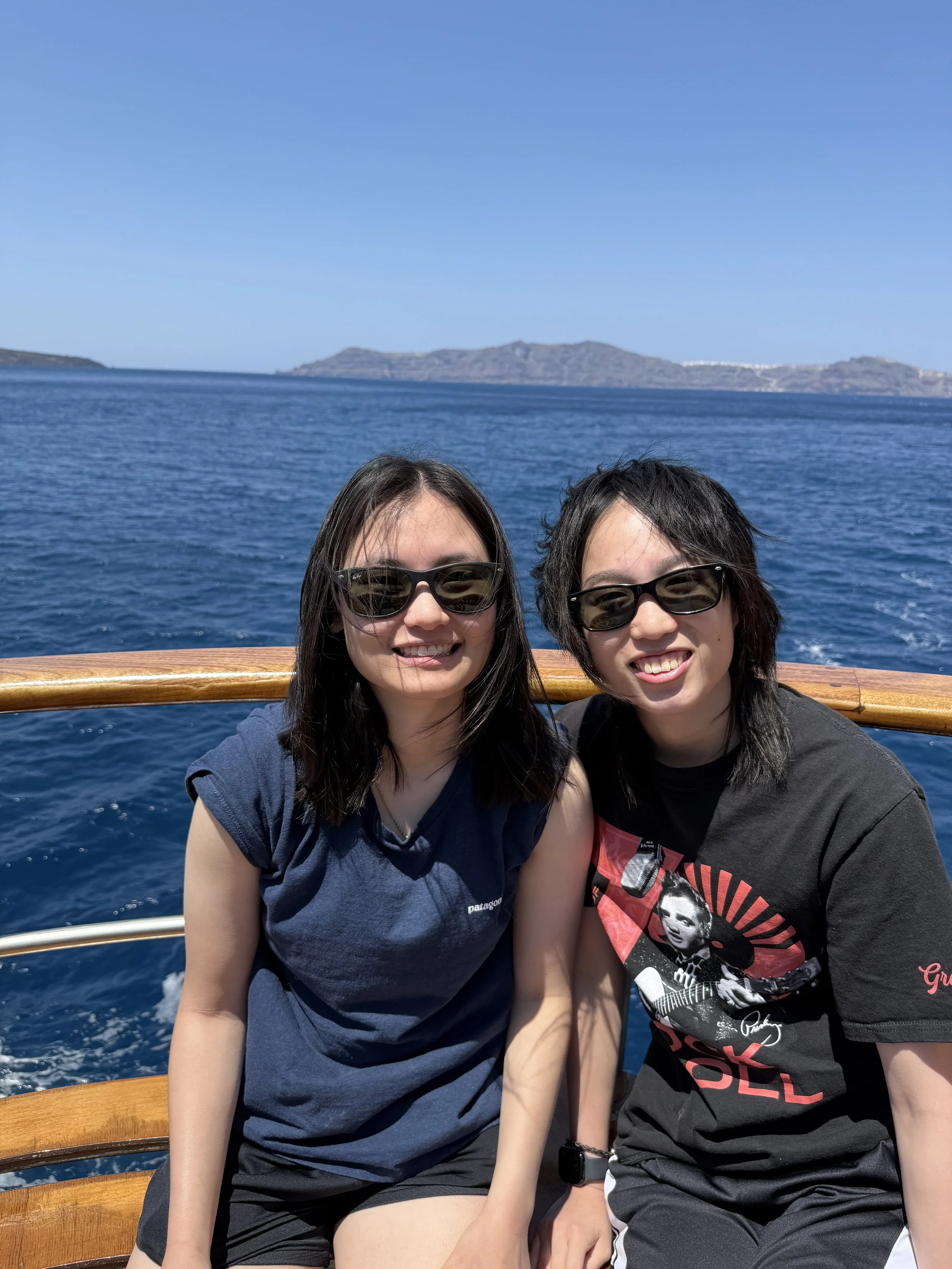
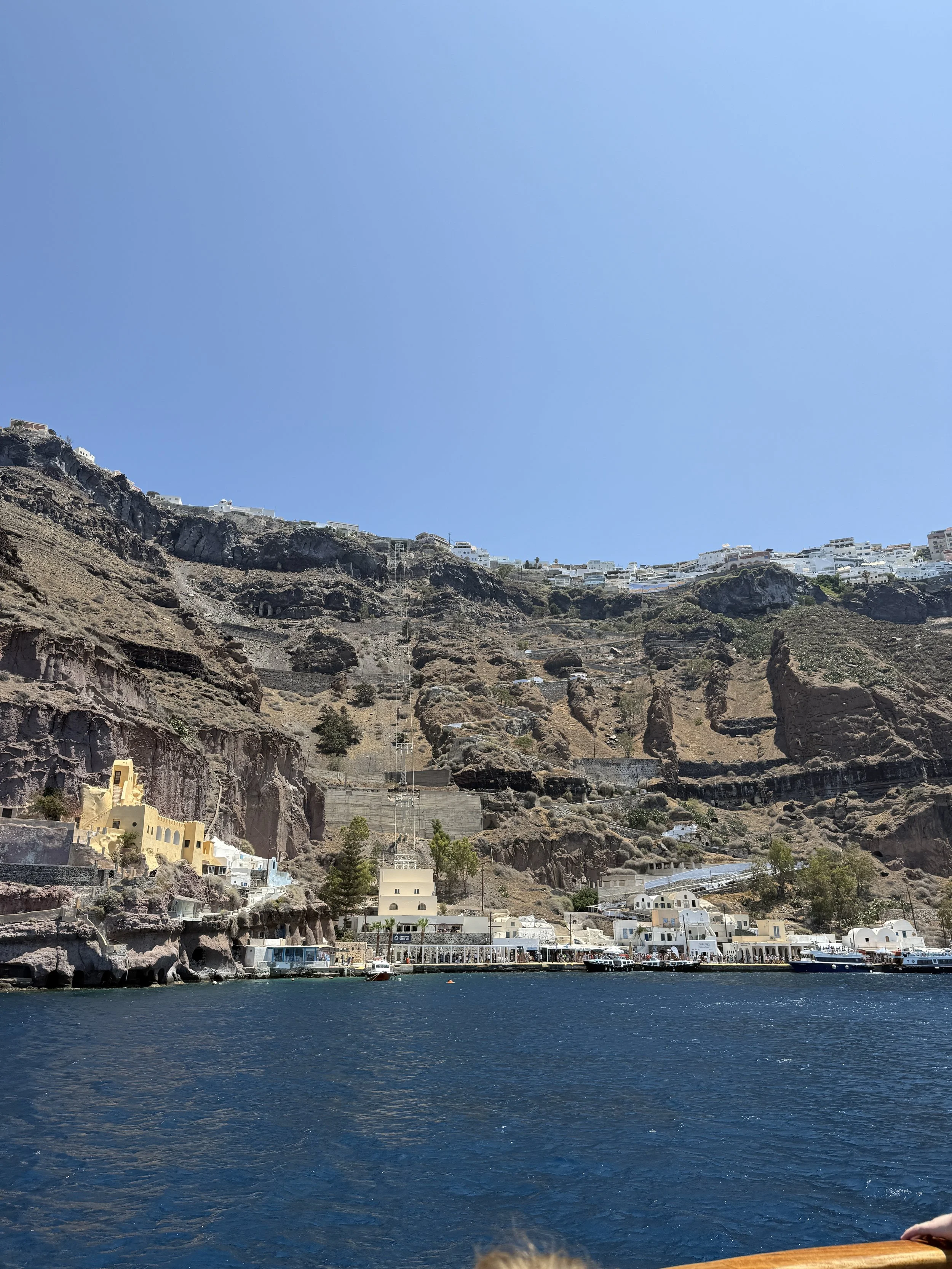
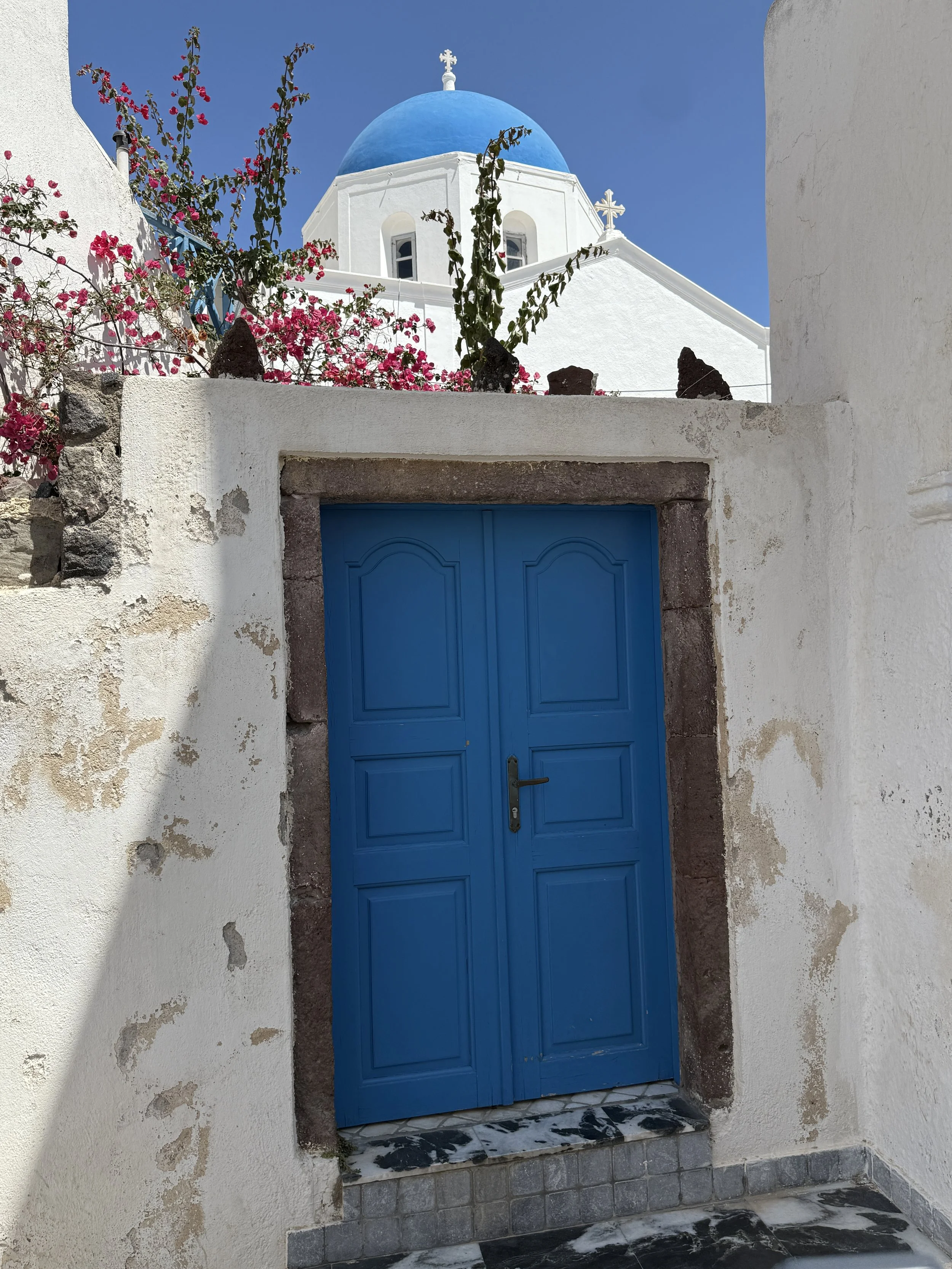
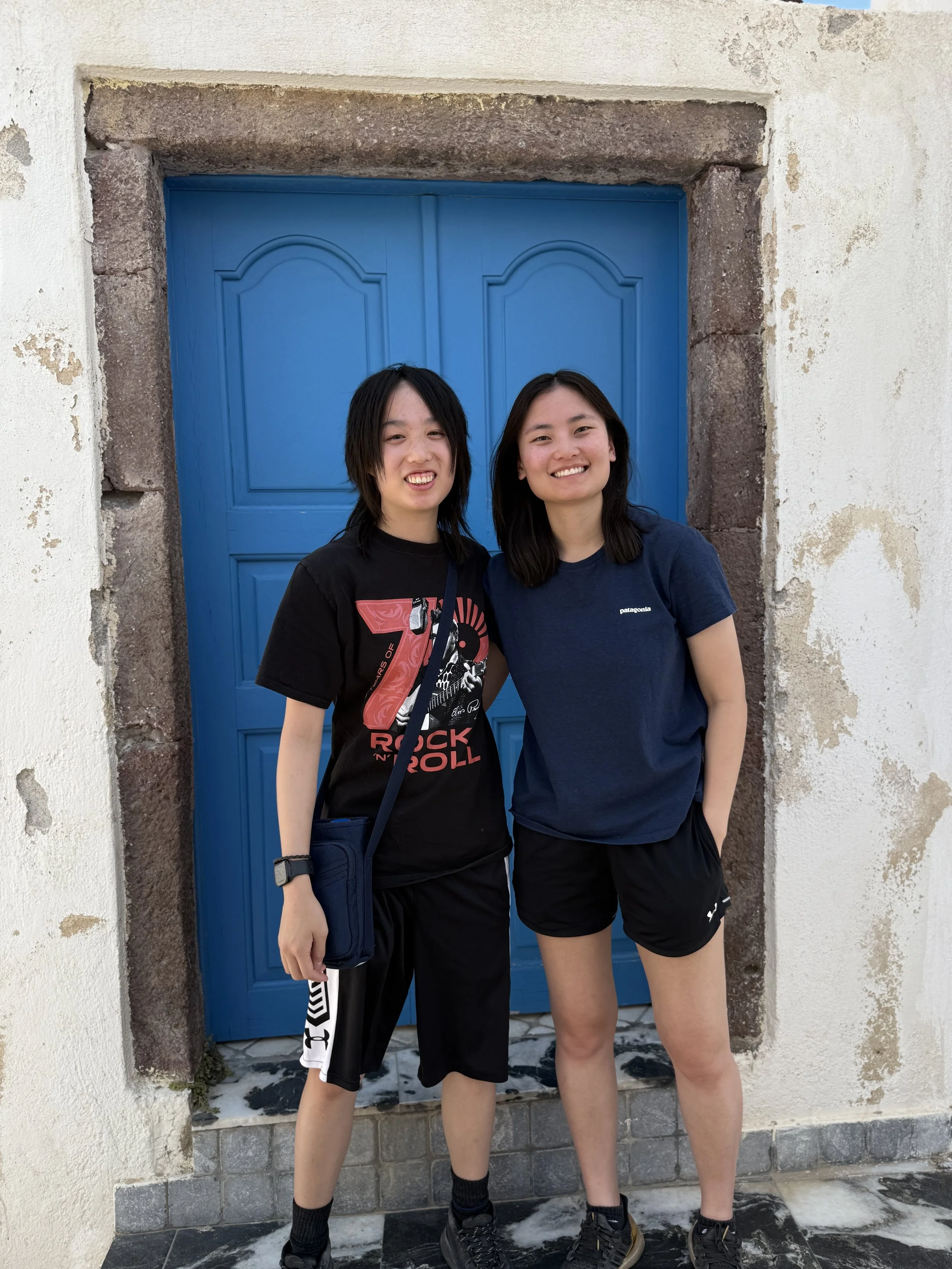
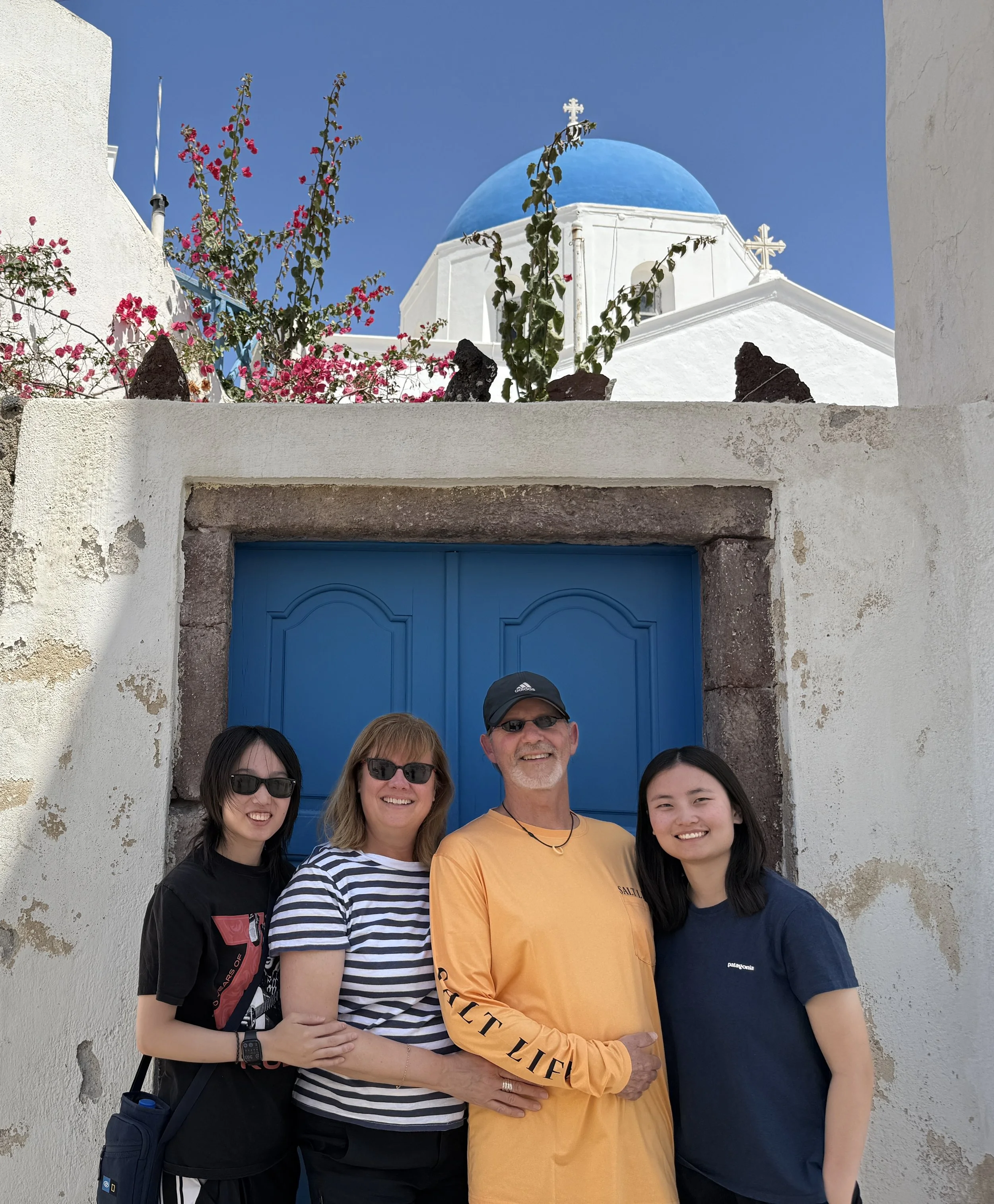
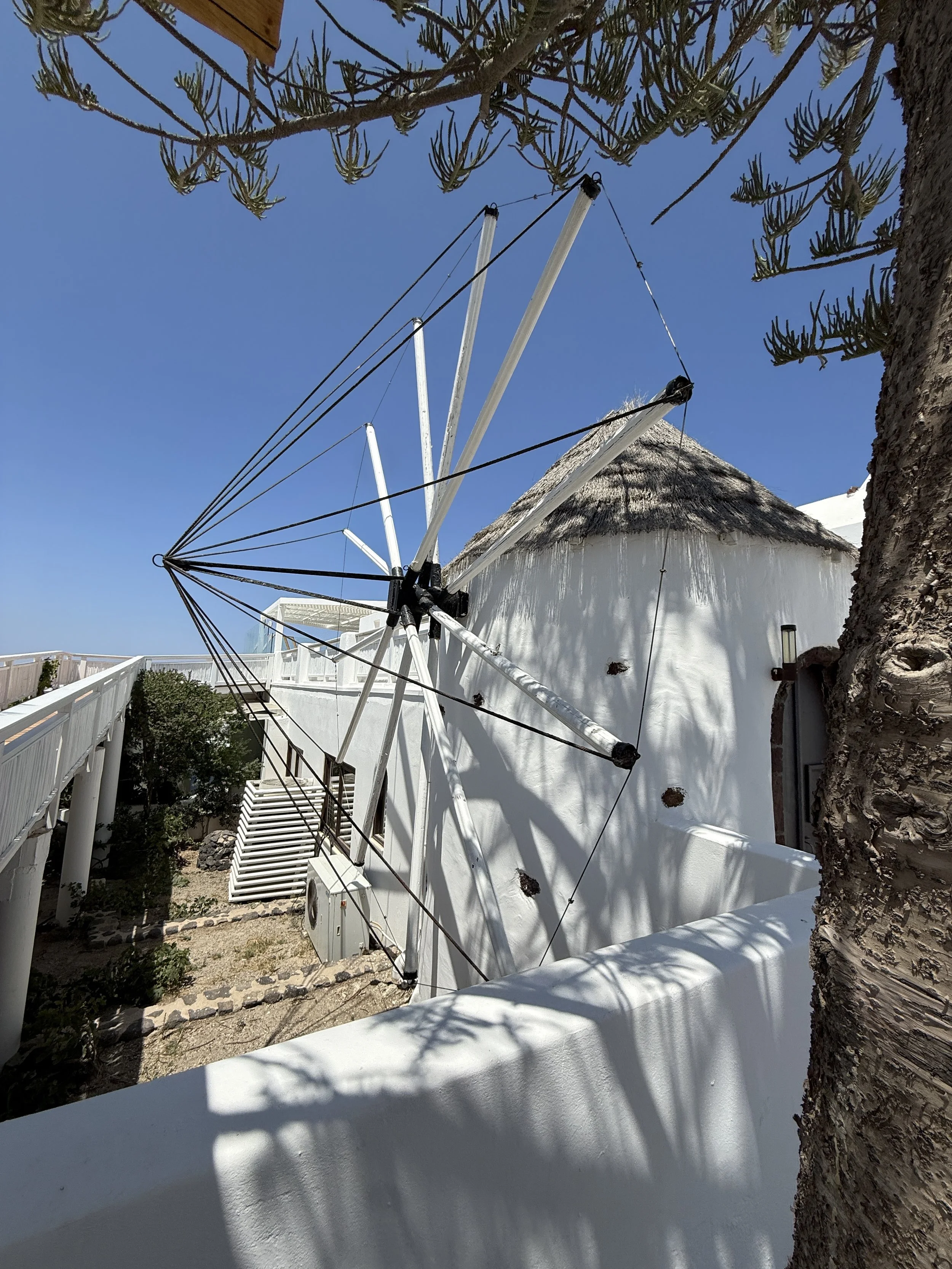
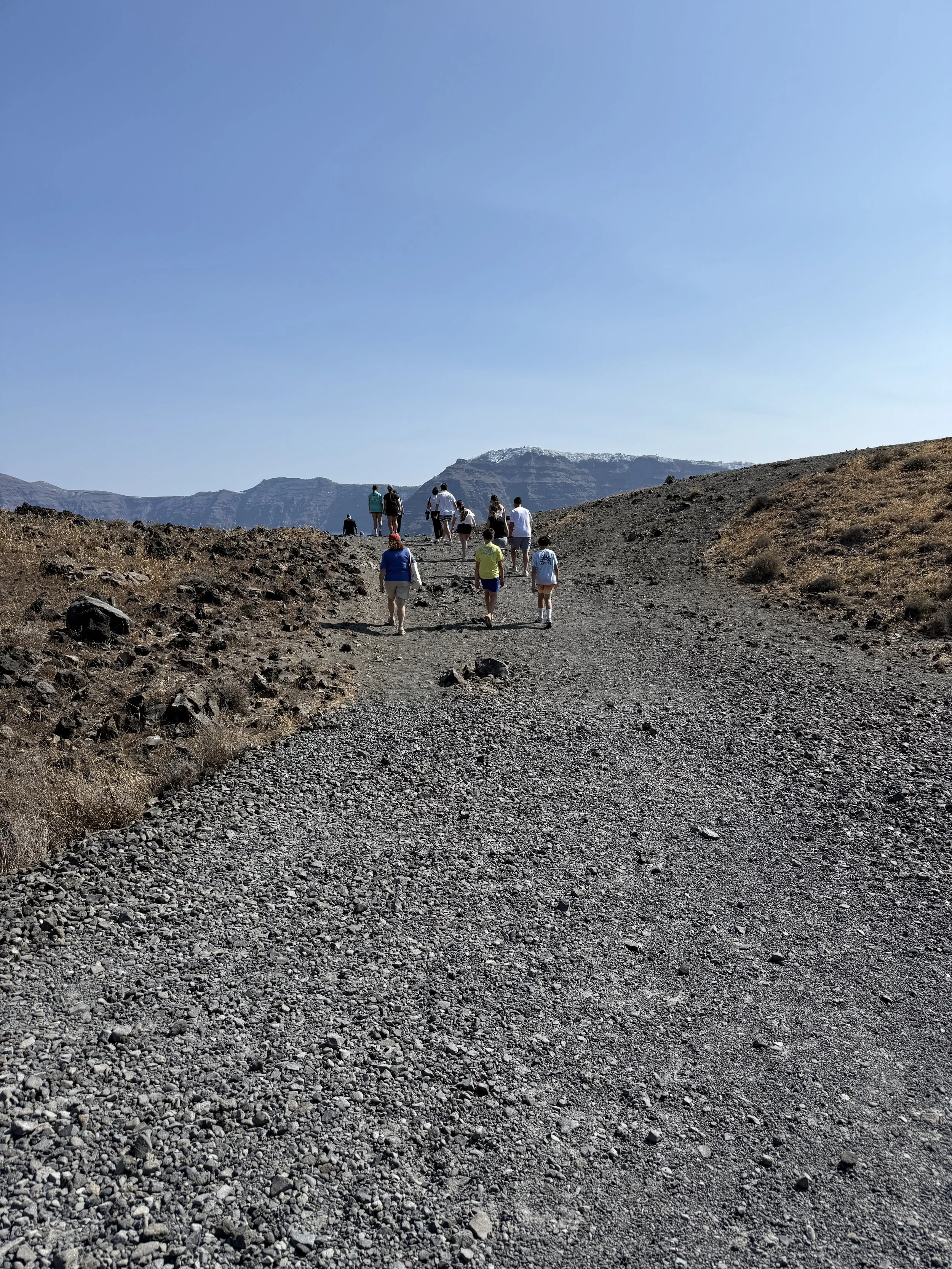
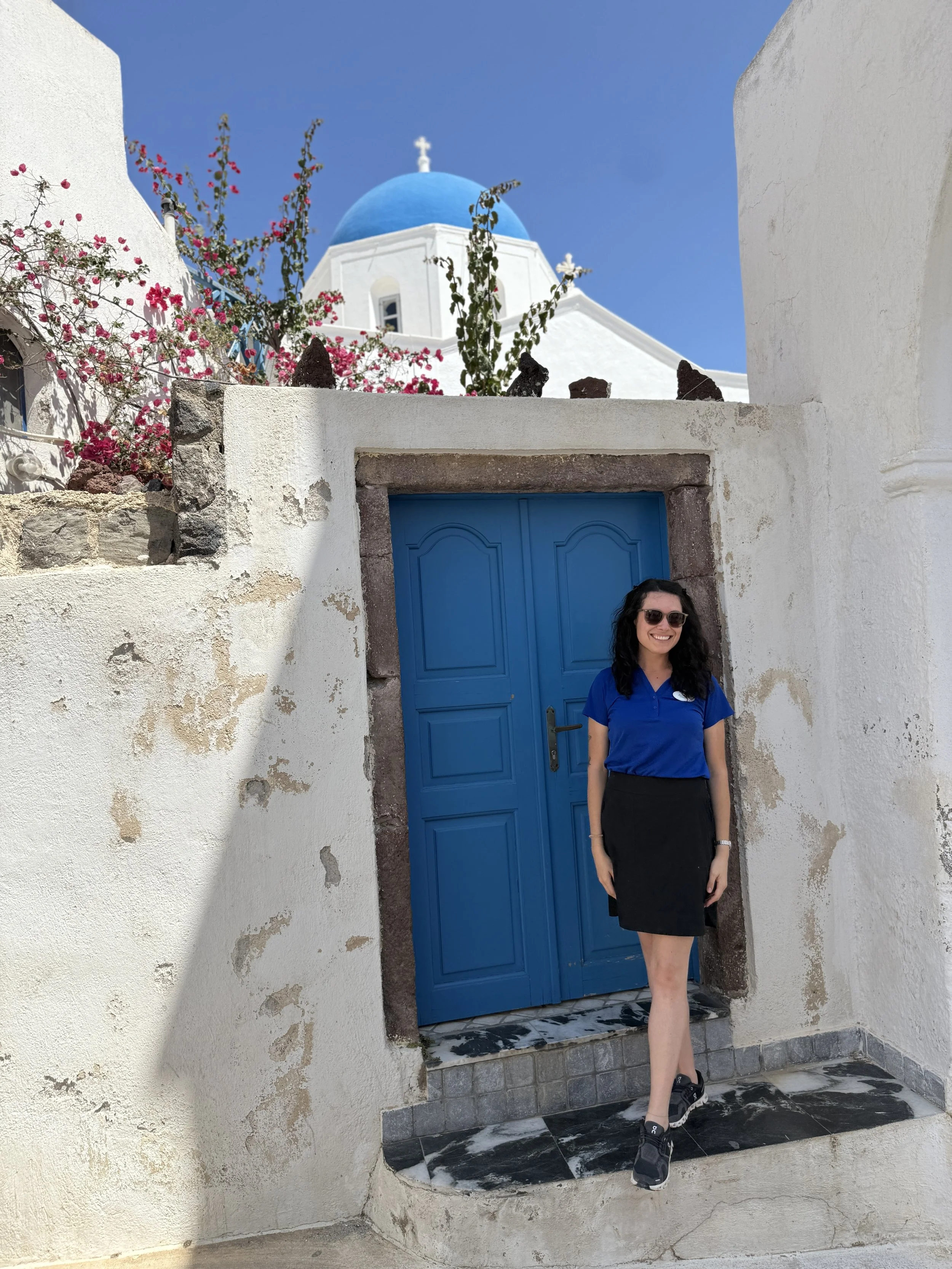
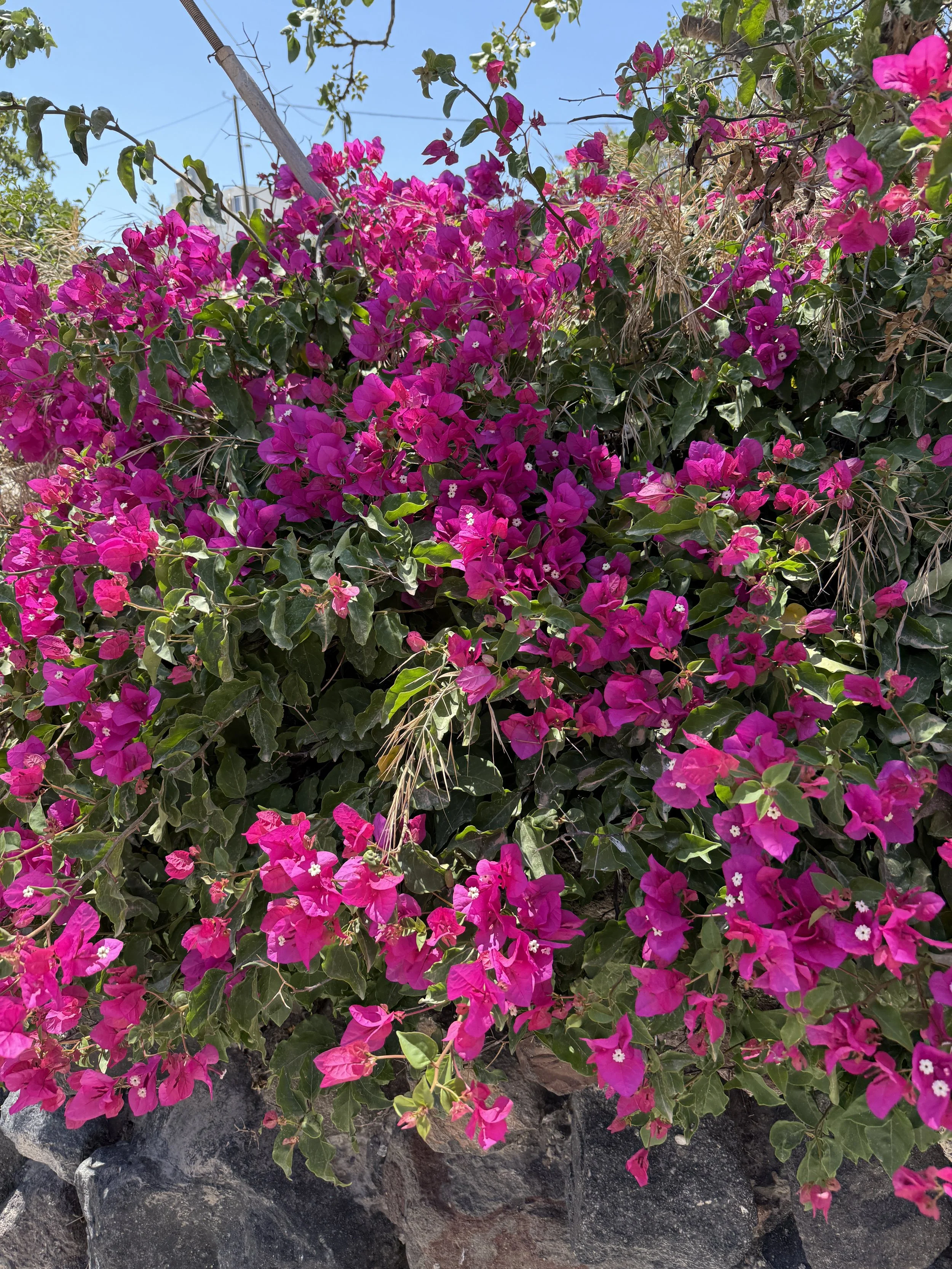
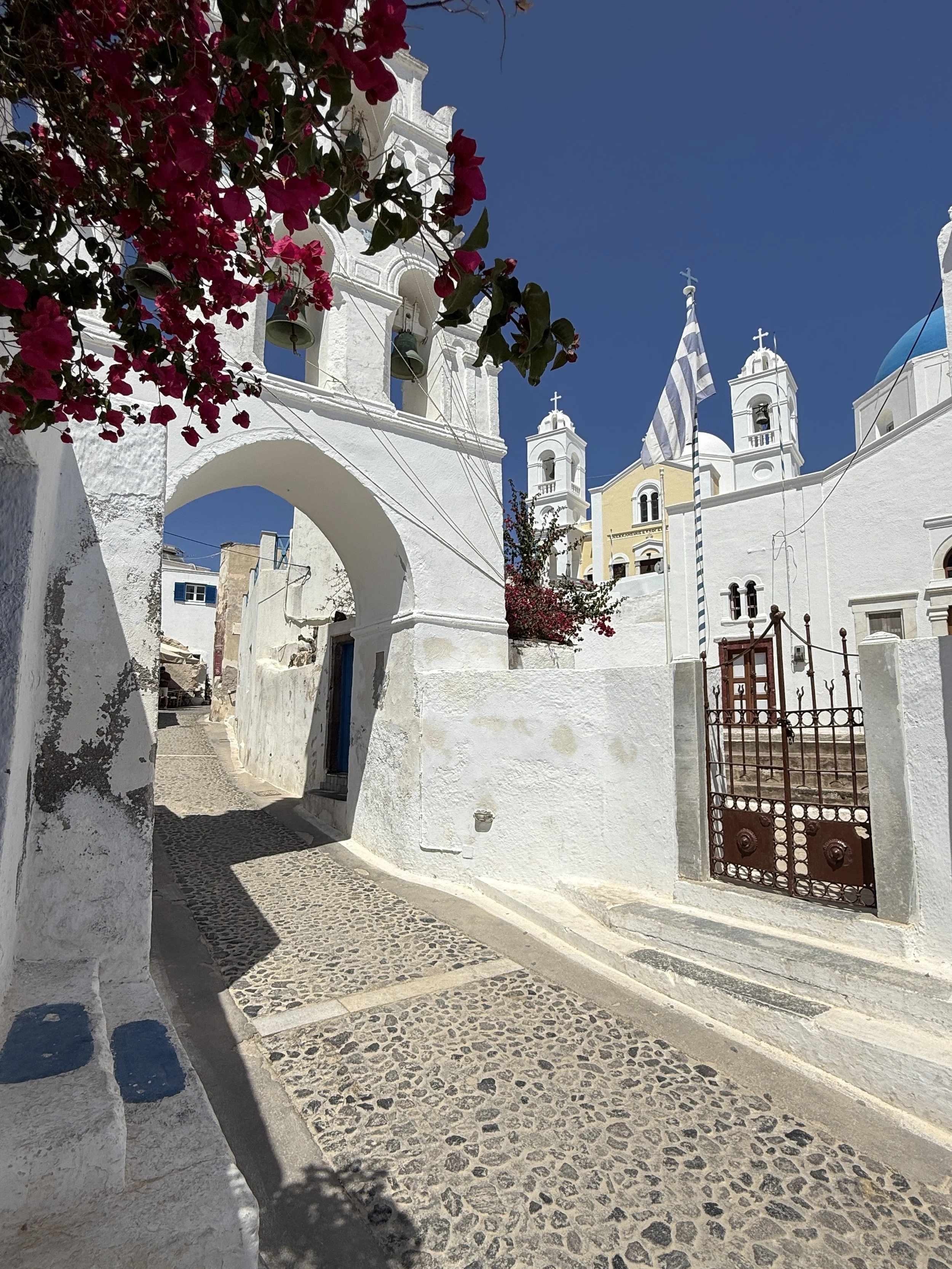
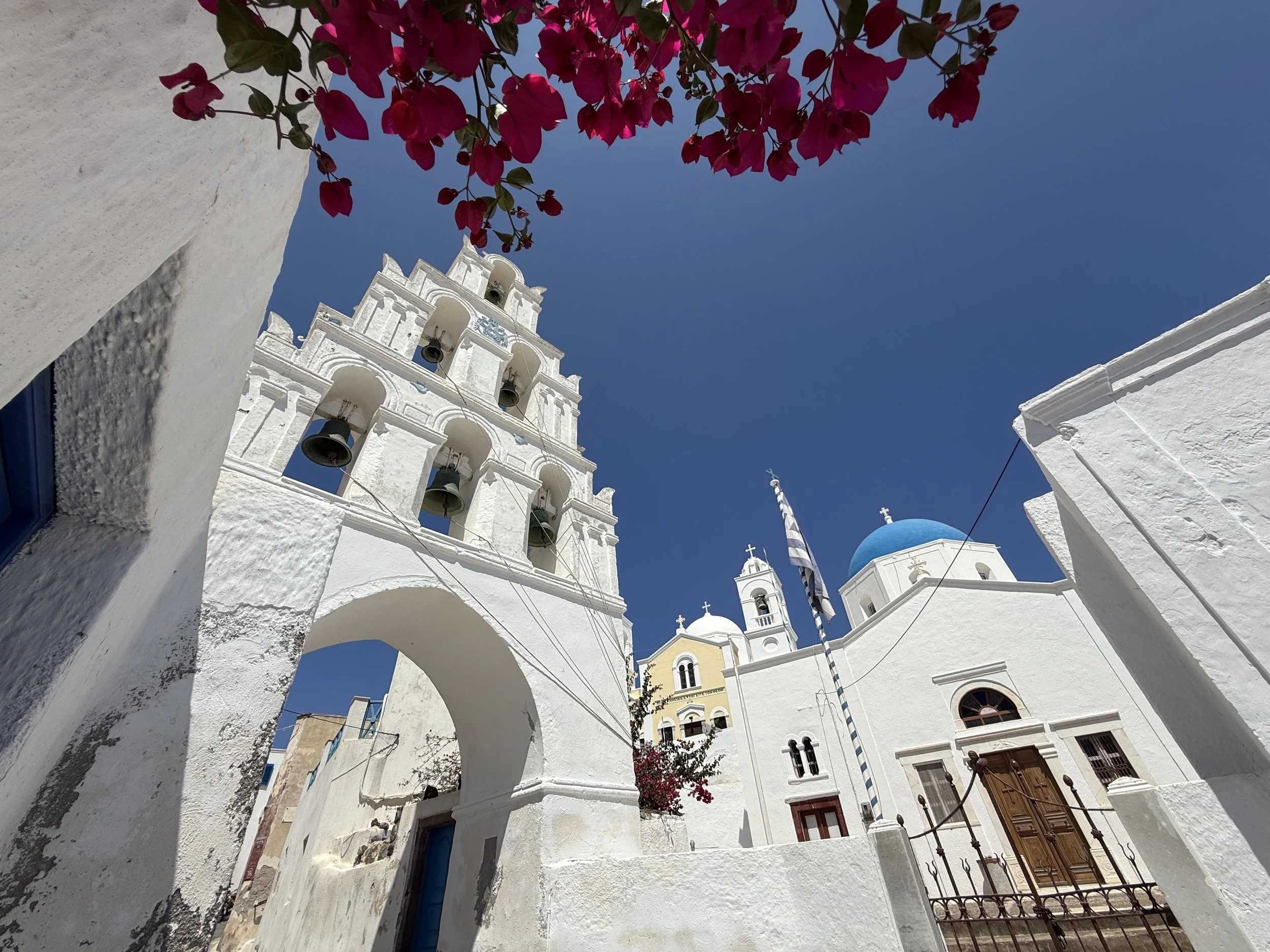
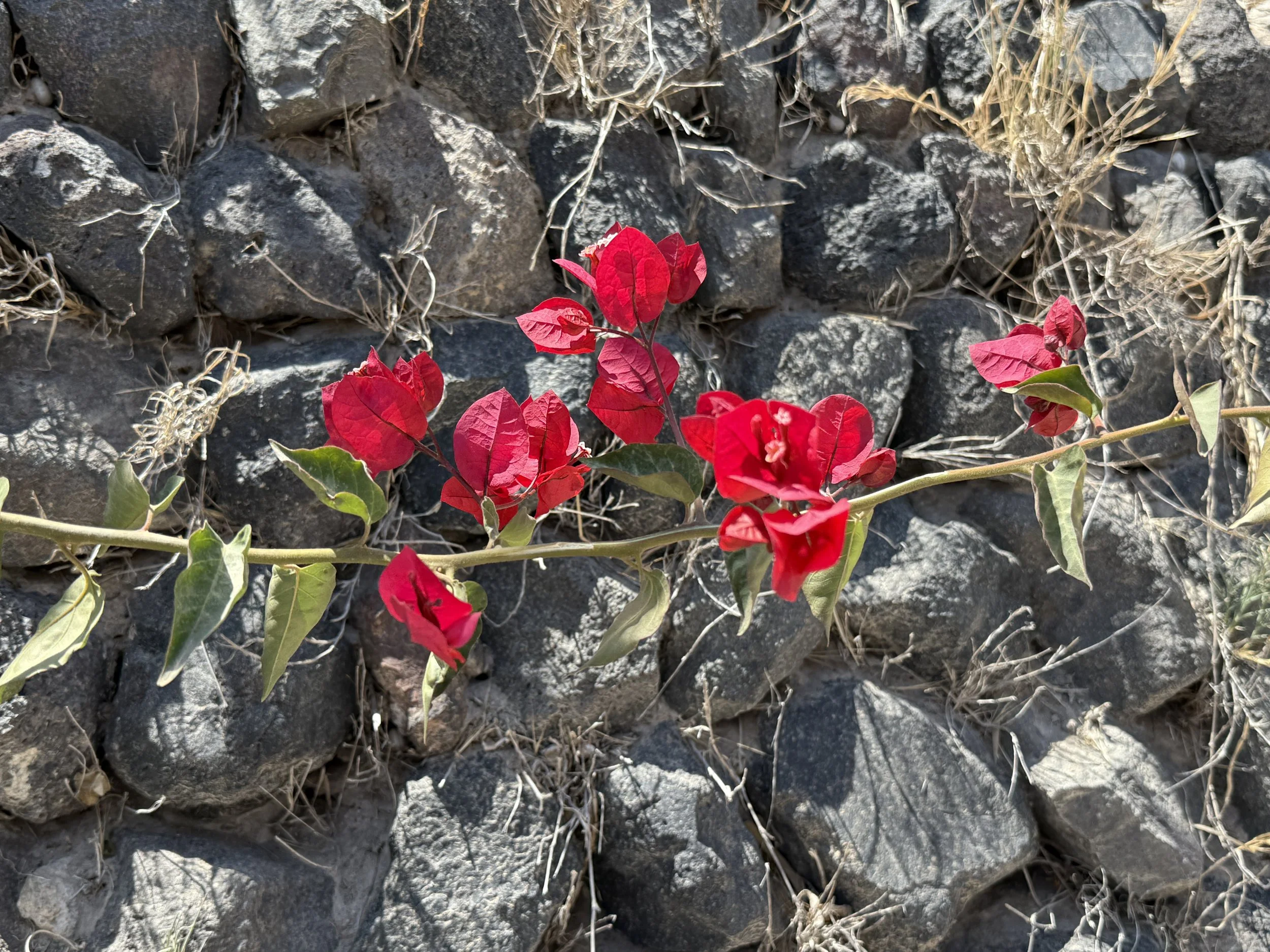
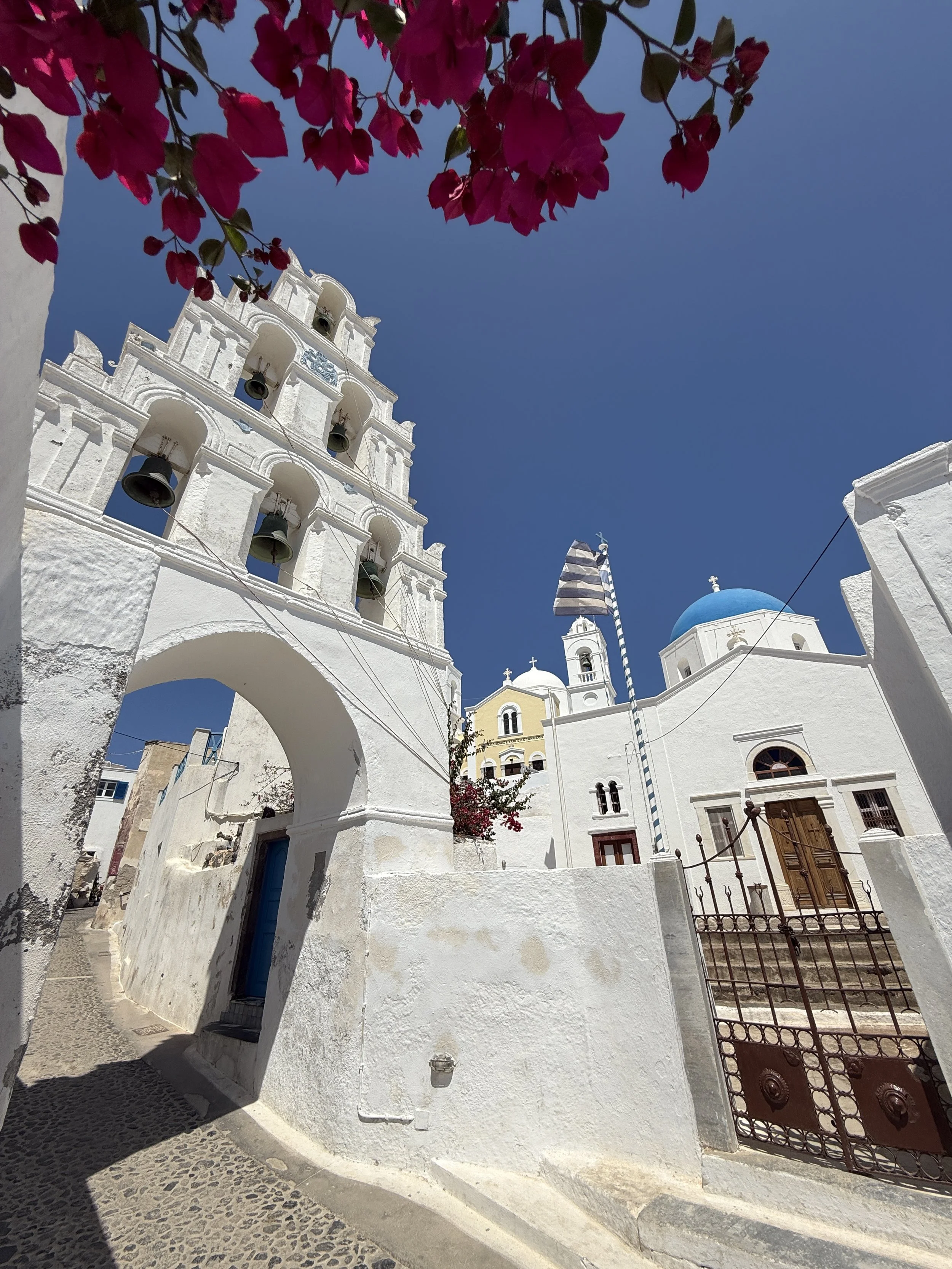
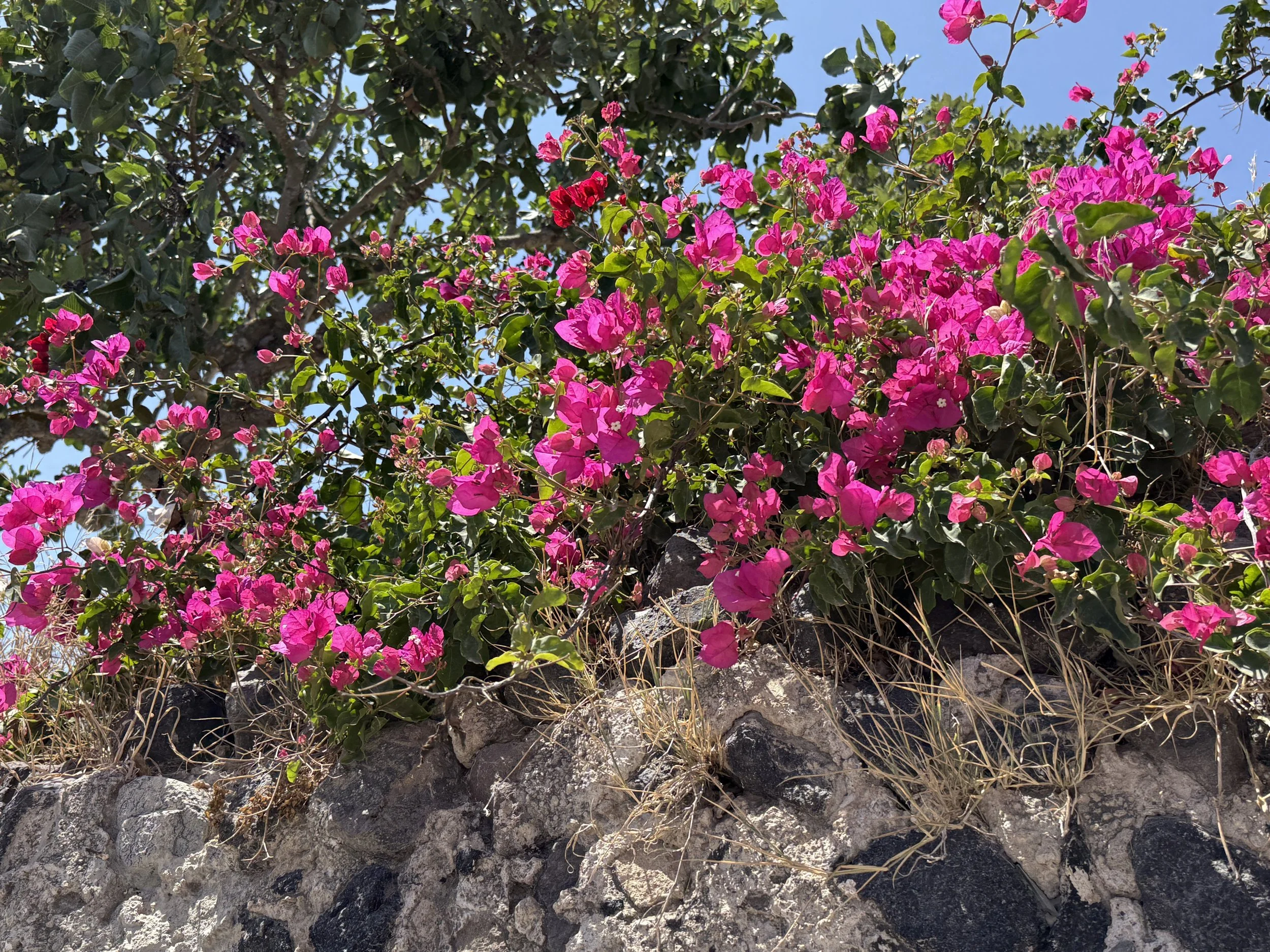
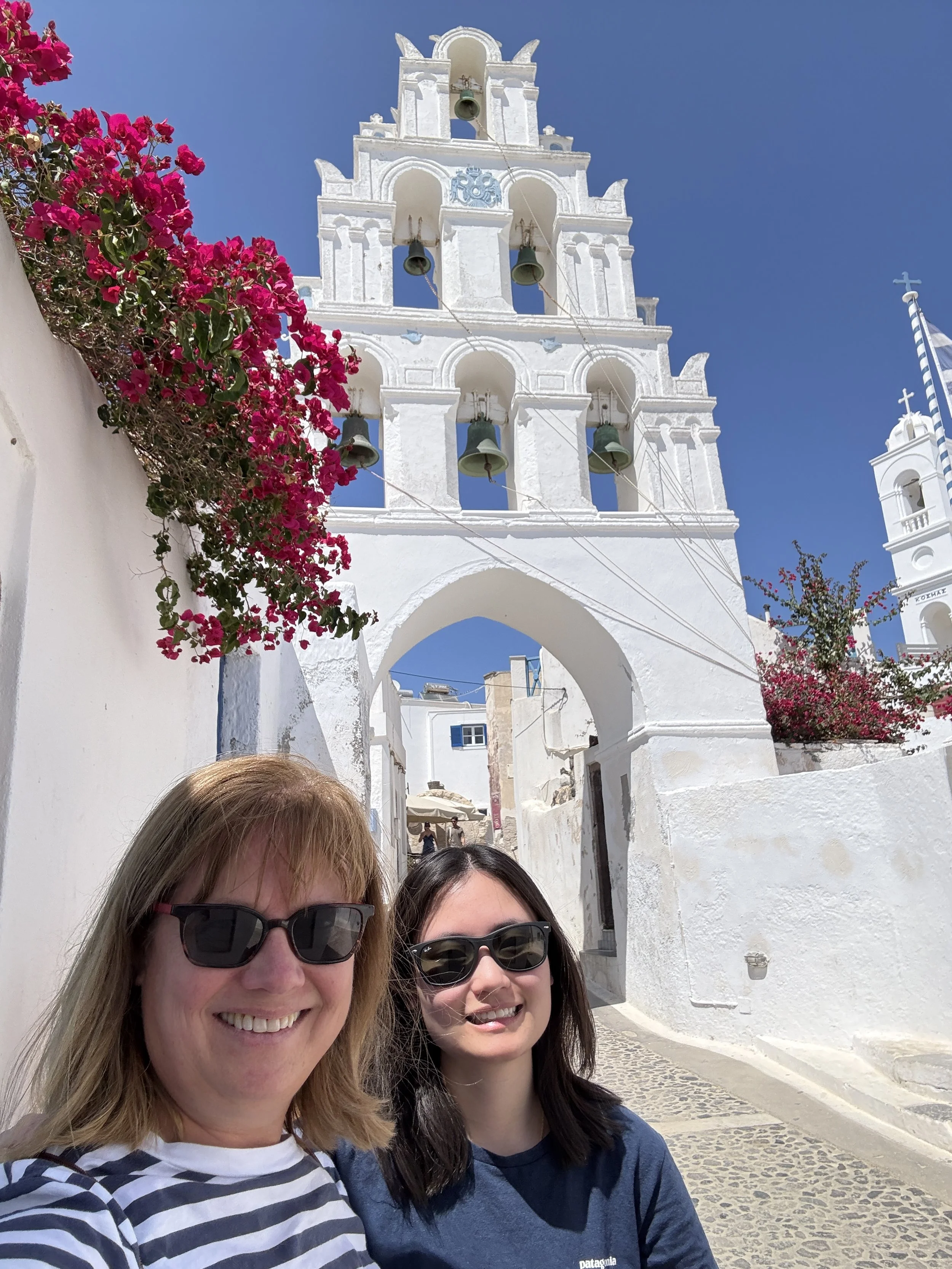
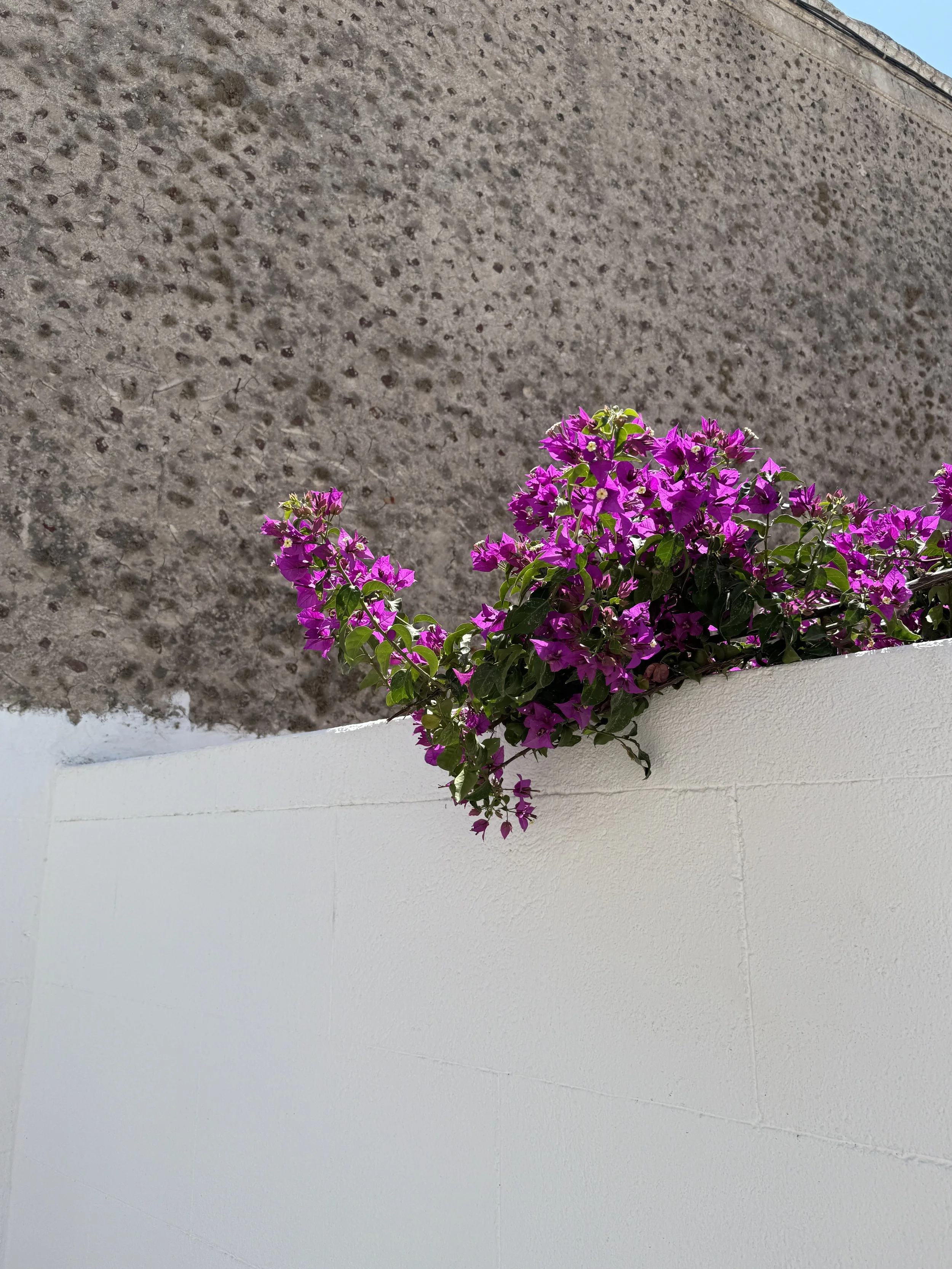
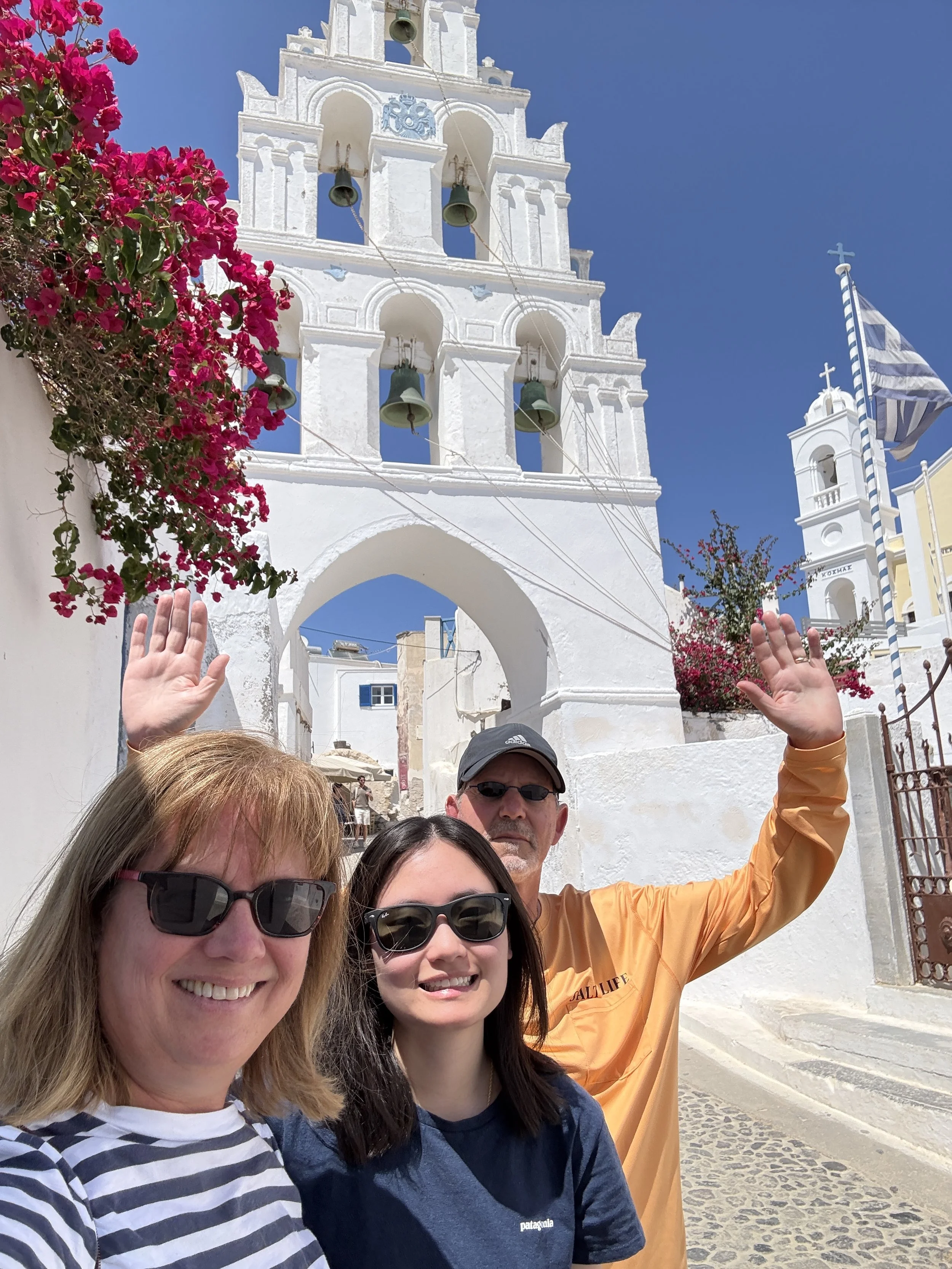
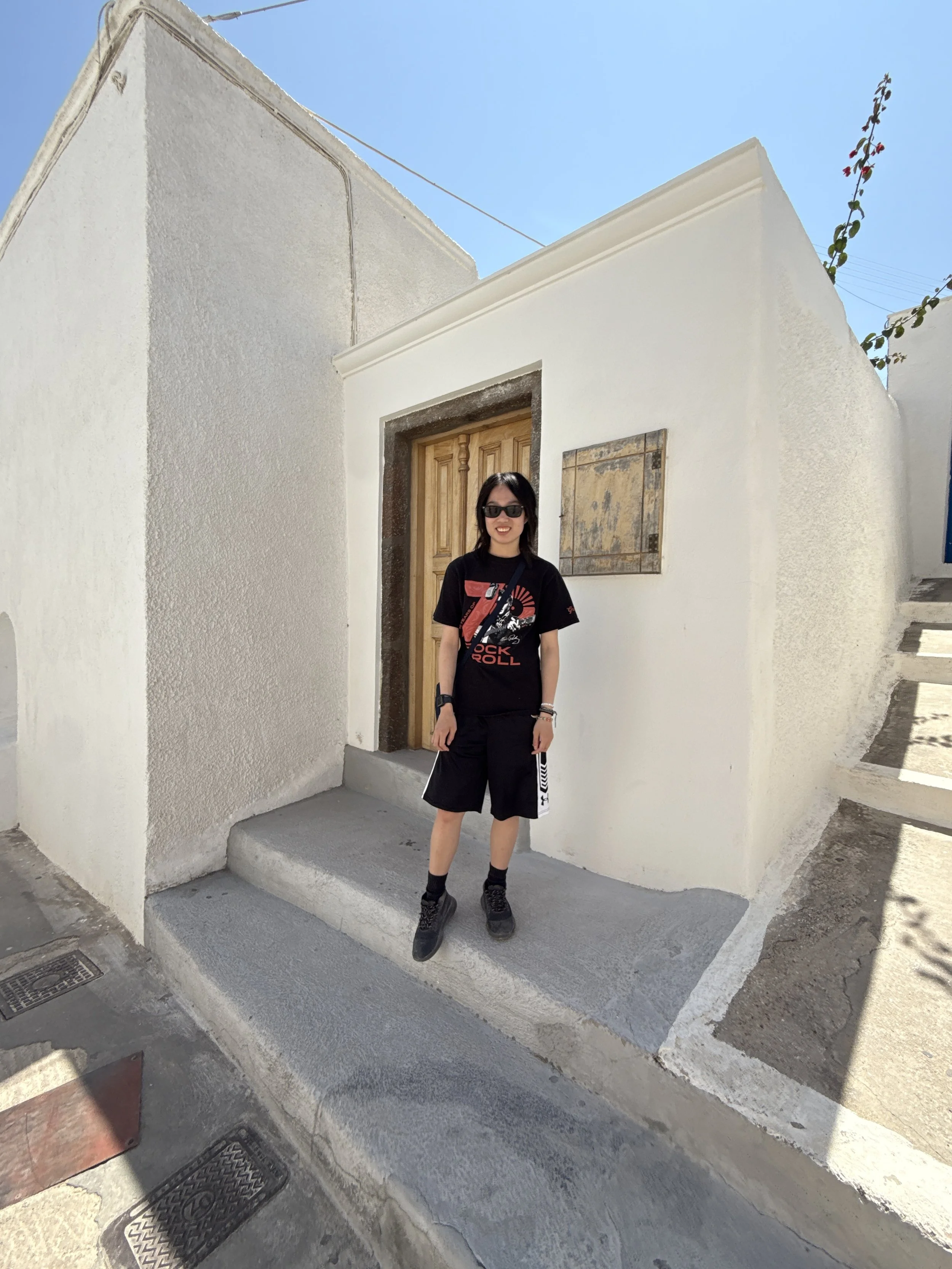
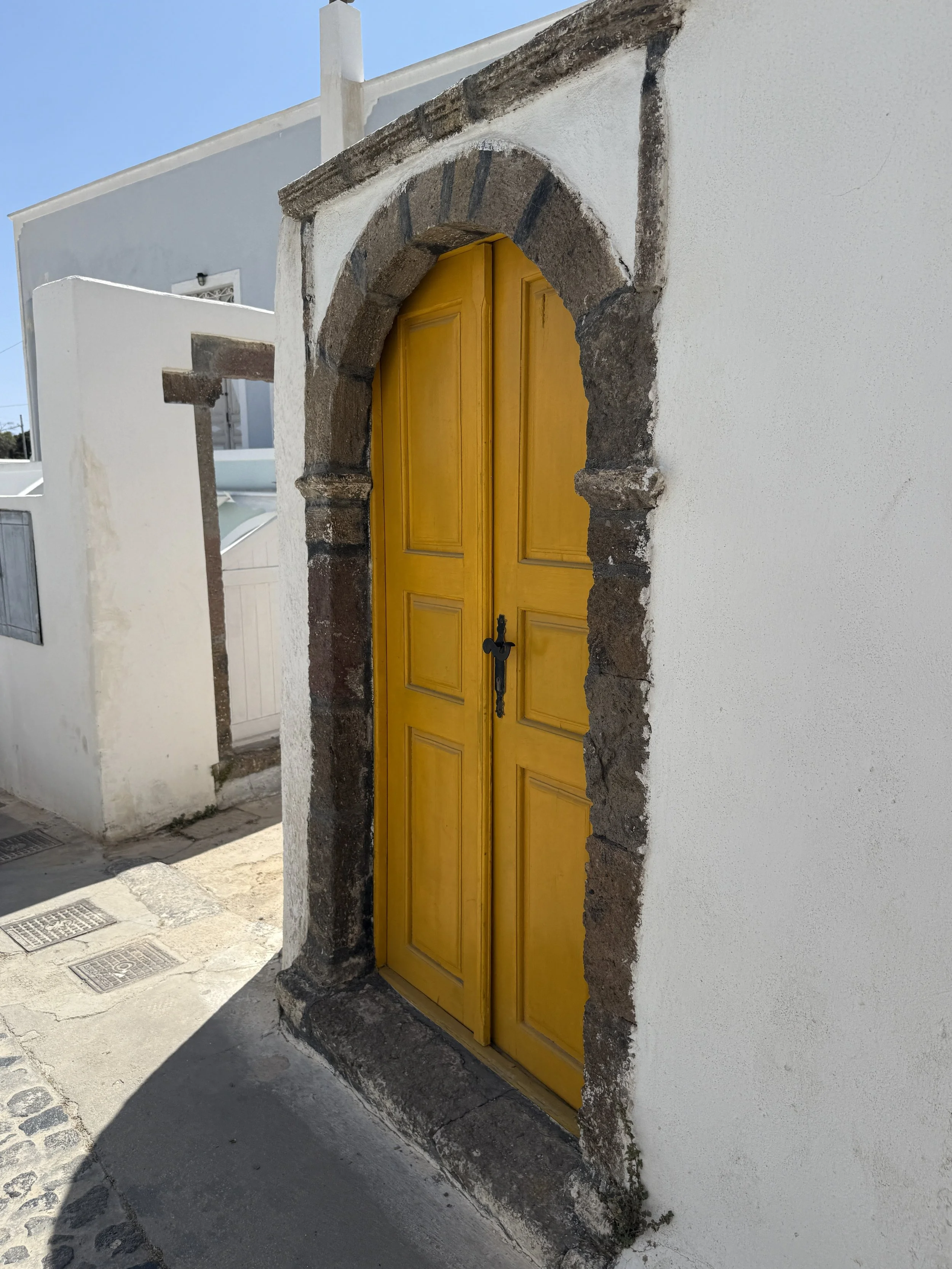
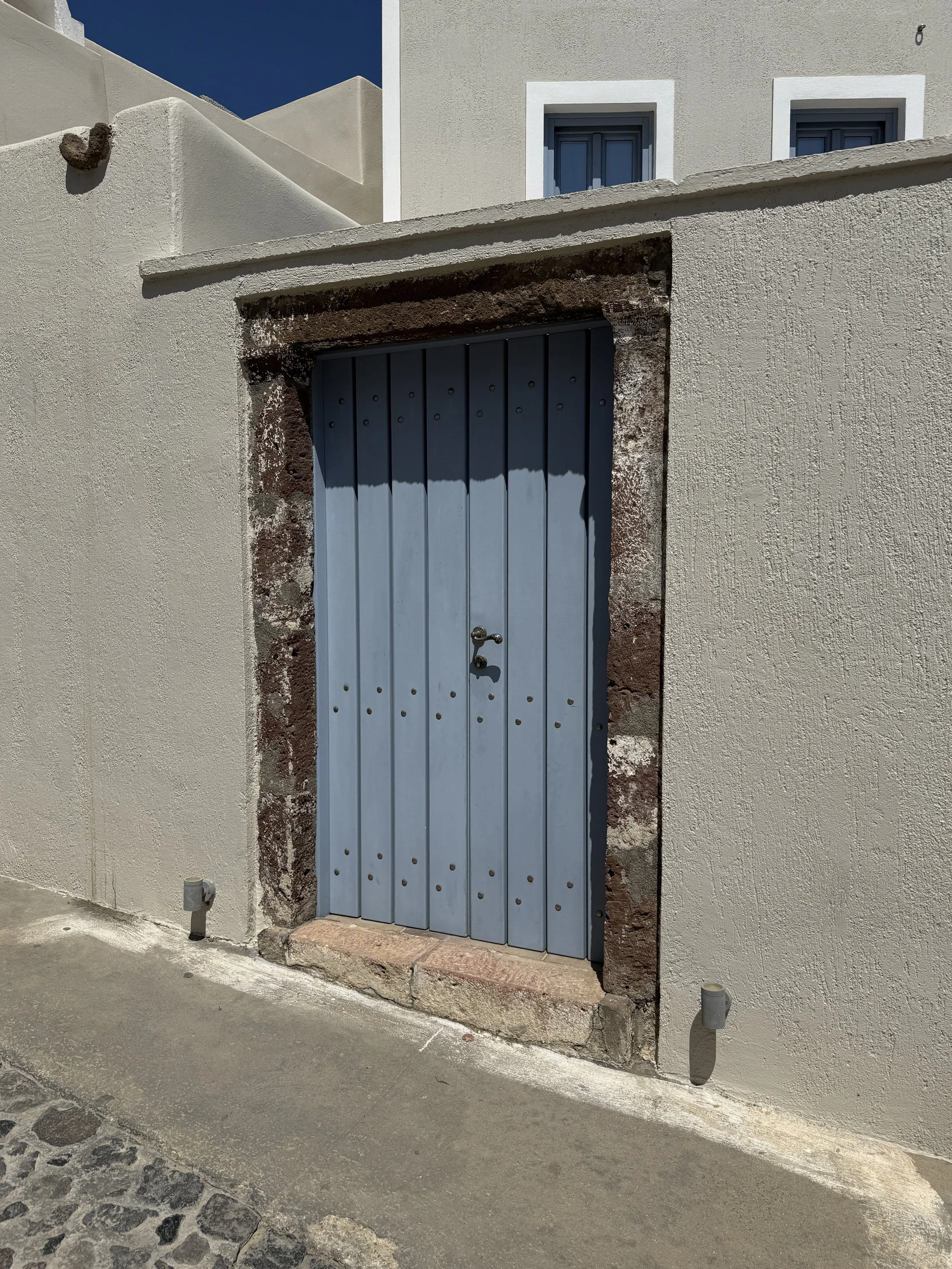
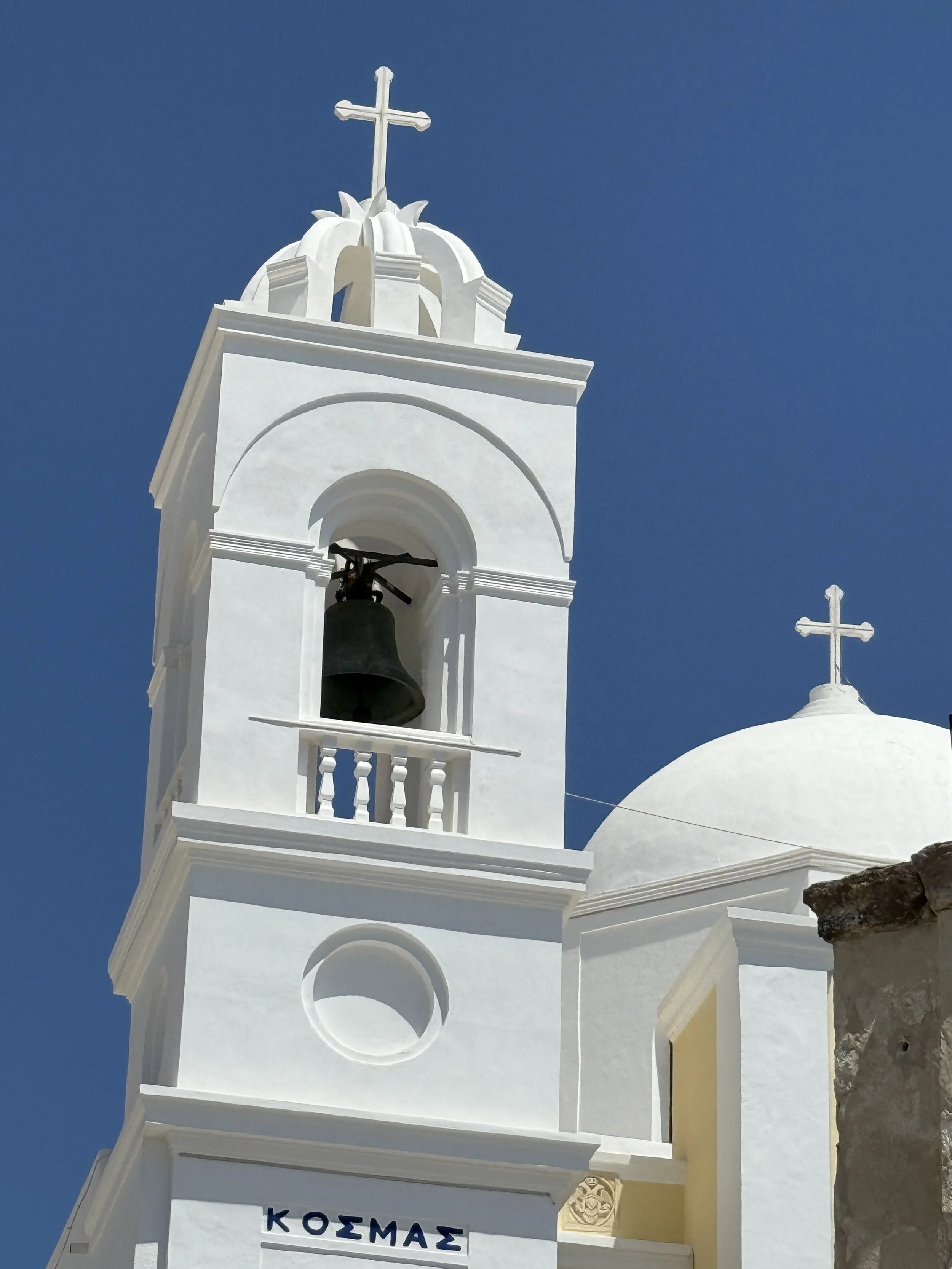
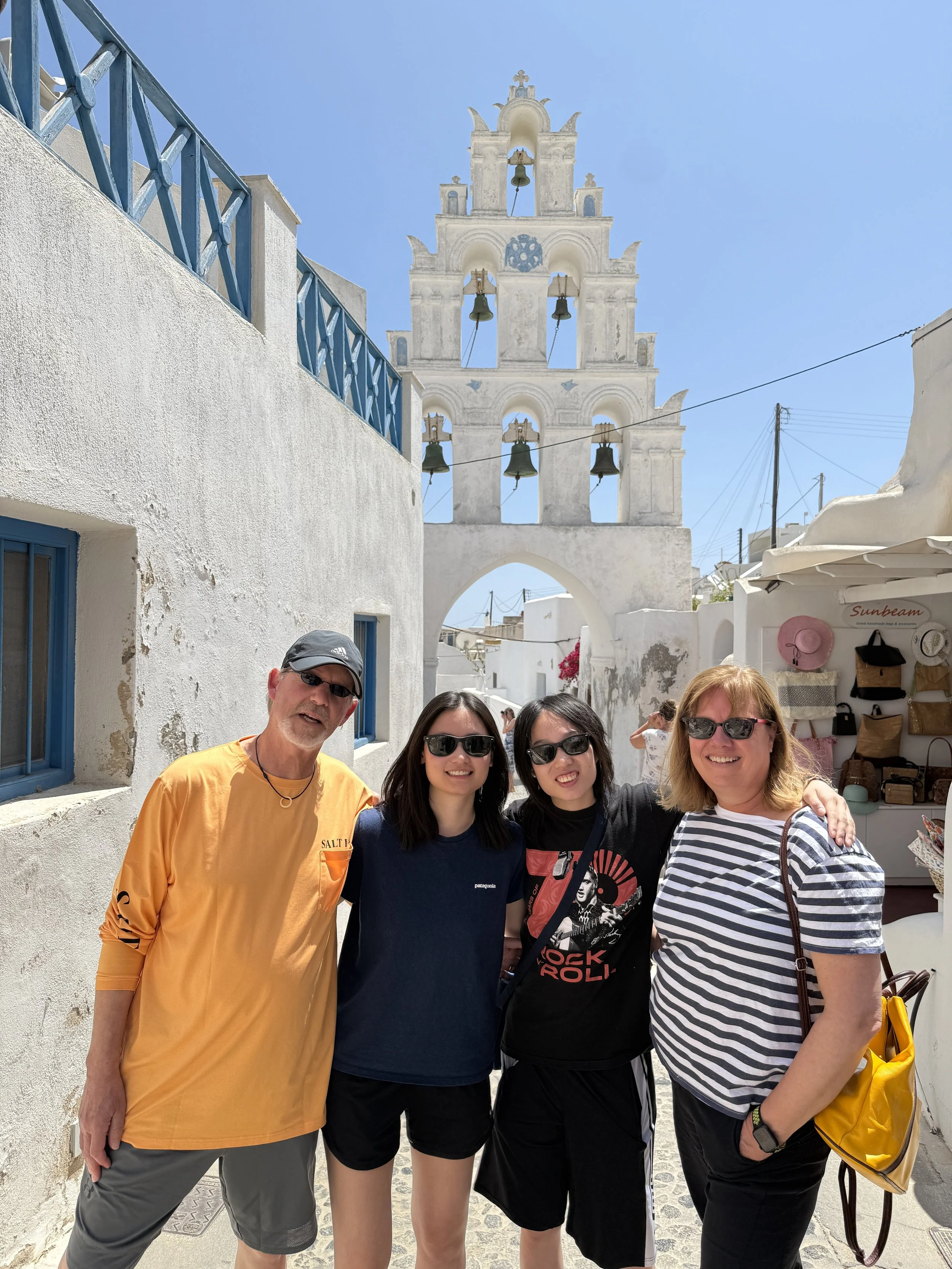
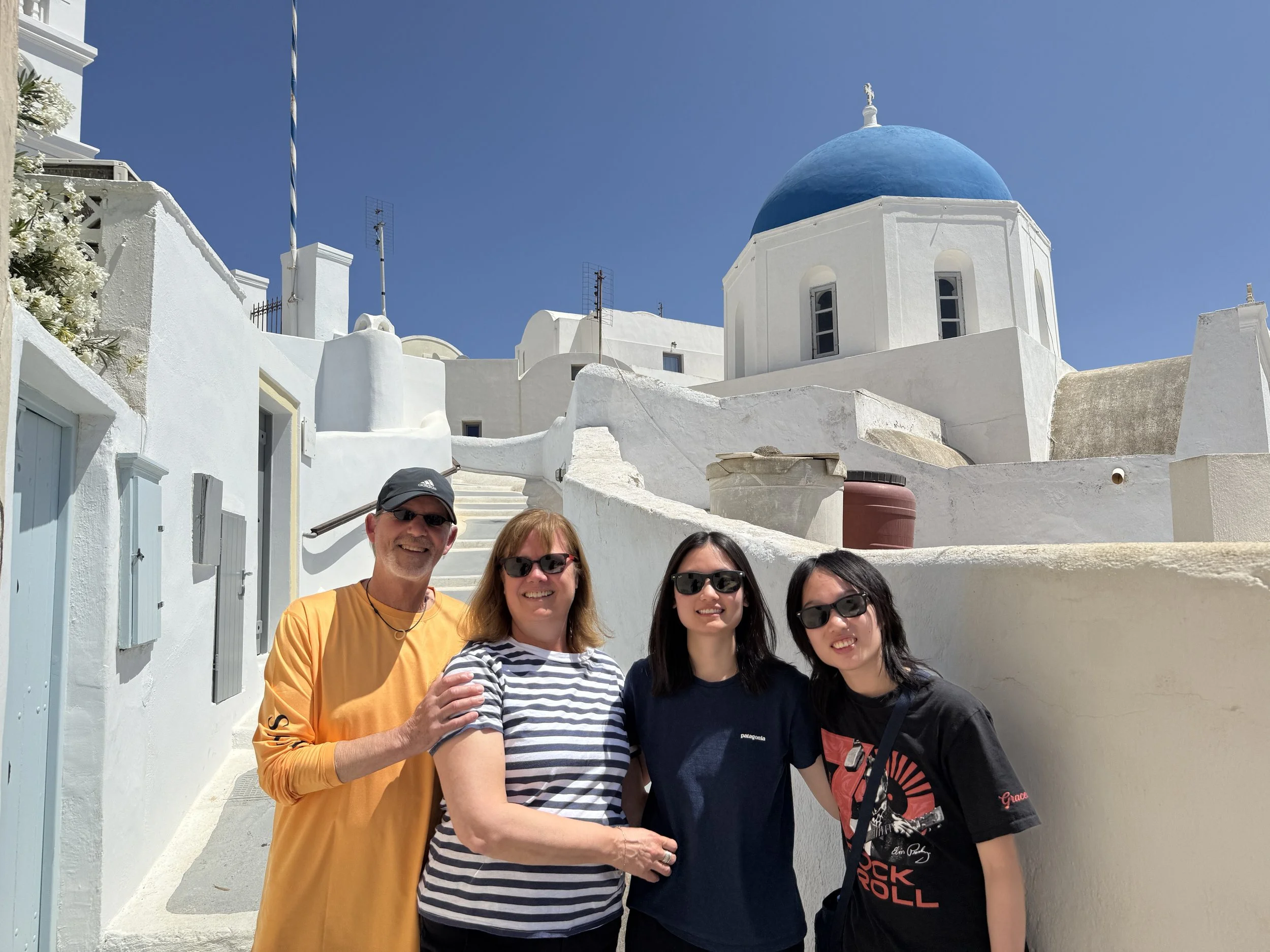
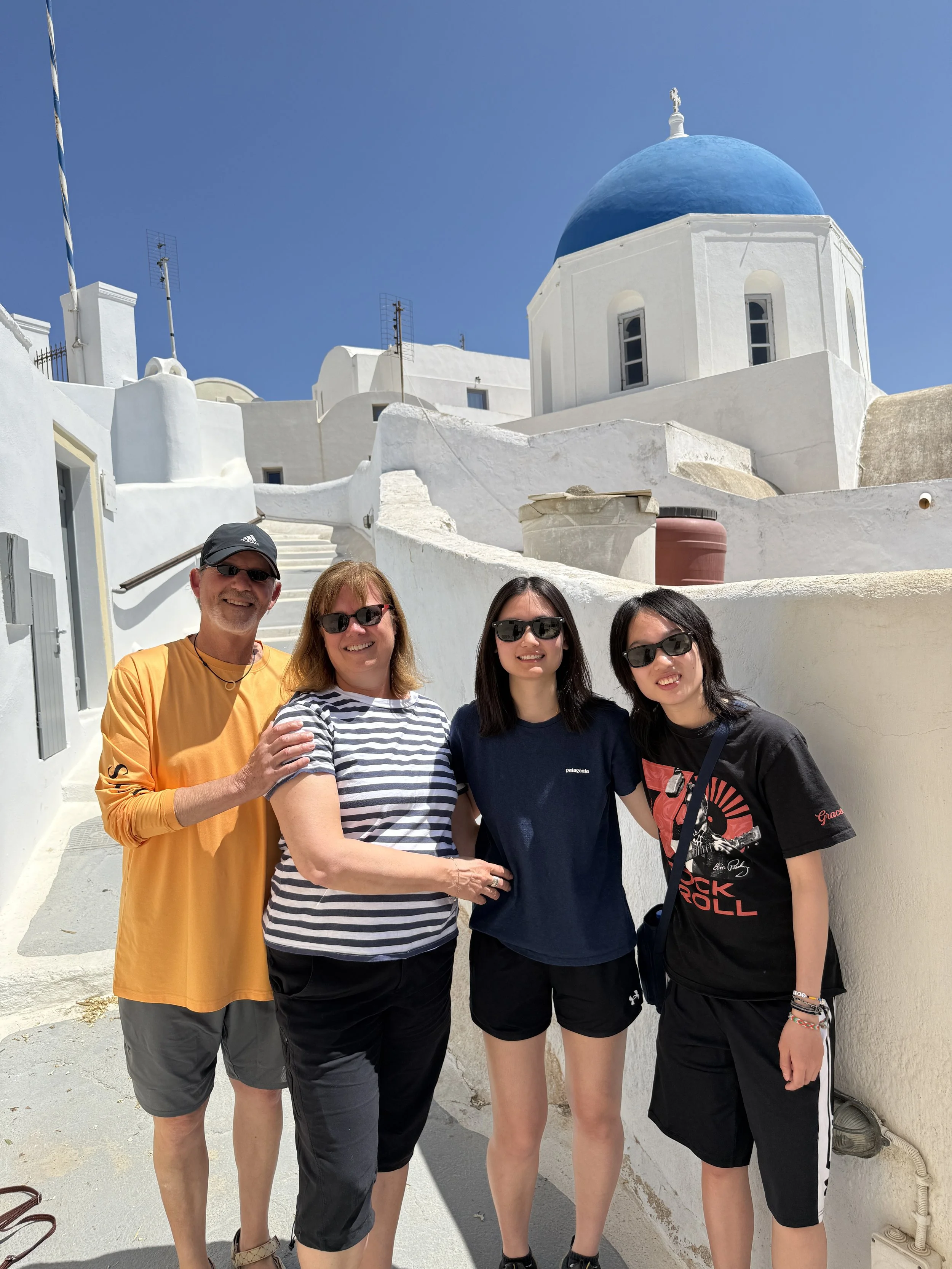
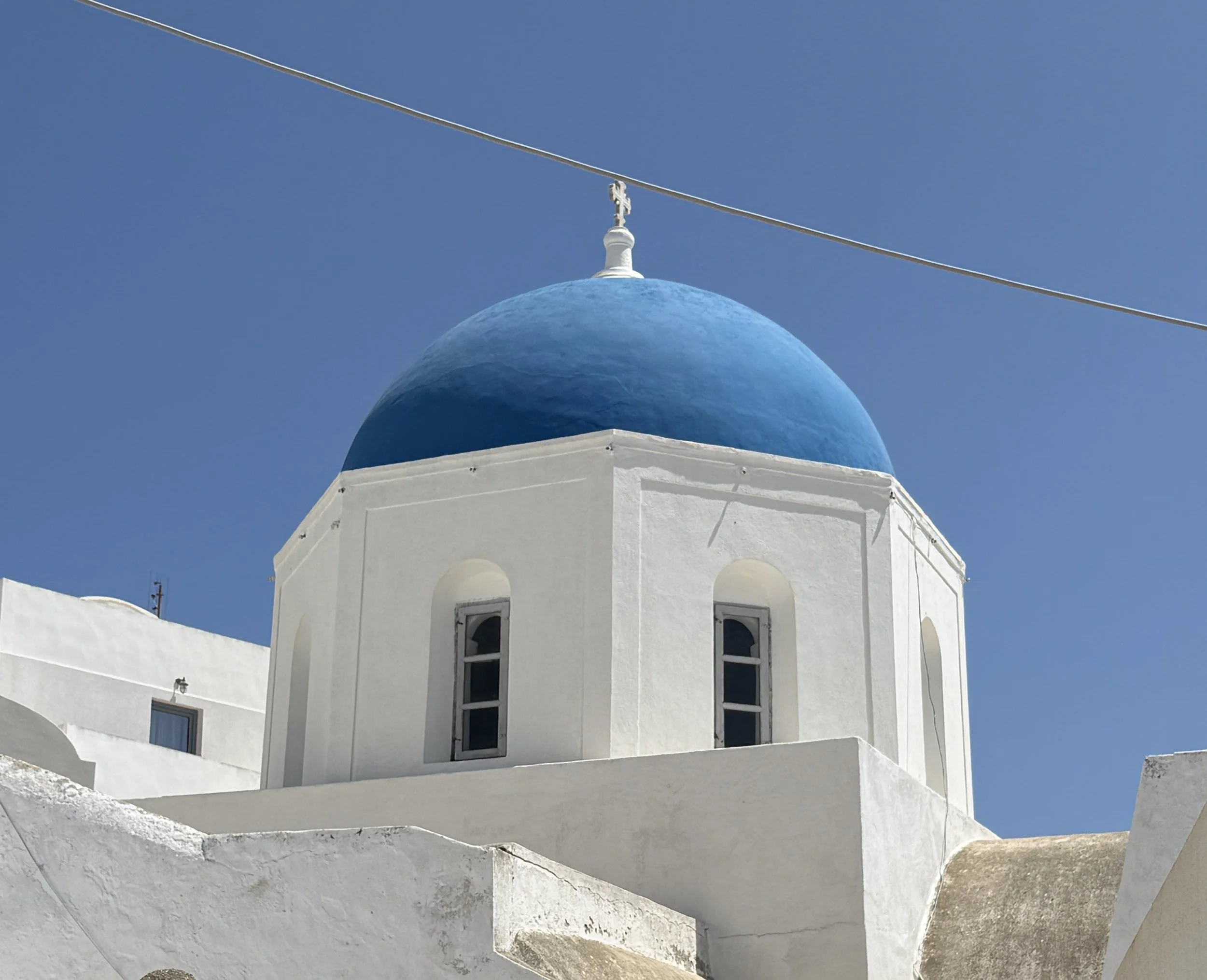
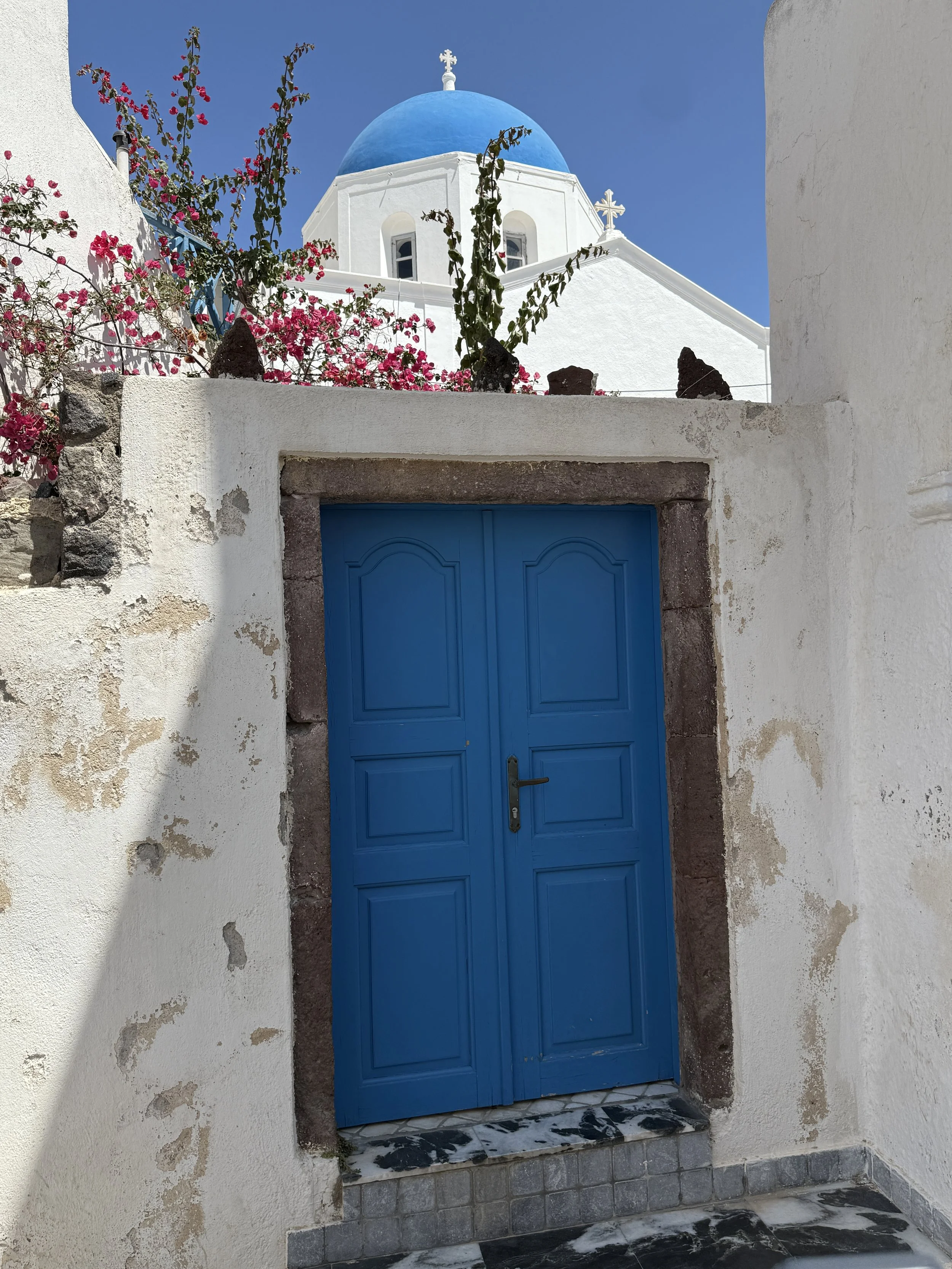
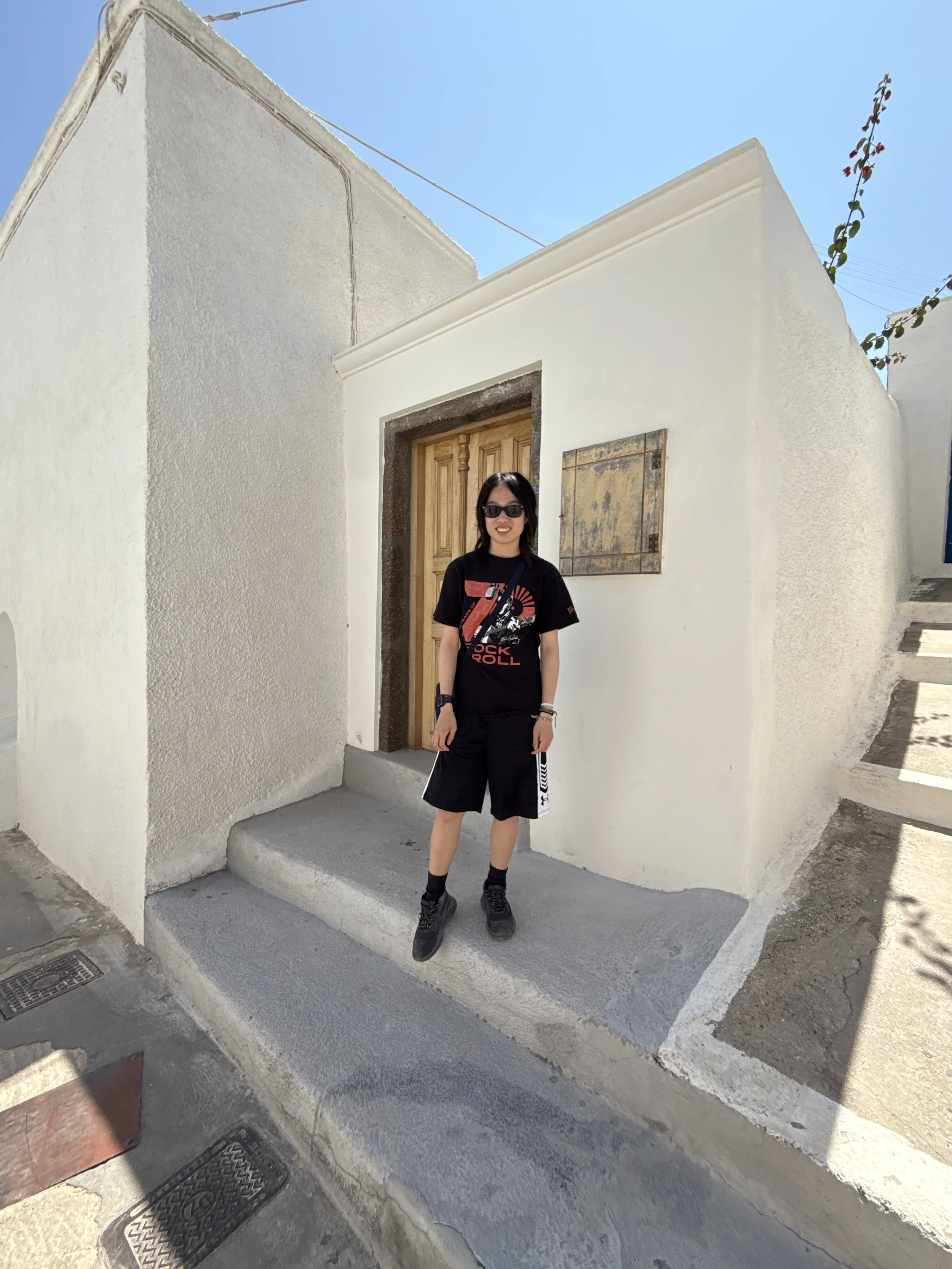
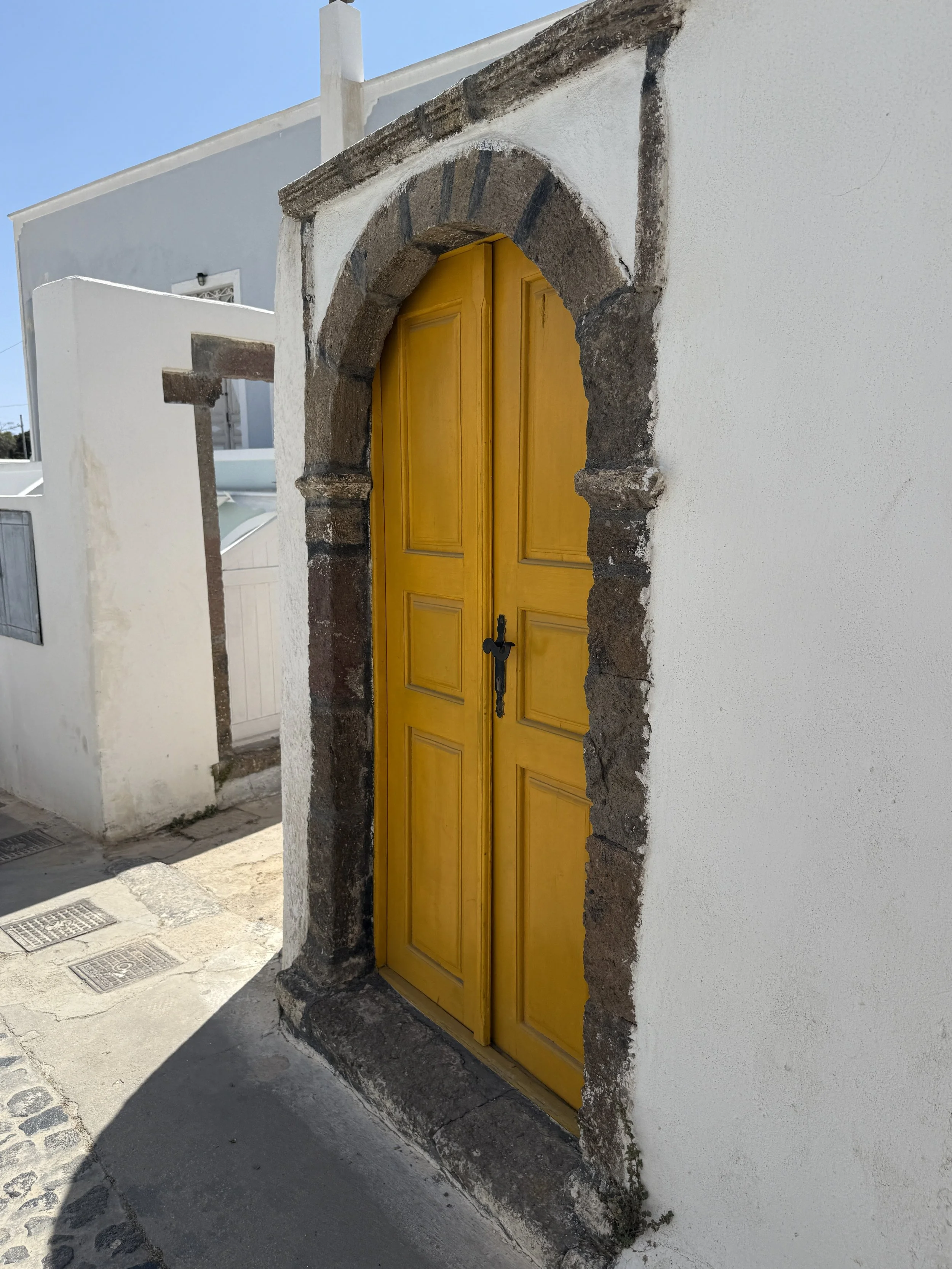
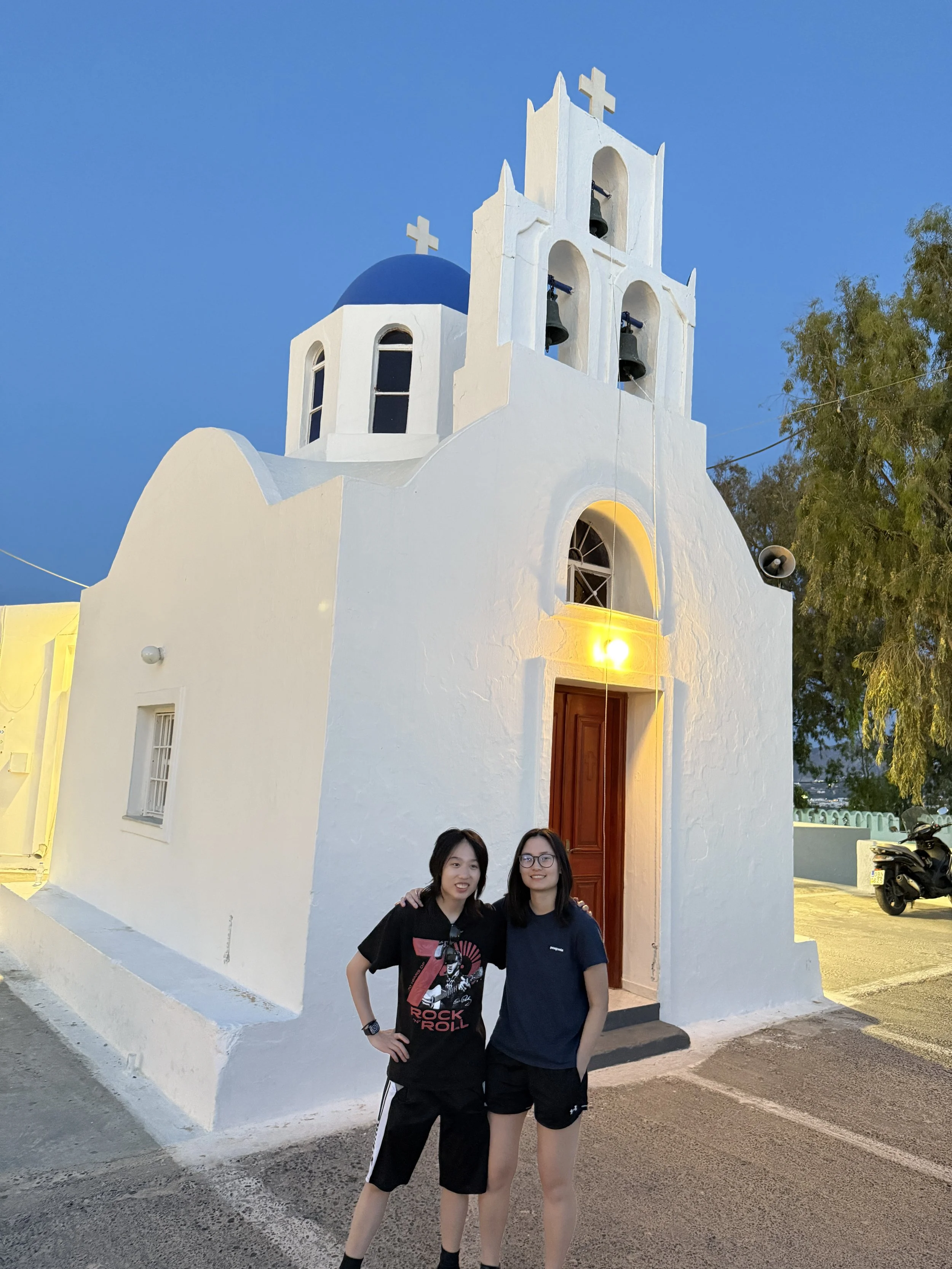
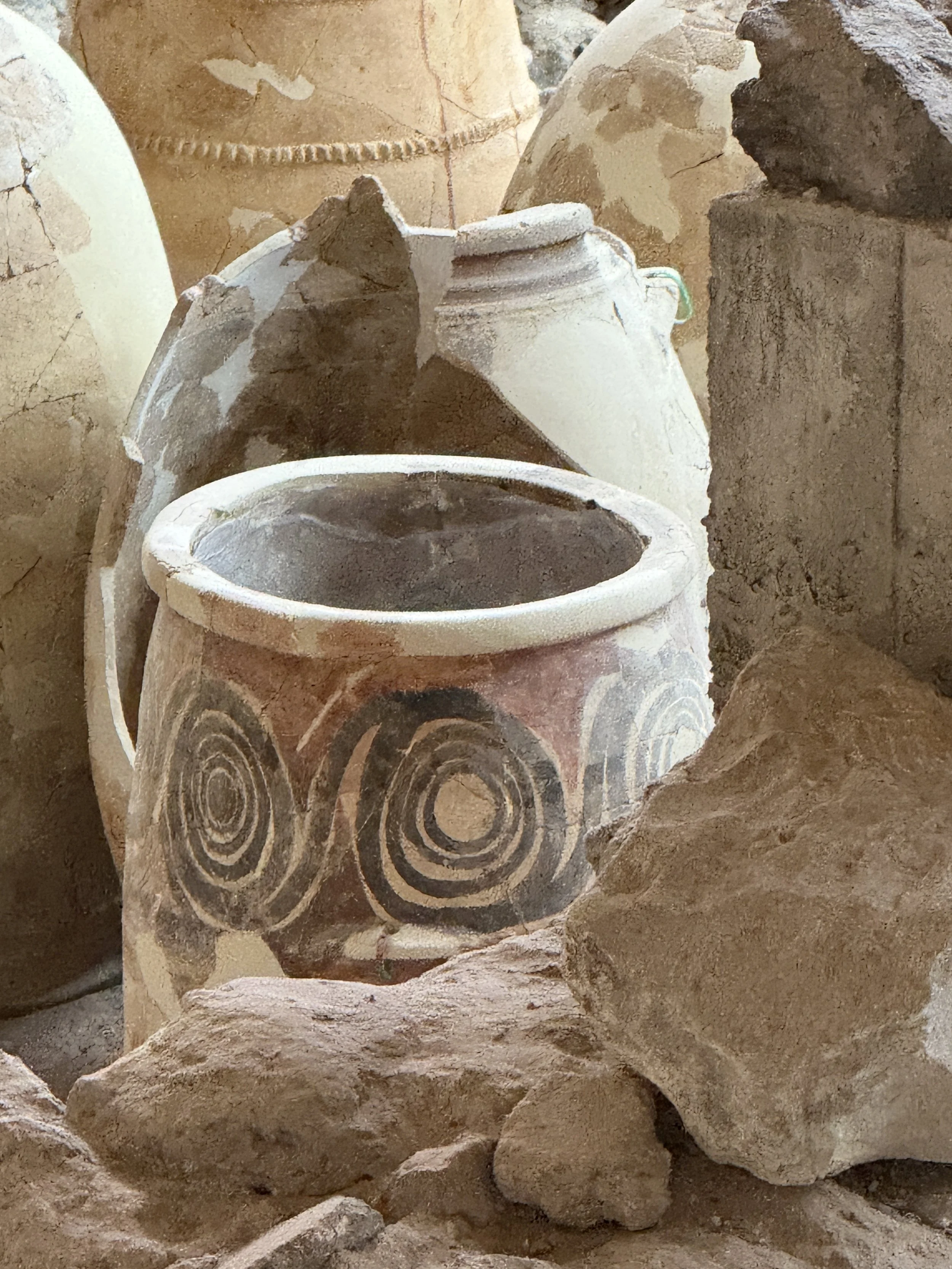
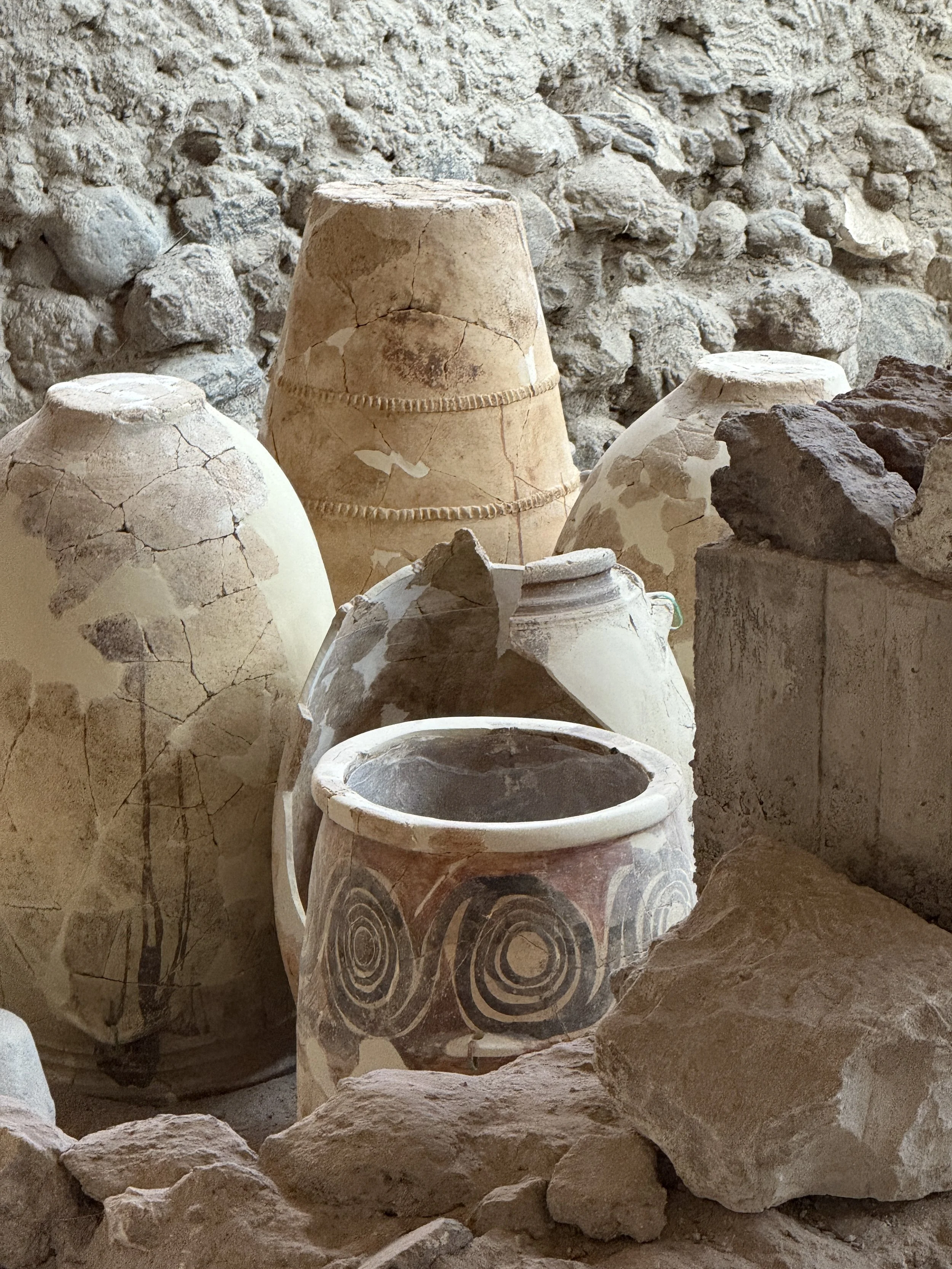
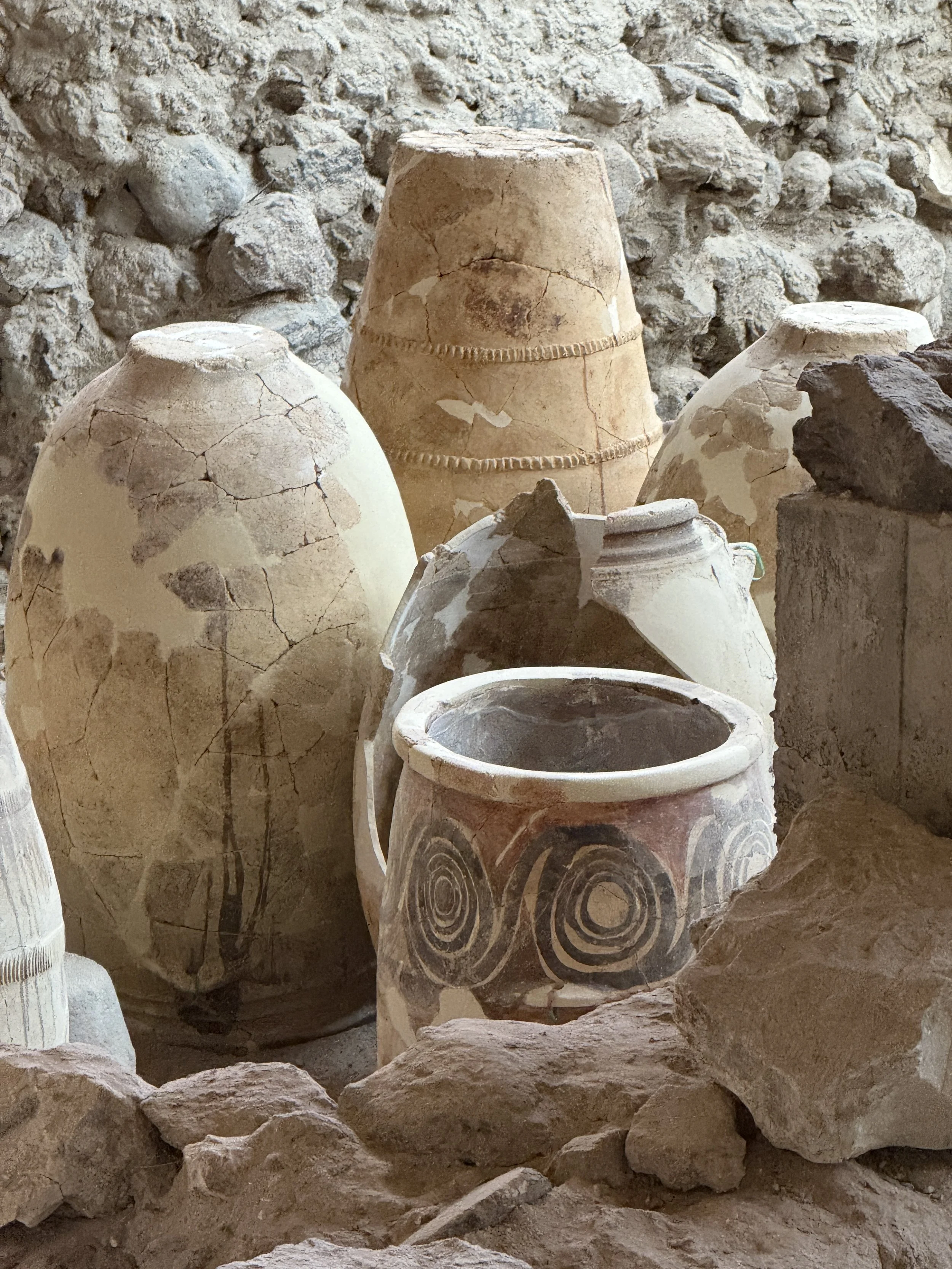
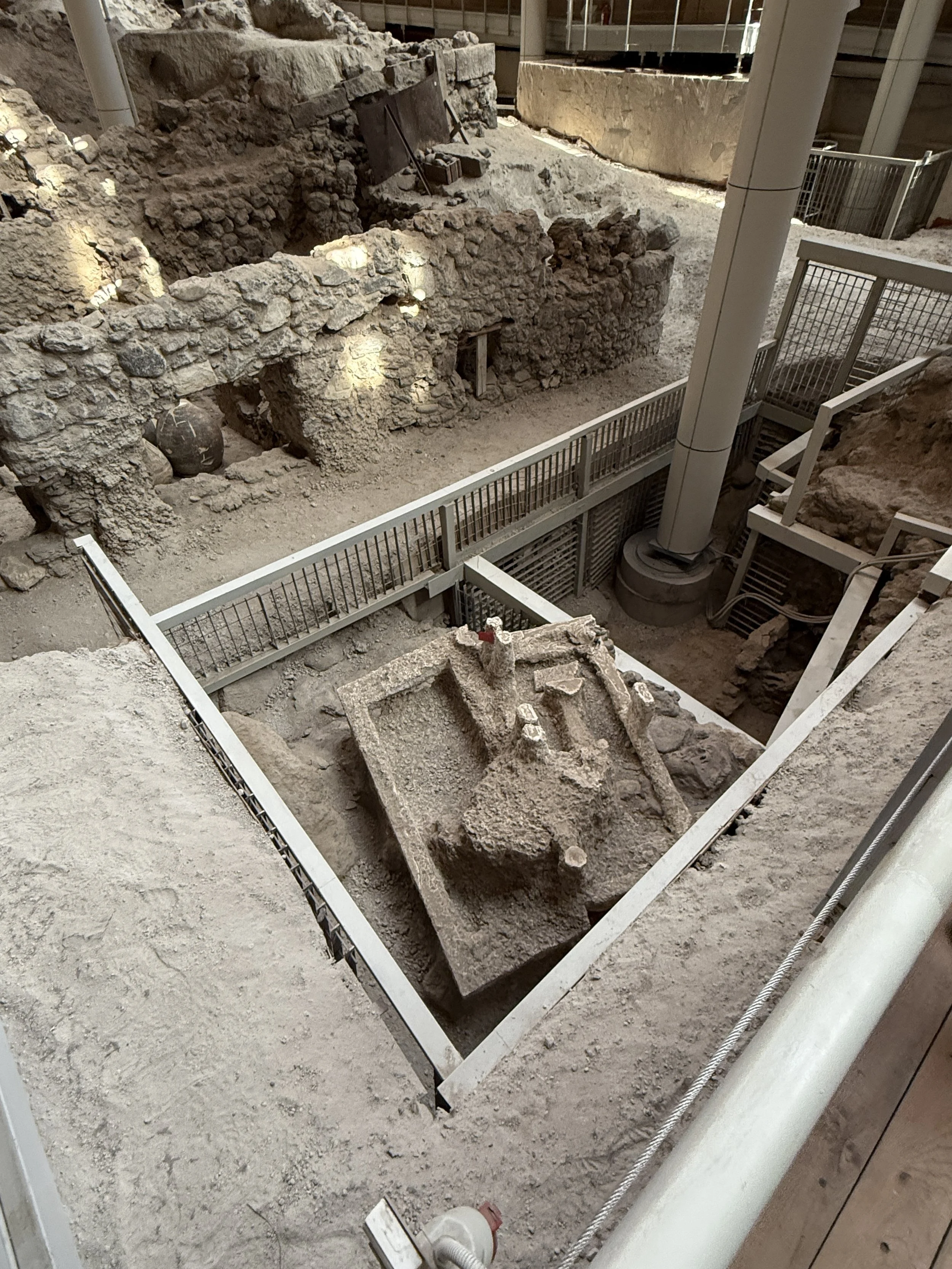
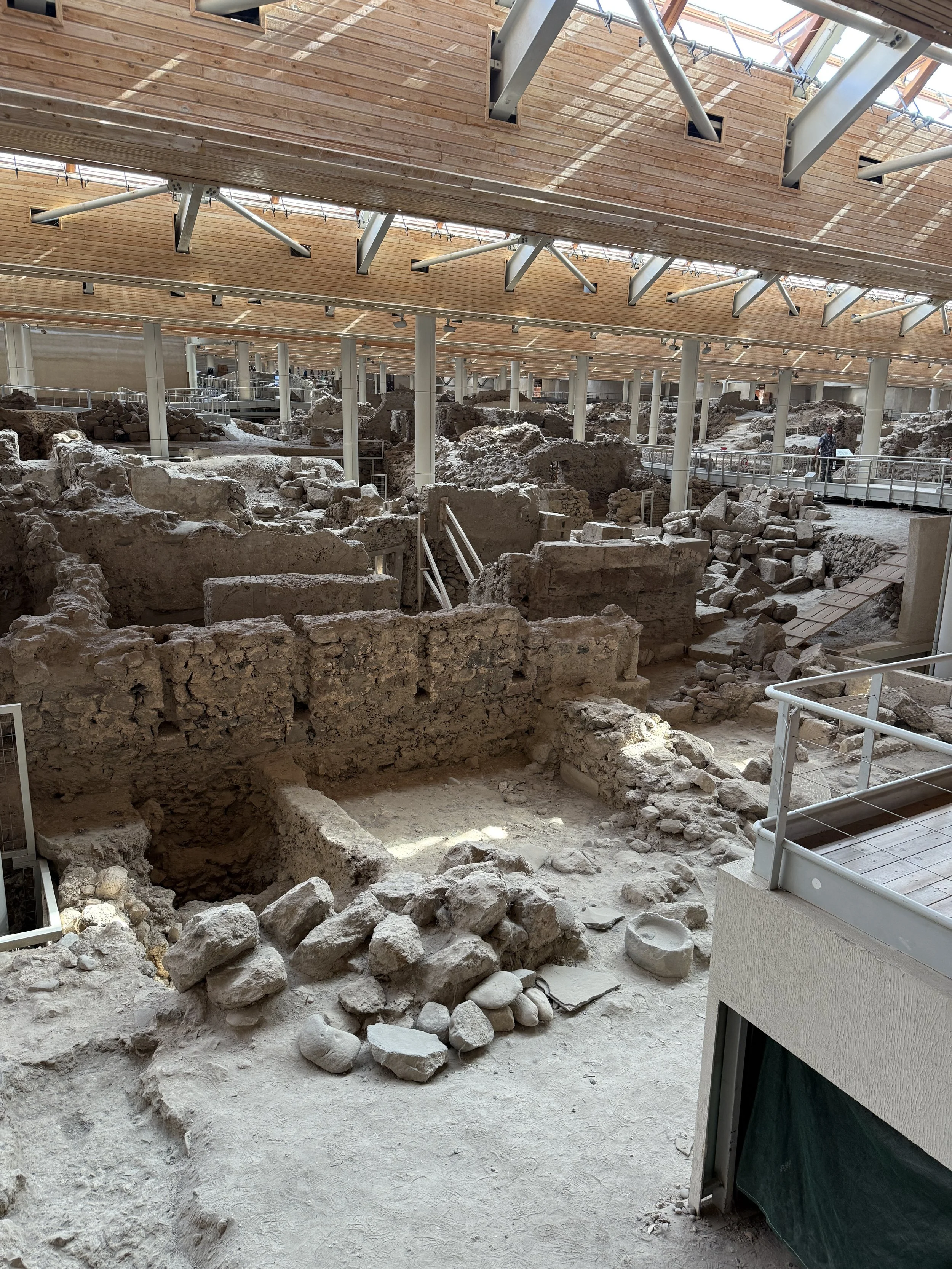
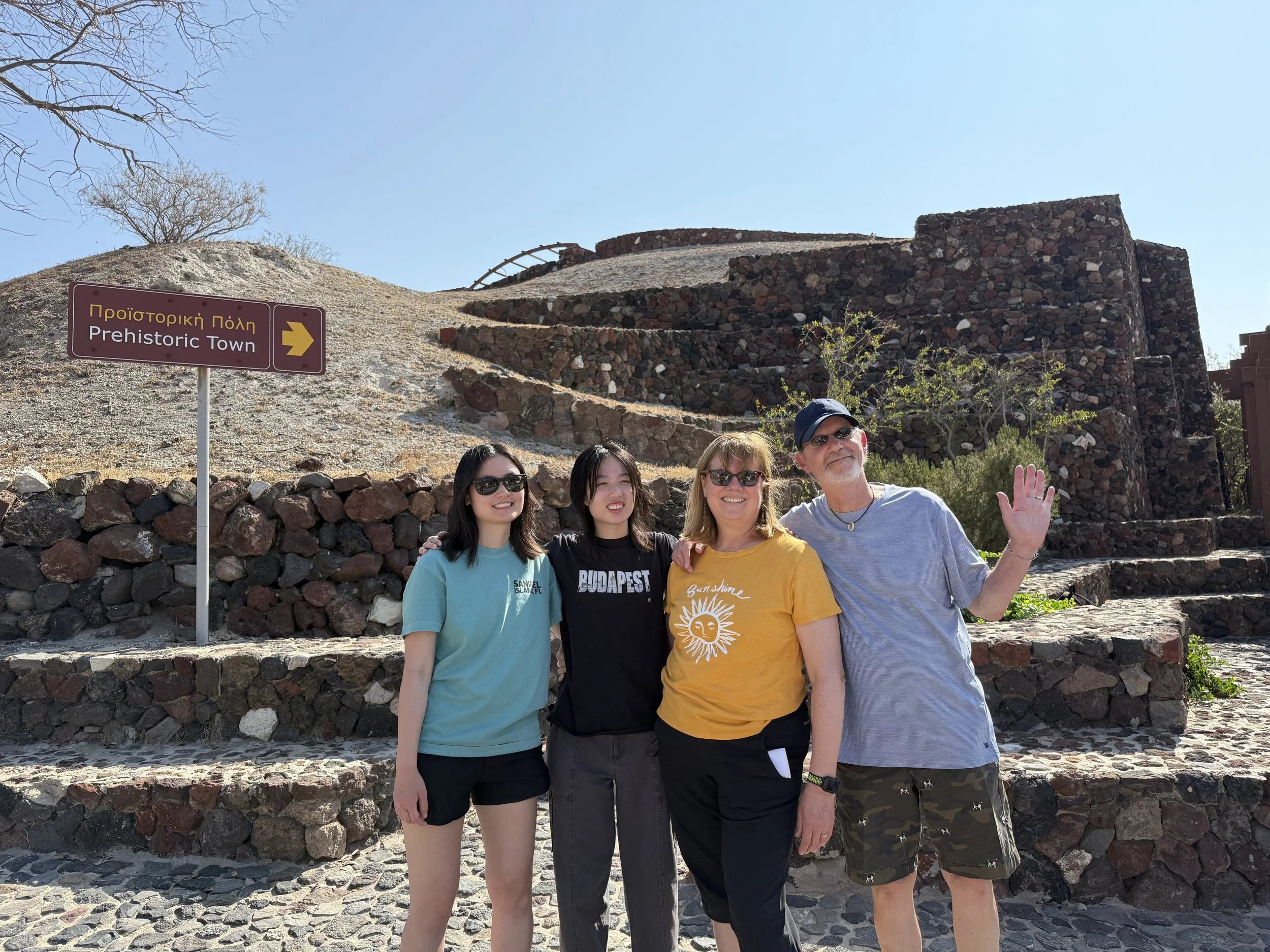
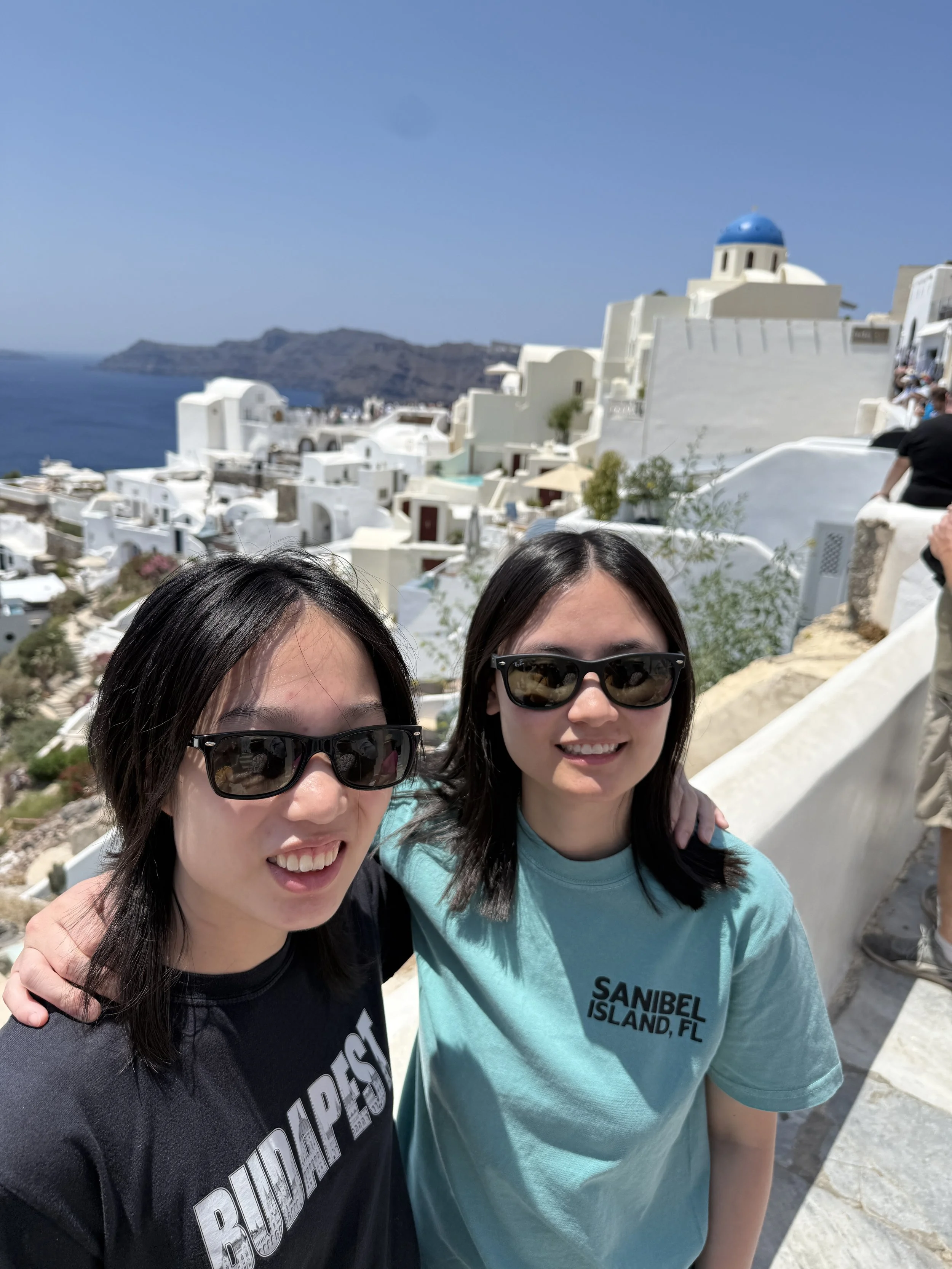
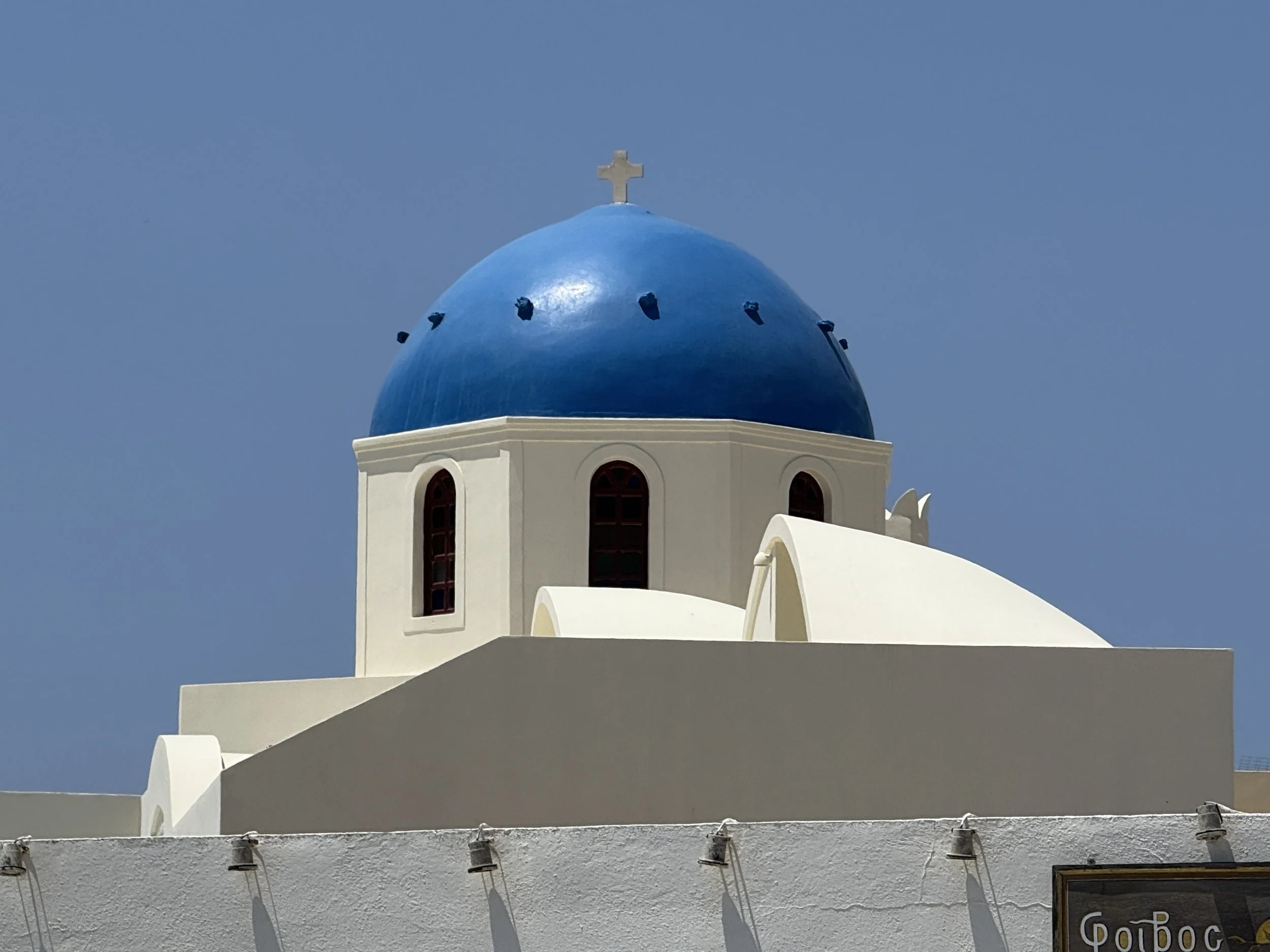
In Athens, the layers of history were everywhere, with ancient ruins rising amid the energy of the modern city. From there, Santorini offered an entirely different landscape: brilliant white villages perched high above the Mediterranean, volcanic cliffs and hidden coves carved into the coastline, and vineyards growing from the island’s dark volcanic earth.
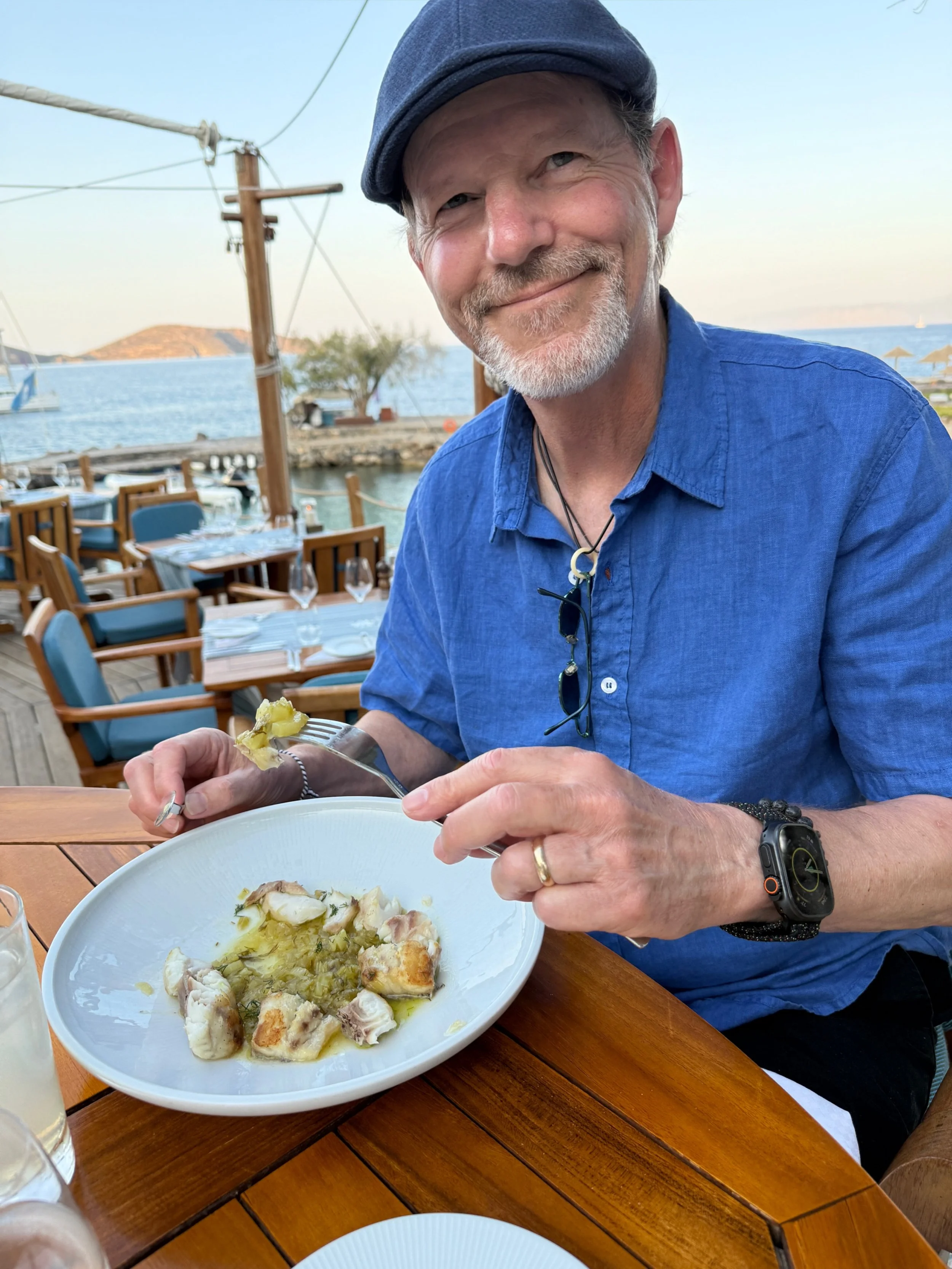
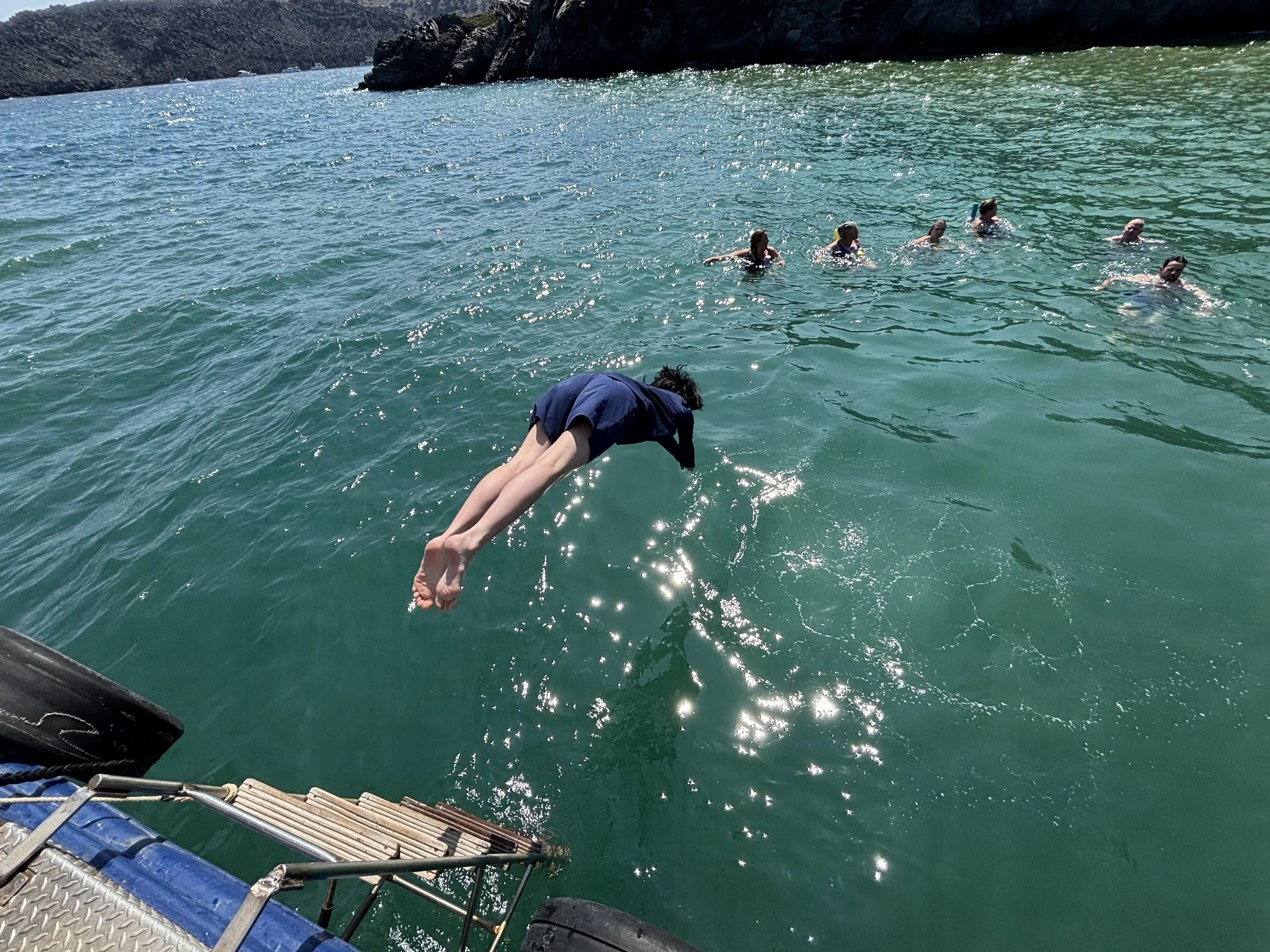
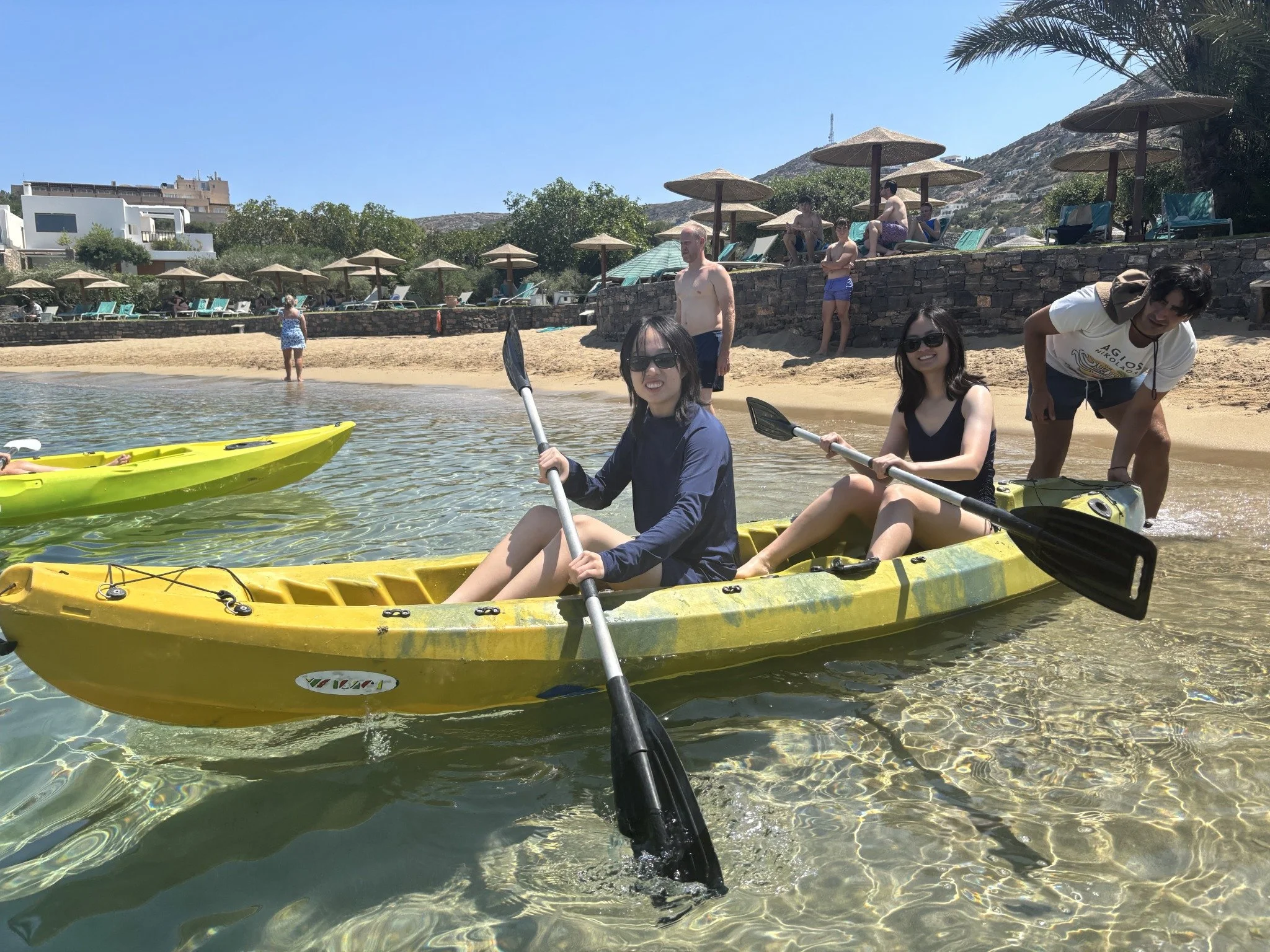
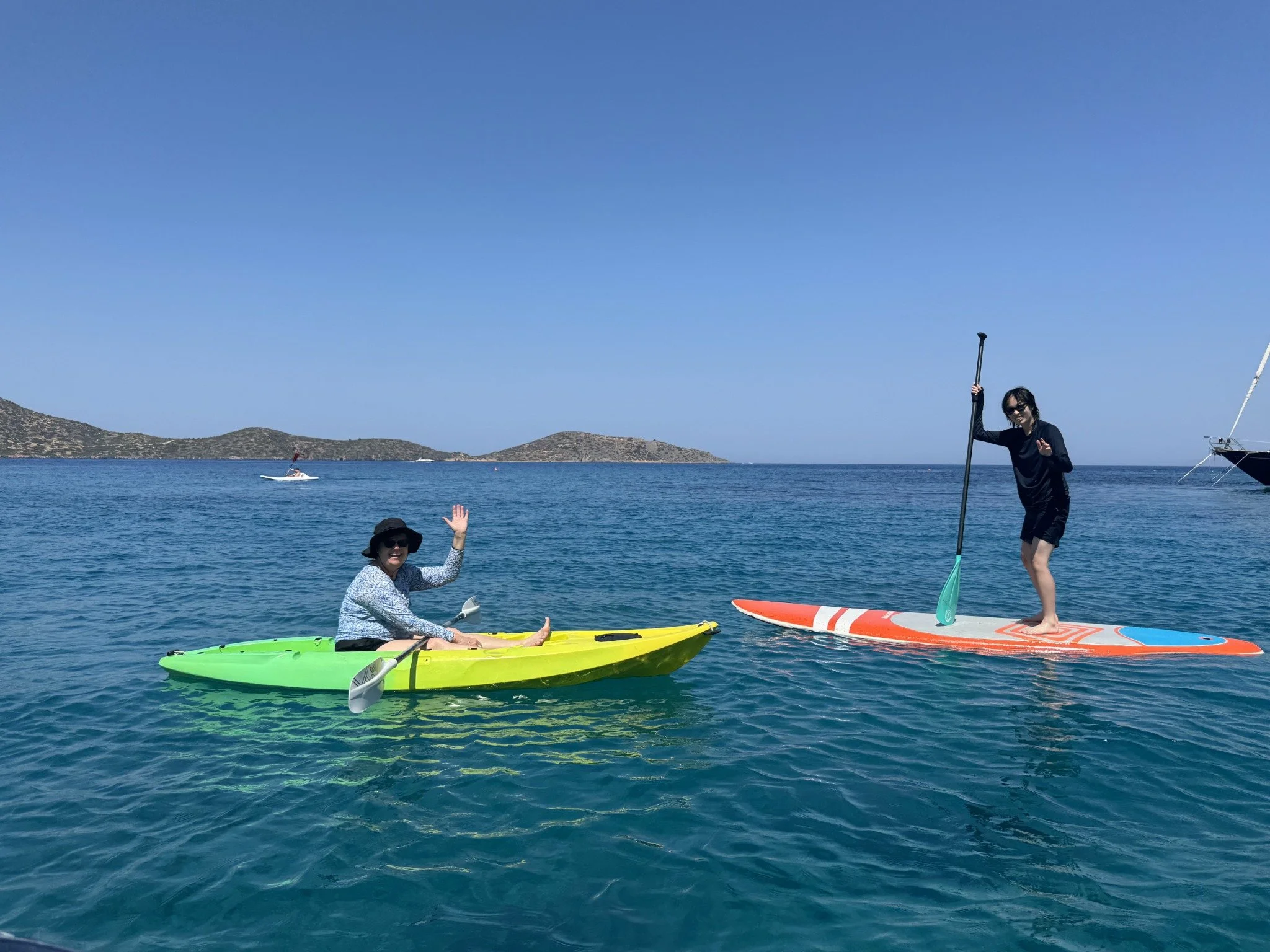
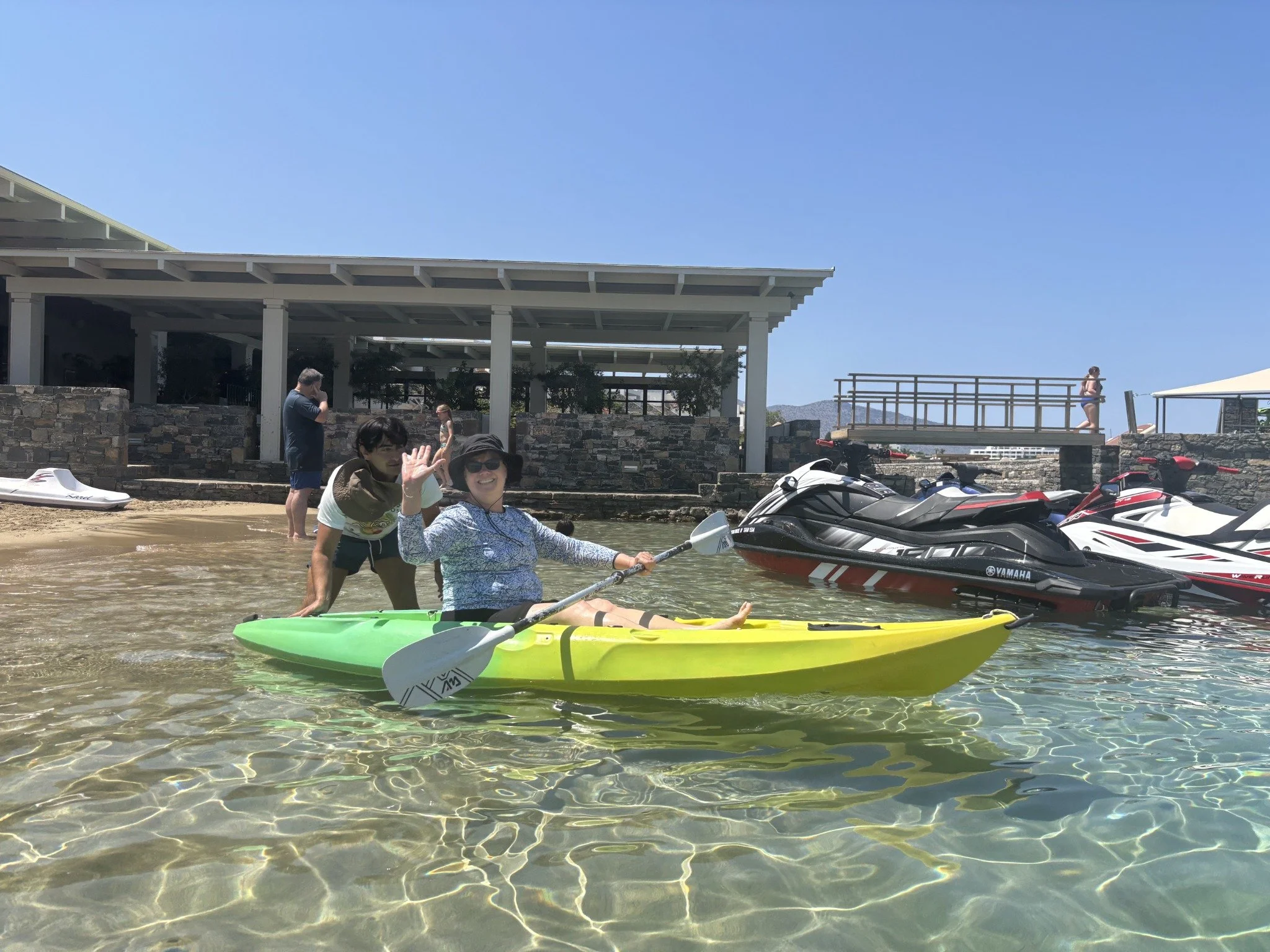
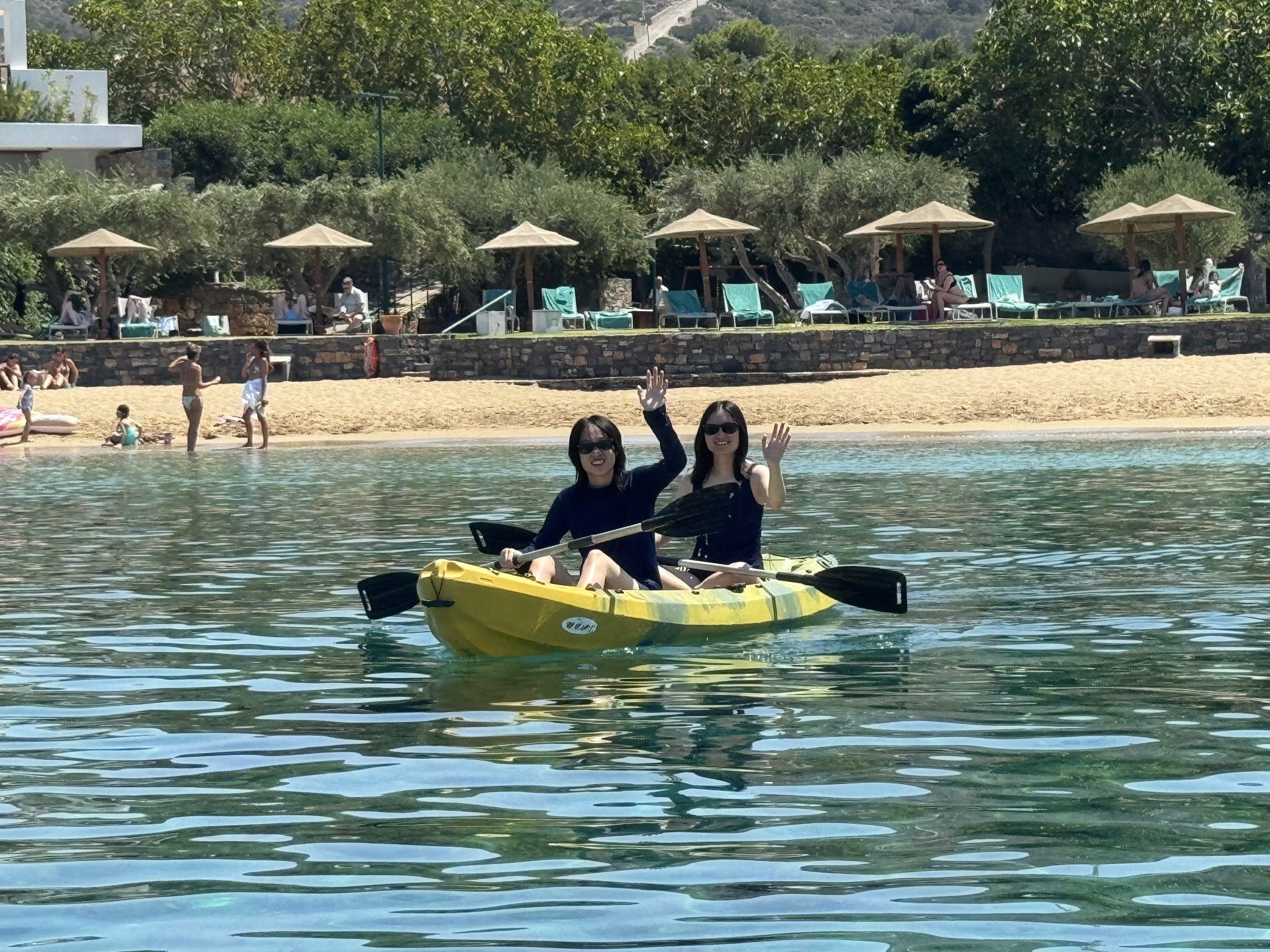
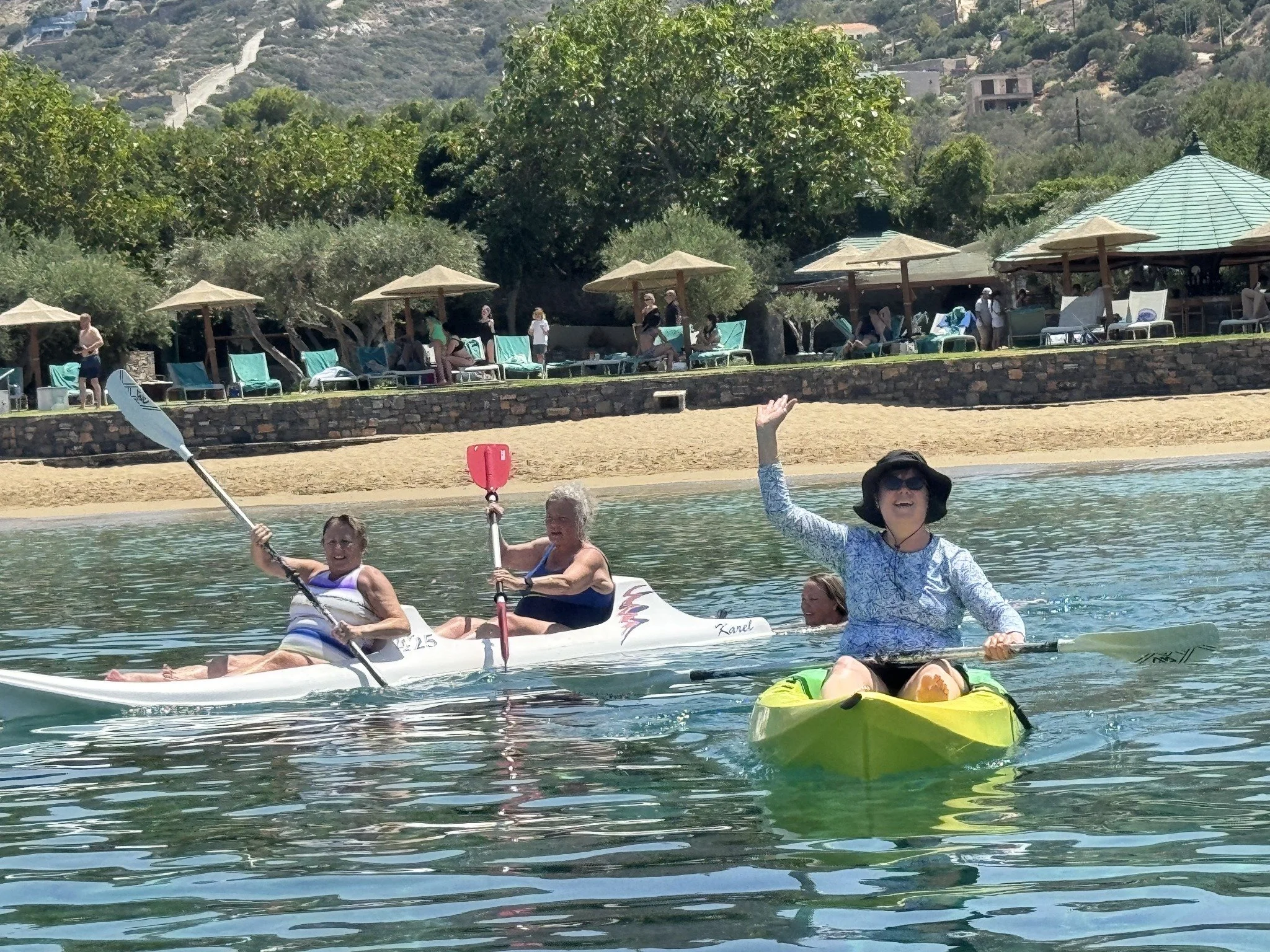
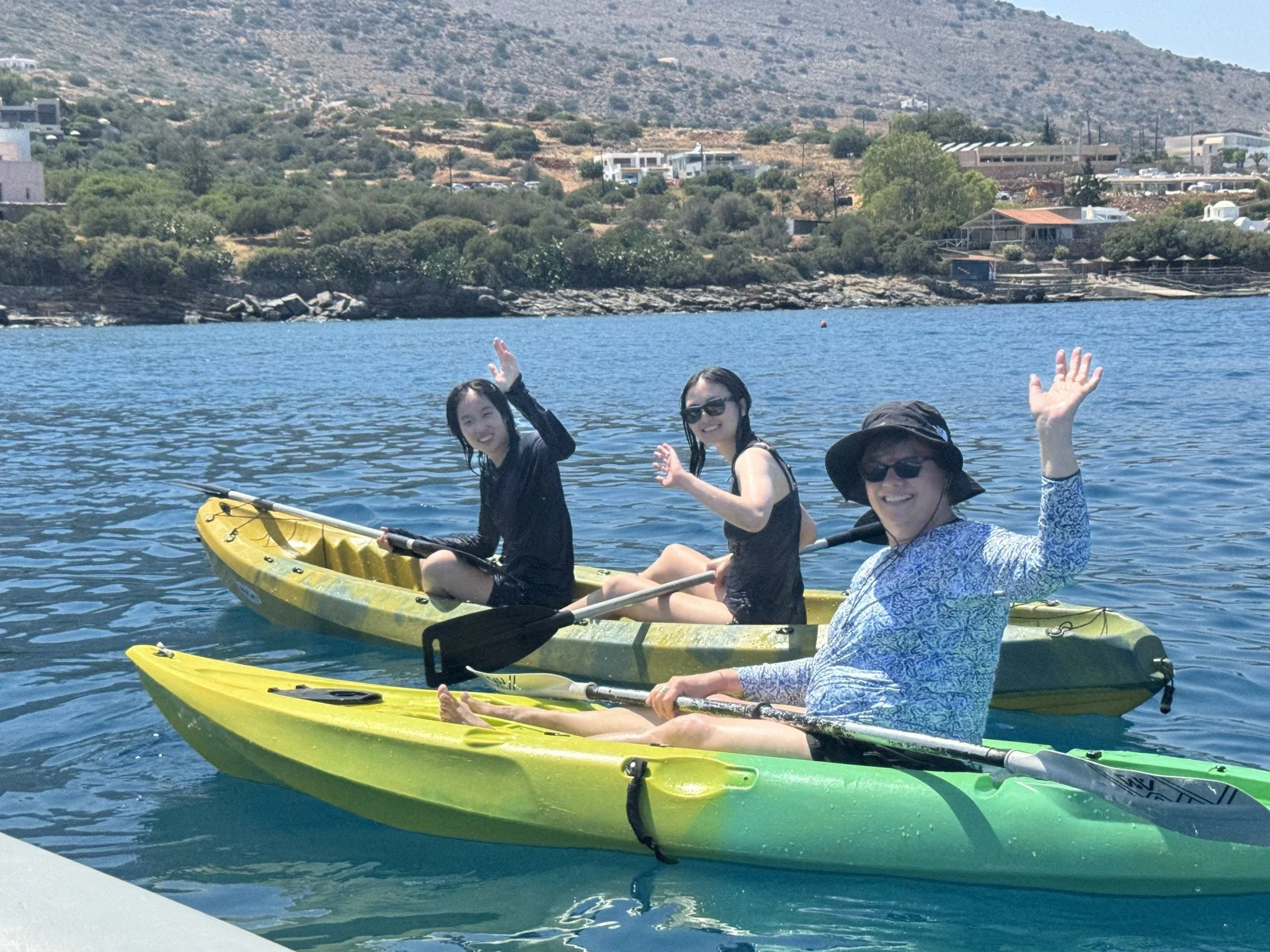
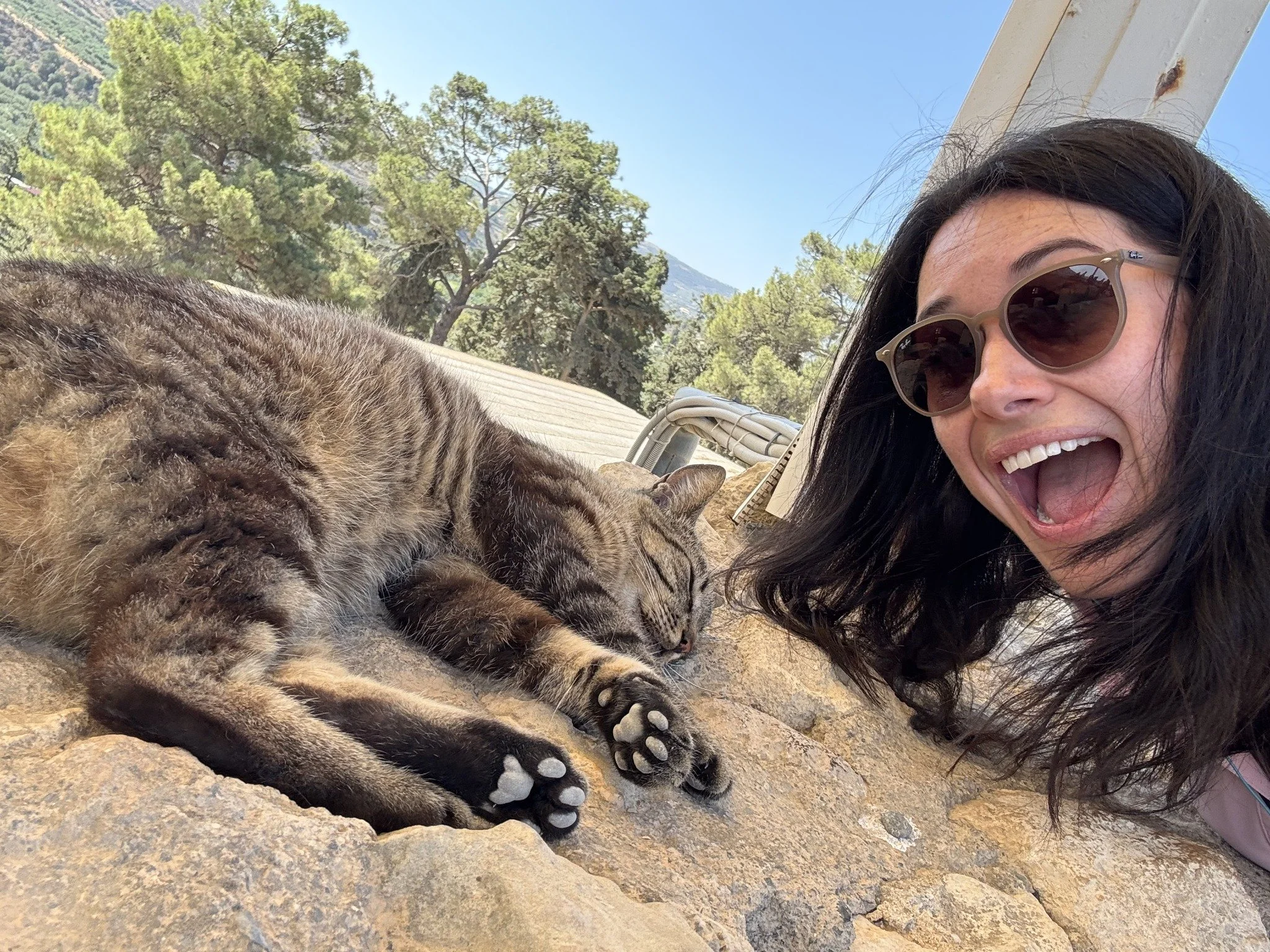
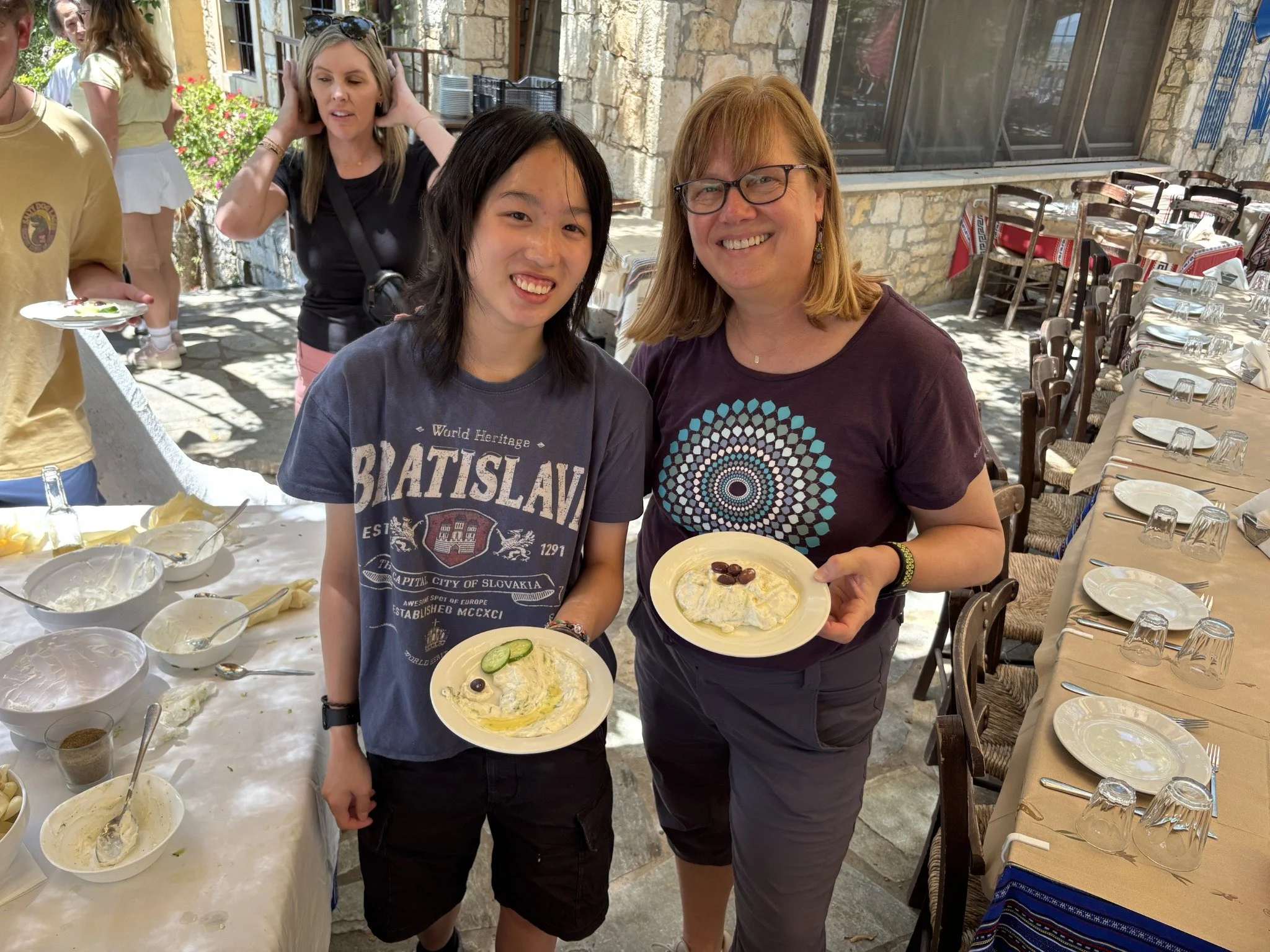
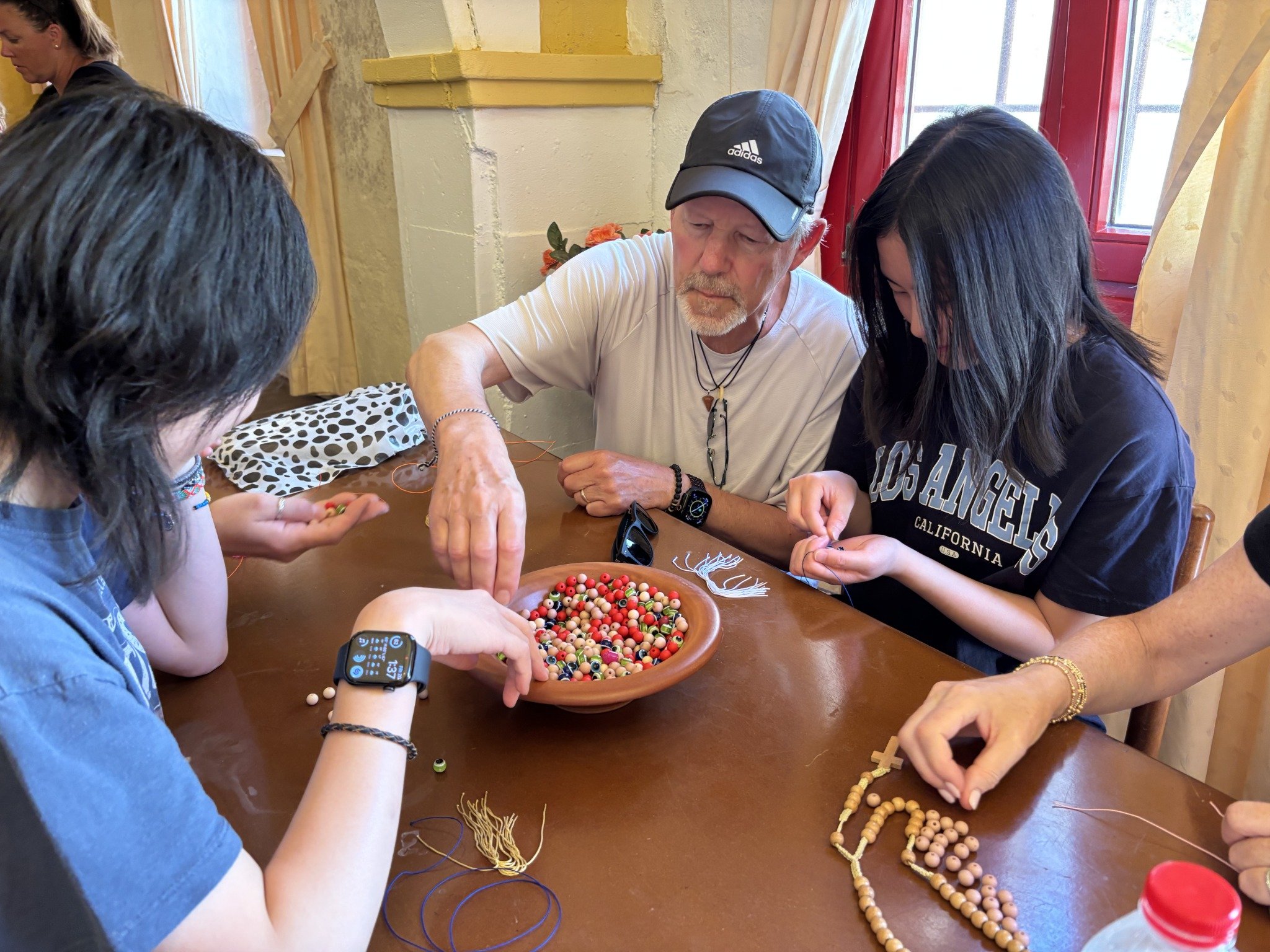
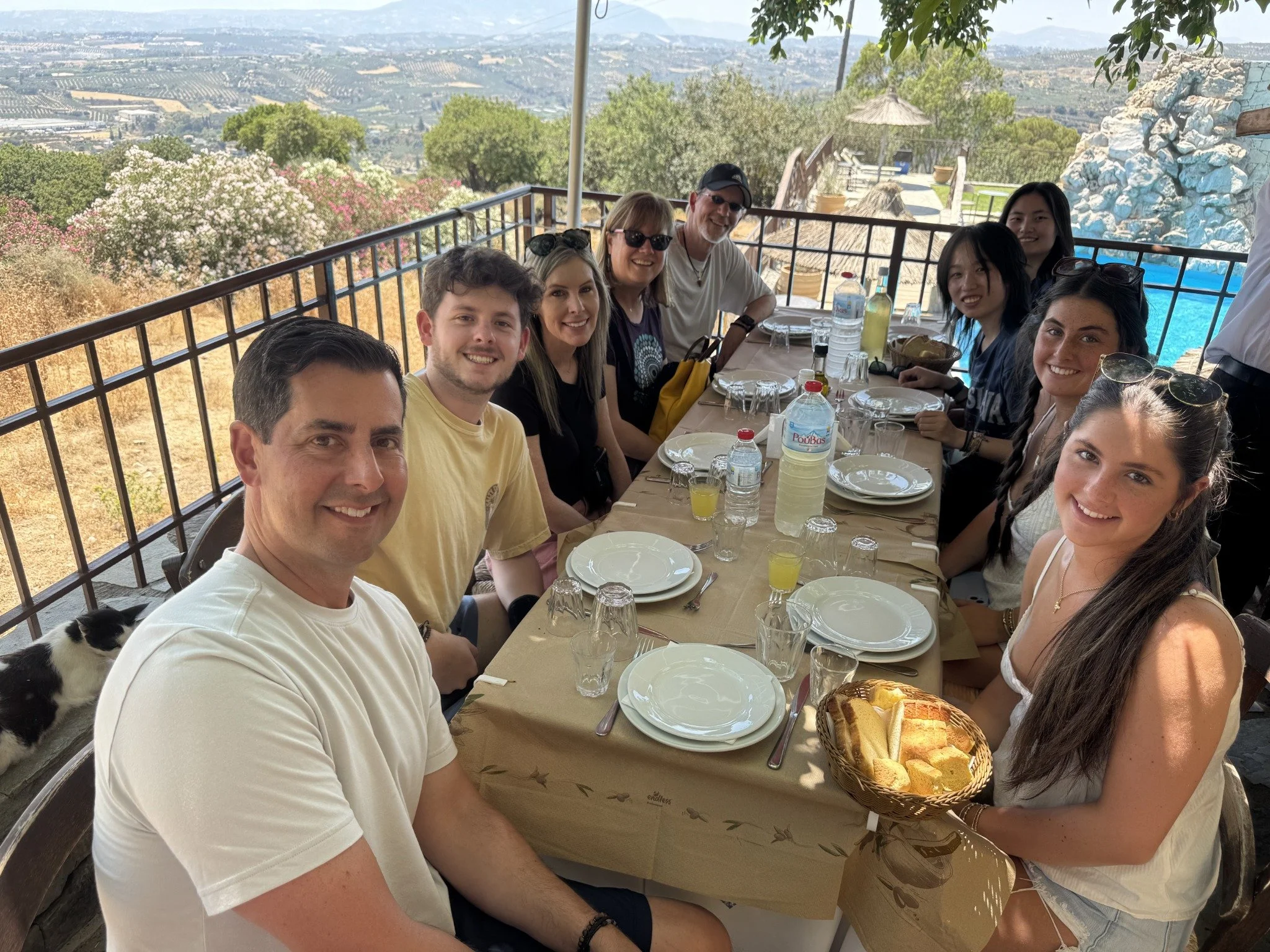
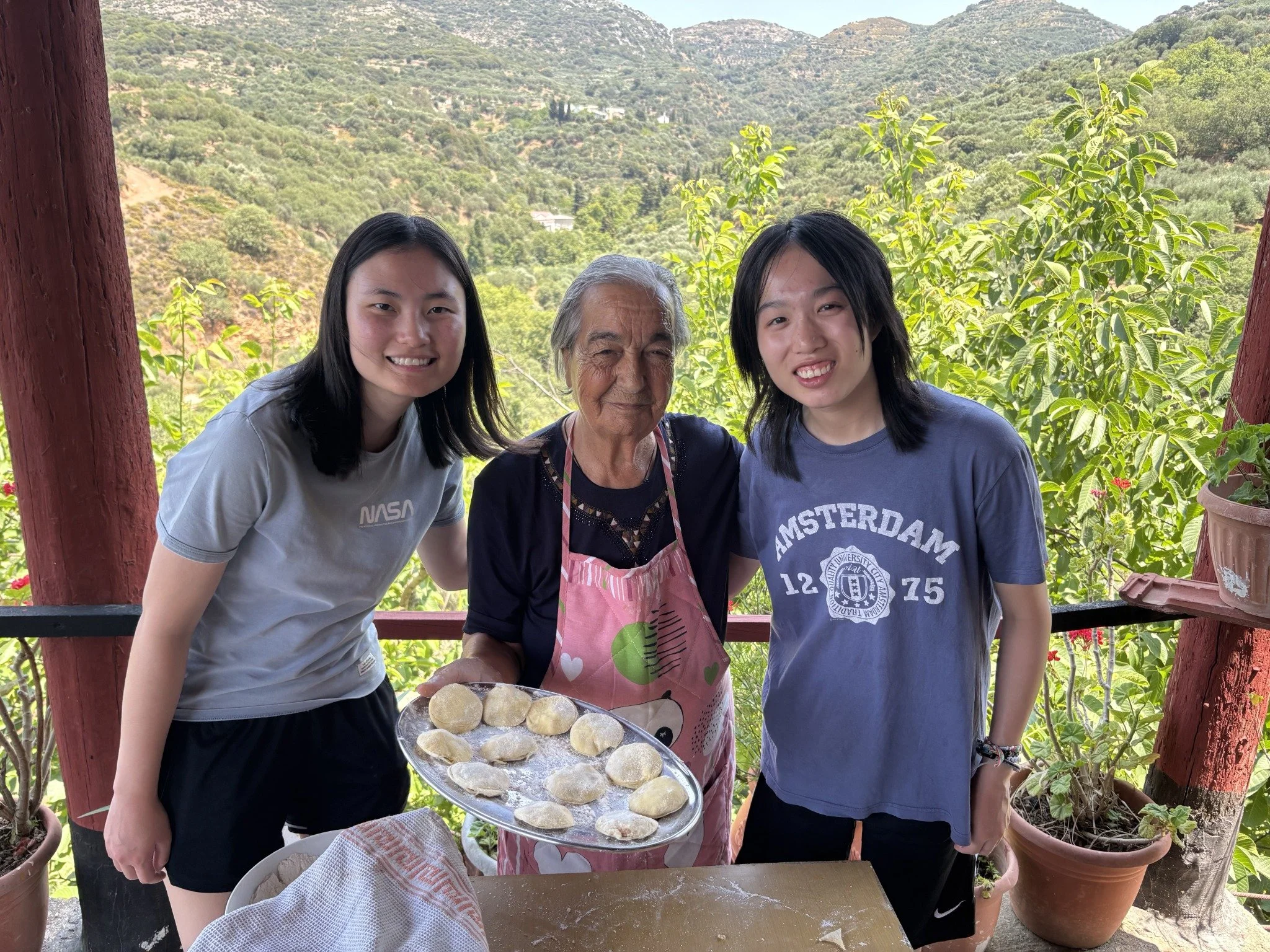
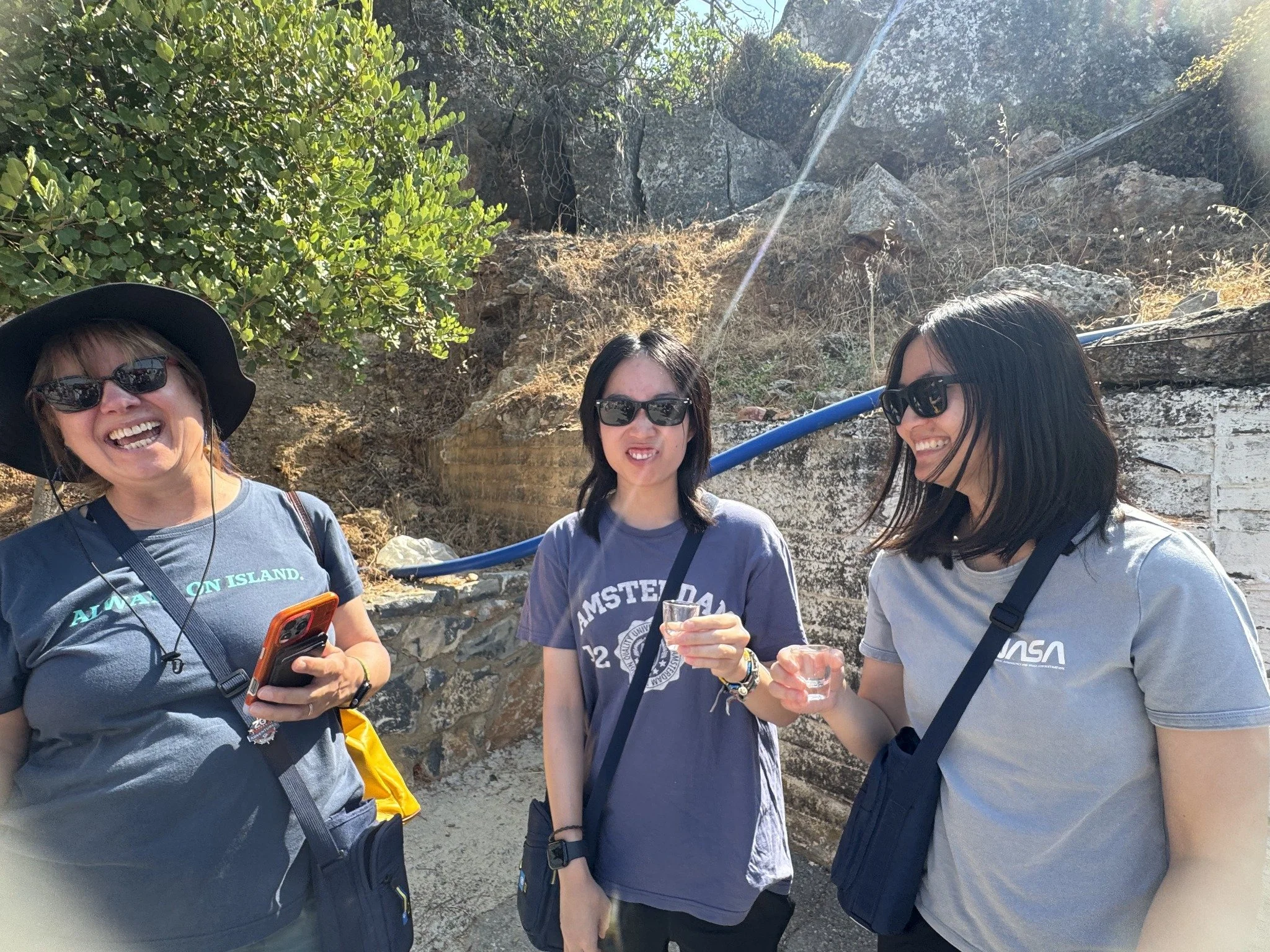
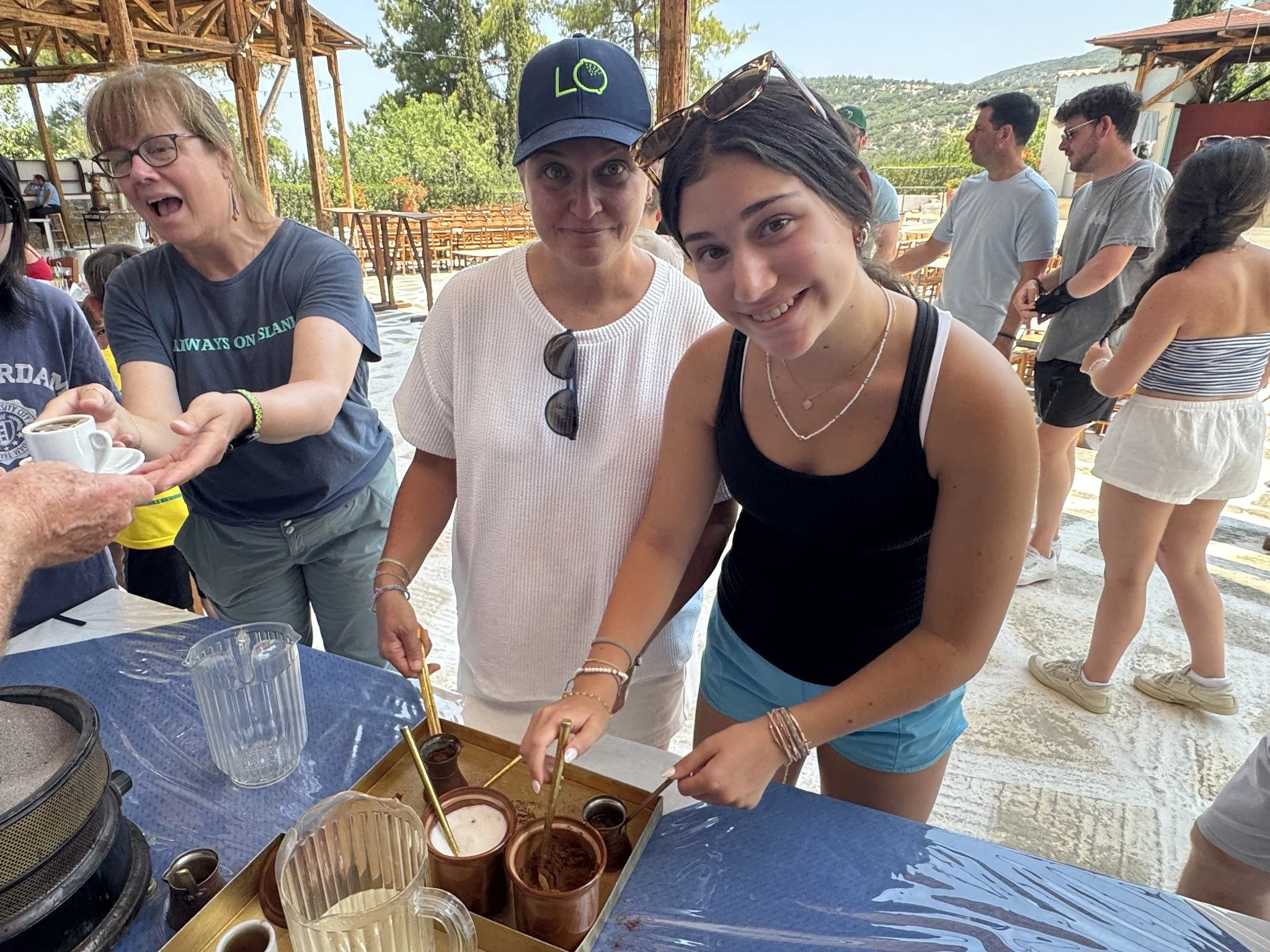
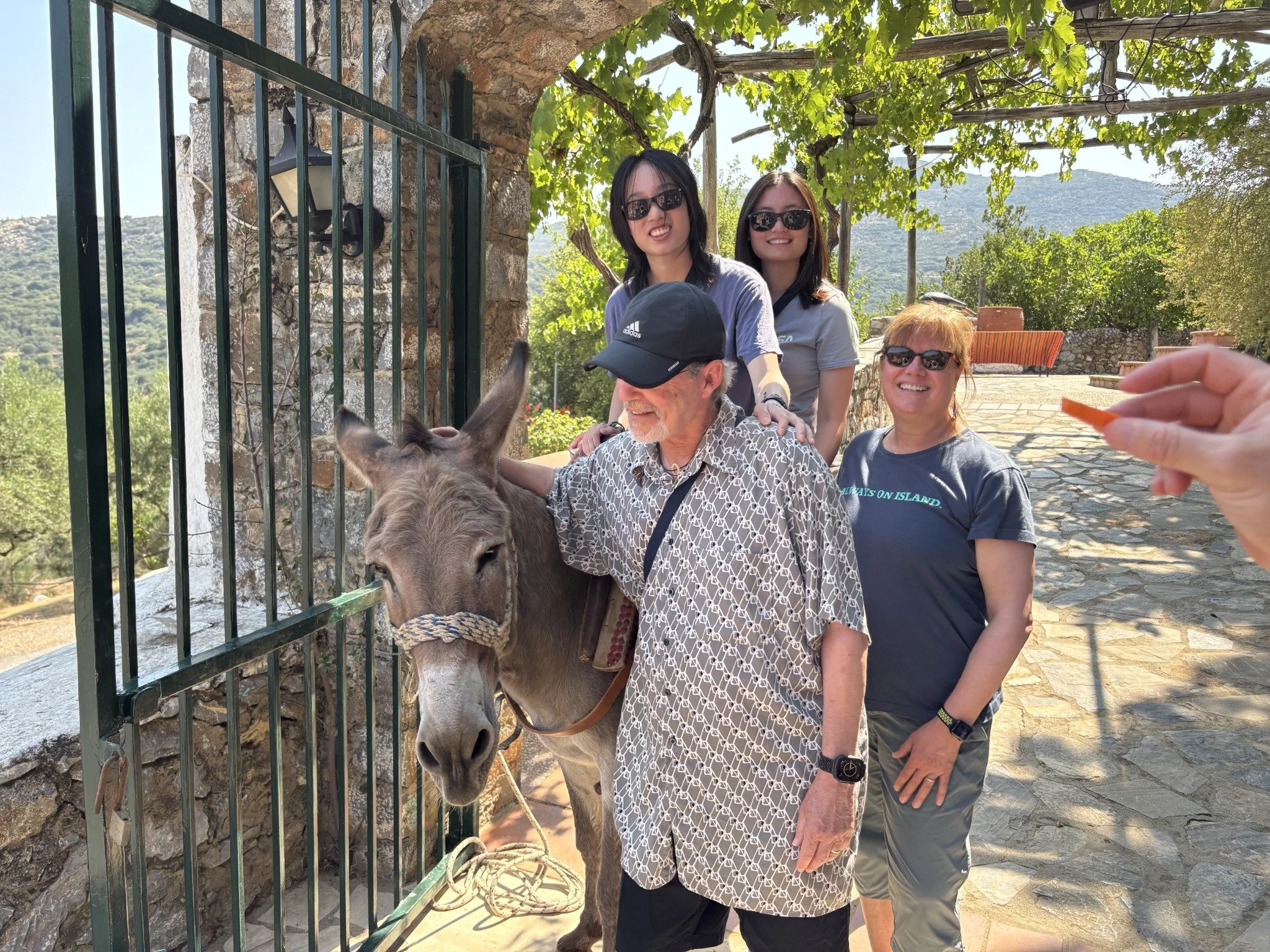
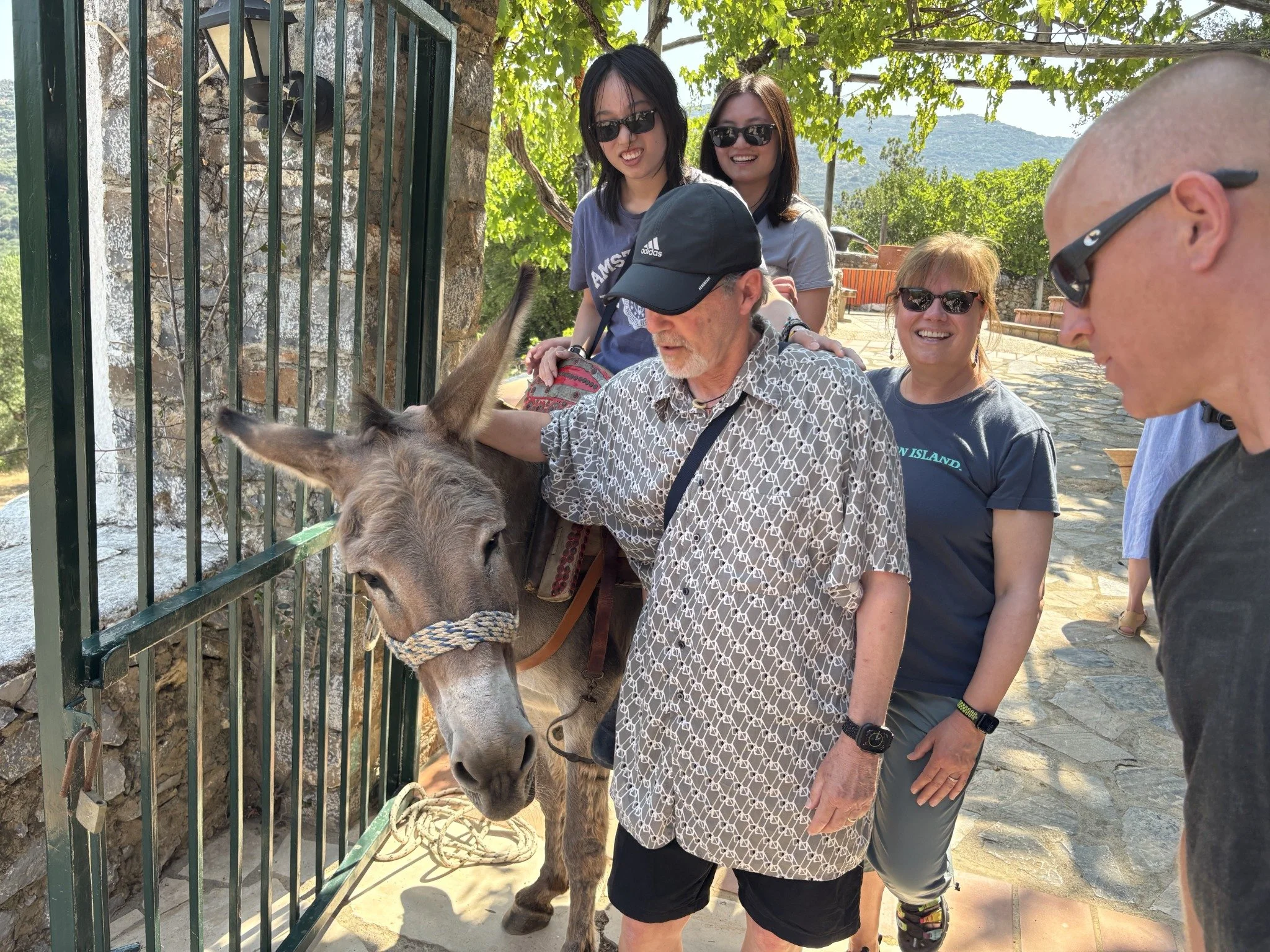
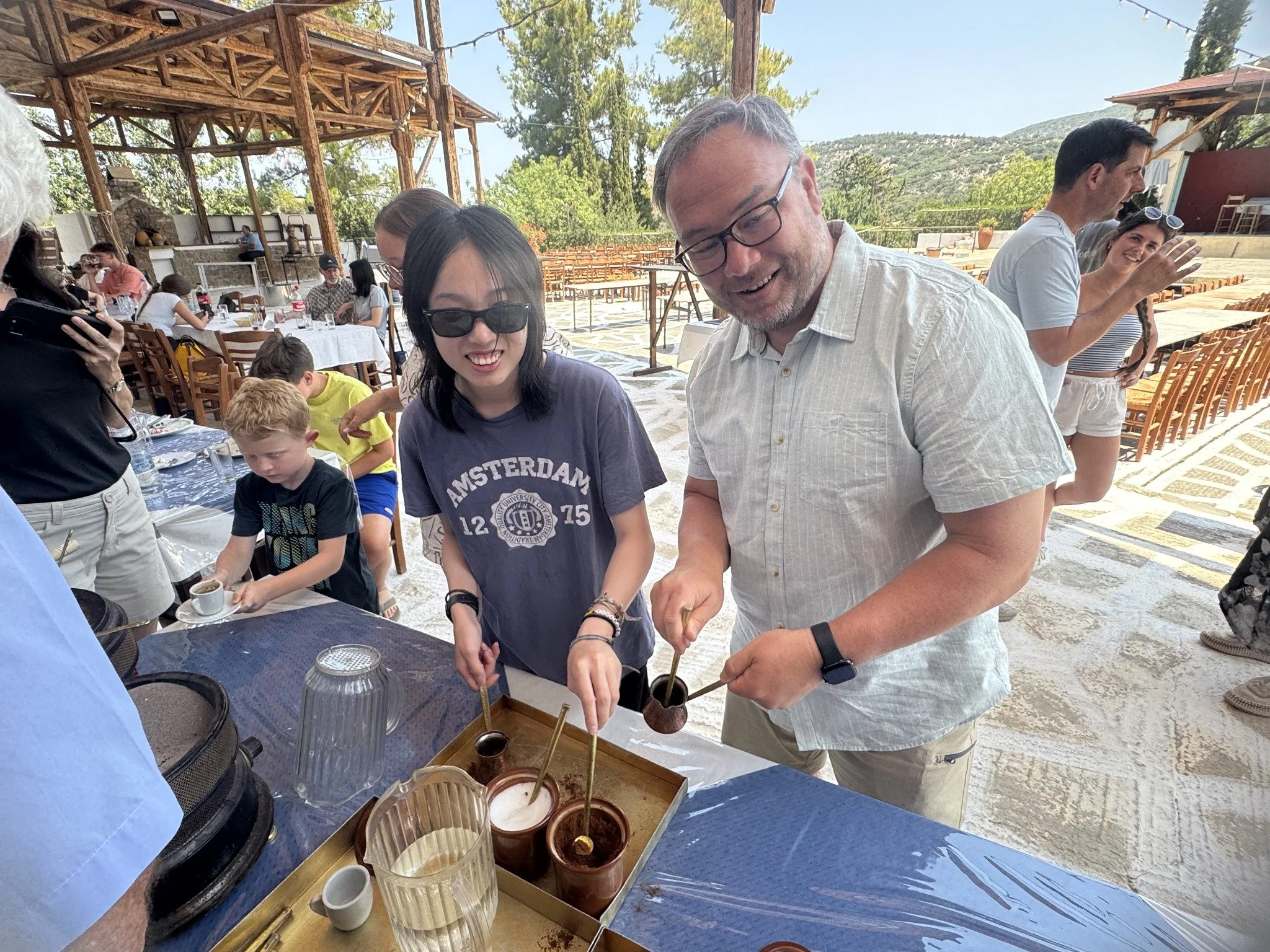
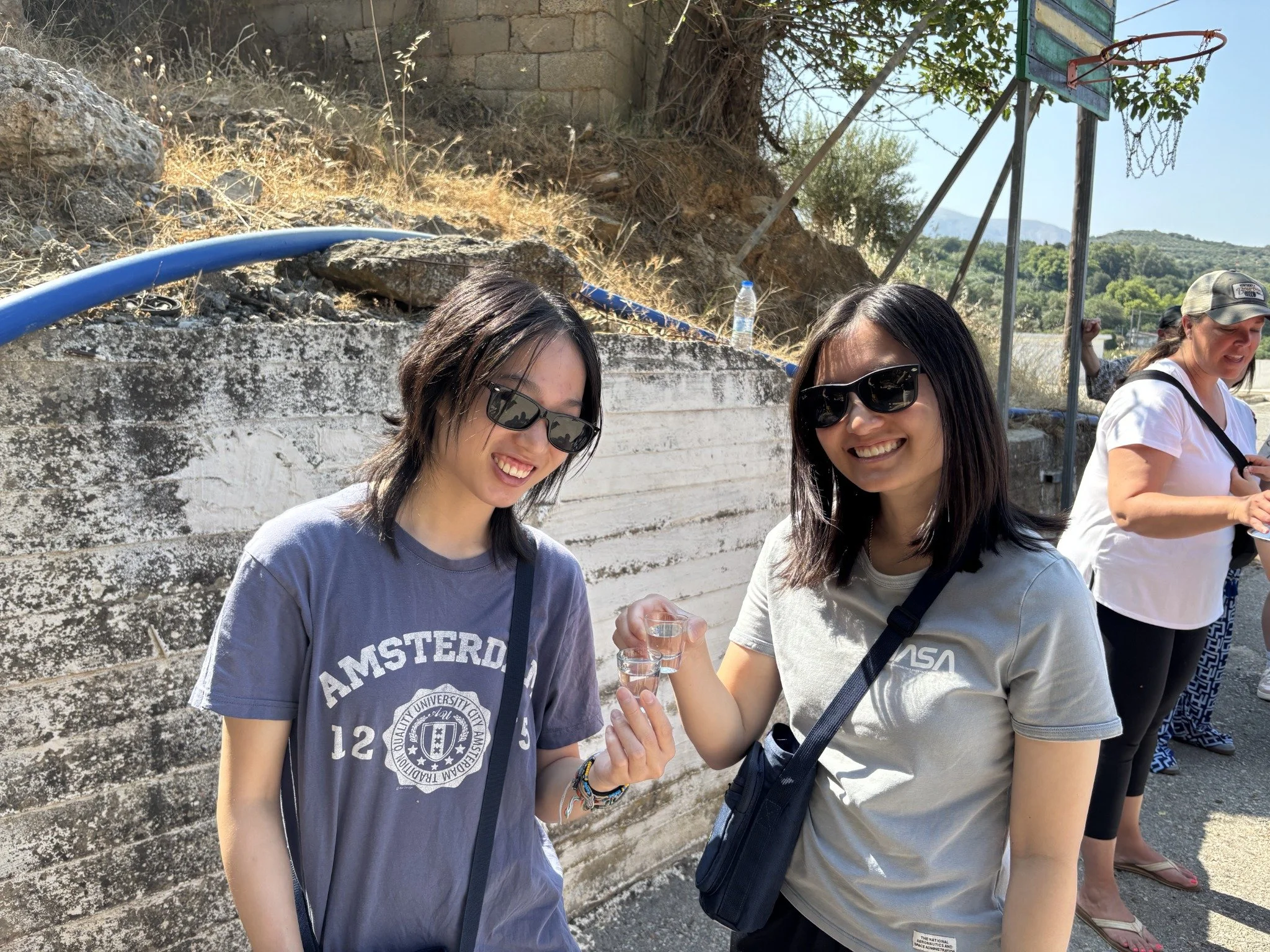
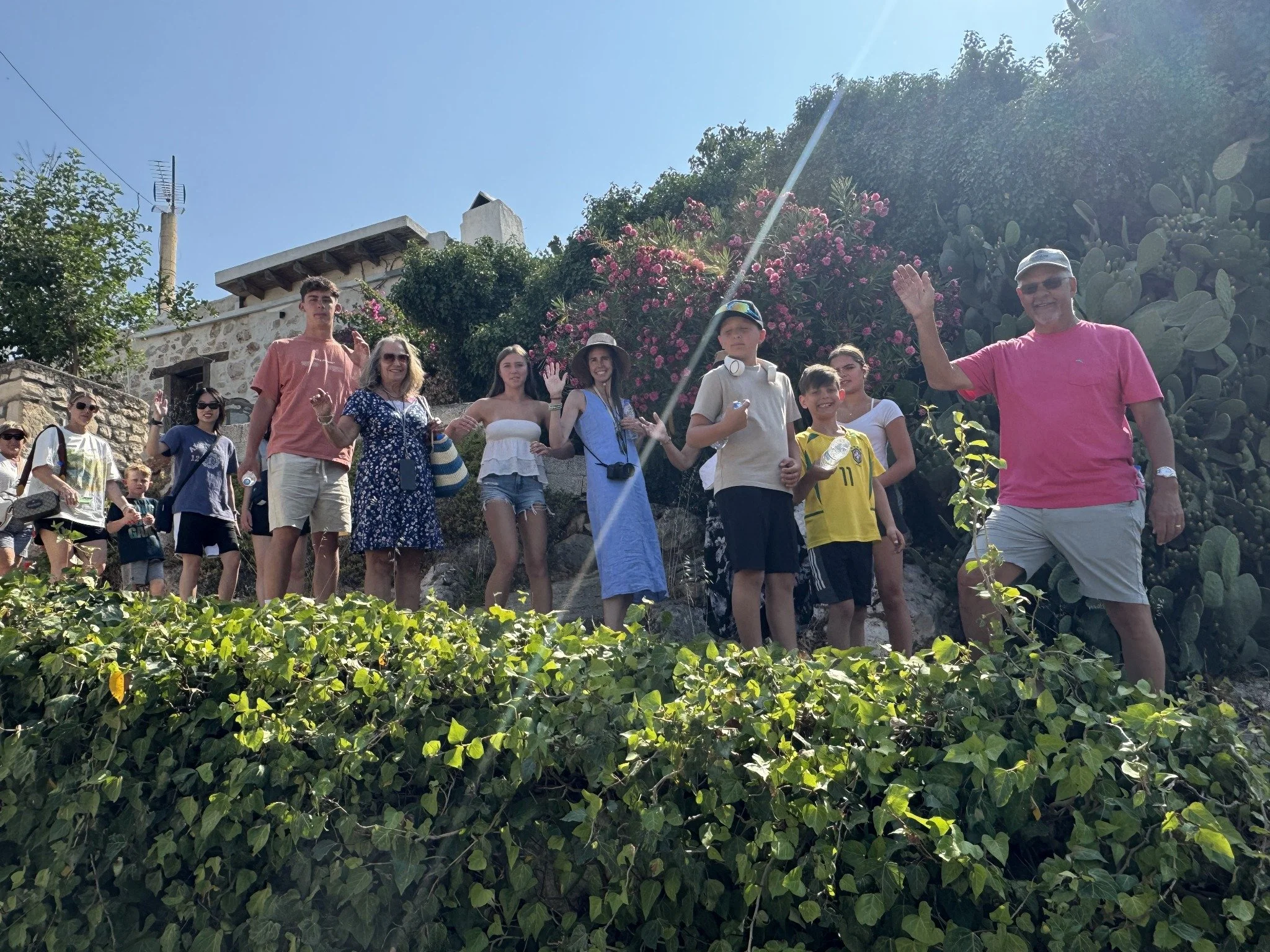
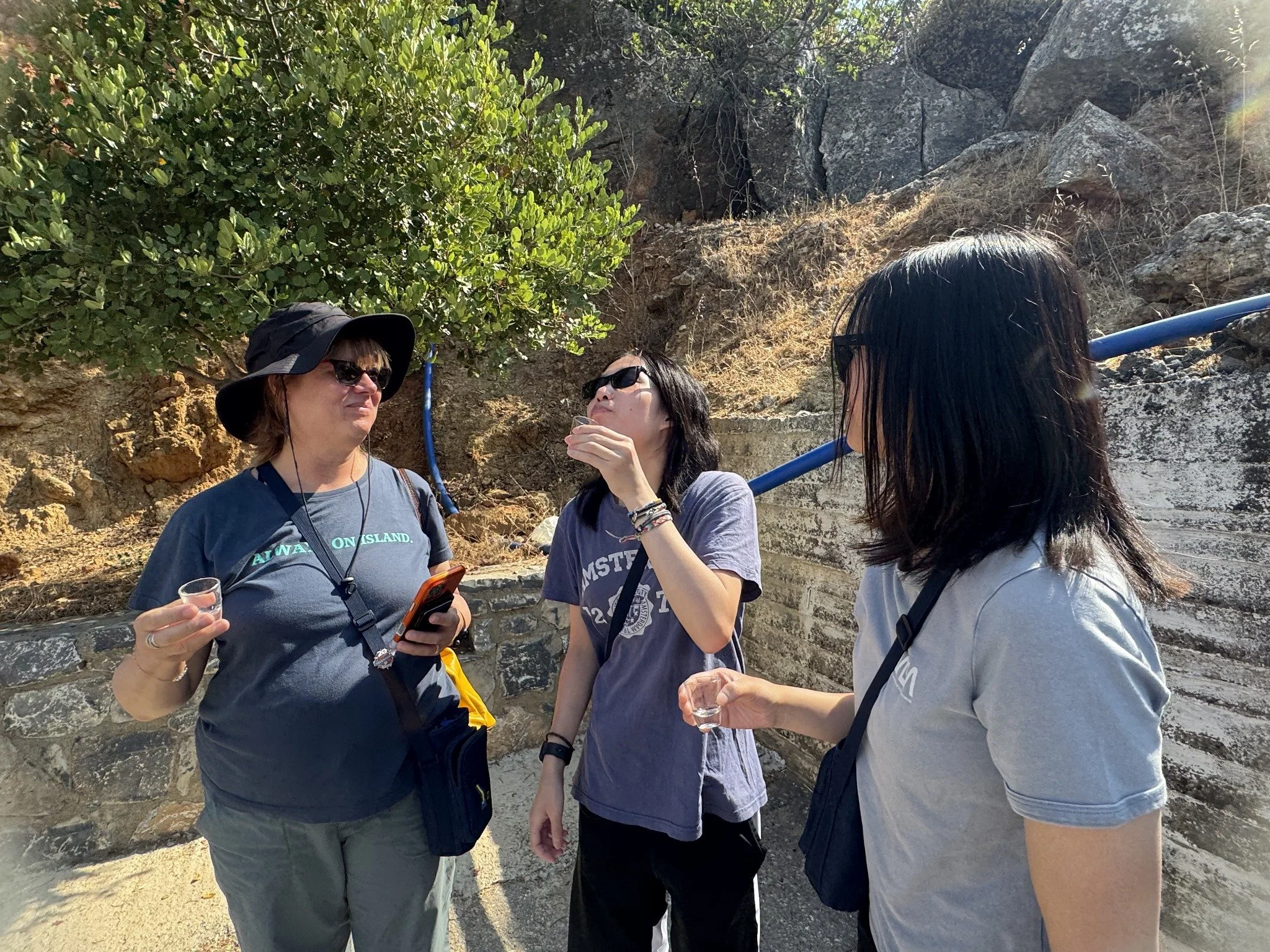
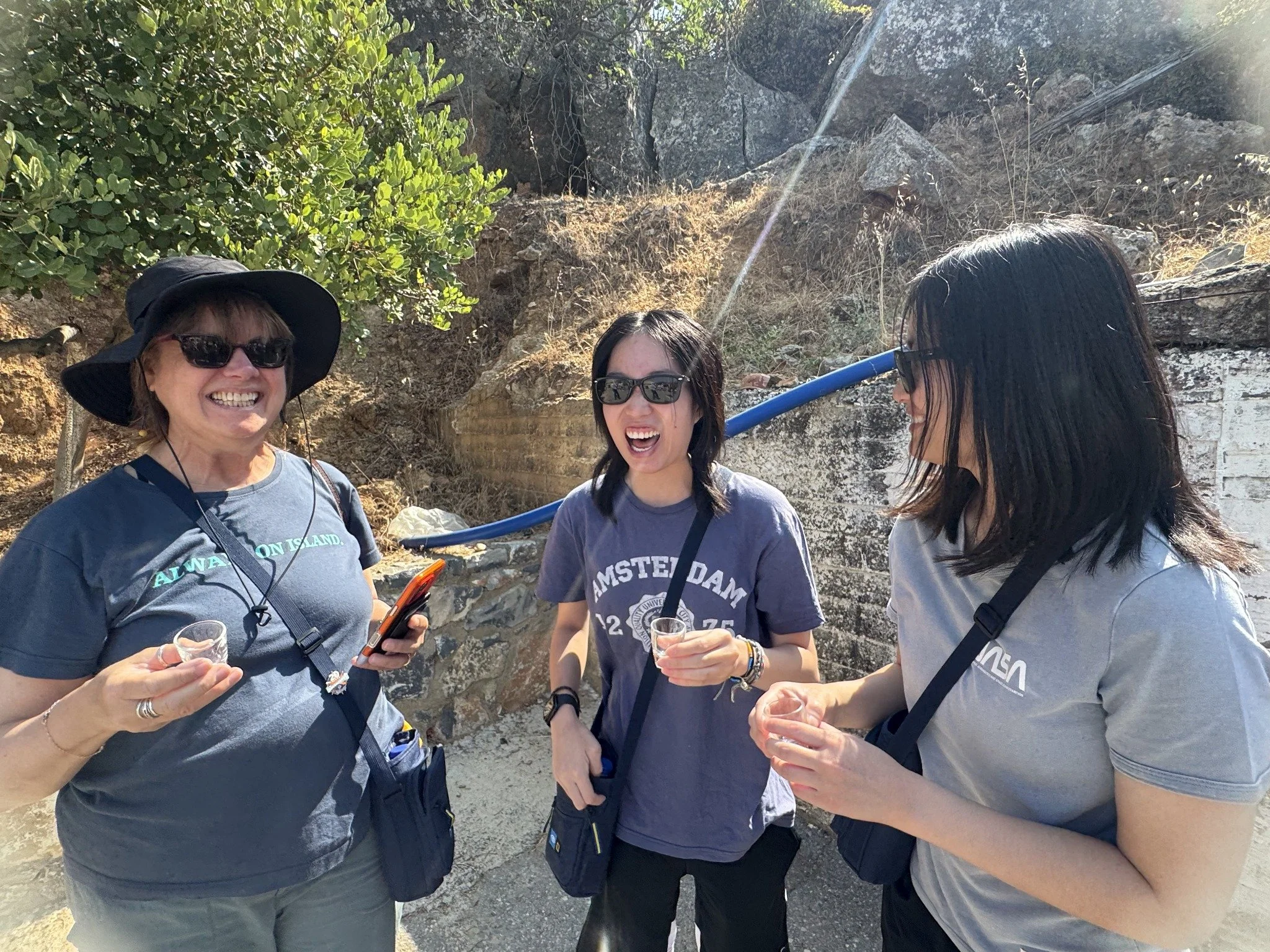
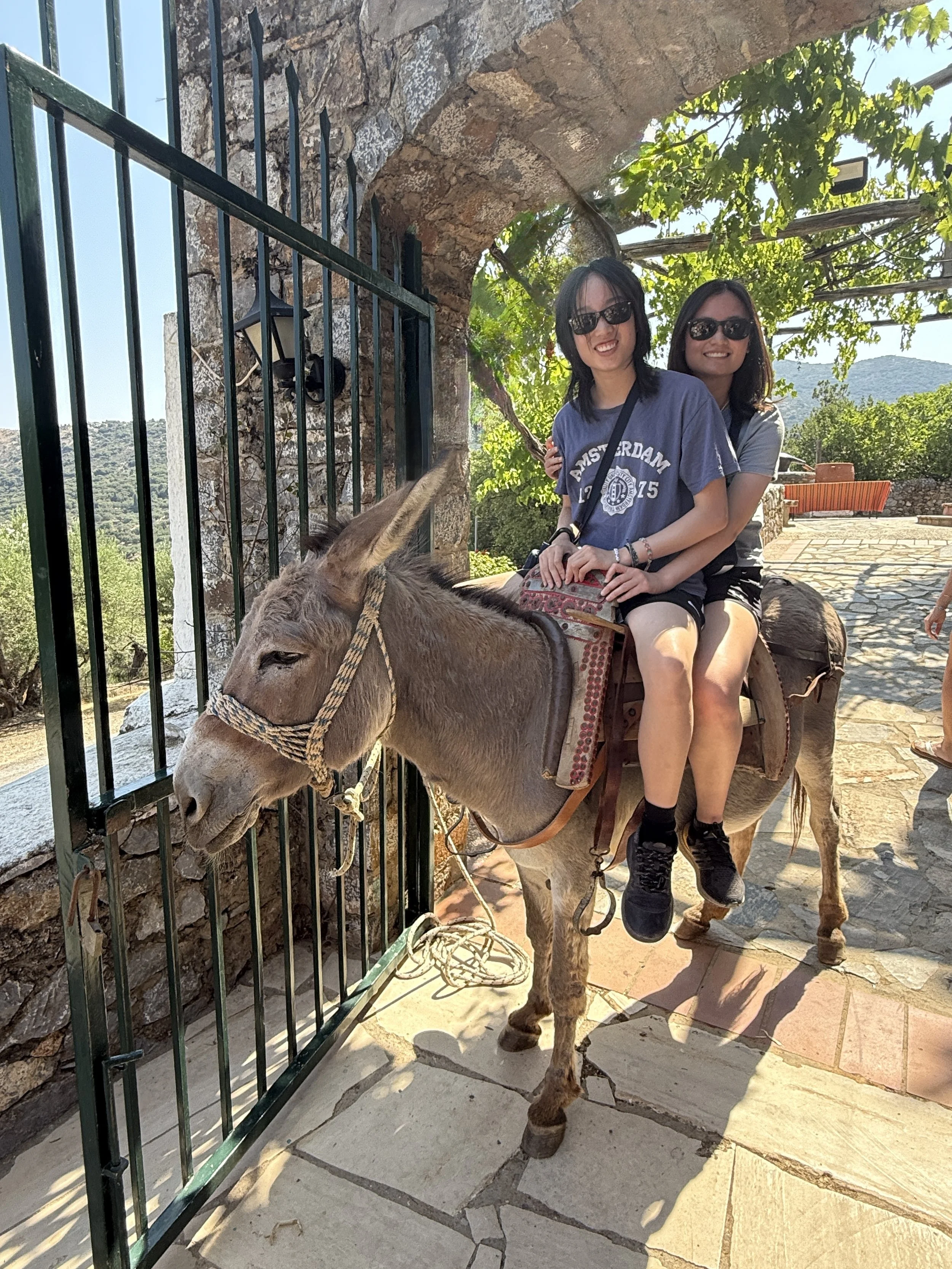
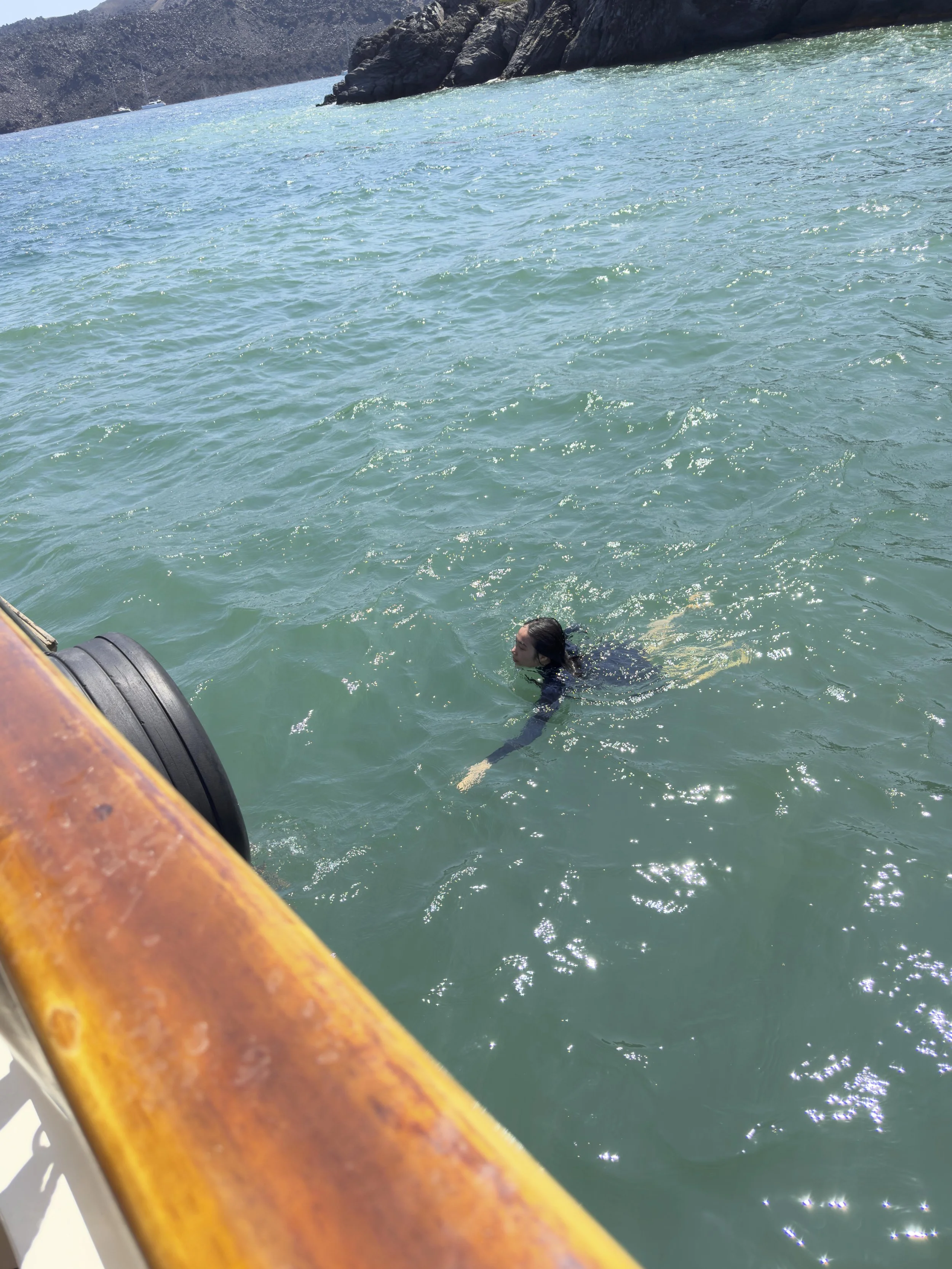
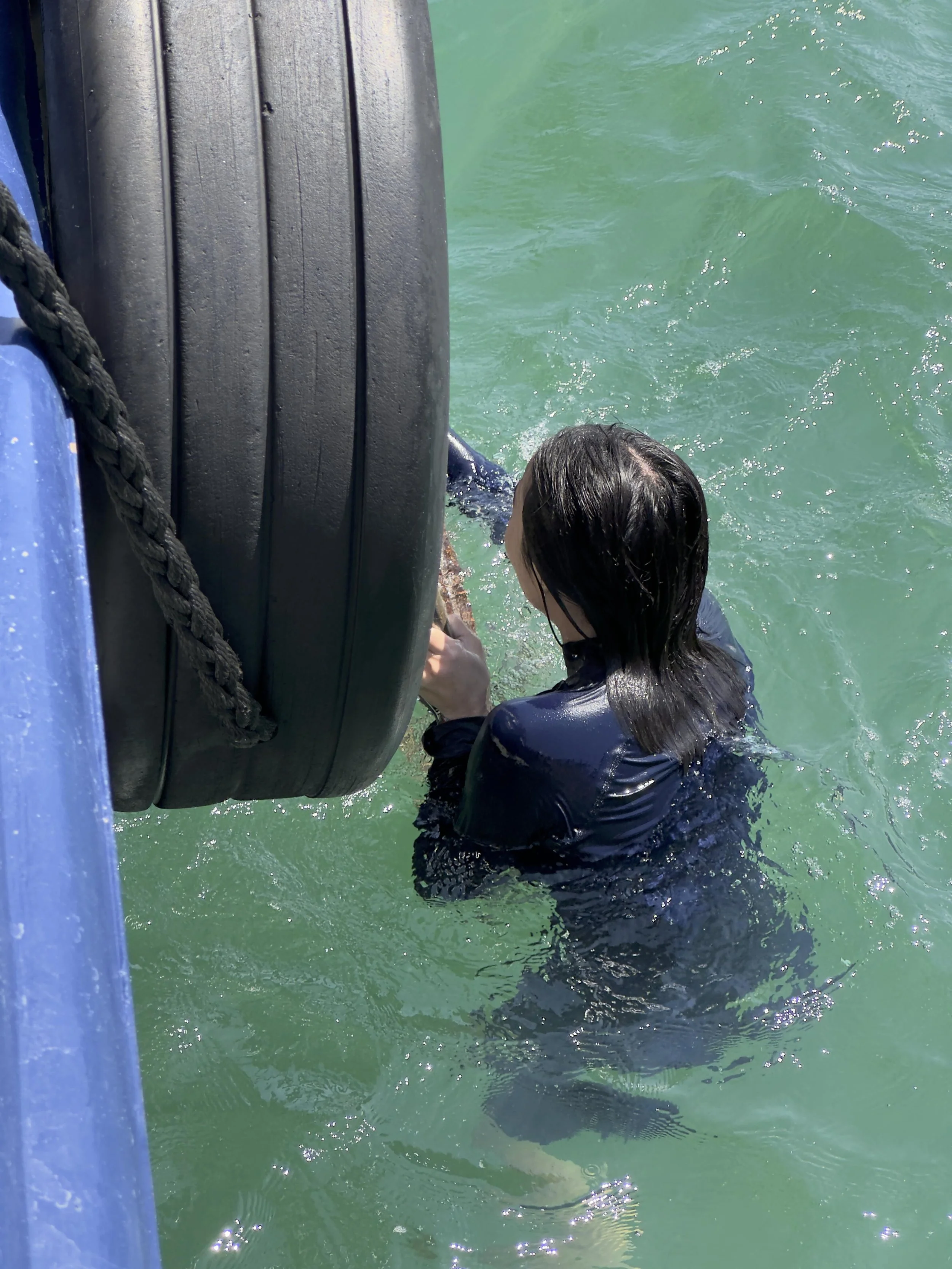
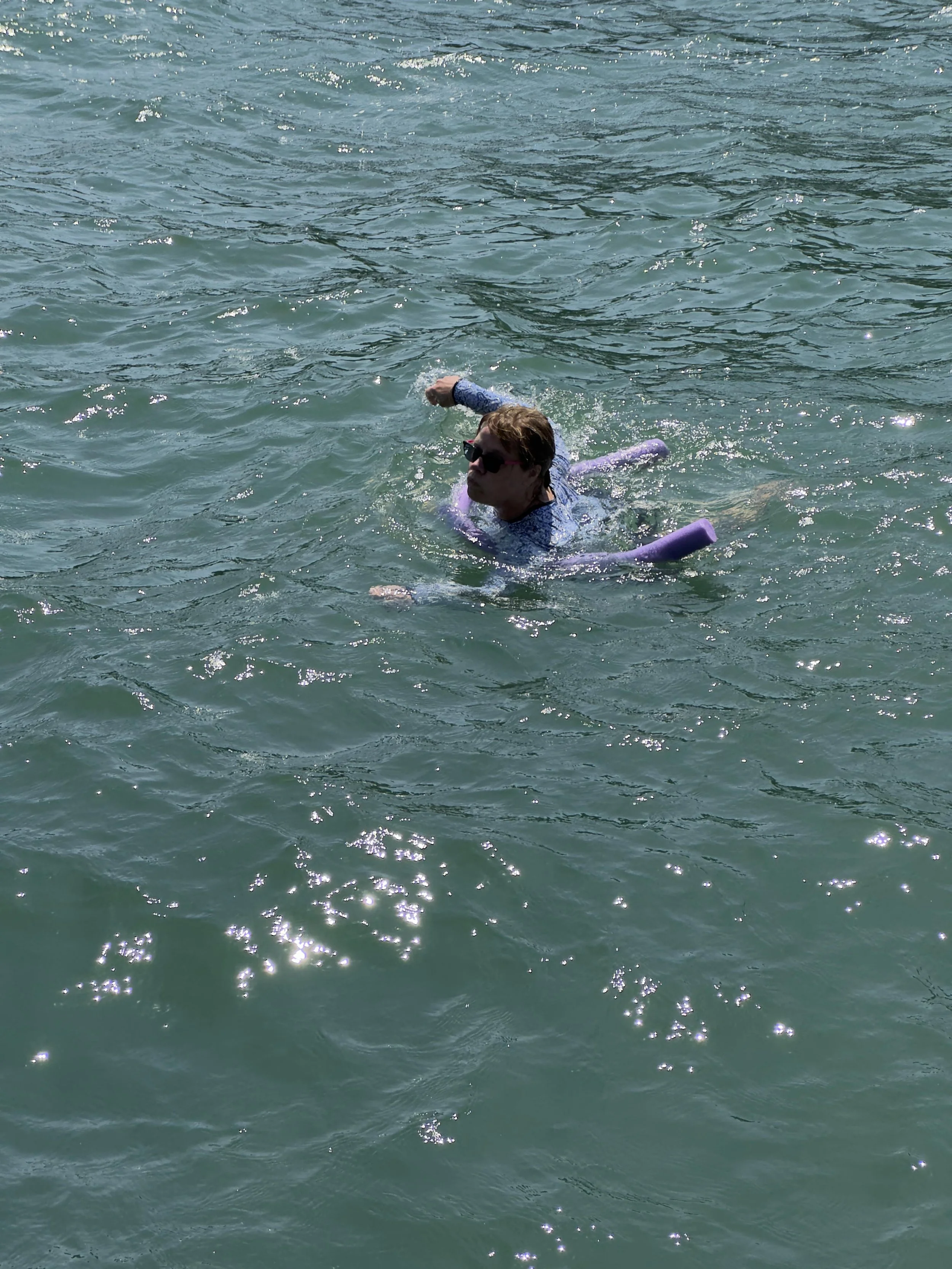
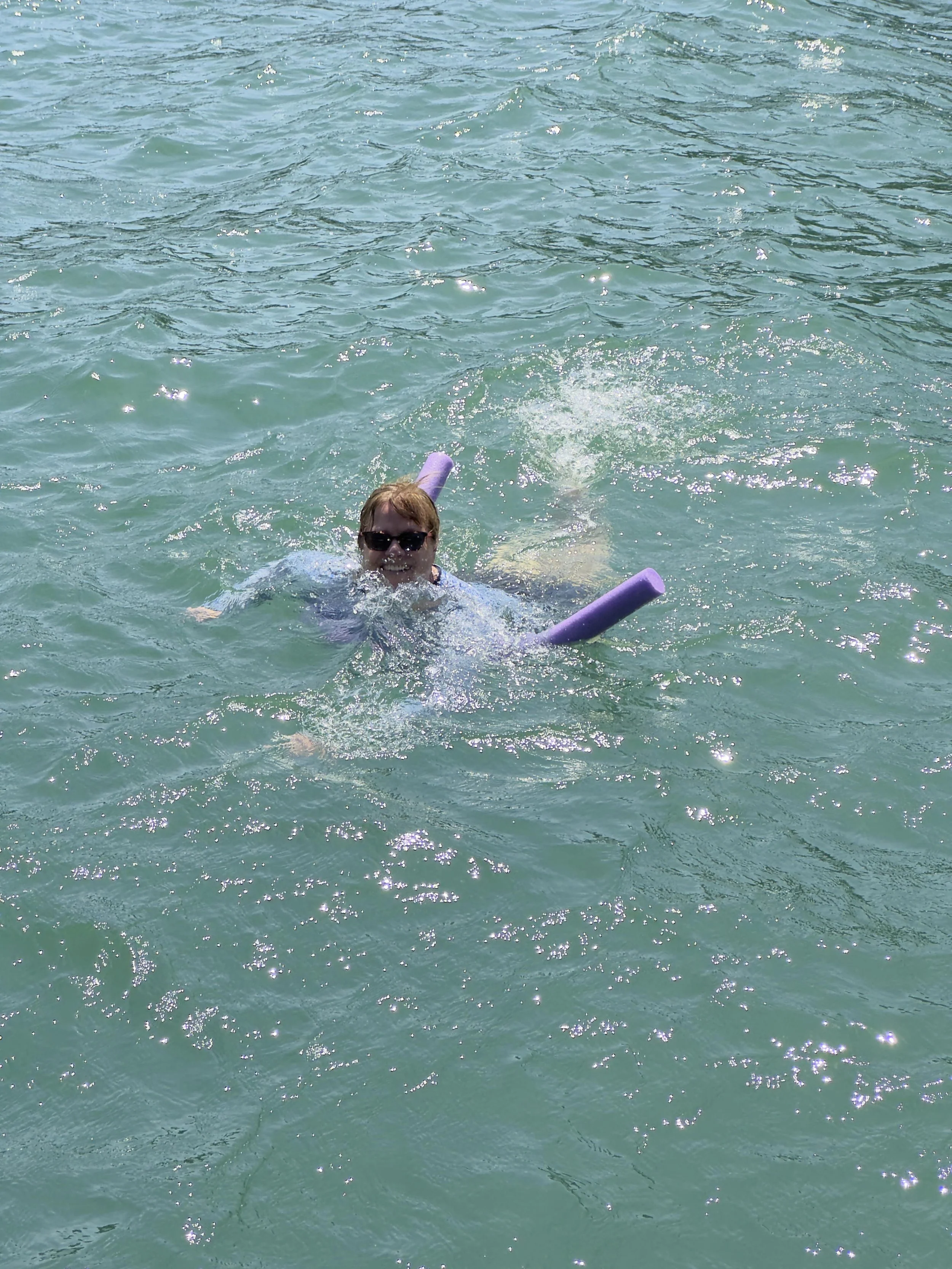
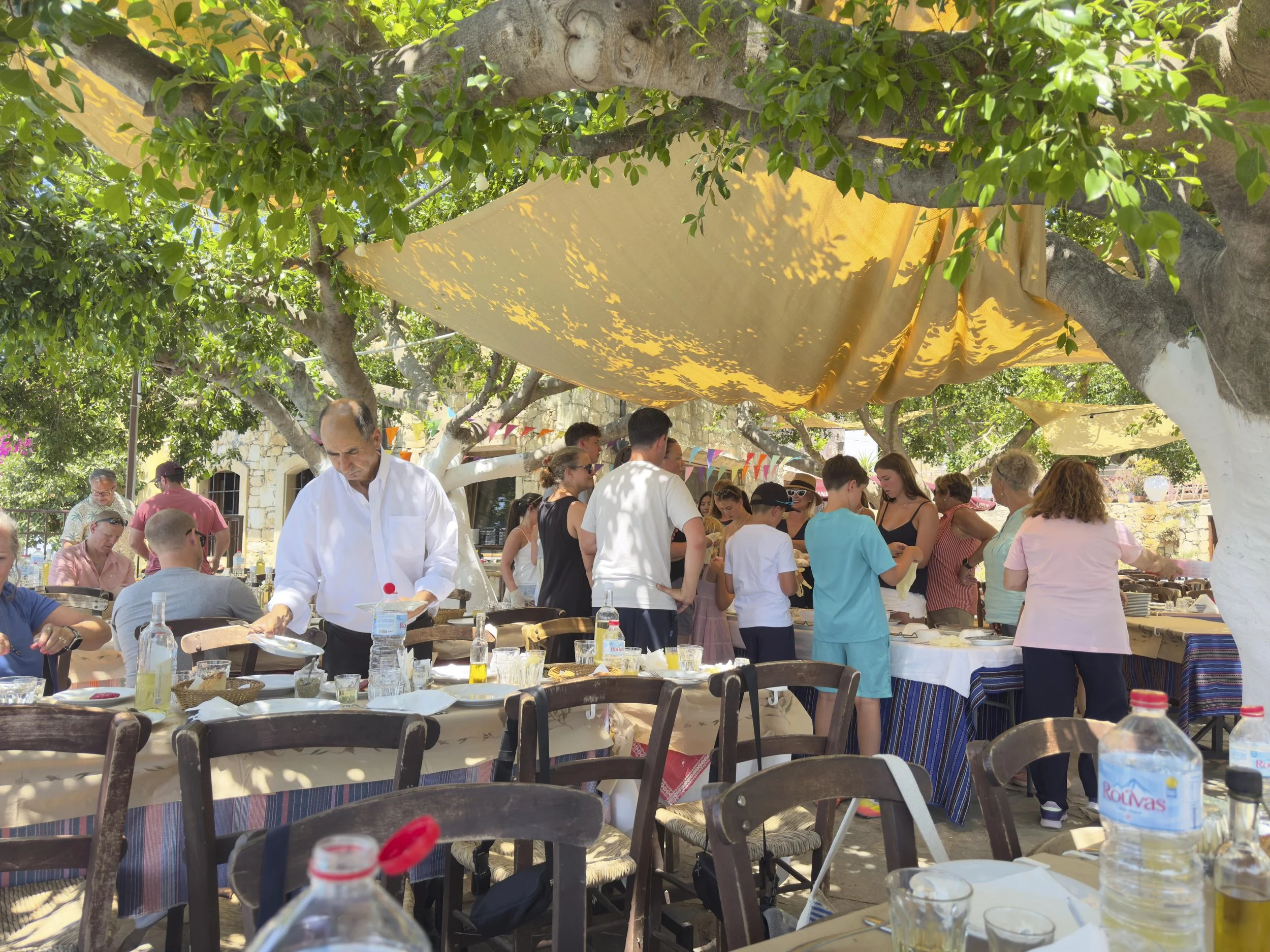
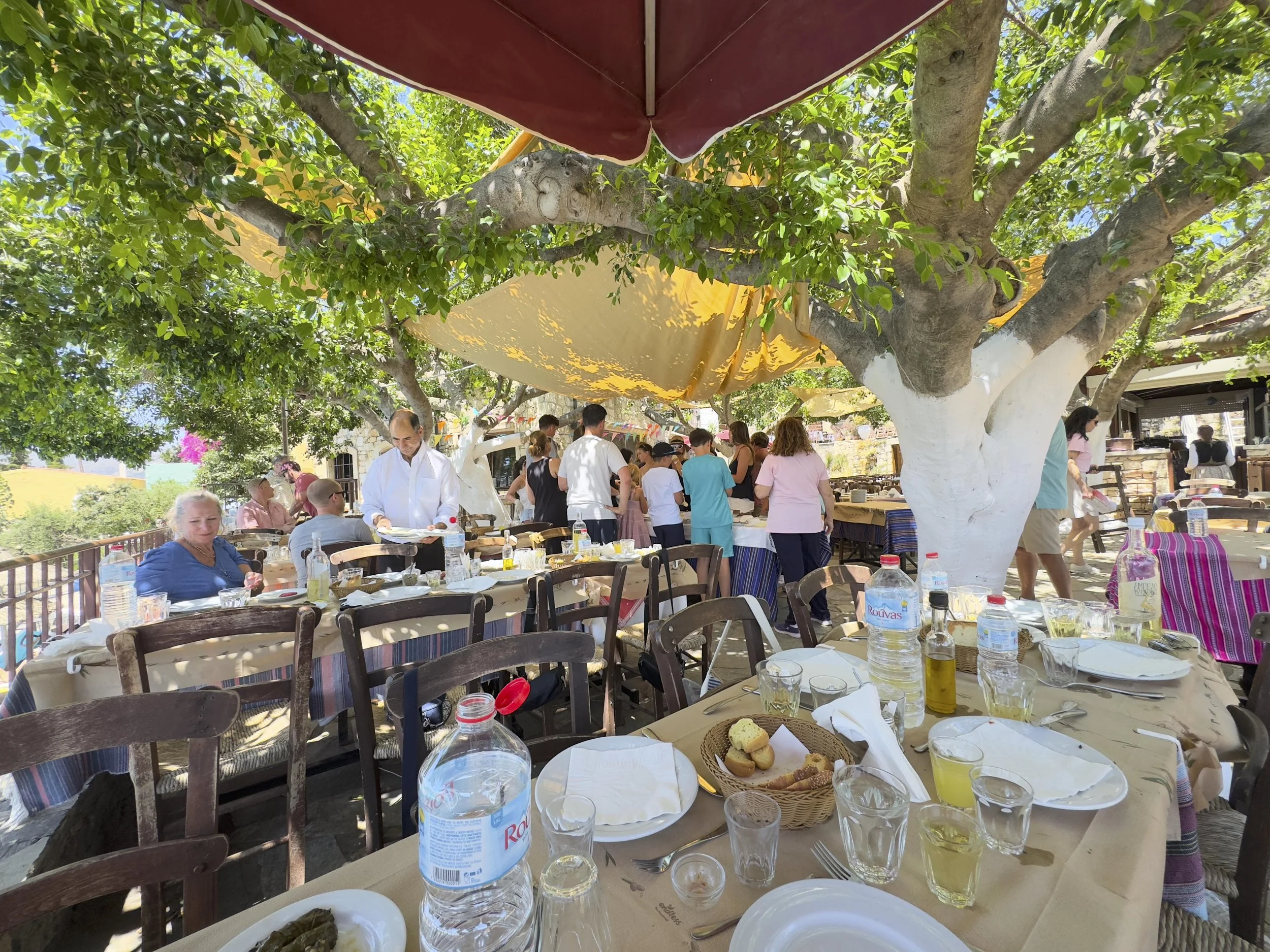
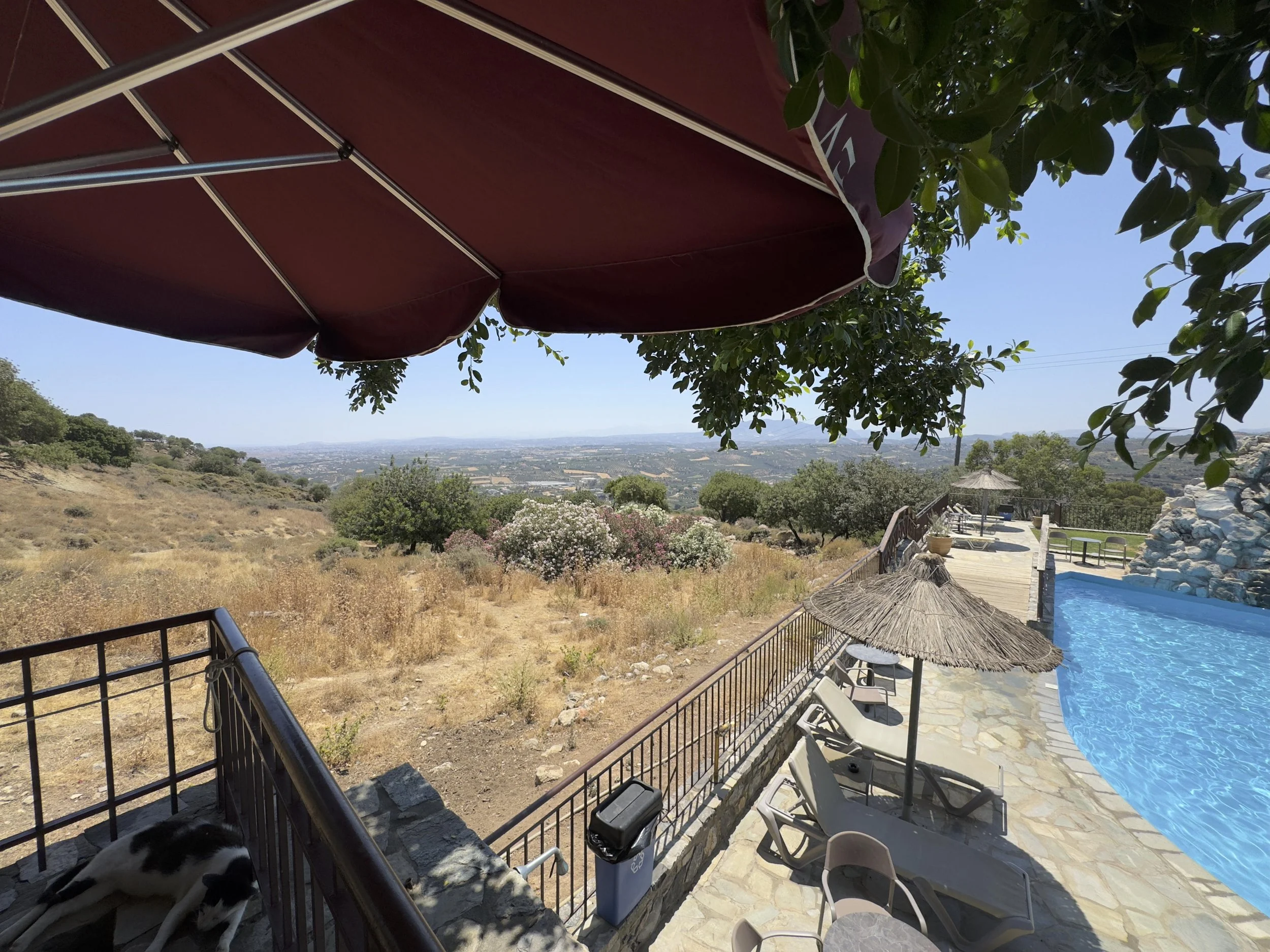
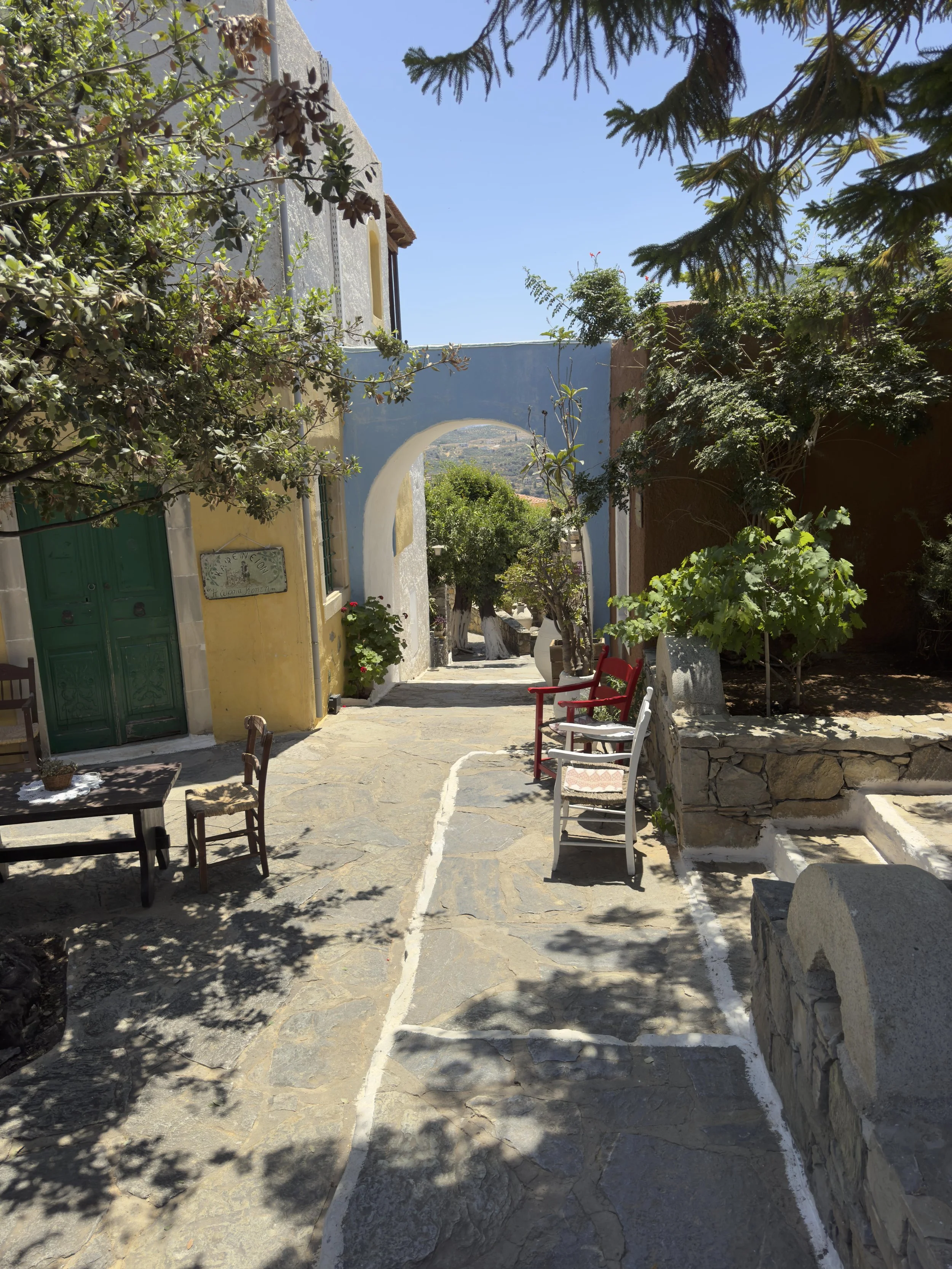
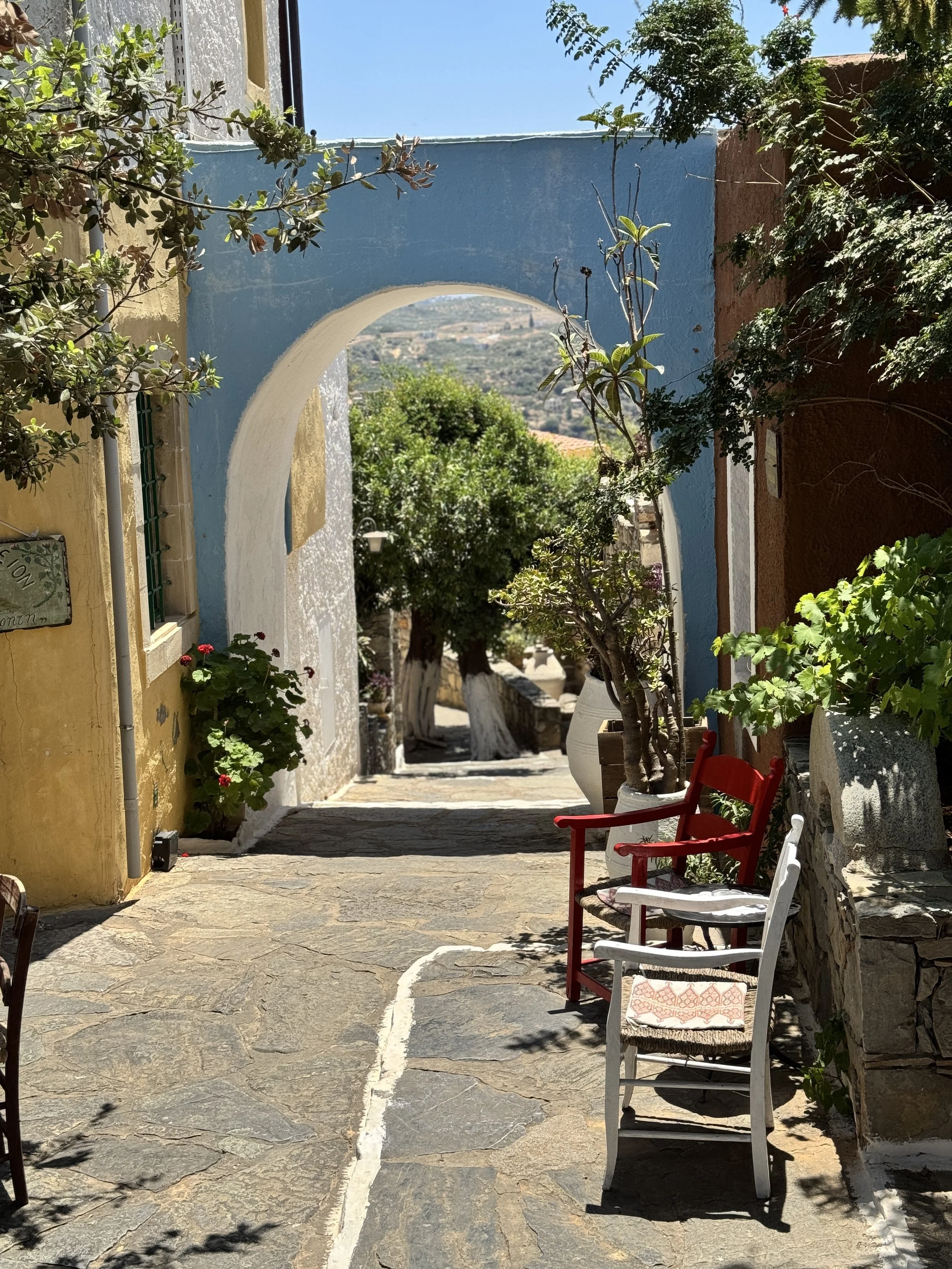
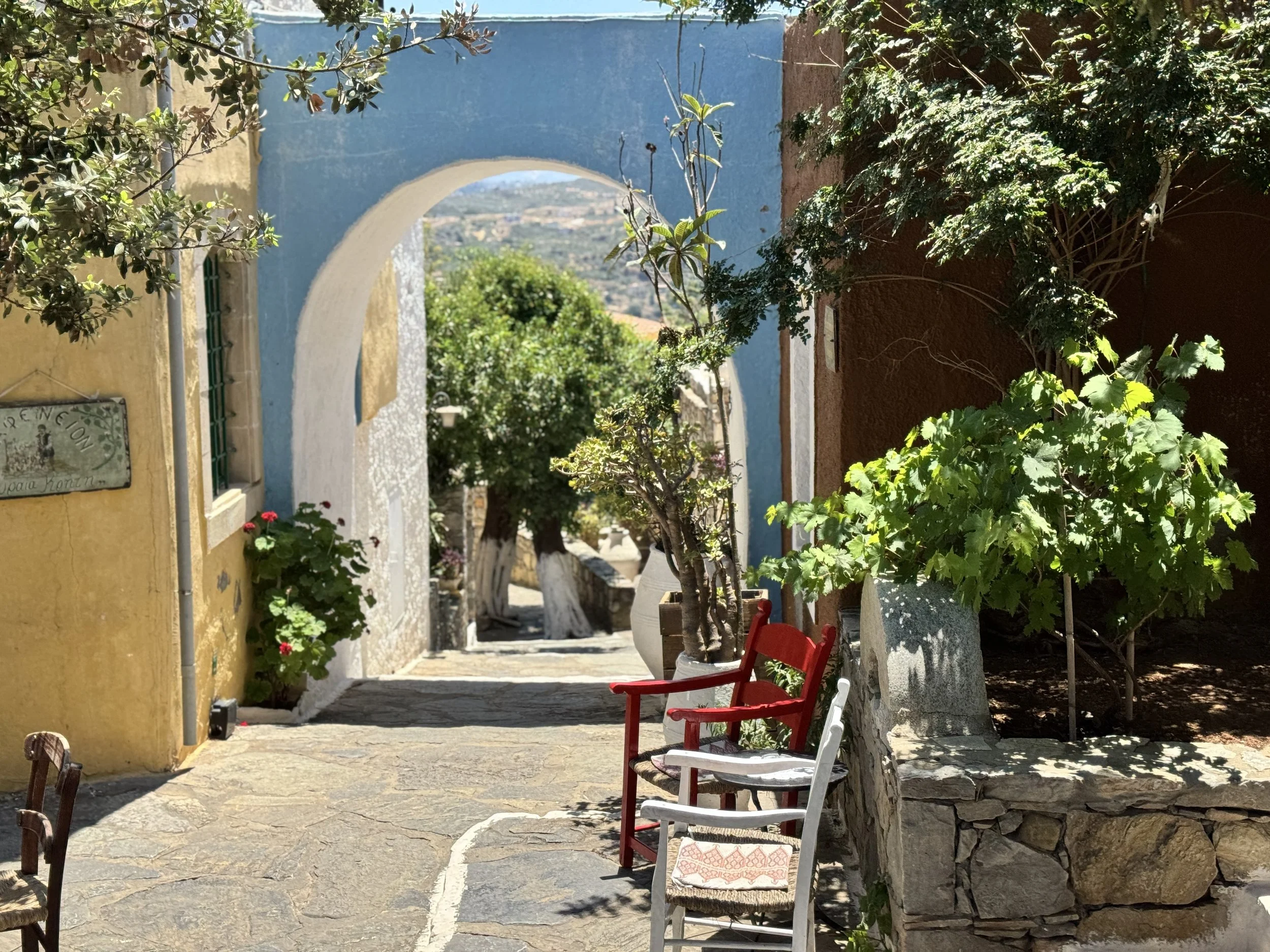
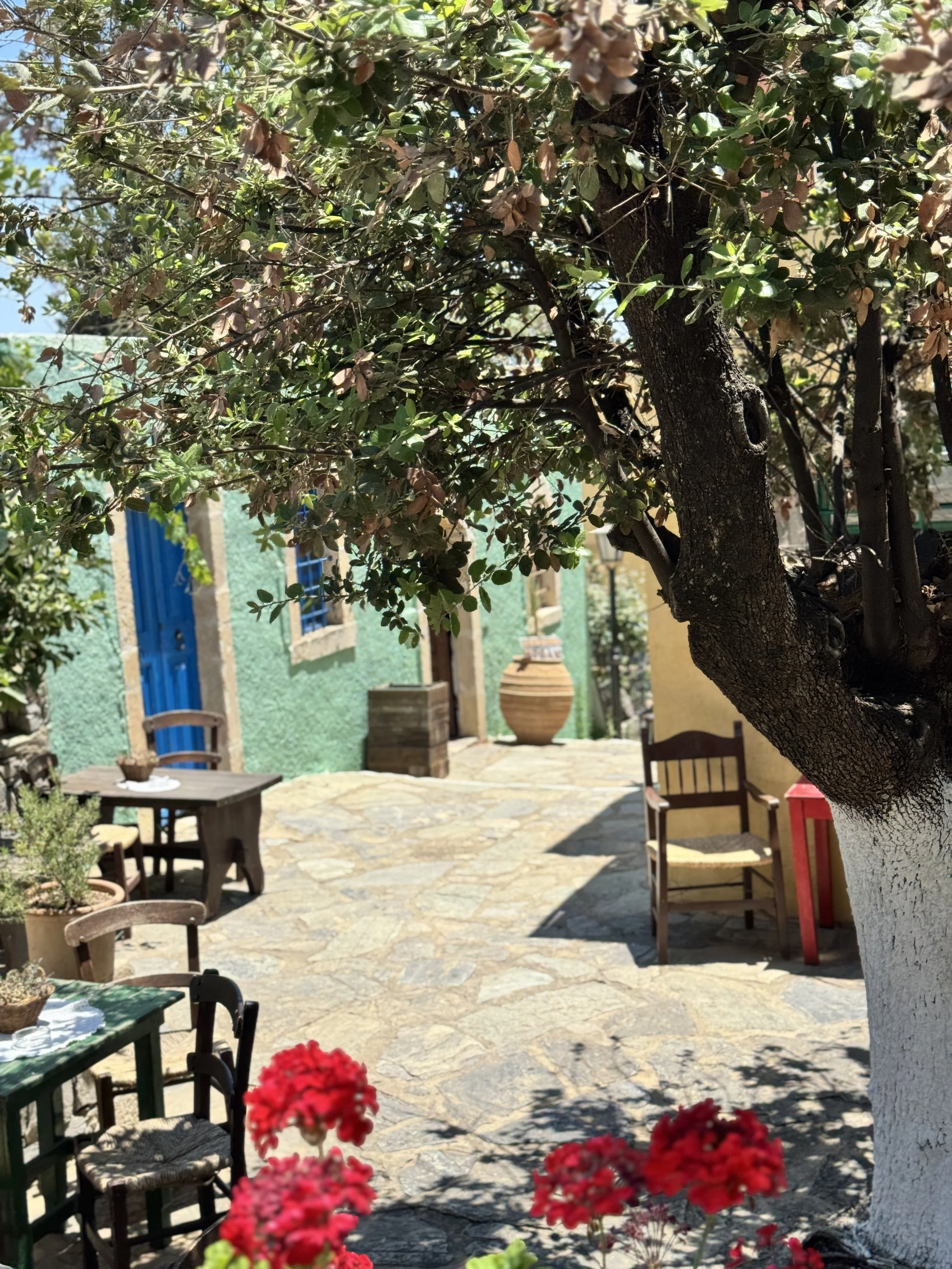
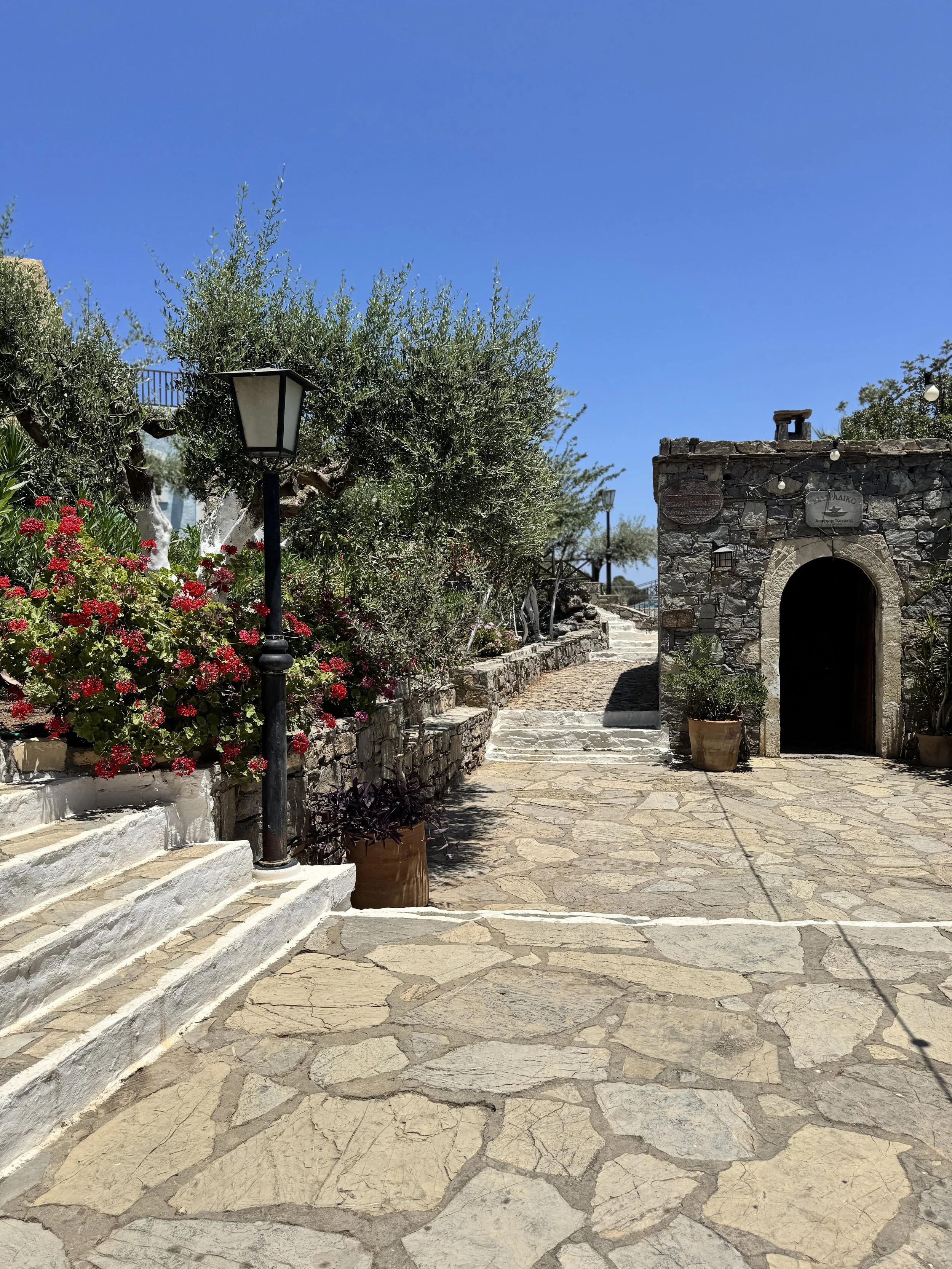
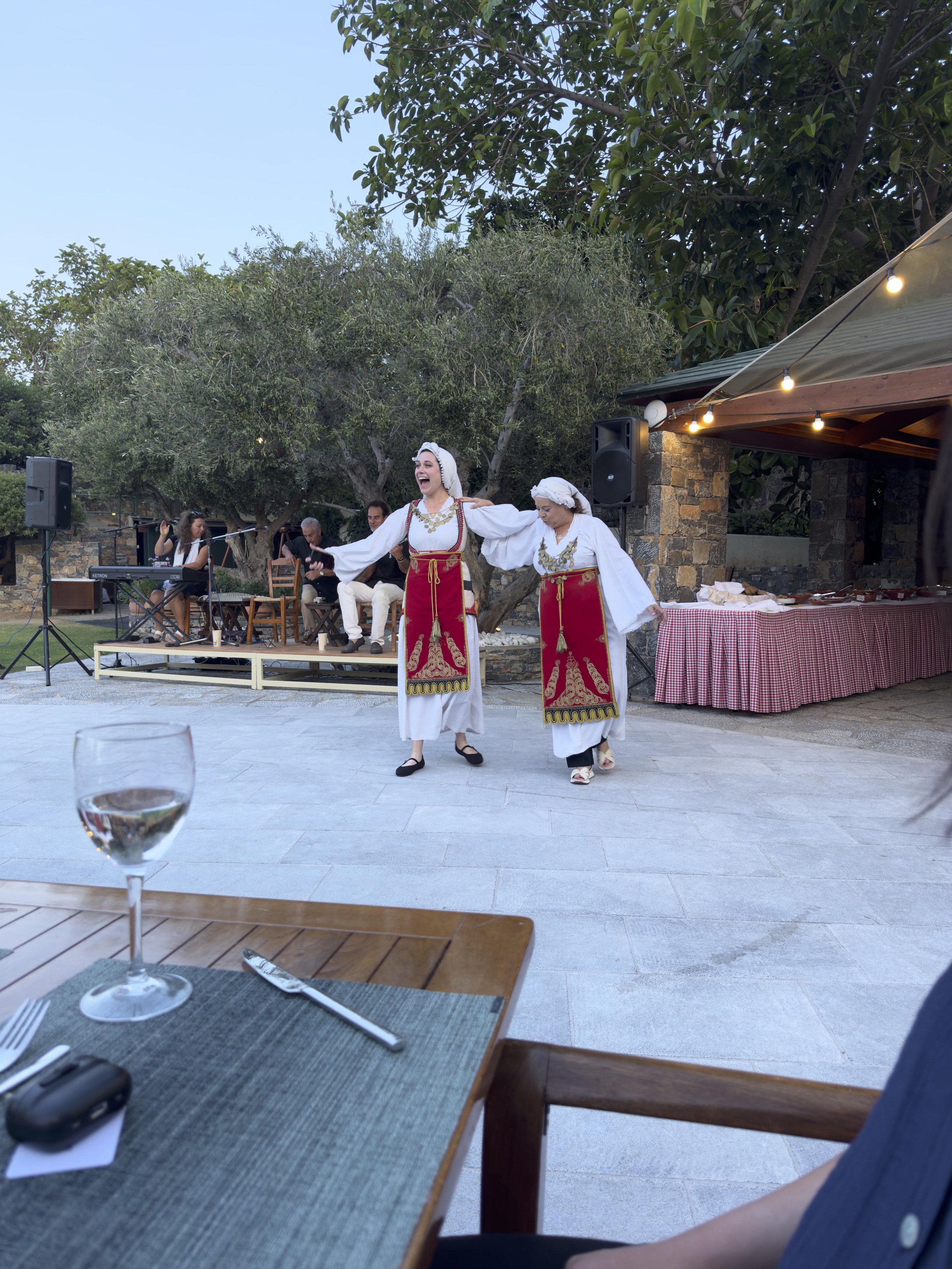
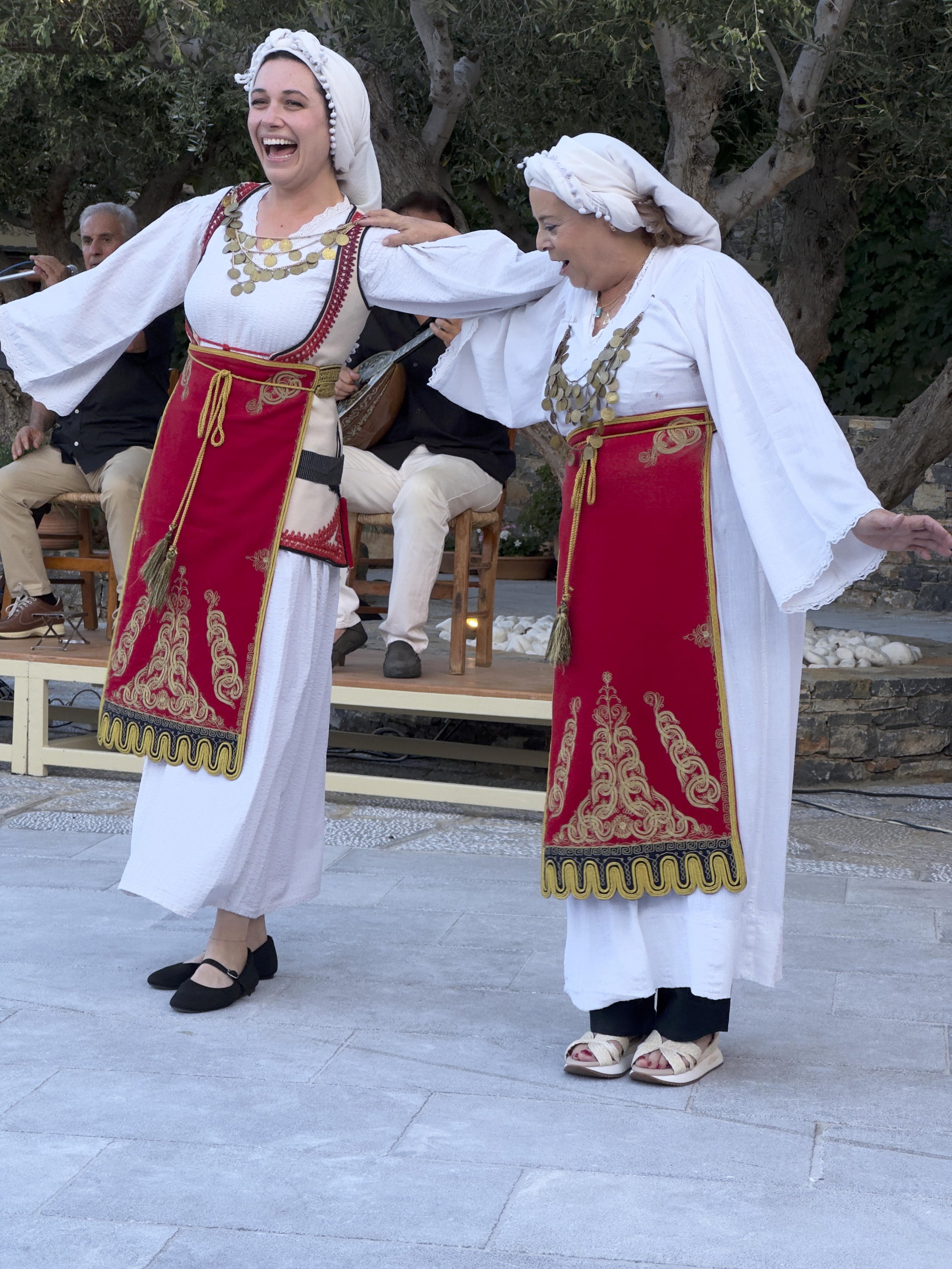
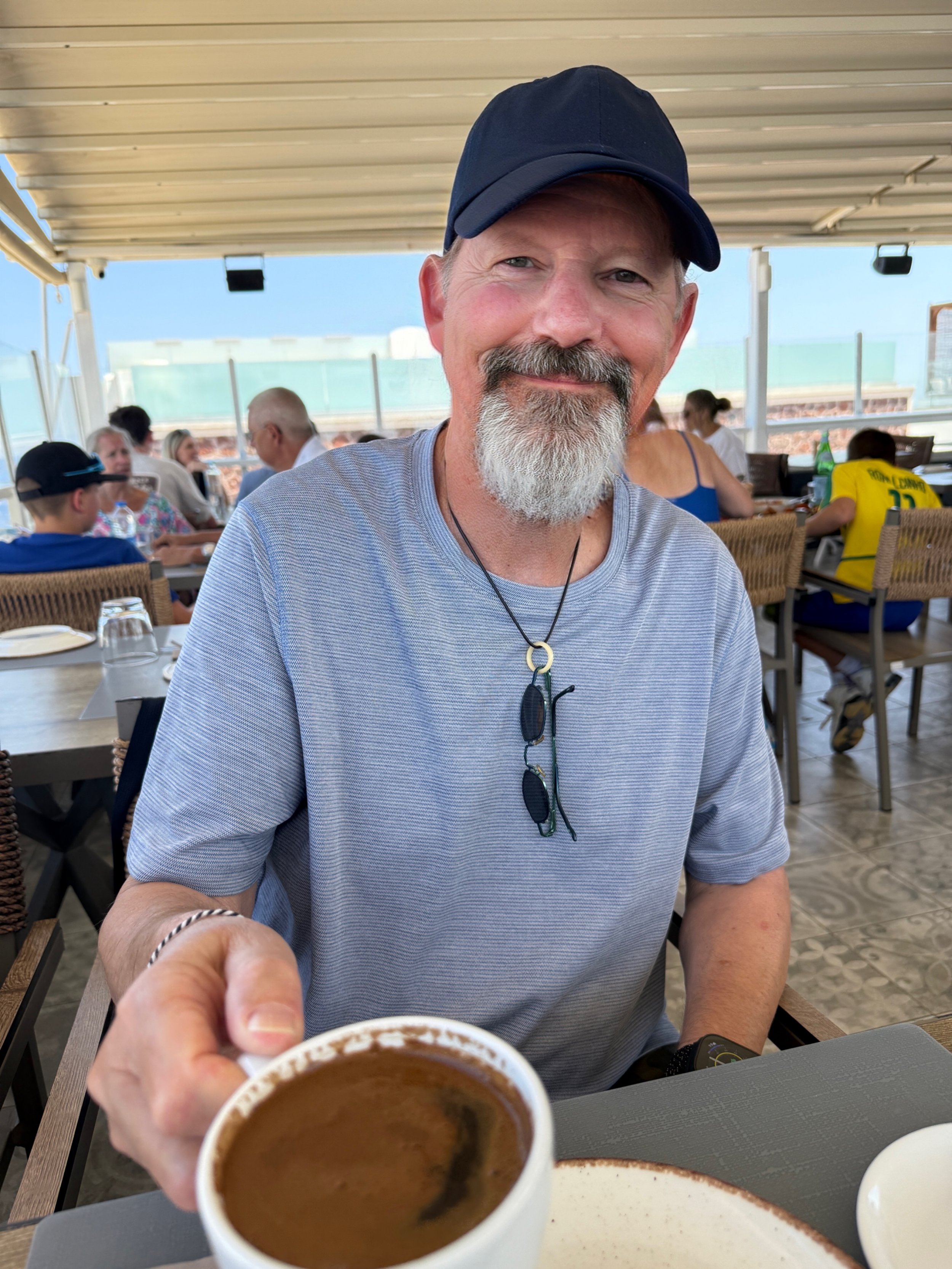
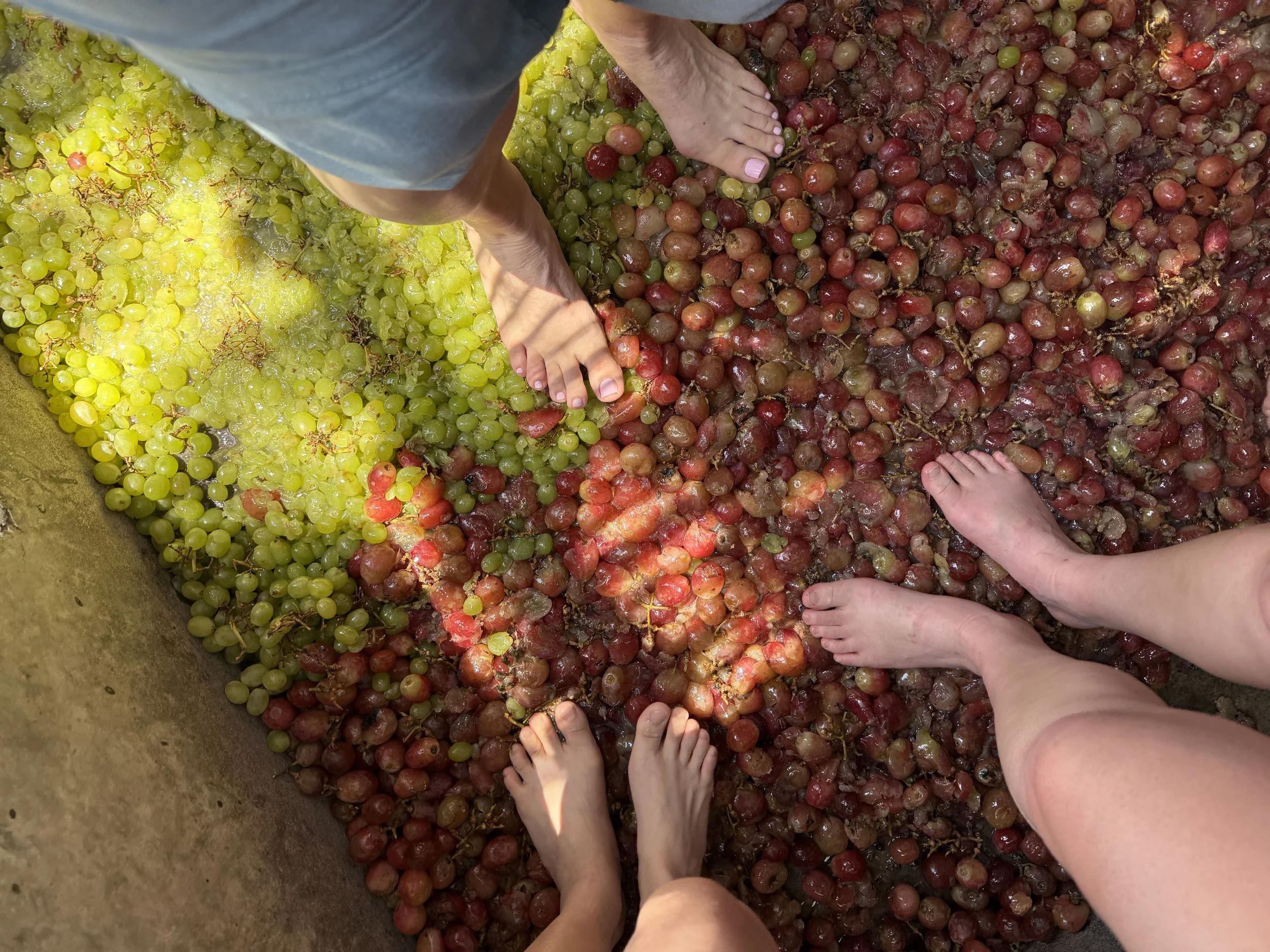
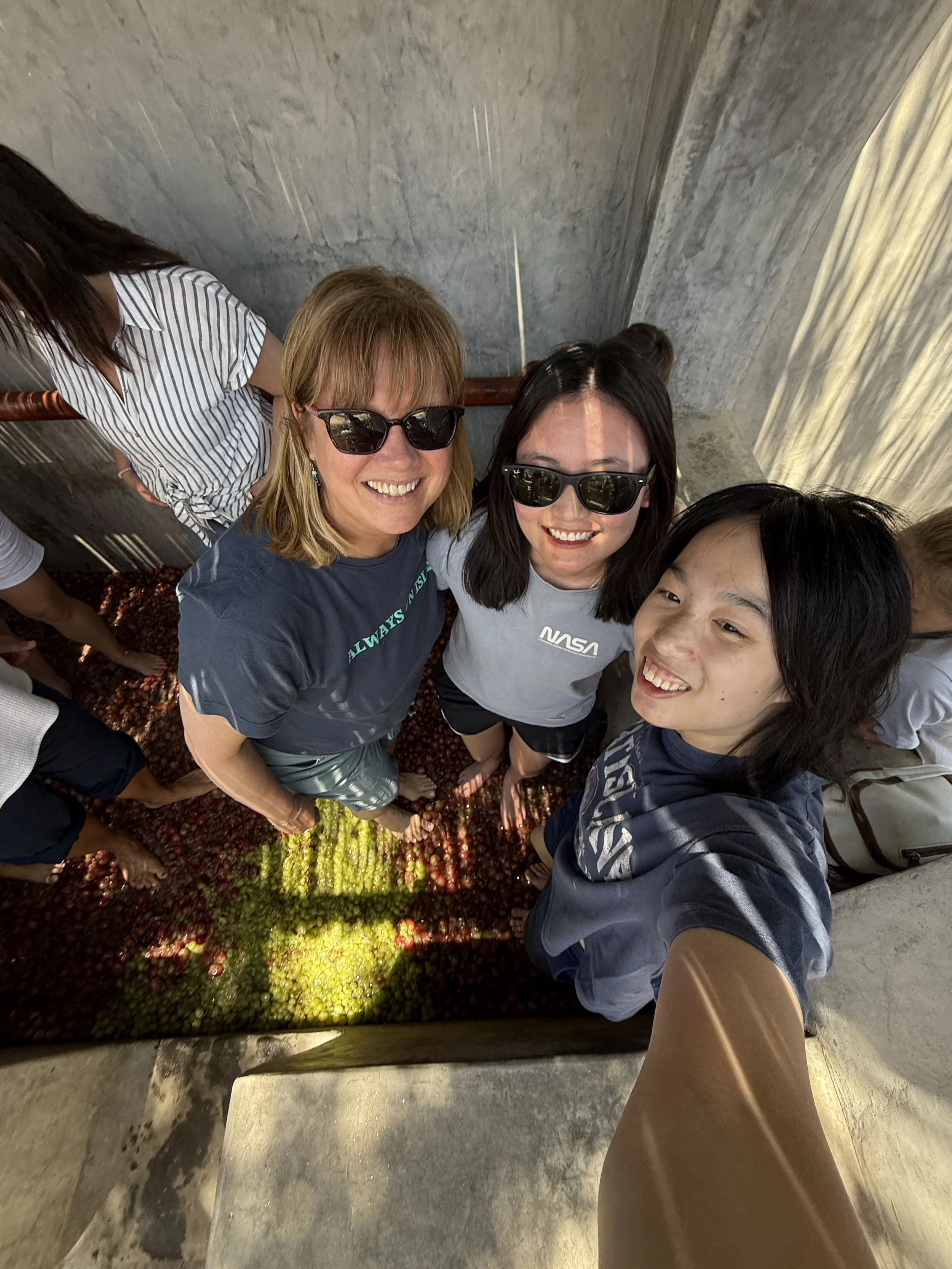
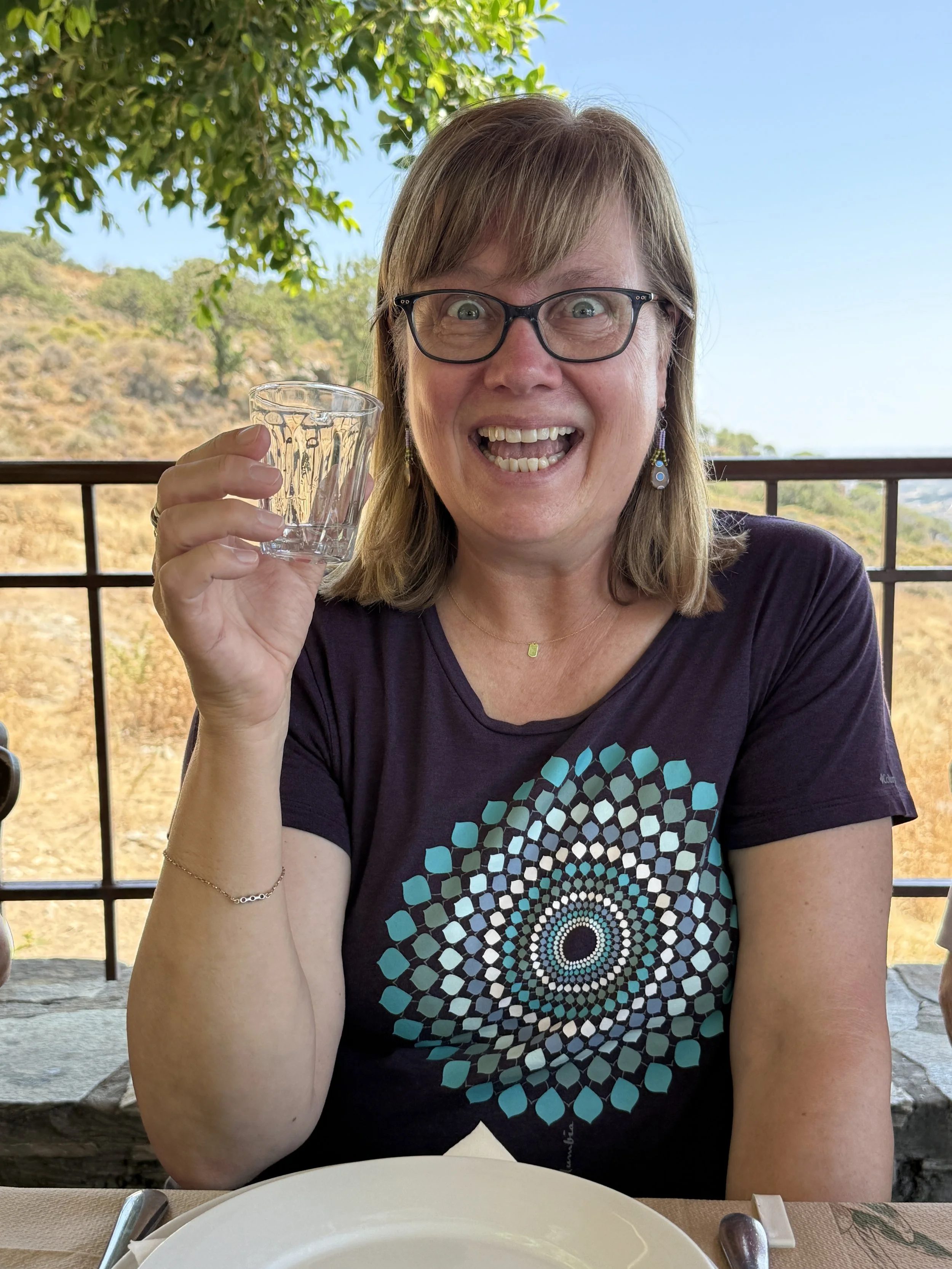
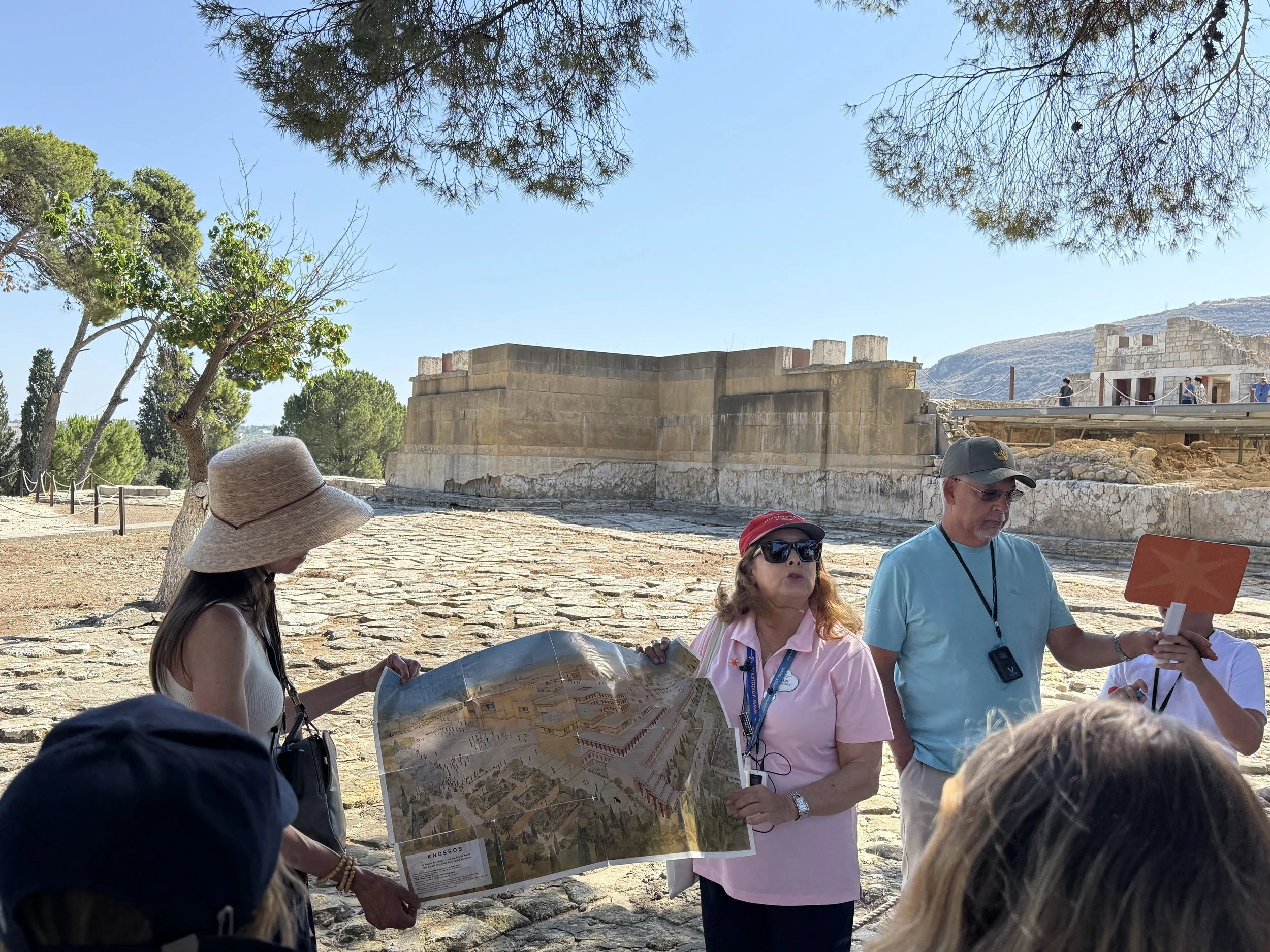
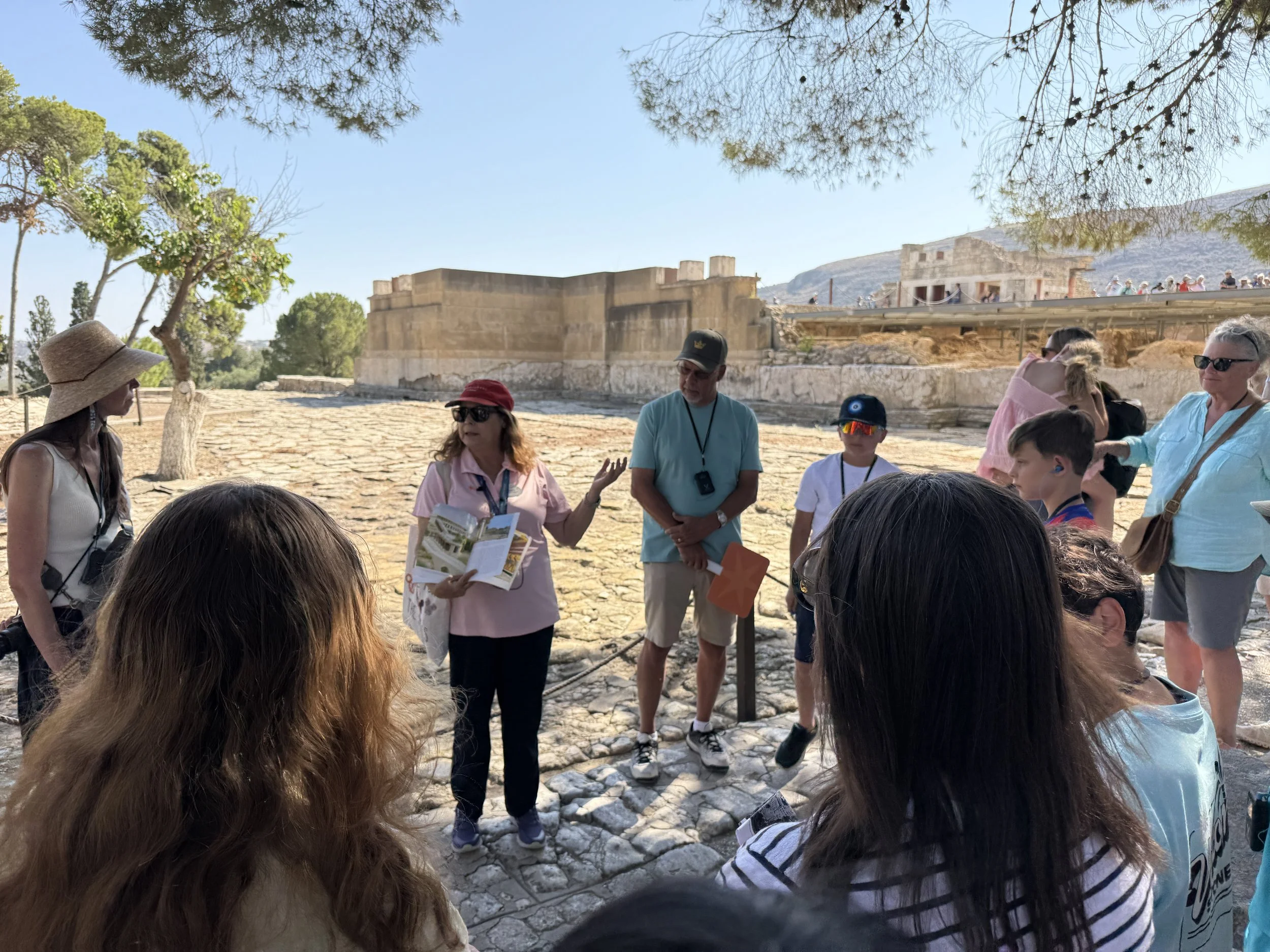
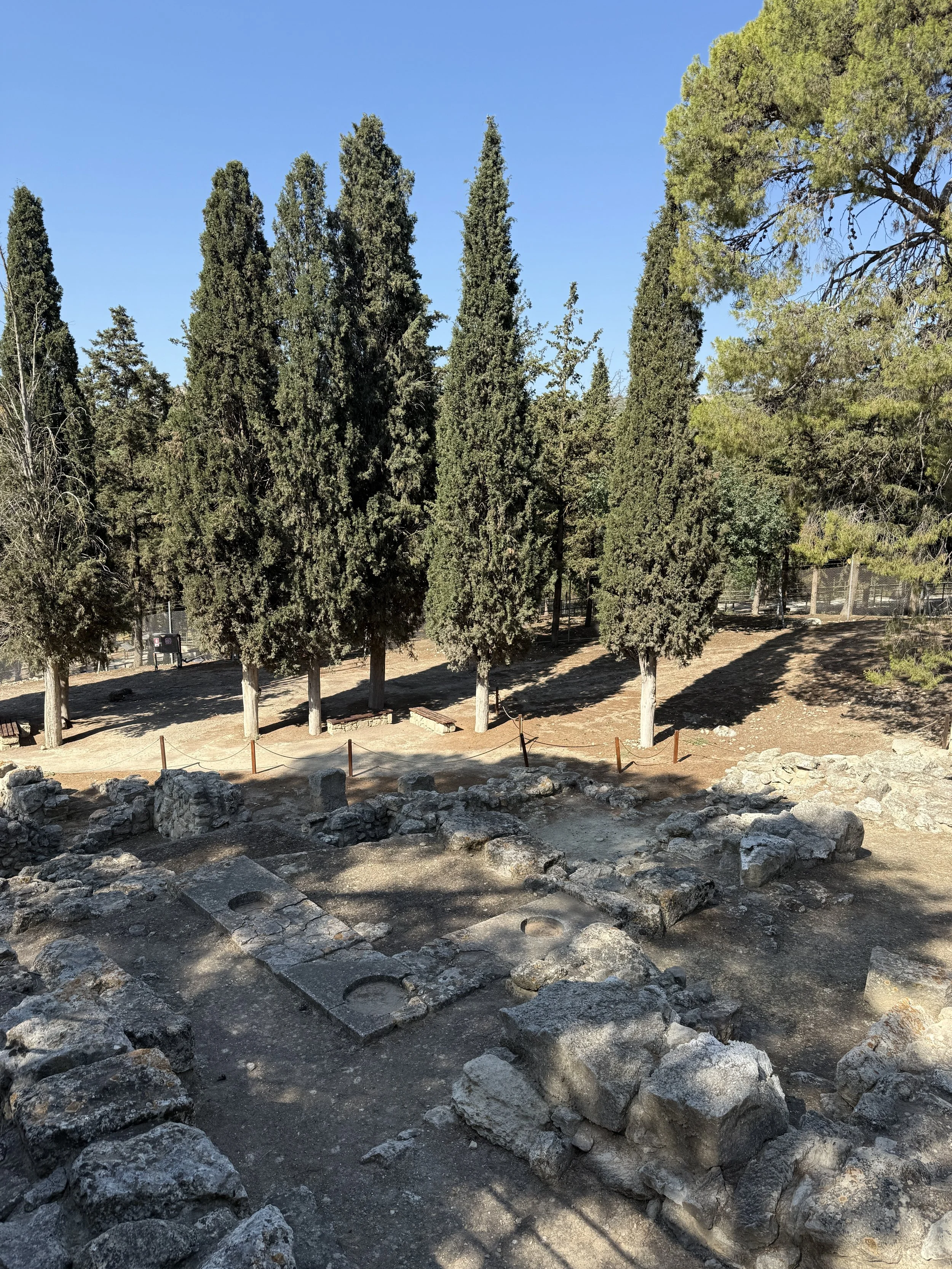
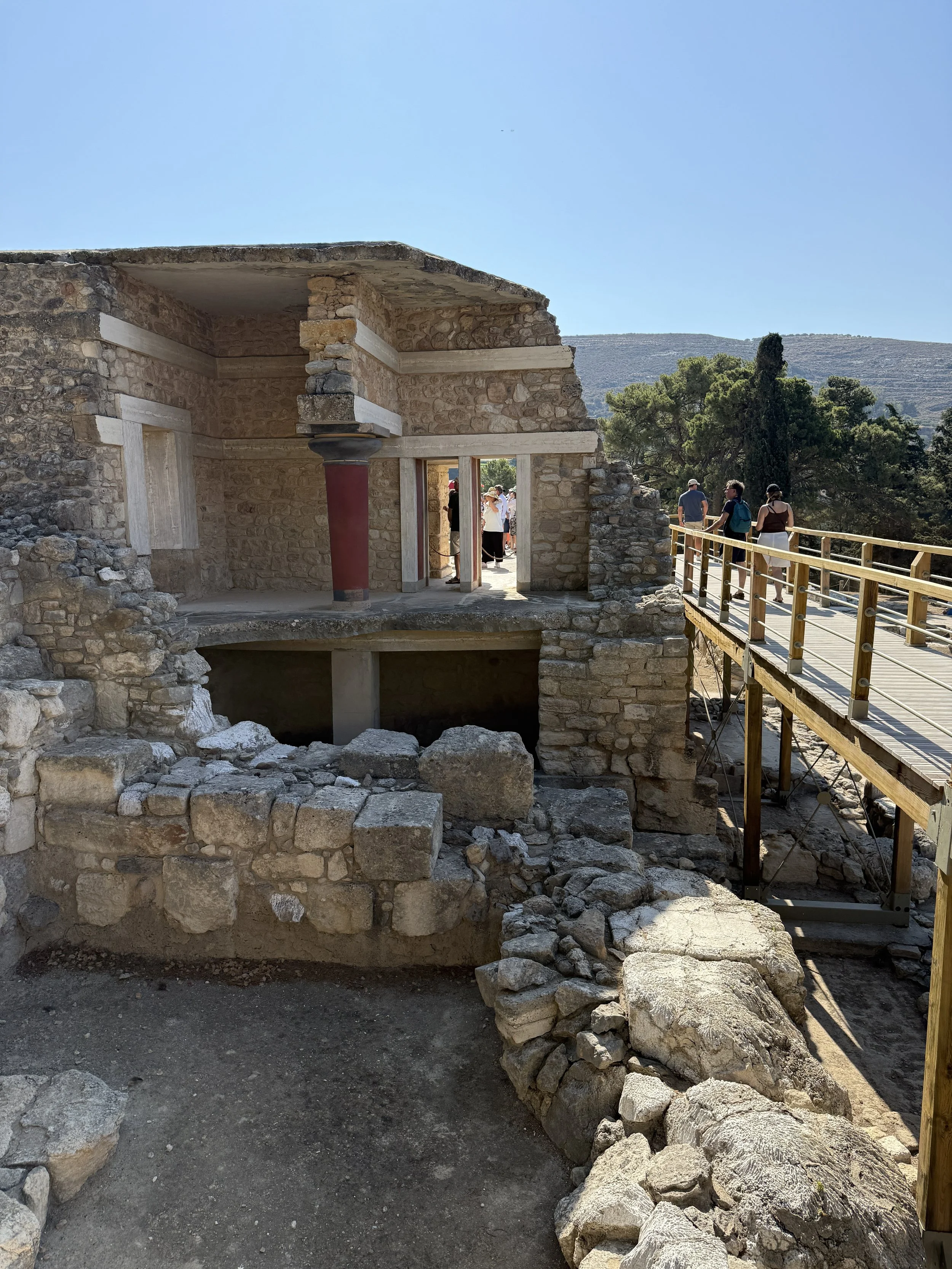
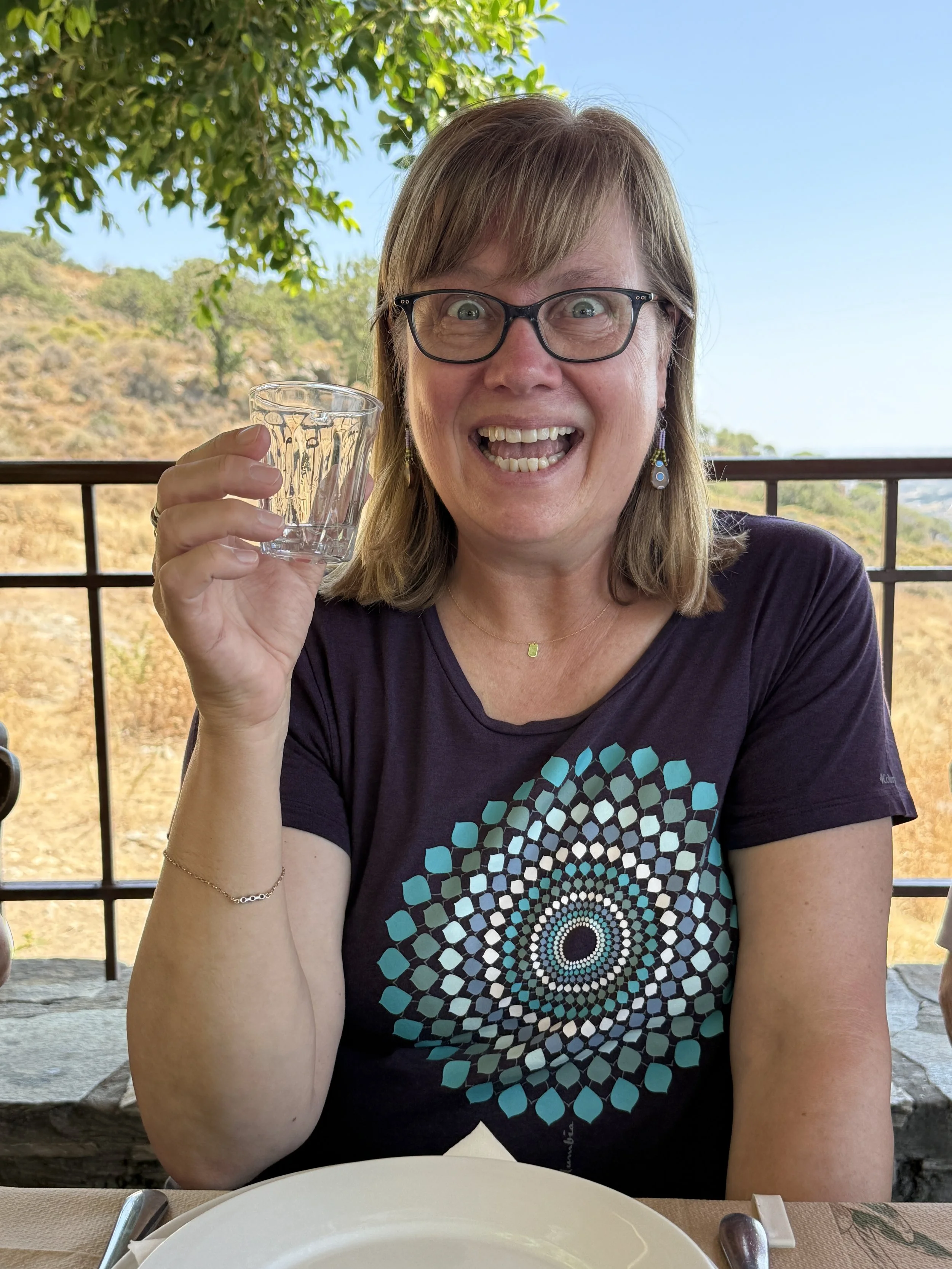
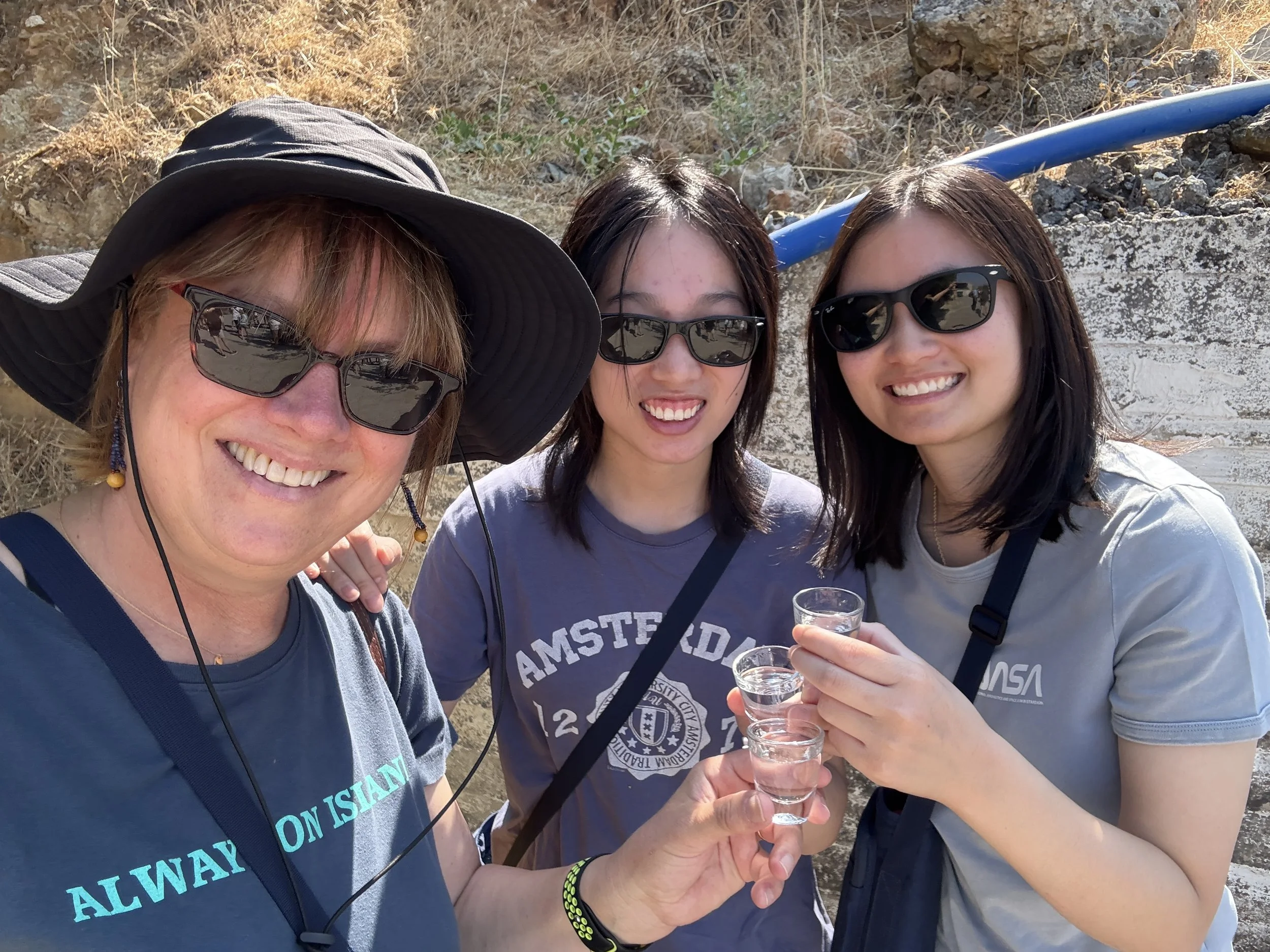
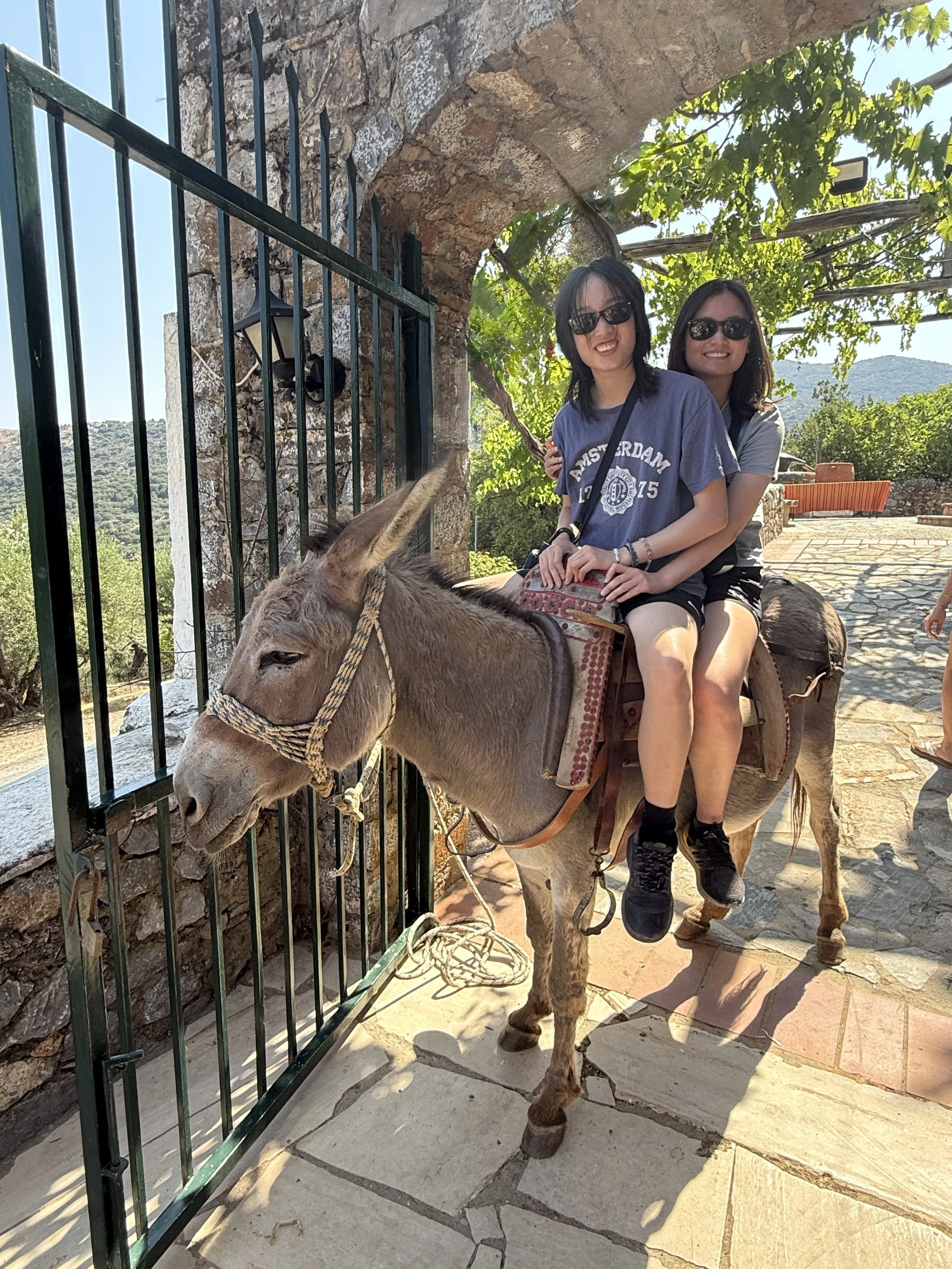
Crete brought us closer to the quieter rhythms of Greek life. We wandered among olive trees and vineyards, cooled off with a refreshing swim in the crystal-clear Aegean Sea, and drank raki in the rustic village of Bizariano, sharing in a tradition that felt wonderfully far removed from everyday life.
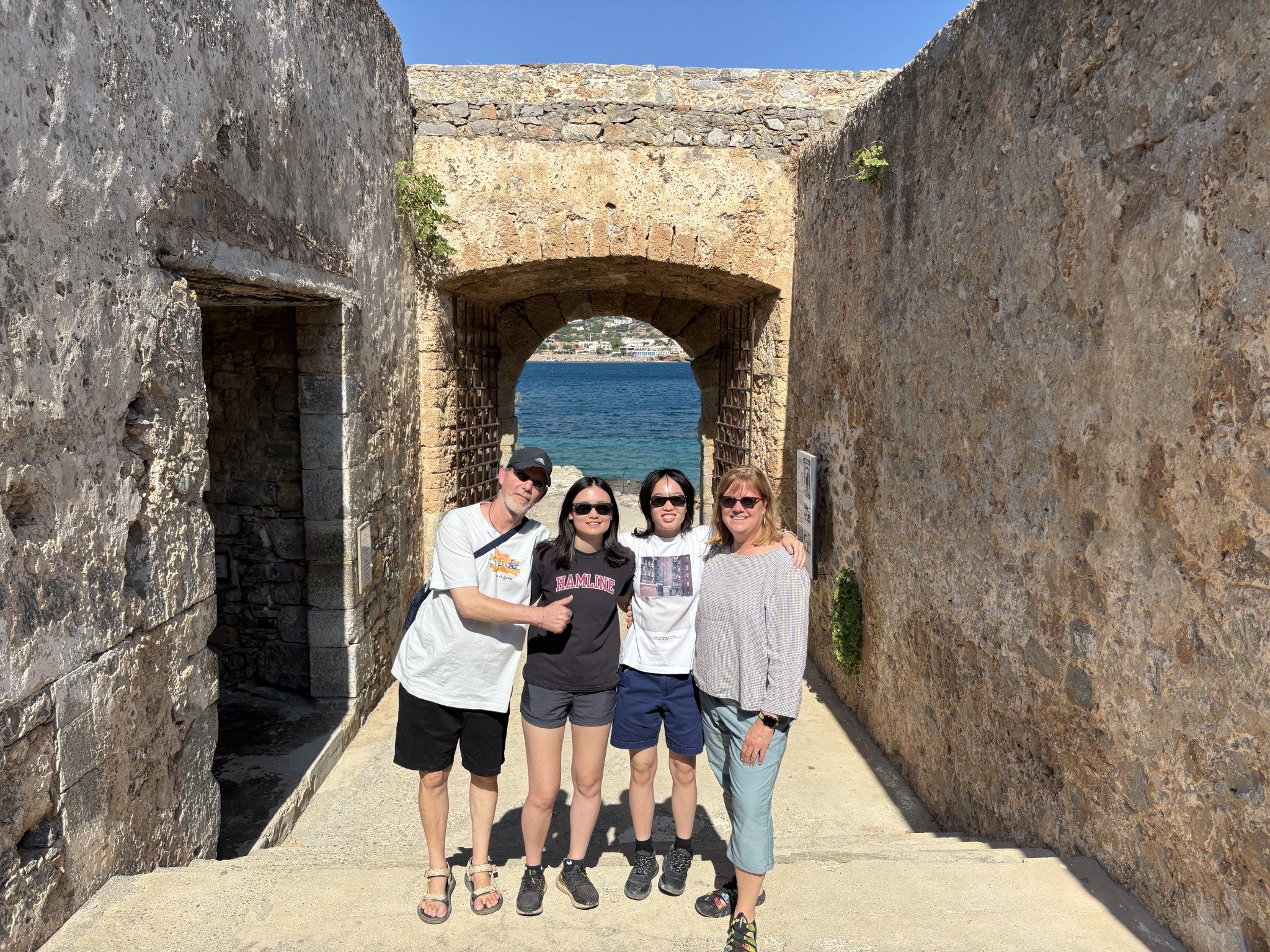
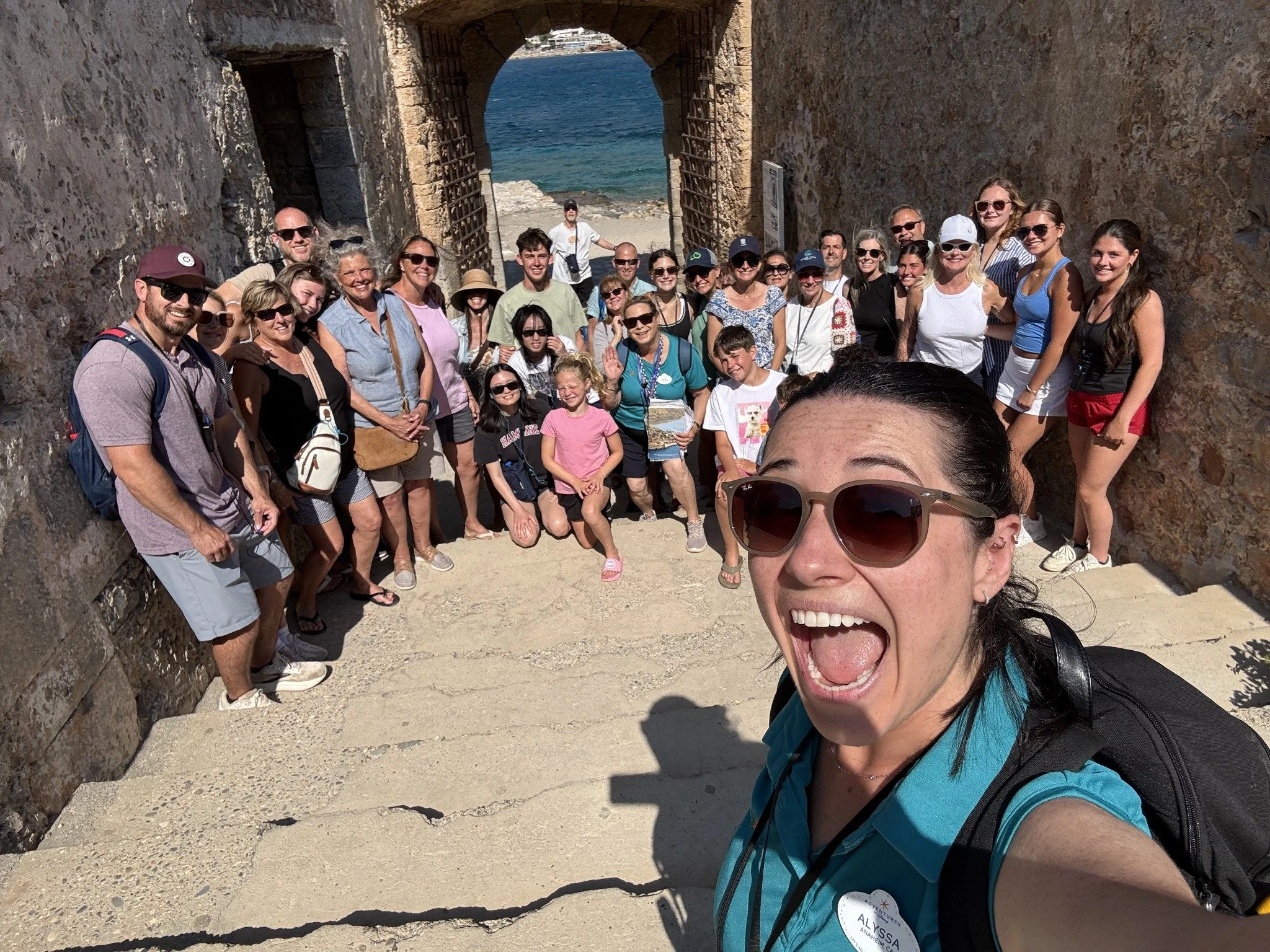
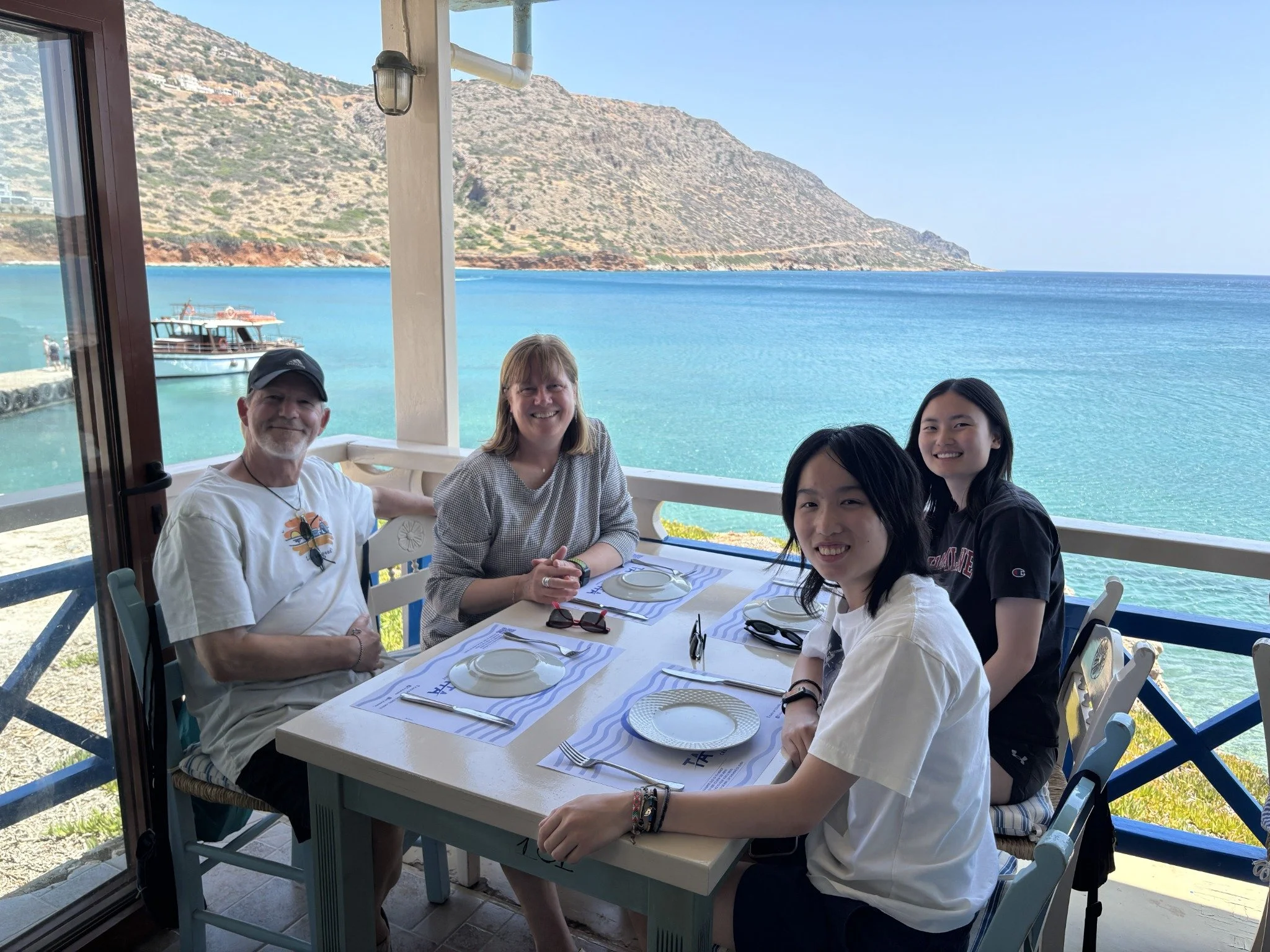
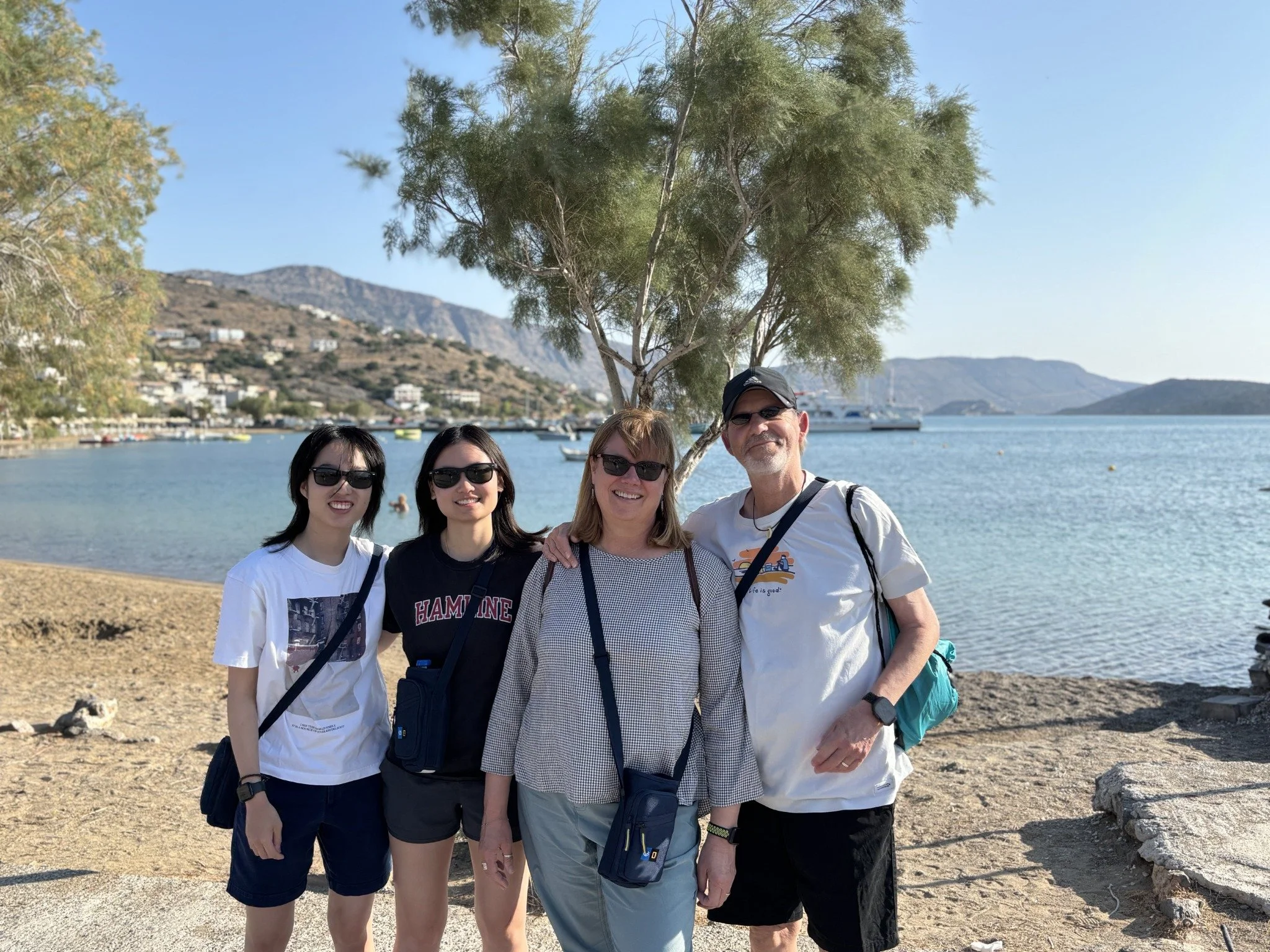
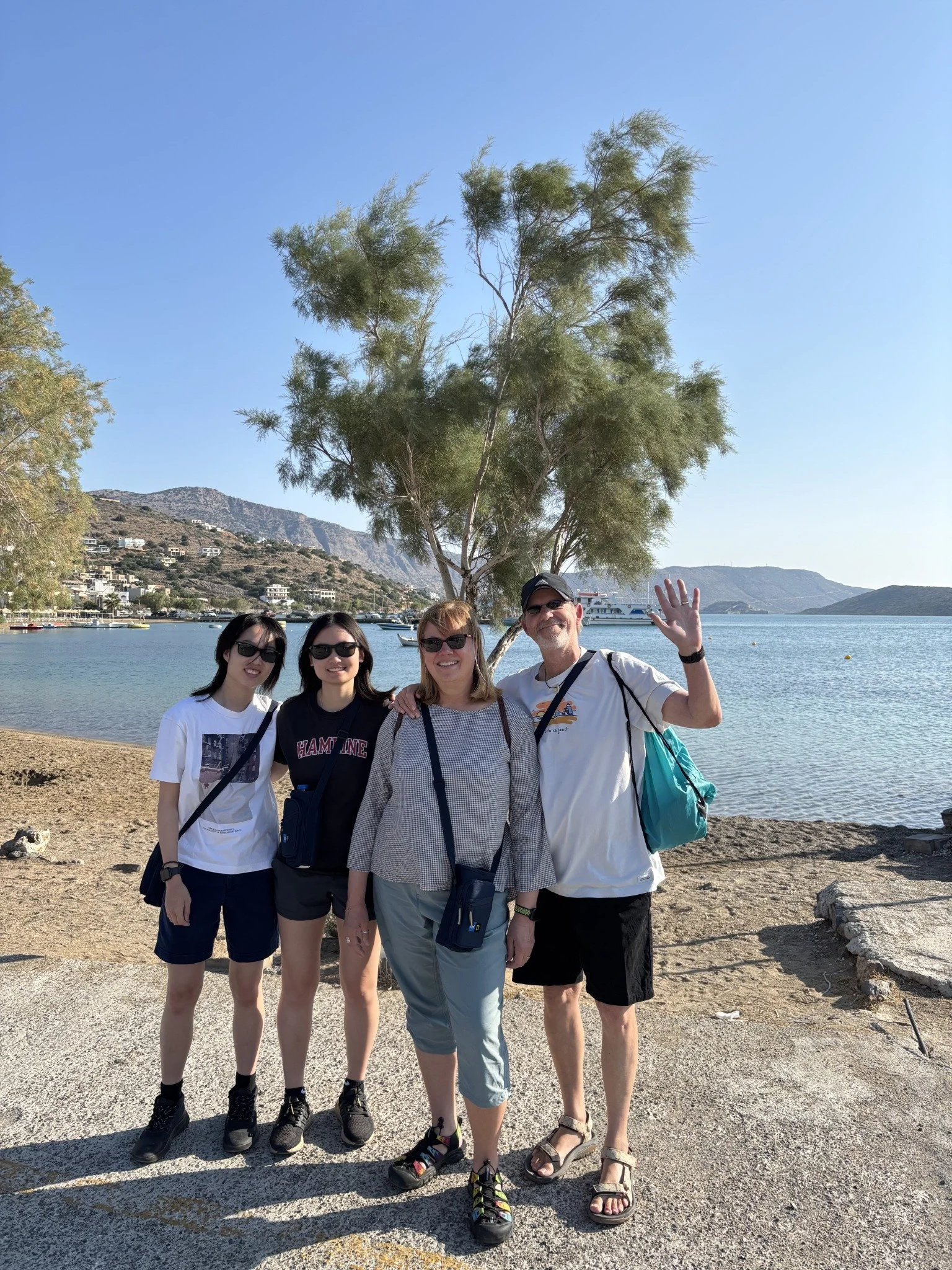
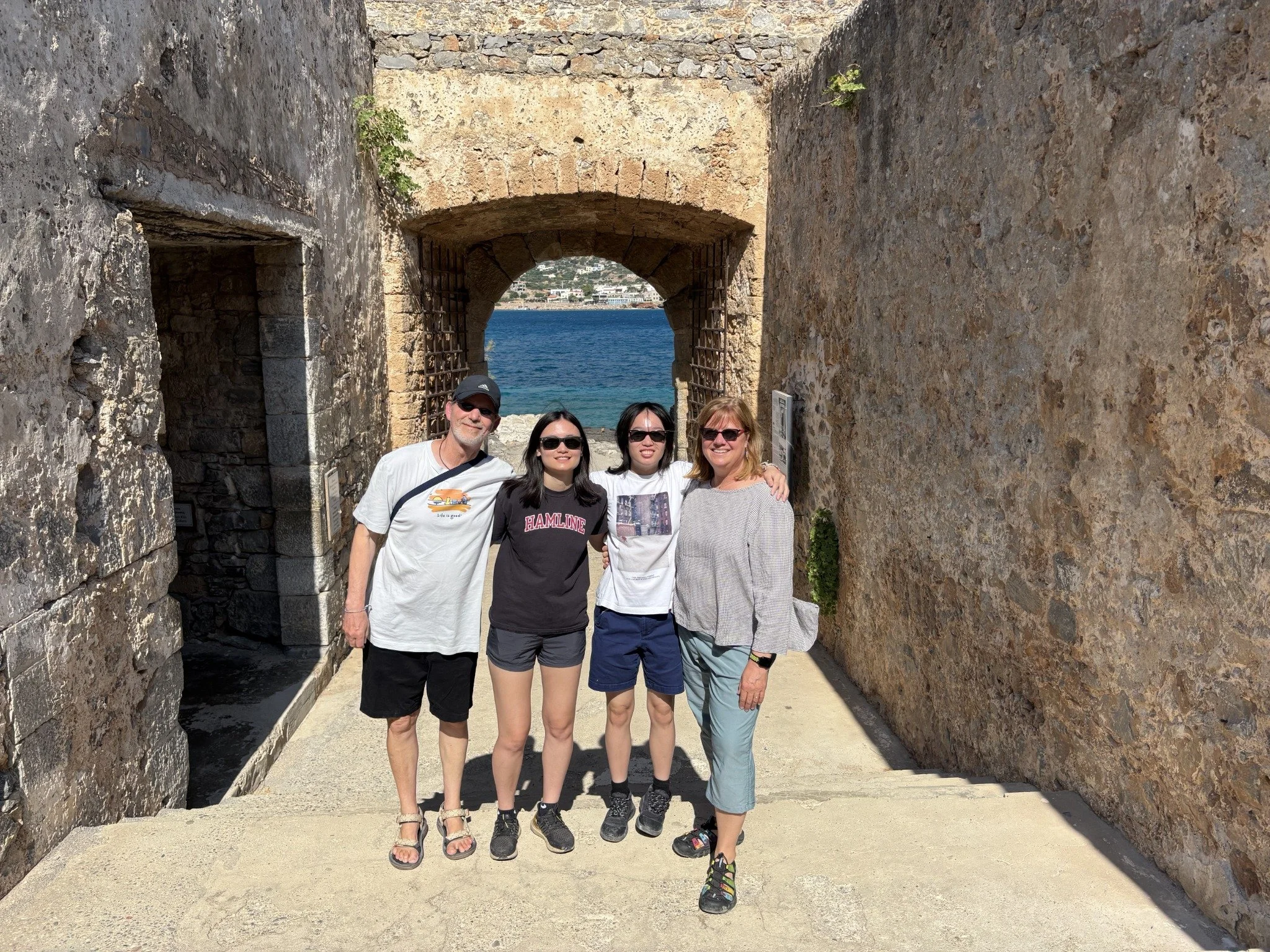
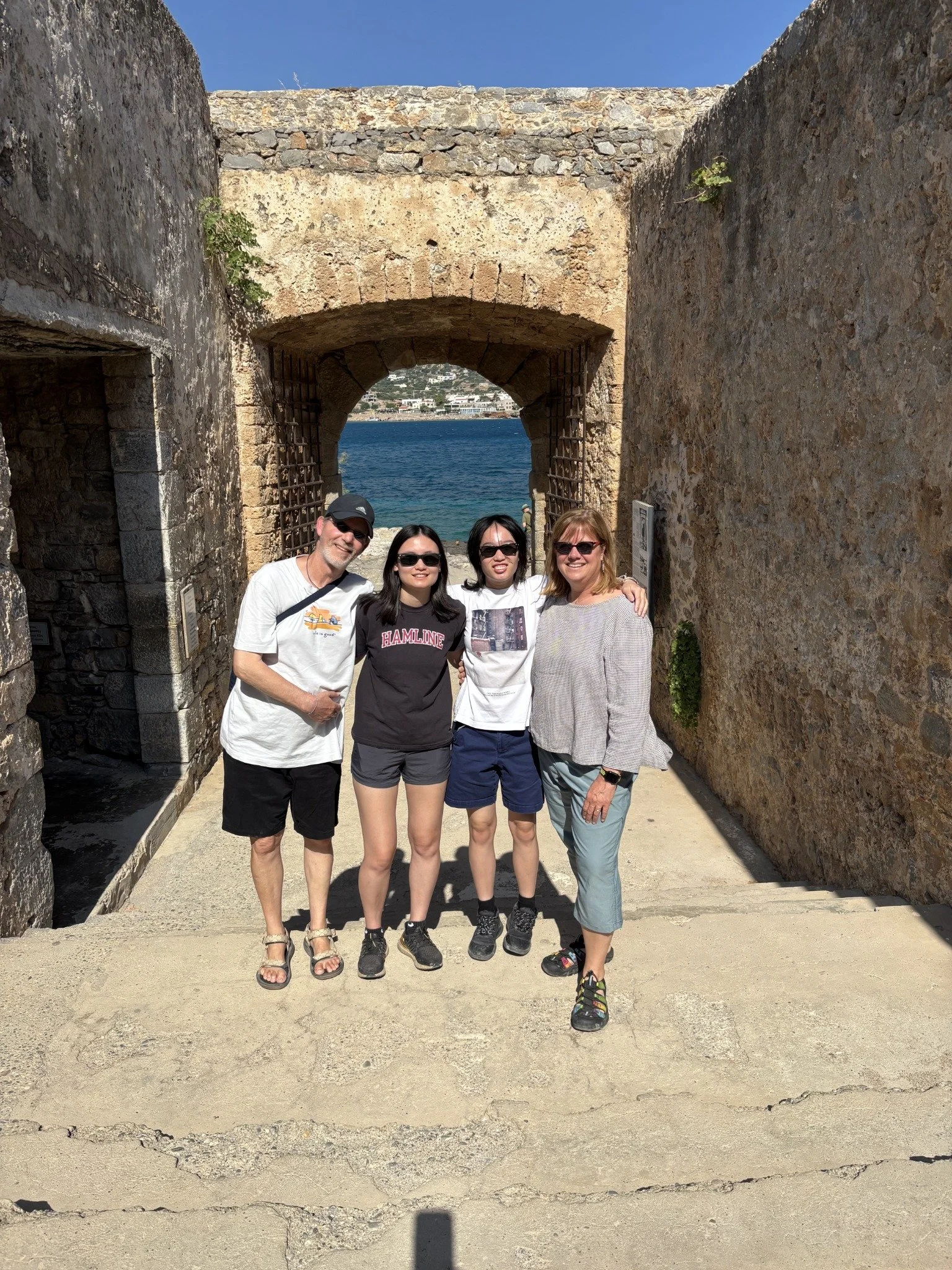
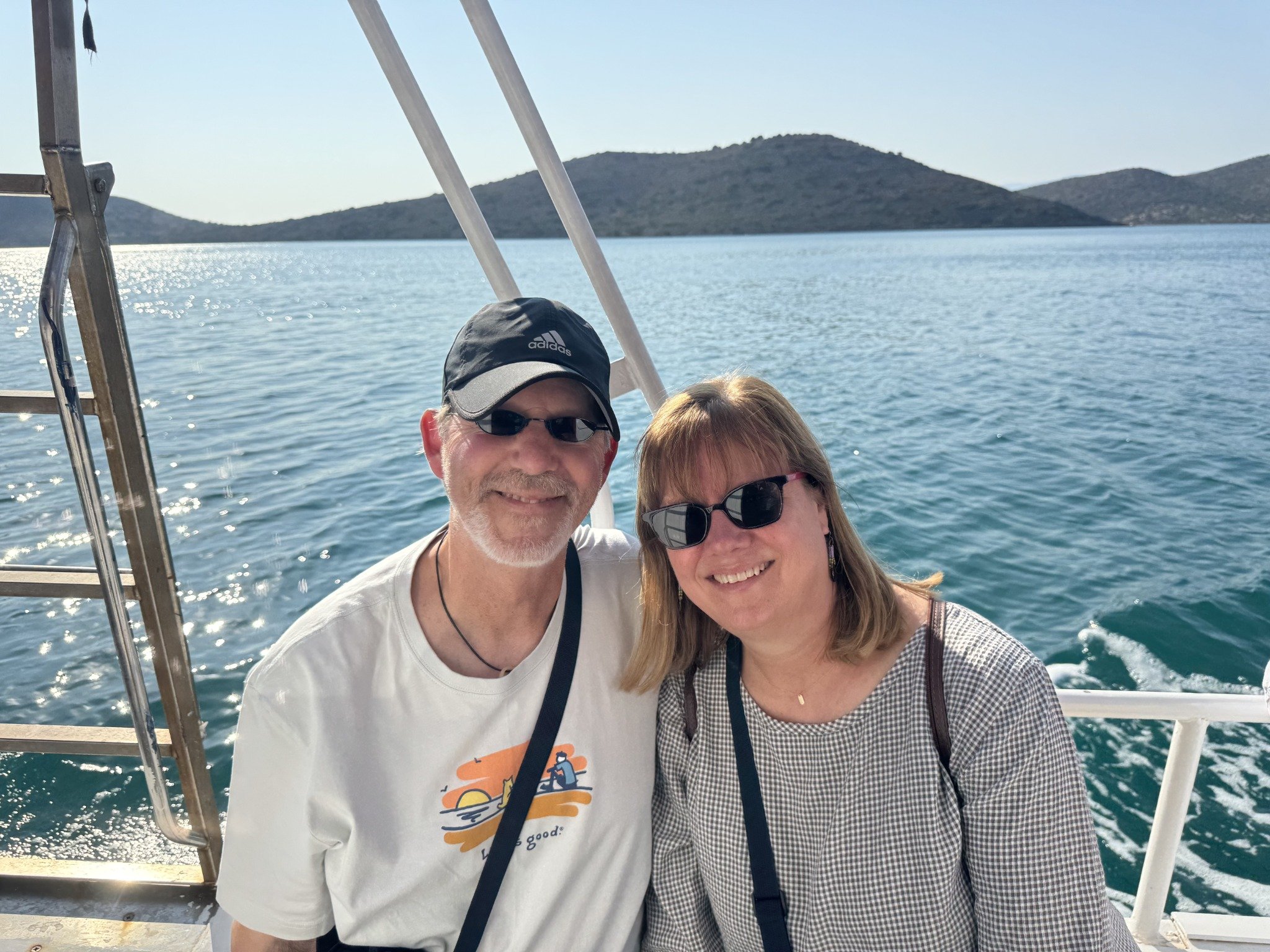
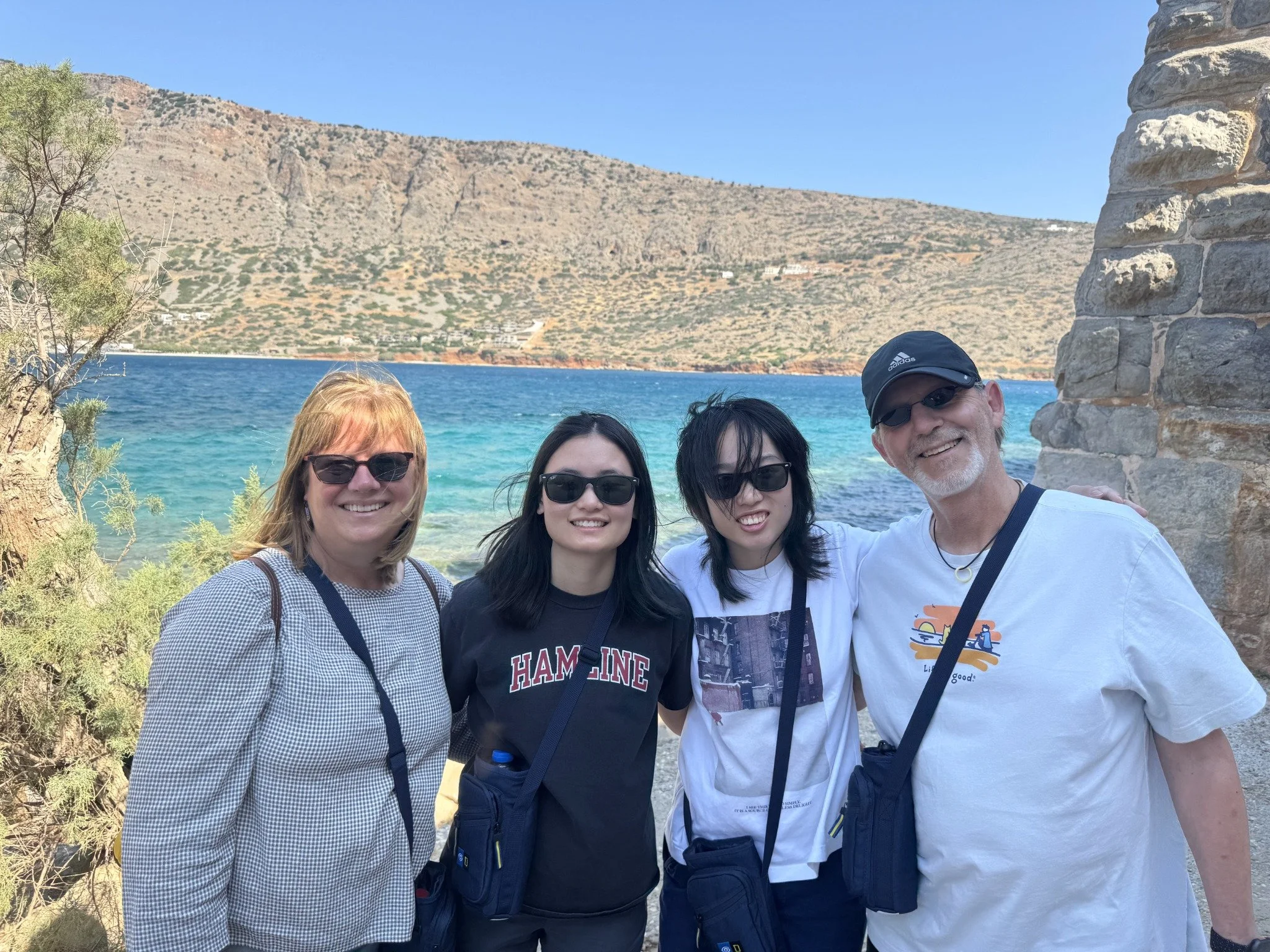
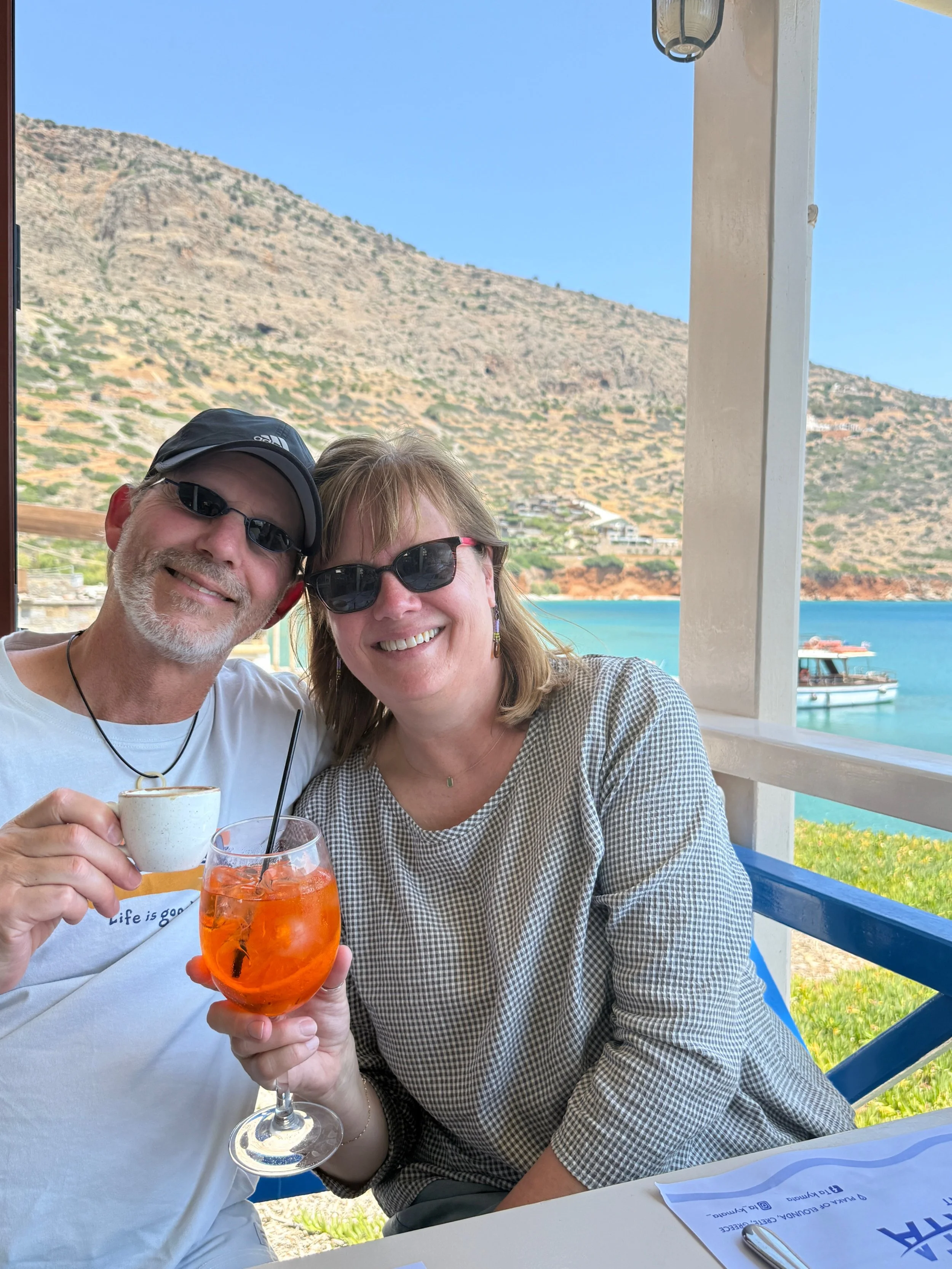
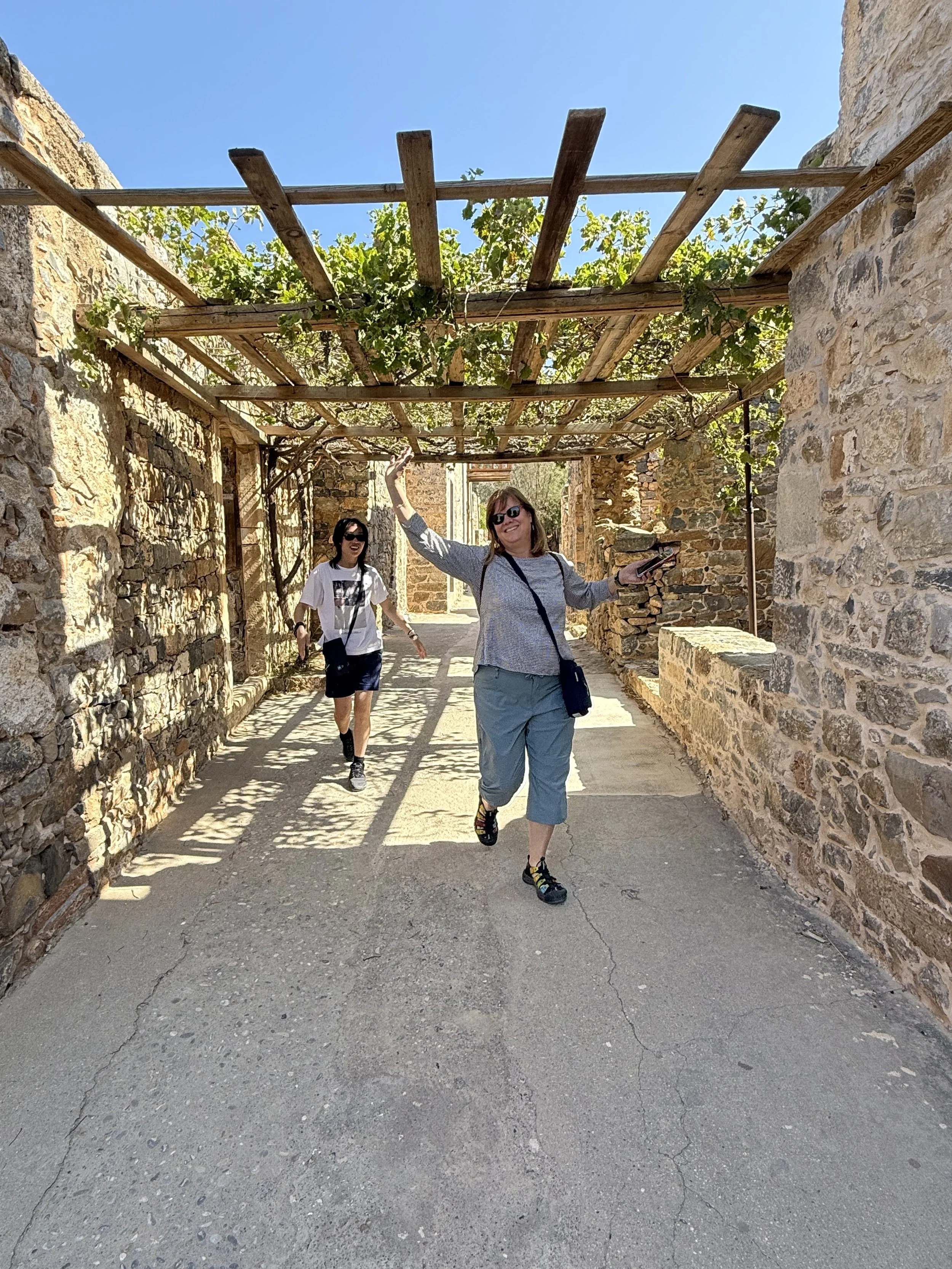
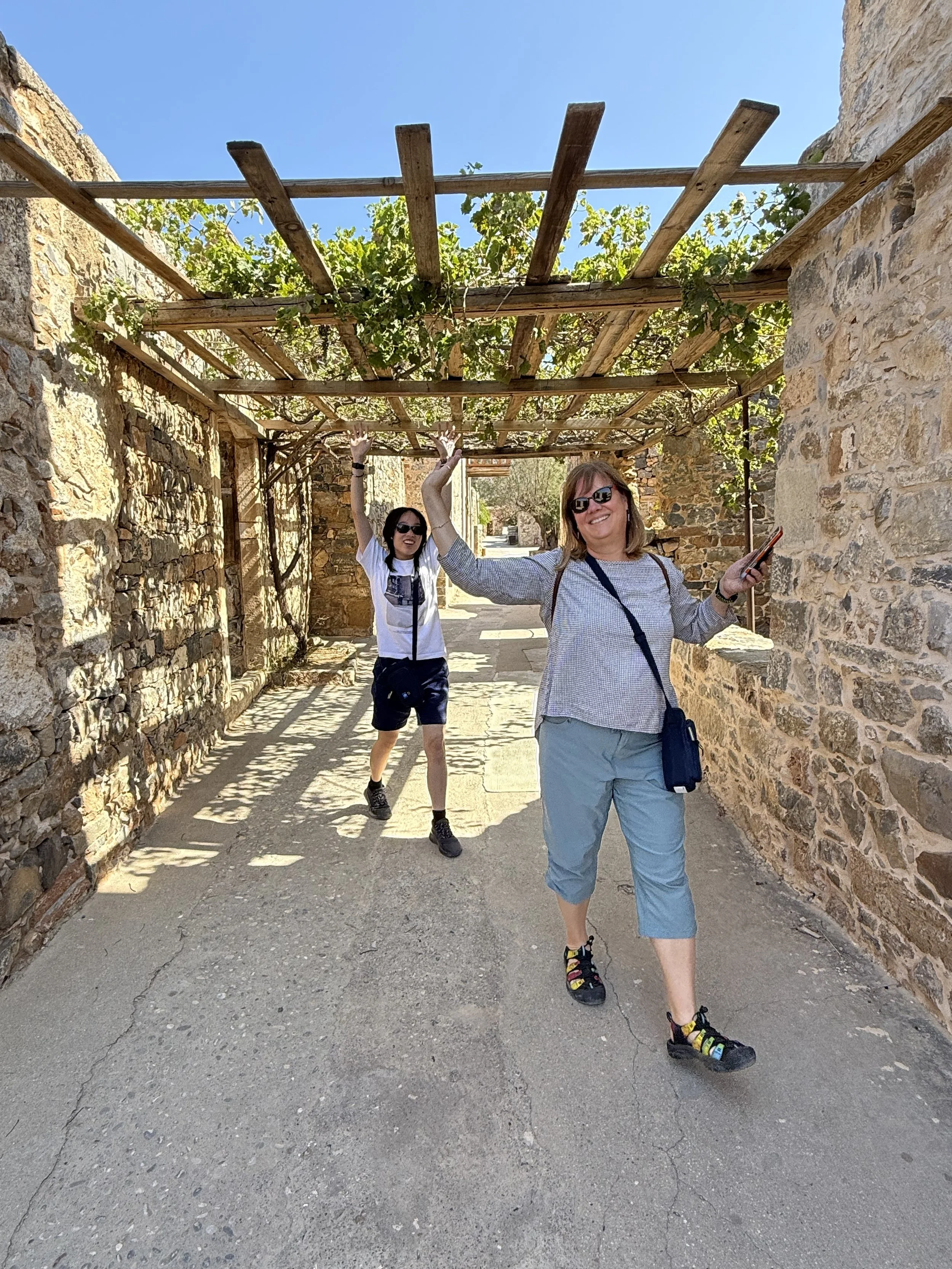
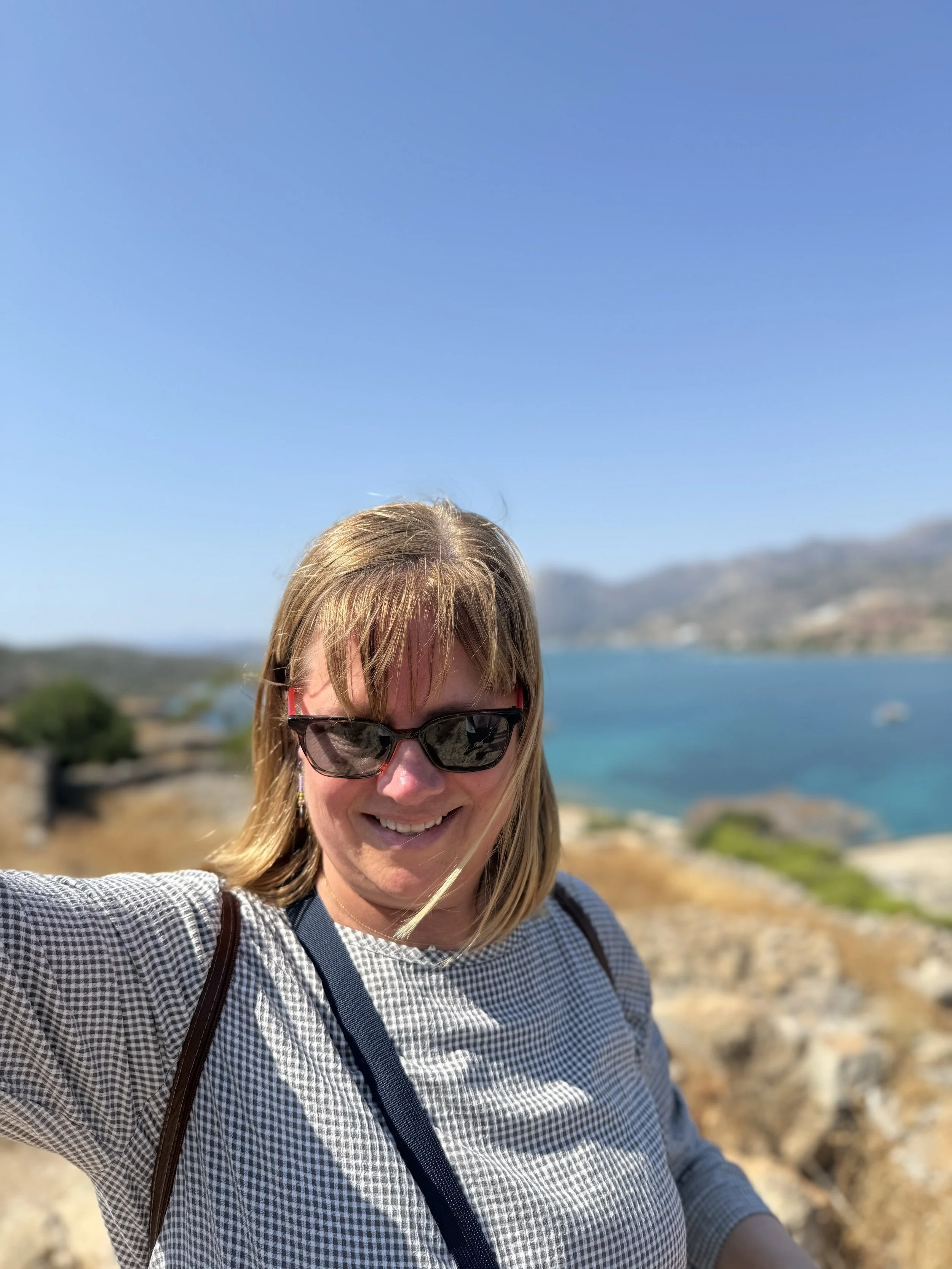
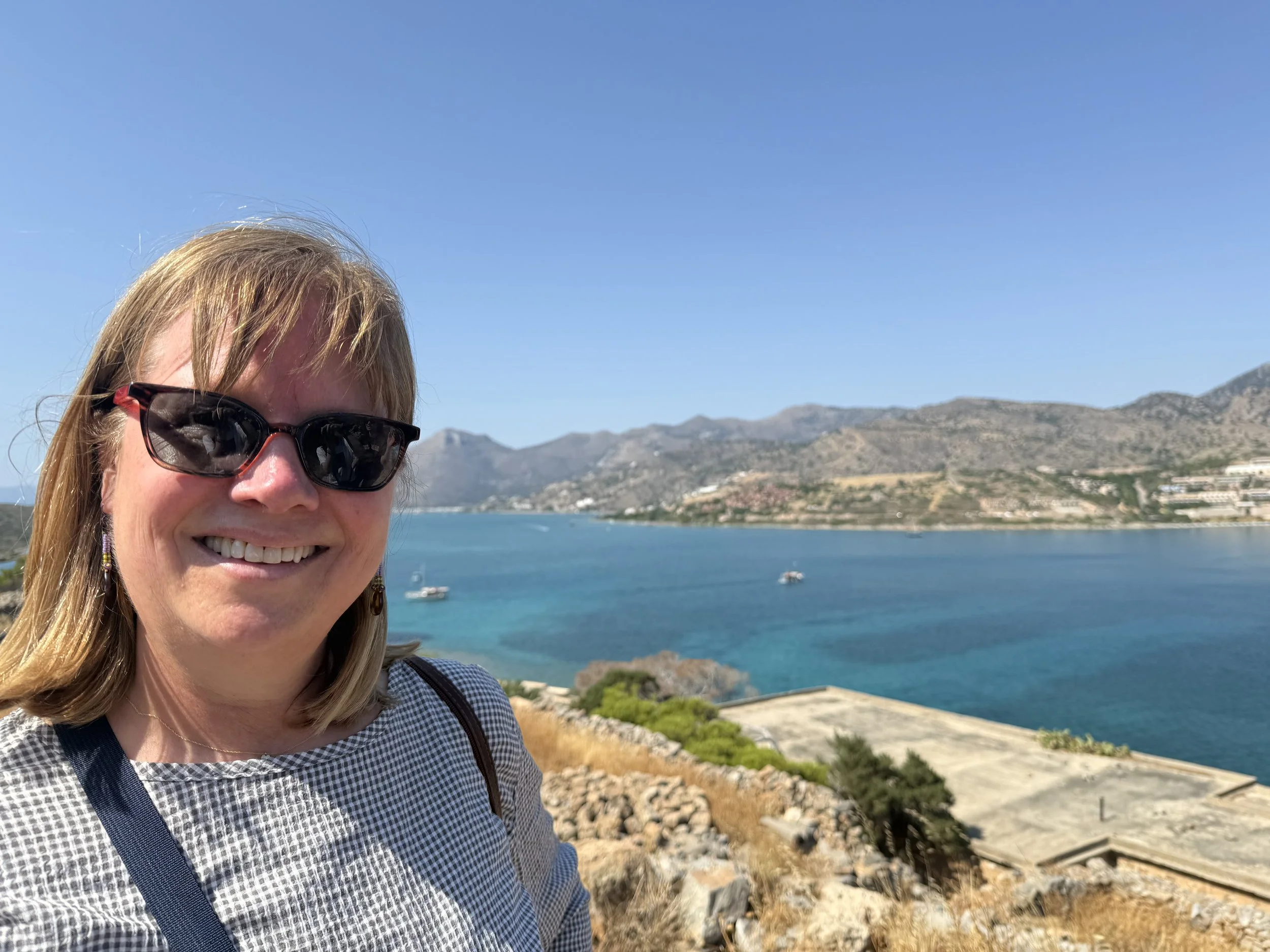
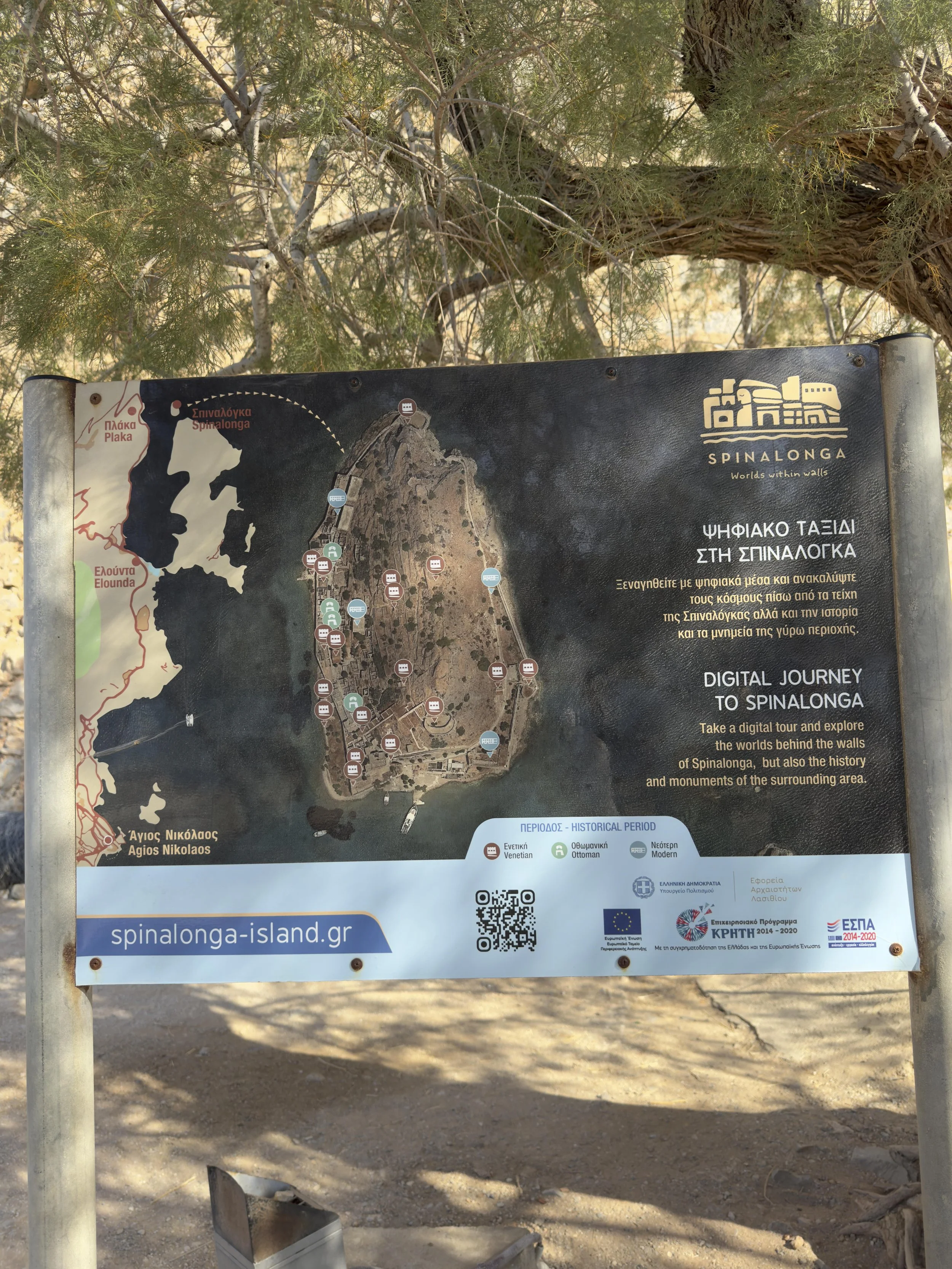
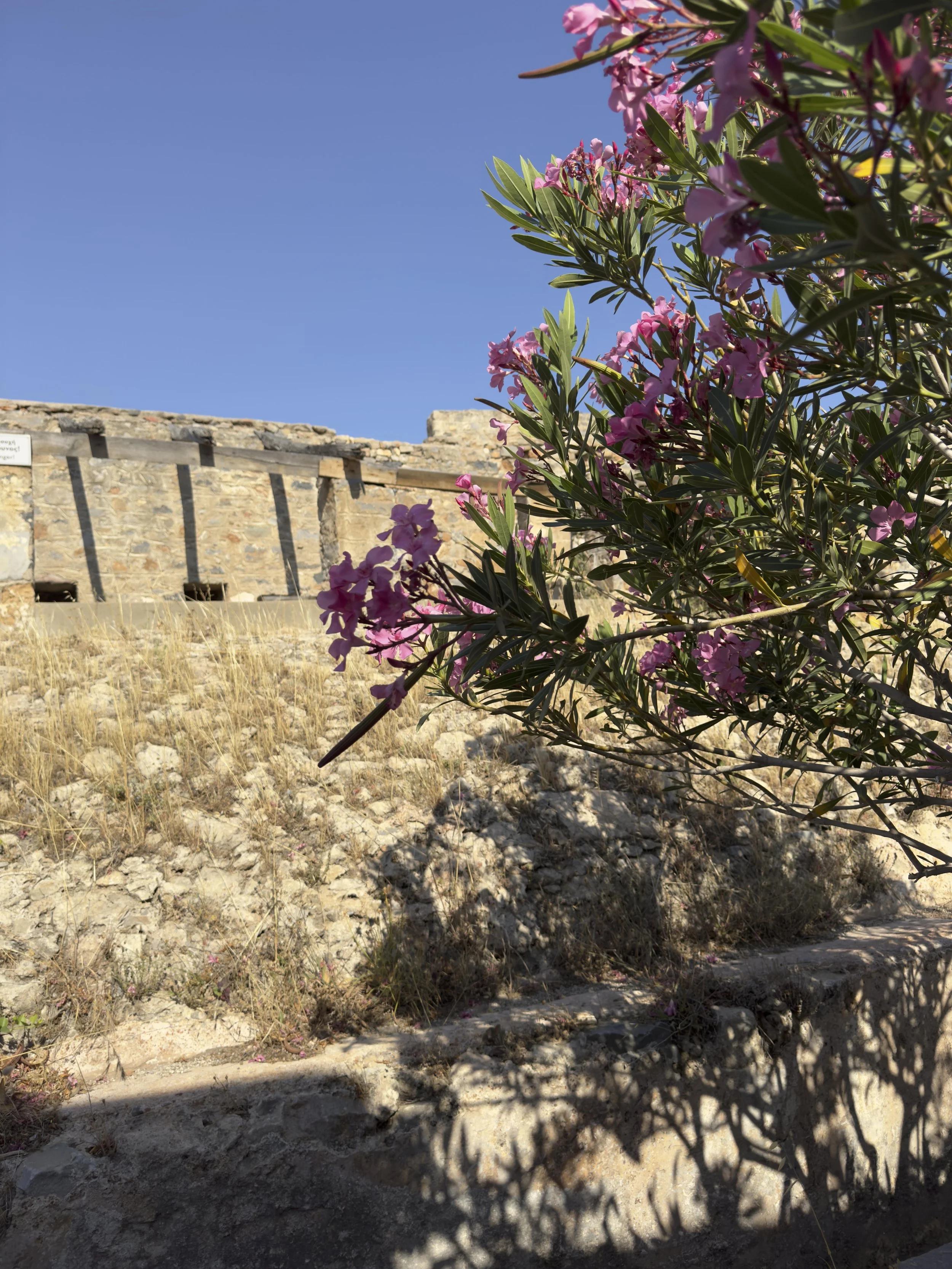
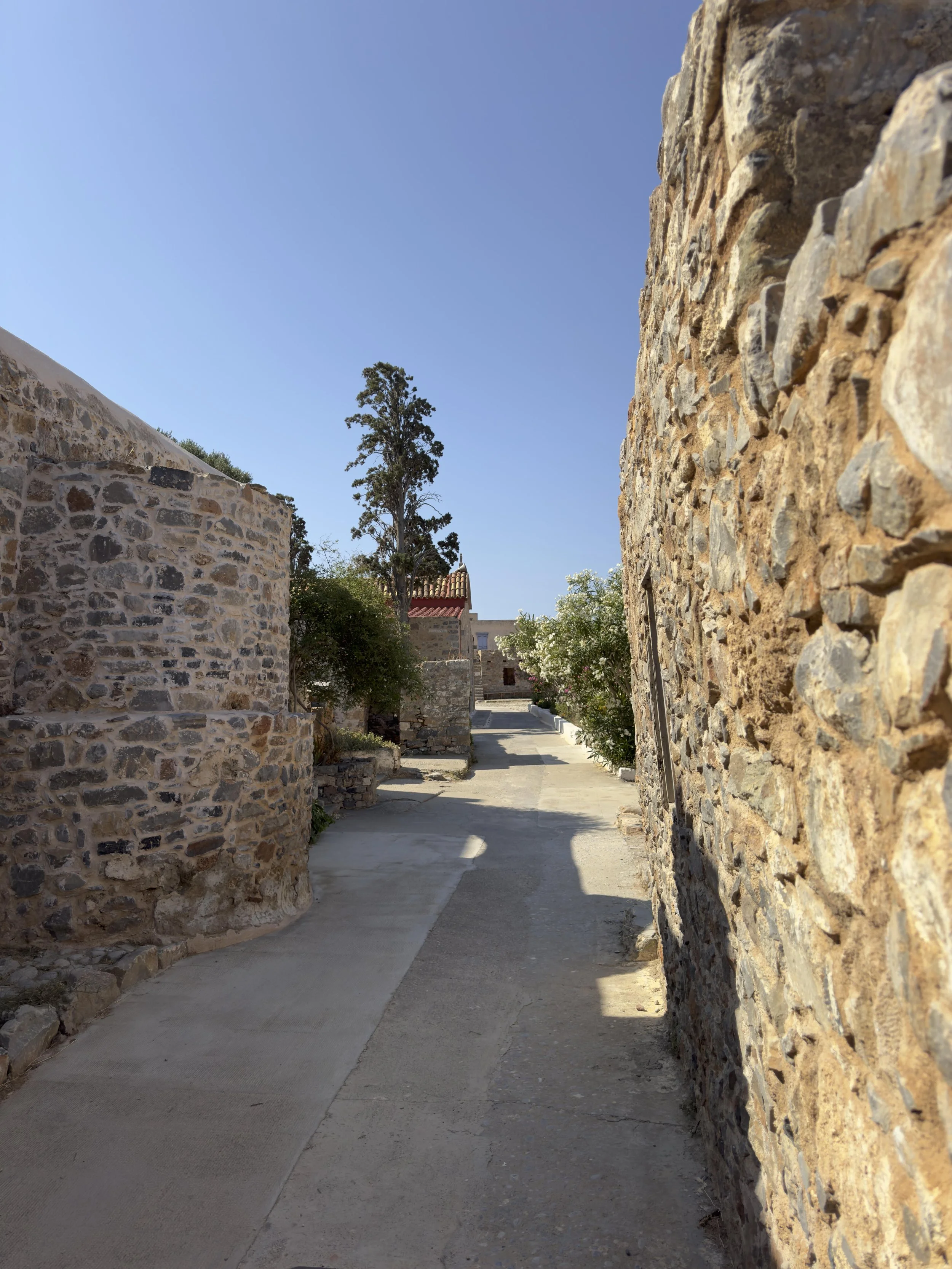
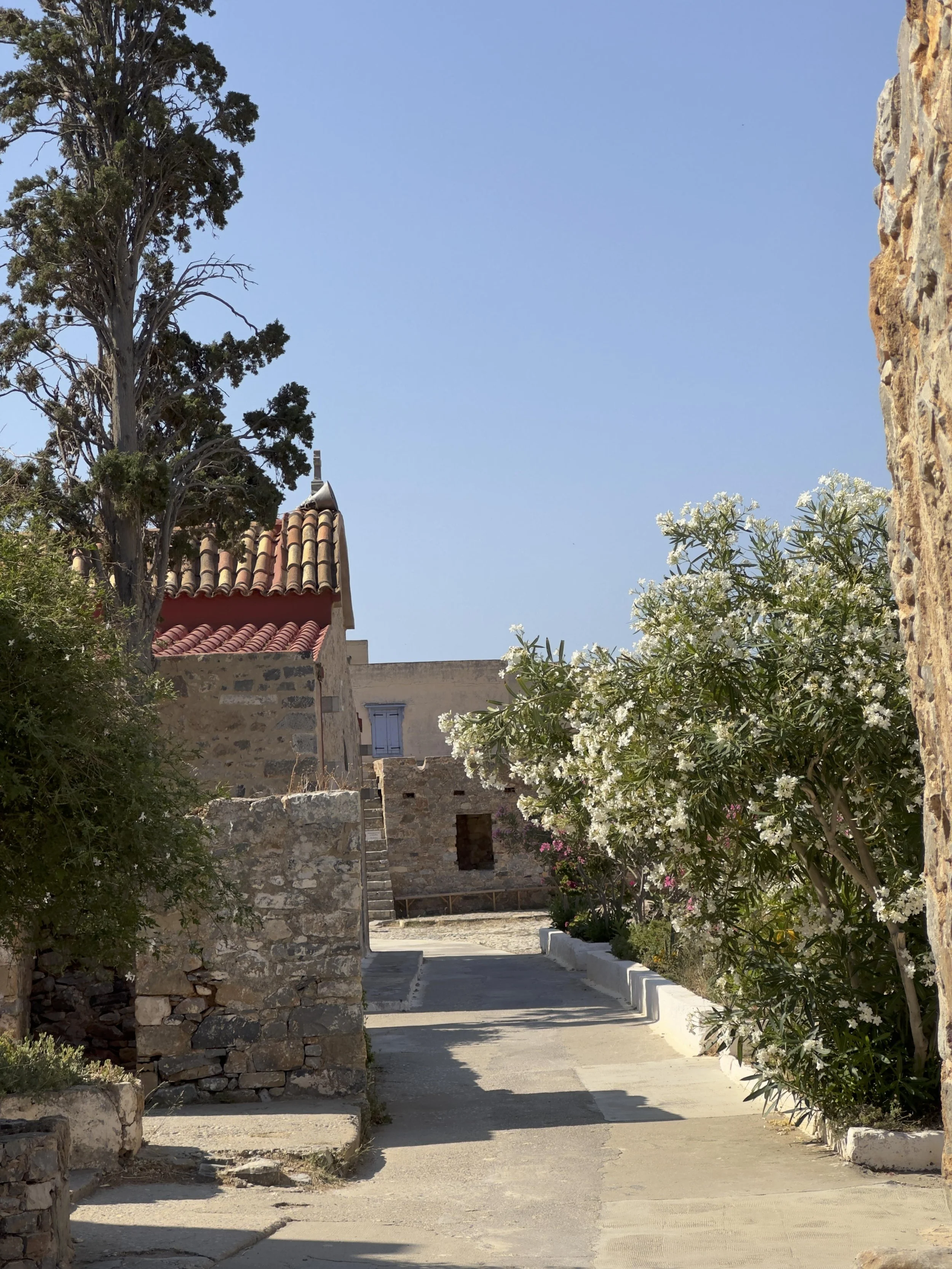
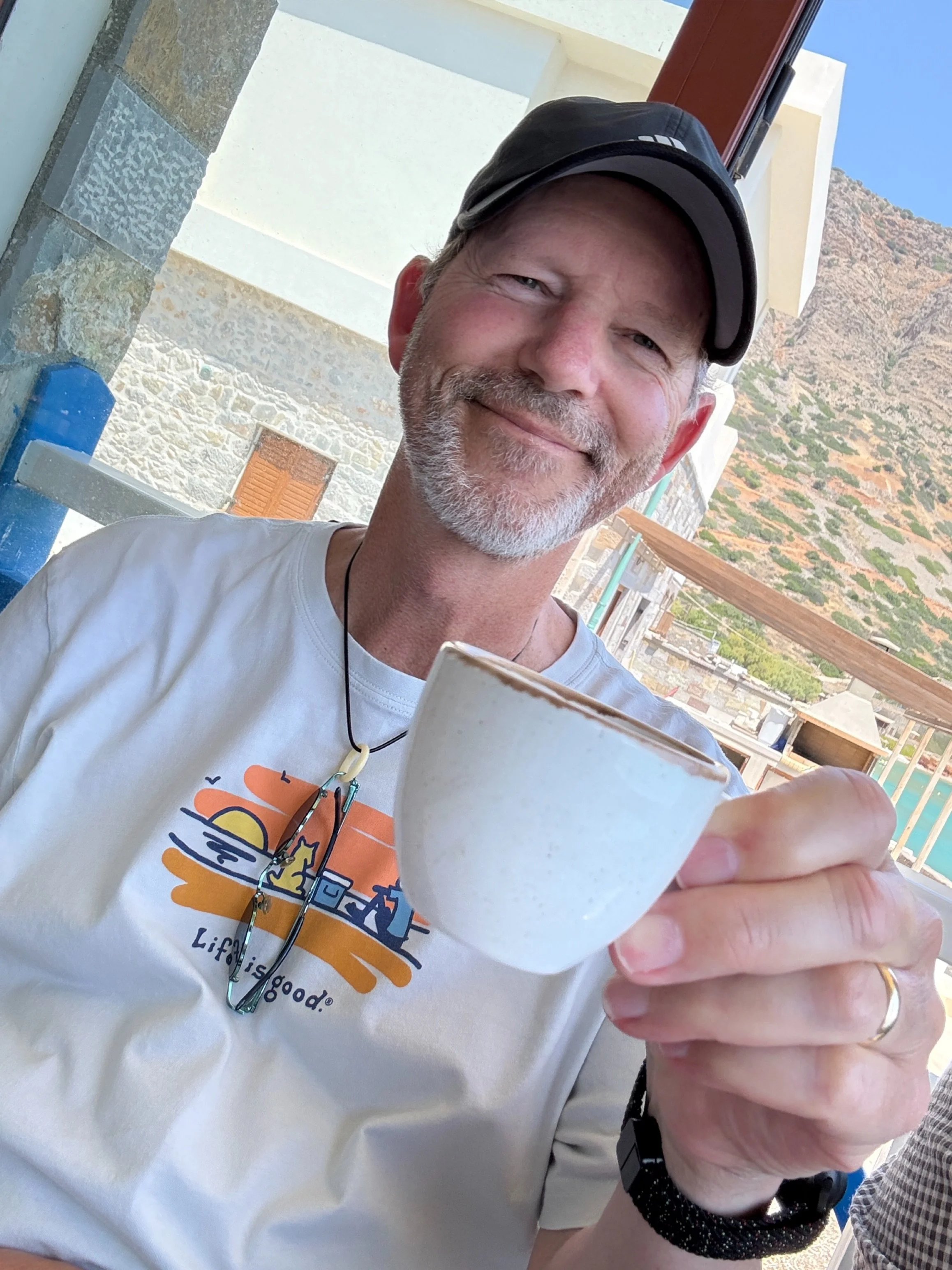
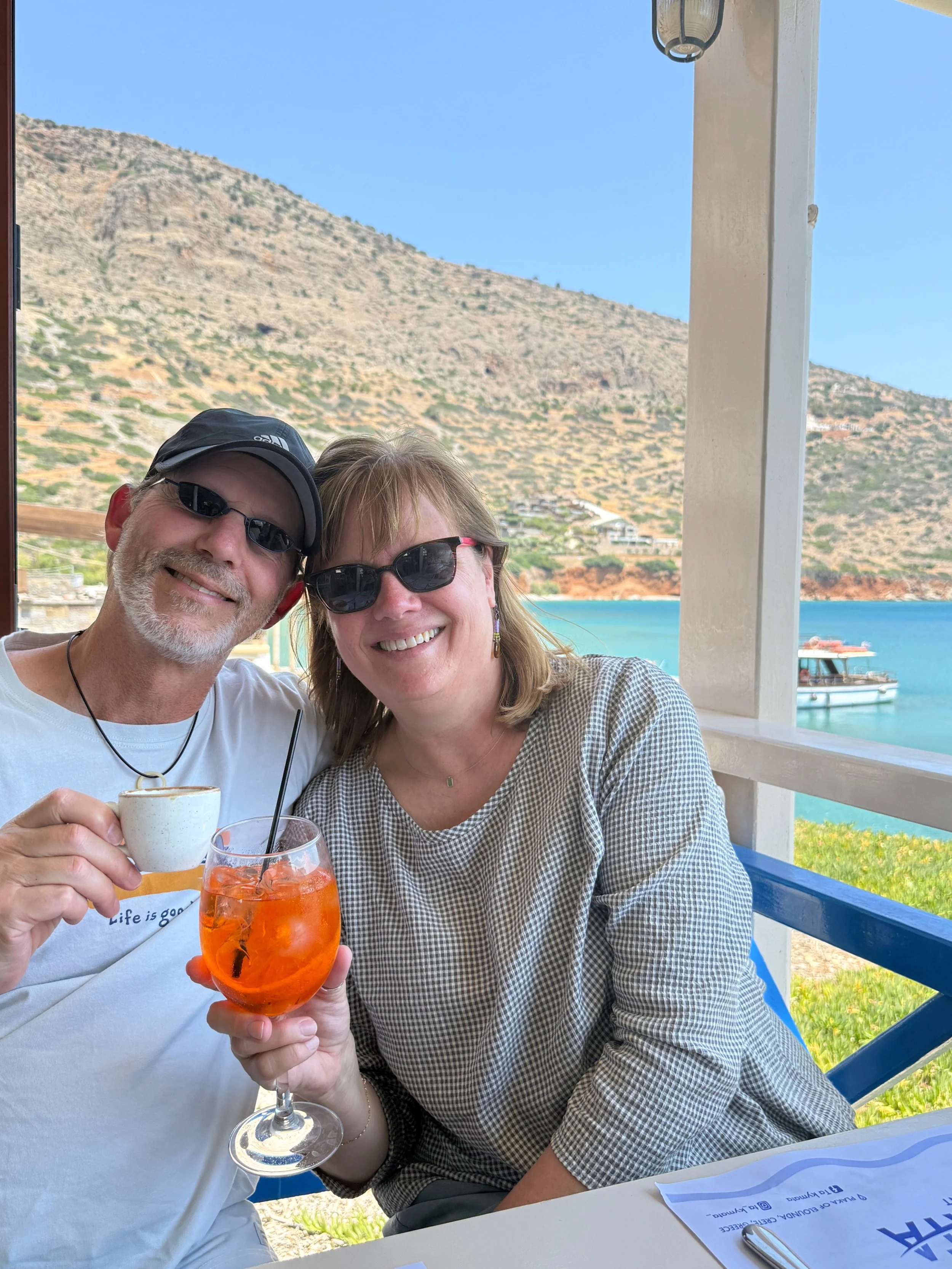
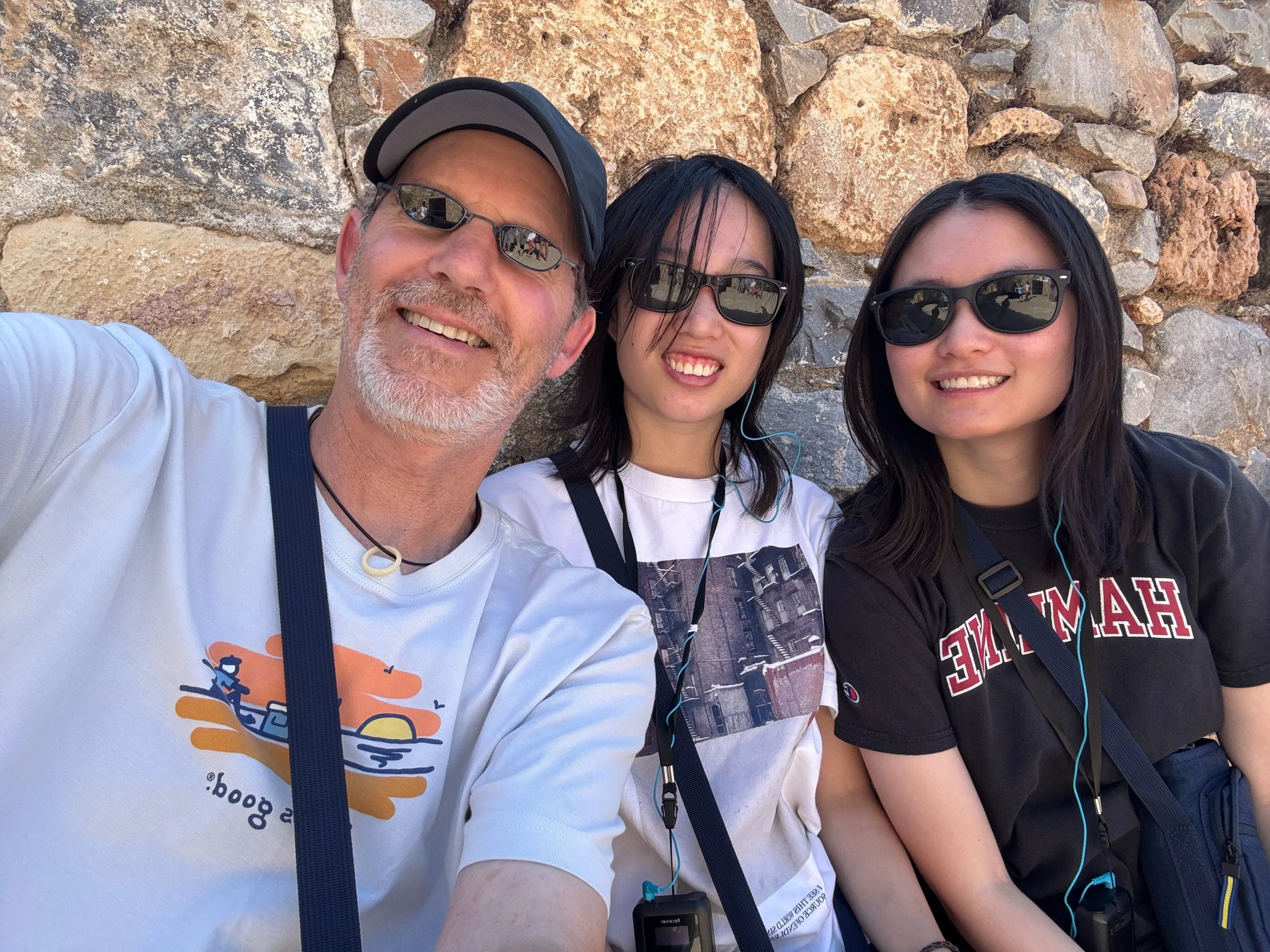
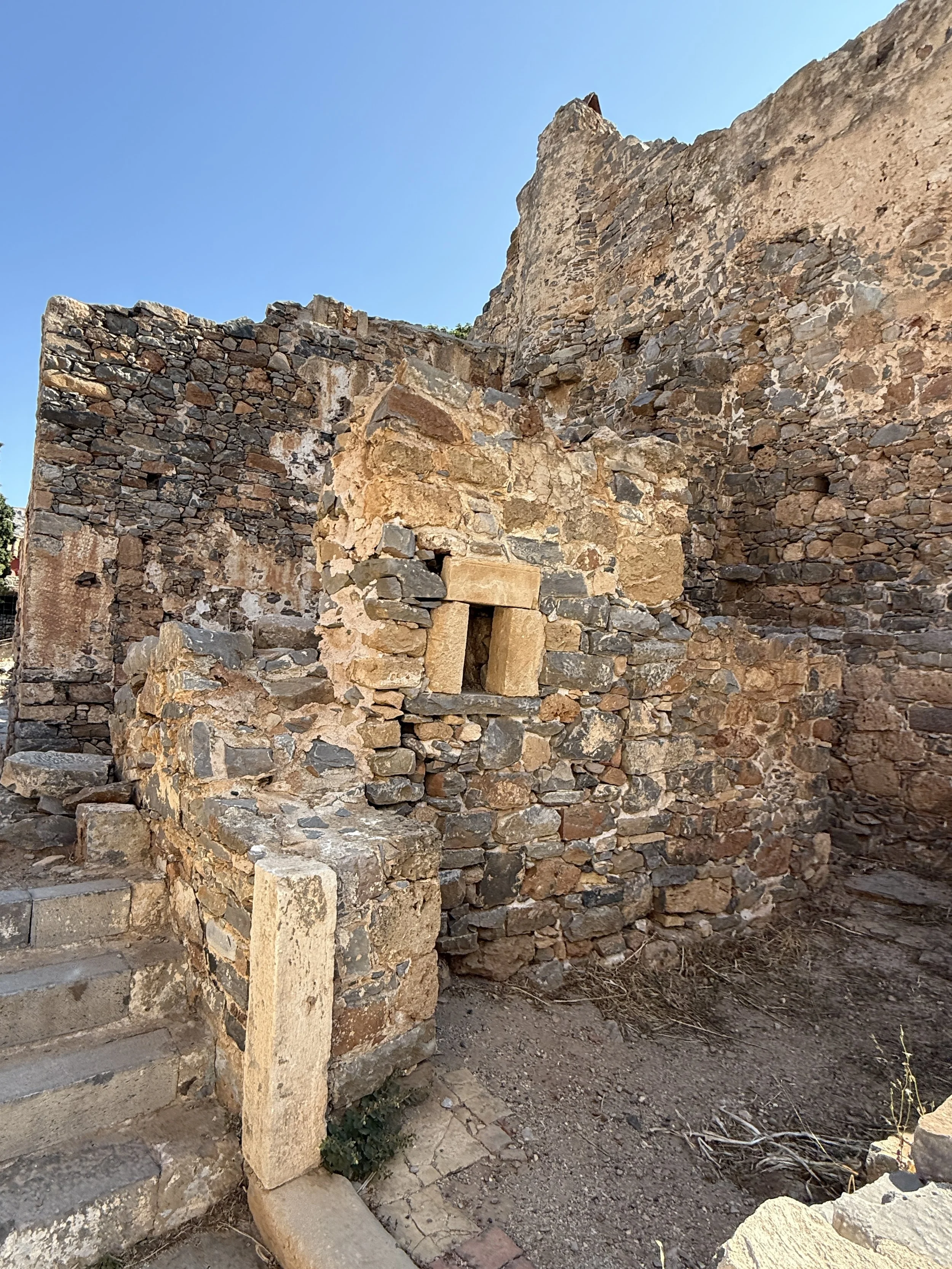
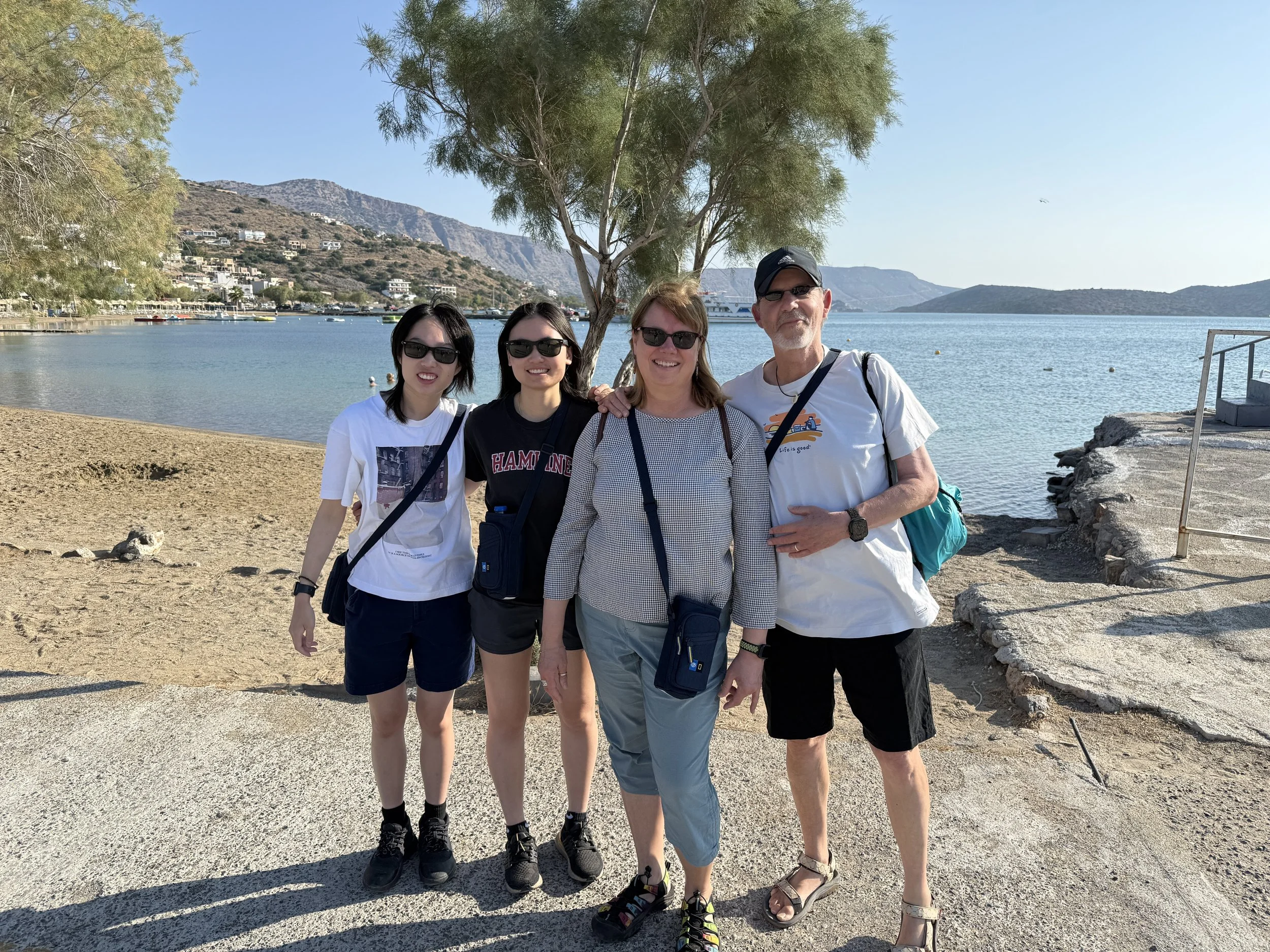
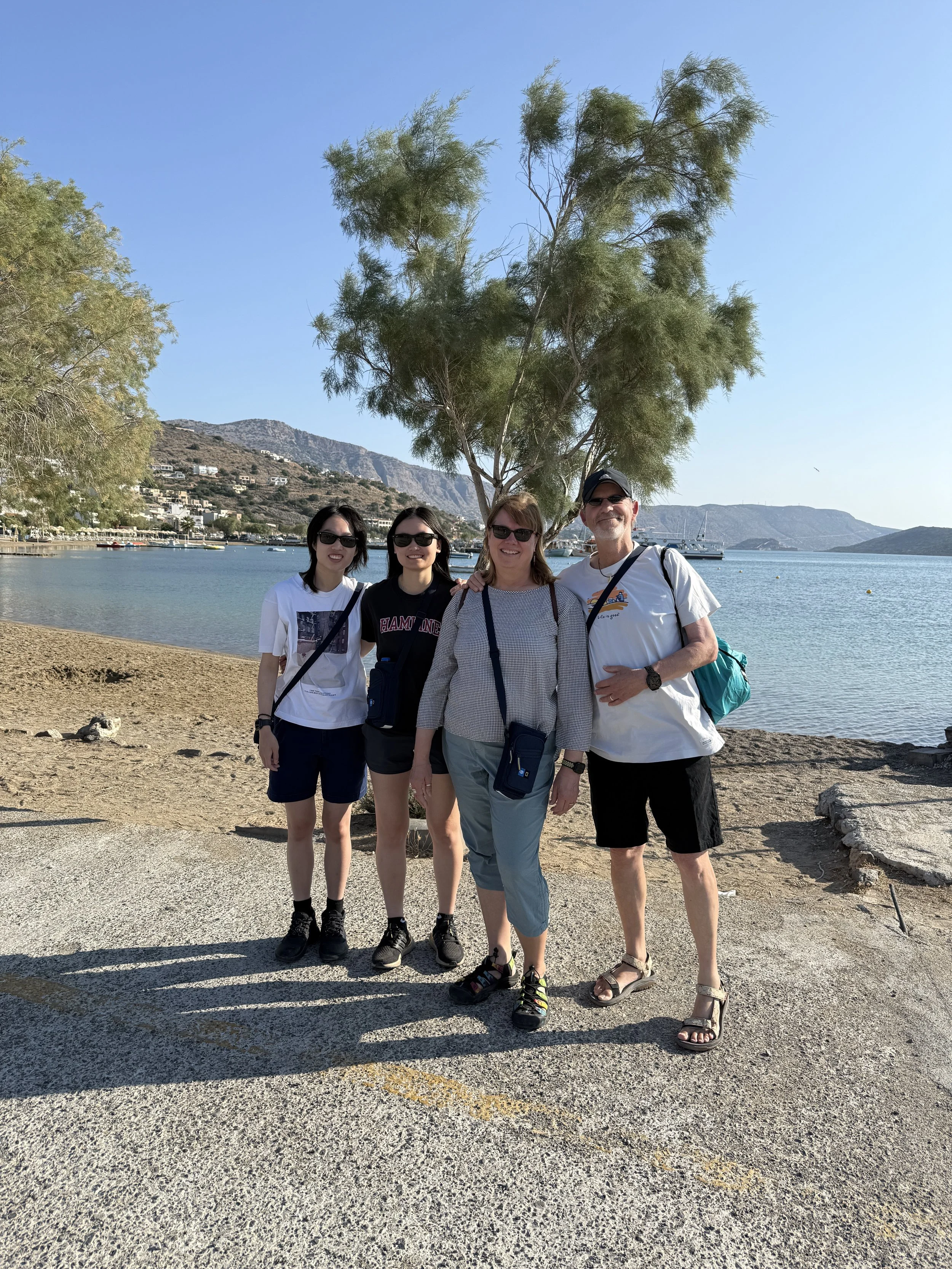
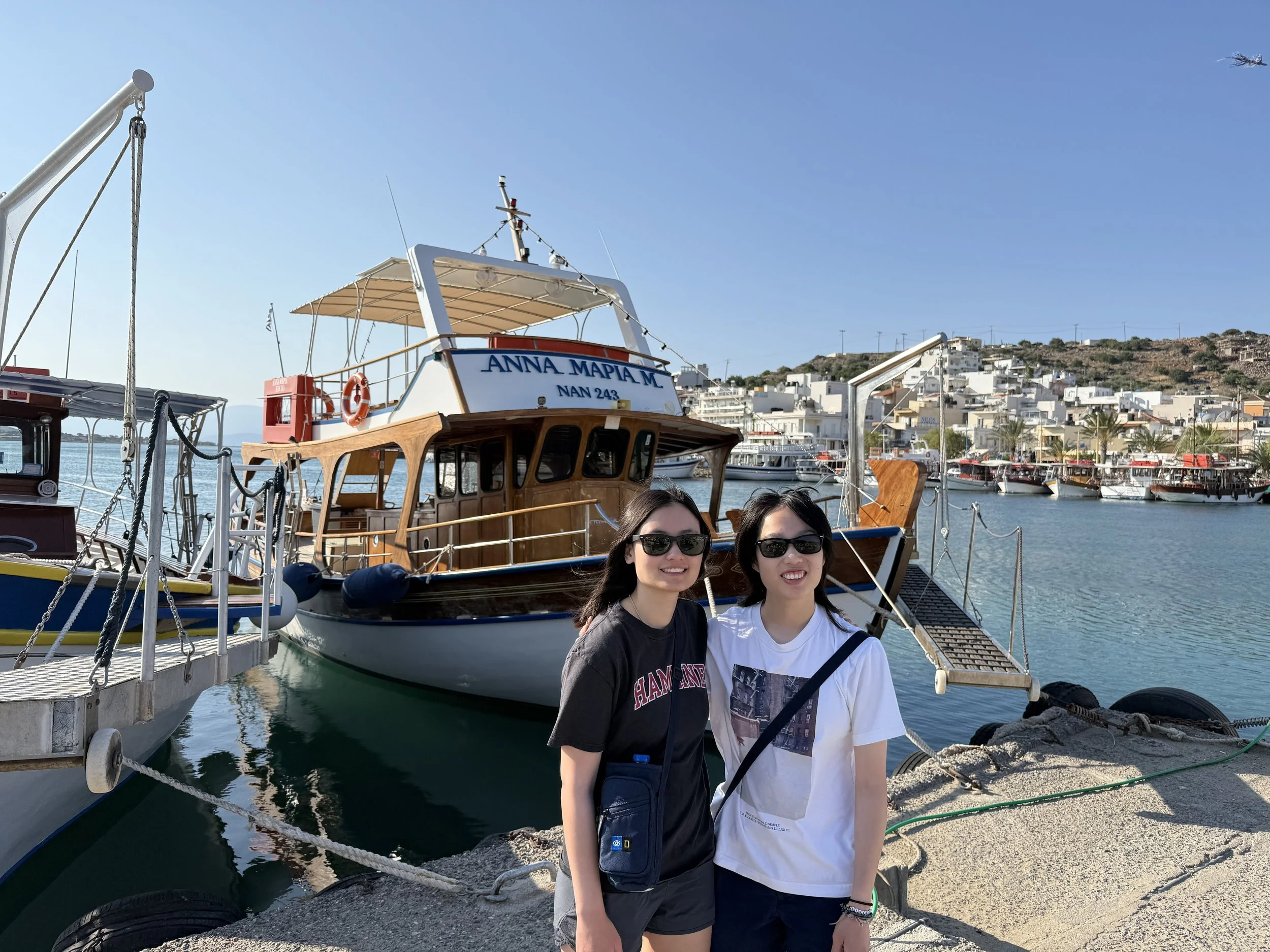
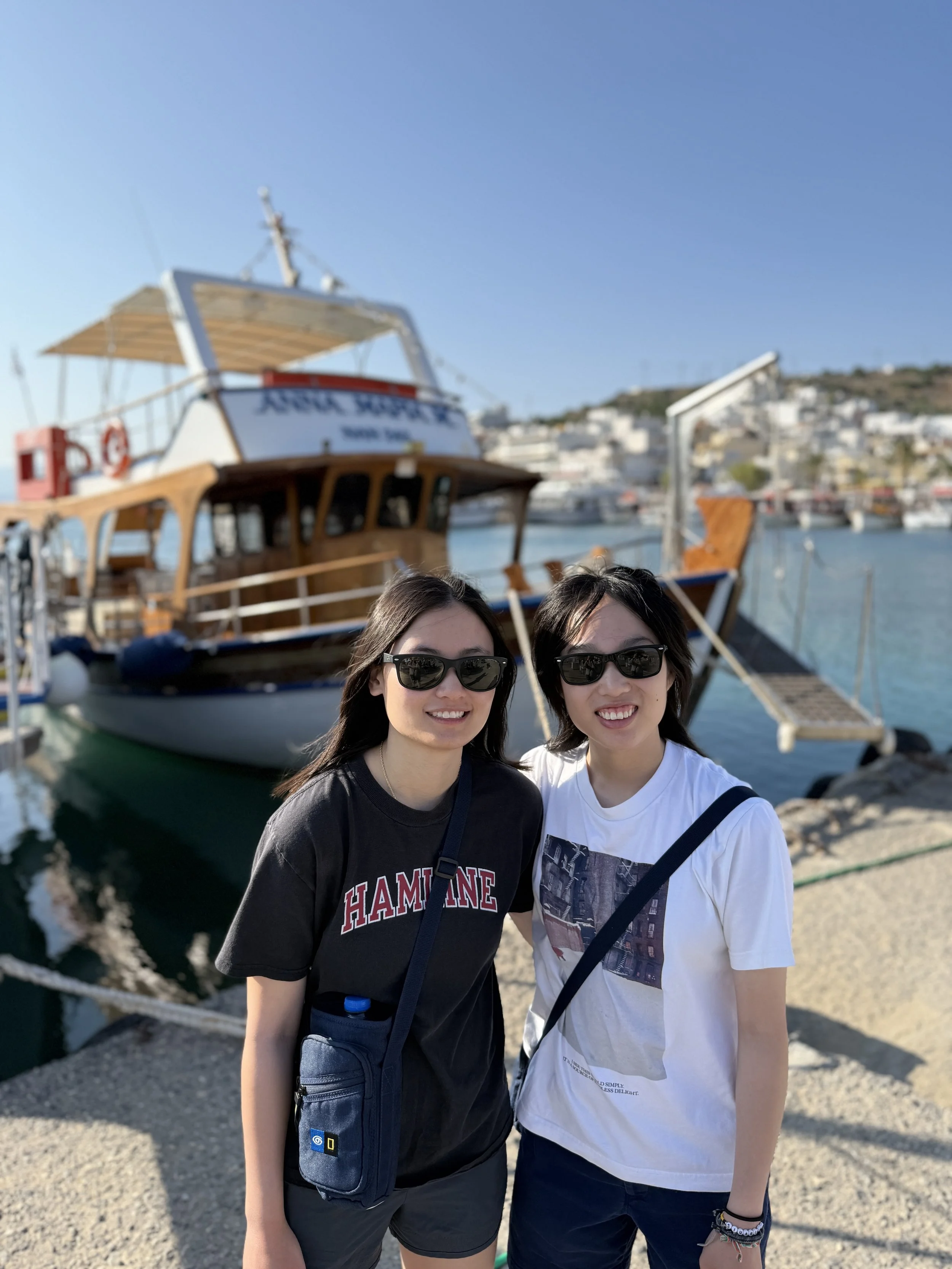
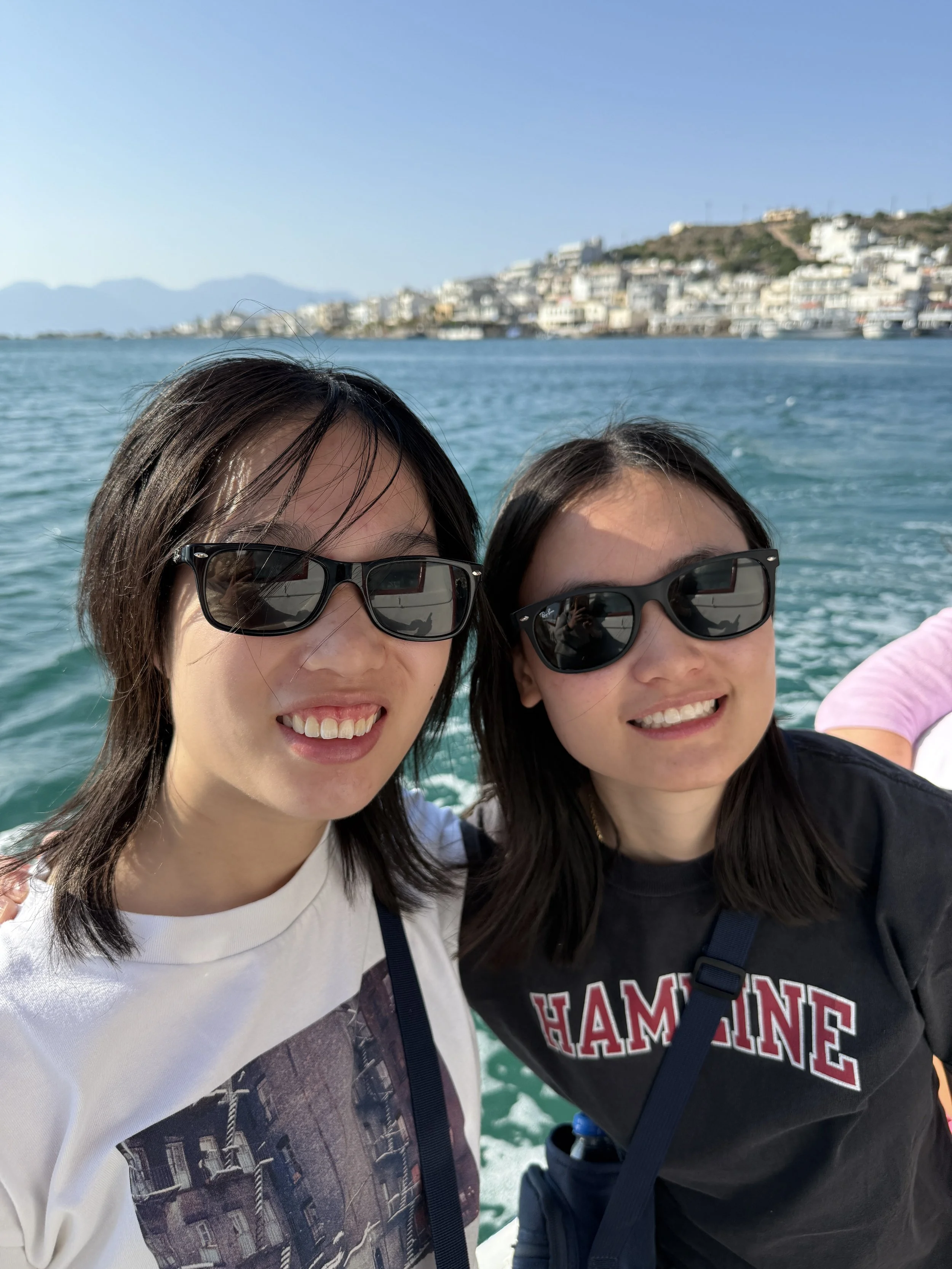
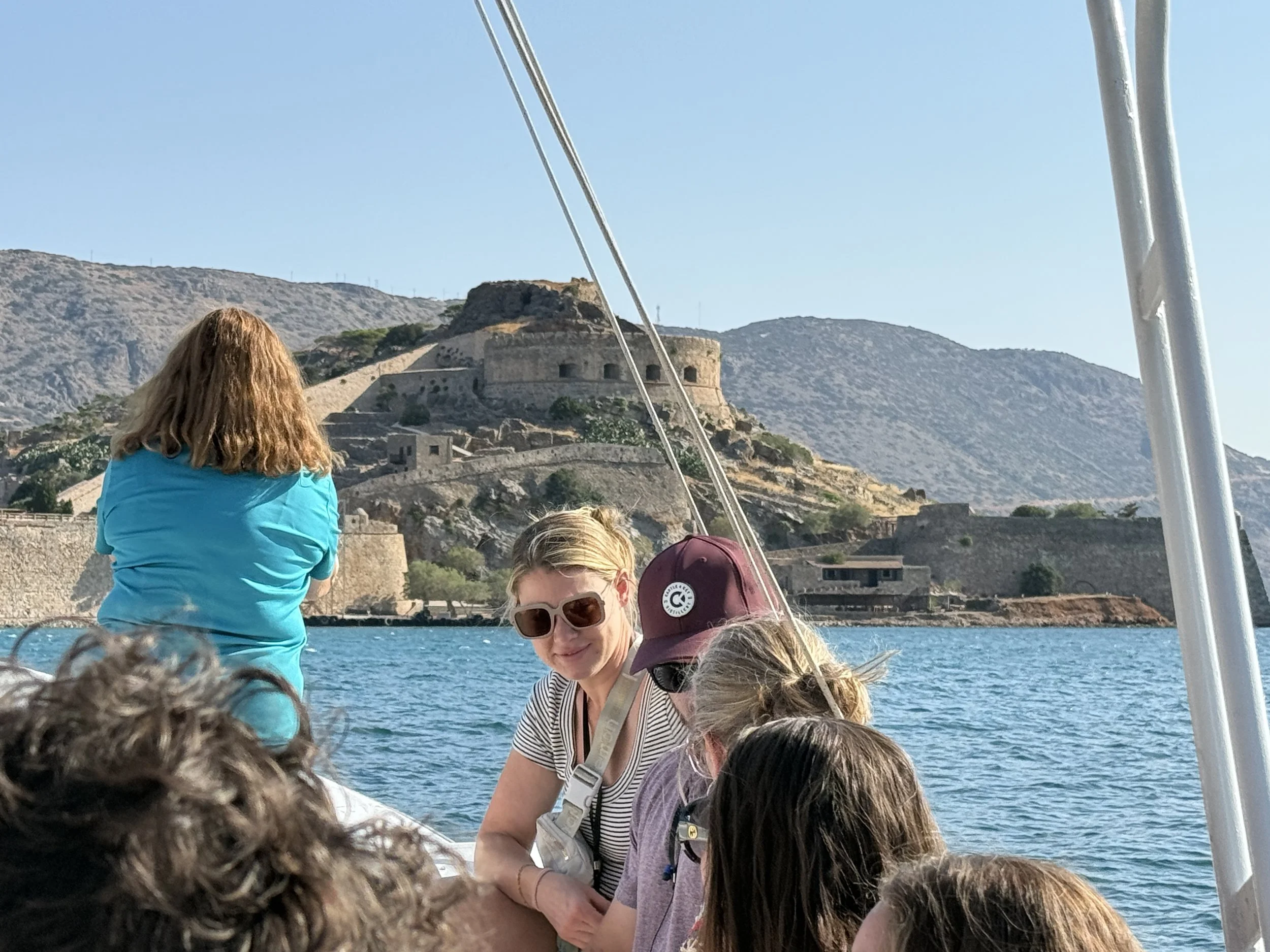
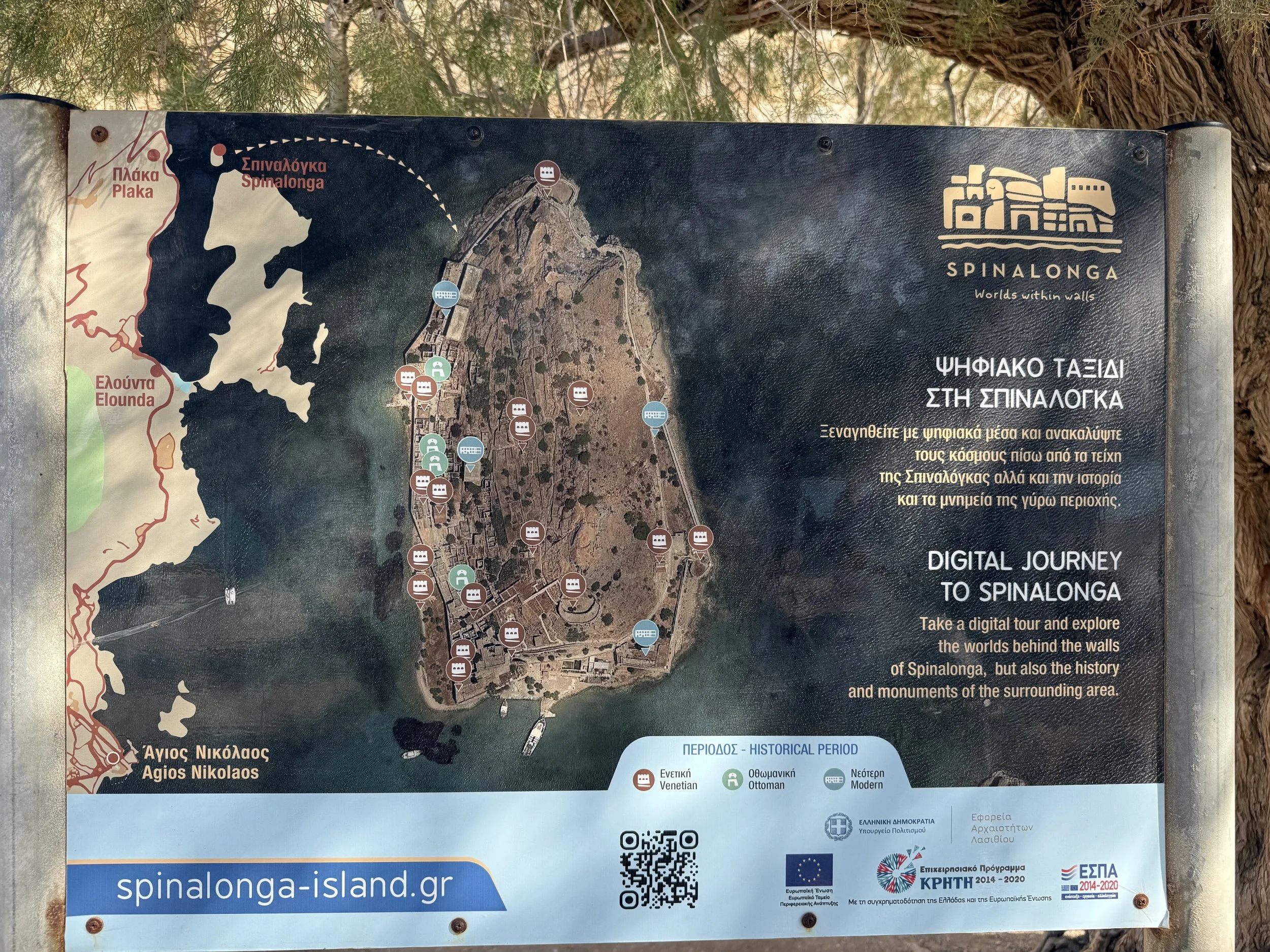
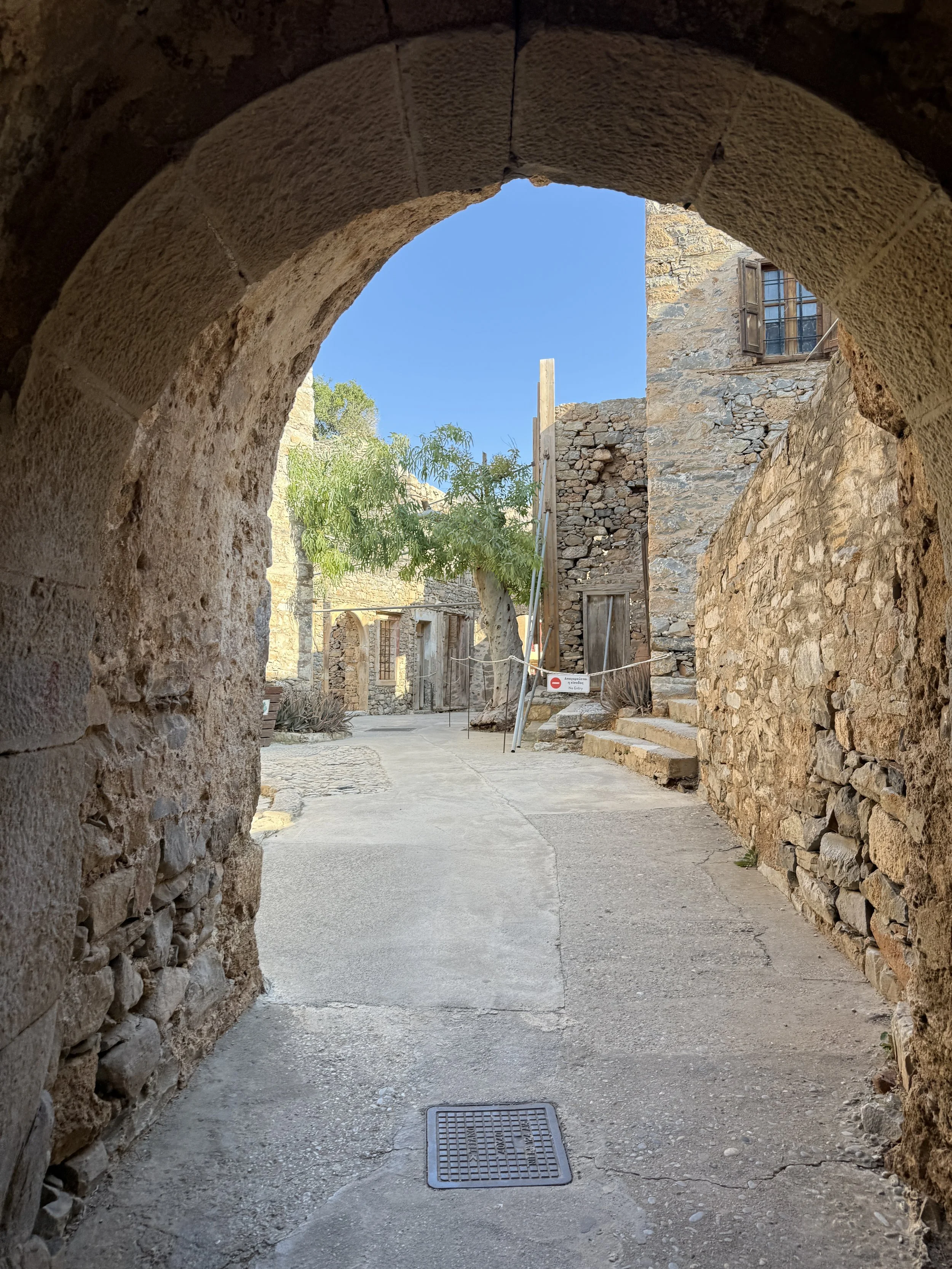
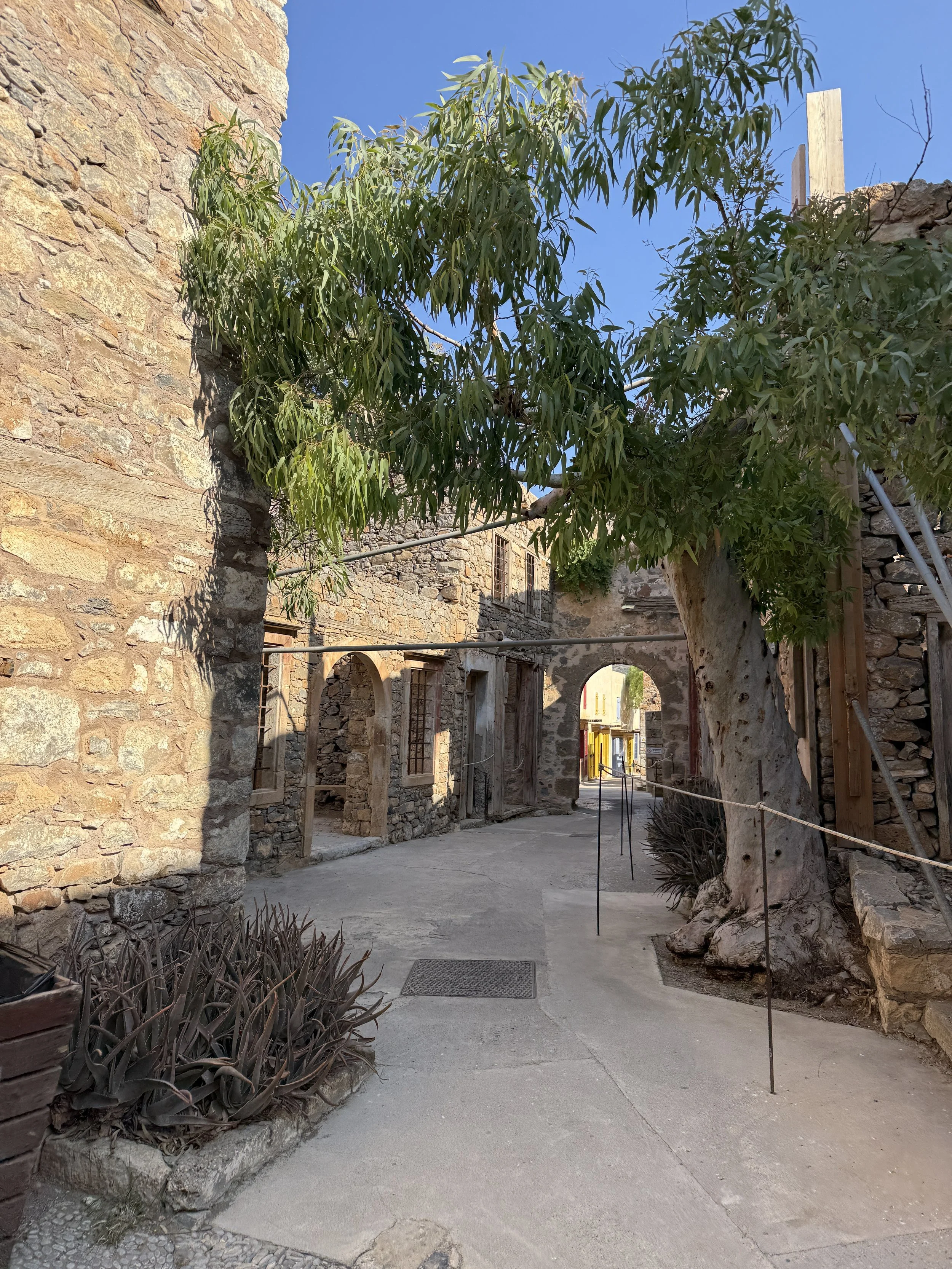
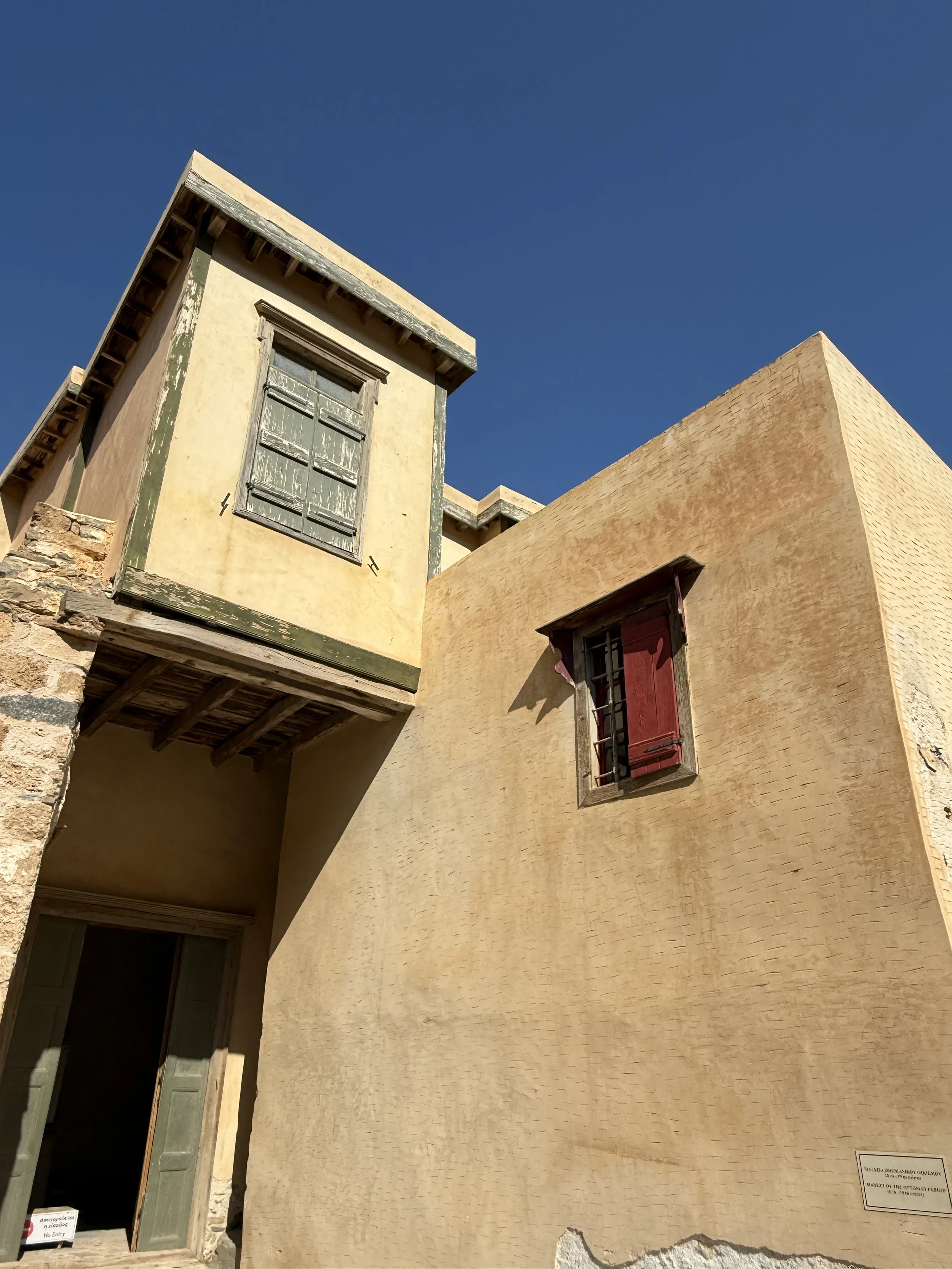
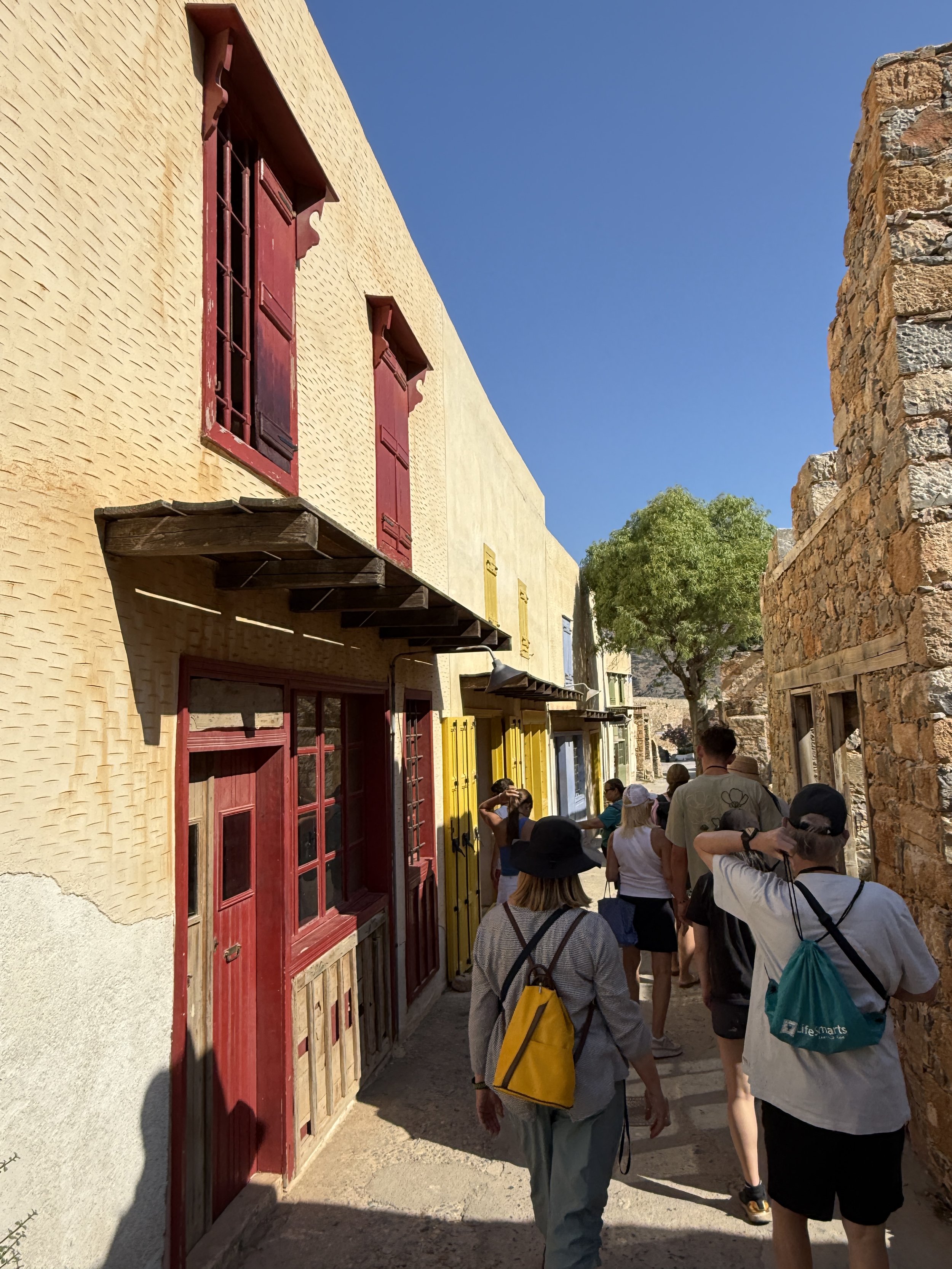
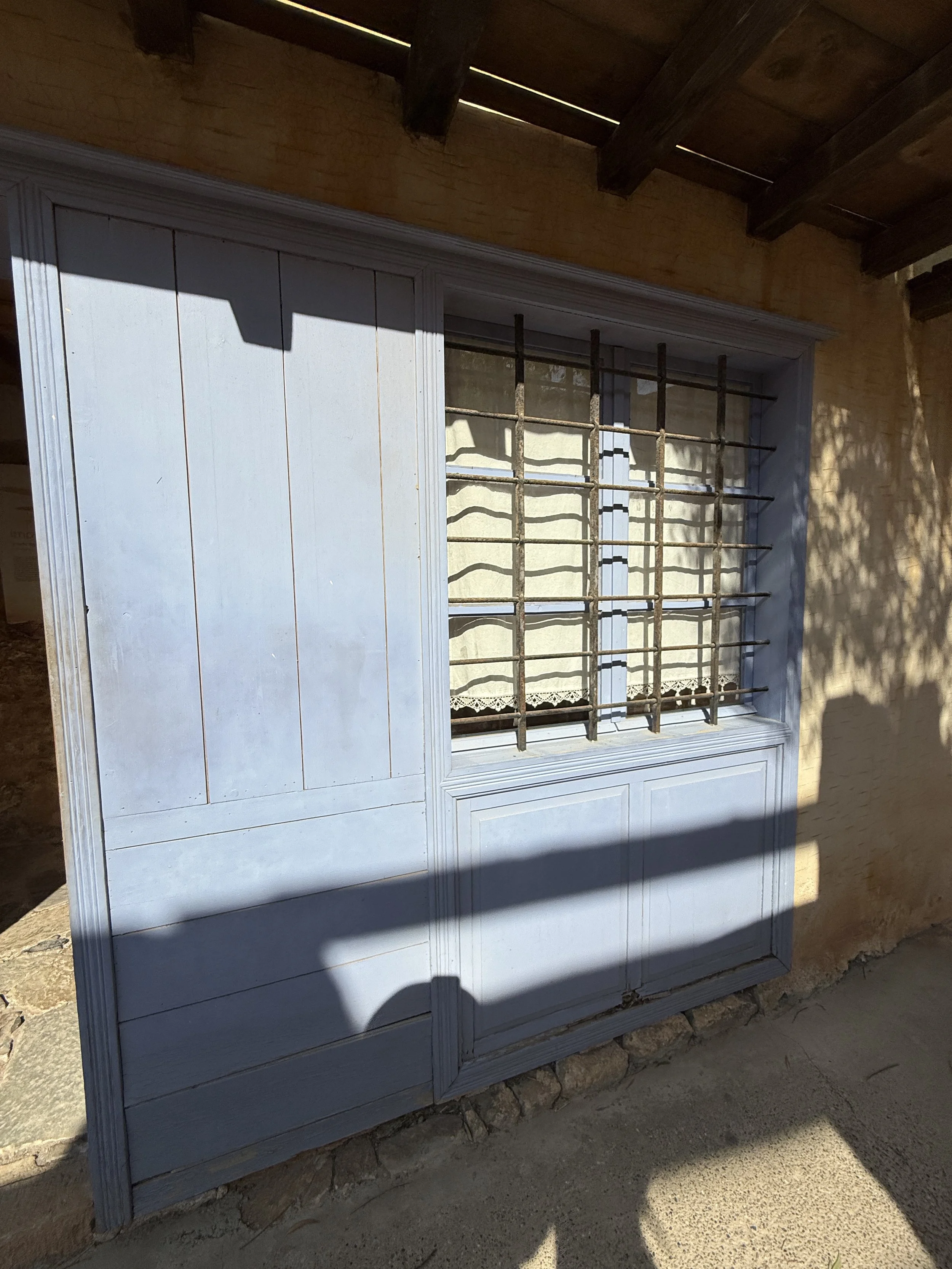
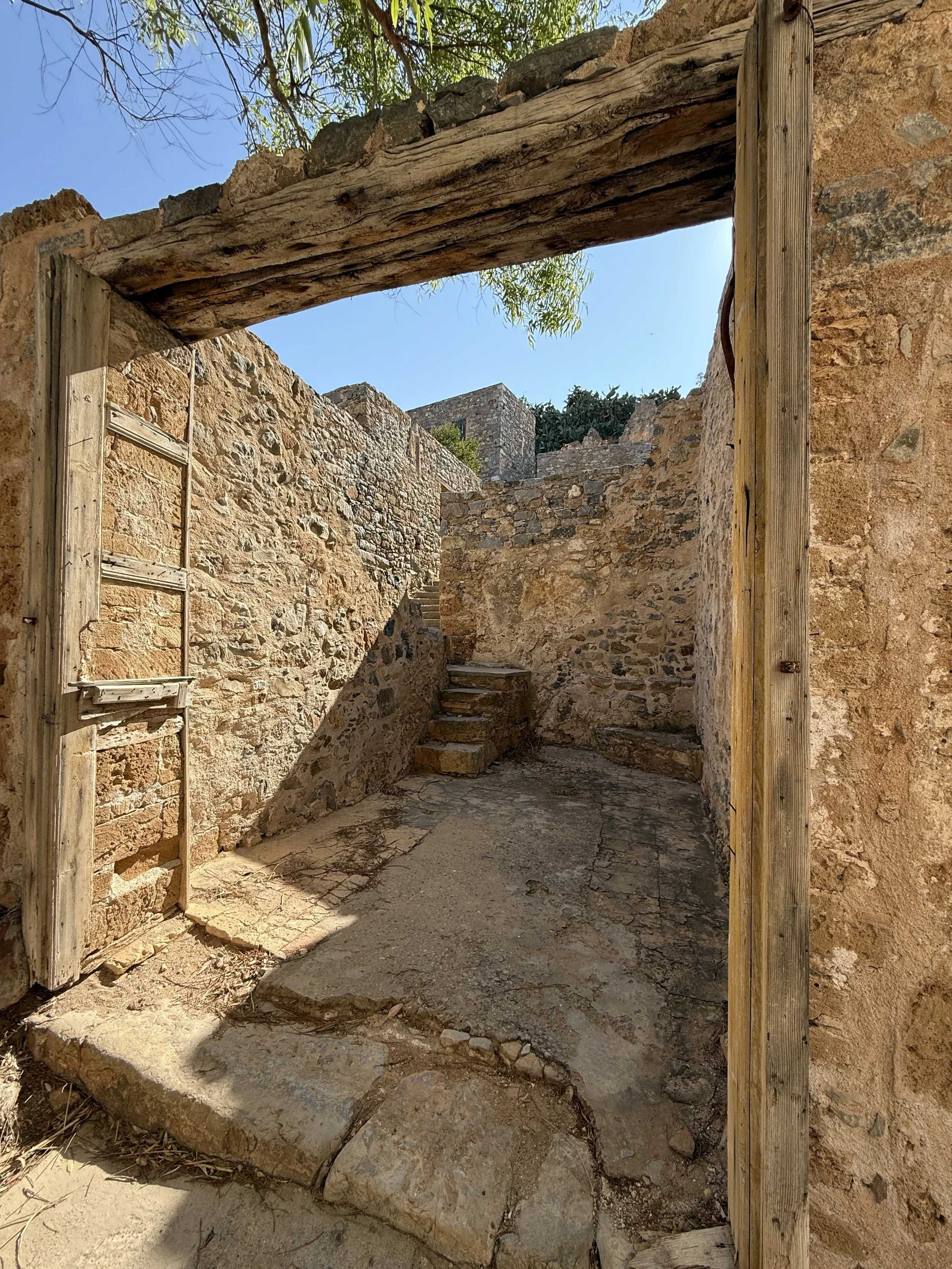
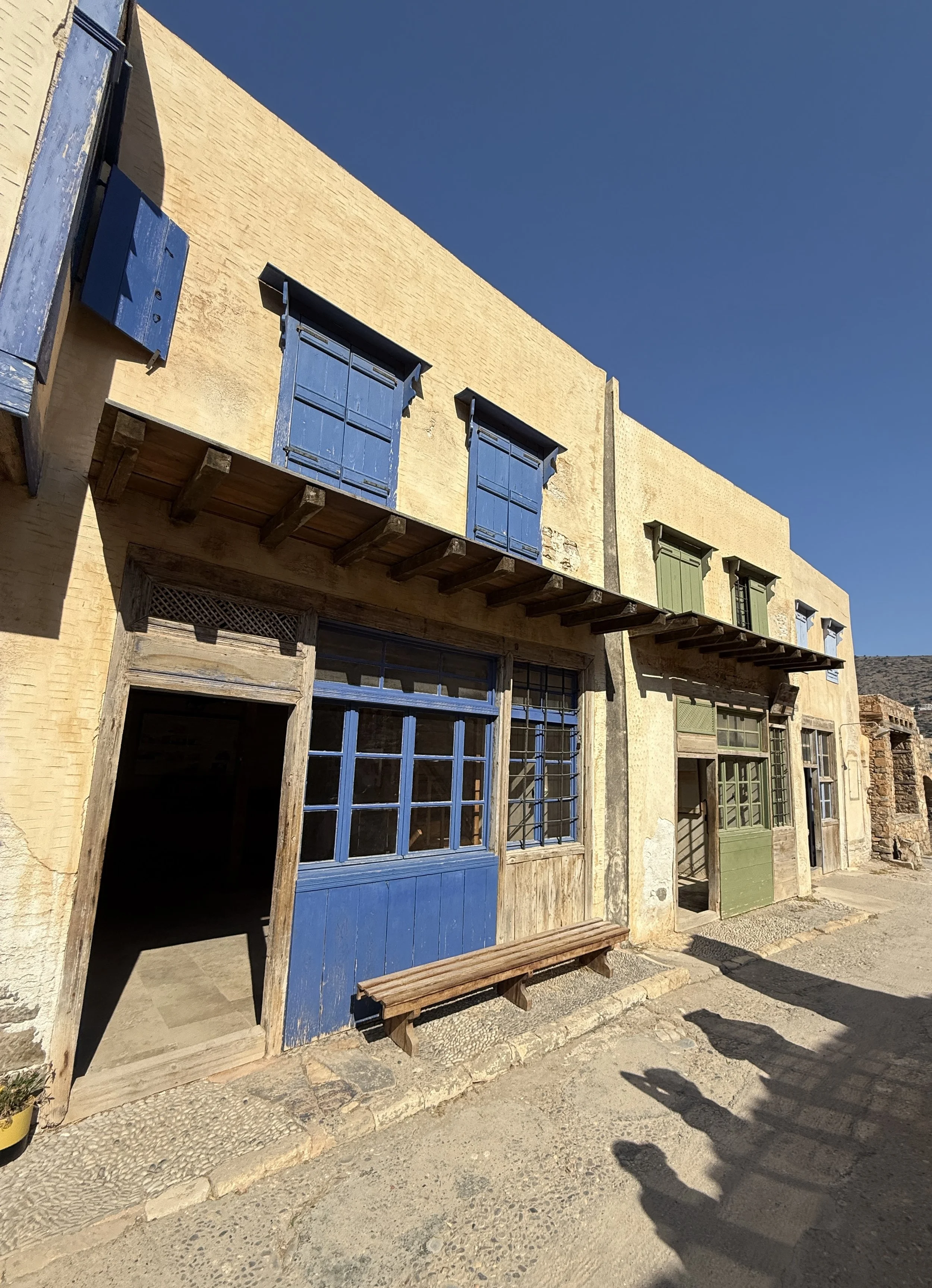
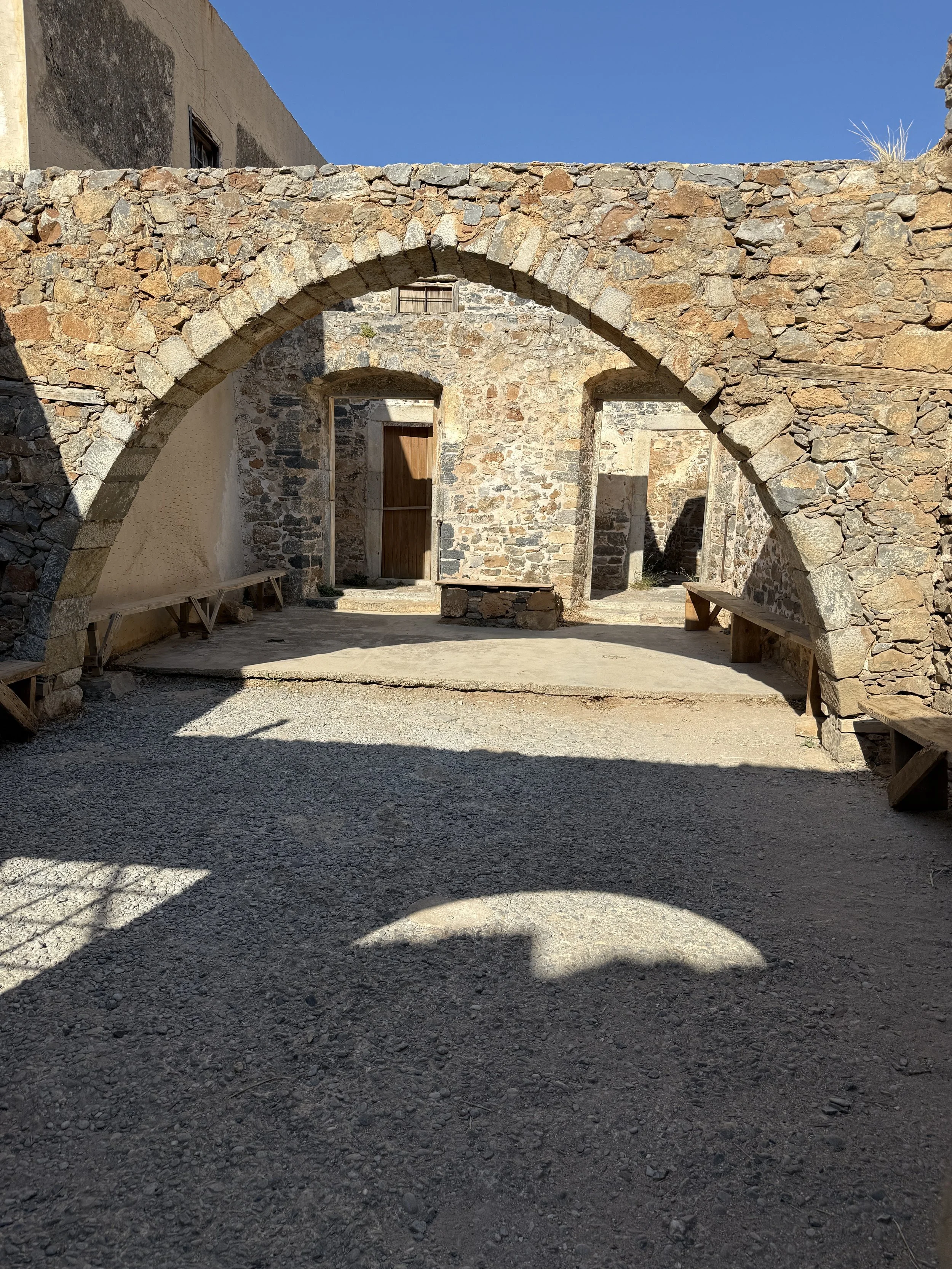
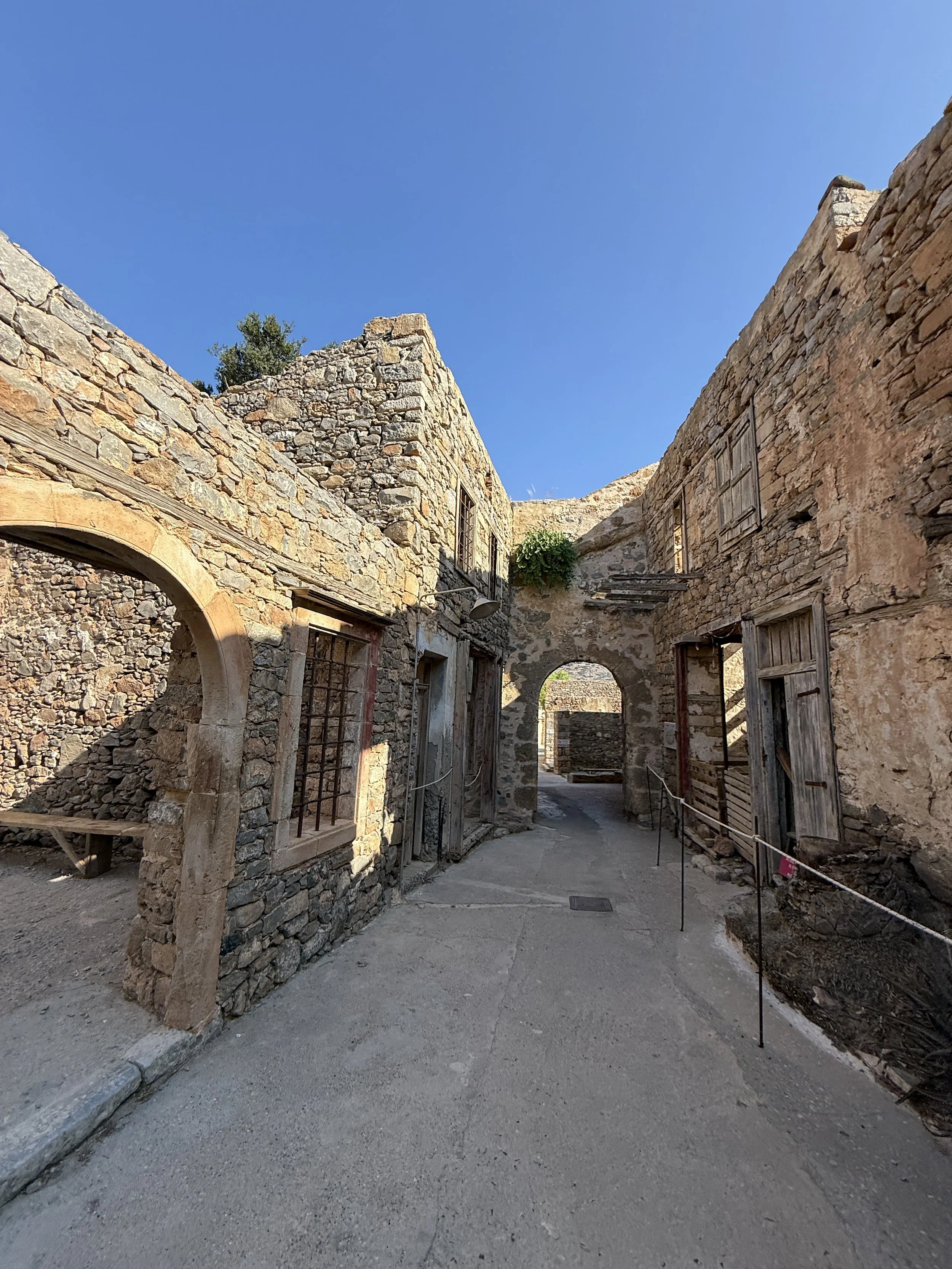
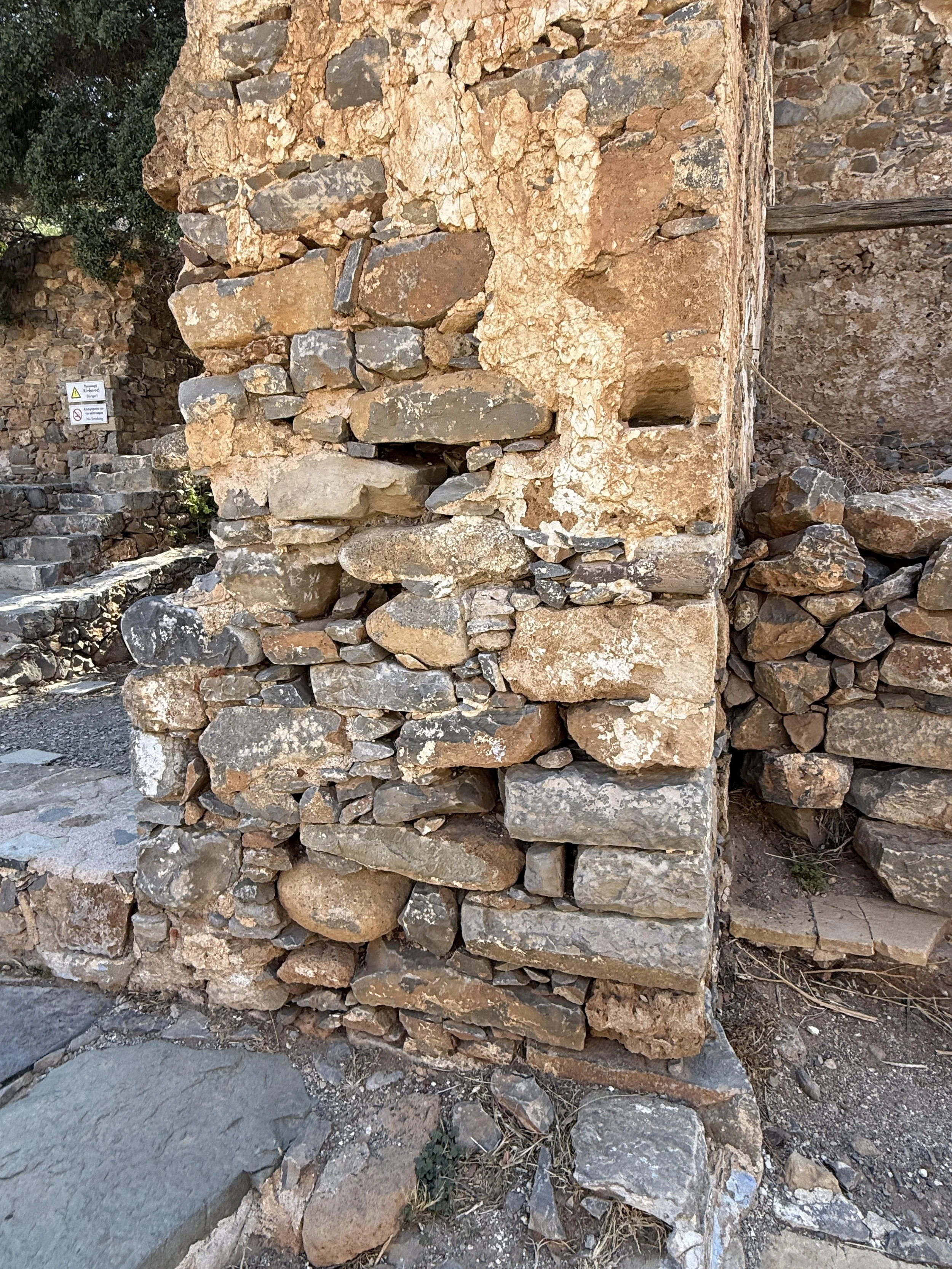
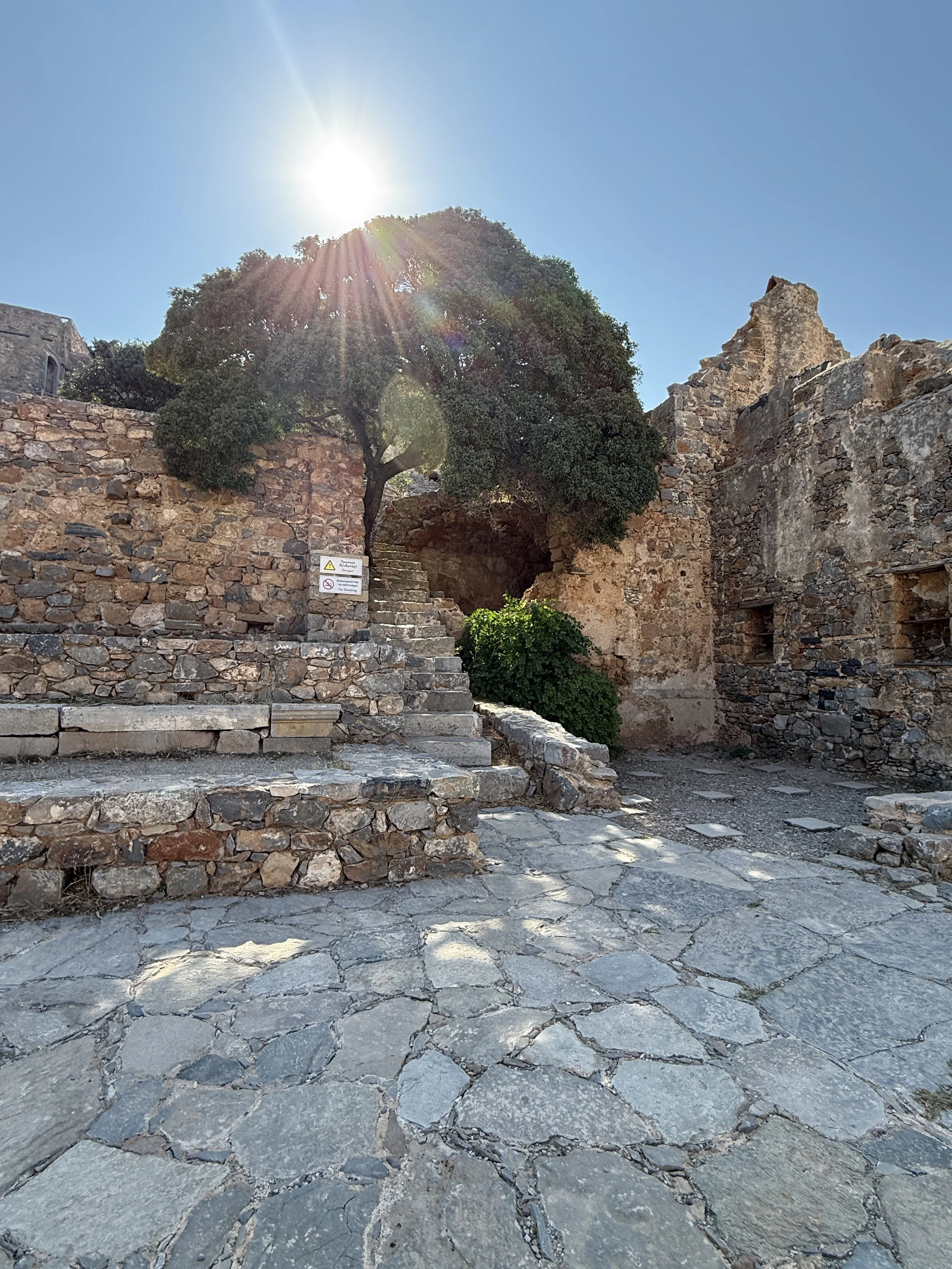
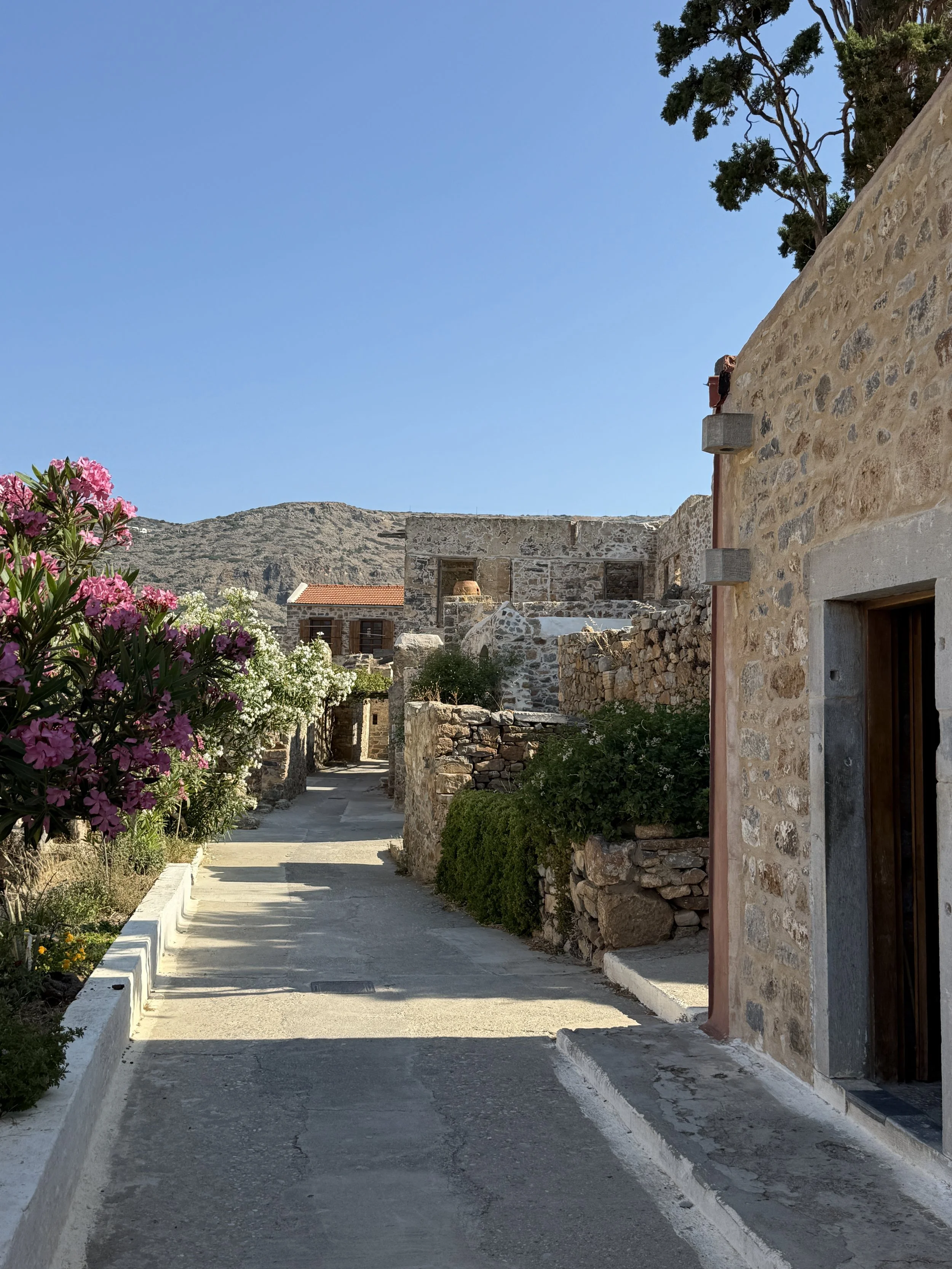
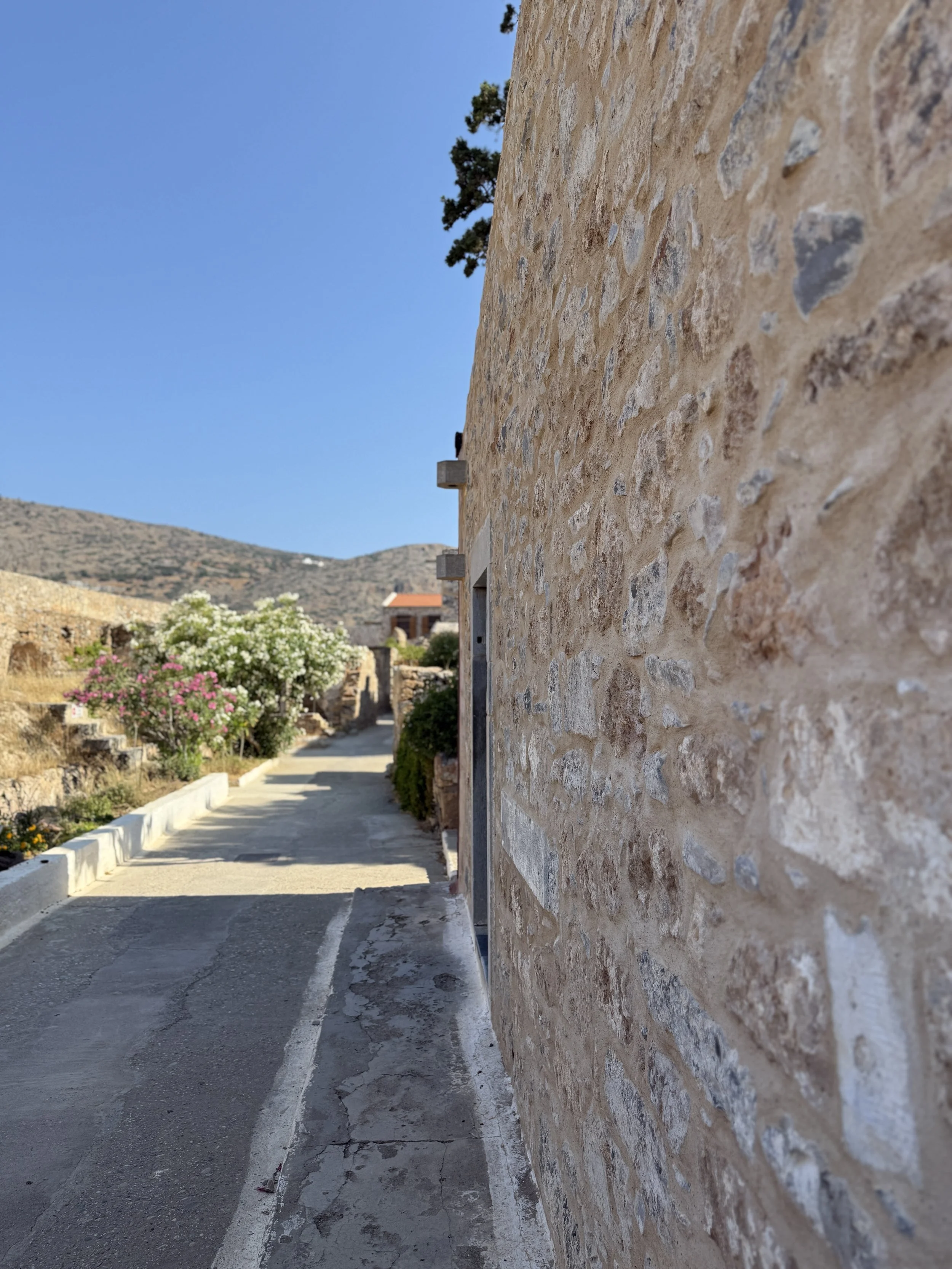
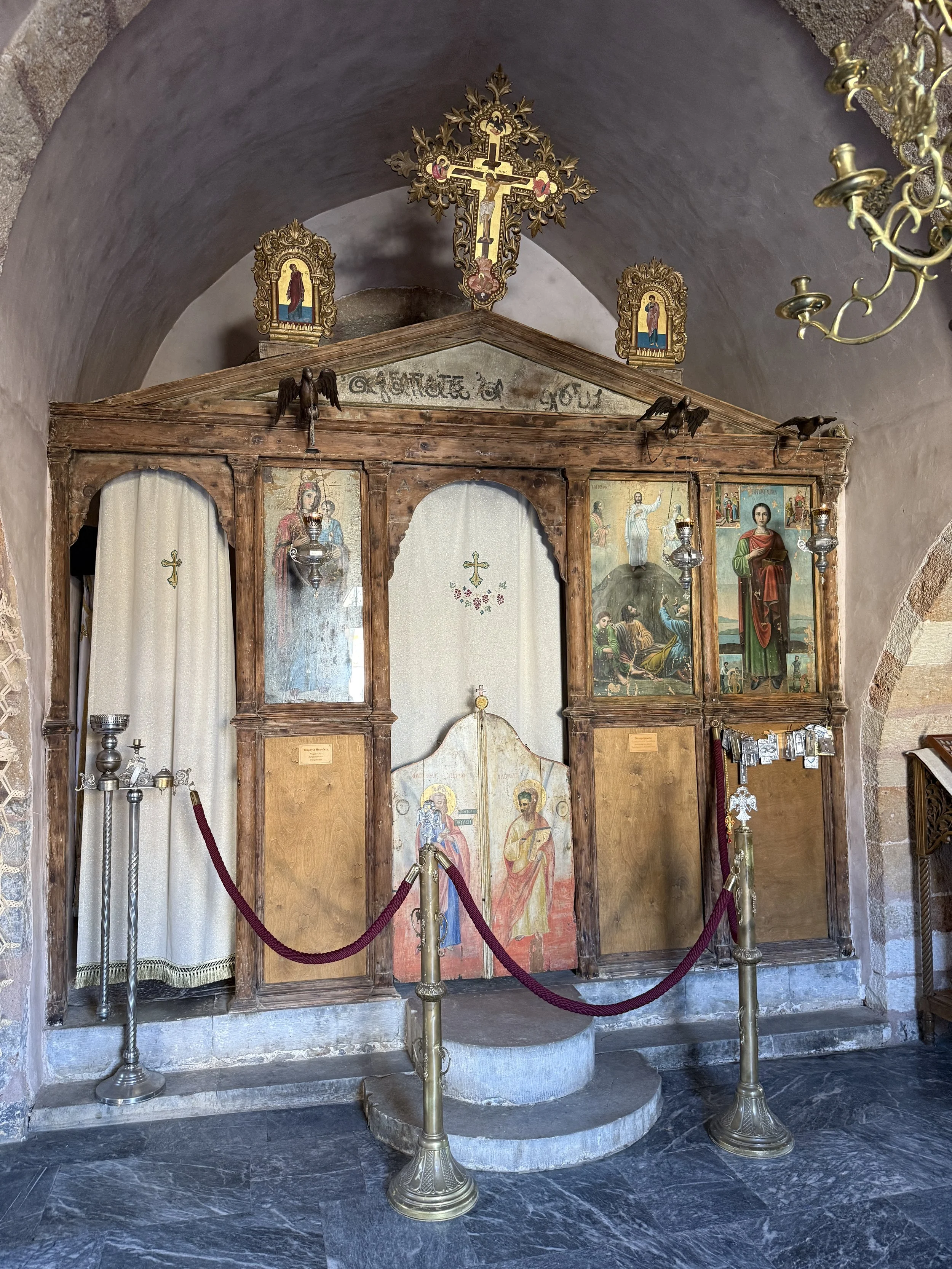
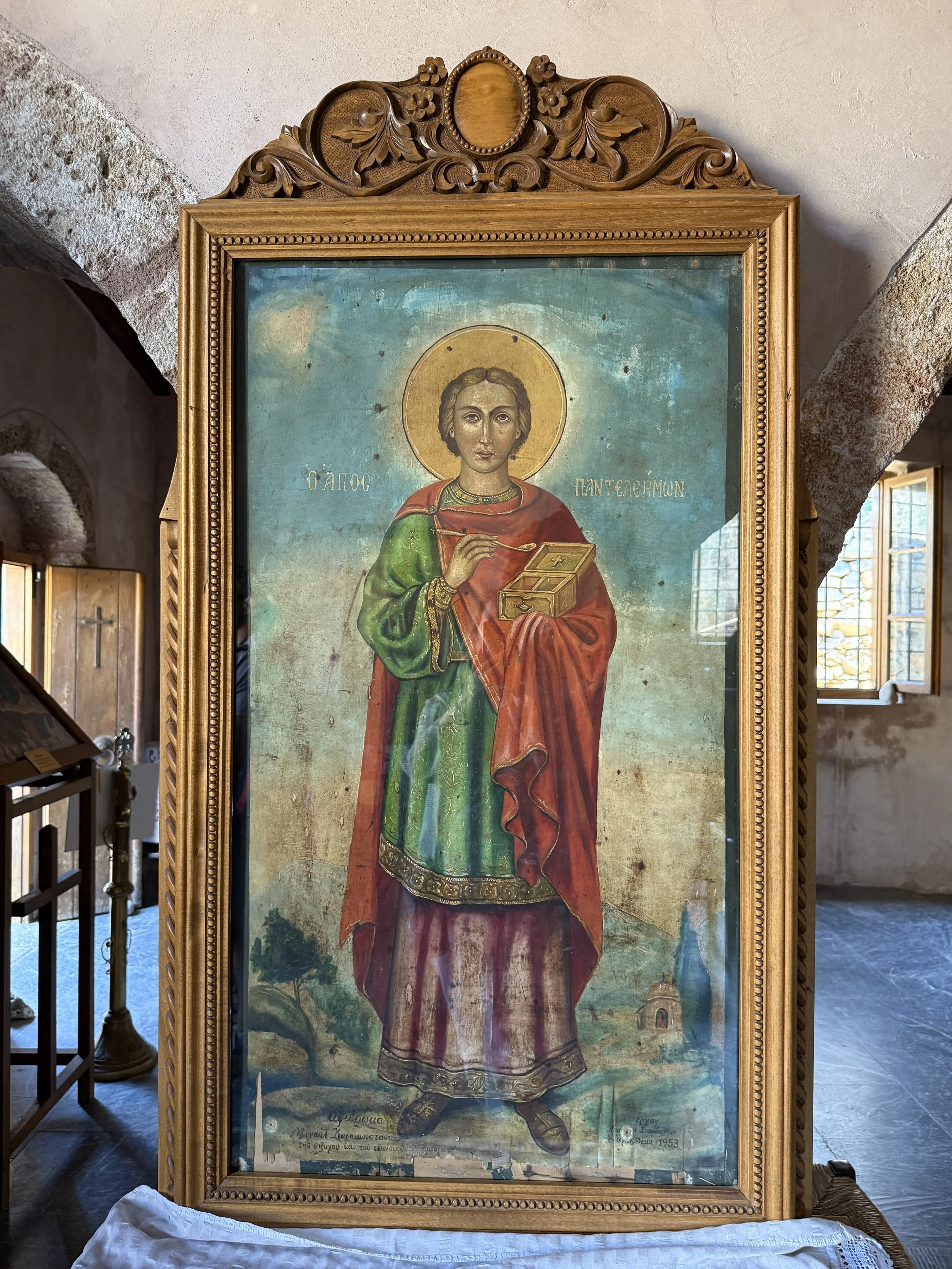
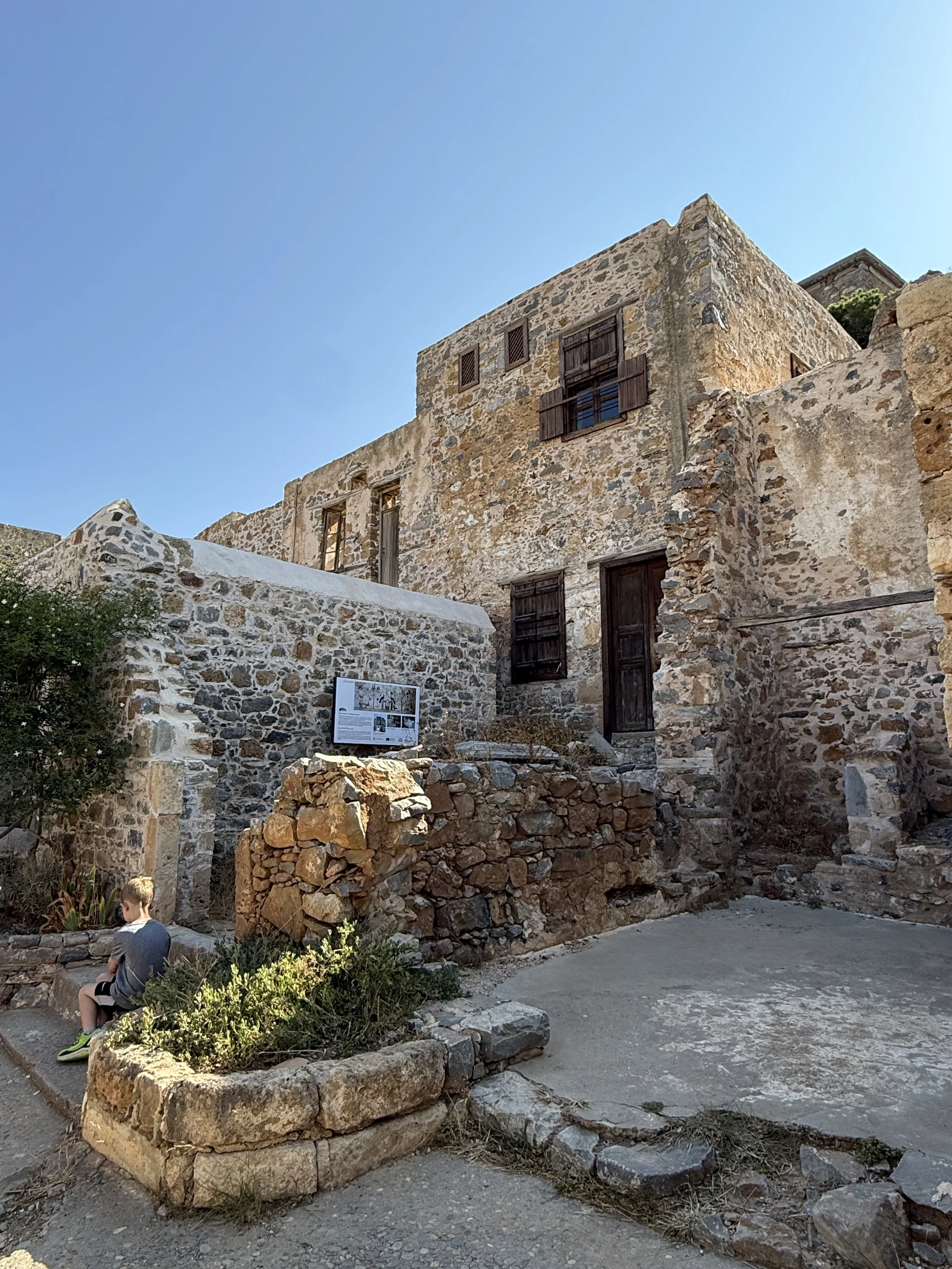
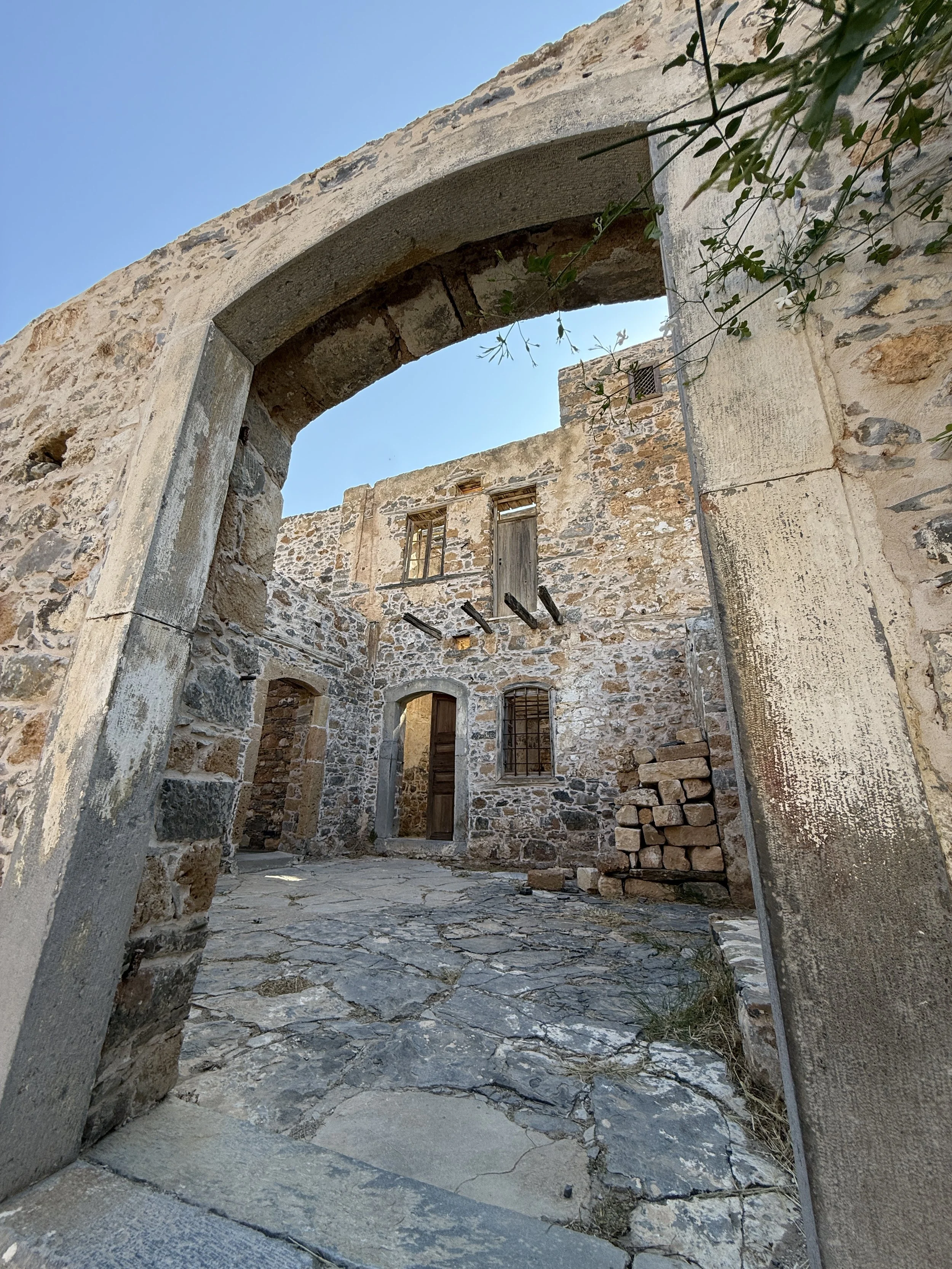
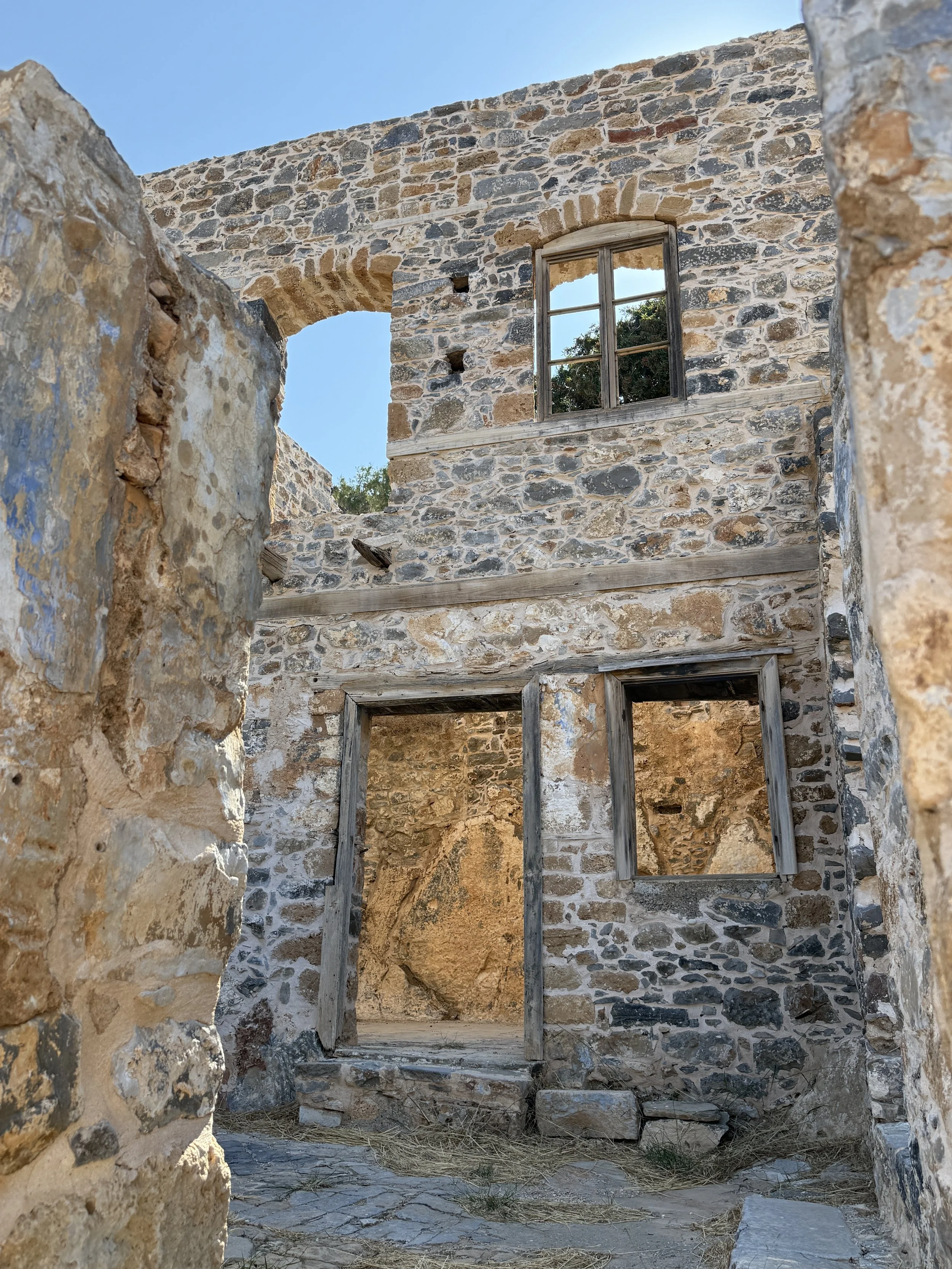
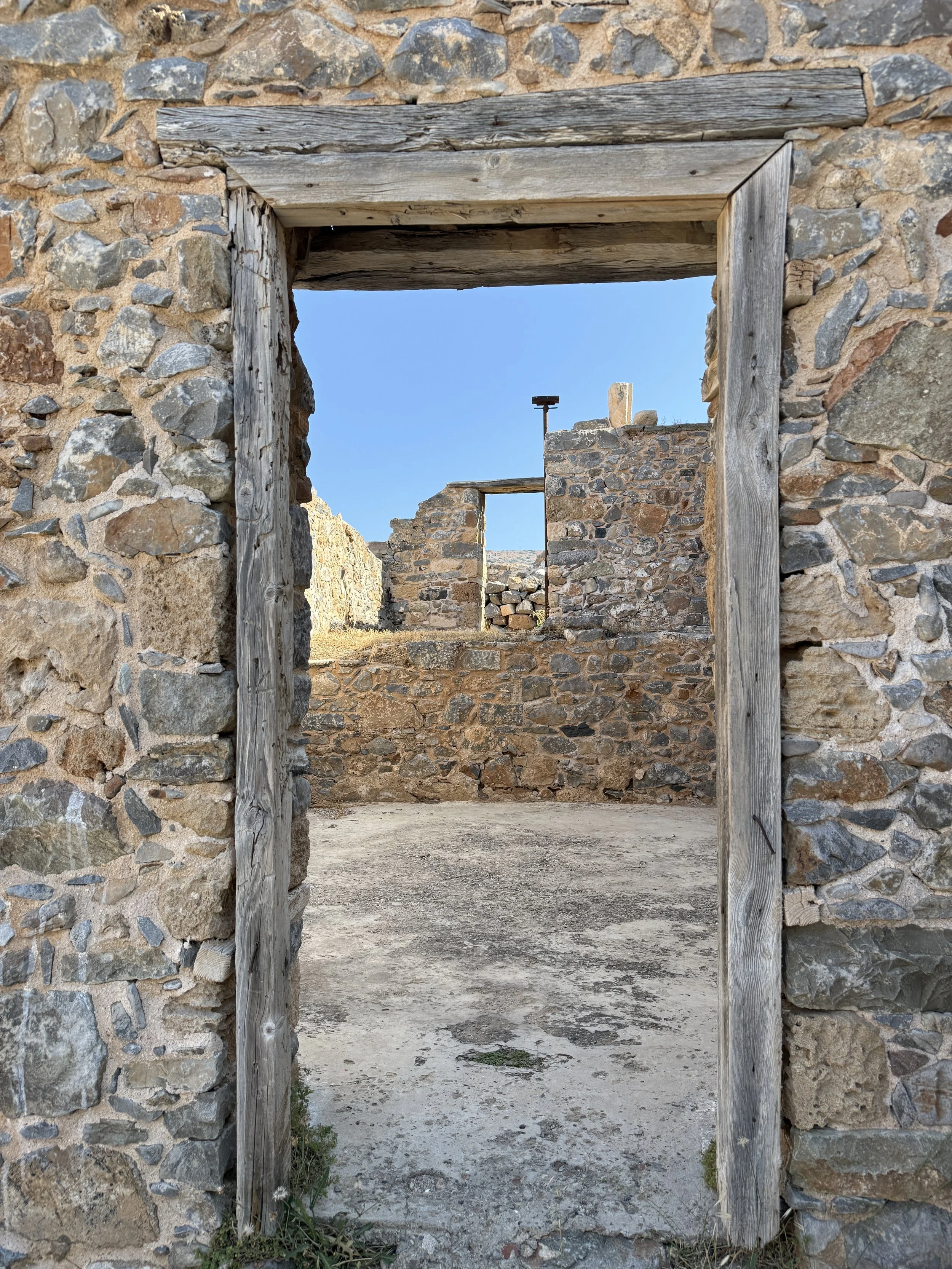
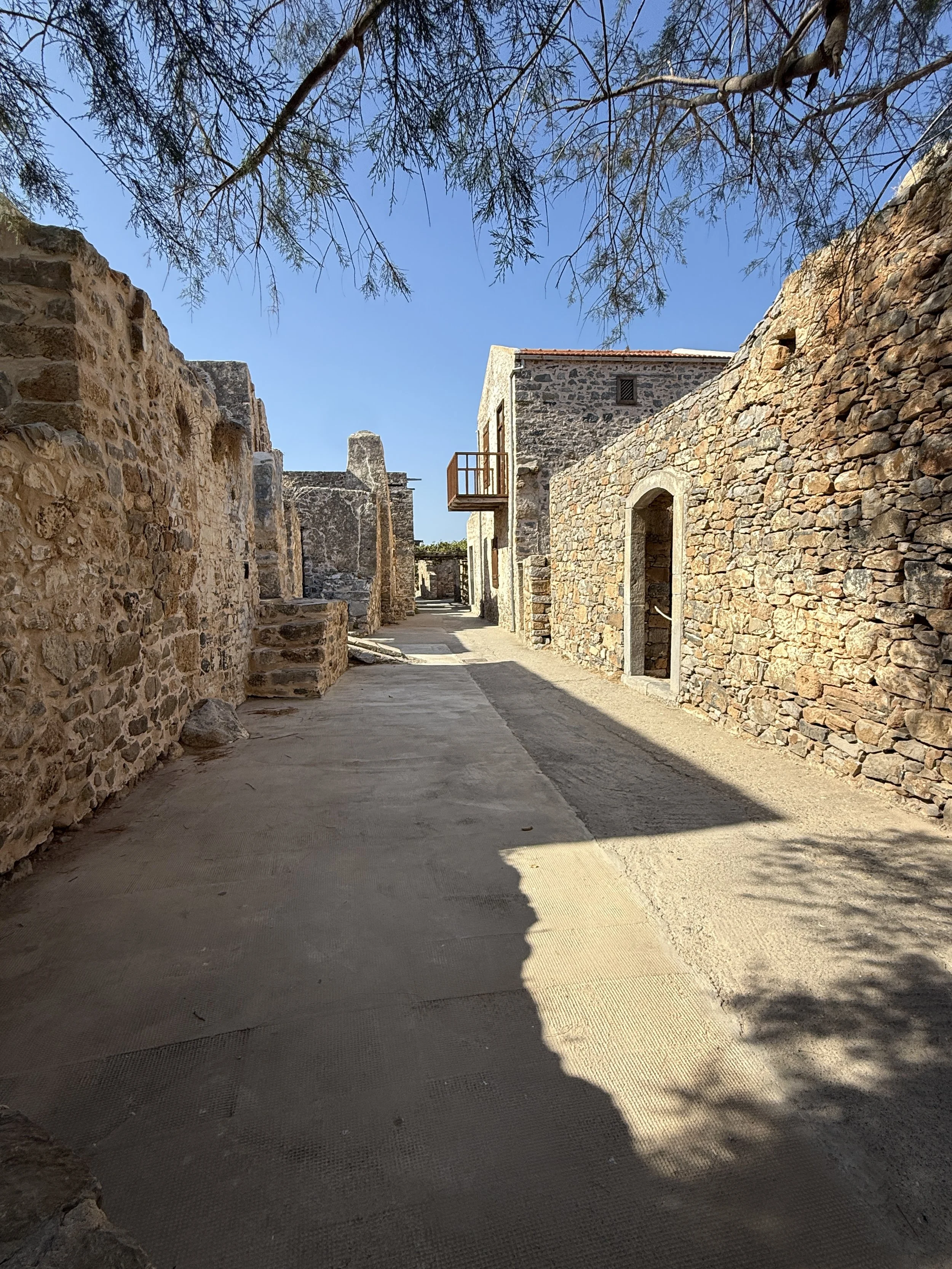
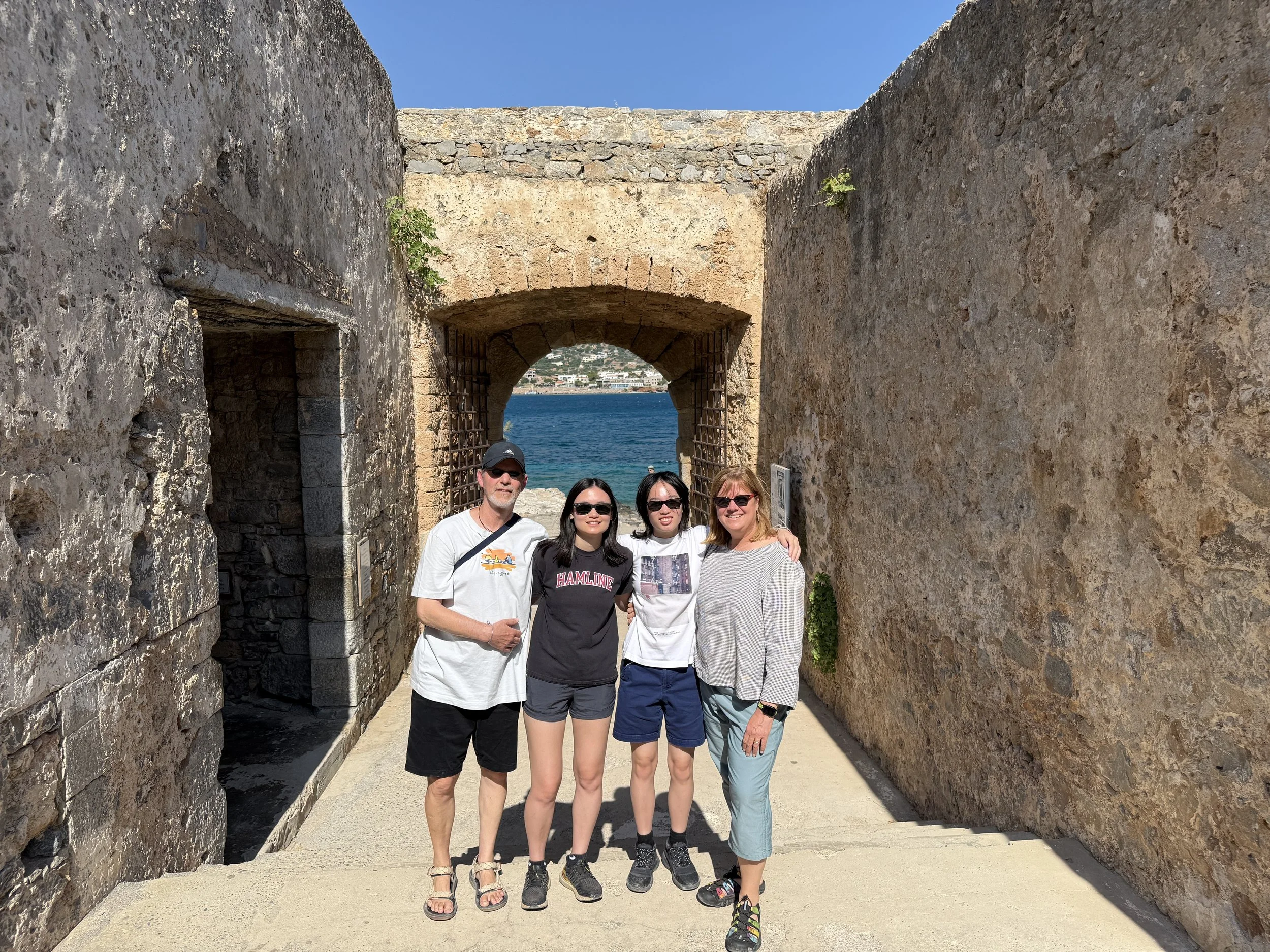
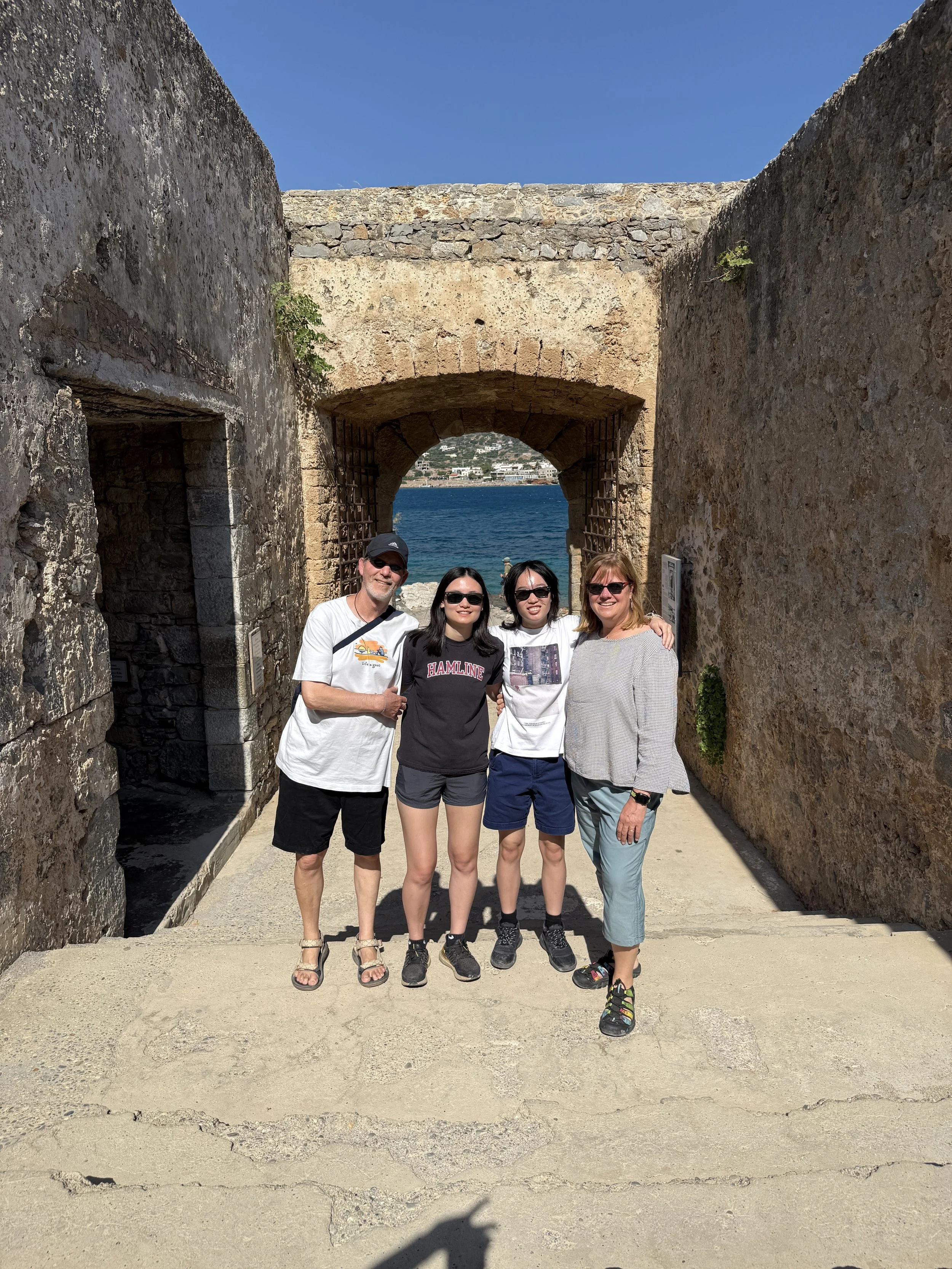
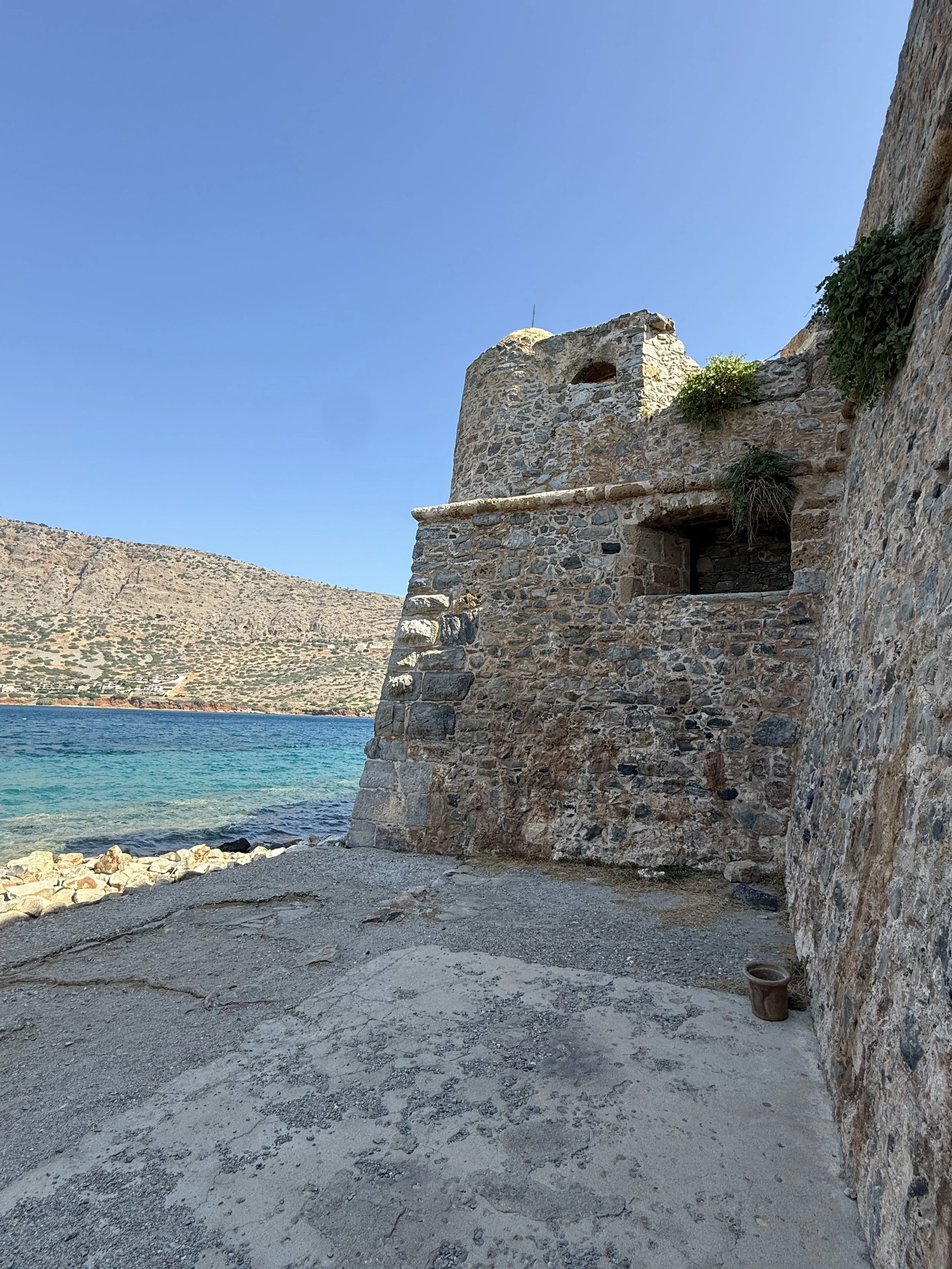
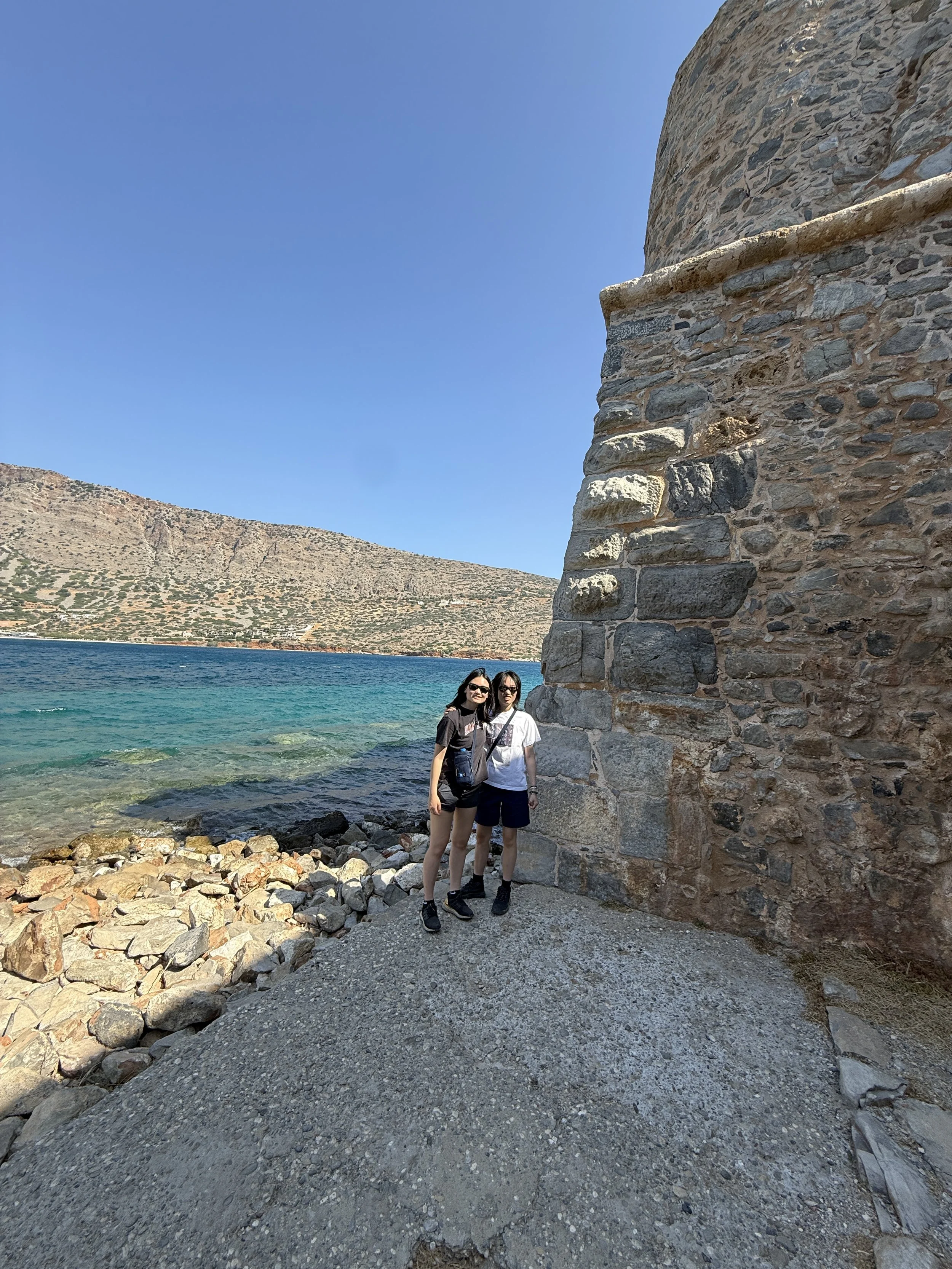
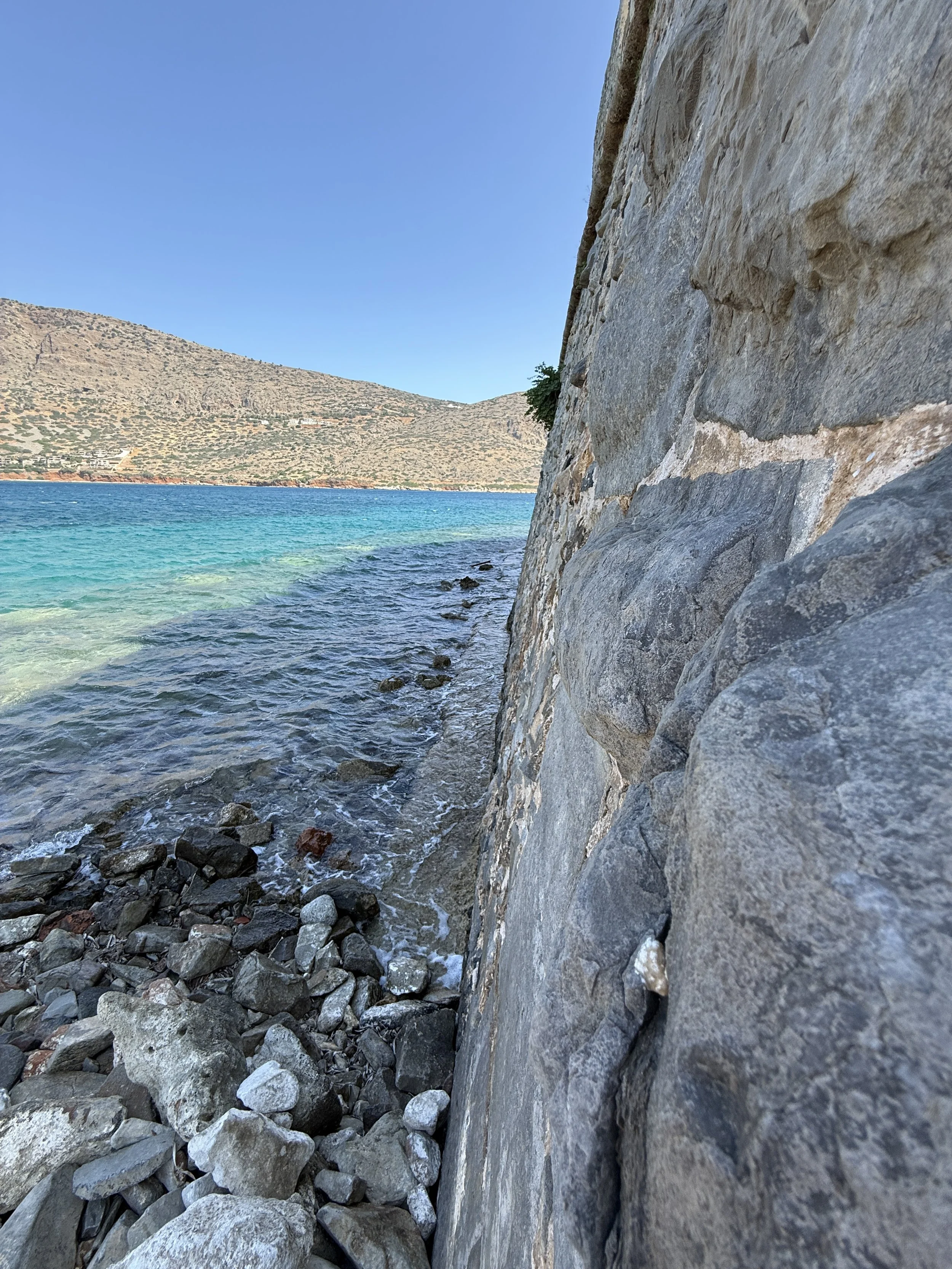
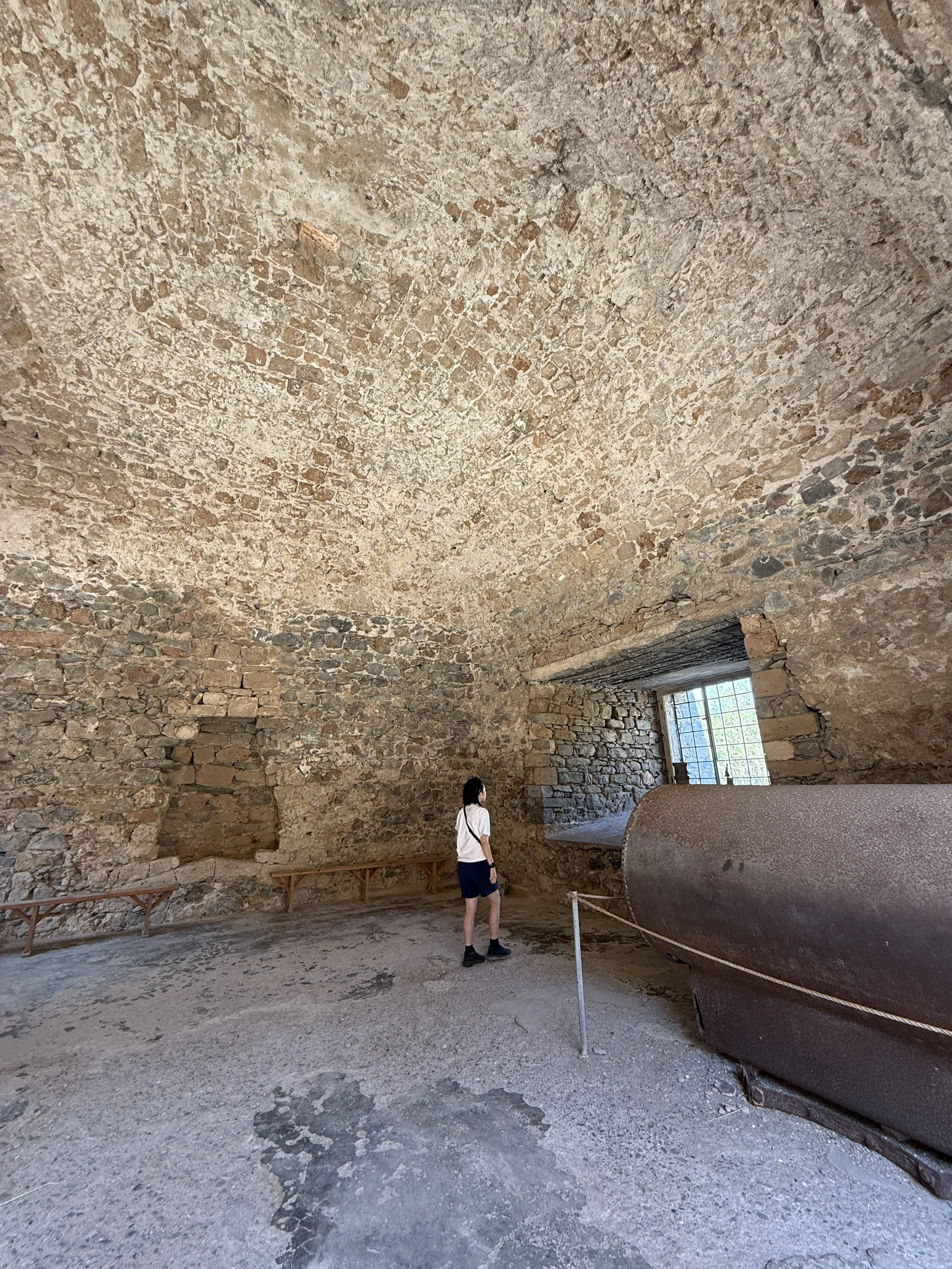
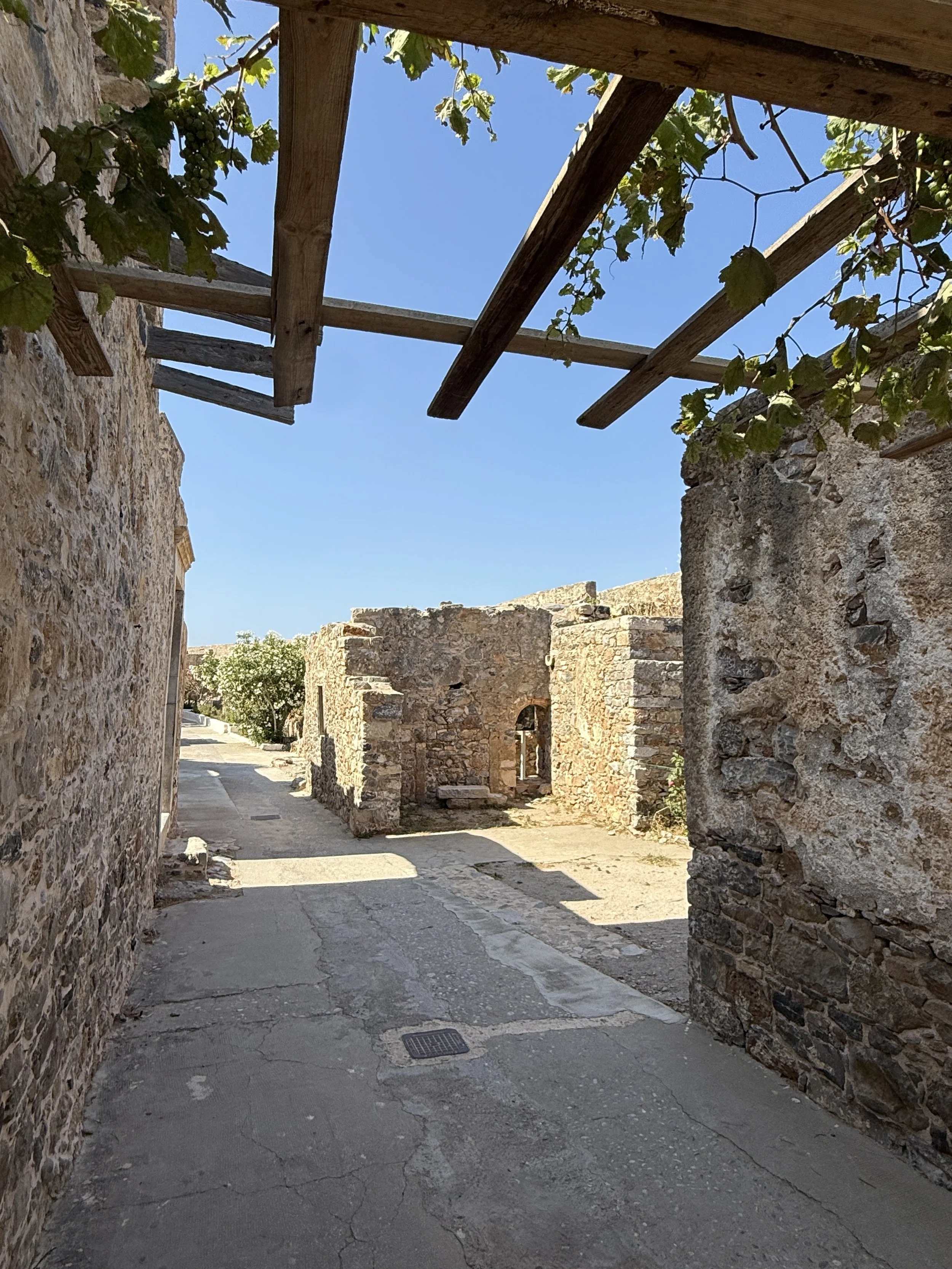
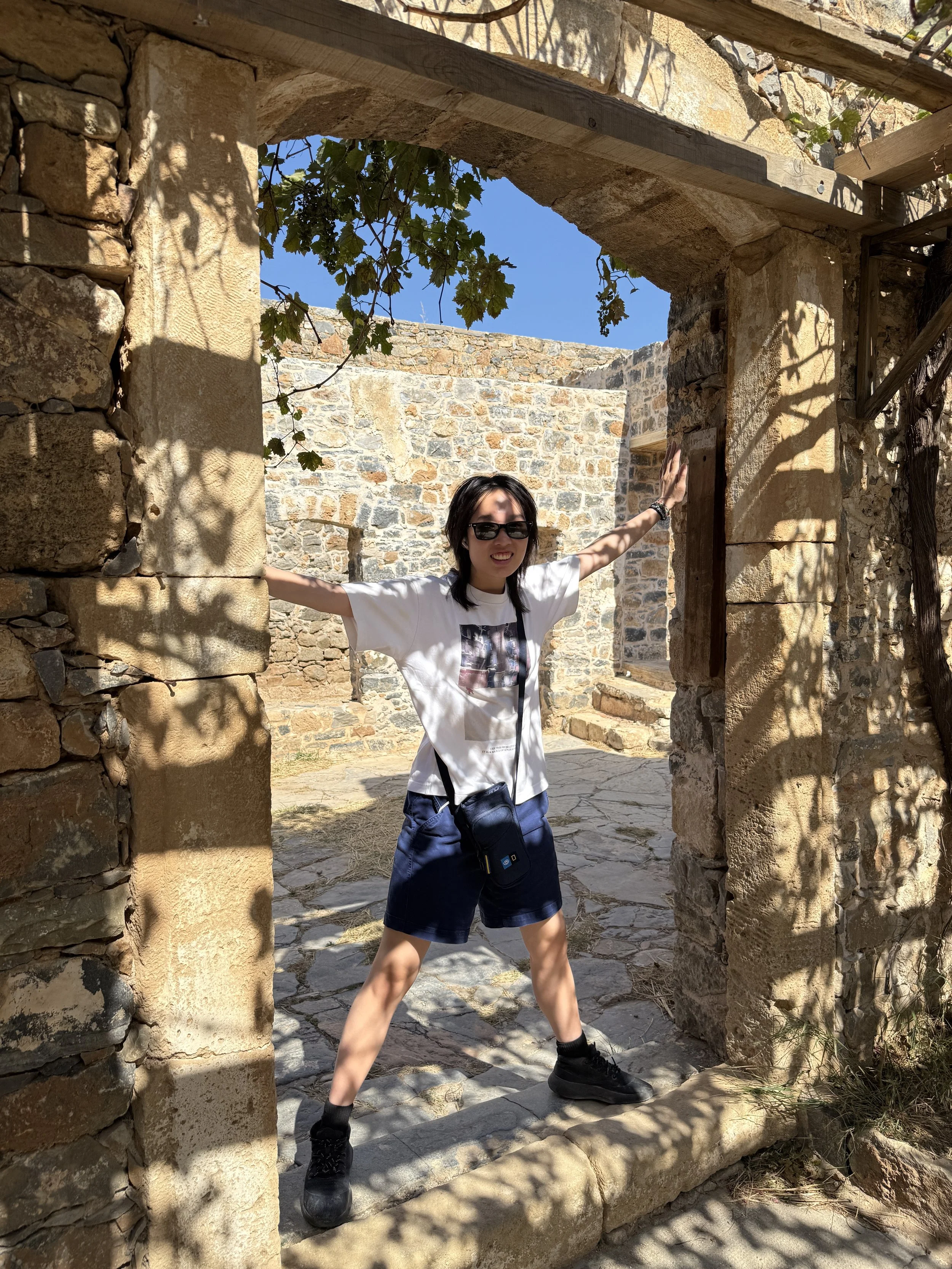
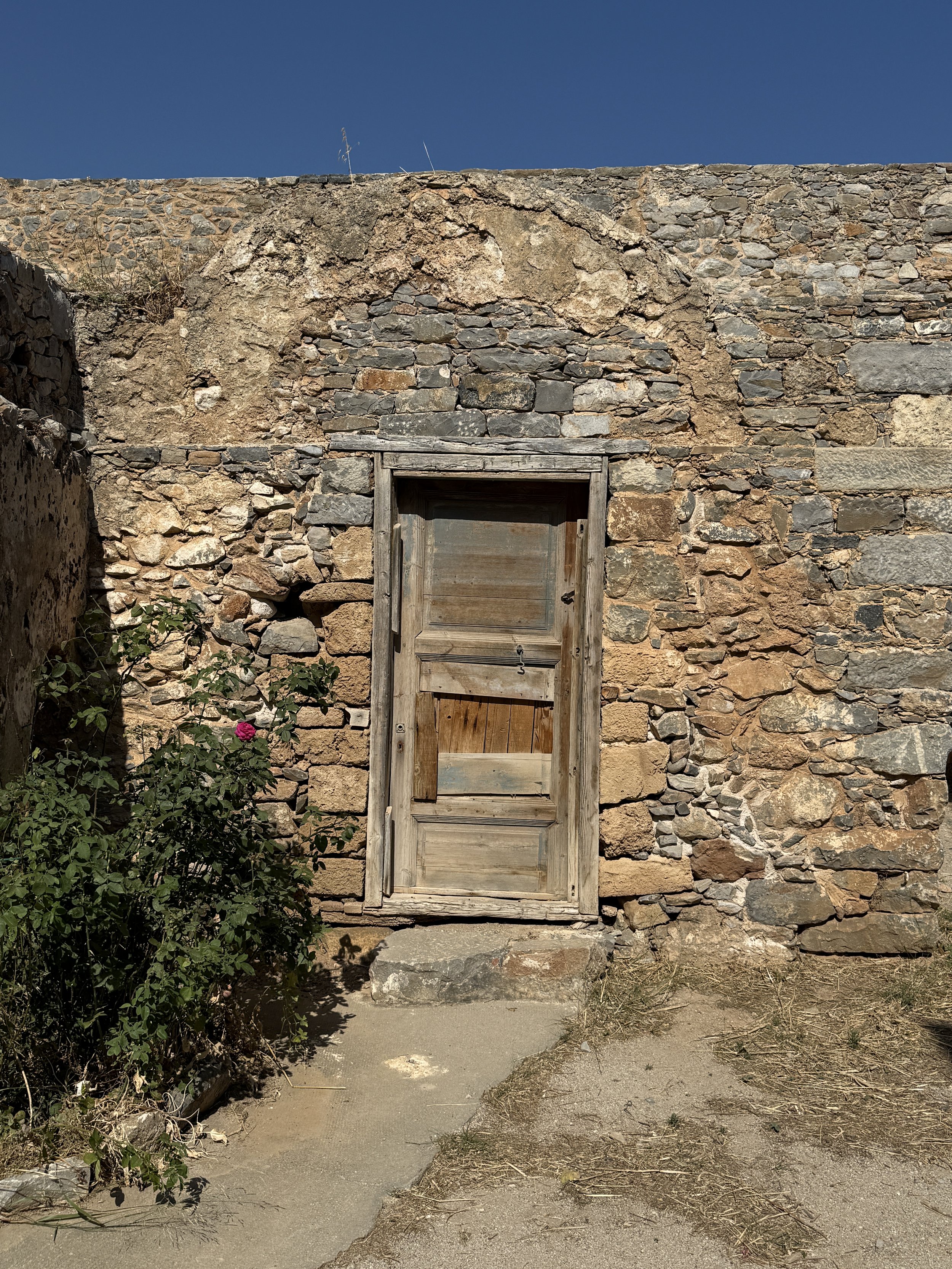
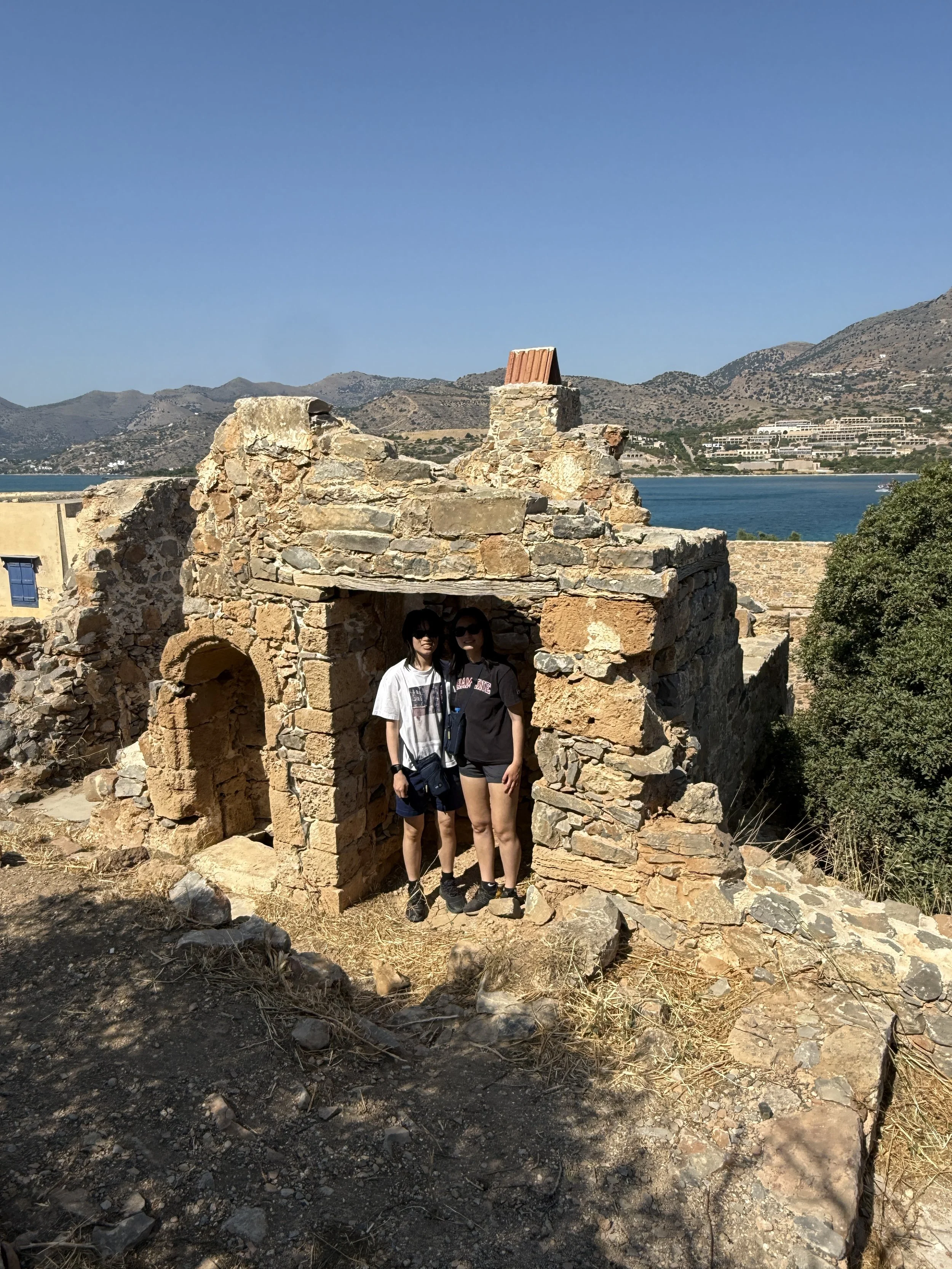
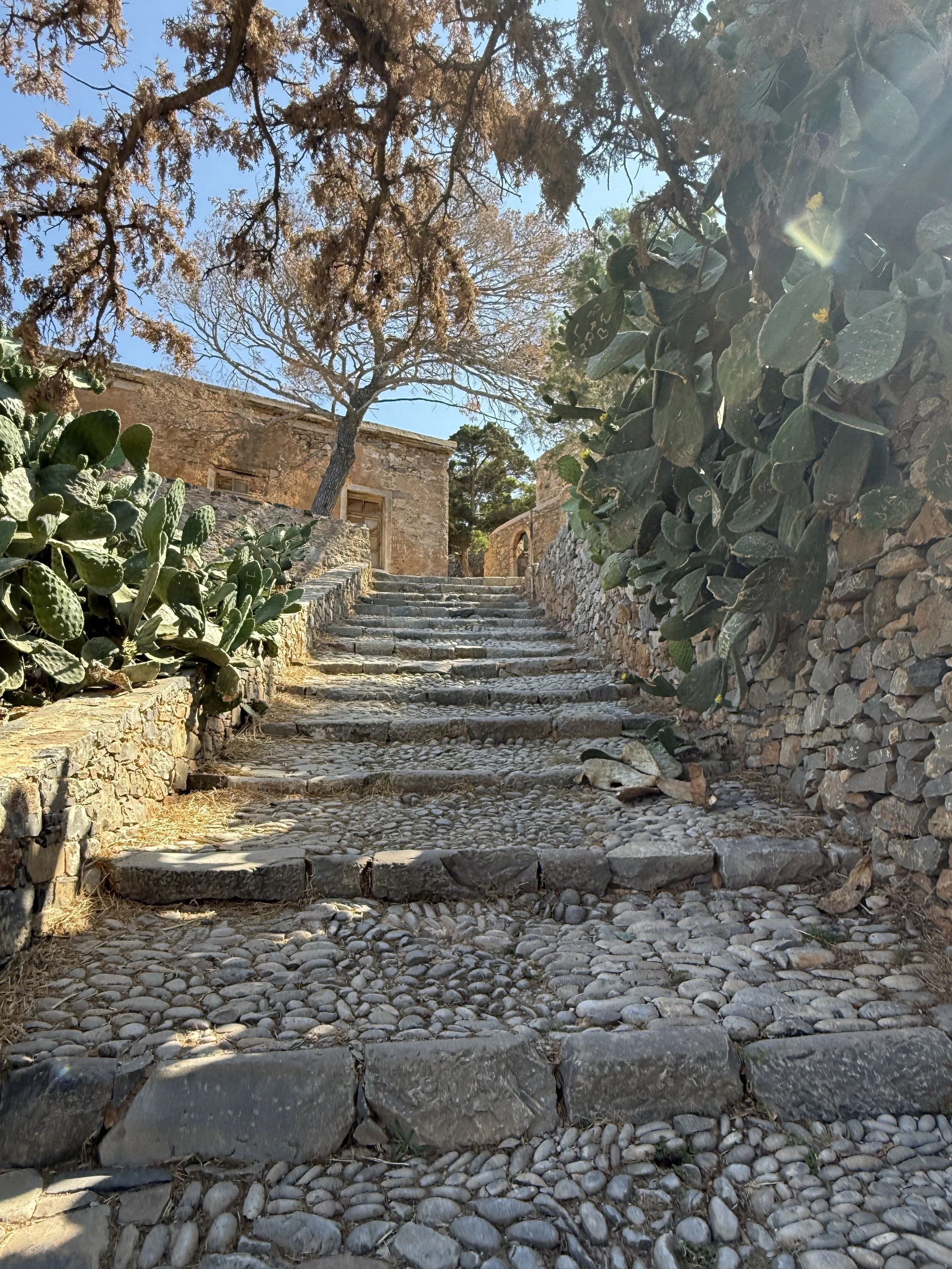
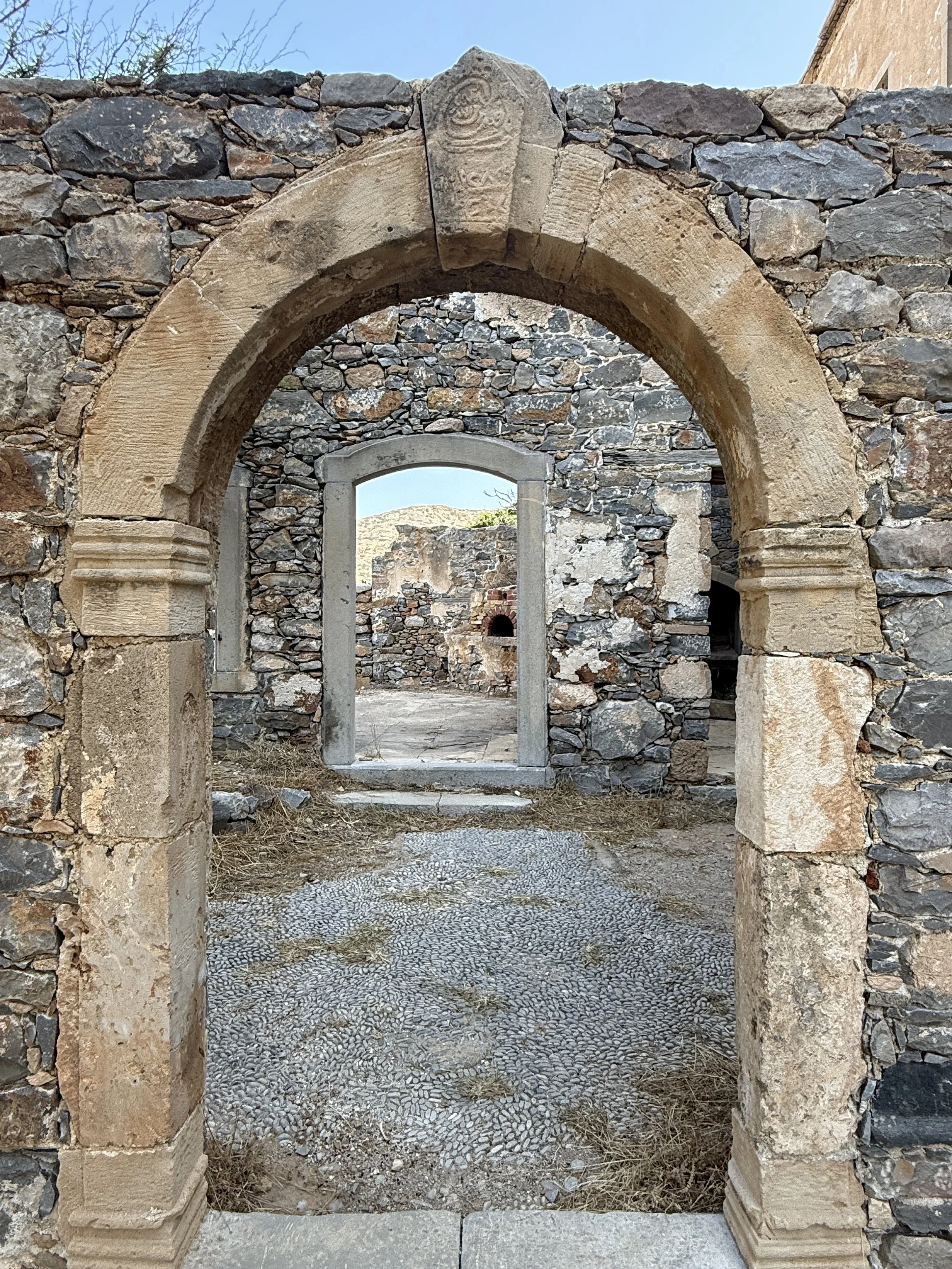
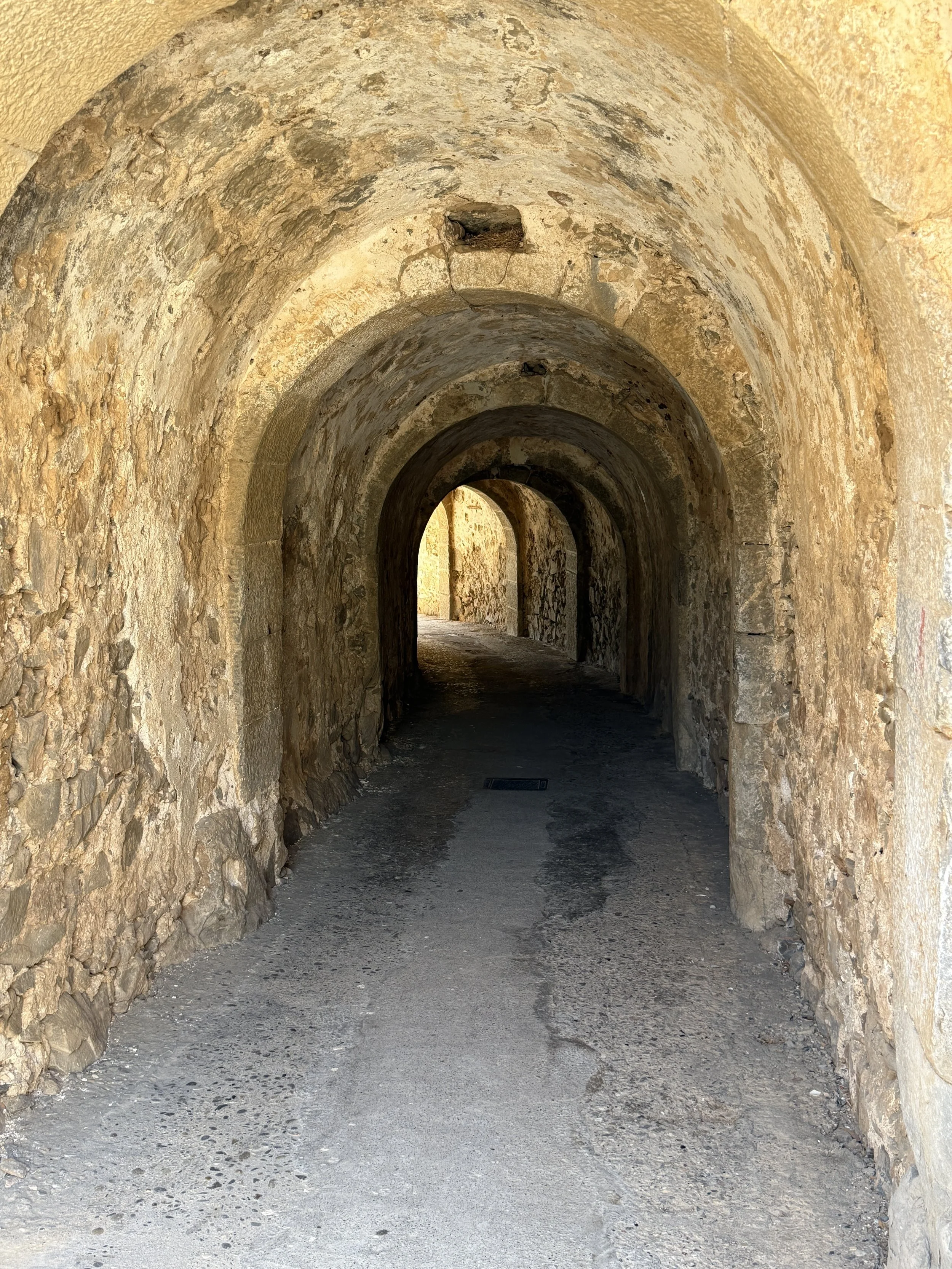
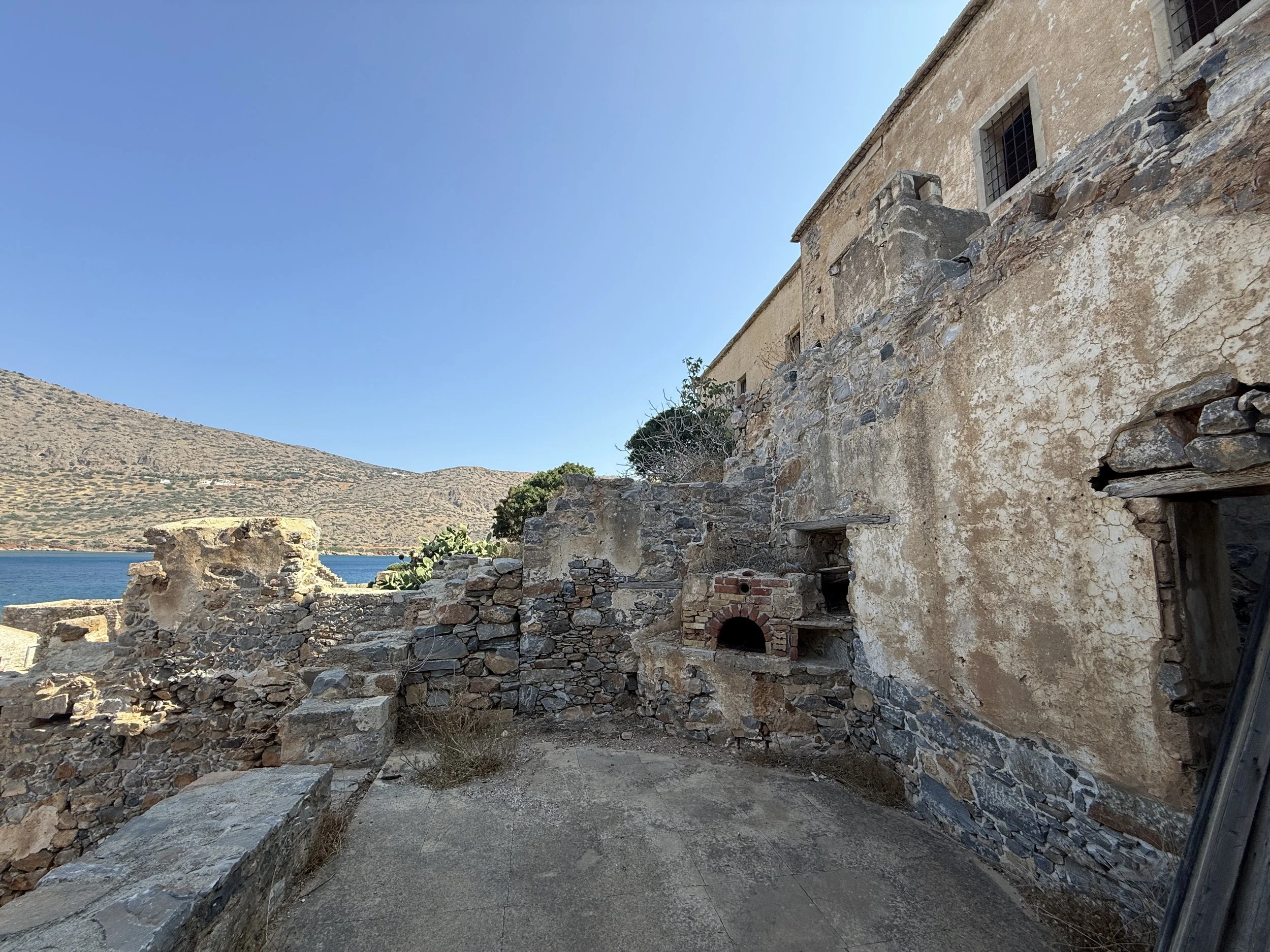
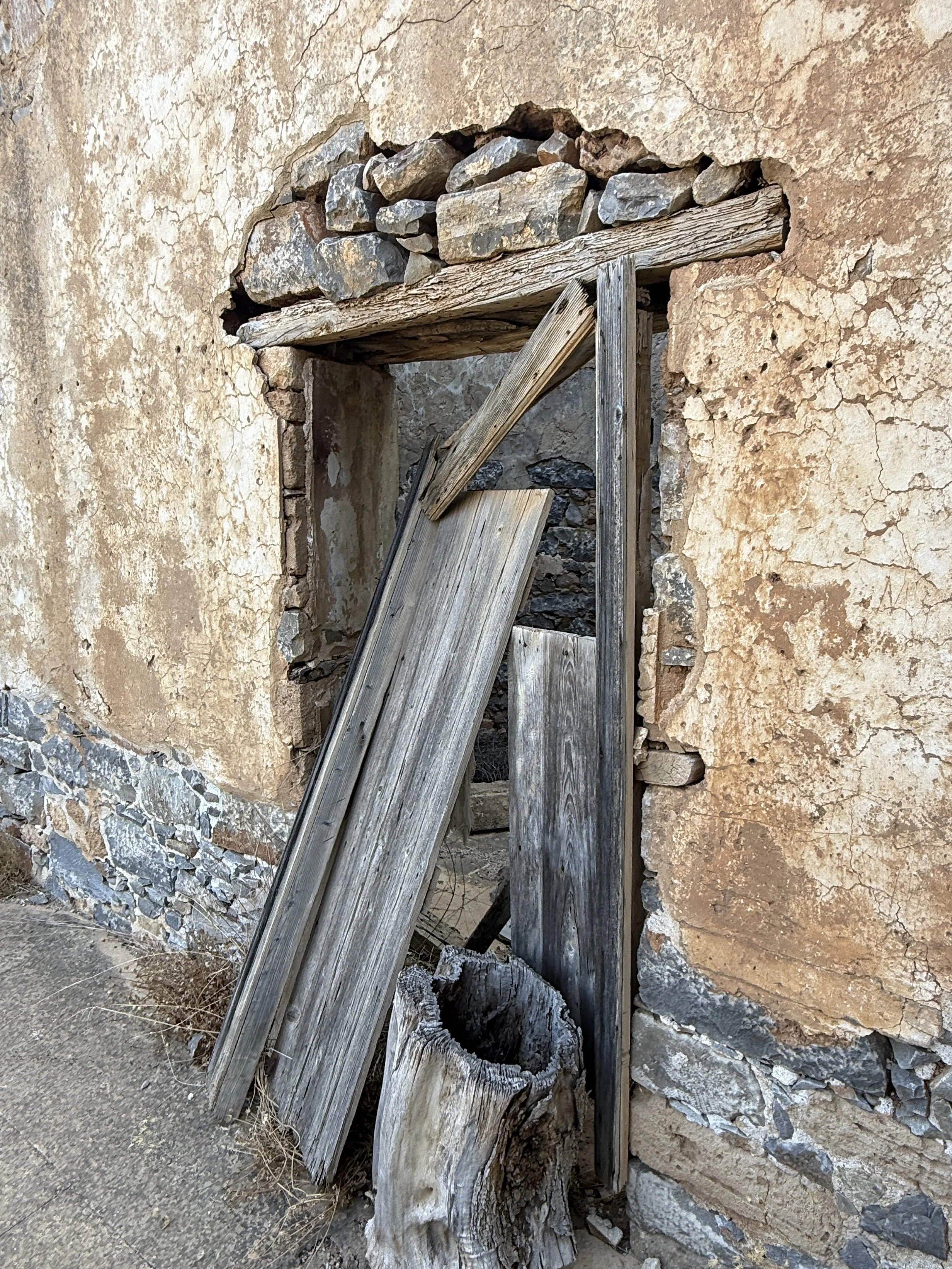
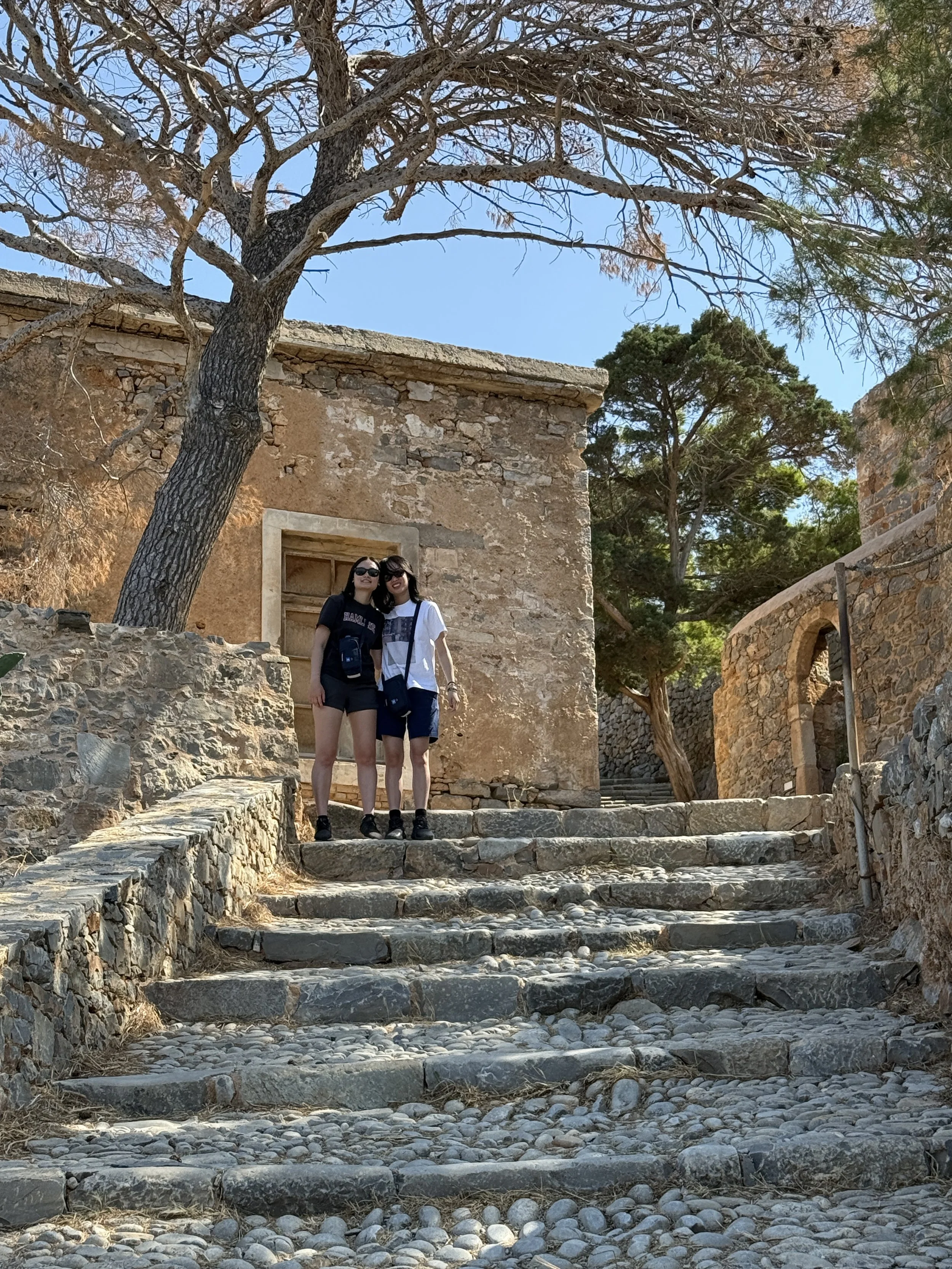
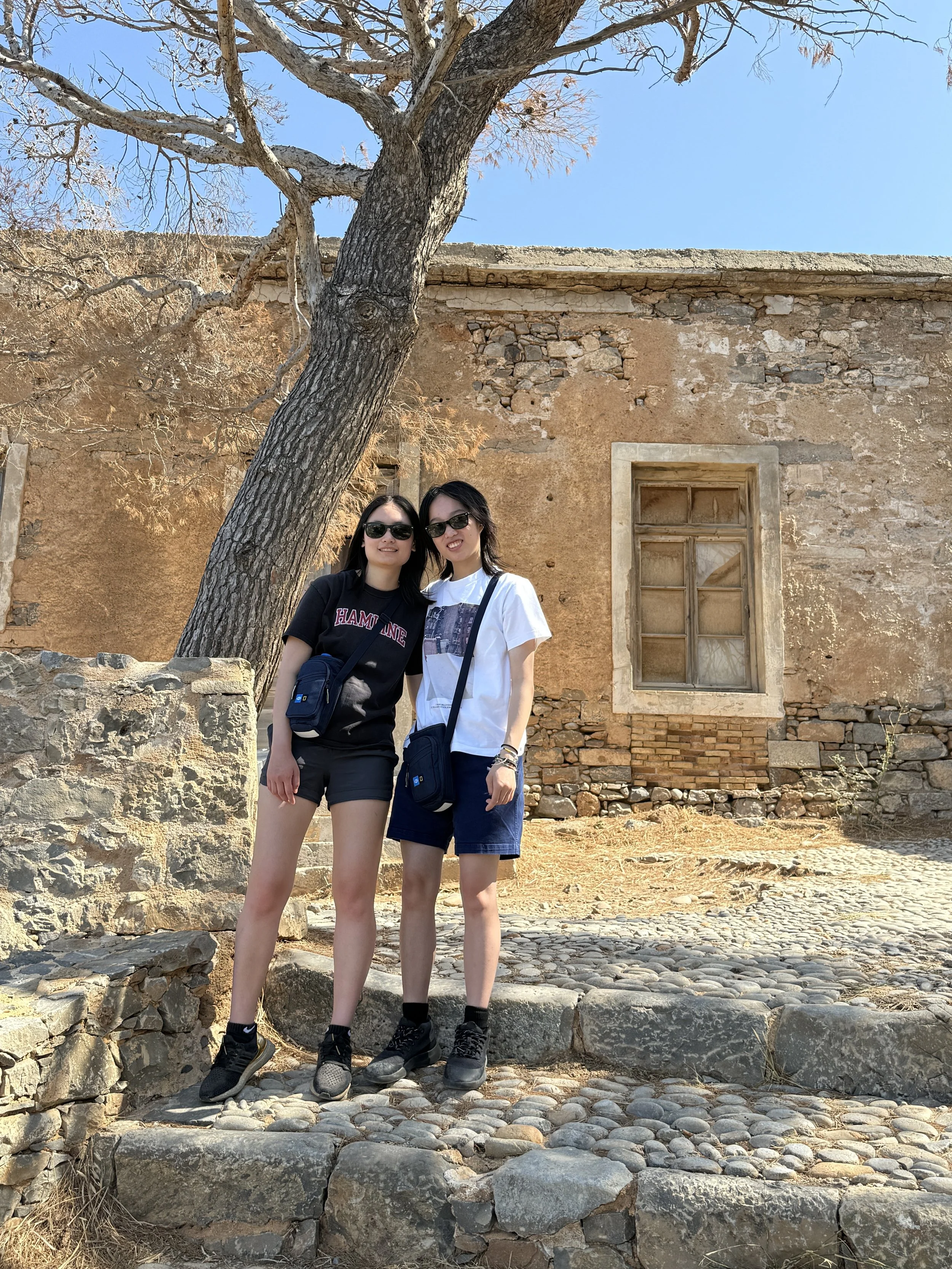
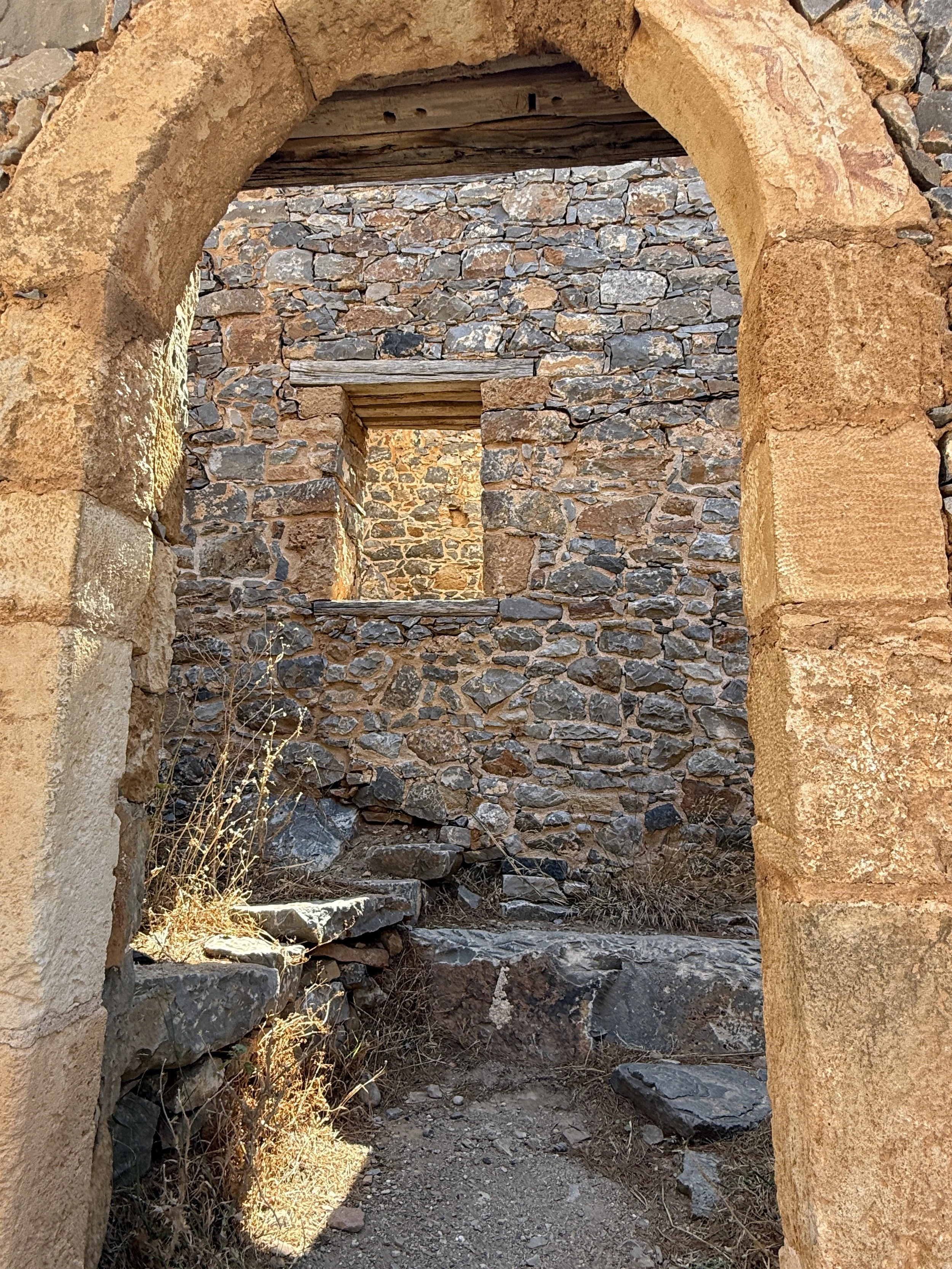
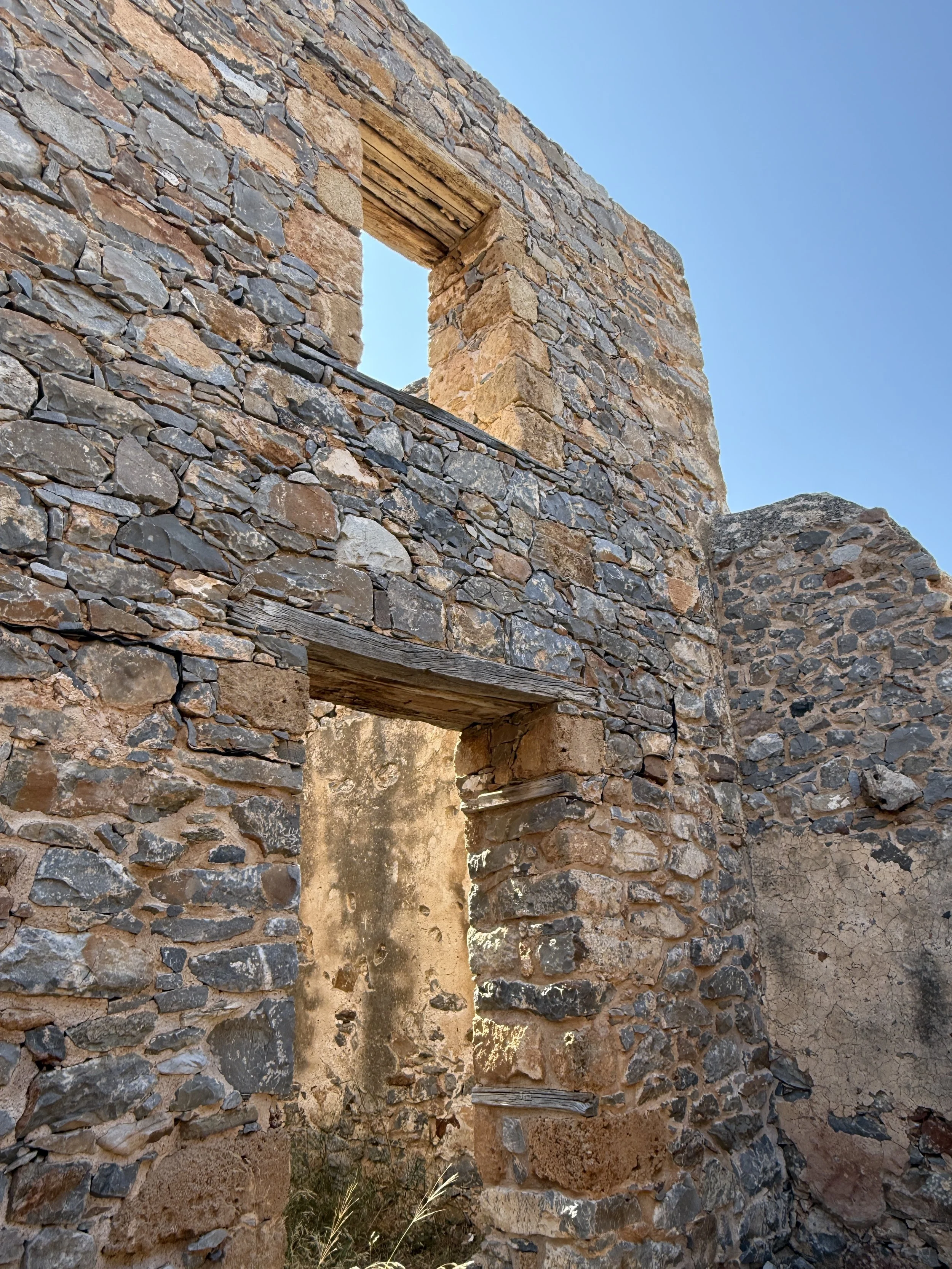
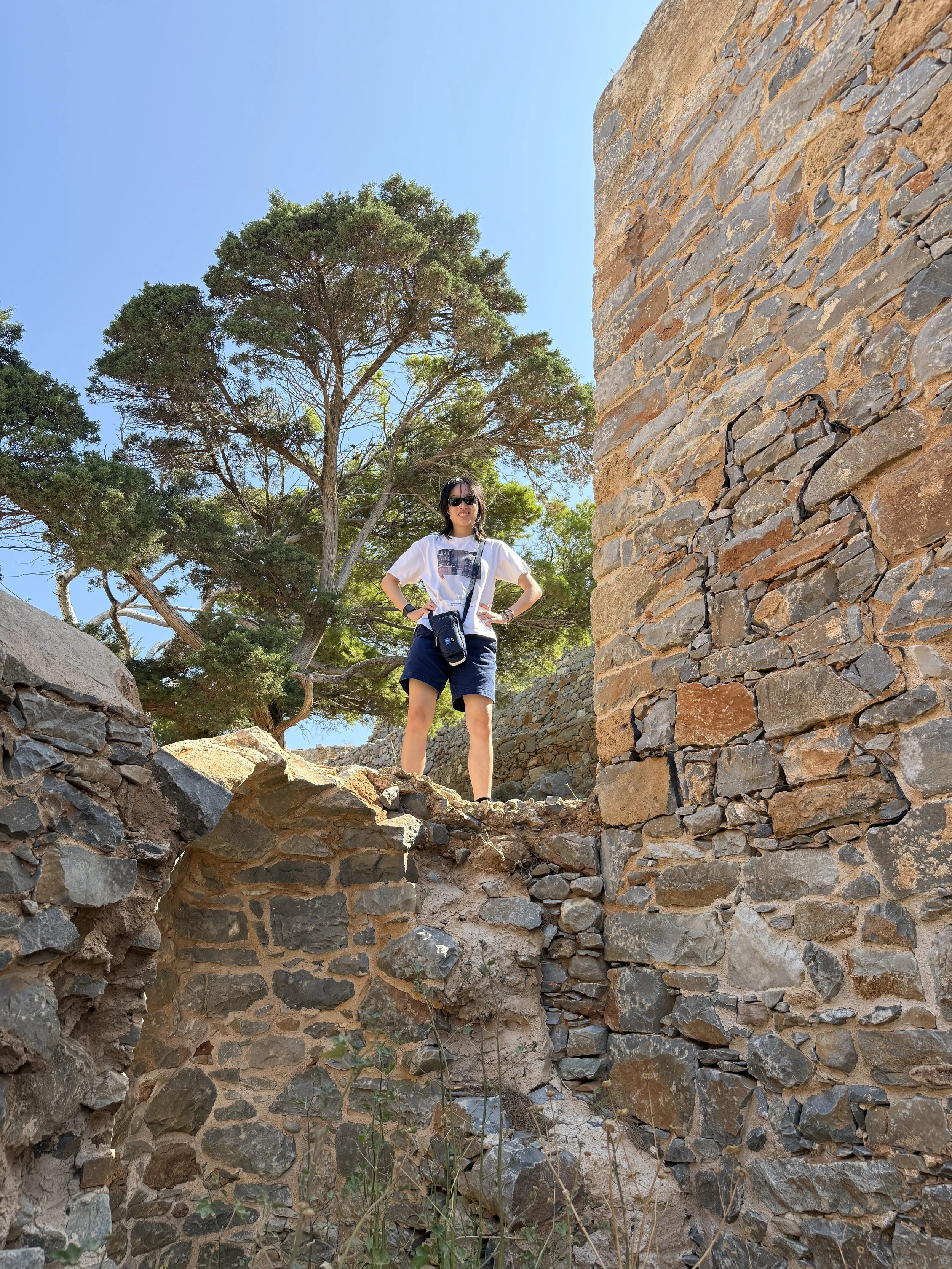
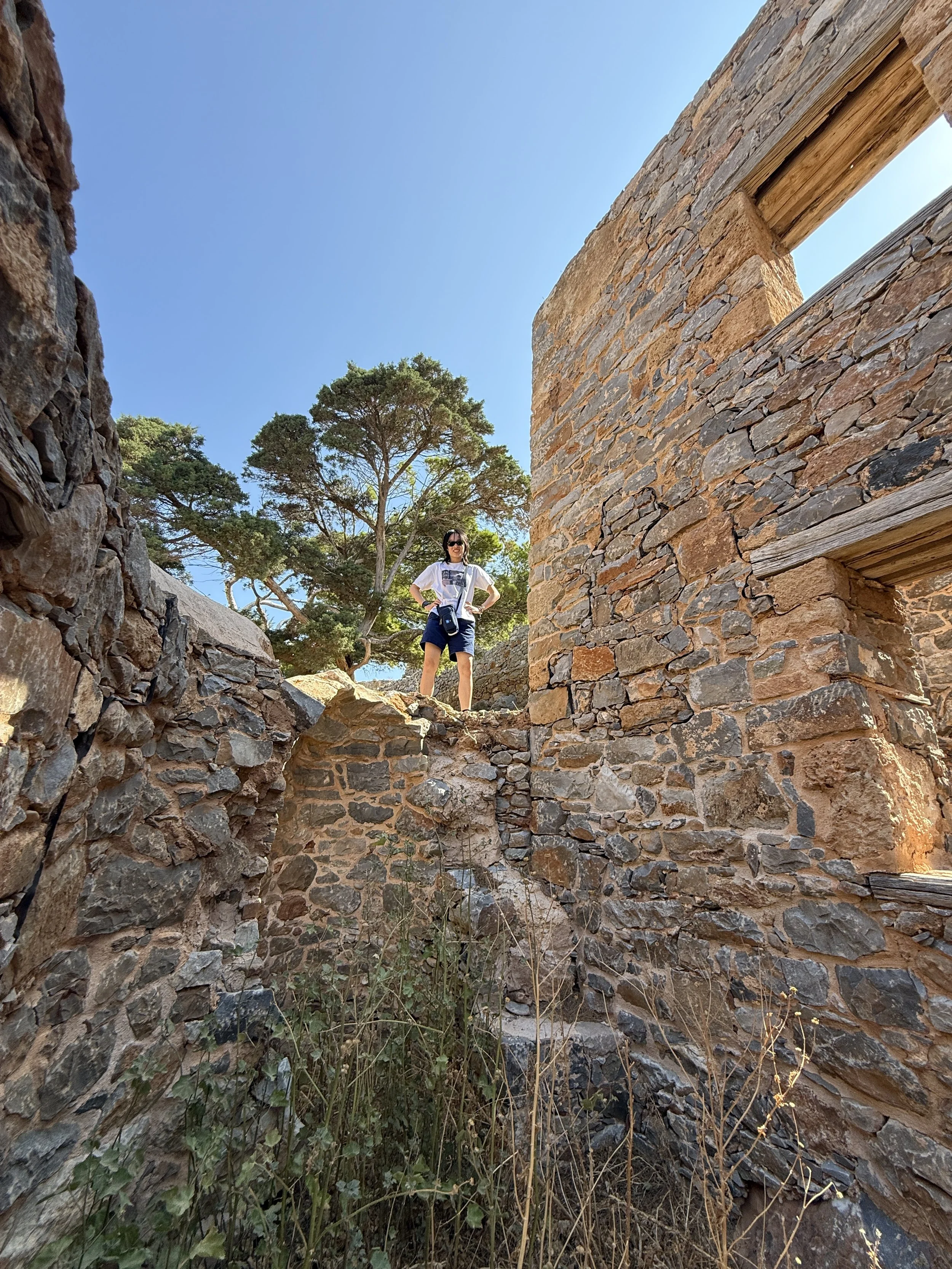
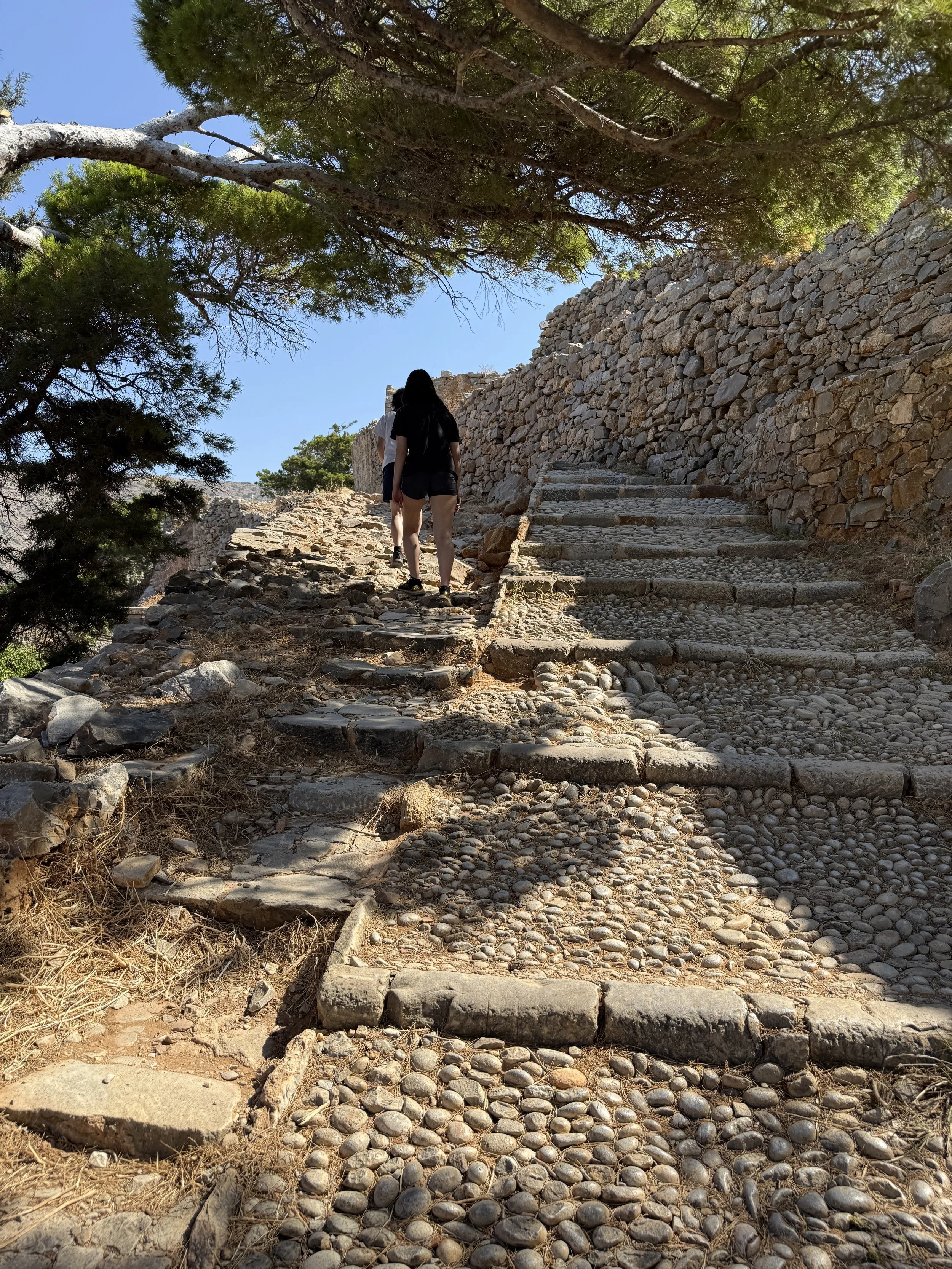
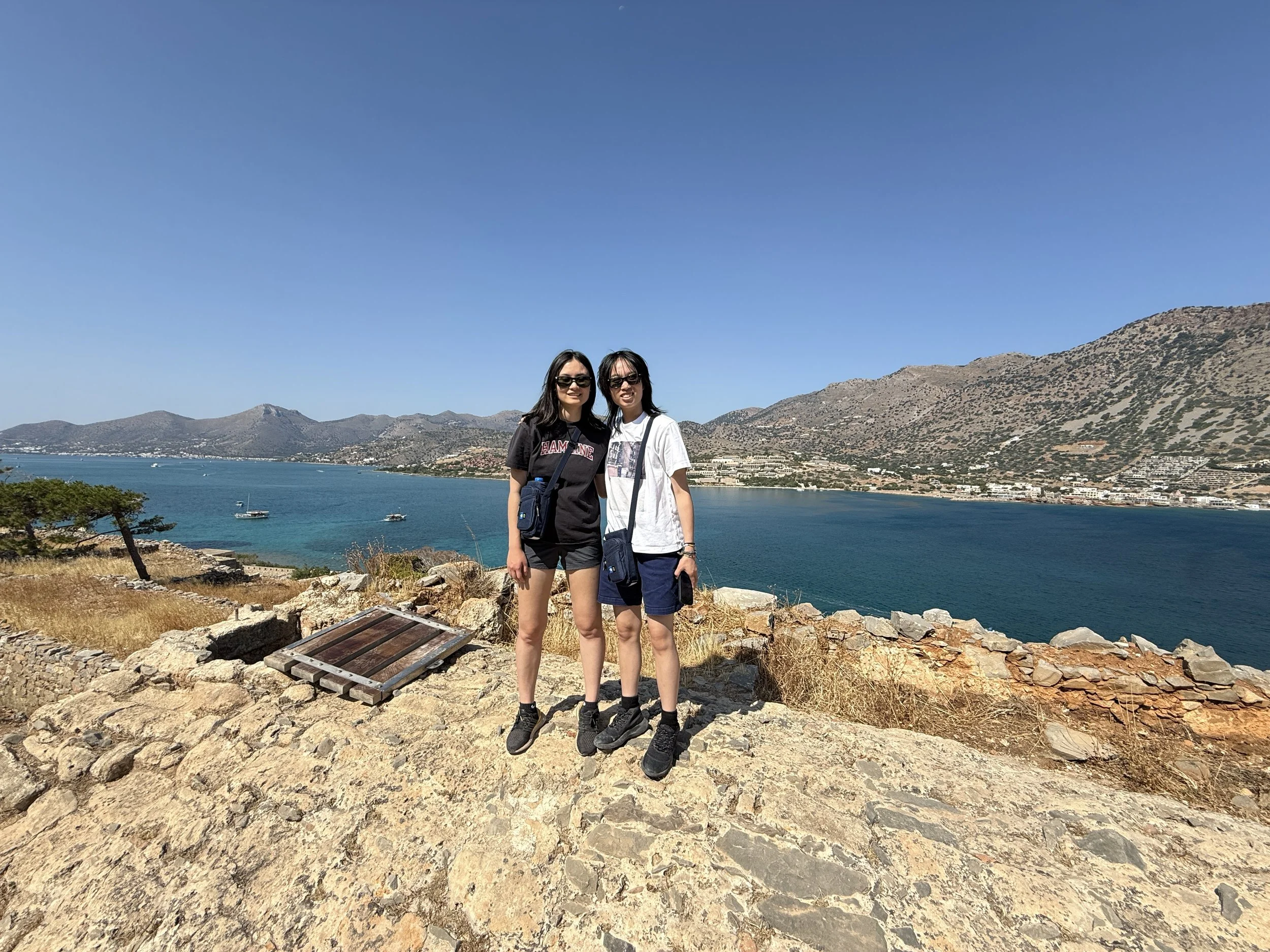
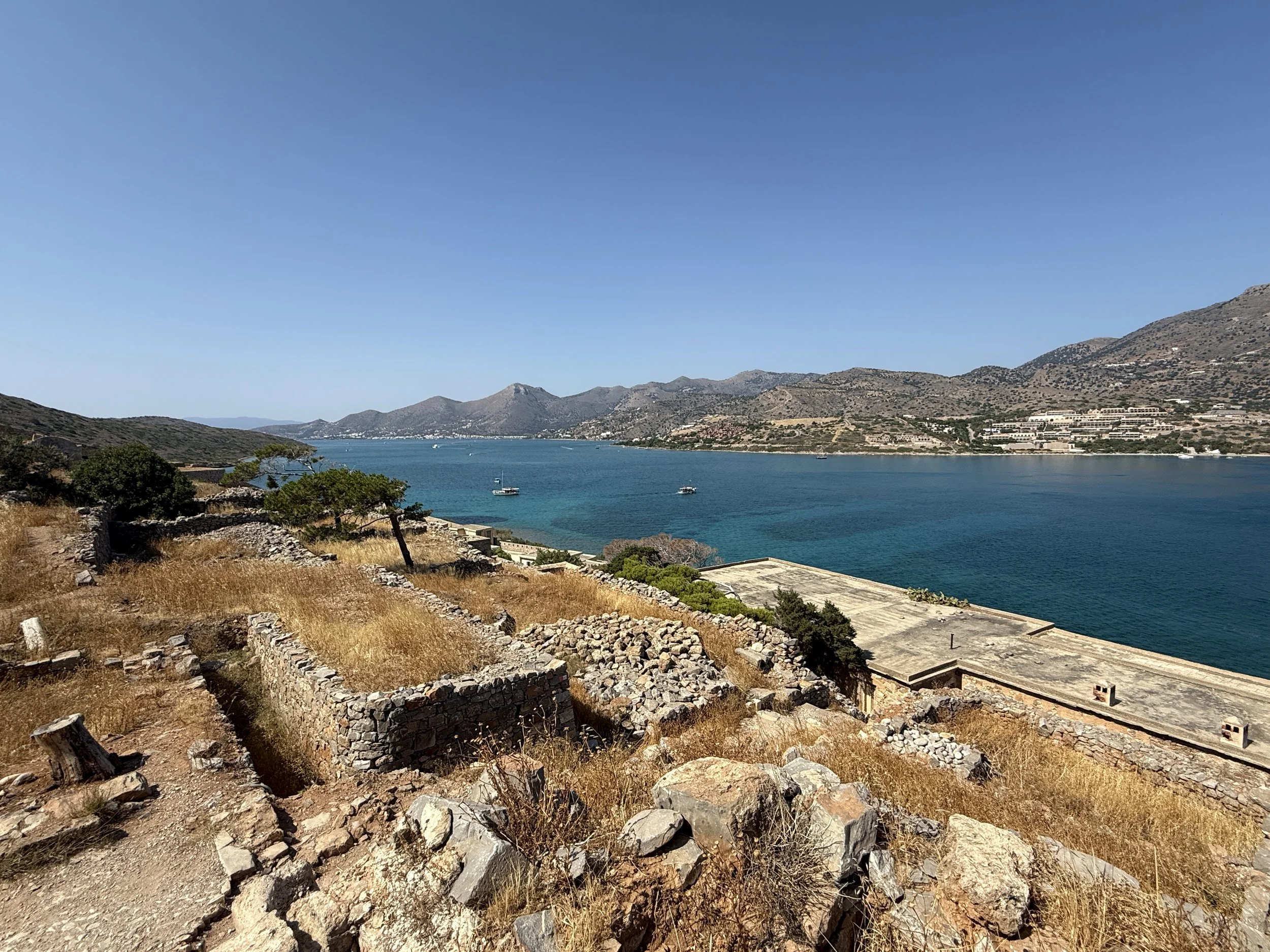
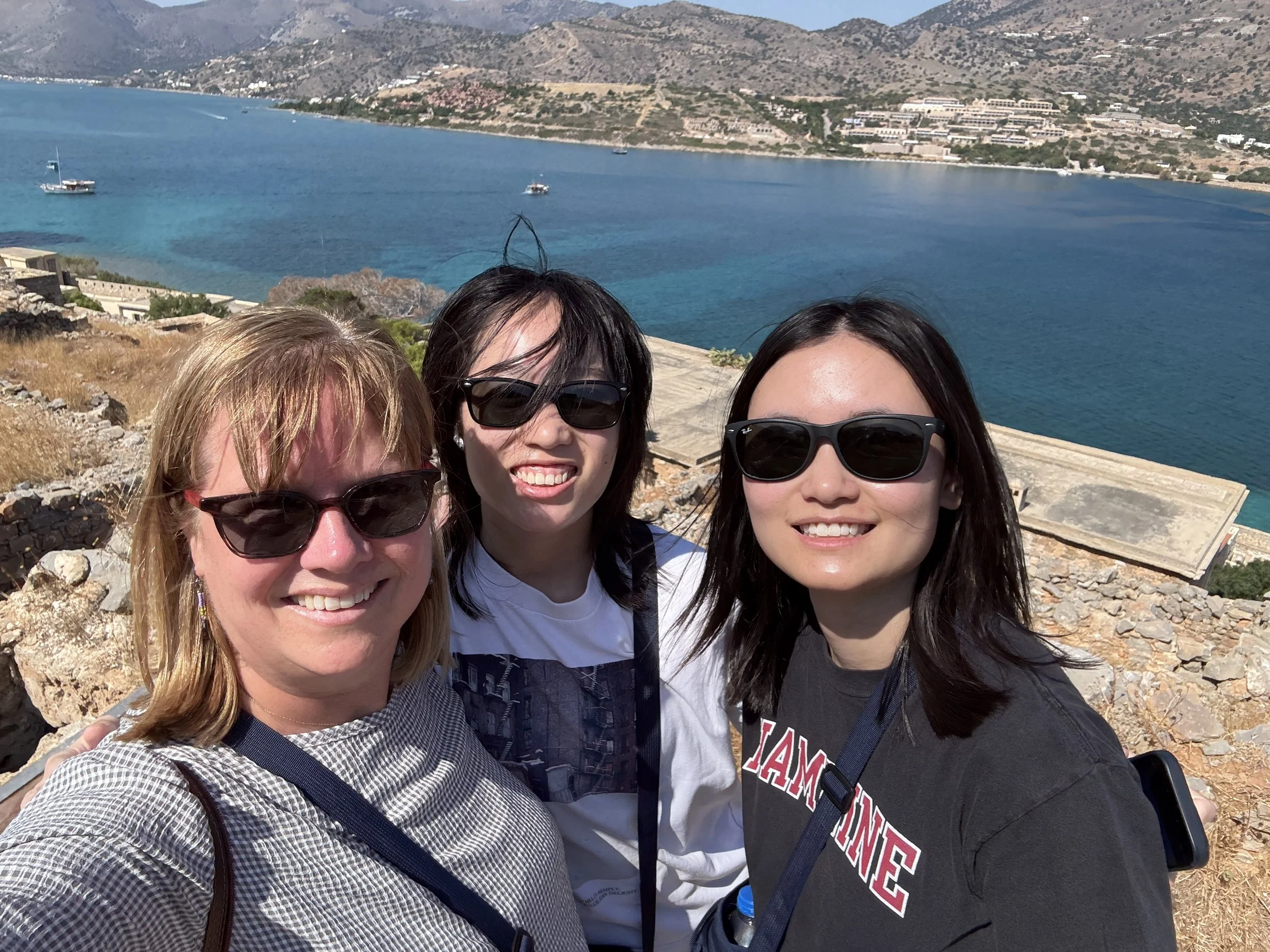
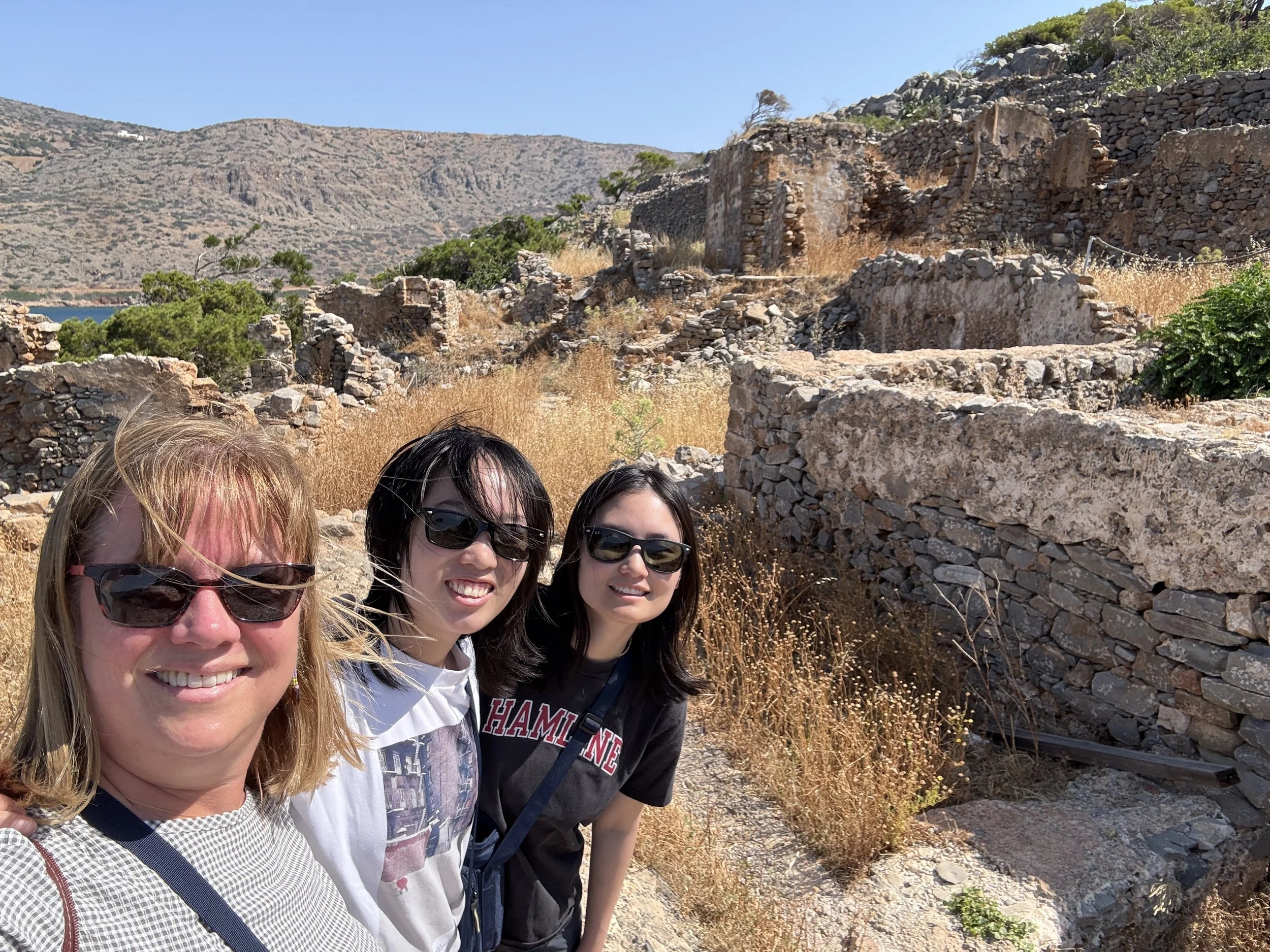
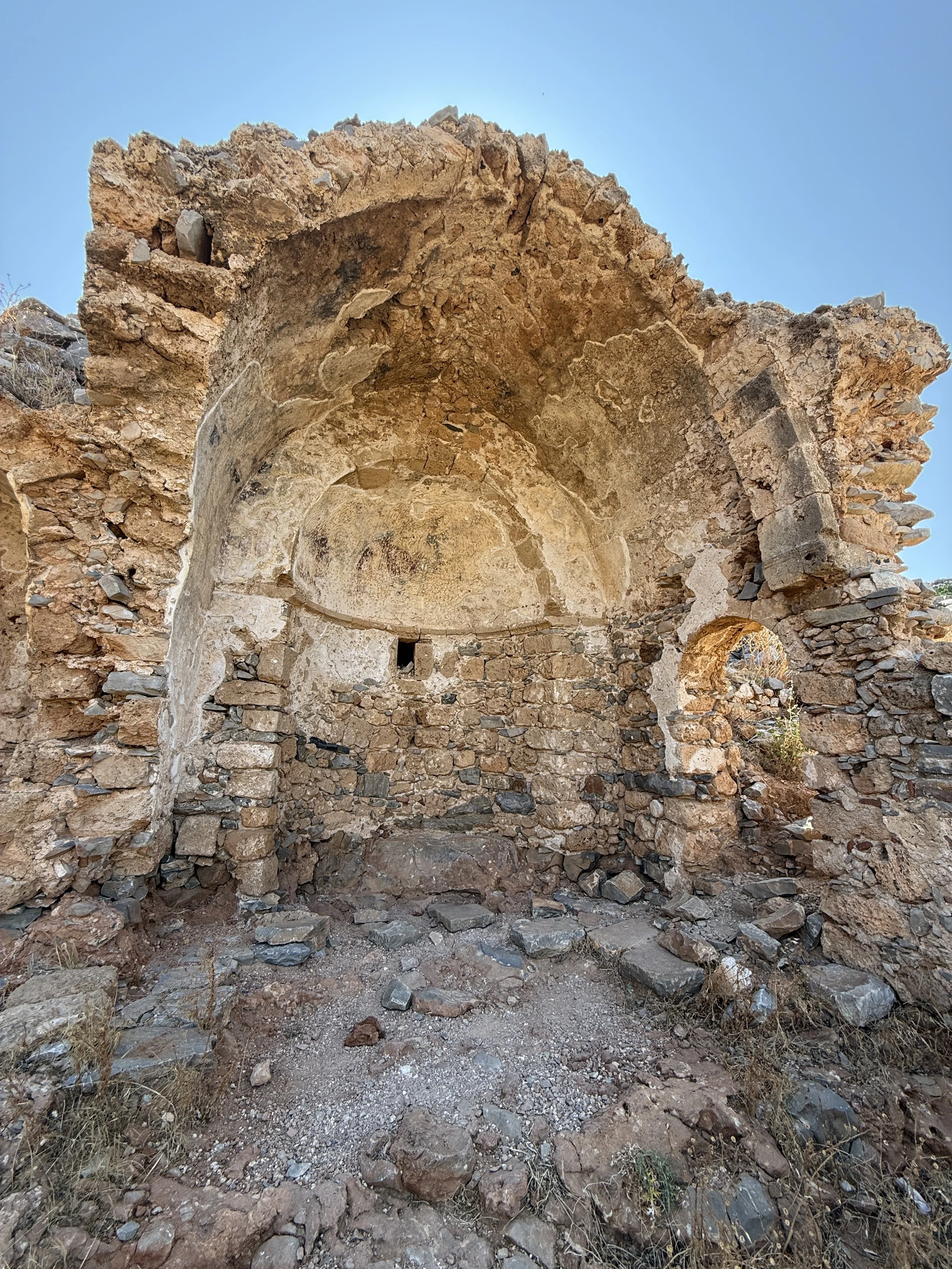
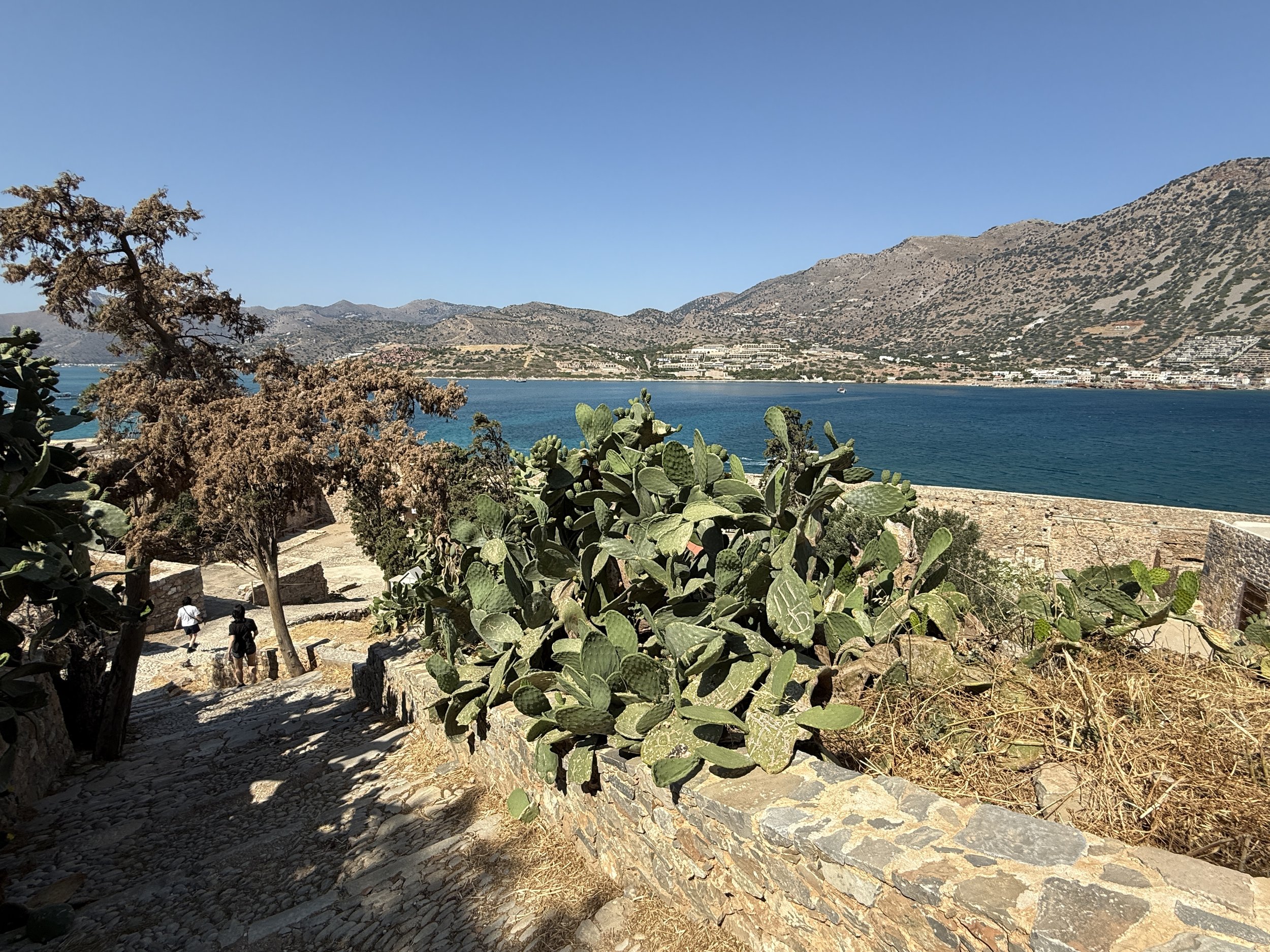
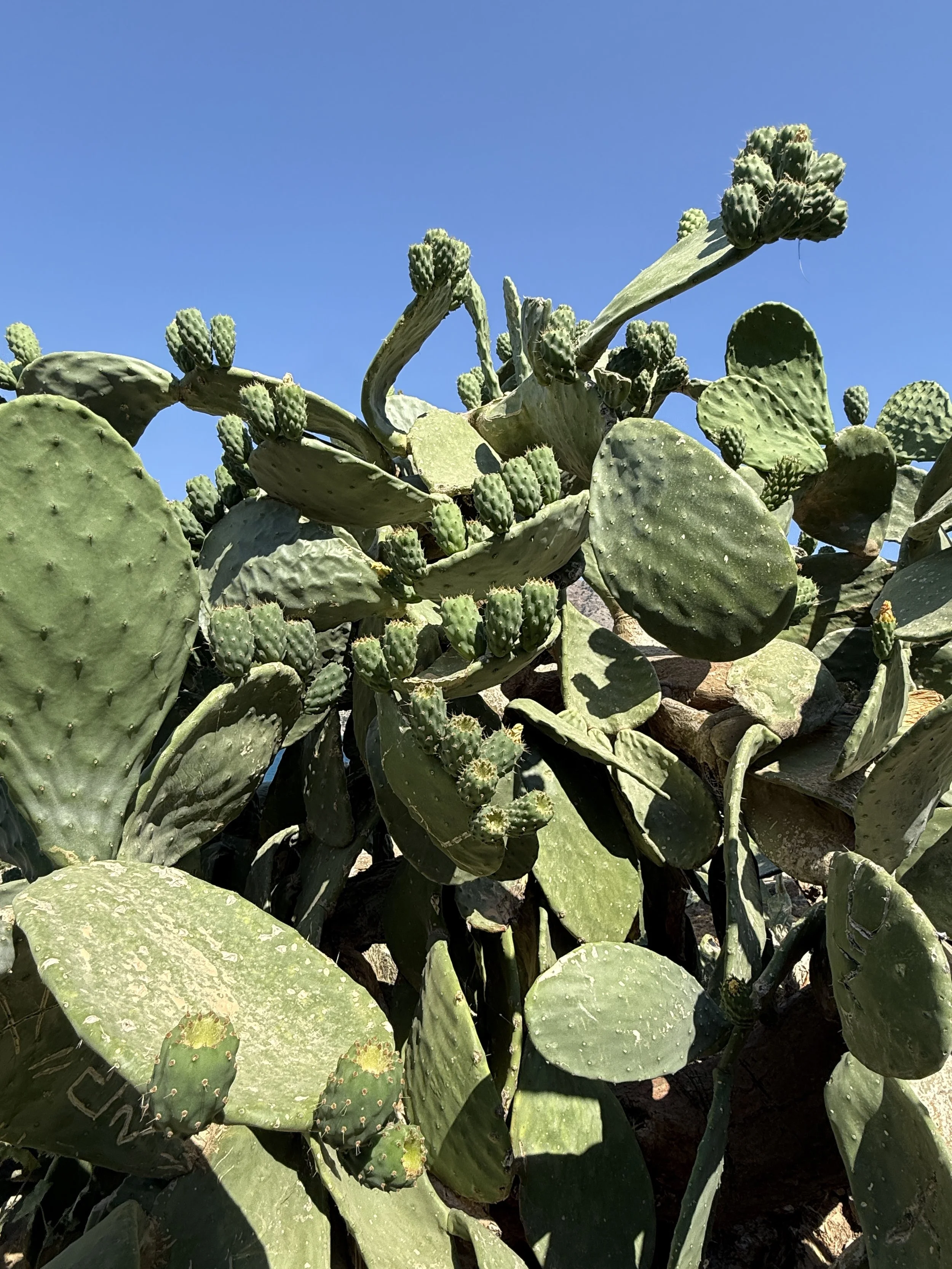
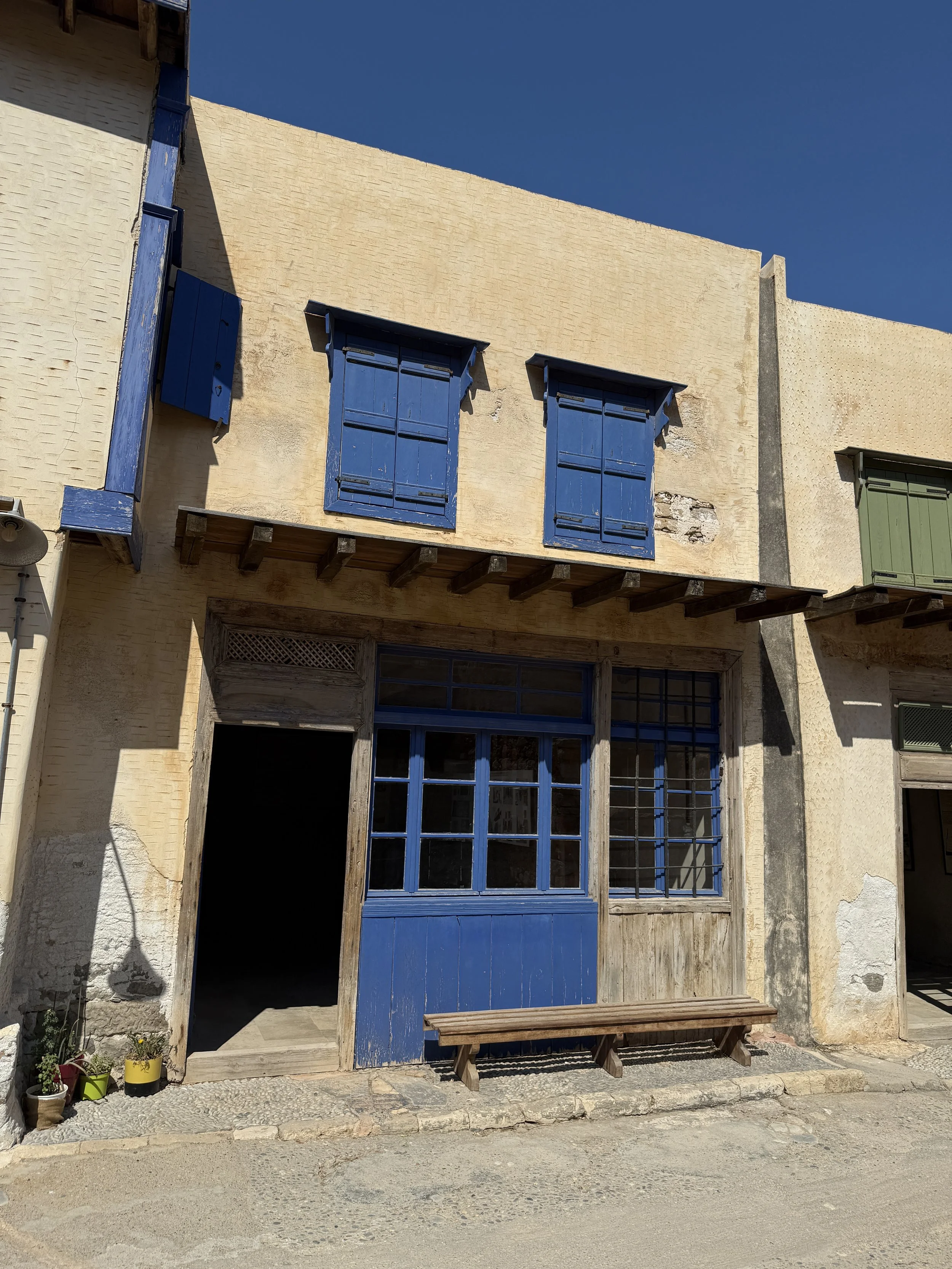
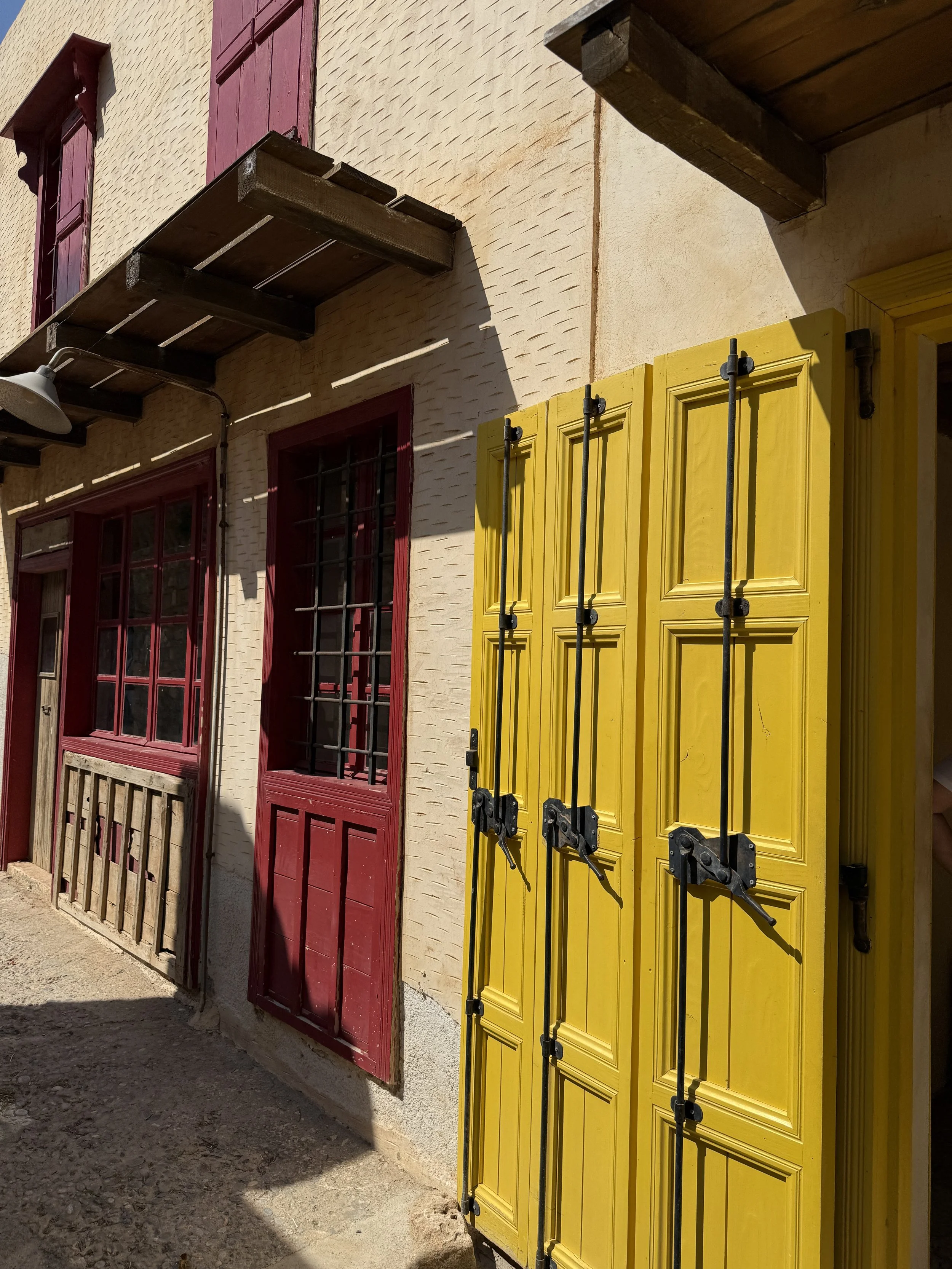
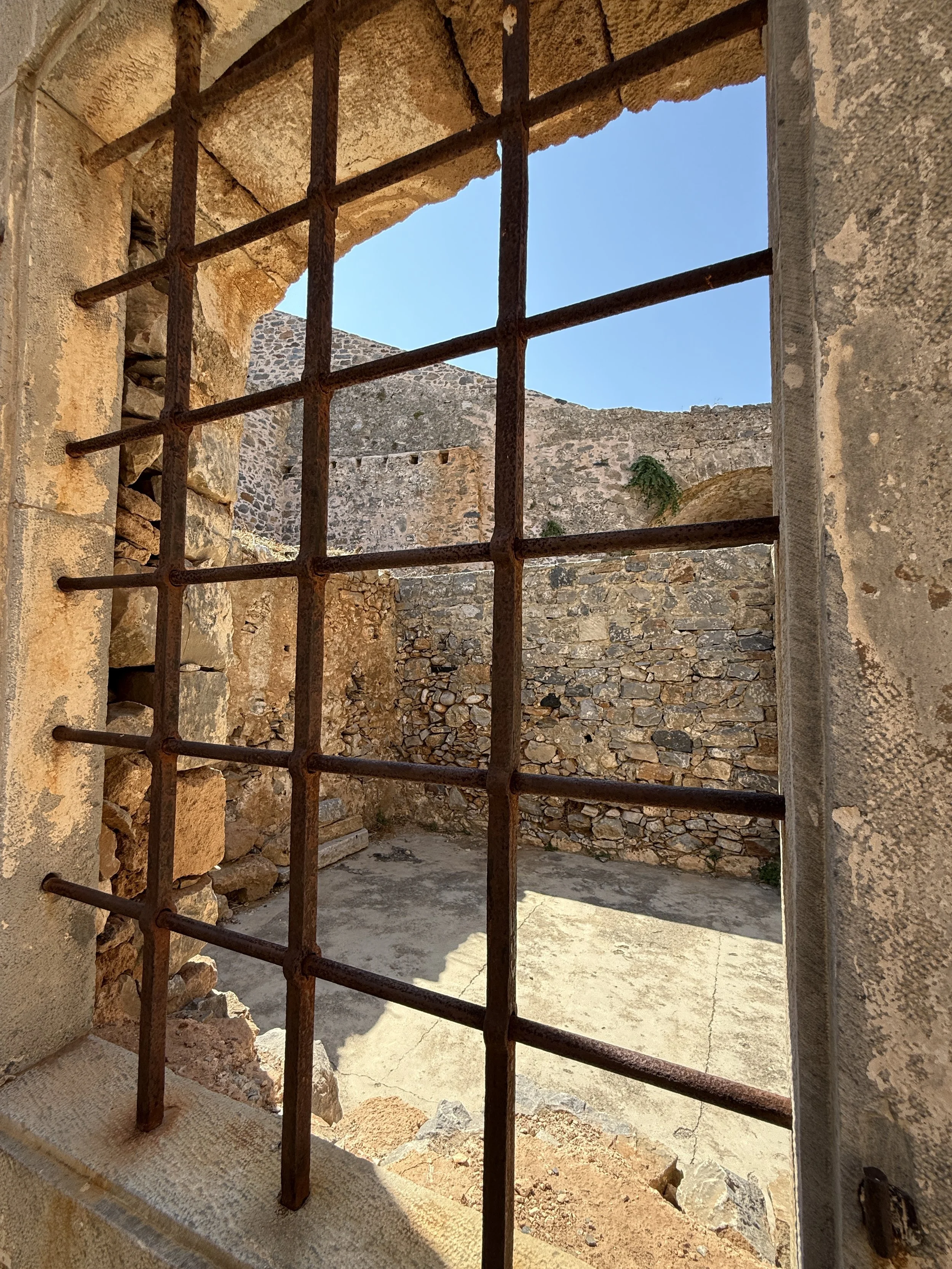
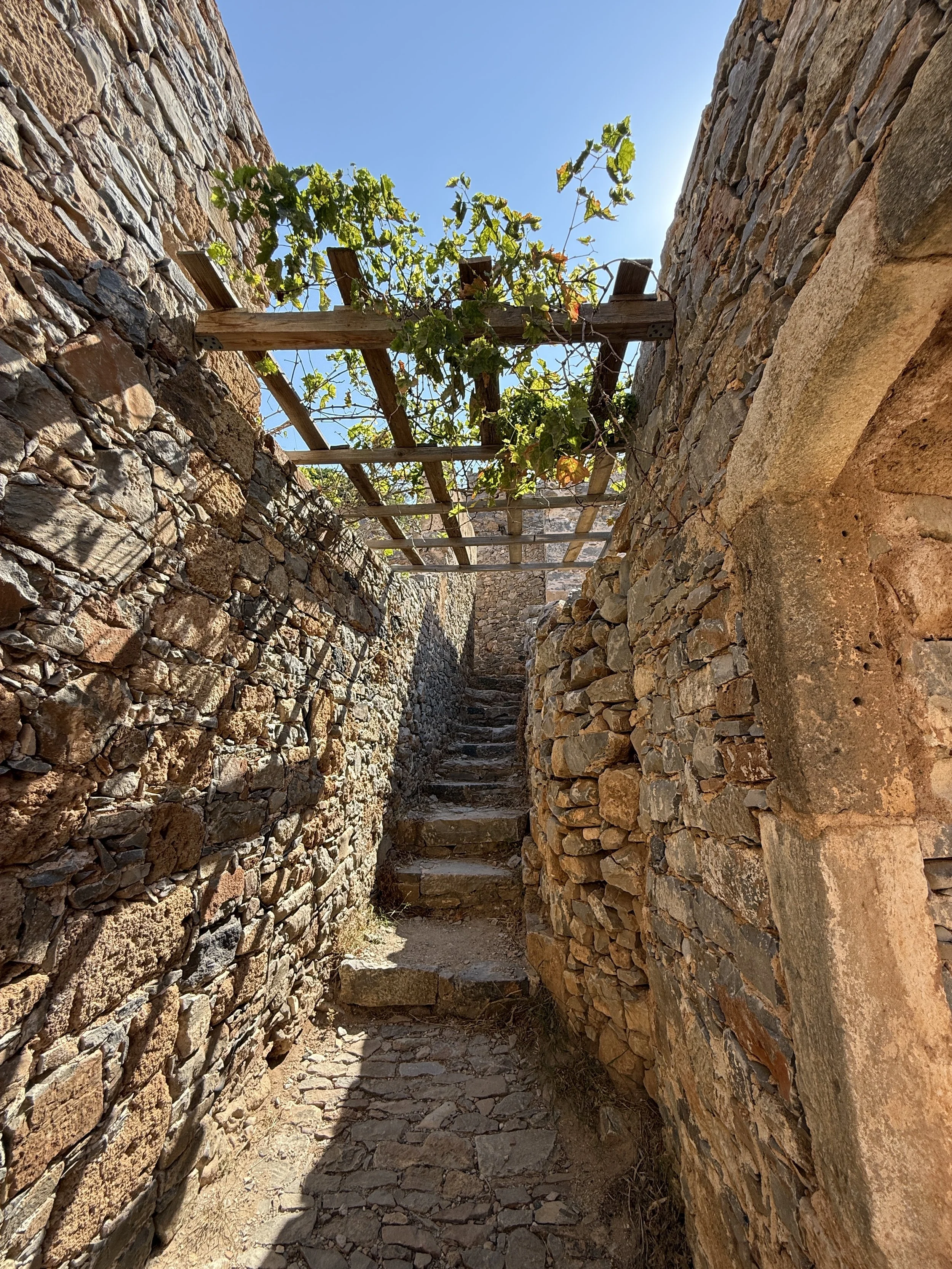
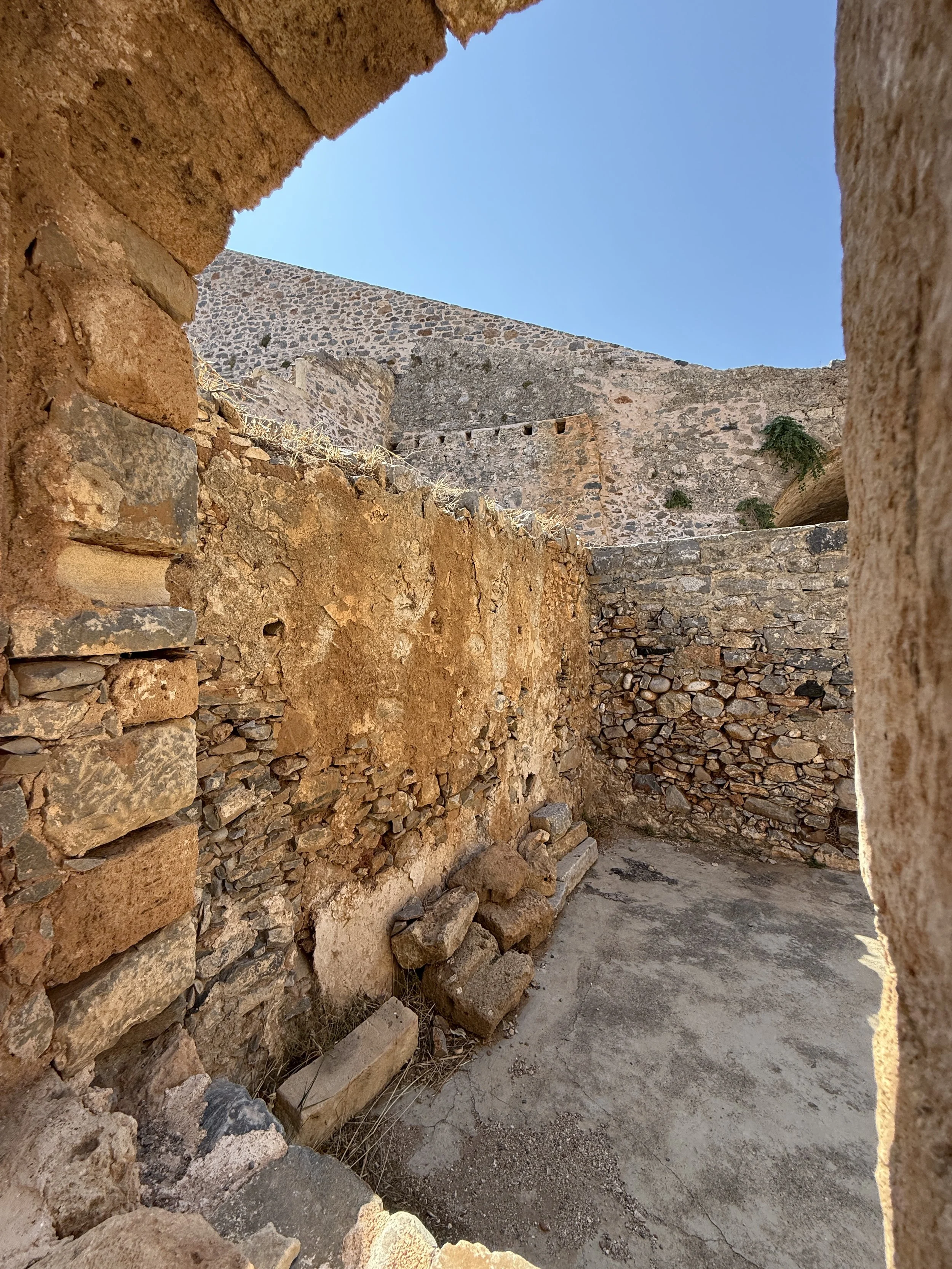
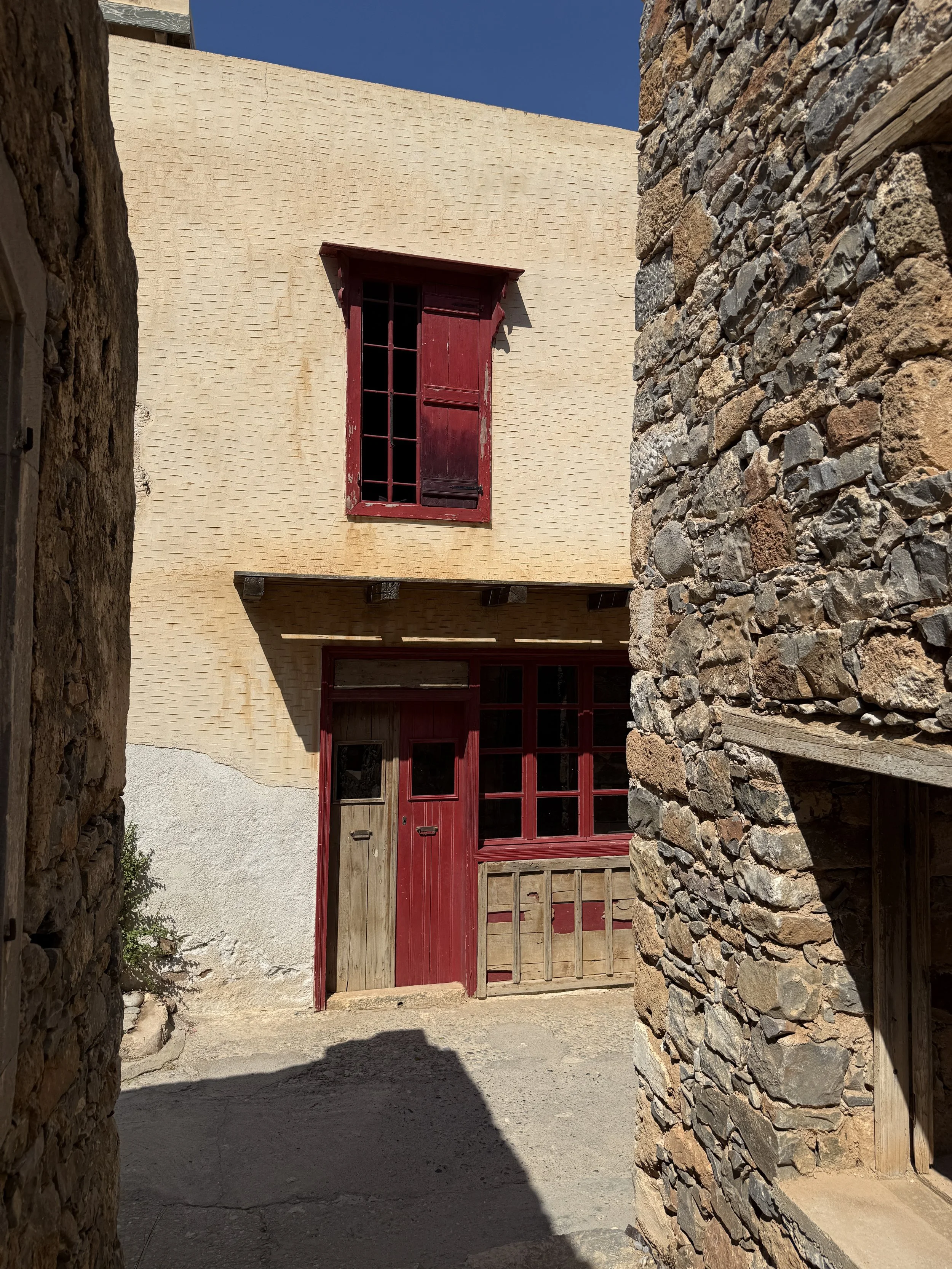
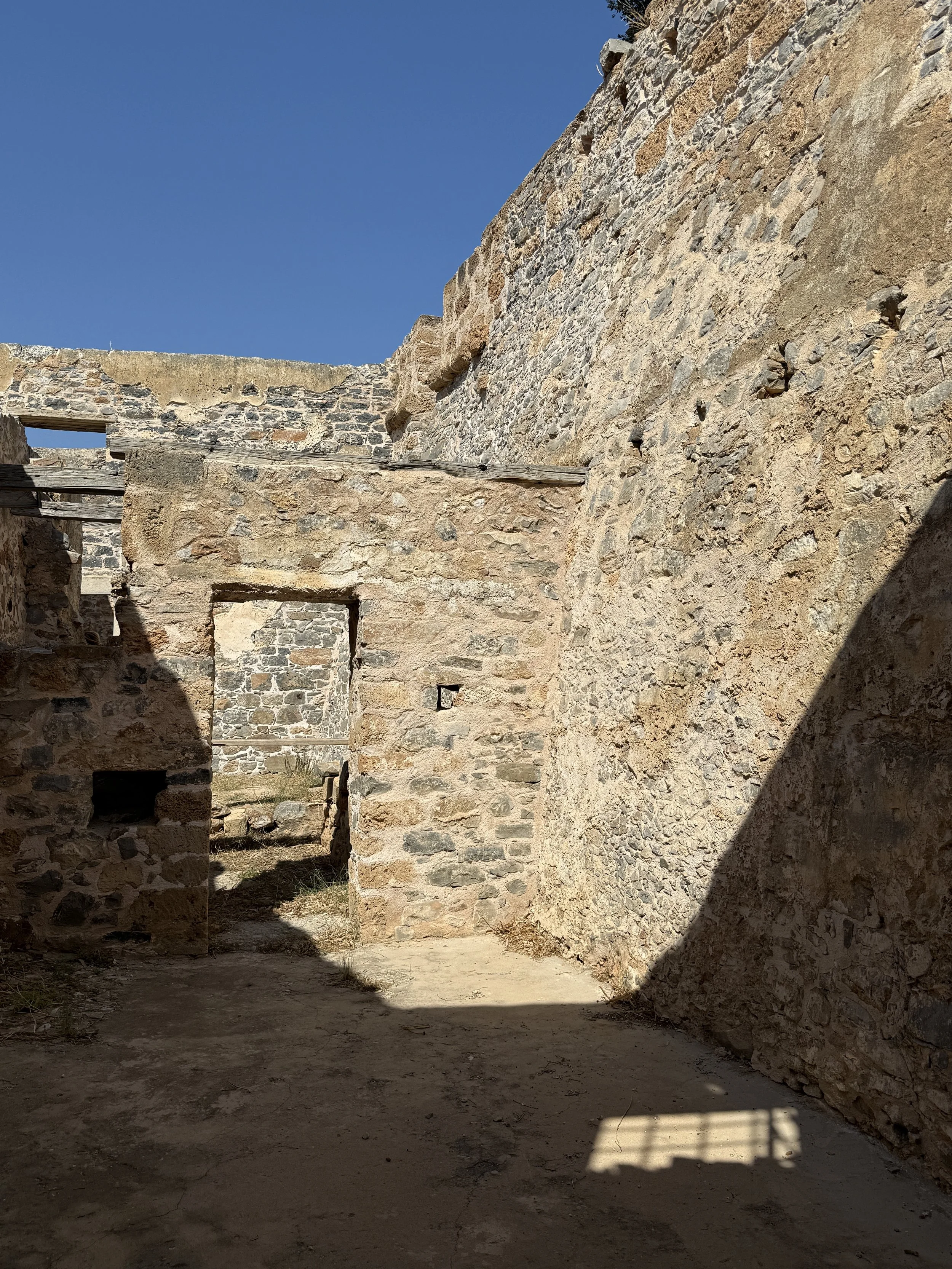
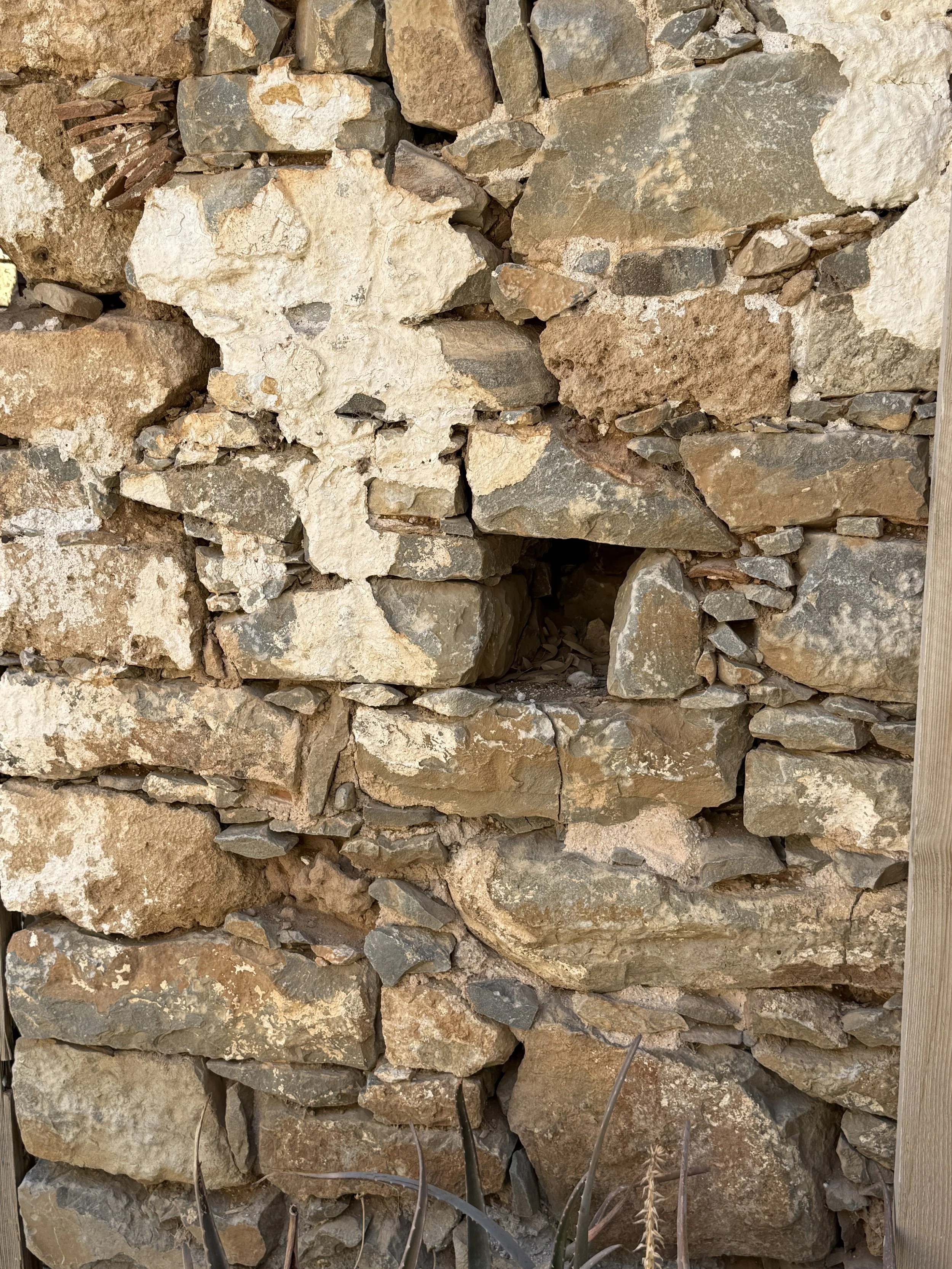
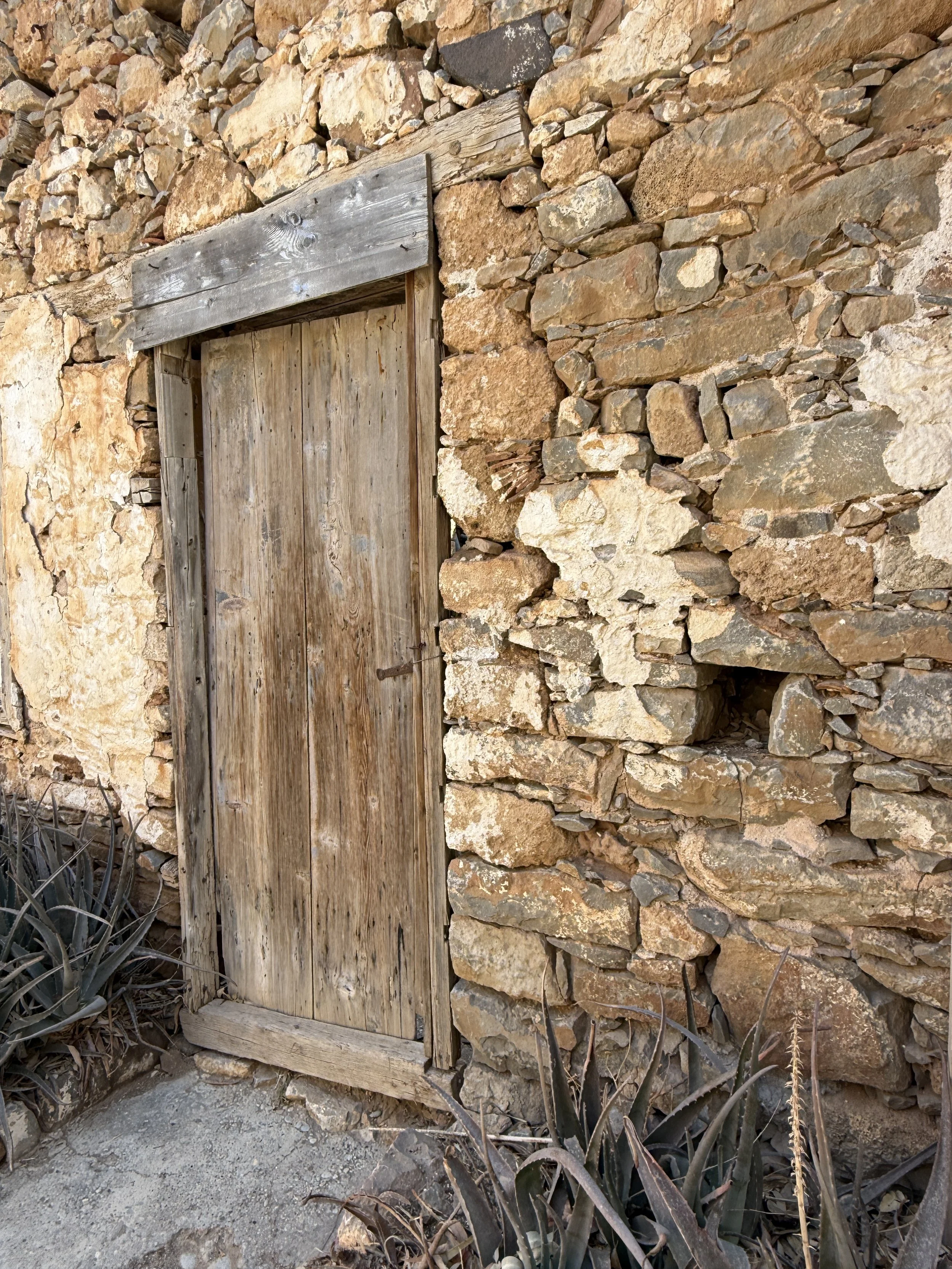
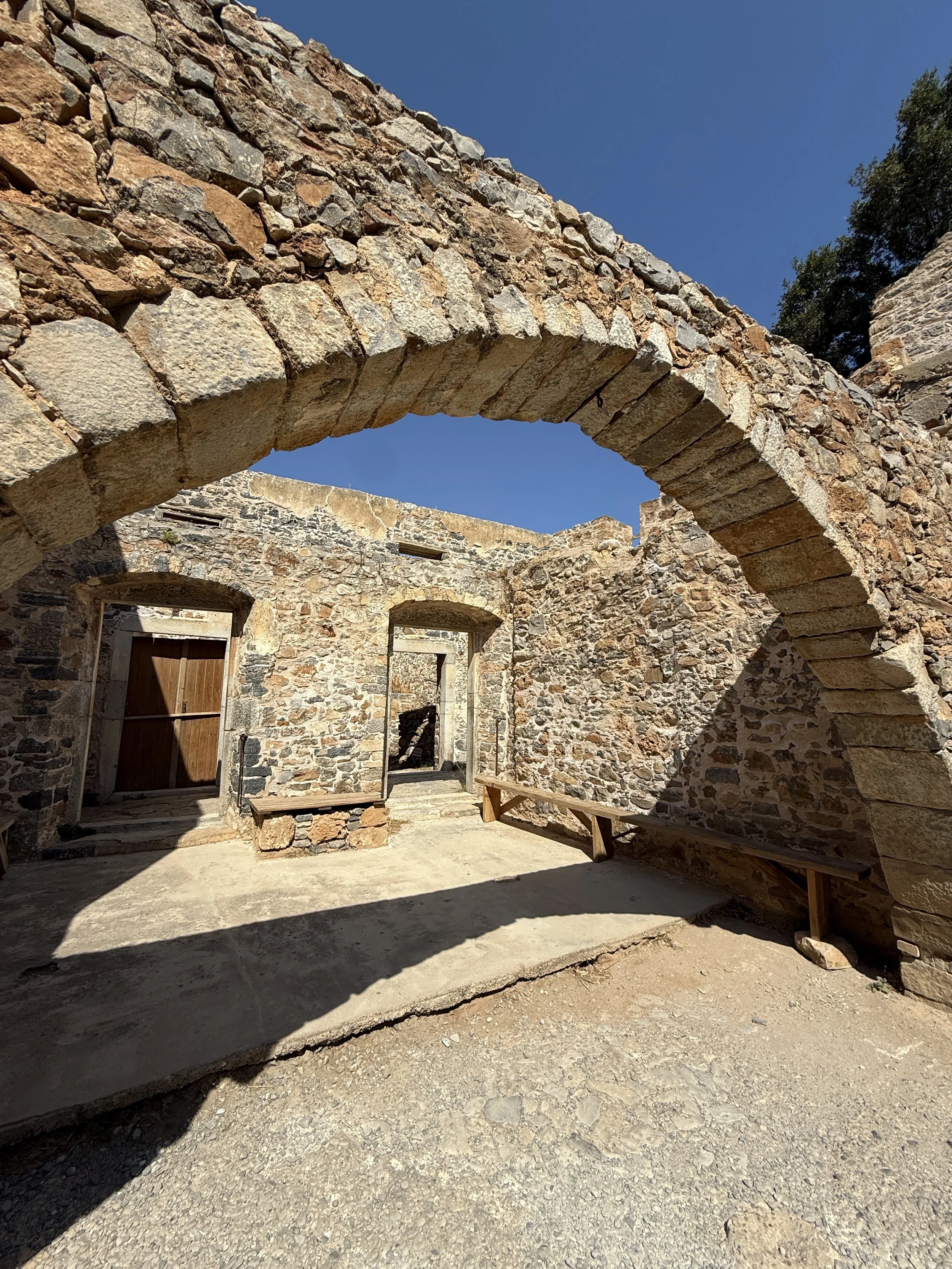
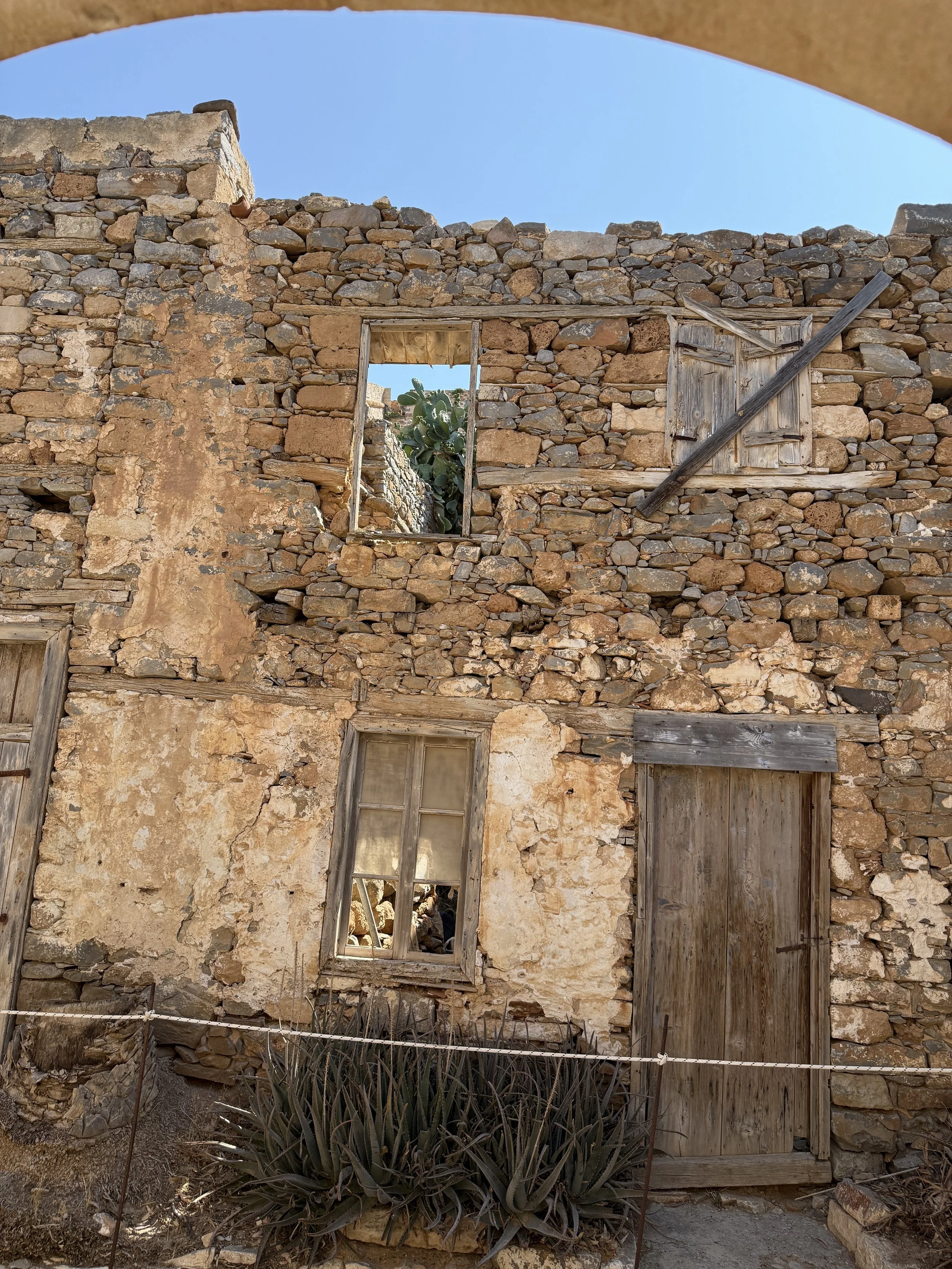
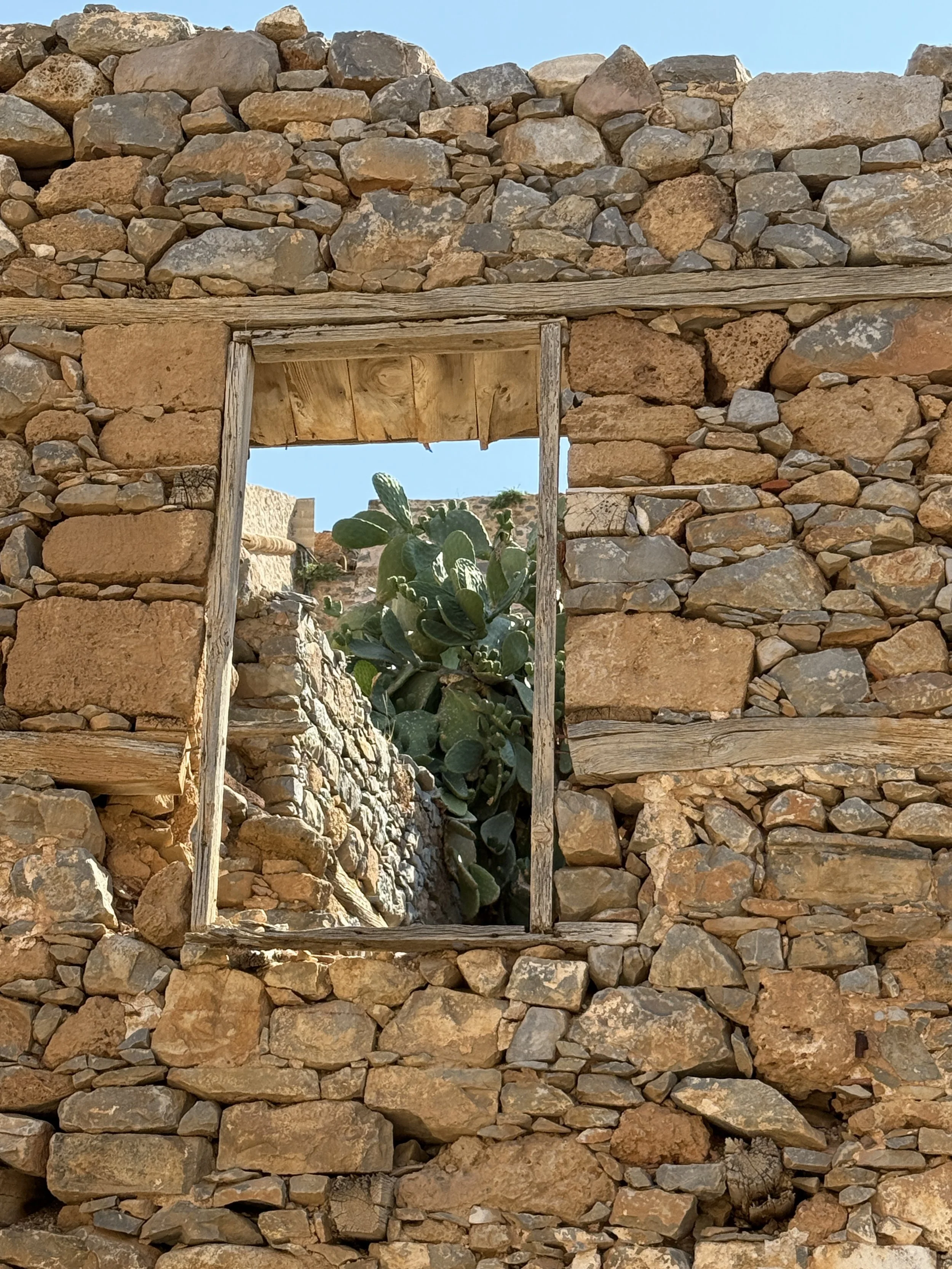
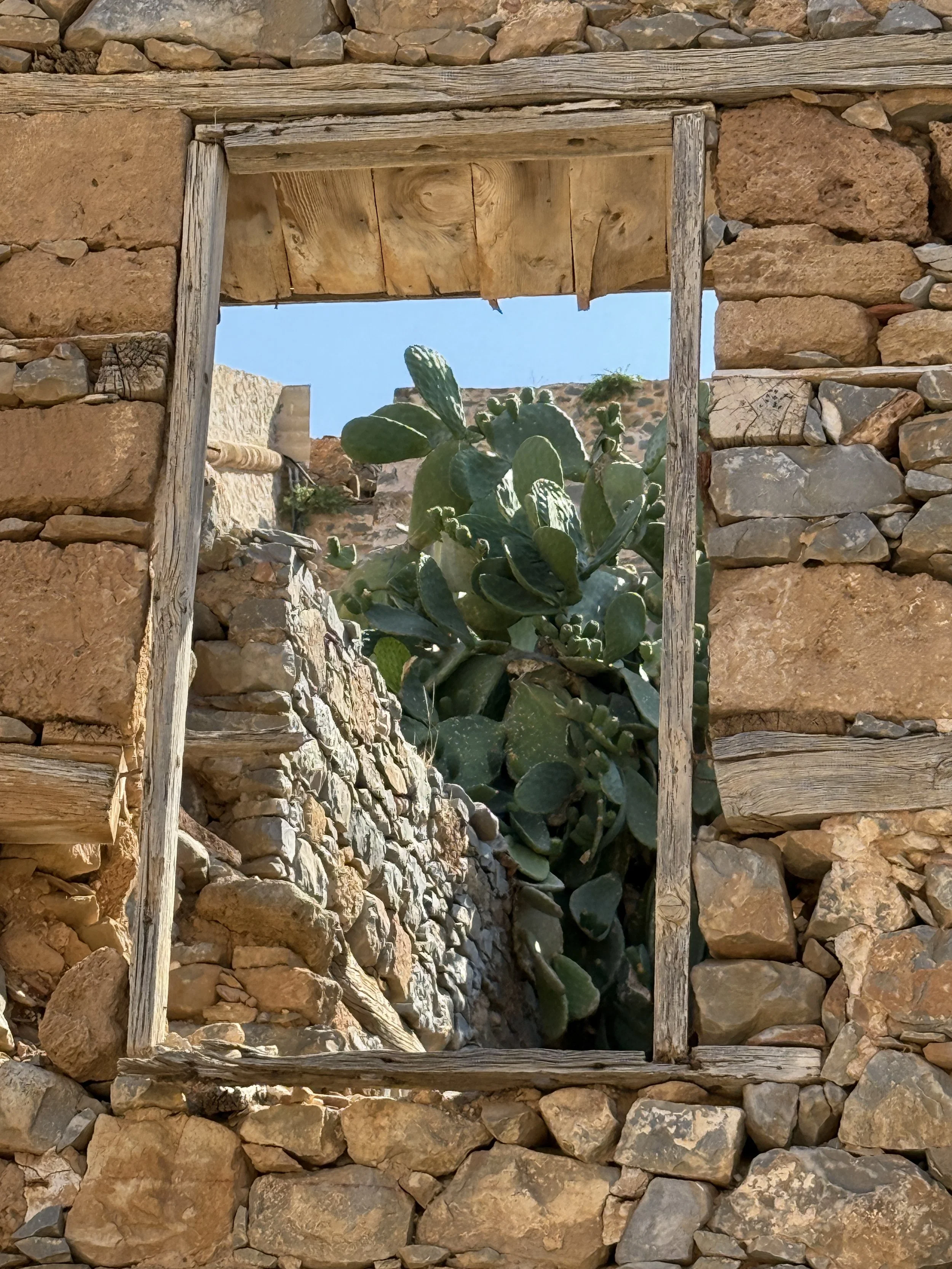
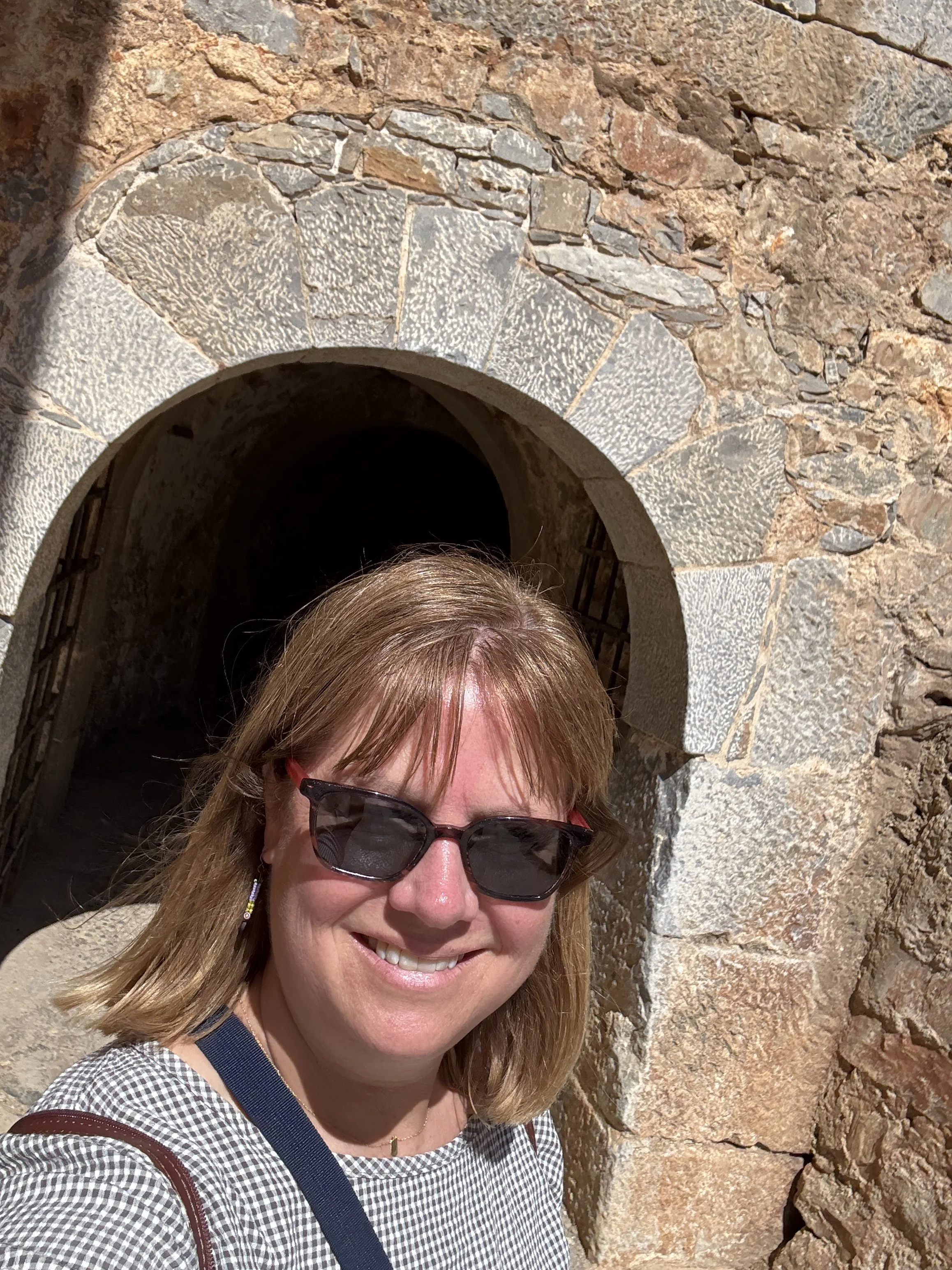
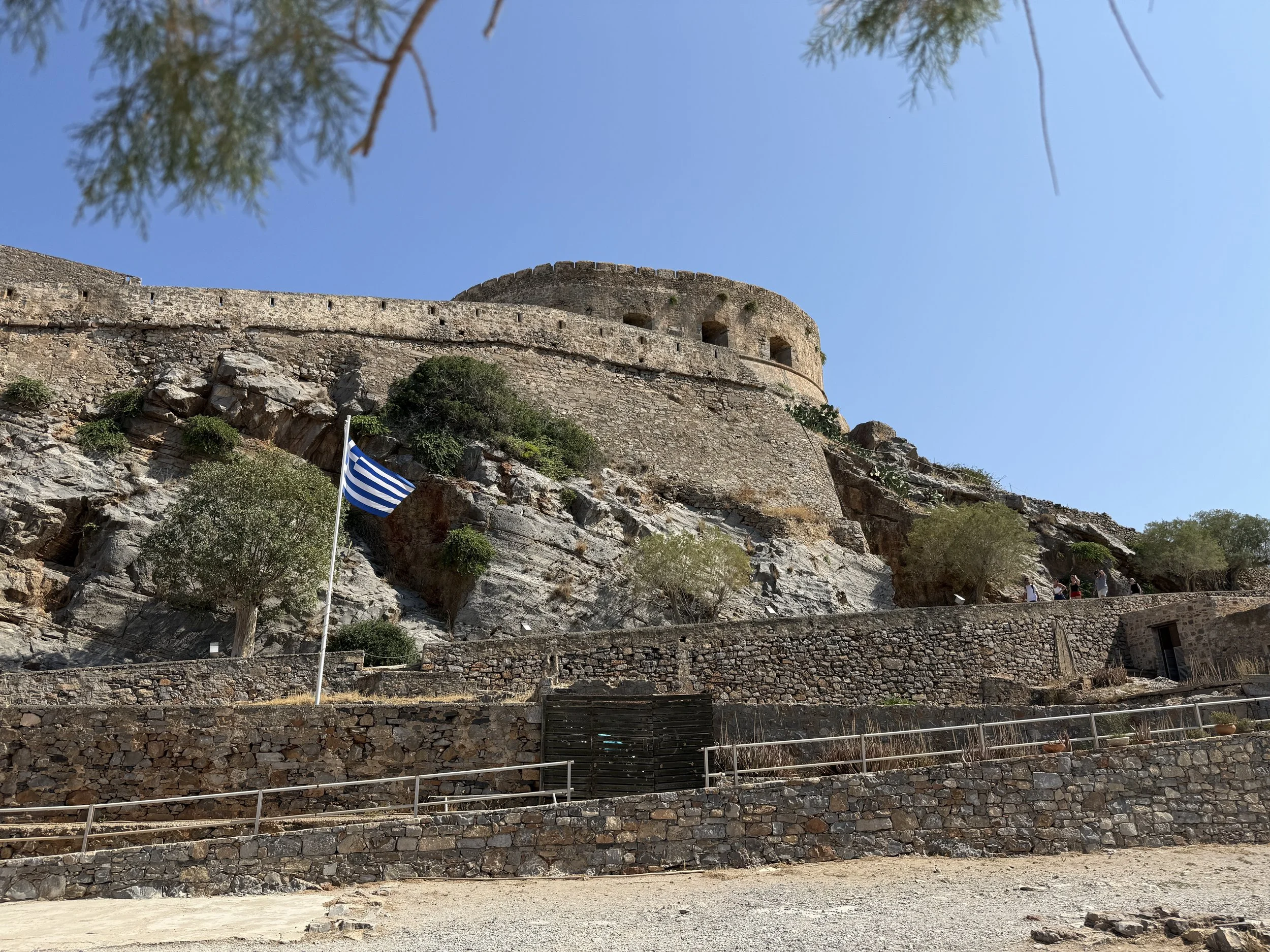
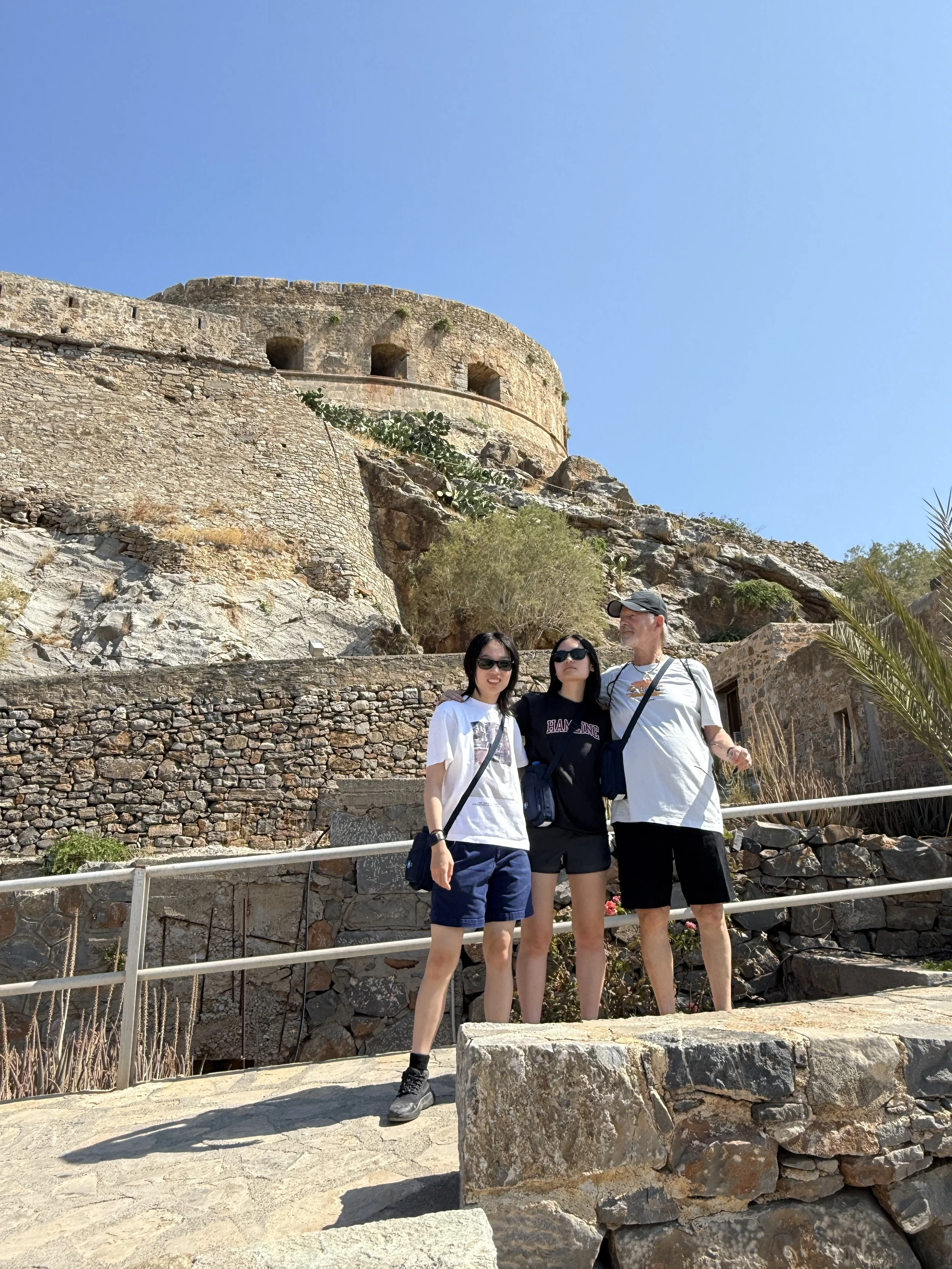
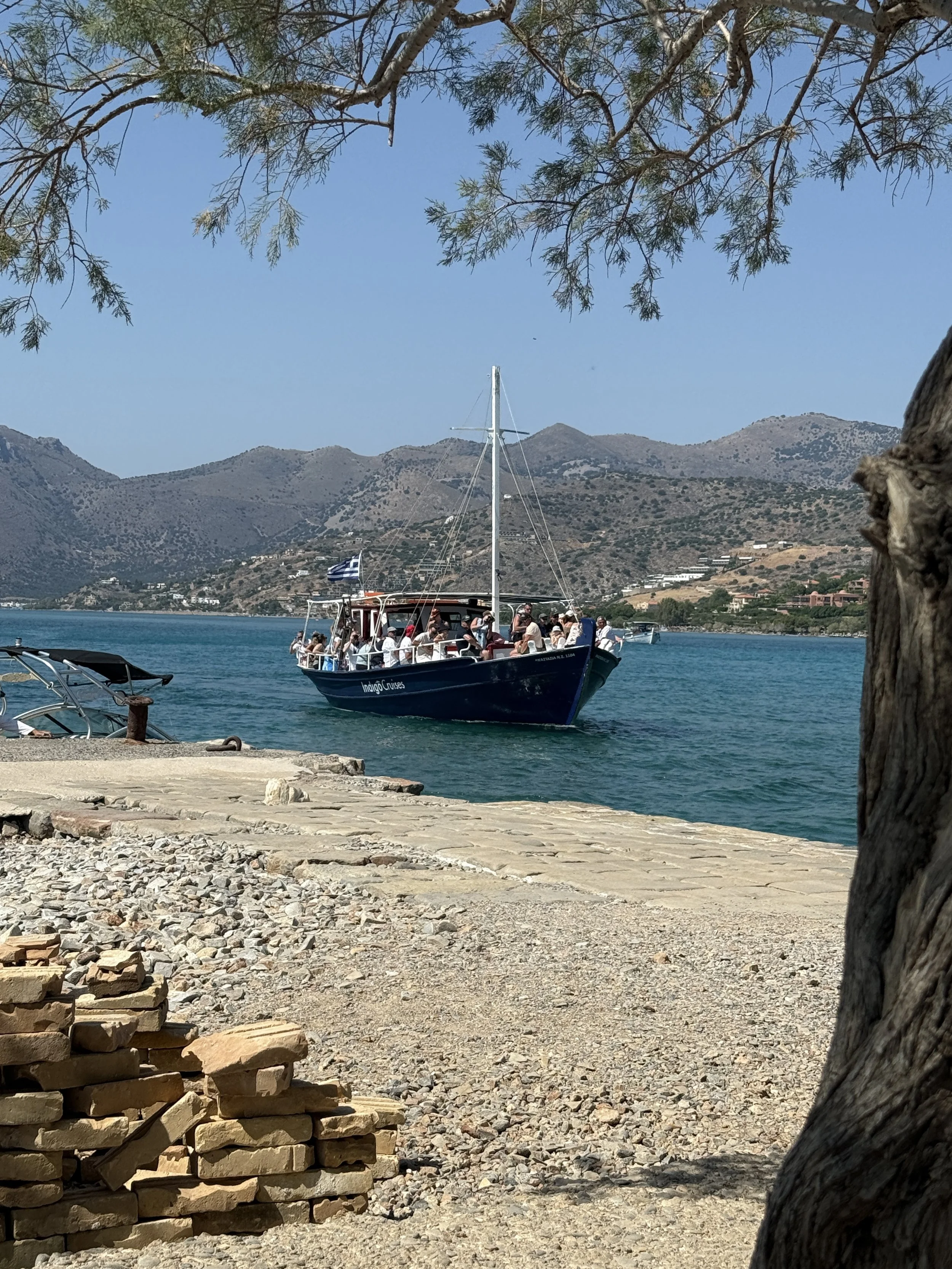
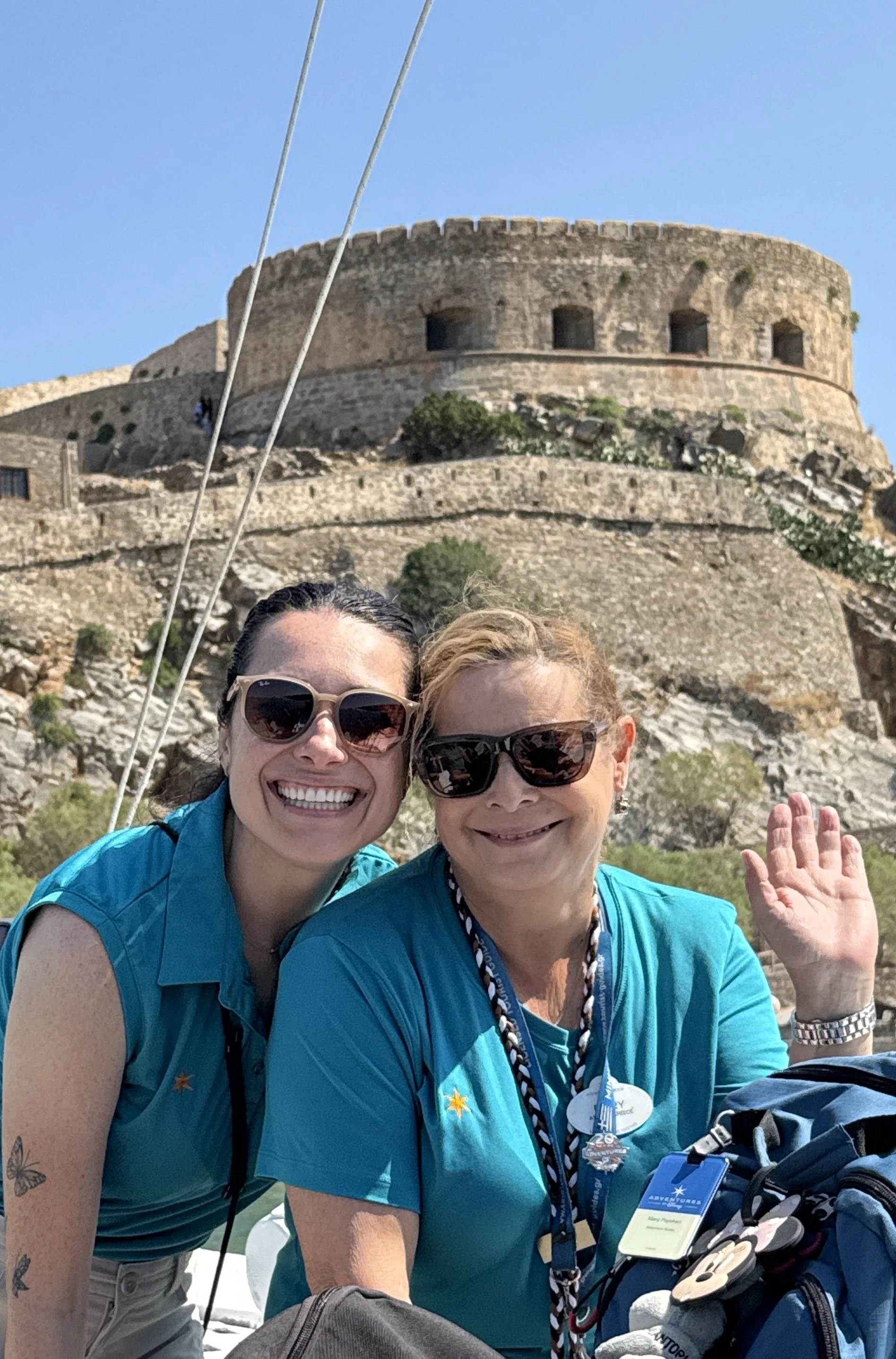
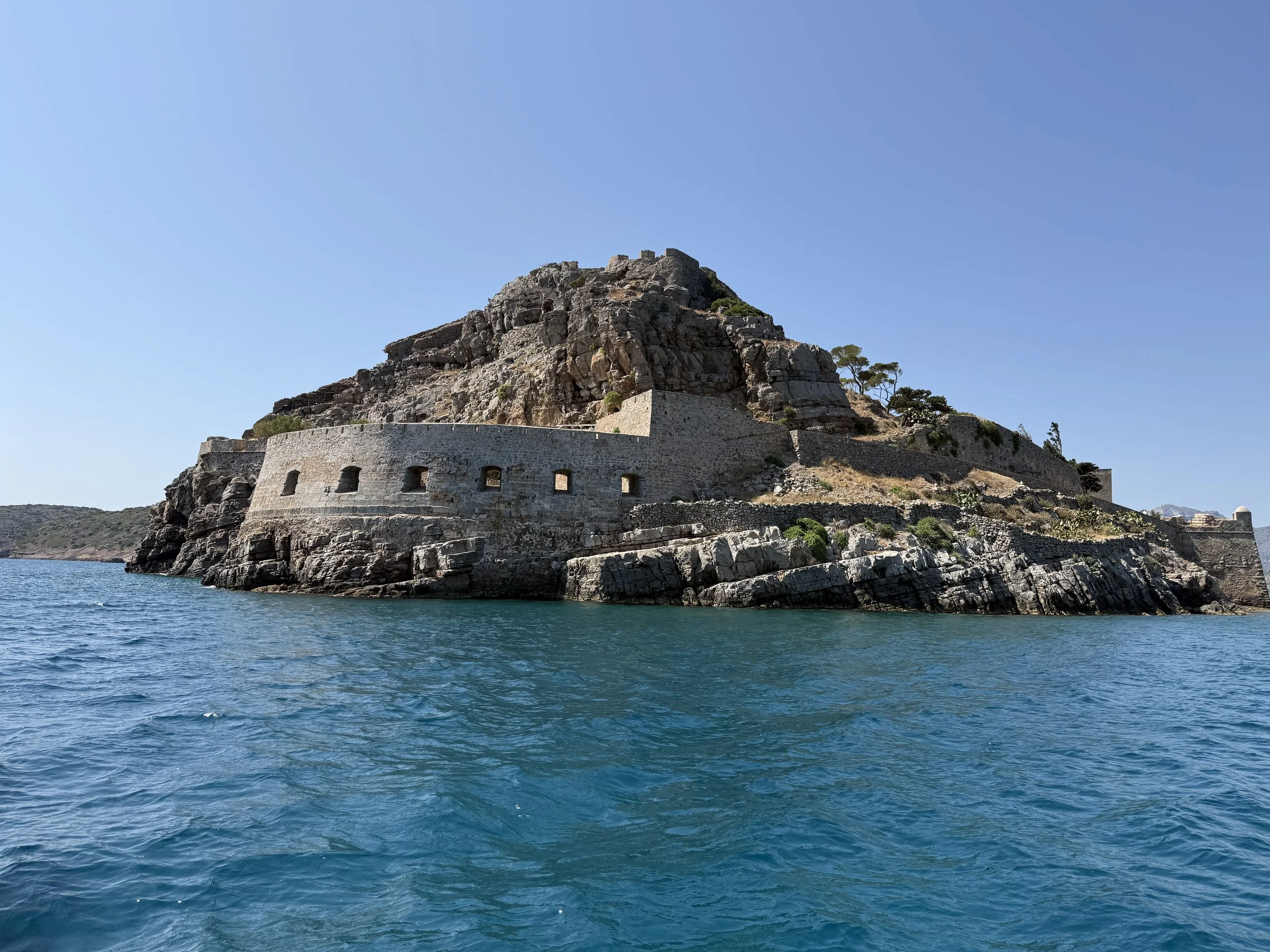
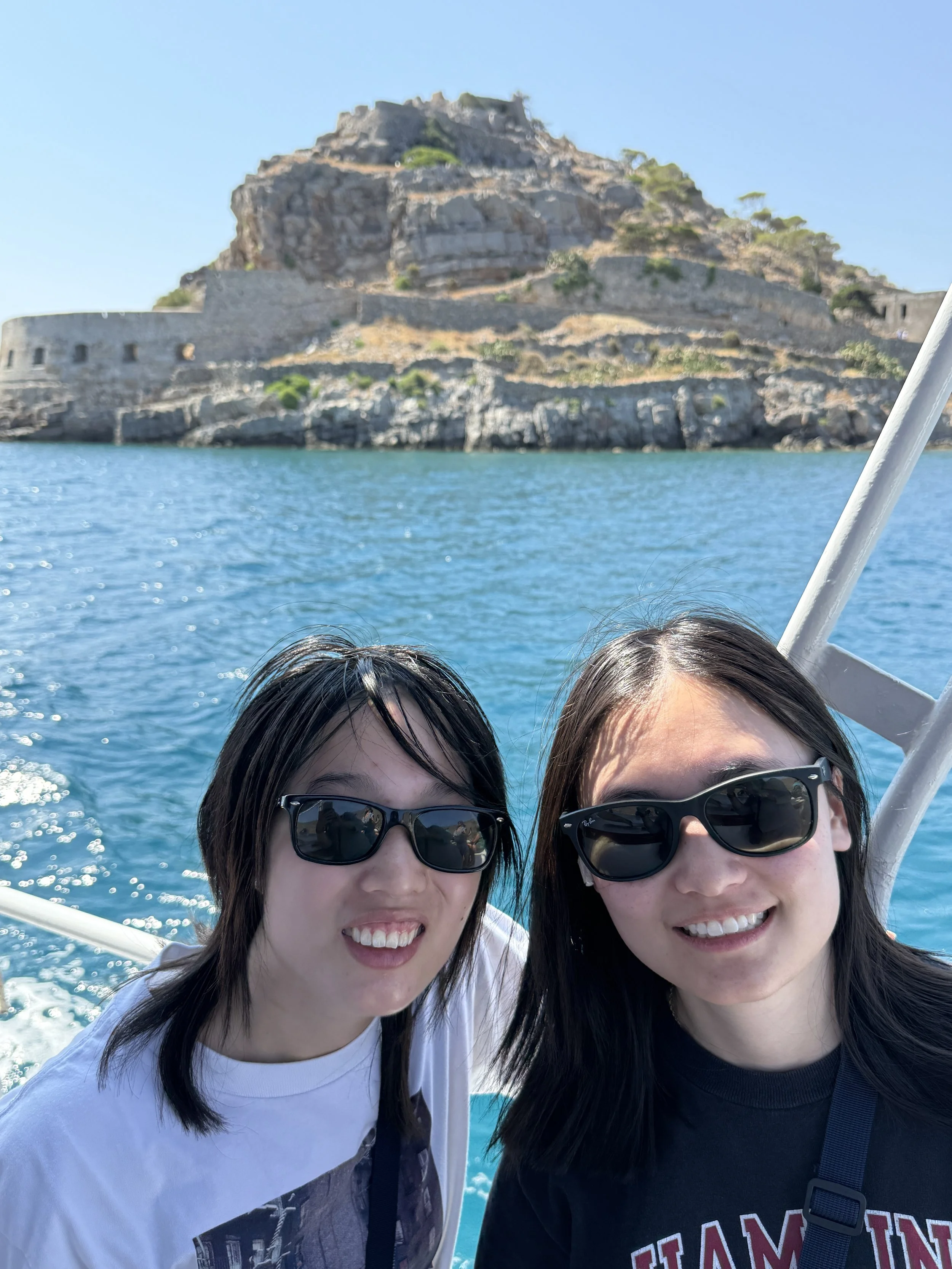
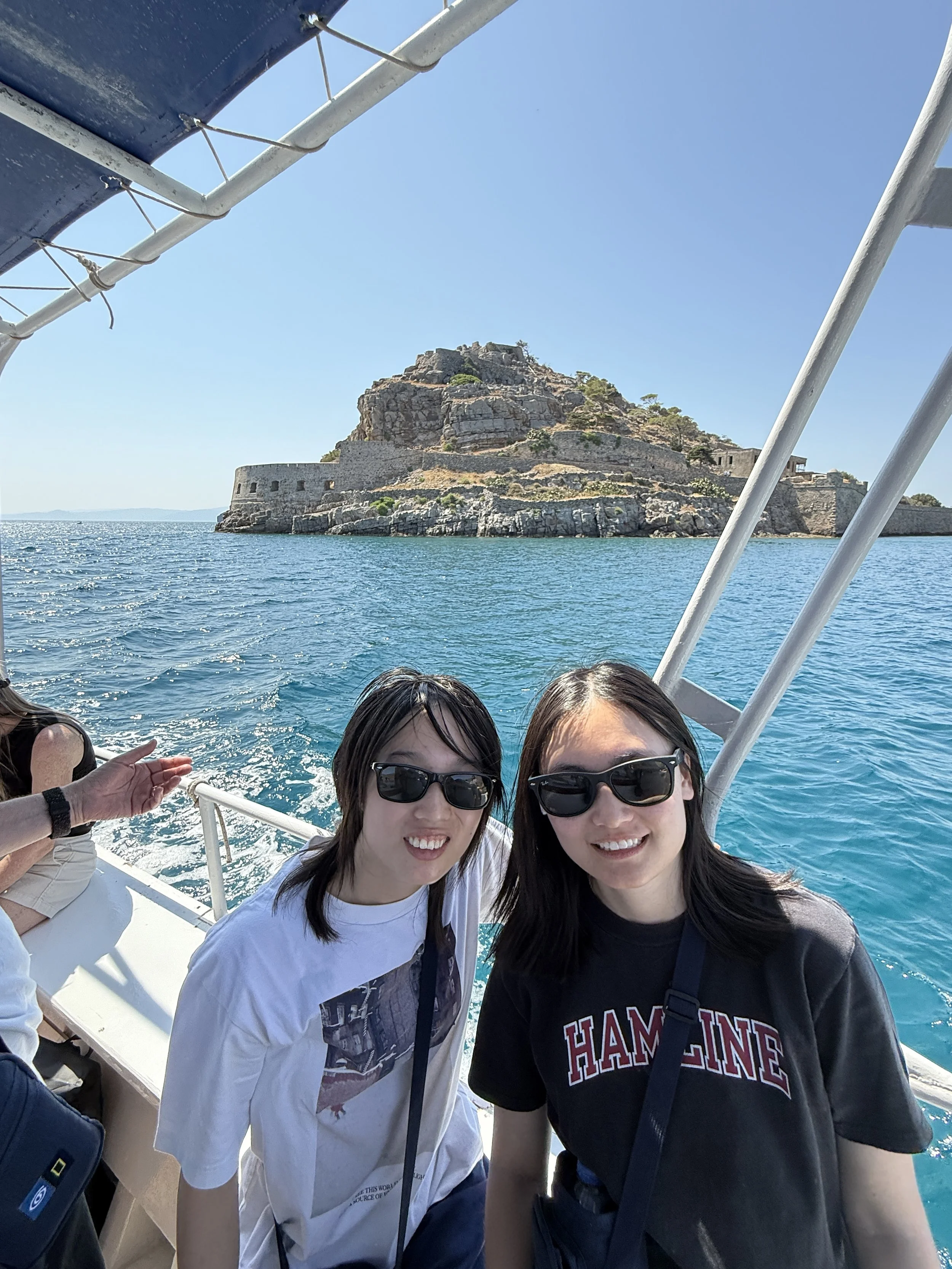
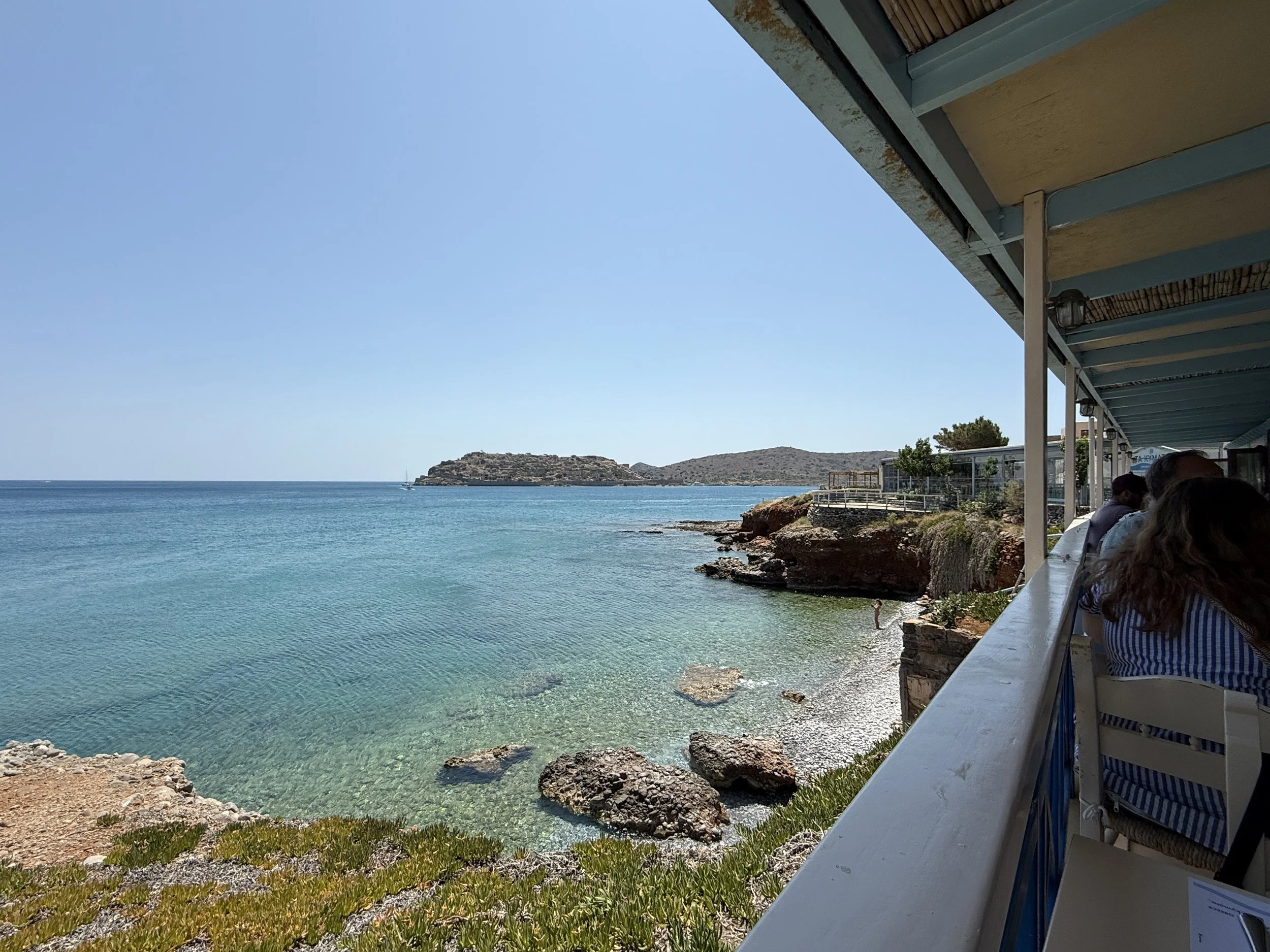
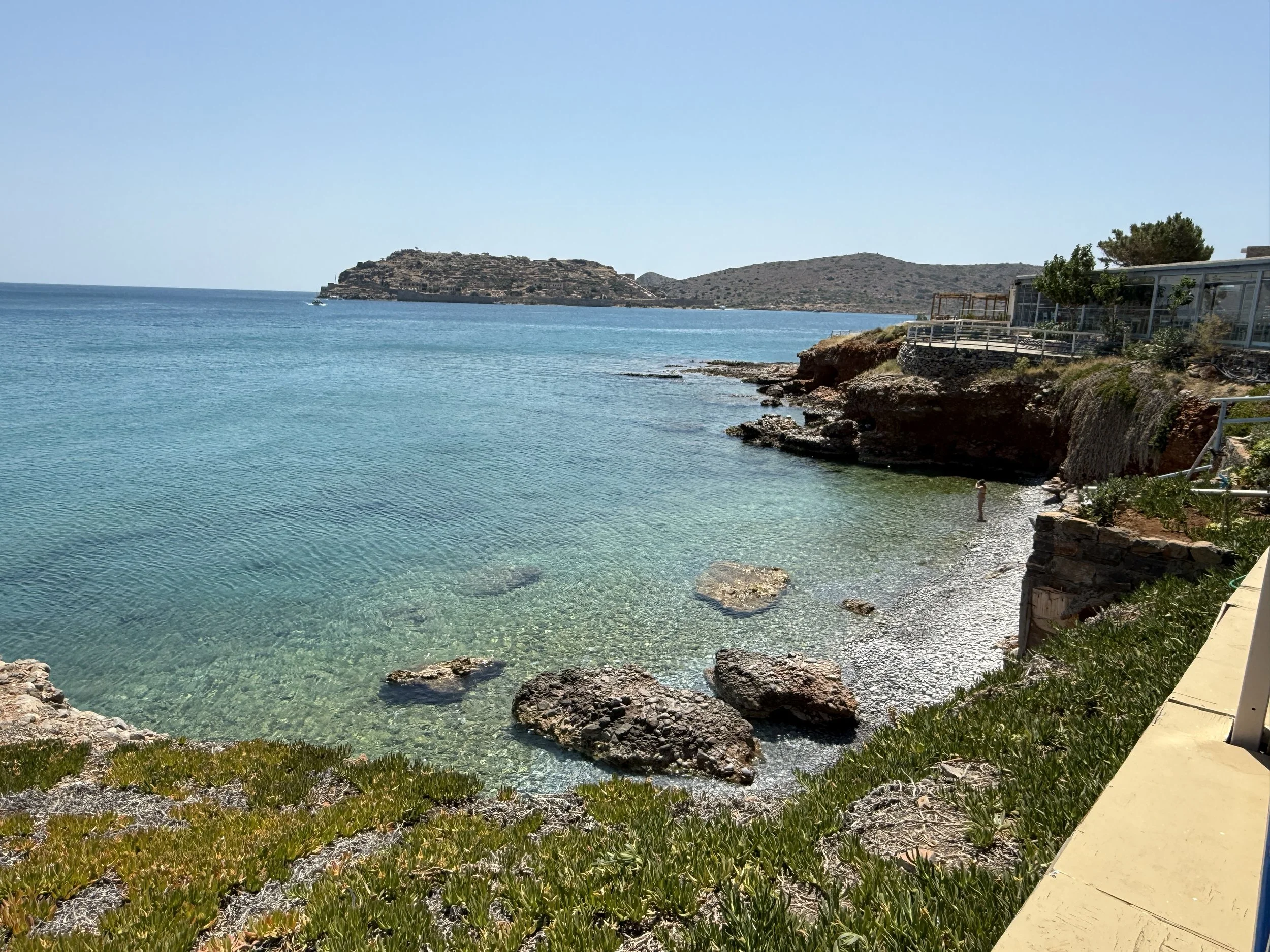
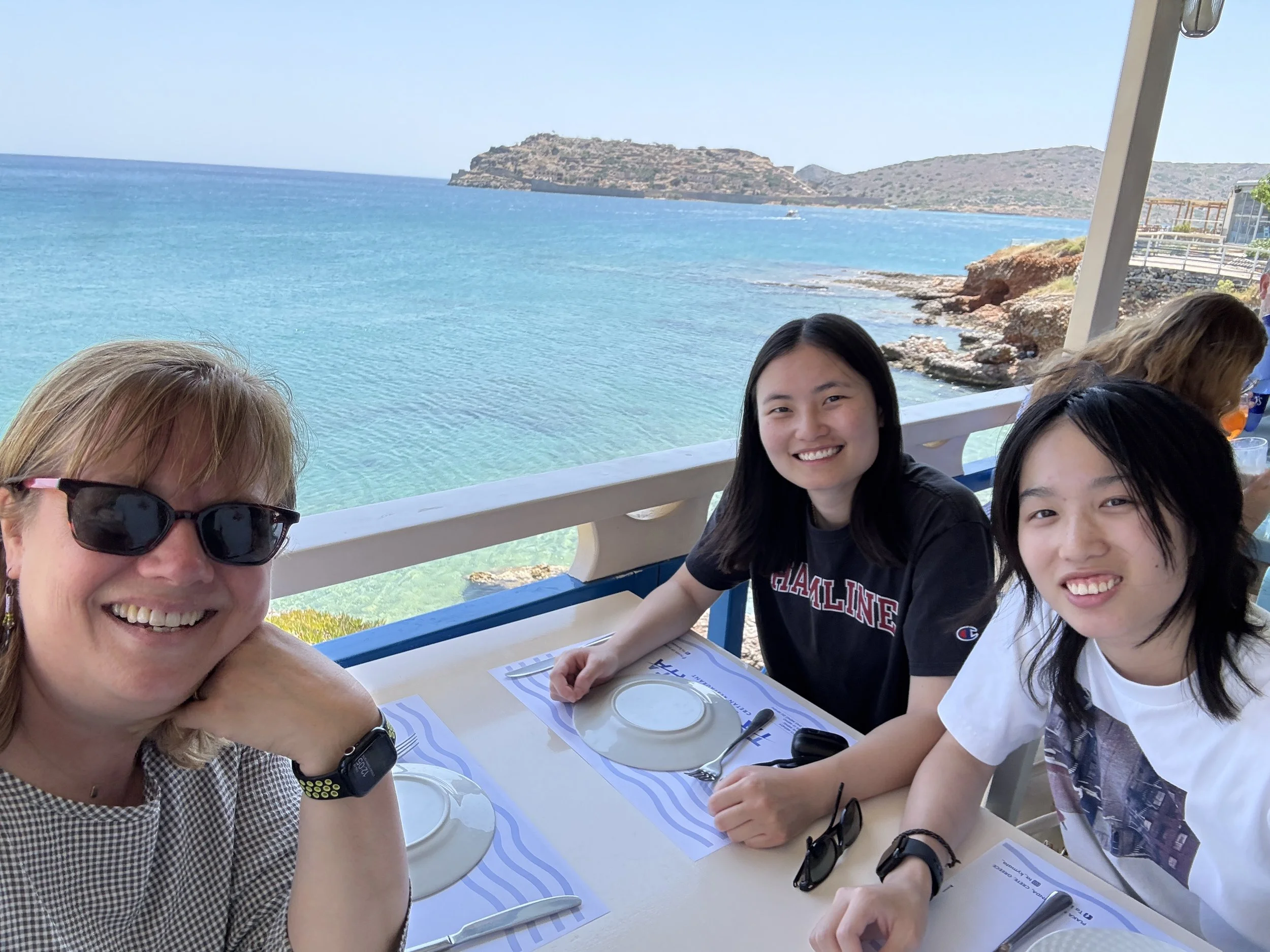
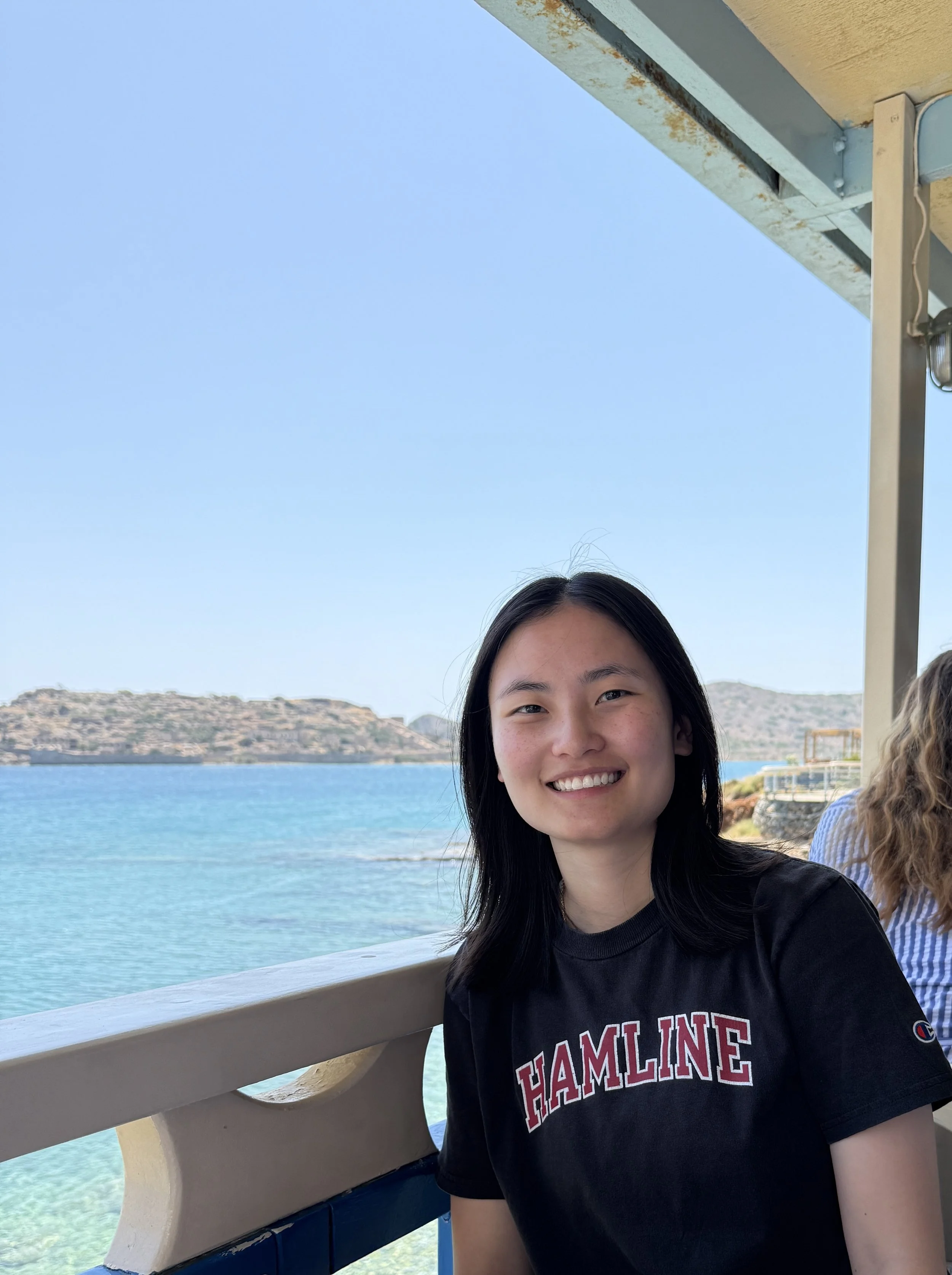
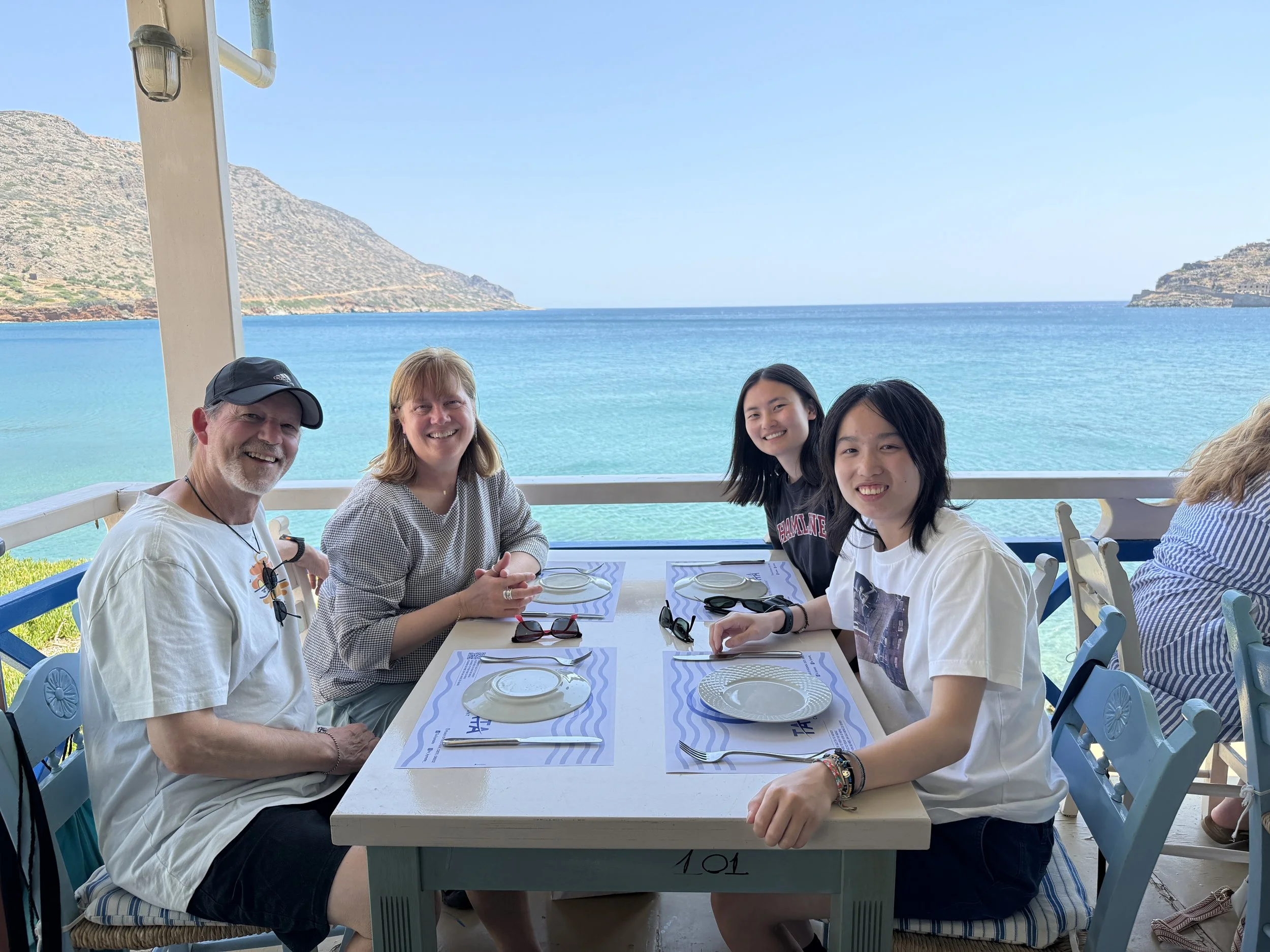
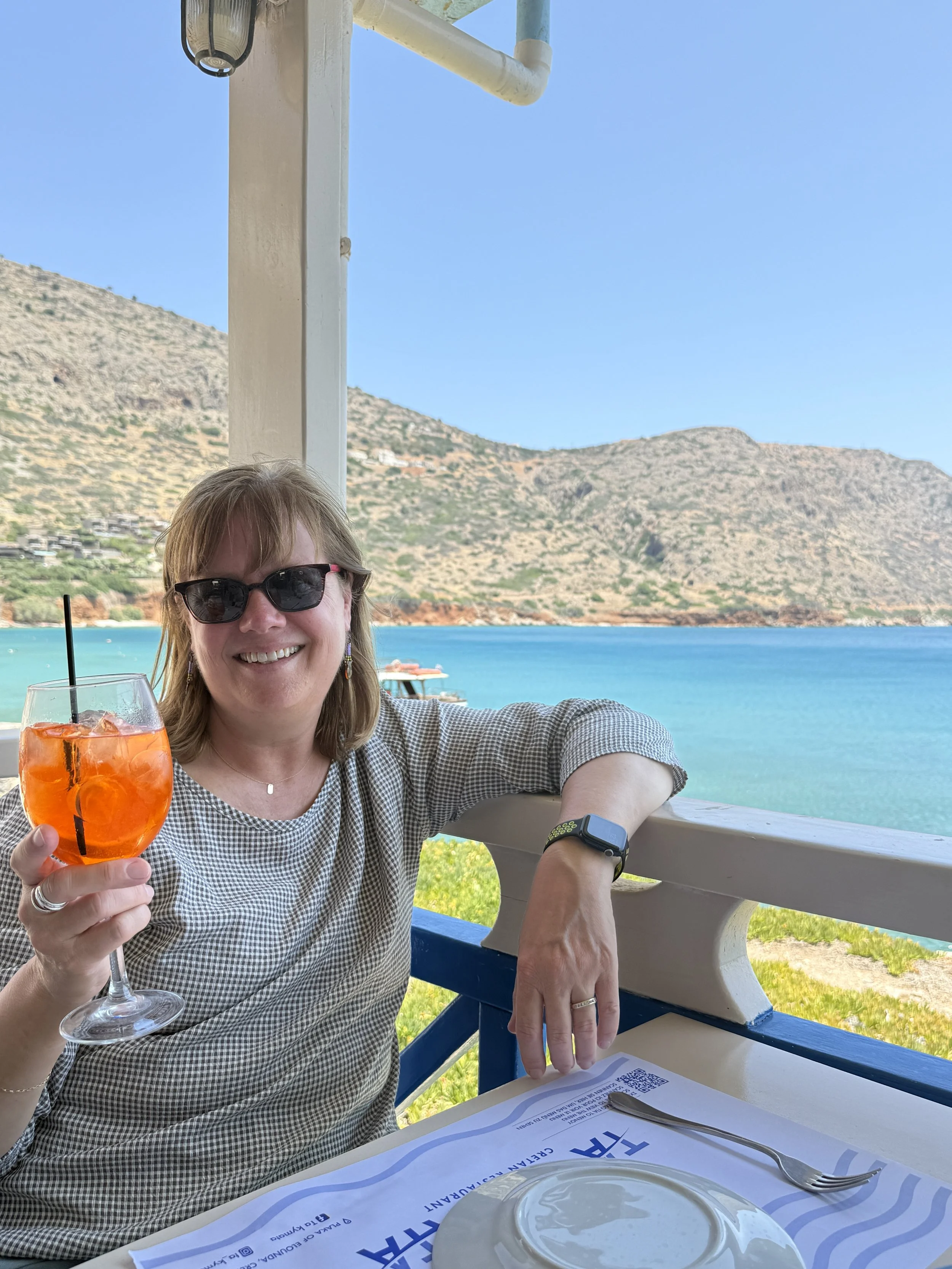
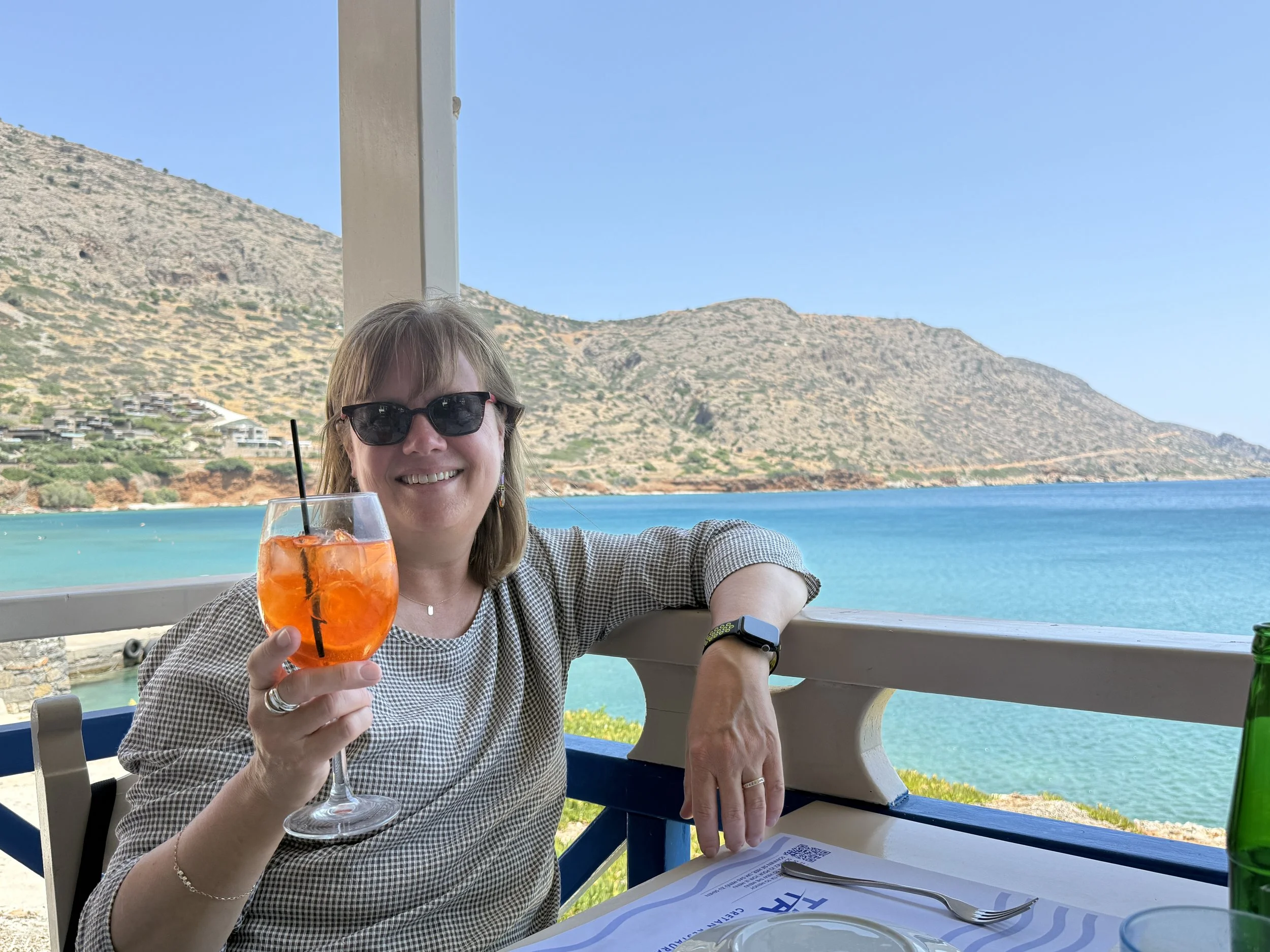
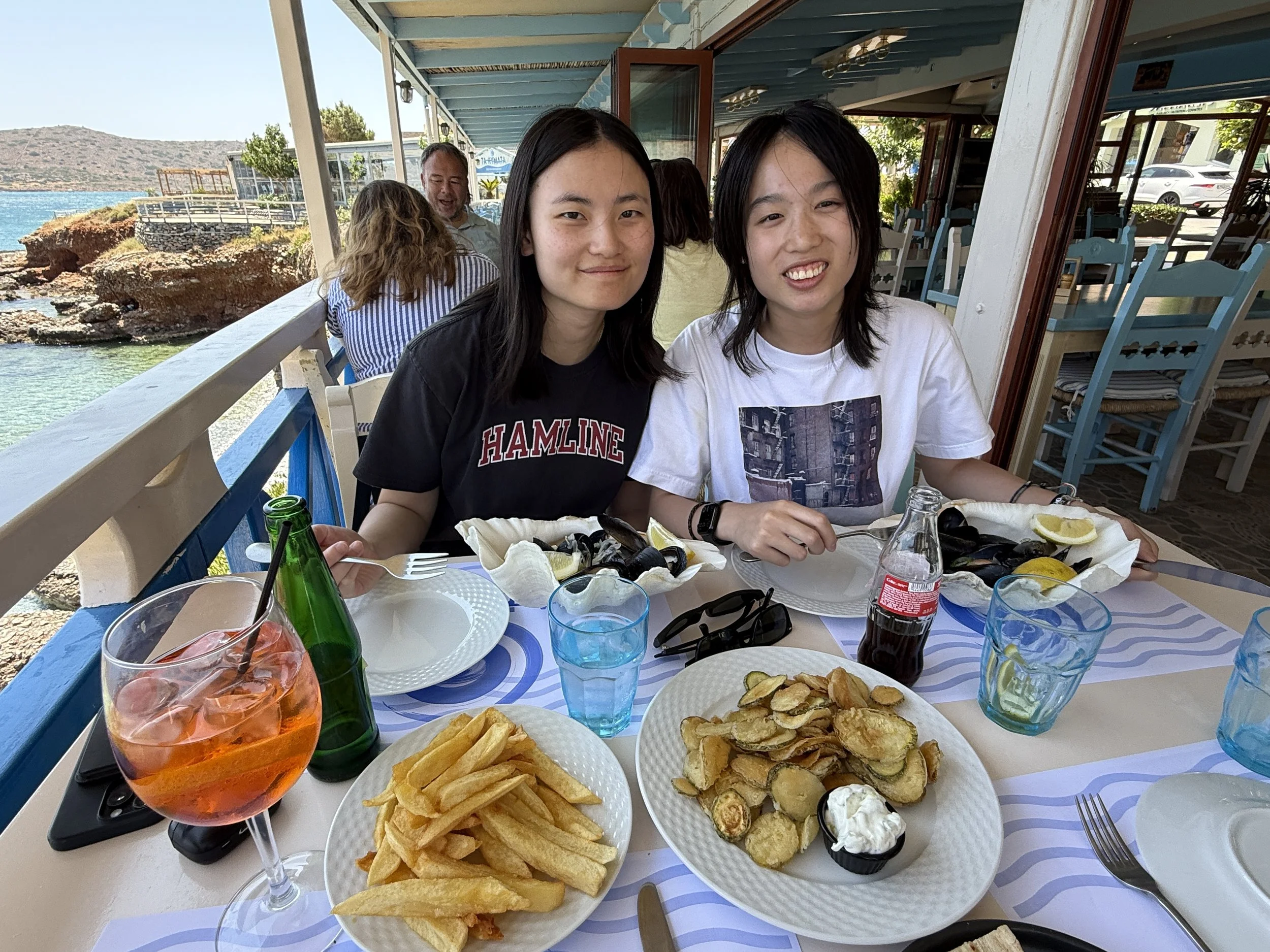
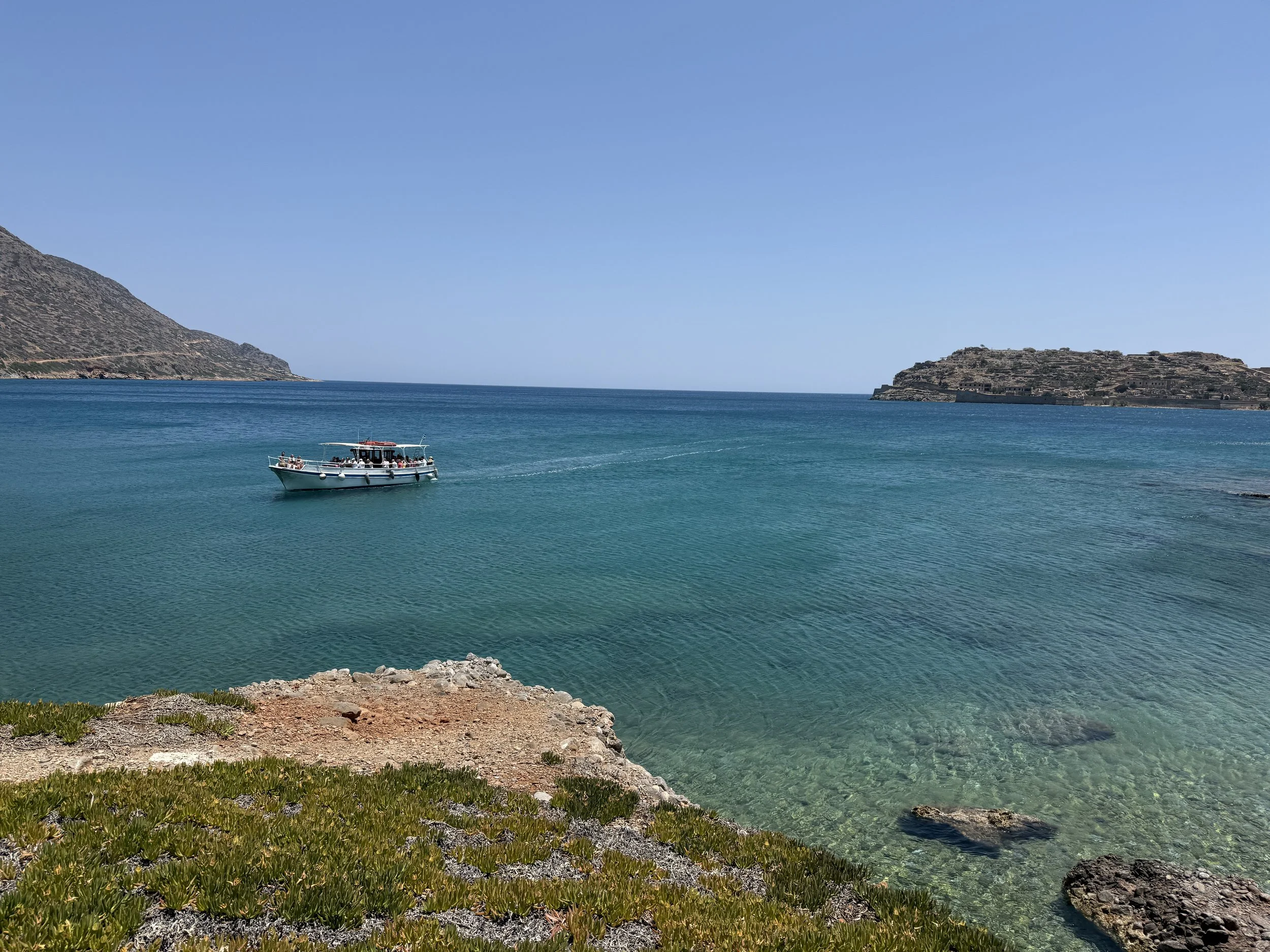
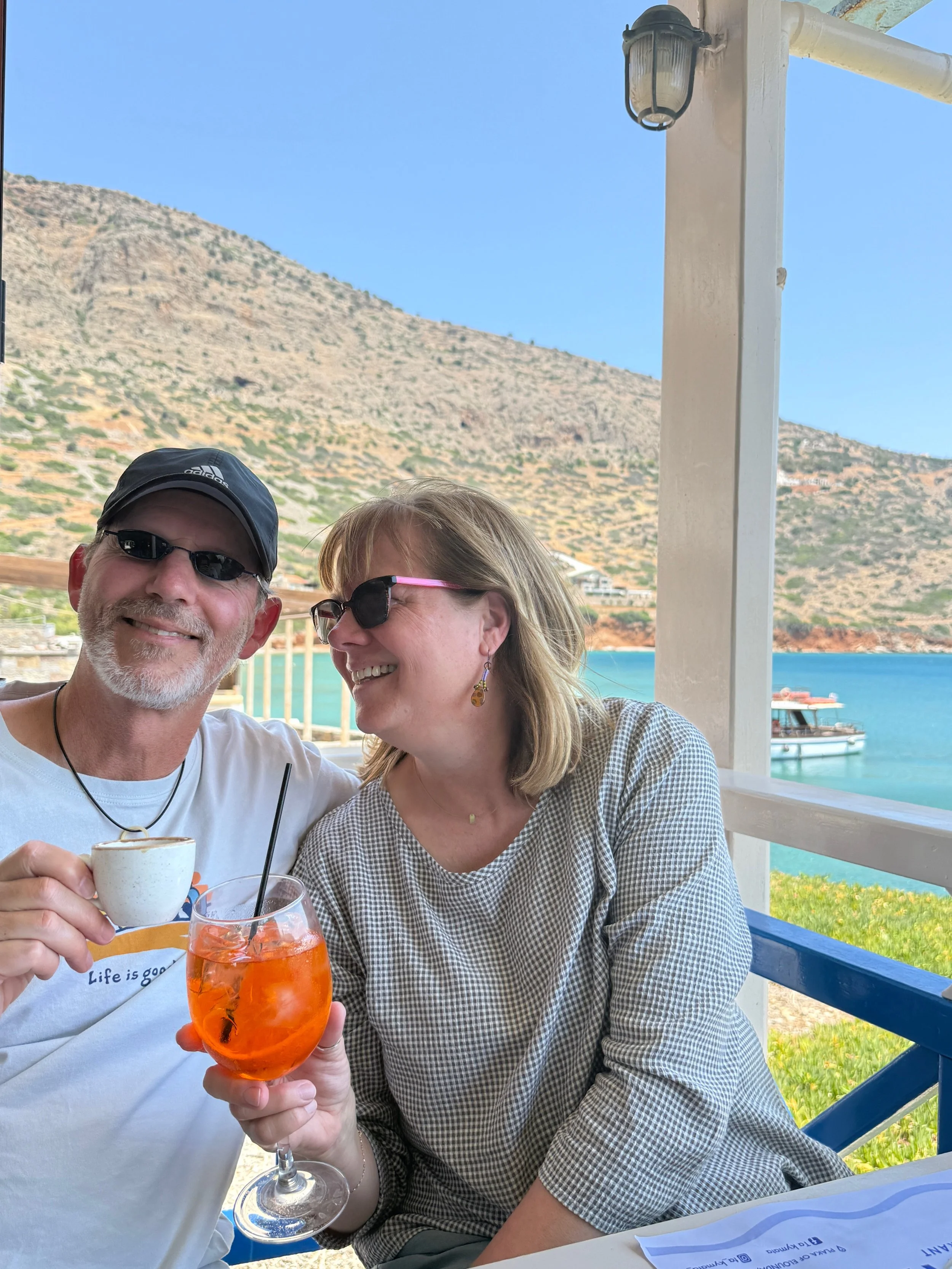
Along the coast, we visited the charming fishing village of Plaka, overlooking beautiful Mirabello Bay, where fishing boats bobbed against a backdrop of mountains and brilliant blue sea. From there, we crossed the water to Spinalonga, the haunting island fortress sometimes described as a “medieval ghost town.” Its stone walls, abandoned buildings, and complicated history stood in striking contrast to the beauty of the sea surrounding it.
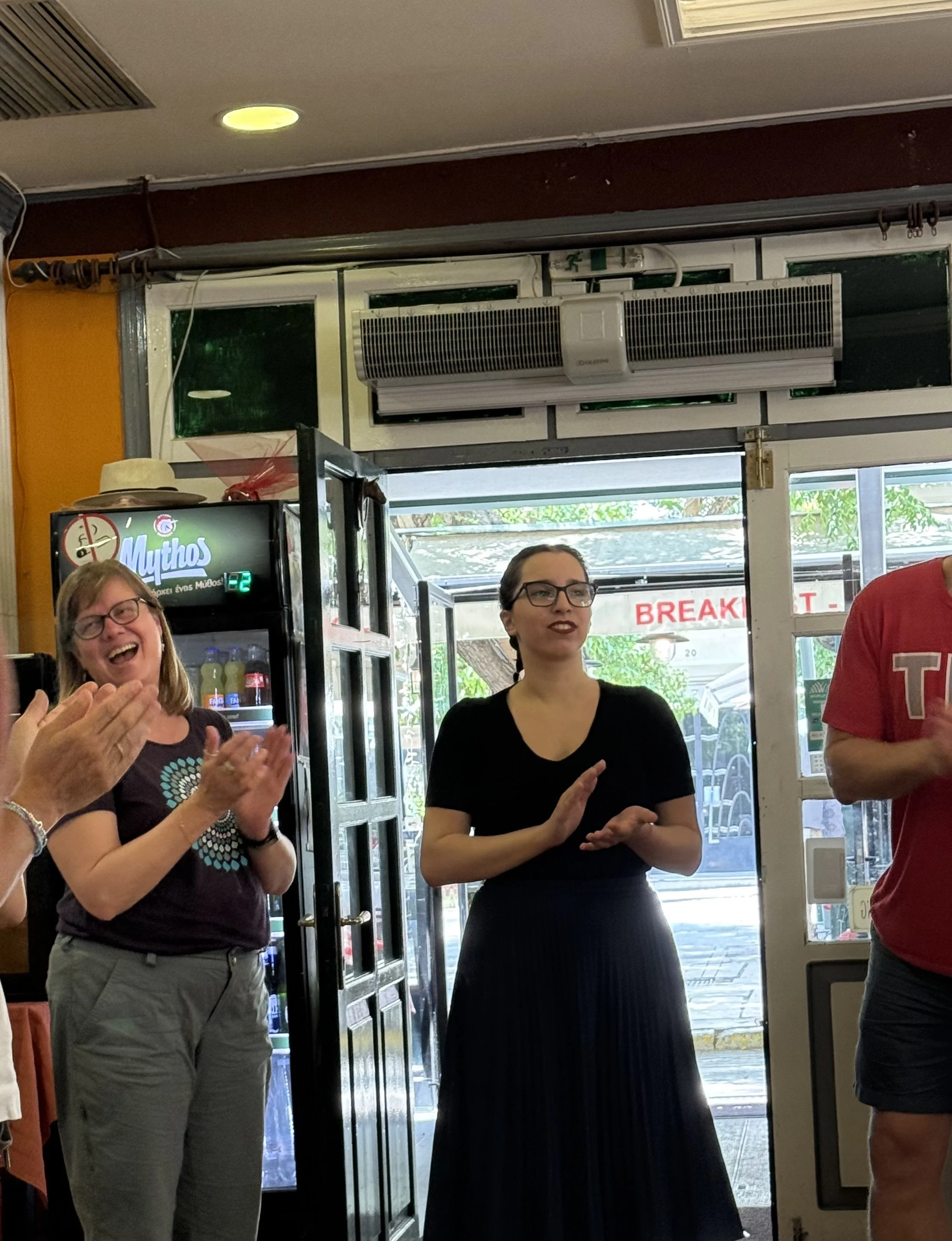
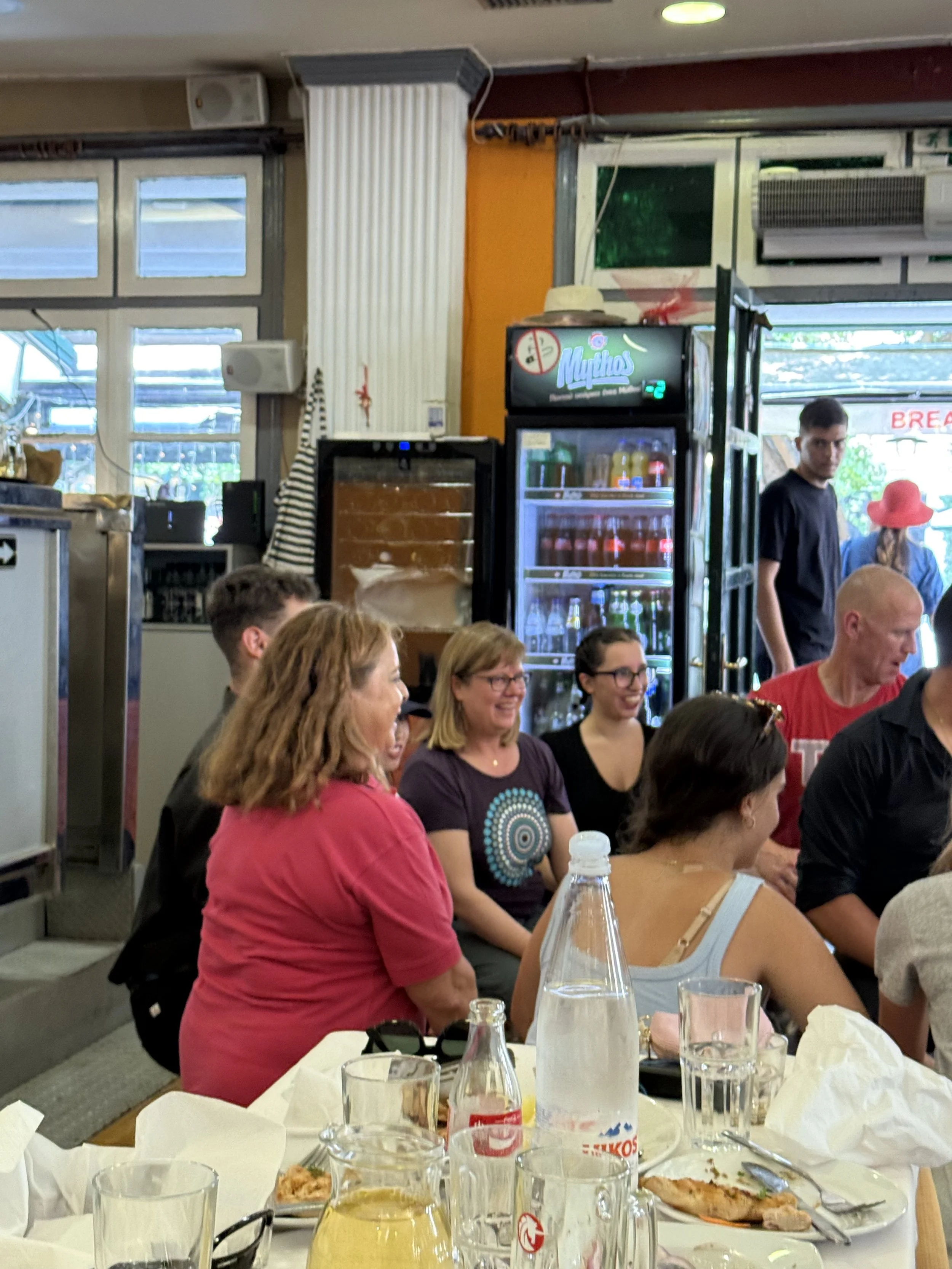
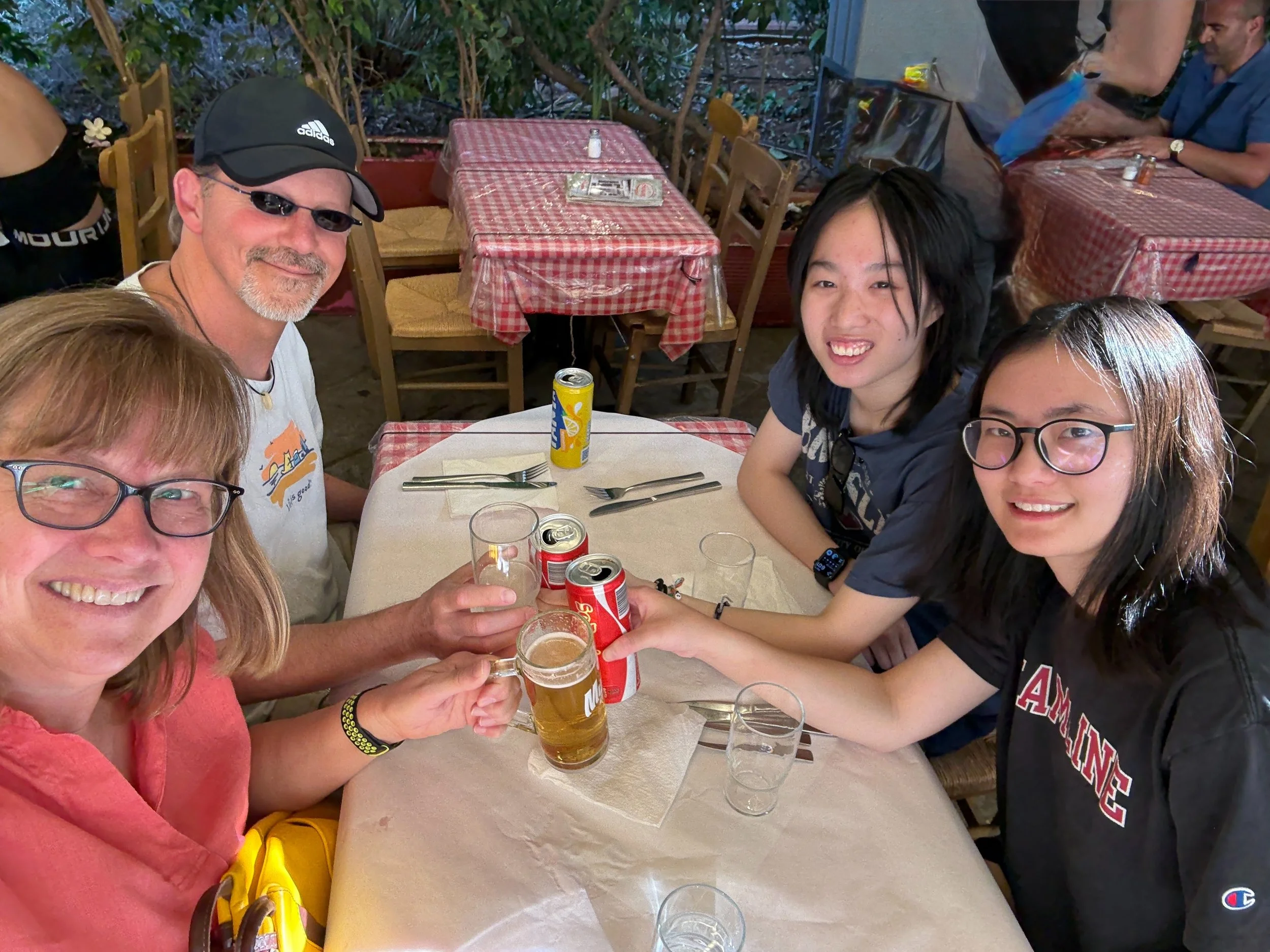
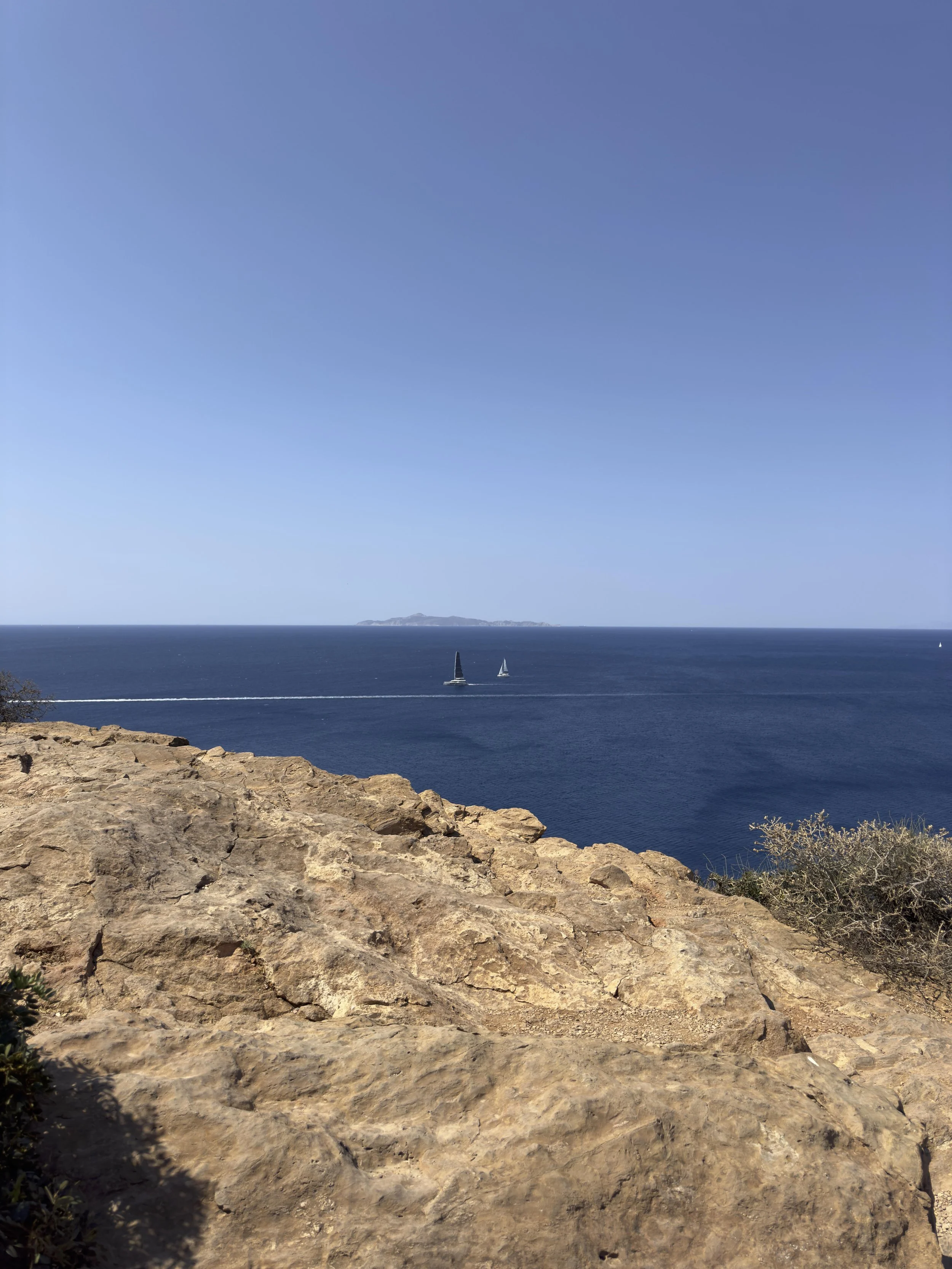
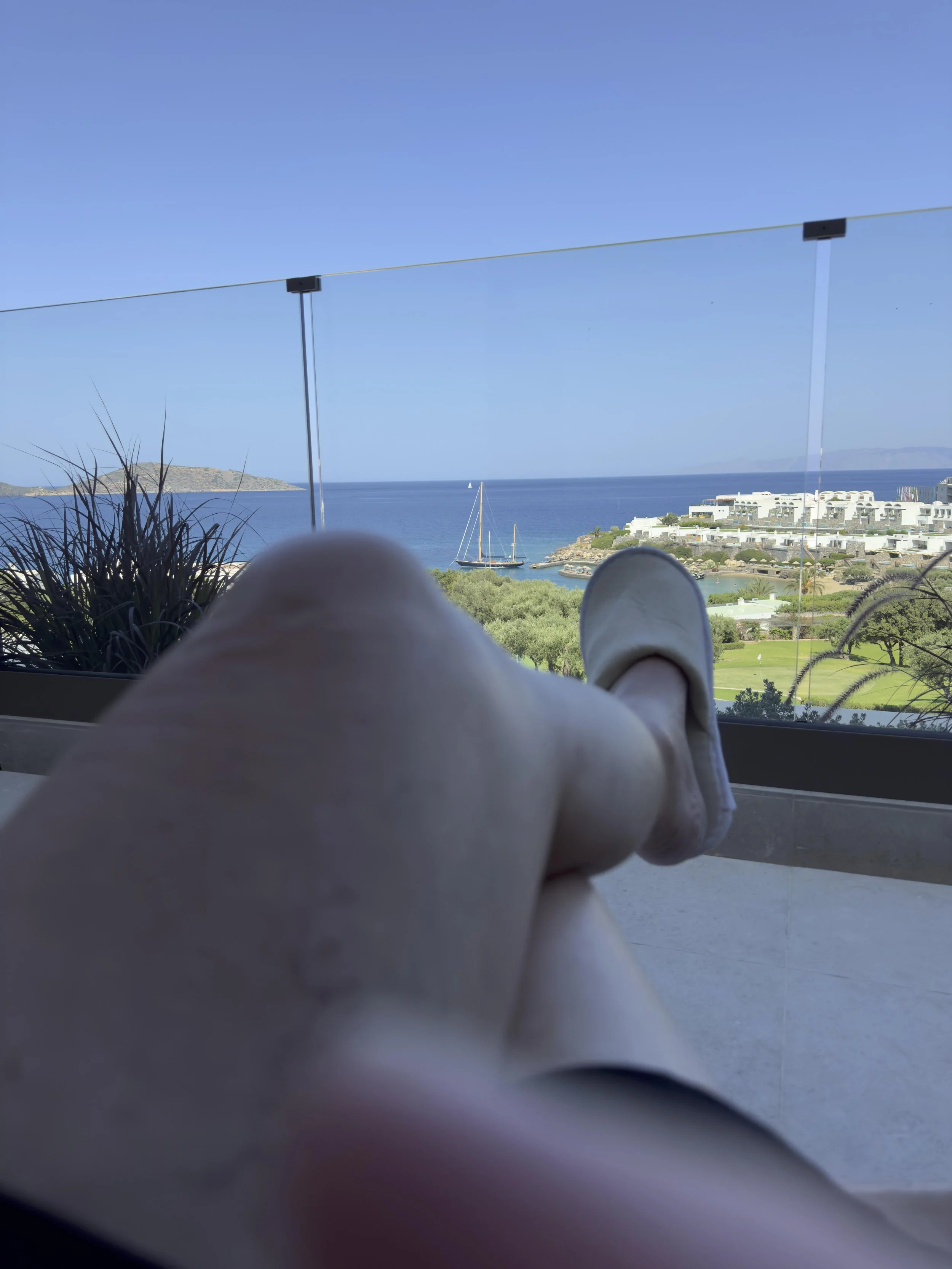
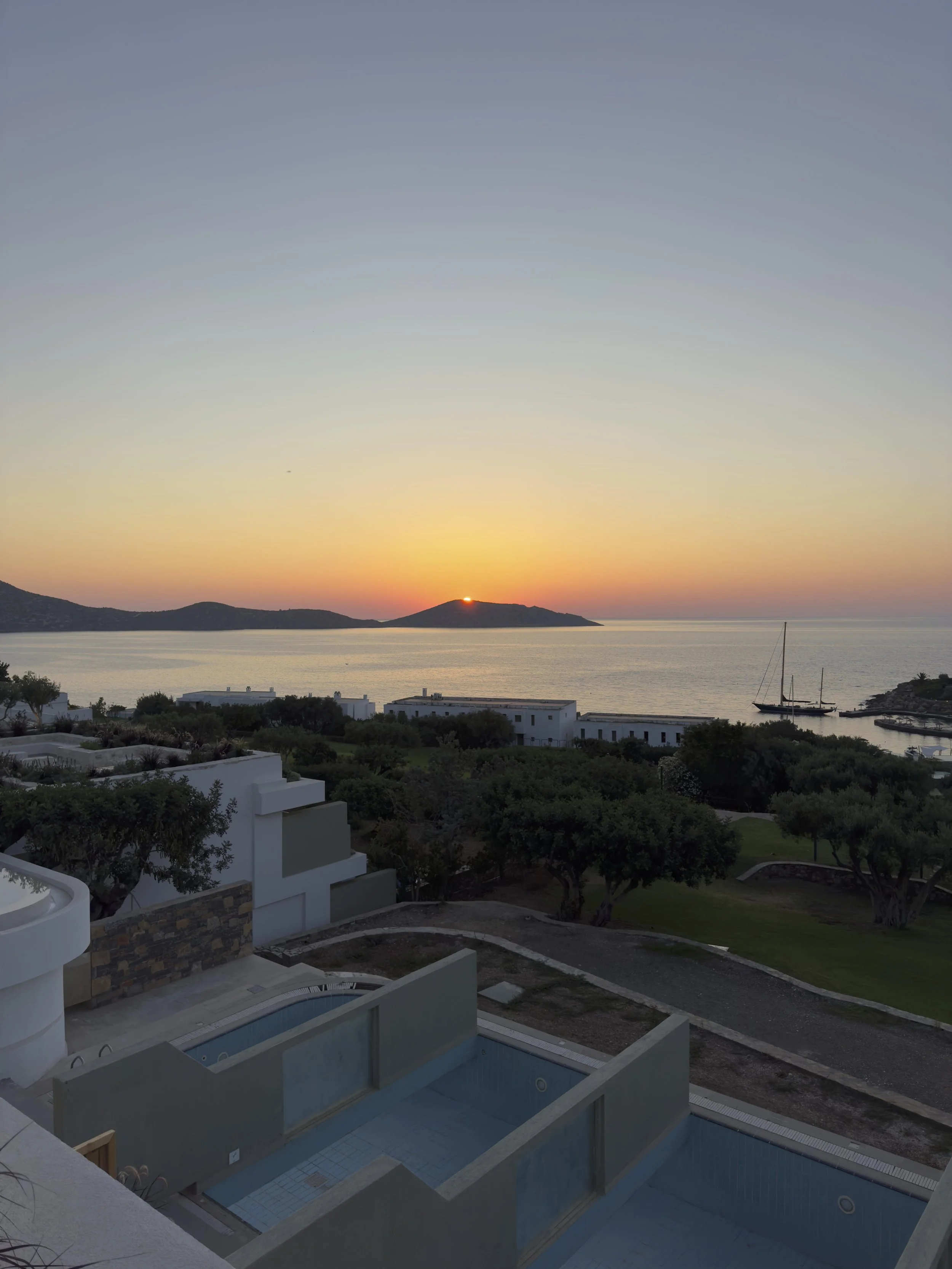
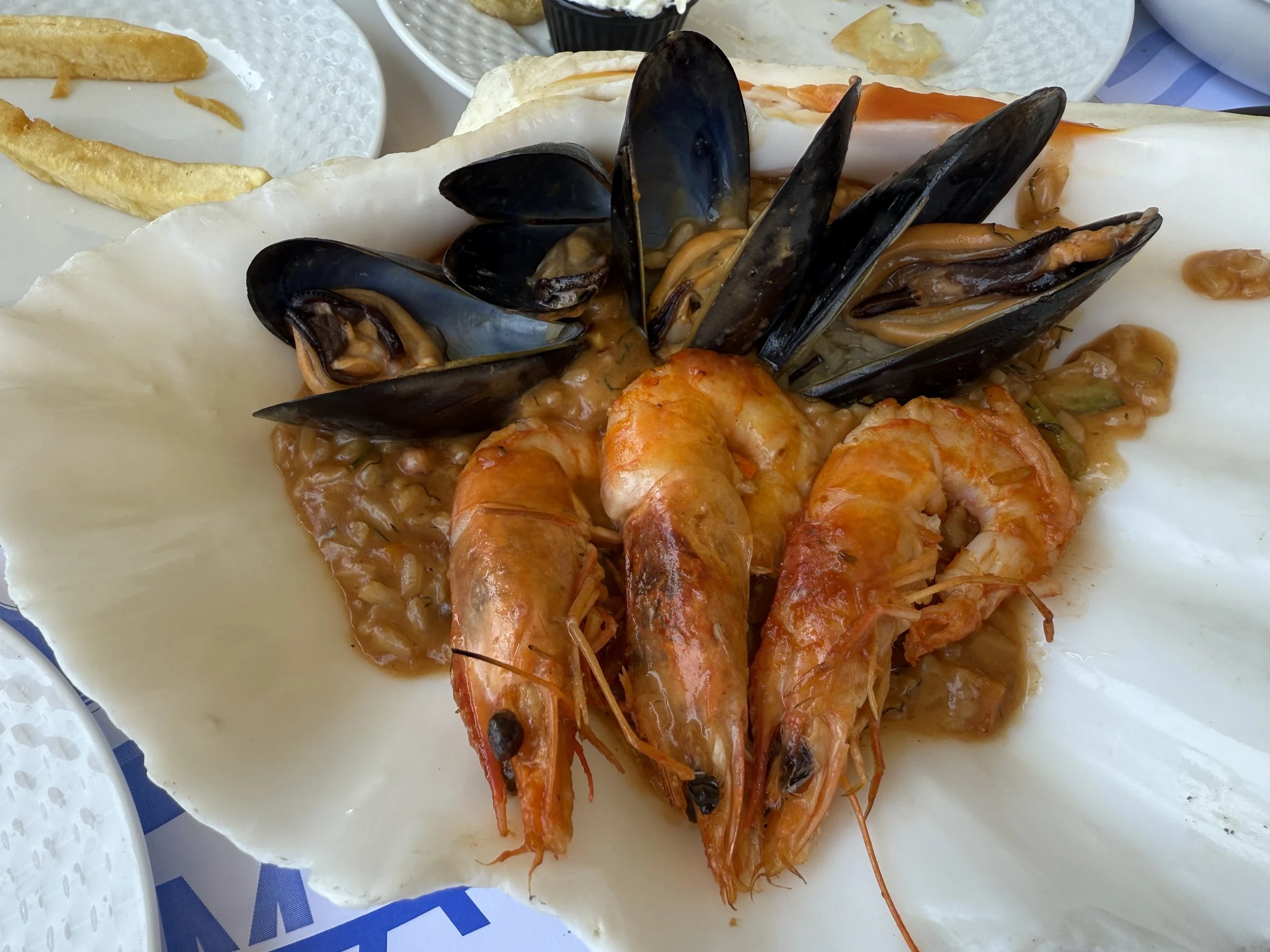
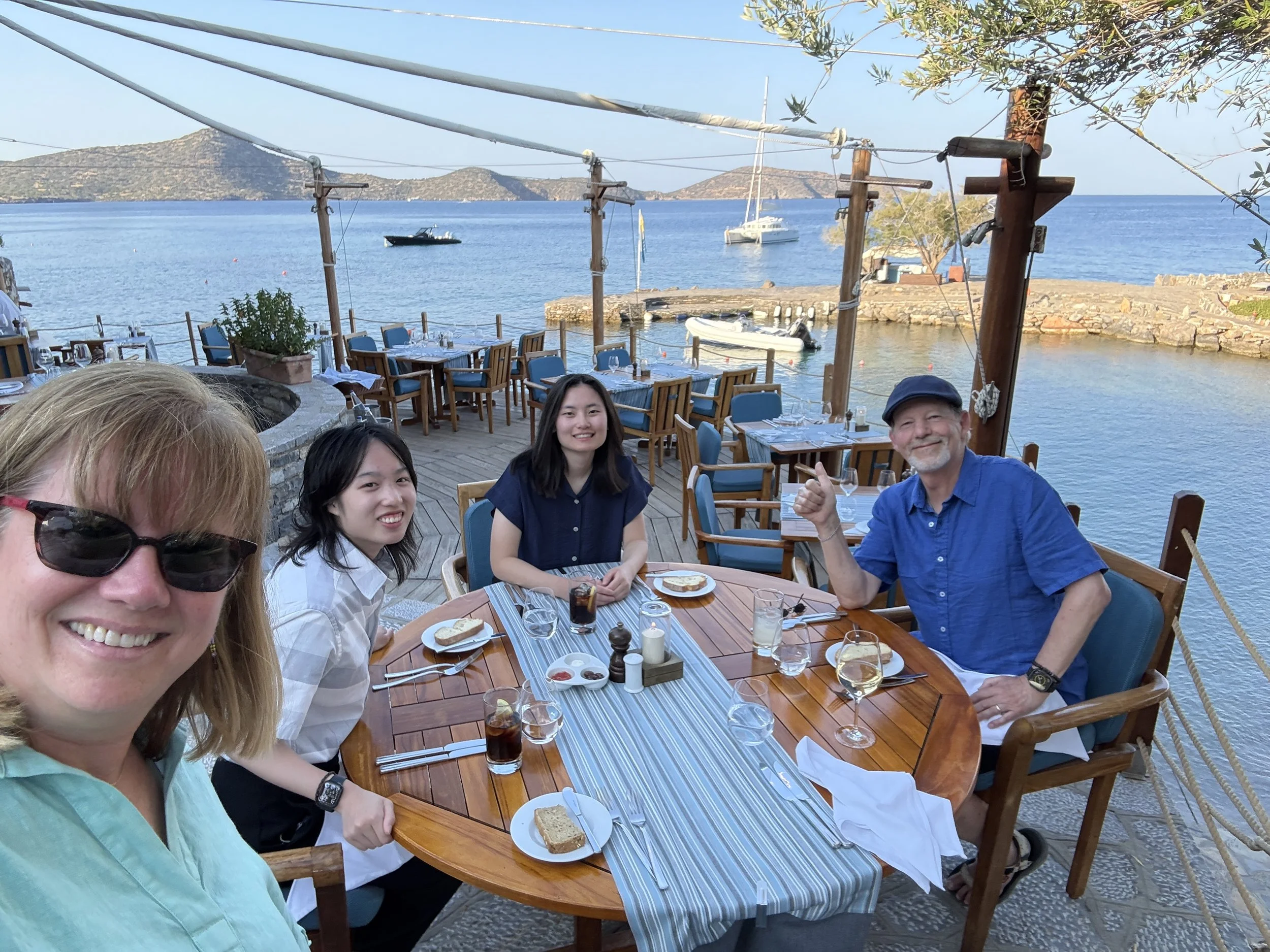
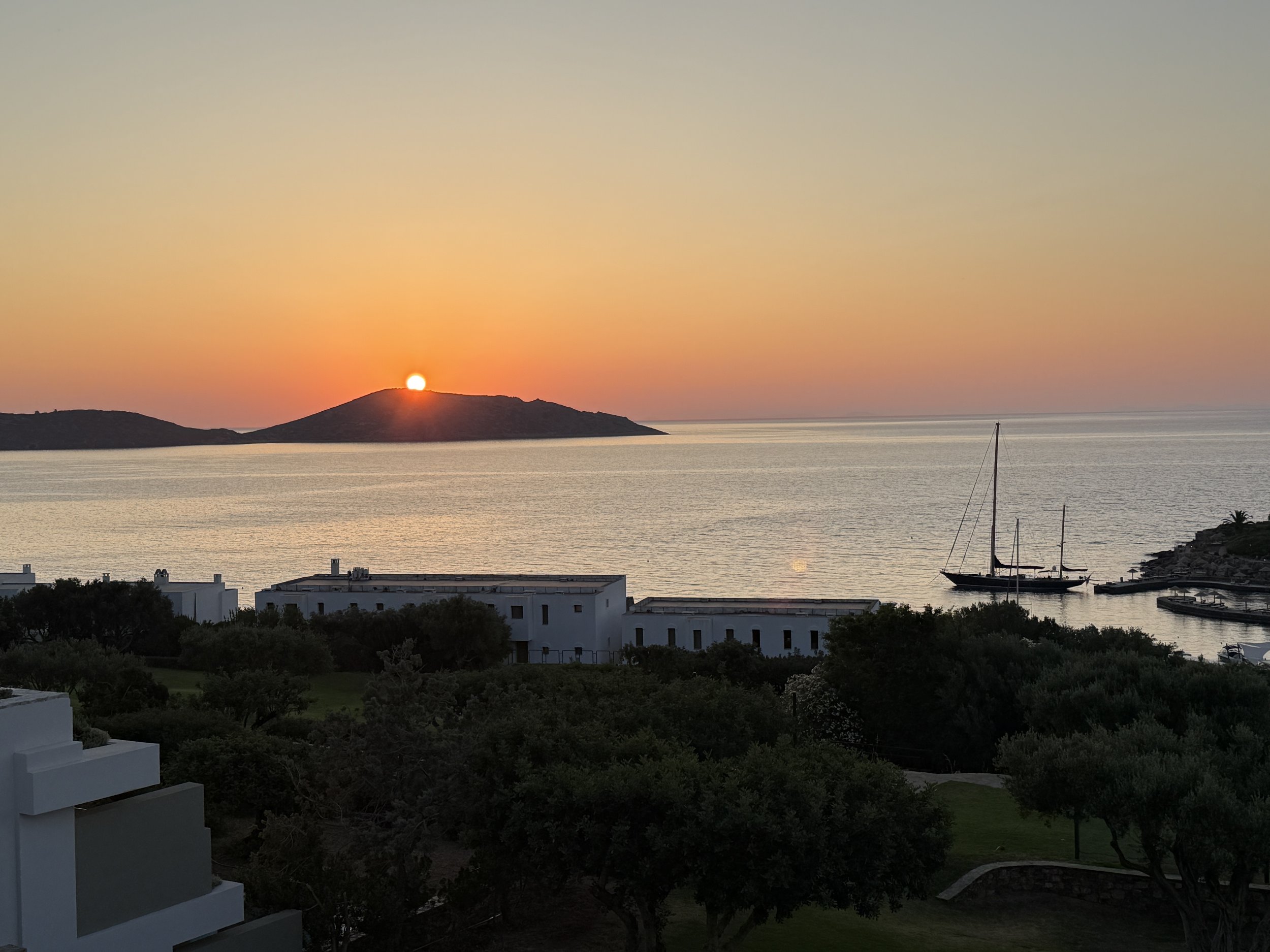
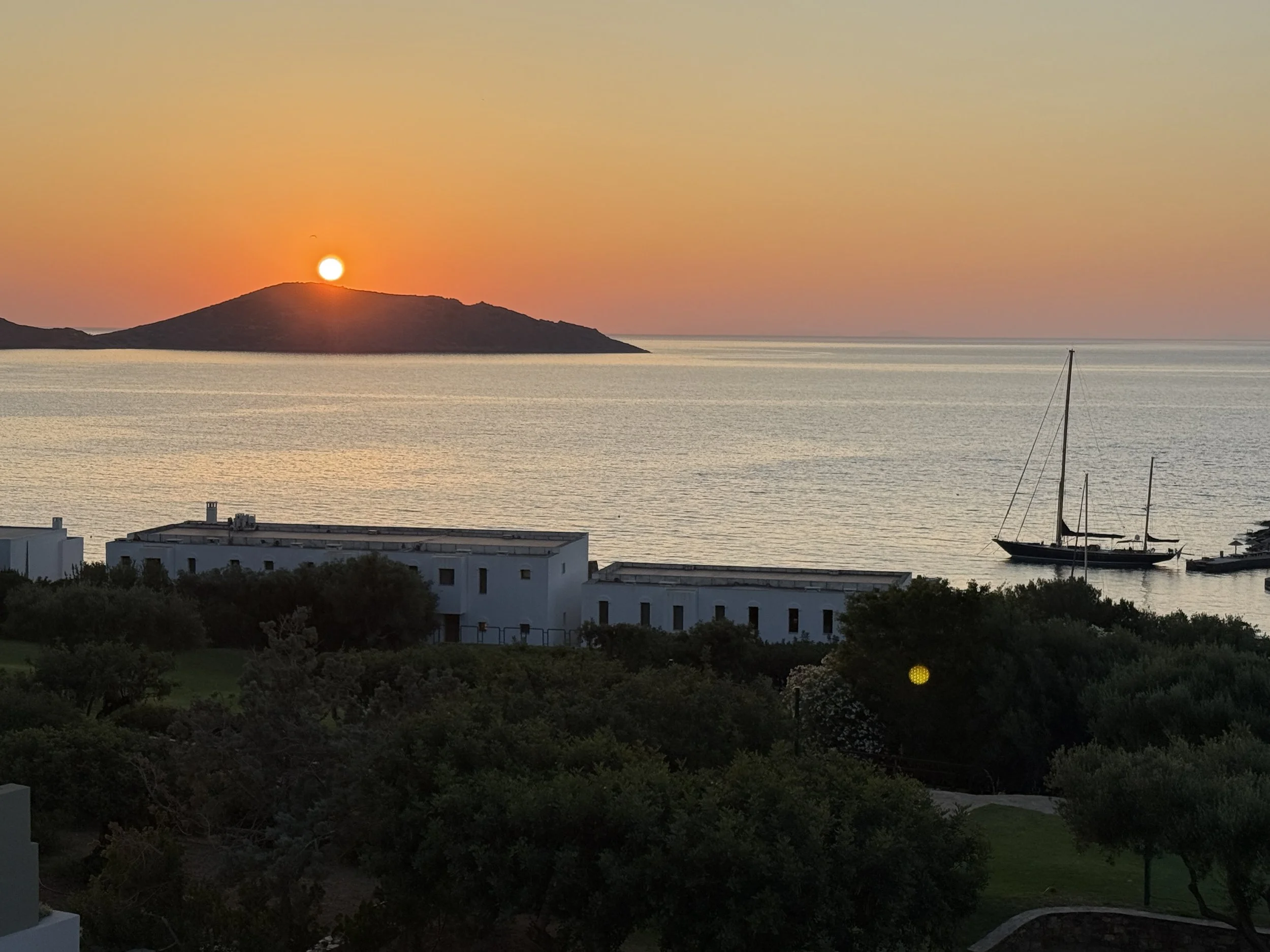
Greece was a journey of contrasts—ancient ruins and timeless villages, rugged volcanic landscapes and tranquil blue water, olive groves and vineyards, history and hospitality. And always, there was the sea: sparkling beneath the Mediterranean sun and making every view feel just a little unreal.